Heterociclos mixtos
En esta sección, encontrará una colección de compuestos cíclicos que tienen átomos de al menos dos elementos diferentes como miembros de la estructura del anillo. Los heterociclos mixtos son versátiles y ampliamente utilizados en la síntesis de productos farmacéuticos, agroquímicos y materiales debido a sus diversas propiedades químicas y actividades biológicas. Estos compuestos son esenciales en el desarrollo de moléculas complejas y materiales innovadores. En CymitQuimica, ofrecemos una amplia gama de heterociclos mixtos de alta calidad para apoyar sus investigaciones y aplicaciones industriales.
Subcategorías de "Heterociclos mixtos"
- 7H-Purina(1 productos)
- Azaindoles(25 productos)
- Benzofuranos(923 productos)
- Benzotiofenos(690 productos)
- Benzotriazoles(436 productos)
- Benzoxazina(30 productos)
- Benzoxazol(39 productos)
- Carbolines(37 productos)
- Indazoles(2.016 productos)
- Isoquinolina(1.063 productos)
- Morfolina(2.207 productos)
- Oxadiazoles(1.168 productos)
- Oxaziridinas(4 productos)
- Oxazol(152 productos)
- Pirazolo [1,5-a] piridina(232 productos)
- Pirido [2,3-b] pirazina(35 productos)
- Pirrolo [1,2-a] pirazina(11 productos)
- Pirrolo [1,2-b] piridazina(10 productos)
- Pirrolo [2,3-b] piridina(282 productos)
- Pirrolo [2,3-c] piridina(195 productos)
- Quinazolina(1.005 productos)
- Quinolinas(5.365 productos)
- Quinoxalina(436 productos)
- Tiadiazoles(475 productos)
- Tiazinas(124 productos)
- Tiazoles(4.489 productos)
- Tiomorfolina(371 productos)
- [1,2,3] Triazolo [4,5-b] piridina(20 productos)
- [1,2,4] Triazolo [4,3-a] piridina(161 productos)
Mostrar 21 subcategorías más
Se han encontrado 4831 productos de "Heterociclos mixtos"
Ordenar por
Pureza (%)
0
100
|
0
|
50
|
90
|
95
|
100
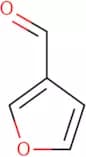
3-Furaldehyde
CAS:<p>Plant-derived; solvent</p>Fórmula:C5H4O2Pureza:Min. 96 Area-%Forma y color:Yellow To Dark Brown Clear LiquidPeso molecular:96.08 g/mol2-Iodothiazole
CAS:<p>2-Iodothiazole is a molecule that contains two iodine atoms. It is an isomeric compound of thiourea and 2-thiazolidine. The nucleophilic attack by the amide group on the magnesium leads to the formation of a magnesium amide complex, which can be hydrolyzed to get valine. This reaction can also be catalyzed by palladium complexes or vitamin B1, which results in one molecule of 2-iodothiazole being produced for each molecule of magnesium amide complex. The halides and diazonium salt are used as oxidizing agents in this reaction. 2-Iodothiazole can be synthesized from primary amines and iodides or halides. 2-Iodothiazole has been shown to inhibit bacterial growth by inhibiting RNA synthesis (ribosome binding) in bacteria such as Mycobacterium tuberculosis and Mycobacterium avium complex, but not in</p>Fórmula:C3H2INSPureza:Min. 95%Forma y color:Yellow PowderPeso molecular:211.03 g/mol2-Acetylfuran
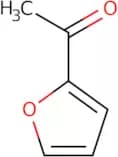
CAS:<p>2-Acetylfuran is a chemical compound that has been shown to have in vitro antifungal activity. It is an aromatic, hydroxylated compound with a 2-acetyl group and two double bonds, one of which is conjugated. 2-Acetylfuran has been used as a model system for the study of biological properties and kinetic data. It also inhibits the reaction by binding to the pyrimidine compound, preventing it from undergoing nucleophilic substitution. This inhibition can be reversed by adding ethyl decanoate to the reaction solution, which may be due to its ability to chelate the metal ion that activates the enzyme.2-Acetylfuran has been tested for its ability to inhibit fungal growth in tissue culture by inhibiting RNA synthesis. The matrix effect can cause variations in results obtained when using different solvents and this should be taken into account when conducting experiments with 2-acetylfuran.</p>Fórmula:C6H6O2Pureza:Min. 95%Forma y color:Yellow Clear LiquidPeso molecular:110.11 g/mol2,3-Dimethylbenzofuran
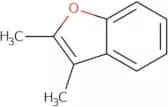
CAS:<p>2,3-Dimethylbenzofuran (2,3-DBF) is a specific interaction that is an inorganic chemical. It has shown genotoxic effects, such as DNA damage and chromosomal aberrations, in hl-60 cells. 2,3-DBF can be acetylated by the activity of acetyltransferases to form 2,3-dimethylbenzoic acid (DMBA). DMBA is oxidized by cytochrome P450 enzymes to form DMBA quinone. DMBA quinone reacts with deuterium isotope to form an ionizable compound which can then be hydrolyzed into benzoic acid and methyl alcohol. The oxidation products of 2,3-DBF have been studied using analytical methods such as gas chromatography and mass spectrometry. These analyses showed the presence of acidic hydrolysis products and ionizable compounds.</p>Fórmula:C10H10OPureza:Min. 98 Area-%Forma y color:Clear LiquidPeso molecular:146.19 g/molPhenoxazine
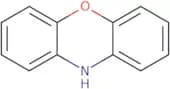
CAS:<p>Phenoxazine is a fluorescence probe that binds to DNA and has minimal toxicity. It is used in biological studies as a redox potential indicator to measure the electrochemical impedance of cells. Phenoxazine has been shown to have anti-inflammatory activity by inhibiting prostaglandin E2 levels in HL-60 cells. This drug also can be used as a model system for studying infectious diseases, such as tuberculosis, which are caused by mycobacteria. Phenoxazine has been shown to inhibit the growth of mycobacteria using an electrochemical impedance spectroscopy (EIS) polymerase chain reaction (PCR) technique.</p>Fórmula:C12H9NOPureza:Min. 96.5 Area-%Forma y color:Beige PowderPeso molecular:183.21 g/mol4-Hydroxy-2-thiophenecarboxylic acid
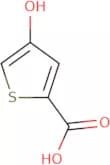
CAS:<p>4-Hydroxy-2-thiophenecarboxylic acid is a chemical intermediate that can be used in the production of various other chemicals. The compound is a versatile building block for complex compounds and fine chemicals. CAS No. 40748-90-1.</p>Fórmula:C5H4O3SPureza:Min. 95%Forma y color:PowderPeso molecular:144.15 g/mol2,5-Furandicarboxylic diethyl ester
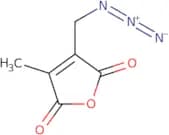
CAS:<p>2,5-Furandicarboxylic acid diethyl ester is a synthetic monomer that can be used in the production of polyesters. It is synthesized from primary alcohols by an acid-catalyzed reaction, followed by dehydration with phosphotungstic acid or heating to produce furanic and furfural. 2,5-Furandicarboxylic acid diethyl ester is a sustainable compound because it does not contain any toxic chemicals and it only contains one carbon atom that can be recycled into biomass. It has been shown to have control experiments and sequences that are similar to diglycerol.</p>Fórmula:C10H12O5Pureza:Min. 95%Forma y color:PowderPeso molecular:212.2 g/mol3-(Azidomethyl)-4-methyl-2,5-dihydrofuran-2,5-dione, 1M in acetonitrile
CAS:<p>Please enquire for more information about 3-(Azidomethyl)-4-methyl-2,5-dihydrofuran-2,5-dione, 1M in acetonitrile including the price, delivery time and more detailed product information at the technical inquiry form on this page</p>Fórmula:C6H5N3O3Pureza:Min. 95%Forma y color:PowderPeso molecular:167.12 g/molN2-Isobutyryl-5'-O-(4,4'-dimethoxytrityl)-2'-deoxyguanosine-3'-O-succinate triethylamine
CAS:<p>Please enquire for more information about N2-Isobutyryl-5'-O-(4,4'-dimethoxytrityl)-2'-deoxyguanosine-3'-O-succinate triethylamine including the price, delivery time and more detailed product information at the technical inquiry form on this page</p>Fórmula:C39H41N5O10•C6H15NPureza:Min. 95%Peso molecular:840.96 g/mol1,5-Anhydro-D-glucitol 6-dihydrogenphosphate disodium
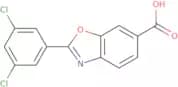
CAS:<p>Please enquire for more information about 1,5-Anhydro-D-glucitol 6-dihydrogenphosphate disodium including the price, delivery time and more detailed product information at the technical inquiry form on this page</p>Fórmula:C6H13O8P•Na2Pureza:Min. 95%Peso molecular:290.12 g/mol2-(3,5-Dichlorophenyl)-6-benzoxazole carboxylic acid
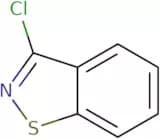
CAS:<p>2-(3,5-Dichlorophenyl)-6-benzoxazole carboxylic acid (XZP) is a diagnostic agent used in the diagnosis of certain diseases. XZP binds to the matrix metalloproteinases and inhibits their activity, which has been shown to reduce the effects of these enzymes on collagen fibers. This inhibition can be demonstrated using a titration calorimetry technique. The drug is also a potential therapeutic agent for congestive heart failure, as it can stimulate cardiac natriuretic peptide levels and reduce transthyretin levels. XZP has also been shown to be an effective adjunct therapy in vancomycin therapy for treatment of tubulointerstitial injury in rats.</p>Fórmula:C14H7Cl2NO3Pureza:Min. 98 Area-%Forma y color:PowderPeso molecular:308.12 g/mol3-Chloro-1,2-benzisothiazole
CAS:<p>3-Chloro-1,2-benzisothiazole is a nucleophilic agent with a hydrogen bond donor. It has been shown to inhibit the replication of RNA in the presence of adenosine triphosphate (ATP) and to bind to amines. 3-Chloro-1,2-benzisothiazole is used as an inhibitor for non-nucleoside reverse transcriptase inhibitors. It has been shown to have high potency and strong inhibitory activity against HIV and other retroviruses. 3-Chloro-1,2-benzisothiazole also inhibits vibrational modes associated with enzymatic reactions.</p>Fórmula:C7H4ClNSPureza:Min. 95%Forma y color:PowderPeso molecular:169.63 g/mol4-(Cyclopropylmethyl)-1-oxa-4,9-diazaspiro[5.5]undecan-3-one hydrochloride
<p>Please enquire for more information about 4-(Cyclopropylmethyl)-1-oxa-4,9-diazaspiro[5.5]undecan-3-one hydrochloride including the price, delivery time and more detailed product information at the technical inquiry form on this page</p>Fórmula:C12H20N2O2•(HCl)xPureza:Min. 95%Forma y color:PowderHydrochlorothiazide-d2
CAS:Producto controlado<p>Please enquire for more information about Hydrochlorothiazide-d2 including the price, delivery time and more detailed product information at the technical inquiry form on this page</p>Fórmula:C7H6ClD2N3O4S2Pureza:Min. 95%Forma y color:PowderPeso molecular:299.75 g/molLevoglucosenone
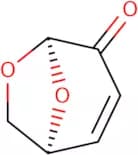
CAS:<p>Levoglucosenone is a molecule that inhibits the reaction mechanism of glycosidic bond formation. It is used in biochemical research to study reactions that involve surface methodology, such as hydroxyl group formation and zirconium oxide deposition. Levoglucosenone can be used to inhibit the acid formation that occurs during the reaction between nitrite ion and a chiral compound. The reactant solution can be activated by adding levoglucosenone to it, which will then inhibit the reaction. Sample preparation for these types of experiments involves dissolving the reactant solution in water and adding ammonium hydroxide to it, followed by adding a small amount of levoglucosenone.</p>Fórmula:C6H6O3Pureza:Min. 95%Forma y color:Clear LiquidPeso molecular:126.11 g/mol1,2-Naphthoquinone-4-sulfonic acid potassium salt
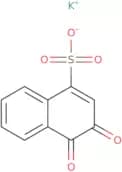
CAS:<p>1,2-Naphthoquinone-4-sulfonic acid potassium salt is a pesticide that has been shown to be active against many types of insects. It is used as an insecticide and acaricide in agriculture, horticulture, and forestry. The compound is stable and does not hydrolyze in water, making it easy to handle. This product is also a natural product that can be synthesized from cyanamide and amines, which are both commercially available. 1,2-Naphthoquinone-4-sulfonic acid potassium salt has been found to be effective at killing insects when injected into their bodies with the use of a syringe or when sprayed on the surface where they live. GC–MS analysis has shown that this compound contains no reactive functional groups or substances that would cause harm to humans or animals. Research has shown this product to be safe for use in food crops and animal feed.</p>Fórmula:C10H5O5SKPureza:Min. 98 Area-%Forma y color:Orange PowderPeso molecular:276.31 g/molTetrahydrofurfuryl alcohol
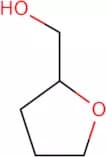
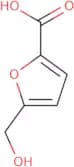
CAS:<p>Tetrahydrofurfuryl alcohol is a clear, colorless liquid. It has a boiling point of 176 °C and a flash point of -40 °C. Tetrahydrofurfuryl alcohol is soluble in water and glycol ethers. This compound is used as an industrial solvent for paints, dyes, lacquers, varnishes, and other coatings. Tetrahydrofurfuryl alcohol also serves as an excellent catalyst for hydrogenation reactions. The use of tetrahydrofurfuryl alcohol as a catalyst for the hydrogenation of unsaturated hydrocarbons to produce saturated compounds is well known. Tetrahydrofurfuryl alcohol may be injected into the body to treat conditions such as epilepsy and depression. This drug can also be used as a transfer reagent in organic synthesis reactions that require transfer of the tetra-hydro-group from one reactant to another.</p>Fórmula:C5H10O2Pureza:Min. 95%Forma y color:Colorless Clear LiquidPeso molecular:102.13 g/mol5-Hydroxymethyl-2-furancarboxylic acid
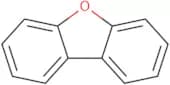
CAS:<p>5-Hydroxymethylfurfural (5-HMF) is a structural analysis of the high values obtained in the reaction solution. 5-HMF is a polymerase chain reaction product that is obtained from p-hydroxybenzoic acid and malonic acid during the enzymatic conversion of carbohydrates. It can be used as a biocompatible polymer. The reaction mechanism for this process has been proposed to be through the formation of pyrazinoic acid, followed by an elimination reaction with chlorogenic acids. This mechanism is supported by modeling studies, which show that pyrazinoic acid is a key intermediate in the conversion of glucose to 5-HMF.</p>Fórmula:C6H6O4Pureza:Min. 95%Forma y color:White PowderPeso molecular:142.11 g/molDibenzofuran
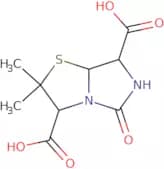
CAS:<p>Dibenzofuran is a polycyclic aromatic hydrocarbon (PAH) that can be found in the environment and in living organisms. The body mass index, concentrations of dibenzofurans in maternal blood, and analytical method are factors that determine the levels of this compound. Dibenzofurans have been shown to induce enzyme activities in human serum. It is also an oral pathogen for humans, causing health problems such as DNA damage and cancer. Dibenzofurans are metabolized by cytochrome P450 enzymes and can react with other PAHs to form polychlorinated dibenzodioxins. Structural analysis shows nitrogen atoms on the benzene ring, which are essential for biological properties such as mutagenicity.</p>Fórmula:C12H8OPureza:Min. 95%Forma y color:White PowderPeso molecular:168.19 g/mol8-Hydroxypenillic acid
CAS:<p>8-Hydroxypenillic acid is an intermediate in the synthesis of penicillin. It is produced by the enzyme 8-hydroxylase, which converts L-lysine to L-3,4-dihydroxyphenylalanine. This reaction requires a number of cofactors, including magnesium ions and oxygen. The product is then converted to 8-hydroxypenillic acid by the enzyme hydroxypenicillinase. Inhibition of this enzyme leads to accumulation of 8-hydroxypenillic acid, which can be used as a biomarker for production of penicillin.</p>Fórmula:C9H12N2O5SPureza:Min. 95%Forma y color:PowderPeso molecular:260.27 g/mol




![4-(Cyclopropylmethyl)-1-oxa-4,9-diazaspiro[5.5]undecan-3-one hydrochloride](/_next/image/?url=https%3A%2Fstatic.cymitquimica.com%2Fproducts%2F3D%2Fthumb-webp%2FFC182982.webp&w=3840&q=75)