Bencenos
Subcategorías de "Bencenos"
- Benzamidas(62 productos)
- Ácidos benzoicos(5.474 productos)
- Alcoholes bencílicos(1.457 productos)
- Bencenos halogenados(33.965 productos)
- Fenoles(2.661 productos)
Se han encontrado 11885 productos de "Bencenos"
(Z)-N-(1-Chloro-1-(2-cyanophenyl)-3-oxo-3-(piperidin-1-yl)prop-1-en-2-yl)benzamide
CAS:Pureza:95.0%Peso molecular:393.86999511718752-(4-Nitrophenylthio)benzoic acid
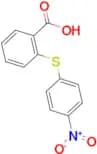
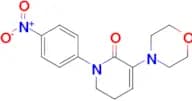
CAS:Fórmula:C13H9NO4SPureza:95.0%Forma y color:SolidPeso molecular:275.283-Morpholino-1-(4-nitrophenyl)-5,6-dihydropyridin-2(1H)-one
CAS:Pureza:95.0%Forma y color:SolidPeso molecular:303.31799316406254′-Fluoro-3′-nitro-[1,1′-biphenyl]-3-carboxylic acid
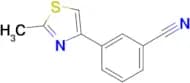
CAS:Fórmula:C13H8FNO4Pureza:95.0%Forma y color:SolidPeso molecular:261.2086-(3-nitrophenyl)-[1,2,4]triazolo[4,3-b]pyridazine-3-thiol
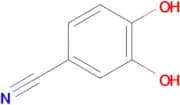
CAS:Pureza:95.0%Peso molecular:273.0320454643,4-Dihydroxybenzonitrile
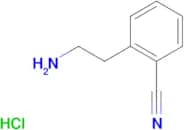
CAS:Fórmula:C7H5NO2Pureza:95%Forma y color:White powderPeso molecular:135.1222-Cyanophenylethylamine hydrochloride
CAS:Pureza:97.0%Forma y color:SolidPeso molecular:182.649993896484382-[Cyano(4-fluorophenyl)methyl]benzonitrile
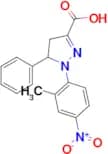
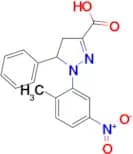
CAS:Fórmula:C15H9FN2Pureza:95.0%Forma y color:SolidPeso molecular:236.2491-(2-methyl-4-nitrophenyl)-5-phenyl-4,5-dihydro-1H-pyrazole-3-carboxylic acid
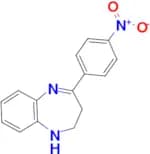
CAS:Pureza:95.0%Peso molecular:325.32400512695312-(4-nitrophenyl)-2,3,4,5-tetrahydro-1H-1,5-benzodiazepine
CAS:Pureza:95.0%Peso molecular:269.3039855957031N-[2-(4-Methylphenyl)-1-[(4-nitrophenyl)amino]-2-oxoethyl]-2-furancarboxamide
CAS:Peso molecular:379.372009277343758-ethyl-4-(4-methyl-3-nitrobenzoyl)-1-oxa-4,8-diazaspiro[4.5]decane-3-carboxylic acid
CAS:Pureza:95.0%Peso molecular:377.39700317382813',6'-Bis(diethylamino)-2-(4-nitrophenyl)spiro[isoindoline-1,9'-xanthen]-3-one
CAS:Pureza:98% NPeso molecular:562.66998291015621-(2-methyl-5-nitrophenyl)-5-phenyl-4,5-dihydro-1H-pyrazole-3-carboxylic acid
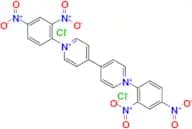
CAS:Pureza:95.0%Peso molecular:325.32400512695311,1'-Bis(2,4-dinitrophenyl)-4,4'-bipyridinium dichloride
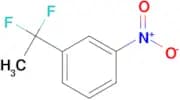
CAS:Pureza:98%Peso molecular:561.28997802734381-(1,1-Difluoroethyl)-3-nitrobenzene
CAS:Fórmula:C8H7F2NO2Pureza:97%Forma y color:Solid, Low Melting SolidPeso molecular:187.146ETHYL 2-CYANO-3-((2-IODO-4-NITROPHENYL)AMINO)ACRYLATE
CAS:Pureza:90.0%Peso molecular:387.13299560546875Ref: 10-F530671
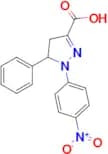
1gA consultar2gA consultar5gA consultar10gA consultar100mgA consultar250mgA consultar500mgA consultar1-(4-nitrophenyl)-5-phenyl-4,5-dihydro-1H-pyrazole-3-carboxylic acid
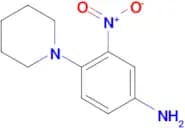
CAS:Pureza:95.0%Peso molecular:311.29699707031253-Nitro-4-piperidin-1-ylaniline
CAS:Fórmula:C11H15N3O2Pureza:98%Forma y color:SolidPeso molecular:221.26Ref: 10-F519249
1gA consultar5gA consultar10gA consultar25gA consultar100mgA consultar250mgA consultar500mgA consultartert-Butyl 3-(4-Nitrophenoxy)tetrahydro-1(2H)-pyridinecarboxylate
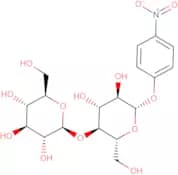
CAS:Pureza:97.0%Peso molecular:322.3609924316406P-Nitrophenyl N-acetyl-β-D-cellobiopyranoside
CAS:M04150 - p-Nitrophenyl N-acetyl-beta-D-cellobiopyranoside
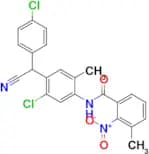
Fórmula:C18H25NO13Pureza:99%Forma y color:SolidPeso molecular:463.3919982910156N-(5-chloro-4-((4-chlorophenyl)(cyano)methyl)-2-methylphenyl)-3-methyl-2-nitrobenzamide
CAS:Pureza:98%Peso molecular:454.309997558593751-[4-(morpholine-4-sulfonyl)-2-nitrophenyl]pyrrolidine-2-carboxylic acid
CAS:Pureza:98%Peso molecular:385.39001464843754''-(2-(2-(2-(2-(4-Nitrophenoxy)ethoxy)ethoxy)ethoxy)ethoxy)-[1,1':4',1''-terphenyl]-4-ol
CAS:Pureza:98%Peso molecular:559.6149902343752-(2-IMINO-4,5,6,7-TETRAHYDROBENZO[D]THIAZOL-3(2H)-YL)-1-(4-NITROPHENYL)ETHANONE HYDROBROMIDE
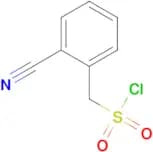
CAS:Pureza:98.0%Peso molecular:398.2799987792969(2-Cyanophenyl)methanesulfonyl chloride
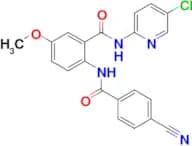
CAS:Fórmula:C8H6ClNO2SPureza:97%Forma y color:SolidPeso molecular:215.65N-(5-chloropyridin-2-yl)-2-(4-cyanobenzamido)-5-methoxybenzamide
CAS:Pureza:97%Peso molecular:406.8299865722656Ethyl 2-ethoxy-1-[[(2'-cyanobiphenyl-4-yl)methyl]benzimidazole]-7-carboxylate
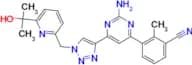
CAS:Pureza:95.0%Forma y color:Liquid, No data available.Peso molecular:425.48800659179693-(2-Amino-6-(1-((6-(2-hydroxypropan-2-yl)pyridin-2-yl)methyl)-1H-1,2,3-triazol-4-yl)pyrimidin-4-yl)-2-methylbenzonitrile
CAS:Pureza:98.0%Peso molecular:426.4840087890625PD 169,316
CAS:M02298 - PD 169,316
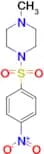
Fórmula:C20H13FN4O2Pureza:>98%Forma y color:SolidPeso molecular:360.34799194335941-Methyl-4-(4-nitro-benzenesulfonyl)-piperazine
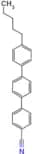
CAS:Fórmula:C11H15N3O4SPureza:98.0%Peso molecular:285.324-Cyano-4''-N-pentyl-p-terphenyl
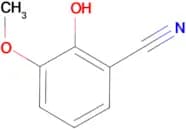
CAS:Pureza:98.0%Forma y color:Liquid, No data available.Peso molecular:325.45498657226562-Hydroxy-3-methoxybenzonitrile
CAS:Fórmula:C8H7NO2Pureza:96%Forma y color:SolidPeso molecular:149.149Ref: 10-F506064
1gA consultar2gA consultar5gA consultar100mgA consultar250mgA consultar500mgA consultar3-Hydroxymethyl-6-(2-nitrophenyl)imidazo[2,1-b]thiazole
CAS:Pureza:97.0%Peso molecular:275.27999877929691-(1-(2-Methoxy-4-nitrophenyl)piperidin-4-yl)-4-methylpiperazine
CAS:Pureza:97%Peso molecular:334.4200134277344N-[(2E)-1-[(4-Nitrophenyl)methoxy]-1,2-dihydropyridin-2-ylidene]benzenesulfonamide
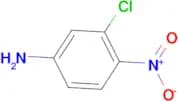
Peso molecular:385.39001464843753-Chloro-4-nitroaniline
CAS:Fórmula:C6H5ClN2O2Pureza:97%Forma y color:Yellow powderPeso molecular:172.57Ref: 10-F217156
1gA consultar2gA consultar5gA consultar10gA consultar100mgA consultar250mgA consultar500mgA consultar1-[5-(2-Methoxy-4-nitro-phenyl)-furan-2-yl]-ethanone
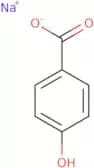
CAS:Fórmula:C13H11NO5Pureza:98%Forma y color:SolidPeso molecular:261.2334-Hydroxybenzoic acid sodium salt
CAS:4-Hydroxybenzoic acid sodium salt (4HBA) is a drug that is used in the treatment of bowel disease. It is an antimicrobial agent that has been shown to have activity against Gram-positive and Gram-negative bacteria, including Pseudomonas aeruginosa. 4HBA has also been shown to be effective in the treatment of ulcerative colitis and Crohn's disease by reducing the production of inflammatory cytokines. The mechanism of action for 4HBA is not fully understood, but it may be due to its ability to interfere with protein synthesis in bacteria, as well as inhibit antibody responses in humans. The structural biology studies on this compound have revealed that the α subunit can bind to the β subunit, which could affect its activity.Fórmula:C7H5O3NaPureza:Min. 98 Area-%Forma y color:White PowderPeso molecular:160.1 g/mol2-(Diphenylamino)benzoic acid
CAS:Please enquire for more information about 2-(Diphenylamino)benzoic acid including the price, delivery time and more detailed product information at the technical inquiry form on this page
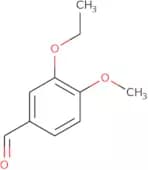
Fórmula:C19H15NO2Pureza:Min. 95%Peso molecular:289.33 g/mol3-Ethoxy-4-methoxybenzaldehyde
CAS:3-Ethoxy-4-methoxybenzaldehyde is a metabolite of the benzoquinone and 3-hydroxypropanoic acid pathway. It is an electron donor that serves as a substrate for fatty acid synthesis. This compound has been shown to have antiviral properties, as it inhibits the replication of influenza virus in vitro by interfering with viral RNA polymerase. It may also act as a regulatory molecule for uptake, although its precise role in this process is not yet known. 3-Ethoxy-4-methoxybenzaldehyde has been shown to be an optimal reactant with signal sequences from proteins, including biochemical pathways such as glycolysis and pentose phosphate shunt.Fórmula:C10H12O3Pureza:Min. 95%Forma y color:White PowderPeso molecular:180.2 g/mol3-Hydroxybenzoic acid
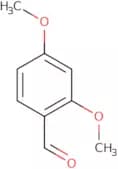
CAS:3-Hydroxybenzoic acid is a ferroelectric compound that can be found in water vapor, plants, and bacteria. It has been shown to have structural properties that are very similar to those of p-hydroxybenzoic acid. The redox potential of 3-hydroxybenzoic acid is around -0.8 volts versus the standard hydrogen electrode (p-hydroxybenzoic acid is -1.2 volts). 3-Hydroxybenzoic acid has been shown to inhibit some bacterial enzymes such as esterase and transaminase, but not others such as dehydrogenase or oxidoreductase. It also shows activity against fungal enzymes such as aminopeptidases and serine proteases. The compound can exist in two forms: the metastable form or a stable form. The metastable form can be obtained by crystallizing the compound from a solution containing copper chloride or x-ray diffraction data from wild type strainsFórmula:C7H6O3Forma y color:PowderPeso molecular:138.12 g/mol2,4-Dimethoxybenzaldehyde
CAS:2,4-Dimethoxybenzaldehyde is a synthetic compound that has been shown to have activity against pancreatic lipase. It has been suggested as a potential drug for the treatment of metabolic disorders such as obesity or diabetes. 2,4-Dimethoxybenzaldehyde can be synthesized by reacting ethyl diazoacetate with an aldehyde in the presence of ammonium acetate. This chemical can also be used to produce ethyl esters and compounds belonging to the group of phlorotannins. 2,4-Dimethoxybenzaldehyde has been shown to have antioxidative activity and inhibitory effects on pancreatic lipase.
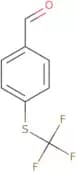
Fórmula:C9H10O3Pureza:Min. 95%Forma y color:White PowderPeso molecular:166.18 g/mol4-(Trifluoromethylthio)benzaldehyde
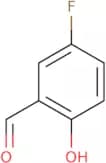
CAS:4-(Trifluoromethylthio)benzaldehyde is a magnetic, stereogenic, mononuclear compound with a thermodynamic stability that has been improved by advances in the field of thermodynamics. The compound can also be synthesized using an asymmetric synthesis and is tetrasubstituted with antiferromagnetic coupling. 4-(Trifluoromethylthio)benzaldehyde has many functions, including being able to control the oxidation-reduction potentials of lanthanide ions and ferromagnetic materials. It also has a calorimetry effect on the adsorption of water vapor onto hydrophobic surfaces.Fórmula:C8H5F3OSPureza:Min. 95%Forma y color:PowderPeso molecular:206.19 g/mol5-Fluoro-2-hydroxybenzaldehyde
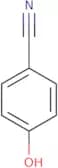
CAS:5-Fluoro-2-hydroxy benzaldehyde is a hydrogen bonding compound that has been shown to be an acid complex. It reacts with copper to form a copper complex that can be detected by x-ray diffraction data. 5-Fluoro-2-hydroxybenzaldehyde also has the ability to react with hydroxyl groups, which allow for its use as a fluorescence probe. The presence of this compound in urine has been used to detect kidney disease and urinary tract infections. 5-Fluoro-2-hydroxybenzaldehyde is also thought to have antiinflammatory properties because it can inhibit kinase activity and may inhibit the production of inflammatory cytokines such as IL1β, IL6, and TNFα.Fórmula:C7H5FO2Pureza:Min. 95%Forma y color:PowderPeso molecular:140.11 g/mol4-Cyanophenol
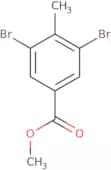
CAS:4-Cyclohexyphenol is a natural compound that belongs to the class of compounds known as phenols. It has a hydroxyl group and an intramolecular hydrogen bond. The thermal expansion of 4-cyanophenol is approximately 6.6 × 10⁻⁶/°C, which is greater than the thermal expansion of p-hydroxybenzoic acid (approximately 1.8 × 10⁻⁶/°C). The reaction mechanism for 4-cyanophenol involves intramolecular hydrogen bonding, which leads to its rapid degradation. 4-Cyanophenol reacts with trifluoroacetic acid in the presence of sodium carbonate to form p-hydroxybenzoic acid, which can be determined by measuring its absorbance at 290 nm. Hydrogen bonding interactions with the surface are responsible for the high sensitivity and selectivity of this analytical method. 4-Cyanophenol may also be detected using plasma mass spectFórmula:C7H5NOPureza:Min. 95%Forma y color:PowderPeso molecular:119.12 g/molMethyl 3,5-dibromo-4-methylbenzoate
CAS:Methyl 3,5-dibromo-4-methylbenzoate is a versatile building block that can be used as a reagent or a speciality chemical. It is a high quality compound with many applications in research and synthesis. Methyl 3,5-dibromo-4-methylbenzoate is an intermediate in the manufacturing of polymers and pharmaceuticals. It is also a reaction component for the preparation of complex compounds, such as methyl 3,5-dimethoxybenzoate. Methyl 3,5-dibromo-4-methylbenzoate has been shown to be useful as a scaffold for the synthesis of novel compounds.
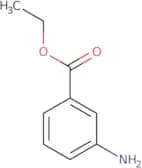
Fórmula:C9H8Br2O2Pureza:Min. 95%Forma y color:Off-White PowderPeso molecular:307.97 g/molEthyl 3-aminobenzoate
CAS:Ethyl 3-aminobenzoate is a chemical that is used as an anesthetic. It is administered intravenously and has been shown to have effects on the cardiovascular system, such as lowering blood pressure, decreasing heart rate and increasing the time it takes for the heart to recover after a contraction. Ethyl 3-aminobenzoate also affects the central nervous system by causing anesthesia and changes in brain function. Its effects are reversible with administration of naloxone or flumazenil.Fórmula:C9H11NO2Pureza:Min. 95%Forma y color:PowderPeso molecular:165.19 g/mol6-Bromoveratraldehyde
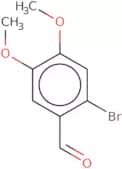
CAS:6-Bromoveratraldehyde (6BrA) is a synthetic compound that has been shown to be an effective agent for inducing apoptosis in leukemia cells. It is an efficient method for synthesizing the compound and has been used as a model study for biphenyl and naphthalene. 6BrA induces cell death by topoisomerase-mediated DNA cleavage, which results in chromosomal fragmentation and high levels of reactive oxygen species in the cell.Fórmula:C9H9BrO3Pureza:Min. 95%Forma y color:White PowderPeso molecular:245.07 g/mol4-Dimethylaminobenzoic acid
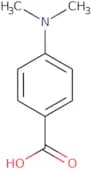
CAS:4-Dimethylaminobenzoic acid is a cationic surfactant that is used in analytical chemistry to measure the proton concentration. It reacts with protons and forms a positively charged ion. 4-Dimethylaminobenzoic acid can be used in experimental models to study the effects of protonation on cell growth and metabolism. Research has found that 4-dimethylaminobenzoic acid can be used as a growth factor by stimulating the production of protein, DNA, and RNA in cells. 4-Dimethylaminobenzoic acid is used as an ingredient in some skin care products because it has been shown to have anti-inflammatory properties.Fórmula:C9H11NO2Pureza:Min. 98 Area-%Forma y color:White PowderPeso molecular:165.19 g/mol3,5,6-Trichlorosalicylic acid
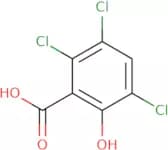
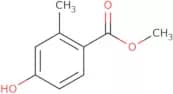
CAS:3,5,6-Trichlorosalicylic acid binds to the active site of bacterial 5-nitrosalicylic acid reductase and inhibits its activity. It is an inhibitor of proton-translocating ATPases. 3,5,6-Trichlorosalicylic acid has been shown to be effective against a variety of bacteria at low concentrations. 3,5,6-Trichlorosalicylic acid has also been shown to inhibit some physiological activities such as the light emission and chemiluminescent reaction of luciferin in fireflies. This chemical reacts with chloride ions to produce light.Fórmula:C7H3Cl3O3Pureza:Min. 95%Forma y color:PowderPeso molecular:241.46 g/molMethyl 4-hydroxy-2-methylbenzoate
CAS:Methyl 4-hydroxy-2-methylbenzoate is a chromophore. It has demonstrated antioxidant and anti-oxidative properties in a number of assays, including 3-ethylbenzothiazoline-6-sulfonic acid (EBT) assay, naphthalene oxidation assay, and electrocyclic test. Methyl 4-hydroxy-2-methylbenzoate has been shown to be bioactive with respect to steroids and lignans. This compound has also been used as a tyrosinase inhibitor in neocarzinostatin (NCS) synthesis. Methyl 4-hydroxy-2-methylbenzoate is found in the extract of the leaves of Ligustrum lucidum.Fórmula:C9H10O3Pureza:Min. 95%Forma y color:White PowderPeso molecular:166.17 g/mol2,6-Dichlorobenzaldehyde oxime
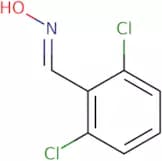
CAS:2,6-Dichlorobenzaldehyde oxime is a synthetic molecule that is prepared by the reaction of triphenylphosphine oxide and halides. It is also known as aldoxime and has been used in a number of chemical reactions. 2,6-Dichlorobenzaldehyde oxime has been used in the synthesis of a variety of organic compounds, including toxicants and preservatives.
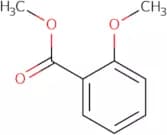
Fórmula:C7H5Cl2NOPureza:Min. 95 Area-%Forma y color:White PowderPeso molecular:190.03 g/molMethyl 2-methoxybenzoate
CAS:Methyl 2-methoxybenzoate is a synthetic chemical that is used in the treatment of wastewater. It inhibits the activity of enzymes such as fatty acid synthase, which are involved in the synthesis of long-chain fatty acids. Methyl 2-methoxybenzoate has been found to be an efficient method for the synthesis of prenyl compounds. This product is also an active methylene and hydrogen bond donor, and it can form products with carboxylic acid conjugates through acid catalysis. Methyl 2-methoxybenzoate has been used as a reagent for analytical chemistry, including gas chromatography and liquid chromatography.Fórmula:C9H10O3Pureza:Min. 95%Forma y color:Colorless Clear LiquidPeso molecular:166.17 g/mol


![2-[(2,2-dimethoxyethyl)amino]-5-nitrobenzonitrile](/_next/image/?url=https%3A%2Fstatic.cymitquimica.com%2Fproducts%2F10%2Fthumb-webp%2FF366262.webp&w=3840&q=75)
![2-[(4-Nitrobenzyl)thio]-1H-benzimidazole](/_next/image/?url=https%3A%2Fstatic.cymitquimica.com%2Fproducts%2F10%2Fthumb-webp%2FF494460.webp&w=3840&q=75)
![2-(4-nitrophenyl)benzo[d]thiazole](/_next/image/?url=https%3A%2Fstatic.cymitquimica.com%2Fproducts%2F10%2Fthumb-webp%2FF541838.webp&w=3840&q=75)
![C-[2-(4-Nitro-phenyl)-imidazo[1,2-a]pyridin-3-yl]-methylamine](/_next/image/?url=https%3A%2Fstatic.cymitquimica.com%2Fproducts%2F10%2Fthumb-webp%2FF020349.webp&w=3840&q=75)
![4′-Fluoro-3′-nitro-[1,1′-biphenyl]-3-carboxylic acid](/_next/image/?url=https%3A%2Fstatic.cymitquimica.com%2Fproducts%2F10%2Fthumb-webp%2FF218726.webp&w=3840&q=75)
![1-[(4-Nitrophenyl)methyl]-1H-1,2,3-benzotriazole](/_next/image/?url=https%3A%2Fstatic.cymitquimica.com%2Fproducts%2F10%2Fthumb-webp%2FF181681.webp&w=3840&q=75)
![4-(6-fluoroimidazo[1,2-a]pyridin-2-yl)benzonitrile](/_next/image/?url=https%3A%2Fstatic.cymitquimica.com%2Fproducts%2F10%2Fthumb-webp%2FF517937.webp&w=3840&q=75)
![6-(3-nitrophenyl)-[1,2,4]triazolo[4,3-b]pyridazine-3-thiol](/_next/image/?url=https%3A%2Fstatic.cymitquimica.com%2Fproducts%2F10%2Fthumb-webp%2FF541822.webp&w=3840&q=75)

![2-[Cyano(4-fluorophenyl)methyl]benzonitrile](/_next/image/?url=https%3A%2Fstatic.cymitquimica.com%2Fproducts%2F10%2Fthumb-webp%2FF010070.webp&w=3840&q=75)

![N-[2-(4-Methylphenyl)-1-[(4-nitrophenyl)amino]-2-oxoethyl]-2-furancarboxamide](/_next/image/?url=https%3A%2Fstatic.cymitquimica.com%2Fproducts%2F10%2Fthumb-webp%2FF101696.webp&w=3840&q=75)
![8-ethyl-4-(4-methyl-3-nitrobenzoyl)-1-oxa-4,8-diazaspiro[4.5]decane-3-carboxylic acid](/_next/image/?url=https%3A%2Fstatic.cymitquimica.com%2Fproducts%2F10%2Fthumb-webp%2FF525692.webp&w=3840&q=75)
![3',6'-Bis(diethylamino)-2-(4-nitrophenyl)spiro[isoindoline-1,9'-xanthen]-3-one](/_next/image/?url=https%3A%2Fstatic.cymitquimica.com%2Fproducts%2F10%2Fthumb-webp%2FF727458.webp&w=3840&q=75)
![N-[1-(1H-1,2,3-Benzotriazol-1-yl)butyl]-3-nitroaniline](/_next/image/?url=https%3A%2Fstatic.cymitquimica.com%2Fproducts%2F10%2Fthumb-webp%2FF182672.webp&w=3840&q=75)
![N-[1-(1H-1,2,3-Benzotriazol-1-yl)-2-phenylethyl]-3-nitroaniline](/_next/image/?url=https%3A%2Fstatic.cymitquimica.com%2Fproducts%2F10%2Fthumb-webp%2FF183238.webp&w=3840&q=75)


![2-chloro-4-(3-nitrophenoxy)thieno[3,2-d]pyrimidine](/_next/image/?url=https%3A%2Fstatic.cymitquimica.com%2Fproducts%2F10%2Fthumb-webp%2FF519249.webp&w=3840&q=75)

![1-[4-(morpholine-4-sulfonyl)-2-nitrophenyl]pyrrolidine-2-carboxylic acid](/_next/image/?url=https%3A%2Fstatic.cymitquimica.com%2Fproducts%2F10%2Fthumb-webp%2FF642631.webp&w=3840&q=75)
![4''-(2-(2-(2-(2-(4-Nitrophenoxy)ethoxy)ethoxy)ethoxy)ethoxy)-[1,1':4',1''-terphenyl]-4-ol](/_next/image/?url=https%3A%2Fstatic.cymitquimica.com%2Fproducts%2F10%2Fthumb-webp%2FF770562.webp&w=3840&q=75)
![2-(2-IMINO-4,5,6,7-TETRAHYDROBENZO[D]THIAZOL-3(2H)-YL)-1-(4-NITROPHENYL)ETHANONE HYDROBROMIDE](/_next/image/?url=https%3A%2Fstatic.cymitquimica.com%2Fproducts%2F10%2Fthumb-webp%2FF534951.webp&w=3840&q=75)
![Ethyl 2-ethoxy-1-[[(2'-cyanobiphenyl-4-yl)methyl]benzimidazole]-7-carboxylate](/_next/image/?url=https%3A%2Fstatic.cymitquimica.com%2Fproducts%2F10%2Fthumb-webp%2FF076507.webp&w=3840&q=75)



![3-(3-Phenyl-[1,2,4]oxadiazol-5-yl)-benzonitrile](/_next/image/?url=https%3A%2Fstatic.cymitquimica.com%2Fproducts%2F10%2Fthumb-webp%2FF545447.webp&w=3840&q=75)
![3-Hydroxymethyl-6-(2-nitrophenyl)imidazo[2,1-b]thiazole](/_next/image/?url=https%3A%2Fstatic.cymitquimica.com%2Fproducts%2F10%2Fthumb-webp%2FF049725.webp&w=3840&q=75)

![N-[(2E)-1-[(4-Nitrophenyl)methoxy]-1,2-dihydropyridin-2-ylidene]benzenesulfonamide](/_next/image/?url=https%3A%2Fstatic.cymitquimica.com%2Fproducts%2F10%2Fthumb-webp%2FF183435.webp&w=3840&q=75)
![1-[5-(2-Methoxy-4-nitro-phenyl)-furan-2-yl]-ethanone](/_next/image/?url=https%3A%2Fstatic.cymitquimica.com%2Fproducts%2F10%2Fthumb-webp%2FF031505.webp&w=3840&q=75)