Bencenos
Subcategorías de "Bencenos"
- Benzamidas(62 productos)
- Ácidos benzoicos(5.472 productos)
- Alcoholes bencílicos(1.458 productos)
- Bencenos halogenados(33.962 productos)
- Fenoles(2.654 productos)
Se han encontrado 11887 productos de "Bencenos"
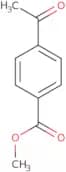
Methyl 4-acetylbenzoate
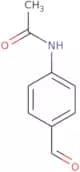
CAS:Methyl 4-acetylbenzoate is a synthetic compound that can be used for the synthesis of imatinib and other pharmaceuticals. It is an effective method for the synthesis of butyric acid with high enantiomeric purity. The cross-coupling reaction was first reported by Suzuki in 1979, which has been widely applied to organic synthesis because it is efficient and produces simple byproducts. This reaction has also been used in the synthesis of model compounds and natural products, as well as in environmental pollution studies.Fórmula:C10H10O3Pureza:Min. 95%Forma y color:PowderPeso molecular:178.18 g/mol4-Acetamidobenzaldehyde
CAS:4-Acetamidobenzaldehyde is an organic compound that has been shown to exhibit inhibitory effects on influenza virus replication in cell culture. 4-Acetamidobenzaldehyde is a dihedral molecule with a p2 group and can be synthesized from benzaldehyde and acetamide. It has also been shown to have potential use in the treatment of tuberculosis. The biological properties of 4-acetamidobenzaldehyde are not well understood, but it is thought that uptake may occur through the imine nitrogen. This molecule has been detected in tissue samples such as lung, liver, and kidney.
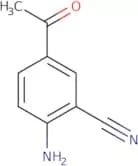
Fórmula:C9H9NO2Pureza:Min. 95%Forma y color:PowderPeso molecular:163.17 g/mol5-Acetyl-2-aminobenzonitrile
CAS:5-Acetyl-2-aminobenzonitrile is a versatile building block that can be used as an intermediate in the synthesis of a wide range of chemicals. It has been used to produce pharmaceuticals and other useful compounds, including research chemicals and speciality chemicals. 5-Acetyl-2-aminobenzonitrile is also a useful reagent for the production of organic products. The compound is available at high purity levels.
Fórmula:C9H8N2OPureza:Min. 95%Forma y color:White PowderPeso molecular:160.17 g/molEthyl 3,5-dichloro-4-methoxybenzoate
CAS:Ethyl 3,5-dichloro-4-methoxybenzoate is an organic compound that has a variety of uses. It is an intermediate in the synthesis of various other compounds and as a reagent, it reacts with amines to form ureas. Ethyl 3,5-dichloro-4-methoxybenzoate can also be used as a complex building block for synthesizing other compounds. This chemical can be used as a speciality chemical or research chemical. As a versatile building block, ethyl 3,5-dichloro-4-methoxybenzoate can be used to make reaction components for synthesizing polymers or pharmaceuticals.
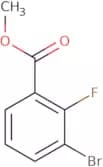
Fórmula:C10H10Cl2O3Pureza:Min. 95%Forma y color:PowderPeso molecular:249.09 g/molMethyl 3-bromo-2-fluorobenzoate
CAS:Methyl 3-bromo-2-fluorobenzoate (MBFB) is a versatile building block in chemical synthesis. MBFB can be used as a reagent or speciality chemical. It has been used as an intermediate for the synthesis of other compounds, such as methyl 5-bromo-2-fluorobenzoate and ethyl 5-bromo-2-fluorobenzoate. MBFB is also a useful scaffold for the synthesis of complex compounds with interesting functions, such as research chemicals.Fórmula:C8H6BrF2Pureza:Min. 95%Forma y color:White PowderPeso molecular:233 g/mol3,4-Diaminobenzoic acid
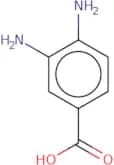
CAS:3,4-Diaminobenzoic acid is a compound that is produced by the condensation of two molecules of hydrochloric acid. 3,4-Diaminobenzoic acid has been used as a reagent in the synthesis of coumarin derivatives. This chemical has been shown to be an effective proton scavenger in an optimum concentration. Benzimidazole compounds are also synthesized from 3,4-diaminobenzoic acid and have been shown to be effective against autoimmune diseases. 3,4-Diaminobenzoic acid can be used for the production of diazonium salts, which are used in the synthesis of anti-inflammatory drugs and other pharmaceuticals. The hydroxyl group on this molecule makes it chemically stable and kinetic data shows that it has high diphenolase activity.Fórmula:C7H8N2O2Pureza:Min. 96 Area-%Forma y color:PowderPeso molecular:152.15 g/mol3-Methoxybenzoic acid
CAS:3-Methoxybenzoic acid is a compound that has two carboxyl groups, one on each of the two benzene rings. It is a white crystalline solid with a melting point of 86°C and a boiling point of 240°C at 1 mmHg. 3-Methoxybenzoic acid can be found in plants such as cranberries and strawberries. It also occurs naturally in animal fat, where it functions as an antioxidant and antimicrobial agent. 3-Methoxybenzoic acid has been shown to have synergistic effects when combined with protocatechuic acid in the treatment of carcinoma cells.Fórmula:C8H8O3Pureza:Min. 95%Forma y color:PowderPeso molecular:152.15 g/mol4-Cyanobenzaldehyde
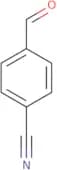
CAS:4-Cyanobenzaldehyde is an acid that inhibits tyrosinase, an enzyme involved in the production of melanin. It has been shown to have a strong inhibitory effect on the activity of this enzyme in a variety of biological studies. 4-Cyanobenzaldehyde is chemically stable and does not react with hydrochloric acid or water at room temperature, making it suitable for use in experiments involving these substances. This chemical also has antiinflammatory properties and can be used as a substitute for phenols in some chemical reactions. 4-Cyanobenzaldehyde is soluble in methanol and reacts with diphenolase, an enzyme involved in the synthesis of lignin, to produce benzophenone and benzoic acid. This reaction may be important for the formation of lignin during wood decomposition.Fórmula:C8H5NOPureza:80%Forma y color:PowderPeso molecular:131.13 g/molGentisic acid sodium salt hydrate
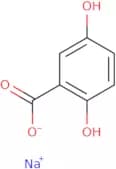
CAS:Gentisic acid sodium salt hydrate is a benzoate that is used as a diagnostic agent in the study of inflammatory bowel disease. Gentisic acid sodium salt hydrate is a sodium salt of gentisic acid and has been shown to have anti-inflammatory properties. It is used as a stabilizer for solid dispersions, such as capsules, tablets, and granules. Gentisic acid sodium salt hydrate also has the ability to prevent degradation of certain drugs by hydrolysis or oxidation. Gentisic acid sodium salt hydrate can be synthesized from 2,6-dihydroxybenzoic acid (2,6-DHB) and hippuric acid.Fórmula:C7H5NaO4·xH2OPureza:Min. 98 Area-%Forma y color:White PowderPeso molecular:176.1 g/mol2,4-Dimethylbenzaldehyde
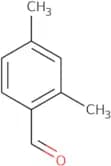
CAS:2,4-Dimethylbenzaldehyde is used in the diagnosis of cancer. It reacts with acetaldehyde to form a compound that binds to hemoglobin and is excreted in the urine, leading to a diagnostic test for cancer. 2,4-Dimethylbenzaldehyde has been shown to be genotoxic in both in vitro and in vivo studies. This aromatic hydrocarbon has been shown to cause DNA strand breaks in the target cells through a reaction mechanism involving radical formation from acetaldehyde. In addition, 2,4-Dimethylbenzaldehyde has been shown to have genotoxic effects on mice exposed by inhalation or injection.
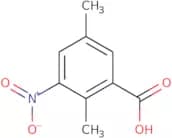
Fórmula:C9H10OPureza:Min. 90 Area-%Forma y color:Colorless Clear LiquidPeso molecular:134.18 g/mol2,5-Dimethyl-3-nitrobenzoic acid
CAS:2,5-Dimethyl-3-nitrobenzoic acid is a versatile building block that can be used in the synthesis of a wide range of compounds. It is also an important intermediate for the synthesis of pharmaceuticals and other speciality chemicals. 2,5-Dimethyl-3-nitrobenzoic acid has been shown to be useful in the preparation of high quality fine chemicals and research chemicals. This compound has been found to be an excellent reagent for various chemical reactions.Fórmula:C9H9NO4Pureza:Min. 95%Forma y color:PowderPeso molecular:195.17 g/mol2-Amino-4,5-dimethoxybenzoic acid
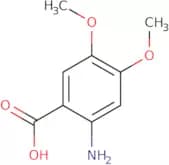
CAS:2-Amino-4,5-dimethoxybenzoic acid is a potent antitumor agent that inhibits the growth of tumor cells. It has been shown to inhibit the production of epidermal growth factor (EGF) and plays a role in the inhibition of tumor cell proliferation in vitro. 2-Amino-4,5-dimethoxybenzoic acid has also been shown to have photochemical properties and can be activated by light. This compound can be used as an indicator for gravimetric analysis because it reacts with diazonium salts and produces a colored product. 2-Amino-4,5-dimethoxybenzoic acid is also reactive and may be used in Suzuki coupling reactions. This chemical compound is chemically related to other inhibitors such as mcf7 and suzuki coupling reactions.
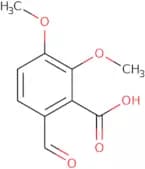
Fórmula:C9H11NO4Pureza:Min. 95%Forma y color:Beige PowderPeso molecular:197.19 g/mol2-Carboxy-3,4-dimethoxybenzaldehyde
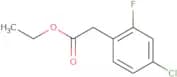
CAS:2-Carboxy-3,4-dimethoxybenzaldehyde is a chemical that belongs to the class of compounds known as butyric acid derivatives. It is a colorless liquid with a pungent odor and can be used in pharmaceutical preparations as an antispasmodic or a sedative. 2-Carboxy-3,4-dimethoxybenzaldehyde has been shown to have radical scavenging activities in tissue culture systems and dry weight reaction products in the presence of hydrochloric acid and chloride ion. This compound can also act as an acid complexing agent for hydrogen chloride and depressant activity on animal behavior.Fórmula:C10H10O5Pureza:Min. 95%Forma y color:White Yellow PowderPeso molecular:210.18 g/mol(4-Chloro-2-fluorophenyl)acetic acid ethyl ester
CAS:4-Chloro-2-fluorophenyl)acetic acid ethyl ester is a fine chemical that can be used as a scaffold for building more complex molecules, or it can be used as a versatile building block in the synthesis of research chemicals. It is also an intermediate in many reactions and can be used as a speciality chemical. 4-Chloro-2-fluorophenyl)acetic acid ethyl ester has been shown to have high quality and it is useful for research on complex compounds. It can also be used as a reagent in organic synthesis.
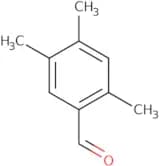
Fórmula:C10H10ClFO2Pureza:Min. 95%Forma y color:SolidPeso molecular:216.64 g/mol2,4,5-Trimethylbenzaldehyde
CAS:2,4,5-Trimethylbenzaldehyde is a cell line that can be used to study the oxidation of α-pinene. It is a chemical compound that belongs to the group of aromatic compounds and has been shown to have high cytotoxicity. It has been found to oxidize other molecules in the body with an electron acceptor such as oxygen or another molecule. 2,4,5-Trimethylbenzaldehyde has also been shown to have biological properties. This product is being researched for its ability to inhibit fatty acid synthesis and reduce cholesterol production in the liver.
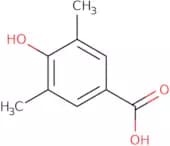
Fórmula:C10H12OPureza:Min. 95%Peso molecular:148.2 g/mol4-Hydroxy-3,5-dimethylbenzoic acid
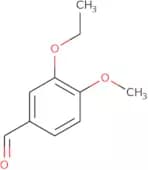
CAS:4-Hydroxy-3,5-dimethylbenzoic acid (4HDMBA) is an antimicrobial agent that inhibits bacterial cell growth by binding to the GyrA subunit of DNA gyrase. It is a potent inhibitor of the GyrA subunit, with activity against both mutant and wild type strains. 4HDMBA also has anticancer activity in vitro and in vivo studies have shown that it can inhibit the growth of cells from human cancer cell lines. 4HDMBA is synthesized by reacting amide with chloroacetyl chloride. The carboxylate group on 4HDMBA can be transformed into a hydroxyl group by reaction with sodium hydroxide. The chemical structure of 4HDMBA includes a hydroxy group, a chlorine atom, and a hydroxyl group.Fórmula:C9H10O3Pureza:Min. 95%Forma y color:PowderPeso molecular:166.17 g/mol3-Ethoxy-4-methoxybenzaldehyde
CAS:3-Ethoxy-4-methoxybenzaldehyde is a metabolite of the benzoquinone and 3-hydroxypropanoic acid pathway. It is an electron donor that serves as a substrate for fatty acid synthesis. This compound has been shown to have antiviral properties, as it inhibits the replication of influenza virus in vitro by interfering with viral RNA polymerase. It may also act as a regulatory molecule for uptake, although its precise role in this process is not yet known. 3-Ethoxy-4-methoxybenzaldehyde has been shown to be an optimal reactant with signal sequences from proteins, including biochemical pathways such as glycolysis and pentose phosphate shunt.Fórmula:C10H12O3Pureza:Min. 95%Forma y color:White PowderPeso molecular:180.2 g/mol5-Amino-2-methoxy-benzoic acid methyl ester
CAS:5-Amino-2-methoxy-benzoic acid methyl ester is a synthetic compound that has been shown to have potential as an antibacterial. It has been found to inhibit the growth of bacteria by binding to DNA and preventing transcription. The selectivity for bacterial cells is due to its ability to penetrate the cell membrane, which does not occur in mammalian cells. 5-Amino-2-methoxy-benzoic acid methyl ester is synthesized from 2-(4′-aminophenyl)acetic acid and methoxymethyl chloride in two steps, with a yield of 60%.
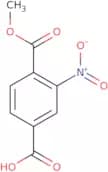
Fórmula:C9H11NO3Pureza:Min. 95%Forma y color:Red PowderPeso molecular:181.19 g/mol3-Nitro-4-carbomethoxybenzoic acid
CAS:3-Nitro-4-carbomethoxybenzoic acid is a thiophene that has been found to be an inhibitor of protein tyrosine phosphatase 1B (PTP1B). PTP1B is a key enzyme involved in the regulation of insulin secretion and blood sugar levels. 3-Nitro-4-carbomethoxybenzoic acid has been shown to inhibit PTP1B by mimicking the natural substrate of this enzyme, phosphotyrosine, and thereby preventing its dephosphorylation. It has also been shown to have anti-inflammatory properties.
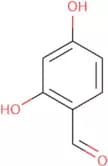
Fórmula:C9H7NO6Pureza:Min. 97 Area-%Forma y color:PowderPeso molecular:225.16 g/mol2,4-Dihydroxybenzaldehyde
CAS:2,4-Dihydroxybenzaldehyde (2,4DBA) is a copper complex that has been shown to have biological properties. This compound has been studied in biological studies and is classified as group p2 on the periodic table. It is a redox potential of -0.95 V and can undergo intramolecular hydrogen bonding with itself or with other molecules to form hydrogen bonds. Hydroxyl groups are found on 2,4DBA and can coordinate with the nitrogen atoms found on penicillin-binding proteins or acetylcholinesterase inhibition. The coordination geometry of 2,4DBA is tetrahedral and its methyl ethyl group is also found on this molecule.
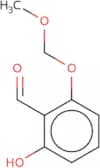
Fórmula:C7H6O3Pureza:Min. 98 Area-%Forma y color:White PowderPeso molecular:138.12 g/mol2-Hydroxy-6-(methoxymethoxy)benzaldehyde
CAS:2-Hydroxy-6-(methoxymethoxy)benzaldehyde is a chemical intermediate that can be used in the synthesis of a wide range of compounds. It is an aromatic compound which has two hydroxyl groups on the benzene ring. This product is a versatile building block, and is useful in the synthesis of complex compounds with high purity. 2-Hydroxy-6-(methoxymethoxy)benzaldehyde can be obtained as a white solid with a melting point of 57°C.Fórmula:C9H10O4Pureza:Min. 95%Forma y color:Clear LiquidPeso molecular:182.17 g/mol4-Aminomethylbenzoic acid
CAS:4-Aminomethylbenzoic acid (4AMBA) is a metabolite that is formed from the amino acid methionine. It has been shown to inhibit the growth of prostate cancer cells in vitro and in vivo. 4-Aminomethylbenzoic acid inhibits the activity of polymerase chain reaction (PCR), which is an enzyme that catalyzes DNA replication. The hydroxyl group on 4-aminomethylbenzoic acid reacts with one of the phosphate groups on DNA, forming a covalent bond and inhibiting DNA synthesis. This inhibition occurs at the step called initiation, where DNA synthesis begins by binding of RNA polymerase to a specific sequence of DNA. In addition, 4-aminomethylbenzoic acid also inhibits the activity of x-ray diffraction data, which is an enzyme that catalyzes RNA transcription. Histological analysis shows that 4-aminomethylbenzoic acid causes congestive heart
Fórmula:C8H9NO2Pureza:Min. 98 Area-%Forma y color:White PowderPeso molecular:151.16 g/mol2-Chloro-4-methoxybenzoic acid
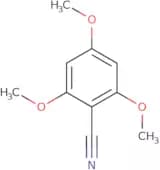
CAS:2-Chloro-4-methoxybenzoic acid is a model compound for the screening of acridones, which are a class of compounds with anticancer activity. 2-Chloro-4-methoxybenzoic acid has been shown to inhibit potassium t-butoxide efflux in cancer cells and induce multidrug resistance in cancer cells. Furthermore, it has been shown that 2-Chloro-4-methoxybenzoic acid inhibits mitoxantrone efflux in cancer cells, leading to an increase in mitoxantrone cytotoxicity. This compound is also able to induce a phenotype change from cancerous to normal and can be used as a chemotherapeutic agent against cancers.Fórmula:C8H7ClO3Pureza:Min. 95%Forma y color:PowderPeso molecular:186.59 g/mol2,4,6-Trimethoxybenzonitrile
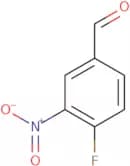
CAS:2,4,6-Trimethoxybenzonitrile is a ligand that forms coordination complexes with metal ions. It can be used to make N-oxide compounds and reaction products with aryl chlorides. The 2,4,6-trimethoxybenzonitrile ligand has been shown to form cross-coupling complexes with benzotriazolyl. This compound is soluble in organic solvents and has a vapor pressure of 0.0025 mm Hg at 25°C. The molecular weight of this compound is 196.2 g/mol and its melting point is 190°C. 2,4,6-Trimethoxybenzonitrile has a symmetric molecule in the gas phase and an asymmetric molecule in solution due to the interactions of hydrogen bonding and van der Waals forces.Fórmula:C10H11NO3Pureza:Min. 95%Forma y color:PowderPeso molecular:193.2 g/mol4-Fluoro-3-nitrobenzaldehyde
CAS:4-Fluoro-3-nitrobenzaldehyde is a diphenyl ether that has been used as a starting material for the synthesis of dihydroisoquinolines and related compounds. The compound also inhibits IL-10 production in an experiment with human cells, which might be due to its ability to act as a pro-inflammatory cytokine. 4-Fluoro-3-nitrobenzaldehyde can be used as a control experiment for 4-fluoroaniline, which was found to inhibit IL-10 production in an experiment with human cells.
4-Fluoro-3-nitrobenzaldehyde is not active against P. aeruginosa, but does have antinociceptive effects and can be considered to have nucleophilic properties.Fórmula:C7H4FNO3Pureza:Min. 95%Forma y color:PowderPeso molecular:169.11 g/mol5-Amino-2-nitrobenzoic acid
CAS:5-Amino-2-nitrobenzoic acid is a versatile compound that can be used as a reagent, a reaction component, or as a useful scaffold in research. It reacts with alcohols to produce esters and amides. The high quality of this chemical makes it suitable for use in many different reactions. CAS No. 13280-60-9
Fórmula:C7H6N2O4Peso molecular:182.14 g/molRef: 3D-A-6803
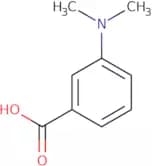
1kgA consultar100gA consultar250gA consultar500gA consultar2500gA consultar-Unit-ggA consultar3-Dimethylaminobenzoic acid - 90%
CAS:3-Dimethylaminobenzoic acid is a carboxylate that can be found in plants and animals. It is a precursor to many biologically important molecules, including the amino acid tryptophan. 3-Dimethylaminobenzoic acid has been shown to have a redox potential of -0.38 V, which makes it an excellent candidate for use as an electron acceptor. This compound is also used as an intermediate in the synthesis of cholesterol esters and fatty acids, and has been shown to inhibit the growth of basophilic leukemia cells in mice. 3-Dimethylaminobenzoic acid has also been shown to have a cholesterol esterase activity on human liver cytosol, with an enzyme activity of 0.0015 U/mg protein at pH 7.5 and 37°C, and on human urine samples with an enzyme activity of 0.0027 U/mg protein at pH 6.0 and 37
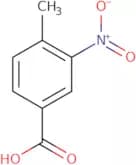
Fórmula:C9H11NO2Pureza:Min. 95%Forma y color:PowderPeso molecular:165.19 g/mol4-Methyl-3-nitrobenzoic acid
CAS:4-Methyl-3-nitrobenzoic acid is a hydroxide solution that has been shown to be cytotoxic to malignant melanoma cells in vitro. 4-Methyl-3-nitrobenzoic acid also inhibits the growth of normal cells by blocking epidermal growth factor receptor signaling. This molecule is converted to hippuric acid, which may have an anti-cancer effect by inhibiting metal ion uptake and causing DNA damage. There are no known adverse effects or interactions with other drugs.Fórmula:C8H7NO4Pureza:Min. 95%Forma y color:PowderPeso molecular:181.15 g/mol2-Amino-5-iodobenzoic acid
CAS:Please enquire for more information about 2-Amino-5-iodobenzoic acid including the price, delivery time and more detailed product information at the technical inquiry form on this page
Fórmula:C7H6INO2Peso molecular:263.04 g/molMethyl 5-nitrosalicylate
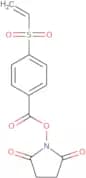
CAS:Methyl 5-nitrosalicylate is a chemical compound that belongs to the group of 4-hydroxycoumarin derivatives. It is an inhibitor of the reaction between salicylic acid and nitrous acid, inhibiting the formation of 5-nitrosalicylic acid. Methyl 5-nitrosalicylate has shown inhibitory activity against various nitro compounds, including benzofurans. The inhibitory effect on oxidation reactions may be due to its ability to act as a ligand and form coordination complexes with metal ions such as copper, zinc, and iron. Methyl 5-nitrosalicylate also has anti-inflammatory properties that are due to its ability to inhibit prostaglandin synthesis by blocking cyclooxygenase enzyme activity. Methyl 5-nitrosalicylate can be synthesized in a few ways. One method includes reacting methyl salicylate with nitrous acid in the presence of lightFórmula:C8H7NO5Pureza:Min. 95%Forma y color:PowderPeso molecular:197.14 g/mol4-(Ethenylsulfonyl)benzoic acid 2,5-dioxo-1-pyrrolidinyl ester
CAS:4-(Ethenylsulfonyl)benzoic acid 2,5-dioxo-1-pyrrolidinyl ester is a fine chemical that is a useful scaffold for the synthesis of complex compounds. It can be used as a versatile building block in the production of research chemicals and pharmaceuticals, as well as a reaction component in speciality chemicals. The CAS Number for 4-(Ethenylsulfonyl)benzoic acid 2,5-dioxo-1-pyrrolidinyl ester is 343934-41-8.
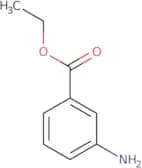
Fórmula:C13H11NO6SPureza:Min. 95%Forma y color:White PowderPeso molecular:309.3 g/molEthyl 3-aminobenzoate
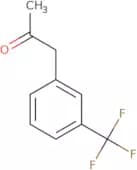
CAS:Ethyl 3-aminobenzoate is a chemical that is used as an anesthetic. It is administered intravenously and has been shown to have effects on the cardiovascular system, such as lowering blood pressure, decreasing heart rate and increasing the time it takes for the heart to recover after a contraction. Ethyl 3-aminobenzoate also affects the central nervous system by causing anesthesia and changes in brain function. Its effects are reversible with administration of naloxone or flumazenil.Fórmula:C9H11NO2Pureza:Min. 95%Forma y color:PowderPeso molecular:165.19 g/mol3-(Trifluoromethyl)phenylacetone
CAS:3-(Trifluoromethyl)phenylacetone is a chiral iminium-type organocatalyst that is used in asymmetric organic reactions. This compound has been shown to be effective for the synthesis of chiral amines and hydroxyl groups, as well as biotransformations. 3-(Trifluoromethyl)phenylacetone binds to substrates through hydrogen bonding, steric interactions, and electrostatic interactions. It also has a high affinity for hydroxides and isosteres. 3-(Trifluoromethyl)phenylacetone can be used as an alternative to L-proline in certain biotransformations because it binds more tightly to the enzyme than L-proline does.
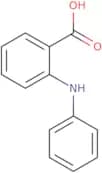
Fórmula:C10H9F3OPureza:Min. 95%Forma y color:Clear LiquidPeso molecular:202.17 g/molN-Phenylanthranilic acid
CAS:N-Phenylanthranilic acid is a nonsteroidal anti-inflammatory drug that inhibits the activity of cyclooxygenase-1 and cyclooxygenase-2. It has been shown to be effective against congestive heart failure in animal models. N-Phenylanthranilic acid also possesses potent anti-inflammatory activities that are mediated by inhibiting the production of prostaglandins. The compound binds to DNA and blocks the binding of transcription factors, leading to cell death. N-Phenylanthranilic acid has been shown to inhibit proliferation in human erythrocytes and k562 cells, as well as apoptosis pathway in these cells.Fórmula:C13H11NO2Pureza:Min. 95%Forma y color:PowderPeso molecular:213.23 g/mol(2,5-Dichlorophenyl)acetone
CAS:(2,5-Dichlorophenyl)acetone is a chemical compound that is used as a reaction component in the synthesis of other compounds. It can be used as a reagent in the preparation of high quality research chemicals, speciality chemicals and fine chemicals. It is also used as an intermediate in the synthesis of complex compounds. (2,5-Dichlorophenyl)acetone has CAS number 102052-40-4.Fórmula:C9H8Cl2OPureza:Min. 95%Forma y color:PowderPeso molecular:203.06 g/mol2-(Bromomethyl)benzoic acid
CAS:2-(Bromomethyl)benzoic acid is a functional group that can be found in many organic compounds. It is a derivative of phthalic acid and has some similar properties, including the ability to form micelles and radical species. 2-(Bromomethyl)benzoic acid has been shown to react with carbon tetrachloride or terephthalic acid to produce peroxides. This reaction is initiated by oxidation of the carbon-carbon double bond, which produces a radical pair that reacts with oxygen in the air to form radicals that are stabilized by resonance. 2-(Bromomethyl)benzoic acid also reacts with an inorganic base such as sodium hydroxide or potassium hydroxide to produce bromine gas and water.
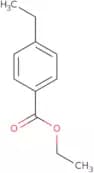
Fórmula:C8H7BrO2Pureza:Min. 97 Area-%Forma y color:White Off-White PowderPeso molecular:215.04 g/molMethyl 4-ethylbenzoate
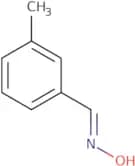
CAS:Methyl 4-ethylbenzoate is a molecule that has been shown to have synergistic effects with magnesium oxide, polyvinylpyrrolidone, and glycerin. It also has the ability to be used as a template molecule for the synthesis of hydrotalcite. Methyl 4-ethylbenzoate can be synthesized from ethyl benzoate and methyl iodide. It is an ingredient in some cosmetics and personal care products, such as skin lotions, hair conditioners, and fragrances. Methyl 4-ethylbenzoate has antioxidant properties due to its ability to scavenge free radicals. This compound is also used as a solvent for paints and lacquers.Fórmula:C11H14O2Pureza:Min. 95%Forma y color:Clear LiquidPeso molecular:178.23 g/mol3-Methylbenzaldehyde oxime
CAS:3-Methylbenzaldehyde oxime is a fine chemical that can be used as a versatile building block. It has the CAS No. 41977-54-2 and is also known as benzoic acid, 3-methyl-, oxime. 3-Methylbenzaldehyde oxime is a complex compound that can be used in research chemicals and reagents. The chemical has been found to have high quality and is useful for making speciality chemicals and useful intermediates. The compound is also a reaction component for use in synthesis of other compounds. 3-Methylbenzaldehyde oxime can be used as a scaffold for drug design and development.
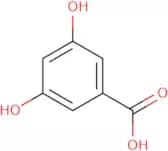
Fórmula:C8H9NOPureza:Min. 95%Forma y color:Off-White PowderPeso molecular:135.16 g/mol3,5-Dihydroxybenzoic acid
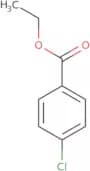
CAS:3,5-Dihydroxybenzoic acid is a phenolic compound that belongs to the class of aromatic compounds. It is an inhibitor of the enzyme 3-hydroxyphenylpyruvate dioxygenase and is used in the treatment of obesity. It has been shown to have a low potency for inhibiting this enzyme, although it does not inhibit other enzymes such as p-hydroxybenzoate hydroxylase. 3,5-Dihydroxybenzoic acid binds to human serum albumin through hydrogen bonding interactions and can inhibit the absorption of dietary phenols by binding to them. This compound also acts as a protocatechuic acid structural analog and has been shown to be hydrated in solution.Fórmula:C7H6O4Pureza:Min. 95%Forma y color:White PowderPeso molecular:154.12 g/molEthyl 4-chlorobenzoate
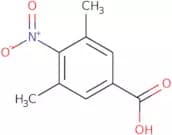
CAS:Ethyl 4-chlorobenzoate is an organic compound that is a colorless liquid with a sweet odor. It has been shown to be genotoxic in the presence of impurities such as palladium-catalyzed coupling and hemolytic activity. The structure of ethyl 4-chlorobenzoate can be determined by spectrometry analyses, which show that it contains an isopropyl group and an ethyl ester group. Ethyl 4-chlorobenzoate can be synthesized efficiently using the cross-coupling reaction between chlorides and aryl halides. This synthesis follows the same mechanism as the palladium catalyzed coupling reaction, but uses chloride ions instead of palladium complexes, which are more readily available.Fórmula:C9H9ClO2Pureza:Min. 95%Forma y color:Clear LiquidPeso molecular:184.62 g/mol3,5-Dimethyl-4-nitrobenzoic acid
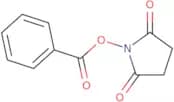
CAS:3,5-Dimethyl-4-nitrobenzoic acid is a synthetic compound that has been used in the synthesis of other organic compounds. It is not currently used as a drug, but it has been shown to inhibit the growth of bacteria in vitro. The mechanism of action for this compound is unclear. 3,5-Dimethyl-4-nitrobenzoic acid has been shown to be active against the bacterium Typhimurium and may inhibit bacterial growth by being metabolised into nitrite or nitrate ions. This chemical can also be converted into a reactive intermediate that reacts with oxygen to form superoxide anion radicals, which are known to have antibacterial effects.Fórmula:C9H9NO4Pureza:Min. 95%Forma y color:PowderPeso molecular:195.17 g/molBenzoic acid N-hydroxysuccinimide ester
CAS:Benzoic acid N-hydroxysuccinimide ester is a chemical compound that is used for the diagnosis of cancer. It is used as a reagent in chromatographic methods and as a sample preparation agent in amine extraction techniques. The benzoate group reacts with amines to form an aminobenzoate ester, which can be detected by ionization techniques. This reaction mechanism has been studied extensively with spinorphin and epidermal growth factor.
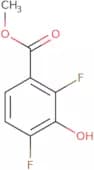
Fórmula:C11H9NO4Pureza:Min. 95%Forma y color:White PowderPeso molecular:219.19 g/mol2,4-Difluoro-3-hydroxybenzoic acid methyl ester
CAS:2,4-Difluoro-3-hydroxybenzoic acid methyl ester is a fine chemical that is used as a versatile building block for research chemicals and other complex compounds. It can be used as a reaction component in the synthesis of new chemical entities or as a reagent for organic chemistry reactions. 2,4-Difluoro-3-hydroxybenzoic acid methyl ester has CAS No. 194804-80-3 and is available in high quality.Fórmula:C8H6F2O3Pureza:Min. 95%Forma y color:PowderPeso molecular:188.13 g/mol2-Bromo-4-nitrobenzonitrile
CAS:2-Bromo-4-nitrobenzonitrile is a chemical compound that can be used to study the relationship between genetic polymorphism and chromosome structure. This compound has been found to induce polyploidy in Brassica plants, which may have implications for the evolution of these species. 2-Bromo-4-nitrobenzonitrile also has been shown to be a useful marker for phylogenetic and ecological studies of Lepidium species. The compound is diploid in nature, but can be used as a matrix in tetraploid plants.
Fórmula:C7H3BrN2O2Pureza:Min. 95%Forma y color:PowderPeso molecular:227.02 g/mol4-Octylbenzylamine
CAS:4-Octylbenzylamine is a hydrophobic molecule that is soluble in organic solvents. In simulations, it was shown to have affinity for anions and aromatic hydrocarbons, as well as the ability to be immobilized on surfaces. 4-Octylbenzylamine is also a chromatographic stationary phase that can be used to separate solutes with similar properties. This molecule has been oriented so that it binds to the hydrated surface of the column, which improves its affinity for anions and aromatic hydrocarbons. The high-performance liquid chromatography (HPLC) technique utilizes this property to separate molecules of different affinities from one another in a systematic manner.Fórmula:C15H25NPureza:Min. 95%Forma y color:PowderPeso molecular:219.37 g/mol2-Chloro-4-methylsulfonylbenzoic acid
CAS:2-Chloro-4-methylsulfonylbenzoic acid is a chlorinating agent that can be used to produce triketones from ketones. It is usually used as a hydrogen peroxide scavenger and a chlorinating agent in the food industry. 2-Chloro-4-methylsulfonylbenzoic acid can also be used to produce glyphosate, phosphoric acid solution, and chloride. The chlorinating property of this compound is due to its ability to form hypochlorous acid when it reacts with water. This reaction produces hypochlorite ions that are active against microorganisms by disrupting the cell membrane. 2-Chloro-4-methylsulfonylbenzoic acid can react with organic solvents such as carbon tetrachloride and optimizes the introduction of chlorine into organic compounds.Fórmula:C8H7ClO4SPureza:Min. 95%Forma y color:White PowderPeso molecular:234.66 g/mol4-Aminobenzoic acid
CAS:4-Aminobenzoic acid is a chemical compound that can be used as an antibacterial agent in wastewater treatment. It has been shown to be effective against Aerobacter aerogenes and other bacteria. 4-Aminobenzoic acid is a basic compound with an aromatic ring and four amine groups. It is often used in the synthesis of polymers, pharmaceuticals, dyes, and pigments. The polymerase chain reaction (PCR) technique uses 4-aminobenzoic acid as a cofactor for DNA synthesis. Electrochemical impedance spectroscopy (EIS) is another application of this chemical compound in which it acts as a redox mediator in the electrical circuit. 4-Aminobenzoic acid also has been shown to have toxic effects on bowel disease cells, which may be due to its ability to react with nucleophilic groups on cell surfaces or by inhibiting the production of essential proteins or enzymes within the cells
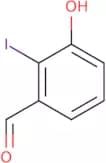
Fórmula:C7H7NO2Pureza:Min. 98 Area-%Forma y color:PowderPeso molecular:137.14 g/mol3-Hydroxy-2-iodobenzaldehyde
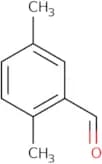
CAS:3-Hydroxy-2-iodobenzaldehyde is a heterocyclic compound that is synthesized from an acetoacetic ester. It is a photochemical precursor to many organic compounds, such as phenanthrene. The synthesis of 3-hydroxy-2-iodobenzaldehyde can be achieved by reacting acetoacetic acid with iodine and sodium nitrite in the presence of a base. This reaction yields 2-iodobenzoic acid in addition to the desired product. 3-Hydroxy-2-iodobenzaldehyde has been studied for its use in the preparation of natural products and research advances.Fórmula:C7H5IO2Pureza:Min. 95%Forma y color:PowderPeso molecular:248.02 g/mol2,5-Dimethylbenzaldehyde
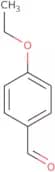
CAS:2,5-Dimethylbenzaldehyde is a chemical that is used in the synthesis of various compounds. It has been shown to have anticancer and energy metabolism properties. 2,5-Dimethylbenzaldehyde can be used as an energy source in the mitochondria. This compound also prevents the formation of fatty acids by inhibiting the conversion of acetyl-CoA into malonyl-CoA. The phase transition temperature for 2,5-dimethylbenzaldehyde is approximately −20 °C. The reaction mechanism for this compound is not well understood, but it has been shown to react with piperonal to form 3,4-dimethylbenzyl alcohol and methyl ethyl ether, which are both carcinogenic compounds. Chemical ionization mass spectrometry experiments have shown that protonated 2,5-dimethylbenzaldehyde reacts with methane gas to form methyl ethane and hydrogen gas. Thermodynamic data suggest that 2,5-dimethylFórmula:C9H10OPureza:Min. 98.0 Area-%Forma y color:Slightly Yellow Clear LiquidPeso molecular:134.18 g/mol4-Ethoxybenzaldehyde
CAS:4-Ethoxybenzaldehyde is a chemical compound with antioxidant properties. It has been found to inhibit the proliferation of cervical cancer cells and melanoma cells, as well as to protect against radiation-induced oxidative damage in human skin. 4-Ethoxybenzaldehyde also inhibits the influenza virus by interfering with its ability to replicate. This compound is used in many different products, including cosmetics and pharmaceuticals. The most common use of 4-ethoxybenzaldehyde is as an excipient in tablet formulations. In this application, it can be used to maintain drug stability and improve disintegration time. In addition, it may have some anti-inflammatory effects that are related to its ability to inhibit the production of prostaglandins and leukotrienes. 4-Ethoxybenzaldehyde has been shown to have antioxidant properties for diabetics as well as for patients with autoimmune diseases such as multiple sclerosis and systemic lupus erythematosus (SLE). TheFórmula:C9H10O2Pureza:Min. 98.5 Area-%Forma y color:Colorless Clear LiquidPeso molecular:150.17 g/molN-Nitrosodibenzylamine
CAS:N-Nitrosodibenzylamine is a chemical compound that has genotoxic effects. It is used as an analytical method to identify the presence of amines and to measure their concentration, as well as in the preparation of sodium salts. N-Nitrosodibenzylamine was found to cause damage to DNA in animals and cells in culture. The matrix effect, which is the difference in response between a sample contained in an organic solvent and one contained in water, was investigated using multi-walled carbon nanotubes (MWCNTs). The results showed that MWCNTs produce a significant matrix effect when compared with other solvents. This study also showed that MWNTs have a higher capacity for nitrosamine adsorption than do other solvents.
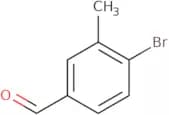
Fórmula:C14H14N2OPureza:Min. 96 Area-%Forma y color:Off-White PowderPeso molecular:226.27 g/mol4-Bromo-3-methylbenzaldehyde
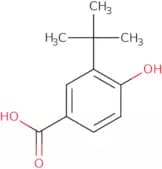
CAS:4-Bromo-3-methylbenzaldehyde is a versatile building block that is used in the synthesis of many complex compounds. It can be used as a reactant, reagent, or speciality chemical. 4-Bromo-3-methylbenzaldehyde is an intermediate for the production of other chemicals and has been shown to be useful in the synthesis of various scaffolds. This product has been shown to have high purity and quality.Fórmula:C8H7BrOPureza:Min. 95%Forma y color:Yellow PowderPeso molecular:199.04 g/mol3-tert-Butyl-4-hydroxybenzoic acid
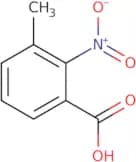
CAS:3-tert-Butyl-4-hydroxybenzoic acid is a phenolic compound that is found in the plant species of "Solanum xanthocarpum". It has antioxidant properties and has been shown to have anticancer activity in vitro. 3-tert-Butyl-4-hydroxybenzoic acid also inhibits the growth of human colon carcinoma cells. It is soluble in organic solvents and homopolymers at high temperatures, but insoluble at lower temperatures.Fórmula:C11H14O3Pureza:Min. 95%Forma y color:PowderPeso molecular:194.23 g/mol3-Methyl-2-nitrobenzoic acid
CAS:3-Methyl-2-nitrobenzoic acid is a chemical that can be used for wastewater treatment. It has been shown to be effective against chlorantraniliprole, a pesticide that is often found in wastewater. 3-Methyl-2-nitrobenzoic acid also has the ability to reduce chloride levels by oxidizing it to produce chloride ions and nitrogen gas. This chemical can be used as an oxidation catalyst in wastewater treatment. 3-Methyl-2-nitrobenzoic acid has been shown to have photocatalytic activity with titanium dioxide and copper sulfate (CuSO4) under visible light illumination conditions.Fórmula:C8H7NO4Pureza:Min. 95%Forma y color:PowderPeso molecular:181.15 g/mol4-Acetylbenzoic acid
CAS:4-Acetylbenzoic acid is a reactive functional group that is used to synthesize esters and amides. It has been shown to have anticancer activity in vitro, which may be due to the disruption of basic cellular proteins involved in DNA replication. 4-Acetylbenzoic acid is soluble in neutral pH and reacts with nucleophiles such as hydroxide ions or alcohols, forming alcohols or acetates respectively. The reaction mechanism for this compound is nucleophilic attack on the carbonyl carbon, followed by loss of water from the leaving group. Significant cytotoxicity has been observed in vitro at concentrations of 2mM and higher. This effect was particularly pronounced for cells exposed to radiation or treated with 4-acetylbenzoic acid before being exposed to radiation.
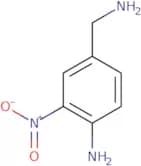
Fórmula:C9H8O3Pureza:Min. 95%Forma y color:White PowderPeso molecular:164.16 g/mol4-Amino-3-nitrobenzylamine hydrochloride
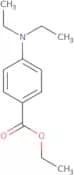
CAS:4-Amino-3-nitrobenzylamine hydrochloride is a potential vanilloid receptor antagonist with potent antagonistic activities. It has been shown to inhibit the activation of neuronal TRPV1 receptors, as well as the uptake of 4-aminobenzoic acid (4-BA) in rat brain synaptosomes. In addition, this compound can be used to optimize drug structure, acting as an amide and alkyl groups. 4-Amino-3-nitrobenzylamine hydrochloride binds to the vanilloid receptor TRPV1 and blocks its activation. This prevents the release of proinflammatory substances that are responsible for pain, inflammation, and tissue injury.Fórmula:C7H9N3O2·HClPureza:Min. 95%Forma y color:PowderPeso molecular:203.63 g/molEthyl 4-(N,N-diethylamino)benzoate
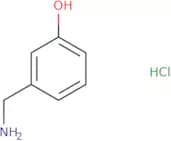
CAS:Ethyl 4-N,N-diethylamino)benzoate is a molecule that contains a carbonyl group. In an exothermic reaction, the carbonyl group reacts with naphthalene in the presence of activated alkyl substituents to form a fluorescent product. The molecule has a constant and is monomeric. It has an aromatic hydrocarbon structure, which results in a red shift in the fluorescence emission spectrum. Ethyl 4-N,N-diethylamino)benzoate reacts with solvents such as water and alcohols to form solutes that are fluorescent.Fórmula:C13H19NO2Pureza:Min. 95%Forma y color:PowderPeso molecular:221.3 g/mol3-Hydroxybenzylamine hydrochloride
CAS:3-Hydroxybenzylamine hydrochloride (3HBH) is a chemical compound that has been used as a reagent and in the synthesis of other compounds. It is also known to be a useful scaffold for complex compounds, and can be used as a building block for the synthesis of fine chemicals. 3HBH has been found to have many applications in research, such as being an intermediate for pharmaceuticals, pesticides, dyes, and agrochemicals. 3HBH is also useful in organic syntheses where it has been found to react with nitriles and amides to form esters and amides respectively.
Fórmula:C7H9NO·HClPureza:Min. 95%Forma y color:PowderPeso molecular:159.61 g/mol3-Hydroxybenzoic acid
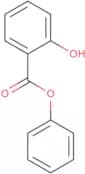
CAS:3-Hydroxybenzoic acid is a ferroelectric compound that can be found in water vapor, plants, and bacteria. It has been shown to have structural properties that are very similar to those of p-hydroxybenzoic acid. The redox potential of 3-hydroxybenzoic acid is around -0.8 volts versus the standard hydrogen electrode (p-hydroxybenzoic acid is -1.2 volts). 3-Hydroxybenzoic acid has been shown to inhibit some bacterial enzymes such as esterase and transaminase, but not others such as dehydrogenase or oxidoreductase. It also shows activity against fungal enzymes such as aminopeptidases and serine proteases. The compound can exist in two forms: the metastable form or a stable form. The metastable form can be obtained by crystallizing the compound from a solution containing copper chloride or x-ray diffraction data from wild type strainsFórmula:C7H6O3Forma y color:PowderPeso molecular:138.12 g/molPhenyl salicylate
CAS:Phenyl salicylate is a phenolic compound that is used as an antipyretic and analgesic. It has the ability to inhibit prostaglandin synthesis, which can lead to reduced inflammation in the body. Phenyl salicylate has been shown to bind to specific receptors on cells, which leads to inhibition of prostaglandin synthesis. This receptor binding may also be responsible for its anti-inflammatory properties. Phenyl salicylate is metabolized in the liver and excreted through the kidneys.
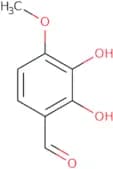
Fórmula:C13H10O3Pureza:Min. 98%Forma y color:White PowderPeso molecular:214.22 g/mol2,3-Dihydroxy-4-methoxybenzaldehyde
CAS:2,3-Dihydroxy-4-methoxybenzaldehyde is the oxidized form of 2,3-dihydroxybenzaldehyde. It has been used in biological studies to investigate the biosynthetic pathways of reductoisomerase and analytical methods for detecting hydrogen bonds in samples. This chemical can also be found in urine samples as a metabolite of adenine nucleotide and polypeptides. The chemical has been shown to have health benefits, such as being a recombinant that helps cell culture.
Fórmula:C8H8O4Pureza:Min. 95%Forma y color:PowderPeso molecular:168.15 g/mol2,6-Dimethoxybenzoic acid
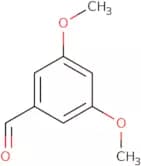
CAS:2,6-Dimethoxybenzoic acid is a chemical compound with the molecular formula of C9H8O4. It belongs to the group of sesquiterpene lactones and has been shown to have anti-inflammatory properties. 2,6-Dimethoxybenzoic acid exhibits a carboxylate reaction mechanism that can be activated by an enzyme, curculigoside, which hydrolyzes the ester bond in 2,6-dimethoxybenzoic acid. The reaction mechanism involves the group p2 (COOH) on 2,6-dimethoxybenzoic acid reacting with an alcohol on curculigoside to form an ester and protocatechuic acid. The dianthus caryophyllus plant produces 2,6-dimethoxybenzoic acid as a byproduct of its synthesis of protocatechuic acid. This compound is chemically studied using solid phase microextractionFórmula:C9H10O4Pureza:Min. 95%Forma y color:PowderPeso molecular:182.17 g/mol3,5-Dimethoxybenzaldehyde
CAS:3,5-Dimethoxybenzaldehyde is a fungicide that can kill fungal cells by inhibiting the synthesis of ergosterol, an important component of the fungal cell membrane. It has been shown to be effective against Cryptococcus neoformans and other fungi. 3,5-Dimethoxybenzaldehyde inhibits mitochondrial superoxide production and the growth of fungi in a model system. The optimum concentration for inhibition was determined in a kinetic and thermodynamic study. This compound has also been shown to have anti-inflammatory properties, which may be due to its ability to inhibit prostaglandin synthesis.
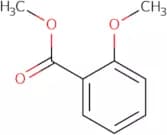
Fórmula:C9H10O3Pureza:Min. 98%Forma y color:PowderPeso molecular:166.17 g/molMethyl 2-methoxybenzoate
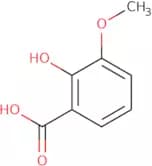
CAS:Methyl 2-methoxybenzoate is a synthetic chemical that is used in the treatment of wastewater. It inhibits the activity of enzymes such as fatty acid synthase, which are involved in the synthesis of long-chain fatty acids. Methyl 2-methoxybenzoate has been found to be an efficient method for the synthesis of prenyl compounds. This product is also an active methylene and hydrogen bond donor, and it can form products with carboxylic acid conjugates through acid catalysis. Methyl 2-methoxybenzoate has been used as a reagent for analytical chemistry, including gas chromatography and liquid chromatography.Fórmula:C9H10O3Pureza:Min. 95%Forma y color:Colorless Clear LiquidPeso molecular:166.17 g/mol2-Hydroxy-3-methoxybenzoic acid
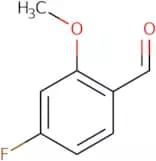
CAS:2-Hydroxy-3-methoxybenzoic acid is a chemical compound that has been studied for its potential use in the treatment of prostate cancer. It is a coordination complex that binds to DNA and inhibits the process of transcription. This compound also possesses anti-inflammatory properties, which are related to its ability to inhibit prostaglandin synthesis. 2-Hydroxy-3-methoxybenzoic acid has been shown to have an effect on human HL60 cells, which may be due to its ability to induce apoptosis. This compound has also been shown to have a high degree of metabolic stability and is not toxic to normal cells at doses up to 100 μM.Fórmula:C8H8O4Pureza:Min. 95%Forma y color:PowderPeso molecular:168.15 g/mol4-Fluoro-2-methoxybenzaldehyde
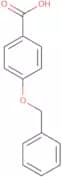
CAS:4-Fluoro-2-methoxybenzaldehyde (4FMBA) is a potential PET radioligand that binds to the serotonin 5-HT2A receptor. 4FMBA has been shown to be an efficient and selective 5-HT2A antagonist with low molecular weight and high affinity. The binding of 4FMBA to the serotonin 5-HT2A receptor can be inhibited by ketanserin, which is a nonselective 5-HT2A antagonist. This drug may be used for cancer diagnosis, as it has a low detection limit and can detect endogenous serotonin in the brain. It also shows anti-depressant properties, which may be due to its ability to bind to the orthosteric site of the serotonin 5-HT2A receptor.Fórmula:C8H7FO2Pureza:Min. 95%Forma y color:Off-White PowderPeso molecular:154.14 g/mol4-Benzyloxybenzoic acid
CAS:4-Benzyloxybenzoic acid is a carboxylic acid that is structurally related to adenosine. It has been shown to bind to the group P2 adenosine receptor, which may be involved in the regulation of locomotor activity and photophysical properties. This compound also inhibits fatty acid biosynthesis and has inhibitory effects on nerve injury, amide formation, and benzoate degradation. It has been reported that 4-Benzyloxybenzoic acid binds to metal ions such as cobalt and manganese, which may be important for its antimycobacterial activity.
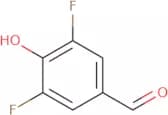
Fórmula:C14H12O3Pureza:Min. 95%Forma y color:PowderPeso molecular:228.24 g/mol3,5-Difluoro-4-hydroxybenzaldehyde
CAS:3,5-Difluoro-4-hydroxybenzaldehyde is a biochemical that belongs to the group of anticancer agents. It is activated by hydroxyl radicals and inhibits cancer cells. 3,5-Difluoro-4-hydroxybenzaldehyde inhibits protein synthesis in the cell by binding to messenger RNA and preventing its translation into protein. This compound also has inhibitory properties against DNA polymerase, which prevents DNA replication and transcription. 3,5-Difluoro-4-hydroxybenzaldehyde can be used as a template for oligodeoxynucleotides (ODN) to enhance photochemical properties.
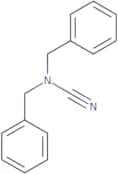
Fórmula:C7H4F2O2Pureza:Min. 95%Forma y color:Off-White PowderPeso molecular:158.1 g/molCyanodibenzylamine
CAS:Cyanodibenzylamine is a synthetic, pharmaceutical preparation. It is an amine that undergoes nucleophilic attack by an amide to form a cyanoguanidine. Cyanodibenzylamine can be used as a stabilizer and additive in pharmaceutical preparations. It also has the ability to bind metal hydroxides, which may be due to the presence of basic fibroblast growth factor and isoquinoline compound. Cyanodibenzylamine is also used as a polymerization initiator in organic chemistry, with hydrocarbon solvents such as benzene or toluene as its solvent.
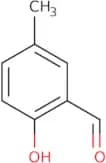
Fórmula:C15H14N2Pureza:Min. 95%Forma y color:PowderPeso molecular:222.29 g/mol2-Hydroxy-5-methylbenzaldehyde
CAS:2-Hydroxy-5-methylbenzaldehyde (2HMBA) is a biologically active molecule that has been shown to bind to human serum albumin. The binding constants for the two molecules are relatively low, with a Kd of approximately 2.6 x 10 M. The nitrogen atoms in the molecule form hydrogen bonds with the hydroxyl group on the ethylene diamine, which stabilizes it and prevents it from dissolving in water. This compound also has a cyclohexane ring and can be found in natural products such as erythronolide B, an antibiotic produced by Streptomyces erythreus. 2HMBA is stable when complexed with hydrochloric acid or potassium dichromate and can be used in structural analysis of other molecules.Fórmula:C8H8O2Pureza:Min. 95%Forma y color:Off-White PowderPeso molecular:136.15 g/moln-Pentyl 4-hydroxybenzoate
CAS:n-Pentyl 4-hydroxybenzoate is a preservative that inhibits the growth of microorganisms. It is used in products such as cosmetics, pharmaceuticals, and food to prevent spoilage. The antimicrobial activity of n-pentyl 4-hydroxybenzoate has been shown to be due to p-hydroxybenzoic acid, which binds to bacterial cell walls. This binding prevents the formation of an antibiotic-inhibitor complex with the enzyme cell wall synthesis that is required for cell wall biosynthesis, inhibiting protein synthesis and cell division. n-Pentyl 4-hydroxybenzoate has also been shown to inhibit bacterial growth in vitro and in vivo in rats by interfering with protein synthesis in rat liver microsomes.
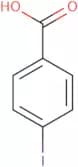
Fórmula:C12H16O3Pureza:Min. 95%Forma y color:Off-White PowderPeso molecular:208.25 g/mol4-Iodobenzoic acid
CAS:4-Iodobenzoic acid is a chiral compound that can be used as a nutrient solution in the laboratory. It has been shown to be effective at removing p-hydroxybenzoic acid and 4-dimethylaminobenzoic acid from wastewater. The reaction mechanism of 4-iodobenzoic acid involves intramolecular hydrogen transfer from the hydroxyl group on the benzoic side chain to the iodine atom, which forms an intermediate that reacts with a second molecule of benzoic acid. This reaction mechanism is similar to that found in caproic acid, except for the substitution of hydrogen with iodine. The addition of sodium hypochlorite or potassium permanganate can lead to the oxidation of 4-iodobenzoic acid and its eventual decomposition into carbon dioxide and water.
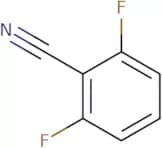
Fórmula:C7H5IO2Pureza:Min. 95%Forma y color:PowderPeso molecular:248.02 g/mol2,6-Difluorobenzonitrile
CAS:2,6-Difluorobenzonitrile is a nucleophilic compound that reacts with inorganic acids to form new chemical structures. It has been shown to react with hydrochloric acid, sodium carbonate and phosphotungstic acid. The FT-IR spectroscopy of 2,6-difluorobenzonitrile shows a reaction product with a proton. This means that the molecule is able to transfer a hydrogen ion from one site to another. The reaction between 2,6-difluorobenzonitrile and sodium carbonate produces an insoluble precipitate of sodium phosphate and sodium chloride, which can be analyzed gravimetrically. 2,6-Difluorobenzonitrile has also been shown to have fluorescence properties that are activated by ultraviolet light and naphthalene.
Fórmula:C7H3F2NPureza:Min. 95%Forma y color:PowderPeso molecular:139.1 g/mol2-Isopropylbenzoic acid
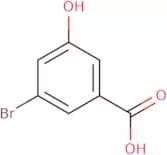
CAS:2-Isopropylbenzoic acid is a fine chemical that belongs to the group of aromatic compounds and has the molecular formula C8H10O2. This compound is used in research as an intermediate for organic synthesis, such as the production of pharmaceuticals. 2-Isopropylbenzoic acid is also a versatile building block for complex molecules, such as dyes and fragrances. It can be used as a reagent or speciality chemical in research and development, such as in polymer chemistry. 2-Isopropylbenzoic acid can be used as a reaction component for synthesis of other chemicals, such as pharmaceuticals. As an intermediate, it can be used in the production of synthetic drugs and other bioactive molecules that are difficult to synthesize by other means due to its high quality.Fórmula:C10H12O2Pureza:Min. 95%Forma y color:White PowderPeso molecular:164.2 g/mol3-Bromo-5-hydroxybenzoic acid
CAS:3-Bromo-5-hydroxybenzoic acid is a metabolite of 3,5-dihydroxybenzoic acid (DHB) in the metabolism of benzoic acid. It has been shown to be an antibacterial agent and has been used to treat metabolic disorders in hamsters. Symptoms of 3-bromo-5-hydroxybenzoic acid include dyslipidemia, which can lead to metabolic disorders such as diabetes mellitus and atherosclerosis. The compound may also have a role in tuberculosis and cancer due to its ability to induce apoptosis.
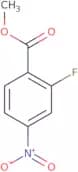
Fórmula:C7H5O3BrPureza:Min. 95%Forma y color:White PowderPeso molecular:217.02 g/mol2-Fluoro-4-nitrobenzoic acid methyl ester
CAS:2-Fluoro-4-nitrobenzoic acid methyl ester is a synthetic compound that has been shown to inhibit the activity of protein kinases and may be used as a lead compound for the development of allosteric inhibitors. A high yield synthesis of this compound was achieved using an allyl chloroformate, which is a versatile reagent that can be used to synthesize 2-fluoro-4-nitrobenzoic acid methyl ester. The structural analysis of this compound showed that it binds to the allosteric site on ATP binding proteins. This site is distinct from the active site and regulates ATP binding, hydrolysis, and phosphate transfer.Fórmula:C8H6FNO4Pureza:Min. 98%Forma y color:White PowderPeso molecular:199.14 g/mol6-Bromoveratraldehyde
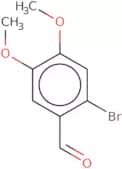
CAS:6-Bromoveratraldehyde (6BrA) is a synthetic compound that has been shown to be an effective agent for inducing apoptosis in leukemia cells. It is an efficient method for synthesizing the compound and has been used as a model study for biphenyl and naphthalene. 6BrA induces cell death by topoisomerase-mediated DNA cleavage, which results in chromosomal fragmentation and high levels of reactive oxygen species in the cell.Fórmula:C9H9BrO3Pureza:Min. 95%Forma y color:White PowderPeso molecular:245.07 g/mol2-Chloro-5-hydroxybenzonitrile
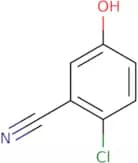
CAS:2-Chloro-5-hydroxybenzonitrile is a versatile, building block chemical that can be used as a reactant or intermediate in the synthesis of other compounds. It is also an excellent research chemical with a high quality and purity. 2-Chloro-5-hydroxybenzonitrile has many uses, such as being a reagent for organic synthesis, a speciality chemical, and a useful intermediate. This compound is suitable for complex synthesis and has been shown to be useful as a building block or scaffold in the production of other chemicals.Fórmula:C7H4ClNOPureza:Min. 95%Forma y color:Off-White PowderPeso molecular:153.57 g/mol4-Methoxy-3-methylphenylacetone
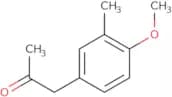
CAS:4-Methoxy-3-methylphenylacetone is an organic chemical that is used as a reaction component, reagent, and useful scaffold. It is a high quality research chemical that can be used as an intermediate in the synthesis of other compounds. 4-Methoxy-3-methylphenylacetone has a CAS number of 16882-23-8 and can be found under the category of speciality chemicals. This compound is versatile and can be used to make complex compounds.Fórmula:C11H14O2Pureza:Min. 95%Forma y color:Yellow PowderPeso molecular:178.23 g/mol2,5-Dimethoxybenzonitrile
CAS:2,5-Dimethoxybenzonitrile is a polymerized organic compound that belongs to the class of benzene compounds. It is a monomer with two methyl groups on either side of the benzene ring. 2,5-Dimethoxybenzonitrile has been studied in terms of its transition and optimization properties using techniques such as IR and NMR spectroscopy. The frequencies of the chemical bonds have been analyzed, and it has been found that the molecule is centrosymmetric. 2,5-Dimethoxybenzonitrile can also be used to form polymers with other molecules by linking them together through covalent bonds.
Fórmula:C9H9NO2Pureza:Min. 95%Forma y color:PowderPeso molecular:163.17 g/mol3-Hydroxy-4-methylbenzaldehyde
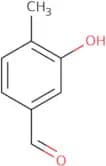
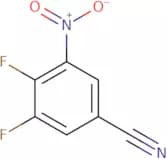
CAS:3-Hydroxy-4-methylbenzaldehyde is a chemical that is synthesized from 3-hydroxy-4-methylphenol and dimethylformamide. It has been shown to interact with aluminium, which may be due to its ability to form a 1:1 complex with the metal. 3-Hydroxy-4-methylbenzaldehyde also exhibits electrochemical methods and isomers with other aldehydes. This chemical can be used in gas chromatography/mass spectrometry (GCMS) as an internal standard for fatty acid analysis.Fórmula:C8H8O2Pureza:Min. 95%Forma y color:White PowderPeso molecular:136.15 g/mol3,4-Difluoro-5-nitrobenzonitrile
CAS:3,4-Difluoro-5-nitrobenzonitrile is a hepatotoxic compound that is found in the environment. It has been shown to cause cirrhosis and overgrowth of the liver. 3,4-Difluoro-5-nitrobenzonitrile also inhibits hepatic encephalopathy and may be used to treat liver disease. This toxicant has been detected in the bowel and duodenum of humans with nonalcoholic steatohepatitis, as well as in the jejunum and duodenum of mice with spontaneous steatohepatitis. It also causes nonalcoholic steatohepatitis when given orally to rats.
Fórmula:C7H2F2N2O2Pureza:Min. 95%Forma y color:Yellow PowderPeso molecular:184.1 g/molα-Sulfophenylacetic acid
CAS:Alpha-Sulfophenylacetic acid is a high quality reagent that is useful as an intermediate in the synthesis of complex compounds. It is also a fine chemical that can be used as a building block for the synthesis of speciality chemicals and research chemicals. Alpha-sulfophenylacetic acid is a versatile building block for reactions involving organic synthesis, and can be used as a reaction component to produce dyes, pharmaceuticals, pesticides, and herbicides.Fórmula:C8H8O5SPureza:Min. 95.0 Area-%Peso molecular:216.21 g/molRef: 3D-S-9630
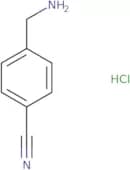
1kgA consultar5kgA consultar10kgA consultar25kgA consultar2500gA consultar-Unit-kgkgA consultar4-Cyanobenzylamine HCl
CAS:4-Cyanobenzylamine HCl is a degradable polymer that has been shown to inhibit colonic adenocarcinoma in mice. This compound was synthesized by the reaction of 4-cyanobenzylamine with 3-mercaptopropionic acid and was characterized using IR, 1H NMR, and 13C NMR spectroscopy. It also showed an inhibitory effect on the proliferation of human colon cancer cells. The polymer was found to gel when mixed with different concentrations of acrylamide and methylene bisacrylamide. Gelation occurred at a lower concentration of acrylamide than the amount used in previous studies. This may be due to its functional groups and morphology, which could have contributed to the inhibition of cell growth.
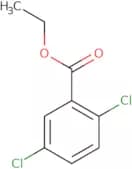
Fórmula:C8H8N2·HClPureza:Min. 95%Forma y color:PowderPeso molecular:168.62 g/mol2,5-Dichlorobenzoic acid ethyl ester
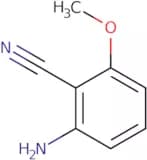
CAS:2,5-Dichlorobenzoic acid ethyl ester is a high quality, versatile building block that can be used as a reagent or intermediate. It is a useful scaffold for the synthesis of fine chemicals and research chemicals. This compound has been used in the synthesis of 2,5-dichloro-N-(2-hydroxyethyl)benzamide (CAS No. 35112-27-7), which is a speciality chemical with potential applications in pharmaceuticals and agrochemicals. 2,5-Dichlorobenzoic acid ethyl ester reacts with an amine to produce an N-[2-(2,5-dichlorophenyl)ethyl]amine (CAS No. 35112-27-7). The reaction proceeds via an amide bond formation by condensation of the amine with the acid chloride formed from the acid and ethyl chloride. This reaction is facilitated by heat andFórmula:C9H8Cl2O2Pureza:Min. 95%Forma y color:PowderPeso molecular:219.06 g/mol2-Amino-6-methoxybenzonitrile
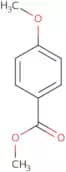
CAS:2-Amino-6-methoxybenzonitrile is an organic compound that belongs to a group of monosubstituted hydroxylamines. It has been used in the synthesis of various analogues, such as caprolactam and methoxyanthranilic acid. Hydrochloric acid reacts with 2-amino-6-methoxybenzonitrile to form 2-amino-6-hydroxybenzonitrile, which can be oxidized to 2-amino-6-(hydroxymethyl)benzonitrile. This reaction is catalyzed by copper or zinc metal.Fórmula:C8H8N2OPureza:Min. 95%Forma y color:PowderPeso molecular:148.16 g/molMethyl 4-methoxybenzoate
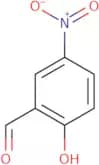
CAS:Methyl 4-methoxybenzoate is a white, crystalline powder that is soluble in alcohol and ether. The chemical formula for methyl 4-methoxybenzoate is C8H10O4. It has a molecular weight of 196.19 g/mol and a melting point of 136°C. Methyl 4-methoxybenzoate has been used as an organic reagent, as well as a pharmaceutical intermediate and additive in food manufacturing. It also has biological properties such as being an anti-inflammatory agent and being able to inhibit the growth of infectious diseases like tuberculosis and malaria. Methyl 4-methoxybenzoate can be synthesized by reacting benzoic acid with methanol, phosphoric acid, or hydrochloric acid. This molecule can also be synthesized from p-hydroxybenzoic acid by electrophilic substitution with methyl iodide followed by hydrolysis using sodium hydroxide. The chemicalFórmula:C9H10O3Pureza:Min. 98%Forma y color:PowderPeso molecular:166.17 g/mol5-Nitrosalicylaldehyde
CAS:5-Nitrosalicylaldehyde is a powerful inhibitor of bacterial growth. It has been shown to inhibit the growth of gram-positive bacteria such as Staphylococcus aureus and Streptococcus pyogenes, but not gram-negative bacteria such as Escherichia coli. 5-Nitrosalicylaldehyde is an antimicrobial agent that has been shown to bind to the active site of some enzymes, including bacterial DNA gyrase and human liver microsomes. The binding prevents the enzyme from functioning and leads to cell death. 5-Nitrosalicylaldehyde coordinates with sodium ions in the active site, forming strong hydrogen bonding interactions. This interaction stabilizes the transition state for the reaction and prevents it from happening, thereby inhibiting its function.
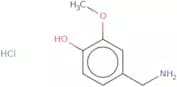
Fórmula:C7H5NO4Pureza:Min. 95%Forma y color:Yellow PowderPeso molecular:167.12 g/mol4-Hydroxy-3-methoxybenzylamine hydrochloride
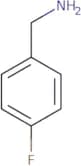
CAS:4-Hydroxy-3-methoxybenzylamine hydrochloride is a reagent, complex compound and useful intermediate for the production of speciality chemicals. CAS No. 7149-10-2 is not a hazardous chemical and does not pose any significant risk to human health or the environment when used as intended. This chemical has many uses including being a useful scaffold in organic synthesis, a useful building block for the preparation of other compounds, and a versatile building block for the preparation of various compounds. It also has many applications in research such as being an intermediate for the synthesis of other compounds, or as a reactant in various reactions.Fórmula:C8H12NO2ClPureza:Min. 98 Area-%Forma y color:White PowderPeso molecular:189.64 g/mol4-Fluorobenzylamine
CAS:4-Fluorobenzylamine is a chemical compound with the molecular formula CHF. It has been shown to radiosensitize tumor cells by inhibiting the synthesis of cyclin D2, which is required for cell proliferation. 4-Fluorobenzylamine can also be used in asymmetric synthesis reactions such as nitration and trifluoroacetic acid hydrolysis. 4-Fluorobenzylamine has been shown to have synergistic effects on cells when paired with flupirtine or maleate. This synergistic effect is primarily due to its ability to inhibit DNA repair, which leads to cell death through apoptosis or necrosis.
Fórmula:C7H8FNPureza:Min. 98 Area-%Forma y color:Colourless To Pale Yellow LiquidPeso molecular:125.14 g/mol2-Chloro-4-trifluoromethylbenzoic acid
CAS:2-Chloro-4-trifluoromethylbenzoic acid is a chemical compound with the formula CHClFO. It can be obtained by deprotonation of 2,4,6-trichlorobenzoic acid with butyllithium and subsequent reaction with chlorotrifluoromethane. The product has two regioisomers, one in which the chlorine atom is attached to the para position on the benzene ring and the other in which it is attached to the ortho position. Substituents such as alkyl groups or lithium reagents can affect both reactivity and selectivity. The halogen substituent can also be replaced by other functional groups to make derivatives of this compound.
Fórmula:C8H4ClF3O2Pureza:Min. 95%Forma y color:PowderPeso molecular:224.56 g/mol3-Methyl-4-nitrobenzoic acid
CAS:3-Methyl-4-nitrobenzoic acid is a white solid that can be synthesized by heating 2,4-dichlorobenzoic acid with potassium dichromate in the presence of nitrogen. It has been shown to be effective against Candida glabrata strains and other bacteria. 3-Methyl-4-nitrobenzoic acid is soluble in water and other polar solvents, such as acetic acid or sodium carbonate, but insoluble in nonpolar solvents such as hexane or ether. The reaction mechanism for this compound is not yet known. It has been found to have a phase equilibrium between its solid and liquid forms at room temperature. Solubility data for this compound are available from experimental measurements.
Fórmula:C8H7NO4Pureza:Min. 95%Forma y color:PowderPeso molecular:181.15 g/mol4,5-Dimethoxy-2-nitrobenzoic acid - Technical
CAS:4,5-Dimethoxy-2-nitrobenzoic acid is a versatile building block and reagent that can be used in research and development as well as for the production of fine chemicals. This compound has been shown to react with amines using the nitration reaction to produce a variety of useful compounds. The synthesis of this compound is not difficult, but requires care and some speciality chemicals. 4,5-Dimethoxy-2-nitrobenzoic acid is also a useful scaffold for complex compounds. It reacts readily with other building blocks to form nitrogen heterocycles and is used in the production of pharmaceuticals and pesticides.
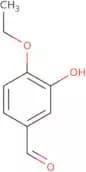
Fórmula:C9H9NO6Pureza:Min. 95%Peso molecular:227.17 g/mol4-Ethoxy-3-hydroxybenzaldehyde
CAS:4-Ethoxy-3-hydroxybenzaldehyde (4EHB) is a thioacetal that has been shown to be an effective precursor for the synthesis of many other molecules, such as combretastatin a-4. It is prepared by reaction of ethylmagnesium bromide and acetone. 4EHB has been shown to have antifungal properties in vitro, and can be used in the treatment of cancer cells. This compound is volatile and can be easily detected with headspace techniques. The functional group of this molecule is an alcohol group, which is found on the ring structure. Spectroscopic analysis shows that it has a carbonyl group with an OH group attached to it.
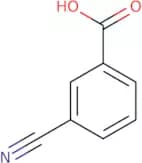
Fórmula:C9H10O3Pureza:Min. 95%Forma y color:Colorless PowderPeso molecular:166.17 g/mol3-Cyanobenzoic acid
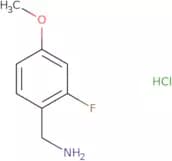
CAS:3-Cyanobenzoic acid is a chemical intermediate that is used to synthesize 3-cyanobenzamide. It is also a byproduct of the synthesis of benzonitrile and can be found in metal surface residues and environmental pollution. The molecule has two functional groups, one electron withdrawing and one electron donating, which are necessary for its stability. This compound can be found in high concentrations when it reacts with metal surfaces or organic solvents. 3-Cyanobenzamide was synthesized from 3-cyanobenzoic acid as an amide, which has been shown to have antimicrobial properties against Gram-positive bacteria such as Staphylococcus aureus, Streptococcus pyogenes and Enterococcus faecalis.Fórmula:C8H5O2NPureza:Min. 95%Forma y color:PowderPeso molecular:147.13 g/mol2-Fluoro-4-methoxybenzylamine hydrochloride
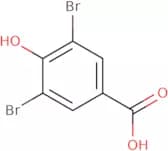
CAS:2-Fluoro-4-methoxybenzylamine hydrochloride is a potent inhibitor of polymerase (DNA and RNA). It has been shown to inhibit the growth of human breast cancer cells and to induce apoptosis. 2-Fluoro-4-methoxybenzylamine hydrochloride binds to the polymerase, which blocks synthesis of DNA or RNA. The binding site is located near the active site of the enzyme. This drug also has an insulin-like effect by stimulating IGF-I production and increasing protein synthesis in somatotrophic cells.Fórmula:C8H11ClFNOPureza:Min. 95%Forma y color:PowderPeso molecular:191.63 g/mol3,5-Dibromo-4-hydroxybenzoic acid
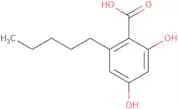
CAS:3,5-Dibromo-4-hydroxybenzoic acid is a chemical that is used as a herbicide and insecticide. It inhibits the growth of plants by preventing protein synthesis in cells. 3,5-Dibromo-4-hydroxybenzoic acid has been found to be effective against bacteria such as Escherichia coli, Pseudomonas aeruginosa, and Klebsiella pneumoniae. The compound also has an inhibitory effect on the growth of industrial chemicals such as ethylene oxide and acetaldehyde. 3,5-Dibromo-4-hydroxybenzoic acid is produced from p-hydroxybenzoic acid by the action of corrin (a bacterial enzyme).Fórmula:C7H4Br2O3Pureza:Min. 98 Area-%Forma y color:PowderPeso molecular:295.91 g/mol2,4-Dihydroxy-6-pentylbenzoic acid
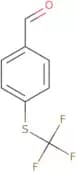
CAS:An intermediate in the phytocannabinoid biosynthetic pathway.Fórmula:C12H16O4Pureza:Min. 98 Area-%Forma y color:PowderPeso molecular:224.25 g/mol4-(Trifluoromethylthio)benzaldehyde
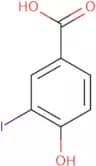
CAS:4-(Trifluoromethylthio)benzaldehyde is a magnetic, stereogenic, mononuclear compound with a thermodynamic stability that has been improved by advances in the field of thermodynamics. The compound can also be synthesized using an asymmetric synthesis and is tetrasubstituted with antiferromagnetic coupling. 4-(Trifluoromethylthio)benzaldehyde has many functions, including being able to control the oxidation-reduction potentials of lanthanide ions and ferromagnetic materials. It also has a calorimetry effect on the adsorption of water vapor onto hydrophobic surfaces.Fórmula:C8H5F3OSPureza:Min. 95%Forma y color:PowderPeso molecular:206.19 g/mol4-Hydroxy-3-iodobenzoic acid
CAS:4-Hydroxy-3-iodobenzoic acid is a synthetic retinoid that is used in the synthesis of various other pharmaceutical compounds. It is also an inhibitor of bacterial growth, which may be due to its ability to bind to receptors on the bacterial cell surface. The antibiotic activity of 4-hydroxy-3-iodobenzoic acid has been demonstrated using an in vitro assay with Escherichia coli and Streptococcus pyogenes. 4-Hydroxy-3-iodobenzoic acid has also been shown to have antiestrogen properties when it competes with estradiol for receptor binding sites. This compound binds to the estrogen receptor and blocks its activity, inhibiting estrogen production by the ovaries or from other sources. Structural analysis of 4-hydroxy-3-iodobenzoic acid revealed that this compound has two functional groups: one group that interacts with nitrogen and another that binds to hydrogen or oxygen. These
Fórmula:C7H5IO3Pureza:Min. 95%Forma y color:PowderPeso molecular:264.02 g/mol