Bencenos
Subcategorías de "Bencenos"
- Benzamidas(62 productos)
- Ácidos benzoicos(5.475 productos)
- Alcoholes bencílicos(1.458 productos)
- Bencenos halogenados(33.965 productos)
- Fenoles(2.663 productos)
Se han encontrado 11887 productos de "Bencenos"
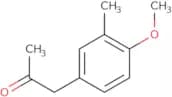
4-Methoxy-3-methylphenylacetone
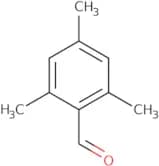
CAS:4-Methoxy-3-methylphenylacetone is an organic chemical that is used as a reaction component, reagent, and useful scaffold. It is a high quality research chemical that can be used as an intermediate in the synthesis of other compounds. 4-Methoxy-3-methylphenylacetone has a CAS number of 16882-23-8 and can be found under the category of speciality chemicals. This compound is versatile and can be used to make complex compounds.Fórmula:C11H14O2Pureza:Min. 95%Forma y color:Yellow PowderPeso molecular:178.23 g/molMesitaldehyde - 97%
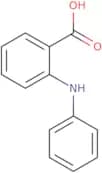
CAS:Mesitaldehyde is a diazonium salt that is synthesized by the reaction of nitrosyl chloride and sodium carbonate in an acidic solution. This chemical has been studied for its potential use as a therapeutic drug due to its ability to inhibit the enzyme dpp-iv, which is involved in the development of diabetic neuropathy. Mesitaldehyde has also been shown to be an inhibitor of malonic acid, ethylmalonic acid and other organic acids. The analytical method for mesitaldehyde involves hydrolyzing the product with hydrochloric acid in order to produce ethylmalonic acid, which can then be quantified using spectrophotometry.Fórmula:C10H12OPureza:Min. 95%Forma y color:PowderPeso molecular:148.2 g/molN-Phenylanthranilic acid
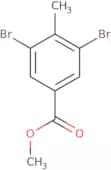
CAS:N-Phenylanthranilic acid is a nonsteroidal anti-inflammatory drug that inhibits the activity of cyclooxygenase-1 and cyclooxygenase-2. It has been shown to be effective against congestive heart failure in animal models. N-Phenylanthranilic acid also possesses potent anti-inflammatory activities that are mediated by inhibiting the production of prostaglandins. The compound binds to DNA and blocks the binding of transcription factors, leading to cell death. N-Phenylanthranilic acid has been shown to inhibit proliferation in human erythrocytes and k562 cells, as well as apoptosis pathway in these cells.Fórmula:C13H11NO2Pureza:Min. 95%Forma y color:PowderPeso molecular:213.23 g/molMethyl 3,5-dibromo-4-methylbenzoate
CAS:Methyl 3,5-dibromo-4-methylbenzoate is a versatile building block that can be used as a reagent or a speciality chemical. It is a high quality compound with many applications in research and synthesis. Methyl 3,5-dibromo-4-methylbenzoate is an intermediate in the manufacturing of polymers and pharmaceuticals. It is also a reaction component for the preparation of complex compounds, such as methyl 3,5-dimethoxybenzoate. Methyl 3,5-dibromo-4-methylbenzoate has been shown to be useful as a scaffold for the synthesis of novel compounds.
Fórmula:C9H8Br2O2Pureza:Min. 95%Forma y color:Off-White PowderPeso molecular:307.97 g/molEthyl 3-aminobenzoate
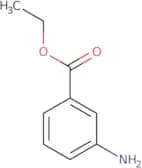
CAS:Ethyl 3-aminobenzoate is a chemical that is used as an anesthetic. It is administered intravenously and has been shown to have effects on the cardiovascular system, such as lowering blood pressure, decreasing heart rate and increasing the time it takes for the heart to recover after a contraction. Ethyl 3-aminobenzoate also affects the central nervous system by causing anesthesia and changes in brain function. Its effects are reversible with administration of naloxone or flumazenil.Fórmula:C9H11NO2Pureza:Min. 95%Forma y color:PowderPeso molecular:165.19 g/mol4-Hydroxy-3-methoxybenzylamine hydrochloride
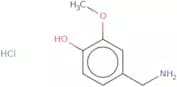
CAS:4-Hydroxy-3-methoxybenzylamine hydrochloride is a reagent, complex compound and useful intermediate for the production of speciality chemicals. CAS No. 7149-10-2 is not a hazardous chemical and does not pose any significant risk to human health or the environment when used as intended. This chemical has many uses including being a useful scaffold in organic synthesis, a useful building block for the preparation of other compounds, and a versatile building block for the preparation of various compounds. It also has many applications in research such as being an intermediate for the synthesis of other compounds, or as a reactant in various reactions.Fórmula:C8H12NO2ClPureza:Min. 98 Area-%Forma y color:White PowderPeso molecular:189.64 g/molMethyl 2-methoxybenzoate
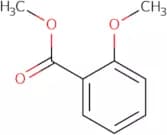
CAS:Methyl 2-methoxybenzoate is a synthetic chemical that is used in the treatment of wastewater. It inhibits the activity of enzymes such as fatty acid synthase, which are involved in the synthesis of long-chain fatty acids. Methyl 2-methoxybenzoate has been found to be an efficient method for the synthesis of prenyl compounds. This product is also an active methylene and hydrogen bond donor, and it can form products with carboxylic acid conjugates through acid catalysis. Methyl 2-methoxybenzoate has been used as a reagent for analytical chemistry, including gas chromatography and liquid chromatography.Fórmula:C9H10O3Pureza:Min. 95%Forma y color:Colorless Clear LiquidPeso molecular:166.17 g/mol3,5,6-Trichlorosalicylic acid
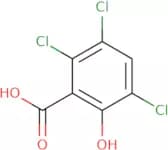
CAS:3,5,6-Trichlorosalicylic acid binds to the active site of bacterial 5-nitrosalicylic acid reductase and inhibits its activity. It is an inhibitor of proton-translocating ATPases. 3,5,6-Trichlorosalicylic acid has been shown to be effective against a variety of bacteria at low concentrations. 3,5,6-Trichlorosalicylic acid has also been shown to inhibit some physiological activities such as the light emission and chemiluminescent reaction of luciferin in fireflies. This chemical reacts with chloride ions to produce light.Fórmula:C7H3Cl3O3Pureza:Min. 95%Forma y color:PowderPeso molecular:241.46 g/mol3,5-Dinitrosalicylaldehyde
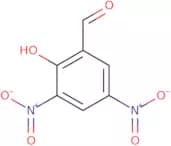
CAS:3,5-Dinitrosalicylaldehyde is an oxidizing agent that is used in organic chemistry to produce aldehydes or carboxylic acids. It reacts with the amino groups of lysine residues and converts them to nitro groups. 3,5-Dinitrosalicylaldehyde is also used as a reagent in the determination of the number of lysine residues in proteins by titration with hydrochloric acid. The reaction mechanism of 3,5-dinitrosalicylaldehyde involves formation of an electron deficient intermediate that oxidizes chloride ions to form water molecules and chloride radicals. These intermediates react with nitro groups on lysine residues, resulting in nitro compounds. Crystallography studies have shown that the molecular structure of 3,5-dinitrosalicylaldehyde has two nitro groups and one hydroxyl group.
Fórmula:C7H4N2O6Pureza:Min. 95%Forma y color:Yellow PowderPeso molecular:212.12 g/mol4-Formyl-3-hydroxybenzoic acid
CAS:4-Formyl-3-hydroxybenzoic acid (4FHB) is a member of the phenylacetic acid family. It has been shown to have potential as a substrate for creatine kinase and amines, as well as an inhibitor of the enzyme. 4FHB binds to the surface of silica particles in order to enhance Raman scattering in a solid-phase synthesis. The molecular weight of 4FHB is 148 g/mol, with optical properties that can be described by fluorescence spectroscopy. 4FHB has been shown to be homochiral and tetradentate, with a magnetic resonance spectrum that can be characterized by hydroxyl group and salicylaldehyde groups.Fórmula:C8H6O4Pureza:Min. 96.5 Area-%Forma y color:PowderPeso molecular:166.13 g/mol3-Amino-2-hydroxybenzoic acid
CAS:3-Amino-2-hydroxybenzoic acid (AAHB) is a nonsteroidal anti-inflammatory drug that belongs to the group of pharmaceutical preparations. It inhibits the enzyme dehydroascorbate reductase, which is involved in the production of hydrogen peroxide and other reactive oxygen species by phagocytes. Hydrogen peroxide and other reactive oxygen species can cause DNA damage and lead to cancer development. AAHB may also have antimicrobial effects, as it has been shown to inhibit bacterial growth and cell adhesion. AAHB interacts with fatty acids in a similar manner as aspirin does, but with a lower potency. It has been shown to inhibit prostaglandin synthesis by inhibiting lipoxygenase activity. The binding of AAHB at these sites prevents the formation of arachidonic acid from linoleic acid and blocks the conversion of arachidonic acid into prostaglandin H2 (PGH2).Fórmula:C7H7NO3Pureza:Min. 98 Area-%Forma y color:Off-White PowderPeso molecular:153.14 g/mol2,6-Dimethoxy-4-methylbenzaldehyde
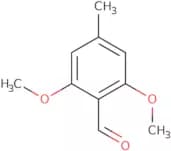
CAS:2,6-Dimethoxy-4-methylbenzaldehyde (DMMB) is a useful chemical that is used as a building block in the synthesis of complex compounds. It has been shown to be an effective chemical intermediate and can be used in the synthesis of various products, such as pharmaceuticals and pesticides. DMMB can also be used to produce high quality research chemicals.Fórmula:C10H12O3Pureza:Min. 95%Forma y color:PowderPeso molecular:180.2 g/mol3,5-Dichloro-2-methoxybenzoic acid
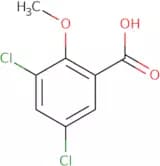
CAS:3,5-Dichloro-2-methoxybenzoic acid (3,5-DMB) is a diphenyl ether with a pharmacokinetic half-life of about 3 hours. It has two isomers: the cis and trans forms. The cis isomer is more active than the trans form. The cis isomer has been shown to be effective in treatments for amine oxidase inhibitors and short-chain fatty acids. It also has growth regulator properties that are used in treatments for psoriasis and acne. 3,5-DMB inhibits bacterial growth by binding to the enzyme dioxygenase, which catalyzes the conversion of 4-hydroxybenzoic acid into 4-hydroxyphenylpyruvic acid; this prevents the production of catecholamines and subsequent cell proliferation. This drug binds to apical membranes in the intestine by attaching to sulfhydryl groups on proteins involved in transport processes, preventing uptakeFórmula:C8H6Cl2O3Pureza:Min. 95%Forma y color:White PowderPeso molecular:221.04 g/molAtranol
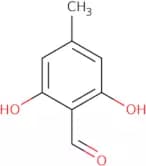
CAS:Atranol is a phenolic compound that is found in plants such as the leaves of the white willow tree. It has been shown to have anti-inflammatory properties and is being researched for its potential use in treatment of inflammatory bowel disease. Atranol has been shown to inhibit the production of inflammatory cytokines such as tumor necrosis factor-α (TNF-α) and interleukin-1β (IL-1β), which are key mediators of inflammation, by inhibiting NFκB activation. The reaction mechanism for atranol's inhibition of IL-1β production involves atranol binding with the cystein residue on IκB kinase β, which prevents phosphorylation and thus activation.
Fórmula:C8H8O3Pureza:Min. 95%Forma y color:Brown Yellow PowderPeso molecular:152.15 g/mol4-Amino-3-hydroxybenzoic acid
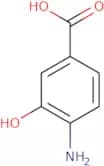
CAS:4-Amino-3-hydroxybenzoic acid is a small molecule that has been shown to inhibit the activity of epidermal growth factor receptor (EGFR) and human epidermal growth factor (HER2). It is also an inhibitor of cytochrome P450 enzymes, which are involved in the metabolism of drugs. 4-Amino-3-hydroxybenzoic acid is used in vitro as an antifungal agent for Candida albicans and other pathogenic fungi. This drug inhibits the growth of cancer cells by binding to specific cell surface receptors, causing them to detach from their surroundings and die. 4-Amino-3-hydroxybenzoic acid may have potential as a drug for treating metastatic colorectal cancer. The mechanism of action is not yet fully understood but it may be related to the inhibition of intermolecular hydrogen bonding and water permeability.
Fórmula:C7H7NO3Pureza:Min. 97.5 Area-%Forma y color:Off-White PowderPeso molecular:153.14 g/mol3-Aminobenzonitrile
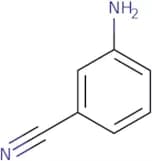
CAS:3-Aminobenzonitrile is an amine that has been shown to inhibit the growth of bacteria. It was synthesized by the reaction of nitrobenzene with benzamide in the presence of acetic acid. The chemical structure of 3-aminobenzonitrile is similar to that of a group of natural amino acids, including cysteine and tryptophan, which are known inhibitors of bacterial growth. This compound is soluble in organic solvents and can be used as an injection solution. 3-Aminobenzonitrile has been evaluated by kinetic studies and found to have a high affinity for bacterial cells, with an inhibition constant (Ki) value of 0.37 mM. It is also active against other microorganisms such as yeast or mold fungi, but not against plant or animal cells. 3-Aminobenzonitrile inhibits the synthesis of proteins by binding to a number of different sites on the ribosomes where
Pureza:Min. 95%Forma y color:Yellow PowderPeso molecular:118.14 g/molOctyl gallate
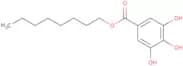
CAS:Octyl gallate is a naturally occurring compound that belongs to the class of gallates. It is a non-toxic, water-soluble antioxidant that has been used as a preservative in foods and pharmaceuticals. Octyl gallate has been shown to inhibit nuclear DNA synthesis by binding to the dinucleotide phosphate (NDP) site on ribonucleotide reductase, thereby preventing the formation of deoxyribonucleotide triphosphates. A rate constant for this reaction has been determined using analytical methods. This compound also inhibits the growth of wild-type strains of Escherichia coli and Staphylococcus aureus, as well as some strains resistant to antibiotics such as erythromycin, chloramphenicol, tetracycline, and clindamycin. Octyl gallate may also have an effect on energy metabolism in bacteria by inhibiting p-hydroxybenzoic acid (PHBA) dehydratase
Fórmula:C15H22O5Pureza:Min. 95%Forma y color:White PowderPeso molecular:282.33 g/mol3,5-Dinitro-4-hydroxybenzoic acid
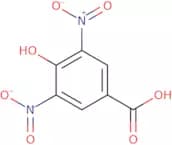
CAS:3,5-Dinitro-4-hydroxybenzoic acid (DNHB) is an organic compound that is used as a reagent in organic synthesis. DNHB has been shown to be a nucleophile, reacting with chloride ions from HCl and forming the corresponding 3,5-dinitrosalicylic acid (DNSA) salt. This reaction has been shown to be efficient at low temperature and pH values. The efficiency of this reaction has been shown to increase by the addition of halides such as fluoride and bromide. Electrospray ionisation mass spectroscopy analysis of DNHB has also revealed that it is an anion with a molecular weight of 228.3 g/mol. DNHB is synthesised by reacting benzoic acid with nitrous acid and hydrochloric acid, followed by treatment with concentrated sulfuric acid.Fórmula:C7H4N2O7Pureza:Min. 95%Forma y color:Yellow PowderPeso molecular:228.12 g/mol2,4-Dinitrobenzaldehyde
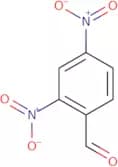
CAS:2,4-Dinitrobenzaldehyde is a chemical compound that contains a hydroxyl group and an amine. It is reactive and can form cationic surfactants with other compounds. 2,4-Dinitrobenzaldehyde has been shown to react with dimethyl fumarate in the presence of ethyl esters to form ethyl 2,4-dinitrophenolate. This reaction is catalyzed by dinucleotide phosphate and requires salinity or a base such as sodium methoxide. 2,4-Dinitrobenzaldehyde reacts with 2-aminoethanol in the presence of water or alcohols to produce 2,4-diaminobenzoic acid. The reaction mechanism for this process is not known but it may involve hydrogen bonding between the hydroxyl group and amine groups. 2,4-Dinitrobenzaldehyde has been used as a reagent for staining DNA in gel electFórmula:C7H4N2O5Pureza:Min. 95%Forma y color:PowderPeso molecular:196.12 g/mol4-Amino-3-nitrobenzonitrile
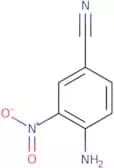
CAS:4-Amino-3-nitrobenzonitrile is an organic compound that is used as a precursor in the synthesis of drugs to treat infectious diseases. 4-Amino-3-nitrobenzonitrile has been shown to have potent activity against Leishmania species, including L. major and L. braziliensis. It binds to sulfoxides by a nitro group and forms a covalent bond with the sulfoxide. This results in the formation of an intramolecular hydrogen bond between the nitro group and the sulfoxide, which prevents it from forming hydrogen bonds with other molecules. Gel permeation chromatography can be used for analytical determination of this drug. 4-Amino-3-nitrobenzonitrile has also been studied using chemosensors and in vivo studies, showing that it can be used to inhibit protozoa such as Giardia lamblia, Entamoeba histolyt
Fórmula:C7H5N3O2Pureza:Min. 98%Forma y color:PowderPeso molecular:163.13 g/mol2,3-Dihydroxy-4-methoxybenzaldehyde
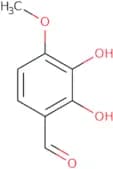
CAS:2,3-Dihydroxy-4-methoxybenzaldehyde is the oxidized form of 2,3-dihydroxybenzaldehyde. It has been used in biological studies to investigate the biosynthetic pathways of reductoisomerase and analytical methods for detecting hydrogen bonds in samples. This chemical can also be found in urine samples as a metabolite of adenine nucleotide and polypeptides. The chemical has been shown to have health benefits, such as being a recombinant that helps cell culture.
Fórmula:C8H8O4Pureza:Min. 95%Forma y color:PowderPeso molecular:168.15 g/mol2-(4'-Chlorobenzoyl)benzoic acid
CAS:2-(4'-Chlorobenzoyl)benzoic acid (2-CBA) is a sulfa drug that inhibits bacterial growth by blocking the synthesis of folic acid. It is also known to be luminescent and can be used in techniques such as luminescent probes. 2-CBA has antibacterial activity and can inhibit bacterial growth in a chromatographic method. 2-CBA is chemically stable and has been shown to have antibacterial properties against gram-positive bacteria, including Bacillus subtilis and Staphylococcus aureus. 2-CBA also has the ability to react with phthalazinone, an inhibitor of glutamine synthetase, which is involved in the production of ATP from ADP. This reaction results in the formation of an unstable intermediate which decomposes into CO2 and benzoic acid.
Fórmula:C14H9ClO3Pureza:Min. 95%Forma y color:White PowderPeso molecular:260.67 g/mol4-Mercaptobenzonitrile
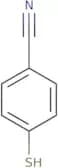
CAS:4-mercaptobenzonitrile (4MBN) is a typical compound used in many spectroscopic experiments. The addition of 4-mercaptobenzonitrile to metal surfaces is used to create self-assembled monolayers with metals. For numerous reasons, it can difficult to immbolize certain chemical groups on surfaces. The addition of 4-mercaptobenzonitrile forms a modified metal surface that enhances technique sensitivity and serves as tool for a better understanding of the interfaces. In recent years, the use of 4-mercaptobenzonitrile together with other molecules on metal nanoparticles has been explored for biomedicinal purposes, serving as a tool for creating surface-enhanced Raman scattering tags (SER tags), useful as cancer biomarker imaging (Li, 2018).Fórmula:C7H5NSPureza:Min. 95%Forma y color:PowderPeso molecular:135.19 g/mol3,5-Dichloro-4-hydroxybenzoic acid
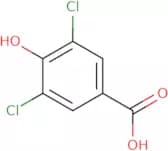
CAS:3,5-Dichloro-4-hydroxybenzoic acid is a phenolic acid that can be found in aromatic hydrocarbons. It has been shown to have antiallergic properties and has been used as an extract to treat acute toxicities. 3,5-Dichloro-4-hydroxybenzoic acid has also been shown to inhibit the production of p-hydroxybenzoic acid by rat liver microsomes. This compound may be useful in treating high blood pressure and vascular disease. It may also be used as a natural remedy for arthritis, as it has shown antiinflammatory effects. In addition, this compound can inhibit the growth of cancer cells and stimulate the immune system by binding to monoclonal antibodies that are specific for acidic pH.Fórmula:C7H4Cl2O3Pureza:Min. 95%Forma y color:PowderPeso molecular:207.01 g/molMethyl 4-ethylbenzoate
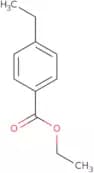
CAS:Methyl 4-ethylbenzoate is a molecule that has been shown to have synergistic effects with magnesium oxide, polyvinylpyrrolidone, and glycerin. It also has the ability to be used as a template molecule for the synthesis of hydrotalcite. Methyl 4-ethylbenzoate can be synthesized from ethyl benzoate and methyl iodide. It is an ingredient in some cosmetics and personal care products, such as skin lotions, hair conditioners, and fragrances. Methyl 4-ethylbenzoate has antioxidant properties due to its ability to scavenge free radicals. This compound is also used as a solvent for paints and lacquers.Fórmula:C11H14O2Pureza:Min. 95%Forma y color:Clear LiquidPeso molecular:178.23 g/mol2,3,4-Trimethoxy-6-methylbenzaldehyde
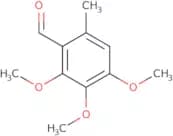
CAS:2,3,4-Trimethoxy-6-methylbenzaldehyde is a synthetic coumarin with antibacterial activity. It is synthesized by the condensation of 3-hydroxyacetophenone and benzaldehyde. 2,3,4-Trimethoxy-6-methylbenzaldehyde has been shown to have antibacterial activity against both Gram-positive and Gram-negative bacteria. This molecule has also been shown to inhibit the growth of Gram negative bacteria in the presence of hydrogen peroxide. The crystal structure of this molecule was determined by XRD analysis and shows that it contains a dihedral angle of about 155°.Fórmula:C11H14O4Pureza:Min. 95%Peso molecular:210.23 g/molMethyl 4-acetylbenzoate
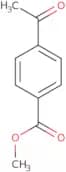
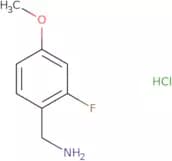
CAS:Methyl 4-acetylbenzoate is a synthetic compound that can be used for the synthesis of imatinib and other pharmaceuticals. It is an effective method for the synthesis of butyric acid with high enantiomeric purity. The cross-coupling reaction was first reported by Suzuki in 1979, which has been widely applied to organic synthesis because it is efficient and produces simple byproducts. This reaction has also been used in the synthesis of model compounds and natural products, as well as in environmental pollution studies.Fórmula:C10H10O3Pureza:Min. 95%Forma y color:PowderPeso molecular:178.18 g/mol2-Fluoro-4-methoxybenzylamine hydrochloride
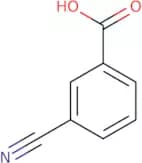
CAS:2-Fluoro-4-methoxybenzylamine hydrochloride is a potent inhibitor of polymerase (DNA and RNA). It has been shown to inhibit the growth of human breast cancer cells and to induce apoptosis. 2-Fluoro-4-methoxybenzylamine hydrochloride binds to the polymerase, which blocks synthesis of DNA or RNA. The binding site is located near the active site of the enzyme. This drug also has an insulin-like effect by stimulating IGF-I production and increasing protein synthesis in somatotrophic cells.Fórmula:C8H11ClFNOPureza:Min. 95%Forma y color:PowderPeso molecular:191.63 g/mol3-Cyanobenzoic acid
CAS:3-Cyanobenzoic acid is a chemical intermediate that is used to synthesize 3-cyanobenzamide. It is also a byproduct of the synthesis of benzonitrile and can be found in metal surface residues and environmental pollution. The molecule has two functional groups, one electron withdrawing and one electron donating, which are necessary for its stability. This compound can be found in high concentrations when it reacts with metal surfaces or organic solvents. 3-Cyanobenzamide was synthesized from 3-cyanobenzoic acid as an amide, which has been shown to have antimicrobial properties against Gram-positive bacteria such as Staphylococcus aureus, Streptococcus pyogenes and Enterococcus faecalis.Fórmula:C8H5O2NPureza:Min. 95%Forma y color:PowderPeso molecular:147.13 g/molMethyl 5-chlorosalicylate
CAS:Methyl 5-chlorosalicylate is a chemical compound with the molecular formula CHClO. It is a colorless liquid that has a minty odor. Methyl 5-chlorosalicylate is used in organic chemistry as an intermediate to synthesize other compounds, and it can be used in the synthesis of β-cell receptor antagonists. This drug is an analog of salicylic acid and its anti-inflammatory effects are due to the inhibition of chloride channels on macrophages. The drug's neutralizing properties have been shown by experiments with neutralizing antibody levels at physiological levels, which blocks viral replication and prevents cell damage by free radicals.Fórmula:C8H7ClO3Pureza:Min. 95%Forma y color:White PowderPeso molecular:186.59 g/molMethyl 4-amino-2-methyl benzoate
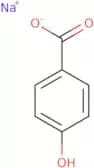
CAS:Methyl 4-amino-2-methyl benzoate is a fine chemical that can be used as a building block for research chemicals, pharmaceuticals, and speciality chemicals. Methyl 4-amino-2-methyl benzoate is a versatile building block in organic synthesis because it can be used as a reaction component and intermediate to synthesize other compounds. This compound is also an excellent scaffold for the synthesis of complex compounds, making it a useful intermediate for organic chemistry. Methyl 4-amino-2-methyl benzoate has CAS No. 6933-47-7 and is soluble in organic solvents such as dichloromethane, chloroform, ether, or acetone.Fórmula:C9H11NO2Pureza:Min. 95%Forma y color:PowderPeso molecular:165.19 g/mol4-Hydroxybenzoic acid sodium salt
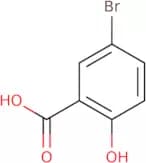
CAS:4-Hydroxybenzoic acid sodium salt (4HBA) is a drug that is used in the treatment of bowel disease. It is an antimicrobial agent that has been shown to have activity against Gram-positive and Gram-negative bacteria, including Pseudomonas aeruginosa. 4HBA has also been shown to be effective in the treatment of ulcerative colitis and Crohn's disease by reducing the production of inflammatory cytokines. The mechanism of action for 4HBA is not fully understood, but it may be due to its ability to interfere with protein synthesis in bacteria, as well as inhibit antibody responses in humans. The structural biology studies on this compound have revealed that the α subunit can bind to the β subunit, which could affect its activity.Fórmula:C7H5O3NaPureza:Min. 98 Area-%Forma y color:White PowderPeso molecular:160.1 g/mol5-Bromosalicylic acid
CAS:5-Bromosalicylic acid is a derivative of p-hydroxybenzoic acid that is used in wastewater treatment. The reaction of 5-bromosalicylic acid with the 1,3-benzodioxole-5-carboxylic acid leads to the formation of a new compound, which can be used as an intermediate in organic synthesis. 5-Bromosalicylic acid has been shown to inhibit the growth of hepg2 cells and K562 cells by damaging DNA. It also inhibits the suzuki coupling reaction by acting as a hydrogen sink and stabilizing the transition state through intramolecular hydrogen bonding interactions. A possible mechanism for this inhibition is that 5-bromosalicylic acid reacts with hydroxide ions to form bromohydroxylated products, which then react with amine compounds to produce carboxylates that can hydrogen bond with other molecules.Fórmula:C7H5BrO3Pureza:Min. 95%Forma y color:White PowderPeso molecular:217.02 g/molPhenylacetone oxime
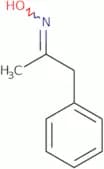
CAS:Phenylacetone oxime is a chemical intermediate that can be used in the synthesis of pharmaceuticals. It has a neutral pH and is stable in the presence of alkalis, acids, oxidizing agents, and reducing agents. Phenylacetone oxime reacts with hydrogen chloride to form 1-chloro-2-phenylethanone and 2-chloroethanol. The reaction mechanism is as follows:
Fórmula:C9H11NOPureza:Min. 95%Forma y color:PowderPeso molecular:149.19 g/mol3-Nitrobenzoic acid methyl ester
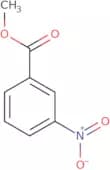
CAS:3-Nitrobenzoic acid methyl ester is an organic compound that contains a hydroxyl group and a nitro group. It can be synthesized by the reaction of 3-nitrophenol and methanol in a solvent such as water or ethanol. The nitro group is important for the solvating power of this molecule, which has been shown to have approximations with other molecules. 3-Nitrobenzoic acid methyl ester is found in two different forms: the cis form and the trans form, which differ in the orientation of their nitro groups. The cis form is more stable than the trans form because it has a dipole moment. The vibrational frequencies are also higher for the cis form than for its trans counterpart. 3-Nitrobenzoic acid methyl ester has been shown to react with nintedanib, which is used to treat cancer, and inhibit kinetics. The kinetic data obtained from this study canFórmula:C8H7NO4Pureza:(Gc) Min. 98%Forma y color:PowderPeso molecular:181.15 g/mol2-Chloro-4-trifluoromethylbenzoic acid
CAS:2-Chloro-4-trifluoromethylbenzoic acid is a chemical compound with the formula CHClFO. It can be obtained by deprotonation of 2,4,6-trichlorobenzoic acid with butyllithium and subsequent reaction with chlorotrifluoromethane. The product has two regioisomers, one in which the chlorine atom is attached to the para position on the benzene ring and the other in which it is attached to the ortho position. Substituents such as alkyl groups or lithium reagents can affect both reactivity and selectivity. The halogen substituent can also be replaced by other functional groups to make derivatives of this compound.
Fórmula:C8H4ClF3O2Pureza:Min. 95%Forma y color:PowderPeso molecular:224.56 g/mol3,6-Dichloro-2-hydroxy benzoic acid
CAS:3,6-Dichloro-2-hydroxy benzoic acid is a reactive compound that is used as an intermediate in the synthesis of organic compounds. It reacts with the chlorine atom to form a diazonium salt. The diazonium salt then undergoes demethylation, which allows it to be converted into various products such as 3,5-dichloro-2-hydroxybenzoic acid or 2,4-dichloro-3,5-dimethoxybenzoic acid. 3,6-Dichloro-2-hydroxy benzoic acid is a strong base and can react with any acidic compounds present in the reaction vessel. This product has been shown to be effective for wastewater treatment by converting organic compounds into less harmful compounds.Fórmula:C7H4Cl2O3Pureza:Min. 95%Forma y color:PowderPeso molecular:207.01 g/mol2,3-Diaminobenzoic acid methyl ester
CAS:2,3-Diaminobenzoic acid methyl ester is a redox potential catalyst that has been shown to have anticancer activity in vitro and in vivo. It is a 5-ht4 receptor agonist, which causes an increase in the intracellular concentration of cAMP. The anticancer effect of this compound may be due to its ability to inhibit the growth of cancer cells by blocking DNA synthesis and cell division. The biological properties of this drug are not well understood, but it has been shown to have antioxidant effects, as well as proton-reducing and electron-accepting properties. This compound has also been studied electrochemically.Fórmula:C8H10N2O2Pureza:95%NmrForma y color:PowderPeso molecular:166.18 g/mol4-Hydroxy-3-nitrobenzaldehyde
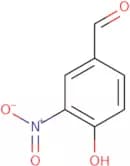
CAS:4-Hydroxy-3-nitrobenzaldehyde (4NBA) is a chemical compound that belongs to the class of aromatic compounds. It is an intermediate in the synthesis of various pharmaceuticals, including benzocaine and nitroglycerin, and has been researched for its potential use in cancer diagnosis. 4NBA has shown optical properties that allow it to be used as a model system for studying the interactions between water and benzyl groups. It also possesses anti-inflammatory properties due to its ability to inhibit the production of inflammatory cytokines such as IL-1β, IL-6, and TNFα.Fórmula:C7H5NO4Pureza:Min. 95%Forma y color:PowderPeso molecular:167.12 g/mol4-Bromo-3-methylbenzaldehyde
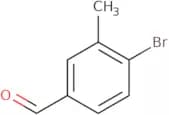
CAS:4-Bromo-3-methylbenzaldehyde is a versatile building block that is used in the synthesis of many complex compounds. It can be used as a reactant, reagent, or speciality chemical. 4-Bromo-3-methylbenzaldehyde is an intermediate for the production of other chemicals and has been shown to be useful in the synthesis of various scaffolds. This product has been shown to have high purity and quality.Fórmula:C8H7BrOPureza:Min. 95%Forma y color:Yellow PowderPeso molecular:199.04 g/mol2-Amino-4-fluorobenzylamine dihydrochloride
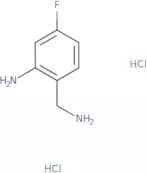
CAS:2-Amino-4-fluorobenzylamine dihydrochloride is a research chemical that is used as a reactant in organic synthesis. 2-Amino-4-fluorobenzylamine dihydrochloride is an intermediate for the preparation of other chemicals and can also be used as a building block for more complex compounds. This chemical has been shown to have good quality and can be used in many different types of research. 2-Amino-4-fluorobenzylamine dihydrochloride has CAS number 606139-20-2.Fórmula:C7H9FN2·2HClPureza:Min. 95 Area-%Forma y color:PowderPeso molecular:213.08 g/mol3-Chloro-5-hydroxybenzoic acid ethyl ester
Please enquire for more information about 3-Chloro-5-hydroxybenzoic acid ethyl ester including the price, delivery time and more detailed product information at the technical inquiry form on this page
Fórmula:C9H9ClO3Pureza:Min. 98 Area-%Forma y color:PowderPeso molecular:200.62 g/mol2-Chloro-6-fluorobenzaldehyde
CAS:2-Chloro-6-fluorobenzaldehyde is an impurity that can be found in wastewater. It has been shown to be a reactive intermediate for the synthesis of streptochlorin, which is a natural product with potential antibiotic activity. 2-Chloro-6-fluorobenzaldehyde is produced by the reaction of chlorine and anhydrous sodium, with acid as catalyst. The molecule has two fluorine atoms and one chloride atom. This compound can also be used in the treatment of waste water due to its ability to react with hydroxyl ions and chloride ions in the presence of hydrogen chloride or hydrochloric acid. The pain model was evaluated using nmr spectra and optical properties.Fórmula:C7H4ClFOPureza:Min. 95%Forma y color:White PowderPeso molecular:158.56 g/molEthyl 3,5-dichloro-4-aminobenzoate
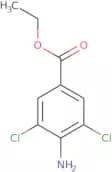
CAS:Ethyl 3,5-dichloro-4-aminobenzoate is a benzyl amine that has been shown to be an effective inhibitor of nitrile synthesis. It is used as a precursor in the production of dyes and pharmaceuticals. Ethyl 3,5-dichloro-4-aminobenzoate is stable in acidic and alkaline solutions, but decomposes when heated or exposed to cyanide ion. This compound can also react with ethylene diamine to form 2,4-diaminoanisole.Fórmula:C9H9Cl2NO2Pureza:Min. 95%Forma y color:PowderPeso molecular:234.08 g/molEthyl 4-ethoxybenzoate
CAS:Ethyl 4-ethoxybenzoate is an antimicrobial agent that inhibits bacterial growth by interfering with the synthesis of DNA. It also has a genotoxic potential and can induce mutations in cells. Ethyl 4-ethoxybenzoate is used as an impurity in pharmaceutical drug production, such as solanum tuberosum extract, to prevent microbial contamination. It also has been shown to inhibit the growth of bacteria in cell cultures by binding to DNA and inhibiting DNA replication. Ethyl 4-ethoxybenzoate is used as a control agent for the detection of antibiotics in natural products, such as ethanol extracts from plants.Fórmula:C11H14O3Pureza:Min. 97.5 Area-%Forma y color:Colorless Clear LiquidPeso molecular:194.23 g/mol4-(Trifluoromethylthio)benzaldehyde
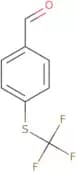
CAS:4-(Trifluoromethylthio)benzaldehyde is a magnetic, stereogenic, mononuclear compound with a thermodynamic stability that has been improved by advances in the field of thermodynamics. The compound can also be synthesized using an asymmetric synthesis and is tetrasubstituted with antiferromagnetic coupling. 4-(Trifluoromethylthio)benzaldehyde has many functions, including being able to control the oxidation-reduction potentials of lanthanide ions and ferromagnetic materials. It also has a calorimetry effect on the adsorption of water vapor onto hydrophobic surfaces.Fórmula:C8H5F3OSPureza:Min. 95%Forma y color:PowderPeso molecular:206.19 g/mol4-Diethylamino-2-methoxybenzaldehyde
CAS:4-Diethylamino-2-methoxybenzaldehyde (4DMMB) is a protonated molecule that is able to penetrate the mitochondrial membrane due to its low charge. Once inside, 4DMMB can be reduced by electron transfer from the mitochondria's membrane potential. This reduction leads to an increase in the mitochondrial membrane potential and subsequent photophysical emissions. The introduction of 4DMMB has been shown to cause mitochondrial membrane potential changes in cells, which may lead to pathophysiologic conditions such as cancer.Fórmula:C12H17NO2Pureza:Min. 95%Forma y color:PowderPeso molecular:207.27 g/mol4-Ethoxybenzonitrile
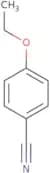
CAS:4-Ethoxybenzonitrile is an organic compound that belongs to the group of nitroalkanes. It is a substrate for reductive amination, which is a reaction in which the nitro group on 4-ethoxybenzonitrile is reduced by an amine to form an amide. This reaction can be facilitated by metal catalysts, such as copper(II) acetate and zinc chloride. The reaction yields high selectivity (>90%) with respect to the product formed and has been shown to be more efficient than other reductive amination reactions. 4-Ethoxybenzonitrile has been used as a building block for various compounds, including dyestuffs, pharmaceuticals, and pesticides. 4-Ethoxybenzonitrile is also resistant to tyrosinase due to its lack of electron donating groups on its aromatic ring.Fórmula:C9H9NOPureza:Min. 98 Area-%Forma y color:PowderPeso molecular:147.17 g/mol2-Bromo-4-cyanobenzaldehyde
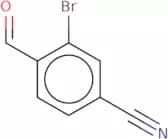
CAS:2-Bromo-4-cyanobenzaldehyde is a potent protease inhibitor and can be used as an antiviral agent. It inhibits the NS3 protease of hepatitis C virus (HCV) with IC50 of 0.2 μM. 2-Bromo-4-cyanobenzaldehyde has been evaluated for its ability to inhibit replicons from HCV genotypes 1, 2, 3, 4 and 5 with varying degrees of potency. In vitro studies have shown that 2-bromo-4-cyanobenzaldehyde is a potent inhibitor of HCV NS3 protease, demonstrating activity against all major HCV genotypes in cell culture. This molecule has also been shown to inhibit the replication of HIV, herpes simplex virus type 1 and human rhinovirus type 2 in cell culture.Fórmula:C8H4BrNOPureza:Min. 95%Forma y color:PowderPeso molecular:210.03 g/mol2-Bromo-4-nitrobenzonitrile
CAS:2-Bromo-4-nitrobenzonitrile is a chemical compound that can be used to study the relationship between genetic polymorphism and chromosome structure. This compound has been found to induce polyploidy in Brassica plants, which may have implications for the evolution of these species. 2-Bromo-4-nitrobenzonitrile also has been shown to be a useful marker for phylogenetic and ecological studies of Lepidium species. The compound is diploid in nature, but can be used as a matrix in tetraploid plants.Fórmula:C7H3BrN2O2Pureza:Min. 95%Forma y color:PowderPeso molecular:227.02 g/mol