Ácidos benzoicos
Se han encontrado 5472 productos de "Ácidos benzoicos"
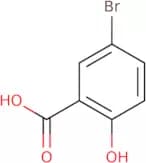
5-Bromosalicylic acid
CAS:5-Bromosalicylic acid is a derivative of p-hydroxybenzoic acid that is used in wastewater treatment. The reaction of 5-bromosalicylic acid with the 1,3-benzodioxole-5-carboxylic acid leads to the formation of a new compound, which can be used as an intermediate in organic synthesis. 5-Bromosalicylic acid has been shown to inhibit the growth of hepg2 cells and K562 cells by damaging DNA. It also inhibits the suzuki coupling reaction by acting as a hydrogen sink and stabilizing the transition state through intramolecular hydrogen bonding interactions. A possible mechanism for this inhibition is that 5-bromosalicylic acid reacts with hydroxide ions to form bromohydroxylated products, which then react with amine compounds to produce carboxylates that can hydrogen bond with other molecules.Fórmula:C7H5BrO3Pureza:Min. 95%Forma y color:White PowderPeso molecular:217.02 g/mol2,6-Dimethylbenzoic acid
CAS:2,6-Dimethylbenzoic acid is a colorless solid that has a molecular weight of 162.2 g/mol and an empirical formula of C7H8O2. It has a melting point of about 82 degrees Celsius and a boiling point of about 315 degrees Celsius. 2,6-Dimethylbenzoic acid is soluble in water at 100 degrees Celsius. It has been shown to act as a potent antagonist for the muscarinic acetylcholine receptors. This compound also has basic properties due to its hydrogen bonding interactions with proteins and other molecules. 2,6-Dimethylbenzoic acid has been shown to be efficient in supramolecular chemistry because it is electron deficient and contains thermodynamic functional groups such as carboxylic acids and alcohols.
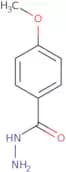
Fórmula:C9H10O2Pureza:Min. 95%Forma y color:PowderPeso molecular:150.17 g/mol4-Methoxybenzoic acid hydrazide
CAS:4-Methoxybenzoic acid hydrazide is a copper complex that binds to the DNA of bacteria, inhibiting the production of proteins. It has been shown to have antimicrobial activity against gram-positive and gram-negative bacteria. 4-Methoxybenzoic acid hydrazide has also been shown to inhibit colorectal carcinoma cells in vitro and in vivo. This compound inhibits the growth of cells by binding to them and disrupting hydrogen bonds. 4-Methoxybenzoic acid hydrazide causes cell death by inhibiting protein synthesis.Fórmula:C8H10N2O2Pureza:Min. 95%Forma y color:White PowderPeso molecular:166.18 g/molIso-propyl 4-aminobenzoate
CAS:Iso-propyl 4-aminobenzoate is a chemical intermediate that belongs to the group of aminobenzoates. It can be synthesized by reacting isopropanol with 4-aminobenzoic acid in the presence of an acid catalyst. Iso-propyl 4-aminobenzoate has been used as a chromatographic stationary phase and as a component in the validation of impurities, which are genotoxic. Iso-propyl 4-aminobenzoate is not carcinogenic and has been shown to have a linear regression analysis with pharmacokinetic study data, which was based on plates.
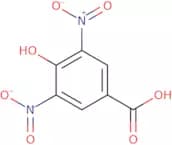
Fórmula:C10H13NO2Pureza:Min. 95%Forma y color:PowderPeso molecular:179.22 g/mol3,5-Dinitro-4-hydroxybenzoic acid
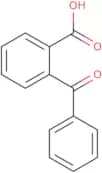
CAS:3,5-Dinitro-4-hydroxybenzoic acid (DNHB) is an organic compound that is used as a reagent in organic synthesis. DNHB has been shown to be a nucleophile, reacting with chloride ions from HCl and forming the corresponding 3,5-dinitrosalicylic acid (DNSA) salt. This reaction has been shown to be efficient at low temperature and pH values. The efficiency of this reaction has been shown to increase by the addition of halides such as fluoride and bromide. Electrospray ionisation mass spectroscopy analysis of DNHB has also revealed that it is an anion with a molecular weight of 228.3 g/mol. DNHB is synthesised by reacting benzoic acid with nitrous acid and hydrochloric acid, followed by treatment with concentrated sulfuric acid.Fórmula:C7H4N2O7Pureza:Min. 95%Forma y color:Yellow PowderPeso molecular:228.12 g/mol2-Benzoylbenzoic acid
CAS:2-Benzoylbenzoic acid is an organic compound with the chemical formula C6H5CO2. It is a white solid that is soluble in water, ethanol, and ether. 2-Benzoylbenzoic acid is stable at room temperature, but decomposes when heated to above 200°C. This compound can be used as a catalyst for the synthesis of polymers.
2-Benzoylbenzoic acid is used as a raw material for the production of ferrocenecarboxylic acid and ethylene diamine. The activity index of 2-benzoylbenzoic acid was found to be high (0.7) when it was tested against Streptococcus mutans and Staphylococcus aureus.Fórmula:C14H10O3Pureza:Min. 95%Forma y color:White PowderPeso molecular:226.23 g/molEthyl 4-chlorobenzoate
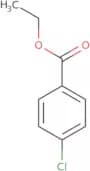
CAS:Ethyl 4-chlorobenzoate is an organic compound that is a colorless liquid with a sweet odor. It has been shown to be genotoxic in the presence of impurities such as palladium-catalyzed coupling and hemolytic activity. The structure of ethyl 4-chlorobenzoate can be determined by spectrometry analyses, which show that it contains an isopropyl group and an ethyl ester group. Ethyl 4-chlorobenzoate can be synthesized efficiently using the cross-coupling reaction between chlorides and aryl halides. This synthesis follows the same mechanism as the palladium catalyzed coupling reaction, but uses chloride ions instead of palladium complexes, which are more readily available.Fórmula:C9H9ClO2Pureza:Min. 95%Forma y color:Clear LiquidPeso molecular:184.62 g/mol3-Formyl-4-hydroxybenzoic acid
CAS:3-Formyl-4-hydroxybenzoic acid is a synthetic compound with anticancer activity. It is an azobenzene that has been shown to have photocatalytic activity. 3-Formyl-4-hydroxybenzoic acid has a carboxylate functional group and the ethyl ester functional group. The anticancer activity of this compound may be due to hydrogen bonding interactions, as well as its ability to cause DNA damage in cells by photolysis and its antiviral potency.Fórmula:C8H6O4Pureza:90%Forma y color:White PowderPeso molecular:166.13 g/molEthyl 4-bromobenzoate
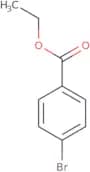
CAS:Ethyl 4-bromobenzoate is a halide that can be synthesized by the cross-coupling reaction with an aryl halide and a boronic acid. This synthesis has been used successfully to prepare benzoates, which are generally more difficult to synthesize than boronic acids. The coupling reaction of ethyl 4-bromobenzoate with an aryl halide and a boronic acid in the presence of copper as catalyst yields ethyl 4-bromobenzoate in high yield. A synergistic interaction occurs between the two reagents, leading to significant cytotoxicity in vitro. This property may be due to the light emission from this compound when it is exposed to ultraviolet light. Ethyl 4-bromobenzoate is also able to inhibit aerobic glycolysis and cancer cell growth in vitro through its ability to inhibit the activity of phosphofructokinase 1 (PFK1Fórmula:C9H9BrO2Pureza:Min. 97.5 Area-%Forma y color:Clear LiquidPeso molecular:229.07 g/mol2-(Bromomethyl)benzoic acid
CAS:2-(Bromomethyl)benzoic acid is a functional group that can be found in many organic compounds. It is a derivative of phthalic acid and has some similar properties, including the ability to form micelles and radical species. 2-(Bromomethyl)benzoic acid has been shown to react with carbon tetrachloride or terephthalic acid to produce peroxides. This reaction is initiated by oxidation of the carbon-carbon double bond, which produces a radical pair that reacts with oxygen in the air to form radicals that are stabilized by resonance. 2-(Bromomethyl)benzoic acid also reacts with an inorganic base such as sodium hydroxide or potassium hydroxide to produce bromine gas and water.
Fórmula:C8H7BrO2Pureza:Min. 97 Area-%Forma y color:White Off-White PowderPeso molecular:215.04 g/mol3,5-Dihydroxy-4-methylbenzoic acid methyl ester
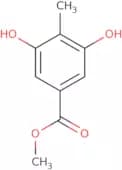
CAS:3,5-Dihydroxy-4-methylbenzoic acid methyl ester is a fine chemical that is used as a versatile building block in the synthesis of pharmaceuticals, agrochemicals and other chemicals. It can be used as an intermediate in the synthesis of organic compounds and research chemicals. This compound is also used as a reaction component in organic syntheses and is often found in speciality chemicals. 3,5-Dihydroxy-4-methylbenzoic acid methyl ester is soluble in most solvents and has high purity. It is a complex compound that can be used as a useful building block or reagent for many different reactions.
Fórmula:C9H10O4Pureza:Min. 95%Forma y color:PowderPeso molecular:182.17 g/molOctyl gallate
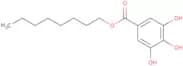
CAS:Octyl gallate is a naturally occurring compound that belongs to the class of gallates. It is a non-toxic, water-soluble antioxidant that has been used as a preservative in foods and pharmaceuticals. Octyl gallate has been shown to inhibit nuclear DNA synthesis by binding to the dinucleotide phosphate (NDP) site on ribonucleotide reductase, thereby preventing the formation of deoxyribonucleotide triphosphates. A rate constant for this reaction has been determined using analytical methods. This compound also inhibits the growth of wild-type strains of Escherichia coli and Staphylococcus aureus, as well as some strains resistant to antibiotics such as erythromycin, chloramphenicol, tetracycline, and clindamycin. Octyl gallate may also have an effect on energy metabolism in bacteria by inhibiting p-hydroxybenzoic acid (PHBA) dehydratase
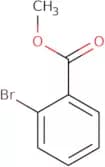
Fórmula:C15H22O5Pureza:Min. 95%Forma y color:White PowderPeso molecular:282.33 g/molMethyl 2-bromobenzoate
CAS:Methyl 2-bromobenzoate is a chemical compound that can be used as a light emitting material. It is also used as a component of organic electrochemical cells (OECs) for the conversion of solar energy to electricity and can be used in the treatment of hepatitis. The reaction product is generated from the reaction of the halide with benzoate and light, which leads to an emission spectrum in the visible region. Methyl 2-bromobenzoate has been shown to be an efficient catalyst for Friedel-Crafts reactions, and it's pharmacokinetic properties have been studied in rats.
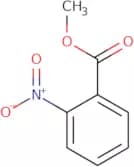
Methyl 2-bromobenzoate can also be used as a solid catalyst for the synthesis of bicyclic heterocycles.Fórmula:C8H7BrO2Pureza:Min. 95%Forma y color:Colorless Clear LiquidPeso molecular:215.04 g/molMethyl 2-nitrobenzoate
CAS:Methyl 2-nitrobenzoate is a nitro compound that has been used to synthesize benzyl esters. It has been shown to react with protonation and acidic conditions. Methyl 2-nitrobenzoate is also used as an intermediate in the synthesis of methyl anthranilate, which is a component of artificial grape flavoring. The mechanism of the reaction is not fully understood, but it has been proposed that methyl 2-nitrobenzoate undergoes an intramolecular hydrogen bond with the benzoate group to form an intermediate compound called N-methyl-2-(phenylmethyl)benzamide. This intermediate then reacts with methylamine to form methyl anthranilate. The molecule can be detected by gas chromatography or liquid chromatography in organic solvents such as methanol or acetone.Fórmula:C8H7NO4Pureza:Min. 95%Forma y color:Yellow Clear LiquidPeso molecular:181.15 g/mol3-Hydroxybenzoic acid
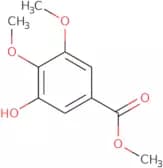
CAS:3-Hydroxybenzoic acid is a ferroelectric compound that can be found in water vapor, plants, and bacteria. It has been shown to have structural properties that are very similar to those of p-hydroxybenzoic acid. The redox potential of 3-hydroxybenzoic acid is around -0.8 volts versus the standard hydrogen electrode (p-hydroxybenzoic acid is -1.2 volts). 3-Hydroxybenzoic acid has been shown to inhibit some bacterial enzymes such as esterase and transaminase, but not others such as dehydrogenase or oxidoreductase. It also shows activity against fungal enzymes such as aminopeptidases and serine proteases. The compound can exist in two forms: the metastable form or a stable form. The metastable form can be obtained by crystallizing the compound from a solution containing copper chloride or x-ray diffraction data from wild type strainsFórmula:C7H6O3Forma y color:PowderPeso molecular:138.12 g/molMethyl 4,5-dimethoxy-3-hydroxybenzoate
CAS:Methyl 4,5-dimethoxy-3-hydroxybenzoate is a synthetic chemical that inhibits the enzyme tectorigenin reductase. Tectorigenin reductase is responsible for the production of tectorigenin, a phytoestrogen found in plants such as china. Methyl 4,5-dimethoxy-3-hydroxybenzoate was shown to inhibit the activity of platelets from human blood and has been studied for its pharmacological properties. The thermodynamic and kinetic parameters of methyl 4,5-dimethoxy-3-hydroxybenzoate have been determined using gas chromatography - mass spectrometry (GC–MS) and nuclear magnetic resonance (NMR) spectroscopy. It exists as both an enantiomeric mixture and racemic mixture.
Fórmula:C10H12O5Pureza:Min. 95%Forma y color:PowderPeso molecular:212.2 g/molo-Sulfobenzoic acid anhydride
CAS:Please enquire for more information about o-Sulfobenzoic acid anhydride including the price, delivery time and more detailed product information at the technical inquiry form on this page
Fórmula:C7H4O4SPeso molecular:184.17 g/molRef: 3D-S-9350
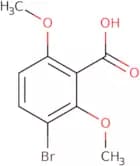
1kgA consultar5kgA consultar10kgA consultar500gA consultar2500gA consultar-Unit-kgkgA consultar3-Bromo-2,6-dimethoxybenzoic acid
CAS:3-Bromo-2,6-dimethoxybenzoic acid is a synthetic chemical used to introduce insulators into the DNA molecule. It is also used as a treatment method for introducing branched-chain scripts into the DNA molecule. 3-Bromo-2,6-dimethoxybenzoic acid has been shown to counteract synthetic techniques, such as transistors, and can be used in plant physiology research.Fórmula:C9H9BrO4Pureza:Min. 95%Forma y color:PowderPeso molecular:261.07 g/molEthyl 3,5-dichloro-4-methoxybenzoate
CAS:Ethyl 3,5-dichloro-4-methoxybenzoate is an organic compound that has a variety of uses. It is an intermediate in the synthesis of various other compounds and as a reagent, it reacts with amines to form ureas. Ethyl 3,5-dichloro-4-methoxybenzoate can also be used as a complex building block for synthesizing other compounds. This chemical can be used as a speciality chemical or research chemical. As a versatile building block, ethyl 3,5-dichloro-4-methoxybenzoate can be used to make reaction components for synthesizing polymers or pharmaceuticals.
Fórmula:C10H10Cl2O3Pureza:Min. 95%Forma y color:PowderPeso molecular:249.09 g/mol4-Mercaptobenzoic acid
CAS:4-Mercaptobenzoic acid is a receptor antagonist that binds to the benzodiazepine site of the GABAA receptor and blocks the action of GABA. This drug has been shown to be useful in tissue culture studies, where it inhibits the growth of cells by interfering with cell division. 4-Mercaptobenzoic acid has also been shown to inhibit sodium citrate uptake into human red blood cells in vitro, which may be due to its ability to bind with hydrogen bonding interactions or ionic interactions. 4-Mercaptobenzoic acid enhances pluronic p123 and fetal bovine serum as a substrate for tissue culture cells, which may be due to its ability to inhibit inhibitor molecules.
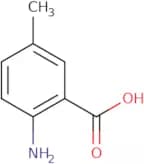
Fórmula:C7H6O2SPureza:Min. 95%Forma y color:Yellow PowderPeso molecular:154.19 g/mol2-Amino-5-methylbenzoic acid
CAS:2-Amino-5-methylbenzoic acid is an anthranilic acid derivative that has been shown to have potent antitumor activity. It inhibits the growth of cancer cells and is effective against light emission. 2-Amino-5-methylbenzoic acid blocks the production of porphyrins, which are necessary for the production of heme, a cofactor in many enzymes. The compound also inhibits serine protease, which is involved in tumor cell proliferation and metastasis.
2-Amino-5-methylbenzoic acid has been shown to inhibit the growth of human liver cancer cells in vitro. This compound can be synthesized by a Suzuki coupling reaction with phenylacetic acid and 3-(2'-aminoethyl)aminobenzene.Fórmula:C8H9NO2Pureza:Min. 95%Forma y color:PowderPeso molecular:151.16 g/mol2-Methyl-3-nitrobenzoic acid
CAS:Please enquire for more information about 2-Methyl-3-nitrobenzoic acid including the price, delivery time and more detailed product information at the technical inquiry form on this page
Fórmula:C8H7NO4Peso molecular:181.15 g/molRef: 3D-M-4209
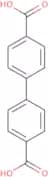
1kgA consultar5kgA consultar10kgA consultar25kgA consultar2500gA consultar-Unit-kgkgA consultar4,4'-Dibenzoic acid
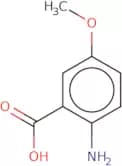
CAS:4,4'-Dibenzoic acid is a chemical compound that has been used as a precursor to other compounds. It is also used in the production of polycarbonates and epoxy resins. 4,4'-Dibenzoic acid has low energy, which means it can be transported more easily than high energy molecules. This property makes it an excellent candidate for use as an enhancement agent for organometallic catalysts such as biphenyl. The structure of 4,4'-dibenzoic acid consists of two benzene rings connected by an ethylene chain. This molecule has one hydrogen bond on each side of the molecule. The 4-hydroxyl group on the left side of the molecule is susceptible to oxidation and can act as an oxidation catalyst when exposed to heat or radiation.Fórmula:C14H10O4Pureza:Min. 95%Forma y color:PowderPeso molecular:242.23 g/mol2-Amino-5-methoxybenzoic acid
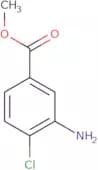
CAS:2-Amino-5-methoxybenzoic acid is a useful chemical that can be used as a building block for the synthesis of more complex compounds. It has been used in the synthesis of novel pharmaceuticals and agrochemicals, as well as research chemicals. 2-Amino-5-methoxybenzoic acid is a high quality reagent that can be used in the production of fine chemicals and other specialty chemicals.Fórmula:C8H9NO3Pureza:Min. 95%Forma y color:PowderPeso molecular:167.16 g/molMethyl 3-amino-4-chlorobenzoate
CAS:Methyl 3-amino-4-chlorobenzoate is an analog of 3-amino-4-chlorobenzoic acid. It is a multidrug that can cross the blood brain barrier and has been shown to have cytotoxic activity in vitro. Methyl 3-amino-4-chlorobenzoate has been postulated as a possible organometallic compound and may be synthesized through a chemical diversity approach. The chloride ion, which is present in methyl 3-amino-4-chlorobenzoate, has been shown to decrease the toxicity of nitrobenzoic acid, making this compound resistant to nitrosation reactions.Fórmula:C8H8ClNO2Pureza:Min. 95%Forma y color:PowderPeso molecular:185.61 g/mol5-Amino-2-nitrobenzoic acid
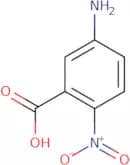
CAS:5-Amino-2-nitrobenzoic acid is a versatile compound that can be used as a reagent, a reaction component, or as a useful scaffold in research. It reacts with alcohols to produce esters and amides. The high quality of this chemical makes it suitable for use in many different reactions. CAS No. 13280-60-9
Fórmula:C7H6N2O4Peso molecular:182.14 g/molRef: 3D-A-6803
1kgA consultar100gA consultar250gA consultar500gA consultar2500gA consultar-Unit-ggA consultar5-Nitrosalicylic acid
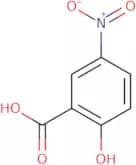
CAS:5-Nitrosalicylic acid is an ethylene diamine derivative that is used in organic synthesis. It reacts with nitrogen atoms to form stable complexes. 5-Nitrosalicylic acid reacts with hydrogen and forms a protonated acid complex, which is more soluble in water than the molecule itself. The protonated acid complex can be used for the production of glycan, which are biomolecules that play a major role in the human body. Synchronous fluorescence spectroscopy has shown that 5-nitrosalicylic acid reacts with glycan by hydrogen bonding interactions and stabilizing nitro groups.
Fórmula:C7H5NO5Pureza:Min. 95%Forma y color:Slightly Yellow PowderPeso molecular:183.12 g/mol4-Chloro-3,5-dihydroxybenzoic acid
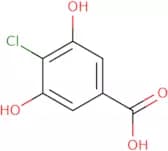
CAS:4-Chloro-3,5-dihydroxybenzoic acid is a chemical substance that can be used as a building block in organic synthesis. It is also a versatile intermediate and scaffold for the synthesis of more complex compounds. 4-Chloro-3,5-dihydroxybenzoic acid has been found to be useful in research and as a reagent because it is an inexpensive, high quality chemical. This compound reacts rapidly with many other chemicals, including alcohols and amines. 4-Chloro-3,5-dihydroxybenzoic acid has been shown to be stable under acidic conditions and can be purified by crystallization or recrystallization.
Fórmula:C7H5ClO4Pureza:Min. 95%Forma y color:PowderPeso molecular:188.56 g/mol2-Amino-5-iodobenzoic acid
CAS:2-Amino-5-iodobenzoic acid (5-AIBA) is a chemical compound with a molecular weight of 152.14 g/mol. It belongs to the group of anthranilic compounds, and has antiinflammatory activity. 5-AIBA also inhibits cancer cell proliferation in vitro and in vivo by inhibiting the synthesis of DNA, RNA, and proteins. The reaction solution for the palladium-catalyzed coupling of 5-AIBA with 2-(N,N′-dimethylcarbamoyl)phenyl boronic acid was found to be stable at room temperature for 24 hours. The inhibitory activity of 5-AIBA against MCL1 protein was potent, as it inhibited MCL1 protein expression by 90%. Molecular modeling studies showed that 5-AIBA binds to the amide region on the ATP binding site in MCL1 protein (mcf7). Carbonyl groups are present on both sides of the am
Fórmula:C7H6INO2Pureza:Min. 98 Area-%Forma y color:PowderPeso molecular:263.03 g/mol2-Hydroxy-4-methoxybenzoic acid
CAS:2-Hydroxy-4-methoxybenzoic acid (2HMB) is a natural product with tuberculostatic activity and is also used as a pharmaceutical drug. It is an enzyme inhibitor that binds to the diphenolase domain of mycobacterial cell wall hydrolases, such as lysyl oxidase and chitinase. 2HMB has been shown to be effective against cancer cells in vitro. The monosodium salt of 2HMB is more stable than the free acid form and can be used for the treatment of tuberculosis in India. 2HMB has also been shown to inhibit the growth of bacteria in human serum and tissue culture.Fórmula:C8H8O4Pureza:Min. 95%Forma y color:PowderPeso molecular:168.15 g/molEthyl 3-hydroxybenzoate
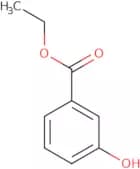
CAS:Ethyl 3-hydroxybenzoate is a preservative that has been shown to be effective against a variety of microorganisms, including gram-positive and gram-negative bacteria. It has been shown to bind with iron, which prevents it from interacting with tyrosinase, an enzyme necessary for the production of melanin. Ethyl 3-hydroxybenzoate also inhibits the activity of benzodiazepine receptor, which reduces the effects of benzodiazepines in the brain. This compound is used in some cosmetics as an antimicrobial agent and cosmetic preservative. The molecular descriptors for this compound are: Molecular Weight=165.07; Log P=0.5; H-bond acceptor count=3; H-bond donor count=2; rotatable bond count=2; hydrogen bond acceptor count=1; hydrogen bond donor count=2; polar surface area=79.90 Å2Fórmula:C9H10O3Pureza:Min. 98.5 Area-%Forma y color:White PowderPeso molecular:166.17 g/mol3-Chlorobenzoic acid
CAS:3-Chlorobenzoic acid is a compound that has been shown to have potent antibacterial activity against Pseudomonas aeruginosa and other bacteria. It has been shown to inhibit the ATP-binding cassette transporter, which is a protein that transports various molecules across cell membranes. 3-Chlorobenzoic acid also inhibits the growth of bacteria by lysing cells and interfering with DNA synthesis. This compound is an effective inhibitor of wild-type strains of E. coli, but not mutants resistant to 2,4-dichlorobenzoic acid. 3-Chlorobenzoic acid reacts with benzoate to form a crystal structure at room temperature and pressure. Further studies are needed to determine the coordination geometry and thermodynamic data for this reaction.
Fórmula:C7H5ClO2Pureza:Min. 95%Forma y color:PowderPeso molecular:156.57 g/mol3-Bromo-5-hydroxybenzoic acid
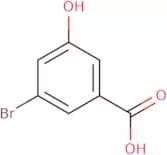
CAS:3-Bromo-5-hydroxybenzoic acid is a metabolite of 3,5-dihydroxybenzoic acid (DHB) in the metabolism of benzoic acid. It has been shown to be an antibacterial agent and has been used to treat metabolic disorders in hamsters. Symptoms of 3-bromo-5-hydroxybenzoic acid include dyslipidemia, which can lead to metabolic disorders such as diabetes mellitus and atherosclerosis. The compound may also have a role in tuberculosis and cancer due to its ability to induce apoptosis.
Fórmula:C7H5O3BrPureza:Min. 95%Forma y color:White PowderPeso molecular:217.02 g/mol2,5-Dimethoxybenzoic acid
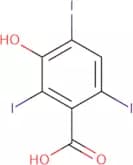
CAS:2,5-Dimethoxybenzoic acid (2,5-DMA) is a plant metabolite that belongs to the group of cinnamic acid derivatives. It can be found in plants and has been shown to have systemic effects. 2,5-DMA is involved in the cycloacylation of protocatechuic acid. This reaction is catalyzed by an enzyme called cyclooxygenase and requires molecular oxygen as a cofactor. 2,5-DMA also forms hydrogen bonds with methoxy groups and other molecules. The monoclonal antibodies against 2,5-DMA have been used for radiation therapy and are effective against cancer cells. Model studies show that 2,5-DMA can be converted into more potent metabolites by the action of cytochrome P450 enzymes or glutathione S-transferases.Fórmula:C9H10O4Pureza:Min. 95%Forma y color:PowderPeso molecular:182.17 g/mol3-Hydroxy-2,4,6-triiodobenzoic acid
CAS:3-Hydroxy-2,4,6-triiodobenzoic acid (3HITBA) is a molecule that is found in the urine of patients with chronic kidney disease. It is present in group P2 of the periodic table. 3HITBA has been demonstrated to have anti-inflammatory properties and may be useful for the treatment of inflammatory diseases. 3HITBA has been shown to inhibit cancer cell growth by inhibiting DNA synthesis and protein synthesis. This molecule also has fluorescence properties and can be used to detect biological fluids such as blood or urine. The structural analysis of this molecule reveals that it contains intramolecular hydrogen bonds, which are important for its stability and activity.
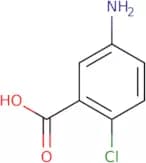
Fórmula:C7H3O3I3Forma y color:PowderPeso molecular:515.81 g/mol5-Amino-2-chlorobenzoic acid
CAS:5-Amino-2-chlorobenzoic acid is a carboxylate that has antiproliferative effects. It is synthesized through the reaction of morpholine and malonic acid. 5-Amino-2-chlorobenzoic acid has been shown to have an optimal reaction with UV light, which may be due to its structure activity relationship with other carboxylates. It also has a high affinity for metal ions such as magnesium and chloride, which are thought to be important in cancer cell proliferation. 5-Amino-2-chlorobenzoic acid can be used in analytical methods because it is soluble in water and can be obtained through gravimetric analysis.
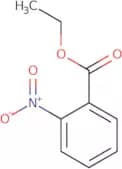
Fórmula:C7H6ClNO2Forma y color:PowderPeso molecular:171.58 g/molEthyl 2-nitrobenzoate
CAS:Ethyl 2-nitrobenzoate is a cyclic organic compound that contains a nitro group, which is an organic radical with the formula -NO2. It belongs to the class of amides and has two carbonyl groups. The molecule consists of a bicyclic heterocycle consisting of one ring with five carbon atoms and one ring with six carbon atoms. Ethyl 2-nitrobenzoate can be used in the treatment of muscle diseases, metabolic disorders, growth factor deficiencies, autoimmune diseases, and neural system disorders due to its ability to act as an antihypertensive agent and as an inhibitor of angiotensin converting enzyme (ACE). This molecule's hydroxyl group can also react with epidermal growth factor (EGF) to form N-hydroxyethyl EGF (NHE). This product has been shown to have antiviral properties against HIV-1 protease inhibitors by interfering with viral protein synthesis.
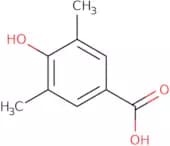
Fórmula:C9H9NO4Pureza:Min. 95%Forma y color:White PowderPeso molecular:195.17 g/mol4-Hydroxy-3,5-dimethylbenzoic acid
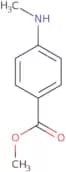
CAS:4-Hydroxy-3,5-dimethylbenzoic acid (4HDMBA) is an antimicrobial agent that inhibits bacterial cell growth by binding to the GyrA subunit of DNA gyrase. It is a potent inhibitor of the GyrA subunit, with activity against both mutant and wild type strains. 4HDMBA also has anticancer activity in vitro and in vivo studies have shown that it can inhibit the growth of cells from human cancer cell lines. 4HDMBA is synthesized by reacting amide with chloroacetyl chloride. The carboxylate group on 4HDMBA can be transformed into a hydroxyl group by reaction with sodium hydroxide. The chemical structure of 4HDMBA includes a hydroxy group, a chlorine atom, and a hydroxyl group.Fórmula:C9H10O3Pureza:Min. 95%Forma y color:PowderPeso molecular:166.17 g/molMethyl 4-(N-methylamino)benzoate
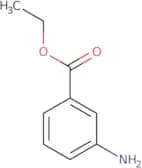
CAS:Methyl 4-(N-methylamino)benzoate is a substance that inhibits the enzyme DPP-4, which is involved in blood glucose regulation. It has been shown to be effective against certain types of cancer and impurities that may be present in the drug. Methyl 4-(N-methylamino)benzoate is an acidic compound with molecular descriptors that include acidic and amines. This compound also has genotoxic impurities, such as benzofurans, which may affect its efficacy.Fórmula:C9H11NO2Pureza:90%Forma y color:PowderPeso molecular:165.19 g/molEthyl 3-aminobenzoate
CAS:Ethyl 3-aminobenzoate is a chemical that is used as an anesthetic. It is administered intravenously and has been shown to have effects on the cardiovascular system, such as lowering blood pressure, decreasing heart rate and increasing the time it takes for the heart to recover after a contraction. Ethyl 3-aminobenzoate also affects the central nervous system by causing anesthesia and changes in brain function. Its effects are reversible with administration of naloxone or flumazenil.Fórmula:C9H11NO2Pureza:Min. 95%Forma y color:PowderPeso molecular:165.19 g/moln-Pentyl 4-hydroxybenzoate
CAS:n-Pentyl 4-hydroxybenzoate is a preservative that inhibits the growth of microorganisms. It is used in products such as cosmetics, pharmaceuticals, and food to prevent spoilage. The antimicrobial activity of n-pentyl 4-hydroxybenzoate has been shown to be due to p-hydroxybenzoic acid, which binds to bacterial cell walls. This binding prevents the formation of an antibiotic-inhibitor complex with the enzyme cell wall synthesis that is required for cell wall biosynthesis, inhibiting protein synthesis and cell division. n-Pentyl 4-hydroxybenzoate has also been shown to inhibit bacterial growth in vitro and in vivo in rats by interfering with protein synthesis in rat liver microsomes.
Fórmula:C12H16O3Pureza:Min. 95%Forma y color:Off-White PowderPeso molecular:208.25 g/mol5-Amino-2-nitrobenzoic acid
CAS:5-Amino-2-nitrobenzoic acid is a drug that has been shown to inhibit the activity of proteases. It has been used to detect the presence of protease activity in urine samples, as well as to study the inhibition of protease activity by other drugs. 5-Amino-2-nitrobenzoic acid is an inhibitor of chymotrypsin, trypsin, and elastase. This drug has been shown to be effective in inhibiting these enzymes at low concentrations, with a detection sensitivity of approximately 0.1 μM. 5-Amino-2-nitrobenzoic acid inhibits the growth of bacteria by binding to them and preventing protein synthesis. The compound also inhibits the enzyme dihydrolipoamide dehydrogenase in mitochondria, which is required for cellular respiration and energy production.Fórmula:C7H6N2O4Forma y color:Brown Yellow PowderPeso molecular:182.13 g/mol2-Hydroxy-6-methylbenzoic acid
CAS:2-Hydroxy-6-methylbenzoic acid is a natural product that is synthesized by the enzyme p. pastoris. It is a member of the polyketide class of compounds and has shown to have physiological effects such as anti-inflammatory and antioxidant properties. 2-Hydroxy-6-methylbenzoic acid also has been shown to inhibit ATP binding cassette transporter (ABC) proteins, which are involved in drug resistance, from transporting drugs out of cells, making it an attractive candidate for drug discovery.
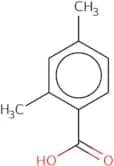
Fórmula:C8H8O3Pureza:Min. 95%Forma y color:PowderPeso molecular:152.15 g/mol2,4-Dimethylbenzoic acid
CAS:2,4-Dimethylbenzoic acid is a white solid with the chemical formula CH3C6H2O2. It is an organic acid that can be used as a building block in organic synthesis. The functional groups of 2,4-dimethylbenzoic acid are methyl and carboxyl. The most efficient method for the synthesis of 2,4-dimethylbenzoic acid is by reacting hydrochloric acid with dimethylaniline. This reaction can be carried out in one pot without isolation of intermediates. The structural analysis of 2,4-dimethylbenzoic acid was done using fluorescence lifetimes and hydrochloric acid. The reaction mechanism for the formation of 2,4-dimethylbenzoic acid from dimethylaniline is through a nucleophilic substitution reaction with chloride ion. Sample preparation for 2,4-dimethylbenzoic acid includes dissolution in water and filtration through a 0.45Fórmula:C9H10O2Pureza:Min. 95%Forma y color:White PowderPeso molecular:150.17 g/mol5-Amino-2-methoxy-benzoic acid methyl ester
CAS:5-Amino-2-methoxy-benzoic acid methyl ester is a synthetic compound that has been shown to have potential as an antibacterial. It has been found to inhibit the growth of bacteria by binding to DNA and preventing transcription. The selectivity for bacterial cells is due to its ability to penetrate the cell membrane, which does not occur in mammalian cells. 5-Amino-2-methoxy-benzoic acid methyl ester is synthesized from 2-(4′-aminophenyl)acetic acid and methoxymethyl chloride in two steps, with a yield of 60%.
Fórmula:C9H11NO3Pureza:Min. 95%Forma y color:Red PowderPeso molecular:181.19 g/mol5-Amino-2-nitrobenzoic acid
CAS:5-Amino-2-nitrobenzoic acid is an organic compound that belongs to the class of versatile building block. It is a white solid that has been used as a research chemical, reagent, and specialty chemical for the synthesis of complex compounds and pharmaceuticals. 5-Amino-2-nitrobenzoic acid is also known as 2-amino-5-chlorobenzoic acid (ACBA). It is soluble in water, but insoluble in ethanol. The CAS number for this chemical is 13280-60-9.
Fórmula:C7H6N2O4Peso molecular:182.14 g/molRef: 3D-A-6802
1kgA consultar100gA consultar250gA consultar500gA consultar2500gA consultar-Unit-ggA consultar5-Fluoro-2-methylbenzoic acid
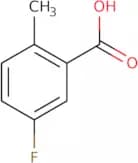
CAS:5-Fluoro-2-methylbenzoic acid is a synthetic compound that has antiviral potency against the influenza A virus. It is the active form of 5-fluoro-2-methylbenzoyl chloride, which is synthesized from a Grignard reagent and an asymmetric synthesis. 5-Fluoro-2-methylbenzoic acid has been shown to have anticancer properties in vitro, which may be due to its ability to inhibit cancer cell growth through interaction with chloride channels. This drug also inhibits the activity of dehydrogenases, which are enzymes that catalyze the oxidation of various substrates by reducing them.Fórmula:C8H7FO2Pureza:Min. 95%Forma y color:White PowderPeso molecular:154.14 g/molMethyl 4-iodosalicylate
CAS:Methyl 4-iodosalicylate is a redox potential molecule that can be used in the treatment of HIV infections. Studies have shown that methyl 4-iodosalicylate is able to enhance the activity of antiretroviral therapies, and is also able to increase the light emission from fluorophores when combined with sodium triflate. This compound has been shown to have pharmacokinetic properties that are similar to those of salicylic acid. Methyl 4-iodosalicylate has been shown to transport into human erythrocytes, and fluoresce when excited by light with a wavelength of 365 nm.
Methyl 4-iodosalicylate has been studied as a possible therapy for various conditions including cancer, arthritis, and heart disease. It may also be useful for improving skin health or for use as a topical antimicrobial agent.Fórmula:C8H7IO3Pureza:Min. 95%Forma y color:PowderPeso molecular:278.04 g/molMethyl 2-methoxybenzoate
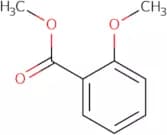
CAS:Methyl 2-methoxybenzoate is a synthetic chemical that is used in the treatment of wastewater. It inhibits the activity of enzymes such as fatty acid synthase, which are involved in the synthesis of long-chain fatty acids. Methyl 2-methoxybenzoate has been found to be an efficient method for the synthesis of prenyl compounds. This product is also an active methylene and hydrogen bond donor, and it can form products with carboxylic acid conjugates through acid catalysis. Methyl 2-methoxybenzoate has been used as a reagent for analytical chemistry, including gas chromatography and liquid chromatography.Fórmula:C9H10O3Pureza:Min. 95%Forma y color:Colorless Clear LiquidPeso molecular:166.17 g/mol2-Amino-4-methoxy-benzoic acid methyl ester
CAS:2-Amino-4-methoxy-benzoic acid methyl ester is a high quality, versatile building block for the synthesis of complex compounds. It is an intermediate in the synthesis of a number of biologically active compounds and has been used as a reagent for the determination of amino acids. 2-Amino-4-methoxy-benzoic acid methyl ester is soluble in water and polar organic solvents.Fórmula:C9H11NO3Pureza:Min. 95%Forma y color:Off-White PowderPeso molecular:181.19 g/mol