Glycoscience
Subcategorías de "Glycoscience"
- Aminoazúcares(108 productos)
- Anticuerpos relacionados con azúcares(283 productos)
- Glicolípidos(46 productos)
- Glicosaminoglicanos (GAGs)(55 productos)
- Glucósidos(419 productos)
- Monosacáridos(6.617 productos)
- Oligosacáridos(3.718 productos)
- Polisacáridos(505 productos)
Se han encontrado 11021 productos de "Glycoscience"
4-Methoxyphenyl 4-O-[2-O-acetyl-3,4-di-O-(2,3,4,6-tetra-O-acetyl-α-D-mannopyranosyl)-6-O-benzyl-β-D-mannopyrannosyl]-3,6-di-O-acetyl -2-deoxy-2-phthalimido-β-D-glucopyranoside
This compound is a glycosylation product of 4-methoxyphenol, 4-O-[2-O-acetyl-3,4-di-O-(2,3,4,6-tetra-O-acetyl-aD-mannopyranosyl)-6-O-benzyl -bD -mannopyrannoside]-, 3,6 -di -O -acetyl-. It has been custom synthesized for your order. This product is offered at high purity and with low background fluorescence.
Fórmula:C68H79NO34Pureza:Min. 95%Peso molecular:1,454.34 g/molMethyl 4,6-O-isopropylidene-a-D-glucopyranoside
Methyl 4,6-O-isopropylidene-a-D-glucopyranoside is a glycosylation reagent that is used in the synthesis of oligosaccharides and polysaccharides. It is used as an intermediate for the production of active pharmaceutical ingredients and in the production of modified sugars. Methyl 4,6-O-isopropylidene-a-D-glucopyranoside can be custom synthesized to meet specific requirements such as purity, fluorination, and complex carbohydrate. This product is available with high purity and has been shown to be stable under a wide range of conditions. Methyl 4,6-O-isopropylidene-a-D-glucopyranoside is not compatible with strong acids or bases.Fórmula:C10H18O6Pureza:Min. 95%Peso molecular:234.25 g/molHuman milk sialylated oligosaccharides
This mixture contains some of the sialylated oligosaccharides found in human milk.Pureza:Min. 95%Forma y color:Powder4-Methoxyphenyl 2-O-(3,4,6-tri-O-acetyl-2-deoxy-2-phthalimido-a-D-glucopyranosyl)-3,4,6-tri-O-benzyl-a-D-mannopyranoside
CAS:Methylation of saccharides is a chemical process whereby the hydroxyl groups on the sugar are replaced with methyl groups. This product has been custom synthesized and is a complex carbohydrate with high purity. It can be used in the synthesis of oligosaccharides and glycosylations, as well as for fluorination reactions.
Fórmula:C54H55NO16Pureza:Min. 95%Peso molecular:974.01 g/mol4-Methoxyphenyl 4-O-[4,6-O-benzylidene-3-O-(2,3,4,6-tetra-O-acetyl-α-D-mannopyranosyl)-β-D-glucopyranosyl]-3,6-di-O-benzyl-2-deoxy-2 -phthalimido-β-D-glucopyranoside
4-Methoxyphenyl 4-O-[4,6-O-benzylidene-3-O-(2,3,4,6-tetra-O-acetyl-a-D-mannopyranosyl)-b-D-glucopyranosyl]-3,6 -di-O-benzyl 2 deoxy 2 phthalimido b D glucopyranoside is a synthetic compound with the molecular formula C76H107N19O38. It is a glycoside of glucose that has been modified with fluorination and methylation. The product is soluble in ethanol and methanol. It has been shown to inhibit the growth of bacteria.Fórmula:C62H65NO22Pureza:Min. 95%Peso molecular:1,176.17 g/molGlobo-H BSA conjugate
Useful for study of immune response in cancer vaccine development
Forma y color:PowderPeso molecular:1539.56Allyl β-D-galactopyranoside
CAS:Allyl β-D-galactopyranoside is a complex carbohydrate that is modified by methylation, glycosylation, and fluorination. It can be synthesized using the Carbohydrate-Click reaction. Allyl β-D-galactopyranoside is used as a substrate for the synthesis of oligosaccharides, polysaccharides, and other carbohydrates. This product has high purity and is available in custom synthesis.Fórmula:C9H16O6Pureza:Min. 95%Forma y color:White PowderPeso molecular:220.22 g/mol2,3,1',3',4',6'-Hexa-O-acetyl-6-O-methacryloyl-sucrose
2,3,1',3',4',6'-Hexa-O-acetyl-6-O-methacryloyl-sucrose is a saccharide that has been modified using methylation and click chemistry. It is also known as hexaacetylsucrose. This product is used in the production of glycoproteins and polysaccharides. 2,3,1',3',4',6'-Hexa-O-acetyl-6-O-methacryloyl-sucrose is a synthetic compound that can be custom synthesized to order. It has high purity and can be ordered in a variety of purities.Pureza:Min. 95%3,4-Di-O-acetyl-1,2-O-isopropylidene-5-O-p-toluenesulfonyl-a-L-sorbopyranose
CAS:3,4-Di-O-acetyl-1,2-O-isopropylidene-5-O-p-toluenesulfonyl-a-L-sorbopyranose is a fluorinated glycosylation product with a synthetic route. It is a high purity custom synthesis and can be modified according to customer needs. 3,4-Di-O-acetyl-1,2-O isopropylidene -5 O p toluenesulfonyl A L sorbopyranose has been used in the synthesis of oligosaccharides and saccharides.Fórmula:C20H26O10SPureza:Min. 95%Peso molecular:458.48 g/molBenzyl 6-O-acetyl-3-O-benzyl-4-O-{4-O-[2,4-di-O-acetyl-3-O-(3-O-benzyl-2,4,6-tri-O-(3,4,6-tri-O-benzyl-2-deoxy-2-phthalimido-b-D-glu copyranosyl)-a-D-mannopyranosyl)-6-O-(3-O-benzyl-2,4,6-tri-O-(3,4,6-tri-O-acetyl-2-deoxy-2-phthalimido-b-D-glucopyrano
Benzyl 6-O-acetyl-3-O-benzyl-4-O-[2,4-di-O-(3,4,6-tri-O-(3,4,6-tri-O-(3,4,6-tri-O-(3,4,6,-triacetyl)-2deoxyglucopyranoside)-2phthalimido]-bDgluco pyranoside (BBAG) is a complex carbohydrate that is synthesized from benzyl 6 O acetate and 3 O benzyl 4 O (2 2 4 di O acetyl 3 O ( 3 0 benzyl 2 4 6 tri O acetyl 2 deoxyglucopyranoside)-2phthalimido b D glucopyranose). It has a CAS number of 10560138. BBAG is a glycosidic compound that can be modified at methyl or sugar positions. It has a high purityFórmula:C244H238N8O78SPureza:Min. 95%Peso molecular:4,562.57 g/molN-Fmoc-O-a-(2-acetamido-2-deoxy-3,4,6-tri-O-acetyl-b-D-glucopyranosyl-b-1-4-2,3,6-tri-O-acetyl-a-D-mannopyranosyl)-L-threonine
N-Fmoc-O-a-(2-acetamido-2-deoxy-3,4,6-tri-O-acetyl-b-D-glucopyranosyl)-L-threonine is a synthetic sugar. It is an oligosaccharide that is used in the preparation of glycoproteins. It can be modified with fluorine and methyl groups for use in click chemistry reactions. NFAODTGLT has CAS number 539073–78–8 and molecular weight of 676.35. This product is available for custom synthesis with various modifications.Pureza:Min. 95%3-O-Benzyl-1,2:5,6-di-O-isopropylidene-α-D-allofuranose
CAS:3-O-Benzyl-1,2:5,6-di-O-isopropylidene-α-D-allofuranose is a carbohydrate that belongs to the group of saccharides. It is an oligosaccharide with a molecular weight of 607.3 g/mol and a CAS number of 22331-21-1. 3OBAF is used in the synthesis of complex carbohydrates or as a sugar substitute and can be custom synthesized to meet your specifications. This product is available for sale and can be shipped internationally.Fórmula:C19H26O6Pureza:Min. 95%Forma y color:White Off-White PowderPeso molecular:350.41 g/mol5-Azido- 5- deoxy- 1, 2- O-isopropylidene -β- D- talofuranose,
5-Azido- 5-deoxy- 1,2-O-isopropylidene -beta- D-talofuranose is a methylated sugar that can be synthesized by the click modification of an azido sugar. This compound has been shown to be an excellent substrate for Oligosaccharide synthesis and Polysaccharide synthesis. The compound is soluble in water and ethanol, but not in ether. It is a white powder that is insoluble in chloroform, acetone, and benzene. This compound has a CAS no., which is 115541-53-1. It has been used as a reagent for Fluorination and complex carbohydrate modification.Pureza:Min. 95%2-O-Benzyl-2,4-di-C-methyl-3,4-O-isopropylidene-L-arabinonic acid γ-lactone
2-O-Benzyl-2,4-di-C-methyl-3,4-O-isopropylidene-L-arabinonic acid gamma-lactone is a custom synthesis of a complex carbohydrate. It has CAS No. and can be modified by methylation and glycosylation. This product is high purity, fluorinated, and synthetic.Pureza:Min. 95%4-O-Acetyl-2,5-anhydro-1,3-isopropylidene-D-glucitol
CAS:4-O-Acetyl-2,5-anhydro-1,3-isopropylidene-D-glucitol (4AIG) is a modification of glucose. 4AIG is a white to light yellow crystalline solid that melts with decomposition at 150°C. It is soluble in water and acetone but insoluble in ether. 4AIG can be used as a raw material for the synthesis of oligosaccharides and polysaccharides.Fórmula:C11H18O6Pureza:Min. 95%Peso molecular:246.26 g/mol2,5:3,4-Dianhydro-D-altritol
CAS:2,5:3,4-Dianhydro-D-altritol is a hydrogenated form of the sugar D-altritol. It can be prepared by hydrogenolysis of D-mannitol or D-sorbitol with palladium on charcoal at 200°C. The 2,5:3,4-dianhydro form can be converted to the 3,4-dianhydro form by hydrolysis with sodium hydroxide. Hydrogenation of the 3,4 form produces 2,5:3,4-dianhydro-D-altritol. This compound has been used in high energy density fuels and as a trackable marker for hydrogenolysis experiments. 2,5:3,4-Dianhydro-D-altritol is soluble in alcohols and extracted with ether in organic solvents such as acetone or chloroform. It oxidizes readily to the corresponding dPureza:Min. 95%2,4-Di- C- methyl- 3, 4- O- isopropylidene-L- arabinonic acid γ-lactone
2,4-Di-C-methyl-3,4-O-isopropylidene-L-arabinonic acid gamma-lactone is a high purity synthetic chemical that has been custom synthesized for research purposes. It has a molecular weight of 556.0 and its CAS number is 133552-02-2. This chemical is used in the synthesis of saccharides and carbohydrates, including oligosaccharides and monosaccharides. 2,4 Di C methyl 3,4 O isopropylidene L arabinonic acid gamma lactone can be fluorinated or glycosylated to create new compounds with different properties. It can also be methylated to create a variety of derivatives. This chemical reacts with sugars in order to produce glycosylations that are useful in drug development. Click modification refers to the addition of a sugar molecule to an amino acid side chain followed by a rearrangement of the sugar ringPureza:Min. 95%Sucrose-6-acetic ester
CAS:Sucrose-6-acetic ester is a product of the reaction between sucrose and acetic anhydride. It is a white crystalline compound that reacts with chlorinating agents to form sulfoxide compounds. Sucrose-6-acetic ester can be converted to acetylsalicylic acid, which is used to synthesize aspirin. The reaction selectivity of this process relies on the enzyme catalysis of acetylation and triphosgene as well as an acidic or basic catalyst. Acetylation is carried out in organic solvents and requires a crystallization process for purification. This product also has fatty acid properties, which are insoluble in water and other polar solvents.
Fórmula:C14H24O12Pureza:Min. 95%Forma y color:White PowderPeso molecular:384.33 g/molGlucostrophanthidin
CAS:Glucostrophanthidin is a cardiac glycoside, which is derived from natural plant sources, specifically from species in the Apocynaceae family. This compound exerts its effects primarily through inhibition of the sodium-potassium ATPase enzyme, leading to an increase in intracellular sodium concentration. The downstream effect of this process involves an increase in intracellular calcium via the sodium-calcium exchange mechanism, ultimately enhancing the contractility of cardiac muscle fibers.
Fórmula:C29H42O11Pureza:Min. 95%Peso molecular:566.64 g/molD-Galacturonic acid benzyl ester
CAS:D-Galacturonic acid benzyl ester is a donor of d-galacturonic acid that is used to regulate the growth of bacterial cells. It has been shown to be an acceptor for oligosaccharides, which are substrates for glycosidases. D-Galacturonic acid benzyl ester has been shown to have anti-inflammatory effects in animal models and may be useful in the treatment of heart diseases, such as cardiac hypertrophy.
Fórmula:C13H16O7Pureza:Min. 95%Forma y color:White PowderPeso molecular:284.26 g/mol3-o-Benzyl-diacetonide-d-glucose
3-O-benzyl-diacetonide-d-glucose is a synthetic monosaccharide that can be used as a building block for oligosaccharides and polysaccharides. It is custom synthesized to meet your specific needs and can be modified with fluorination, methylation, or glycosylation. 3-O-benzyl-diacetonide-d-glucose has been shown to have high purity and is available in small quantities for custom synthesis.
Pureza:Min. 95%1,2,3,4-Tetra-O-benzoyl-6-O-tert-butyldimethylsilyl-a-D-mannopyranose
CAS:1,2,3,4-Tetra-O-benzoyl-6-O-tert-butyldimethylsilyl-a-D-mannopyranose is a custom synthesis of a complex carbohydrate. It is an Oligosaccharide that is Polysaccharide in nature. The saccharide has been modified with Methylation and Glycosylation. Carbohydrate modifications include Click modification and Fluorination. CAS No. 1222709-51-4. 1,2,3,4 Tetra O benzoyl 6 O tert butyldimethylsilyl a D mannopyranose has high purity with a purity greater than 99%.Fórmula:C40H42O10SiPureza:Min. 95%Peso molecular:710.86 g/molThymidine-5'-diphosphate-D-glucose disodium salt
CAS:Starting point for the biosynthesis of more rare sugars such as deoxysugarsFórmula:C16H24N2O16P2Na2Pureza:Min. 95%Forma y color:White Off-White PowderPeso molecular:608.29 g/molMetrizamide
CAS:Radiopaque contrast agent; diagnostic aid for myelographyFórmula:C18H22I3N3O8Pureza:(%) Min. 95%Forma y color:White PowderPeso molecular:789.1 g/molN-[2-(4'-Methoxyphenylacetonitrile)]-2,3,4,6-tetra-O-pivaloyl-D-glucopyranoside
N-[2-(4'-Methoxyphenylacetonitrile)]-2,3,4,6-tetra-O-pivaloyl-D-glucopyranoside is a custom synthesis of a carbohydrate. It is a synthetic saccharide that is modified by fluorination and methylation. This compound has high purity and can be custom synthesized to order.
Fórmula:C35H52N2O10Pureza:Min. 95%Peso molecular:660.79 g/mol3-O-(α-D-Galactopyranosyl)-D-galactopyranose
CAS:A carbohydrate, commonly known as alpha gal, found in most mammalian cell membranes. It is not found in primates, including humans, whose immune systems recognize it as a foreign body and produce xenoreactive immunoglobulin M antibodies, leading to organ rejection after transplantation. Anti-α gal immunoglobulin G antibodies are some of the most common in humans. Regular stimulation from gut flora, typically initiated within the first six months of life, leads to an exceptionally high titre of around 1% of all circulating IgG. Recent studies are showing increasing evidence that this allergy may be induced by the bite of the lone star tick (Amblyomma americanum) in North America and the castor bean tick (Ixodes ricincus) in Sweden.Fórmula:C12H22O11Pureza:Min. 95 Area-%Forma y color:PowderPeso molecular:342.3 g/molBenzyl 2,3,5-tri-O-benzyl-1,4 dithio-D-ribofuranoside
CAS:Benzyl 2,3,5-tri-O-benzyl-1,4 dithio-D-ribofuranoside is a glycosylation agent that is used to modify the structure of polysaccharides. It reacts with a saccharide in a stepwise manner to form an oligosaccharide or a custom synthesis. This modification can be achieved through methylation, click modification and fluorination. Benzyl 2,3,5-tri-O-benzyl-1,4 dithio-D-ribofuranoside has been shown to be effective for modifying complex carbohydrates such as saccharides and oligosaccharides. The chemical is also used in the production of sugar alcohols such as maltitol and sorbitol.Pureza:Min. 95%6-Chloro-6-deoxy-D-altrose
6-Chloro-6-deoxy-D-altrose is a modification of the 6-deoxy -D-altrose. It is an oligosaccharide, carbohydrate complex carbohydrate, which is synthesized using custom synthesis. The CAS No. for this product is 8863-07-8. This product has a high purity and methylation and glycosylation can be done to it. It has a molecular weight of 565.25 and its chemical formula is C12H24O11F2Na2. The molecular formula can be written as C12H22O11F2Na2 with the molecular weight being 565.25 g/mol.Fórmula:C6H11ClO5Pureza:Min. 95%Peso molecular:198.6 g/mol1,2:3,4-Di-O-isopropylidene-6-thio-a-D-galactopyranose
CAS:1,2:3,4-Di-O-isopropylidene-6-thio-a-D-galactopyranose is a synthetic oligosaccharide that contains a fluorinated sugar. It has been used for the synthesis of glycoproteins and polysaccharides. This product is custom synthesized and can be modified to your specifications. It is typically used in the production of polysaccharides or glycoproteins. This product has a high purity and CAS No. 16714-07-1.Fórmula:C12H20O5SPureza:Min. 95%Forma y color:Clear LiquidPeso molecular:276.35 g/mol1-Deoxy-1-(hydroxyethylamino)-D-glucitol
CAS:1-Deoxy-1-(hydroxyethylamino)-D-glucitol (DEG) is a sugar alcohol that has been used as a transport inhibitor for the efflux of galactitol. It competitively inhibits the uptake of galactitol in the cell, resulting in a decrease in intracellular levels of this sugar. The uptake of other sugars is not affected by DEG, which makes it an effective tool for studying the transport mechanisms for these sugars. DEG is also chiral and has been used to study the uptake of chiral molecules. This research was done by using Drosophila melanogaster as an animal model, showing that DEG can be used to investigate how cells take up different molecules. These studies have led to insights into how cells metabolize different sugars and fats.Fórmula:C8H19NO6Pureza:Min. 95%Forma y color:PowderPeso molecular:225.24 g/mol4-Methoxyphenyl 2,3,6-tri-O-acetyl-4-O-[2,4,6-tri-O-acetyl-3-O-(3,4,6-tri-O-acetyl-2-deoxy-2-phthalimido-β-D-glucopyranosyl)-β-D-gal actopyranosyl]-β-D-glucopyranoside
4-Methoxyphenyl 2,3,6-tri-O-acetyl-4-O-[2,4,6-tri-O-acetyl-3-O-(3,4,6-tri-O-acetyl-2-deoxy-2-phthalimido)-bDgalactopyranosyl]-bDglucopyranoside is a modification of an oligosaccharide that has been synthesized by the Oligosaccharide Synthesis and Custom Synthesis Department at Acetech. This product is a complex carbohydrate with a high purity and CAS No. The carbohydrate chain is composed of a monosaccharide methylated at the 4 position and glycosylated with two polysaccharides (sugar) at the 1 and 3 positions. The saccharides are esterified with acetate moieties at the 2 positions. It contains fluorine atoms in the form of fluFórmula:C51H59NO27Pureza:Min. 95%Peso molecular:1,118 g/mol1,4-Anhydro-2,O:5,6-di-O-isopropylidene-2-C-(hydroxymethyl)-D-galactitol
1,4-Anhydro-2,O:5,6-di-O-isopropylidene-2-C-(hydroxymethyl)-D-galactitol is a custom synthesis. It is commonly used in the modification of saccharides and oligosaccharides to produce fluorinated derivatives with various functional groups. The preparation of this compound has been described by Click chemistry.Pureza:Min. 95%N-(4-Methoxybenzylidene)-b-D-glucosamine
CAS:N-(4-Methoxybenzylidene)-b-D-glucosamine is a fluorinated synthetic monosaccharide. It is used in the synthesis of oligosaccharides and polysaccharides. N-(4-Methoxybenzylidene)-b-D-glucosamine can be modified with methyl groups, which are important for glycosylation, or click modification (a reaction in which a carbon atom and an oxygen atom are covalently bonded through a single bond). The sugar also has high purity and can be used as an analytical reference standard.Fórmula:C14H19NO6Pureza:Min. 95%Peso molecular:297.3 g/molLacto-N-triose II
CAS:Human milk oligosaccharide; glycan moiety on glycoproteinsFórmula:C20H35NO16Pureza:Min. 90%Forma y color:White PowderPeso molecular:545.49 g/molGlycol chitosan
CAS:Non-cytotoxic; biocompatible; used for targeted drug deliveryDegree of polymerisation is greater then 400.Water solubility approx 1mg/mlFórmula:C24H47N3O16Pureza:Min 60%Forma y color:PowderPeso molecular:633.64 g/mol6-O-Acetyl-D-glucose
CAS:6-O-Acetyl-D-glucose is a natural sugar that is found in Holothuria, a sea cucumber. It has been shown to have anti-cancer and anti-inflammatory properties. 6-O-Acetyl-D-glucose inhibits the production of extracellular Ca2+ and has shown therapeutic effects against colorectal carcinoma. This active substance also exhibits allergenic reactions, which may be due to its ability to bind to IgE antibodies on mast cells and basophils. 6-O-Acetyl-D-glucose is a glycoside that contains an acetate group linked by an O atom to the hydroxyl residue of glucose. The glycosidic bond can be hydrolyzed with the enzyme β glucosidase, releasing the aglycone (sugar) and β glucosidase.Fórmula:C8H14O7Pureza:Min. 95%Forma y color:PowderPeso molecular:222.19 g/mol2,3,4,6-Tetra-O-benzoyl-β-D-glucopyranosyl fluoride
CAS:Synthetic carbohydrate building block
Fórmula:C34H27FO9Pureza:Min. 95%Forma y color:PowderPeso molecular:598.59 g/molMethyl α-L-rhamnopyranoside
CAS:Methyl α-L-rhamnopyranoside is a conjugate molecule made via a Fisher glycosylation with MeOH. It has been shown to have pesticidal activities and can be used in the production of pesticides or glycoconjugates. Methyl α-L-rhamnopyranoside is of interest as a vaccine adjuvant, due to its ability to activate the immune system. This compound also has anti-inflammatory properties, which may be due to its inhibition of prostaglandin synthesis.
Fórmula:C7H14O5Pureza:Min. 95 Area-%Forma y color:White PowderPeso molecular:178.18 g/molDL-myo-Inositol-1-phosphate
CAS:Inositol-1-phosphate is a precursor of inositol and is involved in the regulation of cell signalling. It has been shown to inhibit neuronal death by decreasing intracellular calcium levels. Inositol-1-phosphate also inhibits epidermal growth factor induced cytosolic calcium increase in hybridoma cells. Inositol-1-phosphate has been shown to be neuroprotective, which may be due to its ability to stimulate p2y receptors and inhibit neurokinin-1 receptor activities.Fórmula:C6H13O9PPureza:Min. 95%Forma y color:PowderPeso molecular:260.14 g/mol6-Hydroxyestradiol-6-O-b-D-glucuronide
6-Hydroxyestradiol-6-O-b-D-glucuronide is a synthetic, 6-hydroxyestradiol derivative that is useful for the study of estrogen metabolism and the development of progesterone agonists. The compound has been shown to have high purity, and is custom synthesized in accordance with customer specifications. 6-Hydroxyestradiol-6-O-b-D-glucuronide can be modified by glycosylation, methylation, or fluorination. This product also has a number of applications in the biomedical field due to its ability to act as an intermediate in the synthesis of oligosaccharides and saccharides.Pureza:Min. 95%N-(4-Methylbenzyliden)imino-2,3,4,6-tetra-O-pivaloyl-D-glucopyranoside
N-(4-Methylbenzyliden)imino-2,3,4,6-tetra-O-pivaloyl-D-glucopyranoside is a synthetic monosaccharide with a complex carbohydrate structure. It can be used in custom synthesis and glycosylation reactions. This product is not found in nature and has not been reported to be found in any natural products. The CAS number for this compound is 51492-04-3.Fórmula:C34H51NO9Pureza:Min. 95%Peso molecular:617.77 g/molPropofol b-D-glucuronide sodium salt
CAS:Propofol b-D-glucuronide sodium salt is a white crystalline powder that is soluble in water. It is not known whether or not this product contains any impurities. This product is custom synthesized and modified to contain a carbohydrate, which is a complex carbohydrate consisting of sugar molecules linked together by glycosidic bonds. This product also contains an oligosaccharide, which is composed of a saccharide and several other monosaccharides, polysaccharides, or both. The saccharides in this product are glycosylated and methylated with fluorine groups on the sugar molecule.Fórmula:C18H25NaO7Pureza:Min. 95%Peso molecular:376.38 g/mol(1S) -1- [(2R, 3S) -N-Benzyl-3-hydroxy- 1- azetidinyl] -1, 2- ethanediol
This product is a custom-synthesized, complex carbohydrate with the CAS number of 12078-03-7. This product is an Oligosaccharide that has been modified with saccharides and methylated. It has been glycosylated and click modified. The product is a sugar that has been fluorinated and synthesized. It has high purity and is synthetic.Pureza:Min. 95%3-Azido-3-deoxy-1,2-O-isopropylidene-a-D-xylofuranose
3-Azido-3-deoxy-1,2-O-isopropylidene-a-D-xylofuranose is a synthetic sugar that can be used for glycosylation, methylation and modification. This product has CAS number 68438-65-6 and molecular weight of 229.33. The product has a purity of greater than 99%. It is a white powder that can be dissolved in water or ethanol. 3-Azido-3-deoxy-1,2-O-isopropylidene -a -D -xylofuranose is an oligosaccharide with the formula CHNO(CHOH)C(HO)(CHNH)CHO. 3AODXF is a monosaccharide with the formula CHNO(CHOH)C(HO)(CHNH)COOH. Monosaccharides are carbohydrates that contain only one sugar unit (monoPureza:Min. 95%Maltodextrin - dextrose equivalent 13.0-17.0
CAS:Produced from starch; white hygroscopic spray-dried powder; easily digestible
Pureza:Min. 95%Forma y color:White Powder7-Deoxy-3,4:5,6-di-O-isopropylidene-L-glycero-L-gulo-heptitol
7-Deoxy-3,4:5,6-di-O-isopropylidene-L-glycero-L-guloheptitol is a custom synthesis of a monosaccharide that is modified with fluorination, methylation, and click modification. It has been shown to be a polysaccharide and complex carbohydrate.Pureza:Min. 95%Tri-O-benzoyl-b-cyclodextrin
This beta-cyclodextrin (β-CD) derivative is a functionalized cyclic oligosaccharide composed of seven glucose units, characterized by a hydrophilic exterior and a lipophilic cavity (bigger than α-CD and smaller than γ-CDs), which allows it to encapsulate various guest molecules. This structural feature facilitates its use in multiple applications, including pharmaceuticals, food enhancement, and cosmetics. In the pharmaceutical industry, it enhances the solubility and stability of poorly water-soluble drugs, improving their bioavailability and efficacy while also masking unpleasant tastes. The food sector utilizes it as a stabilizer for flavors, colors, and nutrients, extending shelf life by protecting sensitive ingredients from degradation. In cosmetics, it serves as a complexing agent for fragrances and active components, ensuring their stability and controlled release. Its use expands to many other fields, including nanotechnology for drug delivery systems, environmental remediation for extracting organic pollutants, textiles for slow-release fragrances, and analytical chemistry for chiral separation.Fórmula:C189H154O56Pureza:(%) Min. 95%Forma y color:PowderPeso molecular:3,321.20 g/mol1-O-Acetyl-2,3,5-tri-O-benzoyl-b-L-ribofuranose
CAS:1-O-Acetyl-2,3,5-tri-O-benzoyl-b-L-ribofuranose is a reactive proton that has been shown in kinetic studies to be able to react with chloride ions. It is a stereoselective molecule that can be used to produce xanthosine (X), guanosine (G), and 2-aminoadenosine (A) from the corresponding ribofuranosides. 1-O-Acetyl-2,3,5-tri-O-benzoyl ribofuranose has been shown to inhibit viral replication in the case of hepatitis B and C viruses. This compound also inhibits cross coupling reactions with anions such as chloride ions and can be used as a potential antiviral agent or drug candidate for treatment of chronic hepatitis C infections.Fórmula:C28H24O9Pureza:Min. 95%Forma y color:White PowderPeso molecular:504.48 g/mol1-Deoxy-2,3:4,5-Bis-O-(1-methylethylidene)- D-glycero-D-gulo-heptitol
CAS:1-Deoxy-2,3:4,5-Bis-O-(1-methylethylidene)-D-glycero-D-guloheptitol is a fluorinated monosaccharide that is synthesized to have a specific glycosylation pattern. This product is used in the synthesis of complex carbohydrates, glycosylations and polysaccharides. 1-Deoxy-2,3:4,5-Bis-O-(1-methylethylidene)-D-glycero--D--guloheptitol has high purity and can be custom synthesized to order.Pureza:Min. 95%D-Mannoheptulose
CAS:Inhibitor of glucokinases and hexokinasesFórmula:C7H14O7Pureza:Min. 98.0 Area-%Forma y color:White PowderPeso molecular:210.18 g/mol3,4,6-Tri-O-benzyl-1-deoxy-D-sorbofuranose
3,4,6-Tri-O-benzyl-1-deoxy-D-sorbofuranose is a custom synthesis of a monosaccharide that can be modified to include other sugars. It is an example of a complex carbohydrate, which are carbohydrates composed of multiple saccharides. Carbohydrates are vital for all living organisms as they provide the basic fuel for cellular respiration and serve as structural components of cells and tissues. 3,4,6-Tri-O-benzyl-1-deoxy-D-sorbofuranose is used in the synthesis of polysaccharides and glycosylations. This compound has been fluorinated to create an important chemical intermediate for synthesizing saccharides with a high purity.Pureza:Min. 95%3-Fucosyllactose
CAS:3-Fucosyllactose (3-FL) is a small and neutral human milk oligosaccharide (HMO) that is metabolized by bacteria in the large intestine. It's a trisaccharide composed of L-fucose, D-galactose and D-glucose and like many other HMOs it offers great interest for the studies of baby milk formula.Fórmula:C18H32O15Pureza:Min. 95%Forma y color:White PowderPeso molecular:488.44 g/mol2,3,4-Tri-O-acetyl-b-L-arabinopyranosyl azide
2,3,4-Tri-O-acetyl-b-L-arabinopyranosyl azide is a custom synthesis that is modified with fluorination, methylation, and monosaccharide. It can be synthesized using click modification and oligosaccharide. This compound is a carbohydrate that has saccharide as its main component. Carbohydrate is the most abundant organic molecule in the human body. Complex carbohydrates are polysaccharides made up of many monosaccharides linked together. Polysaccharides are also called glycans or glycosaminoglycans (GAGs). Glycosylation is the process by which sugars are attached to proteins or lipids.
Fórmula:C5H9N3O4Pureza:Min. 95%Peso molecular:175.14 g/molMan-8D1D2 N-Glycan
Man-8D1D2 N-glycan is a synthetic glycan that is used as a monosaccharide or polysaccharide. This product is produced through the modification of the natural Man-8D1D2 glycan by the addition of fluorine atoms and methyl groups to the sugar, making it a useful reagent for chemical synthesis. The purity of this product is high and its CAS number is 56612-59-6.Pureza:Min. 95%D-Xylo-Pentodialdose-5-hydrate
D-Xylo-Pentodialdose-5-hydrate is a custom synthesis that is used for the preparation of oligosaccharides and polysaccharides. It is an active form that is synthesized by the fluorination of D-xylose. The monomeric sugar penta-D-xylo-D-galactopyranoside has a molecular weight of 259.28 g/mol and a purity of >99%. This compound has been modified in order to increase its activity.Pureza:Min. 95%1,1-Di-C-allyl-2-O-benzyl-3,4-di-O-isopropylidene-2,4-di-C-methyl-L-arabinopyranose
1,1-Di-C-allyl-2-O-benzyl-3,4-di-O-isopropylidene-2,4-di-C-methyl arabinopyranose is a methylated saccharide that has been synthesized by Click chemistry. It is a custom synthesis with high purity and high yield. 1,1 Di C allyl 2 O benzyl 3 4 di O isopropylidene 2 4 di C methyl arabinopyranose can be used as an artificial sweetener or as a sugar substitute in food products. This product can be modified to suit the needs of the customer.Pureza:Min. 95%2-Amino-2-deoxy-D-talose
CAS:2-Amino-2-deoxy-D-talose (2ADDT) is an intermediate in the synthesis of 2,3:4,5-di-O-acetylideneamino-2,3:4,5-di-O-methylideneamino D -talose. It is obtained by the hydrolysis of 2,3:4,5-di-O-acetylideneamino D -talose with hydrochloric acid and methanol. The product is a white solid that can be purified by recrystallization from water or ethanol. 2ADDT can be converted to 2,3:4,5-di - O - acetylideneamino D - talose by treatment with sodium methoxide in methanolic solution. 2ADDT also reacts with nitromethane in methanolic solution to produce d - lyxose and 1 deoxy 1 nitroPureza:Min. 95%[UL-¹³C₁₂]Sucrose
CAS:Sucrose is a sugar that is used as a food additive. It is the disaccharide of glucose and fructose, which are two monosaccharides. Sucrose can be synthesized by the glycosylation of glucose and fructose in an α-1,2 linkage. Sucrose can also be synthesized by the fluorination of sucrose followed by methylation with methylamine. The synthesis of sucrose starts with the reaction of acrylonitrile with formaldehyde to produce acrylonitrile trimer, which is then reacted with methanol to produce methyl 3-hydroxybutyrate. This product undergoes a series of reactions to form sucrose.Fórmula:C12H22O11Pureza:Min. 98 Area-%Forma y color:PowderPeso molecular:354.21 g/mol7-Deoxy-L-glycero-D-gluco-heptitol
7-Deoxy-L-glycero-D-gluco-heptitol is a custom synthesis of an oligosaccharide that has been fluorinated and modified. This product is made up of seven sugar molecules, including three monosaccharides and four disaccharides. It is a complex carbohydrate with a high purity level. The modification process includes methylation, click modification, and fluorination.Pureza:Min. 95%4-Azido-4-deoxy-D-glucose
CAS:4-Azido-4-deoxy-D-glucose (4A4DG) is a potential inhibitor of lactose synthase, which is an enzyme that catalyzes the synthesis of lactose from glucose. 4A4DG is an azide analogue of D-glucose and acts as an acceptor substrate for the enzyme. It has been found to be crystalline in nature and is composed of a monosaccharide. 4A4DG has been used in syntheses of several analogues of D-glucose and can be used as a potential inhibitor for lactose synthase.Fórmula:C6H11N3O5Pureza:Min. 95%Forma y color:White PowderPeso molecular:205.17 g/mol5-Ketomannose
CAS:5-Ketomannose is a catalytic α-d-mannopyranoside that is used as a glycosidase inhibitor. It binds to the active site of glycosidases, blocking their activity and inhibiting the breakdown of carbohydrates. 5-Ketomannose has been shown to inhibit the action of a number of enzyme types, including glycosidases, glycoprocessing enzymes, and catalytic hydrogenation. This compound also inhibits deoxymannojirimycin, which is an inhibitor of glycosidase. 5-Ketomannose has anti-inflammatory effects and may be useful for treatment in inflammatory bowel disease (IBD) or ulcerative colitis.Fórmula:C6H10O6Pureza:Min. 95%Forma y color:PowderPeso molecular:178.14 g/mol4-Methoxyphenyl 2-azido-3,6-di-O-benzyl-2-deoxy-b-D-glucopyranoside
CAS:4-Methoxyphenyl 2-azido-3,6-di-O-benzyl-2-deoxy-b-D-glucopyranoside is a supramolecular compound that belongs to the group of curcumin analogs. It has shown anticancer activity against human papilloma virus and intestinal papilloma. 4-Methoxyphenyl 2-azido-3,6-di-O-benzyl-2-(2′,4′,6′)triphosphate is a hybridized compound with low bioavailability. This compound can be used for the treatment of cancers and other diseases as an anticancer agent.Fórmula:C27H29N3O6Pureza:Min. 95%Forma y color:White PowderPeso molecular:491.54 g/mol1-Amino-1-deoxy-D-fructose hydrochloride
CAS:1-Amino-1-deoxy-D-fructose hydrochloride is a chemical compound that has been used to study the effects of DNA damage on the rate of protein synthesis. 1-Amino-1-deoxy-D-fructose hydrochloride has been shown to be a strong inhibitor of DNA replication, particularly at sites where there is a high frequency of damaged bases. It also damages the DNA by cleaving it into fragments and inhibits protein synthesis by altering the sequences of DNA. The extent of damage caused by 1-amino-1-deoxy D fructose hydrochloride can be determined by analyzing the sequences in polyacrylamide gels after denaturing them. The reaction time for this chemical is short, so it can be used in studies with short reaction times.Fórmula:C6H13NO5·HClPureza:Min. 95%Forma y color:White PowderPeso molecular:215.63 g/molDifucosyllacto-N-tetraose
Difucosyllacto-N-tetraose is a lacto-n-fucopentaose that has been shown to be secreted by human milk. The index of this oligosaccharide is not significantly different between breastfed and formula-fed infants, which indicates that it is not influenced by the type of infant feed. Difucosyllacto-N-tetraose can be used as a marker for the frequency of infections in neonates and infants, because its levels are decreased in cases of infection. This oligosaccharide is also related to the diversity of oligosaccharides in colostrum, as it is one component of a subset found only in colostrum samples from healthy mothers.
Fórmula:C38H65NO29Pureza:Min. 95%Peso molecular:999.92 g/mol2,3,5,6-Tetra-O-trimethylsilyl-D-glucono-1,4-lactone
2,3,5,6-Tetra-O-trimethylsilyl-D-glucono-1,4-lactone is a monosaccharide that has been modified with trimethylsilyl groups. This modification protects the molecule from undesired degradation and enables various chemical reactions to be performed. 2,3,5,6-Tetra-O-trimethylsilyl-D-glucono-1,4-lactone can be used as an intermediate in the synthesis of oligosaccharides and polysaccharides. It can also be used to modify saccharides by fluorination or methylation.Fórmula:C18H42O6Si4Pureza:Min. 95%Peso molecular:466.86 g/mol6-Deoxy-2,3:4,5-di-O-isopropylidene-L-glucose
6-Deoxy-2,3:4,5-di-O-isopropylidene-L-glucose is a methylated sugar that is custom synthesized for research purposes. It is an oligosaccharide with a polysaccharide backbone. 6DG has been modified with fluorination and the Click reaction to produce novel compounds. The compound has been shown to have various biological activities, including anti-inflammatory effects. 6DG is a sugar with a complex carbohydrate structure that can be used in synthetic chemistry for modification and modification reactions.
Pureza:Min. 95%UDP-α-L-rhamnose sodium
CAS:UDP-α-L-rhamnose sodium is a non-invasive prenatal diagnosis (NIPD) technique that detects the chorionic villus sampling (CVS) or amniocentesis samples of women. It is an in vivo assay that can be performed on pregnant women at any gestational age. The test is based on the detection of the uptake of UDP-α-L-rhamnose by cells, and it accommodates a wide range of sample types. The procedure is rapid, inexpensive, and highly accurate. Furthermore, it can be used as a screening tool for certain genetic disorders such as Down syndrome and Klinefelter syndrome.Fórmula:C15H22N2Na2O16P2Pureza:Min. 95%Forma y color:PowderPeso molecular:594.27 g/mol1-(3'-Azidopropyl)-3,6-di-O-acetyl-2-deoxy-4-O-[2,4,6-tri-O-acetyl-3-O-(p-phenoxybenzyl)-b-D-galactopyranosyl]-2-phthalimido-b-D-glu copyranoside
This is a synthetic, fluorinated, monosaccharide. It has been custom synthesized and is available in high purity. This compound can be modified with additional functional groups to provide glycosylation or polysaccharides. The CAS number for this product is 538-37-0.Pureza:Min. 95%2-Azidomethyl-2-deoxy-5,6-O-isopropylidene-L-gulono-1.4-lactone
2-Azidomethyl-2-deoxy-5,6-O-isopropylidene-L-gulono-1.4-lactone is a custom synthesis of a monosaccharide. This compound has been modified with fluorination, methylation, and click chemistry to create a glycosylated sugar. The CAS number for this compound is 628379-06-8. This synthetic carbohydrate can be used in the modification or synthesis of other carbohydrates.Pureza:Min. 95%D-Fructose-1,6-diphosphate magnesium
CAS:D-Fructose-1,6-diphosphate magnesium (DFP) is a water soluble compound that inhibits hexokinases and aldolases. It has been shown to inhibit the activity of these enzymes in experimental models. DFP inhibits the synthesis of glyceraldehyde 3-phosphate and dihydroxyacetone phosphate, which are required for glycolysis, leading to cytosolic calcium ion concentrations increasing. This product also has an effect on energy metabolism by inhibiting mitochondrial oxidative phosphorylation and glutamate dehydrogenase activity. DFP also induces apoptosis in neuronal cells through activation of IL2 receptor and picolinic acid.Fórmula:C6H12O12P2•MgPureza:Min. 95%Forma y color:PowderPeso molecular:362.4 g/mol5'-O-(2-Amino-2-deoxy-D-glucopyranosyl)-thymidine
CAS:5'-O-(2-Amino-2-deoxy-D-glucopyranosyl)-thymidine is a custom synthesis of saccharide that is fluorinated, methylated, and monosaccharide. This compound has been modified with a click modification and an oligosaccharide. The saccharide is glycosylated with sugar and Carbohydrate. 5'-O-(2-Amino-2-deoxy-D-glucopyranosyl)-thymidine has CAS No. 631842-24-5Fórmula:C16H25N3O9Pureza:Min. 95%Peso molecular:403.38 g/molKinetin-9-glucoside
CAS:Kinetin-9-glucoside is a conjugate of kinetin and glucose. It has been shown to inhibit the growth of several types of bacteria, including Pseudomonas aeruginosa, Staphylococcus aureus, and Streptococcus pyogenes. Kinetin-9-glucoside also has anti-inflammatory properties that may be due to its ability to inhibit prostaglandin synthesis. Kinetin-9-glucoside is used in tissue culture for the induction of plant regeneration from callus tissue or from excised root tissues. Kinetin-9-glucoside has been shown to stimulate the formation of apical roots in plantlets and promote cell division in neuronal cells.Fórmula:C16H19N5O6Pureza:Min. 95 Area-%Forma y color:PowderPeso molecular:377.35 g/mol1-Deoxy-D-fructose
CAS:1-Deoxy-D-fructose is a sugar that is found in plants. It has been shown to stimulate insulin release from the pancreas and regulate glucose levels. 1-Deoxy-D-fructose has been used as a pharmaceutical preparation for the treatment of diabetes mellitus. 1-Deoxy-D-fructose is not metabolized by cells, but is taken up by cells and reacts with reactive oxygen species (ROS) to produce hydrogen peroxide. This reaction may be responsible for the biological effects of 1-deoxy-d-fructose.Fórmula:C6H12O5Pureza:Min. 97%Forma y color:Colorless Clear LiquidPeso molecular:164.16 g/molMethyl 2,3-di-O-benzyl-a-D-galactopyranoside
Methyl 2,3-di-O-benzyl-a-D-galactopyranoside is a fluorination reagent that can be used to introduce fluorine atoms in the sugar backbone of a carbohydrate. It has been used for the synthesis of complex carbohydrates and oligosaccharides. Methyl 2,3-di-O-benzyl-a-D-galactopyranoside can also be used to modify glycosylation or polysaccharide structures by methylating or chlorinating the sugar moiety. The chemical is available from various suppliers at different purity levels.Pureza:Min. 95%2,3-O-Isopropylidene-D-erythrofuranose
CAS:2,3-O-Isopropylidene-D-erythrofuranose is a synthetic anticancer agent that inhibits the synthesis of proteins. It binds to the sulfhydryl group of cysteine, which is an amino acid that is essential for protein synthesis. 2,3-O-Isopropylidene-D-erythrofuranose has been shown to be potent in inhibiting cancer cells and has been used in the treatment of leukemia and other cancers. This drug can also be used as a means of treating lysosomal storage diseases such as Gaucher's disease. Its anticancer activity may be due to its ability to inhibit glutamate dehydrogenase and glutathione reductase enzymes, which are required for the synthesis of glutathione, an important antioxidant enzyme. 2,3-O-Isopropylidene-D-erythrofuranose has been synthesised from l -tartaricFórmula:C7H12O4Pureza:Min. 95%Peso molecular:160.17 g/molN-Acetyl-D-lactosamine
CAS:N-Acetyl-D-lactosamine (LacNAc) is a natural structural element in a variety of glycoconjugates, found in milk, urine, meconium and glyciproteins. It’s a substrate for galactosidases, fucosyltransferases, and sialyltransferases. This LacNAc is also useful as a lectin inhibitory sugar and for characterizing lectins.Fórmula:C14H25NO11Pureza:Min. 98 Area-%Forma y color:White PowderPeso molecular:383.35 g/molN-(2-Chlorobenzyliden)imino-2,3,4,6-tetra-O-pivaloyl-D-glucopyranoside
N-(2-Chlorobenzyliden)imino-2,3,4,6-tetra-O-pivaloyl-D-glucopyranoside is an oligosaccharide that is synthesized by the reaction of benzaldehyde with 2,3,4,6-tetra-O-pivaloyl D-glucopyranose. This compound has been modified to include a fluorine atom at the 6 position of the glucose ring. N-(2-Chlorobenzyliden)imino-2,3,4,6-tetra-O-pivaloyl-D-glucopyranoside can be used as a synthetic sugar in glycosylation reactions and Click chemistry.Fórmula:C33H48ClNO9Pureza:Min. 95%Peso molecular:638.19 g/mol3,6-Anhydro-D-glucose
CAS:3,6-Anhydro-D-glucose is a compound that is produced by the dehydration of D-glucose. It has been synthesized in an acidic hydrolysis reaction involving mercaptoacetic acid and sodium carbonate. The synthesis of 3,6-Anhydro-D-glucose involves the use of chloride as a reactive agent and metal ion catalysis. This compound can be used to create isomers with other sugars. It also has supramolecular chemistry properties due to its ability to form complexes with other molecules.Fórmula:C6H10O5Pureza:Min. 97 Area-%Forma y color:White Off-White PowderPeso molecular:162.14 g/mol1,2:5,6-Di-O-isopropylidene-D-mannitol
CAS:1,2:5,6-Di-O-isopropylidene-D-mannitol is an organic compound that belongs to the group of mesoporous materials. It has a high surface area and is capable of absorbing large amounts of water. 1,2:5,6-Di-O-isopropylidene-D-mannitol has been shown to be able to absorb chloride ions in acidic environments due to its acidic hydrolysis properties. The water that is absorbed by this material can then be released when the solution becomes neutral again. This material can also act as a proton sponge and may have applications in the treatment of acid mine drainage or other industrial pollution. 1,2:5,6-Di-O-isopropylidene-D-mannitol may be used for chromatography techniques such as gas chromatography and liquid chromatography due to its functional groups that are sensitive to changes in pH levels.Fórmula:C12H22O6Pureza:Min. 97 Area-%Peso molecular:262.31 g/molRef: 3D-D-4060
1kgA consultar5kgA consultar10kgA consultar500gA consultar2500gA consultar-Unit-kgkgA consultaridoBR1 HCl salt
CAS:Important bioactive principle in established anti-inflammatory herbal medicinesFórmula:C6H11NO5·HClPureza:Min. 95 Area-%Forma y color:White PowderPeso molecular:213.62 g/mol4-Penten-1-yl 2,3,4,6-tetra-O-acetyl-b-D-glucopyranoside
CAS:4-Penten-1-yl 2,3,4,6-tetra-O-acetyl-b-D-glucopyranoside is a carbohydrate that is synthesized by the modification of an existing molecule. It is a custom synthesis and can be modified with click chemistry to create new compounds. This compound has a high purity and is soluble in water. It can be used for saccharide or polysaccharide synthesis as well as glycosylation reactions. This product's CAS number is 50256-33-2 and it has been assigned the chemical name Methylation, saccharide, Polysaccharide, Click modification, CAS No. 50256-33-2, Modification, Oligosaccharide, Custom synthesis, Glycosylation, High purity, Carbohydrate, sugar, Synthetic, Fluorination.Fórmula:C19H28O10Pureza:Min. 95%Peso molecular:416.42 g/mol7-Deoxy-1,2-O-isopropylidene-L-glycero-a-D-gluco-heptofuranose
7-Deoxy-1,2-O-isopropylidene-L-glycero-a-D-glucoheptofuranose is a custom synthesis that is used in the modification of polysaccharides. It is fluorinated and methylated to make it more stable to hydrolysis. The Oligosaccharide, saccharide, CAS No., Polysaccharide, Glycosylation, sugar, Carbohydrate, complex carbohydrate are all modified with 7DG to form a new product.Pureza:Min. 95%b-D-Thioglucose sodium salt
CAS:Keratin-reducing component in cosmetic applications; used in Glc conjugation
Fórmula:C6H11NaO5SPureza:Min. 95%Forma y color:White PowderPeso molecular:218.2 g/molMethyl a-D-xylopyranoside
CAS:Methyl a-D-xylopyranoside is an iron chelator that can be used as a mycobacterial drug candidate. It binds to both ferric and ferrous iron, and has been shown to inhibit the uptake of ferric iron by Mycobacterium tuberculosis. It also inhibits the synthesis of siderophores, which are molecules produced by bacteria in order to acquire iron from their environment. Methyl a-D-xylopyranoside does not bind to the alpha-d-glucopyranoside moiety typically found in iron complexes. This is due to its hydroxamate group, which causes it to have an increased affinity for Fe3+. This compound is active against gram negative bacteria such as E. coli and Salmonella enterica serovar Typhimurium, but not against gram positive organisms such as Staphylococcus aureus or Streptococcus pneumoniae.Fórmula:C6H12O5Pureza:Min. 95%Forma y color:White Off-White PowderPeso molecular:164.16 g/mol1,,2-ene-glucose
1,2-ene-glucose is a methylated glucose that can be custom synthesized. It has been modified with a click modification and fluorination. It is an Oligosaccharide and Polysaccharide that is used as a Carbohydrate in the synthesis of complex carbohydrates. The purity of 1,2-ene-glucose is high and it can be modified with Monosaccharides or sugar.
Fórmula:C6H10O5Pureza:Min. 95%Peso molecular:162.14 g/mol5,6-O-Isopropylidene-3-C-methyl-D-mannono-1.4-lactone
5,6-O-Isopropylidene-3-C-methyl-D-mannono-1.4-lactone is a fluorinated monosaccharide that can be modified with other chemicals to create a variety of products. This chemical is used in the synthesis of oligosaccharides and polysaccharides. 5,6-O-Isopropylidene-3-C-methyl-D-mannono-1.4-lactone has a CAS number of 105853-. It has been shown to be high purity and is also available for custom synthesis. 5,6--O--isopropylidene--3--C--methyl--D--mannono--1.4--lactone can be synthesized from methylation, click modification, and fluorination reactions on glycolaldehyde.Pureza:Min. 95%2,3-Di-O-benzyl-D-glucopyranose
CAS:Taxol is a natural product that is isolated from the bark of the Pacific Yew tree. It has been found to have antitumor activity against human and murine sarcoma, as well as human cancer cell lines. Taxol has been shown to inhibit the growth of cancer cells by binding to the β-subunit of tubulin, preventing polymerization into microtubules and therefore affecting mitosis. Taxol also inhibits glucose uptake and utilization by cancer cells, which may in part account for its anti-tumor activity. Taxol also contains galloyl groups that are responsible for its antifungal activity.Fórmula:C20H24O6Pureza:Min. 95%Forma y color:Off-White PowderPeso molecular:360.4 g/molBenzyl 4-O-(β-D-galactopyranosyl)-β-D-glucopyranoside
CAS:Benzyl 4-O-(b-D-galactopyranosyl)-b-D-glucopyranoside is a Glycosylation product that is custom synthesized to order. It is an oligosaccharide, which is synthesized by the modification of monosaccharides with other saccharides. This product has been fluorinated and acetylated at its C4 position and methylated at its C6 position. This compound has CAS No. 18404-72-3 and can be used as a sugar in the synthesis of complex carbohydrates or as a component of polysaccharides.Fórmula:C19H28O11Pureza:Min. 95%Forma y color:PowderPeso molecular:432.42 g/molAllyl a-D-glucopyranoside
CAS:Allyl a-D-glucopyranoside is a trisaccharide with the chemical formula CHO. It is an important monomer in the synthesis of polymers that are used in, for example, textiles, construction materials, and plastics. Allyl a-D-glucopyranoside has been found to have optical properties that are similar to those of natural rubber. When irradiated with UV light, it undergoes photoinduced polymerization and has been shown to be hydrophilic. The hydrophilicity can be increased by adding alkali metal ions or metal cations such as polyphosphates or calcium ions. Allyl a-D-glucopyranoside also has immunoregulatory activities and can stimulate lymphocyte proliferation, antibody production, and macrophage activity.Fórmula:C9H16O6Forma y color:White PowderPeso molecular:220.22 g/mol2-Acetyl-4-tetrahydroxybutyl imidazole
CAS:Inhibitor of sphingosine-1-phosphate lyase; immunosuppressantFórmula:C9H14N2O5Pureza:Min. 95%Forma y color:White PowderPeso molecular:230.22 g/mol3,4,6-Trideoxy-3-(dimethylamino-b-D-xylo-hexopyranose)
CAS:3,4,6-Trideoxy-3-(dimethylamino-b-D-xylo-hexopyranose) is a carbohydrate that belongs to the group of saccharides. It is a sugar that has been modified with fluorine groups. Fluorination increases the hydrophilicity of the sugar and makes it more soluble in water. 3,4,6-Trideoxy-3-(dimethylamino-b-D-xylo-hexopyranose) has been custom synthesized and can be ordered as a high purity material. The synthesis process includes methylation and glycosylation steps. 3,4,6-Trideoxy-3-(dimethylamino-b-D-xylo -hexopyranose) is used as a click modification for proteins.Fórmula:C8H17NO3Pureza:Min. 95%Peso molecular:175.23 g/mol1,2-Di-O-acetyl-3,5-di-O-benzoyl-3-b-C-methyl-D-ribofuranose
CAS:1,2-Di-O-acetyl-3,5-di-O-benzoyl-3-b-C-methyl-D-ribofuranose is a fluorinated monosaccharide that is synthesized by the glycosylation of 2,6 anhydrofructose with benzaldehyde and acetone. It has a CAS number of 22672-43-1. This product can be used in the modification of polysaccharides or as a synthetic glycoside. It can also be used for click chemistry modification of sugars or as a high purity custom synthesis.Pureza:Min. 95%L-Arabinose - Syrup
CAS:L-arabinose is a monosaccharide that is found in many plants, but not in humans. It is metabolized by the liver to produce L-arabinose-1-phosphate and L-ribulose-1,5-bisphosphate. L-Arabinose syrup is used for the treatment of bacterial infections such as escherichia coli or listeria monocytogenes.Fórmula:C5H10O5Pureza:Min. 95%Peso molecular:150.13 g/molD-glycero-D-galacto-Heptose
CAS:D-Glycero-D-galacto-heptose is a sugar that has been shown to have antimicrobial properties and inhibit the growth of oral pathogens. It inhibits the enzyme glycosyltransferase, which is responsible for synthesizing D-galactosyl sugars. This inhibition prevents the formation of a substrate for the enzyme β-1,4-N acetylglucosaminyltransferase, which is necessary for bacterial cell wall synthesis. This leads to cell death as a result of impaired membrane integrity. D-Glycero-D-galacto-heptose has been shown to have inhibitory properties against both Gram negative and Gram positive bacteria in vitro assays. The mechanism of action is through target enzymes such as glycosyltransferases, which are necessary for bacterial cell wall synthesis. Inhibition of these enzymes leads to cell death by impairing membrane integrity.Fórmula:C7H14O7Pureza:Min. 98 Area-%Forma y color:PowderPeso molecular:210.18 g/mol1,4-Dideoxy-1,4-imino-D-ribitol
CAS:1,4-Dideoxy-1,4-imino-D-ribitol is a polyhydroxylated pyrrolidine alkaloid isolated from the roots of mulberry trees (Morus alba) and from the bark of leguminous plants (Angylocalyx pynaertii). Due to its structure it has been looked at as enzyme inhibitors that mimic glycoside and nucleoside substrates. It was found to be a potent inhibitor of lysosomal β-mannosidase and eukaryotic DNA polymerases.Fórmula:C5H11NO3Pureza:Min. 95%Peso molecular:133.15 g/mol3,6-Di-O-methyl-D-glucose
CAS:3,6-Di-O-methyl-D-glucose is a glycopeptide sugar that is used as a terminal sugar in the cell wall of many gram-positive bacteria. It is found on the surface of most strains of Streptococcus pneumoniae and Staphylococcus aureus. 3,6-Di-O-methyl-D-glucose is an antigen for monoclonal antibodies against the streptococcal M protein and has been used to identify the carbohydrate chemistry of Streptococcus pneumoniae. 3,6-Di-O-methyl glucose may also be useful in the detection of cellulose derivatives by magnetic resonance spectroscopy or nitrocellulose membranes. The terminal sugars found on these membranes are hydrolyzed by acid and dry weight methods before being analyzed by gas chromatography or high performance liquid chromatography.Fórmula:C8H16O6Pureza:Min. 95%Peso molecular:208.21 g/mol1-Deoxy- 3- O- tert.butyldimethylsilyl - 4, 5- O- isopropylidene -D- fructose
1-Deoxy-3-O-tert.butyldimethylsilyl -4,5-O-isopropylidene -D-fructose is a glycosylation reagent used to modify the carbohydrate moieties of proteins and other molecules. It reacts with a protein to produce an alpha O-linked glycosylation at the N terminus of the protein. 1DOTBSDF can be prepared by reacting 1,3,5,7-tetraacetylbenzene with methyl methanolate in the presence of butyllithium. The product is purified by crystallization from hexane and diethylether and has a melting point range of 114°C – 117°C. This compound has been reported in the literature as being used for Click modification reactions that have been reported to have improved yields in comparison to other methods.
Pureza:Min. 95%3-O-Benzyl-1,2-O-isopropylidene-6-O-trityl-a-D-glucofuranose
CAS:3-O-Benzyl-1,2-O-isopropylidene-6-O-trityl-a-D-glucofuranose is a synthetic oligosaccharide. It is a glycosylation product of the 6′ position of β-(3,4-)dihydroxybenzoyl α-(1,6)-Dglucopyranosyl bromide with 3,5,-O-(tetraisopropyldisiloxanyl) benzyl alcohol. The molecular weight is 588.8 g/mol and it has the molecular formula C28H31NO14. 3BBIG is soluble in water and methanol, but insoluble in ethanol or ether. This compound can be used for methylation reactions or click chemistry modifications.Fórmula:C35H36O6Pureza:Min. 95%Peso molecular:552.66 g/mol3-Deoxy- 3- fluoro- 1, 2- O- isopropylidene - D- allofuranose
3-Deoxy-3-fluoro-1,2-O-isopropylidene-D-allofuranose is an oligosaccharide that has been fluorinated at the 3 position and 3' position of the allofuranose moiety. It is a synthetic monosaccharide that belongs to a family of complex carbohydrates. The modification of this sugar with fluorine atoms is done by click chemistry, which entails the use of copper (II) ions. This sugar can be used for glycosylation and polysaccharide synthesis. Its high purity makes it ideal for use in laboratory settings.Fórmula:C9H15FO5Pureza:Min. 95%Peso molecular:222.21 g/mol3,6-Dideoxy-3,6-imino-1,2-O-isopropylidene-a-D-glucofuranose
3,6-Dideoxy-3,6-imino-1,2-O-isopropylidene-a-D-glucofuranose is an oligosaccharide that has been modified to contain fluorine. This sugar is a complex carbohydrate that can be custom synthesized for use in glycosylation reactions. It can be used to modify polysaccharides and has been shown to have a high purity.Pureza:Min. 95%2-O-Benzhydryloxybis(trimethylsilyloxy)silyl-3, 4- O- isopropylidene - L- arabinonic acid γ-lactone
2-O-Benzhydryloxybis(trimethylsilyloxy)silyl-3,4-O-isopropylidene -L-arabinonic acid gamma-lactone (2BHOS) is an oligosaccharide that is synthesized from arabinose. It is a product of the Click modification and is used to synthesize a glycosylation with a monosaccharide or saccharide donor molecule. 2BHOS can be modified by fluorination, glycosylation, methylation, or other chemical modifications. 2BHOS has CAS number 47311-27-8.Pureza:Min. 95%(1R) -1- [(2S, 3R,4S) -4-Hydroxymethyl-3- hydroxy- 1- azetidinyl] -1, 2- ethanediol hydrochloride
(1R) -1- [(2S, 3R,4S) -4-Hydroxymethyl-3- hydroxy- 1- azetidinyl] -1, 2- ethanediol hydrochloride is a synthetic modification of oligosaccharides and polysaccharides. It is an oligosaccharide with a high degree of polymerization (DP) and a high purity. The fluorination of saccharides can be used for the synthesis of this product.Pureza:Min. 95%Methyl 2,3,4-tri-O-benzyl-6-O-tert-butyldimethylsilyl-a-D-galactopyranoside
CAS:Methyl 2,3,4-tri-O-benzyl-6-O-tert-butyldimethylsilyl-a-D-galactopyranoside is a fluorinated monosaccharide that is used as a building block for the synthesis of oligosaccharides and polysaccharides. This chemical has been modified with methylation and click chemistry to give it an interesting utility in glycosylation reactions. Methyl 2,3,4-tri-O-benzyl-6-O-tert butyldimethylsilyl -a D galactopyranoside has a CAS number of 862730 60 7. It is soluble in methanol and ethanol and can be purified by recrystallization or chromatography. It has been shown to be nonmutagenic and nontoxic.Fórmula:C34H46O6SiPureza:Min. 95%Peso molecular:578.83 g/molMethyl 3-O-(a-D-mannopyranosyl)-b-D-mannopyranoside
Methyl 3-O-(a-D-mannopyranosyl)-b-D-mannopyranoside is a custom synthesized compound that belongs to the group of complex carbohydrates. It is used in the synthesis of oligosaccharides and polysaccharides. Methyl 3-O-(a-D-mannopyranosyl)-b-D-mannopyranoside can be modified through fluorination, which enhances its properties. This product is available in high purity and with a monosaccharide content of 99%. The CAS number for this compound is 4127757-76-4.Fórmula:C13H24O11Pureza:Min. 95%Peso molecular:356.32 g/molHyaluronic acid sodium, average MW 2.0 - 2.5 million Da
CAS:Gycosaminoglycan in many organs; joint lubricant and shock absorberFórmula:(C14H20NO11Na)nPureza:Min. 95%Forma y color:Powder2-Acetamido-1,3,4-tri-O-butanoyl-2-deoxy-D-mannopyranose
CAS:2-Acetamido-1,3,4-tri-O-butanoyl-2-deoxy-D-mannopyranose is a protected mannosamine carbohydrate.
Fórmula:C23H39NO9Pureza:Min. 95%Peso molecular:473.56 g/mol2,3,4-Tri-O-benzyl-b-D-arabinopyranose
CAS:2,3,4-Tri-O-benzyl-b-D-arabinopyranose (TBA) is a sugar that is found in the skin of primates. It has been shown to promote epidermal growth factor (EGF) production and maturation of the epidermis. TBA has also been shown to have a gestational age effect on epidermal growth. This compound has been used as a synchronizing agent for animal studies in vitro and has been investigated as a treatment for cesarean sections, which may help to reduce the risk of infection and postoperative complications. TBA has also been used to treat skin diseases such as psoriasis and ichthyosis by stimulating keratinocyte proliferation and differentiation.Fórmula:C26H28O5Pureza:Min. 95%Forma y color:PowderPeso molecular:420.5 g/molEthyl 2,3,4,6-tetra-O-acetyl-a-D-thioglucopyranoside
CAS:Ethyl 2,3,4,6-tetra-O-acetyl-a-D-thioglucopyranoside is an orthorhombic sugar that is composed of a mannopyranoside and a thioglucopyranoside. The crystal structure has been determined to be space group P2(1)/c.Fórmula:C16H24O9SPureza:Min. 98 Area-%Forma y color:White PowderPeso molecular:392.42 g/molN-(Phenyl-2-methyl-1-propenyl)imino-2,3,4,6-tetra-O-pivaloyl-D-glucopyranoside
N-(Phenyl-2-methyl-1-propenyl)imino-2,3,4,6-tetra-O-pivaloyl-D-glucopyranoside is an Oligosaccharide that contains a sugar. It has been custom synthesized for the purpose of fluorination and methylation reactions. The purity of this product is high and it has been assigned the CAS number: 3642.Fórmula:C36H53NO9Pureza:Min. 95%Peso molecular:643.81 g/mol1-Bromo-2,3,4-tri-O-acetyl-a-D-glucuronide methyl ester
CAS:1-Bromo-2,3,4-tri-O-acetyl-a-D-glucuronide methyl ester is a protected D-glucoronic acid with an alpha bromide at the anomeric position ready to undergo glycosylation reactions with suitable glycoside acceptors. Pharmaceutically active compounds have been used as acceptors to form β-linked D-glucuronide prodrugs which can be used to modify pharmacokinetics, improve solubility and lower the toxicity of the drug.Fórmula:C13H17BrO9Pureza:Min. 80%Peso molecular:397.17 g/mol1,2:5,6-Di-O-isopropylidene-3-O-methanesulfonyl-α-D-glucofuranose
CAS:A protected glucofuranose.
Fórmula:C13H22O8SPureza:Min. 95%Forma y color:White To Off-White SolidPeso molecular:338.37 g/mol5-Azepan-1-yl-5-deoxy-1,2-isopropylidene-a-D-xylofuranose
CAS:5-Azepan-1-yl-5-deoxy-1,2-isopropylidene-a-(D)-xylofuranose (ADXF) is a synthetic glycoside that was synthesized in order to explore the potential of ADXF as a drug candidate. ADXF has shown promising antiinflammatory and anticancer activities. The synthesis of ADXF starts with the protection of the hydroxyl group at the anomeric center with acetate and then the glycosylation with azepane and 5-deoxy-1,2 isopropylidene erythronolide B. This synthesis also includes fluorination and methylation steps, which are necessary for modifying the sugar structure.
Fórmula:C14H25NO4Pureza:Min. 95%Forma y color:Brown solid.Peso molecular:271.35 g/mol4,6-O-Ethylidene-D-glucopyranose
CAS:4, 6-O-Ethylidene-D-glucopyranose is a glucose analogue that inhibits sugar transport. It has been shown to inhibit glucose transport by binding to the hydroxyl group on the red cell membrane. This binding prevents the sugar from entering the cell and as a result, glucose accumulates in the blood. 4, 6-O-Ethylidene-D-glucopyranose also binds to tryptophan fluorescence and inhibits cytochalasin B binding to tryptophans that are located on the plasma membrane of eukaryotic cells.Fórmula:C8H14O6Pureza:Min. 90 Area-%Forma y color:PowderPeso molecular:206.19 g/mol2-Acetamido-2-deoxy-b-D-glucopyranosyl azide
CAS:2-Acetamido-2-deoxy-b-D-glucopyranosyl azide is a biodegradable, environmentally oriented compound that has been shown to be compatible with polylactic acid. This compound has shown unevenness in the hydroxy group and a functional group sensitive to hydrolysis. The molecular weight of 2-acetamido-2-deoxy-b-D-glucopyranosyl azide is 154.14 g/mol. It is soluble in water and has a natural environment frequency of 0.0005%.
Fórmula:C8H14N4O5Pureza:Min. 95 Area-%Forma y color:White PowderPeso molecular:246.22 g/mol1,2:3,5-Di-O-isopropylidene-D-glycero-L-gulo-heptitol
CAS:Glycosylation is the process of adding glycosidic linkages to proteins or lipids. 1,2:3,5-Di-O-isopropylidene-D-glycero-L-guloheptitol is an oligosaccharide sugar with a fluorinated methyl group on the C1 position and a saccharide at the C3 position. It is synthesized by reacting a glycosylate of 1,2:3,5-di-O-isopropylidene-D-glycerohexose with sodium bisulfite in methanol. This chemical is used as a monomer for click chemistry modification and has been shown to be effective in complex carbohydrate synthesis.Fórmula:C13H24O7Pureza:Min. 95%Peso molecular:292.33 g/molPhenyl-beta-D-thioglucopyranoside
CAS:Phenyl-beta-D-thioglucopyranoside is a heterocycloalkyl compound that contains a phenyl group and a beta-D-thioglucopyranoside. It is used as an intermediate in the production of pharmaceuticals, yellow dye, and cancer drugs. Phenyl-beta-D-thioglucopyranoside binds to the cell membrane of cancer cells and induces apoptosis by inhibiting the synthesis of proteins. This compound also has alkenyl and haloalkyl groups, which may be important for its biological activity. Phenyl-beta-D-thioglucopyranoside can be crystallized in two different forms: one with a crystalline form, which is yellow; the other with a crystalline form, which is colorless.
Fórmula:C12H16SO5Pureza:Min. 95%Forma y color:PowderPeso molecular:272.32 g/molIsomaltopentaose
CAS:Produced from high maltose syrup by treatment with transglucosidase
Fórmula:C30H52O26Pureza:Min. 95%Forma y color:White PowderPeso molecular:828.7 g/molMethyl 2,3,4-tri-O-benzyl-6-O-trityl-a-D-mannopyranoside
CAS:Methyl 2,3,4-tri-O-benzyl-6-O-trityl-a-D-mannopyranoside is a complex carbohydrate that contains a glycosylation site. This compound has a CAS number of 40653-13-2, and is available for custom synthesis. Methyl 2,3,4-tri-O-benzyl-6-O-trityl-aD mannopyranoside is water soluble and has high purity. The chemical structure of this compound can be modified to include fluorination or Click modification. This compound is also an oligosaccharide containing sugar residues and monosaccharides with a molecular weight of approximately 1000 Da.Fórmula:C47H46O6Pureza:Min. 95%Peso molecular:706.89 g/mol3,4,6-Tri-O-acetyl-2-O-trifluoromethanesulfonyl-b-D-mannopyranosyl azide
CAS:3,4,6-Tri-O-acetyl-2-O-trifluoromethanesulfonyl-b-D-mannopyranosyl azide is a chemically synthesized compound that can be used for methylation reactions. It is an Oligosaccharide with a molecular weight of 597.5 and contains the following structural features: A saccharide composed of three monosaccharides (D-glucose, D-mannose, and D-galactose), which is bonded by alpha 1,6 linkages. The chemical formula is C12H14F3N3O8. The CAS number is 1159265-99-2.Fórmula:C13H16F3N3O10SPureza:Min. 95%Forma y color:PowderPeso molecular:463.34 g/molDisialyllactose sodium
CAS:Disialylated tetrasaccharide naturally present in human breast milk that has been identified as one of the binding sites of the C fragment of the clostridial tetanus toxin.Fórmula:C34H54N2O27Na2Pureza:Min. 90 Area-%Forma y color:White PowderPeso molecular:968.77 g/mol1,2,3,4,6-Penta-O-(3,4,5-tri-O-benzylgalloyl)-b-D-glucopyranose
CAS:1,2,3,4,6-Penta-O-(3,4,5-tri-O-benzylgalloyl)-b-D-glucopyranose is a custom synthesis, complex carbohydrate that has been modified with methylation and glycosylation. It is also a saccharide that can be found in the form of an Oligosaccharide or Polysaccharide. The CAS No. for this compound is 122625-60-9. This compound has a purity level of 99% and is 100% synthetic. It has been fluorinated to make it more stable. 1,2,3,4,6-Penta-O-(3,4,5-tri-O-benzylgalloyl)-b-D-glucopyranose can be used in pharmaceuticals as a sugar or carbohydrate. It can also be used as a food additive for flavoring purposesFórmula:C146H122O26Pureza:Min. 95%Peso molecular:2,292.52 g/mol1,3,4,6-Tetra-O-benzyl-2-O-(2,3,4,6-tetra-O-benzyl-a-D-glucopyranosyl)-b-D-galactopyranoside
CAS:Tetra-O-benzyl-2-O-(2,3,4,6-tetra-O-benzyl-a-D-glucopyranosyl)-b-D-galactopyranoside is a polysaccharide that is synthesized by the methylation of 1,3,4,6-tetra-O-benzyl -2,3,4,6 tetra - O - benzyl - a - D - glucopyranoside. It can be used to modify proteins and oligosaccharides. This product is custom synthesized and has high purity.Fórmula:C68H70O11Pureza:Min. 95%Peso molecular:1,063.28 g/moln-Octyl β-D-maltoside
CAS:n-Octyl β-D-maltoside (OBM) is a fatty acid that is used as a sample preparation agent. OBM is chemically stable and has been shown to be non-carcinogenic in mammalian tissue. The structural analysis of OBM revealed that the molecule contains two nitrogen atoms, one on each end. In addition, OBM binds to antimicrobial peptides and inhibits their activity by preventing them from binding to their target site on the bacterial membrane. OBM also has anti-cancer properties due to its ability to prevent the proliferation of cervical cancer cells.Fórmula:C20H38O11Pureza:Min. 98 Area-%Forma y color:White PowderPeso molecular:454.51 g/mol1,2,3,4-Tetra-O-acetyl-6-deoxy-6,6,6-trifluoro-L-galactose
CAS:fucosylation inhibitor
Fórmula:C14H17F3O9Peso molecular:386.28 g/molMethyl 2,3,4-tri-O-acetyl-b-D-glucopyranuronosyl azide
CAS:Methyl 2,3,4-tri-O-acetyl-b-D-glucopyranuronosyl azide is a fluorinated carbohydrate. It is a monosaccharide and an oligosaccharide that is synthesized from a synthetic glycosylation reaction. This product can be used in the production of polysaccharides or as a click modification to modify the sugar moiety of other molecules. Methyl 2,3,4-tri-O-acetyl-b-D-glucopyranuronosyl azide has CAS No. 67776-38-9 and is available in high purity.Fórmula:C13H17N3O9Pureza:(%) Min. 98%Forma y color:White PowderPeso molecular:359.29 g/molEthyl 2,3,4-tri-O-benzyl-β-L-thiofucopyranoside
CAS:Ethyl 2,3,4-tri-O-benzyl-beta-L-thiofucopyranoside is a sugar that is used in the synthesis of complex carbohydrates. It can be custom synthesized to meet your specifications. Ethyl 2,3,4-tri-O-benzyl-beta-L-thiofucopyranoside is a monosaccharide that has been fluorinated and methylated. The CAS number for this compound is 99409-34-4.Fórmula:C29H34O4SPureza:Min. 98 Area-%Peso molecular:478.64 g/mol6-a-D-Glucopyranosyl maltotriose
CAS:Substrate for glucoamylases; derived from pullulan using pullulanase
Fórmula:C24H42O21Pureza:Min. 97 Area-%Forma y color:PowderPeso molecular:666.58 g/mol2,3,4,6-Tetra-O-benzoyl-b-D-glucopyranosyl cyanide
CAS:2,3,4,6-Tetra-O-benzoyl-b-D-glucopyranosyl cyanide is a quaternary ammonium salt that is found in the cenozoic sequence of samples. It has been suggested that this compound may be a new source of radiocarbon.Fórmula:C35H27NO9Pureza:Min. 95%Forma y color:PowderPeso molecular:605.59 g/molD-Mannose-6-O-sulphate sodium salt
CAS:D-Mannose-6-O-sulphate sodium salt (DMS) is a synthetic sugar that is used in the preparation of biopolymers. It is a complex carbohydrate that is composed of both saccharide and phosphate groups. DMS has been modified to contain methyl groups, which can be used for click chemistry reactions. The CAS number for this compound is 204575-08-6. DMS has been shown to be useful as a fluorination reagent. It has also been synthesized using click chemistry, which allows it to be incorporated into polymers and other organic compounds.Fórmula:C6H11O9SNaPureza:Min. 95%Forma y color:PowderPeso molecular:282.2 g/mol1,2,3,4-Tetra-O-acetyl-6-deoxy-6,6-difluoro-L-galactose
CAS:fucosylation inhibitor
Fórmula:C14H18F2O9Peso molecular:368.28 g/molN-Acetyl-D-glucosamine - plant source
CAS:N-acetyl D-glucosamine (GlcNAc) is an aldohexose (2-acetamido-2-deoxyglucose) in which the hydroxyl group at position 2 is replaced by NHAc (Collins, 2006). N-acetyl D-glucosamine forms the exoskeletons of molluscs and insects as the building block of the polysaccharide chitin (Rudrapatnam, 2003). N-acetyl D-glucosamine is a key component of N- and O-linked glycans, present in glycolipids and the glycosaminoglycan hyaluronic acid (Fallacara, 2018). A recent study has suggested that N-acetyl D-glucosamine may have therapeutic potential for COVID-19 as it affects the spike protein-ACE2 receptor interaction during the infection with SARS-CoV-2 virus (Baysal, 2021).Fórmula:C8H15NO6Pureza:Min. 98 Area-%Forma y color:PowderPeso molecular:221.21 g/molTizoxanide O-b-D-glucuronide sodium salt
CAS:Tizoxanide O-b-D-glucuronide sodium salt is a synthetic glycosylate of tizoxanide, which is a sulfonamide antibacterial agent. The drug has broad-spectrum activity against Gram-positive and Gram-negative bacteria as well as anaerobic bacteria. Tizoxanide O-b-D-glucuronide sodium salt is also effective against mycoplasma, chlamydia, and rickettsia. This compound can be formulated in the form of a sterile powder for intravenous injection or oral administration. It is used to treat infections caused by bacteria that are resistant to other antibiotic drugs. Tizoxanide O-b-D-glucuronide sodium salt has an excellent safety profile in humans with no significant side effects reported.Fórmula:C16H14N3NaO10SPureza:Min. 95%Forma y color:PowderPeso molecular:463.35 g/mol3-Deoxy-3-fluoro-D-xylofuranose, Aqueous solution
CAS:3-Deoxy-3-fluoro-D-xylofuranose - Aqueous solution is a substrate for the enzyme glucose isomerase. This enzyme catalyses the isomerisation of 3-deoxy-3-fluoro-D-xylofuranose to D-ribose in aqueous solution. The immobilised glucose isomerase can be used as an alternative to the free form, which has been shown to have low yields and high levels of product inhibition.Fórmula:C5H9FO4Pureza:Min. 95%Forma y color:Yellow PowderPeso molecular:152.12 g/mol3-O-Benzyl-1,2:5,6-di-O-isopropylidene-D-allofuranose
3-O-Benzyl-1,2:5,6-di-O-isopropylidene-D-allofuranose is a modification of the carbohydrate that is produced synthetically. It belongs to the group of modified carbohydrates and can be used as a monosaccharide or an oligosaccharide. 3-O-Benzyl-1,2:5,6-di-O-isopropylidene-D allofuranose has been shown to have high purity and can be methylated and glycosylated for custom synthesis. This compound has CAS number 93343-70-2.Pureza:Min. 95%Cerebrosides - Mixture of hydroxy and non-hydroxy fatty acid
CAS:Cerebrosides are complex carbohydrates that are synthesized by the modification of glycosylations, methylations, or fluorination of sugar molecules. They are used in the synthesis of polysaccharides and as a substitute for natural glycosphingolipids. Cerebrosides are also known to be involved in the synthesis of neuronal lipids, such as myelin and phosphatidylserine.
Fórmula:C48H93NO9Pureza:Min. 95%Forma y color:PowderPeso molecular:828.25 g/mol2- Azido-3,5-di-O-benzoyl- 2- deoxy- 2- C- methyl-D- ribonic acid g- lactone
CAS:2-Azido-3,5-di-O-benzoyl-2-deoxy--C-methyl-D--ribonic acid g--lactone is a methylated saccharide that can be used for the synthesis of polysaccharides. The 2'-azido group in this compound can be used to modify oligosaccharides and glycosylations. This compound is a custom synthesis and is not commercially available. It has been shown to have high purity and a yield of 99%.Fórmula:C20H17N3O6Pureza:Min. 95%Peso molecular:395.37 g/mol4-Methoxyphenyl 4-O-(4-O-acetyl-3,6-di-O-benzyl-2-deoxy-2-phthalimido-b-D-glucopyranosyl)-3,6-di-O-benzyl-2-deoxy-2-phthalimido-b-D- glucopyranoside
CAS:4-Methoxyphenyl 4-O-(4-O-acetyl-3,6-di-O-benzyl-2-deoxy-2-phthalimido-b-D-glucopyranosyl)-3,6-di-O-benzyl -2,4,6-(1',4'-dioxan)-tris(2,3,5',6'-tetraethoxy)phenolFórmula:C65H60N2O15Pureza:Min. 95%Peso molecular:1,109.17 g/mol2,3,5-Tri-O-benzoyl-2- C- methyl- D- arabinonic acid γ-lactone
2,3,5-Tri-O-benzoyl-2- C- methyl- D- arabinonic acid gamma-lactone is a modification of an oligosaccharide. It is synthesized by the benzoylation of 2,3,5-trihydroxybenzoic acid with methyl iodide and sodium carbonate in acetic acid. The product is purified by recrystallization from methanol and water to yield a white crystalline solid. The chemical formula for 2,3,5-tri-O-benzoyl-2- C- methyl--D--arabinonic acid gamma lactone is C14H16O8. The molecular weight of the compound is 478.26 g/molPureza:Min. 95%Phenyl 3,6,2',3',4',6'-hexa-O-acetyl-2-deoxy-2-trichloroacetamido-b-D-thiolactoside
Phenyl 3,6,2',3',4',6'-hexa-O-acetyl-2-deoxy-2-trichloroacetamido-b-D-thiolactoside is a custom synthesis. It is an oligosaccharide and polysaccharide with a high purity and modification. This compound has a CAS No., and is an Oligosaccharide and Polysaccharide. Phenyl 3,6,2',3',4',6'-hexa-O-acetyl-2-deoxy-2-trichloroacetamido-b-D-thiolactoside is a sugar which is synthesized by Monosaccharides.Fórmula:C32H38Cl3NO16SPureza:Min. 95%Forma y color:White to off-white solid.Peso molecular:831.07 g/mol2,3,4,6-Tetra-O-benzoyl-α-D-glucopyranosyl bromide
CAS:2,3,4,6-Tetra-O-benzoyl-α-D-glucopyranosyl bromide is a derivative of vitamin A. It has been used as a carbonate for the synthesis of retinol, tetrabenzoate and other related compounds. The compound is soluble in water and has shown growth promoting activity in studies with Salmonella typhimurium. 2,3,4,6-Tetra-O-benzoyl-α-D-glucopyranosyl bromide is metabolized to retinol by hydrolysis or oxidation. It can also be converted into tetrabenzoate by oxidation followed by reduction of the 4′ position hydroxyl group.Fórmula:C34H27BrO9Pureza:Min. 95%Forma y color:PowderPeso molecular:659.48 g/molMaltopentaose
CAS:Alpha-1,4-glucopentasaccharide derived from starch by hydrolysis and chromatography
Fórmula:C30H52O26Pureza:Min. 90 Area-%Forma y color:White PowderPeso molecular:828.72 g/mol1,2,3-Tri-O-benzoyl-4,6-O-(4-methoxybenzylidene)-b-D-glucopyranose
1,2,3-Tri-O-benzoyl-4,6-O-(4-methoxybenzylidene)-b-D-glucopyranose is a carbohydrate that has been modified with fluorine atoms. It is a complex carbohydrate that has been synthesized from D-glucose and 4′-(4″′-(4″″-(4″”-(4″”′(2″))ethoxy)phenylamino)phenyl)acetoacetanilide. This product can be used as a custom synthesis or in high purity applications. It is highly pure and has been methylated and glycosylated. This product also contains click modification.Fórmula:C35H30O10Pureza:Min. 95%Peso molecular:610.61 g/molD-Xylose-1-phosphate triethylammonium
CAS:D-Xylose-1-phosphate triethylammonium is a synthetic compound that is used as an intermediate in the synthesis of oligosaccharides and polysaccharides. It has been shown to be a substrate for glycosylation reactions, with the potential to form glycosidic bonds with a variety of monosaccharides and polysaccharides. This product can also be fluorinated or methylated, and can undergo click modification or other modifications to make it suitable for use in various applications. D-Xylose-1-phosphate triethylammonium is available in high purity and can be custom synthesized according to customer specifications.Fórmula:C5H11O8PPureza:Min. 95%Forma y color:PowderPeso molecular:230.11 g/mol2-Amino-2-deoxy-D-fucose
CAS:2-Amino-2-deoxy-D-fucose is a sugar molecule that is found in the cell wall of bacteria, including Staphylococcus aureus. It may be used to treat microbial infections by binding to bacterial cell walls and causing them to lose their ability to adhere to host cells. This sugar molecule may also be effective against Pseudomonas aeruginosa. 2-Amino-2-deoxy-D-fucose has been shown to inhibit the growth of P. aeruginosa in vitro by inhibiting the synthesis of fatty acids and increasing the production of hydrogen fluoride, which leads to cell death.Fórmula:C6H13NO4Pureza:Min. 95%Peso molecular:163.17 g/molEthyl 2-acetamido-2-deoxy-β-D-thioglucopyranoside
CAS:Ethyl 2-acetamido-2-deoxy-b-D-thioglucopyranoside is a sugar that is used in the synthesis of glycosylates. It has been shown to be modified by Click chemistry, which allows for the introduction of fluorine atoms onto the sugar molecule. This compound can also be modified with methyl groups, which are added to the hydroxyl group on C2. Ethyl 2-acetamido-2-deoxy-b-D-thioglucopyranoside is an oligosaccharide that can be used as a building block for polysaccharides and saccharides. This product is typically used in high purity and in custom synthesis.Fórmula:C10H19NO5SPureza:Min. 95%Forma y color:White To Off-White SolidPeso molecular:265.33 g/molD-Mannose-BSA
D-Mannose-BSA is a receptor protein that is endogenous and found in the extracellular fluid. It has been shown to bind to the CD18 receptor on leukocytes and macrophages, which can be used as a diagnostic tool for identifying depression. D-Mannose-BSA has also been shown to bind to mouse macrophages, which may be due to its high affinity for the Fc receptors on these cells. D-Mannose-BSA binds to membranes of biotinylated cells and can be used as a ligand for immunoprecipitation. Antiserum against D-mannose is specific for polymorphonuclear neutrophils (PMN) and monocytes, but not lymphocytes or eosinophils. It can be used postoperatively as an adjunct therapy in wound healing.Forma y color:Powder6-Amino-6-deoxy-D-glucose hydrochloride
CAS:6-Amino-6-deoxy-D-glucose hydrochloride is a chromatographic agent that is used to detect and identify viruses. It is also used to study antiviral drugs and the virus life cycle. 6-Amino-6-deoxy-D-glucose hydrochloride has been shown to inhibit protein synthesis in animal cells infected with paramyxoviruses, which may be due to its ability to inhibit acetylation of proteins. This drug has also been shown to inhibit influenza virus replication in cell culture. 6-Amino-6-deoxy--D--glucose hydrochloride binds to the viral ribonucleic acid (RNA) and inhibits the replication of the virus by binding competitively to the RNA polymerase enzyme.Fórmula:C6H13NO5·(HCl)Pureza:Min. 95%Forma y color:White PowderPeso molecular:215.63 g/mol7, 8, 9, 10- Tetradeoxy- 1, 2- O- isopropylidene-D- glycero- a- D- gluco- decofuranose
7, 8, 9, 10-Tetradeoxy-1, 2-O-isopropylidene-D-glycero-a-D-gluco-decofuranose is a carbohydrate that has been modified to include fluorine atoms. This compound is a complex carbohydrate with a CAS number and is available for custom synthesis. It can be used as an oligosaccharide or sugar and has high purity and methylation. The compound can also be glycosylated and click modified.Pureza:Min. 95%1,2,3,4-Tetra-O-acetyl-b-D-glucuronide
CAS:1,2,3,4-Tetra-O-acetyl-b-D-glucuronide is a chemical compound that is used as an acetylating agent in organic synthesis. It is produced by the reaction of pyridine and acetic anhydride with sodium hydroxide as a catalyst. The acetylation process takes place in two steps: first, the pyridine reacts with the acetic anhydride to form 4-(pyridinium) acetate; second, this intermediate reacts with sodium hydroxide to form 1,2,3,4-tetra-O-acetyl-b-D-glucuronide. Acetylation reactions are important because they can be used to introduce functional groups onto molecules that would not otherwise have them. Acetylated compounds are also often more soluble in water than nonacetylated compounds. This product is used in medicines and other chemical processes.Fórmula:C14H18O11Pureza:Min. 95 Area-%Forma y color:White Clear LiquidPeso molecular:362.29 g/mol2-Azido-2-deoxy-D-glucose
CAS:2-Azido-2-deoxy-D-glucose is the azido analogue of D-glucosamine and may be used as a metabolic chemical reporter by direct labelling of glycans. The azide group is used to link to a fluorescent marker, enabling secondary visualisation and identification of glycoproteins. The azide moiety of 2-azido-2-deoxy-D-glucose has been used to form triazoles via a 1,3-dipolar cycloaddition reaction in the synthesis of molecules with improved solubility used to inhibit p38a MAPK for anti-inflammation.Fórmula:C6H11N3O5Pureza:Min. 97 Area-%Forma y color:White PowderPeso molecular:205.17 g/mol1,6-Anhydro-2-azido-2-deoxy-b-D-glucopyranose
CAS:1,6-Anhydro-2-azido-2-deoxy-b-D-glucopyranose is a sugar. It belongs to the group of carbohydrates and has a molecular weight of 198.15 g/mol. The CAS number for this compound is 67546-20-7. 1,6-Anhydro-2-azido-2,3,4,5,6,7,8,9,10,-hexahydroxybenzoate (1) is an intermediate in the synthesis of 1,6 anhydro 2 azido 2 deoxy b D glucopyranose (2). In this reaction 2 are reacted with sodium azide and potassium hydroxide in ethanol to give 2 as a white crystalline solid with mp 169°C. This product can be used as a monosaccharide or modified monosaccharide for glycosylation or methylation reactions.Fórmula:C6H9N3O4Pureza:Min. 95%Forma y color:SolidPeso molecular:187.15 g/mol3'-Sialylgalacto-N-biose sodium salt
CAS:3'-Sialylgalacto-N-biose sodium salt is a high purity synthetic glycosaminoglycan with a single sugar residue. This product has been custom synthesized for research purposes and may be used as a control in experiments. The chemical name of this product is 3'-sialylgalacto-N-biose sodium salt, and it has CAS number 1370359-76-4. It is important to note that this product is not available for sale at this time.Fórmula:C25H41N2O19NaPureza:Min. 95 Area-%Forma y color:White Off-White PowderPeso molecular:696.58 g/molN-Acetylneuraminic acid 1-O-propylamine
CAS:N-Acetylneuraminic acid 1-O-propylamine is a methylated derivative of N-acetylneuraminic acid, a saccharide. The CAS number for this molecule is 478285-87-9. This product can be custom synthesized with a variety of modifications and Click chemistry. It has been modified to contain an oligosaccharide chain and glycosylation sites. It is available in high purity, with ˜99% purity. This product can also be made using fluorination chemistry, which will provide a complex carbohydrate with increased stability against hydrolysis or oxidation.Fórmula:C13H26N2O9Pureza:Min. 95%Peso molecular:354.35 g/molMaltobionic acid
CAS:An antioxidant chelator used in skin care. Also used in organ transplantation preservation solutions, due to its ability to inhibit hydroxyl radical production, via the complexation of oxidation-promoting iron found in blood.Fórmula:C12H22O12Forma y color:White PowderPeso molecular:358.3 g/mol(3R, 4R, 5R) -3, 4- Dihydroxy- 5- (hydroxymethyl) - L- proline
CAS:The chemical compound (3R, 4R, 5R) -3, 4- Dihydroxy-5-(hydroxymethyl)-L-proline is a synthetic amino acid that contains a methyl group at the C4 position. It has been shown to have antiinflammatory and analgesic effects in animal models. The synthesis of this compound has been reported in the journal Tetrahedron. This compound is also an intermediate for the synthesis of other compounds that contain fluorine atoms.Pureza:Min. 95%Blood group A pentasaccharide type II
CAS:A antigen pentasaccharide Type I I, possible use in antiviral developmentFórmula:C34H58N2O25Pureza:Min. 90 Area-%Forma y color:PowderPeso molecular:894.82 g/mol3-Deoxy-2-keto-D-gluconate lithium
CAS:3-Deoxy-2-keto-D-gluconate lithium salt (3DG) is a molecule that is structurally similar to glucose. It has been shown to be an ATP-binding cassette transporter inhibitor, which prevents the transport of glucose by the glomerular filtration rate. 3DG is also an inhibitor of xylulose 5-phosphate reductase and fructose 1,6-bisphosphatase, leading to decreased synthesis of glycogen. 3DG can also inhibit gluconeogenesis in the liver by inhibiting phosphoenolpyruvate carboxykinase and pyruvate carboxylase activity. This molecule is chemically stable, meaning it will not break down into toxic substances when exposed to air or water. The enzyme activities of 3DG are being tested for their potential therapeutic effects in diabetes mellitus type 2 patients.Fórmula:C6H10O6•LixPureza:Min. 95%Forma y color:White PowderPeso molecular:178.14 g/molD-Galacto-D-mannan, from carob
CAS:Galactomannan, food additive, fracking fluids, complex formation with XanthanForma y color:PowderD-Xylonic acid calcium salt hydrate
CAS:D-Xylonic acid calcium salt hydrate is a product that is made from the hydrolysis of cellulose. It is a byproduct of the production of d-xylose and can be used as a nutritional supplement or an additive in animal feed. D-Xylonic acid calcium salt hydrate has been shown to have an uptake rate in aerobic conditions that is ten times higher than glucose, which makes it more economical for use in the production of d-xylose. D-Xylonic acid calcium salt hydrate can be catalyzed to produce yields for d-glucose and d-xylose, which are both important monosaccharides. The catalytic process also produces d-gluconic acid and aerobic oxidation produces d-xylose, making it possible to recycle these products.Fórmula:C10H18O12·Ca·xH2OPureza:Min. 97%Forma y color:White PowderPeso molecular:370.32 g/mol2,5-Anhydro-3-deoxy-D-xylo-hexonic acid methyl ester
2,5-Anhydro-3-deoxy-D-xylo-hexonic acid methyl ester is a modification of the sugar xylohexose. It is an oligosaccharide that is found in many plants and animals. 2,5-Anhydro-3-deoxy-D-xylo-hexonic acid methyl ester's chemical formula is C6H12O6. It has a molecular weight of 180.17 g/mol and a CAS number of 39766-984. 2,5-Anhydro-3-deoxy--D--xylo--hexonic acid methyl ester is soluble in water and ethanol, with a solubility of 0.1 mg/mL at 25°C for water and 1 mg/mL at 25°C for ethanol. This product can be custom synthesized to meet your needs or you can buy it from our catalog at the link below!Pureza:Min. 95%Blood Group B trisaccharide butylamine formate salt
Blood group antigen derivative for biochemical research
Fórmula:C22H41NO15·xCH2O2Pureza:Min. 95%Forma y color:White SolidPeso molecular:559.56 g/mol1-Deoxy-1-nitro-D-iditol hemihydrate
CAS:1-Deoxy-1-nitro-D-iditol hemihydrate is a glycoconjugate that is used in the synthesis of complex carbohydrates, such as glycosylation and methylation. The chemical structure consists of a hydroxyl group linked to an alpha carbon atom with a terminal nitro group. 1-Deoxy-1-nitro-D-iditol hemihydrate can be used for fluorination, saccharide, or modification reactions. It is also used in the synthesis of oligosaccharides and monosaccharides. This product has CAS No. 96613-89-7 and is available in high purity.Fórmula:C6H13NO7H2OPureza:Min. 95%Peso molecular:220.18 g/mol2-C-Methyl- 2, 3- O-isopropylidene)-D- ribofuranose
2-C-Methyl-2,3-O-isopropylidene)-D-ribofuranose is a custom synthesis modified with fluorine and methyl groups. It is an oligosaccharide that can be used to synthesize saccharides. This compound has shown potential for use in the treatment of cancer. 2-C-Methyl-2,3-O-isopropylidene)-D-ribofuranose is a monosaccharide that is synthesized from D Ribose and Methyl Acetate in the presence of sodium bicarbonate and hydrochloric acid.Pureza:Min. 95%(3R, 5S, 6R) -2, 6-Bis(hydroxymethyl) - 3, 4, 5- piperidinetriol
(3R, 5S, 6R) -2, 6-Bis(hydroxymethyl) - 3, 4, 5- piperidinetriol is a Custom synthesis. The chemical modification of the monosaccharide (3R, 5S, 6R)-2,6-bis(hydroxymethyl)-3,4,5-piperidinetriol to form (3R, 5S, 6R) -2,6-bis(hydroxymethyl) - 3-O-(α-D-galactopyranosyl)-β-D-glucopyranose and its subsequent methylation with formaldehyde and sodium methoxide yields a product that is structurally related to the naturally occurring oligosaccharides. This modification has been shown to inhibit the activity of bacterial glycosyltransferases and thus inhibits bacterial growth.Pureza:Min. 95%1,6:2,3-Dianhydro-4-O-(2,3-di-O-benzyl-b-D-glucopyranosyl)-b-D-mannopyranose
This compound is a sugar molecule that is used in the synthesis of complex carbohydrates. It can be custom synthesized to have a desired purity and monomer content. It is also an intermediate for the synthesis of other saccharides. This compound is fluorinated at the 6-position and glycosylated at the 2-position, which makes it water soluble. The CAS number for this compound is 58427-42-6.Fórmula:C26H30O9Pureza:Min. 95%Peso molecular:486.51 g/mol1-Deoxy-1-nitro-L-iditol hemihydrate
CAS:1-Deoxy-1-nitro-L-iditol hemihydrate is a carbohydrate that has been modified with fluorination and methylation. It is used in the synthesis of oligosaccharides and sugars, as well as in the modification of complex carbohydrates. This product is also used for custom synthesis, glycosylation, and click chemistry. The purity of this product ranges from 98% to 100%.
Fórmula:C6H13NO7H2OPureza:Min. 95%Peso molecular:220.18 g/molUDP-a-D-apiofuranose
UDP-a-D-apiofuranose is a modification of the sugar UDP-a-D-apiofuranosyl. It is a compound of high purity that can be custom synthesized by our scientists. The CAS number for this product is 56829-08-8 and it's molecular weight is 300.Pureza:Min. 95%2,5-Anhydro-3-deoxy-6-O-methyl-4-O-tert.butyldimethylsilyl-L-arabino-hexonic acid methyl ester
2,5-Anhydro-3-deoxy-6-O-methyl-4-O-tert.butyldimethylsilyl-L-arabinohexonic acid methyl ester (2,5Anh3DMA) is a custom synthesis that is used as an intermediate for the preparation of oligosaccharides and polysaccharides. This compound has a CAS number of 51357-61-1 and is soluble in water. 2,5Anh3DMA can be modified with different groups such as methylation, glycosylation, or fluorination to produce desired products. It can be synthesized by the click reaction between an acetaldehyde and a silyl enolate.Pureza:Min. 95%trans,trans-3,4-Dihydroxy-D-proline
Trans,trans-3,4-Dihydroxy-D-proline is a custom synthesis that has been fluorinated and methylated. It is a polysaccharide with a sugar backbone of an oligosaccharide or saccharide. The carbons in the backbone are connected by glycosylation to form a complex carbohydrate. This product has CAS No.
Pureza:Min. 95%Hyacinthacine A2
CAS:Hyacinthacine A2 (HA2) is a diastereomer of hyacinthacine A3. It is a radical coupling compound that has been shown to be stereoselective. HA2 selectively reacts with d-arabinose and other sugar molecules, but not with L-arabinose or other sugar molecules, which makes it useful in the synthesis of polyhydroxylated compounds. HA2 has been found to inhibit the growth of bacteria such as Staphylococcus aureus and Clostridium perfringens, making it an antibacterial agent. HA2 also inhibits protein synthesis and cell division by binding to DNA-dependent RNA polymerase, preventing transcription and replication. This inhibition is due to conformational changes in the molecule as well as radical mechanisms.Fórmula:C8H15NO3Pureza:Min. 95%Peso molecular:173.21 g/mol5,6-O-Isopropylidene-L-ascorbic acid
CAS:5,6-O-Isopropylidene-L-ascorbic acid is an access to the vitamin C molecule. It can be synthesized from L-ascorbic acid by reacting with isopropyl iodide and hydrochloric acid. Cryo-electron microscopy has been used to identify the location of 5,6-O-Isopropylidene-L-ascorbic acid in human ganglion cells. This compound has a number of physiological activities and is one of the most powerful antioxidants found in humans. 5,6-O-Isopropylidene-L-ascorbic acid is a precursor to retinoic acid and hydrogen chloride, which are important for erythropoietin production in the kidneys. Dehydroascorbate (DHA) is formed when 5,6-O-Isopropylidene-L-ascorbic acid reacts with hydrogen chloride. DFórmula:C9H12O6Pureza:Min. 95%Peso molecular:216.19 g/molD-Galactopyranosyl-(b1-3)-[N-acetylneuraminyl-(a2-6)]-D-N-acetylgalactosaminyl serine
D-Galactopyranosyl-(b1-3)-[N-acetylneuraminyl-(a2-6)]-D-N-acetylgalactosaminyl serine is a synthetic, fluorinated glycoside that has been modified with methylation and saccharide modifications. It is used in click chemistry to modify proteins and other biomolecules. This compound is available as a custom synthesis, and can be modified with various saccharides or oligosaccharides. D-Galactopyranosyl-(b1-3)-[N-acetylneuraminyl-(a2-6)]-D-N-acetylgalactosaminyl serine is an important carbohydrate in glycosylation reactions as it contains the sugar backbone needed for N-, O-, and S-glycosidic linkages. The CAS number for this compound is 514063-.Fórmula:C28H47N3O21Pureza:Min. 95%Forma y color:PowderPeso molecular:761.68 g/mol5-Keto-D-gluconic acid potassium salt
CAS:Intermediate in L-idonate degradation and ketogluconate metabolismFórmula:C6H9KO7Pureza:Min. 99.0%Forma y color:White PowderPeso molecular:232.23 g/mol1,2:5,6-Di-O-isopropylidene-α-D-gulofuranose
CAS:1,2:5,6-Di-O-isopropylidene-alpha-D-gulofuranose is a sugar molecule that has a carbon and oxygen atoms in the 1,2 positions and an oxygen atom in the 5,6 position. It is an intermediate in the synthesis of lipids. The kinetic and clinical relevance of this compound have not been fully studied. 1,2:5,6-Di-O-isopropylidene-alpha-D-gulofuranose binds to fatty acid receptors on liver cells and initiates a cascade of events that lead to inflammation and cell death. This sugar molecule also inhibits hepatitis C virus RNA replication by binding to specific sequences on the virus’s RNA genome. The molecular interactions between 1,2:5,6-Di-O-isopropylidene alpha D gulofuranose and other molecules are determined by steric interactions with its hydroxyl group asFórmula:C12H20O6Pureza:Min. 98.0 Area-%Peso molecular:260.28 g/molRef: 3D-W-200121
5gA consultar10gA consultar25gA consultar50gA consultar100gA consultar-Unit-ggA consultarSialylfucosyllacto-N-tetraose
CAS:Sialylfucosyllacto-N-tetraose is a human milk oligosaccharide (HMO) and is present in lower concentrations than 2â²-fucosyllactose. Sialylfucosyllacto-N-tetraose contains both nitrogen and sialic acid in its chemical structure. It has been demostrated that sialylfucosyllacto-N-tetraose in the HMO pool acts as a prebiotic, protects against infections and inflammation, modulates the immune system, supports brain development, and reduces the risk of necrotizing enterocolitis (WiciÅski, 2020).
Fórmula:C43H72N2O33Pureza:Min. 95 Area-%Forma y color:PowderPeso molecular:1,145.03 g/molAtractyloside dipotassium salt
CAS:Atractyloside dipotassium salt is a chemical compound that acts as a potent mitochondrial toxin. It is primarily derived from plant sources, notably from the Atractylis gummifera species. This compound functions by specifically inhibiting the adenine nucleotide translocase (ANT) located in the inner mitochondrial membrane, thereby obstructing the exchange of ADP and ATP across this membrane. This blockade disrupts ATP synthesis, leading to alterations in cellular bioenergetics and apoptotic pathways.Fórmula:C30H44K2O16S2Pureza:Min. 95 Area-%Peso molecular:802.99 g/molHyaluronic acid sodium salt - Average MW 1.0 - 2.0 million Da
CAS:The sodium salt of hyaluronic acid is a glycosaminoglycan found in many organs, where it functions as a joint lubricant and shock absorber. It is obtained principally from synovial fluid, vitreous humor of the eye, umbilical tissue and cocks comb. The chemical structure of hyaluronic is a disaccharide repeat of β-(1,3) glucuronic acid and β-(1,4) N-acetyl glucosamine.Fórmula:(C14H20NO11Na)nForma y color:Powder2-Keto-D-gluconic acid
CAS:2-Keto-D-gluconic acid is a naturally occurring compound that can be synthesized from sodium carbonate and 2-keto-d-gluconic acid. 2-Keto-D-gluconic acid has been shown to have antimicrobial properties against many bacterial strains, including its ability to inhibit the growth of wild type strains of Staphylococcus aureus, Streptococcus pneumoniae, Escherichia coli, and Pseudomonas aeruginosa. It has also been shown to have antiinflammatory properties. The synthesis of 2-keto-D-gluconic acid requires optimization of the process with respect to the monoclonal antibody surface methodology used.Fórmula:C6H10O7Pureza:Min. 95%Forma y color:PowderPeso molecular:194.14 g/molBenzyl α-D-glucopyranoside
CAS:Benzyl a-D-glucopyranoside is an organic compound with the chemical formula CHO. It is a benzoyl derivative of glucose, which has been shown to be useful in the synthesis of other glycosides. The reaction yield and condition are dependent on reaction temperature and yield rate. The chloride ion reacts with the benzoyl chloride to form an ester, which then hydrolyzes to produce the desired product and hydrogen chloride. The reaction can be carried out at room temperature or under reflux conditions.Fórmula:C13H18O6Pureza:Min. 95%Forma y color:PowderPeso molecular:270.28 g/molD-Glucuronic acid methyl ester
CAS:D-Glucuronic acid methyl ester is an acidic, carbohydrate-binding molecule. It has been shown to bind to sugar residues in proteins and form covalent linkages with ester linkages. D-Glucuronic acid methyl ester has also been shown to be effective for the treatment of pentosan polysulfate sodium (PPS) induced inflammation in animal models. D-Glucuronic acid methyl ester binds to the monoclonal antibodies that are used for structural analysis of glycosidic bonds and oligosaccharides. The hydroxyl group on the molecule can form hydrogen bonds with other molecules, which may explain its usefulness as a magnetic resonance spectroscopy probe.Fórmula:C7H12O7Pureza:Min. 90 Area-%Forma y color:Yellow PowderPeso molecular:208.17 g/mol4-Iodophenyl 2-acetamido-3,4,6-tri-O-acetyl-2-deoxy-b-D-glucopyranoside
CAS:4-Iodophenyl 2-acetamido-3,4,6-tri-O-acetyl-2-deoxy-b-D-glucopyranoside is a white crystalline powder. It is a glycosylation product of 4-(iodophenyl)-2-(acetamido)-3,4,6,-triacetylaminohexose. This compound can be used for the synthesis of complex carbohydrates and saccharides. This compound is also used in the modification of polysaccharides and oligosaccharides. The purity of this compound is greater than 98%.Fórmula:C20H24INO9Pureza:Min. 95%Forma y color:PowderPeso molecular:549.31 g/molDiacetone-D-glucose
CAS:1,2:5,6-Di-O-isopropylidene-alpha-D-glucofuranose, also known as diacetone-D-glucose (DAG), is a partially protected D-glucose sugar locked in the furanose form with isopropylidene protecting groups on the 1,2 and 5,6 positions. The unprotected 3 position is ready for a variety of chemical manipulations, such as alkylation, acylation or stereo-inversion. An orthogonal protecting group could be added to the 3 position to allow deprotection of an isopropylidene and therefore manipulations of the other hydroxyl groups. Diacetone-D-glucose has been used to make fluorinated hexopyranose glycolysis inhibitors useful in the treatment of brain tumours.
Fórmula:C12H20O6Pureza:Min. 98 Area-%Forma y color:White Off-White PowderPeso molecular:260.28 g/mol2-Deoxy-2-fluoro-D-mannose
CAS:2-Deoxy-2-fluoro-D-mannose is known for its antiviral properties as a sugar analog and glycosylation inhibitor. It works by inhibiting the glycosylation of viral envelope proteins, which can prevent viral replication and reduce viral infectivity. Studies have shown that 2-deoxy-2-fluoro-D-mannose can inhibit the replication of various viruses, including influenza A virus, human immunodeficiency virus (HIV), and hepatitis C virus (HCV). Inhibition of viral glycosylation by 2-Deoxy-2-fluoro-D-mannose can also enhance the effectiveness of some antiviral drugs, making them more potent.Fórmula:C6H11FO5Pureza:Min. 97 Area-%Forma y color:PowderPeso molecular:182.15 g/mol2-Acetamido-2-deoxy-4,6-O-isopropylidene-D-glucopyranose
CAS:2-Acetamido-2-deoxy-4,6-O-isopropylidene-D-glucopyranose is a modification of 2,3,4,5,6 tetraacetamido 1,2,3,4,5 pentaoxo 1,2 deoxy D glucose. It is an oligosaccharide that has been synthesized for the first time in 1977. The monosaccharide can be methylated and glycosylated to form polysaccharides such as mannans and galactans. The chemical structure of this product can be modified with fluorination or saccharide substitution.Fórmula:C11H19NO6Pureza:Min. 95%Peso molecular:261.27 g/molN-(2-Carboxyethyl)-2,5-dideoxy-2,5-imino-D-mannonic acid
N-(2-Carboxyethyl)-2,5-dideoxy-2,5-imino-D-mannonic acid is a hydrogen bonded compound that has a low melting point and crystallizes in the form of a five membered ring. The molecule has an unusual conformation due to the presence of two carboxylic acid moieties and two hydroxy groups. The molecule's zwitterionic nature arises from the presence of two negative charges on one side of the molecule and two positive charges on the other side. It is a weak acceptor for hydrogen bonding with an intermolecular distance of 3.4 Å and an intramolecular distance of 2.3 Å.Pureza:Min. 95%GM3-Ganglioside sodium
CAS:Ganglioside GM3 (sodium salt) has a core disaccharide structure (Galβ1,4Glc) with sialic acid linked α2,3 to the galactose residue and ceramide linked β to position 1 on the reducing terminal glucose residue (Ledeen, 2009). Ganglioside GM3 is strongly associated with human tumors, such as: lung, brain and melanomas, where it is over expressed. It is seen as a possible tumor-associated carbohydrate antigen for cancer immunotherapy (Changping, 2019). GM3 ganglioside is implicated in various other diseases involving chronic inflammation, such as: insulin resistance, leptin resistance, T-cell function and immune disorders (e.g., allergic asthma). It has also been shown to play an essential role in murine and human auditory systems, and a common pathological feature of GM3S deficiency is deafness (Inokuchi, 2018).Fórmula:C64H118N2O21·xNaPureza:Min. 98 Area-%Forma y color:White PowderPeso molecular:1,252 g/molEthyl 3-O-allyl-4-O-levulinoyl-2-O-(2-naphthylmethyl)-b-D-thioglucuronide benzyl ester
Ethyl 3-O-allyl-4-O-levulinoyl-2-O-(2-naphthylmethyl)-b-D-thioglucuronide benzyl ester is a custom synthesis that has been modified with fluorination, methylation and click chemistry. It is a water soluble polysaccharide that consists of monosaccharides, oligosaccharides and saccharides. This product is a glycosylated carbohydrate that can be used as an additive in food products or as an excipient for drug delivery systems.Pureza:Min. 95%2,3,4,6-Tetra-O-pivaloyl-b-D-galactopyranosyl isothiocyanate
CAS:2,3,4,6-Tetra-O-pivaloyl-b-D-galactopyranosyl isothiocyanate is a custom synthesis that has complex carbohydrate as its main component. It is a modified saccharide with chemical modifications such as methylation, glycosylation, and fluorination. It also contains one or more sugars. The CAS number for this product is 147948-52-5. This product has high purity and can be synthesized according to customer specifications.Fórmula:C27H43NO9SPureza:Min. 95%Forma y color:White PowderPeso molecular:557.7 g/molGentiobiose
CAS:Used to differentiate microorganisms based on their metabolic properties.Fórmula:C12H22O11Pureza:Min. 98.0 Area-%Peso molecular:342.30 g/molmyo-Inositol 1,2,4,5,6-pentakisphosphate
Myo-inositol 1,2,4,5,6-pentakisphosphate (IP) is a phosphate of inositol that is found in the cytosol. It is an important component of polyphosphates and can be used for oxygen transport. It has been shown to inhibit the growth of cancer cells by binding to monoclonal antibodies that are targeted against CD20 and CD22 on cancer cells. IP also inhibits the activity of kinases and phosphatases in mammalian cells. This may be due to the inhibition of cytokine release from macrophages treated with IL-1β. Inositol phosphates are involved in many cellular responses including platelet-derived growth factor activation, cell proliferation, and protein synthesis.Fórmula:C6H17O21P5Pureza:Min. 95%Peso molecular:580.06 g/molAllyl 2,4,6-tri-O-(3,4,6-tri-O-acetyl-2-deoxy-2-phthalimido-β-D-glucopyranosyl)-3-O-benzyl-α-D-mannopyranoside
Allyl 2,4,6-tri-O-(3,4,6-tri-O-acetyl-2-deoxy-2-phthalimido-b-D-glucopyranosyl)-3-O-benzyl a -D -mannopyranoside is a glycosylated oligosaccharide. It is synthesized from 3,4,6 tri O acetyl 2 deoxy 2 phthalimido b D glucopyranosyl chloride and allyl alcohol by the click reaction with sodium azide in the presence of palladium catalysis. This product has been fluorinated at the 6 position of allose. The purity of this product is high and it has been modified on the saccharide chain with methyl groups at the C1 and C2 positions of glucose. Allyl 2,4,6 tri O (3 4 6 tri O acetyl 2 deoxy 2 phthalimido b D glucFórmula:C76H79N3O33Pureza:Min. 95%Peso molecular:1,562.44 g/molTri-mannuronic acid sodium salt
CAS:Tri-mannuronic acid sodium salt (b-1,4-linked sodium mannuronotriose) is one of a number of oligosaccharides obtained from alginate which is a polysaccharide in brown seaweeds containing: blocks of repeating mannuronic acid sequences (M-M-M-M etc), repeating guluronic acid sequences (G-G-G-G etc), and alternating M-G-M-G sequences.Oligosaccharides can be released using several methods (Lua, 2015; Yanga, 2004) and claims have been published that mannuronic acid oligosaccharides for example, can be effective in the prophylaxis and treatment of Alzheimer's disease, or for the prophylaxis and treatment of diabetes (USP 8835403B2, 2014).
Fórmula:C18H23O19Na3Pureza:Min. 98 Area-%Forma y color:White PowderPeso molecular:612.33 g/molAllyl 2,3,4-tri-O-benzyl b-D-galactopyranoside
Allyl 2,3,4-tri-O-benzyl b-D-galactopyranoside is a custom synthesis of an oligosaccharide with a complex carbohydrate and a high purity. Allyl 2,3,4-tri-O-benzyl b-D-galactopyranoside can be used for a variety of applications including as an intermediate for the production of other chemicals or as a food additive. It is also used in the synthesis of other carbohydrates and saccharides. This compound has been shown to be effective in methylation reactions and glycosylation reactions.Pureza:Min. 95%1,2,3,4,6-Penta-O-benzoyl-D-glucopyranoside
CAS:Penta-O-benzoyl-D-glucopyranoside is a carbohydrate that has been prepared in a preparative scale. It is an organic compound and the structural formula is C12H22O11. The diameter of this molecule is around 1.5 nm, which makes it mesoporous. Penta-O-benzoyl-D-glucopyranoside has been analysed by high performance liquid chromatography (HPLC) and mass spectrometry (MS). The tree ring processability of this product is good and can be processed thermally.Fórmula:C41H32O11Pureza:Min. 95%Peso molecular:700.69 g/molN- [(3S, 4R, 5S, 6R) - 4, 5- Dihydroxy- 6- (hydroxymethyl) - 3- piperidinyl] -acetamide
N- [(3S, 4R, 5S, 6R) - 4, 5- Dihydroxy- 6- (hydroxymethyl) - 3- piperidinyl] -acetamide is a fluorinated monosaccharide that has been synthesized in the laboratory. The compound is a synthetic oligosaccharide with an acetamide group at position 2. N- [(3S, 4R, 5S, 6R) - 4, 5- Dihydroxy- 6- (hydroxymethyl) - 3- piperidinyl] -acetamide is also a glycosylated polysaccharide that has been modified by methylation and click chemistry.Pureza:Min. 95%(3S,4S, 5S) -4,5-O-Isopropylidene-3-O-tert.butyldimethylsilyl-1- nonyl-3, 4, 5- piperidinetriol
The following is a description of the product that was generated by a professional copywriter.Pureza:Min. 95%1,2:4,5-Di-O-isopropylidene-D-glycero-D-manno-heptitol
1,2:4,5-Di-O-isopropylidene-D-glycero-D-manno-heptitol is a synthetic monosaccharide that can be used as a methylation substrate. The compound can be custom synthesized and has been shown to have good purity. It is found in polysaccharides and saccharides and can be modified with fluorination. This product is a complex carbohydrate with high purity and can serve as an intermediate for the synthesis of oligosaccharides and polysaccharides.Pureza:Min. 95%(2R, 3S, 4R) -4-Acetamido- 3 benzhydryloxybis(trimethylsilyloxy)silyloxy - 2- [( benzhydryloxybis(trimethylsilyloxy)silyloxy) methyl ] - 1- benzyl- pyrrolidine
(2R, 3S, 4R) -4-Acetamido- 3 benzhydryloxybis(trimethylsilyloxy)silyloxy - 2- [( benzhydryloxybis(trimethylsilyloxy)silyloxy) methyl ] - 1- benzyl- pyrrolidine is a modification of an oligosaccharide. It is a high purity, custom synthesis and synthetic. This compound has CAS No., Monosaccharide, Methylation, Glycosylation, Polysaccharide, sugar and Fluorination.Pureza:Min. 95%2-Amino- 2- deoxy- 3- O- methyl-D- glucose
CAS:2-Amino-2-deoxy-3-O-methyl-D-glucose is a modified sugar that has been synthesized by the methylation of D-glucose. This product is often used as a building block in glycosylation, which is the process of adding sugars to proteins or polysaccharides. The modification of this carbohydrate makes it resistant to hydrolysis and oxidation reactions, making it suitable for use in pharmaceuticals and other applications. 2-Amino-2-deoxy-3-O-methyl-D-glucose can be fluorinated to produce 2-(Fluoro)amino 2 deoxy 3 O methyl D glucose, which has been shown to have antihypertensive effects in rats with high blood pressure. This product can also be modified with click chemistry to produce 2-[(Azidomethyl)amino]-2 deoxy 3 O methyl D glucose, which can be usedFórmula:C7H15NO5Pureza:Min. 95%Peso molecular:193.2 g/mol
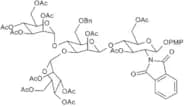

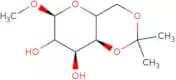
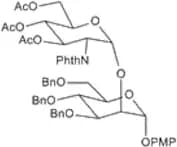
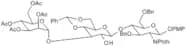
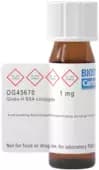

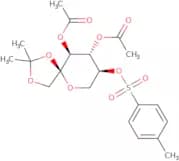
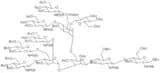
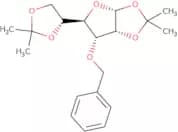

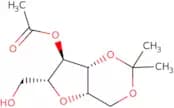
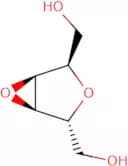


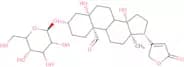
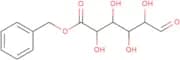

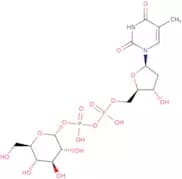
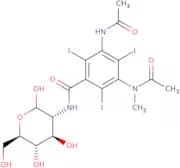
![N-[2-(4'-Methoxyphenylacetonitrile)]-2,3,4,6-tetra-O-pivaloyl-D-glucopyranoside](/_next/image/?url=https%3A%2Fstatic.cymitquimica.com%2Fproducts%2F3D%2Fthumb-webp%2FMM08496.webp&w=3840&q=75)
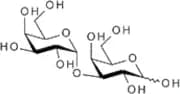
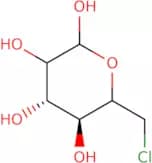
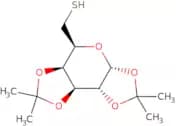
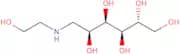
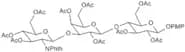
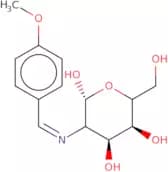
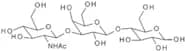
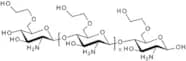
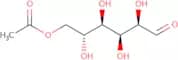
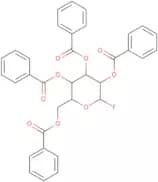
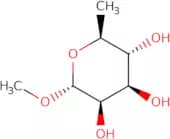


![(1S) -1- [(2R, 3S) -N-Benzyl-3-hydroxy- 1- azetidinyl] -1, 2- ethanediol](/_next/image/?url=https%3A%2Fstatic.cymitquimica.com%2Fproducts%2F3D%2Fthumb-webp%2FMB163377.webp&w=3840&q=75)


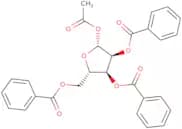

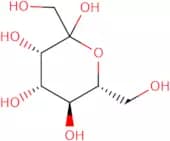

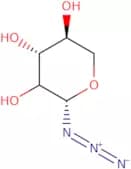

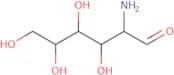
![[UL-¹³C₁₂]Sucrose](/_next/image/?url=https%3A%2Fstatic.cymitquimica.com%2Fproducts%2F3D%2Fthumb-webp%2FOS29120.webp&w=3840&q=75)


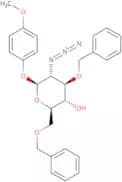

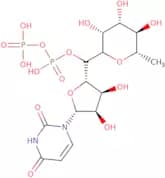

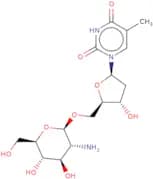
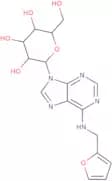

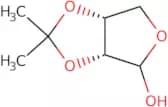
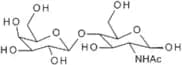
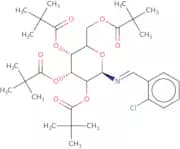
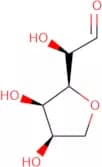

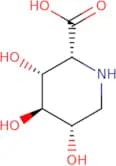
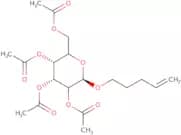
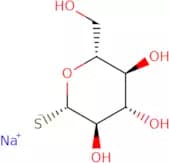
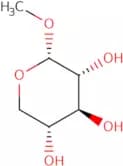
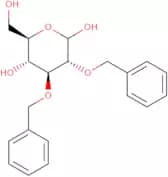

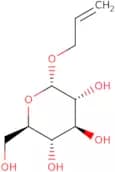
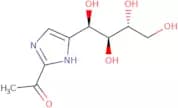

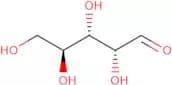

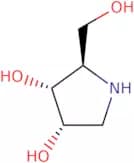
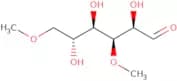
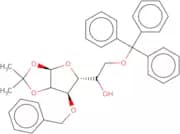


![(1R) -1- [(2S, 3R,4S) -4-Hydroxymethyl-3- hydroxy- 1- azetidinyl] -1, 2- ethanediol hydrochloride](/_next/image/?url=https%3A%2Fstatic.cymitquimica.com%2Fproducts%2F3D%2Fthumb-webp%2FMH163402.webp&w=3840&q=75)
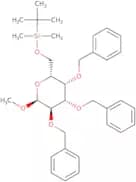

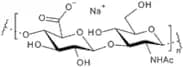
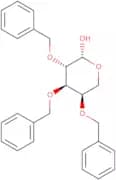
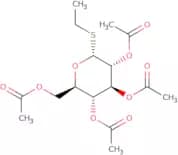

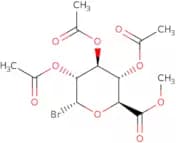
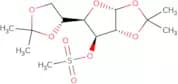

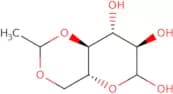
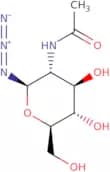

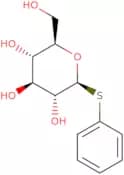


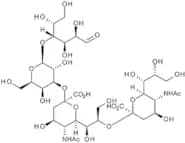
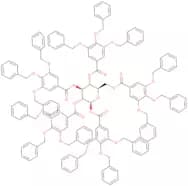

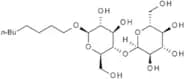

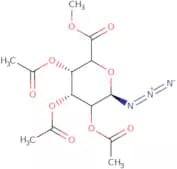


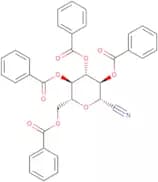
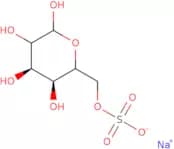
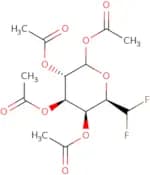
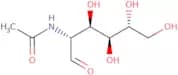

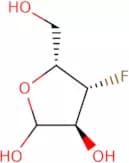
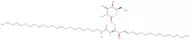

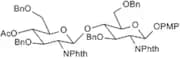
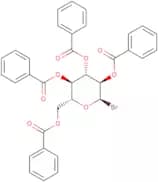
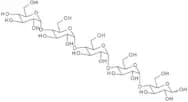
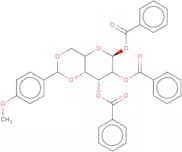

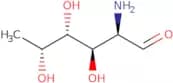
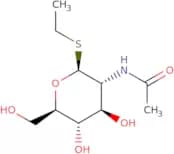
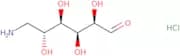

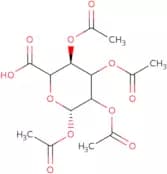
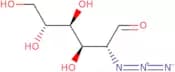
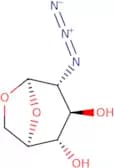
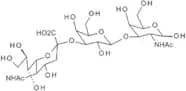
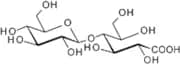

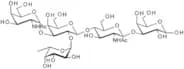
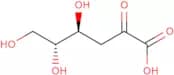

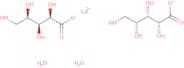
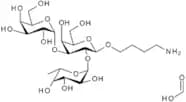
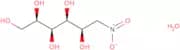
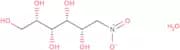

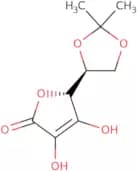
![D-Galactopyranosyl-(b1-3)-[N-acetylneuraminyl-(a2-6)]-D-N-acetylgalactosaminyl serine](/_next/image/?url=https%3A%2Fstatic.cymitquimica.com%2Fproducts%2F3D%2Fthumb-webp%2FOG15272.webp&w=3840&q=75)
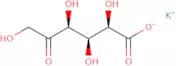



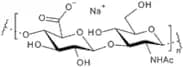
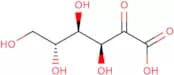
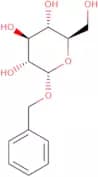
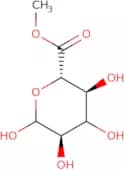
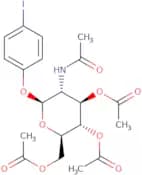
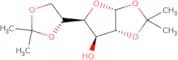

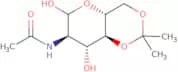
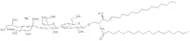
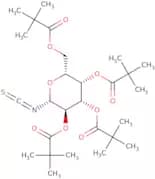

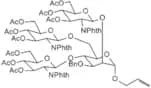


![N- [(3S, 4R, 5S, 6R) - 4, 5- Dihydroxy- 6- (hydroxymethyl) - 3- piperidinyl] -acetamide](/_next/image/?url=https%3A%2Fstatic.cymitquimica.com%2Fproducts%2F3D%2Fthumb-webp%2FMD163935.webp&w=3840&q=75)