Glycoscience
La glicociencia es el estudio de los carbohidratos y sus derivados, así como de las interacciones y funciones biológicas en las que participan. Este campo de investigación es crucial para comprender una amplia variedad de procesos biológicos, incluyendo el reconocimiento celular, la señalización, la respuesta inmune y el desarrollo de enfermedades. La glicociencia tiene aplicaciones importantes en la biotecnología, la medicina, y el desarrollo de nuevos fármacos y terapias. En CymitQuimica, ofrecemos una amplia selección de productos de alta calidad y pureza para la investigación en glicociencia. Nuestro catálogo incluye monosacáridos, oligosacáridos, polisacáridos, glicoconjugados, y reactivos específicos, diseñados para apoyar a los investigadores en sus estudios sobre la estructura, función y aplicaciones de los carbohidratos en sistemas biológicos. Estos recursos están destinados a facilitar descubrimientos científicos y aplicaciones prácticas en diversas áreas de la biociencia y la medicina.
Subcategorías de "Glycoscience"
- Aminoazúcares(108 productos)
- Anticuerpos relacionados con azúcares(282 productos)
- Glicolípidos(46 productos)
- Glicosaminoglicanos (GAGs)(55 productos)
- Glucósidos(419 productos)
- Monosacáridos(6.624 productos)
- Oligosacáridos(3.682 productos)
- Polisacáridos(503 productos)
Se han encontrado 11046 productos de "Glycoscience"
Ordenar por
Pureza (%)
0
100
|
0
|
50
|
90
|
95
|
100
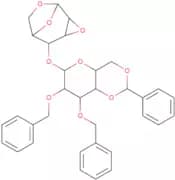
1,6:2,3-Dianhydro-4-O-(2,3-di-O-benzyl-4,6-O-benzylidene-b-D-glucopyranosyl)-b-D-mannopyranose
CAS:<p>1,6:2,3-Dianhydro-4-O-(2,3-di-O-benzyl-4,6-O-benzylidene-b-D-glucopyranosyl)-b-D-mannopyranose is a complex carbohydrate that is synthesized from 1,6:2,3 dianhydro 4 O-(2,3 di O benzyl 4 6 O benzylidene b D glucopyranosyl) b D mannopyranose and has a molecular weight of 576. It contains two monosaccharides that are bound together by a glycosidic linkage. The monosaccharides are ribose and mannose. The structure of this compound includes modifications such as methylation, click modification, fluorination and sulfonation. This compound can be used in the synthesis of oligosaccharides and polysaccharides. This</p>Fórmula:C33H34O9Pureza:Min. 95%Peso molecular:574.62 g/mol3-Deoxy-3-fluoro-D-galactose
CAS:<p>Please enquire for more information about 3-Deoxy-3-fluoro-D-galactose including the price, delivery time and more detailed product information at the technical inquiry form on this page</p>Fórmula:C6H11FO5Pureza:Min. 95%Forma y color:PowderPeso molecular:182.15 g/molBlood group A trisaccharide-APE-[biotin]-HSA
<p>ABO trisaccharide conjugated to HSA via Biotin & an aminophenyl ethyl spacer</p>Pureza:Min. 95%3-O-Methyl-α-D-glucopyranose
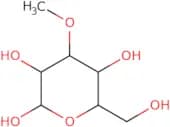
CAS:<p>3-O-Methyl-α-D-glucopyranose is a synthetic, fluorinated monosaccharide. This compound is a custom synthesis, and it can be used as an intermediate in glycosylation reactions. 3-O-Methyl-α-D-glucopyranose is typically used for the modification of polysaccharides by methylation or fluorination. It also has potential applications in the production of high purity sugar compounds.</p>Fórmula:C7H14O6Pureza:Min. 95%Peso molecular:194.18 g/molHeparin disaccharide IV-S disodium salt
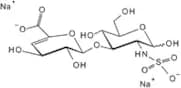
CAS:<p>Heparin is a complex carbohydrate that has been modified by the addition of a sugar and a sulfate group. It is used in the treatment of thrombosis, deep vein thrombosis, pulmonary embolism, and other blood clots. Heparin disaccharide IV-S disodium salt (HDS) is an intravenous form of heparin that consists of sodium salts of two saccharides: heparin disaccharide and sodium disulfate. HDS has been shown to be more potent than unfractionated heparin in animal models, as well as being more effective in preventing clot formation in humans. This drug also exhibits less frequent side effects such as skin rash, itching, or hives.</p>Fórmula:C12H17NO13S·2NaPureza:Min. 95%Forma y color:White PowderPeso molecular:461.31 g/molPropofol-4-Hydroxy-1-D-glucuronide
<p>Propofol-4-Hydroxy-1-D-glucuronide is a modification of propofol, which is commonly used as an intravenous anesthetic. It is a synthetic compound that can be custom synthesized by adding the sugar group to propofol. Propofol-4-Hydroxy-1-D-glucuronide has been shown to be a high purity and pure oligosaccharide with a CAS number. It also contains methylated and glycosylated saccharides.</p>Fórmula:C18H26O8Pureza:Min. 95%Peso molecular:370.39 g/molEthyl 2,3-di-O-benzyl-4,6-O-benzylidene-b-D-thioglucopyranoside
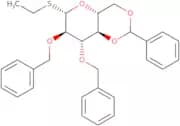
CAS:<p>Ethyl 2,3-di-O-benzyl-4,6-O-benzylidene-b-D-thioglucopyranoside is a glycosylated monosaccharide. It is synthesized by the reaction of 1,2,3,4,6-pentaacetyl bromohexose with benzaldehyde and thioglycolic acid. The product is purified by recrystallization. This compound has a CAS number of 141263-01-6 and can be custom synthesized to meet your needs.</p>Fórmula:C29H32O5SPureza:Min. 95%Forma y color:PowderPeso molecular:492.63 g/mol3-O-(a-L-Fucopyranosyl)-4-O-(3-sialyl-b-D-galactopyranosyl)-D-glucose
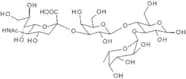
<p>3-O-(a-L-Fucopyranosyl)-4-O-(3-sialyl-b-D-galactopyranosyl)-D-glucose is a modification of the complex carbohydrate, oligosaccharide, monosaccharide, and polysaccharide. It is synthesized by methylation of glucose and glycosylation with sialic acid. The product has a CAS number and a high purity level. This product is an example of a synthetic oligosaccharide that has been fluorinated. The product can be used as an additive or preservative in food products.</p>Fórmula:C29H49NO23Pureza:Min. 95%Peso molecular:779.71 g/molD-Talitol
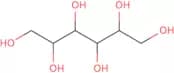
CAS:<p>D-Talitol is a drug that is used to treat eye disorders and chronic pulmonary diseases. It belongs to the class of drugs called xylitol dehydrogenase inhibitors. D-Talitol inhibits the enzyme xylitol dehydrogenase, which converts xylitol into a different sugar called sorbitol. Sorbitol accumulates in certain parts of cells, such as the mitochondria, and can disrupt cellular processes by inhibiting oxidative phosphorylation and glycolysis. In addition, there are other effects of sorbitol accumulation that may lead to mitochondrial dysfunction, including inhibition of protein synthesis, induction of apoptosis (cell death), and inhibition of cell proliferation. D-Talitol has been shown to inhibit the growth of chronic kidney cells in culture by interfering with cellular metabolism in mitochondria.<br>A kinetic study has also shown that D-Talitol inhibits b-raf activity at concentrations that are not cytotoxic. This suggests that D-Talitol may be useful for</p>Fórmula:C6H14O6Pureza:Min. 98 Area-%Forma y color:White PowderPeso molecular:182.17 g/mol2-Deoxy-2-fluoro-D-galactose
CAS:<p>Please enquire for more information about 2-Deoxy-2-fluoro-D-galactose including the price, delivery time and more detailed product information at the technical inquiry form on this page</p>Fórmula:C6H11FO5Pureza:Min. 97 Area-%Peso molecular:182.15 g/mol1L-Epi-2-inosose
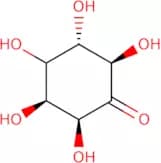
CAS:<p>1-L-Epi-2-inosose is a natural compound that has been found to have broad-spectrum antimicrobial activity. This substance is a product of the hemocyte's enzymatic conversion of L-epinephrine into 1,2,3,4,5,6-hexahydroxyisoquinoline (1L-Epi). 1L-Epi is also synthesized in vitro from epinephrine by the enzyme dehydrogenase. In addition to its antimicrobial activity, 1L-Epi has been shown to be a potent proliferation inhibitor for human cells and to be effective against gram negative bacteria.</p>Fórmula:C6H10O6Pureza:Min. 95%Forma y color:PowderPeso molecular:178.14 g/mol5-Azido-5-deoxy-2,3-O-isopropylidene-D-gulono-1,4-lactone
<p>5-Azido-5-deoxy-2,3-O-isopropylidene-D-gulono-1,4-lactone is a carbohydrate that has been modified by the addition of an azide group. Carbohydrates are complex carbohydrates that consist of monosaccharides linked together to form polysaccharides. They are sugar molecules that act as a source of energy for living organisms. 5-Azido-5-deoxy-2,3-O-isopropylidene -D gulono 1,4 lactone is a monosaccharide which can be methylated and glycosylated with other sugars to form a polysaccharide. It is also fluorinated and saccharide. This compound belongs to CAS No. 144948–71–8 and has the molecular formula C6H8N2O7F9O6.</p>Pureza:Min. 95%Benzyl hepta-O-acetyl-b-D-lactoside
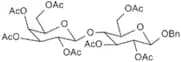
CAS:<p>Useful starting point and intermediate in the synthesis of lacto-oligosaccharides</p>Fórmula:C33H42O18Pureza:Min. 95%Forma y color:White to off-white solid.Peso molecular:726.69 g/mol(2R, 3S, 4S, 5S) -3-O-Benzoyl-4-O-tert.butyl-2- ((tert butylsilyloxy)methyl) - 5- methyl-3, 4- pyrrolidinediol
<p>(2R, 3S, 4S, 5S) -3-O-Benzoyl-4-O-tert.butyl-2- ((tert butylsilyloxy)methyl) - 5- methyl-3, 4- pyrrolidinediol is a synthetic sugar that is used in the modification of saccharide and polysaccharides. It has been used to synthesize oligosaccharides with high purity and good yield. This compound has a CAS number of 179119-92-7 and can be used for fluorination reactions.</p>Pureza:Min. 95%Methyl 2-acetamido-2-deoxy-b-D-glucopyranoside
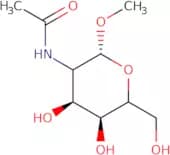
CAS:<p>Methyl 2-acetamido-2-deoxy-b-D-glucopyranoside is a xylose sugar that is found in the leaves of Nepeta cataria. It has shown to inhibit bacterial growth by binding to DNA and RNA, as well as inhibit transcription, translation, and replication. Methyl 2-acetamido-2-deoxy-b-D-glucopyranoside also binds to cardiac channels and inhibits their activity. This compound has been shown to have anti cancer effects on prostate cancer cells in mice. Furthermore, it inhibits microbial metabolism in vitro by inhibiting the enzyme acetolactate synthase. Methyl 2-acetamido-2-deoxy-b-D -glucopyranoside has also been shown to be an effective treatment for autoimmune diseases such as multiple sclerosis and rheumatoid arthritis in mice.</p>Fórmula:C9H17NO6Pureza:Min. 95%Forma y color:White Off-White PowderPeso molecular:235.24 g/mol1-Amino-2,5-anhydro-D-glucitol
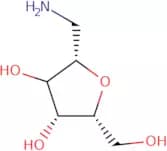
CAS:1-Amino-2,5-anhydro-D-glucitol is a synthetic monosaccharide with the chemical formula C6H12O6. It is often used in custom synthesis and click modification of polysaccharides and oligosaccharides. The fluorination of this compound can be done to obtain a fluorinated 1-amino-2,5-anhydro-D-glucitol. 1AADG can also be modified at its methyl group to produce N,N'-diacetylmethylenecyclohexane carboxamide (CAS No. 2166517-07). This product has been shown to inhibit the growth of bacteria such as Clostridium perfringens and Mycobacterium tuberculosis.Fórmula:C6H13NO4Pureza:Min. 95%Peso molecular:163.17 g/molN-Propanoyl mannosamine
CAS:<p>N-Propanoyl mannosamine is a biochemical that belongs to the group of glycoconjugates. It is an intracellular messenger that modulates the concentration of intracellular calcium and controls the release of gamma-aminobutyric acid (GABA). N-Propanoyl mannosamine has been shown to stimulate axonal growth in cell culture, which is mediated by the polysialic acid receptor. This molecule also has a role in human osteoblast differentiation and bone formation.<br>N-Propanoyl mannosamine can be synthesized from dopamine and erythrose via a series of reactions involving acidification, oxidation, reduction, and decarboxylation. The synthesis of this molecule requires blood group O as an acceptor.</p>Fórmula:C9H17NO6Pureza:Min. 95%Forma y color:White To Off-White SolidPeso molecular:235.23 g/mol2, 5- Anhydro- 6- azido- 3, 6- dideoxy- L -arabino- hexonic acid methyl ester
CAS:<p>2,5-Anhydro-6-azido-3,6-dideoxy-L-arabino-hexonic acid methyl ester (ADAEM) is a modified sugar that can be used as a building block for oligosaccharides and polysaccharides. ADAEM is a monosaccharide with six hydroxyl groups. This modification of the sugar molecule prevents it from participating in glycosidic bond formation. ADAEM has been shown to be resistant to enzymatic degradation and has high purity. It is also stable at high temperatures and pH ranges.</p>Fórmula:C7H11N3O4Pureza:Min. 95%Peso molecular:201.18 g/molα-D-Glucose-1-phosphate dipotassium hydrate
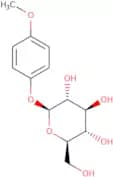
CAS:a-D-Glucose-1-phosphate dipotassium salt hydrate (aDG1P) is a glycogen synthesis inhibitor that inhibits the phosphorylases in the breakdown of glycogen. It also inhibits the synthesis of glycogen by inhibiting ATPase activity, which is required for the conversion of glucose to glucose 6-phosphate. The inhibition of phosphorylases and ATPase activity prevents the phosphorylation of glucose and leads to a decrease in glycogen synthesis. aDG1P has been shown to be effective in both animal models and human subjects for treating muscle disease such as Duchenne muscular dystrophy.Fórmula:C6H13O9P•K2•(H2O)xPureza:(%) Min. 95%Forma y color:PowderPeso molecular:336.32 g/mol4-Methoxyphenyl β-D-glucopyranoside
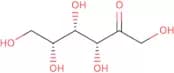
CAS:<p>Bearberry has been used for centuries to treat various disorders of the urinary tract and prostate. The active ingredient in bearberry is a flavonol glycoside called arbutin, which is converted to hydroquinone during metabolism. As an antioxidant, hydroquinone inhibits the oxidation of LDL cholesterol and may reduce the risk of atherosclerosis. Hydroquinone has also been shown to have anti-inflammatory properties in rat liver microsomes and tissue culture, inhibiting prostaglandin synthesis by blocking cyclooxygenase activity. In vitro, bearberry extracts have been shown to inhibit bacterial growth on agar plates with pH levels from 4-7 and at concentrations between 0.1-1%. It was found that bearberry extracts were most effective against Pseudomonas aeruginosa strains, with MIC values ranging from 2-4 mg/mL. Bearberry extract was observed to be more effective than ampicillin against these strains in a chromatographic assay.</p>Fórmula:C13H18O7Pureza:Min. 95%Forma y color:PowderPeso molecular:286.28 g/molD-Sorbose
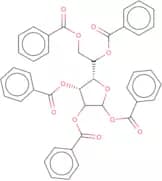
CAS:<p>D-Sorbose is a monosaccharide that belongs to the group of sugar alcohols. It is a reducing sugar that can be used as an alternative for sugar in food and pharmaceutical industries. D-Sorbose has been shown to have potential industrial applications due to its high solubility, low melting point, and resistance to crystallization. The enzyme ribitol dehydrogenase from Escherichia coli was found to be active with D-sorbitol, but not with l-sorbitol. This indicates that D-sorbitol is a better substrate for this enzyme than L-sorbitol.</p>Fórmula:C6H12O6Pureza:Min. 95%Forma y color:White PowderPeso molecular:180.16 g/mol1,2,3,5,6-Penta-O-benzoyl-D-galactofuranose
CAS:<p>1,2,3,5,6-Penta-O-benzoyl-D-galactofuranose is a sugar that is custom synthesized and can be modified with fluorination. This product has a CAS number of 138811-45-7 and is high purity. It can be used in glycosylation, oligosaccharide synthesis, methylation, monosaccharide synthesis and polysaccharide synthesis. It is an important building block for the modification of complex carbohydrates.</p>Fórmula:C41H32O11Pureza:Min. 95%Forma y color:White PowderPeso molecular:700.69 g/mol(2R,3R,4R)-N-Benzyloxycarbonyl-2-hydroxymethyl-3,4-pyrrolidinediol
<p>(2R,3R,4R)-N-Benzyloxycarbonyl-2-hydroxymethyl-3,4-pyrrolidinediol is a custom synthesis of polysaccharide that is modified with methylation and glycosylation. It is a complex carbohydrate that has been synthesized using Click chemistry. The product is fluorinated and has high purity.</p>Pureza:Min. 95%Mannan (ex Ivory nut)
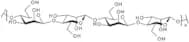
CAS:Ivory nut mannan occurs in members of the custard apple, ebony and palm families - Ivory nut. The polysaccharide contains more than 95% mannose units linked β-(1,4) with a few a-D-galactopyranosyl units linked (1,6). It is widely used in foods, pharmaceuticals paints and explosives.Pureza:Min. 95%Forma y color:White PowderUDP-a-D-galactose ammonium salt
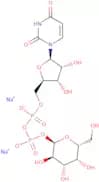
CAS:<p>UDP-a-D-galactose ammonium salt is a nucleotide sugar that is synthesized from uridine and D-galactose. It plays a role in cellular energy metabolism by providing substrate for the synthesis of phospholipids and glycolipids. UDP-a-D-galactose ammonium salt has been shown to be involved in the transcriptional regulation of genes encoding enzymes involved in galactose metabolism. This nucleotide sugar also has been shown to be an exogenous acceptor for various oligosaccharides, including those present on glycoproteins and glycolipids.</p>Fórmula:C15H30N4O17P2Pureza:Min. 95%Peso molecular:600.36 g/molb-D-Glucan-from piptoporus betulinus
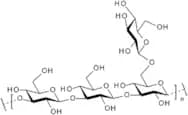
CAS:<p>This β-glucan contain D-glucose residues with β-1,3 links and b-1-6 side branches. The frequency, location, and length of the sidechains may play a role in immunomodulation. Differences in molecular weight, shape, and structure of β-glucans can also affect the differences in biological activity. The water-soluble β-D-glucan is extracted from fruiting bodies of Piptoporus betulinus by hot aqueous extraction, followed by freeze-thawing and dialysis. Methylation analysis and NMR spectroscopy, indicated the presence of a β-D-glucan with a main chain (1,3)-linked, substituted at O-6 by single glucose residues.<br>The image was kindly provided by Dr. Chris Lawson.</p>Pureza:Min. 95%Forma y color:White PowderD-myo-Inositol 1,2,3-triphosphate
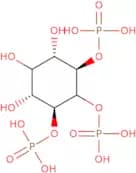
CAS:<p>D-myo-Inositol 1,2,3-triphosphate is a polyphosphate that is involved in phosphatidylinositol signaling. It has been shown to be involved in the regulation of cellular proliferation and differentiation. The biological function of this molecule is not well understood, but it has been shown to have a high redox potential and can have protonation at high concentrations. D-myo-Inositol 1,2,3-triphosphate binds to metal ions such as iron. This molecule has been found in mammalian cells and is believed to be a structural component of these cells.</p>Fórmula:C6H15O15P3Pureza:Min. 95%Peso molecular:420.1 g/mol2-C-( tert.Butyldimethylsilyloxy)methyl-2,3:5,6-di-O-isopropylidene-L-gulono-1.4-lactone
<p>2-C-(tert-Butyldimethylsilyloxy)methyl-2,3:5,6-di-O-isopropylidene-L-gulono-1.4-lactone is a synthetic monosaccharide that is a modification of L-Gulono Oligosaccharide, which is a polysaccharide. 2C-(tert-Butyldimethylsilyloxy)methyl -2,3:5,6-di--O--isopropylidene--L--gulono 1.4 lactone is also known as 2C-(tert butyldimethylsilyloxy) methyl -2,3:5,6--di--O--isopropylidene--L--gulono 1.4 lactone and is used in the manufacture of saccharides and carbohydrates. It can be found in the</p>Pureza:Min. 95%Gypsogenin-3-O-glucuronide
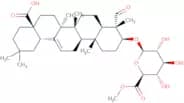
CAS:<p>Gypsogenin-3-O-glucuronide is a saponin found in the roots of Gypsophila paniculata, a plant native to China. It has been shown to have anti-inflammatory and anti-tumor activities. Gypsogenin-3-O-glucuronide has been shown to inhibit tumor growth in mice by inhibiting protein synthesis. The pentasaccharides that make up gypsogenin are present in different proportions, which leads to differences in the biological activity of this compound. This is one of the reasons why saponins have not yet been fully explored for potential use in medicine.</p>Fórmula:C37H56O10Pureza:Min. 95%Forma y color:PowderPeso molecular:660.83 g/molTetra-guluronic acid sodium
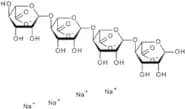
CAS:Tetra-guluronic acid sodium salt (1,4-linked α-L-sodium guluronotetraose) is one of a number of oligosaccharides obtained from alginate, a polysaccharide from brown seaweeds. It contains blocks of: repeating mannuronic acid sequences (M-M-M-M etc), repeating guluronic acid sequences (G-G-G-G etc), and alternating M-G-M-G sequences. This oligosaccharide can be released by acid hydrolysis and a number of biological activities have been discussed in a recent review.Fórmula:C24H30O25Na4Pureza:Min. 98 Area-%Forma y color:White PowderPeso molecular:810.44 g/molD-Gulose
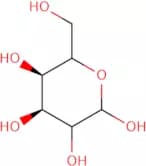
CAS:<p>D-Gulose is a sugar that has been shown to have inhibitory properties on blood glucose levels. It also has insulin-like effects and can be used as an alternative to insulin injections in patients with Type 1 diabetes. D-Gulose is metabolized by the liver into 5-deoxy-D-gluconic acid and then into glucose, which can then be used for cellular energy production. The rate constant for this process was determined in experiments using rat liver slices. D-Gulose may also have potent angiogenic effects, as it increased the proliferation of pluripotent cells and caused significant increases in growth factor β1 expression. D-Gulose may also have potential anti-cancer effects, as it inhibited nitrate reductase activity in tumor cells and decreased xanthine oxidase activity.</p>Fórmula:C6H12O6Pureza:Min. 99 Area-%Forma y color:White PowderPeso molecular:180.16 g/molMaltooctaose
CAS:<p>α 1,4-glucooctasaccharide derived from starch by hydrolysis and chromatography</p>Fórmula:C48H82O41Pureza:Min. 80 Area-%Forma y color:White PowderPeso molecular:1,315.16 g/mol2,4-O-Benzylidene-D-threitol
<p>2,4-O-Benzylidene-D-threitol is a sugar that can be custom synthesized according to the specific requirements of our customers. It has been used in the synthesis of oligosaccharides and monosaccharides. 2,4-O-Benzylidene-D-threitol is also used as a building block for glycosylation and methylation reactions. This product comes with CAS No. 129330-36-2, 98% purity, and can be purchased from our company at competitive prices.</p>Pureza:Min. 95%Lacto-N-fucopentaose II
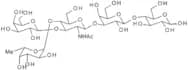
CAS:Major milk pentasaccharide; reduces respiratory and gastrointestinal pathologiesFórmula:C32H55NO25Pureza:Min. 95 Area-%Forma y color:White PowderPeso molecular:853.77 g/molL-Gluconic acid calcium
CAS:<p>L-Gluconic acid calcium salt is a white crystalline powder. It is soluble in water and slightly soluble in alcohol. The structure of this compound has not been fully elucidated, but it is known to be a modification of L-gluconic acid, which is a monosaccharide. This product can be used as a biochemical reagent for the synthesis of oligosaccharides and polysaccharides.</p>Fórmula:(C6H12O7)2•CaPureza:Min. 95%Forma y color:PowderPeso molecular:432.39 g/mol2-O-Benzoyl-3,4-O-benzylidene-D-ribono-1,5-lactone
<p>2-O-Benzoyl-3,4-O-benzylidene-D-ribono-1,5-lactone (2BBL) is a glycosylation agent that can be used for the synthesis of complex carbohydrates. It is also an effective methylating agent for glycosides and saccharides. 2BBL is fluorinated to yield 2FBL, which has been shown to be a powerful click reagent. The CAS number for 2BBL is 53478-55-0. This product is custom synthesized in high purity and can also be used as a monosaccharide in oligosaccharide synthesis.</p>Pureza:Min. 95%Chitobiose octaacetate
CAS:<p>Octacetylated chitobiose derivative</p>Fórmula:C28H40N2O17Pureza:Min. 95%Forma y color:White PowderPeso molecular:676.62 g/molD-Arabonic acid-1,4-lactone
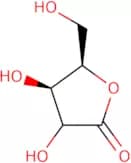
CAS:<p>D-Arabonic acid-1,4-lactone is a synthetic sugar that is modified to produce a variety of carbohydrates. This product can be used in the synthesis of oligosaccharides and monosaccharides. It is also used as a carbohydrate in the production of saccharide-based polymers, such as polysaccharides or polyols. This product has CAS number 2782-09-4 and a purity level of ≥99%.</p>Fórmula:C5H8O5Pureza:Min. 95 Area-%Forma y color:PowderPeso molecular:148.11 g/mol(1R) -1- [(2S, 3R) - N-Benzyl-3- hydroxy- 1- azetidinyl] -1, 2- ethanediol
<p>(1R) -1- [(2S, 3R) - N-Benzyl-3- hydroxy- 1- azetidinyl] -1, 2- ethanediol is a synthetic product that can be custom synthesized. It has been used in glycosylation reactions to produce oligosaccharides and monosaccharides. The chemical composition of the product is: C6H10O5 (CAS No. ).</p>Pureza:Min. 95%4-Methoxyphenyl 4-O-[2-O-acetyl-3,4-di-O-(2,3,4,6-tetra-O-acetyl-α-D-mannopyranosyl)-6-O-tert-butyldimethylsilyl-β-D-mannopyranosyl] -3,6-di-O-benzyl-2-deoxy-2-phthalimido-β-D-glucopyranoside
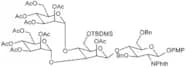
<p>This is a modification of the monosaccharide, methylation, glycosylation and polysaccharide. This product has been custom synthesized and is available in high purity with CAS No. The molecular weight of this compound is 476.19 g/mol. The chemical formula is C28H39NO8.</p>Fórmula:C77H95NO32SiPureza:Min. 95%Peso molecular:1,574.65 g/mol2-Keto-D-glucose
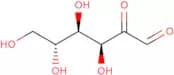
CAS:<p>2-Keto-D-glucose is a substrate molecule that is used in the study of plant physiology, enzyme kinetics, and metabolic regulation. It has been shown to be an important factor in redox potential and the activation of detoxification enzymes. 2-Keto-D-glucose has also been found to be an important factor in energy metabolism, as it can be converted into pyruvate and acetyl CoA. 2-Keto-D-glucose is a common substrate molecule for many enzymes, including glycolytic enzymes, hexokinase, alcohol dehydrogenase, lactate dehydrogenase, and phosphofructokinase. 2-Keto-D-glucose has also been found to play a role in human blood serum biochemistry by acting as a substrate for erythrocyte D glucose transporter protein and glycerol kinase.</p>Fórmula:C6H10O6Pureza:Min. 98 Area-%Forma y color:White Beige Yellow PowderPeso molecular:178.14 g/mol5-O-tert-Butyldimethylsilyl-2,3-O-isopropylidene-2-C-methyl-D-ribofuranose
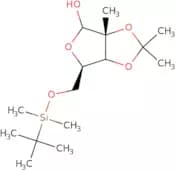
<p>5-O-tert-Butyldimethylsilyl-2,3-O-isopropylidene-2-C-methyl-D-ribofuranose is a 2'C methyl ribose derivative.</p>Fórmula:C15H30O5SiPureza:Min. 95%Peso molecular:318.49 g/molEthyl b-D-thiogalactopyranoside
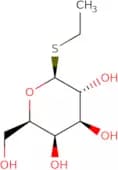
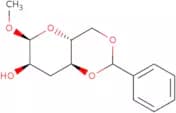
CAS:<p>Synthetic building block</p>Fórmula:C8H16O5SPureza:Min. 95%Forma y color:White PowderPeso molecular:224.28 g/molMethyl 4,6-O-benzylidene-3-deoxy-α-D-glucopyranoside
CAS:<p>Methyl 4,6-O-benzylidene-3-deoxy-a-D-glucopyranoside is a synthetically modified high purity carbohydrate. It is an oligosaccharide that can be custom synthesized to meet your requirements. This product can be used as a complex carbohydrate in the food industry.</p>Fórmula:C14H18O5Pureza:Min. 95%Forma y color:PowderPeso molecular:266.29 g/molN, N- Bis(2, 2- Dimethyl- 1, 3- dioxan- 5- yl) - 4- nitro-benzamide
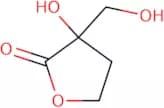
CAS:<p>N,N-Bis(2,2-dimethyl-1,3-dioxan-5-yl)-4-nitrobenzamide is a synthetic compound that has been modified with Click chemistry. It contains a 2,2'-dithiodiethanol moiety and is glycosylated with glucose. This compound has been used in the synthesis of complex carbohydrates such as oligosaccharides and monosaccharides.</p>Pureza:Min. 95%2,4-Dihydroxy-2-hydroxymethylbutanoic acid 1,4-lactone
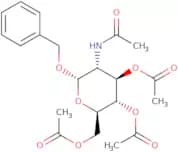
CAS:<p>2,4-Dihydroxy-2-hydromethylbutanoic acid-1,4-lactone is a hydroxy anion that can be synthesized by the lactonization of 2,4-dihydroxybutanoic acid. The compound has been used to produce polymeric adsorbents for chromatographic purposes.</p>Fórmula:C5H8O4Pureza:Min. 95%Forma y color:White PowderPeso molecular:132.11 g/molBenzyl-2-acetamido-2-deoxy-3,4,6-tri-O-acetyl-a-D-glucopyranoside
CAS:<p>Benzyl-2-acetamido-2-deoxy-3,4,6-tri-O-acetyl-a-D-glucopyranoside is an acetamido sugar molecule that has been synthesized by the reaction of benzyl alcohol with a glucoside. This compound has been shown to have potential antihistamine and anticancer activities, as well as being a potential building block for the synthesis of nucleosides. The benzyl group in this sugar molecule is vicinal and the hydroxyl groups are anilines. The conformation of this molecule is determined by lysine and arginine residues on the 3' end of the sugar chain. In order to synthesize this compound, anhydrous DMSO was used as a solvent. This chemical's properties were measured using NMR spectroscopy.</p>Pureza:Min. 95%Methyl 2,4-di-O-methyl-α-D-glucopyranoside
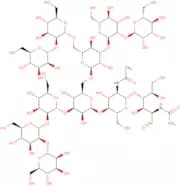
CAS:<p>Methyl 2,4-di-O-methyl-α-D-glucopyranoside is a selectively protected glucose glycoside</p>Fórmula:C9H18O6Pureza:Min. 95%Forma y color:PowderPeso molecular:224.24 g/molMan-9 N-Glycan
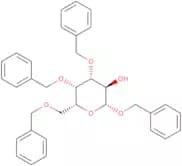
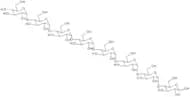
CAS:<p>Man-9 N-glycan is a glycoprotein that is found on the surface of many viruses. It has an oligosaccharide structure, which consists of a mannose and a glucose molecule linked by an alpha-1,3-glycosidic bond. The Man-9 N-glycan can be found in human serum and is involved in lectin binding to cells. It also has antiviral activity and may be used as a model system for studying glycosidic bonds. This glycan can be broken down into smaller components by methyl glycosides or titration calorimetry, which is a technique for determining the molecular weight of substances. The Man-9 N-Glycan binds to toll-like receptor 2 (TLR2) on the surface of human cells, which activates an antibody response.</p>Fórmula:C70H118N2O56Pureza:Min. 95%Forma y color:PowderPeso molecular:1,883.67 g/mol1,3,4,6-Tetra-O-benzyl-b-D-galactopyranoside
CAS:<p>1,3,4,6-Tetra-O-benzyl-b-D-galactopyranoside is a custom synthesis that has been modified with methylation and fluorination. It is an oligosaccharide composed of saccharides linked by glycosidic bonds. Carbohydrates are polymers of monosaccharides, which can be classified as either simple sugars or complex carbohydrates. This product is a high purity, synthetic sugar that is suitable for use in the synthesis of complex carbohydrate polymers.</p>Fórmula:C34H36O6Pureza:Min. 95%Forma y color:PowderPeso molecular:540.65 g/mol

![Blood group A trisaccharide-APE-[biotin]-HSA](/_next/image/?url=https%3A%2Fstatic.cymitquimica.com%2Fproducts%2F3D%2Fthumb-webp%2FOB01687.webp&w=3840&q=75)






![(1R) -1- [(2S, 3R) - N-Benzyl-3- hydroxy- 1- azetidinyl] -1, 2- ethanediol](/_next/image/?url=https%3A%2Fstatic.cymitquimica.com%2Fproducts%2F3D%2Fthumb-webp%2FMB163413.webp&w=3840&q=75)