Glycoscience
La glicociencia es el estudio de los carbohidratos y sus derivados, así como de las interacciones y funciones biológicas en las que participan. Este campo de investigación es crucial para comprender una amplia variedad de procesos biológicos, incluyendo el reconocimiento celular, la señalización, la respuesta inmune y el desarrollo de enfermedades. La glicociencia tiene aplicaciones importantes en la biotecnología, la medicina, y el desarrollo de nuevos fármacos y terapias. En CymitQuimica, ofrecemos una amplia selección de productos de alta calidad y pureza para la investigación en glicociencia. Nuestro catálogo incluye monosacáridos, oligosacáridos, polisacáridos, glicoconjugados, y reactivos específicos, diseñados para apoyar a los investigadores en sus estudios sobre la estructura, función y aplicaciones de los carbohidratos en sistemas biológicos. Estos recursos están destinados a facilitar descubrimientos científicos y aplicaciones prácticas en diversas áreas de la biociencia y la medicina.
Subcategorías de "Glycoscience"
- Aminoazúcares(108 productos)
- Anticuerpos relacionados con azúcares(282 productos)
- Glicolípidos(46 productos)
- Glicosaminoglicanos (GAGs)(55 productos)
- Glucósidos(419 productos)
- Monosacáridos(6.624 productos)
- Oligosacáridos(3.682 productos)
- Polisacáridos(503 productos)
Se han encontrado 11046 productos de "Glycoscience"
Ordenar por
Pureza (%)
0
100
|
0
|
50
|
90
|
95
|
100
Methyl(methyl 3,4-di-O-methyl-α-D-galactopyranoside)uronate
CAS:<p>A uronic acid of galactose</p>Fórmula:C10H18O7Pureza:Min. 95%Forma y color:PowderPeso molecular:250.25 g/mol(2S, 3S, 4R) -3- [[[(2S, 3S, 4R) - 3- [[[(2S, 3S, 4R) - 3- Azido- 4- [[[(1, 1- dimethylethyl) dimethylsilyl] oxy] methyl] - 1- (phen ylmethyl) - 2- azetidinyl] carbonyl] amino] - 4- [[[(1, 1- dimethylethyl) dimethylsilyl] oxy] methyl] - 1- (phenylmeth
CAS:<p>The compound has been shown to be a methylating agent, which is used in the synthesis of saccharides and oligosaccharides. The compound can also be used as a fluorinating reagent. It is an effective synthesis of complex carbohydrates. The compound has been shown to be an excellent protecting group for carbonyl groups. The compound is not very soluble in water, but it is soluble in organic solvents such as DMSO or DMF.</p>Fórmula:C55H86N8O7Si3Pureza:Min. 95%Peso molecular:1,055.58 g/mol1-Chloro-3,5-di-O-(4-chlorobenzoyl)-2-deoxy-α-D-ribofuranose
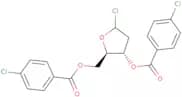
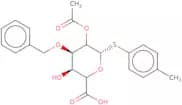
CAS:<p>Intermediate in the synthesis of Decitabine</p>Fórmula:C19H15Cl3O5Pureza:Min. 95%Forma y color:Off-White To Light (Or Pale) Red SolidPeso molecular:429.68 g/mol4-Methylphenyl 2-O-acetyl-3-O-benzyl-b-D-thioglucuronide
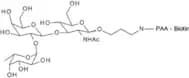
<p>4-Methylphenyl 2-O-acetyl-3-O-benzyl-β-D-thioglucuronide is a modification of the oligosaccharide, carbohydrate complex carbohydrate. It is synthesized by custom synthesis. This product has CAS No. and is a monosaccharide, methylation and glycosylation. The molecular weight of this product is 676.4 Da and it contains no other functional groups except for a fluorine atom in its structure.</p>Fórmula:C22H24O7SPureza:Min. 95%Peso molecular:432.49 g/molBlood Group H type I trisaccharide-PAA-biotin
<p>Blood group antigen conjugated to spacer and biotin</p>Pureza:Min. 95 Area-%Forma y color:PowderPeso molecular:586.6 g/molMethyl 6-O-tert.butyldiphenylsilyl-a-D-galactopyranoside
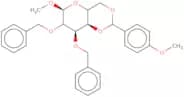
<p>Methyl 6-O-tert.butyldiphenylsilyl-a-D-galactopyranoside is an organic chemical compound that belongs to the class of sugar derivatives. This substance is a high purity, custom synthesis and can be modified by fluorination, glycosylation, and methylation. The CAS number for this substance is 52793-71-0.<br>Methyl 6-O-tert.butyldiphenylsilyl-a-D-galactopyranoside is an oligosaccharide with a molecular formula of C14H21NO4S and a molecular weight of 299.38 g/mol. It has a monosaccharide sequence of D -Galp1,6(Galp)2,3GlcNAc(Galp)2,4GlcNAc(Galp)2,5GlcNAc(Galp)2</p>Pureza:Min. 95%Methyl 2,3-di-O-benzyl-4,6-O-(4-methoxybenzylidene)-a-D-mannopyranoside
CAS:<p>Methyl 2,3-di-O-benzyl-4,6-O-(4-methoxybenzylidene)-a-D-mannopyranoside is a custom synthesis of a complex carbohydrate. It has been modified to include an Oligosaccharide and Polysaccharide, which are saccharides. This product can be used for the synthesis of glycosylation and carbonylation reactions. Methyl 2,3-di-O-benzyl-4,6-O-(4-methoxybenzylidene)-a-D-mannopyranoside is high purity with a fluorination process that ensures the highest quality.</p>Fórmula:C29H32O7Pureza:Min. 95%Peso molecular:492.57 g/mol(3S, 4R) -3, 4- Dihydroxy- 2- methyl-D- proline
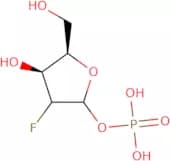
<p>(3S, 4R) -3, 4-Dihydroxy-2-methyl-D-proline is a synthetic monosaccharide. It is an intermediate in the synthesis of (3S, 4R)-3,4-dihydroxy-2-methyl-D-proline and can be used for the production of glycosylated products. This carbohydrate has been synthesized by fluorination followed by methylation and glycosylation. This is a high purity product that can be custom synthesized to meet your needs.</p>Pureza:Min. 95%2-Deoxy-2-fluoro-D-arabinofuranose-1-phosphate
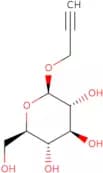
<p>2-Deoxy-2-fluoro-D-arabinofuranose-1-phosphate is a synthetic sugar that is used in the synthesis of oligosaccharides and saccharide derivatives. It has been shown to be a promising candidate for Click modification, as well as fluorination, glycosylation, methylation, and other modifications. This sugar can be found under CAS No. 131069-06-6.</p>Fórmula:C5H7FO7PPureza:Min. 95%Peso molecular:229.08 g/molPropargyl β-D-glucopyranoside
CAS:<p>A beta glycoside with an alkyne handle suitable to click chemistry</p>Fórmula:C9H14O6Pureza:Min. 95%Forma y color:PowderPeso molecular:218.2 g/mol2-Acetamido-2,4-dideoxy-4-fluoro-D-glucopyranose
CAS:2-Acetamido-2,4-dideoxy-4-fluoro-D-glucopyranose (2ADFG) is a glycosaminoglycan that inhibits the biosynthesis of glycosaminoglycans by binding to the enzyme UDP-N-acetylglucosamine 2-epimerase. It is used in cellular control experiments to determine if cells are hepatocytes or not. This compound binds to glycosaminoglycans and prevents them from being synthesized, which leads to cell death. The binding of 2ADFG also results in a decrease in cellular protein synthesis and an increase in cellular lysosomal activity.Fórmula:C8H14FNO5Pureza:Min. 95%Peso molecular:223.2 g/molHeparin disaccharide III-A disodium salt
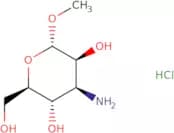
CAS:<p>Heparin disaccharide III-A is a synthetic heparin that is modified with the addition of a sugar molecule. Heparin disaccharide III-A disodium salt (HDS) is a high purity, custom synthesized product and has been fluorinated to improve its stability. HDS has been shown to be an effective inhibitor of glycosylation in bacteria cells, leading to decreased production of bacterial enzymes and proteins. It also inhibits protein synthesis by preventing the methylation of ribosomes and reducing the number of saccharides available for glycosylation. The HDS molecule is composed of two sugars: N-acetylglucosamine and D-glucuronic acid. This compound also has anti-inflammatory properties due to its ability to inhibit prostaglandin synthesis.</p>Fórmula:C14H19NO14SNa2Pureza:Min. 95%Forma y color:White PowderPeso molecular:503.34 g/molMethyl 3-amino-3-deoxy-α-D-mannopyranoside hydrochloride
CAS:<p>Methyl 3-amino-3-deoxy-a-D-mannopyranoside HCl is a potent antioxidant that has been shown to protect cells from lipid peroxidation and protein oxidation. It also inhibits the formation of toxic reactive oxygen species, such as hydroxyl radicals. This compound has been shown to have protection against oxidative stress in cell culture studies. Methyl 3-amino-3-deoxy-a-D-mannopyranoside HCl is an inhibitor of the enzyme catalase, which may be responsible for its antioxidant activity. This compound also inhibits population growth in an aerobic environment, as well as catalase and dismutase activity in a population of bacteria. Methyl 3-amino-3-deoxy-a-D-mannopyranoside HCl is resistant to solanum tuberosum and solanum tuberosum extract and is oxidized by peroxidases found in plants.</p>Fórmula:C7H15NO5•HClPureza:Min. 95%Forma y color:PowderPeso molecular:229.66 g/molGA2-Ganglioside
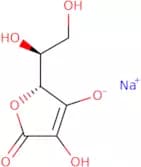
CAS:<p>GA2-ganglioside is a ganglioside that is found in the membranes of cells. GA2-Ganglioside has been shown to inhibit the growth of tumors by binding to macrophages and T cells, which are two types of white blood cells. It has also been shown that GA2-Ganglioside can be used as a target for an antibody response against human HL-60 tumor cells. The antibody response induces cell lysis and reduces the size of the tumor. GA2-Ganglioside has also been shown to have anti-inflammatory properties, which may be due to its ability to bind to α subunits on bowel disease and infectious diseases, such as murine sarcoma virus, causing an antibody response that causes cell lysis and prevents replication of these viruses.</p>Fórmula:C56H104N2O18Pureza:Min. 95%Forma y color:PowderPeso molecular:1,093.43 g/molL(+)-Ascorbic acid sodium salt
CAS:<p>L(+)-Ascorbic acid sodium salt is the L-isomer of ascorbic acid. It is an essential nutrient for humans and animals, and a cofactor for many enzymes involved in cellular metabolism. Ascorbic acid is an effective metal chelator, which can be used to treat infectious diseases such as tuberculosis. L(+)-Ascorbic acid sodium salt has been shown to have antioxidant properties. It also has antineoplastic activity against skin tumors when used at optimum concentration.</p>Fórmula:C6H7NaO6Pureza:Min. 97 Area-%Forma y color:White PowderPeso molecular:198.11 g/mol4-(4-(2-(trifluoromethyl)phenyl)-3-(E)-buten-2-one-1-yl)piperidine-2,6-dione
<p>4-(4-(2-(trifluoromethyl)phenyl)-3-(E)-buten-2-one-1-yl)piperidine-2,6-dione is a custom synthesis that can be modified to include fluorination, methylation, and monosaccharide modifications. This molecule has been shown to have click modification and oligosaccharide modifications with saccharides. It is a polysaccharide that is glycosylated with carbohydrate.</p>Pureza:Min. 95%1,2,3,4-Tetra-O-pivaloyl-6-O-trityl-b-D-galactopyranose
<p>Tetra-O-pivaloyl-6-O-trityl-b-D-galactopyranose is a sugar that can be used in the synthesis of glycosylation, complex carbohydrate, methylation, click modification, polysaccharide, fluorination, saccharide and modification. Tetra-O-pivaloyl-6-O-trityl-b-D-galactopyranose is a white or colorless crystalline powder that has a melting point of about 160°C. The chemical formula for this compound is C24H34N2O4 and its molecular weight is 432.53 g/mol. Tetra -O -pivaloyl -6 - O -trityl -b - D -galactopyranose has CAS No. 15892–06–8 (EINECS No. 259–737–3) and it can be custom</p>Fórmula:C45H58O10Pureza:Min. 95%Peso molecular:758.94 g/mol(2R, 3S, 4R, 5S) -3,4-Di-O-Isopropylidene-2- methyl- 1- nonyl-3, 4, 5- piperidinetriol
<p>2R, 3S, 4R, 5S) -3,4-Di-O-Isopropylidene-2- methyl- 1- nonyl-3, 4, 5- piperidinetriol is a modification of the oligosaccharide. It is synthesized by custom synthesis and has high purity. This product can be found under CAS No. 9062-16-7 and has a molecular weight of 873. The chemical formula is (C6H10O5)n and the structural formula is CHNO. This product is an Oligosaccharide and Carbohydrate.</p>Pureza:Min. 95%Blood group A hexasaccharide type II
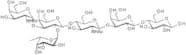
CAS:<p>A antigen hexasaccharide Type II, possible use in antiviral development</p>Fórmula:C40H68N2O30Pureza:Min. 90 Area-%Forma y color:White PowderPeso molecular:1,056.96 g/mol5-O-Allyl-2,3,4-tri-O-benzyl-D-ribitol
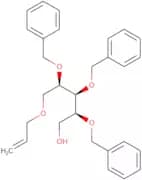
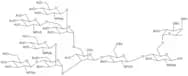
CAS:<p>5-O-Allyl-2,3,4-tri-O-benzyl-D-ribitol is an acid that has been used in preparative organic chemistry. It is a benzyloxymethyl derivative of ribose, which can be converted to the corresponding methyl ether by hydrolysis with sodium methoxide in methanol. 5-O-Allyl-2,3,4-tri-O-benzyl-D-ribitol functions as an isomer and dimerization reagent for the preparation of propenyl derivatives. 5-O-Allyl 2,3,4 tri O benzyl D ribitol has been shown to inhibit Influenza A H1N1 strains in vitro with a 50% inhibitory concentration (IC50) of 1 μM.</p>Fórmula:C29H34O5Pureza:Min. 90.0 Area-%Forma y color:Yellow Clear LiquidPeso molecular:462.58 g/mol4-O-{4-O-[[2,4-Di-O-acetyl-3-O-[2,4-di-O-(3,4,6-tri-O-acetyl-2-deoxy-2-phthalimido-β-D-glucopyranosyl)-3,6-di-O-benzyl-α-D-mannopyra nosyl]-6-O-[3,4-di-O-acetyl-2,6-di-O-(3,4,6-tri-O-acetyl-2-deoxy-2-phthalimido-β-D-glucopyranosyl)-α-D-mannopyranosyl]
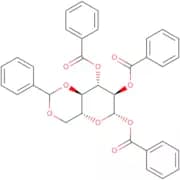
CAS:<p>4-O-{4-O-[[2,4-Di-O-acetyl-3-O-[2,4-di-O-(3,4,6-tri-O-acetyl-2-deoxy-2--phthalimido--bD--glucopyranosyl)-3,6--di--O--benzyl aDmannopyra nosyl]-6--O-[3,4--di--O--acetyl 2,6--di--O-(3,4,6--tri - O - acetyl 2 - deoxy 2 - phthalimido bDglucopyranosyl) aDmannopyranosyl] } is a synthetic complex carbohydrate. It is an oligosaccharide that can be used in glycosylation reactions. This carbohydrate has been custom synthesized and modified to include methyl groups. The CAS number for this compound is 9461642899.</p>Fórmula:C196H200N6O72Pureza:Min. 95%Peso molecular:3,791.68 g/mol1,2,3-Tri-O-benzoyl-4,6-O-benzylidene-b-D-glucopyranose
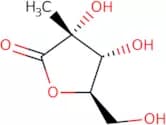
CAS:<p>1,2,3-Tri-O-benzyl-4,6-O-benzylidene-b-D-glucopyranose is a synthetic compound that is used for glycosylation and modification of complex carbohydrates. It is a sugar that can be custom synthesized by coupling benzoyl chloride with 1,2,3,4,5,6-hexamethoxybenzene. The product is a white to off white solid in crystalline form. This compound has CAS No. 113544-56-2 and molecular weight of 533.</p>Fórmula:C34H28O9Pureza:Min. 95%Peso molecular:580.58 g/mol2-C-Methyl-D-ribono-1,4-lactone
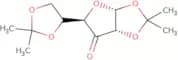
CAS:<p>2-C-Methyl-D-ribono-1,4-lactone is a ketose which is formed from the thermal rearrangement of d-xylose. It has been shown to be an acceptor for episulfide and an 1-deoxy-d-ribulose. 2-C-Methyl-D-ribono-1,4-lactone has been found to yield dimethylamine when heated with magnesium. This compound can be ion exchanged with calcium and magnesium. 2CMR was first synthesized by the reaction of L(+) lactic acid with dimethylamine in the presence of magnesium chloride. The product was purified by crystallization from water, yielding a white powder that melts at 230°C.</p>Fórmula:C6H10O5Pureza:Min. 95%Forma y color:White Clear LiquidPeso molecular:162.14 g/mol1,2:5,6-Di-O-isopropylidene-α-D-ribo-hexofuranose-3-ulose hydrate
CAS:<p>This is a sugar that is found in the urine of reindeer and caribou. It was first identified in the urine of animals captured in Alaska during the winter months. It has been shown to be present in human urine, as well, but at lower concentrations. Radiocarbon dating has revealed that this sugar is produced seasonally, with higher levels being found during the winter months. The seasonal variation may be due to changes in diet or metabolism.</p>Fórmula:C12H18O6Pureza:Min. 95%Forma y color:PowderPeso molecular:258.27 g/mol2,4,6-Tri-O-acetyl-3-O-benzyl-a-D-glucopyranosyl bromide
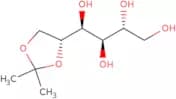
CAS:<p>2,4,6-Tri-O-acetyl-3-O-benzyl-a-D-glucopyranosyl bromide is a custom synthesis made by Modification of the chemical structure of a natural sugar. It is Fluorinated, Methylated and Monosaccharide with Synthetic Click modification and Oligosaccharide. The CAS number for this compound is 34339-69-0. This compound has many uses including being a Carbohydrate that can be used as a Complex carbohydrate for various purposes.</p>Pureza:Min. 95%1,2-O-Isopropylidene-D-mannitol
CAS:<p>1,2-O-Isopropylidene-D-mannitol is an alditol that is synthesized by the reaction of 1,2-O-isopropylidene glycerol with sodium sulfide. This product can be further reacted with allylamine to form a thiepane derivative. Thiepane derivatives are polyhydroxylated and have been shown to have antibacterial activity against Staphylococcus aureus, Mycobacterium tuberculosis, and Streptococcus pneumoniae.</p>Fórmula:C9H18O6Pureza:Min. 95%Forma y color:PowderPeso molecular:222.24 g/mol1-Kestose
CAS:<p>1-Kestose is a trisaccharide composed of fructose and sucrose molecules (Collins, 2006) and occurs in sugar cane, honey, and maple syrup, where it is formed by enzymatic action. As the main group of fructooligosaccharides, kestoses share similar physiological effects with other fructooligosaccharides. Kestoses have shown potential in promoting the growth of probiotics including Faecalibacterium prausnitzii and Bifidobacterium to a higher degree than other fructooligosaccharides. Thus, the production of kestoses using food-grade microorganisms may be beneficial to their application in the food industry (Ni, 2021).</p>Fórmula:C18H32O16Pureza:Min. 98 Area-%Forma y color:White Yellow PowderPeso molecular:504.44 g/mol6-Chloro-6-deoxy-a-cyclodextrin
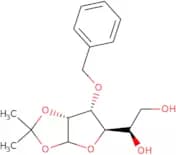
<p>Alpha-cyclodextrin (α-CD) derivative with a hydrophilic exterior and lipophilic cavity (smaller than β-CDs and γ-CDs) to allocate certain guest molecules. This structural characteristic enables applications in molecular encapsulation, solubility enhancement, and stabilization across multiple industries. In pharmaceuticals, it serves as a drug delivery vehicle, enhancing the bioavailability and stability of active ingredients. The food industry utilizes it as a stabilizer for flavors, colors, and nutrients, as well as a functional ingredient for its effects on lipid metabolism. In cosmetics, it acts as a complex agent for fragrances and active components. Its applications extend to analytical chemistry for chiral separation and to materials science for developing smart materials and nanosystems.</p>Fórmula:C36H54Cl6O24Pureza:Min. 95%Peso molecular:1,083.52 g/mol1,2-O-Isopropylidene-3-O-benzyl-D-allofuranose
CAS:<p>Chiral resource for synthesis of bioactive sugars and antiviral nucleosides</p>Fórmula:C16H22O6Pureza:Min. 95%Forma y color:PowderPeso molecular:310.34 g/mol4'-Hydroxypropanolol D-glucuronide D5
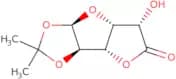
Producto controlado<p>4'-Hydroxypropanolol D-glucuronide D5 is a custom synthesis.</p>Fórmula:C22H24NO9D5Pureza:Min. 95%Peso molecular:456.51 g/mol(5S, 8S, 9S) -8- [(4R) - 2, 2- Dimethyl- 1, 3- dioxolan- 4- yl] - 9- hydroxy- 2, 2- dimethyl- 1, 3, 7- trioxaspiro[4.4] nonan- 6- on e
<p>(5S, 8S, 9S) -8- [(4R) - 2, 2- Dimethyl- 1, 3- dioxolan- 4- yl] - 9- hydroxy- 2, 2- dimethyl- 1, 3, 7- trioxaspiro[4.4] nonan- 6- on e is a Glycosylation product that is prepared by the modification of a monosaccharide with a fluorinated methyl group. This chemical has been custom synthesized and its CAS number is not available. It is a complex carbohydrate with high purity and it can be modified to produce other oligosaccharides.</p>Pureza:Min. 95%3-Deoxy-D-manno-2-octulosonic acid ammonium
CAS:<p>3-Deoxy-D-manno-2-octulosonic acid ammonium is a bioreactor that is used in the delipidation of fatty acids. It is one of the most effective natural compounds for removing lipids, and it has been shown to be effective in reducing the levels of galactose and cholesterol. 3-Deoxy-D-manno-2-octulosonic acid ammonium has also been shown to be an effective antigen that can be used as a marker for various microorganisms, such as typhimurium, enterobacter, and lettuce.</p>Fórmula:C8H17NO8Pureza:Min. 95 Area-%Forma y color:White PowderPeso molecular:255.22 g/mol4-O-{[(6-Azidoethoxy)ethoxy]ethyl}-β-D-galactopyranosyl-2-deoxy-α-D-glucopyranose-2,1-oxazoline
CAS:<p>Please enquire for more information about 4-O-{[(6-Azidoethoxy)ethoxy]ethyl}-β-D-galactopyranosyl-2-deoxy-α-D-glucopyranose-2,1-oxazoline including the price, delivery time and more detailed product information at the technical inquiry form on this page</p>Fórmula:C20H34N4O12Pureza:Min. 95%Peso molecular:522.5 g/molHyaluronic acid sodium salt - Low molecular weight 40,000 - 50,000
CAS:<p>Please enquire for more information about Hyaluronic acid sodium salt - Low molecular weight 40,000 - 50,000 including the price, delivery time and more detailed product information at the technical inquiry form on this page</p>Pureza:Min. 90 Area-%1,2-O-Isopropylidene-α-D-glucofuranurono-6,3-lactone
CAS:<p>1,2-O-Isopropylidene-a-D-glucofuranurono-6,3-lactone is a compound with hepatocyte growth factor activity that is used in the diagnosis of liver diseases. It can also be used as a reagent for the detection of lactones and as an industrial chemical. 1,2-O-Isopropylidene-a-D-glucofuranurono-6,3-lactone has been shown to activate the hepatocyte growth factor receptor (HGFR) and induce cell proliferation in human hepatocytes. This compound is not toxic to cells at concentrations up to 100 mM.</p>Fórmula:C9H12O6Pureza:Min. 98%Forma y color:PowderPeso molecular:216.19 g/molMethyl 4-azido-4-deoxy-2,3-O-isopropylidene-a-D-mannopyranoside
<p>Methyl 4-azido-4-deoxy-2,3-O-isopropylidene-a-D-mannopyranoside is a glycosylation reagent that is used to synthesize complex carbohydrates. This product is a monosaccharide with CAS No. 682487-41-6 and has a custom synthesis. It can be fluorinated and saccharified, resulting in an oligosaccharide. The synthesis of this product is based on the Click reaction, which is an efficient way to modify sugar molecules. This product has high purity and can be custom synthesized to meet your needs.</p>Pureza:Min. 95%4-O-[(2-Azidoethoxyimino)-6-deoxy-β-D-galactopyranosyl]-2-deoxy-α-D-glucopyranose-2,1-oxazoline
CAS:<p>Please enquire for more information about 4-O-[(2-Azidoethoxyimino)-6-deoxy-β-D-galactopyranosyl]-2-deoxy-α-D-glucopyranose-2,1-oxazoline including the price, delivery time and more detailed product information at the technical inquiry form on this page</p>Fórmula:C16H25N5O10Pureza:Min. 95%Peso molecular:447.4 g/mol(3aS, 4S, 6aR) Tetrahydro- 2, 2, 6a- trimethyl- 4H- 1, 3- dioxolo[4, 5- c] pyrrole- 4- methanol
<p>(3aS, 4S, 6aR) Tetrahydro- 2, 2, 6a- trimethyl- 4H- 1, 3- dioxolo[4, 5- c] pyrrole- 4- methanol is a synthetic compound that is a member of the class of compounds known as tetrahydropyrroloquinolines. It is a monosaccharide sugar with an alkyl group at C6 and an amine group at C2. The compound has been shown to inhibit bacterial growth by inhibiting DNA synthesis. This inhibition leads to the production of less nucleotides and nucleic acids necessary for DNA replication. The methylation at C2 is critical for this inhibitory effect.</p>Pureza:Min. 95%Methyl-β-cyclodextrin - 7 to 14 degree of substitution
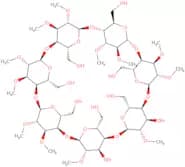
CAS:<p>This beta-cyclodextrin (β-CD) derivative is a functionalized cyclic oligosaccharide composed of seven glucose units, characterized by a hydrophilic exterior and a lipophilic cavity (bigger than α-CD and smaller than γ-CDs), which allows it to encapsulate various guest molecules. This structural feature facilitates its use in multiple applications, including pharmaceuticals, food enhancement, and cosmetics. In the pharmaceutical industry, it enhances the solubility and stability of poorly water-soluble drugs, improving their bioavailability and efficacy while also masking unpleasant tastes. The food sector utilizes it as a stabilizer for flavors, colors, and nutrients, extending shelf life by protecting sensitive ingredients from degradation. In cosmetics, it serves as a complexing agent for fragrances and active components, ensuring their stability and controlled release. Its use expands to many other fields, including nanotechnology for drug delivery systems, environmental remediation for extracting organic pollutants, textiles for slow-release fragrances, and analytical chemistry for chiral separation.</p>Fórmula:C56H98O35Forma y color:PowderPeso molecular:1,331.36 g/mol4-Methoxyphenyl 2-acetamido-3,6-di-O-benzyl-4-O-{2,4-di-O-acetyl-3-O-[3,6-di-O-benzyl-2,4-di-O-(3,4,6-tri-O-acetyl-2-acetamido-2-deo xy-b-D-glucopyranosyl)-a-D-mannopyranosyl]-6-O-[3,4-di-O-acetyl-2,6-di-O-(3,4,6-tri-O-acetyl-2-acetamido-2-deoxy-b-D-g
4-Methoxyphenyl 2-acetamido-3,6-di-O-benzyl-4-O-[2,4-di-O-(3,6-di-O-(3,4,6-tri-O-(2,4,6,-triacetyl)-bDglucopyranosyl)-aDmannopyranosyl]-6-[2,4,-diO-(3,6,-diO-(3,4,-triacetyl)-bDgluco pyranosyl)aDmannopyranosyl]-aDmannopyranoside is a complex carbohydrate that belongs to the polysaccharides. The CAS number for this compound is 5243968. This compound has been modified by methylation and glycosylation. It is a sugar with high purity and fluorination. This compound has been synthesized by the click modification of a carbohydrate.Fórmula:C125H159N5O58Pureza:Min. 95%Peso molecular:2,659.6 g/molMycophenolic acid b-D-glucuronide
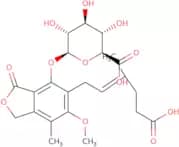
CAS:<p>Mycophenolic acid b-D-glucuronide is a metabolite of mycophenolic acid, which is an immunosuppressant drug. The glucuronide form of mycophenolic acid is the main form found in human serum. Mycophenolic acid b-D-glucuronide has been shown to have a concentration–time curve that has a higher peak at about 3 hours and lower troughs than those for mycophenolic acid. It has also been shown to have similar effects on autoimmune diseases as its parent compound, but with fewer side effects. Mycophenolic acid b-D-glucuronide can be detected by high performance liquid chromatography (HPLC). The analytical method for this compound was developed using HPLC methods with detection by fluorescence at 254 nm and has been validated for use in human serum samples.END></p>Fórmula:C23H28O12Pureza:Min. 96 Area-%Forma y color:PowderPeso molecular:496.46 g/molUDP-6-azido-6-deoxy-D-glucose x·triethylammonium salt
CAS:<p>UDP-6-azido-6-deoxy-D-glucose is a chemical building block that is used for saccharide synthesis. The azide group can be reduced to give the amine which has been used to make a fluorescent tag for 5-(hydroxymethyl)cytosine in DNA. UDP-6-azido-6-deoxy-D-glucose has also been used to synthesise siderophore conjugates which can be used to deliver functional reagents across bacterial cell membranes.</p>Fórmula:C15H23N5O16P2·x(C6H15N)Pureza:Min. 90 Area-%Forma y color:Off-White PowderPeso molecular:591.31 g/molMethyl 2,3,5-tri-O-benzoyl-b-D-arabinofuranoside
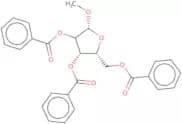
CAS:<p>Methyl 2,3,5-tri-O-benzoyl-b-D-arabinofuranoside is a custom synthesis of an Oligosaccharide with a molecular formula of C12H22O11. It has CAS No. 1093344-99-0 and Methylation, Glycosylation, Carbohydrate, Click modification, saccharide, sugar. This product is a high purity product that is Fluorination and Synthetic.</p>Fórmula:C27H24O8Pureza:Min. 95%Forma y color:White to off-white solid.Peso molecular:476.47 g/mol6-Deoxy-1,2:3,4-di-O-isopropylidene-6-iodo-α-D-galactopyranose
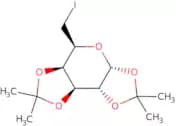
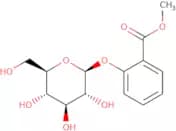
CAS:<p>This is a carbohydrate compound with the CAS number 4026-28-2. It is a modification of the sugar galactose, which has been modified by a process called fluorination. This modification has increased its stability and resistance to hydrolysis.</p>Fórmula:C12H19IO5Pureza:Min. 95%Forma y color:White to off-white solid.Peso molecular:370.18 g/mol2-Methoxycarbonylphenyl β-D-glucopyranoside
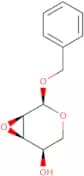
CAS:<p>2-Methoxycarbonylphenyl b-D-glucopyranoside is a modification that can be used to synthesize complex carbohydrates. It is an oligosaccharide, which consists of a series of monosaccharides linked together by glycosidic bonds. The synthesis of this compound requires the use of methylation and fluorination reactions. This product has high purity and can be used for a variety of purposes, including as a sugar or as a polysaccharide.</p>Fórmula:C14H18O8Pureza:Min. 95%Forma y color:PowderPeso molecular:314.29 g/molBenzyl-2,3-anhydro-a-D-ribopyranoside
CAS:<p>Benzyl-2,3-anhydro-a-D-ribopyranoside is a monosaccharide that is synthesized by the modification of the sugar benzyl 2,3-anhydro-a-D-ribofuranose. It is a white powder. Benzyl-2,3-anhydro-a-D-ribopyranoside is used as a reagent in glycosylation and methylation reactions. It has CAS No. 61134–24–5 and molecular weight of 230.22 g/mol. The molecule contains an anhydro group at C1 and hydroxyl groups at C6 and C8 positions. This product is soluble in water and ethanol.</p>Fórmula:C12H14O4Pureza:Min. 95%Peso molecular:222.24 g/mol2-Amino-2-deoxy-3-O-(b-D-glucopyranuronosyl)-D-galactopyranose monohydrate
CAS:<p>2-Amino-2-deoxy-3-O-(b-D-glucopyranuronosyl)-D-galactopyranose monohydrate is a glycoside that is found in the testes. It has inhibitory properties on oligosaccharides and can be used to study the structure of glycoconjugates. 2-Amino-2-deoxy-3-O-(b-D-glucopyranuronosyl)-D-galactopyranose monohydrate has been shown to inhibit the enzyme hydrolase, which is involved in glycoprotein synthesis. 2ADOGP has also been shown to bind to human serum albumin, an abundant protein in human blood plasma that transports lipids, hormones, and other molecules throughout the body. This binding results in a decrease in the serum concentration of 2ADOGP after administration.</p>Fórmula:C12H21NO11H2OForma y color:Off-White PowderPeso molecular:373.31 g/molN-(2-Furylacetonitrile)-2,3,4,6-tetra-O-pivaloyl-b-D-glucopyranoside
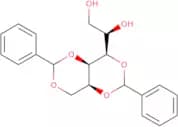
<p>The compound is a custom synthesis. It is a polysaccharide that has been modified by methylation and glycosylation, as well as being click-modified at the C6 position. The compound is a complex carbohydrate with an Oligosaccharide in the center. The CAS number for this compound is</p>Fórmula:C32H48N2O10Pureza:Min. 95%Peso molecular:620.73 g/mol1,3:2,4-Bis(O-benzylidene)-D-sorbitol
CAS:<p>1,3:2,4-Bis(O-benzylidene)-D-sorbitol is a hydrogenated derivative of sorbitol. It is used in fatty acid devices and as a surfactant in hydrogenation reactions. 1,3:2,4-Bis(O-benzylidene)-D-sorbitol is an acidic compound that has a low molecular mass and is soluble in water. It reacts with magnesium oxide to form the corresponding magnesium salt. This derivative is also used in silicone residue removal and as an activated organic base.</p>Fórmula:C20H22O6Forma y color:White PowderPeso molecular:358.39 g/mol3-Deoxy-1,2-O-isopropylidene-5-p-toluoyl-b-L-threo pentofuranose
<p>3-Deoxy-1,2-O-isopropylidene-5-p-toluoyl-b-L-threo pentofuranose is an Oligosaccharide with a molecular weight of 1094.00 Da. It is a synthetic sugar that is fluorinated at the 1' position and methylated at the 5' position. 3DOTF can be used as a substrate for glycosylation to produce glycans with desired terminal functionality. This product can also be modified using click chemistry to generate saccharides with novel functional groups.</p>Pureza:Min. 95%









![(5S, 8S, 9S) -8- [(4R) - 2, 2- Dimethyl- 1, 3- dioxolan- 4- yl] - 9- hydroxy- 2, 2- dimethyl- 1, 3…](/_next/image/?url=https%3A%2Fstatic.cymitquimica.com%2Fproducts%2F3D%2Fthumb-webp%2FMD170670.webp&w=3840&q=75)

![4-O-{[(6-Azidoethoxy)ethoxy]ethyl}-β-D-galactopyranosyl-2-deoxy-α-D-glucopyranose-2,1-oxazoline](/_next/image/?url=https%3A%2Fstatic.cymitquimica.com%2Fproducts%2F3D%2Fthumb-webp%2FOA183929.webp&w=3840&q=75)
![4-O-[(2-Azidoethoxyimino)-6-deoxy-β-D-galactopyranosyl]-2-deoxy-α-D-glucopyranose-2,1-oxazoline](/_next/image/?url=https%3A%2Fstatic.cymitquimica.com%2Fproducts%2F3D%2Fthumb-webp%2FOA183930.webp&w=3840&q=75)
![(3aS, 4S, 6aR) Tetrahydro- 2, 2, 6a- trimethyl- 4H- 1, 3- dioxolo[4, 5- c] pyrrole- 4- methanol](/_next/image/?url=https%3A%2Fstatic.cymitquimica.com%2Fproducts%2F3D%2Fthumb-webp%2FMT168716.webp&w=3840&q=75)