Glycoscience
Subcategorías de "Glycoscience"
- Aminoazúcares(108 productos)
- Anticuerpos relacionados con azúcares(283 productos)
- Glicolípidos(46 productos)
- Glicosaminoglicanos (GAGs)(55 productos)
- Glucósidos(419 productos)
- Monosacáridos(6.619 productos)
- Oligosacáridos(3.711 productos)
- Polisacáridos(505 productos)
Se han encontrado 11027 productos de "Glycoscience"
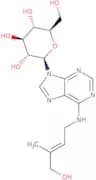
o-Methoxytopolin-9-glucoside
CAS:O-Methoxytopolin-9-glucoside is a sugar that is used in the synthesis of glycoproteins, glycosaminoglycans, and glycoconjugates. It can be used as a fluorinated sugar probe to study glycosylation. This compound has been synthesized with a variety of modifications such as methylation, fluorination, and click chemistry. O-Methoxytopolin-9-glucoside is an oligosaccharide with a monosaccharide at its reducing end. The saccharides are linked through beta 1→4 glycosidic bonds with alpha 1→2 glycosidic bonds at their other ends. O-Methoxytopolin-9-glucoside has been shown to be stable under acidic conditions and can act as both an antioxidant and prooxidant depending on the pH level.Fórmula:C19H23N5O6Pureza:Min. 95%Peso molecular:417.42 g/mol4-O-(b-D-Ribofuranosyl)-L-rhamnopyranose
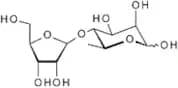
4-O-(b-D-Ribofuranosyl)-L-rhamnopyranose is a custom synthesized monosaccharide that can be modified with fluorination and methylation. This sugar can be used for glycosylation reactions to form oligosaccharides or polysaccharides. The number of sugar molecules that are attached to the sugar determines the complexity of the carbohydrate. 4-O-(b-D-Ribofuranosyl)-L-rhamnopyranose is an example of a complex carbohydrate because it has four sugars attached to it.Fórmula:C11H20O9Pureza:Min. 95%Peso molecular:296.27 g/molO-(2-Acetamido-2-deoxy-3,4,6-tri-O-acetyl-D-glucopyranosylidene)amino N-(4-nitrophenyl)carbamate
CAS:O-(2-Acetamido-2-deoxy-3,4,6-tri-O-acetyl-D-glucopyranosylidene)amino N-(4-nitrophenyl)carbamate is a synthetic compound that has been modified with fluorine. The compound is an example of a glycosylation reaction, which is the process of joining two sugars to form a complex carbohydrate. It has been modified with Methylation and Click modification. O-(2-Acetamido-2-deoxy-3,4,6-tri-O-acetyl)-D glucopyranosylidene)amino N-(4 nitrophenyl)carbamate also has a saccharide component and is classified as Polysaccharide. This compound can be custom synthesized for customers who need high purity or oligosaccharides.Fórmula:C21H24N4O12Pureza:Min. 95%Peso molecular:524.44 g/molHECAMEG
CAS:Please enquire for more information about HECAMEG including the price, delivery time and more detailed product information at the technical inquiry form on this pageFórmula:C15H29NO7Pureza:Min. 98 Area-%Peso molecular:335.40 g/molN-Methyl-b-D-glucopyranosylamine (hydrochloride or other salt)
CAS:Methylation of saccharides is a chemical process that adds methyl groups to the hydroxyl groups of sugars. The most common form of this reaction is the conversion of glucose to mannose. Methylation can be achieved by reacting the sugar with sodium cyanoborohydride, which converts the sugar into a reactive form that can be used in other reactions. This product is a synthetic compound and an intermediate for various glycosylations or modifications. It is a high-purity, white powder with molecular formula C6H17NO5 and molecular weight 191.22 g/mol and CAS Number 114761-39-6 (hydrochloride).Fórmula:C7H15NO5·HClPureza:Min. 95%Peso molecular:229.7 g/molCotinine N-(4-deoxy-4,5-didehydro)-b-D-glucuronide
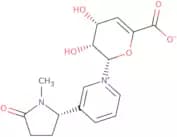
CAS:Cotinine N-(4-deoxy-4,5-didehydro)-b-D-glucuronide is a custom synthesis and modification of cotinine. Cotinine is an alkaloid found in tobacco plants and the primary metabolite of nicotine. It has been shown to inhibit glycosylation, methylation, and carbohydrate modification reactions. This product is offered in high purity and with a CAS number of 146275-15-2.Fórmula:C16H18N2O6Pureza:Min. 95%Peso molecular:334.32 g/mol1'-Epi 2',2'-difluoro-2'-deoxyuridine 3',5'-dibenzoate
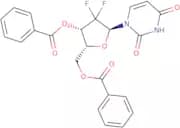
CAS:1'-Epi 2',2'-difluoro-2'-deoxyuridine 3',5'-dibenzoate is a synthetic compound that has been designed for use in the synthesis of oligosaccharides and polysaccharides. The compound is a monosaccharide, which can be modified by fluorination or click chemistry to provide a variety of different side chains and properties. 1'-Epi 2',2'-difluoro-2'-deoxyuridine 3',5'-dibenzoate is a high purity product with no detectable impurities.Fórmula:C23H18F2N2O7Pureza:Min. 95%Peso molecular:472.4 g/mol3-O-Benzyl-5,6-di-O-acetyl-1,2-O-isoproylidene-a-D-glucofuranose
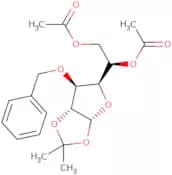
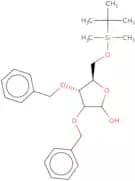
CAS:3-O-Benzyl-5,6-di-O-acetyl-1,2-O-isoproylidene-a-D-glucofuranose is a synthetic compound that can be used as a building block for the synthesis of saccharides and oligosaccharides. The molecule is an alpha D glucose derivative with an acetyl group at C3 and an isopropylidene group at C5. It has great potential in glycosylation reactions due to its high purity and low price.Fórmula:C20H26NO8Pureza:Min. 95%Peso molecular:394.43 g/mol2,3-Di-O-benzyl-5-O-tert-butyldimethylsilyl-D-xylofuranose
2,3-Di-O-benzyl-5-O-tert-butyldimethylsilyl-D-xylofuranose is a custom synthesis of an oligosaccharide. The modification of this product is fluorination. The product has a purity of 99% and the CAS number is 125548-81-1. This product is soluble in water and ethanol. It has a molecular weight of 600. The monosaccharides found in this product are xylose, glucose, and galactose in the ratio 2:2:1. This product can be used as a sugar substitute or as a reagent for the structural analysis of complex carbohydrates.Fórmula:C25H36O5SiPureza:Min. 95%Peso molecular:444.65 g/molMethyl 2-O-a-L-fucopyranosyl-b-D-galactoside
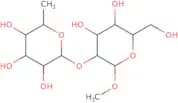
CAS:Computational fluid dynamics (CFD) is the study of fluid flow, a subject which has been studied for over two thousand years. The idea of CFD is to use computers to solve the equations that govern fluid flow and to make predictions about the behavior of gases, liquids and complex fluids in various situations. Computational analysis can be used to calculate how air flows around an object such as a car or plane. This allows engineers to create designs with less drag. Computational analysis can also be used in designing buildings, bridges, and other structures that are exposed to large amounts of wind. CFD is a "convective" computational method because it solves problems by using convection-diffusion equations with appropriate boundary conditions. A "transport" computational method solves problems by solving momentum equations and energy conservation equations simultaneously; this method is often more accurate than convective methods but computationally more expensive. A "laminar" computational method solves problems by solving continuity equations. A "naturePureza:Min. 95%Gal-b-1-3-GalNAc-b-1-4-Gal-b-1-4-Glc-b-ethylazide
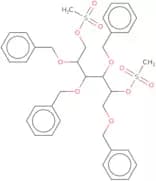
Gal-b-1-3-GalNAc-b-1-4-Gal-b-1-4-Glc is a polysaccharide that is an important component of the outer membrane of Gram negative bacteria. It has been synthesized and modified with methylation, saccharide, Click modification, and glycosylation. The oligosaccharide has a high purity and is synthesized by custom synthesis. GalNAc is purified by HPLC and fluorinated to achieve complex carbohydrate.Pureza:Min. 95%2,3,4,6-Tetra-O-benzyl-1,5-di-O-mesyl-D-glucitol
2,3,4,6-Tetra-O-benzyl-1,5-di-O-mesyl-D-glucitol is a substituted sugar alcohol that can exist as either an intramolecular or an intermolecular isomer. The intramolecular isomer has a carboxylate group in the 6 position and the intermolecular isomer has a propionate group in the 6 position. 2,3,4,6-Tetra-O-benzyl-1,5-di-O-mesyl-D-glucitol has conformational properties that depend on which substituent occupies the 4 position. Benzene rings are more flexible than benzyloxy groups. The geometry of 2,3,4,6 - Tetra - O - benzyl - 1 , 5 - di - O - mesyl - D - glucitol changes from chair to boat with substitution at position
Fórmula:C36H42O10S2Pureza:Min. 95%Peso molecular:698.84 g/molEthyl 2-O-benzoyl-4-O-benzyl-3-O-levulinoyl-b-D-thioglucuronide methyl ester
Ethyl 2-O-benzyl-4-O-benzyl-3-O-levulinoyl-b-D-thioglucuronide methyl ester is a custom synthesis, modification, fluorination, methylation and glycosylation of an oligosaccharide. This compound is a synthetic derivative of the natural product bryostatin. The chemical structure contains a monosaccharide that is modified with two benzoyl groups and one levulinoyl group at the C2 position. Ethyl 2-O-benzoyl-4-O-benzyl-3-O-levulinoyl -b D thioglucuronide methyl ester has been shown to have antiviral properties and can be used as an antiinflammatory agent.Pureza:Min. 95%trans-Zeatin-9-glucoside
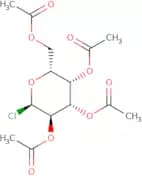
CAS:Trans-zeatin-9-glucoside is a natural product that is produced by plants and is known to have a variety of biological activities. Trans-zeatin-9-glucoside has been shown to affect plant growth and development, as well as the immune system. It has also been shown to exhibit antioxidant activity and inhibit cancer cell proliferation. Trans-zeatin-9-glucoside has been found in barley, wheat, rye, oat straw, corn stover, soybean leaves, potato tubers, and composts. The biosynthesis of this compound begins with the conversion of zeatin into zeaxanthin via a series of enzymatic reactions. Zeaxanthin is then converted into trans-zeatin-9-glucoside through the action of an enzyme called β--cyclodextrin glucanotransferase.Fórmula:C16H23N5O6Pureza:Min. 98 Area-%Forma y color:Colorless PowderPeso molecular:381.38 g/mol2,3,4,6-Tetra-O-acetyl-a-D-galactopyranosyl chloride
CAS:2,3,4,6-Tetra-O-acetyl-a-D-galactopyranosyl chloride is a synthetic carbohydrate that can be used for glycosylation and modification. It is a sugar with a molecular weight of 434.58 and an empirical formula of C12H24O14. It has been shown to have a high purity of over 98%.
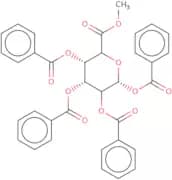
Fórmula:C14H19ClO9Pureza:Min. 95%Peso molecular:366.75 g/mol1,2,3,4-Tetra-O-benzoyl-a-D-glucuronide methyl ester
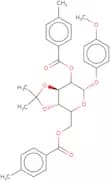
CAS:1,2,3,4-Tetra-O-benzoyl-a-D-glucuronide methyl ester is a synthetic compound that belongs to the class of complex carbohydrates. It has been custom synthesized and modified using glycosylation, methylation, and click chemistry. It is composed of one monosaccharide and four oligosaccharides linked together by O-glycosidic bonds. The carbohydrate moiety contains a benzoyl group attached to the 1 position on the glucose molecule through an ether linkage. This product is available in high purity (≥ 99%) at CAS No. 201789-32-4.Fórmula:C35H28O11Pureza:Min. 95%Peso molecular:624.59 g/mol4-Methoxyphenyl 3,4-O-isopropylidene-2,6-di-O-toluoyl-b-D-galactopyranoside
4-Methoxyphenyl 3,4-O-isopropylidene-2,6-di-O-toluoyl-b-D-galactopyranoside is a custom synthesis that is a complex carbohydrate. It is an oligosaccharide that has been modified with methylation and glycosylation. It also has been fluorinated and has undergone a click modification reaction. This product is of high purity and has been synthesized from saccharides and sugars.Fórmula:C32H34O9Pureza:Min. 95%Peso molecular:562.62 g/molN-{[4-(Hydroxyamino)phenyl]sulfonyl}-N-[2-(2-naphthyloxy)ethyl]-b-D-glucopyranosylamine
CAS:N-{[4-(Hydroxyamino)phenyl]sulfonyl}-N-[2-(2-naphthyloxy)ethyl]-b-D-glucopyranosylamine is a small molecule that inhibits the activity of oncoproteins by binding to lysine residues. It has been shown to inhibit the growth of tumor cells in vitro and in vivo, suggesting that it may be useful for anti-cancer therapy. The binding of this compound to lysine residues is specific and does not interfere with protein synthesis or other cellular processes.Fórmula:C24H28N2O9SPureza:Min. 95%Peso molecular:520.55 g/molCys-spacer-Gly-Gly-Tyr-D-Thr-Gly-Phe-Leu-Ser(glucoside)-amide
Custom synthesis, Modification, Fluorination, Methylation, Monosaccharide, Synthetic, Click modification, Oligosaccharide, saccharide CAS No.: 1101-98-2 Polysaccharide: Glycosylated Sugar: Carbohydrate Complex carbohydrate: Glycosylated Glycosylation: sugarPureza:Min. 95%N-Acetylgalactosamine-BSA
N-Acetylgalactosamine-BSA is a glycoprotein that has been synthesized and purified. This product contains mannose, N-acetylglucosamine, and a variety of sugar residues. It is used as a ligand for binding to glycosidases and neoglycoproteins. N-Acetylgalactosamine-BSA also functions in the regulation of carbohydrate metabolism and the maintenance of cell membrane integrity. The product is soluble in water at millimolar concentrations.
Pureza:Min. 95%Forma y color:White/Off-White Solid1,2,3,4-Tetra-O-benzyl-L-rhamnopyranoside
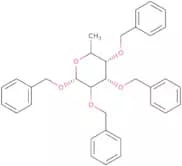
CAS:Tetra-O-benzyl-L-rhamnopyranoside is a modification of L-rhamnopyranoside, an oligosaccharide with the formula CHO. It is a complex carbohydrate that can be synthesized from monosaccharides and polysaccharides. Tetra-O-benzyl-L-rhamnopyranoside is a high purity, custom synthesis, and synthetic product. The product is soluble in water and has a sweet taste. Tetra-O-benzyl-L-rhamnopyranoside is used in the synthesis of saccharides, glycosylation, methylation, fluorination, and click chemistry reactions.Fórmula:C34H36O5Pureza:Min. 95%Peso molecular:524.65 g/mol2,6-Anhydro-3-deoxy-D-glycero-D-galacto-non-2-enoic-acid
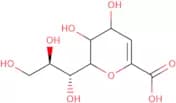
CAS:2,6-Anhydro-3-deoxy-D-glycero-D-galacto-non-2-enoic acid is a carbohydrate that has been used to study the effect of immunocompromised patients on invasive aspergillosis. It has been shown to be an efficient substrate for sialidases and homologous sialidases. This carbohydrate has also been shown to have a reactive bond cleavage in the presence of catalytic enzymes, such as sialidases and glycosyltransferases. The kinetic data suggest that this carbohydrate is more accessible than other carbohydrates. The conformational change may be due to a barrier that is overcome by the catalytic enzyme.Fórmula:C9H14O8Pureza:Min. 95%Forma y color:White Off-White PowderPeso molecular:250.21 g/molMethylglycol chitosan
CAS:Methylglycol chitosan is a cationic surfactant that has been shown to have the ability to bind with zirconium oxide and polymannuronic acid. It is used in the treatment of infectious diseases, autoimmune diseases, and histological analysis. Methylglycol chitosan has been shown to inhibit the toll-like receptor 4 (TLR4) from binding with lipopolysaccharides and other molecules that are implicated in autoimmune diseases. This binding also prevents TLR4 from activating other cells involved in inflammatory responses. The surface of methylglycol chitosan particles also have a patterning effect on bacteria by preventing them from adhering to the surface of the particle, reducing their virulence.Pureza:Min. 95%D-myo-Inositol-1,3,4,5-tetraphosphate sodium salt
CAS:D-Myo-Inositol-1,3,4,5-tetraphosphate sodium salt (DMIPS) is a naturally occurring form of inositol that has been shown to lower the glycaemic index of foods and increase the absorption of carbohydrates. DMIPS is a chromatographic method for quantifying phytate in food. Phytate is an anion that binds to dietary minerals such as iron and zinc and prevents their absorption. DMIPS can be used to reduce the level of phytate in food by adding it to the meal before cooking or boiling. The use of DMIPS in combination with phytase has been shown to be beneficial for those who are suffering from diabetes and nutrient deficiencies, such as those who have undergone gastric bypass surgery.Fórmula:C6H8O18P4·8NaPureza:Min. 95%Peso molecular:675.93 g/mol5-Azido-6-O-(tert-butyldimethylsilyl)-2,3-O-isopropylidene L-gulono-1,4-lactone
CAS:5-Azido-6-O-(tert-butyldimethylsilyl)-2,3-O-isopropylidene L-gulono-1,4-lactone is a custom synthesis carbohydrate that has been modified by methylation and glycosylation. This carbohydrate is also fluorinated. It is a complex carbohydrate that has been synthesized using the click modification to form an azide on the C5 position of the sugar. The product has high purity and can be used in a variety of applications including as a fluorescence probe for DNA sequencing or as a fluorescent labeling agent for proteins or other biomolecules.Fórmula:C15H27N3O5SiPureza:Min. 95%Forma y color:White PowderPeso molecular:357.48 g/molRhamnolipids C10-C10
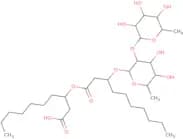
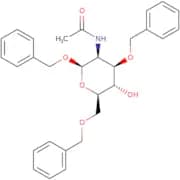
CAS:sugar based 'green' surfactantFórmula:C26H48O9Pureza:Min. 95%Peso molecular:504.66 g/molBenzyl 2-acetamido-3,6-di-O-benzyl-2-deoxy-b-D-glucopyranoside
CAS:Benzyl 2-acetamido-3,6-di-O-benzyl-2-deoxy-b-D-glucopyranoside is a glycosylation reagent that has been modified with the Click reaction. This product is a white powder that is soluble in water. It has a molecular weight of 637.3 and an assay of 99% by HPLC.Pureza:Min. 95%1,2,3-Tri-O-benzyl-4,6-O-benzylidene-b-D-galactopyranose
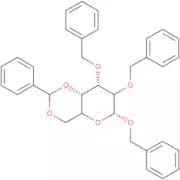
CAS:1,2,3-Tri-O-benzyl-4,6-O-benzylidene-b-D-galactopyranose is a saccharide that is used as a building block for the synthesis of oligosaccharides and polysaccharides. It has been modified with fluorination, methylation, and click chemistry. 1,2,3-Tri-O-benzyl-4,6-O-benzylidene-b-D-galactopyranose is CAS No. 57783–80–9. This product can be custom synthesized to meet your needs.Fórmula:C34H34O6Pureza:Min. 95%Peso molecular:538.63 g/mol1,2-Dipalmitoyl-sn-glycero-3-phospho-(1'-myoinositol-4'-phosphate)
CAS:1,2-Dipalmitoyl-sn-glycero-3-phospho-(1'-myoinositol-4'-phosphate) is a lipid kinase that has been shown to be localized in the cytoplasm. This enzyme is activated by receptor activity and autophagy, and plays a role in protein transport. It also activates phosphatase activity which regulates the actin cytoskeleton, and can be regulated by insulin-stimulated glucose levels. 1,2-Dipalmitoyl-sn-glycero-3-phospho-(1'-myoinositol-4'-phosphate) has been shown to have a regulatory function in epidermal growth factor (EGF)-induced cell proliferation. The physiological function of this enzyme is not yet known.
Fórmula:C41H80O16P2Pureza:Min. 95%Peso molecular:891.01 g/molL-Galactose-6-O-sulphate sodium salt
L-Galactose-6-O-sulphate sodium salt is a modified carbohydrate that is synthesized by modifying the chemical structure of L-galactose. This modification can be accomplished using chemical reactions such as methylation, saccharide, polysaccharide, and click modification. The CAS number for this product is 68891-70-8.
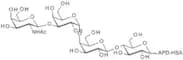
Fórmula:C6H11O9SNaPureza:Min. 95%Peso molecular:282.2 g/molGlobo-N-tetraose-APD-HSA
Globo-N-tetraose conjugated to HSA with acetyl-phenylenediamine spacerPureza:Min. 95%Blood group B trisaccharide-GEL
Gala1-3(Fuca1-2)Gal Conjugated to BSA on Fractogel with glycosylamine formationPureza:Min. 95%6-Amino-6-deoxy-L-sorbose
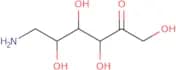
CAS:6-Amino-6-deoxy-L-sorbose is a sugar that is metabolized by the body to produce energy. This compound has been shown to be an effective antidiabetic, as it may inhibit glucose production in the liver and enhance insulin sensitivity. 6-Amino-6-deoxy-L-sorbose is a nutrient that can be found in food sources such as bananas, potatoes, and soybeans. It can also be synthesized from various plant sources. The biosynthesis of this compound is dependent on a number of enzymes, including L-arabinose 1 phosphate dehydrogenase.
Pureza:Min. 95%Hyaluronate biotin - Molecular Weight - 2500kDa
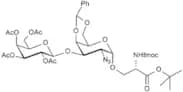
Hyaluronate biotin is a complex carbohydrate that consists of a saccharide with a terminal sugar and methylated N-acetylglucosamine. The molecular weight of Hyaluronate biotin is 2500kDa. It can be synthesized by reacting the appropriate monosaccharides under the presence of an enzyme, such as glucose oxidase. This product has high purity and is modified using Fluorination and Click modification.Pureza:Min. 95%3-O-(2,3,4,6-Tetra-O-acetyl-b-D-galactopyranosyl)-2-azido-4,6-O-benzylidene-2-deoxy-a-D-galactopyranosyl-Fmoc serine tert-butyl este r
CAS:Methylation of polysaccharides is the process of adding methyl groups to chemical compounds. This process can be achieved by using a variety of reagents. One type of reagent is a methyl donor, which is capable of transferring a methyl group to another molecule. The Methylation Kit contains various reagents that allow for the efficient and specific modification of polysaccharides, including carbohydrates, oligosaccharides, and saccharides. The kit includes two types of reagents: Methyl donors and Methyl acceptors. The kit also contains other additives such as solvents, buffers, and pH indicators. The 3-O-(2,3,4,6-Tetra-O-acetyl-b-D-galactopyranosyl)-2-azido-4,6-O-benzylidene-2-deoxy-a-D-galactopyranosyl Fmoc serine tert butFórmula:C49H56N4O18Pureza:Min. 95%Peso molecular:988.99 g/mol2-Acetamido-3,4,6-tri-O-acetyl-2-deoxy-D-glucopyranosyl chloride - Stabilised with 2% CaCO3
CAS:2-Acetamido-3,4,6-tri-O-acetyl-2-deoxy-D-glucopyranosyl chloride - Stabilised with 2% CaCO3 is a complex carbohydrate. It is synthesized by the reaction of 2 Acetamido-3,4,6 triacetyl-2 deoxy D glucose and Chloromethyl chloroformate in presence of sodium carbonate at pH 8.5 for 3 hours. The product is purified using column chromatography and recrystallized with water to give white crystalline powder. It has been used as an inhibitor of glycosidases and methyltransferases as well as a glycoprotein crosslinking agent.Fórmula:C14H20ClNO8Pureza:Min. 95%Forma y color:Off-White PowderPeso molecular:365.76 g/molMethyl 6-O-(a-D-mannopyranosyl)-a-D-mannopyranoside
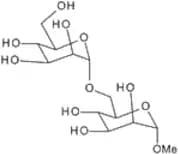
CAS:Methyl 6-O-(a-D-mannopyranosyl)-a-D-mannopyranoside is a complex carbohydrate that belongs to the group of carbohydrates. Methyl 6-O-(a-D-mannopyranosyl)-a-D-mannopyranoside is a modification of the monosaccharides, which are vital for cellular metabolism. Methyl 6-O-(a-D-mannopyranosyl)-a-D-mannopyranoside is used in the synthesis of oligosaccharides, polysaccharides and glycolipids. This product has been shown to be an effective inhibitor of bacterial growth in vitro and has also been shown to have antiinflammatory properties.
Methyl 6-O-(a-D-mannopyranosyl)-a-D-mannopyranoside is a white crystalline powder with a melting point range from 120°C to 130°C. ItFórmula:C13H24O11Pureza:Min. 95%Forma y color:SolidPeso molecular:356.32 g/mol4-Methylphenyl 3-O-[(4-methoxyphenyl)methyl]-4,6-O-[(R)-phenylmethylene]-1-thio-α-D-mannopyranoside
CAS:4-Methylphenyl 3-O-[(4-methoxyphenyl)methyl]-4,6-O-[(R)-phenylmethylene]-1-thio-α-D-mannopyranoside is a synthetic glycosaminoglycan. It is a complex carbohydrate that contains a saccharide and an oligosaccharide bound to each other by an aminosugar link. 4-Methylphenyl 3-O-[(4-methoxyphenyl)methyl]-4,6-O-[(R)-phenylmethylene]-1-thio-α-D mannopyranoside has been synthesized with the use of Click chemistry and fluorination. The CAS number for this compound is 1071226–24–8. This compound was custom synthesized in high purity.Fórmula:C28H30O6SPureza:Min. 95%Peso molecular:494.6 g/molL-Ribose
CAS:L-Ribose is a monosaccharide that is a constituent of ribonucleic acid, deoxyribonucleic acid and other compounds. It can be found in small quantities in most living organisms. L-Ribose has been modified to include fluorine atoms at the C2 position. The addition of fluorine atoms increases the stability of the molecule and its resistance to hydrolysis by esterases. L-Ribose has also been modified with methyl groups at the C3 position and glycosylation at the C4 position. This modification preserves the biological activity of L-Ribose and increases its water solubility. L-Ribose is used as a building block for custom synthesis, such as peptides or oligosaccharides.>>END>>
Fórmula:C5H10O5Peso molecular:150.13 g/molEthyl 2,3,4-tri-O-benzyl-b-D-thiogalactopyranoside
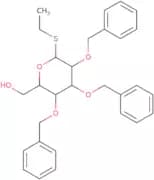
CAS:Ethyl 2,3,4-tri-O-benzyl-b-D-thiogalactopyranoside is a synthetically produced saccharide typically used as a building block in oligo-saccharide synthesis.Pureza:Min. 95%(2-Pirydyl) 2,3,4,6-tetra-O-acetyl-1-deoxy-b-D-galacto-1-C-pyranoside
2-Pirydyl 2,3,4,6-tetra-O-acetyl-1-deoxy-b-D-galacto-1Cpyranoside is a custom synthesis of a high purity glycosylation. This compound is an oligosaccharide that contains a sugar and a polysaccharide. The sugar is a monosaccharide while the polysaccharide is made up of many saccharides. The modification on this compound is methylation. This product has been assigned CAS No.: 362889-00-0.Pureza:Min. 95%Peso molecular:409.39 g/molN1-a-L-Arabinopyranosylamino-guanidine HNO3
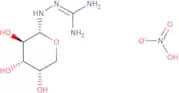
CAS:This compound is a custom synthesis with a complex carbohydrate. It has CAS No. 109853-80-7 and is a polysaccharide that is modified, methylated, glycosylated, and fluorinated. This compound is a sugar with high purity and a click modification. It can be used as an intermediate in the synthesis of other compounds or saccharides.Fórmula:C6H14N4O4·HNO3Pureza:Min. 95%Peso molecular:269.21 g/mol2-Keto-L-galactonic acid
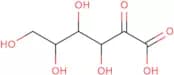
CAS:2-Keto-L-galactonic acid is a chemical compound that belongs to the group of fatty acids. It is produced by the degradation of polyunsaturated fatty acids and has been shown to be a potential control agent for hepatic steatosis. 2-Keto-L-galactonic acid also inhibits the synthesis of dinucleotide phosphate in rat liver cells, leading to an accumulation of intracellular potassium ion. This compound inhibits the uptake of glucose by activating ATPase, which leads to an increase in intracellular pH. The uptake of 2-keto-L-galactonic acid into cells has been shown using cell culture experiments with wild type and mutant strains.
Fórmula:C6H10O7Pureza:Min. 95%Peso molecular:194.14 g/molMethyl 3,6-anhydro-a-D-galactopyranoside
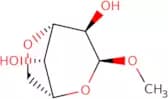
CAS:Methyl 3,6-anhydro-a-D-galactopyranoside is a high purity, custom synthesis, fluorinated saccharide. It is synthesized from D-galactose by a modification of the Fischer glycosylation. Methyl 3,6-anhydro-a-D-galactopyranoside has been modified with methyl groups on the 6th and 3rd carbon atoms. This product can be used in various methods to modify carbohydrates and oligosaccharides including glycosylation, methylation and click chemistry. Methyl 3,6-anhydro-a-D-galactopyranoside is CAS No. 5540-31-8.Fórmula:C7H12O5Pureza:Min. 95%Peso molecular:176.17 g/mol1,2,3,4,6-Penta-O-benzoyl-b-D-glucopyranose
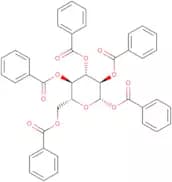
CAS:1,2,3,4,6-Penta-O-benzoyl-b-D-glucopyranose is a synthetic substrate that has been validated for use in heparin assays. It is an inhibitor of the enzyme sulfate protease and can be used to study the role of this enzyme in inflammation. 1,2,3,4,6-Penta-O-benzoyl-b-D-glucopyranose has also been shown to inhibit the activity of neutrophils (a type of white blood cell) and monocytes (a type of white blood cell). This compound has been shown to have antitumor activity as well as antiinflammatory activities.Fórmula:C41H32O11Pureza:Min. 95%Peso molecular:700.69 g/mol2,3,4,6-Tetra-O-acetyl-b-D-thioglucopyranose sodium salt
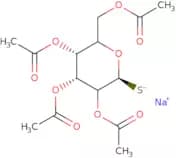
CAS:2,3,4,6-Tetra-O-acetyl-b-D-thioglucopyranose sodium salt is a synthetic monosaccharide that can be used for glycosylation. This product is synthesized by the addition of acetyl groups to the 2-, 3-, 4-, and 6-positions on the glucose moiety. The resulting product has been shown to have a high degree of purity as well as a low content of impurities.Fórmula:C14H19O9SNaPureza:Min. 95%Peso molecular:386.35 g/mol2,3,4,6-Tetra-O-benzyl-1-O-(4-nitrobenzoyl)-b-D-glucopyranose
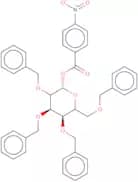
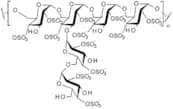
2,3,4,6-Tetra-O-benzyl-1-O-(4-nitrobenzoyl)-b-D-glucopyranose is a synthetic sugar that is the building block for oligosaccharides and polysaccharides. It has been modified with fluorination and methylation to produce a high purity product. The CAS number for this compound is 248940-24-5.Fórmula:C41H39NO9Pureza:Min. 95%Peso molecular:689.77 g/molDextran sulfate sodium salt - MW 150,000
CAS:Induces ulceration; used to model inflammatory bowel diseasePureza:Min. 95%Forma y color:PowderMaltotriose hydrate
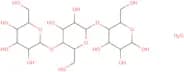
CAS:Maltotriose hydrate is a Chinese-made inhibitor analog that has shown promising anticancer properties. It has been shown to inhibit kinases, which are proteins involved in cell signaling pathways that regulate cell growth and division. This inhibition leads to apoptosis, or programmed cell death, in cancer cells. Maltotriose hydrate has been found in human urine and may have potential as a medicinal agent for the treatment of various types of tumors and cancers. Its ability to target cancer cells specifically makes it a promising candidate for further research into cancer treatments.Fórmula:C18H34O17Pureza:Min. 95%Peso molecular:522.5 g/molGangliotriose
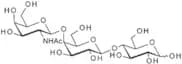
CAS:Gangliotriose is the core trisaccharide structure in gangliosides, such as, GD2 (GalNAcβ1,4Galβ1,4Glc) (Ledeen, 2009). GD2 ganglioside is expressed at a low concentration in the central nervous system, nerves, skin melanocytes and stem cells in healthy adults. On the other hand, GD2 ganglioside is overexpressed in a number of tumors including: neuroblastoma, melanoma, small cell lung carcinoma and brain tumors. Recently, GD2 ganglioside has been found in low concentrations on breast cancer stem cells (CSC) that posess: self-renewal properties (division without disrupting the undifferentiated state), and tumor-initiating capabilities. It has been suggested that GD2 ganglioside may be developed as an effective target antigen for CSC immunotherapy (Fleurence, 2017).Fórmula:C20H35NO16Pureza:90%MinForma y color:PowderPeso molecular:545.49 g/mol





![N-{[4-(Hydroxyamino)phenyl]sulfonyl}-N-[2-(2-naphthyloxy)ethyl]-b-D-glucopyranosylamine](/_next/image/?url=https%3A%2Fstatic.cymitquimica.com%2Fproducts%2F3D%2Fthumb-webp%2FMN176336.webp&w=3840&q=75)






![4-Methylphenyl 3-O-[(4-methoxyphenyl)methyl]-4,6-O-[(R)-phenylmethylene]-1-thio-α-D-mannopyranoside](/_next/image/?url=https%3A%2Fstatic.cymitquimica.com%2Fproducts%2F3D%2Fthumb-webp%2FMM182805.webp&w=3840&q=75)