Glycoscience
La glicociencia es el estudio de los carbohidratos y sus derivados, así como de las interacciones y funciones biológicas en las que participan. Este campo de investigación es crucial para comprender una amplia variedad de procesos biológicos, incluyendo el reconocimiento celular, la señalización, la respuesta inmune y el desarrollo de enfermedades. La glicociencia tiene aplicaciones importantes en la biotecnología, la medicina, y el desarrollo de nuevos fármacos y terapias. En CymitQuimica, ofrecemos una amplia selección de productos de alta calidad y pureza para la investigación en glicociencia. Nuestro catálogo incluye monosacáridos, oligosacáridos, polisacáridos, glicoconjugados, y reactivos específicos, diseñados para apoyar a los investigadores en sus estudios sobre la estructura, función y aplicaciones de los carbohidratos en sistemas biológicos. Estos recursos están destinados a facilitar descubrimientos científicos y aplicaciones prácticas en diversas áreas de la biociencia y la medicina.
Subcategorías de "Glycoscience"
- Aminoazúcares(108 productos)
- Anticuerpos relacionados con azúcares(282 productos)
- Glicolípidos(46 productos)
- Glicosaminoglicanos (GAGs)(55 productos)
- Glucósidos(419 productos)
- Monosacáridos(6.624 productos)
- Oligosacáridos(3.682 productos)
- Polisacáridos(503 productos)
Se han encontrado 11046 productos de "Glycoscience"
Ordenar por
Pureza (%)
0
100
|
0
|
50
|
90
|
95
|
100
Isopropyl-β-D-thioglucopyranoside
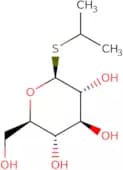
CAS:<p>Isopropyl-β-D-thioglucopyranoside is a hydrogen bond donor that has been shown to inhibit the glyceraldehyde-3-phosphate dehydrogenase enzyme, which is involved in lipid biosynthesis. It has been used for the diagnosis of malariae and has potential as a biomarker for diagnosing human tissues. Isopropyl-β-D-thioglucopyranoside may be useful in the study of protein synthesis, due to its ability to bind to recombinant proteins and block the formation of intermolecular hydrogen bonds. Isopropyl-β-D-thioglucopyranoside is also expressed at high levels in Mycobacterium tuberculosis strains (e.g., ESX-1 secretion system protein) and inhibits cell growth in culture.</p>Fórmula:C9H18O5SPureza:Min 95%Forma y color:PowderPeso molecular:238.3 g/mol5-b-Androst-1-en-17b-ol-3-one glucuronide
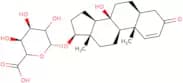
CAS:<p>5-b-Androst-1-en-17b-ol-3-one glucuronide is a carbohydrate that can be used as a building block for oligosaccharides, saccharides, and sugars. It is also a fluorinated compound that has been synthesized with high purity. This custom synthesis can be modified with methylation, glycosylation, or click chemistry.</p>Fórmula:C25H36O9Pureza:Min. 95%Peso molecular:480.56 g/mol3'-Sulpho Lewisa-BSA
3'-Sulpho Lewisa-BSA is a custom synthesis of 3'-sulpho Lewis a-bovine serum albumin. It is an oligosaccharide that has been modified by saccharide methylation and glycosylation. 3'-Sulpho Lewisa-BSA has been modified with the click chemistry reaction and fluorinated with 18F. This complex carbohydrate is high purity, and is used for research purposes.Pureza:Min. 95%Forma y color:Powder2-O-Acetamido-1,6-di-O-acetyl-2-deoxy-4-O-(2-acetamido-3,4,6-tri-O-acetyl-2-deoxy-D-glucopyranosyl)muramic acid methyl ester
CAS:The acetylation of the 2-O-acetamido-1,6-di-O-acetyl-2-deoxy-4-O-(2-acetamido-3,4,6-tri-O-acetyl)-2,3,4,5,6 tetra-, O-(2 acetamido 3,4,6 tri O acetyl) glucopyranoside in the presence of methyl iodide and potassium carbonate yields 2 O -Acetamido 1 6 di O acetyl 2 deoxy 4 0-(2 acetylamino 3 4 6 tri 0 acetyl) glucopyranoside methyl ester. The product is a modification of an oligosaccharide or complex carbohydrate.Fórmula:C30H44O18N2Pureza:Min. 95%Forma y color:PowderPeso molecular:720.67 g/molEthyl 2,3,6-tri-O-benzyl-b-D-thioglucopyranoside
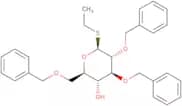
CAS:Ethyl 2,3,6-tri-O-benzyl-b-D-thioglucopyranoside is a monosaccharide with a chemical formula of C8H11O5. It has been synthesized from benzyl bromide and D-thioglucose in the presence of sodium hydroxide and potassium carbonate. The compound is used in the synthesis of oligosaccharides and polysaccharides. Ethyl 2,3,6-tri-O-benzyl-b-D-thioglucopyranoside has been shown to have a purity greater than 99% by high performance liquid chromatography (HPLC) analysis.Fórmula:C29H34O5SPureza:Min. 95%Peso molecular:494.64 g/molPent-4-enyl-D-glucopyranoside
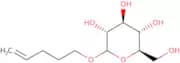
CAS:<p>Pent-4-enyl-D-glucopyranoside is a kind of compound that reacts with acetonitrile to form sodium methoxide. The reaction of the sodium methoxide with the acetonitrile will produce 2-chlorobenzoic acid and conformation. The result of this reaction is the stereospecifically, which is a pyranose ring.</p>Fórmula:C11H20O6Pureza:Min. 95%Peso molecular:248.27 g/mol5-Deoxy-D-lyxono-1,4-lactone
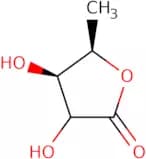
CAS:5-Deoxy-D-lyxono-1,4-lactone is an oligosaccharide that is a sugar derivative. It has been synthesized by the introduction of fluorine at the C2 position of glucopyranose with methylation at the C3 position and glycosylation at the C6 position. 5-Deoxy-D-lyxono-1,4-lactone has been shown to be useful in protein labeling and detection.Fórmula:C5H8O4Pureza:Min. 95%Peso molecular:132.12 g/molXyloglucan octasaccharide
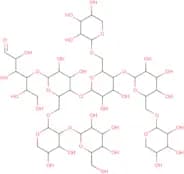
CAS:<p>Xyloglucan octasaccharide is a carbohydrate with eight monosaccharide units. The molecule has been shown to be capable of scavenging active oxygen, which is a reactive oxygen species that can lead to tissue damage. Xyloglucan octasaccharide has also been shown to stimulate the germination rate of wheat seeds.</p>Pureza:Min. 95%4-Methoxyphenyl 6-O-(methyl 5-acetamido-4,7,8,9-tetra-O-acetyl-3,5-dideoxy-D-glycero-b-D-galacto-2-nonulopyranosylonate)-2,3-di-O-be nzyl-b-D-galactopyranoside
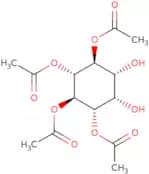
<p>The product is a complex carbohydrate with a non-sugar linker. It is synthesized by the reaction of 4-methoxyphenyl 6-O-(methyl 5-acetamido-4,7,8,9-tetra-O-acetyl-3,5-dideoxy-D-glycero-b-D -galacto)-2,3 -di -O -benzyl -b -D -galactopyranoside with borane in THF and methanol. The product is purified by chromatography on silica gel and characterized by FTIR spectroscopy (KBr).</p>Fórmula:C47H59NO19Pureza:Min. 95%Peso molecular:941.97 g/mol3,4,5,6-Tetra-O-acetyl-D-myo-inositol
CAS:<p>3,4,5,6-Tetra-O-acetyl-D-myo-inositol is a carbohydrate that can be used as a monosaccharide or an oligosaccharide. It is produced by the modification of inositol with acetate and fluoride. The compound has been shown to have anti-inflammatory properties and can be used as a drug target for treating inflammation. 3,4,5,6-Tetra-O-acetyl-D-myo-inositol is also methylated and glycosylated.</p>Fórmula:C14H20O10Pureza:Min. 95%Peso molecular:348.3 g/molGenistein D4-7-O-glucoside
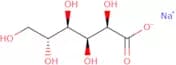
Genistein D4-7-O-glucoside is a custom synthesis of genistein. The modification of the sugar molecule with fluorine and methyl groups, as well as the addition of an oligosaccharide chain, has been completed. This product is under CAS No. which will be provided to qualified customers upon request. Genistein D4-7-O-glucoside is a complex carbohydrate that has been modified by Oligosaccharide and saccharide, with glycosylation occurring at Carbohydrate.Pureza:Min. 95%D-Gluconic acid sodium salt
CAS:D-Gluconic acid sodium salt - USP grade is a biochemical reagent that is used in the synthesis of nucleotides and various other biomolecules. It is also used as an antimicrobial agent, with broad-spectrum activity against bacteria, fungi, and viruses. In addition to its antimicrobial activity, D-gluconic acid has been shown to inhibit carcinoma cell lines in vitro. This inhibition may be due to the inhibition of enzymes involved in phosphorylation reactions such as adenylate kinase, glyceraldehyde 3-phosphate dehydrogenase (GAPDH) and hexokinase. X-ray diffraction data on wild-type strains of E. coli have shown that D-gluconic acid binds to the enzyme phosphogluconate dehydrogenase (PGD), which catalyzes a reaction between D-gluconic acid and NAD+ or NADP+. The matrix effect for this reaction wasFórmula:C6H11NaO7Pureza:Min. 95%Peso molecular:218.14 g/molAmiprilose
CAS:Amiprilose is a nonsteroidal anti-inflammatory drug that inhibits the production of IL-2. Amiprilose has been shown to inhibit IL-17a, which is an inflammatory cytokine, in skin cells and mononuclear cells. It also inhibits cell proliferation by binding to the il-2 receptor on muscle cells. Amiprilose has been shown to be effective as a pharmacological agent for treating autoimmune diseases such as rheumatoid arthritis and psoriasis.Fórmula:C14H27NOPureza:Min. 95%Peso molecular:225.37 g/mol6-O-Desmethyl donepezil b-D-glucuronide
CAS:<p>6-O-Desmethyl donepezil b-D-glucuronide is a sugar that is synthesized by the reaction of 6-O-desmethyl donepezil with β-D-glucuronic acid. This compound is a metabolite of donepezil and has been shown to have similar properties to its parent compound. 6-O-Desmethyl donepezil b-D-glucuronide is useful for the treatment of Alzheimer's disease, as it prevents the breakdown of acetylcholine in the brain. It also binds to sigma receptors and has been shown to have antidepressant activity in mice.</p>Fórmula:C29H35NO9Pureza:Min. 95%Peso molecular:541.59 g/molBenzyl 2-acetamido-4,6-O-benzylidene-2-deoxy-a-D-galactopyranoside
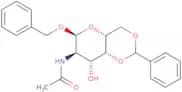
CAS:<p>Benzyl 2-acetamido-4,6-O-benzylidene-2-deoxy-a-D-galactopyranoside is a synthetic fluorinated carbohydrate that has been custom synthesized and modified with a click modification. This high purity product is available in the form of an oligosaccharide or a complex carbohydrate. It can be used in glycosylation and polysaccharide synthesis.</p>Fórmula:C22H25NO6Pureza:Min. 95%Peso molecular:399.44 g/molDi-a-D-galactosyl-mannopentaose
<p>Di-a-D-galactosyl-mannopentaose is a mannopentaose derivative that has been modified with a methyl group at the C2 position and fluorinated at the C6 position. This compound can be used as an intermediate in the production of oligosaccharides and polysaccharides, which are complex carbohydrates that contain many sugar molecules. The product is of high purity, with no detectable impurities. It was synthesized using a custom synthesis approach, which allows for modification of the chemical structure to produce desired properties. This product is stable when stored at room temperature and does not require refrigeration. It does not contain any organic solvents or volatile compounds and is free from endotoxins or heavy metals.</p>Pureza:Min. 95%Peso molecular:1,153 g/molLuteolin 7,3'-di-O-glucuronide
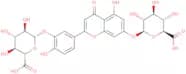
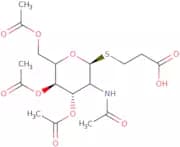
CAS:<p>Luteolin 7,3'-di-O-glucuronide is a flavonoid that is structurally similar to luteolin. It has been characterized by deglycosylation and the technique of fluitans. The deglycosylation step was carried out using glycosidase from liverwort, which cleaves the glycosidic linkage between the sugar and the aglycone. Luteolin 7,3'-di-O-glucuronide has been found in Chrysoeriol and Fluitans, which are flavonoid glycosides from Liverwort. Luteolin 7,3'-di-O-glucuronide also exhibits antiplatelet activity due to its ability to inhibit platelet aggregation and thrombus formation.</p>Fórmula:C27H26O18Pureza:Min. 95%Forma y color:PowderPeso molecular:638.48 g/mol3-(Hepta-O-acetyl-b-lactopyranosyl)thio-propanoic acid
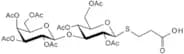
CAS:3-(Hepta-O-acetyl-b-lactopyranosyl)thio-propanoic acid is a synthetic glycosylate that has been subjected to a click reaction with 4-iodo-1,1,3,3,-tetramethyluronium tetrafluoroborate. This glycoside has a purity of >98% and is offered at a price of $6.00/g.Fórmula:C29H40O19SPureza:Min. 95%Peso molecular:724.69 g/molβ-Cyclodextrin polymer crosslinked with epichlorohydrin
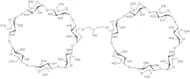
β-Cyclodextrin polymer crosslinked with epichlorohydrin (β-CD-EP) is a high molecular weight, water-insoluble compound that combines the advantageous properties of cyclodextrins and polymers. It is synthesized by crosslinking β-cyclodextrin molecules with epichlorohydrin (either the R- or S-isomer, although is normally a racemic mixture) under strongly alkaline conditions. This material retains the host-guest complex formation ability of cyclodextrins while offering enhanced stability and physicochemical properties. In pharmaceuticals, β-CD-EP serves as an effective drug carrier, improving the solubility and bioavailability of poorly water-soluble drugs, masking unpleasant tastes, and enabling controlled release of active ingredients. Its insoluble nature makes it particularly useful in environmental applications for removing organic pollutants and heavy metals from water. In analytical chemistry, β-CD-EP is employed for the extraction and concentration of target substances, such as mycotoxins from beverages. The polymer's unique structure, featuring a dense, hydrophobic cross-linked core and a more hydrophilic surface, contributes to its dual adsorption mechanism through the inclusion of complex formation and physical adsorption. Recent advancements have led to β-CD-EP variants with ionic functional groups, expanding its potential in water treatment and pharmaceutical formulations.Forma y color:PowderBlood Group B type I linear trisaccharide
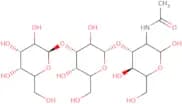
CAS:Gala1-3Galb1-3GlcNacFórmula:C20H35NO16Pureza:Min. 95%Peso molecular:545.49 g/mol2,3,4,6-Tetra-O-acetyl-b-D-glucopyranosyl salicylate
CAS:2,3,4,6-Tetra-O-acetyl-b-D-glucopyranosyl salicylate is a synthetic oligosaccharide that can be custom synthesized with high purity. It is used in the glycosylation of polysaccharides and sugars to produce complex carbohydrates. The product is used as a Click modification substrate for methylating sugar moieties. It has CAS No. 32748-59-7 and can be purchased from Acros Organics.Fórmula:C21H24O12Pureza:Min. 95%Peso molecular:468.41 g/molMethyl (phenyl 2-O-benzoyl-3-O-benzyl-1-thio-a-L-idopyranosyluronate)
CAS:Methyl (phenyl 2-O-benzoyl-3-O-benzyl-1-thio-a-L-idopyranosyluronate) is a custom synthesis, which has been modified with fluorination, methylation and click modification. This product is a monosaccharide or oligosaccharide that can be used as a synthetic building block for the production of saccharides and polysaccharides in glycosylation reactions. Methyl (phenyl 2-O-benzoyl-3-O-benzyl-1-thio-a-L-idopyranosyluronate) is also a carbohydrate that contains an oxygen atom in the form of an ether bond to one of its hydroxyl groups. It has been shown to have antiinflammatory effects by inhibiting prostaglandin synthesis.Fórmula:C27H26O7SPureza:Min. 95%Peso molecular:494.56 g/molSucrose 1,6,6'-tricarboxylic acid trimethyl ester
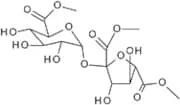
CAS:Sucrose 1,6,6'-tricarboxylic acid trimethyl ester is a carbohydrate that has been fluorinated and methylated. It is a synthetic sugar that can be custom synthesized by our chemists to meet your specifications. This product is very pure and has a high degree of purity. It can be used as an oligosaccharide or as a monosaccharide in glycosylation or methylation reactions. Sucrose 1,6,6'-tricarboxylic acid trimethyl ester is also known as sucrose 3-fluoro-3-methylbutyrate, CAS No. 289711-92-8, or C12H18O7F3.Fórmula:C15H22O14Pureza:Min. 95%Peso molecular:426.33 g/mol2-N-(S'-Acetyl-2'-thioacetyl)-2-deoxy-D-glucamine
<p>2-N-(S'-Acetyl-2'-thioacetyl)-2-deoxy-D-glucamine is a monosaccharide and is the acetylated form of 2-deoxyglucose. It can be used as a methyl donor, click reagent, or fluorinating agent. This product has been custom synthesized to meet your specifications and has been shown to have purity greater than 99%.</p>Fórmula:C10H17NO7SPureza:Min. 95%Forma y color:White to off-white solid.Peso molecular:295.31 g/mol1,2,3,4-Tetra-O-acetyl-D-xylopyranose
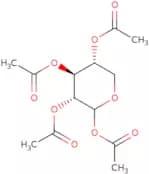
CAS:<p>1,2,3,4-Tetra-O-acetyl-D-xylopyranose is a molecule that is derived from D-xylose. It has been shown to inhibit the growth of fungi such as T. rubrum and L. candidum by acetylation of l-threonine at the C2 position. This molecule can be recycled and its inhibitory activity can be increased through acetylation of the hydroxymethyl group on the C4 position. The mechanism of inhibition is not known but it may be due to steric hindrance or peracylation.</p>Fórmula:C13H18O9Pureza:Min. 95%Peso molecular:318.28 g/molBenzyl 5-Aldo-2,3-O-isopropylidene-a-D-mannopentenofuranoside
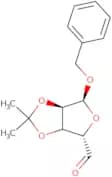
CAS:Benzyl 5-Aldo-2,3-O-isopropylidene-a-D-mannopentenofuranoside is a synthetic carbohydrate that is a modification of the saccharide mannose. This product contains a methylated benzyl group and an acetal linkage to the D-mannopentenofuranose. The fluorination of the C5 position on this sugar provides an additional level of stability to this molecule. This product is custom synthesized and can be modified according to customers' specifications. It has been shown to be stable in water at pH levels between 2 and 12 and can be stored at room temperature for up to two years without degradation.Fórmula:C15H18O5Pureza:Min. 95%Peso molecular:278.3 g/mol2,3,4-Tri-O-acetyl-b-D-arabinopyranosyl cyanide
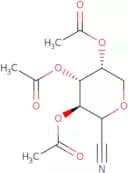
CAS:2,3,4-Tri-O-acetyl-b-D-arabinopyranosyl cyanide is a synthetic sugar used in the synthesis of complex carbohydrates. It is a white to light yellow powder that is soluble in water and alcohol. This compound can be used to modify saccharides, such as monosaccharides and oligosaccharides. It has been shown that 2,3,4-tri-O-acetyl-b-D-arabinopyranosyl cyanide can be used for the fluorination of saccharides with high purity and modification.Fórmula:C11H15N3O7Pureza:Min. 95%Peso molecular:301.3 g/molPropionyl 3,4,6-tri-O-acetyl-2-acetamido-2-deoxy-b-D-thiogalactopyranoside
CAS:Propionyl 3,4,6-tri-O-acetyl-2-acetamido-2-deoxy-b-D-thiogalactopyranoside is a modification of the natural glycoside, galactose. It is an oligosaccharide that can be synthesized from D-galactose and propionic acid in the presence of triethyl orthoformate. The molecular weight of this compound is 706.07 g/mol. Propionyl 3,4,6-tri-O-acetyl-2-acetamido-2-deoxygalactopyranoside has been shown to inhibit the growth of bacteria by binding to the 50S ribosomal subunit and preventing transcription and replication.Fórmula:C17H25NO10SPureza:Min. 95%Peso molecular:435.45 g/mol2,3-O-Carbonyl-4,6-O-isopropylidene-a-D-mannopyranoside
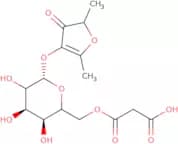
CAS:<p>2,3-O-Carbonyl-4,6-O-isopropylidene-a-D-mannopyranoside is a custom synthesis of a monosaccharide with a fluorinated methyl group. It is an oligosaccharide with a saccharide that contains an oxygen atom and two carbon atoms. This carbohydrate is polysaccharide which has glycosylation. 2,3-O-Carbonyl-4,6-O-isopropylidene-a-D-mannopyranoside is also known as CAS No. 669730 - 3,6'-diacetoxyacetone</p>Fórmula:C10H14O7Pureza:Min. 95%Peso molecular:246.21 g/mol2.5-Dimethyl-4-hydroxy-3(2H)-furanone-b-D-glucoside-6'-malonate
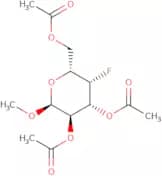
CAS:<p>2.5-Dimethyl-4-hydroxy-3(2H)-furanone-b-D-glucoside-6'-malonate is a methylated monosaccharide with a molecular formula of C8H10O3 and a molecular weight of 208.18 g/mol. It is synthesized by the reaction of 3,4,5-trimethoxybenzaldehyde with 2,5-dimethylhydroquinone in the presence of sodium carbonate and malonic acid under refluxing conditions. 2.5-Dimethyl-4-hydroxy-3(2H)-furanone-b-D glucoside 6'-malonate has been used in the synthesis of oligosaccharides and polysaccharides. This product is available for custom synthesis, click modification, fluorination and saccharide modification.</p>Fórmula:C15H20O11Pureza:Min. 95%Peso molecular:376.31 g/molMethyl 2,3,6-tri-O-acetyl-4-deoxy-4-fluoro-a-D-galactopyranoside
CAS:Methyl 2,3,6-tri-O-acetyl-4-deoxy-4-fluoro-a-D-galactopyranoside is a modification of the naturally occurring carbohydrate, galactose. It is synthesized from 4-fluoro galactose and acetyl chloride in the presence of sodium methoxide. This compound can be used as an intermediate for the synthesis of oligosaccharides or polysaccharides. Methyl 2,3,6-tri-O-acetylgalactopyranoside is a monosaccharide that has been modified by methylation and glycosylation. It can also be fluorinated to form methyl 2,3,6,-tri-,O-(2'-deoxy)galactopyranoside.Fórmula:C13H19FO8Pureza:Min. 95%Peso molecular:322.28 g/molGalα(1-3) N-Glycan
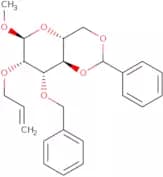
CAS:Galα(1-3) N-glycan is a glycoconjugate that is an oligosaccharide with a galactose residue at the nonreducing end of the glycan. It has been synthesized using Click chemistry to introduce fluorination and methylation. Galα(1-3) N-glycan is an important model for studying the biological function of glycosylations in humans. It has also been shown to have anti-inflammatory properties, which may be due to its ability to inhibit prostaglandin synthesis. This product is custom synthesis, high purity, and CAS No. 115973-45-0.Fórmula:C74H124N4O56Pureza:Min. 95%Peso molecular:1,965.78 g/molMethyl 2-O-allyl-3-O-benzyl-4,6-O-benzylidene-a-D-mannopyranoside
CAS:Methyl 2-O-allyl-3-O-benzyl-4,6-O-benzylidene-a-D-mannopyranoside is a synthetic sugar that contains an aldose and a ketose. It has been used for the synthesis of oligosaccharides and monosaccharides. Methyl 2-O-allyl-3-O-benzyl -4,6 -O -benzylidene -a -D -mannopyranoside has been shown to have antiadhesive properties when used in combination with other sugars.Fórmula:C24H28O6Pureza:Min. 95%Peso molecular:412.48 g/molAmitriptilyne N-b-D-glucuronide
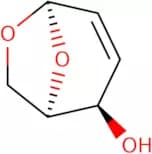
<p>Amitriptilyne N-b-D-glucuronide is a fluorinated, monosaccharide that is used in synthetic oligosaccharides and polysaccharides. This product can be custom synthesized to meet customer specifications. Amitriptilyne N-b-D-glucuronide is an oligosaccharide with a complex carbohydrate structure. It can be modified by glycosylation, methylation, and click chemistry. The CAS number for this product is 122470-06-8. The sugar content of this product ranges from 98% to 99%. The purity of this product is greater than 99%.</p>Pureza:Min. 95%1,6-Anhydro-2,3-dideoxy-b-threo-hex-2-enopyranose
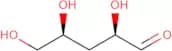
CAS:<p>1,6-Anhydro-2,3-dideoxy-b-threo-hex-2-enopyranose is a methylated saccharide. It can be used for the synthesis of 1,6-anhydro Oligosaccharides and glycosylation.</p>Fórmula:C6H8O3Pureza:Min. 95%Peso molecular:128.13 g/mol3-Deoxy-D-ribose
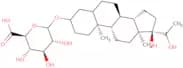
CAS:3-Deoxy-D-ribose is a monosaccharide with a molecular formula of CH(OH)CO. It is the 3-deoxy form of ribose and its pyranose ring has an oxygen atom at the 3 position. 3-Deoxy-D-ribose can be synthesized by periodate treatment of glyceric acid in the presence of hydrochloric acid, followed by hydrolysis to produce sorbose and then reaction with glycolaldehyde to produce D-glycero-D-galactopyranosyl bromide. The final step is conversion to 3-deoxyribose by reaction with aqueous ammonia. 3-Deoxyribose inhibits ribulose synthesis, which prevents the formation of an intermediate molecule required for the synthesis of fatty acids and phospholipids.Pureza:Min. 95%Pregnanetriol 3a-O-b-D-glucuronide
CAS:Pregnanetriol 3a-O-b-D-glucuronide (PG3G) is a metabolite of progesterone that is excreted in the urine during the luteal phase. It is used as a marker for ovulation in women, and can be measured using immunoanalytical techniques. A multicentre study was conducted to measure PG3G levels and found that it is higher during ovulation than at other times of the menstrual cycle. This steroid hormone has been shown to inhibit follicular growth in rats, but its role in humans is less clear.Fórmula:C27H44O9Pureza:Min. 95%Peso molecular:512.63 g/mol2,3,4-Tri-O-benzyl-D-xylopyranose
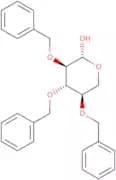
CAS:<p>Calystegine is a benzyl ester of D-xylose. It is the reaction product of D-xylose with benzaldehyde and hydrochloric acid. The condensation product of calystegine with chondroitin sulfate is calystegine B2, which has been shown to be an inhibitor of protein glycosylation in human erythrocytes. This compound inhibits the oxygenated form of D-xylose, which may be useful in inhibiting the growth of certain cancer cells. Calystegine also has anti-inflammatory properties that may be due to its ability to inhibit prostaglandin synthesis.</p>Pureza:Min. 95%Mogroside IVe
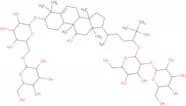
CAS:Mogroside IVe is a natural compound that belongs to the group of polyphenols. It is a derivative of mogrosides, which are found in the fruit of the plant Glycosmis pentaphylla. Mogroside IVe has been shown to have minimal toxicity and can be used in tissue culture as a growth factor-β1 inducer. The drug also has hypoglycemic effects and may be useful for treating diabetes mellitus type 2. Mogroside IVe activates AMP-activated protein kinase (AMPK) by inhibiting toll-like receptor 4 (TLR4), which prevents tumor necrosis factor-α (TNF-α) production, leading to apoptosis. This drug also inhibits polymerase chain reaction (PCR) and fatty acid synthase activity, which may lead to potential anticancer effects against cervical cancer cells.Pureza:Min. 95%Forma y color:Solid1,6-Anhydro-2-O-p-toluenesulfonyl-b-D-glucopyranose
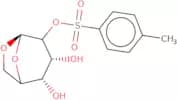
CAS:<p>1,6-Anhydro-2-O-p-toluenesulfonyl-b-D-glucopyranose is a synthetic sugar that is used in glycosylation reactions. It has high purity and is available for custom synthesis. The compound is primarily used as a substrate for Click chemistry modifications to the anomeric carbon. It has been shown to effectively inhibit the growth of bacteria by binding to DNA gyrase, preventing the formation of covalent bonds that are required for bacterial cell division.</p>Fórmula:C13H16O7SPureza:Min. 95%Peso molecular:316.33 g/mol6'-Sulpho Lewisa-BSA
6'-Sulpho Lewisa-BSA is a carbohydrate that has been modified with sulphur and fluorine. It is used as a fluorescence probe for the detection of carbohydrates in solutions, such as glycoproteins, glycopeptides, and glycolipids. 6'-Sulpho Lewisa-BSA is a complex carbohydrate that can be synthesized from the reaction of d-glucose and D-alanine. It can also be custom synthesized to suit the needs of the customer. This product is high purity and can be methylated or glycosylated. 6'-Sulpho Lewisa-BSA also has been modified by click chemistry to incorporate fluorescent groups at specific sites on the sugar chain.Pureza:Min. 95%1,2,4,6-Tetra-O-acetyl-3-azido-3-deoxy-D-glucopyranose
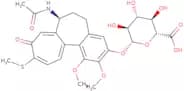
<p>1,2,4,6-Tetra-O-acetyl-3-azido-3-deoxy-D-glucopyranose is a custom synthesis that has been fluorinated and modified with methyl groups. It is used to synthesize complex carbohydrates and it can be used as a raw material for the production of oligosaccharides. 1,2,4,6-Tetra-O-acetyl-3-azido-3-deoxy--D--glucopyranose is soluble in water and ethanol and has a CAS number.</p>Fórmula:C14H19N3O9Pureza:Min. 95%Peso molecular:373.32 g/mol3-Desmethylthiocolchicine-3-O-D-glucuronide
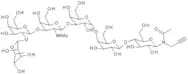
CAS:<p>3-Desmethylthiocolchicine-3-O-D-glucuronide is a compound that has been custom synthesized, with a purity of >95%. The compound is an oligosaccharide and polysaccharide containing saccharides and carbohydrates.</p>Fórmula:C27H31NO11SPureza:Min. 95%Peso molecular:577.6 g/molGlobo-H-b-N-acetyl propargyl
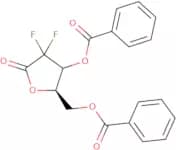
Intermediate in the development of anti-cancer vaccinesFórmula:C43H70N2O30Pureza:Min. 95%Peso molecular:1,095.01 g/mol2-Deoxy-2,2-difluoro-D-threo-pentofuranos-1-ulose-3,5-dibenzoate
CAS:2-Deoxy-2,2-difluoro-D-threo-pentofuranos-1-ulose-3,5-dibenzoate is a custom synthesis of an oligosaccharide. It is a polysaccharide that contains saccharides and other modifications such as methylation and glycosylation. This product is a sugar with high purity and fluorination. Click modification is the process by which 2,2'-dF (fluorine) is introduced into the furanose ring at the C4 position. Fluorination increases the stability of the molecule and increases its resistance to hydrolysis by enzymes. The addition of this fluorine group also decreases the reactivity of the molecule with water, making it more stable for storage.Fórmula:C19H14F2O6Pureza:Min. 95%Forma y color:SolidPeso molecular:376.31 g/mol4'-Hydroxypropranolol-2-O-b-D-glucuronide
4'-Hydroxypropranolol-2-O-b-D-glucuronide is a custom synthesis that has been modified with glycosylation, methylation, and fluorination. It is a complex carbohydrate that has CAS number and is a polysaccharide. 4'-Hydroxypropranolol-2-O-b-D-glucuronide is synthesized by the modification of an oligosaccharide, saccharide, or sugar with methylation and glycosylation. This product also contains a click modification.Pureza:Min. 95%3,4-Di-O-benzyl-D-glucose
3,4-Di-O-benzyl-D-glucose is a monosaccharide that is synthetically modified with an O-benzyl group at the 3' and 4' positions. It is a custom synthesis and has a CAS number. This sugar can be used as a building block for polysaccharides or oligosaccharides with the addition of other sugars. 3,4-Di-O-benzyl-D-glucose is highly pure and can be modified with fluorine to make it more stable for use in click chemistry reactions. This sugar is soluble in water, ethanol, DMSO, DMF, and acetonitrile. It has been shown to inhibit the growth of bacteria such as Staphylococcus aureus and Mycobacterium tuberculosis.Pureza:Min. 95%4-Methoxyphenyl 3-O-allyl-4,6-O-benzylidene-2-O-(4-methylbenzoyl)-b-D-galactopyranoside
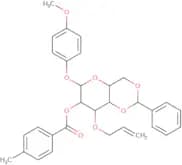
<p>4-Methoxyphenyl 3-O-allyl-4,6-O-benzylidene-2-O-(4-methylbenzoyl)-b-D-galactopyranoside is a custom synthesis of saccharide, CAS No. 90423-62-9. This compound has been modified by fluorination and methylation. It has also been shown to be useful for click modification, oligosaccharides, saccharides, and polysaccharides.</p>Fórmula:C31H32O8Pureza:Min. 95%Peso molecular:532.58 g/molBenzyl b-D-galactopyranoside
CAS:<p>Benzyl b-D-galactopyranoside is a synthetic compound that can be used in the synthesis of complex carbohydrates. This compound has been modified with fluorination, methylation and click chemistry. The monosaccharide benzyl b-D-galactopyranoside is an important building block for the glycosylation of saccharides and polysaccharides. This compound can also be used as a fluorescent probe for complementary DNA hybridization in microarrays.</p>Pureza:Min. 95%4,6-O-p-Methoxylbenzylidene-D-glucal
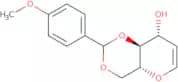
CAS:4,6-O-p-Methoxylbenzylidene-D-glucal is a custom synthesis that can be modified to meet your needs. It is an oligosaccharide and polysaccharide which belongs to the group of carbohydrates. Carbohydrates are important in many biochemical processes. They are found in plants, animals, and bacteria and are the most abundant organic molecules in living things. Carbohydrates are composed of carbon (C), hydrogen (H), and oxygen (O). The general formula for carbohydrates is Cx(H2O)y where x represents the number of carbon atoms and y represents the number of water molecules. This product has high purity and can be used in a variety of applications including methylation, click modification, oligosaccharides, polysaccharides, saccharides, complex carbohydrate synthesis, monosaccharides, sugar synthesis, or synthetic modifications.Pureza:Min. 95%