Glycoscience
La glicociencia es el estudio de los carbohidratos y sus derivados, así como de las interacciones y funciones biológicas en las que participan. Este campo de investigación es crucial para comprender una amplia variedad de procesos biológicos, incluyendo el reconocimiento celular, la señalización, la respuesta inmune y el desarrollo de enfermedades. La glicociencia tiene aplicaciones importantes en la biotecnología, la medicina, y el desarrollo de nuevos fármacos y terapias. En CymitQuimica, ofrecemos una amplia selección de productos de alta calidad y pureza para la investigación en glicociencia. Nuestro catálogo incluye monosacáridos, oligosacáridos, polisacáridos, glicoconjugados, y reactivos específicos, diseñados para apoyar a los investigadores en sus estudios sobre la estructura, función y aplicaciones de los carbohidratos en sistemas biológicos. Estos recursos están destinados a facilitar descubrimientos científicos y aplicaciones prácticas en diversas áreas de la biociencia y la medicina.
Subcategorías de "Glycoscience"
- Aminoazúcares(108 productos)
- Anticuerpos relacionados con azúcares(282 productos)
- Glicolípidos(46 productos)
- Glicosaminoglicanos (GAGs)(55 productos)
- Glucósidos(419 productos)
- Monosacáridos(6.624 productos)
- Oligosacáridos(3.682 productos)
- Polisacáridos(503 productos)
Se han encontrado 11046 productos de "Glycoscience"
Ordenar por
Pureza (%)
0
100
|
0
|
50
|
90
|
95
|
100
2,3-O-Isopropylidene-a-L-sorbofuranose
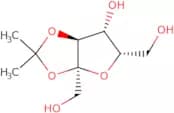
CAS:<p>2,3-O-Isopropylidene-a-L-sorbofuranose is a furanose ring that can form both intermolecular and intramolecular hydrogen bonds. The five-membered and six-membered conformations are the most stable of the conformational isomers, although there are many different possible configurations. 2,3-O-Isopropylidene-a-L-sorbofuranose is an analog of D-(+)-fructose and has been used to produce analogs of D-(+)-fructose. This compound has also been used in carbohydrate chemistry as a reagent for the synthesis of other carbohydrates.</p>Fórmula:C9H16O6Pureza:Min. 95%Forma y color:White solid.Peso molecular:220.22 g/molN-Fmoc-O-(2,3,4,6-tetra-O-acetyl-b-D-galactopyranosyl)-L-tyrosine
<p>This compound is a custom synthesis that is fluorinated, methylated, and acetylated. It contains a monosaccharide and oligosaccharide sugar with glycosylation at the reducing end of the sugar. The molecular weight of this compound is 812.14 g/mol. This compound has CAS number 725-36-6 and its name is N-Fmoc-O-(2,3,4,6-tetra-O-acetyl-b-D-galactopyranosyl)-L-tyrosine.</p>Fórmula:C39H39NO14Pureza:Min. 95%Peso molecular:733.71 g/mol4,6-O-p-Methoxylbenzylidene-D-glucal
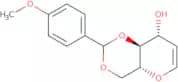
CAS:4,6-O-p-Methoxylbenzylidene-D-glucal is a custom synthesis that can be modified to meet your needs. It is an oligosaccharide and polysaccharide which belongs to the group of carbohydrates. Carbohydrates are important in many biochemical processes. They are found in plants, animals, and bacteria and are the most abundant organic molecules in living things. Carbohydrates are composed of carbon (C), hydrogen (H), and oxygen (O). The general formula for carbohydrates is Cx(H2O)y where x represents the number of carbon atoms and y represents the number of water molecules. This product has high purity and can be used in a variety of applications including methylation, click modification, oligosaccharides, polysaccharides, saccharides, complex carbohydrate synthesis, monosaccharides, sugar synthesis, or synthetic modifications.Pureza:Min. 95%4-Methoxyphenyl 3-O-allyl-4,6-O-benzylidene-2-deoxy-2-phthalimido-b-D-glucopyranoside
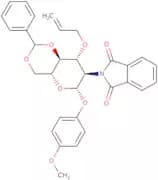
CAS:4-Methoxyphenyl 3-O-allyl-4,6-O-benzylidene-2-deoxy-2-phthalimido-b-D-glucopyranoside (BAP) is a phosphatase inhibitor. It binds to the active site of the enzyme phosphatase and prevents it from hydrolyzing phosphate esters. BAP is used to prevent the release of calcium ions from bone, which can lead to osteitis fibrosa cystica in patients with esophagectomy or those who have undergone abdominal surgery. Thermodynamic studies indicate that BAP binds to phosphatases with a 1:1 stoichiometry and that this binding is irreversible.Fórmula:C31H29NO8Pureza:Min. 95%Peso molecular:543.56 g/molN-(S-Nitroso-N-acetyl-D,L-penicillamine)-2-amino-2-deoxy-1,3,4,6-tetra-O-acetyl-b-D-glucopyranose
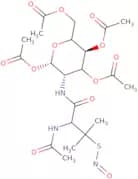
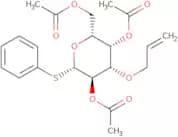
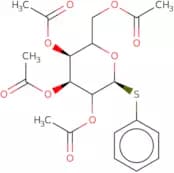
CAS:<p>N-(S-Nitroso-N-acetyl-D,L-penicillamine)-2-amino-2-deoxy-1,3,4,6-tetra-O-acetyl-b-D-glucopyranose is a synthetic saccharide that can be used for the modification of proteins and peptides. It is also used to study the glycosylation process. The CAS number for this compound is 202656–49–3.</p>Fórmula:C21H31N3O12SPureza:Min. 95%Peso molecular:549.55 g/molPhenyl 2,4,6-Tri-O-acetyl-3-O-allyl-b-D-thiogalactopyranoside
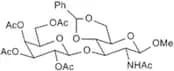
CAS:<p>Phenyl 2,4,6-Tri-O-acetyl-3-O-allyl-b-D-thiogalactopyranoside is a custom synthesis that can be modified to suit your needs. This product is a complex carbohydrate that is used in glycosylation reactions as an Oligosaccharide. It is fluorinated at the hydroxyl group of the sugar and methylated at the C5 position of the sugar. The CAS number for this product is 1820572-28-8.</p>Fórmula:C21H26O8SPureza:Min. 95%Peso molecular:438.49 g/molMethyl 2-acetamido-3-O-(2,3,4,6-tetra-O-acetyl-b-D-galactopyranosyl)-4,6-O-benzylidene-2-deoxy-b-D-glucopyranoside
CAS:<p>Methyl 2-acetamido-3-O-(2,3,4,6-tetra-O-acetyl-b-D-galactopyranosyl)-4,6-O-benzylidene-2deoxyb-Dglucopyranoside is a sugar that is used in the preparation of various drugs. It has a pyranose ring and a pyranose form. The IR spectrum displays three distinct peaks at 1730 cm−1, 1590 cm−1 and 1410 cm−1. The axial orientation of the carbon atoms can be determined by looking at the absorption spectra. There are six carbons in the molecule with two axial orientations. The methyl group has an axial orientation and the acetamido group has an equatorial orientation. This compound is not soluble in water but dissolves well in methanol or ethanol. Methyl 2-acetamido 3 O</p>Fórmula:C30H39NO15Pureza:Min. 95%Peso molecular:653.64 g/mol1,3,4,6-Tetra-O-acetyl-2-deoxy-2-(tetrachlorophthalamido)-D-glucopyranose
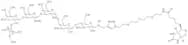
CAS:1,3,4,6-Tetra-O-acetyl-2-deoxy-2-(tetrachlorophthalamido)-D-glucopyranose is a custom synthesis of methylated oligosaccharide. It is a complex carbohydrate that has been modified with fluorination and acetylation. This saccharide is a monosaccharide with a sugar group at the end of its carbon chain. It has high purity and is synthesized from natural sugars such as glucose or sucrose. The CAS number for this product is 174356-26-4.Fórmula:C22H19Cl4NO11Pureza:Min. 95%Peso molecular:615.2 g/molGlobo-H hexasaccharide-sp-biotin
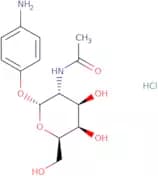
<p>Globo-H is a high purity, custom-synthesized hexasaccharide with a spacer arm and biotin at the non-reducing end. Globo-H is synthesized by reacting glycosylation reagents with an oligosaccharide on a solid support. The reaction generates an activated glycosylant, which is then reacted with the spacer arm and biotin to form the desired product. Globo-H has been modified for use in click chemistry reactions.</p>Fórmula:C61H102N8O35SPureza:Min. 90 Area-%Forma y color:PowderPeso molecular:1,539.56 g/mol4-Aminophenyl 2-acetamido-2-deoxy-a-D-galactopyranoside HCl
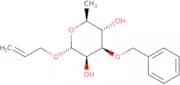
CAS:<p>4-Aminophenyl 2-acetamido-2-deoxy-a-D-galactopyranoside HCl is an oligosaccharide that is composed of glucose, galactose, and two amino acids. It has a molecular weight of 496.34 g/mol and a chemical formula of C14H20N2O8. This compound is synthesized by the click modification of 2,5-diaminopyridine with D -galactopyranosyl chloride. The methylation and glycosylation reactions are also performed to produce this compound.</p>Fórmula:C14H20N2O6·HClPureza:Min. 95%Peso molecular:348.78 g/molAllyl 3-O-benzyl-a-L-rhamnopyranoside
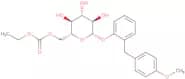
CAS:<p>Allyl 3-O-benzyl-a-L-rhamnopyranoside is an oligosaccharide that is a modification of the disaccharide, allyl 3-O-benzyl-a-D-galactopyranoside. Allyl 3-O-benzyl-a-L-rhamnopyranoside has been synthesized from D-(+)-glucose and L-(+)-rhamnose. The compound has a molecular weight of 756.40 g/mol. It is a white to off white powder that is soluble in water, but insoluble in ethanol at low concentrations. It can be used as a carbohydrate or sugar for research purposes.</p>Fórmula:C16H22O5Pureza:Min. 95%Peso molecular:294.35 g/mol2-(4-Methoxybenzyl)phenyl6-O-(ethoxycarbonyl)-β-D-glucopyranoside
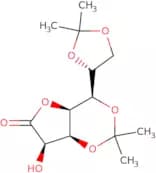
CAS:Canagliflozin is a type of antidiabetic agent that is used to treat patients with type 2 diabetes. This drug works by decreasing the reabsorption of glucose in the kidneys, which increases the excretion of glucose, and thus reduces blood sugar levels. Canagliflozin also lowers blood pressure and has been shown to reduce cholesterol levels. It is an inhibitor of SGLT-1, a transporter protein in the kidney that is responsible for renal glucose reabsorption. The use of canagliflozin has been studied in animal models, where it was found to significantly increase glomerular filtration rate (GFR) and decrease blood pressure. It is recommended that canagliflozin be taken together with other anti-diabetic medications, such as insulin or metformin, due to its potential side effects on GFR and blood pressure.Fórmula:C23H28O9Pureza:Min. 95%Peso molecular:448.46 g/mol3,5:6,7-Di-O-isopropylidene-D-glycero-D-gulo-heptonic acid-γ-lactone
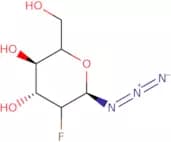
CAS:3,5:6,7-Di-O-isopropylidene-D-glycero-D-gulo-heptonic acid-gamma-lactone is a synthetic sugar that has been modified with methyl groups. The chemical can be used in the synthesis of saccharides and polysaccharides. It is also possible to use this chemical as a click modification agent for proteins or other biomaterials. This product has a CAS number of 6605-22-7 and can be synthesized in high purity. The product is fluorinated and complex carbohydrates.Fórmula:C13H20O7Pureza:Min. 95%Peso molecular:288.29 g/mol2-Deoxy-2-fluoro-b-D-galactopyranosyl azide
CAS:2-Deoxy-2-fluoro-b-D-galactopyranosyl azide is a synthetic modification of the sugar 2,3,4,6-tetraacetamido-2,3,4,6-tetraazido-b-D-galactopyranose. It is used as a chemical probe for the study of glycosylation reactions and carbohydrate synthesis. 2-Deoxy-2-fluoro b D galactopyranosyl azide has been shown to be an efficient reagent for the methylation of saccharides. This compound is also used in the modification of polysaccharides. Methylation reactions are often used to prepare modified carbohydrates that are difficult to synthesize by other methods. These compounds can be used as chemical probes for studying glycosylation reactions and carbohydrate synthesis.Fórmula:C6H10FN3O4Pureza:Min. 95%Peso molecular:207.16 g/molR,S-Flurbiprofen-acyl-b-D-glucuronide
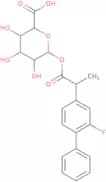
CAS:R,S-Flurbiprofen-acyl-b-D-glucuronide is a custom synthesis of an oligosaccharide that has been modified by fluorination and methylation. This saccharide is synthesized from R,S-flurbiprofen using the click modification. It is a polysaccharide with glycosylation at the sugar level. The carbohydrate chain also contains monosaccharides and complex carbohydrates.Fórmula:C21H21FO8Pureza:Min. 95%Peso molecular:420.39 g/molDNS-SGN
DNS-SGN is a synthetic, high purity, methylated, glycosylated, complex carbohydrate. This product is custom synthesized and has been fluorinated with a click modification. DNS-SGN is CAS Number: 598-02-3.Fórmula:C100H155N9O66SPureza:Min. 95%Peso molecular:2,571.39 g/mol1,2,4,6-Tetra-O-acetyl-3-O-benzyl-b-D-glucopyranose
CAS:Hypromellose is a polymer that is made from cellulose. It is used as an excipient in pharmaceutical formulations, such as tablets and capsules. Hypromellose can also be used as a food additive for thickening, stabilizing, and suspending. It has a molecular weight of about 20000 Daltons and may have the following side effects: mild gastrointestinal discomfort, diarrhea, nausea, or vomiting.Fórmula:C21H26O10Pureza:Min. 95%Forma y color:PowderPeso molecular:438.43 g/mol3-Azido-5-O-benzoyl-3-deoxy-1,2-O-isopropylidene-a-D-ribofuranose
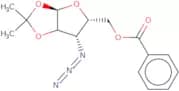
<p>3-Azido-5-O-benzoyl-3-deoxy-1,2-O-isopropylidene a D-ribofuranose (3ABI) is a synthetic monosaccharide that can be synthesized via a custom synthesis. 3ABI is an oligosaccharide that has the ability to modify glycosylation and polysaccharide synthesis. The fluorination of this sugar provides it with high purity and stability. 3ABI has been shown to have a CAS number of 44793-23-2.</p>Fórmula:C15H17N3O5Pureza:Min. 95%Peso molecular:319.31 g/molAllyl 2-acetamido-3,6-di-O-benzyl-2-deoxy-b-D-glucopyranoside
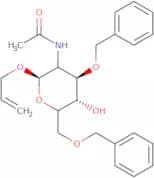
CAS:Allyl 2-acetamido-3,6-di-O-benzyl-2-deoxy-b-D-glucopyranoside is a synthetic sugar that is used in the modification of complex carbohydrates. It is an Oligosaccharide that has a Glycosylation and fluorination. Allyl 2-acetamido-3,6-di-O-benzyl-2-deoxy-b--D--glucopyranoside contains a methyl group on the C1 position, which can be modified at the C1 position to produce various derivatives. Click chemistry reactions are also possible with this compound. The chemical name for this compound is 65730–02–1 and it has CAS number 65730–02–1.Fórmula:C25H31NO6Pureza:Min. 95%Peso molecular:441.53 g/mol2-Hydroxybenzylbeta-D-glucopyranoside
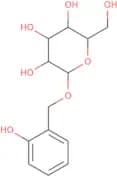
CAS:2-Hydroxybenzylbeta-D-glucopyranoside is a fluorinated monosaccharide that has been custom synthesized for the glycosylation of complex carbohydrate. It is a synthetic compound that features a click modification and methylation. This product is offered in high purity and is available for custom synthesis.Fórmula:C13H18O7Pureza:Min. 95%Peso molecular:286.28 g/molBenzyl b-D-galactopyranoside
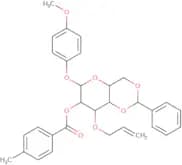
CAS:<p>Benzyl b-D-galactopyranoside is a synthetic compound that can be used in the synthesis of complex carbohydrates. This compound has been modified with fluorination, methylation and click chemistry. The monosaccharide benzyl b-D-galactopyranoside is an important building block for the glycosylation of saccharides and polysaccharides. This compound can also be used as a fluorescent probe for complementary DNA hybridization in microarrays.</p>Pureza:Min. 95%4-Methoxyphenyl 3-O-allyl-4,6-O-benzylidene-2-O-(4-methylbenzoyl)-b-D-galactopyranoside
<p>4-Methoxyphenyl 3-O-allyl-4,6-O-benzylidene-2-O-(4-methylbenzoyl)-b-D-galactopyranoside is a custom synthesis of saccharide, CAS No. 90423-62-9. This compound has been modified by fluorination and methylation. It has also been shown to be useful for click modification, oligosaccharides, saccharides, and polysaccharides.</p>Fórmula:C31H32O8Pureza:Min. 95%Peso molecular:532.58 g/molMethyl 1-(5-fluoro-1H-2-oxopyrimidin-4-yl)-b-D-glucopyranuronate
CAS:<p>Methyl 1-(5-fluoro-1H-2-oxopyrimidin-4-yl)-b-D-glucopyranuronate is an anticancer drug that inhibits β-glucuronidase. Methyl 1-(5-fluoro-1H-2-oxopyrimidin-4-yl)-b-D-glucopyranuronate is a colorless solid that has been recrystallized, purified, and analyzed for its chloride content. The function of this compound has been tested in vitro using tissue cultures and animal models. The reaction vessel used for the test was an acetonitrile solution with a pH between 7 and 8. The methylester form of methyl 1-(5-fluoro-1H--2--oxopyrimidin 4--yl)-b--D--glucopyranuronate reacts with sulphite to produce a green product with a colorimetric method</p>Fórmula:C11H13FN2O8Pureza:Min. 95%Peso molecular:320.23 g/molN-Acetyl-D-galactopyranosylthiosemicarbazide
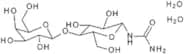
N-Acetyl-D-galactopyranosylthiosemicarbazide is a glycosylation reagent that is used in the synthesis of saccharides, oligosaccharides, and polysaccharides. N-Acetyl-D-galactopyranosylthiosemicarbazide is synthesized by reacting acetamidoacetonitrile with D-galactose and sodium thiosulfate. The reaction product can be easily purified by crystallization or recrystallization. N-Acetyl-D-galactopyranosylthiosemicarbazide has been shown to be a high purity compound, as it does not contain any residual solvents or impurities. The CAS number for this compound is 58437-66-7.Pureza:Min. 95%b-Lactosyl ureide dihydrate
b-Lactosyl ureide dihydrate is a white crystalline powder that is soluble in water. It has a molecular weight of 598.7 and was synthesized by the reaction of b-lactosyl chloride with urea. The compound has been used as a fluoro-protecting group for nucleophilic substitution reactions, and glycosylation reactions.Fórmula:C13H24N2O11·2H2OPureza:Min. 95%Forma y color:White/Off-White SolidPeso molecular:420.37 g/mol4-Methoxyphenyl 3-O-benzyl-β-D-glucopyranoside
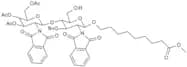
CAS:4-Methoxyphenyl 3-O-benzyl-b-D-glucopyranoside is a plant extract that is used for its ability to inhibit the activity of phosphatases. It has been shown to activate extracellular phosphatase, an enzyme that plays a role in the regulation of the body's immune system and the activation of phagocytic cells. 4MPBG also inhibits the expression of inflammatory genes and therefore may be useful in treating HIV infection. This compound has also been shown to be effective against cancer by preventing cell proliferation and causing cell death. In addition, it has been shown to have anti-coagulation properties by inhibiting coagulation factor Xa, which prevents blood from clotting.Fórmula:C20H24O7Pureza:Min. 95%Peso molecular:376.4 g/mol8-Methoxycarbonyloctyl-3-O-benzyl-2,2'-dideoxy-2,2'-diphthalimido-3',4',6-tri-O-acetyl-b-cellobiose
CAS:8-Methoxycarbonyloctyl-3-O-benzyl-2,2'-dideoxy-2,2'-diphthalimido-3',4',6-tri-O-acetyl-b -cellobiose is a cellobiose with an 8 methoxycarbonyl group at the C8 position. It can be used in the synthesis of oligosaccharides and polysaccharides. The compound has been synthesized by methylation, click modification, and fluorination. The CAS number is 106445-30-1. 8MCOBBIOSE has a purity of > 98% and may have a white to off white powder appearance.Fórmula:C51H58N2O18Pureza:Min. 95%Peso molecular:987.01 g/mol6-Chloro-6-deoxy-D-allitol
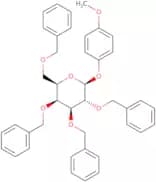
6-Chloro-6-deoxy-D-allitol is a custom synthesis, complex carbohydrate that belongs to the group of oligosaccharides. It is an Oligosaccharide, which is a type of polymer containing a small number of monomer units. This product can be found in CAS No., Polysaccharide, Modification, saccharide, Methylation, Glycosylation, Click modification and Carbohydrate. This product has been modified using fluorination and it’s high purity with a purity greater than 95%.Fórmula:C6H13ClO5Pureza:Min. 95%Peso molecular:200.62 g/mol4-Methoxyphenyl 2,3,4,6-tetra-O-benzyl-β-D-galactopyranoside
CAS:4-Methoxyphenyl 2,3,4,6-tetra-O-benzyl-b-D-galactopyranoside is a matrix assisted laser desorption/ionization (MALDI) probe that is used for the detection of esophageal cancer. This probe has been shown to be resistant to non-Hodgkin's lymphoma and dna–dna hybridization. The type strain of this agent was found in a clinical sample from an esophagus biopsy. 4MPBGP has also been shown to have coagulation and waveform properties.Fórmula:C41H42O7Pureza:Min. 95%Peso molecular:646.77 g/mol3,4-Di-O-benzyl-D-glucose
3,4-Di-O-benzyl-D-glucose is a monosaccharide that is synthetically modified with an O-benzyl group at the 3' and 4' positions. It is a custom synthesis and has a CAS number. This sugar can be used as a building block for polysaccharides or oligosaccharides with the addition of other sugars. 3,4-Di-O-benzyl-D-glucose is highly pure and can be modified with fluorine to make it more stable for use in click chemistry reactions. This sugar is soluble in water, ethanol, DMSO, DMF, and acetonitrile. It has been shown to inhibit the growth of bacteria such as Staphylococcus aureus and Mycobacterium tuberculosis.Pureza:Min. 95%Methyl 2,4-di-O-acetyl-b-D-xylopyranoside
CAS:Methyl 2,4-di-O-acetyl-b-D-xylopyranoside (MDX) is an epoxide that has been found to stimulate the growth of Schizophyllum commune and other fungi. It is structurally related to vicinal diols, which are known to inhibit esterases and hydrolyze acetyl groups. The acetyl groups on MDX can be reduced by hydride reduction or by hydrolysis with acetylated esters. MDX inhibits bacterial growth by inhibiting protein synthesis through its structural similarity to deoxyribose phosphate, a component of DNA.Fórmula:C10H16O7Pureza:Min. 95%Peso molecular:248.2 g/molAsenapine N-b-D-glucuronide
Asenapine N-b-D-glucuronide is a modification of asenapine, which is an antipsychotic drug. It is a complex carbohydrate that contains an oligosaccharide and a monosaccharide. The oligosaccharide has two methyl groups, one of which is located at the 6th position and the other at the 8th position. This modification also contains two glycosylation sites and one fluorination site.Fórmula:C23H24ClNO7Pureza:Min. 95%Peso molecular:461.89 g/molTri-b-GalNAc-C12-alkyne
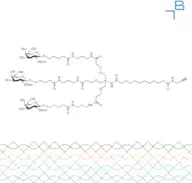
Tri-b-GalNAc-C12-alkyne, also known as trebler GalNAc alkyne, is a multivalent N-acetylgalactosamine (GalNAc) compound with high-affinity to bind to the asialoglycoprotein receptor (ASGPR) found on the surface of hepatocytes in the liver. This trivalent GalNAc derivative contains a C12 alkyne linker and has been extensively studied for its potential in targeted delivery of siRNA conjugates to liver tissue. The multivalent presentation of GalNAc moieties significantly enhances the binding avidity to ASGPR making it an attractive ligand for liver-specific targeting. Researchers have reported successful conjugation of tri-b-GalNAc-C12-alkyne to various therapeutic payloads, such as small interfering RNAs (siRNAs), to facilitate their selective uptake by hepatocytes and enable targeted gene silencing in the liver.Fórmula:C76H13N11O29Pureza:Min. 95%Peso molecular:1,664.92 g/molTri-fucosyl-Lewis Y-heptasaccharide-APE, HSA
<p>Tri-fucosyl-Lewis Y-heptasaccharide-APE, HSA is a complex carbohydrate that has been custom synthesized and glycosylated. It was modified with methylation and fluorination to create a high purity product. This complex carbohydrate has a CAS number of 107386-00-6 and is composed of sugar molecules. It is a polysaccharide with the following structure:</p>Pureza:Min. 95%Phenyl 2,3,4,6-tetra-O-acetyl-a-L-thioglucopyranoside
CAS:<p>Please enquire for more information about Phenyl 2,3,4,6-tetra-O-acetyl-a-L-thioglucopyranoside including the price, delivery time and more detailed product information at the technical inquiry form on this page</p>Fórmula:C20H24O9SPureza:Min. 95%Peso molecular:440.46 g/molTri-b-GalNAc-PEG3-azide
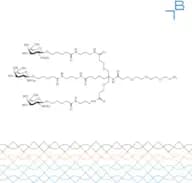
CAS:Tri-GalNAc-PEG3-azide is an ASGPR-targeted ligand. This molecule contains three beta-GalNAc sugar units (trivalent) linked by a discrete and uniform PEG3 spacer. The spacer terminates with a reactive azide group for conjugation to other molecules. Upon binding to ASGPR, tri-GalNAc-PEG3-azide conjugates are efficiently taken up by cells (endocytosis) due to the trivalent GalNAc recognition. This property allows researchers to deliver various cargo, like RNA or Cas9 complexes, specifically to liver cells (hepatocytes) and permits using tri-GalNAc-PEG3-Azide to create targeted drug delivery systems (LYTACs) or labeled with dyes for imaging tissues.Fórmula:C70H125N13O31Pureza:Min. 95%Peso molecular:1,644.8 g/molTri-b-GalNAc-b-alanine-PEG3-azide
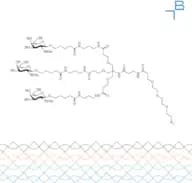
<p>This molecule leverages three terminal beta-GalNAc (N-acetylgalactosamine) sugars for efficient binding to asialoglycoprotein receptors (ASGPR) expressed on liver cells (hepatocytes). The presence of the linker (beta-alanine) and the spacer (PEG3) influences the pharmacokinetics of the conjugate. The key functional group is the terminal azide, which allows for conjugation to various payloads containing alkyne groups and facilitates the development of targeted conjugates for hepatocyte delivery. Upon binding to ASGPR, tri-b-GalNAc-b-alanine-PEG3-azide conjugates are rapidly taken up by hepatocytes via endocytosis, enabling researchers to deliver therapeutic cargo (drugs, siRNA) specifically to the liver.</p>Fórmula:C73H130N14O32Pureza:Min. 95%Peso molecular:1,715.9 g/molTri-b-GalNAc-b-alanine-PEG3-biotin
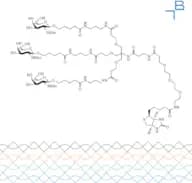
<p>Tri-b-GalNAc-b-alanine-PEG3-biotin comprises a trivalent β-GalNAc ligand, a beta-alanine-PEG3 spacer, and a biotin tag in its structure. The ligand specifically targets ASGPRs (asialoglycoprotein receptors) on hepatocyte cells due to its multivalent GalNAc residues. The flexible linker (beta-alanine-PEG3) connects the GalNAc segment to biotin, allowing researchers to attach it to streptavidin-coated surfaces. Applications include lysosomal targeting, hepatocyte studies, and drug delivery.</p>Fórmula:C83H146N14O34SPureza:Min. 95%Peso molecular:1,916.19 g/molTri-b-GalNAc-b-alanine-PEG4-DBCO
This ASGPR-targeting ligand, containing three GalNAc arms, a beta-alanine linker, a PEG spacer, and a DBCO group enables an effective conjugation to biomolecules containing azide groups via bioorthogonal CuAAC click chemistry. This strategy offers efficient and specific conjugation under mild conditions for researchers developing targeted therapeutics or probes.Fórmula:C94H149N13O35Pureza:Min. 95%Peso molecular:2,021.25 g/molTri-b-GalNAc-b-alanine-PEG3-maleimide
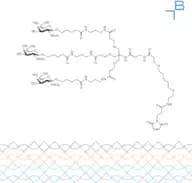
Tri-b-GalNAc-b-Ala-PEG3-MAL contains three terminal beta-N-acetylgalactosamine (GalNAc) sugars arranged in a trivalent configuration, facilitating high-affinity binding to the asialoglycoprotein receptor (ASGPR) expressed on hepatocyte surfaces. The crucial functional group is a terminal maleimide (MAL) moiety, enabling chemoselective bioconjugation with biomolecules harboring thiol (-SH) groups. This strategy allows for site-specific conjugation under mild conditions, valuable for developing targeted conjugates in disciplines like targeted drug delivery and antibody-drug conjugate (ADC) development for hepatocellular carcinoma.Fórmula:C80H137N13O35Pureza:Min. 95%Peso molecular:1,841.01 g/molTri-b-GalNAcAc3-C12-amido-C3-azide
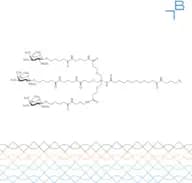
This is the peracetylated equivalent of tri-b-GalNAc-C12-amido-C3-azide. This unique bifunctional ligand for ASGPR-targeted applications contains three terminal GalNAc sugars that bind to ASGPR receptors and permit hepatocyte uptake, the C12-amide linker offers a stable spacer and the C3-azide moiety enables tailored bioconjugation via CuAAC click chemistry. This design has the potential for targeted delivery of therapeutic cargo (drugs, siRNA, nanoparticles) to hepatocytes, development of LYTACs for selective protein degradation, and creation of in vivo ASGPR imaging probes.Fórmula:C94H154N14O38Pureza:Min. 95%Peso molecular:2,088.3 g/molTri-b-GalNAc-b-alanine-PEG3-DBCO
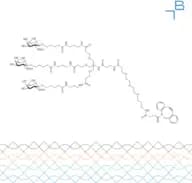
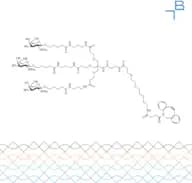
Very similar to tri-b-GalNAc-b-alanine-PEG4-DBCO (which contains a PEG4 instead of PEG3 as a spacer), this cluster, tri-b-galnac-b-alanine-peg3-DBCO, contains also three terminal beta-N-acetylgalactosamine (GalNAc) sugars for efficient ASGPR binding. The beta-alanine linker separates the GalNAc unit from a PEG3 spacer, improving water solubility and potentially influencing pharmacokinetics. The terminal amine group serves as a reactive handle for conjugation to various biomolecules via amide bond formation. This multifunctional combination makes tri-b-GalNAc-b-alanine-PEG3-amine a versatile tool for researchers developing targeted therapies and diagnostics exploiting the ASGPR pathway.Fórmula:C92H145N13O34Pureza:Min. 95%Peso molecular:1,977.2 g/molGanglioside-Total
CAS:Please enquire for more information about Ganglioside-Total including the price, delivery time and more detailed product information at the technical inquiry form on this pagePureza:Min. 95%Man-8 N-Glycan
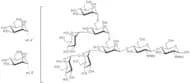
CAS:<p>Man-8 N-glycan is a modification of the carbohydrate Man-8. It is a complex carbohydrate that is synthesized from monosaccharides and polysaccharides. This product has been custom synthesized for high purity and high quality. It has been fluorinated to increase its stability, and it can be used in glycosylation reactions.</p>Fórmula:C64H108N2O51Pureza:Min. 90%Forma y color:PowderPeso molecular:1,721.53 g/mol4-Isothiocyanatophenyl-b-D-glucopyranoside
CAS:4-Isothiocyanatophenyl-b-D-glucopyranoside is an electrophilic compound that can be used as a reagent in organic synthesis. It reacts with nucleophiles and is used for nitro reduction, sulfoxide formation, and phenoxy formation. The structure of the molecule is characterized by two chiral centers. The reactivity of this molecule depends on the orientation of the substituents on the two chiral centers. 4-Isothiocyanatophenyl-b-D-glucopyranoside can also be used to form esters. The ethoxycarbonyl group (C=O) on one end of the molecule reacts with carboxylic acids to form esters, while at the other end of the molecule, hydroxy groups (OH) react with alcohols to form ethers.Fórmula:C13H15NO6SPureza:Min. 95%Peso molecular:313.33 g/mol1,2,3,4,6-Penta-O-pivaloyl-b-D-galactopyranoside
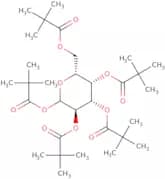
CAS:1,2,3,4,6-Penta-O-pivaloyl-b-D-galactopyranoside is a high purity custom synthesis sugar. It is the product of a click modification, fluorination, glycosylation and carbamylation. This compound is also methylated and modified with an oligosaccharide and monosaccharide. The CAS number for 1,2,3,4,6-Penta-O-pivaloyl-b-D-galactopyranoside is 108342-85-4.Fórmula:C31H52O11Pureza:Min. 95%Peso molecular:600.74 g/mol1,2:5,6-Di-O-isopropylidene-D-chiro-inositol
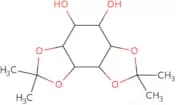
CAS:<p>1,2:5,6-Di-O-isopropylidene-D-chiro-inositol is a complex carbohydrate that is obtained by methylation of D-chiro-inositol. It is an important component of a number of glycosidic linkages in glycoconjugates and polysaccharides. The compound has been modified with fluorination to increase its stability in organic solvents and to facilitate the attachment of other atoms or molecules. 1,2:5,6-Di-O-isopropylidene-D-chiro-inositol can be used for the synthesis of oligosaccharides and monosaccharides for custom purposes.</p>Fórmula:C12H20O6Pureza:Min. 95%Peso molecular:260.28 g/mol4'-Hydroxypropranolol-2-O-b-D-glucuronide
4'-Hydroxypropranolol-2-O-b-D-glucuronide is a custom synthesis that has been modified with glycosylation, methylation, and fluorination. It is a complex carbohydrate that has CAS number and is a polysaccharide. 4'-Hydroxypropranolol-2-O-b-D-glucuronide is synthesized by the modification of an oligosaccharide, saccharide, or sugar with methylation and glycosylation. This product also contains a click modification.Pureza:Min. 95%2-Deoxy-2,2-difluoro-D-threo-pentofuranos-1-ulose-3,5-dibenzoate
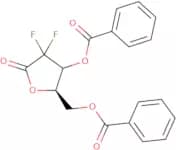
CAS:2-Deoxy-2,2-difluoro-D-threo-pentofuranos-1-ulose-3,5-dibenzoate is a custom synthesis of an oligosaccharide. It is a polysaccharide that contains saccharides and other modifications such as methylation and glycosylation. This product is a sugar with high purity and fluorination. Click modification is the process by which 2,2'-dF (fluorine) is introduced into the furanose ring at the C4 position. Fluorination increases the stability of the molecule and increases its resistance to hydrolysis by enzymes. The addition of this fluorine group also decreases the reactivity of the molecule with water, making it more stable for storage.Fórmula:C19H14F2O6Pureza:Min. 95%Forma y color:SolidPeso molecular:376.31 g/mol2-Chloro-2-deoxy-D-mannose
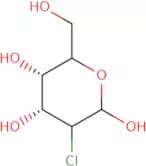
CAS:2-Chloro-2-deoxy-D-mannose is a synthetic sugar that can be used as a fluoride substrate. It has been shown to bind to the active site of bacterial enzymes and inhibit them. 2-Chloro-2-deoxy-D-mannose is a conformationally constrained analogue of 3-deoxyglucose, which binds to the same active site on bacterial enzymes. This sugar also inhibits nitrate reductase, an enzyme involved in the reductive dehalogenation of nitrates. 2-Chloro-2-deoxy-D-mannose has been shown to inhibit the growth of Mycobacterium tuberculosis and Mycobacterium avium complex by binding with high affinity to the ligand binding site on these bacteria's glycolytic enzymes.Fórmula:C6H11ClO5Pureza:Min. 95%Forma y color:White PowderPeso molecular:198.6 g/mol