Glycoscience
Subcategorías de "Glycoscience"
- Aminoazúcares(108 productos)
- Anticuerpos relacionados con azúcares(282 productos)
- Glicolípidos(46 productos)
- Glicosaminoglicanos (GAGs)(55 productos)
- Glucósidos(419 productos)
- Monosacáridos(6.624 productos)
- Oligosacáridos(3.682 productos)
- Polisacáridos(504 productos)
Se han encontrado 11047 productos de "Glycoscience"
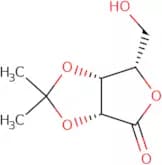
2,3-O-IIsopropylidene-D-allono-1.4-lactone
2,3-O-Isopropylidene-D-allono-1.4-lactone is a methylated saccharide that has been modified by the click reaction with a phosphonate group and an isopropylidene group. The synthesis of this product can be customized to suit your needs. This product is offered in high purity, and it is an excellent source of carbohydrates or sugars. 2,3-O-Isopropylidene-D-allono-1.4-lactone also has a fluorinated group on its molecule. It is a complex carbohydrate that can be used for glycosylation or as a click modification substrate.Pureza:Min. 95%Ezetimibe-D-glucuronide D4
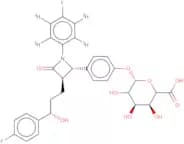
CAS:Producto controladoEzetimibe-D-glucuronide D4 is a deuterated version of the active molecule, ezetimibe. It is a white to off-white crystalline powder with a molecular weight of 592.1 Da and an empirical formula of C31H41NO7F2·C6H8O7. It is soluble in ethanol and water, and insoluble in ether or chloroform.Fórmula:C30H25D4F2NO9Pureza:Min. 85 Area-%Forma y color:White Off-White PowderPeso molecular:589.57 g/molChitosan - Molecular weight 50,000-190,000
CAS:Chitosan is the deacetylated form of chitin. The polysaccharide is deacetylated in order to render it soluble, which is then possible at pH values of less than 7 (normally in dilute acid). This then allows the material to be used in a number of industrial applications as a binder and film former.Forma y color:Powder2-C-tert.Butyldiphenylsilyloxy)methyl-2,3-O-isopropylidene-D-lyxono-1.4-lactone
2-C-tert.Butyldiphenylsilyloxy)methyl-2,3-O-isopropylidene-D-lyxono-1.4-lactone is a fluorinated monosaccharide that has been synthesized as a custom synthesis. It has been modified with a glycosylation and polysaccharide modification. The CAS number is 56943-02-8. This compound is not found in nature and is available in high purity.Pureza:Min. 95%b-D-Thiogalactose
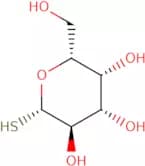
CAS:Thiogalactose is a naturally occurring disaccharide that has been shown to have anti-inflammatory properties. It inhibits the production of inflammatory cytokines, such as tumor necrosis factor-α (TNF-α), and suppresses the growth of experimental colitis in mice. Thiogalactose also denatures fatty acids and prevents 3t3-l1 preadipocytes from undergoing cellular transformation. This compound also inhibits the uptake of bovine serum albumin by macrophages, which may be due to its alkylthio group. Thiogalactose has been shown to inhibit proliferation of cultured human cells, including monocytic leukemia cells, when used at concentrations less than 10 mM.
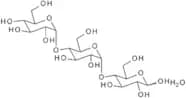
Fórmula:C6H12O5SPureza:Min. 95%Forma y color:PowderPeso molecular:196.22 g/molMaltotriose monohydrate
CAS:Shortest chain oligosaccharide that can be classified as a maltodextrin. A component of liquid glucose (a commercial sweetener composed of glucose, maltose, maltotriose and maltotetrose).Fórmula:C18H32O16•H2OPureza:Min. 90 Area-%Forma y color:White Off-White PowderPeso molecular:522.45 g/molHydroxyethyl cellulose, viscosity 1500 ~ 2500
CAS:Hydroxyethyl cellulose (EHEC) is a non-ionic, water-soluble cellulose derivative produced by introduction of ethylene oxide groups to the hydroxyl groups of the cellulose backbone. Hydroxyethyl cellulose is useful as a water thickener, rheological control additive, protective colloid, binder, stabilizer, suspending agent and film former. It is used in many industrial applications including latex paints, emulsion polymerization, petroleum, paper, pharmaceuticals, cosmetics and many other applications.Pureza:Min. 95%Forma y color:Powder2,3-O-Isopropylidene-L-lyxonic acid-1,4-lactone
CAS:2,3-O-Isopropylidene-L-lyxonic acid-1,4-lactone is an enantiopure compound that is a member of the glycoside family. It has been shown to inhibit the activity of glycosidases, which are enzymes that hydrolyze glycosides. 2,3-O-Isopropylidene-L-lyxonic acid-1,4-lactone has an ambiguous stereochemistry due to its carbon chains and catalytic groups. The conformational analysis of this compound reveals that it can be classified as a chiral molecule because it lacks a plane of symmetry. Crystallographic analysis has shown that 2,3-O-Isopropylidene-L-lyxonic acid-1,4-lactone adopts a dimeric form and crystallizes in an asymmetric unit cell with space group P2(1)22(1).Fórmula:C8H12O5Pureza:Min. 97 Area-%Forma y color:White PowderPeso molecular:188.18 g/molPhenyl 2,4,6-Tri-O-acetyl-3-O-allyl-b-D-thioglucopyranoside
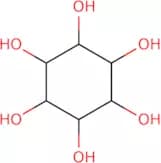
CAS:Phenyl 2,4,6-tri-O-acetyl-3-O-allyl-β-D-thioglucopyranoside is an enantiomer that can be synthesized from the commercially available 2,4,6-triacetylphenyl boronic acid. It has been shown to have a positive effect on insulin sensitivity and uptake in plasma glucose in diabetic patients. Phenyl 2,4,6-tri-O-acetyl-3-O-allyl β D thioglucopyranoside also has a safety profile that is similar to other antidiabetic drugs. This drug has been shown to inhibit influenza virus uptake into cells by competitive inhibition of a transporter type.Fórmula:C21H26O8SPureza:Min. 98 Area-%Forma y color:White Off-White PowderPeso molecular:438.49 g/molepi-Inositol
CAS:Epi-inositol, also known as myo-inositol, is a member of the group of molecules known as sugar alcohols. It is a naturally occurring compound that is found in the human body and can be synthesized by the human body from glucose. Epi-inositol has been shown to have a number of biological effects, including inhibition of cell proliferation and energy metabolism in ovarian cancer cells. Epi-inositol has also been used in clinical trials for treatment of mood disorders such as depression.Fórmula:C6H12O6Pureza:Min. 98 Area-%Forma y color:White PowderPeso molecular:180.16 g/mol3-O-(a-L-Fucopyranosyl)-D-galactopyranose
CAS:3-O-(a-L-fucopyranosyl)-D-galactopyranose is a glycosidic residue that is part of the β-D-Galactoside. It is an amino acid that is used to form carbohydrates. The chemical formula for 3-O-(a-L-fucopyranosyl)-D-galactopyranose is C 12 H 18 O 11 . The molecular weight of 3-O-(a-L-fucopyranosyl)-D-galactopyranose is 308.Fórmula:C12H22O10Pureza:Min. 95 Area-%Forma y color:PowderPeso molecular:326.3 g/molMonosialyllacto-N-hexaose II
Monosialyllacto-N-hexaose II is a synthetic, fluorinated oligosaccharide that is synthesized by glycosylation of the sugar monosialyllactose. Monosialyllacto-N-hexaose II has a molecular weight of 514.5 Da and is soluble in water. It can be used for applications such as custom synthesis, modification of complex carbohydrates, or click chemistry.Pureza:Min. 95%N-(7-Oxadecyl)deoxynojirimycin
CAS:N-(7-Oxadecyl)deoxynojirimycin is a chaperone protein. It belongs to the group of proteins that are deficient in patients with type 1 glycogen storage disease and can be used to treat this condition. N-(7-Oxadecyl)deoxynojirimycin has been shown to bind to the endoplasmic reticulum, thereby preventing the maturation of certain proteins and their transport into other cellular compartments. This agent also has a protective function in muscle cells by preventing protein degradation due to abnormal folding or misfolding. The long-term effect of N-(7-Oxadecyl)deoxynojirimycin on skeletal muscle is unclear, although it has been found to be beneficial in the short term for patients with type 1 glycogen storage disease.
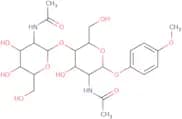
Fórmula:C15H31NO5Pureza:Min. 95%Forma y color:PowderPeso molecular:305.41 g/mol4-Methoxyphenyl 4-O-(2-acetamido-2-deoxy-b-D-galactopyranosyl)-2-acetamido-2-deoxy-b-D-glucopyranoside
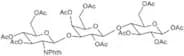
CAS:4-Methoxyphenyl 4-O-(2-acetamido-2-deoxy-b-D-galactopyranosyl)-2-acetamido-2-deoxy-b-D-glucopyranoside is a modification of the natural polysaccharide, which is a complex carbohydrate. It is synthesized by our high purity, custom synthesis service and can be modified with methylation, fluorination, or glycosylation. This product has been proven to have high purity and stability in the past.Fórmula:C23H34N2O12Pureza:Min. 95%Forma y color:PowderPeso molecular:530.52 g/mol1,2,3,6-Tetra-O-acetyl-4-O-[2,4,6-tri-O-acetyl-3-O-(3,4,6-tri-O-acetyl-2-deoxy-2-phthalimido-b-D-glucopyranosyl)-b-D-galactopyranosy l]-b-D-glucopyranose
The modification of this product has been completed with a high level of purity and the CAS number is 57-49-6. It is an oligosaccharide that is a complex carbohydrate. This product can be synthesized through custom synthesis and it is a synthetic product. It is classified as a monosaccharide, methylation, glycosylation, and polysaccharide. The chemical formula for this compound is C12H14O11. This compound has been fluorinated to increase its solubility in water.Fórmula:C46H55NO27Pureza:Min. 95%Peso molecular:1,053.92 g/molKojibiose
CAS:A rare sugar, prebiotic fibre and inhibitor of α-glucosidases. It inhibits animal-, plant- and microorganism-derived α-glucosidases I. In rodent models for diabetes, it ameliorates arachidic acid-induced liver injury and reduces hepatic inflammatory markers.Fórmula:C12H22O11Pureza:Min. 99 Area-%Forma y color:White PowderPeso molecular:342.3 g/mol1-6-Bis- O- Tert.butyldimethylsilyl- 3, 4- O-isopropylidene)-D- mannitol
1-6-Bis-O-tert.butyldimethylsilyl-3,4-O-isopropylidene)-D-mannitol is a glycosylation agent that has been used in the synthesis of complex carbohydrates. This compound is synthesized by the click reaction between 1,6-bis(tert.butyldimethylsilyl)glycerol and aldehyde 3,4-(O)-isopropylidene)-D-mannitol. It is a high purity product with CAS No. 65425-06-7 and can be customized for your needs.Pureza:Min. 95%D-Glucuronic acid, free acid
CAS:D-Glucuronic acid (GlcA) is D-glucose with position six oxidised to a carboxyl group (Collins, 2006). It is a common component of a number of gums and mucilages structurally related to pectins, where it is can be present as a terminal non reducing end residue (Renard, 1999). Glucuronic acid is also found in bacterial polysaccharides, such as, xanthan gum produced by Xanthomonas campestris (Faria, 2011), and in glycosaminoglycans, such as, heparan sulfate (Casale, 2020).
Fórmula:C6H10O7Peso molecular:194.14 g/molL-Erythrono-1,4-lactone
CAS:L-Erythrono-1,4-lactone is a dicarboxylic acid that is synthesized from l-threonic acid and d-arabinose. L-Erythrono-1,4-lactone is biosynthesized by the conversion of l-serine to pyruvate and then to erythrose 4-phosphate. This compound is also produced by the oxidation of ascorbic acid and can be used for the synthesis of dermatan sulfates. The accumulation of L-Erythrono-1,4-lactone in high concentrations has been found in patients with dermatan sulfate deficiency.Fórmula:C4H6O4Pureza:Min. 95%Forma y color:PowderPeso molecular:118.09 g/molBenzyl 4,6-O-benzylidine-β-D-galactopyranoside
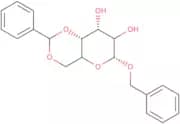
CAS:Benzyl 4,6-O-benzylidine-b-D-galactopyranoside is a benzoylated sugar. It is prepared by reacting benzoyl chloride with benzene and then with the sugar in an equimolar ratio. The reaction proceeds via a nucleophilic substitution at the 2' position of the sugar followed by an elimination of water. Benzyl 4,6-O-benzylidine-b-D-galactopyranoside reacts with dibutyltin to form a benzoylated tin compound that can be used as a catalyst for organic synthesis.Fórmula:C20H22O6Pureza:Min. 95%Forma y color:White To Off-White SolidPeso molecular:358.39 g/molN-Acetylmuramic acid
CAS:Component of peptidoglycan in bacterial cell walls. Peptidoglycan is a mesh-like polymer, made of a glycan backbone containing alternating subunits of Nâacetylglucosamine (GlcNAc) and Nâacetylmuramic acid (MurNAc). An enzyme substrate that is used to characterize and differentiate MurNAc and GlcNAc kinases.
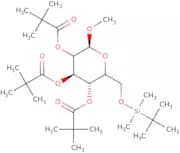
Fórmula:C11H19NO8Pureza:Min. 97 Area-%Forma y color:White PowderPeso molecular:293.27 g/molMethyl 6-O-tert-butyldimethylsilyl-2,3,4-tri-O-pivaloyl-a-D-galactopyranoside
Methyl 6-O-tert-butyldimethylsilyl-2,3,4-tri-O-pivaloyl-a-D-galactopyranoside is a synthetic saccharide that can be used as a monosaccharide building block in the synthesis of complex carbohydrates. It has a CAS number and can be custom synthesized to meet the customer's needs. It is also fluorinated and can be modified with Click chemistry. This product is high purity and has been synthesized from glycosylation and fluorination.Fórmula:C28H52O9SiPureza:Min. 95%Peso molecular:560.81 g/mol6-Amino-6-deoxy-D-lactosylamine
6-Amino-6-deoxy-D-lactosylamine is a modified sugar that is used to synthesize glycosides. It is also used as a reagent for the methylation of saccharides and polysaccharides. This product can be custom synthesized or ordered from our catalog. We offer high purity 6-amino-6-deoxy-D-lactosylamine, which has been chemically modified with fluorine and has a CAS number of 7092-12-3. It is available in different quantities and can be ordered with other custom modifications, such as Click chemistry.
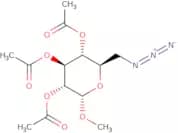
Pureza:Min. 95%Methyl 2,3,4-tri-O-acetyl-6-azido-6-deoxy-a-D-glucopyranoside
CAS:Methyl 2,3,4-tri-O-acetyl-6-azido-6-deoxy-a-D-glucopyranoside is a modification of the sugar glucose. It is a synthetically modified oligosaccharide that is used in the synthesis of complex carbohydrates and polysaccharides. Methyl 2,3,4-tri-O-acetyl-6-azido-6-deoxyglucopyranoside has been used for the fluorination and saccharide methylation reactions.Fórmula:C13H19N3O8Pureza:Min. 95%Forma y color:White PowderPeso molecular:345.31 g/molMethyl β-D-ribopyranoside
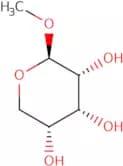
CAS:Methyl β-D-ribopyranoside is a sugar alcohol that belongs to the group of pentoses. It is a potential precursor for the synthesis of phosphite, which is a reactive anion used in organic chemistry. Methyl β-D-ribopyranoside has been shown to regulate the growth of bacteria and fungi by altering their metabolic pathways. This compound also has shown to be programmed death in certain bacterial strains, although it is not clear how it induces this programmed death. Methyl β-D-ribopyranoside can also affect the rhizosphere and can be used as a substrate for anions and sugar alcohols.
Fórmula:C6H12O5Pureza:Min. 99 Area-%Forma y color:White PowderPeso molecular:164.16 g/mol2-Deoxy-D-glucose-6-phosphate sodium salt
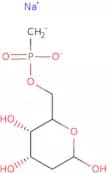
CAS:Glucose 6-phosphatase substrate
Fórmula:C6H12NaO8PPureza:Min. 98 Area-%Forma y color:White PowderPeso molecular:266.12 g/molHyaluronic acid sodium salt - Average MW 0.6 - 1.0 million Da
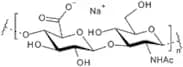
CAS:Gycosaminoglycan in many organs; joint lubricant and shock absorber
Fórmula:(C14H20NO11Na)nPureza:Min. 95%Forma y color:Powder1,5-Anhydro-D-fructose
CAS:Antioxidant; antibacterial; suppresses LPS-induced inflammatory responseFórmula:C6H10O5Pureza:Min. 95%Forma y color:PowderPeso molecular:162.14 g/molGlobo-H hexaose
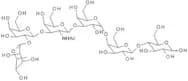
CAS:Cancer-associated carbohydrate antigen
Fórmula:C38H65NO30Pureza:Min. 90%Forma y color:White PowderPeso molecular:1,015.91 g/molD-Allono-1,5-lactone
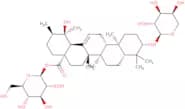
CAS:D-Allono-1,5-lactone is a glycoside that has been custom synthesized. It is a high purity product with a variety of modification options. This compound can be used for the synthesis of sugars, Click modification, fluorination, and glycosylation. D-allono-1,5-lactone has CAS No. 894408-50-5 and is classified as an oligosaccharide or sugar. It can also be methylated or modified to create saccharides or complex carbohydrates.Fórmula:C6H10O6Pureza:Min. 95%Peso molecular:178.14 g/molZiyuglycoside I
CAS:Ziyuglycoside I is a naturally occurring compound that has been shown to have physiological effects on skin cells. It has been found to bind to collagen and the matrix of skin cells, which may be its mechanism of action. Ziyuglycoside I also has an anti-inflammatory effect, which may be due to its ability to inhibit transcription-polymerase chain reactions (PCR). It has been shown to have antimicrobial activity against some strains of bacteria that are resistant to antibiotics such as erythromycin and tetracycline. Ziyuglycoside I has potential applications in the treatment of infectious diseases and inflammatory skin diseases.
Fórmula:C41H66O13Pureza:Min. 95%Forma y color:White PowderPeso molecular:766.95 g/molD-Raffinose pentahydrate
CAS:Raffinose is the most abundant of the family of oligosaccharides that are α-galactosyl derivatives of sucrose (Collins, 2006). The other main member of the group is the tetrasaccharide stachyose. Raffinose is found in sugar beet molasses and whole grains. Soybean oligosaccharides make up approximately 5% of dry matter in whole beans and up to 8% of dry matter in soybean meal. Together raffinose and stachyose rank second only to sucrose in abundance, as water-soluble carbohydrates (Kumar, 2010).Fórmula:C18H42O21Pureza:Min. 97 Area-%Peso molecular:594.52 g/molRef: 3D-R-1000
10gA consultar1kgA consultar5kgA consultar10kgA consultar2500gA consultar-Unit-kgkgA consultarMaltoheptaose tricosaacetate
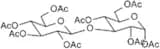
CAS:CO2-philic compound; used in pharmaceuticals and CO2-based processesFórmula:C88H118O59Pureza:Min. 95%Forma y color:PowderPeso molecular:2,119.92 g/mol1,2,4,6-Tetra-O-acetyl-3-O-(2,3,4,6-tetra-O-acetyl-b-D-glucopyranosyl)-a-D-glucopyranose
CAS:Acetyl protected laminariboseFórmula:C28H38O19Pureza:Min. 95%Peso molecular:678.6 g/mol1-Chloro-2-deoxy-3,5-di-O-toluoyl-D-ribofuranose
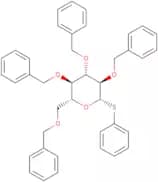
CAS:Synthetic building block for nucleic acid researchFórmula:C21H21ClO5Pureza:Min. 95%Forma y color:Off-White PowderPeso molecular:388.84 g/molPhenyl 2,3,4,6-tetra-O-benzyl-b-D-thioglucopyranoside
CAS:Phenyl 2,3,4,6-tetra-O-benzyl-b-D-thioglucopyranoside is a modification. It is an oligosaccharide that belongs to the class of carbohydrates. Phenyl 2,3,4,6-tetra-O-benzyl-b-D-thioglucopyranoside has a high purity and can be synthesized in a custom manner. It is a white to off white powder that has CAS No. 38184-10-0 and can be used for glycosylation or methylation reactions. It also has fluoroquinolone resistance and can be used as a complex carbohydrate in the synthesis of polysaccharides.Fórmula:C40H41O5SPureza:Min. 95%Forma y color:White Off-White PowderPeso molecular:632.83 g/molDihydrozeatin-O-glucoside riboside
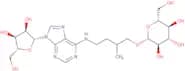
CAS:Dihydrozeatin-O-glucoside riboside is a plant hormone that is found in the roots of Eucomis species. It has been shown to interact with indole-3-acetyl-L-aspartic acid and inhibit the growth of plantlets. The interaction between dihydrozeatin and indole-3-acetyl-L-aspartic acid has been shown to be due to the formation of an intermediate, which is also metabolized by rhizobia. Dihydrozeatin also interacts with ammonium formate and profiles have been obtained for its metabolic products. This molecule also inhibits the production of growth regulators such as abscisic acid, alnifolia, and salicylic acid.Fórmula:C21H33N5O10Pureza:Min. 95 Area-%Forma y color:PowderPeso molecular:515.51 g/mol1,5-Diepi-adenophorine
1,5-Diepi-adenophorine is a fluorinated monosaccharide. It is synthesized by an asymmetric glycosylation with 1,5-dideoxyadenosine and α-D-mannose as the donors. The synthesis of this compound requires custom synthesis and high purity. 1,5-Diepi-adenophorine can be modified with methyl groups or click chemistry to make it more suitable for use in biochemistry research.Pureza:Min. 95%2,3,4,6-Tetra-O-benzyl-a-D-glucopyranosyl fluoride
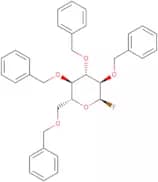
CAS:2,3,4,6-Tetra-O-benzyl-a-D-glucopyranosyl fluoride is a modification of a carbohydrate. It is a complex carbohydrate that has the CAS No. 89025-46-7 and is custom synthesized. The product contains an oligosaccharide and high purity that are synthetic and monosaccharides that are methylated, glycosylated, and polysaccharides that are sugars with fluorination. The product also contains saccharides with glycosylation and polysaccharide sugar units.Fórmula:C34H35FO5Pureza:Min. 95%Forma y color:White To Off-White SolidPeso molecular:542.64 g/molSucrose acetoisobutyrate
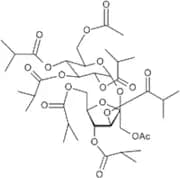
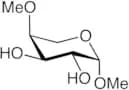
CAS:Sucrose acetoisobutyrate (SAIB) is an emulsifier and is compatible with a wide variety of polymers, resins, plasticisers, oils and waxes - where it is used in surface coatings. Food applications have been developed for this compound and it has an E number (E444). It is recognized as a safe food additive in cocktail mixers, beer, malt beverages, or wine coolers and is a potential replacement for brominated vegetable oil.Fórmula:C40H62O19Pureza:(Saponification Value) Min. 90%Forma y color:Clear LiquidPeso molecular:846.91 g/molMethyl 4-O-methyl-β-L-arabinopyranoside
CAS:Methyl 4-O-methyl-β-L-arabinopyranoside is an L-arabinose analogueFórmula:C7H14O5Pureza:Min. 95%Forma y color:PowderPeso molecular:178.18 g/mol1,3,4,6-Tetra-O-acetyl-N-azidoacetylmannosamine
CAS:1,3,4,6-Tetra-O-acetyl-N-azidoacetylmannosamine, also called ManNAz tetraacetate, 1,3,4,6-tetra-O-acetyl-N-azidoacetyl-D-mannosamine and Ac4ManNAz, is an azide-containing metabolic glycoprotein labelling reagent that can be incorporated into the sialic acid biosynthesis pathway. The azide is able to react with an alkyne in a 1,3-dipolar cycloaddition reaction (click chemistry) to enable linking to a fluorescent probe or a biotin.Fórmula:C16H22N4O10Pureza:Min. 95%Forma y color:PowderPeso molecular:430.37 g/mol(2S, 3S, 4S) -2- (Hydroxymethyl) - 2- methyl- 3, 4- pyrrolidinediol
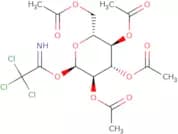
CAS:The product is a Carbohydrate, Modification, saccharide, Oligosaccharide. It is an artificial sugar that has been synthesized and modified for use in the food industry. The material is a complex carbohydrate with a high purity level and custom synthesis. It can be used in the production of sweeteners or as a flavor enhancer. The product is fluorinated to slow down its rate of degradation, which allows it to be used as an ingredient in processed foods. The product also has glycosylation sites that can be methylated or click-modified.Fórmula:C6H13NO3Pureza:Min. 95%Peso molecular:147.17 g/mol2,3,4,6-Tetra-O-acetyl-a-D-glucopyranosyl trichloroacetimidate
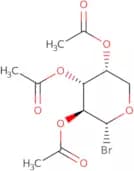
CAS:2,3,4,6-Tetra-O-acetyl-a-D-glucopyranosyl trichloroacetimidate (2TG) is a mannose targeting agent that can be used to target specific cells in the body. This compound has been shown to inhibit the growth of cancer cells and induce photodynamic therapy. 2TG is a conjugate that consists of a 6-phosphate group attached to an acetylated mannose molecule. The 6-phosphate group is an important feature for tumor targeting, as it allows for the attachment of other molecules such as monoclonal antibodies and drugs. 2TG functions by binding with high affinity to glycoproteins on the surface of cancer cells and animal tissues. These glycoproteins are found in large quantities on the surface of cancer cells and animal tissue, which makes them good targets for anti-cancer drug development.Fórmula:C16H20Cl3NO10Pureza:Min. 95%Forma y color:PowderPeso molecular:492.69 g/mol2,3,4-Tri-O-acetyl-D-arabinopyranosyl bromide - Stabilised with 2% CaCO3
CAS:2,3,4-Tri-O-acetyl-D-arabinopyranosyl bromide - Stabilised with 2% CaCO3 is an organic compound that belongs to the group of glycosylations. It is a sugar derivative of arabinose and has been fluorinated with trifluoromethanesulfonic acid. This product is custom synthesized and can be used for Glycosylation reactions as well as methylations and click modifications. It is also a complex carbohydrate and can be used in the production of polysaccharides. The CAS number for this compound is 113889-50-2 and it has a monosaccharide content of 100%. This product is available for purchase at high purity.Fórmula:C11H15BrO7Pureza:Min. 95%Forma y color:PowderPeso molecular:339.14 g/mol1-O-Galloyl-b-D-glucose
CAS:1-O-Galloyl-b-D-glucose is a molecule that is found in plants and has been used as an inhibitor of p-hydroxybenzoic acid (PHBA) enzyme activities. 1OGG inhibits the growth of viruses by inhibiting the enzymatic activity of their RNA polymerases. It also inhibits mitochondrial membrane potential, which is vital for cellular respiration. 1OGG has shown to be active against urinary infections and opportunistic fungal infections such as Candida glabrata. In vitro assays have shown that it may have anti-inflammatory properties.Fórmula:C13H16O10Pureza:Min. 98 Area-%Forma y color:White PowderPeso molecular:332.26 g/molFucosyl GM1 oligosaccharide
Oligosaccharide domain of monosialylated glycosphingolipid GM1 with an α1,2-fucosylated galactose at the nonreducing end. The moluecule is minimally expressed in healthy tissues but has high prevalence in some tumours such as small cell lung cancer (SCLC). Fucosyl-GM1 ganglioside is a potential tumour marker for SCLC and a potential antigen target for immunotherapy.Fórmula:C43H71N2O33NaPureza:Min. 90%Forma y color:White PowderPeso molecular:1,167.01 g/molAcarviosin
CAS:Acarviosin is a chemical compound that is structurally related to the antimicrobial peptide Ac-LLL-Nal-OH. It is an antidiabetic agent that has been shown to be effective for the treatment of type 2 diabetes and associated cardiovascular risk factors. Acarviosin was originally isolated from a bacterial strain and has been chemically synthesized for use in the treatment of diabetes. Acarviosin inhibits both glycan synthesis and enzyme activities, leading to reduced levels of glucose in blood plasma. This drug also exhibits pharmacokinetic properties with a half-life of approximately 15 hours, which allows it to be taken once daily. Acarviosin can also be used as an analytical method for identifying disaccharides by cleaving them at the glycosidic bond, releasing monosaccharides as products.
Fórmula:C14H25NO8Pureza:Min. 95%Forma y color:PowderPeso molecular:335.35 g/molLaminaran, from laminaria digitata
CAS:Laminaran is a polysaccharide that co-occurs with fucoidan and alginate in brown seaweeds such as Laminaria digitata, Laminaria cloustoni, Eisenia bicyclis and Thallus laminariae. It is a β-1,3-linked glucan which it is claimed stimulates the immune system in mammals and fish.
The image was kindly provided by Prof Mike Guiry from Cork who runs ‘The Seaweed Site’.Pureza:Min. 95%Forma y color:Off-White Powder4-Methoxyphenyl 4-O-{4-O-[[2-O-Ac-3-O-[2,4-di-O-(3,4,6-tri-O-Ac-2-PhthN-β-D-Glc)-3,6-di-O-Bn-α-D-Man]-4,6-O-benzylidene-β-D-Man]]-3, 6-di-O-Bn-2-PhthN-β-D-Glc}-3-O-Bn-6-O-(tri-O-Bn-α-L-Fuc)-2-PhthN-β-D-Glc
4-Methoxyphenyl 4-O-{4-O-[[2-O-Ac-3-O-[2,4-di-O-(3,4,6-tri-O-Ac-2-PhthNbDGlc)-3,6--Di--O--Bn--aDMan]-4,6--O--Benzylidene--bDMan]]} -3, 6--Di--Obn2PhthNbDGlc} -2 PhthNbDGlc is a sugar that has been modified by methylation. It also contains saccharide and polysaccharides. This product is CAS No. 899891–14–8 and can be purchased through custom synthesis. The purity of this product is high and the modification is fluorination.
Fórmula:C158H156N4O47Pureza:Min. 95%Peso molecular:2,862.93 g/mol