Compuestos relacionados con enzimas, péptidos y proteínas
Los compuestos relacionados con enzimas, péptidos y proteínas son críticos para estudiar y manipular las vías bioquímicas. Estos compuestos incluyen enzimas que catalizan reacciones bioquímicas, péptidos que actúan como hormonas y moléculas de señalización, y proteínas que desempeñan una amplia gama de funciones dentro de los organismos. Esta categoría abarca inhibidores, activadores, sustratos y otros reactivos esenciales para la enzimología, la proteómica y la investigación de péptidos. En CymitQuimica, ofrecemos una diversa selección de compuestos de alta calidad para facilitar su investigación en cinética enzimática, función de proteínas y síntesis de péptidos, asegurando resultados precisos y fiables.
Subcategorías de "Compuestos relacionados con enzimas, péptidos y proteínas"
- Aminoácidos (AA)(40.537 productos)
- Enzimas(3.561 productos)
- Péptidos(30.720 productos)
- Proteínas(15.020 productos)
Se han encontrado 1312 productos de "Compuestos relacionados con enzimas, péptidos y proteínas"
Ordenar por
Pureza (%)
0
100
|
0
|
50
|
90
|
95
|
100
Quinidine sulfate dihydrate
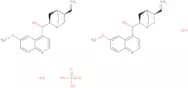
CAS:<p>Quinidine sulfate dihydrate is a medication that belongs to the class of antiarrhythmic drugs. It is used in the treatment of arrhythmias, including atrial fibrillation, supraventricular tachycardia, and ventricular tachycardia. Quinidine sulfate dihydrate has an inhibitory effect on erythromycin-resistant bacteria, such as staphylococci and streptococci. This drug has also been shown to inhibit the growth of many types of cancer cells, including colon cancer cells. Quinidine sulfate dihydrate acts by inhibiting cellular ATPases.</p>Fórmula:C40H48N4O4·H2O4S·2H2OPureza:(Titration) Min. 98%Forma y color:PowderPeso molecular:782.94 g/molDL-Lysine hydrate
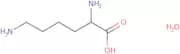
CAS:<p>DL-Lysine monohydrate is a white crystalline powder. It is soluble in water and alcohol, but insoluble in ether. DL-Lysine monohydrate has been shown to be fully chemically stable under normal laboratory conditions, with no evidence of decomposition at room temperature or under the influence of light. This compound is used as a drug substance for the treatment of lysinuric protein intolerance and may be used as an additive to animal feed. DL-Lysine monohydrate is also used in the production of other compounds such as amino acids, calorimetry reagents, and thermal analysis materials.</p>Fórmula:C6H14N2O2•xH2OPureza:Min. 95%Forma y color:PowderPeso molecular:146.19 g/mol2-Chloro-5-(4-chloro-5-difluoromethoxy-1-methylpyrazol-3-yl)-4-fluorophenoxyacetic acid monohydrate
CAS:<p>2-Chloro-5-(4-chloro-5-difluoromethoxy-1-methylpyrazol-3-yl)-4-fluorophenoxyacetic acid monohydrate (2,4,5P) is a phenoxy herbicide that has been shown to be an effective broadleaf and grass weed control agent. 2,4,5P is a granule formulation that can be applied by helicopter or ground equipment. It has synergistic effects with glyphosate when applied together to soybean plants and can be used in combination with other herbicides for more effective weed control.</p>Fórmula:C13H9Cl2F3N2O·H2OPureza:Min. 95%Forma y color:White PowderPeso molecular:355.14 g/molDantrolene sodium salt hemiheptahydrate
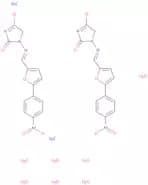
CAS:<p>Ryanodine receptor blocker; inhibitor of calcium release; muscle relaxant</p>Fórmula:C14H9N4NaO5•(H2O)3Pureza:Min. 95%Forma y color:Yellow To Orange SolidPeso molecular:399.29 g/mol(R)-Benzyl-2-[4-(trifluoromethyl)phenyl]-6,7-dihydro-5H-pyrrolo[2,1-c][1,2,4]triazolium Tetrafluoroborate
CAS:<p>(R)-Benzyl-2-[4-(trifluoromethyl)phenyl]-6,7-dihydro-5H-pyrrolo[2,1-c][1,2,4]triazolium Tetrafluoroborate is a bactericide that inhibits the production of proteins necessary for cellular growth. It has been shown to inhibit the growth of bacteria such as E. coli in vitro and in animal models. The effective dose for this drug is not known at this time.</p>Fórmula:C19H17BF7N3Pureza:Min. 95%Forma y color:White PowderPeso molecular:431.16 g/mol9-Amino-1,2,3,4-tetrahydroacridine HCl hydrate
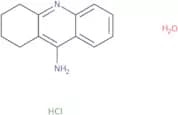
CAS:Producto controlado<p>9-Amino-1,2,3,4-tetrahydroacridine HCl hydrate (9AHT) is a cholinergic agent that inhibits the activity of the ns3 protease. It has been shown to inhibit tumor growth and induce apoptosis in prostate cancer cells. 9AHT also exhibits neuroprotective effects through its ability to inhibit acetylcholinesterase and reduce neuronal death. This drug has been used as a biological sample for the detection of amyloid proteins in cell culture. Acetate extract from Astragalus (a medicinal plant) was found to have an inhibitory effect on acetylcholinesterase activity. Protocatechuic acid, which is found in many plants, including grapefruit peel, has also been shown to be an inhibitor of acetylcholinesterase activity.</p>Fórmula:C13H15ClN2·xH2OPureza:Min. 95%Forma y color:White PowderPeso molecular:234.72 g/molrec Neurotrophin-3 (human)
<p>Please enquire for more information about rec Neurotrophin-3 (human) including the price, delivery time and more detailed product information at the technical inquiry form on this page</p>Pureza:Min. 95%2,6-Diethyl-4-phenyl-1-propylpyridinium tetrafluoroborate
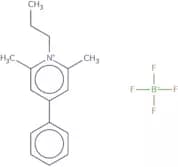
CAS:<p>2,6-Diethyl-4-phenyl-1-propylpyridinium tetrafluoroborate is a building block and a versatile intermediate in organic synthesis. It can be used as a reactant in the preparation of fine chemicals and pharmaceuticals. 2,6-Diethyl-4-phenyl-1-propylpyridinium tetrafluoroborate has been shown to produce high quality reaction products with good yield.</p>Fórmula:C16H20N·BF4Pureza:Min. 95%Peso molecular:313.14 g/molDL-Cystein hydrochloride hydrate
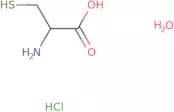
CAS:<p>DL-Cystein hydrochloride hydrate is a chemical compound with an amino acid structure. It is a structural analogue of the amino acid cysteine and has been shown to protect cells in culture from the toxic effects of proteases. This drug has been used in animal studies to test its ability to protect against diabetic neuropathy, but it is not yet known whether it will be effective for humans. DL-Cystein hydrochloride hydrate can be used as a fluorescence probe for albumin concentration and as a chemical chaperone that stabilizes proteins and prevents their aggregation. This compound has also been shown to have antioxidant properties, which may help prevent cellular damage caused by reactive oxygen species.</p>Fórmula:C3H7NO2S·HCl·H2OPureza:Min. 95%Peso molecular:175.64 g/molMethenamine hippurate
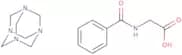
CAS:Producto controlado<p>Methenamine hippurate is a drug that has been used in the treatment of urinary tract infections. It is also used to prevent recurrence of these infections. Methenamine hippurate works by releasing formaldehyde, which inhibits the growth of bacteria by affecting their cell membrane. The release of formaldehyde is dependent on the concentration of methenamine and the pH, with a pH range from 7.0 to 8.5 being most effective for inhibiting bacterial growth. The release of formaldehyde can be inhibited by adding an acid to the urine sample or by adding hippurate to methenamine hippurate. Methenamine hippurate may cause drug interactions with other drugs that are eliminated through the kidneys, such as acetaminophen, sulfonamides, and indomethacin. This drug also has been shown to have therapeutic effects on choroidal neovascularization and geriatric patients with urinary tract infections.!--<br>END--></p>Fórmula:C6H12N4·C9H9NO3Pureza:Min. 95%Forma y color:White PowderPeso molecular:319.36 g/molSodium tetraborate decahydrate
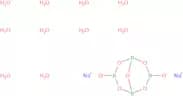
CAS:<p>Sodium tetraborate decahydrate is a boron compound that is used in wastewater treatment. It is a good adsorbent for organic molecules and can be used to remove organic contaminants from wastewater. Sodium tetraborate decahydrate has shown to have good thermal stability, chemical stability, and optical properties. This compound also has the ability to adsorb benzalkonium chloride, which is an antibacterial agent used in hospitals.</p>Fórmula:Na2B4O7·10H2OPureza:Min. 95%Forma y color:PowderPeso molecular:381.37 g/molAzure B Tetrafluoroborate
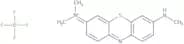
CAS:<p>Azure B Tetrafluoroborate is a potentiator for antibiotics. It is used to enhance the antibacterial efficacy of antibiotics by increasing their ability to penetrate tissues and bacterial biofilms. Azure B Tetrafluoroborate is an organic solvent that can be applied with a handpiece or cavity instrument. It has been shown to increase the in vitro activity of various antibiotics against gram-negative organisms and can be used as a polymeric matrix for coating medical devices such as catheters, endoscopes, and implants. The mechanism of action involves activation of the chemical species within the antibiotic molecule, which then reacts with diode-pumped solid state laser radiation to produce luminescence reactions.</p>Fórmula:C15H16N3S·BF4Pureza:Min. 95%Peso molecular:357.18 g/molThiamine nitrate
CAS:<p>Thiamine nitrate is a form of vitamin B1 that is used to treat thiamine deficiency. Thiamine nitrate is an oxidized form of thiamin, also known as vitamin B1. It can be synthesized by reacting thiamin hydrochloride with nitric acid. Thiamine nitrate has been shown to protect against neuronal death in the brain and restores cognitive function in patients with Wernicke-Korsakoff syndrome due to its ability to target enzymes involved in energy metabolism and calcium ion homeostasis. It also prevents acute alcohol intoxication and protects against neurotoxicity caused by nonsteroidal anti-inflammatory drugs.<br>Thiamine nitrate also has a fluorescence probe that can be used for detection and quantification of some proteins, such as DNA polymerase or ribonucleotide reductase, which are essential for cell growth or DNA synthesis.</p>Fórmula:C12H17N4OS·NO3Pureza:Min. 95%Forma y color:White Clear LiquidPeso molecular:327.36 g/molDiatrizoic acid dihydrate
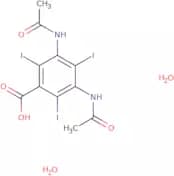
CAS:<p>Diatrizoic acid dihydrate is a compound that has been used in the past for the detection of bladder cancer and urethral carcinoma. It is most often administered by intravesical instillation, postoperatively after pyelography, or prophylactically to prevent recurrence following surgery for bladder cancer. Diatrizoic acid dihydrate is an oxidant agent with high reactivity to nucleic acids. When it reacts with viral DNA, it causes a break in the DNA chain at the site of contact, resulting in cell death. The compound also reacts with DNA in bacteria and human cells, causing a change in the configuration of the molecule and leading to cell death. Diatrizoic acid dihydrate can be used as a treatment for subgroups C and D of virus-induced cystitis in animals, but it does not work against other types of cystitis viruses. Diatrizoic acid dihydrate is also</p>Fórmula:C11H9I3N2O4·2H2OPureza:Min. 95%Forma y color:White PowderPeso molecular:649.94 g/molResveratrol triacetate
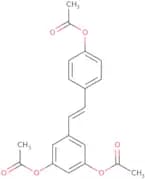
CAS:<p>Resveratrol is a natural phenol that has been shown to have anticancer and anti-inflammatory properties. Resveratrol triacetate is an acetylated form of resveratrol that has a greater stability than resveratrol and may be more bioavailable. Resveratrol triacetate has been shown to inhibit the proliferation of skin cells, muscle cells, and bronchial cells in vitro. Resveratrol triacetate also decreases the production of pro-inflammatory cytokines in macrophages, which are white blood cells involved in the inflammatory response. Resveratrol triacetate inhibits the expression of genes that lead to inflammation and cancer development by binding to nuclear receptors, which are proteins found on the surface of cells that bind specific molecules such as hormones or drugs.</p>Fórmula:C20H18O6Pureza:Min. 95%Forma y color:PowderPeso molecular:354.35 g/mol1,5-Dimethyl citrate
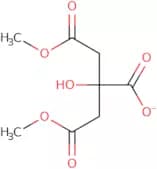
CAS:<p>1,5-Dimethyl citrate is a polycarboxylic acid that is found in urine. It has been used as an antimicrobial agent against bacteria and yeast. 1,5-Dimethyl citrate has also been shown to be effective against colorectal adenocarcinoma cells. It binds to the nucleophilic centers in the active site of bacterial enzymes and inhibits the synthesis of DNA and RNA. This leads to cell death by inhibiting protein synthesis and cell division. The hydrogen fluoride (HF) treatment of 1,5-dimethyl citrate converts it into usnic acid, which has been shown to have antimicrobial properties against a wide range of microorganisms including E. coli and methicillin-resistant Staphylococcus aureus (MRSA). 1,5-Dimethyl citrate can be detected in urine by nuclear magnetic resonance spectroscopy or mass spectrometry because it has a distinctive chemical shift at 2.1 ppm</p>Fórmula:C8H12O7Pureza:Min. 95 Area-%Forma y color:PowderPeso molecular:220.18 g/molLithium 12-hydroxy stearate
CAS:<p>Lithium 12-hydroxy stearate is a lithium salt of a fatty acid and a main component of lithium soap, which is used in lubricating greases and as foam-release agent. Lithium stearates are contained in greases used in vehicles, aircraft, and heavy machinery.</p>Fórmula:C18H35LiO3Pureza:Min. 95%Forma y color:PowderPeso molecular:306.41 g/molPentolinium tartrate
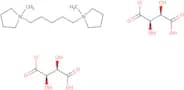
CAS:<p>Pentolinium tartrate is a potent inhibitor of the enzyme that catalyzes the conversion of noradrenaline to adrenaline, which is a pressor agent. It also inhibits oxidation and thus prevents damage to tissues. Pentolinium tartrate has been shown to lower blood pressure in both anesthetized and conscious animals. It also has potentiation effects on the activity of acetylcholine, an amine neurotransmitter involved in memory and learning. This drug binds to the hydroxylase enzyme in adrenomedullary cells and blocks the formation of catecholamines (including noradrenaline). Pentolinium tartrate does not have any effect on monoamine oxidase inhibitors.</p>Fórmula:C23H42N2O12Pureza:Min. 95%Forma y color:PowderPeso molecular:538.59 g/mol2,4,6-Trimethylpyronium tetrafluoroborate
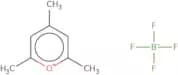
CAS:<p>2,4,6-Trimethylpyronium tetrafluoroborate is a chemical compound that is used in pharmaceutical preparations. It is an analog of pyridinium diacetate and can be prepared by reacting 2,4,6-trimethylpyridine with hydrogen fluoride to form the corresponding pyridinium tetrafluoroborate. The chemical reactions of 2,4,6-trimethylpyridine are similar to those of other pyridines. It has been shown that 2,4,6-trimethylpyridine reacts with diazo compounds to produce a fluorescent product. This reaction can be monitored using a fluorescence assay and statistically analyzed. The plasma samples were analyzed using isotopic analysis and showed that the pyronium ion was present in human serum as well as inorganic materials such as water samples.</p>Fórmula:C8H11O·BF4Pureza:Min. 95%Peso molecular:209.98 g/mol(-)-Phenylephrine hydrogentartrate
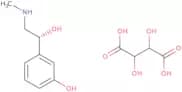
CAS:<p>(-)Phenylephrine is a medication that belongs to the group of drugs called sympathomimetics. This drug is a potent vasoconstrictor that causes blood vessels to narrow and increases blood pressure. (-)Phenylephrine is used in humans as a pharmaceutical dosage for treatment of chronic bronchitis, hay fever, and other allergic reactions. It also has been shown to inhibit guanylate cyclase activity and can be used for the treatment of asthma. (-)Phenylephrine inhibits the action of two enzymes: cyclase and phosphodiesterase. This inhibition leads to an increased level of cAMP, which binds with G protein-coupled receptors in tissues that are rich in smooth muscle cells such as the airways or urinary bladder. The binding of cAMP with these receptors causes an increase in intracellular calcium ion levels, leading to relaxation of smooth muscles and improved breathing or urination.</p>Fórmula:C9H13NO2·C4H6O6Pureza:Min. 98 Area-%Forma y color:PowderPeso molecular:317.29 g/mol


![(R)-Benzyl-2-[4-(trifluoromethyl)phenyl]-6,7-dihydro-5H-pyrrolo[2,1-c][1,2,4]triazolium Tetrafluor…](/_next/image/?url=https%3A%2Fstatic.cymitquimica.com%2Fproducts%2F3D%2Fthumb-webp%2FFB59921.webp&w=3840&q=75)