Compuestos relacionados con enzimas, péptidos y proteínas
Los compuestos relacionados con enzimas, péptidos y proteínas son críticos para estudiar y manipular las vías bioquímicas. Estos compuestos incluyen enzimas que catalizan reacciones bioquímicas, péptidos que actúan como hormonas y moléculas de señalización, y proteínas que desempeñan una amplia gama de funciones dentro de los organismos. Esta categoría abarca inhibidores, activadores, sustratos y otros reactivos esenciales para la enzimología, la proteómica y la investigación de péptidos. En CymitQuimica, ofrecemos una diversa selección de compuestos de alta calidad para facilitar su investigación en cinética enzimática, función de proteínas y síntesis de péptidos, asegurando resultados precisos y fiables.
Subcategorías de "Compuestos relacionados con enzimas, péptidos y proteínas"
- Aminoácidos (AA)(40.509 productos)
- Enzimas(3.559 productos)
- Péptidos(30.720 productos)
- Proteínas(15.023 productos)
Se han encontrado 1312 productos de "Compuestos relacionados con enzimas, péptidos y proteínas"
Ordenar por
Pureza (%)
0
100
|
0
|
50
|
90
|
95
|
100
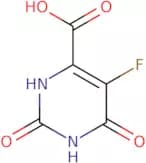
5-Fluoroorotic acid hydrate
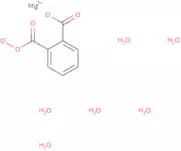
CAS:<p>Selection reagent for orotidine 5'-phosphate decarboxylase mutants</p>Fórmula:C5H3FN2O4·xH2OPureza:(%) Min. 97%Forma y color:Off-White Yellow PowderPeso molecular:174.09 g/molMonoperoxyphthalic magnesium salt hexahydrate
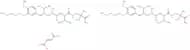
CAS:<p>Aqueous soluble oxidant</p>Fórmula:C16H10MgO10·6H2OForma y color:White PowderPeso molecular:494.64 g/molAliskiren hemifumarate
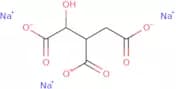
CAS:<p>Non-peptide renin inhibitor; anti-hypertensive</p>Fórmula:C30H53N3O6·C4H4O4Pureza:Min. 95%Forma y color:White PowderPeso molecular:1,219.59 g/molDL-Isocitric acid trisodium
CAS:<p>DL-Isocitric acid trisodium salt hydrate is a nutrient solution that is used to provide energy for bacterial growth. DL-Isocitric acid trisodium salt hydrate provides sodium citrate, sodium succinate, and sodium carbonate which are essential for the metabolism of fatty acids. It also stabilizes chemical compounds and can be used as an alternative to the use of antibiotics. DL-Isocitric acid trisodium salt hydrate has been shown to inhibit enzyme activity in bacteria by binding to the active site of enzymes, inhibiting protein synthesis and cell division. The addition of colloidal gold particles can enhance its effectiveness in preventing bacterial growth.</p>Fórmula:C6H8O7•Na3Pureza:Min. 95%Forma y color:PowderPeso molecular:261.09 g/molHomoveratramide
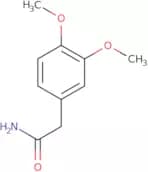
CAS:<p>Homoveratramide is a synthetic drug that is used as an antibacterial agent. It has a broad spectrum of activity against bacteria, fungi, and protozoa. Homoveratramide has been shown to be effective against both Gram-positive and Gram-negative bacteria, including Staphylococcus aureus, Streptococcus pneumoniae, Escherichia coli, Salmonella enterica, Pseudomonas aeruginosa, and Klebsiella pneumoniae. Homoveratramide inhibits the synthesis of DNA by binding to the enzyme ribonucleotide reductase. This produces a bacteriostatic effect on the cell by halting DNA replication and transcription.</p>Fórmula:C10H13NO3Pureza:Min. 95%Forma y color:PowderPeso molecular:195.22 g/molZoledronic acid monohydrate
CAS:<p>Farnesyl pyrophosphate synthase inhibitor; hepatic de novo lipogenesis inhibitor</p>Fórmula:C5H10N2O7P2•H2OPureza:Min. 98.5 Area-%Forma y color:PowderPeso molecular:290.1 g/molAbiraterone acetate
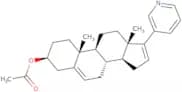
CAS:Producto controlado<p>CYP17 enzyme inhibitor</p>Fórmula:C26H33NO2Pureza:Min. 98 Area-%Forma y color:PowderPeso molecular:391.55 g/molL-Asparagine monohydrate
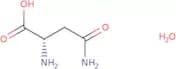
CAS:<p>L-Asparagine monohydrate (LAM) is a water-soluble amino acid that is used in the treatment of metabolic disorders such as diabetes. LAM has been shown to be effective in cell culture and tissue culture experiments, where it was found to increase the production of growth factors, such as insulin and keratinocyte growth factor. This amino acid also has a high degree of kinetic stability and can be used for magnetic resonance spectroscopy studies. LAM is soluble in water, but not in organic solvents. It forms hydrogen bonds with other molecules and is able to form dehydrated crystals. The experimental solubility data for LAM can be found in table 1 below.</p>Fórmula:C4H10N2O4Pureza:(Titration) Min. 99%Forma y color:White Clear LiquidPeso molecular:150.13 g/molManganese(II) chloride monohydrate
CAS:<p>Manganese(II) chloride monohydrate is a high quality, reagent grade chemical that is used as a complexing agent and intermediate in the production of fine chemicals. It can also be used as a versatile building block for the synthesis of speciality chemicals. Manganese(II) chloride monohydrate is a useful scaffold with which to build other molecules and has been found to be an important reaction component for the synthesis of various organic compounds.</p>Fórmula:Cl2Mn·H2OPureza:Min. 95%Forma y color:PowderPeso molecular:143.86 g/molCyclopentadienyldicarbonyl(tetrahydrofuran)iron(II) tetrafluoroborate
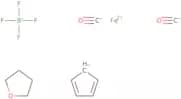
CAS:<p>Cyclopentadienyldicarbonyl(tetrahydrofuran)iron(II) tetrafluoroborate is a chemical that is used as a building block in research and speciality chemical synthesis. The compound has been shown to be versatile, with many possible reactions, including the formation of a complex. This compound can also be used as an intermediate for another chemical or as a scaffold for other compounds. Cyclopentadienyldicarbonyl(tetrahydrofuran)iron(II) tetrafluoroborate is a high quality reagent that can be used in reaction processes with low toxicity.</p>Fórmula:C11H13FeO3•BF4Pureza:Min. 95%Forma y color:SolidPeso molecular:335.87 g/molToremifene citrate
CAS:Producto controlado<p>Estrogen receptor modulator</p>Fórmula:C32H36ClNO8Pureza:Min. 95%Forma y color:PowderPeso molecular:598.08 g/molrec IL-1α (human)
CAS:<p>Please enquire for more information about rec IL-1alpha (human) including the price, delivery time and more detailed product information at the technical inquiry form on this page</p>Pureza:Min. 95%rec PDGF AB (heterodimer) (human)
<p>Please enquire for more information about rec PDGF AB (heterodimer) (human) including the price, delivery time and more detailed product information at the technical inquiry form on this page</p>Pureza:Min. 95%Dimethylglyoxime disodium salt octahydrate
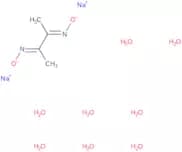
CAS:<p>Dimethylglyoxime is a pesticide that has been used to control insects and nematodes. It has been found to be effective in controlling mosquitoes, flies, and other pests. This compound is also used as an extractor in microextraction. Dimethylglyoxime is not toxic to humans and does not cause any adverse effects on the environment or human health. It can be used with chlorine for wastewater treatment.</p>Fórmula:C4H8N2Na2O2·8H2OPureza:Min. 95%Forma y color:PowderPeso molecular:306.22 g/molMiconazole nitrate
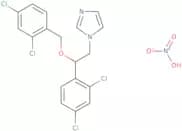
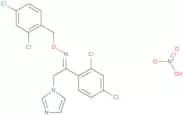
CAS:<p>Anti-fungal; sterol 14α-demethylase inhibitor</p>Fórmula:C18H14Cl4N2O•HNO3Pureza:Min. 95%Forma y color:PowderPeso molecular:479.14 g/molrec IL-4 (human)
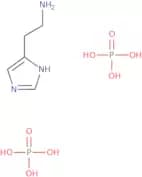
<p>Please enquire for more information about rec IL-4 (human) including the price, delivery time and more detailed product information at the technical inquiry form on this page</p>Pureza:Min. 95%Histamine diphosphate monohydrate
CAS:Producto controlado<p>Endogenous ligand for histamine receptors; neurotransmitter</p>Fórmula:C5H9N3·2H3PO4·H2OPureza:Min. 95%Forma y color:White/Off-White SolidPeso molecular:325.15 g/molrac-Metoprolol hemitartrate
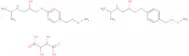
CAS:Producto controlado<p>Metoprolol is a beta-adrenergic receptor blocker that is used in the treatment of high blood pressure and congestive heart failure. It also has an effect on the regulation of energy metabolism, decreasing myocardial oxygen consumption, and increasing myocardial contractility. The drug binds to erythrocyte membrane proteins, including albumin and alpha-1-acid glycoprotein, which are responsible for transporting metoprolol from plasma to the tissue. Metoprolol succinate is a prodrug that is metabolized by esterases to release metoprolol in vivo. Metoprolol has been shown to reduce systolic blood pressure in patients with hypertension. It has been found to be effective in reducing symptoms of cardiac arrhythmias, such as atrial fibrillation or ventricular tachycardia, when combined with other antiarrhythmic drugs. Metoprolol can also be used for the treatment of metabolic disorders such</p>Fórmula:C34H56N2O12Forma y color:White PowderPeso molecular:684.81 g/molCerium trichloride heptahydrate
CAS:<p>Cerium trichloride heptahydrate is a reactive compound. It reacts with amines, forming salts and other compounds. Cerium trichloride heptahydrate is highly toxic and can cause death in humans by inhalation or ingestion. This chemical has been shown to be effective against choroidal neovascularization (CNV) in a mouse model of age-related macular degeneration by intravitreal injection. The preparative method for this compound is precipitation from a solution of ceric nitrate, sodium carbonate, and hydrochloric acid. Cerium trichloride heptahydrate has an average particle diameter of about 0.4 micrometers and contains functional groups that are covalently bonded to the lanthanum atom. The reaction yield for this compound is 100%.</p>Fórmula:CeCl3•(H2O)7Pureza:Min. 98%Forma y color:PowderPeso molecular:372.58 g/molTriethyl citrate
CAS:<p>Triethyl citrate (TEC) is an ester of citric acid, which is a natural compound. It is a reactive chemical that can react with potassium dichromate (K2Cr2O7) to form potassium citrate, or with malonic acid to form triethyl malonate. Triethyl citrate has been used as a reagent in analytical methods for the determination of water permeability and biological properties. In addition, it has been used as a precursor for the synthesis of dimethyl fumarate (DMF). DMF is an anti-inflammatory drug that may be useful in the treatment of multiple sclerosis.</p>Fórmula:C12H20O7Pureza:Min. 99 Area-%Forma y color:Colorless Clear LiquidPeso molecular:276.28 g/molMesitylenesulphonic acid hydrate
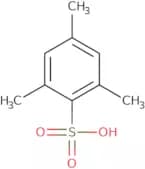
CAS:<p>Mesitylenesulphonic acid hydrate is a high quality chemical that is used as a reagent, complex compound and useful intermediate. It can be used in the production of fine chemicals, research chemicals, speciality chemicals and versatile building blocks. Mesitylenesulphonic acid hydrate has CAS No. 79326-99-1 and is a speciality chemical that can be used as a reaction component for the production of important compounds such as pharmaceuticals, pesticides and herbicides.</p>Fórmula:C9H12O3S·xH2OPureza:Min. 95%Forma y color:PowderPeso molecular:200.26 g/molN-Ethyl-N-(2-hydroxy-3-sulfopropyl)-3-methylaniline sodium salt dihydrate
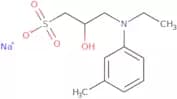
CAS:<p>N-Ethyl-N-(2-hydroxy-3-sulfopropyl)-3-methylaniline sodium salt dihydrate (NMS) is a functional group with a side effect profile that is characterized by low incidence of adverse events. This drug has been shown to be well tolerated in clinical use, and there is evidence that it may be useful for the treatment of infectious diseases. Clinical studies have demonstrated that NMS can improve fatty acid and cholesterol levels, as well as reducing carnitine palmitoyltransferase activity. These effects are due to the inhibition of lipoprotein lipase, cholesterol esterase and carnitine palmitoyltransferase enzymes. In addition, NMS has been shown to be effective against dermatitis caused by atopic dermatitis or psoriasis.</p>Fórmula:C12H18NNaO4S·2H2OPureza:Min. 98 Area-%Forma y color:White PowderPeso molecular:331.36 g/molDasatinib monohydrate
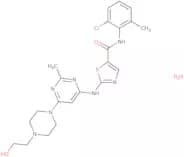
CAS:<p>Inhibits SRC-family of tyrosine kinases</p>Fórmula:C22H26ClN7O2S·H2OPureza:Min. 98 Area-%Forma y color:White Yellow PowderPeso molecular:506.02 g/mol4-Bromoveratrole
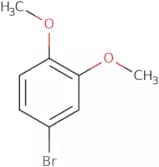
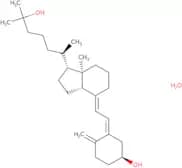
CAS:<p>4-Bromoveratrole is a triphenylene with a molecular weight of 454.42 g/mol and a melting point of 90°C. It has been shown that this molecule binds to the receptor for acetylcholine, which is found in the central nervous system and on muscles. The binding of 4-bromoveratrole to this receptor leads to the release of chloride ions from the cell, which increases the activity of acetylcholine. The detection sensitivity of 4-bromoveratrole in solution was determined by adding malonic acid or hydrochloric acid, which led to an increase in fluorescence intensity. This molecule also has fatty acid and hydroxyl groups that have been shown to have anti-inflammatory properties.</p>Fórmula:C8H9BrO2Pureza:Min. 95%Forma y color:Clear LiquidPeso molecular:217.06 g/mol25-Hydroxyvitamin D3 monohydrate
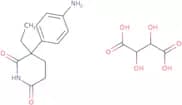
CAS:<p>25-Hydroxyvitamin D3 monohydrate is a vitamin D analog that has been shown to reduce elevated levels of parathyroid hormone and improve bone mineral density. It is used for the treatment of chronic kidney disease, hyperparathyroidism, and osteoporosis. 25-Hydroxyvitamin D3 monohydrate has been found to be effective in the treatment of these conditions because it increases the body's production of calcitriol, the active form of vitamin D. Calcitriol promotes calcium absorption in the gut and reduces renal excretion of calcium by inhibiting parathyroid hormone synthesis. This drug also inhibits pro-inflammatory cytokines such as IL-1β, IL-6, and TNF-α.</p>Fórmula:C27H44O2·H2OPureza:Min. 97 Area-%Forma y color:White PowderPeso molecular:418.65 g/molR-(+)-Aminoglutethimide L-tartrate
CAS:Producto controlado<p>R-(+)-Aminoglutethimide is a potent inhibitor of mitochondrial electron transport and the cleavage enzyme 4-phenylimidazole. It inhibits mitochondrial ATP production by binding to the inner mitochondrial membrane and preventing the passage of electrons from cytochrome c oxidase to oxygen. This drug has been shown to be effective in treating corticotroph adenoma, a benign tumor of the anterior pituitary gland, which is due to excessive secretion of ACTH by the gland. R-(+)-Aminoglutethimide can also be used for treatment of Cushing's syndrome due to its ability to inhibit cortisol synthesis in the adrenal cortex. This drug has been shown to act as a potent inhibitor of progesterone synthesis in bovine and human ovaries, leading to decreased levels of pregnenolone, which is an important precursor for other steroid hormones such as testosterone or estrogens.</p>Fórmula:C17H22N2O8Pureza:Min. 95%Forma y color:White To Off-White SolidPeso molecular:382.37 g/molN-Benzyl-4-phenyl pyridinium tetrafluoroborate
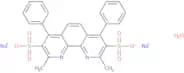
CAS:<p>N-Benzyl-4-phenyl pyridinium tetrafluoroborate is a fine chemical that can be used as a building block in the synthesis of complex compounds. It has been shown to have versatile applications in organic synthesis, such as being a useful intermediate and reaction component. N-Benzyl-4-phenyl pyridinium tetrafluoroborate is an extremely high quality reagent with few side effects and low toxicity.</p>Fórmula:C18H16N•BF4Pureza:Min. 95%Peso molecular:333.13 g/molBathocuproine disulfonic acid disodium salt hydrate
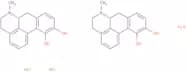
CAS:<p>Bathocuproine disulfonic acid disodium salt hydrate is a copper complex that can be used for the analysis of urine samples. It is a multicellular animal-specific enzyme inhibitor that binds to phosphatase, which is an important component in the metabolism of carbohydrates and proteins. Bathocuproine disulfonic acid disodium salt hydrate inhibits the activity of this enzyme by forming a stable copper complex, thereby preventing the hydrolysis of phosphoric esters. Bathocuproine disulfonic acid disodium salt hydrate has been shown to inhibit growth factor activity in human serum, while inhibiting the reaction vessel corrosion process. This compound also contains functional groups such as sulfonic acid, carboxylate and sulfonamide groups.</p>Fórmula:C26H18N2Na2O6S2·xH2OPureza:Min. 95%Forma y color:White PowderPeso molecular:584.57 g/mol(R)-Apomorphine hydrochloride hemihydrate
CAS:<p>Apomorphine hydrochloride is the salt form of apomorphine, a morphine derivative D2 dopamine agonist. The high selectivity for D2, D3, D4 and D5 receptors makes apomorphine hydrochloride a possible drug candidate and it is in clinical trials for diagnosis and treatment of Parkinsons disease. Moreover, apomorphine and apomorphine hydrochloride have been investigated in diverse studies for treating movement disorders.</p>Fórmula:C17H17NO2•HCl•(H2O)0Pureza:Min. 95%Forma y color:White PowderPeso molecular:312.79 g/molMalonic acid disodium salt monohydrate
CAS:<p>Malonic acid disodium salt monohydrate is a water-soluble alkanoic acid that is used as a cross-linking agent in the manufacture of polymers. Malonic acid disodium salt monohydrate is also used to produce immunogenic antigens for cancer research and as a synthetic intermediate in the synthesis of pharmaceuticals or agricultural chemicals. Malonic acid disodium salt monohydrate is converted to malic acid by the enzyme cytosolic malate dehydrogenase. Malonic acid disodium salt monohydrate has an acidic pH and can be used to neutralize sodium salts such as sodium bicarbonate. Cell culture studies have shown that exposure to malonic acid disodium salt monohydrate inhibits protein synthesis and cell growth, which may be due to its ability to bind with DNA during transcription.</p>Fórmula:C3H2Na2O4·H2OPureza:Min 98%Forma y color:White PowderPeso molecular:166.04 g/molSDF-1β (human) trifluoroacetate salt
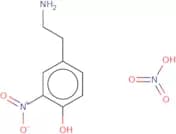
CAS:<p>Please enquire for more information about SDF-1beta (human) trifluoroacetate salt including the price, delivery time and more detailed product information at the technical inquiry form on this page</p>Fórmula:C382H620N114O97S5Pureza:Min. 95%Peso molecular:8,522.05 g/mol4-Hydroxy-3-nitrophenylethylamine nitrate
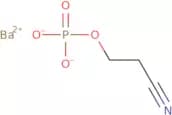
CAS:Producto controlado<p>4-Hydroxy-3-nitrophenylethylamine nitrate is a chemical that has been used as a reagent and reaction component. It can be used in the synthesis of complex compounds such as pharmaceuticals, agrochemicals, and high quality specialty chemicals. 4-Hydroxy-3-nitrophenylethylamine nitrate is an intermediate or building block for many organic syntheses due to its versatility. This compound has been shown to have a variety of useful applications including the production of antihistamines, anticonvulsants, antidepressants, antipsychotics, appetite suppressants, and decongestants.</p>Fórmula:C8H10N2O3•HNO3Pureza:Min. 95%Forma y color:PowderPeso molecular:245.19 g/mol2-Cyanoethyl phosphate barium salt hydrate
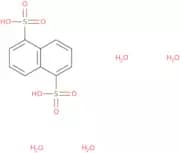
CAS:<p>2-Cyanoethyl phosphate barium salt hydrate is an alkaline compound that is soluble in water. It has been used to synthesize phosphodiesters, benzene, dioxan and alcohols. The chemical was originally developed as a reagent for the quantitative conversion of ethyl acetate esters to their corresponding acid chlorides. This reaction can be carried out quantitatively in tetrahydrofuran at room temperature with yields of about 95%. 2-Cyanoethyl phosphate barium salt hydrate also converts alcohols to their corresponding monophosphates quantitatively in alkaline conditions. Crystalline forms are obtained by reacting the compound with triethylamine and benzene.</p>Fórmula:C3H6BaNO4P•xH2OPureza:Min. 95%Forma y color:PowderPeso molecular:324.42 g/mol1,5-Naphthalenedisulfonic acid tetrahydrate
CAS:<p>1,5-Naphthalenedisulfonic acid tetrahydrate is an acidic molecule that has been observed in the form of nanodots. It has a molecular weight of 212.2g/mol and a water solubility of 0.01g/L at 20°C. 1,5-Naphthalenedisulfonic acid tetrahydrate is soluble in ethanol and methanol, but insoluble in acetone, diethyl ether, ethyl acetate, and chloroform. 1,5-Naphthalenedisulfonic acid tetrahydrate is a hydrogen bond acceptor and donor in its interactions with other molecules. It interacts synergistically with 3,5-dinitrosalicylic acid to produce a red coloration when dissolved in water or alcohols.</p>Fórmula:C10H6(SO3H)2•(H2O)4Pureza:Min. 95%Forma y color:PowderPeso molecular:360.36 g/molSodium ammonium phosphate tetrahydrate
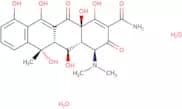
CAS:<p>Sodium ammonium phosphate tetrahydrate is an inorganic compound that is a salt. It is used as a test compound to measure the inhibition of viral growth. The test compound binds to the virus and prevents it from binding to cells, thus inhibiting viral replication. Sodium ammonium phosphate tetrahydrate can also be used as a means of preventing cavities by lowering the pH level in the mouth and inhibiting bacterial growth. Selenium compounds have been shown to have antiviral properties when tested on the typhimurium virus. Selenium compounds are not active against herpes simplex virus, but protocatechuic acid has been shown to inhibit herpes simplex virus replication in vitro and in vivo. Protocatechuic acid has also been shown to inhibit fatty acid synthesis and chloride ion uptake into cells, which may be responsible for its anti-viral properties.</p>Fórmula:NaNH5PO4·4H2OPureza:Min. 95%Forma y color:PowderPeso molecular:209.07 g/molOxytetracycline dihydrate
CAS:<p>A broad-spectrum antibiotic of tetracycline class which inhibits protein synthesis by targeting the 30S ribosome subunit. It has been used in human medicine as well as in veterinary medicine and agriculture.</p>Fórmula:C22H28N2O11Pureza:Min. 95%Forma y color:Yellow PowderPeso molecular:496.46 g/molTirofiban hydrochloride monohydrate
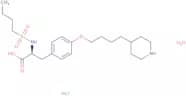
CAS:<p>Glycoprotein IIb/IIIa inhibitor; platelet aggregation inhibitor</p>Fórmula:C22H36N2O5S•HCl•H2OPureza:Min. 95%Forma y color:White PowderPeso molecular:495.07 g/molXanthine sodium salt monohydrate
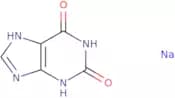
CAS:<p>Xanthine sodium salt monohydrate is a dietary supplement that is used to treat metabolic disorders such as hyperuricemia and gout. It also has antiviral effects against herpes simplex virus-1 (HSV-1) and type-2 (HSV-2). Xanthine sodium salt monohydrate inhibits the production of viral DNA polymerase, which causes cell death by inhibiting the synthesis of proteins vital for cell division. Xanthine sodium salt monohydrate can be used to inhibit the growth of cancer cells in vitro. The mechanism of action is not yet fully understood, but it is thought that xanthine may inhibit phosphodiesterase activity or have a direct effect on the cell membrane.</p>Fórmula:C5H3N4NaO2•H2OPureza:Min. 95 Area-%Forma y color:PowderPeso molecular:192.11 g/molOxiconazole nitrate
CAS:<p>Anti-fungal agent; 14α-sterol demethylase inhibitor</p>Fórmula:C18H14Cl4N4O4Pureza:Min. 95%Forma y color:PowderPeso molecular:492.14 g/mol17α-Estradiol 17-valerate
CAS:<p>Please enquire for more information about 17α-Estradiol 17-valerate including the price, delivery time and more detailed product information at the technical inquiry form on this page</p>Fórmula:C23H32O3Pureza:Min. 95%Forma y color:PowderPeso molecular:356.5 g/molAlloxane monohydrate
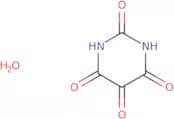
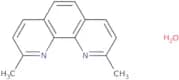
CAS:<p>A pyrimidine derivative, widely used for the induction of diabetes in experimental animals. It preferentially accumulates in pancreatic β cells in Langerhans islets via glucose transporter GLUT2. In the presence of intracellular thiols such as glutathione, it gets involved in a cyclic redox reaction with its reduction product, dialuric acid. This triggers the production of toxic levels of reactive oxygen species (ROS) and directs the cells in necrosis. Alloxan also inhibits glucokinase, which regulates glucose-induced insulin secretion.</p>Fórmula:C4H2N2O4·H2OPureza:Min. 95%Forma y color:White PowderPeso molecular:160.09 g/mol2,9-Dimethyl-1,10-phenanthroline hydrate
CAS:<p>Chelating agent used to detect aqueous copper ions by electrochemiluminescence</p>Fórmula:C14H12N2•(H2O)xPureza:Min. 95%Forma y color:PowderPeso molecular:208.26 g/molChromotropic acid disodium dihydrate
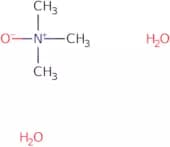
CAS:<p>Chromotropic acid dihydrate is a chromogenic compound that has an adsorption mechanism and is used as an analytical reagent. Chromotropic acid disodium dihydrate (CDA) is used in the determination of hydrochloric acid, natural gas and other liquids. It also can be used to measure the concentration of tyramine hydrochloride. CDA has been shown to be effective in the measurement of molecular orbitals and kinetic constants. The optical sensor is sensitive to wavelengths ranging from 200-900 nm, with a peak absorption at around 500 nm. This sensor can be used for many types of chemical reactions, such as organic synthesis, hydrogenation, and oxidation.</p>Fórmula:C10H6O8S2Na2·2H2OPureza:Min. 95%Forma y color:Off-White PowderPeso molecular:400.29 g/molTrimethylamine-N-oxide dihydrate
CAS:<p>Trimethylamine-N-oxide dihydrate (TMAO) is the anhydrous form of trimethylamine oxide (TMAO). It has a number of applications in industry and research. TMAO is used as a diagnostic agent for metal carbonyls, such as lead and arsenic, and also for hydrogen bond. In addition, it can be used to determine the presence of hydroxyl groups in organic compounds, such as fatty acids. The hydroxyl group reacts with Iodosobenzene to form an iodide ion that can be measured by nmr spectroscopy. This reaction is affected by the presence of other atoms or molecules that have electron donating properties, such as an oxygen atom or a carbonyl group. TMAO can also be used in cancer research to study how tumors develop resistance to chemotherapy drugs.</p>Fórmula:C3H13NO3Forma y color:White PowderPeso molecular:111.14 g/molL-Cysteine hydrochloride monohydrate
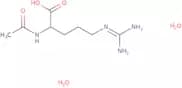
CAS:<p>L-Cysteine is a nonessential amino acid that has the ability to disrupt bacterial cell membranes. It can be produced by hydrolysis of human hair, feathers, and animal hides. L-Cysteine is used as a food additive and flavouring agent in human food and animal feed. It is also used as an additive in the manufacture of plastics, adhesives, and rubber products. L-Cysteine hydrochloride monohydrate (L-Cys HCl) is a white crystalline powder that dissolves readily in water. L-Cys HCl has been shown to have anti-inflammatory properties due to its ability to inhibit the production of prostaglandins.</p>Fórmula:C3H7NO2S·HCl·H2OPureza:Min. 95%Forma y color:White Off-White PowderPeso molecular:175.64 g/molN-α-Acetyl-DL-arginine dihydrate
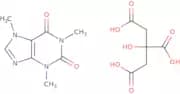
CAS:<p>N-alpha-Acetyl-DL-arginine dihydrate (AAD) is a versatile building block that can be used to synthesize functionalized molecules. AAD is an intermediate for the production of pharmaceuticals and other useful compounds. It is also a reaction component in organic synthesis, and has been shown to have high purity.</p>Fórmula:C8H16N4O3•(H2O)2Pureza:90%Forma y color:PowderPeso molecular:252.27 g/molCaffeine citrate
CAS:Producto controlado<p>Caffeine citrate is a low-dose caffeine product that has been shown to increase locomotor activity in rats. Caffeine citrate is an ester of caffeine and citric acid. It inhibits the enzyme that breaks down acetylcholine, which may lead to an increase in brain functions. Caffeine citrate is used as a treatment for apnea in pediatric patients, and it has also been shown to prevent bacterial translocation and reduce liver impairment caused by certain drugs. The therapeutic effect of caffeine citrate may be due to its ability to inhibit mitochondrial membrane potential, or its effects on basic proteins such as sodium citrate, or both.</p>Fórmula:C8H10N4O2·C6H8O7Forma y color:White PowderPeso molecular:386.31 g/molPhosphocholine chloride sodium salt hydrate
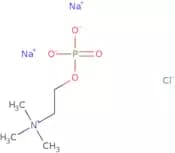
CAS:<p>Phosphocholine chloride sodium salt hydrate is an organic compound that is used as a cross-linking agent in the production of polymers. It is also used as a reactant in ring-opening reactions and as an intermediate in the synthesis of pyridinium salts. This product has been shown to be metabolized by human serum to form fatty acids, which may play a role in metabolic disorders such as obesity and diabetes. The reagent can also be used for the chromatographic determination of cholesterol and other lipids.</p>Fórmula:C5H13ClNNa2O4P·xH2OPureza:Min. 95%Forma y color:White PowderPeso molecular:263.58 g/molSuramin hexasodium salt hydrate
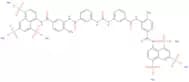
CAS:<p>Treatment of trypanosomiasis in heamolytic stage</p>Fórmula:C51H34N6O23S6·6Na·13H2OPureza:Min. 95%Forma y color:PowderPeso molecular:1,663.38 g/molHexaketocyclohexane octahydrate
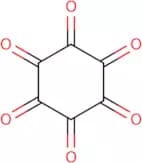
CAS:<p>Hexaketocyclohexane octahydrate (HXK) is a model system that has been used to investigate the binding of peptides. It has been shown to bind with both proteins and other compounds, such as human serum albumin, and it is chemically stable in aqueous solution. HXK is also a good model system for studying the conformational changes in peptides that are important for their function. The protein-binding properties of HXK have been investigated by NMR spectroscopy and x-ray diffraction data, which provide information about the chemical structure of this compound. HXK can be used to study reactions involving nitrogen atoms, such as those involved in autoimmune diseases or growth factors. Reaction solutions containing HXK can be used as a model for high salt conditions and the reaction mechanism can be investigated using trifluoroacetic acid.</p>Fórmula:C6O6·8H2OPureza:Min. 97 Area-%Forma y color:White PowderPeso molecular:312.18 g/mol