Compuestos relacionados con enzimas, péptidos y proteínas
Los compuestos relacionados con enzimas, péptidos y proteínas son críticos para estudiar y manipular las vías bioquímicas. Estos compuestos incluyen enzimas que catalizan reacciones bioquímicas, péptidos que actúan como hormonas y moléculas de señalización, y proteínas que desempeñan una amplia gama de funciones dentro de los organismos. Esta categoría abarca inhibidores, activadores, sustratos y otros reactivos esenciales para la enzimología, la proteómica y la investigación de péptidos. En CymitQuimica, ofrecemos una diversa selección de compuestos de alta calidad para facilitar su investigación en cinética enzimática, función de proteínas y síntesis de péptidos, asegurando resultados precisos y fiables.
Subcategorías de "Compuestos relacionados con enzimas, péptidos y proteínas"
- Aminoácidos (AA)(40.509 productos)
- Enzimas(3.559 productos)
- Péptidos(30.720 productos)
- Proteínas(15.023 productos)
Se han encontrado 1312 productos de "Compuestos relacionados con enzimas, péptidos y proteínas"
Ordenar por
Pureza (%)
0
100
|
0
|
50
|
90
|
95
|
100
Potassiumtetrachloroaurate(III)
CAS:<p>Potassiumtetrachloroaurate(III) is a chemical compound with the molecular formula KAuCl4. It is a white solid that has been shown to have anti-cancer properties in animal studies. Potassiumtetrachloroaurate(III) has also been found to be toxic to bacteria, such as Pseudomonas aeruginosa. The redox potential of potassiumtetrachloroaurate(III) can be changed by adding copper chloride or sodium citrate, which may affect its toxicity towards bacteria.</p>Fórmula:AuCl4KPureza:Min. 95%Peso molecular:377.88 g/molOrphenadrine citrate salt
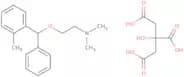
CAS:Producto controlado<p>Orphenadrine citrate salt is a nonsteroidal anti-inflammatory drug that is used to treat pain and inflammation. It is also used in the treatment of cancer, as well as in the prevention of side effects associated with chemotherapy. Orphenadrine citrate salt is primarily used to relieve muscle spasms and to reduce pain, especially in cases of cancer. This medication has been shown to be effective for treating cervical cancer, psychiatric patients, and geriatric patients. Orphenadrine citrate salt has also been found to have antibiotic properties against bacteria such as capsicum annuum and other drugs that are metabolized by the liver.</p>Fórmula:C24H31NO8Pureza:Min. 95%Forma y color:White To Off-White SolidPeso molecular:461.5 g/mol3,5-Pyrazoledicarboxylic acid monhydrate
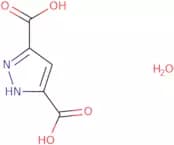
CAS:<p>3,5-Pyrazoledicarboxylic acid monhydrate (PDA) is a hydrogen-bonding molecule that can be used for the production of various compounds. PDA can be synthesized in a stepwise process from 3,5-dihydroxypyridine and pyrazole. In this process, the first step involves the formation of an amide bond between 3,5-dihydroxypyridine and pyrazole to form 3,5-pyrazolidinecarboxamide. The second step is the dehydrogenation of 3,5-pyrazolidinecarboxamide to form PDA with loss of one water molecule. This compound shows photocatalytic activity due to its coordination chemistry properties.</p>Fórmula:C5H4N2O4·H2OPureza:Min. 95%Forma y color:White PowderPeso molecular:174.11 g/mol4-Aminosalicylic acid sodium salt dihydrate
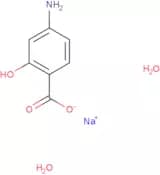
CAS:<p>4-Aminosalicylic acid sodium salt dihydrate is a molecule that has been shown to be useful for the diagnosis of viral, autoimmune, and cancerous diseases. It is a diagnostic agent that can be used in both the diagnosis and treatment of bowel disease. 4-Aminosalicylic acid sodium salt dihydrate can also be used to treat cavity formation in teeth. It binds to fatty acids in the target tissue, which leads to cell death by apoptosis. This drug has been shown to be effective against inflammatory bowel disease (IBD) as well as other types of bowel disease. This drug has been shown to have no adverse effects on healthy cells or tissues, but it may cause kidney toxicity when taken orally or injected intravenously.</p>Fórmula:C7H6NNaO3·2H2OPureza:Min. 95%Forma y color:White PowderPeso molecular:211.15 g/molN-Phenyl-2,4,6-triphenyl pyridinium tetrafluoroborate
CAS:<p>N-Phenyl-2,4,6-triphenyl pyridinium tetrafluoroborate is a crystalline material that is insoluble in water and organic solvents. It can be used as a monomer in the synthesis of polymers and for immobilization of enzymes. N-Phenyl-2,4,6-triphenyl pyridinium tetrafluoroborate can be used to reprocess technetium and has been shown to diffract x-rays with high resolution. This compound is also fluorescent with a long wavelength (620 nm) and can be used as a radioactive tracer.</p>Fórmula:C29H22N·BF4Pureza:Min. 95%Peso molecular:471.3 g/molSodium butyrate
CAS:<p>Reversible inhibitor of histone deacetylases (HDAC) that causes histone hyperacetylation, changes in chromatin structure and in gene expression. Sodium butyrate was shown to induce apoptosis in adenoma and carcinoma cell lines as well as to stimulate neurogenesis following cerebral ischemic injury. Sodium butyrate is present in large bowel as naturally occurring fatty acid and a by-product of bacterial fermentation of dietary fibres.</p>Fórmula:C4H7NaO2Forma y color:White PowderPeso molecular:110.09 g/molN-Propyl-2-ene-2,4,6-triphenylpyridinium tetrafluoroborate
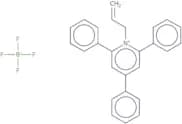
CAS:<p>N-Propyl-2,4,6-triphenylpyridinium tetrafluoroborate (NPPBF) is a versatile building block with a wide range of applications in the synthesis of complex compounds. It is a fine chemical that has been used as a reagent, speciality chemical, and useful scaffold for research chemicals. NPPBF has been shown to be an intermediate in the synthesis of various pharmaceuticals and agrochemicals. It can also be used as a reaction component in organic synthesis. The compound is soluble in polar solvents such as DMF, DMSO, THF, and acetonitrile.</p>Fórmula:C26H22N•BF4Pureza:Min. 95%Peso molecular:435.26 g/molCinnamyl butyrate
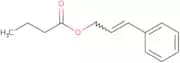
CAS:<p>Cinnamyl butyrate is a chemical compound that belongs to the class of diphenyl ethers. It has been shown to reduce plasma glucose levels in mice by inhibiting fatty acid synthesis and stimulating glucose uptake into cells. Cinnamyl butyrate also acts as a cross-linking agent, which enhances the stability of polymers by forming covalent bonds between reactive groups. The surface methodology used for this study was a surface science technique called atomic force microscopy (AFM). This method can be used to measure the thickness of the film, or the diameter of the particles. The AFM images showed that cinnamyl butyrate formed a thin film that was uniform over large areas.</p>Fórmula:C13H16O2Pureza:Min. 95%Forma y color:Clear LiquidPeso molecular:204.26 g/mol3,5-Diaminobenzoic acid dihydrochloride
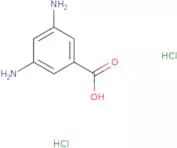
CAS:<p>3,5-Diaminobenzoic acid dihydrochloride (DABA) is a potent inhibitor of peroxidase and has been shown to inhibit the activity of hydrogen peroxide. It has been used in medicine as an antiseptic and disinfectant. 3,5-Diaminobenzoic acid dihydrochloride also inhibits uncatalysed and catalysed reactions. The inhibition of these reactions is due to the reaction with hydrogen peroxide, which causes the formation of potent inhibitory species that are capable of reacting with other molecules. These reactions lead to a decrease in the rate of reaction. This product also exhibits potent inhibitory activity towards peroxidase and can be used for the treatment of infections caused by bacteria, such as Mycobacterium tuberculosis or Mycobacterium avium complex.</p>Fórmula:C7H8N2O2·2HClPeso molecular:225.07 g/molCholine Citrate - ca. 65% in Water
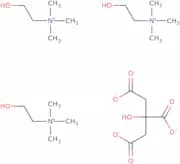
CAS:<p>Choline citrate is a salt of choline and citric acid that is used for the treatment of liver disease. Choline citrate is a precursor for acetylcholine, which is important for the function of the nervous system. It has been shown to be effective in treating fatty acid deficiency in mice. Choline citrate also acts as an intermediary in the metabolism of phospholipids and sphingolipids. It improves locomotor activity, helps with muscle contractions, and increases creatine kinase levels in mice. This product may be used to treat various symptoms such as fatigue, nausea, vomiting, diarrhea, and fever. The fruit extract may contribute to this product's effectiveness by providing additional choline. Choline citrate is also known to increase acetylcholine levels through its action on receptor cells and cyclic nucleotide phosphodiesterase enzymes. The increased levels of acetylcholine may reduce inflammation caused by inflammatory diseases such as ulcerative colitis or</p>Fórmula:C6H5O7·3C5H14NOPureza:Min. 95%Forma y color:PowderPeso molecular:501.61 g/molFolic acid dihydrate
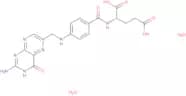
CAS:<p>Folic acid dihydrate is a water-soluble vitamin that is involved in the production of nucleic acids and amino acids. It is a component of many compounds, such as DNA and RNA, and is essential for cell growth. Folic acid dihydrate can be synthesized by bacteria, which use it as an energy source. The radionuclide form of folic acid has been used to study the thermal expansion of food composition and to determine the nutrient content of foods. In addition, folic acid dihydrate has been used in tissue culture experiments to measure receptor binding or growth factor activity. Folic acid dihydrate has also been investigated for its ability to inhibit the growth of infectious diseases, including Streptococcus faecalis, Helicobacter pylori and HIV-1.</p>Fórmula:C19H19N7O6Pureza:97 To 102%Peso molecular:441.4 g/molFerrous gluconate dihydrate
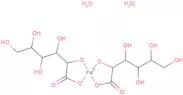
CAS:<p>Ferrous gluconate dihydrate is a fine chemical that has many applications in research and development. It is a versatile building block that can be used as a starting material for the synthesis of complex compounds, such as drugs, pesticides, and perfumes. Ferrous gluconate dihydrate can also be used as a reaction component to produce speciality chemicals, such as benzyl alcohols. In addition to its usefulness in research, ferrous gluconate dihydrate is an important reagent for the production of high-quality pharmaceuticals.</p>Fórmula:C12H22FeO14·2H2OPureza:Min. 95%Forma y color:PowderPeso molecular:482.17 g/mol2,9-Dimethyl-1,10-phenanthroline hemihydrate
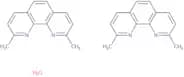
CAS:<p>Chelating agent used to detect aqueous copper ions by electrochemiluminescence</p>Fórmula:C14H12N2•(H2O)0Pureza:Min. 95%Forma y color:PowderPeso molecular:217.27 g/molDiisopropyl D-tartrate
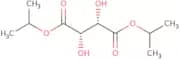
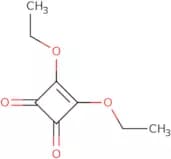
CAS:<p>Diisopropyl tartrate is a chemical compound that has been used in the synthesis of antibiotics. It is bifunctional, meaning that it can act as both a nucleophile and a base. The chloride forms a nucleophilic addition with the allyl group, forming an intermediate that is an excellent leaving group for the final product. Diisopropyl tartrate is used to synthesize monomers for polymers, such as chloroprene and styrene, which are used in the manufacture of plastics and rubber. This chemical is also used in catalytic asymmetric reactions, where it acts as a catalyst by stabilizing one enantiomer over another to promote stereoselective reactions.</p>Fórmula:C10H18O6Pureza:Min. 95%Forma y color:Colorless Clear LiquidPeso molecular:234.25 g/molDiethyl squarate
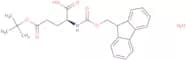
CAS:<p>Diethyl squarate is a squaramide that has been used in the treatment of infectious diseases. It is also known to be an anti-inflammatory agent, which has been shown to inhibit the production of prostaglandin, and is therefore useful in the treatment of autoimmune diseases such as alopecia areata. Diethyl squarate also has a role in immune responses as it binds to human serum albumin and alters antibody response. The compound is thought to bind to the hydroxyl group on a protein molecule, forming a covalent linkage with the amide group on another protein molecule. This reaction mechanism may lead to its immunosuppressant properties.</p>Fórmula:C8H10O4Pureza:Min. 97 Area-%Forma y color:PowderPeso molecular:170.16 g/molFmoc-L-glutamic acid-O-tert-butyl ester hydrate
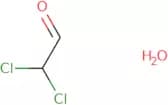
CAS:<p>Fmoc-L-glutamic acid-O-tert-butyl ester hydrate is a useful scaffold that is used in the synthesis of complex compounds. It can be used as a reaction component for the preparation of speciality chemicals and as an intermediate for the production of fine chemicals. Fmoc-L-glutamic acid-O-tert-butyl ester hydrate has a CAS number of 204251-24-1.</p>Fórmula:C24H27NO6•H2OPureza:Min. 95%Forma y color:White PowderPeso molecular:443.49 g/molDichloroacetaldehyde hydrate
CAS:<p>Dichloroacetaldehyde hydrate is an organic compound that is used in the treatment of skin cancer. It has been shown to have protective effects on cell membranes, which may be due to its ability to inhibit lipid peroxidation. Dichloroacetaldehyde hydrate also has a potential use as a radiation sensitizer and may be able to extend the lifespan of animals.</p>Fórmula:C2H4Cl2O2Pureza:Min. 95%Forma y color:PowderPeso molecular:130.96 g/molPhloroglucinol dihydrate
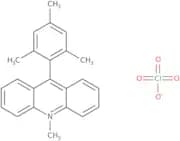
CAS:<p>Phloroglucinol dihydrate is a chemical substance that can be used as a denaturant, conditioner and deodorant. It is soluble in water and has been shown to have enzyme-inhibiting properties. Phloroglucinol dihydrate has been shown to have anti-inflammatory properties by inhibiting the production of prostaglandins. This compound also has optical properties, which are determined by its chromene structure. There is no phase transition temperature for this compound because it does not melt or freeze.</p>Fórmula:C6H6O3•(H2O)2Pureza:Min. 95%Forma y color:PowderPeso molecular:162.14 g/mol9-Mesityl-10-methylacridinium perchlorate
CAS:<p>9-Mesityl-10-methylacridinium perchlorate is a cross-coupling reagent that can be used to form amines from alkenes via bond cleavage. The mechanism of this reaction involves irradiation, which generates radical species, and the use of molecular probes to rationalize the rate of the reaction. 9-Mesityl-10-methylacridinium perchlorate is a highly reactive compound with a short half life, which makes it an ideal candidate for generating radicals in order to study mechanistic studies on acridinium.</p>Fórmula:C23H22ClNO4Pureza:Min. 95%Forma y color:PowderPeso molecular:411.88 g/molBis(2-ethylhexyl) fumarate
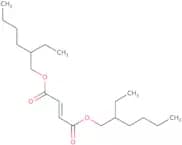
CAS:<p>Bis(2-ethylhexyl) fumarate is a synthetic chemical compound that has been used in the synthesis of clostridium botulinum. It is a white solid with a constant melting point. This compound can be synthesized via the reaction of propiolic acid and maleic anhydride, which produces a carbon-carbon bond. Bis(2-ethylhexyl) fumarate is not estrogenic, but it does bind to the human estrogen receptor. The binding affinity for this receptor has been shown to be lower than other compounds such as diethylstilbestrol and ethinyl estradiol. Bis(2-ethylhexyl) fumarate also reacts with polyvinyl chloride and crotonic acid, forming crosslinked polymers that are photoreactive.</p>Fórmula:C20H36O4Pureza:Min. 95%Forma y color:Clear LiquidPeso molecular:340.5 g/mol6-Thiouric acid sodium salt dihydrate
CAS:<p>6-Thiouric acid sodium salt dihydrate is a reaction component and fine chemical that is used as a reagent in the synthesis of various speciality chemicals. It has been used as a building block for the synthesis of complex compounds, and is also an intermediate for the production of high quality research chemicals. 6-Thiouric acid sodium salt dihydrate is soluble in water, methanol, ethanol, acetone and benzene. The CAS number for this product is 1329805-85-7.</p>Fórmula:C5H7N4NaO4SPureza:Min. 95%Forma y color:PowderPeso molecular:242.19 g/mol9-Acridinamine hydrochloride hydrate
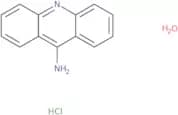
CAS:<p>9-Acridinamine hydrochloride hydrate is a redox agent that has been shown to have genotoxic effects in vitro. It can be used for the treatment of infectious diseases such as tuberculosis and leprosy, but it is not active against gram-positive bacteria. 9-Acridinamine hydrochloride hydrate has been shown to inhibit the growth of bacteria by binding to DNA and preventing transcription, replication, and repair. This compound also inhibits bacterial protein synthesis by forming covalent bonds with amino groups on proteins. 9-Acridinamine hydrochloride hydrate has been shown to be safe when administered orally in animal studies, but it may cause hepatotoxicity.</p>Fórmula:C13H10N2·HCl·H2OPureza:Min. 95%Forma y color:Yellow PowderPeso molecular:248.71 g/mol2-Hydroxybenzylamine hydrate
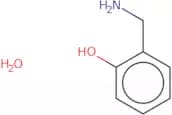
CAS:<p>2-Hydroxybenzylamine hydrate is a fine chemical, useful building block, research chemical, and reagent. It is soluble in water and has a neutral pH. 2-Hydroxybenzylamine hydrate is an intermediate in the synthesis of amphetamines and phenethylamines. This product is also used as a reaction component for the synthesis of polymers, pharmaceuticals, natural products, and other organic compounds. 2-Hydroxybenzylamine hydrate has a high quality level and can be used as a versatile building block in complex reactions.</p>Fórmula:C7H9NO·H2OPureza:Min. 95%Peso molecular:141.17 g/mol(R)-(-)-Glycidyl butyrate
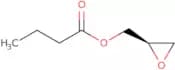
CAS:<p>(R)-(-)-Glycidyl butyrate is a chiral molecule with a single enantiomer. It is an inhibitor of bacterial growth, and has been shown to be selective for Gram-positive bacteria such as staphylococci and subtilis, while being less active against Gram-negative bacteria such as E. coli. The kinetic constants of the enzyme that catalyzes the hydrolysis of (R)-(-)-glycidyl butyrate have been determined by immobilization on ion exchange resins. The stereoselectivity of this reaction was also found to be in favor of (R)-(-)-glycidyl butyrate. This compound also has potent inhibitory activity against iodination reaction catalyzed by Escherichia coli D-amino acid oxidase, which is used in the diagnosis of phenylketonuria. Finally, (R)-(-)-glycidyl butyrate has been shown to inhibit de</p>Fórmula:C7H12O3Pureza:Min. 95%Forma y color:Clear, colourless to pale yellow liquid.Peso molecular:144.17 g/molEthyl 2-phenylbutyrate
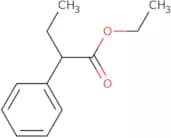
CAS:<p>Ethyl 2-phenylbutyrate is a synthetic, non-steroidal compound that has been shown to inhibit the activity of cyclooxygenase enzymes. It is used as an intermediate in organic synthesis and as a reagent in the cross-coupling reaction between arenes and magnesium. The compound is synthesized by reacting cyclopentyl bromide with an alkyl halide, followed by treatment with an alkanoic acid. The enantiomers of ethyl 2-phenylbutyrate can be separated by chromatography or by crystallization. This chemical is soluble in benzene and ether, but not in water.</p>Fórmula:C12H16O2Pureza:Min. 95%Forma y color:PowderPeso molecular:192.25 g/mol4-Nitro-D-phenylalanine hydrate
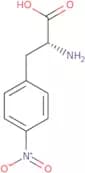
CAS:<p>4-Nitro-D-phenylalanine hydrate is a cytosolic enzyme that catalyzes the conversion of phenylpropionic acid to its conjugate base, 4-nitrophenol. This reaction is important in the synthesis of antimicrobial peptides and extractants. The enzyme also has hemolytic activity and can be used as an extractant for pancreatic juice. 4-Nitro-D-phenylalanine hydrate is a catalyst for acylation reactions, which are involved in the production of various pharmaceuticals. 4-Nitro-D-phenylalanine hydrate binds to receptors on the surface of bacterial cells, making it an effective antibacterial agent.</p>Fórmula:C9H10N2O4·H2OPureza:Min. 95%Forma y color:PowderPeso molecular:228.2 g/mol2,6-Dimethyl-1,4-diphenylpyridinium tetrafluoroborate
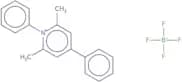
CAS:<p>2,6-Dimethyl-1,4-diphenylpyridinium tetrafluoroborate is a high quality reagent that can be used as a useful intermediate in the synthesis of fine chemicals. It is used as an important building block in the synthesis of many organic compounds and is also an important reaction component. This compound has a wide range of uses and can be used as a versatile building block in organic synthesis or as a speciality chemical for research purposes.</p>Fórmula:C19H18N·BF4Pureza:Min. 95%Peso molecular:347.16 g/mol3-Amino-4-hydroxybenzoic acid hydrate
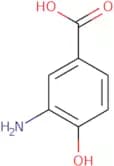
CAS:<p>3-Amino-4-hydroxybenzoic acid hydrate is a fine chemical that is used as a versatile building block in the synthesis of pharmaceuticals, agrochemicals, and other organic chemicals. It is an intermediate for the preparation of various research chemicals. 3-Amino-4-hydroxybenzoic acid hydrate has been shown to be an effective reagent for the synthesis of certain complex compounds. It also has high quality and can be used as a reaction component in many reactions.</p>Fórmula:C7H7NO3·H2OPureza:Min. 95%Forma y color:PowderPeso molecular:171.15 g/mol4,5,6-Pyrimidinetriamine sulfate hydrate
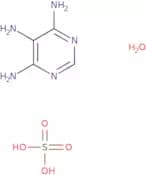
CAS:<p>4,5,6-Pyrimidinetriamine sulfate hydrate is a pyrimidine derivative that can be used as a building block for the synthesis of a wide range of compounds. It is used as a starting material in organic chemistry and pharmaceuticals. 4,5,6-Pyrimidinetriamine sulfate hydrate is also used in research and development as an intermediate or reagent.</p>Fórmula:C4H7N5·H2SO4·xH2OPureza:Min. 95%Peso molecular:223.21 g/mol5-Amino-N-(3-amino-2,2-dimethyl-3-oxopropyl)-4-hydroxy-2-isopropyl-7-[4-methoxy-3-(3-methoxypropoxy)benzyl]-8-methylnonanamide fumar ate
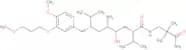
CAS:<p>5-Amino-N-(3-amino-2,2-dimethyl-3-oxopropyl)-4-hydroxy-2-isopropyl-7-[4-methoxy-3-(3-methoxypropoxy)benzyl]-8-methylnonanamide fumar ate is a drug that inhibits the activity of angiotensin II, which is a hormone produced by the body. It is used as monotherapy for treatment of hypertension. 5AMINO has been shown to be effective in lowering blood pressure when administered alone and has been shown to be well tolerated. For this drug, the most frequently reported adverse reactions are nausea and dizziness. This drug should not be taken with other antihypertensive drugs or nonsteroidal antiinflammatory drugs such as ibuprofen (Motrin®). In addition, patients with diabetes should monitor their blood sugar levels carefully while taking this medication.</p>Fórmula:C30H53N3O6Pureza:Min. 95%Forma y color:PowderPeso molecular:551.76 g/molQuinidine sulfate dihydrate
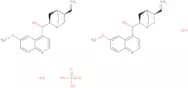
CAS:<p>Quinidine sulfate dihydrate is a medication that belongs to the class of antiarrhythmic drugs. It is used in the treatment of arrhythmias, including atrial fibrillation, supraventricular tachycardia, and ventricular tachycardia. Quinidine sulfate dihydrate has an inhibitory effect on erythromycin-resistant bacteria, such as staphylococci and streptococci. This drug has also been shown to inhibit the growth of many types of cancer cells, including colon cancer cells. Quinidine sulfate dihydrate acts by inhibiting cellular ATPases.</p>Fórmula:C40H48N4O4·H2O4S·2H2OPureza:(Titration) Min. 98%Forma y color:PowderPeso molecular:782.94 g/molDL-Lysine hydrate
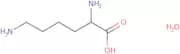
CAS:<p>DL-Lysine monohydrate is a white crystalline powder. It is soluble in water and alcohol, but insoluble in ether. DL-Lysine monohydrate has been shown to be fully chemically stable under normal laboratory conditions, with no evidence of decomposition at room temperature or under the influence of light. This compound is used as a drug substance for the treatment of lysinuric protein intolerance and may be used as an additive to animal feed. DL-Lysine monohydrate is also used in the production of other compounds such as amino acids, calorimetry reagents, and thermal analysis materials.</p>Fórmula:C6H14N2O2•xH2OPureza:Min. 95%Forma y color:PowderPeso molecular:146.19 g/mol2-Chloro-5-(4-chloro-5-difluoromethoxy-1-methylpyrazol-3-yl)-4-fluorophenoxyacetic acid monohydrate
CAS:<p>2-Chloro-5-(4-chloro-5-difluoromethoxy-1-methylpyrazol-3-yl)-4-fluorophenoxyacetic acid monohydrate (2,4,5P) is a phenoxy herbicide that has been shown to be an effective broadleaf and grass weed control agent. 2,4,5P is a granule formulation that can be applied by helicopter or ground equipment. It has synergistic effects with glyphosate when applied together to soybean plants and can be used in combination with other herbicides for more effective weed control.</p>Fórmula:C13H9Cl2F3N2O·H2OPureza:Min. 95%Forma y color:White PowderPeso molecular:355.14 g/molDantrolene sodium salt hemiheptahydrate
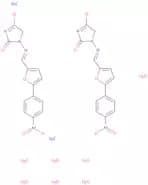
CAS:<p>Ryanodine receptor blocker; inhibitor of calcium release; muscle relaxant</p>Fórmula:C14H9N4NaO5•(H2O)3Pureza:Min. 95%Forma y color:Yellow To Orange SolidPeso molecular:399.29 g/mol(R)-Benzyl-2-[4-(trifluoromethyl)phenyl]-6,7-dihydro-5H-pyrrolo[2,1-c][1,2,4]triazolium Tetrafluoroborate
CAS:<p>(R)-Benzyl-2-[4-(trifluoromethyl)phenyl]-6,7-dihydro-5H-pyrrolo[2,1-c][1,2,4]triazolium Tetrafluoroborate is a bactericide that inhibits the production of proteins necessary for cellular growth. It has been shown to inhibit the growth of bacteria such as E. coli in vitro and in animal models. The effective dose for this drug is not known at this time.</p>Fórmula:C19H17BF7N3Pureza:Min. 95%Forma y color:White PowderPeso molecular:431.16 g/mol9-Amino-1,2,3,4-tetrahydroacridine HCl hydrate
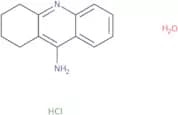
CAS:Producto controlado<p>9-Amino-1,2,3,4-tetrahydroacridine HCl hydrate (9AHT) is a cholinergic agent that inhibits the activity of the ns3 protease. It has been shown to inhibit tumor growth and induce apoptosis in prostate cancer cells. 9AHT also exhibits neuroprotective effects through its ability to inhibit acetylcholinesterase and reduce neuronal death. This drug has been used as a biological sample for the detection of amyloid proteins in cell culture. Acetate extract from Astragalus (a medicinal plant) was found to have an inhibitory effect on acetylcholinesterase activity. Protocatechuic acid, which is found in many plants, including grapefruit peel, has also been shown to be an inhibitor of acetylcholinesterase activity.</p>Fórmula:C13H15ClN2·xH2OPureza:Min. 95%Forma y color:White PowderPeso molecular:234.72 g/molrec Neurotrophin-3 (human)
<p>Please enquire for more information about rec Neurotrophin-3 (human) including the price, delivery time and more detailed product information at the technical inquiry form on this page</p>Pureza:Min. 95%2,6-Diethyl-4-phenyl-1-propylpyridinium tetrafluoroborate
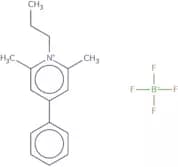
CAS:<p>2,6-Diethyl-4-phenyl-1-propylpyridinium tetrafluoroborate is a building block and a versatile intermediate in organic synthesis. It can be used as a reactant in the preparation of fine chemicals and pharmaceuticals. 2,6-Diethyl-4-phenyl-1-propylpyridinium tetrafluoroborate has been shown to produce high quality reaction products with good yield.</p>Fórmula:C16H20N·BF4Pureza:Min. 95%Peso molecular:313.14 g/molDL-Cystein hydrochloride hydrate
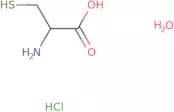
CAS:<p>DL-Cystein hydrochloride hydrate is a chemical compound with an amino acid structure. It is a structural analogue of the amino acid cysteine and has been shown to protect cells in culture from the toxic effects of proteases. This drug has been used in animal studies to test its ability to protect against diabetic neuropathy, but it is not yet known whether it will be effective for humans. DL-Cystein hydrochloride hydrate can be used as a fluorescence probe for albumin concentration and as a chemical chaperone that stabilizes proteins and prevents their aggregation. This compound has also been shown to have antioxidant properties, which may help prevent cellular damage caused by reactive oxygen species.</p>Fórmula:C3H7NO2S·HCl·H2OPureza:Min. 95%Peso molecular:175.64 g/molMethenamine hippurate
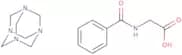
CAS:Producto controlado<p>Methenamine hippurate is a drug that has been used in the treatment of urinary tract infections. It is also used to prevent recurrence of these infections. Methenamine hippurate works by releasing formaldehyde, which inhibits the growth of bacteria by affecting their cell membrane. The release of formaldehyde is dependent on the concentration of methenamine and the pH, with a pH range from 7.0 to 8.5 being most effective for inhibiting bacterial growth. The release of formaldehyde can be inhibited by adding an acid to the urine sample or by adding hippurate to methenamine hippurate. Methenamine hippurate may cause drug interactions with other drugs that are eliminated through the kidneys, such as acetaminophen, sulfonamides, and indomethacin. This drug also has been shown to have therapeutic effects on choroidal neovascularization and geriatric patients with urinary tract infections.!--<br>END--></p>Fórmula:C6H12N4·C9H9NO3Pureza:Min. 95%Forma y color:White PowderPeso molecular:319.36 g/molSodium tetraborate decahydrate
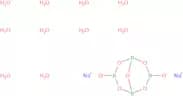
CAS:<p>Sodium tetraborate decahydrate is a boron compound that is used in wastewater treatment. It is a good adsorbent for organic molecules and can be used to remove organic contaminants from wastewater. Sodium tetraborate decahydrate has shown to have good thermal stability, chemical stability, and optical properties. This compound also has the ability to adsorb benzalkonium chloride, which is an antibacterial agent used in hospitals.</p>Fórmula:Na2B4O7·10H2OPureza:Min. 95%Forma y color:PowderPeso molecular:381.37 g/molAzure B Tetrafluoroborate
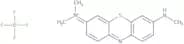
CAS:<p>Azure B Tetrafluoroborate is a potentiator for antibiotics. It is used to enhance the antibacterial efficacy of antibiotics by increasing their ability to penetrate tissues and bacterial biofilms. Azure B Tetrafluoroborate is an organic solvent that can be applied with a handpiece or cavity instrument. It has been shown to increase the in vitro activity of various antibiotics against gram-negative organisms and can be used as a polymeric matrix for coating medical devices such as catheters, endoscopes, and implants. The mechanism of action involves activation of the chemical species within the antibiotic molecule, which then reacts with diode-pumped solid state laser radiation to produce luminescence reactions.</p>Fórmula:C15H16N3S·BF4Pureza:Min. 95%Peso molecular:357.18 g/molThiamine nitrate
CAS:<p>Thiamine nitrate is a form of vitamin B1 that is used to treat thiamine deficiency. Thiamine nitrate is an oxidized form of thiamin, also known as vitamin B1. It can be synthesized by reacting thiamin hydrochloride with nitric acid. Thiamine nitrate has been shown to protect against neuronal death in the brain and restores cognitive function in patients with Wernicke-Korsakoff syndrome due to its ability to target enzymes involved in energy metabolism and calcium ion homeostasis. It also prevents acute alcohol intoxication and protects against neurotoxicity caused by nonsteroidal anti-inflammatory drugs.<br>Thiamine nitrate also has a fluorescence probe that can be used for detection and quantification of some proteins, such as DNA polymerase or ribonucleotide reductase, which are essential for cell growth or DNA synthesis.</p>Fórmula:C12H17N4OS·NO3Pureza:Min. 95%Forma y color:White Clear LiquidPeso molecular:327.36 g/molDiatrizoic acid dihydrate
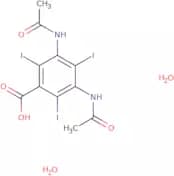
CAS:<p>Diatrizoic acid dihydrate is a compound that has been used in the past for the detection of bladder cancer and urethral carcinoma. It is most often administered by intravesical instillation, postoperatively after pyelography, or prophylactically to prevent recurrence following surgery for bladder cancer. Diatrizoic acid dihydrate is an oxidant agent with high reactivity to nucleic acids. When it reacts with viral DNA, it causes a break in the DNA chain at the site of contact, resulting in cell death. The compound also reacts with DNA in bacteria and human cells, causing a change in the configuration of the molecule and leading to cell death. Diatrizoic acid dihydrate can be used as a treatment for subgroups C and D of virus-induced cystitis in animals, but it does not work against other types of cystitis viruses. Diatrizoic acid dihydrate is also</p>Fórmula:C11H9I3N2O4·2H2OPureza:Min. 95%Forma y color:White PowderPeso molecular:649.94 g/molResveratrol triacetate
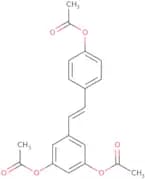
CAS:<p>Resveratrol is a natural phenol that has been shown to have anticancer and anti-inflammatory properties. Resveratrol triacetate is an acetylated form of resveratrol that has a greater stability than resveratrol and may be more bioavailable. Resveratrol triacetate has been shown to inhibit the proliferation of skin cells, muscle cells, and bronchial cells in vitro. Resveratrol triacetate also decreases the production of pro-inflammatory cytokines in macrophages, which are white blood cells involved in the inflammatory response. Resveratrol triacetate inhibits the expression of genes that lead to inflammation and cancer development by binding to nuclear receptors, which are proteins found on the surface of cells that bind specific molecules such as hormones or drugs.</p>Fórmula:C20H18O6Pureza:Min. 95%Forma y color:PowderPeso molecular:354.35 g/mol1,5-Dimethyl citrate
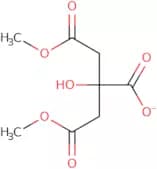
CAS:<p>1,5-Dimethyl citrate is a polycarboxylic acid that is found in urine. It has been used as an antimicrobial agent against bacteria and yeast. 1,5-Dimethyl citrate has also been shown to be effective against colorectal adenocarcinoma cells. It binds to the nucleophilic centers in the active site of bacterial enzymes and inhibits the synthesis of DNA and RNA. This leads to cell death by inhibiting protein synthesis and cell division. The hydrogen fluoride (HF) treatment of 1,5-dimethyl citrate converts it into usnic acid, which has been shown to have antimicrobial properties against a wide range of microorganisms including E. coli and methicillin-resistant Staphylococcus aureus (MRSA). 1,5-Dimethyl citrate can be detected in urine by nuclear magnetic resonance spectroscopy or mass spectrometry because it has a distinctive chemical shift at 2.1 ppm</p>Fórmula:C8H12O7Pureza:Min. 95 Area-%Forma y color:PowderPeso molecular:220.18 g/molLithium 12-hydroxy stearate
CAS:<p>Lithium 12-hydroxy stearate is a lithium salt of a fatty acid and a main component of lithium soap, which is used in lubricating greases and as foam-release agent. Lithium stearates are contained in greases used in vehicles, aircraft, and heavy machinery.</p>Fórmula:C18H35LiO3Pureza:Min. 95%Forma y color:PowderPeso molecular:306.41 g/molPentolinium tartrate
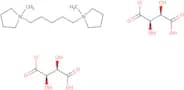
CAS:<p>Pentolinium tartrate is a potent inhibitor of the enzyme that catalyzes the conversion of noradrenaline to adrenaline, which is a pressor agent. It also inhibits oxidation and thus prevents damage to tissues. Pentolinium tartrate has been shown to lower blood pressure in both anesthetized and conscious animals. It also has potentiation effects on the activity of acetylcholine, an amine neurotransmitter involved in memory and learning. This drug binds to the hydroxylase enzyme in adrenomedullary cells and blocks the formation of catecholamines (including noradrenaline). Pentolinium tartrate does not have any effect on monoamine oxidase inhibitors.</p>Fórmula:C23H42N2O12Pureza:Min. 95%Forma y color:PowderPeso molecular:538.59 g/mol2,4,6-Trimethylpyronium tetrafluoroborate
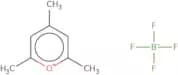
CAS:<p>2,4,6-Trimethylpyronium tetrafluoroborate is a chemical compound that is used in pharmaceutical preparations. It is an analog of pyridinium diacetate and can be prepared by reacting 2,4,6-trimethylpyridine with hydrogen fluoride to form the corresponding pyridinium tetrafluoroborate. The chemical reactions of 2,4,6-trimethylpyridine are similar to those of other pyridines. It has been shown that 2,4,6-trimethylpyridine reacts with diazo compounds to produce a fluorescent product. This reaction can be monitored using a fluorescence assay and statistically analyzed. The plasma samples were analyzed using isotopic analysis and showed that the pyronium ion was present in human serum as well as inorganic materials such as water samples.</p>Fórmula:C8H11O·BF4Pureza:Min. 95%Peso molecular:209.98 g/mol(-)-Phenylephrine hydrogentartrate
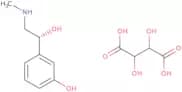
CAS:<p>(-)Phenylephrine is a medication that belongs to the group of drugs called sympathomimetics. This drug is a potent vasoconstrictor that causes blood vessels to narrow and increases blood pressure. (-)Phenylephrine is used in humans as a pharmaceutical dosage for treatment of chronic bronchitis, hay fever, and other allergic reactions. It also has been shown to inhibit guanylate cyclase activity and can be used for the treatment of asthma. (-)Phenylephrine inhibits the action of two enzymes: cyclase and phosphodiesterase. This inhibition leads to an increased level of cAMP, which binds with G protein-coupled receptors in tissues that are rich in smooth muscle cells such as the airways or urinary bladder. The binding of cAMP with these receptors causes an increase in intracellular calcium ion levels, leading to relaxation of smooth muscles and improved breathing or urination.</p>Fórmula:C9H13NO2·C4H6O6Pureza:Min. 98 Area-%Forma y color:PowderPeso molecular:317.29 g/mol







![(R)-Benzyl-2-[4-(trifluoromethyl)phenyl]-6,7-dihydro-5H-pyrrolo[2,1-c][1,2,4]triazolium Tetrafluor…](/_next/image/?url=https%3A%2Fstatic.cymitquimica.com%2Fproducts%2F3D%2Fthumb-webp%2FFB59921.webp&w=3840&q=75)