Antimicrobianos
Los antimicrobianos son agentes que destruyen o inhiben el crecimiento de microorganismos, incluyendo bacterias, virus, hongos y parásitos. Estos compuestos son esenciales en la prevención y tratamiento de infecciones, desempeñando un papel crucial en la medicina, la agricultura y la industria alimentaria. En CymitQuimica, ofrecemos una extensa gama de antimicrobianos de alta calidad y pureza, adecuados para diversas aplicaciones científicas e industriales. Nuestro catálogo incluye antibióticos, antifúngicos, antivirales y desinfectantes, todos diseñados para satisfacer las necesidades de investigación y desarrollo, así como para aplicaciones clínicas y de producción. Con nuestros productos, los profesionales pueden garantizar la eficacia y seguridad en el control de infecciones y en la protección de la salud pública.
Subcategorías de "Antimicrobianos"
- Antibióticos(4.131 productos)
- Antifúngicos(912 productos)
- Antiparasitarios(703 productos)
- Antivirales(767 productos)
Se han encontrado 2425 productos de "Antimicrobianos"
Ordenar por
Pureza (%)
0
100
|
0
|
50
|
90
|
95
|
100
Papyracillic acid
CAS:<p>Papyracillic acid is a bioactive compound, classified as a secondary metabolite, which is isolated from certain species of fungi. This compound originates from the natural metabolic processes of these microorganisms, often cultured on specific media to optimize production levels. Its mode of action involves disrupting essential bacterial cellular functions, primarily by inhibiting the synthesis of key structural components, leading to compromised integrity and function of bacterial cells.</p>Fórmula:C11H14O5Pureza:Min. 95%Peso molecular:226.23 g/molRef: 3D-EHA30849
Producto descatalogadoGanciclovir, Antibiotic for Culture Media Use Only
CAS:<p>Ganciclovir is an antiviral agent specifically designed for culture media use. It is a synthetic analogue of 2'-deoxy-guanosine, derived from nucleoside compounds, and operates primarily by inhibiting the replication of viral DNA. Its mode of action involves selective phosphorylation by viral kinases, which converts it into ganciclovir triphosphate, a potent inhibitor of viral DNA polymerase, ultimately preventing viral DNA synthesis.</p>Fórmula:C9H13N5O4Pureza:Min. 98.0 Area-%Peso molecular:255.23 g/molRef: 3D-Q-201148
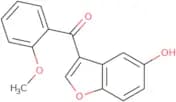
Producto descatalogadoN-(4-(4-Methylpiperidin-1-yl)-3-(trifluoromethyl)phenyl)-4-(morpholinomethyl)benzamide
CAS:<p>N-(4-(4-Methylpiperidin-1-yl)-3-(trifluoromethyl)phenyl)-4-(morpholinomethyl)benzamide is a sophisticated chemical compound, classified as a synthetic small molecule. It is synthesized through a series of organic reactions, showcasing the intricate art of modern chemical synthesis and design.</p>Fórmula:C25H30F3N3O2Pureza:Min. 95%Peso molecular:461.5 g/molRef: 3D-EZD46567
Producto descatalogadoACX-362E
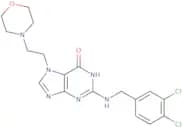
CAS:<p>ACX-362E is a novel antibacterial agent, which is a synthetic compound derived from small-molecule chemical libraries with selective action on bacterial pathogens. The mode of action of ACX-362E involves the inhibition of bacterial cell wall synthesis, specifically targeting essential enzymes involved in the peptidoglycan biosynthesis pathway. This interference disrupts cell wall integrity, leading to bacterial lysis and cell death.</p>Fórmula:C18H20Cl2N6O2Pureza:Min. 95%Peso molecular:423.3 g/mol7-O-Demethyl rapamycin
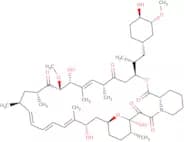
CAS:<p>7-O-Demethyl rapamycin is a macrolide compound, which is a derivative of rapamycin, originally sourced from the bacterial species *Streptomyces hygroscopicus*. This compound operates by binding to the FK506-binding protein 12 (FKBP12), forming a complex that inhibits the mammalian target of rapamycin (mTOR) pathway. This inhibition interferes with cellular processes such as cell growth, proliferation, and survival by altering the phosphorylation state of downstream targets.</p>Fórmula:C50H77NO13Pureza:80%MinPeso molecular:900.15 g/molRadicinol
CAS:<p>Radicinol is a natural compound, which is a dihydroflavonol primarily sourced from plant origins. This compound is biosynthesized in specific plant species and extracted through meticulous biochemical processes to ensure its purity and efficacy. The mode of action of Radicinol involves the modulation of specific cellular pathways, conferring antioxidative and anti-inflammatory properties. It acts by scavenging free radicals and enhancing cellular resilience against oxidative stress.</p>Fórmula:C12H14O5Pureza:Min. 95%Peso molecular:238.24 g/molRef: 3D-QCA64766
Producto descatalogadoFilipin III
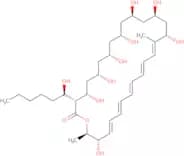
CAS:<p>Filipin III is a polyene macrolide antibiotic, which is extracted from Streptomyces filipinensis. Known for its unique mode of action, Filipin III interferes with cholesterol-rich membranes by binding to ergosterol and cholesterol. This interaction disrupts the membrane structure, altering membrane permeability and ultimately affecting cell viability.</p>Pureza:Min. 95%Fluhexafon
CAS:<p>Fluhexafon is an innovative acaricide, which is derived from advanced chemical synthesis. Its mode of action involves disrupting critical biological processes in mites, specifically targeting nerve receptor pathways to inhibit their survival and reproduction. By interfering with the neurotransmission, it effectively reduces mite populations, ensuring healthier crops.</p>Fórmula:C12H17F3N2O3SPureza:Min. 95%Peso molecular:326.34 g/molRef: 3D-XTB63026
Producto descatalogadoVineomycin A1
CAS:<p>Vineomycin A1 is a cytotoxic antibiotic, which is isolated from the fermentation broth of certain Streptomyces species. This compound is a member of the anthracycline class of antibiotics, known for their potent antitumor activity. Vineomycin A1 exerts its effects by intercalating into DNA, disrupting the DNA replication process and ultimately inducing apoptosis in rapidly dividing cells. This mode of action makes it a valuable tool in studying cellular responses to DNA damage and has potential implications in cancer research. Leveraging its ability to target malignant cells, Vineomycin A1 is primarily examined for its therapeutic potential in oncology, particularly in treating certain types of cancers that are resistant to standard therapies. As a research chemical, it enables scientists to gain insights into the mechanisms of drug resistance and DNA repair pathways, contributing to the development of novel cancer treatment strategies.</p>Fórmula:C49H58O18Pureza:Min. 95%Peso molecular:935.00 g/molRef: 3D-DDA16400
Producto descatalogado(10E)-3-O-De(a-L-cladinose)-10-dehydro-11-dehydroxy-6-O-methyl-erythromycin 2'-acetate
CAS:<p>Erythromycin derivative</p>Fórmula:C32H55NO10Pureza:Min. 95%Peso molecular:613.78 g/molRef: 3D-AD20811
Producto descatalogadoErythromycin iactobionate
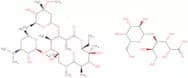
CAS:<p>Erythromycin lactobionate is a macrolide antibiotic, which is derived from the bacterium *Saccharopolyspora erythraea*. Its mode of action involves binding to the 50S subunit of the bacterial ribosome, thereby inhibiting protein synthesis and leading to the suppression of bacterial growth. This mechanism effectively targets gram-positive bacteria and some gram-negative bacteria, making it a crucial agent in the fight against various bacterial infections.</p>Fórmula:C49H87NO24Pureza:Min. 95%Forma y color:White To Off-White SolidPeso molecular:1,074.21 g/molAminosidine
CAS:<p>Aminosidine is a nucleoside analogue that inhibits the HIV-1 reverse transcriptase and the integrase, which are enzymes involved in viral DNA synthesis. Aminosidine is active against Leishmania spp., but not against bacteria. Aminosidine has been shown to be effective in experimental models of human bowel disease and in patients with inflammatory bowel disease. It was also found to be active against wild-type strains of human immunodeficiency virus type 1, but not resistant mutants. The mechanism of action is the inhibition of cellular mitochondrial membrane potential.</p>Pureza:Min. 95%Fenoprofen sodium salt dihydrate
CAS:<p>Fenoprofen sodium salt dihydrate is a nonsteroidal anti-inflammatory drug (NSAID), which is a synthetic compound derived from propionic acid. It acts by inhibiting the cyclooxygenase (COX) enzymes, COX-1 and COX-2, leading to decreased synthesis of prostaglandins. This reduction in prostaglandin synthesis is responsible for its analgesic, anti-inflammatory, and antipyretic effects.</p>Fórmula:C15H13NaO3·2H2OPureza:Min. 95%Peso molecular:264.25 g/molRef: 3D-RCA42446
Producto descatalogadoCarbazomycin B
CAS:<p>Carbazomycin B is a bioactive compound which is an antibiotic derived from the soil bacterium Streptomyces. This compound exhibits its mode of action by interfering with the synthesis of bacterial cell walls, which ultimately restricts the growth and proliferation of bacterial cells. The unique chemical structure of Carbazomycin B allows it to target specific pathways within bacterial organisms, making it an important tool in combating resistant strains.</p>Fórmula:C15H15NO2Pureza:Min. 95%Peso molecular:241.28 g/molRef: 3D-ADA13938
Producto descatalogadoCephalexin hydrate, Antibiotic for Culture Media Use Only
CAS:<p>Please enquire for more information about Cephalexin hydrate, Antibiotic for Culture Media Use Only including the price, delivery time and more detailed product information at the technical inquiry form on this page</p>Fórmula:C16H19N3O5SPureza:Min. 95.0 Area-%Peso molecular:365.41 g/molRef: 3D-Q-200819
Producto descatalogadoMethiozolin
CAS:<p>Methiozolin is an herbicide, which is a synthetic compound with a specific mode of action. It targets the cell division process, specifically inhibiting the synthesis of very-long-chain fatty acids in plants. This mode of action makes Methiozolin effective against problematic weed species such as annual bluegrass (Poa annua), which is known for its pervasive growth in turfgrass systems.</p>Fórmula:C17H17F2NO2SPureza:Min. 95%Peso molecular:337.4 g/molRef: 3D-DRA64027
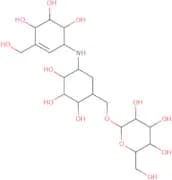
Producto descatalogadoValidamycin D
CAS:<p>Validamycin D is an antifungal antibiotic produced by the fermentation of certain Streptomyces species. This compound acts by inhibiting the synthesis of trehalose, a crucial component in the cell structure and stress response of fungi. By disrupting trehalose production, Validamycin D effectively impairs the growth and viability of fungal cells, making it a potent agent in the management of fungal pathogens.</p>Fórmula:C20H35NO13Pureza:Min. 95%Peso molecular:497.5 g/molRef: 3D-MAA65067
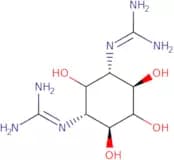
Producto descatalogadoStreptidine dihydrochloride
CAS:<p>Streptidine dihydrochloride is a biochemical compound, specifically a derivative of streptomycin, which is obtained through chemical modification of the aminoglycoside antibiotic streptomycin. It is composed of streptidine, a constituent sugar derivative, that is integral to the structure of streptomycin, rendered as a hydrochloride salt to enhance solubility and stability.</p>Fórmula:C8H18N6O4·2HClPureza:Min. 95%Tachyplesin I trifluoroacetate
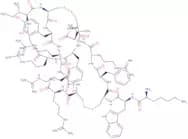
CAS:<p>Tachyplesin I trifluoroacetate is an antimicrobial peptide with action on bacterial and fungal membranes by disrupting their integrity and is used for research on antimicrobial properties and potential therapeutic applications.</p>Fórmula:C99H151N35O19S4•(C2HF3O2)xPureza:Min. 95%Forma y color:PowderPeso molecular:2,263.75 g/molRifamdin
CAS:<p>Rifamdin is an antibiotic, which is a chemical substance derived from the source compound rifampicin. Its mode of action involves the inhibition of bacterial DNA-dependent RNA polymerase, which effectively suppresses bacterial RNA synthesis, leading to cell death. This mechanism primarily targets Mycobacterium tuberculosis, the causative agent of tuberculosis.</p>Fórmula:C46H64N4O12Pureza:Min. 95%Peso molecular:865.02 g/mol3'-N,N-Di(desmethyl)-3'-N-formyl azithromycin
CAS:<p>3'-N,N-Di(desmethyl)-3'-N-formyl azithromycin is a semisynthetic macrolide antibiotic derivative, which is synthesized through chemical modification of azithromycin. Azithromycin is originally derived from erythromycin, which is produced by the bacterium Saccharopolyspora erythraea. The modifications in this derivative result in enhanced specificity and altered pharmacokinetic properties compared to the parent compound.</p>Fórmula:C37H68N2O13Pureza:Min. 95%Forma y color:White/Off-White SolidPeso molecular:748.94 g/molRef: 3D-AD21416
Producto descatalogadoBottromycin A2
CAS:<p>Bottromycin A2 is a peptide antibiotic, which is a natural product derived from the fermentation of certain Streptomyces strains. It operates by targeting the bacterial ribosome, specifically inhibiting protein synthesis. The mode of action involves binding to the A-site of the 50S ribosomal subunit, thereby preventing the correct positioning of transfer RNA (tRNA) during translation. This inhibition halts the growth of bacteria by disrupting essential protein production processes.</p>Fórmula:C42H62N8O7SPureza:Min. 95%Peso molecular:823.1 g/molRef: 3D-QAA00562
Producto descatalogadoChevalone E
CAS:<p>Chevalone E is a specialized nematicide, which is derived from natural plant sources. Its mode of action is based on disrupting the normal physiological processes of nematodes, thereby inhibiting their ability to infect and damage host plants. Chevalone E is particularly valued for its ability to target a broad range of nematode species, making it an effective tool in integrated pest management strategies.</p>Fórmula:C26H38O4Pureza:Min. 95%Peso molecular:414.6 g/molRef: 3D-QCC45194
Producto descatalogado1-Ethyl-6-fluoro-7-(piperazin-1-yl)quinolin-4(1H)-one
CAS:<p>1-Ethyl-6-fluoro-7-(piperazin-1-yl)quinolin-4(1H)-one is a fluoroquinolone antibiotic, which is a synthetic derivative sourced from the quinolone family. This compound functions by targeting bacterial DNA gyrase and topoisomerase IV, which are crucial enzymes involved in the replication and transcription of bacterial DNA. By inhibiting these enzymes, the antibiotic effectively disrupts DNA replication in susceptible bacterial strains, leading to cell death.</p>Fórmula:C15H18FN3OPureza:Min. 95%Peso molecular:275.32 g/molRef: 3D-ADA00182
Producto descatalogado1-(6-Amino-3,5-difluoro-2-pyridinyl)-7-[3-[3-[[1-(6-amino-3,5-difluoro-2-pyridinyl)-3-carboxy-8-chloro-6-fluoro-1,4-dihydro-4-oxo-7- quinolinyl]amino]-2-hydroxypropoxy]-1-azetidinyl]-8-chloro-6-fluoro-1,4-dihydro-4-oxo-3-quinolinecarboxylic acid
CAS:<p>1-(6-Amino-3,5-difluoro-2-pyridinyl)-7-[3-[3-[[1-(6-amino-3,5-difluoro-2-pyridinyl)-3-carboxy-8-chloro-6-fluoro-1,4-dihydro-4-oxo-7-quinolinyl]amino]-2-hydroxypropoxy]-1-azetidinyl]-8-chloro-6-fluoro-1,4-dihydro-4-oxo-3-quinolinecarboxylic acid is a fluoroquinolone antibiotic, engineered through synthetic chemistry. It is derived from chemical sources involving complex organic synthesis, highlighting its intricate molecular architecture. Its mode of action is distinctive, as it inhibits bacterial DNA gyrase and topoisomerase IV, enzymes crucial for DNA replication and transcription. This interference with bacterial DNA processes results in bactericidal effects, effectively eliminating susceptible bacterial strains.</p>Fórmula:C36H24Cl2F6N8O8Pureza:Min. 95%Peso molecular:881.52 g/molRef: 3D-AA184076
Producto descatalogado