Antimicrobianos
Subcategorías de "Antimicrobianos"
- Antibióticos(4.138 productos)
- Antifúngicos(906 productos)
- Antiparasitarios(700 productos)
- Antivirales(766 productos)
Se han encontrado 2431 productos de "Antimicrobianos"
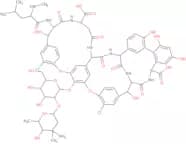
Vancomycin CDP-1
CAS:Vancomycin CDP-1 is a degradation product of vancomycin with no direct therapeutic action but used in research for analytical method development and validation.Fórmula:C66H74Cl2N8O25Pureza:Min. 95%Forma y color:PowderPeso molecular:1,450.24 g/mol6-[[(2R)-3,3-Dimethyl-2-oxiranyl]methyl]-7-methoxy-2H-1-benzopyran-2-one
CAS:6-[[(2R)-3,3-Dimethyl-2-oxiranyl]methyl]-7-methoxy-2H-1-benzopyran-2-one is a synthetic anticoagulant compound, which is a derivative of naturally occurring plant metabolites known as coumarins. Coumarins are prevalent in various plant species and are recognized for their diverse biological activities, including anticoagulant properties. Structurally modified to enhance efficacy and specificity, this compound acts by inhibiting vitamin K epoxide reductase, a critical enzyme in the blood coagulation pathway. This results in reduced synthesis of active clotting factors, ultimately decreasing the tendency for blood clot formation.Fórmula:C15H16O4Pureza:Min. 95%Peso molecular:260.28 g/molBaumycin C1
CAS:Baumycin C1 is an anthracycline-type antibiotic, which is derived from the bacterium *Streptomyces coeruleorubidus*. The mode of action of Baumycin C1 involves intercalating into DNA strands, thereby disrupting the process of DNA synthesis and replication. This intercalation results in the inhibition of topoisomerase II, an enzyme crucial for DNA unwinding, leading to the generation of double-strand breaks and subsequent interruption of cellular proliferation.
Fórmula:C28H29NO11Pureza:Min. 95%Peso molecular:555.5 g/mol2'-O-Acetylspiramycin I
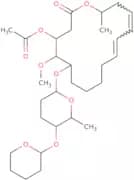
CAS:2'-O-Acetylspiramycin I is a semi-synthetic derivative of spiramycin, which is a macrolide antibiotic originally sourced from the bacterium *Streptomyces ambofaciens*. The modification involves the acetylation at the 2'-hydroxyl group of spiramycin, enhancing certain pharmacokinetic properties.Fórmula:C45H76N2O15Pureza:Min. 95%Peso molecular:885.09 g/molCefatrizine
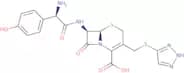
CAS:Cefatrizine is a broad-spectrum antibiotic, which is a semisynthetic cephalosporin derived from cephalosporin C, a natural product originating from the fungus Acremonium chrysogenum. It exerts its mode of action through the inhibition of bacterial cell wall synthesis, a critical component for bacterial growth and replication. Specifically, cefatrizine targets and binds to penicillin-binding proteins (PBPs) located inside the bacterial cell wall, leading to the inhibition of peptidoglycan synthesis. This disruption results in cell lysis and ultimately bacterial cell death.
Fórmula:C18H18N6O5S2Pureza:Min. 95%Peso molecular:462.5 g/molSultasin
CAS:Sultasin is a combination antibiotic product, which is derived from the synthesis of sulbactam, a β-lactamase inhibitor, and ampicillin, a β-lactam antibiotic. The mode of action of Sultasin involves the inhibition of bacterial cell wall synthesis. Ampicillin works by attaching to penicillin-binding proteins (PBPs) inside the bacterial cell wall, disrupting the final transpeptidation step of peptidoglycan synthesis, which leads to cell lysis. Sulbactam enhances the efficacy of ampicillin by inhibiting β-lactamase enzymes produced by resistant bacterial strains, thereby preventing the degradation of the antibiotic.Fórmula:C25H29N3Na2O9S2Pureza:Min. 95%Peso molecular:625.6 g/molMitomycin D
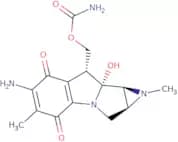
CAS:Mitomycin D is an antibiotic and chemotherapeutic agent known for its ability to inhibit DNA synthesis, making it a potent antitumor agent. It is derived from the bacterium *Streptomyces caespitosus*. Mitomycin D functions as a DNA crosslinking agent by alkylating the DNA strands, which interferes with DNA replication and transcription. This mechanism leads to the cessation of cellular division and ultimately induces apoptosis in rapidly dividing cells.Fórmula:C15H18N4O5Pureza:Min. 95%Peso molecular:334.33 g/molAclacinomycin HCl
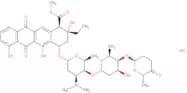
CAS:Aclacinomycin HCl is a cytotoxic antibiotic that inhibits the growth of tumor cells. It has been shown to induce apoptosis in human leukemia cells by altering the transmembrane potential and inhibiting cell proliferation. Aclacinomycin HCl also induces DNA damage response, which leads to caspase activities and cell death. This drug is highly selective for tumor cells, with no effect on normal cells. It has been shown to be effective against primary liver cancer in animal models, as well as developmental disorders such as autism spectrum disorder (ASD).
Fórmula:C42H53NO15·HClPureza:Min. 95%Forma y color:Orange PowderPeso molecular:848.33 g/molChlortetracycline
CAS:Chlortetracycline is a tetracycline antibiotic, which is derived from the bacterium *Streptomyces aureofaciens*. It functions by inhibiting protein synthesis through binding to the 30S ribosomal subunit, thereby preventing the attachment of aminoacyl-tRNA to the mRNA-ribosome complex. This mechanism effectively impedes the growth and replication of both gram-positive and gram-negative bacteria.
Fórmula:C22H23ClN2O8Pureza:Min. 95%Peso molecular:478.88 g/molSulbenicillin
CAS:Sulbenicillin is a semi-synthetic penicillin antibiotic, which is derived from 6-aminopenicillanic acid, a natural precursor in the biosynthesis of penicillins. With its beta-lactam structure, Sulbenicillin disrupts bacterial cell wall synthesis by inhibiting penicillin-binding proteins, which are essential enzymes in the cross-linking of peptidoglycan layers. This disruption compromises the structural integrity of the bacterial cell wall, resulting in cell lysis and death, particularly in Gram-negative bacteria.Fórmula:C16H18N2O7S2Pureza:Min. 95%Peso molecular:414.46 g/molN-Hexylsilane
CAS:N-Hexylsilane is a silane compound, which is an organosilicon chemical with a hexyl group attached to silicon. This type of product is synthesized through hydroalkoxysilanes in the presence of catalysts. Its mode of action involves acting as a hydrophobic agent, reacting with hydroxyl groups on surfaces to create a silicon-oxygen-silicon link that confers water-resistance properties.Fórmula:C6H13SiPureza:Min. 95%Peso molecular:113.25 g/molBleomycin HCl
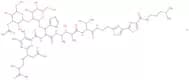
CAS:Inducer of DNA strand breaks; glycopeptide antibiotic, anti-neoplasticFórmula:C50H71N16O21S2R•(HCl)xPureza:Min. 95%Forma y color:White To Off-White SolidAtazanavir-d5
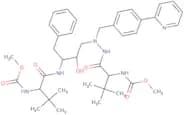
CAS:Atazanavir-d5 is an isotopically labeled variant of the antiretroviral drug Atazanavir, a non-peptidic HIV-1 protease inhibitor. It is synthesized using stable isotope labeling, specifically deuterium, which replaces five hydrogen atoms. The mechanism of action involves binding to the active site of the HIV-1 protease enzyme, a critical enzyme in the replication cycle of HIV, thereby preventing the cleavage of the viral gag-pol polyprotein precursors into the mature protein components of an infectious viral particle.Fórmula:C38H52N6O7Pureza:Min. 95%Peso molecular:709.9 g/molAureothin
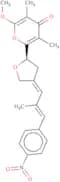
CAS:Aureothin is a bioactive compound, classified as a polyketide antibiotic, which is derived from the culture of the bacterium Streptomyces thioluteus. This compound operates primarily through the inhibition of protein synthesis by interfering with the aminoacylation of tRNA with specific amino acids. Its mode of action disrupts cellular protein synthesis, which is essential for cell growth and function, leading to its potent antibacterial and antifungal activities.Fórmula:C22H23NO6Pureza:Min. 95%Forma y color:PowderPeso molecular:397.42 g/molCarbovir
CAS:Carbovir is a nucleoside reverse transcriptase inhibitor (NRTI), which is derived from carbocyclic nucleosides. Its mode of action involves the selective inhibition of the reverse transcriptase enzyme, an essential component in the replication cycle of retroviruses, such as HIV. By incorporating into the viral DNA chain during synthesis, Carbovir effectively halts chain elongation, thereby impeding the virus's ability to proliferate.Fórmula:C11H13N5O2Pureza:Min. 95%Peso molecular:247.25 g/molViramidine hydrochloride
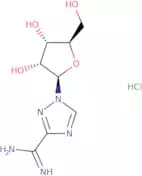
CAS:Viramidine hydrochloride is an antiviral prodrug with action as a precursor to ribavirin, targeting viral RNA synthesis and is used for research on hepatitis C and other viral infections.Fórmula:C8H14ClN5O4Pureza:Min. 95%Peso molecular:279.68 g/molPanipenem
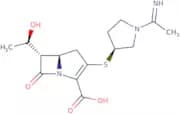
CAS:Panipenem is a carbapenem antibiotic, which is a type of beta-lactam antibiotic derived from thienamycin. It functions by inhibiting penicillin-binding proteins (PBPs), which are essential for bacterial cell wall synthesis. This inhibition disrupts the cell wall construction, leading to cell lysis and death, thereby demonstrating strong bactericidal activity.Fórmula:C15H21N3O4SPureza:Min. 95%Peso molecular:339.41 g/molβ-Cypermethrin
CAS:Beta-cypermethrin is a synthetic pyrethroid insecticide, which is a chemically altered derivative of natural pyrethrins found in chrysanthemum flowers. These pyrethrins are modified to enhance their stability and potency. Beta-cypermethrin acts by targeting the nervous system of insects, specifically by modifying the function of voltage-gated sodium channels. This action leads to prolonged depolarization of the neuron, resulting in paralysis and eventual death of the insect.Fórmula:C22H19Cl2NO3Pureza:Min. 95%Peso molecular:416.3 g/molSporidesmolide
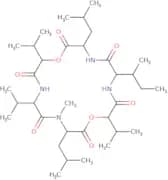
CAS:Sporidesmolide is a cyclic depsipeptide, which is a type of compound characterized by having both ester and amide bonds in its structure. This product is derived from fungal sources, specifically certain species within the genus *Sporidesmium*. The mode of action for sporidesmolide involves disrupting microbial cell membrane integrity, leading to increased permeability and eventual cell death. This activity primarily targets bacteria and fungi, making it an important subject of study for its potential antimicrobial properties.
Fórmula:C34H60N4O8Pureza:Min. 95%Peso molecular:652.9 g/molFenaminostrobin
CAS:Fenaminostrobin is a broad-spectrum fungicide, which is synthesized chemically. It operates primarily through inhibition of mitochondrial respiration in fungal cells, targeting the bc1 complex, which disrupts ATP production and leads to the inhibition of spore germination and fungal growth. This mode of action makes Fenaminostrobin effective against a wide range of pathogenic fungi that affect various crops.
Fórmula:C21H21Cl2N3O3Pureza:Min. 95%Peso molecular:434.3 g/mol

![6-[[(2R)-3,3-Dimethyl-2-oxiranyl]methyl]-7-methoxy-2H-1-benzopyran-2-one](/_next/image/?url=https%3A%2Fstatic.cymitquimica.com%2Fproducts%2F3D%2Fthumb-webp%2FFDA36868.webp&w=3840&q=75)