Antimicrobianos
Subcategorías de "Antimicrobianos"
- Antibióticos(4.140 productos)
- Antifúngicos(908 productos)
- Antiparasitarios(703 productos)
- Antivirales(767 productos)
Se han encontrado 2430 productos de "Antimicrobianos"
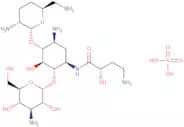
Arbekacin sulfate
CAS:Inhibitor of DNA replication; aminoglycoside classFórmula:C22H44N6O10·xH2SO4Pureza:Min. 95%Forma y color:White PowderPeso molecular:650.7 g/molSecorapamycin B
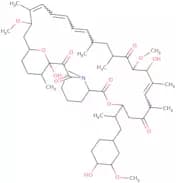
CAS:Secorapamycin B is a secondary metabolite, which is a macrolide lactam produced by the actinobacterium species Amycolatopsis. This compound is characterized by its unique structural features, including a polyketide backbone, which is biosynthesized via modular polyketide synthases. The mode of action for Secorapamycin B involves binding to FK-binding proteins (FKBP), inhibiting calcineurin function, and subsequently suppressing T-cell activation.
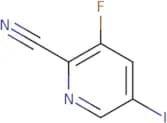
Fórmula:C51H81NO14Pureza:Min. 95%Peso molecular:932.20 g/mol(2S)-2-[N-(Furan-2-carbonyl)-2,6-dimethylanilino]propanoic acid
CAS:(2S)-2-[N-(Furan-2-carbonyl)-2,6-dimethylanilino]propanoic acid is a synthetic compound classified as a potentially bioactive molecule. It is derived through a series of organic synthesis steps that involve the coupling of furan-2-carbonyl chloride with 2,6-dimethylaniline, followed by modification with a chiral propanoic acid moiety.Fórmula:C16H17NO4Pureza:Min. 95%Peso molecular:287.31 g/mol28-Epirapamycin
CAS:28-Epirapamycin is a semisynthetic derivative of the macrolide antibiotic rapamycin, which is derived from the bacterium *Streptomyces hygroscopicus*. This compound functions primarily as an mTOR (mechanistic target of rapamycin) inhibitor. The mTOR pathway is crucial for regulating cell growth, proliferation, and survival by integrating signals from nutrients, growth factors, and cellular energy status.Fórmula:C51H79NO13Pureza:Min. 95%Peso molecular:914.2 g/molGramicidin
CAS:Gramicidin is an antibiotic, which is derived from soil bacteria of the genus Bacillus, specifically Bacillus brevis. This polypeptide antibiotic exerts its antibacterial effects by disrupting the cell membranes of susceptible bacteria. Gramicidin forms channels in the phospholipid bilayers of bacterial cell membranes, leading to uncontrolled cation fluxes, which ultimately results in cell death. This mechanism is particularly effective against Gram-positive bacteria due to their specific cell wall structure.
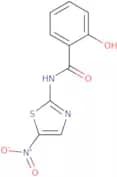
Fórmula:C99H140N20O17Pureza:A1.A2.B1.C1 And C2) 95%Forma y color:PowderPeso molecular:1,882.3 g/molTizoxanide - 98%
CAS:Anti-parasitic; pyruvate ferredoxin oxidoreductase inhibitorFórmula:C10H7N3O4SPureza:Min. 95%Peso molecular:265.01573Sulfamoyldapsone
CAS:Sulfamoyldapsone is a synthetic antimicrobial compound, which is derived from the dapsone family. Its source is primarily synthetic, designed through chemical modifications of the parent compound dapsone, a well-known antibacterial agent. The mode of action of sulfamoyldapsone involves the inhibition of bacterial folic acid synthesis. By targeting dihydropteroate synthase, an enzyme essential for the production of folic acid in microorganisms, the compound effectively interferes with bacterial growth and replication.Fórmula:C12H13N3O4S2Pureza:Min. 95%Peso molecular:327.4 g/molImazethapyr-1-hydroxyethyl
CAS:Imazethapyr-1-hydroxyethyl is a selective, systemic herbicide, which is synthesized through chemical processes. It functions primarily by inhibiting the acetohydroxyacid synthase (AHAS) enzyme, also known as acetolactate synthase (ALS). This enzyme is vital for the biosynthesis of branched-chain amino acids like valine, leucine, and isoleucine, which are essential for plant growth. By hindering this enzyme's action, Imazethapyr-1-hydroxyethyl effectively stunts the growth and development of susceptible plant species.Fórmula:C15H19N3O4Pureza:Min. 95%Peso molecular:305.33 g/molVicriviroc malate
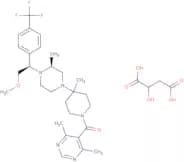
CAS:Vicriviroc malate is a CCR5 antagonist with action on blocking HIV entry into cells by targeting the CCR5 receptor and is used for research on HIV treatment.Fórmula:C28H38F3N5O2•C4H6O5Pureza:Area-% Min. 90 Area-%Forma y color:PowderPeso molecular:667.72 g/molHerbimycin
CAS:Herbimycin is an antibiotic, which is a natural product derived from Streptomyces bacteria. It functions primarily as a tyrosine kinase inhibitor, disrupting cellular signaling pathways by binding to the ATP-binding site of kinases and inhibiting phosphorylation events. This mode of action makes it an effective tool for scientists studying signal transduction processes and oncogenic transformation.Fórmula:C30H42N2O9Pureza:Min. 95%Peso molecular:574.66 g/mol3-Phenanthrenebutyric acid
CAS:3-Phenanthrenebutyric acid is a synthetic compound that serves as an analogue of phenanthrene derivatives, commonly utilized in biochemical and pharmacological research. Its source lies in laboratory synthesis, designed to mimic the structural properties of naturally occurring phenanthrene compounds, which are typically found in fossil fuels and plant sources.Fórmula:C18H16O2Pureza:Min. 95%Peso molecular:264.3 g/molPenipurdin A
CAS:Please enquire for more information about Penipurdin A including the price, delivery time and more detailed product information at the technical inquiry form on this pageFórmula:C18H16O6Pureza:Min. 95%Peso molecular:328.3 g/molCefixime methyl ester
CAS:Cefixime methyl ester is a chemical compound often used in the development of antibiotics, specifically as a semi-synthetic cephalosporin derivative. It is derived from Cephalosporium acremonium, a type of fungus, which serves as a source for the initial cephalosporin structure. The compound functions as a beta-lactam antibiotic by inhibiting bacterial cell wall synthesis. It achieves this through the acylation of penicillin-binding proteins, effectively halting the transpeptidation or cross-linking of the peptidoglycan layer, which is crucial for bacterial survival and division.Fórmula:C17H17N5O7S2Pureza:Min. 95%Peso molecular:467.50 g/molGatifloxacin hydrochloride
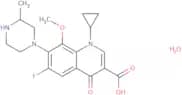
CAS:Gatifloxacin hydrochloride is a synthetic antibacterial agent, which is derived from the fourth-generation fluoroquinolone class of antibiotics. It exhibits a broad-spectrum bactericidal activity by targeting bacterial DNA gyrase and topoisomerase IV enzymes, essential for bacterial DNA replication, transcription, and repair processes.Fórmula:C19H24FN3O5Pureza:Min. 95%Peso molecular:393.4 g/molCephradine monohydrate
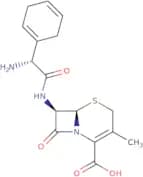
CAS:Cephradine monohydrate is a first-generation cephalosporin antibiotic, which is derived from the fungus Acremonium. It operates by inhibiting bacterial cell wall synthesis, a critical process necessary for bacterial growth and replication. This inhibition occurs through the binding of the antibiotic to penicillin-binding proteins, leading to cell lysis and subsequent bacterial death.
Fórmula:C16H19N3O4S·H2OPureza:Min. 95%Peso molecular:367.42 g/mol1,3''-Di-HABA kanamycin A
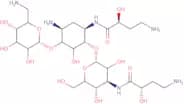
CAS:1,3''-Di-HABA kanamycin A is a chemically modified antibiotic derivative. It is derived from kanamycin A, a well-known aminoglycoside antibiotic that is originally sourced from the bacterium *Streptomyces kanamyceticus*. The modification with 1,3''-Di-HABA alters its pharmacodynamic properties, potentially influencing its specificity and interaction with biological targets.Fórmula:C26H50N6O15Pureza:Min. 95%Peso molecular:686.71 g/molKanamycin C
CAS:Inhibitor of protein synthesis; aminoglycosideFórmula:C18H36N4O11Pureza:Min. 95%Peso molecular:484.5 g/molAmidithion
CAS:Amidithion is an insecticidal and acaricidal compound, which is a derivative of organophosphorus chemistry. This compound is chiefly synthesized through the complex chemical manipulation of phosphoryl groups, rendering it a potent inhibitor of enzymatic activity in target organisms.Fórmula:C7H16NO4PS2Pureza:Min. 95%Peso molecular:273.3 g/molPeplomycin sulfate
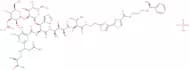
CAS:Peplomycin sulfate is an anticancer antibiotic, which is a derivative of the bleomycin family of glycopeptide antibiotics produced by the bacterium *Streptomyces verticillus*. This antibiotic operates through a mode of action that involves the induction of DNA strand breaks by forming a complex with iron and oxygen, leading to the generation of free radicals. These radicals cleave DNA strands, thereby inhibiting DNA synthesis and inducing apoptosis in cancerous cells.Fórmula:C61H90N18O25S3Pureza:Min. 95%Peso molecular:1,571.67 g/molGanciclovir hydrate
CAS:Ganciclovir hydrate is an antiviral compound, which is a synthetic analogue of 2'-deoxy-guanosine derived from chemical synthesis. It functions through selective inhibition of viral DNA polymerase, specifically by incorporating into the viral DNA during replication. This incorporation leads to chain termination, effectively impeding the synthesis of viral DNA and curbing viral proliferation.
Fórmula:C9H15N5O5Pureza:Min. 95%Peso molecular:273.25 g/mol

![(2S)-2-[N-(Furan-2-carbonyl)-2,6-dimethylanilino]propanoic acid](/_next/image/?url=https%3A%2Fstatic.cymitquimica.com%2Fproducts%2F3D%2Fthumb-webp%2FTEA59719.webp&w=3840&q=75)