Antimicrobianos
Los antimicrobianos son agentes que destruyen o inhiben el crecimiento de microorganismos, incluyendo bacterias, virus, hongos y parásitos. Estos compuestos son esenciales en la prevención y tratamiento de infecciones, desempeñando un papel crucial en la medicina, la agricultura y la industria alimentaria. En CymitQuimica, ofrecemos una extensa gama de antimicrobianos de alta calidad y pureza, adecuados para diversas aplicaciones científicas e industriales. Nuestro catálogo incluye antibióticos, antifúngicos, antivirales y desinfectantes, todos diseñados para satisfacer las necesidades de investigación y desarrollo, así como para aplicaciones clínicas y de producción. Con nuestros productos, los profesionales pueden garantizar la eficacia y seguridad en el control de infecciones y en la protección de la salud pública.
Subcategorías de "Antimicrobianos"
- Antibióticos(4.131 productos)
- Antifúngicos(909 productos)
- Antiparasitarios(702 productos)
- Antivirales(765 productos)
Se han encontrado 2424 productos de "Antimicrobianos"
Ordenar por
Pureza (%)
0
100
|
0
|
50
|
90
|
95
|
100
TCMDC-135051
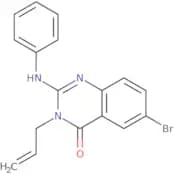
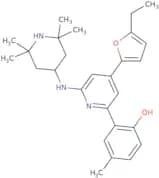
CAS:TCMDC-135051 is a synthetic ligand, which is derived from advanced combinatorial chemistry techniques. It operates as a potent modulator of specific receptor sites by selectively binding and altering their physiological activity. The source of TCMDC-135051's activity is its molecular architecture, designed to target epitopes with high affinity and precision. This targeted action makes TCMDC-135051 a valuable tool for probing cellular pathways and mechanisms, providing insights into complex biological processes.Fórmula:C29H33N3O3Pureza:Min. 95%Peso molecular:471.6 g/molDioxohongdenafil
CAS:<p>Dioxohongdenafil is a synthetic compound, which is a type of pharmaceutical analog. It is derived from sildenafil, a well-known phosphodiesterase type 5 (PDE5) inhibitor, originally conceptualized through chemical modification of the parent compound. The mode of action of Dioxohongdenafil involves competitive inhibition of the PDE5 enzyme, leading to an increase in cyclic guanosine monophosphate (cGMP) levels. This biochemical alteration results in vasodilation and increased blood flow, mimicking the therapeutic mechanism observed in sildenafil.</p>Fórmula:C25H30N6O5Pureza:Min. 95%Peso molecular:494.5 g/molOxfendazole
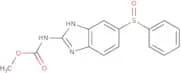
CAS:<p>Oxfendazole is a benzimidazole anthelmintic with action on microtubule formation in parasitic worms and is used for treating gastrointestinal parasites in livestock.</p>Fórmula:C15H13N3O3SPureza:Min. 98 Area-%Forma y color:White PowderPeso molecular:315.35 g/molCarbovir
CAS:Carbovir is a nucleoside reverse transcriptase inhibitor (NRTI), which is derived from carbocyclic nucleosides. Its mode of action involves the selective inhibition of the reverse transcriptase enzyme, an essential component in the replication cycle of retroviruses, such as HIV. By incorporating into the viral DNA chain during synthesis, Carbovir effectively halts chain elongation, thereby impeding the virus's ability to proliferate.Fórmula:C11H13N5O2Pureza:Min. 95%Peso molecular:247.25 g/mol1-Anthroylnitrile
CAS:<p>1-Anthroylnitrile is a chemical compound, specifically an organic aromatic compound known as a polycyclic aromatic nitrile, which is synthesized from anthracene via nitrile substitution at the 1-position. With its aromatic structure, 1-Anthroylnitrile exhibits unique photophysical properties, functioning as a significant fluorescent probe due to its strong absorption and emission in the UV-visible spectrum.</p>Fórmula:C16H9NOPureza:Min. 95%Peso molecular:231.25 g/molFuraprofen
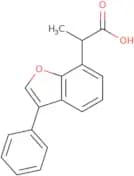
CAS:<p>Furaprofen is a nonsteroidal anti-inflammatory drug (NSAID), which is a synthetic pharmaceutical compound derived from the carboxylic acid class. Its mode of action involves inhibiting the enzyme cyclooxygenase (COX), which plays a crucial role in the biosynthesis of pro-inflammatory prostaglandins. By blocking COX activity, Furaprofen reduces the formation of these signaling molecules, thereby alleviating inflammation and pain.</p>Fórmula:C17H14O3Pureza:Min. 95%Peso molecular:266.29 g/molThiadiazin
CAS:<p>Thiadiazin is a synthetic compound, belonging to the class of heterocyclic chemical substances, which is primarily derived from chemical synthesis processes involving sulfur, nitrogen, and carbon atoms. It is characterized by a five-membered ring structure containing both sulfur and nitrogen atoms, which contributes to its diverse chemical properties.</p>Fórmula:C12H22N4S4Pureza:Min. 95%Peso molecular:350.6 g/molMagnoloside A
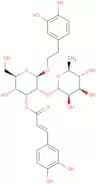
CAS:<p>Magnoloside A is a bioactive compound, which is a natural product derived from the bark of the Magnolia plant. This compound is part of a group of phenolic glycosides that is extracted using advanced phytochemical techniques. Its mode of action primarily involves the inhibition of pro-inflammatory cytokines and modulation of various signaling pathways involved in inflammation and oxidative stress.</p>Fórmula:C29H36O15Pureza:Min. 95%Peso molecular:624.6 g/molFluconazole hydrate
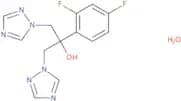
CAS:<p>Fluconazole hydrate is an antifungal medication, which is a synthetic triazole antifungal agent derived from the compound fluconazole. It functions as a powerful inhibitor of the enzyme lanosterol 14α-demethylase, a critical component in the biosynthesis of ergosterol. Ergosterol is an essential component of fungal cell membranes, and its inhibition disrupts membrane synthesis, leading to impaired fungal cell growth and replication.</p>Fórmula:C13H14F2N6O2Pureza:Min. 95%Peso molecular:324.29 g/molSibofimloc
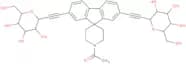
CAS:<p>Please enquire for more information about Sibofimloc including the price, delivery time and more detailed product information at the technical inquiry form on this page</p>Fórmula:C35H39NO11Pureza:Min. 95%Peso molecular:649.68 g/molRilopirox
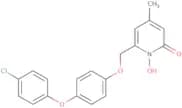
CAS:<p>Please enquire for more information about Rilopirox including the price, delivery time and more detailed product information at the technical inquiry form on this page</p>Fórmula:C19H16ClNO4Pureza:Min. 95%Peso molecular:357.8 g/molGemifioxacin
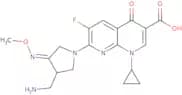
CAS:<p>Gemifloxacin is an antibacterial agent primarily classified as a fluoroquinolone antibiotic, which is a synthetic compound derived from chemical processes in pharmaceutical manufacturing. Its mechanism of action involves the inhibition of key bacterial enzymes, namely DNA gyrase and topoisomerase IV. These enzymes are crucial for bacterial DNA replication, transcription, repair, and recombination. By obstructing these enzymes, Gemifloxacin effectively inhibits bacterial cell division and growth, leading to the eradication of susceptible bacterial strains.</p>Fórmula:C18H20FN5O4Pureza:Min. 95%Peso molecular:389.38 g/molSSAA09E2
CAS:SSAA09E2 is a specialized chemical compound, which is a synthetic product used extensively in various industrial and research applications. This compound is derived from petrochemical sources, ensuring a high degree of purity and consistency. Its mode of action involves acting as a catalyst in chemical reactions, facilitating the transformation and modification of molecular structures without being consumed in the process.Fórmula:C16H20N4O2Pureza:Min. 95%Peso molecular:300.36 g/mol6-Fluoro-1-(4-fluorophenyl)-4-oxo-7-piperazin-1-yl-1,8-naphthyridine-3-carboxylic acid
CAS:<p>6-Fluoro-1-(4-fluorophenyl)-4-oxo-7-piperazin-1-yl-1,8-naphthyridine-3-carboxylic acid is a fluoroquinolone antibiotic, which is a synthetic product derived from naphthyridine. Its mode of action involves inhibiting bacterial DNA gyrase and topoisomerase IV, enzymes critical for DNA replication, transcription, and repair. This action results in the prevention of DNA supercoiling and introduces breaks within bacterial DNA, thereby leading to the death of the microorganism.</p>Fórmula:C19H16F2N4O3Pureza:Min. 95%Peso molecular:386.4 g/molAT-511
CAS:<p>AT-511 is an antiviral compound, which is derived from organic synthesis processes associated with the development of nucleotide analogs. It acts by targeting the RNA-dependent RNA polymerase, a crucial enzyme in the replication process of RNA viruses. By inhibiting this enzyme, AT-511 effectively halts viral replication, reducing the viral load within the host.</p>Fórmula:C24H33FN7O7PPureza:Min. 95%Peso molecular:581.5 g/molArylpyrazol
CAS:<p>Arylpyrazol is an advanced class of pesticide, originating from meticulous chemical synthesis. These compounds are primarily derived from pyrazole and aryl substituents, forming a class of sophisticated chemical agents. The mode of action of arylpyrazols involves interfering with nervous system functions of pests, specifically targeting their gamma-aminobutyric acid (GABA) receptor sites. This disruption in GABA neurotransmission leads to hyperexcitation of the pests' nervous system, eventually resulting in paralysis and death.</p>Fórmula:C13H9Cl3F2N4O3Pureza:Min. 95%Peso molecular:413.6 g/moltrans-Abacavir dihydrochloride
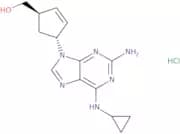
CAS:trans-Abacavir dihydrochloride is a synthetic compound classified as a nucleoside analog. It is derived from chemical synthesis and serves as a prodrug that is metabolized in the body to its active form, carbovir triphosphate. Its primary mode of action involves the inhibition of the HIV-1 reverse transcriptase enzyme. This inhibition is achieved through the incorporation of the active metabolite into viral DNA, resulting in chain termination and preventing viral replication.Fórmula:C14H18N6O·2HClPureza:Min. 95%Peso molecular:359.25 g/molRifamycin pr-3
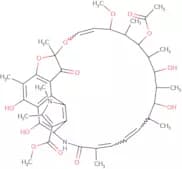
CAS:Rifamycin PR-3 is an antibiotic, which is derived from bacterial fermentation, specifically from the bacterium Amycolatopsis rifamycinica. It acts by inhibiting DNA-dependent RNA polymerase, thereby blocking RNA synthesis in susceptible bacteria. This inhibition disrupts protein synthesis, ultimately leading to bacterial cell death. Rifamycin PR-3 is primarily used for the treatment of various bacterial infections, particularly those caused by gram-positive bacteria and certain mycobacteria. Its application is crucial in managing diseases such as tuberculosis, where it targets the Mycobacterium tuberculosis. As a member of the rifamycin class of antibiotics, it is also explored for use in treating refractory cases and in combinations to prevent the development of resistance. This compound’s efficacy in penetrating phagocytic cells makes it an important player in addressing intracellular infections. Scientists continue to study its pharmacokinetics and potential for synergistic combinations, which may expand its utility in infectious disease therapy.Fórmula:C43H54N2O13Pureza:Min. 95%Peso molecular:806.9 g/molClindamycin-2,3-diphosphate
Clindamycin-2,3-diphosphate is a biochemical compound, which is derived from the antibiotic clindamycin, sourced through chemical modification to include diphosphate groups. Its mode of action involves inhibiting bacterial protein synthesis by binding to the 50S ribosomal subunit, thus interfering with peptide chain initiation and elongation. This disruption effectively halts bacterial growth, particularly in Gram-positive bacteria, and is crucial in combatting infections resistant to other antibiotics.Fórmula:C18H35ClN2O11P2SPureza:Min. 95%Peso molecular:584.94 g/mol(Z)-Azoxystrobin
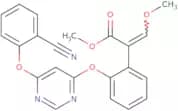
CAS:<p>(Z)-Azoxystrobin is a strobilurin fungicide, which is a synthetic derivative of naturally occurring antifungal compounds produced by fungi such as *Strobilurus tenacellus*. Its mode of action involves the inhibition of mitochondrial respiration in target fungi, specifically by binding to the Qo site of the cytochrome bc1 complex. This disrupts electron transport in the mitochondria, leading to the cessation of ATP production and subsequent cell death.</p>Fórmula:C22H17N3O5Pureza:Min. 95%Peso molecular:403.4 g/molGatifloxacin hydrochloride
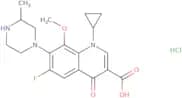
CAS:<p>Gatifloxacin hydrochloride is a fluoroquinolone antibiotic, which is synthesized chemically from quinolone compounds. It exhibits its mode of action by inhibiting bacterial DNA gyrase and topoisomerase IV, essential enzymes responsible for DNA replication and transcription processes in bacteria. This disruption of DNA processes leads to bacterial cell death, making it effective against a wide range of Gram-positive and Gram-negative bacteria.</p>Fórmula:C19H23ClFN3O4Pureza:Min. 95%Peso molecular:411.86 g/molSulconazole nitrate
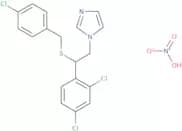
CAS:Sulconazole nitrate is an antifungal agent, which is a synthetic compound derived from imidazole. Its mode of action involves the inhibition of ergosterol synthesis, an essential component of fungal cell membranes, leading to increased membrane permeability and ultimately cell death.Fórmula:C18H16Cl3N3O3SPureza:Min. 95%Peso molecular:460.76 g/molLydicamycin
CAS:<p>Lydicamycin is an antibacterial compound, which is a polyketide-derived antibiotic produced by the microorganism Streptomyces. This natural compound functions by inhibiting bacterial protein synthesis, effectively interrupting critical cellular processes within susceptible bacteria. The mode of action primarily focuses on binding to the bacterial ribosome, thereby disrupting protein production and inhibiting bacterial growth.</p>Fórmula:C47H74N4O10Pureza:Min. 95%Peso molecular:855.11 g/molLetrozole
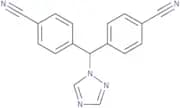
CAS:Producto controladoLetrozole is a non-steroidal aromatase inhibitor, which is synthesized chemically. This product acts by inhibiting the aromatase enzyme, thus reducing estrogen production in the body. Estrogen plays a critical role in the proliferation of hormone-sensitive breast cancer cells, and by lowering its levels, Letrozole effectively impedes cancer growth.Fórmula:C17H11N5Peso molecular:285.30 g/molAscomycin
CAS:<p>Ascomycin is an immunosuppressive macrolide, which is a product derived from the fermentation of the bacterium *Streptomyces hygroscopicus*. Its mode of action involves binding to the intracellular protein FK506-binding protein (FKBP), inhibiting the calcium-dependent signal transduction pathway that is crucial for T-cell activation. This interference with the immune response is achieved through the inhibition of calcineurin, thus preventing the dephosphorylation and nuclear translocation of nuclear factor of activated T-cells (NF-AT), a necessary step in the activation of genes required for T-cell proliferation.</p>Fórmula:C43H69NO12Pureza:Min. 95%Peso molecular:792.01 g/molE-Ceftazidime
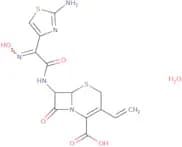
CAS:<p>E-Ceftazidime is a third-generation cephalosporin antibiotic, which is derived from the mold Acremonium. It functions by inhibiting bacterial cell wall synthesis, a crucial component for bacterial survival and replication. This inhibition occurs through the binding to specific penicillin-binding proteins (PBPs) within the bacterial cell wall, thus preventing cross-linking of the peptidoglycan chains, which results in the eventual lysis and death of the bacterial cell.</p>Fórmula:C22H22N6O7S2Pureza:Min. 95%Peso molecular:546.60 g/molClindamycin-d3 hydrochloride
CAS:Producto controladoClindamycin-d3 hydrochloride is an isotopically labeled pharmaceutical compound, specifically designed for use in the field of analytical chemistry and pharmacokinetics. It is derived from clindamycin, a known antibiotic sourced from modifications of the naturally occurring compound lincomycin, produced by the actinobacterium Streptomyces lincolnensis. The incorporation of deuterium atoms, replacing hydrogen, allows for its use in sophisticated analytical methods such as mass spectrometry, where it serves to trace the metabolic pathways and to quantify the bioavailability and distribution of clindamycin in biological systems with high precision.Fórmula:C18H30ClD3N2O5S•HClPureza:Min. 95%Peso molecular:464.46 g/molSteffimycin B
CAS:Steffimycin B is an anthracycline antibiotic, which is a metabolite produced by certain Streptomyces species. This compound functions by intercalating into DNA, thereby inhibiting the synthesis of nucleic acids and disrupting essential cellular processes. Its mode of action involves preventing the replication and transcription of bacterial DNA, leading to cell death. Steffimycin B has been primarily explored for its antibiotic properties, particularly in research settings for its potential to combat specific bacterial infections. Additionally, its structural similarities to other anthracyclines suggest potential use in studying mechanisms of drug resistance and interactions with DNA. Further investigation may reveal additional therapeutic applications or synergistic effects in combination with other antimicrobial agents.Fórmula:C29H32O13Pureza:Min. 95%Peso molecular:588.6 g/molAzddmec
CAS:<p>Please enquire for more information about Azddmec including the price, delivery time and more detailed product information at the technical inquiry form on this page</p>Fórmula:C10H14N6O3Pureza:Min. 95%Peso molecular:266.26 g/molCefdinir monohydrate
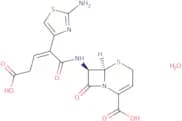
CAS:<p>Cefdinir monohydrate is a third-generation cephalosporin antibiotic, which is synthetically derived from cephalosporin C, a compound originally isolated from the fungus Acremonium. This antibiotic works by inhibiting bacterial cell wall synthesis through binding to penicillin-binding proteins (PBPs), which results in the interruption of peptidoglycan cross-linking. Consequently, this action leads to cell lysis and death of the bacterium.</p>Fórmula:C14H15N5O6S2Pureza:Min. 95%Peso molecular:413.4 g/molClindamycin palmitate hydrochloride
CAS:Clindamycin palmitate hydrochloride is a semisynthetic antibiotic prodrug, which is derived from the lincomycin family, originally sourced from the bacterium *Streptomyces lincolnensis*. This compound functions through its conversion into the active form, clindamycin, once inside the body. Clindamycin acts by inhibiting bacterial protein synthesis, binding to the 50S subunit of the bacterial ribosome, thereby impeding peptide chain initiation and elongation.Fórmula:C34H63ClN2O6SPureza:Min. 95%Peso molecular:663.4 g/molBRITE-338733
CAS:<p>BRITE-338733 is an advanced biotechnological product, which is derived from microbial fermentation with high specificity enzymatic action. This product is engineered to efficiently catalyze specific biochemical reactions, thereby facilitating various lab-scale processes.</p>Fórmula:C27H35N3O2Pureza:Min. 95%Peso molecular:433.6 g/molManumycin B
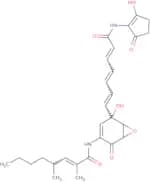
CAS:Manumycin B is a polyketide antibiotic, which is a secondary metabolite isolated from certain Streptomyces species. This compound is known for its complex biosynthetic origin involving iterative cycles of polyketide synthesis, leading to its characteristic structure. The mode of action of Manumycin B primarily involves the inhibition of farnesyltransferase, an enzyme critical for the post-translational modification of various proteins, including the Ras family of GTPases. By hindering this enzyme, Manumycin B disrupts the signaling pathways that are essential for tumor cell growth and proliferation.Fórmula:C28H34N2O7Pureza:Min. 95%Peso molecular:510.6 g/molNaftifine N-Oxide
CAS:Naftifine N-Oxide is an antifungal agent, which is derived from synthetic chemical processes. Its structure is based on the modification of the known antifungal, naftifine, by introducing an N-oxide functional group, which may enhance certain pharmacokinetic properties. As a synthetic derivative, Naftifine N-Oxide is specifically designed to interfere with the biosynthesis of ergosterol, an essential component of fungal cell membranes. By inhibiting squalene epoxidase, an enzyme crucial to the ergosterol pathway, Naftifine N-Oxide effectively disrupts the development and maintenance of the fungal cell membrane, compromising cell integrity and leading to antifungal activity.Fórmula:C21H21NOPureza:Min. 95%Peso molecular:303.4 g/molParecoxib sodium
CAS:Producto controlado<p>Parecoxib sodium is a nonsteroidal anti-inflammatory drug (NSAID) prodrug, which is synthesized pharmaceutically. It exerts its therapeutic effects through the selective inhibition of cyclooxygenase-2 (COX-2) enzymes. This inhibition reduces the synthesis of prostaglandins, compounds involved in the mediation of inflammation and pain, thereby providing analgesic and anti-inflammatory effects.</p>Fórmula:C19H17N2NaO4SPureza:Min. 95%Peso molecular:392.4 g/molDicloxacillin sodium salt monohydrate
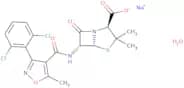
CAS:<p>Dicloxacillin sodium salt monohydrate is a beta-lactam antibiotic with action on bacterial cell wall synthesis and is used for treating infections caused by penicillinase-producing bacteria.</p>Fórmula:C19H16Cl2N3NaO5S·H2OPureza:Min. 95%Forma y color:White PowderPeso molecular:510.32 g/molHaloxyfop-phenol
CAS:Haloxyfop-phenol is a selective herbicide, which is a synthetic chemical compound derived from aryloxyphenoxypropionate. It acts as an acetyl-CoA carboxylase (ACCase) inhibitor, targeting the enzyme critical for fatty acid synthesis in grasses. This mode of action disrupts lipid production in susceptible grass species, leading to cessation of growth and eventual plant death.Fórmula:C12H7ClF3NO2Pureza:Min. 95%Peso molecular:289.64 g/molAurantimycin A
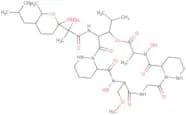
CAS:Aurantimycin A is an antibiotic compound, which is a polypeptide derived from the bacterium genus *Streptomyces*, a type of Actinobacteria. This compound exhibits its mode of action through inhibition of bacterial protein synthesis, specifically by interfering with the ribosomal function, thereby preventing the growth and proliferation of susceptible bacterial strains. The potent activity of Aurantimycin A against Gram-positive bacteria makes it a crucial tool in microbial and biochemical research.Fórmula:C38H64N8O14Pureza:Min. 95%Peso molecular:857 g/mol2-Ethylhexyl 4-(4-chloro-2-methylphenoxy)butyrate
CAS:<p>2-Ethylhexyl 4-(4-chloro-2-methylphenoxy)butyrate is a pre-emergent herbicide, which is synthesized from phenoxyalkanoic acid derivatives. Its mode of action involves inhibiting essential plant lipid synthesis pathways, specifically targeting the acetyl-coenzyme A carboxylase (ACCase) enzyme. This enzyme is pivotal for fatty acid synthesis, which is critical for the development of cellular lipids necessary for plant growth and survival.</p>Fórmula:C19H29ClO3Pureza:Min. 95%Peso molecular:340.9 g/molRifamycin PR-14
CAS:<p>Rifamycin PR-14 is a semi-synthetic antibiotic, which is derived from the naturally occurring antibiotic rifamycin. Originating from a fermentation process involving the bacterium Amycolatopsis mediterranei, rifamycin is modified to create the PR-14 variant to enhance its antibacterial properties and pharmacokinetic profile. This compound functions by inhibiting bacterial DNA-dependent RNA polymerase, effectively halting RNA synthesis and subsequent protein production, leading to bacterial cell death.</p>Fórmula:C43H54N2O12Pureza:Min. 95%Peso molecular:790.9 g/molAcepromazine hydrochloride
CAS:<p>Acepromazine hydrochloride is a phenothiazine derivative tranquilizer, which is synthesized chemically. Its mode of action is primarily through antagonism of dopamine receptors in the central nervous system, leading to a sedative effect. Additionally, it exerts peripheral actions, including alpha-adrenergic blockade and diminished release of hypothalamic and hypophyseal hormones, contributing to vasodilation and other physiological effects.</p>Fórmula:C19H23ClN2OSPureza:Min. 95%Peso molecular:362.9 g/molPiperacillin-d5
CAS:Piperacillin-d5 is a stable isotopically labeled antibiotic, which is synthesized chemically to incorporate deuterium atoms. It is derived from the β-lactam group of antibiotics, sharing properties with its non-labeled counterpart, piperacillin. The incorporation of five deuterium atoms allows researchers to use it as a tracer in various pharmacokinetic and metabolic studies without altering its biological activity.Fórmula:C23H22D5N5O7SPureza:Min. 95%Peso molecular:522.59 g/molOfloxacin methyl ester
CAS:<p>Ofloxacin methyl ester is a chemical compound, which is a derivative utilized in scientific research, particularly in the synthesis of ofloxacin-related compounds. It is a synthetic ester, derived from chemical synthesis involving ofloxacin, a fluoroquinolone antibiotic. The mode of action of ofloxacin methyl ester is based on its role as an intermediate compound. It facilitates the creation of active forms or analogs that can be tested for their pharmacological properties. Although not directly used as a therapeutic agent, it plays a crucial role in the development and modification of molecules for antibacterial applications.</p>Fórmula:C19H22FN3O4Pureza:Min. 95%Peso molecular:375.4 g/molTaxiphyllin
CAS:<p>Taxiphyllin is a type of cyanogenic glucoside, which is a naturally occurring compound found in certain plants. It is derived primarily from bamboo shoots, among other plant sources. The compound undergoes hydrolysis when the plant tissue is damaged, such as during chewing or processing. This hydrolytic reaction, typically catalyzed by the enzyme β-glucosidase, results in the release of hydrogen cyanide, a potent defense mechanism for the plant against herbivores and pests.</p>Fórmula:C14H17NO7Pureza:Min. 95%Peso molecular:311.29 g/molNybomycin
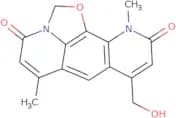
CAS:<p>Nybomycin is a quinolone-based antibiotic, which is a synthetic derivative originally derived from actinomycetes, a type of filamentous bacteria known for producing numerous bioactive compounds. Its mode of action involves targeting and inhibiting bacterial DNA gyrase and topoisomerase IV, enzymes critical for DNA replication and transcription. This mechanism disrupts DNA synthesis, thereby exerting bactericidal effects on susceptible bacterial populations.</p>Fórmula:C16H14N2O4Pureza:Min. 95%Peso molecular:298.29 g/molMethyl 6-(2,3-dichlorophenyl)-2-methyl-4-oxocyclohex-2-ene-1-carboxylate
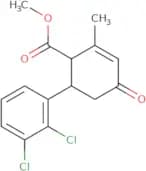
CAS:Methyl 6-(2,3-dichlorophenyl)-2-methyl-4-oxocyclohex-2-ene-1-carboxylate is a synthetic organic compound that can be classified as a specialized chemical reagent. It is primarily sourced from chemical synthesis, utilizing a series of controlled reactions involving halogenated aromatic compounds and cyclohexene derivatives.Fórmula:C15H14Cl2O3Pureza:Min. 95%Peso molecular:313.2 g/molCeftibuten Hydrate
CAS:<p>Ceftibuten Hydrate is a third-generation cephalosporin antibiotic, which is a synthetic derivative of naturally occurring cephalosporin C, derived from the fungus Acremonium. It functions by inhibiting bacterial cell wall synthesis, leading to cell lysis and death. This bactericidal action is accomplished through the binding to specific penicillin-binding proteins (PBPs) located inside the bacterial cell wall, disrupting the final transpeptidation step of peptidoglycan synthesis in bacterial cell walls.</p>Fórmula:C15H14N4O6S2·xH2OPureza:Min. 95%Peso molecular:410.42 g/molValtrate hydrine B4
CAS:Valtrate hydrine B4 is a valepotriate derivative, which is a naturally occurring compound extracted from the roots of Valeriana species. It operates through its interaction with the central nervous system, primarily by modulating gamma-aminobutyric acid (GABA) receptors. This mode of action results in sedative and anxiolytic effects, making it a compound of interest in the research of natural tranquilizers and sleep aids.Fórmula:C27H40O10Pureza:Min. 95%Peso molecular:524.6 g/mol(S)-N-Phenyl-1-((4-(3-(4-(trifluoromethyl)phenyl)ureido)phenyl)sulfonyl)pyrrolidine-2-carboxamide
CAS:(S)-N-Phenyl-1-((4-(3-(4-(trifluoromethyl)phenyl)ureido)phenyl)sulfonyl)pyrrolidine-2-carboxamide is a specialized inhibitor used in biochemical research, which is synthesized through advanced organic chemistry techniques. The compound acts by selectively binding to specific enzymatic or protein targets, disrupting their normal function and allowing scientists to study pathways and interactions at a molecular level.Fórmula:C25H23F3N4O4SPureza:Min. 95%Peso molecular:532.5 g/mol