Antimicrobianos
Los antimicrobianos son agentes que destruyen o inhiben el crecimiento de microorganismos, incluyendo bacterias, virus, hongos y parásitos. Estos compuestos son esenciales en la prevención y tratamiento de infecciones, desempeñando un papel crucial en la medicina, la agricultura y la industria alimentaria. En CymitQuimica, ofrecemos una extensa gama de antimicrobianos de alta calidad y pureza, adecuados para diversas aplicaciones científicas e industriales. Nuestro catálogo incluye antibióticos, antifúngicos, antivirales y desinfectantes, todos diseñados para satisfacer las necesidades de investigación y desarrollo, así como para aplicaciones clínicas y de producción. Con nuestros productos, los profesionales pueden garantizar la eficacia y seguridad en el control de infecciones y en la protección de la salud pública.
Subcategorías de "Antimicrobianos"
- Antibióticos(4.131 productos)
- Antifúngicos(909 productos)
- Antiparasitarios(703 productos)
- Antivirales(766 productos)
Se han encontrado 2425 productos de "Antimicrobianos"
Ordenar por
Pureza (%)
0
100
|
0
|
50
|
90
|
95
|
100
Grazoprevir hydrate
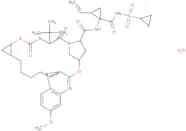
CAS:<p>Grazoprevir hydrate is a direct-acting antiviral agent used in the treatment of hepatitis C virus (HCV) infections. It is a synthetic compound derived through targeted pharmaceutical synthesis aimed at inhibiting viral replication. This compound operates by selectively inhibiting the NS3/4A protease, an enzyme critically involved in the post-translational processing and replication of the HCV polyprotein. By blocking this protease, grazoprevir effectively disrupts the virus's life cycle, thereby reducing viral load in patients.</p>Fórmula:C38H52N6O10SPureza:Min. 95%Peso molecular:784.9 g/molNorvancomycin trifluoroacetate
CAS:Norvancomycin trifluoroacetate is an antibiotic compound, which is a glycopeptide derived from the bacterium Amycolatopsis orientalis. Its mode of action involves inhibiting bacterial cell wall synthesis. Specifically, Norvancomycin disrupts the cross-linking of peptidoglycan layers in the bacterial cell wall by binding to the D-alanyl-D-alanine terminus of cell wall precursors. This disruption weakens the bacterial cell wall, ultimately leading to cell lysis and death, thereby exerting a bactericidal effect.Fórmula:C65H73Cl2N9O24•(C2HF3O2)xPureza:Min. 95%Bromuconazole
CAS:<p>Bromuconazole is a systemic fungicide, which is a synthetic chemical compound primarily used to protect crops from fungal diseases. It is derived from the triazole class of fungicides, which are known for their ability to inhibit important biochemical processes within fungal cells. The mode of action of Bromuconazole involves the inhibition of the enzyme C14-demethylase, a key component in the biosynthesis of ergosterol. Ergosterol is an essential component of fungal cell membranes, and its disruption leads to impaired cellular function and ultimately the death of the fungal organism.</p>Fórmula:C13H12BrCl2N3OPureza:Min. 95%Peso molecular:377.1 g/molNafcillin sodium
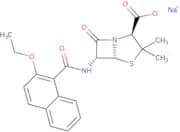
CAS:Nafcillin sodium is a beta-lactam antibiotic, which is a semisynthetic derivative of the organic compound penicillin. It is specifically engineered to be resistant to the inactivation by penicillinase enzymes produced by certain bacteria. This feature allows it to remain effective against a range of penicillinase-producing staphylococcal infections.Fórmula:C21H21N2NaO5SPureza:Min. 95%Forma y color:PowderPeso molecular:436.46 g/molAvermectin b1a aglycone
CAS:Avermectin B1a aglycone is a potent antiparasitic agent, which is a semi-synthetic derivative of avermectins. Avermectins are naturally sourced from the microorganism *Streptomyces avermitilis*, known for producing macrolide compounds. The mode of action of Avermectin B1a aglycone involves binding to glutamate-gated chloride channels in nerve and muscle cells of invertebrates, leading to increased permeability and disruption of neurotransmission. This action ultimately results in paralysis and death of the targeted parasites.Fórmula:C34H48O8Pureza:Min. 95%Peso molecular:584.7 g/molKasugamycin
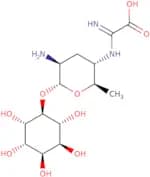
CAS:Kasugamycin is an aminoglycoside antibiotic, which is derived from the actinomycete Streptomyces kasugaensis. Its mode of action involves the inhibition of protein synthesis by interfering with the function of the 30S ribosomal subunit, ultimately preventing the growth and proliferation of sensitive organisms. In agricultural contexts, Kasugamycin is primarily utilized to control bacterial and fungal diseases in a variety of crops, including rice and fruit trees. It is particularly effective against Xanthomonas oryzae, which causes bacterial leaf blight in rice, and other pathogenic organisms detrimental to plant health. The application of Kasugamycin has been an important tool for integrated pest management programs focusing on sustainable agricultural practices. As a compound with a specific mode of activity, it helps to reduce the environmental impact typically associated with broader-spectrum antibiotics, while offering target-specific disease control. Its careful application supports the minimization of resistance development, ensuring continued efficacy in protecting crop yields.Fórmula:C14H25N3O9Pureza:Min. 95%Peso molecular:379.36 g/molGalidesivir dihydrochloride
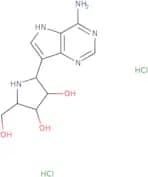
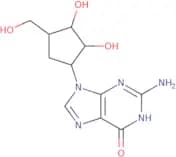
CAS:Galidesivir dihydrochloride is an investigational antiviral drug, which is a synthetic nucleoside analogue with broad-spectrum activity. It is derived from a modified adenosine analog structure, targeting viral RNA-dependent RNA polymerases. Galidesivir functions through the incorporation into viral RNA, leading to premature termination of RNA synthesis, effectively inhibiting viral replication. This mechanism aligns with its utility in combating various RNA viruses.Fórmula:C11H15N5O3•(HCl)2Pureza:Min. 95%Peso molecular:338.19 g/molAqabamycin G
CAS:Aqabamycin G is a macrolactam antibiotic, which is derived from marine bacteria belonging to the genus Streptomyces. This compound is noted for its complex structure, featuring a macrolactam ring that is crucial for its biological activity. Aqabamycin G's mode of action involves inhibiting bacterial protein synthesis by binding to the bacterial ribosomal subunit, thereby disrupting peptide bond formation. This interference with the protein production machinery of bacterial cells results in effective bacteriostatic or bactericidal outcomes, depending on the concentration and specific bacterial target.Fórmula:C18H11N3O5Pureza:Min. 95%Peso molecular:349.3 g/molInteriotherinA
CAS:<p>InteriotherinA is a bioactive compound, which is derived from specific strains of bacteria. It operates through a sophisticated mode of action that involves modulating the activity of nerve cells by binding to particular receptors on their membranes. This interaction can alter ion channel function, thereby influencing the electrochemical signaling within these cells.</p>Fórmula:C29H28O8Pureza:Min. 95%Peso molecular:504.5 g/molACX-362E
CAS:<p>ACX-362E is a novel antibacterial agent, which is a synthetic compound derived from small-molecule chemical libraries with selective action on bacterial pathogens. The mode of action of ACX-362E involves the inhibition of bacterial cell wall synthesis, specifically targeting essential enzymes involved in the peptidoglycan biosynthesis pathway. This interference disrupts cell wall integrity, leading to bacterial lysis and cell death.</p>Fórmula:C18H20Cl2N6O2Pureza:Min. 95%Peso molecular:423.3 g/mol8-epiAtazanavir
CAS:<p>8-epiAtazanavir is a stereoisomer of the antiretroviral drug Atazanavir, which is derived from synthetic sources. It acts as an HIV-1 protease inhibitor, where it binds to the active site of the viral protease enzyme, thereby preventing the cleavage of precursor proteins required for the maturation of infectious viral particles. This interference with viral replication is achieved by the structural mimicry of the natural substrate of the protease, allowing it to competitively inhibit the enzyme's activity.</p>Fórmula:C38H52N6O7Pureza:Min. 95%Peso molecular:704.38975Sofosbuvir impurity N
CAS:<p>Sofosbuvir impurity N is a chemical impurity found as a byproduct in the synthesis of sofosbuvir, a nucleotide analog used as an antiviral drug. Its origin is directly linked to the complex chemical processes involved in producing the active pharmaceutical ingredient. This impurity is specifically identified and analyzed to ensure the purity and efficacy of the sofosbuvir drug. Impurities like these are of significant interest in pharmaceutical development, as they provide insights into the synthetic pathways and potential degradation products.</p>Fórmula:C20H25FN3O9PPureza:Min. 95%Peso molecular:501.4 g/molPyrametostrobin
CAS:<p>Pyrametostrobin is a fungicide, which is derived from strobilurin compounds. These compounds are originally sourced from natural antifungal substances produced by certain fungi, specifically the wood-decay fungus Strobilurus tenacellus. Pyrametostrobin functions by inhibiting mitochondrial respiration in fungal cells, specifically targeting the cytochrome bc1 complex within the electron transport chain. This action disrupts the energy production of the fungal cells, ultimately leading to their death.</p>Fórmula:C21H23N3O4Pureza:Min. 95%Peso molecular:381.4 g/molPicloxydine digluconate
CAS:Picloxydine digluconate is an antiseptic agent, which is derived from synthetic chemical processes designed to produce highly effective antimicrobial compounds. It operates through the disruption of microbial cell membranes, leading to the leakage of cell contents and subsequent cell death. This mode of action is particularly efficient against a wide spectrum of bacteria, including both Gram-positive and Gram-negative strains, as well as fungi and some viruses.Fórmula:C26H36Cl2N10O7Pureza:Min. 95%Peso molecular:671.5 g/molHexazinone metabolite B
CAS:Hexazinone metabolite B is a chemical byproduct of the breakdown of Hexazinone, which is an herbicide. This metabolite emerges from an extensive metabolic pathway in plants, fungi, and soil microorganisms as they degrade the parent compound. Its mode of action involves interacting with plant processes, potentially affecting growth and development, as it may influence photosynthetic pathways or other vital physiological functions.Fórmula:C11H18N4O2Pureza:Min. 95%Peso molecular:238.29 g/mol2-(((5-Methyl-2-thienyl)methylene)amino)-N-phenylbenzamide
CAS:2-(((5-Methyl-2-thienyl)methylene)amino)-N-phenylbenzamide is a synthetic compound that functions as an enzyme inhibitor, specifically targeting proteins involved in various signaling pathways. This compound is sourced through synthetic organic chemistry whereby it is meticulously crafted to interact with biological molecules at a molecular level. Its mode of action involves binding to the active or allosteric sites of specific enzymes, which can modulate the enzyme's activity. This interaction can lead to the downregulation or inhibition of specific biochemical pathways, making it an invaluable tool in the study of cellular processes.Fórmula:C19H16N2OSPureza:Min. 95%Peso molecular:320.4 g/molHexazinone metabolite E
CAS:Hexazinone metabolite E is a degradation product of the herbicide Hexazinone, which is derived from synthetic chemical processes. This metabolite emerges as a result of the biochemical breakdown of Hexazinone in soil and water environments. The mode of action involves the contamination and persistence in various environmental matrices, making it a key compound of interest for understanding the environmental impact of herbicide application. Hexazinone initially acts by inhibiting photosynthesis in plants, and its metabolites, including metabolite E, provide insights into the degradation pathways and long-term behavior of the herbicide in ecosystems.Fórmula:C10H15N3O4Pureza:Min. 95%Peso molecular:241.24 g/mol(R)-Ambrisentan
CAS:<p>(R)-Ambrisentan is an endothelin receptor antagonist, which is a pharmacological agent derived synthetically to target and inhibit specific cellular pathways. It is primarily utilized in the treatment of pulmonary arterial hypertension (PAH), where it plays a crucial role in modulating vascular function. The mode of action of (R)-Ambrisentan involves selective antagonism of the endothelin type A (ETA) receptors, which are responsible for vasoconstriction and proliferation of vascular smooth muscle cells. By blocking these receptors, it mitigates the effects of endothelin, a potent vasoconstrictor, thus reducing blood pressure and improving blood flow in pulmonary arteries.</p>Fórmula:C22H22N2O4Pureza:Min. 95%Peso molecular:378.40 g/molSulfasymazine
CAS:Sulfasymazine is a synthetic antibacterial agent, which is derived from sulfonamide compounds. These compounds originate from chemical synthesis processes involving the introduction of sulfonamide groups to aromatic amines, creating potent inhibitors of bacterial growth. Sulfasymazine functions by interfering with the synthesis of folic acid within bacterial cells. It inhibits the enzyme dihydropteroate synthase, which is crucial for the production of dihydrofolate, a precursor of folic acid. This disruption hampers nucleic acid synthesis, impeding bacterial proliferation.Fórmula:C13H17N5O2SPureza:Min. 95%Peso molecular:307.37 g/molAT-527
CAS:<p>AT-527 is an investigational antiviral compound, which is a nucleoside analog prodrug with a specific mode of action inhibiting viral RNA polymerase. This product is derived from synthetic organic chemistry processes, uniquely designed to interfere with the replication machinery of certain RNA viruses. Upon administration, AT-527 undergoes intracellular conversion to its active triphosphate form, which then incorporates into the viral RNA. This incorporation results in premature chain termination or erroneous RNA synthesis, effectively disrupting the viral replication cycle.</p>Fórmula:C24H33FN7O7PPureza:Min. 95%Peso molecular:581.5 g/molTunicamycin V
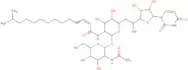
CAS:<p>Tunicamycin V is an antibiotic and nucleoside analog, which is a secondary metabolite derived from various Streptomyces species. It functions predominantly by inhibiting the initial step of N-linked glycosylation, a critical post-translational modification process in eukaryotic cells. This inhibition occurs through the blockage of UDP-N-acetylglucosamine: dolichyl-phosphate N-acetylglucosamine-1-phosphate transferase, thereby preventing the synthesis of dolichol-linked oligosaccharides and ultimately affecting protein folding and quality control mechanisms within the endoplasmic reticulum.</p>Fórmula:C38H62N4O16Pureza:Min. 95%Peso molecular:830.9 g/molCeftarolin fosamil
CAS:Ceftaroline fosamil is an advanced antibiotic, which is a cephalosporin derived from synthetic sources with a broad spectrum of activity. It is a prodrug that, once metabolized, becomes active in the body, binding to penicillin-binding proteins (PBPs) of bacteria. This binding inhibits the proteins responsible for cell wall synthesis, leading to bacterial cell lysis and death.Fórmula:C22H21N8O8PS4Pureza:Min. 95%Peso molecular:684.69 g/molMalformin C
CAS:<p>Malformin C is a cyclic pentapeptide, which is a secondary metabolite derived from certain strains of the fungus Aspergillus. Its mode of action involves disrupting cellular processes by interfering with cell division. Specifically, it is thought to affect mitotic spindle formation, leading to abnormal cell cycle progression.</p>Fórmula:C23H39N5O5S2Pureza:Min. 95%Forma y color:PowderPeso molecular:529.72 g/molAmikacin B Sulfate
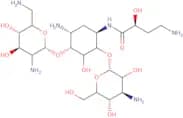
CAS:Inhibitor of protein synthesis; aminoglycosideFórmula:C22H44N6O12xH2so4Pureza:Min. 95%Peso molecular:584.62 g/molHodgkinsine B
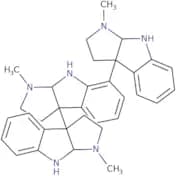
CAS:<p>Hodgkinsine B is an indole alkaloid, which is a complex organic compound derived from natural sources. It is isolated from the leaves of certain Rubiaceae family plants, including Psychotria colorata. Hodgkinsine B is characterized by its unique trimeric structure that contributes to its pharmacological properties.</p>Fórmula:C33H38N6Pureza:Min. 95%Peso molecular:518.7 g/molDemethylbleomycin A2 sulfate
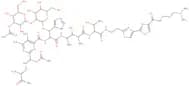
CAS:Demethylbleomycin A2 sulfate is an antineoplastic agent, which is derived from the bacterium Streptomyces verticillus. This compound functions by binding to DNA, inducing strand breaks and inhibiting DNA synthesis, ultimately leading to apoptosis or programmed cell death. Its mechanism of action involves the generation of free radicals, which cause oxidative damage to the DNA strands, impairing cellular replication and tumor growth.Fórmula:C55H84N17O21S3Pureza:Min. 95%Peso molecular:1,415.6 g/molEntecavir-13C2,15N
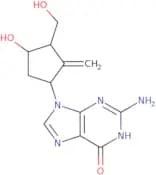
CAS:Entecavir-13C2,15N is an isotopically labeled antiviral agent, which is a synthetic nucleoside analogue derived from natural sources. Its mode of action involves selectively inhibiting the reverse transcription activity of the hepatitis B virus (HBV) polymerase. By mimicking the natural substrates of the viral polymerase, Entecavir-13C2,15N becomes incorporated into viral DNA, ultimately leading to chain termination and suppression of viral replication.Fórmula:C12H15N5O3Pureza:Min. 95%Peso molecular:280.26 g/mol1-Chloro-2,2-bis(4'-chlorophenyl)ethane
CAS:<p>1-Chloro-2,2-bis(4'-chlorophenyl)ethane is an organochlorine pesticide known for its agricultural applications. It is a synthetic product derived from chlorinated hydrocarbons. It functions primarily through its mode of action as an insecticide by interfering with the nervous system of insects. It disrupts normal nerve function by causing prolonged opening of sodium channels in nerve cells, leading to hyperexcitation and eventual paralysis of the target pests.</p>Fórmula:C14H11Cl3Pureza:Min. 95%Peso molecular:285.6 g/molDesethyl chloroquine (diphosphate)
CAS:<p>Desethyl chloroquine (diphosphate) is a pharmacological compound, which is a derivative and metabolite of chloroquine. Chloroquine itself is a synthetic drug originally derived from quinoline. The mode of action of Desethyl chloroquine involves the interference with heme polymerization in malaria parasites. This process disrupts the detoxification of heme, a byproduct of hemoglobin digestion, thereby exhibiting antimalarial effects.</p>Fórmula:C16H28ClN3O8P2Pureza:Min. 95%Peso molecular:487.8 g/molHsv-tk substrate
CAS:HSV-tk substrate is a nucleotide analogue, which is a synthetic compound derived from the herpes simplex virus thymidine kinase (HSV-tk) gene. This substrate is specifically phosphorylated by the HSV-tk enzyme, a property that provides significant utility in molecular biology and genetic research. The mode of action involves the selective phosphorylation of the substrate by HSV-tk, which is typically absent in mammalian cells but can be introduced via genetic engineering. Once phosphorylated, the substrate becomes toxic to the host cell, allowing researchers to selectively target and eliminate cells expressing the HSV-tk gene.Fórmula:C11H15N5O4Pureza:Min. 95%Peso molecular:281.27 g/molBalapiravir
CAS:Balapiravir is an antiviral agent, which is a synthetic derivative based on natural compounds, specifically designed to inhibit the replication of various viral pathogens. The source of Balapiravir integrates bio-based elements with modifications to enhance its therapeutic efficacy.Fórmula:C21H30N6O8Pureza:Min. 95%Peso molecular:494.5 g/molTigecycline, Antibiotic for Culture Media Use Only
CAS:Tigecycline is an antibiotic specifically tailored for use in culture media, which is derived from glycylcycline, a structural analogue of minocycline. Its mode of action involves binding to the 30S ribosomal subunit, thereby inhibiting protein synthesis in a broad spectrum of Gram-positive and Gram-negative bacteria. This action is distinct and not easily circumvented by common resistance mechanisms, such as efflux or ribosomal protection proteins, making tigecycline an effective agent in controlling bacterial contamination during microbiological studies.Fórmula:C29H39N5O8Pureza:Min. 95 Area-%Peso molecular:585.65 g/molTioconazole
CAS:<p>Tioconazole is an antifungal agent, which is a synthetic derivative of imidazole with broad-spectrum activity against fungi. This compound is chemically synthesized through complex organic reactions to enhance its antimycotic efficacy. Tioconazole functions by inhibiting the synthesis of ergosterol, an essential component of the fungal cell membrane. By disrupting the ergosterol biosynthesis pathway, tioconazole destabilizes the fungal cell membrane, leading to increased permeability and eventual cell death.</p>Fórmula:C16H13Cl3N2OSPureza:Min. 95%Peso molecular:387.71 g/molCladospirone bisepoxide
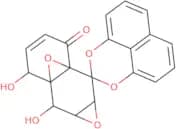
CAS:Cladospirone bisepoxide is a naturally occurring bioactive compound, classified specifically as a fungal metabolite, which is derived from species within the Cladosporium genus. The compound exhibits a complex bisepoxide structure, contributing to its unique chemical properties. Its mode of action involves disrupting microbial cellular processes, displaying potent antimicrobial activity by interfering with the synthesis and functioning of vital cellular components in targeted microorganisms.Fórmula:C20H14O7Pureza:Min. 95%Peso molecular:366.3 g/molTebufenozide-1-hydroxyethyl
CAS:<p>Tebufenozide-1-hydroxyethyl is an insect growth regulator, which is a synthetic chemical derived from a modified benzoic acid structure. Its mode of action involves mimicking the molting hormone ecdysone, which disrupts the normal development process of insects by inducing premature molting. This specific interference targets lepidopteran larvae, leading to incomplete development and eventual death, thereby controlling pest populations effectively without harming non-target organisms.</p>Fórmula:C22H28N2O3Pureza:Min. 95%Peso molecular:368.5 g/molFamciclovir-d4
CAS:Famciclovir-d4 is a deuterium-labeled antiviral nucleoside analog, which is a synthetic derivative of the guanine analog famciclovir. This compound is sourced through advanced chemical synthesis where deuterium atoms replace specific hydrogen atoms, providing an isotopic label that aids in the tracking and analysis of the pharmaceutical compound within biological systems.Fórmula:C14H19N5O4Pureza:Min. 95%Peso molecular:325.36 g/mol(R)-(+)-Pantoprazole
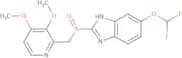
CAS:<p>(R)-(+)-Pantoprazole is a proton pump inhibitor (PPI), which is derived from benzimidazole compounds. Its mode of action involves the selective and irreversible inhibition of the H+/K+ ATPase enzyme system, commonly known as the proton pump, located on the gastric parietal cells. By binding covalently to this enzyme, (R)-(+)-Pantoprazole effectively reduces gastric acid secretion, leading to an increase in gastric pH.</p>Fórmula:C16H15F2N3O4SPureza:Min. 95%Peso molecular:383.4 g/molAqabamycin B
CAS:Aqabamycin B is a novel antibiotic compound, which is derived from marine microorganisms. This secondary metabolite is isolated from a marine sponge-associated bacterium, showcasing the rich potential of oceanic sources for discovering new antimicrobial agents. The mode of action of Aqabamycin B involves inhibition of bacterial cell wall synthesis, disrupting the structural integrity and leading to cell lysis. Its efficacy extends predominantly to combatting multi-drug resistant bacterial strains.Fórmula:C16H10N2O6Pureza:Min. 95%Peso molecular:326.26 g/molChlorsulfuron-5-hydroxy
CAS:Chlorsulfuron-5-hydroxy is a herbicide derivative, specifically an active metabolite of chlorsulfuron, which is a sulfonylurea herbicide. This compound is derived from synthetic chemistry processes that focus on altering the molecular structure of chlorsulfuron to enhance its properties or study its breakdown. The mode of action of Chlorsulfuron-5-hydroxy involves the inhibition of the enzyme acetolactate synthase (ALS), which plays a crucial role in the biosynthesis of branched-chain amino acids in plants such as valine, leucine, and isoleucine. This inhibition disrupts protein synthesis, leading to halted cell division and plant growth.Fórmula:C12H12ClN5O5SPureza:Min. 95%Peso molecular:373.77 g/molCarbazomycin D
CAS:<p>Carbazomycin D is a bioactive product classified as an antibiotic, which is derived from the bacterium Streptomyces. These actinomycetes are well-known for their ability to produce a wide range of secondary metabolites with antimicrobial properties. The mode of action of Carbazomycin D involves the inhibition of bacterial cell wall synthesis, effectively disrupting the growth and replication of gram-positive bacteria.</p>Fórmula:C17H19NO3Pureza:Min. 95%Peso molecular:285.34 g/molKanzonol C
CAS:<p>Please enquire for more information about Kanzonol C including the price, delivery time and more detailed product information at the technical inquiry form on this page</p>Fórmula:C25H28O4Pureza:Min. 95%Peso molecular:392.5 g/molAphidicolin
CAS:<p>Aphidicolin is a tetracyclic diterpenoid that acts as a potent inhibitor of DNA polymerase. Derived from the fungus *Cephalosporium aphidicola*, it is primarily identified for its ability to impede DNA synthesis by targeting eukaryotic DNA polymerase α. This selective inhibition disrupts replication processes, making it a crucial tool for studying cell cycle dynamics.</p>Fórmula:C20H34O4Pureza:Min. 95%Peso molecular:338.48 g/molPyraziflumid
CAS:Pyraziflumid is a fungicide, which is chemically synthesized with a specific mode of action as a succinate dehydrogenase inhibitor (SDHI). This compound is designed to target mitochondrial complex II, disrupting critical energy production within fungal cells. The inhibition of succinate dehydrogenase prevents the fungi from efficiently undergoing respiration, ultimately leading to cell death.Fórmula:C18H10F5N3OPureza:Min. 95%Peso molecular:379.3 g/molPK150
CAS:PK150 is a soil amendment product, which is derived from natural mineral sources with a specific focus on enhancing plant growth through optimized nutrient uptake efficiency. This product works by modifying the soil's physical and chemical properties, thereby improving the availability and mobility of essential nutrients like phosphorus (P) and potassium (K), which are crucial for the development and yield of plants.Fórmula:C15H8ClF5N2O3Pureza:Min. 95%Peso molecular:394.68 g/mol9,11β-Dichloro-17,21-dihydroxy-16β-methyl-pregna-1,4-diene-3,20-dione dipropionate
CAS:9,11Beta-Dichloro-17,21-dihydroxy-16beta-methyl-pregna-1,4-diene-3,20-dione dipropionate is a synthetic corticosteroid, which is derived from chemical synthesis in laboratories. It functions by mimicking the actions of naturally occurring corticosteroids in the body, modulating immune responses and suppressing inflammatory mediators at the cellular level.Fórmula:C28H36Cl2O6Pureza:Min. 95%Peso molecular:539.50 g/molOxaquin
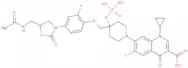
CAS:<p>Oxaquin is a synthetic antibiotic, which is a derivative of the fluoroquinolone class, developed through chemical synthesis. It disrupts bacterial DNA replication by inhibiting the DNA gyrase and topoisomerase IV enzymes, which are crucial for DNA synthesis and repair. This mode of action prevents bacterial cells from dividing and leading to cell death.</p>Fórmula:C31H33F2N4O11PPureza:Min. 95%Peso molecular:706.6 g/molErythromycin propionate
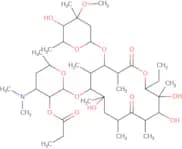
CAS:Erythromycin propionate is an antibiotic, which is derived from the bacterium *Saccharopolyspora erythraea*. This compound functions by inhibiting protein synthesis in susceptible bacteria, specifically targeting the 50S ribosomal subunit. Erythromycin propionate achieves this by binding to the ribosomal RNA, thereby preventing the translocation step of protein elongation.Fórmula:C40H71NO14Pureza:Min. 95%Peso molecular:790 g/molCefepime dihydrochloride monohydrate, Antibiotic for Culture Media Use Only
CAS:<p>Cefepime dihydrochloride monohydrate is a fourth-generation cephalosporin antibiotic utilized in scientific research, specifically formulated for culture media applications. It is derived from semi-synthetic processes, showcasing a broad spectrum of activity predominantly against Gram-positive and Gram-negative bacteria. The mode of action of cefepime involves the inhibition of bacterial cell wall synthesis by binding to penicillin-binding proteins, which interferes with peptidoglycan cross-linking, ultimately leading to cell lysis and death.</p>Fórmula:C19H28Cl2N6O6S2Pureza:Min. 98 Area-%Peso molecular:571.5 g/molGentamicin B sulfate
CAS:<p>Gentamicin B sulfate is an aminoglycoside antibiotic, which is produced through the fermentation process involving the actinomycete Micromonospora purpurea. This antibiotic functions primarily by binding to the 30S ribosomal subunit of bacteria, thereby inhibiting protein synthesis. This action disrupts the initiation of protein chain formation, ultimately leading to bacterial cell death. Gentamicin B sulfate is particularly effective against a variety of Gram-negative bacteria and some Gram-positive strains.</p>Fórmula:C19H40N4O14SPureza:Min. 95%Peso molecular:580.60 g/molFomidacillin
CAS:Please enquire for more information about Fomidacillin including the price, delivery time and more detailed product information at the technical inquiry form on this pageFórmula:C24H28N6O10SPureza:Min. 95%Peso molecular:592.60 g/mol