Antimicrobianos
Subcategorías de "Antimicrobianos"
- Antibióticos(4.144 productos)
- Antifúngicos(908 productos)
- Antiparasitarios(709 productos)
- Antivirales(767 productos)
Se han encontrado 2430 productos de "Antimicrobianos"
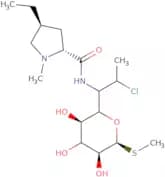
Clindamycin B hydrochloride
CAS:Clindamycin B hydrochloride is a semi-synthetic antibiotic, which is derived from the parent compound, lincomycin, obtained from the bacterium *Streptomyces lincolnensis*. It exerts its antibacterial effects by binding to the 50S subunit of the bacterial ribosome, inhibiting protein synthesis by preventing peptide bond formation, which is essential for bacterial growth and survival.Fórmula:C17H31ClN2O5S•HClPureza:Min. 95%Forma y color:White To Off-White SolidPeso molecular:447.42 g/molBiotinamidocaproate tobramycin amide
CAS:Biotinamidocaproate tobramycin amide is a chemical conjugate, serving as an innovative antimicrobial agent derived from the integration of biotin with tobramycin, an aminoglycoside antibiotic. This product embodies the amalgamation of tobramycin’s robust antibacterial properties with biotin’s ability to guide compounds specifically to targets through biotin-avidin interactions.Fórmula:C34H62N8O12SPureza:Min. 95%Peso molecular:806.97 g/mol3,4,5-Trichlorophenol acetate
CAS:3,4,5-Trichlorophenol acetate is a chlorinated aromatic compound, which is a derivative of trichlorophenol. It is typically sourced from chemical synthesis involving the chlorination and acetylation of phenolic compounds. The mode of action involves its interaction and potential binding with biological molecules, making it a subject of interest for biochemical studies.Fórmula:C8H5Cl3O2Pureza:Min. 95%Peso molecular:239.5 g/molCyclopentylalbendazole
CAS:Cyclopentylalbendazole is an anthelmintic compound, which is a synthetic derivative of benzimidazole, originally sourced from chemical synthesis processes. Its mode of action involves the selective binding to beta-tubulin, disrupting the polymerization of microtubules within the parasites. This inhibition of microtubule formation is crucial for cellular processes such as nutrient uptake and intracellular transport, eventually leading to immobilization and subsequent death of the parasites.
Fórmula:C14H17N3O2SPureza:Min. 95%Peso molecular:291.37 g/molPerfluidone
CAS:Perfluidone is a systematic herbicide, which is a synthetic chemical compound with a specific mode of action targeting pre-emergent weed growth. It functions by inhibiting the synthesis of carotenoids, essential pigments in photosynthesis, thereby disrupting the cellular processes required for plant growth. This inhibition leads to an accumulation of toxic intermediates, causing the bleaching and eventual death of susceptible plant tissues.Fórmula:C14H12F3NO4S2Pureza:Min. 95%Peso molecular:379.4 g/molClomocycline
CAS:Clomocycline is an antibiotic, which is a derivative of tetracycline originating from Streptomyces species. The mechanism of action involves inhibition of bacterial protein synthesis by binding to the 30S ribosomal subunit. This action blocks the attachment of aminoacyl-tRNA to the acceptor site on the mRNA-ribosome complex, ultimately impeding the addition of amino acids to the growing peptide chain and thus hindering bacterial growth.Fórmula:C23H25ClN2O9Pureza:Min. 95%Peso molecular:508.9 g/molFlutimide
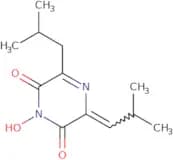
CAS:Flutimide is a nonsteroidal antiandrogen, which is synthesized chemically. It functions by competitively inhibiting the binding of androgens, such as testosterone, to androgen receptors. This interferes with the action of androgens at the cellular level, leading to a reduction in the growth effects mediated by these hormones.Fórmula:C12H18N2O3Pureza:Min. 95%Peso molecular:238.28 g/mol3-Chloro-10,11-dihydro-5H-dibenzo[B,D]azepine
CAS:3-Chloro-10,11-dihydro-5H-dibenzo[B,D]azepine is a tricyclic compound, which is typically synthesized through organic chemical processes involving multiple reaction steps to introduce the chloro and dihydro functionalities. With its distinct azepine ring structure, it acts primarily on the central nervous system by modulating neurotransmitter pathways, specifically targeting neurotransmitter reuptake.Fórmula:C14H12ClNPureza:Min. 95%Peso molecular:229.7 g/molNITD-916
CAS:NITD-916 is an antiviral compound, which is a synthetic molecule designed for therapeutic purposes. Its source lies in medicinal chemistry, where it was developed through a detailed process of molecular optimization and testing to enhance its efficacy and pharmacokinetic properties. The mode of action of NITD-916 involves inhibiting viral replication by targeting specific non-structural proteins essential for the replication process of certain RNA viruses.Fórmula:C20H25NO2Pureza:Min. 95%Peso molecular:311.4 g/mol14-Chloro daunorubicin
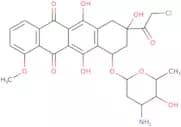
CAS:14-Chloro daunorubicin is a chemotherapeutic agent, which is a synthetic derivative of the naturally occurring anthracycline antibiotic, daunorubicin. This compound is specifically modified to include a chlorine atom at the 14th position, which enhances its pharmacological effectiveness compared to its parent compound. The drug acts primarily by intercalating into DNA, disrupting the function of topoisomerase II, and generating free radicals. These mechanisms collectively inhibit DNA replication and transcription, leading to cell apoptosis, particularly in rapidly dividing cancer cells.Fórmula:C27H28ClNO10Pureza:Min. 95%Peso molecular:561.96 g/molBeclabuvir
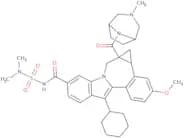
CAS:Beclabuvir is an investigational antiviral agent, which is synthetically derived with the purpose of targeting the hepatitis C virus (HCV). It functions as a non-nucleoside inhibitor, specifically inhibiting the HCV NS5B RNA-dependent RNA polymerase, a crucial enzyme necessary for viral replication. By obstructing the polymerase activity, Beclabuvir effectively impedes the replication cycle of the virus, thereby reducing viral load in infected individuals.Fórmula:C36H45N5O5SPureza:Min. 95%Peso molecular:659.84 g/molFoscarnet sodium
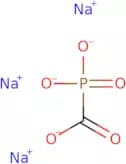
CAS:Foscarnet sodium is a pyrophosphate analog antiviral agent with action on viral DNA polymerase and is used for treating cytomegalovirus and herpes simplex virus infections.
Fórmula:CNa3O5PPureza:Min. 95%Forma y color:White PowderPeso molecular:191.95 g/molCaerulomycin A
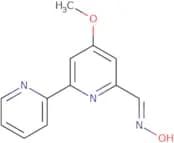
CAS:Caerulomycin A is a bioactive compound classified as a natural broad-spectrum antibiotic, which is derived from various Streptomyces species found in soil. Its mode of action involves inhibiting fungal and bacterial growth by interfering with essential cellular processes, effectively curbing the proliferation of pathogenic microorganisms. This potent molecule achieves its effects by binding to specific cellular targets, thereby disrupting cell wall synthesis and other critical metabolic pathways.Fórmula:C12H11N3O2Pureza:Min. 95%Peso molecular:229.23 g/molNorfloxacin methyl ester
CAS:Norfloxacin methyl ester is a synthetic derivative of the fluoroquinolone antibiotic, norfloxacin, which is sourced from chemical synthesis. Its mode of action involves inhibiting bacterial DNA gyrase and topoisomerase IV, enzymes crucial for DNA replication, transcription, repair, and recombination. This specific mechanism disrupts bacterial replication and cell division, leading to bacterial cell death.
Fórmula:C17H20FN3O3Pureza:Min. 95%Peso molecular:333.36 g/molSP187
CAS:Please enquire for more information about SP187 including the price, delivery time and more detailed product information at the technical inquiry form on this page
Fórmula:C16H33NO5Pureza:Min. 95%Peso molecular:319.44 g/molBephenium
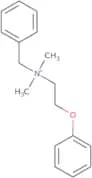
CAS:Bephenium is an anthelmintic agent, which is a type of product used to treat infections caused by parasitic worms. It originates from synthetic chemical processes specifically designed to combat nematode infestations. The mode of action involves disrupting the neuromuscular activity of susceptible parasitic worms, such as hookworms and roundworms, leading to their paralysis and eventual expulsion from the host organism.Fórmula:C17H22NOPureza:Min. 95%Peso molecular:256.36 g/molSTAADIUM™ PeptiZide L-Pyr
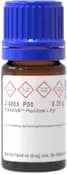
CAS:STAADIUM⢠PeptiZide L-Pyr is a targeted inhibitor for pyroglutamyl-aminopeptidase-producing bacteria. The antibacterial activity of STAADIUM⢠PeptiZide L-Pyr is triggered by the enzyme pyroglutamyl aminopeptidase (a.k.a. pyrase or pyrrolidonyl peptidase) that is present, not only in bacteria, but also in archaea, plants and animals. STAADIUM⢠PeptiZide can be used to suppress the growth of Citrobacter freundii on diagnostic agar plates for Salmonella. L-pyrrolidonyl peptidase activity has also been exploited to distinguish Enterococcus species and Streptococcus pyogenes from other Streptococaceae species. More details in the application notes document.
Fórmula:C17H17N3O3SPureza:Min. 95 Area-%Peso molecular:343.41 g/mol6-o-Methacrylate
CAS:6-o-Methacrylate is a monomer used in the synthesis of polymers, which is predominantly sourced from petroleum-based feedstocks through chemical synthesis. Its mode of action involves free radical polymerization, a process where the methacrylate group participates in chain reactions to form complex polymer structures. This compound is a key building block in the creation of various copolymers and homopolymers.Fórmula:C23H30O9Pureza:Min. 95%Peso molecular:450.5 g/molRPW-24
CAS:RPW-24 is a microbial inoculant, which is derived from specifically cultivated microbial strains with known capabilities of enhancing soil fertility. Utilizing a proprietary selection of Bacillus and Pseudomonas species, this product functions by facilitating the solubilization of inorganic phosphate compounds in the soil. These microbes secrete organic acids and enzymes that convert insoluble forms of phosphorus into forms that are more readily available to plants, thereby enhancing nutrient uptake and promoting plant growth.Fórmula:C15H13ClN4Pureza:Min. 95%Peso molecular:284.74 g/molEtofenprox-carboxy
CAS:Etofenprox-carboxy is an insecticide, which is a synthetic chemical derivative with a unique pyrethroid-like structure. It acts on the nervous system of target insect species by disrupting their neuronal function. This disruption occurs through the stimulation of sodium channels, which, unlike traditional pyrethroids, provides a lower risk to mammals and non-target organisms. It is especially favored for its selective toxicity and reduced environmental persistence.Fórmula:C25H26O4Pureza:Min. 95%Peso molecular:390.5 g/mol



![3-Chloro-10,11-dihydro-5H-dibenzo[B,D]azepine](/_next/image/?url=https%3A%2Fstatic.cymitquimica.com%2Fproducts%2F3D%2Fthumb-webp%2FPBA60790.webp&w=3840&q=75)