Antimicrobianos
Subcategorías de "Antimicrobianos"
- Antibióticos(4.144 productos)
- Antifúngicos(910 productos)
- Antiparasitarios(710 productos)
- Antivirales(768 productos)
Se han encontrado 2430 productos de "Antimicrobianos"
(Z)-Fenpyroximate
CAS:(Z)-Fenpyroximate is a selective acaricide, which is a chemical agent specifically designed to control mite populations. It is derived from the chemical class of pyrazole compounds. The mode of action of (Z)-Fenpyroximate involves the inhibition of the mitochondrial electron transport chain, particularly targeting complex I (NADH: ubiquinone oxidoreductase). This disruption prevents ATP production, leading to mite mortality due to energy starvation.Fórmula:C20H19N3O4Pureza:Min. 95%Peso molecular:365.4 g/molRifamycin PR-14
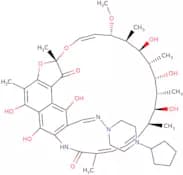
CAS:Rifamycin PR-14 is a semi-synthetic antibiotic, which is derived from the naturally occurring antibiotic rifamycin. Originating from a fermentation process involving the bacterium Amycolatopsis mediterranei, rifamycin is modified to create the PR-14 variant to enhance its antibacterial properties and pharmacokinetic profile. This compound functions by inhibiting bacterial DNA-dependent RNA polymerase, effectively halting RNA synthesis and subsequent protein production, leading to bacterial cell death.
Fórmula:C43H54N2O12Pureza:Min. 95%Peso molecular:790.9 g/molMetalaxyl-hydroxymethyl
CAS:Metalaxyl-hydroxymethyl is a systemic fungicide, which is synthesized chemically. With its unique mechanism of action as an acylalanine fungicide, it targets and disrupts RNA synthesis specifically in oomycetes—a group of fungus-like organisms. This disruption inhibits the growth and spread of pathogenic fungi.Fórmula:C15H21NO5Pureza:Min. 95%Peso molecular:295.33 g/molIvermectin 8α-hydroperoxide
**Ivermectin 8α-hydroperoxide** is a derivative of the antiparasitic agent ivermectin, which is synthesized through chemical modification. Ivermectin originally derives from the fermentation products of the bacterium *Streptomyces avermitilis*. The modification to form 8α-hydroperoxide involves the addition of a hydroperoxide group, potentially altering its biological properties.Fórmula:C48H74O16Pureza:Min. 95%Peso molecular:907.09 g/molMGB-BP-3
CAS:MGB-BP-3 is a synthetic antimicrobial agent, which is derived from natural DNA-binding minor groove binder (MGB) compounds. Its structure is based on distamycin, known for targeting the minor groove of DNA. MGB-BP-3 operates by binding to specific sequences within the DNA minor groove, thereby interfering with the replication and transcription processes of bacterial cells. This binding disrupts the DNA function and inhibits the growth and proliferation of bacterial pathogens.
Fórmula:C36H37N7O4Pureza:Min. 95%Peso molecular:631.7 g/molAmrubicin hydrochloride
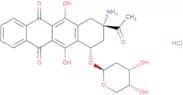
CAS:Amrubicin hydrochloride is an anthracycline chemotherapeutic agent, which is a synthetic anthracycline derivative derived from reductive amination. It functions primarily by intercalating into DNA and inhibiting topoisomerase II, an enzyme crucial to DNA replication. This mode of action disrupts DNA synthesis, leading to apoptosis in rapidly proliferating cancer cells.
Fórmula:C25H25NO9•HClPureza:Min. 95%Peso molecular:519.93 g/mol6-Chloro didesacetyl famciclovir
CAS:6-Chloro didesacetyl famciclovir is a synthetic antiviral compound, which is derived from famciclovir, with specific modifications to enhance its biochemical properties. It is a chlorinated analog resulting from structural alterations to famciclovir, a prodrug of the antiviral agent penciclovir.
Fórmula:C10H14ClN5O2Pureza:Min. 95%Peso molecular:271.7 g/molOmadacycline mesylate
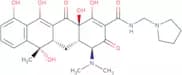
CAS:Omadacycline mesylate is a broad-spectrum antibiotic, which is a semi-synthetic derivative from the natural product tetracycline with enhanced stability and efficacy. It functions by inhibiting bacterial protein synthesis through binding to the 30S ribosomal subunit. This prevents the addition of amino acids to the nascent peptide chain, effectively halting bacterial growth.Fórmula:C30H44N4O10SPureza:Min. 95%Peso molecular:652.76 g/molCefepime-d3 sulfate
CAS:Producto controladoCefepime-d3 sulfate is an isotopically labeled antibiotic, which is derived from the fourth-generation cephalosporin, cefepime. The source of this compound is synthetic, utilizing deuterium to label the parent cefepime molecule, allowing for detailed metabolic and pharmacokinetic studies. With deuterium's stable, non-radioactive nature, it serves as a powerful tool in mass spectrometry-based analyses.
Fórmula:C19H23D3N6O9S3Pureza:Min. 95%Peso molecular:581.66 g/molN-Demethylclindamycin
CAS:N-Demethylclindamycin is a metabolite of clindamycin, which is a semi-synthetic antibiotic derived from the naturally occurring compound lincomycin. This product is synthesized by enzymatic or chemical processes that remove the N-methyl group from clindamycin's molecular structure, making it an important derivative in the study of antibiotic activity and metabolic pathways.
Fórmula:C17H31ClN2O5SPureza:Min. 95%Peso molecular:411 g/molHexazinone metabolite A
CAS:Hexazinone metabolite A is a chemical compound derived from the degradation of the parent herbicide hexazinone, which is commonly used in agriculture and forestry for broad-spectrum weed control. This metabolite is a result of microbial and environmental processes that modify the original chemical structure, altering its behavior and ecological interactions. With a mode of action involving the disruption of photosynthetic processes, Hexazinone metabolite A impacts plant growth by inhibiting photosystem II, thereby impeding electron transfer required for photosynthesis.Fórmula:C12H20N4O3Pureza:Min. 95%Peso molecular:268.31 g/molNalidixic acid ethyl ester
CAS:Nalidixic acid ethyl ester is a chemical compound that functions as a pro-drug antibacterial agent, specifically belonging to the quinolone class of antibiotics. It is synthesized from nalidixic acid, which is derived from the older synthetic derivative class of naphthyridines. Nalidixic acid ethyl ester exhibits its antibacterial properties through the inhibition of DNA gyrase and topoisomerase IV. These are essential enzymes for bacterial DNA replication, transcription, and repair, leading to the disruption of DNA synthesis in susceptible bacterial cells.Fórmula:C14H16N2O3Pureza:Min. 95%Peso molecular:260.29 g/molColistin A
CAS:Colistin A is an antimicrobial peptide, which is a type of polymyxin antibiotic derived from the bacterium *Paenibacillus polymyxa*. It exerts its bactericidal effect by interacting electrostatically with the lipopolysaccharides and phospholipids in the outer membrane of Gram-negative bacteria. This action disrupts the bacterial cell membrane, leading to increased permeability and cell death.Fórmula:C53H100N16O13Pureza:Min. 95%Peso molecular:1,169.5 g/molTris(4'-carboxy-1,1'-biphenyl)amine
CAS:Tris(4'-carboxy-1,1'-biphenyl)amine is an organic compound commonly employed as a building block in the development of advanced materials. It is synthesized through a series of chemical reactions involving biphenyl and aniline derivatives, ultimately producing a triphenylamine core with carboxylic acid functional groups. The unique molecular architecture allows this compound to participate in various chemical interactions, including π-π stacking and hydrogen bonding, which are pivotal in its applications.
Fórmula:C39H27NO6Pureza:Min. 95%Peso molecular:605.6 g/mol25-Desacetyl rifapentin
CAS:25-Desacetyl rifapentin is a derivative of rifapentin, an antibiotic belonging to the rifamycin class, sourced from the bacterial species *Amycolatopsis rifamycinica*. This compound functions by inhibiting bacterial DNA-dependent RNA polymerase, which is crucial for transcription in susceptible bacterial strains. By inhibiting this enzyme, 25-Desacetyl rifapentin effectively hampers RNA synthesis, ultimately leading to bacterial cell death.Fórmula:C45H62N4O11Pureza:Min. 95%Forma y color:PowderPeso molecular:834.99 g/molFibracillin
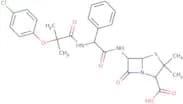
CAS:Fibracillin is a bioengineered peptide, which is derived from specifically modified bacterial strains with advanced genetic manipulation techniques. Its mode of action involves the stimulation of fibroblast activity through targeted binding to cellular receptors, promoting collagen synthesis and extracellular matrix formation. This action facilitates the regeneration of connective tissues and supports wound healing processes.Fórmula:C26H28ClN3O6SPureza:Min. 95%Peso molecular:546 g/molRolitetracycline
CAS:Rolitetracycline is a semi-synthetic tetracycline antibiotic, which is derived from the natural compound tetracycline. It functions primarily by inhibiting protein synthesis in susceptible bacteria. This is achieved through the binding to the 30S ribosomal subunit, effectively blocking the attachment of aminoacyl-tRNA to the mRNA-ribosome complex, thereby preventing the addition of new amino acids to the nascent peptide chain. As a result, bacterial cell growth is inhibited, leading to bacteriostatic effects.Fórmula:C27H33N3O8Pureza:Min. 95%Forma y color:PowderPeso molecular:527.57 g/mol2'-Deoxycoformycin
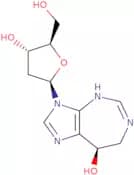
CAS:2'-Deoxycoformycin is a potent adenosine deaminase inhibitor, which is derived from the fermentation of Streptomyces antibioticus, a species of actinomycete bacteria. This compound acts by specifically inhibiting the enzyme adenosine deaminase, leading to an accumulation of toxic deoxyadenosine triphosphate in lymphocytes. This buildup hinders DNA synthesis, effectively suppressing the proliferation of lymphoid cells.Fórmula:C11H16N4O4Pureza:Min. 95%Peso molecular:268.27 g/molDimidazon
CAS:Dimidazon is a synthetic herbicide, which is derived from chemical synthesis processes involving aromatic and heterocyclic compounds. It possesses a mode of action that primarily inhibits specific enzymatic pathways required for plant growth, targeting essential biosynthesis mechanisms within the plant's cellular structure. This disruption leads to the cessation of vital processes, eventually causing plant death.Fórmula:C12H12N2O3Pureza:Min. 95%Peso molecular:232.23 g/molTenatoprazole sodium
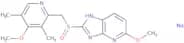
CAS:Tenatoprazole sodium is a proton pump inhibitor, which is a synthetic pharmaceutical compound designed to selectively inhibit the hydrogen-potassium ATPase enzyme in the gastric parietal cells. This enzyme is essential for the final step of gastric acid production. Originating from organic chemical synthesis processes, Tenatoprazole sodium features a unique imidazopyridine structure, distinguishing it from other members of the proton pump inhibitor class such as omeprazole, which belongs to the benzimidazole family.Fórmula:C16H18N4NaO3SPureza:Min. 95%Peso molecular:369.4 g/mol