Ácidos grasos
Los ácidos grasos son ácidos carboxílicos con largas cadenas de hidrocarburos, que pueden ser saturados o insaturados. Son componentes esenciales de los lípidos, sirviendo como building blocksclave para lípidos complejos, fuentes de energía y moléculas de señalización. Los ácidos grasos están involucrados en varios procesos biológicos, incluyendo el metabolismo, la estructura de las membranas celulares y la inflamación. En CymitQuimica, ofrecemos una amplia gama de ácidos grasos de alta calidad para apoyar su investigación en bioquímica de lípidos, nutrición y campos relacionados.
Subcategorías de "Ácidos grasos"
- Acilgliceroles / Glicéridos(43 productos)
- Eicosanoides(6 productos)
- Ésteres de ácidos grasos(860 productos)
- Ácidos grasos halogenados(32 productos)
Se han encontrado 2456 productos de "Ácidos grasos"
Ordenar por
Pureza (%)
0
100
|
0
|
50
|
90
|
95
|
100
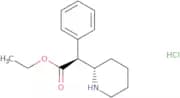
(aS,2S)-α-Phenyl-2-piperidineacetic acid Ethyl ester hydrochloride
CAS:Producto controlado<p>Please enquire for more information about (aS,2S)-alpha-Phenyl-2-piperidineacetic acid Ethyl ester hydrochloride including the price, delivery time and more detailed product information at the technical inquiry form on this page</p>Fórmula:C15H21NO2·HClPureza:Min. 95%Peso molecular:283.79 g/mol2-Bromo-3-fluorobenzoic acid ethyl ester
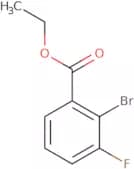
CAS:<p>2-Bromo-3-fluorobenzoic acid ethyl ester is a versatile building block that can be used in the preparation of many different chemical compounds. It is a high quality chemical with a CAS number 1131040-49-7. 2-Bromo-3-fluorobenzoic acid ethyl ester is useful in the synthesis of complex compounds, and has been shown to be an effective reagent. This chemical has also been used as a reaction component and scaffold in research chemicals.</p>Fórmula:C9H8BrFO2Pureza:Min. 95%Forma y color:PowderPeso molecular:247.06 g/molPalmitoyldocosahexaenoyl phosphatidylcholine
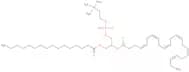
CAS:<p>Palmitoyldocosahexaenoyl phosphatidylcholine (PC-S) is a fatty acid with six double bonds. It has been shown to induce osteogenic genes in human macrophages and can be used as a potential therapeutic agent for the treatment of bone diseases. PC-S also has anti-inflammatory properties, which is due to its ability to inhibit secretory phospholipase A2 (sPLA2). PC-S is structurally similar to the polyunsaturated fatty acid linoleic acid and has been found to have reactive properties. PC-S may be used as an adjuvant therapy for cancer and other diseases, such as Alzheimer's disease. Clinical studies are currently being conducted.</p>Fórmula:C46H80NO8PPureza:Min. 95%Forma y color:PowderPeso molecular:806.1 g/mol4-Bromo-2,6-pyridinedicarboxylic acid ethyl ester
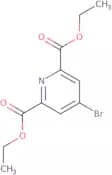
CAS:<p>4-Bromo-2,6-pyridinedicarboxylic acid ethyl ester is a luminescent compound that emits light in the visible region of the spectrum. It can be used as a ligand for polymerized monolayers or as a bifunctional covalent coupling agent. The carboxylate group on 4-Bromo-2,6-pyridinedicarboxylic acid ethyl ester interacts with lanthanide metal ions to produce luminescence. This chemical also has low frequency emission and can be used for supramolecular interactions.</p>Fórmula:C11H12BrNO4Pureza:Min. 95%Peso molecular:302.12 g/mol4-Hydroxy-3-methoxybenzoic acid ethyl ester
CAS:<p>4-Hydroxy-3-methoxybenzoic acid ethyl ester is a synthetic compound that is converted to protocatechuic acid, an antioxidant found in wine. It has been shown to have antioxidative properties in inflammatory bowel disease by inhibiting the formation of reactive oxygen species. Protocatechuic acid also inhibits the growth of bacterial strains such as Listeria monocytogenes and Bacillus cereus, which are often resistant to antibiotics. The mechanism of action is not well understood, but it may be due to its ability to inhibit the production of p-hydroxybenzoic acid, a precursor for bacterial cell wall synthesis. Protocatechuic acid also has anti-inflammatory properties and can be used as a bioactive phenolic in topical preparations such as creams or ointments.</p>Fórmula:C10H12O4Pureza:Min. 95%Forma y color:PowderPeso molecular:196.2 g/mol4-Acetylbenzoic acid ethyl ester
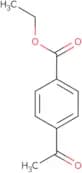
CAS:<p>4-Acetylbenzoic acid ethyl ester is a receptor binding agent that inhibits the activity of phosphatidylinositol 3-kinase (PI3K), which is a protein involved in cell growth, differentiation and survival. It has been shown to inhibit tumor growth and induce apoptosis in cancer cells. 4-Acetylbenzoic acid ethyl ester also induces cell death in inflammatory diseases by inhibiting the activation of protein kinase C γ (PKC γ) by retinoic acid. This agent has been shown to be active against recombinant human Pparγ and can be used as an additive for cell-based assays.</p>Fórmula:C11H12O3Pureza:Min. 95%Forma y color:PowderPeso molecular:192.21 g/mol2,6-Dimethylbenzoic acid ethyl ester
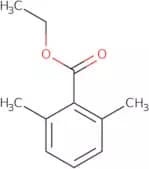
CAS:<p>2,6-Dimethylbenzoic acid ethyl ester (DBE) is an organic compound that is used as a starting material for the synthesis of other chemicals. It is produced by reacting chlorobenzene with magnesium in the presence of a suitable catalyst such as copper(II) chloride. The reaction can be carried out in bulk or in liquid phase, and yields are optimized by using activated carbon as a support. DBE is one of the most commonly used dialkyl benzoates for chemical syntheses due to its high reactivity. DBE has a particle size of about 10 micrometres and a bulk density close to 1 g/cm3.</p>Fórmula:C11H14O2Pureza:Min. 95%Forma y color:PowderPeso molecular:178.23 g/mol3-Fluoro-4-hydroxybenzoic acid ethyl ester
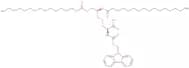
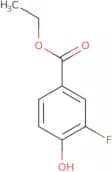
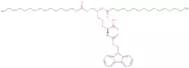
CAS:<p>3-Fluoro-4-hydroxybenzoic acid ethyl ester is a versatile building block that is used as a reagent in organic synthesis. It has the CAS number 56355-21-6. This compound has been shown to be useful for the synthesis of various pharmaceuticals and other complex compounds, such as 3-fluoro-4-(2,2,2-trifluoroethoxy)benzoic acid ethyl ester.</p>Fórmula:C9H9FO3Pureza:Min. 95%Forma y color:PowderPeso molecular:184.16 g/molFmoc-Cys((S)-2,3-di(palmitoyloxy)-propyl)-OH
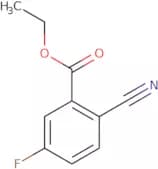
CAS:<p>Fmoc-Cys((S)-2,3-di(palmitoyloxy)-propyl)-OH is a reagent used in the synthesis of complex compounds. It is also a useful scaffold for the synthesis of speciality chemicals and versatile building blocks. This compound is an intermediate that can be used in the preparation of fine chemicals and pharmaceuticals. Fmoc-Cys((S)-2,3-di(palmitoyloxy)-propyl)-OH has a CAS number of 139573-78-7 and can be purchased as a high quality chemical.</p>Fórmula:C53H83NO8SPureza:Min. 95 Area-%Forma y color:Slightly Yellow PowderPeso molecular:894.29 g/mol2-Cyano-5-fluorobenzoic acid ethyl ester
CAS:<p>2-Cyano-5-fluorobenzoic acid ethyl ester is a chemical compound with the formula C6H4(COOCH2)2FO. The compound is an intermediate in the synthesis of other chemicals, such as pharmaceuticals. It is also used as a building block in other syntheses. 2-Cyano-5-fluorobenzoic acid ethyl ester has been assigned CAS No. 1260751-65-2 and is useful in organic synthesis because it is a versatile building block, complex compound, and fine chemical.</p>Fórmula:C10H8FNO2Pureza:Min. 95%Peso molecular:193.17 g/molL-Propargylglycine
CAS:<p>L-Propargylglycine is a novel, synthetic compound that has been shown to inhibit bacterial growth. It is a strong inhibitor of the polymerase chain reaction (PCR) and nuclear DNA replication. L-Propargylglycine has also been shown to inhibit mitochondrial membrane potential and human serum which may lead to its anti-inflammatory properties. L-Propargylglycine has antioxidative properties, antimicrobial peptide activity, and ATP channel inhibition. This drug also has a number of other pharmacological effects including modulation of intestinal inflammation in models of inflammatory bowel disease and improvement of atherosclerotic lesions in animal models.</p>Fórmula:C5H7NO2Pureza:(%) Min. 98%Forma y color:PowderPeso molecular:113.11 g/molN-(Phenylsulfonyl)palmitamide
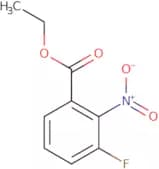
<p>N-(Phenylsulfonyl)palmitamide is a versatile building block that can be used to create complex compounds for research. CAS No. is 527-87-2 and it is a reagent and speciality chemical with high quality. It is also useful as a reaction component in the synthesis of other compounds, or as a scaffold for the synthesis of new derivatives.</p>Fórmula:C22H37NO3SPeso molecular:395.61 g/mol3-Fluoro-2-nitrobenzoic acid ethyl ester
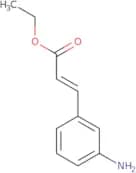
CAS:<p>3-Fluoro-2-nitrobenzoic acid ethyl ester is a fine chemical that is useful as a versatile building block in the synthesis of complex compounds. It can be used as an intermediate in the preparation of research chemicals and has been shown to react with amines to form nitrosoamines, which are useful reaction components. 3-Fluoro-2-nitrobenzoic acid ethyl ester has CAS number 163077-89-2 and is available at high quality.</p>Fórmula:C9H8FNO4Pureza:Min. 95%Forma y color:PowderPeso molecular:213.16 g/mol3-Aminocinnamic acid ethyl ester
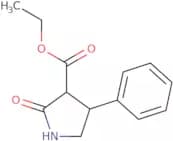
CAS:<p>3-Aminocinnamic acid ethyl ester is a synthetic compound that is derived from pyridine and has a liriodenine ring. The synthesis of this compound starts with an olefinic coupling reaction, which yields an imine intermediate. The imine is hydrolyzed to yield the desired product. 3-Aminocinnamic acid ethyl ester can be found in plants such as liriodenine and liriodendronine, as well as in animal tissues. It also acts as a neurotransmitter and activates the nitrate receptor on nerves, which leads to increased blood pressure or heart rate. 3-Aminocinnamic acid ethyl ester also binds to the cation channel of benzoquinoline drugs and mediates their effects on the central nervous system.</p>Fórmula:C11H13NO2Pureza:Min. 95%Forma y color:PowderPeso molecular:191.23 g/mol4-Phenyl-2-pyrrolidone-3-carboxylic acid ethyl ester
CAS:<p>4-Phenyl-2-pyrrolidone-3-carboxylic acid ethyl ester is an organic compound. It is an intermediate in the synthesis of 2,4,6-trichloroisonicotinic acid and 2,4,6-trichloropyrimidine. The compound has a variety of uses as a reagent and building block for organic synthesis. 4-Phenyl-2-pyrrolidone-3-carboxylic acid ethyl ester is soluble in many solvents such as acetone, ethers and chloroform. It has a CAS number of 5245032. This chemical can be used as a speciality chemical or fine chemical to produce drugs.</p>Fórmula:C13H15NO3Pureza:Min. 95%Forma y color:PowderPeso molecular:233.26 g/molIndole-5-carboxylic acid ethyl ester
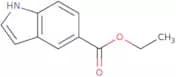
CAS:<p>Indole-5-carboxylic acid ethyl ester is a formamide activated analog of piperidine. It is an effective antibacterial agent against Staphylococcus aureus. Indole-5-carboxylic acid ethyl ester inhibits the growth of bacteria by binding to the extracellular surface and interfering with cell membrane permeability. The compound also has anti-cancer properties, and may be used in pharmaceuticals as a pyrazole derivative.</p>Fórmula:C11H11NO2Pureza:Min. 95%Forma y color:PowderPeso molecular:189.21 g/molHexadecanamide
CAS:<p>Hexadecanamide is a reactive amide that has an optimum concentration of 1.5-2.0 M in water and a pH range of 3.0-8.0. Hexadecanamide is oxidized by an oxidation catalyst to form hexadecane, which can be analyzed by gas chromatography or high performance liquid chromatography. The oxidation reaction can be monitored under constant pressure conditions using electrochemical impedance spectroscopy. Hexadecanamide reacts with hydroxyl groups and fatty acids to form hexadecanoic acid, which can be analyzed using gas chromatography or high performance liquid chromatography. Hexadecanamide also reacts with viral life to form hexadecanoic acid, which can be analyzed using gas chromatography or high performance liquid chromatography.<br>Hexadecanamide has been shown to have anti-inflammatory properties, which may be due to its ability to inhibit the production of pro-inflammatory cytokines such as histamine and leukotrienes</p>Fórmula:C16H33NOPureza:Min. 95%Forma y color:PowderPeso molecular:255.44 g/molFmoc-S-[2,3-bis(palmitoyloxy)propyl]-L-cysteine
CAS:<p>Fmoc-S-[2,3-bis(palmitoyloxy)propyl]-L-cysteine is a fine chemical that is used as a building block in the synthesis of complex natural products and pharmaceuticals. It has versatile applications in both research and industry. Fmoc-S-[2,3-bis(palmitoyloxy)propyl]-L-cysteine is an intermediate or scaffold for the synthesis of many types of compounds, including antibiotics, anti-cancer agents, hormones, and anti-inflammatory drugs. This compound is soluble in organic solvents such as DMSO and DMF.</p>Fórmula:C53H83NO8SPureza:Min. 95 Area-%Forma y color:White Off-White PowderPeso molecular:894.29 g/mol3-Bromo-4-methoxyphenylacetic acid ethyl ester
CAS:<p>3-Bromo-4-methoxyphenylacetic acid ethyl ester is a versatile building block that can be used to synthesize a variety of compounds. It is also a useful intermediate for research chemicals and pharmaceuticals. 3-Bromo-4-methoxyphenylacetic acid ethyl ester is a fine chemical with high quality and can be used as a reagent or speciality chemical. As a reaction component, this product makes an excellent scaffold for complex compounds.</p>Fórmula:C11H13BrO3Pureza:Min. 95%Forma y color:Clear LiquidPeso molecular:273.12 g/molβ-Naphthoic acid ethyl ester
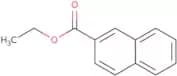
CAS:<p>β-Naphthoic acid ethyl ester (BNAE) is a synthetic compound that has been used as an intermediate in the synthesis of organic compounds. It is also used to prepare hydroxamic acids, which are active methylene compounds. BNAE reacts with nucleophiles and is susceptible to nucleophilic attack. The reaction mechanism for this type of compound involves a cavity with a constant volume, which increases the reactivity of the molecule. This type of reaction can be explained using the functional theory and the use of organic solvents. BNAE is stable when exposed to carbon tetrachloride and hydroxamic acids, but not when exposed to diethyl succinate or chemical agents such as sodium nitrite.</p>Fórmula:C13H12O2Pureza:Min. 95%Forma y color:PowderPeso molecular:200.23 g/mol4-Amino-2-methylbenzoic acid ethyl ester
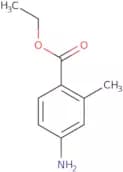
CAS:<p>4-Amino-2-methylbenzoic acid ethyl ester is a versatile building block that can be used in the synthesis of complex compounds. It has been shown to have a number of useful applications, such as in the synthesis of pharmaceuticals, research chemicals, and speciality chemicals. 4-Amino-2-methylbenzoic acid ethyl ester is also an important reagent for the production of high quality pharmaceuticals and intermediates. This chemical is also a useful scaffold for organic reactions.</p>Fórmula:C10H13NO2Pureza:Min. 95%Peso molecular:179.22 g/molAzidopalmitic acid
CAS:<p>Azidopalmitic acid is a synthetic fatty acid that is used in the detection of cellular DNA. It can be detected using methods such as tritiated, expressed, or myristic azide. Azidopalmitic acid has also been shown to be compatible with polymerase chain reaction (PCR) and immobilized metal ion affinity chromatography (IMAC). This molecule is useful for conjugates that are radiolabeled with [3H]azidoacetyl palmitate and [14C]azidoacetyl palmitate. Azidopalmitic acid has been synthetically produced by reacting malonic acid with sodium azide. This compound is also reusable, which makes it an ideal way to label nucleotides during PCR reactions.</p>Fórmula:C16H31N3O2Pureza:Min. 95%Forma y color:White PowderPeso molecular:297.44 g/molFmoc-L-propargylglycine
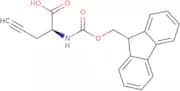
CAS:<p>Fmoc-L-propargylglycine is a cyclic peptide that is synthesized by chemical ligation. It has antiviral, anti-tumor, and anti-inflammatory activities. Fmoc-L-propargylglycine inhibits the growth of cancer cells in vitro. The mechanism of action is not fully understood, but it may involve the inhibition of cellular proliferation and the induction of apoptosis. This compound also inhibits epidermal growth factor (EGF) induced cell proliferation in caco-2 cells.</p>Fórmula:C20H17NO4Pureza:Min. 98 Area-%Forma y color:White PowderPeso molecular:335.35 g/molDL-α-Hydroxypalmitic acid
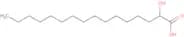
CAS:<p>Palmitic acid is a fatty acid that is found in animal and vegetable fats. It is also an important component of the cell membrane. Palmitic acid has been shown to inhibit the growth of bacteria by interfering with the synthesis of cell membranes, which are largely composed of lipids. Palmitic acid has been shown to be active against Gram-positive bacteria, including Bacillus subtilis and Staphylococcus epidermidis, as well as Gram-negative bacteria such as Salmonella enterica Serovar Typhi and Escherichia coli O157:H7. Palmitic acid can be used to produce monolayers for use in magnetic resonance spectroscopy. These monolayers have been shown to have an effect on the rate at which glucose is transported across the surface of the membrane. Palmitic acid also inhibits glucosylceramide production in ganoderma lucidum, a type of fungus that causes plant diseases, by blocking</p>Fórmula:C16H32O3Pureza:Min. 98 Area-%Forma y color:PowderPeso molecular:272.42 g/mol4,6-Dichloro-1H-indole-2-carboxylic acid ethyl ester
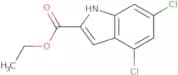
CAS:<p>4,6-Dichloro-1H-indole-2-carboxylic acid ethyl ester is a synthetic compound that functions as an agonist of the indole 2 receptor. It has been shown to have affinity for cortical and brain membranes, with a greater affinity for acidic regions of the membrane. 4,6-Dichloro-1H-indole-2-carboxylic acid ethyl ester is also capable of binding to the indole 2 receptor and activating it. The carboxyl group in this compound is substituted with benzene rings, which are connected by a moiety containing two carboxylic groups. 4,6-Dichloro-1H-indole-2-carboxylic acid ethyl ester was synthesised from 1H -indole acetic acid and chloroethane in four steps.</p>Fórmula:C11H9Cl2NO2Pureza:Min. 95%Forma y color:SolidPeso molecular:258.1 g/molAscorbyl palmitate
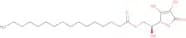
CAS:<p>Ascorbyl palmitate is an ester of ascorbic acid and palmitic acid. It is a water-soluble antioxidant that has been shown to be safe for oral ingestion at doses of up to 3 grams per day. Ascorbyl palmitate is used in topical formulations to provide protection against sun damage, and also has been shown to have anti-inflammatory properties, which may be due to its inhibitory effect on the mcl-1 protein. Ascorbyl palmitate has a phase transition temperature at about 41°C. This compound can be used in pharmaceuticals for the treatment of infectious diseases caused by bacteria such as tuberculosis or herpes simplex virus type 1 (HSV-1). This chemical also has been shown to have physiological effects on bowel disease and toxicity studies show that it does not cause any adverse reactions in rats or rabbits when given orally.</p>Fórmula:C22H38O7Pureza:Min 98%Forma y color:White PowderPeso molecular:414.53 g/mol1-Hexadecanethiol
CAS:<p>1-Hexadecanethiol (1-HDT) is a chemical substance that is used in the synthesis of polymers and as a reagent for surface modification. It has been shown to be an effective cationic surfactant with antimicrobial properties. 1-HDT has also been used to pattern surfaces and is found in water vapor, where it can react with oxygen to form 3-mercaptopropionic acid. 1-HDT reacts with thiols, alcohols, amines, and amino acids to form sulfides. In vitro assays have shown that 1-HDT can inhibit the growth of carboxy terminal protein polymer films. Chemical stability is dependent on the chemical species, which can be predicted by examining chemical structure and reactivity.</p>Fórmula:C16H34SPureza:Min. 95%Forma y color:PowderPeso molecular:258.5 g/mol1-Palmitoyl-rac-glycerol
CAS:<p>1-Palmitoyl-rac-glycerol is a fatty acid that contains nitrogen atoms. It has hypoglycemic effects and is used to treat metabolic disorders. 1-Palmitoyl-rac-glycerol has been shown to have a protective effect on the liver by decreasing the levels of triglycerides in the blood and preventing lipid peroxidation. It also improves glucose metabolism and insulin sensitivity. 1-Palmitoyl-rac-glycerol is an important component of biological membranes, where it forms a hydrophobic region that helps maintain membrane structure. This compound also has hemolytic activity, which may be due to its ability to bind with phospholipids or cell membranes, leading to changes in their permeability or stability. The stability of 1-palmitoyl-rac glycerol can be tested by adding reagents such as sodium nitrite or potassium permanganate, which will cause a color change from yellow to brown if it reacts</p>Fórmula:C19H38O4Pureza:Min. 95%Forma y color:PowderPeso molecular:330.5 g/mol1-Palmitoyl-2-oleoyl-rac-glycerol
CAS:<p>1-Palmitoyl-2-oleoyl-rac-glycerol is a fatty acid that is made in the mitochondria and is an intermediate in the production of diacylglycerol. It has been shown to have a linear response with cellular protein levels, and it has been shown to be involved in the genetic mechanisms of cells. 1-Palmitoyl-2-oleoyl-rac-glycerol has been found to have a number of protein targets, including phosphatidylinositide 3 kinase, PKC, and Akt. This molecule also has been used as an analytical method for measuring fatty acids in tissue samples and has been shown to alter enzyme levels, such as those found in prostaglandin synthase 2. 1-Palmitoyl-2-oleoyl-rac-glycerol can be synthesized by laser ablation or chromatographic science methods.</p>Fórmula:C37H70O5Pureza:Min. 95%Forma y color:Solidified MassPeso molecular:594.95 g/mol3-Chloro-4-methoxybenzoic acid ethyl ester
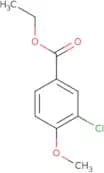
CAS:<p>3-Chloro-4-methoxybenzoic acid ethyl ester is a chemical compound that is used as a reactant in organic synthesis. It has shown high quality and can be used for research. 3-Chloro-4-methoxybenzoic acid ethyl ester can be used as a scaffold to make fine chemicals, pharmaceuticals, and other products. It has been shown to be useful in the synthesis of many complex compounds and as an intermediate or building block for chemical reactions.</p>Fórmula:C10H11ClO3Pureza:Min. 95%Forma y color:PowderPeso molecular:214.65 g/molPalmitoleic acid, 70%
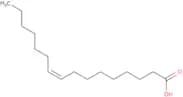
CAS:<p>Palmitoleic acid is a fatty acid that has been shown to have anti-inflammatory effects. Palmitoleic acid inhibits the production of pro-inflammatory cytokines and attenuates the activation of macrophages, as well as inhibiting the expression of genes involved in cell proliferation. Palmitoleic acid has also been shown to be effective against bowel disease, such as Crohn's disease. In a low-dose group, palmitoleic acid inhibited the production of matrix metalloproteinases in 3T3-L1 preadipocytes and hl-60 cells. It also decreased the release of basic proteins from these cells and increased their energy metabolism.</p>Fórmula:C16H30O2Pureza:Min. 70%Forma y color:Clear LiquidPeso molecular:254.41 g/mol4-Hydroxy-3-nitrobenzoic acid ethyl ester
CAS:<p>4-Hydroxy-3-nitrobenzoic acid ethyl ester is a small molecule that binds to DNA and RNA. It is cytotoxic, inhibiting cell growth in the presence of amides, nucleosides, or nucleotides. 4-Hydroxy-3-nitrobenzoic acid ethyl ester also inhibits the proliferation of cancer cells in culture. This drug has been shown to be effective against pancreatic cancer, ovarian cancer, and glioblastoma cells. The structure of this compound was elucidated by spectral analysis of its NMR and mass spectra data. It has yielded a 2780% increase in glioblastoma cell line growth rates when compared to control cells.</p>Fórmula:C9H9NO5Pureza:Min. 95%Forma y color:PowderPeso molecular:211.17 g/molFmoc-Cys((R)-2,3-di(palmitoyloxy)-propyl)-OH
CAS:<p>Fmoc-Cys((R)-2,3-di(palmitoyloxy)-propyl)-OH is a versatile building block that is useful for the synthesis of complex compounds. This compound has been shown to be a useful intermediate in the synthesis of pharmaceuticals, organic dyes and research chemicals. Fmoc-Cys((R)-2,3-di(palmitoyloxy)-propyl)-OH is a fine chemical that is used as a reagent in organic synthesis. It has CAS No. 139573-77-6 and can be used as a speciality chemical or reaction component.</p>Fórmula:C53H83NO8SPureza:Min. 95 Area-%Forma y color:White PowderPeso molecular:894.29 g/mol1,3-Dipalmitoylglycerol
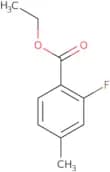
CAS:<p>1,3-Dipalmitoylglycerol is a diacylglycerol, which is a type of fatty acid that is also known as a 1,2-diacylglycerol. It has been shown to exhibit hemolytic activity in the presence of hydroxyl groups. The optimum pH for 1,3-dipalmitoylglycerol is at around 7.5 and it can be used as a biocompatible polymer to form controlled-release preparations with neutral pH that are tumoricidal.</p>Fórmula:C35H68O5Pureza:Min. 95%Forma y color:PowderPeso molecular:568.91 g/mol2-Fluoro-4-methylbenzoic acid ethyl ester
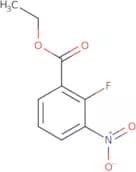
CAS:<p>2-Fluoro-4-methylbenzoic acid ethyl ester is a versatile building block that is used in the synthesis of complex compounds with a wide variety of biological and chemical properties. This compound has been used as a reagent for research, as well as in the production of pharmaceuticals and other speciality chemicals. It has also been found to be useful in the synthesis of compounds with high quality. 2-Fluoro-4-methylbenzoic acid ethyl ester can be used as an intermediate in reactions, or as a scaffold for further synthesis. The CAS number for this compound is 500579-61-3.</p>Fórmula:C10H11FO2Pureza:Min. 95%Forma y color:Colourless LiquidPeso molecular:182.19 g/mol2-Fluoro-3-nitrobenzoic acid ethyl ester
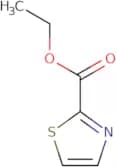
CAS:<p>2-Fluoro-3-nitrobenzoic acid ethyl ester is a versatile, high quality building block with a number of uses in research and industry. It is an intermediate in the synthesis of a range of compounds, including pharmaceuticals and other fine chemicals. 2-Fluoro-3-nitrobenzoic acid ethyl ester is also used as a reagent for the synthesis of complex compounds, such as pharmaceuticals. This compound can be synthesized from readily available starting materials and has been shown to be useful for the preparation of scaffolds for organic synthesis. 2-Fluoro-3-nitrobenzoic acid ethyl ester is not listed on the Chemical Abstract Service (CAS) registry, but it does have an IUPAC name (2-(2,6-difluorophenyl)-5-(1,1,2,2 tetrafluoropropoxy)-3H-[1]py</p>Fórmula:C9H8FNO4Pureza:Min. 95%Forma y color:Off-White PowderPeso molecular:213.16 g/molThiazole-2-carboxylic acid ethyl ester
CAS:<p>Thiazole-2-carboxylic acid ethyl ester is a synthetic compound that is used as a model for peroxides and as a substrate in the study of carbonyl chemistry. It has been shown to react with benzene, yielding an alpha-hydroxybenzylidene ketone. The heterocycle can be converted to the corresponding carboxylic acid by dehydrogenation with hydrogen peroxide or sodium perborate. The yields of this reaction are dependent on the substituent effects of the heterocycle. Thiazole-2-carboxylic acid ethyl ester reacts with serine protease and amide in an enzyme assay. Kinetic data for this reaction are available in the literature.</p>Fórmula:C6H7NO2SPureza:Min. 95%Forma y color:PowderPeso molecular:157.19 g/molPipotiazine palmitate
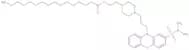
CAS:Producto controlado<p>Pipotiazine palmitate is a long-acting antipsychotic drug that belongs to the class of phenothiazine derivatives. It is used for the treatment of schizophrenia and other psychotic disorders. Pipotiazine palmitate has been shown to be effective in treating chronic schizophrenia with minimal side effects. This drug binds to dopamine D2 receptors, which leads to a decrease in dopaminergic activity in the brain and improves symptoms of psychosis. Pipotiazine palmitate is administered orally in two doses per day. A major limitation of this medication is its low bioavailability due to its high lipophilicity, which may be due to its undecylenate ester form.</p>Fórmula:C40H63N3O4S2Pureza:Min. 95 Area-%Forma y color:PowderPeso molecular:714.08 g/mol(2-Iodocyclohexyl)carbamic acid ethyl ester
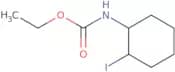
CAS:<p>(2-Iodocyclohexyl)carbamic acid ethyl ester is a fine chemical that can be used as a building block, reagent, or speciality chemical in research. It is soluble in organic solvents and can be used as a reaction component, useful intermediate, or useful scaffold. This compound has been shown to react with various groups including amines, alcohols, phenols and thiols.</p>Fórmula:C9H16INO2Pureza:Min. 95%Forma y color:PowderPeso molecular:297.13 g/mol2-Bromo-3-hydroxybenzoic acid ethyl ester
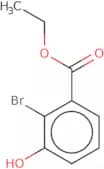
CAS:<p>2-Bromo-3-hydroxybenzoic acid ethyl ester is a versatile building block that can be used in the synthesis of complex compounds. It is a fine chemical and research chemical with CAS No. 1260889-94-8. This compound has high quality and is used as a reagent, scaffold, or intermediate in organic syntheses. 2-Bromo-3-hydroxybenzoic acid ethyl ester is also useful for the preparation of speciality chemicals and reaction components.</p>Fórmula:C9H9BrO3Pureza:Min. 95%Forma y color:Yellow PowderPeso molecular:245.07 g/mol2-Palmitoylglycerol
CAS:<p>2-Palmitoylglycerol is a monoacylglycerol that is synthesized from the breakdown of dietary fats. It is also synthesized in tissues through the action of phospholipase A2 and diacylglycerol acyltransferase. 2-Palmitoylglycerol has been shown to bind to the cannabinoid receptor type 1 (CB1), which leads to activation of peroxisome proliferator-activated receptor α (PPARα). This activation induces gene expression changes that lead to increased fatty acid oxidation and decreased triglyceride synthesis in liver cells. 2-Palmitoylglycerol has been shown to reduce body weight gain and increase insulin sensitivity in mice models on high fat diets.<br>2-Palmitoylglycerol has also been shown to increase butyrate, a short chain fatty acid, levels in rats with metabolic disorders.</p>Fórmula:C19H38O4Pureza:Min. 95%Forma y color:PowderPeso molecular:330.5 g/mol2-Chloro-5-hydroxybenzoic acid ethyl ester
CAS:<p>2-Chloro-5-hydroxybenzoic acid ethyl ester is synthesized by the substitution of anthranilic acid with an aryl ring. The substituents on the aryl ring are chloro and hydroxy, which are attached to carbon atoms. 2-Chloro-5-hydroxybenzoic acid ethyl ester can be metabolized into a number of different metabolites. For example, it can be converted into acid metabolites that have substituents on the benzene ring such as nitro or nitroso groups. These metabolites are then excreted in urine or bile.</p>Fórmula:C9H9ClO3Pureza:Min. 95%Forma y color:Off-White To Yellow To Brown SolidPeso molecular:200.62 g/mol(2S,3R)-3-((4R)-2,2-Dimethyldioxolan-4-yl)-2-methyl-2,3-dihydroxypropanoic acid ethyl ester
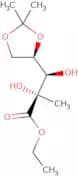
CAS:<p>(2S,3R)-3-((4R)-2,2-Dimethyldioxolan-4-yl)-2-methyl-2,3-dihydroxypropanoic acid ethyl ester is a high quality reagent that is used as an intermediate for the synthesis of complex compounds. It is also a useful building block for the synthesis of speciality chemicals and research chemicals. The versatility of this compound makes it a useful scaffold and building block for reaction components.</p>Fórmula:C11H20O6Pureza:Min. 95%Forma y color:PowderPeso molecular:248.27 g/molPyridoxine dipalmitate
CAS:<p>Pyridoxine dipalmitate is a polycarboxylic acid that is used as an antioxidant. It can be found in fruit extracts and has been shown to have antimicrobial properties. Pyridoxine dipalmitate also possesses antioxidant properties, which may be due to its ability to react with reactive oxygen species (ROS) and other free radicals. The compound has been shown to improve skin conditions and prevent damage caused by ROS. Pyridoxine dipalmitate is also used in the treatment of metabolic disorders, such as damaged cell membranes and fatty acid metabolism disorders. This compound may act as a cationic surfactant or phosphorus pentachloride.</p>Fórmula:C40H71NO5Pureza:Min. 95%Forma y color:PowderPeso molecular:646 g/mol2-Amino-5-iodobenzoic acid ethyl ester
CAS:<p>2-Amino-5-iodobenzoic acid ethyl ester is a chemical reagent that is used to prepare 2-chloro-5-iodobenzoic acid. It can be prepared by the hydrolysis of 2,4,6-trinitrobenzene with an aqueous solution of sodium hydroxide. The iodination reaction proceeds in two steps: (1) chlorination of methyl anthranilate with chlorine and (2) addition of the resultant product to 2,4,6-trinitrobenzene. In the first step, methyl anthranilate reacts with chlorine to form 2-chloro-5-iodobenzoic acid ethyl ester and hydrogen chloride gas. In the second step, this product reacts with 2,4,6-trinitrobenzene to form 2-amino 5 -iodobenzoic acid ethyl ester and nitrogen gas</p>Fórmula:C9H10INO2Pureza:Min. 95%Forma y color:PowderPeso molecular:291.09 g/molEtomidate
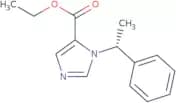
CAS:Producto controlado<p>Etomidate is a potent, non-competitive, centrally acting α-adrenergic receptor agonist that has been used as a diagnostic agent and anesthetic. It is also used in the treatment of diabetic neuropathy. Etomidate binds to the α-adrenergic receptors on the presynaptic membrane and blocks the release of norepinephrine. This prevents nerve impulses from being transmitted to the muscle cells, leading to relaxation of muscles. Etomidate also inhibits locomotor activity by inhibiting postsynaptic neurons in the spinal cord that are responsive to acetylcholine. Etomidate is not active against polymorphonuclear leucocytes or water vapor. The risk group for etomidate includes patients who have had intubations, those with systolic pressures greater than 120 mmHg, and those with heart rates greater than 100 beats per minute. The mechanism of action for etomidate is thought to be through formation of stable complexes with nitrogen atoms.</p>Fórmula:C14H16N2O2Pureza:Min. 95%Forma y color:PowderPeso molecular:244.29 g/mol4-Benzyloxyindole-2-carboxylic acid ethyl ester
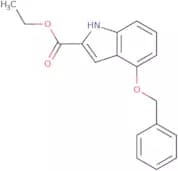
CAS:<p>4-Benzyloxyindole-2-carboxylic acid ethyl ester is a cyclic compound that has been synthesized through an intramolecular carboxylate cyclization. This class of compounds are known for their ability to form propargylic analogues, which have the potential to be used as anticancer drugs. The compound was first reported in 1969 by Schardt and co-workers and was found to have activity against leukemia cells. It has been shown to undergo a series of cyclizations, which are triggered by the presence of oxygen or other electron acceptors.</p>Fórmula:C18H17NO3Pureza:Min. 95%Peso molecular:295.33 g/mol3,5-Dimethylbenzoic acid ethyl ester
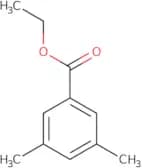
CAS:<p>3,5-Dimethylbenzoic acid ethyl ester is a quinoline derivative that can be synthesised from the reaction of isobutyraldehyde with benzoic acid. This compound yields terminal alkynes and polynuclear compounds in reactions with metals. It can also be prepared by cross-coupling reactions of substituted benzoates with aminobenzoates as ligands. 3,5-Dimethylbenzoic acid ethyl ester is used in preparative chemistry to synthesise other organic compounds.</p>Fórmula:C11H14O2Pureza:Min. 95%Forma y color:Clear LiquidPeso molecular:178.23 g/mol(all-Z)-6,9,12,15,18-Heneicosapentaenoic acid ethyl ester 98%, 10mg/ml ethanol solution
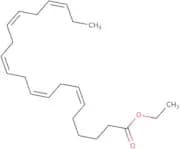
CAS:<p>(all-Z)-6,9,12,15,18-Heneicosapentaenoic acid ethyl ester 98% is a quaternary ammonium salt that is useful as a reaction component or reagent. It has been shown to be a useful scaffold for the synthesis of complex compounds with high quality. This chemical can also be used as a building block for the synthesis of speciality chemicals and versatile building blocks. This compound is highly reactive and can be used in reactions with other chemicals to form more complex compounds. (all-Z)-6,9,12,15,18-Heneicosapentaenoic acid ethyl ester 98% has CAS No. 131775-86-5 and is soluble in ethanol solution at 10mg/ml.</p>Fórmula:C23H36O2Pureza:Min. 98 Area-%Forma y color:Clear LiquidPeso molecular:344.53 g/mol3-Bromocinnamic acid ethyl ester
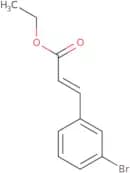
CAS:<p>3-Bromocinnamic acid ethyl ester is a chemical that is useful as a building block for the synthesis of more complex compounds. It is an intermediate in the synthesis of organic compounds and can be used as a reaction component. 3-Bromocinnamic acid ethyl ester has CAS No. 24398-80-9 and is a reagent that can be used to synthesize other chemicals. 3-Bromocinnamic acid ethyl ester is also useful as a scaffold in the development of new drugs, because it has an amide bond, which may lead to new types of drug molecules with different properties.</p>Fórmula:C11H11BrO2Pureza:Min. 95%Peso molecular:255.11 g/mol





![Fmoc-S-[2,3-bis(palmitoyloxy)propyl]-L-cysteine](/_next/image/?url=https%3A%2Fstatic.cymitquimica.com%2Fproducts%2F3D%2Fthumb-webp%2FFF47755.webp&w=3840&q=75)