Terpenoides
Subcategorías de "Terpenoides"
- Diterpenos (C₂₀)(671 productos)
- Hemiterpenos (C₅)(21 productos)
- Monoterpenos (C₁₀)(709 productos)
- Sesquiterpenos (C₂₅)(452 productos)
- Tetraterpenos (C₄₀)(63 productos)
- Triterpenos (C₃₀)(1.130 productos)
Se han encontrado 1423 productos de "Terpenoides"
Saikosaponin B2
CAS:Saikosaponin B2 is a naturally occurring triterpenoid saponin, which is a secondary metabolite primarily sourced from the roots of Bupleurum species. These plants are widely used in traditional Chinese medicine, valued for their diverse pharmacological activities. The mode of action of Saikosaponin B2 involves modulation of inflammatory pathways, specifically through the inhibition of pro-inflammatory cytokines and reduction of oxidative stress. It also exhibits potential in modulating immune responses and possesses hepatoprotective effects.Fórmula:C42H68O13Pureza:Min. 95%Forma y color:White Off-White PowderPeso molecular:780.98 g/molGinkgolide A
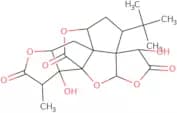
CAS:Ginkgolide A is a terpenoid lactone, which is a diterpene known for its presence in the leaves of the Ginkgo biloba tree. As a bioactive compound, it is naturally sourced from this ancient plant, which has been utilized in traditional medicine for centuries. Ginkgolide A acts primarily as an antagonist of platelet-activating factor (PAF), thereby influencing a range of physiological processes. Its modulatory effects on neurotransmission and vascular function arise from its ability to inhibit PAF binding to its receptor, reducing platelet aggregation and improving microcirculatory flow.Fórmula:C20H24O9Pureza:Min. 95%Forma y color:White PowderPeso molecular:408.4 g/molUrsolic acid acetate
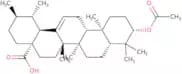
CAS:Ursolic acid acetate is a natural triterpenoid compound, which is derived from the acetylation of ursolic acid. This compound is sourced from a variety of medicinal plants, including apples, rosemary, and holy basil. Its mode of action involves modulating multiple cellular pathways, including the inhibition of nuclear factor-kappa B (NF-κB) and the activation of AMP-activated protein kinase (AMPK). These actions contribute to its anti-inflammatory, anticancer, and antioxidant properties.
Fórmula:C32H50O4Pureza:Min. 95 Area-%Forma y color:PowderPeso molecular:498.74 g/molCostus lactone
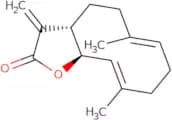
CAS:Costus lactone is a naturally occurring sesquiterpene lactone, which is derived from the roots of the plant Saussurea lappa, commonly known as costus. This sesquiterpene is a secondary metabolite that exhibits various bioactive properties. Costus lactone achieves its effects primarily through interactions with microbial cell membranes and can inhibit growth and replication by disrupting cellular processes crucial to microbial survival.
Fórmula:C15H20O2Pureza:Min. 98 Area-%Forma y color:PowderPeso molecular:232.32 g/mol27-Deoxyactein
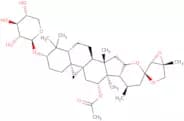
CAS:27-Deoxyactein is a triterpene glycoside, which is primarily derived from the roots of the black cohosh plant, Cimicifuga racemosa. This compound is extracted through meticulous phytochemical processes aimed at isolating active constituents from the plant material. The mode of action of 27-Deoxyactein involves modulating estrogenic activity and interacting with specific cellular pathways to exert anti-inflammatory and antioxidant effects. Additionally, it has been shown to impact bone metabolism and immune function in various in vitro and in vivo studies.Fórmula:C37H56O10Pureza:Min. 95%Forma y color:White PowderPeso molecular:660.83 g/molLoganin
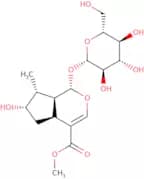
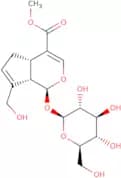
CAS:Loganin is a bioactive iridoid compound, which is a type of secondary metabolite typically found in plants. It is primarily derived from sources such as the genera Strychnos and Gentiana, among others. Loganin operates through various biological pathways, influencing enzymatic and receptor activities that contribute to its pharmacological effects. These activities include anti-inflammatory, antioxidant, and neuroprotective actions, making Loganin a compound of interest in several areas of medical research.
Fórmula:C17H26O10Pureza:Min. 94 Area-%Forma y color:PowderPeso molecular:390.39 g/molbeta-Eudesmol
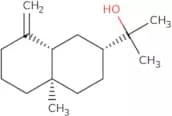
CAS:Beta-Eudesmol is a sesquiterpenoid alcohol, which is a naturally occurring compound found in several essential oils extracted from plants, particularly those belonging to the genus Zingiberaceae. It is a major component in some aromatic species, manifesting as a colorless or pale yellow viscous liquid at room temperature.Fórmula:C15H26OPureza:Min. 95%Forma y color:White PowderPeso molecular:222.37 g/molSaikosaponin C
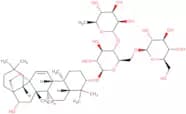
CAS:Saikosaponin C is a triterpene saponin, which is a bioactive compound found in various medicinal plants, particularly those in the genus Bupleurum, often used in traditional Chinese medicine. It is derived from the roots of these plants, where it coexists with other saponins, contributing to their medicinal properties.
Fórmula:C48H78O17Pureza:Min. 95%Forma y color:PowderPeso molecular:927.12 g/molEpibetulinic acid
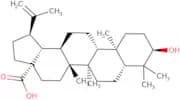
CAS:Epibetulinic acid is a naturally occurring triterpenoid acid, which is a derivative of betulinic acid. This compound is primarily sourced from the bark of birch trees, specifically from the Betula genus. It is a pentacyclic compound characterized by its typical lupane skeleton. Epibetulinic acid is noted for its diverse biological activities, underscoring its potent mode of action as a modulator of various cellular pathways.
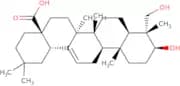
Fórmula:C30H48O3Pureza:Min. 98 Area-%Forma y color:White PowderPeso molecular:456.7 g/molHederagenin
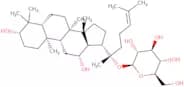
CAS:Producto controladoHederagenin is a triterpenoid saponin, which is a naturally occurring organic compound typically found in various plant species, particularly in the Araliaceae family. It is derived from the hydrolysis of saponins such as hederacoside C, present in plants like ivy (Hedera helix). This compound exhibits a wide array of biological activities due to its ability to interact with cellular membranes and proteins.Fórmula:C30H48O4Pureza:Min. 95.0 Area-%Forma y color:White PowderPeso molecular:472.70 g/molGinsenoside Rg2
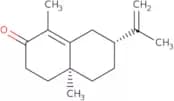
CAS:Ginsenoside Rg2 is a bioactive compound, which is a saponin derived from the roots of Panax ginseng, a medicinal plant widely used in traditional medicine. Its primary mode of action involves modulating various signaling pathways and protecting nerve cells by influencing the expression of specific genes related to neuronal function. Ginsenoside Rg2 has been shown to exert antioxidant and anti-inflammatory effects, thereby playing a potential role in neuroprotection.Fórmula:C42H72O13Pureza:Min. 98 Area-%Forma y color:White PowderPeso molecular:785.01 g/molalpha-Cyperone
CAS:Alpha-Cyperone is a sesquiterpene compound, which is a natural product isolated from essential oils of certain plants like Cyperus rotundus. It is primarily sourced from the rhizomes of these plants and is known for its diverse biological activities. The mode of action of alpha-Cyperone involves the modulation of cellular pathways, potentially affecting inflammation and oxidation processes.Fórmula:C15H22OPureza:Min. 95%Forma y color:Yellow Clear LiquidPeso molecular:218.33 g/molGeniposide
CAS:Geniposide is an iridoid glycoside compound, which is primarily sourced from the fruit of Gardenia jasminoides Ellis, a traditional medicinal plant. This compound is a significant component of various herbal preparations and plays a pivotal role in the plant's reputed therapeutic properties. Geniposide’s mode of action involves multiple biochemical pathways, notably including anti-inflammatory, antioxidant, and cholagogue effects. Its ability to influence these pathways allows it to modulate various physiological and pathological processes in the body.Fórmula:C17H24O10Pureza:Min. 95 Area-%Forma y color:White PowderPeso molecular:388.37 g/molAjugarin II
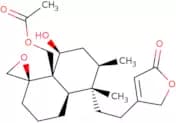
CAS:Ajugarin II is a naturally occurring iridoid glycoside found in plants belonging to the genus Ajuga, which is a member of the Lamiaceae family. These plants have been traditionally used in herbal medicine and are known for their various pharmacological properties. The source of Ajugarin II is primarily the leaf and stem tissues, where it is biosynthesized as part of the plant's secondary metabolites.
Fórmula:C22H32O6Pureza:Min. 95%Peso molecular:392.49 g/molGinsenoside C-K
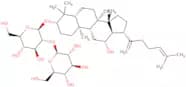
CAS:Anti-inflammatory; anti-cancer; anti-angiogenicFórmula:C36H62O8Pureza:Min. 98 Area-%Forma y color:White PowderPeso molecular:622.87 g/molGinsenoside Rk1 - Ginsenoside Rk1:Ginsenoside Rz1 (5:2)
CAS:Ginsenoside Rk1 - Ginsenoside Rz1 (5:2) is a complex phytochemical formulation, which is derived from Panax ginseng, a medicinal herb renowned for its bioactive compounds. Ginsenosides, the primary active components, are triterpene saponins known for their diverse pharmacological properties. In this specific formulation, Ginsenoside Rk1 and Ginsenoside Rz1 are combined in a 5:2 ratio, creating a synergistic profile that enhances their biological efficacy.Fórmula:C42H70O12Pureza:Min. 95%Forma y color:PowderPeso molecular:766.48673Hispidol
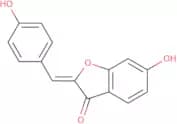
CAS:Hispidol is a naturally occurring flavonoid compound, which is extracted from the Leguminosae family of plants. This class of compounds is characterized by its polyphenolic structure, contributing to its role within plant defense mechanisms. With an origin primarily in legumes, hispidol’s bioactive properties stem from its ability to interact with various enzymatic and receptor pathways.Fórmula:C15H10O4Pureza:Min. 95%Forma y color:Slightly Brown PowderPeso molecular:254.24 g/mol14-Epitriptolide
CAS:14-Epitriptolide is a diterpenoid epoxide, which is derived from the natural product triptolide. It originates from the plant species *Tripterygium wilfordii*, commonly known in traditional Chinese medicine. The mode of action of 14-Epitriptolide involves the inhibition of RNA polymerase II-mediated transcription, thereby interfering with transcriptional processes essential for cancer cell survival and proliferation. Additionally, it induces oxidative stress and disrupts cellular homeostasis.
Fórmula:C20H26O7Pureza:Min. 95%Forma y color:SolidPeso molecular:378.42 g/molMomordicine I
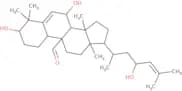
CAS:Producto controladoMomordicine I is a bioactive compound classified as a triterpenoid. It is derived from the fruit of the plant Momordica charantia, commonly known as bitter melon, which is native to tropical and subtropical regions. The action mechanism of Momordicine I involves modulation of various signaling pathways, particularly those related to metabolic and cancer-related processes. It can influence insulin signaling pathways, contributing to glucose homeostasis, and exhibits potential inhibitory effects on tumorigenesis by inducing apoptosis and inhibiting proliferation in cancer cells.Fórmula:C30H48O4Pureza:Min. 95%Forma y color:PowderPeso molecular:472.7 g/molbeta-Caryophyllene
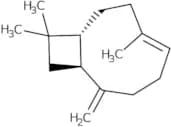
CAS:Beta-Caryophyllene is a bicyclic sesquiterpene, which is a natural product found in essential oils derived from various plants, including black pepper, cloves, and cannabis. This compound is characterized by its unique ability to selectively bind to cannabinoid receptor type 2 (CB2), acting as a full agonist. Unlike typical cannabinoids, beta-Caryophyllene does not interact substantially with CB1 receptors, making it non-psychoactive.
Fórmula:C15H24Pureza:Min. 80%Forma y color:Clear LiquidPeso molecular:204.35 g/mol