Terpenoides
Los terpenoides, también conocidos como isoprenoides, son la clase más grande de compuestos orgánicos naturales, derivados de unidades de isopreno de cinco carbonos. Se encuentran en una variedad de plantas y son conocidos por sus propiedades aromáticas, así como por su papel en la defensa y señalización de las plantas. Los terpenoides han sido ampliamente estudiados por sus efectos terapéuticos, incluidas sus propiedades antiinflamatorias, antimicrobianas y anticancerígenas. Se utilizan en las industrias farmacéutica, cosmética y alimentaria por sus beneficios para la salud y sus cualidades aromáticas. En CymitQuimica, encontrarás una amplia selección de terpenoides, esenciales para la investigación en biología vegetal, farmacología y síntesis de productos naturales.
Subcategorías de "Terpenoides"
- Diterpenos (C₂₀)(671 productos)
- Hemiterpenos (C₅)(21 productos)
- Monoterpenos (C₁₀)(708 productos)
- Sesquiterpenos (C₂₅)(448 productos)
- Tetraterpenos (C₄₀)(63 productos)
- Triterpenos (C₃₀)(1.130 productos)
Se han encontrado 1423 productos de "Terpenoides"
Ordenar por
Pureza (%)
0
100
|
0
|
50
|
90
|
95
|
100
α-Selinine
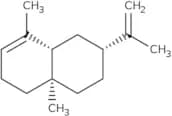
CAS:<p>alpha-Selinine is a sesquiterpene compound, which is a naturally occurring organic molecule. It is extracted primarily from the essential oils of certain plant species, such as those within the Apiaceae family, including celery and parsley. The compound’s mode of action involves interactions at the molecular level with cellular targets, which can influence a range of biological pathways. Studies suggest that alpha-Selinine may exhibit various bioactivities, including antimicrobial, anti-inflammatory, and antioxidant effects, by modulating enzyme activity and cell signaling pathways.</p>Fórmula:C15H24Pureza:85%MinPeso molecular:204.35 g/molValerenic acid - Valeriana officinalis (common valerian)
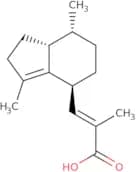
CAS:<p>Valerenic acid is a bioactive compound, which is a sesquiterpenoid product of Valeriana officinalis, commonly known as valerian. This perennial flowering plant is native to Europe and parts of Asia and has been employed in traditional medicine for centuries. Valerenic acid is primarily extracted from the root, which is known for its distinctive aroma and therapeutic properties.</p>Fórmula:C15H22O2Pureza:Min. 98 Area-%Forma y color:PowderPeso molecular:234.33 g/molLanatoside B
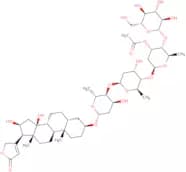
CAS:<p>Lanatoside B is a cardiac glycoside, which is a type of compound obtained from the leaves of the Digitalis lanata plant, commonly known as woolly foxglove. This compound belongs to a class of organic substances known for their potent effects on the heart's contractile capability. The primary mode of action of Lanatoside B involves inhibiting the sodium-potassium ATPase enzyme in cardiac tissues. This inhibition leads to an increase in intracellular sodium concentration, which subsequently boosts calcium ions available for myocardial contraction via the sodium-calcium exchange mechanism.</p>Fórmula:C49H76O20Pureza:Min. 95%Peso molecular:985.12 g/mol(+)-Nootkatone
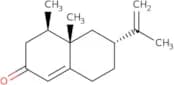
CAS:<p>Flavour and scent of grapefruit</p>Fórmula:C15H22OPureza:Min. 95%Peso molecular:218.33 g/molTagitinin A
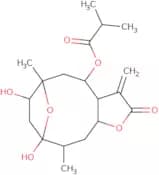
CAS:<p>Tagitinin A is a naturally occurring sesquiterpene lactone, which is derived from the plant *Tithonia diversifolia*. This compound is known for its potential therapeutic properties, particularly in the field of oncology. As a sesquiterpene lactone, Tagitinin A is part of a larger class of secondary metabolites found in various plant species, which often exhibit diverse biological activities.</p>Pureza:Min. 95%Lucidenic acid P
CAS:<p>Lucidenic acid P is a triterpenoid compound, which is a bioactive metabolite isolated from Ganoderma lucidum, a medicinal mushroom known for its diverse pharmacological properties. It is primarily sourced from the fruiting bodies of this fungus, where it is present as part of a complex mixture of triterpenoids.</p>Fórmula:C29H42O8Pureza:Min. 95%Peso molecular:518.64 g/molProsaikogenin F
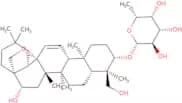
CAS:<p>Prosaikogenin F is a saponin derivative, which is a bioactive compound typically derived from ginseng or related plants within the Araliaceae family. These sources are renowned for their complex saponins, known as ginsenosides, which play significant roles in traditional medicine and modern pharmacology.</p>Fórmula:C36H58O8Pureza:Min. 95%Peso molecular:618.84 g/molSabinene hydrate
CAS:<p>Sabinene hydrate is a bicyclic monoterpene alcohol, which is a naturally occurring compound found in essential oils of various plants, especially in species such as Juniperus and Myristica. This compound is derived from the oxidation of sabinene, a terpene prevalent in numerous aromatic plants.</p>Fórmula:C10H18OPureza:Min. 95%Peso molecular:154.25 g/molEscin Ib
CAS:<p>Escin Ib is a natural saponin glycoside, which is derived from the seeds of Aesculus hippocastanum, commonly known as horse chestnut. Its mode of action involves inhibiting the enzyme hyaluronidase, thereby reducing capillary permeability and effectively controlling edema and inflammation. Additionally, it acts by stabilizing lysosomal membranes, further contributing to its anti-inflammatory effects.</p>Pureza:Min. 95%Gypenoside Li
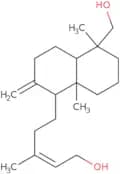
CAS:<p>Gypenoside Li is a phytochemical compound, which is derived from the plant Gynostemma pentaphyllum, commonly known as Jiaogulan. It functions primarily through modulating various biological pathways, including anti-inflammatory and antioxidant mechanisms, making it of significant interest for therapeutic research.</p>Fórmula:C42H72O14Pureza:Min. 95%Peso molecular:801.01 g/mol8(17)13-Labdadiene-15,18-diol - Xcupressocyparis leylandii (cypress)
CAS:<p>8(17)13-Labdadiene-15,18-diol is a diterpenoid compound, which is derived from the hybrid plant Xcupressocyparis leylandii, commonly known as Leyland cypress. This compound belongs to the labdane-type diterpenes, which are known for their diverse biological activities. The source, Xcupressocyparis leylandii, is a fast-growing evergreen tree often used in horticulture.</p>Fórmula:C20H34O2Pureza:Min. 95%Peso molecular:306.48 g/molJasminoside N
CAS:<p>Jasminoside N is a natural compound, specifically a glycoside, which is derived from certain plant species, particularly in the genus *Jasminum*. As a natural metabolite found in these species, it exhibits an interesting profile in pharmacological research. The mode of action of Jasminoside N primarily involves its interaction with specific cellular pathways, often influencing anti-inflammatory and antioxidant responses. Its ability to modulate these pathways makes it a subject of interest in the study of plant-based therapeutic agents.</p>Fórmula:C22H38O11Pureza:Min. 95%Peso molecular:478.53 g/molSaikosaponin B1
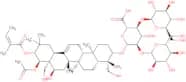
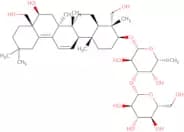
CAS:<p>Saikosaponin B1 is a triterpenoid saponin, which is primarily derived from the roots of Bupleurum species, particularly Bupleurum falcatum. This bioactive compound exhibits a plethora of pharmacological activities through various modes of action, including modulation of immune responses and inhibition of inflammatory pathways. It interacts with cellular components to influence signal transduction mechanisms that are crucial in the pathophysiology of various diseases.</p>Pureza:Min. 95%8(17)13-Labdadien-15-ol - Pinus halepensis (Aleppo pine)
CAS:<p>8(17)13-Labdadien-15-ol is a sesquiterpene alcohol, which is a bioactive compound originating from the oleoresin of Pinus halepensis, commonly known as the Aleppo pine. This compound is naturally produced in the pine’s resin and plays a critical role in the plant's defense mechanisms against pathogens and herbivores. Its mode of action involves disrupting the cell membranes of these invaders, ultimately impeding their growth and survival.</p>Fórmula:C15H24O3Pureza:Min. 95%Peso molecular:252.35 g/molPseudoginsenoside RT5
CAS:<p>Pseudoginsenoside RT5 is a saponin, which is a type of glycoside found in certain plants, particularly in the Panax ginseng species. It is extracted from the root of this traditional medicinal plant, which is well-known for its therapeutic properties. The mode of action of Pseudoginsenoside RT5 involves modulating various cellular pathways, including the inhibition of certain enzymes and receptors involved in disease processes such as inflammation and cell proliferation. This compound is also implicated in antioxidant activities, which further contribute to its potential therapeutic effects.</p>Pureza:Min. 95%Escin IA
CAS:<p>Escin IA is a potent anti-inflammatory agent, which is a natural compound extracted from the seeds of the horse chestnut tree (Aesculus hippocastanum). This triterpenoid saponin operates by enhancing blood circulation and reducing capillary permeability through the stabilization of endothelial barriers. Additionally, it exhibits anti-edematous and venotonic activities by modifying vascular wall integrity and decreasing inflammatory mediators. Escin IA is widely utilized in biomedical research for its therapeutic potential in the management of chronic venous insufficiency, edema, and associated conditions. Its unique mechanism of action provides an intriguing area of study for scientists exploring vascular health, anti-inflammatory strategies, and natural therapeutic compounds. The ongoing research continues to validate its efficacy and explore broader applications in vascular and inflammatory disorders.</p>Pureza:Min. 95%Pseudolaric acid B-O-β-D-glucopyranoside
CAS:<p>Pseudolaric acid B-O-beta-D-glucopyranoside is a secondary metabolite, which is a bioactive compound sourced from the bark of the Pseudolarix amabilis, a coniferous tree native to China. It exhibits its mode of action primarily through the disruption of fungal cell integrity and inhibition of fungal growth by interfering with the synthesis of key structural components in the cell wall. This action makes it a potent antifungal agent with secondary antibacterial properties.</p>Pureza:Min. 95%Tagitinin F
CAS:<p>Tagitinin F is a sesquiterpene lactone, which is an organic compound derived from the aerial parts of the plant *Tithonia diversifolia*, commonly known as the Mexican sunflower. This plant-based compound functions through a mechanism that involves modulation of various cellular pathways, notably those related to inflammation and cancer progression, by interacting with cellular proteins and inhibiting key signaling molecules.</p>Pureza:Min. 95%Prosaikogenin H
CAS:<p>Prosaikogenin H is a naturally occurring compound, classified as a saponin, which is derived from specific plant sources, particularly within the family Araliaceae. It is obtained through extraction and purification processes from plants known for their bioactive compounds. The mode of action of prosaikogenin H involves interacting with cellular pathways to modulate biological responses, including anti-inflammatory and antioxidant effects. These interactions are facilitated by its structural properties that enable it to engage with cell membranes and influence signaling cascades.</p>Fórmula:C36H58O8Pureza:Min. 95%Peso molecular:618.84 g/molGeniposide
CAS:<p>Geniposide is a natural iridoid glycoside, which is found in the fruit of Gardenia jasminoides Ellis, a plant commonly used in traditional Chinese medicine. As a prominent secondary metabolite, geniposide plays a critical role in various biological pathways. It undergoes enzymatic hydrolysis to genipin, which is believed to be the active component responsible for many of its biological effects.</p>Fórmula:C17H24O10Pureza:Min. 95.0 Area-%Peso molecular:388.37 g/molRef: 3D-Q-100317
1kgA consultar50gA consultar100gA consultar250gA consultar500gA consultar-Unit-ggA consultar