Terpenoides
Subcategorías de "Terpenoides"
- Diterpenos (C₂₀)(671 productos)
- Hemiterpenos (C₅)(21 productos)
- Monoterpenos (C₁₀)(709 productos)
- Sesquiterpenos (C₂₅)(452 productos)
- Tetraterpenos (C₄₀)(63 productos)
- Triterpenos (C₃₀)(1.128 productos)
Se han encontrado 1423 productos de "Terpenoides"
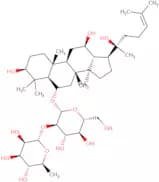
Gypenoside Li
CAS:Gypenoside Li is a phytochemical compound, which is derived from the plant Gynostemma pentaphyllum, commonly known as Jiaogulan. It functions primarily through modulating various biological pathways, including anti-inflammatory and antioxidant mechanisms, making it of significant interest for therapeutic research.
Fórmula:C42H72O14Pureza:Min. 95%Peso molecular:801.01 g/molTagitinin F
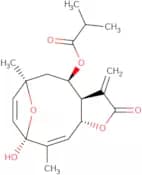
CAS:Tagitinin F is a sesquiterpene lactone, which is an organic compound derived from the aerial parts of the plant *Tithonia diversifolia*, commonly known as the Mexican sunflower. This plant-based compound functions through a mechanism that involves modulation of various cellular pathways, notably those related to inflammation and cancer progression, by interacting with cellular proteins and inhibiting key signaling molecules.
Pureza:Min. 95%Ref: 3D-FT42601
Producto descatalogadoα-Terpineol
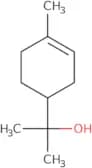
CAS:Alpha-terpineol is a terpene alcohol that exhibits cytotoxic effects on cells. It has been shown to cause cell lysis in both bacteria and mammalian cells, which may be due to its reactive oxygen species (ROS) production. Alpha-terpineol is also an effective agent against infectious diseases such as HIV, tuberculosis, and malaria. This molecule has a high resistance to chemical degradation, making it a promising anticancer agent. Alpha-terpineol can inhibit the polymerase chain reaction (PCR) by binding to the enzyme DNA polymerase, thereby preventing the synthesis of DNA molecules. It can also bind to the enzyme RNA polymerase and inhibit the transcription of mRNA into protein molecules. Lastly, alpha-terpineol is known for its genotoxic effects in vivo and in vitro. The genotoxicity of alpha-terpineol has been demonstrated using several different methods including electron microscopy, chemical stability assays, surface methodology experiments on kidney bean extract,
Fórmula:C10H18OPureza:Min. 95%Peso molecular:154.25 g/mol7-Hydroxy-4-amophen-3-one - Artemisia arbrotenum (Southernwood)
7-Hydroxy-4-amophen-3-one is a naturally occurring compound, which is extracted from Artemisia arborescens, commonly known as Southernwood. This compound is obtained through specialized extraction methodologies that preserve its active properties. As a member of the flavonoid family, it exhibits potential bioactive properties that are of particular interest in pharmacological research.
Fórmula:C15H24O2Pureza:Min. 95%Peso molecular:236.35 g/molRef: 3D-XH170628
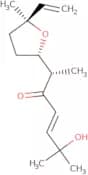
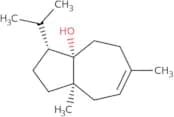
Producto descatalogadotrans-Hydroxydavanone - Artemisia sp.
CAS:trans-Hydroxydavanone is a naturally occurring compound, which is a sesquiterpenoid ketone derived from the Artemisia species. It is characterized by its unique molecular structure that includes a hydroxyl group, contributing to its distinctive biochemical properties. The source of trans-Hydroxydavanone lies primarily in various species of the Artemisia plant, which are known for their diverse range of secondary metabolites.
Fórmula:C15H24O3Pureza:Min. 95%Peso molecular:252.35 g/molRef: 3D-XH170632
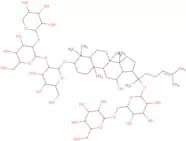
Producto descatalogadoNotoginsenoside Fa
CAS:Notoginsenoside Fa is a bioactive compound, specifically a type of saponin. It is derived from the roots of Panax notoginseng, a plant renowned in traditional Chinese medicine. The mode of action of Notoginsenoside Fa involves modulation of signaling pathways, including antioxidant, anti-inflammatory, and anti-apoptotic activities, as well as influencing cellular pathways related to energy metabolism and cell proliferation.
Pureza:Min. 95%Ref: 3D-FN145257
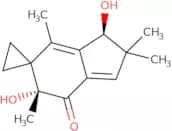
Producto descatalogadoIlludin M
CAS:Illudin M is a natural compound, categorized as a sesquiterpene. It is derived from certain species of mushrooms, notably those in the Omphalotus genus, such as the jack-o'-lantern mushroom (Omphalotus illudens). The mode of action of Illudin M involves targeting and damaging DNA within cells. Due to its cytotoxic nature, it interferes with DNA synthesis, leading to cell death, particularly in rapidly dividing cells.
Fórmula:C15H20O3Pureza:Min. 95%Peso molecular:248.14124Prosaikogenin D
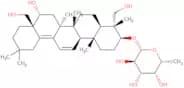
CAS:Prosaikogenin D is a type of saponin, which is a secondary metabolite derived primarily from the plant species within the Araliaceae family, notably ginseng and related plants. This compound is a result of bioconversion processes involving ginsenosides, which are the primary active components found in ginseng. The mode of action of Prosaikogenin D involves its interaction with various cellular pathways, leading to modulation of immune responses, anti-inflammatory effects, and potential anticancer activity.
Fórmula:C36H58O8Pureza:Min. 95%Peso molecular:618.84 g/molRef: 3D-XP172893
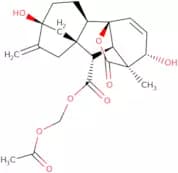
Producto descatalogadoGibberellic Acid Acetoxymethyl Ester
CAS:Gibberellic Acid Acetoxymethyl Ester is a plant growth regulator, derived from the gibberellin family of diterpenoid acids, which is synthesized through microbiological processes involving certain fungal species like *Gibberella fujikuroi*. It acts by mimicking endogenous gibberellins, which are natural plant hormones that regulate various developmental processes. Upon application, it binds to specific receptors in plant cells, triggering a cascade of gene expressions that promote cell elongation, division, and differentiation.
Fórmula:C22H26O8Pureza:Min. 95%Peso molecular:418.44 g/molRef: 3D-YEC15468
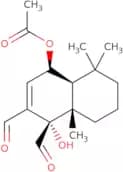
Producto descatalogadoCinnamodial
CAS:Cinnamodial is a naturally occurring compound classified as a sesquiterpene dialdehyde, which is isolated from cinnamon oil, derived primarily from the bark of the Cinnamomum tree. Its primary mode of action involves disrupting cellular integrity through binding with fungal cell membranes, leading to increased permeability and ultimately cell death. This mechanism highlights its potential as an effective antifungal agent.
Fórmula:C17H24O5Pureza:Min. 95%Forma y color:White PowderPeso molecular:308.37 g/molRotundone - 90%
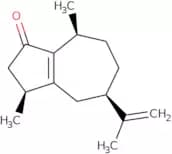
CAS:Peppery aroma constituent of essential oil of Cyperus rotundus (nutgrass)
Fórmula:C15H22OPureza:Min. 95%Peso molecular:218.33 g/molSapindoside A
CAS:Sapindoside A is a bioactive saponin, which is a glycoside compound. It is derived from the fruit pericarp of Sapindus species, commonly known as soapberries or soapnuts. These are traditionally utilized for their natural surfactant properties due to the presence of saponins, which form stable foams when agitated in water.
Fórmula:C41H66O12Pureza:Min. 98.0 Area-%Peso molecular:750.96 g/molIsolimonene
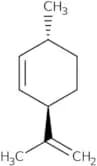
CAS:Isolimonene is a monoterpene, which is a naturally occurring hydrocarbon found primarily in citrus oils extracted from the rinds of fruits such as lemons, oranges, and grapefruits. As a compound derived from the secondary metabolites of plants, it is intricately involved in the plant's defense mechanisms.
Fórmula:C10H16Pureza:Min. 95%Forma y color:Clear LiquidPeso molecular:136.23 g/molAristolone
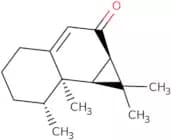
CAS:Aristolone is a sesquiterpene lactone, which is a type of naturally occurring organic compound. It is derived from various plant sources, predominantly from the Aristolochiaceae family. The compound exhibits its mode of action primarily through the interaction with cellular signaling pathways, influencing biological processes such as inflammation and apoptosis.
Pureza:Min. 95%Ref: 3D-FA145208
Producto descatalogadoAcetylharpagide
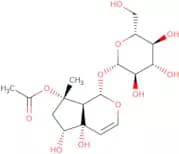
CAS:Acetylharpagide is a bioactive iridoid glycoside, which is derived primarily from the plant *Harpagophytum procumbens*, commonly known as Devil's Claw. This compound is typically extracted from the root and tuber parts of the plant using various solvent extraction methods, followed by purification processes to isolate the active ingredient.
Pureza:Min. 95%Ref: 3D-FA73988
Producto descatalogadoIncensole
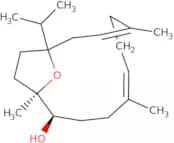
CAS:Incensole is a unique diterpenoid compound, which is derived from the resin of Boswellia species, commonly known as frankincense. It is characterized by its complex molecular structure, which contributes to its various biological activities. The mode of action of Incensole involves modulating inflammatory pathways and acting on the central nervous system, where it primarily affects neurotransmitter dynamics and receptor interactions. This modulating capability is of particular interest in the realm of neurological and anti-inflammatory research.
Pureza:Min. 95%Ref: 3D-FI145244
Producto descatalogadorac-lavandulol
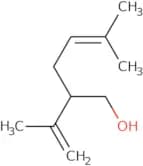
CAS:Rac-lavandulol is a monoterpenoid alcohol, which is a racemic mixture of two enantiomers derived synthetically or biosynthetically. It originates from natural plant sources, particularly from the essential oils of certain aromatic herbs like lavender (Lavandula spp.). Possessing a unique odorous quality, rac-lavandulol interacts with olfactory receptors, influencing sensory perception and offering potential therapeutic benefits.
Fórmula:C10H18OPureza:Min. 95%Forma y color:Colorless Clear LiquidPeso molecular:154.25 g/mol20(R)Ginsenoside Rg2
CAS:20(R)Ginsenoside Rg2 is a bioactive compound, specifically a saponin, derived from Panax ginseng, a perennial plant in the Araliaceae family. This compound is one of the ginsenosides, which are the primary active constituents responsible for ginseng's pharmacological properties. Its mode of action involves modulation of cellular signaling pathways and neurotransmitter regulation, which contributes to its neuroprotective and cognitive enhancing effects.
Pureza:Min. 95%Ref: 3D-FG73798
Producto descatalogadoCarotol
CAS:Primary component found in carrot seed oil
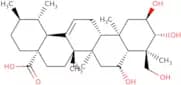
Fórmula:C15H26OPureza:Min. 95%Peso molecular:222.37 g/molMadecassic acid
CAS:Producto controladoMadecassic acid is a triterpenoid compound, which is a natural chemical constituent of Centella asiatica, commonly known as Gotu Kola. This source is a perennial herbaceous plant belonging to the Apiaceae family, widely distributed in tropical and subtropical countries. Madecassic acid acts primarily through its anti-inflammatory and antioxidant mechanisms. It modulates inflammatory responses by inhibiting the activation of NF-κB signaling pathways and reducing the production of pro-inflammatory cytokines. Additionally, it contributes to cellular protection by scavenging reactive oxygen species.
Fórmula:C30H48O6Pureza:Min. 95%Peso molecular:504.7 g/molRef: 3D-FM73960
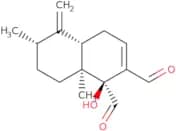
Producto descatalogadoMuzigadial
CAS:Muzigadial is a sesquiterpene dialdehyde, which is a type of natural product isolated from the plant Myristica ceylanica. This compound is characterized by its biogenically derived structural complexity that confers an array of bioactive properties. It operates primarily through its interaction with biological membranes and proteins, leading to disruptions in cellular processes and inhibition of microbial growth.
Fórmula:C15H20O3Pureza:Min. 95%Peso molecular:248.32 g/mol(-)-Perillaldehyde
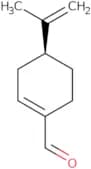
CAS:(-)-Perillaldehyde is a naturally occurring organic compound, classified as a monoterpenoid aldehyde. It is primarily found in the essential oils of plants like Perilla frutescens and various citrus species. Its molecular structure consists of a distinctive cyclohexene ring, which contributes to its reactivity and interaction with biological targets.
Fórmula:C10H14OPureza:Min. 88 Area-%Forma y color:Colorless Clear LiquidPeso molecular:150.22 g/mol(-)-Secologanin
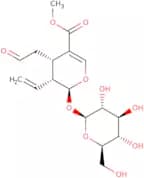
CAS:(-)-Secologanin is a monoterpenoid glycoside, which is a key intermediate in the biosynthesis of indole alkaloids, found primarily in plants such as those in the Apocynaceae and Rubiaceae families. It plays a crucial role in the natural production of complex alkaloids, forming the backbone for numerous pharmacologically active compounds, including quinine, camptothecin, and ajmalicine.
Fórmula:C17H24O10Pureza:Min. 88 Area-%Forma y color:PowderPeso molecular:388.37 g/molRef: 3D-FS65469
Producto descatalogado