Flavonoides
Los flavonoides son un grupo de metabolitos vegetales con propiedades antioxidantes que contribuyen al color de frutas y flores. Desempeñan un papel significativo en la protección de las plantas contra la radiación UV y los patógenos. Los flavonoides se estudian por sus potenciales beneficios para la salud, incluidas propiedades antiinflamatorias, antivirales y anticancerígenas. Son ampliamente investigados en los campos de la farmacología, la nutrición y la biología molecular.
Subcategorías de "Flavonoides"
- Antocianidinas(46 productos)
- Antocianina(46 productos)
- Catequina(88 productos)
- Chalconas(237 productos)
- Pterocarpan(28 productos)
Se han encontrado 2408 productos de "Flavonoides"
Ordenar por
Pureza (%)
0
100
|
0
|
50
|
90
|
95
|
100
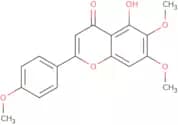
Salvigenin
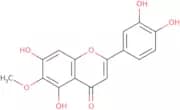
CAS:<p>Salvigenin is a flavone compound, which is found in various species of the Salvia plant. It is a naturally occurring phytochemical characterized by its potential to modulate biological pathways. Salvigenin primarily acts by interacting with biochemical pathways, exhibiting antioxidant and anti-inflammatory activities. These activities are thought to result from its ability to modulate enzyme activity, influence signaling pathways, and scavenge free radicals.</p>Fórmula:C18H16O6Pureza:Min. 95%Forma y color:Off-White PowderPeso molecular:328.32 g/mol3'-Hydroxyflavanone
CAS:<p>3'-Hydroxyflavanone is a naturally occurring flavonoid compound, which is derived from various plant sources, including citrus fruits and some leguminous plants. Its chemical structure contains a flavanone backbone with a hydroxyl group at the 3' position, contributing to its unique properties and biological activity.</p>Fórmula:C15H12O3Pureza:Min. 95%Forma y color:White PowderPeso molecular:240.25 g/molSwertisin
CAS:<p>Swertisin is a naturally occurring flavonoid, which is extracted primarily from medicinal plants like Swertia and Enicostemma species. This compound is a C-glycosyl flavone, found in various herbs traditionally used in different cultural medicinal practices. The mode of action of Swertisin involves its interaction with cellular pathways, leading to anti-inflammatory, antioxidant, and potential anti-diabetic effects. These bioactivities are primarily mediated through modulation of enzyme activity and gene expression related to oxidative stress and inflammation.</p>Fórmula:C22H22O10Pureza:Min. 98 Area-%Forma y color:PowderPeso molecular:446.4 g/mol7-Benzyloxy-2',4'-dimethoxyisoflavone
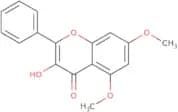
CAS:7-Benzyloxy-2',4'-dimethoxyisoflavone is a synthetic isoflavone, which is a type of phenolic compound. Isoflavones are derived from plants, commonly found in soybeans and other legumes, and are often synthesized in laboratories for research and pharmaceutical purposes. These compounds are known for their structural similarity to estrogens and their ability to act as phytoestrogens.Fórmula:C24H20O5Pureza:Min. 95%Peso molecular:388.41 g/mol3-Hydroxy-5,7-dimethoxyflavone
CAS:<p>3-Hydroxy-5,7-dimethoxyflavone is a naturally occurring flavonoid, which is primarily derived from various plant sources. This compound belongs to a class of polyphenolic substances known as flavonoids, which are commonly found in fruits, vegetables, and certain herbs. Flavonoids such as 3-Hydroxy-5,7-dimethoxyflavone are known for their diverse biological activities due to their unique structural configurations and ability to interact with various biological targets.</p>Fórmula:C17H14O5Pureza:Min. 95%Peso molecular:298.29 g/molCupressuflavone
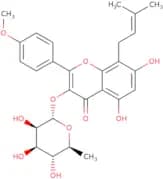
CAS:<p>Cupressuflavone is a naturally occurring biflavonoid compound, which is an organic molecule composed of two flavonoid units linked together. Its source is predominantly from the Cupressaceae family, specifically from plants such as cypress trees. This compound is characterized by its potent antioxidant properties, which allow it to scavenge free radicals and reduce oxidative stress in biological systems.</p>Fórmula:C30H18O10Pureza:Min. 95%Peso molecular:538.46 g/molIcarisid II - Bio-X ™
CAS:Icariside II is a natural product derived from Epimedium brevicornu Maxim (E. brevicornu) that exhibits various beneficial properties as a small molecule drug candidate. It has been shown to induce apoptosis in K562 cells, making it a potential treatment for leukemia. Icariside also regulates MAPK signaling, which plays a crucial role in cell growth and differentiation. Moreover, it has been found to promote osteogenesis, making it a promising candidate for bone health. With its unique properties and potential therapeutic applications, Icariside II is an interesting candidate for small molecule studies and drug development research.This product is part of our Bio-X ™ Range. These products are aimed at life science researchers who need high quality ready-to-use products for assay development, screening or other R&D work. With a solubility datasheet and convenient vials, all of our Bio-X ™ products are in stock across our global warehouses for rapid delivery and ease of use.Fórmula:C27H30O10Pureza:Min. 95%Forma y color:PowderPeso molecular:514.5 g/mol2'-Methoxyflavonol
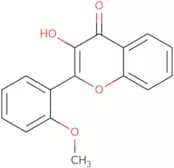
CAS:2'-Methoxyflavonol is a methoxyflavonoid, which is a type of polyphenolic compound. It is derived from natural sources, primarily plants where flavonoids are commonly found. These compounds are known for their wide range of biological activities.Fórmula:C16H12O4Pureza:Min. 95%Forma y color:White PowderPeso molecular:268.26 g/molPhaseollinisoflavan
CAS:<p>Phaseollinisoflavan is a naturally occurring isoflavone compound, which is derived from the legume plant, Phaseolus vulgaris, commonly known as the common bean. Its mode of action primarily involves the inhibition of enzymatic activity, particularly affecting pathways related to oxidative stress and various metabolic processes. This isoflavone exerts its effects by modulating signal transduction pathways, which are critical in cellular response mechanisms.</p>Fórmula:C20H20O4Pureza:Min. 95%Peso molecular:324.37 g/molOroxylin A
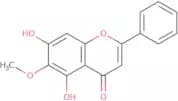
CAS:Oroxylin A is a natural flavonoid compound, which is derived from the root of Scutellaria baicalensis, commonly known as Baikal skullcap. It is primarily recognized for its bioactive properties, attributed to its modulation of various biochemical pathways. Oroxylin A acts by inhibiting the activity of certain enzymes, such as cyclooxygenase, and influencing signaling pathways like NF-kB, which are integral to inflammatory responses. It also exhibits potent neuroprotective effects by interacting with GABA_A receptors, thereby influencing neurotransmission.Fórmula:C16H12O5Pureza:Min. 98 Area-%Forma y color:PowderPeso molecular:284.26 g/mol3',4',7-Trihydroxyflavone
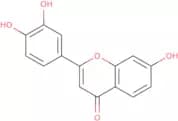
CAS:<p>3',4',7-Trihydroxyflavone is a naturally occurring flavonoid compound, which is derived from a variety of plant sources. It is a type of secondary metabolite commonly found in fruits, vegetables, and certain herbs. This compound exerts its effects primarily through its antioxidant properties, which involve scavenging free radicals and modulating oxidative stress pathways in biological systems.</p>Fórmula:C15H10O5Pureza:Min. 95%Forma y color:Slightly Yellow PowderPeso molecular:270.24 g/mol3',4',5',5,7-Pentamethoxyflavone
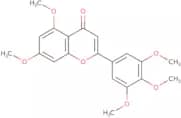
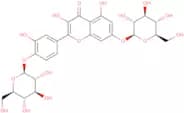
CAS:<p>3',4',5',5,7-Pentamethoxyflavone is a synthetic flavonoid compound, which is derived from the structural modification of naturally occurring flavonoids found in various plants. The compound is specifically produced for research and development purposes, exploring its biological and pharmacological potential. The mode of action involves interaction with various cellular pathways, including modulation of enzyme activity, influence on cell signaling pathways, and potential antioxidant properties due to its polyphenolic structure.</p>Fórmula:C20H20O7Pureza:Min. 95%Forma y color:PowderPeso molecular:372.37 g/molQuercetin-7,4'-diglucoside
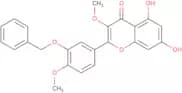
CAS:<p>Quercetin-7,4'-diglucoside is a flavonoid glycoside, which is a bioactive compound derived from various plants, particularly in fruits, vegetables, and certain leaves. It functions through its ability to modulate cellular pathways related to oxidative stress and inflammation, acting as a potent antioxidant and anti-inflammatory agent. These modes of action are primarily attributed to its capacity to scavenge free radicals and attenuate the expression of pro-inflammatory cytokines by interfering with signaling pathways, such as NF-κB and MAPK.</p>Fórmula:C27H30O17Pureza:Min. 90%Forma y color:Clear LiquidPeso molecular:626.52 g/mol3'-Benzyloxy-5,7-dihydroxy-3,4'-dimethoxyflavone
CAS:<p>3'-Benzyloxy-5,7-dihydroxy-3,4'-dimethoxyflavone is a synthetic flavone derivative, which is primarily obtained through targeted chemical synthesis in laboratory settings. This compound belongs to a broader class of polyphenolic flavonoids, which are known for their potential bioactive properties.</p>Fórmula:C24H20O7Pureza:Min. 95%Peso molecular:420.41 g/molNeoschaftoside
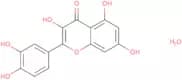
CAS:Neoschaftoside is a naturally occurring bioactive compound, which is an acylated flavonoid C-glycoside. It is primarily sourced from various plant species, including members of the Poaceae and Fabaceae families. The compound functions through its antioxidant and anti-inflammatory properties, interacting with cellular pathways to mitigate oxidative stress and modulate immune responses. These actions make neoschaftoside a compound of interest in pharmacological research, particularly in the study of chronic diseases where inflammation and oxidative damage are key pathological features. Its applications extend to potential therapeutic development in areas such as cardiovascular health, neuroprotection, and metabolic disorders. The ongoing investigation into its modes of action and bioavailability continues to reveal insights into its efficacy and potential as a natural therapeutic agent.Fórmula:C26H28O14Pureza:Min. 95%Peso molecular:564.49 g/molQuercetin hydrate
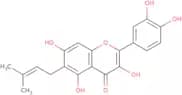
CAS:Inhibitor of HSP70 and HSP27 expressionFórmula:C15H10O7·xH2OPureza:Min. 95%Forma y color:Yellow Green PowderPeso molecular:302.24 g/mol6-Prenylquercetin
CAS:<p>6-Prenylquercetin is a prenylated flavonoid, which is a type of natural compound known for its diverse biological activities. This compound is derived from the prenylation of quercetin, a flavonoid commonly found in fruits and vegetables, particularly in onions, apples, and berries. The addition of a prenyl group to quercetin alters its physicochemical properties, enhancing its bioavailability and specific biological interactions.</p>Pureza:Min. 95%Luteone
CAS:Luteone is a natural compound, which is a plant-derived flavonoid isolated from various botanical sources. It exhibits a range of biological activities primarily due to its ability to modulate key cellular mechanisms. Luteone functions through its interaction with multiple molecular targets, demonstrating antioxidant, anti-inflammatory, and anti-cancer properties by influencing signaling pathways and gene expression related to cellular stress responses and apoptosis.Fórmula:C20H18O6Pureza:Min. 95%Peso molecular:354.35 g/molEupatorin - 98%
CAS:<p>Eupatorin - 98% is a high-purity flavonoid compound, which is extracted primarily from various plant species such as Eupatorium. This compound is renowned for its bioactive properties, engaging in numerous biochemical interactions that contribute to its therapeutic potentials. Eupatorin operates through multiple biochemical pathways as an inhibitor of specific enzymes like cytochrome P450s and as a modulator of cellular signaling pathways. This enables it to exert anti-inflammatory, anticancer, and antioxidant effects, making it a valuable subject of study in pharmaceutical and clinical research.</p>Fórmula:C18H16O7Pureza:Min. 95%Forma y color:White PowderPeso molecular:344.32 g/mol(+)-trans-Taxifolin
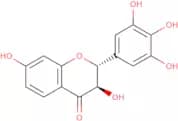
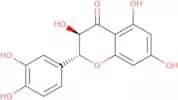
CAS:<p>(+)-trans-Taxifolin is a flavonoid compound, which is a type of plant secondary metabolite. It is naturally found in various plant sources, including the bark of Douglas fir (Pseudotsuga menziesii) and Siberian larch (Larix sibirica), as well as in milk thistle. The primary mode of action of this compound is its antioxidant activity, which involves scavenging free radicals and reducing oxidative stress within cells. This activity is facilitated by its ability to donate hydrogen atoms or electrons to neutralize reactive oxygen species, thus preventing cellular damage.</p>Fórmula:C15H12O7Pureza:Min. 95%Forma y color:PowderPeso molecular:304.25 g/molDihydroprunetin
CAS:Dihydroprunetin is a synthetic analog of natural flavonoid compounds, which is derived from chemical modifications of prunetin, originally sourced from various plant species. It functions primarily as an antioxidant by inhibiting oxidative stress pathways and scavenging free radicals. This activity is attributed to modifications that enhance its stability and bioavailability compared to its natural counterparts.Fórmula:C16H14O5Pureza:Min. 95%Peso molecular:286.28 g/molDehydroequol
CAS:<p>Dehydroequol is a dietary supplement ingredient, which is a metabolite of the soy isoflavone daidzein. It is produced through the biotransformation by certain gut bacteria that convert daidzein into equol compounds, specifically the dehydrogenated form. This compound is noted for its estrogenic activity, acting primarily as a selective estrogen receptor modulator (SERM). Dehydroequol binds to estrogen receptors with a preference for the beta subtype, exerting moderate estrogenic effects.</p>Fórmula:C15H12O3Pureza:Min. 95%Peso molecular:240.25 g/mol7-Benzyloxy-2',3',4'-trimethoxyisoflavone
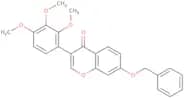
CAS:<p>7-Benzyloxy-2',3',4'-trimethoxyisoflavone is a synthetic isoflavone, which is a type of flavonoid compound often derived from plant secondary metabolites. Its source lies in laboratory synthesis, using specific chemical reactions to obtain the desired isoflavone structure with a benzyloxy group and methoxy groups at specified positions on the molecule.</p>Fórmula:C25H22O6Pureza:Min. 95%Peso molecular:418.44 g/molLiquiritin
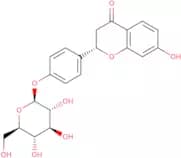
CAS:Natually produced by plants such as liquorice, liquiritin is formed by the linkage between liquiritigenin and a beta-D-glucopyranosyl residue at position 4. Liquiritin clinical relevance has been as an antiviral and anti-inflammatory agent. In 2020, an artificial intelligent approach has indicated that liquiritin might inhibit SARS-CoV-2 by acting similarly to type I interferon.Fórmula:C21H22O9Pureza:Min. 95%Forma y color:White PowderPeso molecular:418.39 g/molTexasin 7-O-glucoside
CAS:<p>Texasin 7-O-glucoside is a flavonoid glycoside, which is a plant-derived compound with significant antioxidant properties. This glycoside is sourced primarily from plants, where it naturally occurs as a secondary metabolite. It is composed of the flavonoid backbone, texasetin, conjugated with a glucose molecule at the 7-O position, enhancing its solubility and bioavailability in biological systems.</p>Fórmula:C22H22O10Pureza:Min. 95%Peso molecular:446.4 g/molEupafolin
CAS:<p>Eupafolin is a naturally occurring flavonoid compound, specifically a flavone, which is derived from certain medicinal plants, primarily in the genus *Artemisia*. It is a secondary metabolite found in various parts of these plants, including the leaves and stems. As a bioactive substance, eupafolin exerts its effects through several biochemical pathways, most notably by scavenging free radicals and modulating inflammatory responses. Its mode of action involves the inhibition of key enzymes and molecules in the inflammatory cascade, as well as the upregulation of antioxidant defenses.</p>Fórmula:C16H12O7Pureza:Min. 95%Forma y color:PowderPeso molecular:316.26 g/molHesperetin
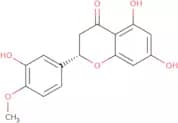
CAS:<p>Hesperetin is a flavonoid compound, which is naturally derived from citrus fruits such as oranges and lemons. As a notable bioactive molecule, its mode of action primarily involves the modulation of oxidative stress and inflammatory pathways. Hesperetin exerts its effects by scavenging free radicals and inhibiting the activation of inflammatory cytokines, making it a compound of significant interest in the biochemical and pharmacological sectors.</p>Fórmula:C16H14O6Pureza:Min. 98.5 Area-%Forma y color:White PowderPeso molecular:302.28 g/mol3,7,3'-Trihydroxyflavone
CAS:3,7,3'-Trihydroxyflavone is a flavonoid derivative, which is a type of polyphenolic compound commonly found in various plants and is derived from natural sources like fruits, vegetables, and herbal plants. It is characterized by its polyphenolic structure, which contributes to its ability to scavenge free radicals and reduce oxidative stress.Fórmula:C14O5H10Pureza:Min. 98%Forma y color:PowderPeso molecular:258.23 g/molPratensein
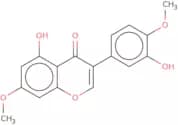
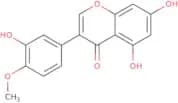
CAS:Pratensein is an isoflavone compound that is derived primarily from plants such as red clover (Trifolium pratense). This natural product belongs to the class of phytochemicals known for their diverse biological activities. Pratensein is sourced through the extraction and purification processes that involve isolating the bioactive components from plant materials rich in flavonoids.Fórmula:C16H12O6Pureza:Min. 95%Forma y color:PowderPeso molecular:300.26 g/molSilandrin hplc
CAS:<p>Please enquire for more information about Silandrin hplc including the price, delivery time and more detailed product information at the technical inquiry form on this page</p>Pureza:Min. 95%7-Hydroxyflavanone
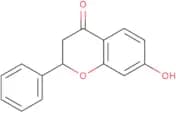
CAS:7-Hydroxyflavanone is a naturally occurring flavonoid compound, which is predominantly isolated from plants, particularly citrus fruits. Its biochemical significance stems from its ability to exert various physiological effects, likely due to its structural characteristics. As a flavonoid, it possesses a range of hydroxyl groups, which contribute to its antioxidant properties. This compound interacts with biological molecules, influencing cellular pathways and modulating enzyme activities.Fórmula:C15H12O3Pureza:Min. 95%Forma y color:PowderPeso molecular:240.25 g/molPinocembrin dimethylether
CAS:<p>Pinocembrin dimethylether is a flavonoid derivative, which is synthesized from natural sources such as honey, propolis, and certain plants. It retains the core flavonoid structure while being modified to enhance its bioavailability and stability. This compound acts primarily as a neuroprotective agent through its antioxidative and anti-inflammatory properties. It interacts with various molecular pathways to mitigate oxidative stress and reduce neuroinflammation, contributing to cellular protection.</p>Fórmula:C17H16O4Pureza:Min. 95%Forma y color:PowderPeso molecular:284.31 g/mol5,7,8,4'-Tetramethoxyflavone
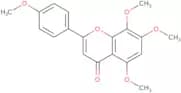
CAS:<p>5,7,8,4'-Tetramethoxyflavone is a naturally occurring flavone, which is a type of plant-derived polyphenolic compound. It is found in various plants, particularly those belonging to the genus Scutellaria. The compound acts primarily by modulating various cellular signaling pathways, including those involved in inflammation, apoptosis, and oxidative stress. Through its interaction with these pathways, it exhibits potential anti-inflammatory, antioxidant, and anti-cancer properties.</p>Fórmula:C19H18O6Pureza:Min. 95%Forma y color:White PowderPeso molecular:342.34 g/mol2'-Hydroxy-β-naphthoflavone
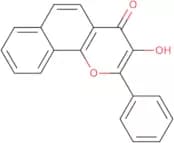
CAS:<p>2'-Hydroxy-β-naphthoflavone is a synthetic flavonoid, which is derived from structural modifications of natural flavonoids. It functions as a potent aryl hydrocarbon receptor (AhR) agonist and enzyme inducer. The structure is based on a naphthoflavone framework, allowing it to efficiently interact with cellular proteins related to xenobiotic metabolism.</p>Fórmula:C19H12O3Pureza:Min. 95%Forma y color:PowderPeso molecular:288.3 g/mol3-Methoxyflavone
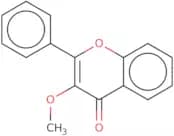
CAS:3-Methoxyflavone is a synthetic flavonoid, which is a type of product known for its biological activities and potential therapeutic applications. It is derived from flavones, naturally occurring compounds found in various plants, known for their role in plant pigmentation and UV protection. The compound's mode of action is primarily through interaction with various biological targets, including modulation of enzyme activity and regulation of signal transduction pathways.Fórmula:C16H12O3Pureza:Min. 95%Forma y color:White PowderPeso molecular:252.26 g/mol3-Hydroxy-7,8-dimethoxyflavone
CAS:<p>3-Hydroxy-7,8-dimethoxyflavone is a synthetic flavonoid derivative, which is structurally sourced from the broader class of naturally occurring flavonoids found in various plants. It functions primarily as a potent and selective ligand for the TrkB receptor, a receptor for brain-derived neurotrophic factor (BDNF). This interaction mimics the effects of BDNF, promoting neuronal survival, synaptic plasticity, and neurogenesis, thereby facilitating neuroprotective and neurorestorative processes.</p>Fórmula:C17H14O5Pureza:Min. 95%Peso molecular:298.29 g/molApigenin-7-glucoside
CAS:Apigenin-7-glucoside is a naturally occurring flavonoid glycoside, which is derived primarily from various plant sources, including parsley, celery, chamomile, and some fruits. This compound is formed when apigenin, a flavonoid, is conjugated with a glucose molecule. The interaction with glucose enhances its solubility and bioavailability in biological systems.Fórmula:C21H20O10Pureza:Min. 95%Forma y color:Yellow PowderPeso molecular:432.39 g/mol3-Hydroxy-7,2',4'-trimethoxyflavone
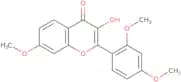
CAS:<p>3-Hydroxy-7,2',4'-trimethoxyflavone is a specialized flavone compound, which is a type of polyphenolic molecule commonly found in a variety of plants. This product is naturally derived, often isolated from diverse botanical sources like various species of herbs and flowering plants known for their medicinal properties. The compound exhibits various biological activities through its interactions with cellular pathways, predominantly by modulating enzymatic functions and signaling pathways that influence oxidative stress and inflammation.</p>Fórmula:C18H16O6Pureza:Min. 95%Peso molecular:328.32 g/mol3-Hydroxy-7,2',3'-trimethoxyflavone
CAS:3-Hydroxy-7,2',3'-trimethoxyflavone is a naturally occurring flavonoid, which is a type of polyphenolic compound commonly found in plants. These compounds are typically sourced from various plant species where they are known to contribute to pigmentation and offer protective functions.Fórmula:C18H16O6Pureza:Min. 95%Peso molecular:328.32 g/molAlnusin
CAS:<p>Alnusin is a phytochemical compound, which is a naturally occurring flavonoid sourced from the bark and leaves of the alder tree (genus Alnus). This compound is structurally categorized as an O-methylated flavonoid, specifically demonstrating unique biological activities.</p>Fórmula:C16H12O6Pureza:90%Forma y color:PowderPeso molecular:300.26 g/molCupressuflavone-7,7”-dimethyl ether
CAS:<p>Biflavonyl pigment; anti-inflammatory; analgesic</p>Fórmula:C32H22O10Pureza:Min. 95%Forma y color:solid.Peso molecular:566.51 g/molTricetin
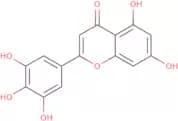
CAS:<p>Tricetin is a naturally occurring flavonoid compound, which is primarily sourced from various plant species. Its molecular structure comprises multiple hydroxyl groups, contributing to its biological activity. Tricetin functions by modulating several biochemical pathways; it exhibits antioxidant properties through scavenging of reactive oxygen species and chelation of metal ions. Additionally, Tricetin possesses anti-inflammatory effects, as it can inhibit the synthesis of pro-inflammatory cytokines and downregulate the expression of enzymes involved in inflammation, such as cyclooxygenase and lipoxygenase.</p>Fórmula:C15H10O7Pureza:Min. 95%Forma y color:Yellow PowderPeso molecular:302.24 g/mol3-(3,4-Dimethoxyphenyl)-1H-benzo[f]chromen-1-one
CAS:3',4'-Dimethoxy-beta-naphthoflavone is a synthetic chemical compound, which is a selective aryl hydrocarbon receptor (AhR) agonist, derived from flavonoid structures. With its capacity to modulate xenobiotic metabolism, this compound acts as an inducer of cytochrome P450 enzymes, specifically CYP1A1 and CYP1A2, through the activation of the AhR pathway. Upon binding to AhR, 3',4'-Dimethoxy-beta-naphthoflavone translocates to the nucleus, where it influences gene expression involved in xenobiotic metabolism.Fórmula:C21H16O4Pureza:Min. 95%Peso molecular:332.35 g/mol4'-Methoxyflavanone
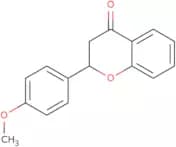
CAS:4'-Methoxyflavanone is a methoxy-substituted flavanone, which is a specialized class of flavonoids. These compounds are primarily derived from plant sources and are known for their diverse biological activities. The modification of the flavanone structure with a methoxy group can significantly influence its biochemical interactions and properties.Fórmula:C16H14O3Pureza:Min. 95%Forma y color:PowderPeso molecular:254.28 g/mol6,4'-Dimethoxyflavone
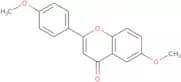
CAS:<p>6,4'-Dimethoxyflavone is a naturally occurring flavone, which is a type of polyphenolic compound typically found in various plants. It is derived from natural sources such as certain species of citrus fruits and other flavonoid-rich plants. The compound is characterized by the presence of two methoxy groups attached to its flavone backbone.</p>Fórmula:C17H14O4Pureza:Min. 95%Peso molecular:282.29 g/molScutellarein-6,4'-dimethyl ether
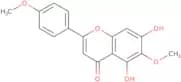
CAS:<p>Scutellarein-6,4'-dimethyl ether is a flavonoid derivative, which is a type of polyphenolic compound widely found in the plant kingdom. It is primarily sourced from various species within the genus Scutellaria, known for their rich flavonoid content. Scutellarein-6,4'-dimethyl ether demonstrates an affinity for interacting with key biological pathways, including exerting possible antioxidant activities by scavenging free radicals and modulating redox states, as well as potential anti-inflammatory effects through the regulation of inflammatory mediators.</p>Fórmula:C17H14O6Pureza:Min. 95%Forma y color:PowderPeso molecular:314.29 g/molKaempferol-3-O-rhamnoside
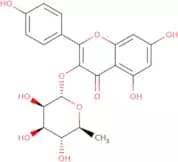
CAS:Kaempferol-3-O-rhamnoside is a naturally occurring flavonoid glycoside, which is derived from various plants, particularly those in the families Rosaceae and Brassicaceae. This compound is a significant bioactive component found in herbs, fruits, and vegetables. Its mode of action primarily involves the scavenging of free radicals, inhibition of oxidative stress, and modulation of various signaling pathways related to inflammation and apoptosis.Fórmula:C21H20O10Pureza:Min. 95 Area-%Forma y color:Yellow PowderPeso molecular:432.38 g/molMucronulatol
CAS:<p>Mucronulatol is a naturally occurring compound, which is derived from certain plant species known for their rich array of bioactive compounds. As a product of natural origin, mucronulatol is classified as a polyphenolic compound. Its biosynthesis in plants is a part of the complex secondary metabolism, playing roles in defense mechanisms against environmental stressors and pathogens. The mode of action of mucronulatol involves modulation of various biochemical pathways, which may include antioxidant activity, enzyme inhibition, or signaling pathway regulation. This capacity makes mucronulatol a subject of interest in pharmacological and therapeutic research.</p>Fórmula:C17H18O5Pureza:Min. 95%Peso molecular:302.32 g/molApigenin-7-O-glucronide
CAS:Apigenin-7-O-glucronide is a flavonoid derivative, which is a bioactive compound found naturally in various plants, particularly in those used medicinally or as nutritional supplements. Its source includes a variety of plant species, where it exists as part of the plant's secondary metabolites, often contributing to the plant's defense mechanisms.Fórmula:C21H18O11Pureza:Min. 98 Area-%Forma y color:PowderPeso molecular:446.36 g/mol7,2'-Dihydroxy-4',5'-dimethoxyisoflavone
CAS:<p>7,2'-Dihydroxy-4',5'-dimethoxyisoflavone is a naturally occurring isoflavone, which is a type of flavonoid commonly found in various plants. Isoflavones are primarily sourced from legumes and are prevalent in dietary phytoestrogens. The mode of action of this compound involves modulation of cellular pathways due to its antioxidant properties and potential to interact with estrogen receptors. Such interactions may influence gene expression and cell proliferation in specific tissue types.</p>Fórmula:C17H14O6Pureza:Min. 95%Forma y color:PowderPeso molecular:314.29 g/molDihydrodaidzein-7,4'-dimethylether
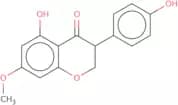
CAS:<p>Dihydrodaidzein-7,4'-dimethylether is a synthetic compound that falls under the category of isoflavone derivatives. Isoflavones are naturally occurring compounds typically sourced from soybeans and other legumes. Their structural similarity to estrogen allows them to exert estrogenic or anti-estrogenic effects, depending on the context and biological system.</p>Fórmula:C17H16O4Pureza:Min. 95%Forma y color:PowderPeso molecular:284.31 g/mol4',7-Dihydroxy-2-methoxyisoflavone
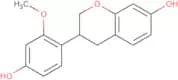
CAS:<p>4',7-Dihydroxy-2-methoxyisoflavone is a naturally occurring isoflavone, which is a type of phytochemical compound typically found in the Leguminosae family of plants. These plants are well-known for their rich source of bioactive compounds. This specific isoflavone is primarily isolated from plants like red clover or soybeans, which are renowned for their beneficial bioactive constituents.</p>Fórmula:C16H12O5Pureza:Min. 95%Peso molecular:284.26 g/mol7,2'-Dimethoxy-4'-hydroxyisoflavone
CAS:<p>7,2'-Dimethoxy-4'-hydroxyisoflavone is a naturally occurring isoflavone, which is a type of phytochemical commonly found in various plants. Isoflavones are known for their structural similarity to estrogens and their presence in legumes like soy. The source of 7,2'-Dimethoxy-4'-hydroxyisoflavone is primarily plant-based, particularly from species known for high isoflavone content.</p>Fórmula:C17H14O5Pureza:Min. 95%Peso molecular:298.29 g/mol2'-Hydroxyflavonol
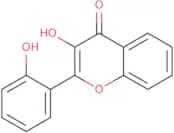
CAS:<p>2'-Hydroxyflavonol is a flavonoid derivative, which is a polyphenolic compound commonly found in plants. This compound is derived from natural sources, particularly various fruits, vegetables, and roots. Its mode of action is primarily through its role as an antioxidant, where it scavenges free radicals, thereby reducing oxidative stress. Furthermore, it can modulate multiple signaling pathways, contributing to its various bioactivities.</p>Fórmula:C15H10O4Pureza:Min. 95%Peso molecular:254.24 g/molTricin 4'-methyl ether
CAS:<p>Tricin 4'-methyl ether is a bioactive flavonoid, which is a phytochemical compound primarily derived from various plant sources such as rice, wheat, and maize. This compound is known for its antioxidant properties due to its phenolic structure, which allows it to scavenge free radicals and reduce oxidative stress. Additionally, Tricin 4'-methyl ether exhibits potential anti-inflammatory effects by modulating the activity of specific enzymes and pathways involved in inflammation.</p>Fórmula:C18H16O7Pureza:Min. 95%Forma y color:PowderPeso molecular:344.32 g/mol3',4',5,6,7,8-Hexamethoxyflavone
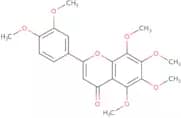
CAS:<p>3',4',5,6,7,8-Hexamethoxyflavone is a polymethoxylated flavone, which is a type of specialized chemical compound known as a flavonoid. It naturally occurs in certain plants, particularly those within the citrus family, serving as a secondary metabolite. Polymethoxylated flavones like this one are of interest due to their potential interaction with various biological pathways.</p>Fórmula:C21H22O8Pureza:Min. 98 Area-%Forma y color:PowderPeso molecular:402.39 g/mol8-Hydroxy-7-methoxyflavone
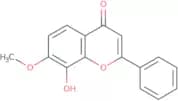
CAS:<p>8-Hydroxy-7-methoxyflavone is a naturally occurring flavonoid compound, which is isolated from various plant sources known for their bioactive properties. Flavonoids are a diverse group of phytonutrients found in many fruits, vegetables, and other plants, and are well-studied for their roles in plant pigmentation and health benefits.</p>Fórmula:C16H12O4Pureza:Min. 95%Forma y color:White PowderPeso molecular:268.26 g/mol3,4'-Dihydroxy-7-methoxyflavone
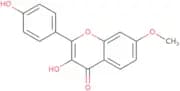
CAS:<p>3,4'-Dihydroxy-7-methoxyflavone is a specialized flavonoid compound, which is naturally occurring in certain plant species. As a type of flavonoid, it is part of a larger group of polyphenolic compounds widely found in fruits, vegetables, and other plant-derived foods. These compounds are well-known for their potential health benefits, primarily due to their antioxidant and anti-inflammatory properties. The mode of action of 3,4'-Dihydroxy-7-methoxyflavone involves scavenging free radicals and modulating various signaling pathways that influence inflammation and oxidative stress at the cellular level.</p>Fórmula:C16H12O5Pureza:Min. 95%Peso molecular:284.26 g/mol3-Hydroxyflavone
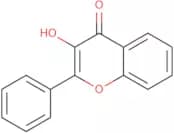
CAS:<p>3-Hydroxyflavone is a naturally derived flavonoid compound found in various plants. As a member of the flavonoid family, it is synthesized through the phenylpropanoid pathway, starting from phenylalanine or tyrosine in plants. Its unique structure allows it to interact with a range of biological targets through its antioxidant, anti-inflammatory, and enzyme modulation properties. The mode of action primarily involves the scavenging of free radicals and reactive oxygen species, as well as the inhibition of specific enzymes such as cyclooxygenases and lipoxygenases. These actions contribute to its protective effects against oxidative stress and inflammation.</p>Fórmula:C15H10O3Pureza:Min. 95%Forma y color:PowderPeso molecular:238.24 g/mol5,7,2'-Trimethoxyflavone
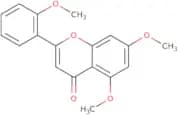
CAS:5,7,2'-Trimethoxyflavone is a synthetic flavonoid compound, which is typically sourced from the chemical modification of natural flavonoids. Derived from various plant sources, flavonoids are known for their diverse biological activities. The mode of action of 5,7,2'-Trimethoxyflavone involves the modulation of various cellular pathways, potentially impacting enzyme activity, signal transduction, and gene expression.Fórmula:C18H16O5Pureza:Min. 95%Peso molecular:312.32 g/mol7-Methoxyflavonol
CAS:7-Methoxyflavonol is a naturally-occurring flavonoid with intriguing biochemical properties, identified primarily in various plant species. This compound is derived from natural sources such as herbs and fruits, where it contributes to the plant's defense mechanisms. The mode of action of 7-Methoxyflavonol involves modulation of enzymatic activities and interaction with cellular signaling pathways, exhibiting potential antioxidant and anti-inflammatory effects.Fórmula:C16H12O4Pureza:Min. 95%Peso molecular:268.26 g/mol7,8-Methylenedioxy-4'-methoxyisoflavone
CAS:7,8-Methylenedioxy-4'-methoxyisoflavone is a synthetic isoflavone, which is a type of organic compound typically derived from plant sources, known for their diverse biological activities. This compound is structurally characterized by a methoxy group and a methylenedioxy bridge, contributing to its unique chemical behavior. Although synthetic, its structure is inspired by naturally occurring isoflavones found in plants such as soy.Fórmula:C17H12O5Pureza:Min. 95%Peso molecular:296.27 g/mol4',7-Dimethoxyisoflavone
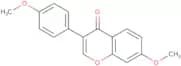
CAS:4',7-Dimethoxyisoflavone is a synthetic isoflavone, which is structurally related to compounds naturally found in certain plants, particularly legumes. This compound is engineered to mimic the bioactive properties of naturally occurring isoflavones, which have been studied for their potential health benefits. The mode of action of 4',7-Dimethoxyisoflavone involves modulating signaling pathways that are related to cellular growth and hormonal activity. It may influence pathways such as estrogen receptor signaling, although it possesses distinct properties compared to phytoestrogens found in soy products.Fórmula:C17H14O4Pureza:Min. 95%Forma y color:PowderPeso molecular:282.29 g/molCalycosin
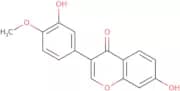
CAS:<p>Calycosin is a naturally occurring isoflavone, which is a class of organic compounds. It is derived primarily from the root of Astragalus membranaceus, a plant widely used in traditional Chinese medicine. As a prominent phytoestrogen, Calycosin exhibits a mode of action that includes binding to estrogen receptors, thereby influencing various estrogen-mediated biological processes.</p>Fórmula:C16H12O5Pureza:Min. 95%Forma y color:White PowderPeso molecular:284.26 g/mol3,2',4',5',6-Pentahydroxyflavone
CAS:3,2',4',5',6-Pentahydroxyflavone is a flavonoid compound, often studied for its intricate chemical properties. It is derived from various plant sources, where it occurs naturally as a secondary metabolite. As a flavonoid, it is notable for its polyphenolic structure, contributing to its role as an antioxidant. The mode of action involves neutralizing free radicals and chelating metal ions, thereby reducing oxidative stress within biological systems.Fórmula:C15H10O7Pureza:Min. 95%Forma y color:PowderPeso molecular:302.24 g/molAcacetin-7-neohesperidoside
CAS:Acacetin-7-neohesperidoside is a chemical compound that is classified as a flavonoid glycoside. Derived from various plant sources, particularly those within the Asteraceae family, it serves as a key subject in scientific investigations due to its diverse biological activities. The mode of action is primarily linked to its ability to modulate signaling pathways within cells, exhibiting potential anti-inflammatory and antioxidant effects. As a researcher, understanding its interaction with cellular pathways is crucial for advancing therapeutic applications.Fórmula:C28H32O14Pureza:Min. 98 Area-%Forma y color:Pale yellow solid.Peso molecular:592.55 g/mol7,2'-Dibenzyloxy-3',4'-dimethoxyisoflavone
CAS:7,2'-Dibenzyloxy-3',4'-dimethoxyisoflavone is a synthetic isoflavone derivative, which is primarily synthesized from organic intermediates using specialized chemical procedures. This compound belongs to the isoflavone class, a group of compounds often studied for their potential bioactive properties. The mode of action of 7,2'-Dibenzyloxy-3',4'-dimethoxyisoflavone involves interactions with cellular signaling pathways, which could influence various biological activities, such as enzyme inhibition or receptor binding.Fórmula:C31H26O6Pureza:Min. 95%Peso molecular:494.53 g/mol4'-O-Methyl quercetin
CAS:4'-O-Methyl quercetin is a naturally occurring flavonoid, which is a derivative of quercetin. It is primarily sourced from various plants where it functions as part of the plant’s defense mechanism. This compound exhibits its mode of action by influencing cellular pathways, particularly those involved in oxidative stress and inflammation. It achieves this by modulating signaling pathways and interacting with cellular receptors, thereby exerting antioxidant and anti-inflammatory effects.Fórmula:C16H12O7Pureza:Min. 95%Forma y color:Yellow SolidPeso molecular:316.26 g/molEriodictyol - 90%
CAS:<p>Eriodictyol - 90% is a highly purified flavonoid, specifically a flavanone, commonly derived from the Eriodictyon californicum plant, also known as yerba santa. This compound, noted for its significant antioxidant properties, interacts with cellular signaling pathways by modulating oxidative stress and inhibiting inflammatory enzymes. Eriodictyol achieves these effects primarily through its ability to scavenge free radicals and modulate the activity of various kinases and transcription factors involved in the inflammatory response.</p>Fórmula:C15H12O6Pureza:Min. 95%Forma y color:White PowderPeso molecular:288.25 g/molQuercetin-3-arabinoglucoside
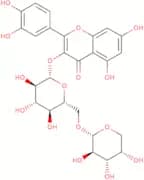
CAS:Quercetin-3-arabinoglucoside is a flavonoid glycoside, which is a phytochemical derived primarily from a variety of plant sources, including fruits, vegetables, and medicinal plants. This compound acts as a potent antioxidant by scavenging free radicals, thereby protecting cells from oxidative stress, which can lead to cellular damage and various diseases.Fórmula:C26H28O16Pureza:Min. 95%Forma y color:PowderPeso molecular:596.49 g/mol7,3',4',5'-Tetra methoxyflavone
CAS:7,3',4',5'-Tetra methoxyflavone is a polymethoxyflavone, which is a type of flavonoid compound. This compound is typically derived from various plant sources, particularly those in the Citrus genus. It possesses structural complexity due to its four methoxy groups, which contribute to its biological activity.Fórmula:C19H18O6Pureza:Min. 95%Peso molecular:342.34 g/mol5,7,8,2'-Tetramethoxyflavone
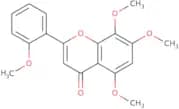
CAS:5,7,8,2'-Tetramethoxyflavone is a naturally occurring flavone compound, which is classified as a polyphenolic molecule commonly found in certain plant species. As a flavonoid, it is derived from plant sources, often extracted from species within the Rutaceae family, among others. These compounds are known for their complex biosynthetic pathways, which involve modified phenylpropanoid and acetate pathways.Fórmula:C19H18O6Pureza:Min. 95%Peso molecular:342.34 g/molQuercetin-3-arabinofuranoside
CAS:<p>Quercetin-3-arabinofuranoside is a flavonoid, a type of plant-derived polyphenolic compound. It is sourced from various plant species, particularly fruits, vegetables, and grains, where it functions as a secondary metabolite. This compound acts primarily through antioxidant mechanisms, neutralizing free radicals and reducing oxidative stress in biological systems. Additionally, it may interact with various cellular signaling pathways, modulating enzyme activities and gene expression.</p>Fórmula:C20H20O11Pureza:Min. 95%Peso molecular:436.37 g/molTectochrysin
CAS:Tectochrysin is a naturally occurring flavonoid, which is derived from the heartwood of certain trees, such as those from the genus Albizzia. This compound exhibits its effects primarily through antioxidant and anti-inflammatory activities, mediated by the modulation of various signaling pathways. Specifically, Tectochrysin has been shown to inhibit the activity of nuclear factor-kappa B (NF-κB) and other pro-inflammatory mediators, while also enhancing the expression of antioxidative enzymes.Fórmula:C16H12O4Pureza:Min. 95%Forma y color:PowderPeso molecular:268.26 g/mol3,7,3',4',5'-Pentamethoxyflavone
CAS:3,7,3',4',5'-Pentamethoxyflavone is a polymethoxyflavone, which is a class of flavonoids characterized by multiple methoxy groups. It is predominantly found in certain citrus fruits, particularly in the peels. The compound is isolated through extraction and purification processes that leverage the natural abundance in these sources.Fórmula:C20H20O7Pureza:Min. 95%Peso molecular:372.37 g/molDihydrorobinetin
CAS:<p>Dihydrorobinetin is a flavonoid derivative, which is a naturally occurring compound found in certain plant sources. It belongs to the larger group of polyphenolic compounds known for their diverse biological activities. Dihydrorobinetin is primarily extracted from plants such as locust trees, where it occurs as a secondary metabolite.</p>Fórmula:C15H12O7Pureza:Min. 95%Forma y color:PowderPeso molecular:304.25 g/mol3,7,8,4'-Tetramethoxyflavone
CAS:<p>3,7,8,4'-Tetramethoxyflavone is a naturally occurring flavonoid, which is derived from various plant sources, including certain traditional medicinal herbs. Flavonoids like this one are noted for their diverse biological activities and potential therapeutic applications.</p>Fórmula:C19H18O6Pureza:Min. 95%Peso molecular:342.34 g/mol3'-Prenylbiochanin A
CAS:<p>3'-Prenylbiochanin A is a prenylated isoflavone, which is a type of natural compound often derived from plants such as those in the Fabaceae family. Its unique structure incorporates a prenyl group, which is a 5-carbon isoprene unit, added to the biochanin A framework. This structural modification can significantly influence the compound's biological activity by enhancing its lipophilicity and bioavailability in cellular environments.</p>Fórmula:C21H20O5Pureza:Min. 95%Peso molecular:352.38 g/molalpha-Naphthoflavanol
CAS:<p>**Alpha-Naphthoflavanol** is a synthetic compound, which is categorized as a flavanol derivative. It is synthesized from the naphthalene compound, a polycyclic aromatic hydrocarbon, through a series of chemical reactions involving hydroxylation and other functional group modifications. This compound is designed to specifically interfere with biological pathways by acting as an inhibitor or modulator in cellular processes.</p>Fórmula:C19H12O3Pureza:Min. 95%Peso molecular:288.30 g/mol3-Hydroxy-5,2',3'-trimethoxyflavone
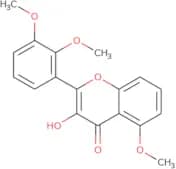
CAS:<p>3-Hydroxy-5,2',3'-trimethoxyflavone is a naturally occurring flavone, which is a type of polyphenolic compound found in various plants. This compound is derived from natural sources and is often isolated from specific plant species such as certain herbs and fruits. The mode of action of 3-Hydroxy-5,2',3'-trimethoxyflavone often involves interaction with biological pathways at the cellular level, potentially including antioxidant activity, modulation of enzyme function, and influence on signal transduction pathways.</p>Fórmula:C18H16O6Pureza:Min. 95%Peso molecular:328.32 g/molHesperetin 7-O-glucoside
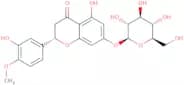
CAS:Hesperetin 7-O-glucoside is a flavonoid derivative, which is commonly found in citrus fruits, particularly in their peels. This compound belongs to the class of flavonoids known as glycosylated flavonoids, which are characterized by the attachment of a glucose molecule to the flavonoid aglycone.Fórmula:C22H24O11Pureza:Min. 95%Forma y color:White PowderPeso molecular:464.42 g/mol3',5'-Diprenyl-dihydroacacetin
CAS:<p>3',5'-Diprenyl-dihydroacacetin is a prenylated flavonoid, which is a type of secondary metabolite commonly found in plants. It is derived from natural botanical sources, particularly within the flavonoid-rich family of medicinal herbs. Prenylation, a biochemical modification involving the addition of hydrophobic prenyl groups, enhances the biological activity of flavonoids by increasing their lipophilicity and cellular uptake.</p>Fórmula:C26H30O5Pureza:Min. 95%Peso molecular:422.51 g/mol3-Hydroxy-3',4'-dimethoxy-6-methyl flavone
CAS:3-Hydroxy-3',4'-dimethoxy-6-methyl flavone is a naturally occurring flavone, which is a type of flavonoid, commonly found in various plants. Flavones are known for their diverse range of biological activities, including anti-inflammatory, antioxidant, and anticancer properties. This particular flavone is derived from plant sources such as certain fruits, vegetables, and herbs, where it often plays a role in the plant's defense mechanisms.Fórmula:C18H16O5Pureza:Min. 95%Forma y color:PowderPeso molecular:312.32 g/mol4'-Hydroxy-β-naphthoflavone
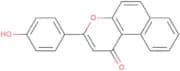
CAS:4'-Hydroxy-β-naphthoflavone is a synthetic chemical compound, which is a derivative of flavone. It is primarily sourced through chemical synthesis, allowing for the production of a highly pure and consistent compound for research purposes. The mode of action of 4'-Hydroxy-β-naphthoflavone involves its role as a potent agonist of the aryl hydrocarbon receptor (AhR), a transcription factor involved in the regulation of biological responses to planar aromatic hydrocarbons.Fórmula:C19H12O3Pureza:Min. 95%Peso molecular:288.3 g/molRobinin
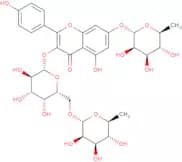
CAS:<p>Robinin is a flavonoid glycoside, which is a naturally occurring phytochemical compound. It is derived from plant sources, particularly within the Fabaceae family, such as Robinia pseudoacacia. The mode of action of Robinin involves its interaction with various cellular and molecular pathways, exhibiting properties such as antioxidant and anti-inflammatory effects.</p>Fórmula:C33H40O19Pureza:Min. 95 Area-%Forma y color:PowderPeso molecular:740.66 g/mol6-Hydroxyflavanone
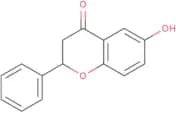
CAS:6-Hydroxyflavanone is a flavonoid derivative, which is a naturally occurring compound found in various plants. It is primarily extracted from citrus fruits and other botanicals rich in flavonoids. The compound acts through its antioxidant and anti-inflammatory properties, effectively scavenging free radicals and modulating inflammatory pathways. This mechanism is crucial in reducing oxidative stress and moderating immune responses, which has implications for both cellular protection and therapeutic applications.Fórmula:C15H12O3Pureza:Min. 95%Forma y color:PowderPeso molecular:240.25 g/molSigmoidin A
CAS:Sigmoidin A is a diterpenoid compound, which is a plant-derived natural product. It originates from the Alpinia genus, a group of plants known for their diverse bioactive compounds. With its intricate molecular structure, Sigmoidin A is identified primarily for its potential anti-inflammatory properties. The mode of action involves modulation of signaling pathways and inhibition of pro-inflammatory mediators, which suggests its potential utility in therapeutic contexts.Fórmula:C25H28O6Pureza:Min. 95%Peso molecular:424.49 g/mol5-O-Methyl quercetin
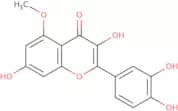
CAS:5-O-Methyl quercetin is a flavonoid compound, which is derived from various plant sources, particularly found in certain fruits, vegetables, and medicinal herbs. It is a methylated form of quercetin, a well-known polyphenolic antioxidant. As a natural derivative, its mode of action includes modulation of various signaling pathways, exhibiting both anti-inflammatory and antioxidant properties through its interaction with intracellular signaling molecules and enzymes such as kinases and transcription factors.Fórmula:C16H12O7Pureza:Min. 95%Forma y color:Off-White PowderPeso molecular:316.26 g/molKaempferol-3,4'-diglucoside
CAS:Kaempferol-3,4'-diglucoside is a glycosylated flavonoid, which is a type of chemical compound found abundantly in various plants. This product is derived from natural sources, particularly from several edible and medicinal plants known for their health benefits. Kaempferol-3,4'-diglucoside functions through mechanisms related to its antioxidant properties, scavenging free radicals and reducing oxidative stress within biological systems.Fórmula:C27H30O16Pureza:Min. 95%Peso molecular:610.52 g/mol7,3',4',5'-Tetrahydroxyflavone
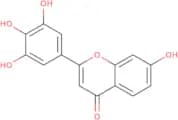
CAS:7,3',4',5'-Tetrahydroxyflavone is a bioactive flavonoid, which is a type of polyphenolic compound. It is derived from natural sources such as plants, where flavonoids are abundant and play crucial roles in plant physiology, including pigmentation and UV filtration. The mode of action of 7,3',4',5'-Tetrahydroxyflavone involves scavenging free radicals and inhibiting pathways that lead to oxidative stress and inflammation. This compound can modulate cellular signaling pathways and gene expression, contributing to its potential therapeutic effects.Fórmula:C15H10O6Pureza:Min. 95%Forma y color:PowderPeso molecular:286.24 g/molSilicristin
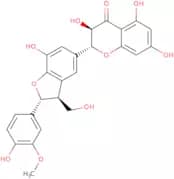
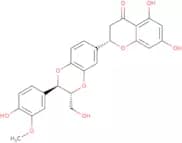
CAS:<p>Silicristin is a flavonolignan compound, which is derived from the seeds of the milk thistle plant, Silybum marianum. This compound is one of the key constituents of silymarin, a complex group of flavonolignans used extensively in herbal medicine. Silicristin is isolated through advanced chromatographic techniques, ensuring high purity and specificity for research applications.</p>Fórmula:C25H22O10Pureza:Min. 95%Forma y color:White PowderPeso molecular:482.44 g/mol3',4',5'-Trimethoxyflavanone
<p>3',4',5'-Trimethoxyflavanone is a specialized flavonoid compound, which is synthesized from natural sources, such as plants belonging to the flavonoid family. This compound is characterized by its distinctive methoxy group modifications on the flavanone backbone, enhancing its bioactive potential. Its mode of action involves modulation of various biochemical pathways, including antioxidant systems and inflammatory mediators. By stabilizing free radicals and inhibiting pro-inflammatory enzymes, 3',4',5'-Trimethoxyflavanone plays a crucial role in cellular protection and homeostasis.</p>Fórmula:C18H16O5Pureza:Min. 95%Peso molecular:312.3 g/mol3,5,6,2'-Tetrahydroxyflavone
CAS:3,5,6,2'-Tetrahydroxyflavone is a hydroxylated flavone compound, which is a type of polyphenolic compound widely recognized for its potential antioxidant properties. Naturally occurring in various plant sources, it can be isolated from species commonly known for their medicinal or nutritional benefits.Fórmula:C15H10O6Pureza:Min. 95%Peso molecular:286.24 g/mol4',6,7-Trihydroxyisoflavone
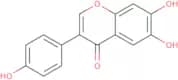
CAS:<p>4',6,7-Trihydroxyisoflavone is a naturally occurring isoflavone, which is a type of phytochemical commonly found in plants. It is primarily derived from legumes and soy products and is known for its presence in various plant-based foods. Isoflavones like 4',6,7-Trihydroxyisoflavone possess a polyphenolic structure, endowing them with significant biological activity, such as antioxidant properties.</p>Fórmula:C15H10O5Pureza:Min. 95%Forma y color:PowderPeso molecular:270.24 g/mol3-Hydroxy-7,2'-dimethoxyflavone
CAS:3-Hydroxy-7,2'-dimethoxyflavone is a specialized flavonoid, which is a type of polyphenolic compound commonly found in various plants. Flavonoids are known for their diverse roles in plant defense and pigmentation. This compound is sourced from natural plant materials, where it's synthesized as a secondary metabolite. Its mode of action involves acting as an antioxidant, offering protection against oxidative stress by neutralizing free radicals. Such activity is essential in preserving cellular integrity and preventing damage to biomolecules such as DNA, lipids, and proteins.Fórmula:C17H14O5Pureza:Min. 95%Peso molecular:298.29 g/mol7,8-Dimethoxy-4'-hydroxyisoflavone
CAS:<p>7,8-Dimethoxy-4'-hydroxyisoflavone is an isoflavone compound, which is a type of phytoestrogen commonly found in various plants. Isoflavones like this one are often derived from legumes and other plant sources. These compounds are characterized by their chemical structure, which is similar to that of estrogen, allowing them to exert estrogen-like effects in biological systems.</p>Fórmula:C17H14O5Pureza:Min. 95%Peso molecular:298.29 g/mol(-)-Epiafzelechin 3-O-gallate(4b-6)
CAS:<p>(-)-Epiafzelechin 3-O-gallate(4b-6) is a catechin derivative, which is a type of flavonoid known for its potential bioactive properties. It is sourced primarily from plant materials, particularly those belonging to the family Theaceae, which includes tea plants. This compound is a part of the polyphenolic group, often extracted from natural sources using solvent extraction methods followed by chromatographic techniques for purification.</p>Fórmula:C44H34O20Pureza:Min. 95%Peso molecular:882.73 g/molOrobol 7,4'-dimethyl ether
CAS:<p>Orobol 7,4'-dimethyl ether is a methylated flavonoid compound, which is synthesized from natural flavonoid precursors derived from plant sources such as legumes and soy. This compound acts primarily through its antioxidant properties, where it can scavenge free radicals and stabilize reactive oxygen species, thus protecting cellular components from oxidative damage.</p>Fórmula:C17H14O6Pureza:Min. 95%Forma y color:White/Off-White SolidPeso molecular:314.29 g/mol5,7,3'-Trimethoxyflavone
CAS:5,7,3'-Trimethoxyflavone is a naturally occurring flavonoid compound, which is primarily sourced from certain plant species. As a member of the flavone category, this compound is characterized by its distinctive chemical structure featuring multiple methoxy groups. It is extracted from plants known for their medicinal properties, where it exists as a minor component contributing to the plant’s bioactive profile.Fórmula:C18H16O5Pureza:Min. 95%Peso molecular:312.32 g/mol3-Hydroxy-6,2'-dimethoxyflavone
CAS:<p>3-Hydroxy-6,2'-dimethoxyflavone is a flavonoid compound, which is a type of polyphenolic secondary metabolite. It is found in certain plants and is derived from natural sources known for their diverse pharmacological profiles. Flavonoids like 3-Hydroxy-6,2'-dimethoxyflavone often play crucial roles in plant defense mechanisms and pigmentation.</p>Fórmula:C17H14O5Pureza:Min. 95%Peso molecular:298.29 g/mol















![3-(3,4-Dimethoxyphenyl)-1H-benzo[f]chromen-1-one](/_next/image/?url=https%3A%2Fstatic.cymitquimica.com%2Fproducts%2F3D%2Fthumb-webp%2FFD65660.webp&w=3840&q=75)