Flavonoides
Subcategorías de "Flavonoides"
- Antocianidinas(46 productos)
- Antocianina(46 productos)
- Catequina(88 productos)
- Chalconas(237 productos)
- Pterocarpan(28 productos)
Se han encontrado 2410 productos de "Flavonoides"
3’,4’-Dimethoxyflavanone
CAS:3’,4’-Dimethoxyflavanone is a flavonoid compound, which is a type of natural phenolic product derived from various plant sources. Its structure is characterized by a flavanone backbone with methoxy groups at the 3' and 4' positions on the B-ring. These structural features contribute to its bioactivity, allowing it to interact with various biological targets through mechanisms such as free radical scavenging, modulation of signaling pathways, and enzyme inhibition.Fórmula:C17H16O4Pureza:Min. 95%Peso molecular:284.31 g/mol6,8-Diprenylnaringenin
CAS:6,8-Diprenylnaringenin is a prenylated flavonoid, which is an organic compound predominantly derived from the hops plant, Humulus lupulus. This compound exhibits a unique mode of action owing to its interaction with estrogen receptors, where it acts as a phytoestrogen. Its chemical structure, characterized by the presence of prenyl groups, enhances its bioavailability and affinity for these receptors, suggesting its potential role in modulating estrogenic activity in biological systems.Fórmula:C25H28O5Pureza:Min. 95%Peso molecular:408.49 g/molJuglanin
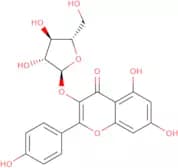
CAS:Juglanin is a flavonoid glycoside, which is a naturally occurring compound found in plants, specifically from the genus Juglans, commonly known as walnut. Its mode of action involves antioxidant and anti-inflammatory activities, wherein it scavenges free radicals and inhibits inflammatory pathways. Juglanin achieves this by modulating various cellular signaling pathways, including those related to oxidative stress and inflammation.Fórmula:C20H18O10Pureza:Min. 95%Forma y color:PowderPeso molecular:418.35 g/mol2',7,8-Trihydroxyflavone
CAS:2',7,8-Trihydroxyflavone is a flavonoid compound, which is naturally sourced from various plant species. It functions by acting as an agonist for the tropomyosin receptor kinase B (TrkB), a receptor for brain-derived neurotrophic factor (BDNF). This interaction modulates neurotrophic signaling pathways, promoting neuronal survival, differentiation, and synaptic plasticity.
Fórmula:C15H10O5Pureza:90%Forma y color:PowderPeso molecular:270.24 g/molKaranjin
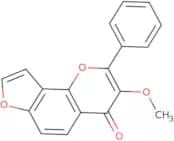
CAS:From seeds of Karanja tree; insecticidal, acaricidal & fungicidal propertiesFórmula:C18H12O4Pureza:Min. 95%Forma y color:White PowderPeso molecular:292.29 g/molFisetin
CAS:Fisetin is a flavonoid compound, which is a type of polyphenol found in various fruits and vegetables. It is primarily sourced from strawberries, apples, persimmons, onions, and cucumbers. This flavonoid exhibits a range of biological activities due to its involvement in modulating cellular processes.
Fórmula:C15H10O6·xH2OPureza:Min. 90 Area-%Forma y color:Yellow PowderPeso molecular:286.24 g/mol6-Hydroxyflavone-beta-D-glucoside
CAS:6-Hydroxyflavone-beta-D-glucoside is a naturally occurring flavonoid glycoside, which is a compound of interest in the field of phytochemistry and pharmacology. This compound is sourced primarily from various plant species known for their rich flavonoid content. The mode of action typically involves modulating biochemical pathways associated with antioxidant defense, often by interacting with cellular signaling mechanisms that regulate oxidative stress.Fórmula:C21H20O8Pureza:Min. 95%Forma y color:PowderPeso molecular:400.38 g/molEucomin
CAS:Eucomin is a quinoline derivative and an antimalarial agent, which is isolated from natural sources such as the bark of the cinchona tree or synthesized chemically. With its mode of action targeting the heme polymerase enzyme of Plasmodium parasites, Eucomin effectively inhibits the conversion of toxic heme to non-toxic hemozoin, a process critical for parasite survival within red blood cells.Fórmula:C17H14O5Pureza:Min. 95%Peso molecular:298.29 g/molAequinetin
CAS:Aequinetin is a cyclic peptide, which is derived from marine organisms, specifically sponges. It acts by targeting cellular processes in bacteria and cancer cells through disruption of cell membrane integrity and interference with specific signaling pathways. This mode of action makes it a promising candidate for antibiotic and anticancer applications.Fórmula:C21H20O9Pureza:Min. 95%Peso molecular:416.38 g/molEucomnalin
CAS:Eucomnalin is a synthetic compound, which is derived from a carefully controlled chemical synthesis process. Its mode of action involves modulation of specific biochemical pathways, targeting enzymes critical for cellular processes. This modulation allows it to influence various cellular functions, potentially rectifying imbalances or dysfunctions present in certain disease states.Fórmula:C17H14O6Pureza:Min. 95%Peso molecular:314.29 g/molOmbuoside
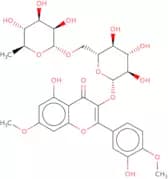
CAS:Please enquire for more information about Ombuoside including the price, delivery time and more detailed product information at the technical inquiry form on this page
Fórmula:C29H34O16Pureza:Min. 95%Forma y color:Off-White To Yellow SolidPeso molecular:638.57 g/molKaempferol-3,7,4'-trimethyl ether
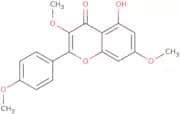
CAS:Kaempferol-3,7,4'-trimethyl ether is a methylated flavonoid compound, which is naturally derived from various plant sources known for their rich polyphenol content. This compound is characterized by its three methoxy groups attached to the kaempferol structure, enhancing its hydrophobic nature and overall stability. The primary mode of action of Kaempferol-3,7,4'-trimethyl ether involves modulation of various cellular signaling pathways, including those related to antioxidant and anti-inflammatory processes. It exerts its effects by interacting with key enzymes and receptors, leading to the modulation of gene expression linked to cellular stress responses.
Fórmula:C18H16O6Pureza:Min. 98 Area-%Forma y color:PowderPeso molecular:328.32 g/mol6-O-Acetylgenistin
CAS:6-O-Acetylgenistin is a natural compound, classified as an acetylated isoflavone. It is sourced from soybeans, where it is naturally present as part of the plant's secondary metabolites. Isoflavones like 6-O-Acetylgenistin are known for their structural similarity to estrogens and are consequently categorized as phytoestrogens.Fórmula:C23H22O11Pureza:Min. 95 Area-%Forma y color:White PowderPeso molecular:474.41 g/mol3'-Hydroxy-8-O-methylretusin
CAS:3'-Hydroxy-8-O-methylretusin is a naturally occurring flavonoid, which is derived from various plant sources, primarily within the Leguminosae family. It exhibits a range of bioactivities attributed to its molecular structure, characterized by hydroxylation and methylation processes that enhance its stability and reactivity.Fórmula:C17H14O6Pureza:Min. 95%Peso molecular:314.29 g/molMyricitrin dihydrate
CAS:Myricitrin dihydrate is a flavonoid glycoside, which is a naturally occurring compound primarily found in the bark, leaves, and fruits of certain plants such as Myrica species. The source of this compound is botanical, extracted from plant material through various methods that preserve its structural integrity and bioactivity.Fórmula:C21H20O12Pureza:Min. 95%Peso molecular:464.38 g/mol5-Methoxyflavanone
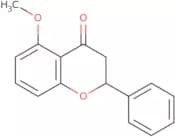
CAS:5-Methoxyflavanone is a synthetic flavonoid compound, which is derived from chemical modifications of naturally occurring flavonoids. These modifications often enhance bioavailability and activity compared to their natural counterparts. This compound functions primarily through its antioxidant activity, scavenging free radicals and reducing oxidative stress within biological systems. This mode of action is vital in cellular protection against damage caused by oxidative agents.Fórmula:C16H14O3Pureza:Min. 95%Forma y color:White PowderPeso molecular:254.28 g/mol5-Hydroxy-3,6,2'-trimethoxyflavone
CAS:5-Hydroxy-3,6,2'-trimethoxyflavone is a naturally occurring flavone, which is a type of polyphenolic compound. It is primarily sourced from various Erythrina species, which are flowering plants in the legume family. This compound interacts with biological systems through its role as an antioxidant, influencing enzyme activity and modulating signaling pathways. It may exert anti-inflammatory, anticancer, and neuroprotective effects, though these mechanisms require further elucidation in vivo. Its applications predominantly lie in biomedical research, where it serves as a tool for studying flavonoid functions and their potential therapeutic benefits. Scientists also examine its role in traditional medicine systems to validate and explore its health-related effects. As research progresses, 5-Hydroxy-3,6,2'-trimethoxyflavone continues to generate interest due to its complex interactions within biological frameworks and potential for diverse therapeutic applications.
Fórmula:C18H16O6Pureza:Min. 95%Peso molecular:328.32 g/molLotisoflavan
CAS:Phytoalexin isolated from the fungus-inoculated leaflets of Lotus angustissimus
Fórmula:C17H18O5Pureza:Min. 95%Forma y color:PowderPeso molecular:302.32 g/mol5,7-Dihydroxyflavone
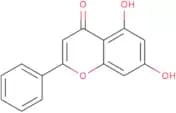
CAS:5,7-Dihydroxyflavone is a naturally occurring flavonoid, which is derived from various plant sources, including herbs and fruits. With its structure characterized by hydroxyl groups at positions 5 and 7, it serves as a bioactive compound with strong antioxidant properties. This flavonoid is known to interact with cellular pathways by scavenging free radicals and modulating enzyme activity, thereby protecting cells from oxidative stress and potential damage.Fórmula:C15H10O4Pureza:Min. 95%Forma y color:Yellow PowderPeso molecular:254.24 g/mol2'-Hydroxyflavanone
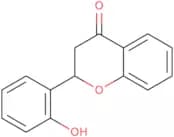
CAS:2'-Hydroxyflavanone is a flavonoid, which is a type of polyphenolic compound found naturally in a variety of plants. These compounds are widely distributed in the plant kingdom and are particularly abundant in fruits, vegetables, and certain herbs. The source of 2'-Hydroxyflavanone can be traced back to its presence in citrus fruits and other plant materials, where it serves as a secondary metabolite.Fórmula:C15H12O3Pureza:Min. 98 Area-%Forma y color:PowderPeso molecular:240.25 g/mol