Flavonoides
Subcategorías de "Flavonoides"
- Antocianidinas(46 productos)
- Antocianina(46 productos)
- Catequina(88 productos)
- Chalconas(237 productos)
- Pterocarpan(28 productos)
Se han encontrado 2410 productos de "Flavonoides"
Myricitrin dihydrate
CAS:Myricitrin dihydrate is a flavonoid glycoside, which is a naturally occurring compound primarily found in the bark, leaves, and fruits of certain plants such as Myrica species. The source of this compound is botanical, extracted from plant material through various methods that preserve its structural integrity and bioactivity.Fórmula:C21H20O12Pureza:Min. 95%Peso molecular:464.38 g/mol5-Methoxyflavanone
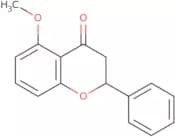
CAS:5-Methoxyflavanone is a synthetic flavonoid compound, which is derived from chemical modifications of naturally occurring flavonoids. These modifications often enhance bioavailability and activity compared to their natural counterparts. This compound functions primarily through its antioxidant activity, scavenging free radicals and reducing oxidative stress within biological systems. This mode of action is vital in cellular protection against damage caused by oxidative agents.Fórmula:C16H14O3Pureza:Min. 95%Forma y color:White PowderPeso molecular:254.28 g/molLotisoflavan
CAS:Phytoalexin isolated from the fungus-inoculated leaflets of Lotus angustissimus
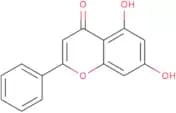
Fórmula:C17H18O5Pureza:Min. 95%Forma y color:PowderPeso molecular:302.32 g/mol5,7-Dihydroxyflavone
CAS:5,7-Dihydroxyflavone is a naturally occurring flavonoid, which is derived from various plant sources, including herbs and fruits. With its structure characterized by hydroxyl groups at positions 5 and 7, it serves as a bioactive compound with strong antioxidant properties. This flavonoid is known to interact with cellular pathways by scavenging free radicals and modulating enzyme activity, thereby protecting cells from oxidative stress and potential damage.Fórmula:C15H10O4Pureza:Min. 95%Forma y color:Yellow PowderPeso molecular:254.24 g/mol2'-Hydroxyflavanone
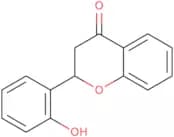
CAS:2'-Hydroxyflavanone is a flavonoid, which is a type of polyphenolic compound found naturally in a variety of plants. These compounds are widely distributed in the plant kingdom and are particularly abundant in fruits, vegetables, and certain herbs. The source of 2'-Hydroxyflavanone can be traced back to its presence in citrus fruits and other plant materials, where it serves as a secondary metabolite.Fórmula:C15H12O3Pureza:Min. 98 Area-%Forma y color:PowderPeso molecular:240.25 g/mol3'-Prenyldaidzein
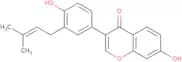
CAS:3'-Prenyldaidzein is a prenylated isoflavone, which is a naturally occurring compound typically derived from plants such as those found in the Fabaceae family. Prenylated isoflavones are characterized by the attachment of a prenyl group to the isoflavone structure, which often enhances their biological activity compared to their non-prenylated counterparts.
Fórmula:C20H18O4Pureza:Min. 95%Forma y color:PowderPeso molecular:322.35 g/mol5-Hydroxy-4'-methoxyflavone
CAS:5-Hydroxy-4'-methoxyflavone is a naturally occurring flavone, which is a type of polyphenolic compound found in various plants. It is derived from natural sources such as fruits, vegetables, and certain herbs. This compound is part of the larger class of flavonoids, which are known for their various biological activities and potential health benefits.Fórmula:C16H12O4Pureza:Min. 95%Peso molecular:268.26 g/mol5-Hydroxy-3,6,2'-trimethoxyflavone
CAS:5-Hydroxy-3,6,2'-trimethoxyflavone is a naturally occurring flavone, which is a type of polyphenolic compound. It is primarily sourced from various Erythrina species, which are flowering plants in the legume family. This compound interacts with biological systems through its role as an antioxidant, influencing enzyme activity and modulating signaling pathways. It may exert anti-inflammatory, anticancer, and neuroprotective effects, though these mechanisms require further elucidation in vivo. Its applications predominantly lie in biomedical research, where it serves as a tool for studying flavonoid functions and their potential therapeutic benefits. Scientists also examine its role in traditional medicine systems to validate and explore its health-related effects. As research progresses, 5-Hydroxy-3,6,2'-trimethoxyflavone continues to generate interest due to its complex interactions within biological frameworks and potential for diverse therapeutic applications.
Fórmula:C18H16O6Pureza:Min. 95%Peso molecular:328.32 g/molMethyl hesperidine
CAS:Methyl hesperidine is a flavonoid derivative, which is a chemical compound sourced from citrus fruits, particularly from the peels. It is a modified form of hesperidin, a natural flavonoid found predominantly in oranges and other citrus species. The mode of action for methyl hesperidine involves its antioxidant and anti-inflammatory properties. It works by scavenging free radicals and reducing oxidative stress, which can help protect cells and tissues from damage.Fórmula:C29H36O15Pureza:Min. 95%Forma y color:PowderPeso molecular:624.59 g/mol3,7,8,2',4'-Pentahydroxyflavone
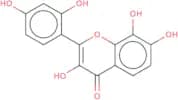
3,7,8,2',4'-Pentahydroxyflavone is a flavonoid compound, which is a type of polyphenolic secondary metabolite found in various plants. This compound is typically isolated from natural sources, including vegetables, fruits, and certain herbs. Its chemical structure, characterized by multiple hydroxyl groups, contributes to its potent antioxidant activity, allowing it to scavenge free radicals effectively.Fórmula:C15H10O7Pureza:90%Forma y color:PowderPeso molecular:302.24 g/molOrobol 7-O-glucoside
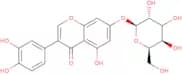
CAS:Orobol 7-O-glucoside is a flavonoid glucoside, which is a type of phenolic compound widely studied in the scientific community for its potential biological activities. It is derived from natural plant sources, particularly legumes, where it occurs as a conjugate of the isoflavone orobol. The mode of action of Orobol 7-O-glucoside involves its ability to scavenge free radicals, providing potent antioxidant effects. This compound exhibits the ability to modulate signaling pathways relevant to oxidative stress and inflammation, suggesting possible therapeutic roles in related disorders.Fórmula:C21H20O11Pureza:Min. 95%Forma y color:PowderPeso molecular:448.38 g/molKazinol U
CAS:Kazinol U is a lignan glycoside, which is a naturally occurring compound sourced from Broussonetia kazinoki, a species belonging to the Moraceae family. This compound is characterized by its antioxidant properties, which are largely due to its unique chemical structure that allows it to neutralize reactive oxygen species and reduce oxidative stress.Fórmula:C20H22O4Pureza:Min. 95%Forma y color:PowderPeso molecular:326.39 g/mol7-Hydroxyflavone
CAS:7-Hydroxyflavone is a naturally occurring flavone, which is a type of polyphenolic compound found in various plants. It is commonly derived from plant sources such as fruits and vegetables, where it contributes to a range of biological activities. The structure of 7-Hydroxyflavone includes a hydroxyl group, which plays a significant role in its antioxidant capabilities.Fórmula:C15H10O3Peso molecular:238.25 g/mol5-Methyl-7-hydroxyisoflavone ethylcarbonate ester
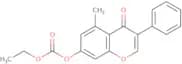
CAS:5-Methyl-7-hydroxyisoflavone ethylcarbonate ester is a synthetic isoflavone derivative, which is structurally derived from naturally occurring flavonoids commonly found in plants such as soy and red clover. This compound is designed to retain the biological activity of its parent isoflavones while enhancing certain pharmacokinetic properties, particularly stability and bioavailability.Fórmula:C19H16O5Pureza:Min. 95%Forma y color:PowderPeso molecular:324.33 g/mol3,5,6,7,8,3',4'-Heptamethoxyflavone
CAS:3,5,6,7,8,3',4'-Heptamethoxyflavone is a polymethoxyflavone, which is a type of flavonoid compound. It is primarily sourced from various citrus fruits, such as oranges and tangerines. These fruits naturally produce polymethoxyflavones as part of their secondary metabolite profiles.Fórmula:C22H24O9Pureza:Min. 95%Forma y color:PowderPeso molecular:432.42 g/mol2'-Hydroxyflavone
CAS:2'-Hydroxyflavone is a flavonoid compound that is naturally derived from various plant sources and is commonly found in certain fruits, vegetables, and herbs. Its structure is characterized by the presence of a hydroxyl group at the 2' position, which significantly influences its biological activity.Fórmula:C15H10O3Forma y color:PowderPeso molecular:238.24 g/mol7-Methoxyflavonol
CAS:7-Methoxyflavonol is a naturally-occurring flavonoid with intriguing biochemical properties, identified primarily in various plant species. This compound is derived from natural sources such as herbs and fruits, where it contributes to the plant's defense mechanisms. The mode of action of 7-Methoxyflavonol involves modulation of enzymatic activities and interaction with cellular signaling pathways, exhibiting potential antioxidant and anti-inflammatory effects.Fórmula:C16H12O4Pureza:Min. 95%Peso molecular:268.26 g/mol6,3'-Dimethoxyflavanone
6,3'-Dimethoxyflavanone is a naturally occurring flavanone, which is a type of polyphenolic compound predominantly found in certain plant species. Its source lies primarily in citrus fruits, where it exists as a secondary metabolite. These compounds are often studied for their diverse biological activities due to their presence in traditional medicinal systems.Fórmula:C17H16O4Pureza:Min. 95%Peso molecular:288.41 g/molNeoisoliquiritigenin
CAS:Neoisoliquiritigenin is a flavonoid compound, which is a phytoestrogen derived from the root of Glycyrrhiza glabra, commonly known as licorice. Its mode of action primarily involves modulation of various cellular signaling pathways, including its notable antioxidant and anti-inflammatory effects. This compound exhibits a significant capability to scavenge free radicals and to inhibit pro-inflammatory mediators, thereby impacting oxidative stress and inflammatory responses at the cellular level.Fórmula:C21H22O9Pureza:Min. 95%Forma y color:PowderPeso molecular:418.39 g/molMyricetin trimethyl ether
CAS:Myricetin trimethyl ether is a flavonoid derivative, which is a metabolite of myricetin, a naturally occurring flavonoid found in various fruits, vegetables, and herbs. This compound is of significant interest due to its potential bioactive properties. It is commonly studied within the context of its antioxidative mechanisms, where it functions by neutralizing free radicals and attenuating oxidative stress, a key factor implicated in the pathogenesis of numerous chronic diseases.Fórmula:C18H16O8Forma y color:PowderPeso molecular:360.31 g/mol