Flavonoides
Subcategorías de "Flavonoides"
- Antocianidinas(46 productos)
- Antocianina(46 productos)
- Catequina(88 productos)
- Chalconas(237 productos)
- Pterocarpan(28 productos)
Se han encontrado 2410 productos de "Flavonoides"
6,3'-Dimethoxyflavanone
6,3'-Dimethoxyflavanone is a naturally occurring flavanone, which is a type of polyphenolic compound predominantly found in certain plant species. Its source lies primarily in citrus fruits, where it exists as a secondary metabolite. These compounds are often studied for their diverse biological activities due to their presence in traditional medicinal systems.Fórmula:C17H16O4Pureza:Min. 95%Peso molecular:288.41 g/mol3,5,6,7,8,3',4'-Heptamethoxyflavone
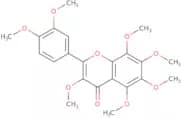
CAS:3,5,6,7,8,3',4'-Heptamethoxyflavone is a polymethoxyflavone, which is a type of flavonoid compound. It is primarily sourced from various citrus fruits, such as oranges and tangerines. These fruits naturally produce polymethoxyflavones as part of their secondary metabolite profiles.Fórmula:C22H24O9Pureza:Min. 95%Forma y color:PowderPeso molecular:432.42 g/mol7-Hydroxyflavone
CAS:7-Hydroxyflavone is a naturally occurring flavone, which is a type of polyphenolic compound found in various plants. It is commonly derived from plant sources such as fruits and vegetables, where it contributes to a range of biological activities. The structure of 7-Hydroxyflavone includes a hydroxyl group, which plays a significant role in its antioxidant capabilities.Fórmula:C15H10O3Peso molecular:238.25 g/molKazinol U
CAS:Kazinol U is a lignan glycoside, which is a naturally occurring compound sourced from Broussonetia kazinoki, a species belonging to the Moraceae family. This compound is characterized by its antioxidant properties, which are largely due to its unique chemical structure that allows it to neutralize reactive oxygen species and reduce oxidative stress.Fórmula:C20H22O4Pureza:Min. 95%Forma y color:PowderPeso molecular:326.39 g/mol4',5-Dihydroxyflavone
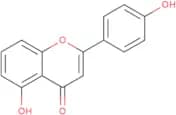
CAS:4',5-Dihydroxyflavone is a naturally occurring flavone, which is a type of polyphenolic compound. It is derived from various plant sources, particularly those rich in flavonoids, such as certain fruits, vegetables, and herbal extracts. The compound's mode of action primarily involves its ability to act as an antioxidant, scavenging free radicals and reducing oxidative stress in biological systems. This antioxidant activity is often linked to neuroprotective properties, as it may help mitigate damage to neurons caused by oxidative stress.
Fórmula:C15H10O4Pureza:Min. 98%Forma y color:PowderPeso molecular:254.24 g/molMyricitrin dihydrate
CAS:Myricitrin dihydrate is a flavonoid glycoside, which is a naturally occurring compound primarily found in the bark, leaves, and fruits of certain plants such as Myrica species. The source of this compound is botanical, extracted from plant material through various methods that preserve its structural integrity and bioactivity.Fórmula:C21H20O12Pureza:Min. 95%Peso molecular:464.38 g/mol6-O-Acetylgenistin
CAS:6-O-Acetylgenistin is a natural compound, classified as an acetylated isoflavone. It is sourced from soybeans, where it is naturally present as part of the plant's secondary metabolites. Isoflavones like 6-O-Acetylgenistin are known for their structural similarity to estrogens and are consequently categorized as phytoestrogens.Fórmula:C23H22O11Pureza:Min. 95 Area-%Forma y color:White PowderPeso molecular:474.41 g/molConrauinone C
CAS:Conrauinone C is an alkaloid, which is a type of naturally occurring chemical compound. It is derived from certain plants, particularly those found in tropical regions, belonging to the Apocynaceae family. This alkaloid exhibits its mode of action by interacting with specific molecular targets in biological systems, potentially modulating cellular pathways and affecting enzyme activity.
Fórmula:C26H28O5Pureza:Min. 95%Peso molecular:420.5 g/mol4',6,7-Trihydroxyisoflavone
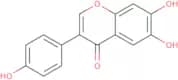
CAS:4',6,7-Trihydroxyisoflavone is a naturally occurring isoflavone, which is a type of phytochemical commonly found in plants. It is primarily derived from legumes and soy products and is known for its presence in various plant-based foods. Isoflavones like 4',6,7-Trihydroxyisoflavone possess a polyphenolic structure, endowing them with significant biological activity, such as antioxidant properties.Fórmula:C15H10O5Pureza:Min. 95%Forma y color:PowderPeso molecular:270.24 g/molSilicristin
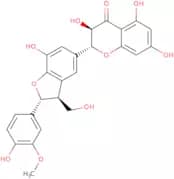
CAS:Silicristin is a flavonolignan compound, which is derived from the seeds of the milk thistle plant, Silybum marianum. This compound is one of the key constituents of silymarin, a complex group of flavonolignans used extensively in herbal medicine. Silicristin is isolated through advanced chromatographic techniques, ensuring high purity and specificity for research applications.
Fórmula:C25H22O10Pureza:Min. 95%Forma y color:White PowderPeso molecular:482.44 g/mol7,3',4',5'-Tetrahydroxyflavone
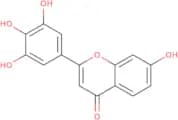
CAS:7,3',4',5'-Tetrahydroxyflavone is a bioactive flavonoid, which is a type of polyphenolic compound. It is derived from natural sources such as plants, where flavonoids are abundant and play crucial roles in plant physiology, including pigmentation and UV filtration. The mode of action of 7,3',4',5'-Tetrahydroxyflavone involves scavenging free radicals and inhibiting pathways that lead to oxidative stress and inflammation. This compound can modulate cellular signaling pathways and gene expression, contributing to its potential therapeutic effects.Fórmula:C15H10O6Pureza:Min. 95%Forma y color:PowderPeso molecular:286.24 g/mol6-Hydroxyflavanone
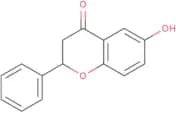
CAS:6-Hydroxyflavanone is a flavonoid derivative, which is a naturally occurring compound found in various plants. It is primarily extracted from citrus fruits and other botanicals rich in flavonoids. The compound acts through its antioxidant and anti-inflammatory properties, effectively scavenging free radicals and modulating inflammatory pathways. This mechanism is crucial in reducing oxidative stress and moderating immune responses, which has implications for both cellular protection and therapeutic applications.Fórmula:C15H12O3Pureza:Min. 95%Forma y color:PowderPeso molecular:240.25 g/molTectochrysin
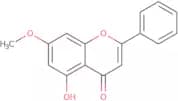
CAS:Tectochrysin is a naturally occurring flavonoid, which is derived from the heartwood of certain trees, such as those from the genus Albizzia. This compound exhibits its effects primarily through antioxidant and anti-inflammatory activities, mediated by the modulation of various signaling pathways. Specifically, Tectochrysin has been shown to inhibit the activity of nuclear factor-kappa B (NF-κB) and other pro-inflammatory mediators, while also enhancing the expression of antioxidative enzymes.Fórmula:C16H12O4Pureza:Min. 95%Forma y color:PowderPeso molecular:268.26 g/molQuercetin-3-arabinofuranoside
CAS:Quercetin-3-arabinofuranoside is a flavonoid, a type of plant-derived polyphenolic compound. It is sourced from various plant species, particularly fruits, vegetables, and grains, where it functions as a secondary metabolite. This compound acts primarily through antioxidant mechanisms, neutralizing free radicals and reducing oxidative stress in biological systems. Additionally, it may interact with various cellular signaling pathways, modulating enzyme activities and gene expression.
Fórmula:C20H20O11Pureza:Min. 95%Peso molecular:436.37 g/mol7,3',4',5'-Tetra methoxyflavone
CAS:7,3',4',5'-Tetra methoxyflavone is a polymethoxyflavone, which is a type of flavonoid compound. This compound is typically derived from various plant sources, particularly those in the Citrus genus. It possesses structural complexity due to its four methoxy groups, which contribute to its biological activity.Fórmula:C19H18O6Pureza:Min. 95%Peso molecular:342.34 g/molQuercetin-3-arabinoglucoside
CAS:Quercetin-3-arabinoglucoside is a flavonoid glycoside, which is a phytochemical derived primarily from a variety of plant sources, including fruits, vegetables, and medicinal plants. This compound acts as a potent antioxidant by scavenging free radicals, thereby protecting cells from oxidative stress, which can lead to cellular damage and various diseases.Fórmula:C26H28O16Pureza:Min. 95%Forma y color:PowderPeso molecular:596.49 g/molEriodictyol - 90%
CAS:Eriodictyol - 90% is a highly purified flavonoid, specifically a flavanone, commonly derived from the Eriodictyon californicum plant, also known as yerba santa. This compound, noted for its significant antioxidant properties, interacts with cellular signaling pathways by modulating oxidative stress and inhibiting inflammatory enzymes. Eriodictyol achieves these effects primarily through its ability to scavenge free radicals and modulate the activity of various kinases and transcription factors involved in the inflammatory response.
Fórmula:C15H12O6Pureza:Min. 95%Forma y color:White PowderPeso molecular:288.25 g/molAcacetin-7-neohesperidoside
CAS:Acacetin-7-neohesperidoside is a chemical compound that is classified as a flavonoid glycoside. Derived from various plant sources, particularly those within the Asteraceae family, it serves as a key subject in scientific investigations due to its diverse biological activities. The mode of action is primarily linked to its ability to modulate signaling pathways within cells, exhibiting potential anti-inflammatory and antioxidant effects. As a researcher, understanding its interaction with cellular pathways is crucial for advancing therapeutic applications.Fórmula:C28H32O14Pureza:Min. 98 Area-%Forma y color:Pale yellow solid.Peso molecular:592.55 g/mol3,2',4',5',6-Pentahydroxyflavone
CAS:3,2',4',5',6-Pentahydroxyflavone is a flavonoid compound, often studied for its intricate chemical properties. It is derived from various plant sources, where it occurs naturally as a secondary metabolite. As a flavonoid, it is notable for its polyphenolic structure, contributing to its role as an antioxidant. The mode of action involves neutralizing free radicals and chelating metal ions, thereby reducing oxidative stress within biological systems.Fórmula:C15H10O7Pureza:Min. 95%Forma y color:PowderPeso molecular:302.24 g/mol7,2'-Dimethoxy-4'-hydroxyisoflavone
CAS:7,2'-Dimethoxy-4'-hydroxyisoflavone is a naturally occurring isoflavone, which is a type of phytochemical commonly found in various plants. Isoflavones are known for their structural similarity to estrogens and their presence in legumes like soy. The source of 7,2'-Dimethoxy-4'-hydroxyisoflavone is primarily plant-based, particularly from species known for high isoflavone content.
Fórmula:C17H14O5Pureza:Min. 95%Peso molecular:298.29 g/mol