Flavonoides
Subcategorías de "Flavonoides"
- Antocianidinas(46 productos)
- Antocianina(46 productos)
- Catequina(88 productos)
- Chalconas(237 productos)
- Pterocarpan(28 productos)
Se han encontrado 2408 productos de "Flavonoides"
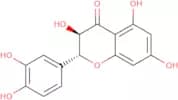
(+/-)-Taxifolin
CAS:(+/-)-Taxifolin is a flavonoid compound, which is a type of polyphenolic antioxidant. It is derived primarily from natural sources such as the Siberian larch tree (Larix sibirica), among other plant species. Its mode of action involves the scavenging of free radicals and inhibition of oxidative stress pathways, contributing to reduced cellular damage caused by reactive oxygen species (ROS). Furthermore, taxifolin modulates the activity of various enzymes and receptors involved in inflammatory pathways, thereby exerting anti-inflammatory effects.Fórmula:C15H12O7Pureza:Min. 95%Forma y color:PowderPeso molecular:304.25 g/mol3-Hydroxy-2',4',5'-trimethoxyflavone
CAS:3-Hydroxy-2',4',5'-trimethoxyflavone is a naturally occurring flavone, which is a type of polyphenolic compound. This compound is typically derived from plant sources, where it is biosynthesized as part of the plant’s secondary metabolism. The mode of action for flavones like 3-Hydroxy-2',4',5'-trimethoxyflavone involves modulating various biochemical pathways, including antioxidant activity and enzyme inhibition, which may affect various metabolic and cellular processes.Fórmula:C18H16O6Pureza:Min. 95%Peso molecular:328.32 g/mol7,2',4'-Tribenzyloxyisoflavone
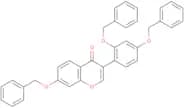
CAS:7,2',4'-Tribenzyloxyisoflavone is a synthetic compound, which is a derivative of isoflavones, known for its potential role in biochemical and pharmacological research. This compound is primarily sourced through chemical synthesis involving the modification of the isoflavone structure by introducing benzyloxy groups, which alters its physicochemical properties and enhances its stability and solubility for research purposes.
Fórmula:C36H28O5Pureza:Min. 95%Peso molecular:540.6 g/mol3',4',7-Trihydroxyisoflavone
CAS:3',4',7-Trihydroxyisoflavone is a naturally occurring isoflavone, which is derived from plants, particularly those in the legume family. This compound is part of the flavonoid class of polyphenols, known for their extensive presence in various plant and food sources. The source of 3',4',7-Trihydroxyisoflavone can often be traced back to soybeans and other similar legumes, which are rich in these phenolic compounds.Fórmula:C15H10O5Pureza:Min. 95%Forma y color:Slightly Yellow PowderPeso molecular:270.24 g/molIsopomiferin-3',4'-dimethyl ether
Isopomiferin-3',4'-dimethyl ether is a bioactive compound, which is a naturally-occurring flavonoid derivative. It is sourced from various plant species, often found in traditional medicinal plants, exhibiting diverse biological activities due to its complex chemical structure. The mode of action involves interaction with cellular pathways, potentially influencing enzymes and receptor signaling, offering valuable insight into its biochemical and pharmacological properties.Fórmula:C27H28O6Pureza:Min. 95%Forma y color:PowderPeso molecular:448.51 g/molLuteolin-7-glucuronide
CAS:Luteolin-7-glucuronide is a flavonoid glucuronide, which is a metabolite of luteolin found in various plants. It is a naturally occurring compound sourced primarily from herbs and vegetables such as celery, parsley, and artichokes. Its mode of action involves the modulation of oxidative stress and inflammation through its capacity to scavenge free radicals and inhibit inflammatory pathways. This compound exerts its effects by modulating signaling pathways, such as NF-κB and MAPK, contributing to its anti-inflammatory properties.
Fórmula:C21H18O12Pureza:Min. 98 Area-%Forma y color:PowderPeso molecular:462.36 g/mol7,2'-Dibenzyloxy-4'-methoxyisoflavone
CAS:7,2'-Dibenzyloxy-4'-methoxyisoflavone is a synthetic isoflavone compound, which is derived from chemical synthesis processes rather than natural sources. Isoflavones are a class of flavonoids often studied for their diverse biological activities, including antioxidant, anti-inflammatory, and potential anticancer properties. This compound is characterized by its unique chemical structure that incorporates benzyl and methoxy groups, possibly enhancing its pharmacokinetic profile and efficacy.
Fórmula:C30H24O5Pureza:Min. 95%Peso molecular:464.51 g/molEpimedin C
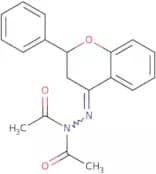
CAS:Epimedin C is a flavonoid compound, which is derived from natural sources, specifically from plants belonging to the genus Epimedium. It is a bioactive constituent commonly found in traditional Chinese medicinal herbs known as "Horny Goat Weed." The mode of action of Epimedin C involves the modulation of various biological pathways, including the inhibition of specific enzymes and interaction with estrogen receptors. These actions contribute to its potential effects on bone health, cardiovascular function, and sexual health.Fórmula:C39H50O19Pureza:Min. 95%Forma y color:PowderPeso molecular:822.8 g/molFlavanone diacetyl hydrazone
CAS:Flavanone diacetyl hydrazone is a hydrogenated flavonoid derivative, which is synthesized from natural flavonoid sources. This compound exhibits its mode of action primarily through its ability to donate hydrogen atoms, effectively scavenging free radicals and inhibiting oxidative stress. Furthermore, it interacts with various cellular pathways to exert anti-inflammatory effects, making it a potential therapeutic agent in oxidative stress-related disorders.
Fórmula:C19H18N2O3Pureza:Min. 95%Peso molecular:322.36 g/mol3,7,8,3',4'-Pentahydroxyflavone
CAS:3,7,8,3',4'-Pentahydroxyflavone is a naturally occurring flavonoid, which is commonly found in plants and contributes to their defensive mechanisms. This compound is sourced from a variety of plant materials, where it acts as a potent antioxidant by scavenging free radicals and inhibiting oxidative stress pathways.
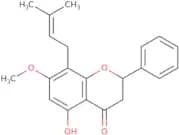
Fórmula:C15H10O7Pureza:Min. 95%Forma y color:PowderPeso molecular:302.24 g/mol5-Hydroxy-7-methoxy-8-prenylflavanone
CAS:5-Hydroxy-7-methoxy-8-prenylflavanone is a flavanone compound, a type of polyphenolic molecule. This compound is typically derived from certain plant sources, such as medicinal herbs, known for their rich flavonoid content. The mode of action of 5-Hydroxy-7-methoxy-8-prenylflavanone involves modulating biological pathways, potentially through antioxidant activities and interactions with cellular receptors and enzymes. Its bioactive properties contribute to its potential as a therapeutic agent.Fórmula:C21H22O4Pureza:Min. 95%Peso molecular:338.4 g/mol3,6,2'-Trimethoxyflavone
CAS:3,6,2'-Trimethoxyflavone is a synthetic flavonoid compound, which is derived from structural modifications of naturally occurring flavones found in various plants. Flavonoids are a class of polyphenolic compounds known for their diverse biological activities. The synthetic derivation of this compound allows researchers to explore modifications that can enhance or diversify its biological properties.Fórmula:C18H16O5Pureza:Min. 95%Forma y color:PowderPeso molecular:312.32 g/molEucomin dimethyl ether
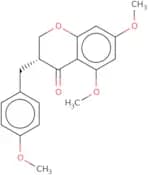
CAS:Eucomin dimethyl ether is a synthetic compound, which is a specially synthesized chemical molecule derived through a series of controlled laboratory reactions. Its mode of action involves acting as a methylating agent where it can add methyl groups to other compounds, a key property exploited in various chemical syntheses.Fórmula:C19H20O5Pureza:Min. 95%Peso molecular:328.36 g/molGlycitein
CAS:Glycitein is an isoflavone compound, which is a type of phytoestrogen primarily derived from soy products. It is sourced from soybeans, where it functions as a secondary metabolite. In biochemical terms, glycitein exhibits modes of action characterized by its estrogenic and antioxidant activities. It interacts with estrogen receptors in the body, mimicking the hormone's effects to a certain extent, which can influence numerous physiological processes.Fórmula:C16H12O5Pureza:Min. 95%Forma y color:PowderPeso molecular:284.26 g/molMyricetin trimethyl ether
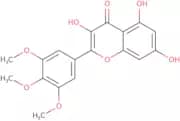
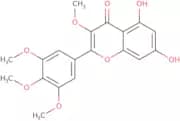
CAS:Myricetin trimethyl ether is a flavonoid derivative, which is a metabolite of myricetin, a naturally occurring flavonoid found in various fruits, vegetables, and herbs. This compound is of significant interest due to its potential bioactive properties. It is commonly studied within the context of its antioxidative mechanisms, where it functions by neutralizing free radicals and attenuating oxidative stress, a key factor implicated in the pathogenesis of numerous chronic diseases.Fórmula:C18H16O8Forma y color:PowderPeso molecular:360.31 g/mol7,3',4'-Trihydroxy-3,5-dimethoxyflavone
CAS:7,3',4'-Trihydroxy-3,5-dimethoxyflavone is a flavonoid compound, which is a type of naturally occurring polyphenol. It is primarily derived from various plant sources, including medicinal herbs and fruits, known for their bioactive properties. The mode of action of this compound is associated with its antioxidant activity, which involves scavenging free radicals and reducing oxidative stress in biological systems.Fórmula:C17H14O7Pureza:Min. 95%Forma y color:PowderPeso molecular:330.29 g/mol3,7-Dihydroxy-5,8-dimethoxyflavanone
CAS:3,7-Dihydroxy-5,8-dimethoxyflavanone is a flavonoid derivative, which is a type of polyphenolic compound commonly found in various plants. Flavonoids are known for their wide-ranging biological activities and are often studied for their roles in plant defense mechanisms. This compound can be sourced from plants such as those in the genus Citrus, where it contributes to the plant's metabolic pathways and confers resistance against pathogens.Fórmula:C17H16O6Pureza:Min. 95%Peso molecular:316.31 g/mol5-Hydroxyflavone
CAS:5-Hydroxyflavone is a naturally occurring flavonoid, which is a type of polyphenolic compound found in various plants. It is primarily derived from sources such as fruits, vegetables, and certain herbs. The mode of action of 5-Hydroxyflavone involves its ability to act as an antioxidant, scavenging free radicals and thereby protecting cells from oxidative stress. This compound may also interact with and modulate various signaling pathways in the body, influencing cellular functions and health outcomes.Fórmula:C15H10O3Pureza:Min. 95%Forma y color:PowderPeso molecular:238.24 g/molNaringin
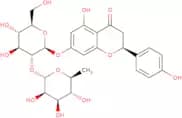
CAS:Naringin is a bioflavonoid, which is a secondary metabolite predominantly found in citrus fruits, particularly in grapefruits and oranges. This compound is sourced from the peels and juices of these fruits, where it serves as a major constituent contributing to their distinct bitter taste.Fórmula:C27H32O14Pureza:Min. 95.0 Area-%Forma y color:White PowderPeso molecular:580.53 g/molMyricetin methylether
CAS:Myricetin methylether is a flavonoid derivative, which is a naturally occurring compound structurally related to the primary flavonoid, myricetin. This compound is typically derived from plant sources, where myricetin and its derivatives are commonly found in various fruits, vegetables, and herbs. The primary mode of action of myricetin methylether involves its interaction with cellular oxidative processes and enzyme modulation, which can lead to a variety of biological effects, including antioxidant properties and enzyme inhibition.
Fórmula:C19H18O8Pureza:Min. 95%Forma y color:Yellow PowderPeso molecular:374.34 g/mol