


Anticuerpos primarios
Los anticuerpos primarios son inmunoglobulinas que se unen específicamente a un antígeno de interés, permitiendo la detección y cuantificación de proteínas, péptidos u otras biomoléculas. Estos anticuerpos son herramientas fundamentales en una amplia gama de aplicaciones, como el Western blot, la inmunohistoquímica y el ELISA. En CymitQuimica, ofrecemos una extensa selección de anticuerpos primarios de alta calidad que brindan especificidad y sensibilidad para diversas necesidades de investigación, incluidas las áreas de cáncer, inmunología y biología celular.
Subcategorías de "Anticuerpos primarios"
- Anticuerpos para la investigación del cáncer(3.620 productos)
- Anticuerpos cardiovasculares(2 productos)
- Biología del desarrollo(751 productos)
- Anticuerpos Epigenéticos(162 productos)
- Anticuerpos inmunológicos(2.790 productos)
- Anticuerpos del metabolismo(279 productos)
- Anticuerpos de microbiología(736 productos)
- Transducción de señales(2.717 productos)
- Etiquetas y marcadores celulares(33 productos)
Mostrar 1 subcategorías más
Se han encontrado 75326 productos de "Anticuerpos primarios"
Ordenar por
Pureza (%)
0
100
|
0
|
50
|
90
|
95
|
100
Sodium 3-(N-Ethylanilino)propanesulfonate [for Biochemical Research]
CAS:Fórmula:C11H16NNaO3SPureza:>98.0%(HPLC)Forma y color:White to Almost white powder to crystalPeso molecular:265.30o-Dianisidine [for Biochemical Research]
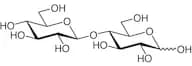
CAS:Fórmula:C14H16N2O2Pureza:>90.0%(T)Forma y color:Yellow to Amber to Dark purple powder to crystalPeso molecular:244.29D-(+)-Cellobiose
CAS:Fórmula:C12H22O11Pureza:>98.0%(HPLC)Forma y color:White to Almost white powder to crystalPeso molecular:342.30SialylGb5 Ceramide
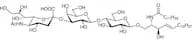
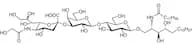
Fórmula:C77H136N3NaO36Pureza:>95.0%(HPLC)Forma y color:White to Light yellow powder to crystalPeso molecular:1,702.91Ganglioside GM3(Neu5Gc) (phyto-type)
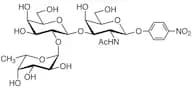
CAS:Fórmula:C59H110N2O23Pureza:min. 95.0 area%(HPLC)Forma y color:SolidPeso molecular:1,215.52Fucα(1-2)Galβ(1-3)GalNAc-β-pNP (=H type 3 β-pNP Glycoside)
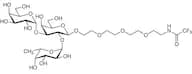
Fórmula:C26H38N2O17Forma y color:SolidPeso molecular:650.59Sialyl Lewis X-Lactose Ethylazide
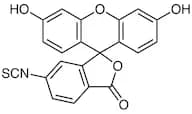
Fórmula:C45H75N5O33Pureza:min. 95.0 area%(HPLC)Forma y color:SolidPeso molecular:1,214.10Fluorescein 6-Isothiocyanate (isomer II)
CAS:Fórmula:C21H11NO5SPureza:>97.0%(T)(HPLC)Forma y color:Yellow to Amber powder to crystalPeso molecular:389.38N-(2-Hydroxy-3-sulfopropyl)-3,5-dimethoxyaniline Sodium Salt [for Biochemical Research]
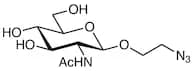
CAS:Fórmula:C11H16NNaO6SPureza:>98.0%(HPLC)Forma y color:White to Light yellow to Light orange powder to crystalPeso molecular:313.302-Azidoethyl 2-Acetamido-2-deoxy-β-D-glucopyranoside
CAS:Fórmula:C10H18N4O6Pureza:>98.0%(HPLC)Forma y color:White to Almost white powder to crystalPeso molecular:290.28Sodium 3-[Ethyl(m-tolyl)amino]-2-hydroxy-1-propanesulfonate
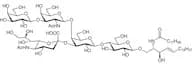
CAS:Fórmula:C12H18NNaO4SPureza:>98.0%(HPLC)Forma y color:White to Almost white powder to crystalPeso molecular:295.33Sialyl Neolactotetraosylceramide (=Sialyl nLc4Cer)
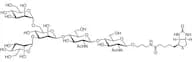
CAS:Fórmula:C73H131N3O31Forma y color:SolidPeso molecular:1,546.84Galβ(1-3)GlcNAc[6S]β(1-3)Galβ(1-4)GlcNAc[6S]-β-PEG3-biotin
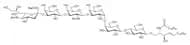
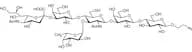
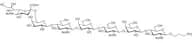
Fórmula:C49H82N6Na2O33S3Pureza:min. 95.0 area%(HPLC)Forma y color:SolidPeso molecular:1,425.36Neu5Acα(2-6)Galβ(1-4)GlcNAcβ(1-3)Galβ(1-4)GlcNAcβ(1-3)Galβ(1-4)GlcNAc-β-propylamine
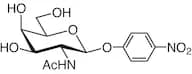
CAS:Fórmula:C56H95N5O39Pureza:min. 95.0 area%(HPLC)Forma y color:SolidPeso molecular:1,462.374-Nitrophenyl 2-Acetamido-2-deoxy-β-D-galactopyranoside
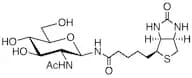
CAS:Fórmula:C14H18N2O8Pureza:min. 98.0 area%(HPLC)Forma y color:White to Almost white powder to crystalinePeso molecular:342.30N-GlcNAc-Biotin
CAS:Fórmula:C18H30N4O7SPureza:>90.0%(qNMR)Forma y color:White to Almost white powder to crystalPeso molecular:446.52Keratanase II from Bacillus circulans, Recombinant
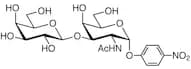
Forma y color:Colorless to Almost colorlessclear liquidGalβ(1-3)GalNAc-α-pNP
CAS:Fórmula:C20H28N2O13Pureza:>97.0%(HPLC)Forma y color:White to Almost white powder to crystalPeso molecular:504.45Glucoamylase from Rhizopus (contains 50% Diatomaceous earth)
CAS:Forma y color:White to Gray to Red powder to crystalM3-biotin
CAS:Fórmula:C47H79N5O28SPureza:min. 95.0 area%(HPLC)Forma y color:SolidPeso molecular:1,194.224-Nitrophenyl Phosphate Di(tris) Salt [Substrate for Phosphatase]
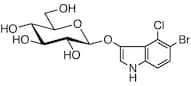
CAS:Fórmula:C6H6NO6P·(C4H11NO3)2Pureza:>90.0%(T)Forma y color:White to Orange to Green powder to crystalinePeso molecular:461.365-Bromo-4-chloro-3-indolyl β-D-Glucopyranoside
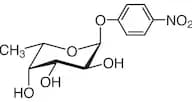
CAS:Fórmula:C14H15BrClNO6Pureza:>98.0%(HPLC)Forma y color:White to Light yellow powder to crystalPeso molecular:408.634-Nitrophenyl α-L-Fucopyranoside
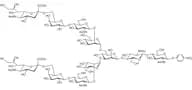
CAS:Fórmula:C12H15NO7Pureza:>98.0%(HPLC)Forma y color:White to Light yellow powder to crystalinePeso molecular:285.25Disialylnonasaccharide-β-pNP
CAS:Fórmula:C90H141N7O64Pureza:>98.0%(HPLC)Forma y color:White to Light yellow powder to crystalPeso molecular:2,345.10Glucose Oxidase from Aspergillus niger
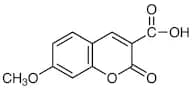
CAS:Forma y color:Light yellow to Yellow to Orange powder to crystal7-Methoxycoumarin-3-carboxylic Acid
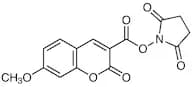
CAS:Fórmula:C11H8O5Pureza:>98.0%(GC)(T)Forma y color:White to Almost white powder to crystalPeso molecular:220.18N-Succinimidyl 7-Methoxycoumarin-3-carboxylate
CAS:Fórmula:C15H11NO7Pureza:>98.0%(HPLC)(N)Forma y color:White to Almost white powder to crystalPeso molecular:317.254-Aminoantipyrine [for Biochemical Research]
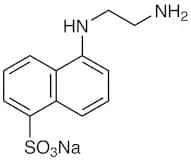
CAS:Fórmula:C11H13N3OPureza:>98.0%(T)Forma y color:White to Light yellow to Light orange powder to crystalPeso molecular:203.25Sodium 5-(2-Aminoethylamino)-1-naphthalenesulfonate
CAS:Fórmula:C12H13N2NaO3SPureza:>98.0%(HPLC)Forma y color:Light orange to Yellow to Green powder to crystalPeso molecular:288.302-(4-Iodophenyl)-3-(4-nitrophenyl)-5-phenyltetrazolium Chloride [for Biochemical Research]
CAS:Fórmula:C19H13ClIN5O2Pureza:>98.0%(HPLC)Forma y color:White to Yellow to Orange powder to crystalPeso molecular:505.705-Bromo-3-indolyl β-D-Galactopyranoside [for Biochemical Research]
CAS:Fórmula:C14H16BrNO6Pureza:>98.0%(HPLC)Forma y color:White to Almost white powder to crystalPeso molecular:374.195-Bromo-4-chloro-3-indolyl Phosphate p-Toluidine Salt [for Biochemical Research]
CAS:Fórmula:C8H6BrClNO4P·C7H9NPureza:>98.0%(T)Forma y color:White to Orange to Green powder to crystalPeso molecular:433.62T2R8 rabbit pAb
This gene product belongs to the family of candidate taste receptors that are members of the G-protein-coupled receptor superfamily. These proteins are specifically expressed in the taste receptor cells of the tongue and palate epithelia. They are organized in the genome in clusters and are genetically linked to loci that influence bitter perception in mice and humans. In functional expression studies, they respond to bitter tastants. This gene maps to the taste receptor gene cluster on chromosome 12p13. [provided by RefSeq, Jul 2008],IRS-1 (phospho-Ser636/639) rabbit pAb
This gene encodes a protein which is phosphorylated by insulin receptor tyrosine kinase. Mutations in this gene are associated with type II diabetes and susceptibility to insulin resistance. [provided by RefSeq, Nov 2009],ACAP1 (phospho Ser554) rabbit pAb
domain:PH domain binds phospholipids including phosphatidic acid, phosphatidylinositol 3-phosphate, phosphatidylinositol 3,5-bisphosphate (PIP2) and phosphatidylinositol 3,4,5-trisphosphate (PIP3). May mediate ACAP1-binding to PIP2 or PIP3 containing membranes.,enzyme regulation:GAP activity stimulated by phosphatidylinositol 4,5-bisphosphate (PIP2) and phosphatidic acid.,function:GTPase-activating protein (GAP) for ADP ribosylation factor 6 (ARF6) required for clathrin-dependent export of proteins from recycling endosomes to trans-Golgi network and cell surface.,miscellaneous:Cells overexpressing ACAP1 show an accumulation of ITGB1 in recycling endosomes and inhibition of stimulation-dependent cell migration. Cells with reduced levels of ACAP1 or AKT1 and AKT2 show inhibition of stimulation-dependent cell migration. Cells overexpressing ACAP1 and PIP5K1C show formation of tubular structures derived from endosomal membranes.,PTM:Phosphorylation at Ser-554 by PKB is required for interaction with ITGB1, export of ITGB1 from recycling endosomes to the cell surface and ITGB1-dependent cell migration.,similarity:Contains 1 Arf-GAP domain.,similarity:Contains 1 BAR domain.,similarity:Contains 1 PH domain.,similarity:Contains 3 ANK repeats.,subunit:Interacts with GTP-bound ARF6. Interacts with third cytoplasmic loop of SLC2A4/GLUT4. Interacts with CLTC. Interacts with GULP1. Forms a complex with GDP-bound ARF6 and GULP1.,tissue specificity:Highest level in lung and spleen. Low level in heart, kidney, liver and pancreas.,CCP3 rabbit pAb
cofactor:Binds 1 zinc ion per subunit.,function:May play a role in the processing of tubulin.,similarity:Belongs to the peptidase M14 family.,CPA1 rabbit pAb
This gene encodes a member of the carboxypeptidase A family of zinc metalloproteases. This enzyme is produced in the pancreas and preferentially cleaves C-terminal branched-chain and aromatic amino acids from dietary proteins. This gene and several family members are present in a gene cluster on chromosome 7. Mutations in this gene may be linked to chronic pancreatitis, while elevated protein levels may be associated with pancreatic cancer. [provided by RefSeq, Jan 2015],ApoF rabbit pAb
The product of this gene is one of the minor apolipoproteins found in plasma. This protein forms complexes with lipoproteins and may be involved in transport and/or esterification of cholesterol. [provided by RefSeq, Jul 2008],MDM2 rabbit pAb
This gene encodes a nuclear-localized E3 ubiquitin ligase. The encoded protein can promote tumor formation by targeting tumor suppressor proteins, such as p53, for proteasomal degradation. This gene is itself transcriptionally-regulated by p53. Overexpression or amplification of this locus is detected in a variety of different cancers. There is a pseudogene for this gene on chromosome 2. Alternative splicing results in a multitude of transcript variants, many of which may be expressed only in tumor cells. [provided by RefSeq, Jun 2013],OR7A2 rabbit pAb
Olfactory receptors interact with odorant molecules in the nose, to initiate a neuronal response that triggers the perception of a smell. The olfactory receptor proteins are members of a large family of G-protein-coupled receptors (GPCR) arising from single coding-exon genes. Olfactory receptors share a 7-transmembrane domain structure with many neurotransmitter and hormone receptors and are responsible for the recognition and G protein-mediated transduction of odorant signals. The olfactory receptor gene family is the largest in the genome. The nomenclature assigned to the olfactory receptor genes and proteins for this organism is independent of other organisms. [provided by RefSeq, Jul 2008],IRX3 rabbit pAb
IRX3 is a member of the Iroquois homeobox gene family (see IRX1; MIM 606197) and plays a role in an early step of neural development (Bellefroid et al., 1998 [PubMed 9427753]). Members of this family appear to play multiple roles during pattern formation of vertebrate embryos (Lewis et al., 1999 [PubMed 10370142]).[supplied by OMIM, Aug 2009],IL-20Rα rabbit pAb
This gene encodes a member of the type II cytokine receptor family. The encoded protein is a subunit of the receptor for interleukin 20, a cytokine that may be involved in epidermal function. The interleukin 20 receptor is a heterodimeric complex consisting of the encoded protein and interleukin 20 receptor beta. This gene and interleukin 20 receptor beta are highly expressed in skin, and are upregulated in psoriasis. Alternative splicing results in multiple transcript variants. [provided by RefSeq, Jul 2013],PKC θ rabbit pAb
Protein kinase C (PKC) is a family of serine- and threonine-specific protein kinases that can be activated by calcium and the second messenger diacylglycerol. PKC family members phosphorylate a wide variety of protein targets and are known to be involved in diverse cellular signaling pathways. PKC family members also serve as major receptors for phorbol esters, a class of tumor promoters. Each member of the PKC family has a specific expression profile and is believed to play a distinct role. The protein encoded by this gene is one of the PKC family members. It is a calcium-independent and phospholipid-dependent protein kinase. This kinase is important for T-cell activation. It is required for the activation of the transcription factors NF-kappaB and AP-1, and may link the T cell receptor (TCR) signaling complex to the activation of the transcription factors. [provided by RefSeq, Jul 2008],SYP rabbit pAb
This gene encodes an integral membrane protein of small synaptic vesicles in brain and endocrine cells. The protein also binds cholesterol and is thought to direct targeting of vesicle-associated membrane protein 2 (synaptobrevin) to intracellular compartments. Mutations in this gene are associated with X-linked mental retardation (XLMR). [provided by RefSeq, Aug 2011],MAN1 rabbit pAb
This locus encodes a LEM domain-containing protein. The encoded protein functions to antagonize transforming growth factor-beta signaling at the inner nuclear membrane. Two transcript variants encoding different isoforms have been found for this gene. Mutations in this gene have been associated with osteopoikilosis, Buschke-Ollendorff syndrome and melorheostosis.[provided by RefSeq, Nov 2009],KCTD3 rabbit pAb
This gene encodes a member of the potassium channel tetramerization-domain containing (KCTD) protein family. Members of this protein family regulate the biophysical characteristics of ion channels. In mouse, this protein interacts with hyperpolarization-activated cyclic nucleotide-gated channel complex 3 and enhances its cell surface expression and current density. Alternative splicing results in multiple transcript variants. [provided by RefSeq, Feb 2016],ZW10 rabbit pAb
This gene encodes a protein that is one of many involved in mechanisms to ensure proper chromosome segregation during cell division. This protein is an essential component of the mitotic checkpoint, which prevents cells from prematurely exiting mitosis. [provided by RefSeq, Aug 2011],ATRIP (phospho Ser224) rabbit pAb
This gene encodes an essential component of the DNA damage checkpoint. The encoded protein binds to single-stranded DNA coated with replication protein A. The protein also interacts with the ataxia telangiectasia and Rad3 related protein kinase, resulting in its accumulation at intranuclear foci induced by DNA damage. Multiple transcript variants encoding different isoforms have been found for this gene. [provided by RefSeq, Aug 2012],14-3-3 β/ζ rabbit pAb
This gene product belongs to the 14-3-3 family of proteins which mediate signal transduction by binding to phosphoserine-containing proteins. This highly conserved protein family is found in both plants and mammals, and this protein is 99% identical to the mouse, rat and sheep orthologs. The encoded protein interacts with IRS1 protein, suggesting a role in regulating insulin sensitivity. Several transcript variants that differ in the 5' UTR but that encode the same protein have been identified for this gene. [provided by RefSeq, Oct 2008],AP-2α/β rabbit pAb
transcription factor AP-2 alpha(TFAP2A) Homo sapiens The protein encoded by this gene is a transcription factor that binds the consensus sequence 5'-GCCNNNGGC-3'. The encoded protein functions as either a homodimer or as a heterodimer with similar family members. This protein activates the transcription of some genes while inhibiting the transcription of others. Defects in this gene are a cause of branchiooculofacial syndrome (BOFS). Three transcript variants encoding different isoforms have been found for this gene.[provided by RefSeq, Dec 2009],EGFR (phospho Ser1026) rabbit pAb
The protein encoded by this gene is a transmembrane glycoprotein that is a member of the protein kinase superfamily. This protein is a receptor for members of the epidermal growth factor family. EGFR is a cell surface protein that binds to epidermal growth factor. Binding of the protein to a ligand induces receptor dimerization and tyrosine autophosphorylation and leads to cell proliferation. Mutations in this gene are associated with lung cancer. [provided by RefSeq, Jun 2016],Cortactin (phospho Tyr466) rabbit pAb
cortactin(CTTN) Homo sapiens This gene is overexpressed in breast cancer and squamous cell carcinomas of the head and neck. The encoded protein is localized in the cytoplasm and in areas of the cell-substratum contacts. This gene has two roles: (1) regulating the interactions between components of adherens-type junctions and (2) organizing the cytoskeleton and cell adhesion structures of epithelia and carcinoma cells. During apoptosis, the encoded protein is degraded in a caspase-dependent manner. The aberrant regulation of this gene contributes to tumor cell invasion and metastasis. Three splice variants that encode different isoforms have been identified for this gene. [provided by RefSeq, May 2010],Raf-1 rabbit pAb
This gene is the cellular homolog of viral raf gene (v-raf). The encoded protein is a MAP kinase kinase kinase (MAP3K), which functions downstream of the Ras family of membrane associated GTPases to which it binds directly. Once activated, the cellular RAF1 protein can phosphorylate to activate the dual specificity protein kinases MEK1 and MEK2, which in turn phosphorylate to activate the serine/threonine specific protein kinases, ERK1 and ERK2. Activated ERKs are pleiotropic effectors of cell physiology and play an important role in the control of gene expression involved in the cell division cycle, apoptosis, cell differentiation and cell migration. Mutations in this gene are associated with Noonan syndrome 5 and LEOPARD syndrome 2. [provided by RefSeq, Jul 2008],INSL6 rabbit pAb
The protein encoded by this gene contains a classical signature of the insulin superfamily and is significantly similar to relaxin and relaxin-like factor. This gene is preferentially expressed in testis. Its expression in testis is restricted to interstitial cells surrounding seminiferous tubules, which suggests a role in sperm development and fertilization. [provided by RefSeq, Jul 2008],RIPK4 rabbit pAb
The protein encoded by this gene is a serine/threonine protein kinase that interacts with protein kinase C-delta. The encoded protein can also activate NFkappaB and is required for keratinocyte differentiation. This kinase undergoes autophosphorylation. [provided by RefSeq, Jul 2008],SDF-1 rabbit pAb
C-X-C motif chemokine ligand 12(CXCL12) Homo sapiens This antimicrobial gene encodes a stromal cell-derived alpha chemokine member of the intercrine family. The encoded protein functions as the ligand for the G-protein coupled receptor, chemokine (C-X-C motif) receptor 4, and plays a role in many diverse cellular functions, including embryogenesis, immune surveillance, inflammation response, tissue homeostasis, and tumor growth and metastasis. Mutations in this gene are associated with resistance to human immunodeficiency virus type 1 infections. Multiple transcript variants encoding different isoforms have been found for this gene. [provided by RefSeq, Sep 2014],CYB5R1 rabbit pAb
catalytic activity:NADH + 2 ferricytochrome b5 = NAD(+) + H(+) + 2 ferrocytochrome b5.,cofactor:FAD.,function:NADH-cytochrome b5 reductases are involved in desaturation and elongation of fatty acids, cholesterol biosynthesis, drug metabolism, and, in erythrocyte, methemoglobin reduction.,similarity:Belongs to the flavoprotein pyridine nucleotide cytochrome reductase family.,similarity:Contains 1 FAD-binding FR-type domain.,tissue specificity:Widely expressed.,TFIIE-β rabbit pAb
function:Recruits TFIIH to the initiation complex and stimulates the RNA polymerase II C-terminal domain kinase and DNA-dependent ATPase activities of TFIIH. Both TFIIH and TFIIE are required for promoter clearance by RNA polymerase.,similarity:Belongs to the TFIIE beta subunit family.,similarity:Contains 1 TFIIE beta DNA-binding domain.,subunit:Tetramer of two alpha and two beta chains. Interacts with FACT subunit SUPT16H.,AAT rabbit pAb
The protein encoded by this gene is secreted and is a serine protease inhibitor whose targets include elastase, plasmin, thrombin, trypsin, chymotrypsin, and plasminogen activator. Defects in this gene can cause emphysema or liver disease. Several transcript variants encoding the same protein have been found for this gene. [provided by RefSeq, Jul 2008],ASPP2 rabbit pAb
This gene encodes a member of the ASPP (apoptosis-stimulating protein of p53) family of p53 interacting proteins. The protein contains four ankyrin repeats and an SH3 domain involved in protein-protein interactions. It is localized to the perinuclear region of the cytoplasm, and regulates apoptosis and cell growth through interactions with other regulatory molecules including members of the p53 family. Multiple transcript variants encoding different isoforms have been found for this gene. [provided by RefSeq, Jul 2008],TCPR2 rabbit pAb
The protein encoded by this gene is a member of the tectonin beta-propeller repeat-containing (TECPR) family, and contains both TECPR and tryptophan-aspartic acid repeat (WD repeat) domains. This gene has been implicated in autophagy, as reduced expression levels of this gene have been associated with impaired autophagy. Recessive mutations in this gene have been associated with a hereditary form of spastic paraparesis (HSP). HSP is characterized by progressive spasticity and paralysis of the legs. There is also some evidence linking mutations in this gene with birdshot chorioretinopathy (BSCR), which results in inflammation of the choroid and retina. Alternative splicing results in multiple transcript variants encoding different isoforms. [provided by RefSeq, Aug 2015],DHRS7 rabbit pAb
This gene encodes a member of the short-chain dehydrogenases/reductases (SDR) family, which has over 46,000 members. Members in this family are enzymes that metabolize many different compounds, such as steroid hormones, prostaglandins, retinoids, lipids and xenobiotics. [provided by RefSeq, Apr 2016],Arginase I rabbit pAb
Arginase catalyzes the hydrolysis of arginine to ornithine and urea. At least two isoforms of mammalian arginase exist (types I and II) which differ in their tissue distribution, subcellular localization, immunologic crossreactivity and physiologic function. The type I isoform encoded by this gene, is a cytosolic enzyme and expressed predominantly in the liver as a component of the urea cycle. Inherited deficiency of this enzyme results in argininemia, an autosomal recessive disorder characterized by hyperammonemia. Two transcript variants encoding different isoforms have been found for this gene. [provided by RefSeq, Sep 2011],Rab 34 rabbit pAb
This gene encodes a protein belonging to the RAB family of proteins, which are small GTPases involved in protein transport. This family member is a Golgi-bound member of the secretory pathway that is involved in the repositioning of lysosomes and the activation of macropinocytosis. Alternative splicing of this gene results in multiple transcript variants. This gene overlaps and shares exon structure with the nine-amino acid residue-repeats (NARR) gene, which encodes a functionally distinct nucleolar protein from a different reading frame. [provided by RefSeq, Jan 2012],Nek9 rabbit pAb
This gene encodes a member of the NimA (never in mitosis A) family of serine/threonine protein kinases. The encoded protein is activated in mitosis and, in turn, activates other family members during mitosis. This protein also mediates cellular processes that are essential for interphase progression. [provided by RefSeq, Jul 2016],NDUB8 rabbit pAb
function:Accessory subunit of the mitochondrial membrane respiratory chain NADH dehydrogenase (Complex I), that is believed to be not involved in catalysis. Complex I functions in the transfer of electrons from NADH to the respiratory chain. The immediate electron acceptor for the enzyme is believed to be ubiquinone.,similarity:Belongs to the complex I NDUFB8 subunit family.,subunit:Complex I is composed of 45 different subunits.,PRAK (phospho Thr182) rabbit pAb
The protein encoded by this gene is a tumor suppressor and member of the serine/threonine kinase family. In response to cellular stress and proinflammatory cytokines, this kinase is activated through its phosphorylation by MAP kinases including MAPK1/ERK, MAPK14/p38-alpha, and MAPK11/p38-beta. The encoded protein is found in the nucleus but translocates to the cytoplasm upon phosphorylation and activation. This kinase phosphorylates heat shock protein HSP27 at its physiologically relevant sites. Two alternately spliced transcript variants of this gene encoding distinct isoforms have been reported. [provided by RefSeq, Nov 2012],GSTM2 rabbit pAb
Cytosolic and membrane-bound forms of glutathione S-transferase are encoded by two distinct supergene families. At present, eight distinct classes of the soluble cytoplasmic mammalian glutathione S-transferases have been identified: alpha, kappa, mu, omega, pi, sigma, theta and zeta. This gene encodes a glutathione S-transferase that belongs to the mu class. The mu class of enzymes functions in the detoxification of electrophilic compounds, including carcinogens, therapeutic drugs, environmental toxins and products of oxidative stress, by conjugation with glutathione. The genes encoding the mu class of enzymes are organized in a gene cluster on chromosome 1p13.3 and are known to be highly polymorphic. These genetic variations can change an individual's susceptibility to carcinogens and toxins as well as affect the toxicity and efficacy of certain drugs. [provided by RefSeq, Jul 2008],PAR15 rabbit pAb
PARP15 is a macrodomain-containing transcriptional repressor with poly(ADP-ribose) polymerase activity (Aguiar et al., 2005 [PubMed 16061477]).[supplied by OMIM, May 2008],Pim-1 rabbit pAb
The protein encoded by this gene belongs to the Ser/Thr protein kinase family, and PIM subfamily. This gene is expressed primarily in B-lymphoid and myeloid cell lines, and is overexpressed in hematopoietic malignancies and in prostate cancer. It plays a role in signal transduction in blood cells, contributing to both cell proliferation and survival, and thus provides a selective advantage in tumorigenesis. Both the human and orthologous mouse genes have been reported to encode two isoforms (with preferential cellular localization) resulting from the use of alternative in-frame translation initiation codons, the upstream non-AUG (CUG) and downstream AUG codons (PMIDs:16186805, 1825810).[provided by RefSeq, Aug 2011],PKC θ (phospho Thr538) rabbit pAb
Protein kinase C (PKC) is a family of serine- and threonine-specific protein kinases that can be activated by calcium and the second messenger diacylglycerol. PKC family members phosphorylate a wide variety of protein targets and are known to be involved in diverse cellular signaling pathways. PKC family members also serve as major receptors for phorbol esters, a class of tumor promoters. Each member of the PKC family has a specific expression profile and is believed to play a distinct role. The protein encoded by this gene is one of the PKC family members. It is a calcium-independent and phospholipid-dependent protein kinase. This kinase is important for T-cell activation. It is required for the activation of the transcription factors NF-kappaB and AP-1, and may link the T cell receptor (TCR) signaling complex to the activation of the transcription factors. [provided by RefSeq, Jul 2008],JAB1 rabbit pAb
The protein encoded by this gene is one of the eight subunits of COP9 signalosome, a highly conserved protein complex that functions as an important regulator in multiple signaling pathways. The structure and function of COP9 signalosome is similar to that of the 19S regulatory particle of 26S proteasome. COP9 signalosome has been shown to interact with SCF-type E3 ubiquitin ligases and act as a positive regulator of E3 ubiquitin ligases. This protein is reported to be involved in the degradation of cyclin-dependent kinase inhibitor CDKN1B/p27Kip1. It is also known to be an coactivator that increases the specificity of JUN/AP1 transcription factors. [provided by RefSeq, Jul 2008],CRADD rabbit pAb
This gene encodes a protein containing a death domain (DD) motif. This protein recruits caspase 2/ICH1 to the cell death signal transduction complex, which includes tumor necrosis factor receptor 1 (TNFR1A) and RIPK1/RIP kinase, and acts in promoting apoptosis. A mutation in this gene was associated with mental retardation. A related pseudogene is found on chromosome 3. Alternative splicing results in multiple transcript variants. [provided by RefSeq, Feb 2016],Ku-70 (Acetyl Lys542) rabbit pAb
The p70/p80 autoantigen is a nuclear complex consisting of two subunits with molecular masses of approximately 70 and 80 kDa. The complex functions as a single-stranded DNA-dependent ATP-dependent helicase. The complex may be involved in the repair of nonhomologous DNA ends such as that required for double-strand break repair, transposition, and V(D)J recombination. High levels of autoantibodies to p70 and p80 have been found in some patients with systemic lupus erythematosus. [provided by RefSeq, Jul 2008],S39A5 rabbit pAb
The protein encoded by this gene belongs to the ZIP family of zinc transporters that transport zinc into cells from outside, and play a crucial role in controlling intracellular zinc levels. Zinc is an essential cofactor for many enzymes and proteins involved in gene transcription, growth, development and differentiation. Mutations in this gene have been associated with autosomal dominant high myopia (MYP24). Alternatively spliced transcript variants have been found for this gene. [provided by RefSeq, Sep 2014],B23 (phospho Thr234) rabbit pAb
This gene encodes a phosphoprotein which moves between the nucleus and the cytoplasm. The gene product is thought to be involved in several processes including regulation of the ARF/p53 pathway. A number of genes are fusion partners have been characterized, in particular the anaplastic lymphoma kinase gene on chromosome 2. Mutations in this gene are associated with acute myeloid leukemia. More than a dozen pseudogenes of this gene have been identified. Alternative splicing results in multiple transcript variants.[provided by RefSeq, Nov 2009],CD45 (phospho Ser1007) rabbit pAb
The protein encoded by this gene is a member of the protein tyrosine phosphatase (PTP) family. PTPs are known to be signaling molecules that regulate a variety of cellular processes including cell growth, differentiation, mitosis, and oncogenic transformation. This PTP contains an extracellular domain, a single transmembrane segment and two tandem intracytoplasmic catalytic domains, and thus is classified as a receptor type PTP. This PTP has been shown to be an essential regulator of T- and B-cell antigen receptor signaling. It functions through either direct interaction with components of the antigen receptor complexes, or by activating various Src family kinases required for the antigen receptor signaling. This PTP also suppresses JAK kinases, and thus functions as a regulator of cytokine receptor signaling. Alternatively spliced transcripts variants of this gene, which encUSP11 rabbit pAb
Protein ubiquitination controls many intracellular processes, including cell cycle progression, transcriptional activation, and signal transduction. This dynamic process, involving ubiquitin conjugating enzymes and deubiquitinating enzymes, adds and removes ubiquitin. Deubiquitinating enzymes are cysteine proteases that specifically cleave ubiquitin from ubiquitin-conjugated protein substrates. This gene encodes a deubiquitinating enzyme which lies in a gene cluster on chromosome Xp11.23 [provided by RefSeq, Jul 2008],NGRN rabbit pAb
function:May be involved in neuronal differentiation.,induction:Highly up-regulated in neuroblastostoma cells by RA treatment inducing neurite outgrowth.,similarity:Belongs to the neugrin family.,tissue specificity:Expressed at high levels in heart, brain and skeletal muscle. In brain, mainly expressed in neurons rather than glial cells.,
![Sodium 3-(N-Ethylanilino)propanesulfonate [for Biochemical Research]](/_next/image/?url=https%3A%2Fstatic.cymitquimica.com%2Fproducts%2F3B%2Fthumb-webp%2FS0817.webp&w=3840&q=75)

![o-Dianisidine [for Biochemical Research]](/_next/image/?url=https%3A%2Fstatic.cymitquimica.com%2Fproducts%2F3B%2Fthumb-webp%2FD3864.webp&w=3840&q=75)
![N-(2-Hydroxy-3-sulfopropyl)-3,5-dimethoxyaniline Sodium Salt [for Biochemical Research]](/_next/image/?url=https%3A%2Fstatic.cymitquimica.com%2Fproducts%2F3B%2Fthumb-webp%2FS0827.webp&w=3840&q=75)

![Sodium 3-[Ethyl(m-tolyl)amino]-2-hydroxy-1-propanesulfonate](/_next/image/?url=https%3A%2Fstatic.cymitquimica.com%2Fproducts%2F3B%2Fthumb-webp%2FS0805.webp&w=3840&q=75)

![Galβ(1-3)GlcNAc[6S]β(1-3)Galβ(1-4)GlcNAc[6S]-β-PEG3-biotin](/_next/image/?url=https%3A%2Fstatic.cymitquimica.com%2Fproducts%2F3B%2Fthumb-webp%2FG0514.webp&w=3840&q=75)



![4-Nitrophenyl Phosphate Di(tris) Salt [Substrate for Phosphatase]](/_next/image/?url=https%3A%2Fstatic.cymitquimica.com%2Fproducts%2F3B%2Fthumb-webp%2FN0422.webp&w=3840&q=75)

![4-Aminoantipyrine [for Biochemical Research]](/_next/image/?url=https%3A%2Fstatic.cymitquimica.com%2Fproducts%2F3B%2Fthumb-webp%2FA2254.webp&w=3840&q=75)

![2-(4-Iodophenyl)-3-(4-nitrophenyl)-5-phenyltetrazolium Chloride [for Biochemical Research]](/_next/image/?url=https%3A%2Fstatic.cymitquimica.com%2Fproducts%2F3B%2Fthumb-webp%2FI0781.webp&w=3840&q=75)
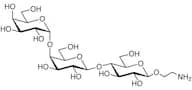
![5-Bromo-3-indolyl β-D-Galactopyranoside [for Biochemical Research]](/_next/image/?url=https%3A%2Fstatic.cymitquimica.com%2Fproducts%2F3B%2Fthumb-webp%2FB3470.webp&w=3840&q=75)
![5-Bromo-4-chloro-3-indolyl Phosphate p-Toluidine Salt [for Biochemical Research]](/_next/image/?url=https%3A%2Fstatic.cymitquimica.com%2Fproducts%2F3B%2Fthumb-webp%2FB1239.webp&w=3840&q=75)

