Anticuerpos primarios
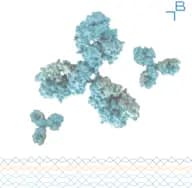
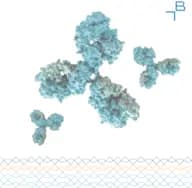
Los anticuerpos primarios son inmunoglobulinas que se unen específicamente a un antígeno de interés, permitiendo la detección y cuantificación de proteínas, péptidos u otras biomoléculas. Estos anticuerpos son herramientas fundamentales en una amplia gama de aplicaciones, como el Western blot, la inmunohistoquímica y el ELISA. En CymitQuimica, ofrecemos una extensa selección de anticuerpos primarios de alta calidad que brindan especificidad y sensibilidad para diversas necesidades de investigación, incluidas las áreas de cáncer, inmunología y biología celular.
Subcategorías de "Anticuerpos primarios"
- Anticuerpos para la investigación del cáncer(3.609 productos)
- Anticuerpos cardiovasculares(2 productos)
- Biología del desarrollo(746 productos)
- Anticuerpos Epigenéticos(162 productos)
- Anticuerpos inmunológicos(2.691 productos)
- Anticuerpos del metabolismo(278 productos)
- Anticuerpos de microbiología(736 productos)
- Transducción de señales(2.710 productos)
- Etiquetas y marcadores celulares(33 productos)
Mostrar 1 subcategorías más
Se han encontrado 69953 productos de "Anticuerpos primarios"
Ordenar por
Pureza (%)
0
100
|
0
|
50
|
90
|
95
|
100
PSCD4 antibody
<p>PSCD4 antibody was raised using the N terminal of PSCD4 corresponding to a region with amino acids NKTAIGTYLGERDPINLQVLQAFVDCHEFANLNLVQALRQFLWSFRLPGE</p>HBcAg antibody
<p>HBcAg antibody is a monoclonal antibody that specifically targets the Hepatitis B core antigen (HBcAg). This antibody has been extensively used in various research studies and diagnostic applications in the field of life sciences. HBcAg is an important marker for the diagnosis and monitoring of Hepatitis B virus (HBV) infection.</p>SHARPIN antibody
<p>The SHARPIN antibody is a powerful tool used in the field of Life Sciences and industrial research. It is specifically designed to target microvessel endothelial cells and inhibit angiogenesis, the process of forming new blood vessels. This antibody can be utilized as both an inhibitor and a therapeutic agent for various applications.</p>TH antibody
<p>The TH antibody is a neuroprotective antibody that targets tyrosine hydroxylase (TH), an enzyme involved in the synthesis of dopamine. It specifically recognizes and binds to various isoforms of 14-3-3 proteins when they are activated. This antibody has been extensively used in Life Sciences research for its ability to detect and quantify TH levels in different tissues and cell types.</p>ASB17 antibody
<p>ASB17 antibody was raised using the middle region of ASB17 corresponding to a region with amino acids SPLSGITPLFYVAQTRQSNIFKILLQYGILEREKNPINIVLTIVLYPSRV</p>MAOA antibody
<p>MAOA antibody was raised using the middle region of MAOA corresponding to a region with amino acids NINVTSEPHEVSALWFLWYVKQCGGTTRIFSVTNGGQERKFVGGSGQVSE</p>APRIL antibody
<p>The APRIL antibody is a growth factor that plays a crucial role in endothelial growth and low-density lipoprotein (LDL) glycation. It is widely used in the field of Life Sciences for research purposes. This antibody specifically targets APRIL, which is a member of the tumor necrosis factor (TNF) superfamily. By binding to APRIL, this antibody inhibits its activity and prevents its interaction with other receptors.</p>ALG2 antibody
<p>ALG2 antibody was raised using a synthetic peptide corresponding to a region with amino acids QSDLGQYVTFLRSFSDKQKISLLHSCTCVLYTPSNEHFGIVPLEAMYMQC</p>TKT antibody
<p>TKT antibody was raised using a synthetic peptide corresponding to a region with amino acids ESYHKPDQQKLQALKDTANRLRISSIQATTAAGSGHPTSCCSAAEIMAVL</p>DYNC2LI1 antibody
<p>DYNC2LI1 antibody was raised in Rabbit using Human DYNC2LI1 as the immunogen</p>C6ORF201 antibody
<p>C6ORF201 antibody was raised using the N terminal Of C6Orf201 corresponding to a region with amino acids PFGMGLGNTSRSTDAPSQSTGDRKTGSVGSWGAARGPSGTDTVSGQSNSG</p>PRKCZ antibody
<p>PRKCZ antibody was raised using the N terminal of PRKCZ corresponding to a region with amino acids MDSVMPSQEPPVDDKNEDADLPSEETDGIAYISSSRKHDSIKDDSEDLKP</p>HIST1H1E antibody
<p>HIST1H1E antibody was raised using the N terminal of HIST1H1E corresponding to a region with amino acids MSETAPAAPAAPAPAEKTPVKKKARKSAGAAKRKASGPPVSELITKAVAA</p>VCAM1 antibody
<p>The 6-Fluoro-3-indoxyl-beta-D-galactopyranoside is a powerful antituberculosis drug that falls under the class of rifamycins. It is specifically designed to combat tuberculosis infections by targeting active compounds and exhibiting bactericidal activity. This drug works by binding to DNA-dependent RNA polymerase, preventing transcription and replication, thus inhibiting bacterial growth. Its effectiveness has been proven through extensive testing using the patch-clamp technique on human erythrocytes. The active form of this drug undergoes various metabolic transformations, including hydrolysis by esterases or glucuronidases, oxidation by cytochrome P450 enzymes, reduction by glutathione reductase, or conjugation with glucuronic acid. Additionally, it binds to markers expressed at high levels in Mycobacterium tuberculosis strains and inhibits cell growth in culture.</p>FAM84B antibody
<p>The FAM84B antibody is a highly specialized product in the field of Life Sciences. It is a monoclonal antibody that specifically targets FAM84B, an important protein involved in various biological processes. This antibody has been extensively studied and validated for its efficacy and specificity.</p>ATF2 antibody
<p>The ATF2 antibody is a high-quality polyclonal antibody that specifically targets and neutralizes the activity of ATF2, a protein involved in various cellular processes. This antibody has been extensively tested and validated for its specificity and efficacy. It binds to ATF2 with high affinity, inhibiting its function and preventing its interaction with other proteins.</p>Lck antibody
<p>The Lck antibody is a powerful cytotoxic agent that targets TGF-β1, a protein involved in cell growth and differentiation. It is a polyclonal antibody that can be used in various life science applications. The Lck antibody has been shown to inhibit the activity of GM-CSF (colony-stimulating factor) and other growth factors, making it an effective tool for studying cell signaling pathways. Additionally, this antibody can be used as a monoclonal antibody to specifically target and neutralize Lck, a tyrosine kinase involved in T-cell activation. Its specificity towards Lck makes it an invaluable tool for researchers studying immune responses and related diseases.</p>ACAT1 antibody
<p>The ACAT1 antibody is a colloidal antibody that is used in various life science applications. It specifically targets and binds to the ACAT1 protein, which is involved in cholesterol metabolism and lipid storage. This antibody can be used for research purposes, such as studying the role of ACAT1 in cellular processes or as a diagnostic tool for detecting the presence of ACAT1 in biological samples. The ACAT1 antibody is available as both polyclonal and monoclonal antibodies, providing researchers with options based on their specific needs. It has been validated for use in various assays, including immunofluorescence (IF), immunohistochemistry (IHC), western blotting (WB), and enzyme-linked immunosorbent assay (ELISA). With its high specificity and sensitivity, the ACAT1 antibody is a valuable tool for investigating the function and regulation of ACAT1 in different biological systems.</p>Plasmodium vivax antibody
<p>Plasmodium vivax antibody is a Monoclonal Antibody that specifically targets the adeno-associated virus (AAV) oncogene homolog in Plasmodium vivax. It has been developed for use in bioassays and research in the Life Sciences field. This antibody binds to the target molecule, inhibiting its activity and preventing the growth and replication of Plasmodium vivax. The antibody complex formed by Plasmodium vivax antibody has shown efficacy in inhibiting caspase-9, an enzyme involved in apoptosis, and reducing steroid levels in human serum. Additionally, this antibody has potential applications in targeting other parasitic organisms such as Cryptosporidium. With its high specificity and potent inhibitory effects, Plasmodium vivax antibody is a valuable tool for researchers studying parasitic infections and developing new therapeutic strategies.</p>Pureza:>95%C21ORF56 antibody
<p>C21ORF56 antibody was raised using a synthetic peptide corresponding to a region with amino acids EKLGYSRDVHPAFSEFLINTYGILKQRPDLRANPLHSSPAALRKLVIDVV</p>CFTR antibody
<p>CFTR antibody is an antibody that specifically targets the cystic fibrosis transmembrane conductance regulator (CFTR) protein. CFTR is involved in the transport of chloride ions across cell membranes, and mutations in this protein can lead to cystic fibrosis. This antibody can be used in various Life Sciences applications, such as immunohistochemistry and Western blotting, to study the expression and localization of CFTR. It has been shown to bind to CFTR with high specificity and sensitivity. Additionally, this antibody has been used to investigate the role of CFTR in various biological processes, including collagen synthesis, hyaluronidase activity, and microvessel density regulation. Its ability to detect glycoproteins and growth factors makes it a valuable tool for studying cellular signaling pathways involving CFTR.</p>STAT5B antibody
<p>The STAT5B antibody is a highly specialized product used in the field of Life Sciences. It is designed to specifically target and inhibit the activity of STAT5B, a nuclear protein involved in various cellular processes. This antibody has been extensively tested and validated for its effectiveness in blocking the function of STAT5B.</p>NQO1 Antibody
<p>The NQO1 Antibody is a highly specialized collagen-based monoclonal antibody that targets the NAD(P)H:quinone oxidoreductase 1 (NQO1) enzyme. This antibody plays a crucial role in various biological processes, including lipoprotein lipase activity, globulin metabolism, and amide hydrolysis. It has been extensively used in Life Sciences research to study the function of NQO1 and its involvement in cellular pathways.</p>CRTC2 antibody
<p>CRTC2 antibody was raised in Mouse using a purified recombinant fragment of human CRTC2 expressed in E. coli as the immunogen.</p>INSL5 antibody
<p>INSL5 antibody was raised using the middle region of INSL5 corresponding to a region with amino acids RTVIYICASSRWRRHQEGIPQAQQAETGNSFQLPHKREFSEENPAQNLPK</p>C21orf66 antibody
<p>C21orf66 antibody was raised in Rabbit using Human C21orf66 as the immunogen</p>PTPMT1 antibody
<p>The 6-Fluoro-3-indoxyl-beta-D-galactopyranoside is a powerful antituberculosis drug that falls under the class of rifamycins. It is specifically designed to target tuberculosis infections and contains active compounds that exhibit bactericidal activity. This drug works by binding to DNA-dependent RNA polymerase, preventing transcription and replication, thereby inhibiting bacterial growth. The effectiveness of this drug has been demonstrated through extensive testing using a patch-clamp technique on human erythrocytes. It undergoes various metabolic transformations, including hydrolysis by esterases or glucuronidases, oxidation by cytochrome P450 enzymes, reduction by glutathione reductase, or conjugation with glucuronic acid. Additionally, it binds to markers expressed at high levels in Mycobacterium tuberculosis strains and inhibits cell growth in culture.</p>Anti-Müllerian hormone antibody
<p>The Anti-Müllerian hormone antibody is a neurotrophic factor used in Life Sciences research. This monoclonal antibody has inhibitory properties and is capable of neutralizing the effects of tumor necrosis factor-alpha (TNF-α), insulin, and other molecules. It is commonly used in immunoassays to detect and measure the levels of these substances in biological samples. The Anti-Müllerian hormone antibody can also activate natriuretic peptide receptors and protein kinase pathways, making it a versatile tool for studying various signaling pathways in cells. Additionally, this antibody has been shown to have binding affinity for transforming growth factor-beta 1 (TGF-β1), further expanding its applications in research and diagnostics.</p>ABL1 antibody
<p>The ABL1 antibody is a highly specialized monoclonal antibody that specifically targets and neutralizes the activity of ABL1 protein. This protein is involved in various cellular processes, including cell growth, differentiation, and division. The ABL1 antibody has been extensively studied and proven to be effective in inhibiting the activity of ABL1, making it an important tool for researchers in the field of Life Sciences.</p>CAMKK1 antibody
<p>CAMKK1 antibody was raised in rabbit using the C terminal of CAMKK1 as the immunogen</p>BAD antibody
<p>The BAD antibody is an activated antibody that exhibits pro-apoptotic activity. It plays a crucial role in cell lipid metabolism and is widely used in the field of Life Sciences for various applications. This polyclonal antibody can be synthesized in vitro and is commonly used in research studies to investigate the effects of taxane chemotherapy and other cytotoxic treatments on cell survival. The BAD antibody targets proteins such as bcl-2 and rituximab, which are involved in regulating apoptosis. By promoting pro-apoptotic activity, this antibody can enhance the efficacy of cytotoxic treatments and potentially improve patient outcomes. With its high specificity and affinity for its target molecules, the BAD antibody is a valuable tool for researchers studying cell death pathways and developing novel therapeutic strategies.</p>BAX antibody
<p>The BAX antibody is a highly specialized growth factor that plays a crucial role in various biological processes. It is commonly used in immunohistochemistry to detect the presence of specific proteins in tissue samples. The BAX antibody specifically targets endothelial growth factors, which are activated proteins involved in the growth and development of blood vessels.</p>DDX6 antibody
<p>DDX6 antibody was raised using a synthetic peptide corresponding to a region with amino acids KTLKLPPKDLRIKTSDVTSTKGNEFEDYCLKRELLMGIFEMGWEKPSPIQ</p>CD74 Antibody
<p>The CD74 Antibody is a powerful tool in the field of Life Sciences. This monoclonal antibody is designed to target CD74, a glycation product of albumin that plays a crucial role in various biological processes. It acts as a growth factor and is involved in the regulation of interleukin-6 (IL-6) secretion, which affects cell proliferation and immune responses.</p>AKT antibody
<p>Akt, also known as Protein Kinase B (PKB), is a serine/threonine-specific kinase essential for regulating cellular growth, survival, metabolism, and proliferation. Functioning within the PI3K/Akt/mTOR pathway, Akt responds to signals from growth factors or insulin to help cells adapt and maintain function. There are three Akt isoforms in humans—Akt1, Akt2, and Akt3—each encoded by distinct genes. Akt activation begins when these signals bind to receptors on the cell surface, activating phosphoinositide 3-kinase (PI3K), which produces PIP3 on the cell membrane. This attracts Akt to the membrane, where it becomes fully active through phosphorylation at Thr308 and Ser473, allowing it to move within the cell to phosphorylate proteins in key pathways.Akt’s primary roles include promoting cell survival by inhibiting apoptosis through inactivation of pro-apoptotic proteins like BAD and Caspase-9. It also drives cell growth and proliferation by activating mTOR, a main regulator of protein synthesis, while suppressing growth-inhibiting pathways. In metabolic regulation, Akt increases glucose uptake and glycolysis, particularly in muscle and fat tissues, through GLUT4 translocation and hexokinase activation. Additionally, Akt promotes angiogenesis by upregulating VEGF to support tissue repair and contributes to cell migration, aiding wound healing and, in cancers, tumor spread. Its broad role in cell growth and survival often leads to hyperactivation in cancers, making it a target in cancer therapies, while its influence on glucose metabolism links it to insulin signaling, where pathway defects can lead to insulin resistance and type 2 diabetes.</p>Goat anti Bovine IgG (H + L) (Alk Phos)
<p>Goat anti-bovine IgG (H + L) (Alk Phos) was raised in goat using bovine IgG (H & L) as the immunogen.</p>BPNT1 antibody
<p>BPNT1 antibody was raised using a synthetic peptide corresponding to a region with amino acids DRVTIQELTAPLLTTAQAKPGETQEEETNSGEEPFIETPRQDGVSRRFIP</p>ODF1 antibody
<p>The ODF1 antibody is a highly specialized product in the field of Life Sciences. It belongs to the category of antiphospholipid antibodies and falls under the broader umbrella of Antibodies. This antibody specifically targets chemokine receptors and is available in both polyclonal and monoclonal forms.</p>TCL1A antibody
<p>TCL1A antibody was raised using the N terminal of TCL1A corresponding to a region with amino acids MAECPTLGEAVTDHPDRLWAWEKFVYLDEKQHAWLPLTIEIKDRLQLRVL</p>FOXA2 antibody
<p>FOXA2 antibody is a monoclonal antibody that is widely used in Life Sciences research. It specifically targets the FOXA2 protein, which plays a crucial role in various cellular processes such as exocytosis and galactose metabolism. This antibody can be used for a variety of applications including immunohistochemistry, immunofluorescence, and western blotting. Additionally, it has been shown to have high specificity and sensitivity in detecting FOXA2 in various biological samples. The FOXA2 antibody is also commonly used in studies investigating the role of FOXA2 in nuclear organization, histone H3 modifications, and gene regulation. Its alkaline phosphatase conjugate allows for easy detection and visualization of the antigen of interest.</p>HIV1 antibody (HTLV3) (FITC)
<p>HIV1 antibody (HTLV3) (FITC) was raised in goat using human isolate as the immunogen.</p>STIP1 antibody
<p>The STIP1 antibody is a monoclonal antibody that has a stimulatory effect on various biological processes in the Life Sciences field. It specifically targets lectins and autoantibodies, and has been extensively studied for its potential therapeutic applications. This antibody is designed to bind to specific epitopes on the target protein, leading to modulation of various cellular pathways.</p>AOX antibody
<p>The AOX antibody is a monoclonal antibody that acts as an anticoagulant in human serum. It specifically targets and inhibits the activity of a glycoprotein involved in the coagulation process. This antibody has been extensively studied in the field of Life Sciences and has shown promising results as an antiviral agent. Additionally, it has been found to have inhibitory effects on autoantibodies and can be used as a tool for research purposes. The AOX antibody also exhibits cytotoxic properties and has been investigated for its potential in treating leukemia. With its diverse range of applications, this antibody is a valuable asset in various scientific studies and medical research.</p>Anti-HIV p24 antibody
<p>The Anti-HIV p24 antibody is a monoclonal antibody that specifically targets the p24 protein of the Human Immunodeficiency Virus (HIV). It is widely used in Life Sciences research and diagnostics. The antibody has a high affinity for the p24 antigen and can effectively bind to it in various biological samples, such as human serum, blood plasma, and carcinoma cell lines. This monoclonal antibody is produced using hybridoma technology, ensuring its specificity and consistency. It recognizes the antigenic epitopes present on the p24 protein and neutralizes its activity. The Anti-HIV p24 antibody can be used in various applications, including ELISA, Western blotting, immunohistochemistry, and flow cytometry. In addition to its diagnostic applications, this antibody also has potential therapeutic uses. Its binding to the p24 protein inhibits viral replication and prevents the spread of HIV within the body. This makes it a valuable tool in HIV research and drug development. The Anti-HIV p</p>