Anticuerpos primarios
Los anticuerpos primarios son inmunoglobulinas que se unen específicamente a un antígeno de interés, permitiendo la detección y cuantificación de proteínas, péptidos u otras biomoléculas. Estos anticuerpos son herramientas fundamentales en una amplia gama de aplicaciones, como el Western blot, la inmunohistoquímica y el ELISA. En CymitQuimica, ofrecemos una extensa selección de anticuerpos primarios de alta calidad que brindan especificidad y sensibilidad para diversas necesidades de investigación, incluidas las áreas de cáncer, inmunología y biología celular.
Subcategorías de "Anticuerpos primarios"
- Anticuerpos para la investigación del cáncer(3.620 productos)
- Anticuerpos cardiovasculares(2 productos)
- Biología del desarrollo(751 productos)
- Anticuerpos Epigenéticos(162 productos)
- Anticuerpos inmunológicos(2.757 productos)
- Anticuerpos del metabolismo(279 productos)
- Anticuerpos de microbiología(736 productos)
- Transducción de señales(2.717 productos)
- Etiquetas y marcadores celulares(33 productos)
Mostrar 1 subcategorías más
Se han encontrado 75327 productos de "Anticuerpos primarios"
Ordenar por
Pureza (%)
0
100
|
0
|
50
|
90
|
95
|
100
MOBP rabbit pAb
function:May play a role in compacting or stabilizing the myelin sheath, possibly by binding the negatively charged acidic phospholipids of the cytoplasmic membrane.,subcellular location:Present in the major dense line of CNS myelin.,NF-κB p105 (Cleaved-Thr434) rabbit pAb
domain:Glycine-rich region (GRR) appears to be a critical element in the generation of p50.,domain:The C-terminus of p105 might be involved in cytoplasmic retention, inhibition of DNA-binding, and transcription activation.,function:NF-kappa-B is a pleiotropic transcription factor which is present in almost all cell types and is involved in many biological processed such as inflammation, immunity, differentiation, cell growth, tumorigenesis and apoptosis. NF-kappa-B is a homo- or heterodimeric complex formed by the Rel-like domain-containing proteins RELA/p65, RELB, NFKB1/p105, NFKB1/p50, REL and NFKB2/p52 and the heterodimeric p65-p50 complex appears to be most abundant one. The dimers bind at kappa-B sites in the DNA of their target genes and the individual dimers have distinct preferences for different kappa-B sites that they can bind with distinguishable affinity and specificity. Different dimer combinations act as transcriptional activators or repressors, respectively. NF-kappa-B is controlled by various mechanisms of post-translational modification and subcellular compartmentalization as well as by interactions with other cofactors or corepressors. NF-kappa-B complexes are held in the cytoplasm in an inactive state complexed with members of the NF-kappa-B inhibitor (I-kappa-B) family. In a conventional activation pathway, I-kappa-B is phosphorylated by I-kappa-B kinases (IKKs) in response to different activators, subsequently degraded thus liberating the active NF-kappa-B complex which translocates to the nucleus. NF-kappa-B heterodimeric p65-p50 and RelB-p50 complexes are transcriptional activators. The NF-kappa-B p50-p50 homodimer is a transcriptional repressor, but can act as a transcriptional activator when associated with BCL3. NFKB1 appears to have dual functions such as cytoplasmic retention of attached NF-kappa-B proteins by p105 and generation of p50 by a cotranslational processing. The proteasome-mediated process ensures the production of both p50 and p105 and preserves their independent function, although processing of NFKB1/p105 also appears to occur post-translationally. p50 binds to the kappa-B consensus sequence 5'-GGRNNYYCC-3', located in the enhancer region of genes involved in immune response and acute phase reactions. In a complex with MAP3K8, NFKB1/p105 represses MAP3K8-induced MAPK signaling; active MAP3K8 is released by proteasome-dependent degradation of NFKB1/p105.,induction:By phorbol ester and TNF-alpha.,PTM:Phosphorylation at 'Ser-903' and 'Ser-907' primes p105 for proteolytic processing in response to TNF-alpha stimulation. Phosphorylation at 'Ser-927' and 'Ser-932' are required for BTRC/BTRCP-mediated proteolysis.,PTM:Polyubiquitination seems to allow p105 processing.,PTM:S-nitrosylation of Cys-61 affects DNA binding.,PTM:While translation occurs, the particular unfolded structure after the GRR repeat promotes the generation of p50 making it an acceptable substrate for the proteasome. This process is known as cotranslational processing. The processed form is active and the unprocessed form acts as an inhibitor (I kappa B-like), being able to form cytosolic complexes with NF-kappa B, trapping it in the cytoplasm. Complete folding of the region downstream of the GRR repeat precludes processing.,similarity:Contains 1 death domain.,similarity:Contains 1 RHD (Rel-like) domain.,similarity:Contains 7 ANK repeats.,subcellular location:Nuclear, but also found in the cytoplasm in an inactive form complexed to an inhibitor (I-kappa-B).,subunit:Component of the NF-kappa-B p65-p50 complex. Component of the NF-kappa-B p65-p50 complex. Homodimer; component of the NF-kappa-B p50-p50 complex. Component of the NF-kappa-B p105-p50 complex. Component of the NF-kappa-B p50-c-Rel complex. Component of a complex consisting of the NF-kappa-B p50-p50 homodimer and BCL3. Also interacts with MAP3K8. NF-kappa-B p50 subunit interacts with NCOA3 coactivator, which may coactivate NF-kappa-B dependent expression via its histone acetyltransferase activity. Interacts with DSIPI; this interaction prevents nuclear translocation and DNA-binding. Interacts with SPAG9 and UNC5CL. NFKB1/p105 interacts with CFLAR; the interaction inhibits p105 processing into p50. NFKB1/p105 forms a ternary complex with MAP3K8 and TNIP2. Interacts with GSK3B; the interaction prevents processing of p105 to p50. NFKB1/p50 interacts with NFKBIE. NFKB1/p50 interacts with NFKBIZ. Nuclear factor NF-kappa-B p50 subunit interacts with NFKBID.,PARP Mouse mAb
Poly [ADP-ribose] polymerase 1 (PARP-1) also known as NAD+ ADP-ribosyltransferase 1 or poly[ADP-ribose] synthase 1 is an enzyme that in humans is encoded by the PARP1 gene. PARP1 has a role in repair of single-stranded DNA (ssDNA) breaks. Knocking down intracellular PARP1 levels with siRNA or inhibiting PARP1 activity with small molecules reduces repair of ssDNA breaks. In the absence of PARP1, when these breaks are encountered during DNA replication, the replication fork stalls, and double-strand DNA (dsDNA) breaks accumulate.TRβ1 (phospho Ser142) rabbit pAb
The protein encoded by this gene is a nuclear hormone receptor for triiodothyronine. It is one of the several receptors for thyroid hormone, and has been shown to mediate the biological activities of thyroid hormone. Knockout studies in mice suggest that the different receptors, while having certain extent of redundancy, may mediate different functions of thyroid hormone. Mutations in this gene are known to be a cause of generalized thyroid hormone resistance (GTHR), a syndrome characterized by goiter and high levels of circulating thyroid hormone (T3-T4), with normal or slightly elevated thyroid stimulating hormone (TSH). Several alternatively spliced transcript variants encoding the same protein have been observed for this gene. [provided by RefSeq, Jul 2008],HXC9 rabbit pAb
This gene belongs to the homeobox family of genes. The homeobox genes encode a highly conserved family of transcription factors that play an important role in morphogenesis in all multicellular organisms. Mammals possess four similar homeobox gene clusters, HOXA, HOXB, HOXC and HOXD, which are located on different chromosomes and consist of 9 to 11 genes arranged in tandem. This gene is one of several homeobox HOXC genes located in a cluster on chromosome 12. [provided by RefSeq, Jul 2008],GPR180 rabbit pAb
This gene encodes a protein that is a member of the G protein-coupled receptor superfamily. This protein is produced predominantly in vascular smooth muscle cells and may play an important role in the regulation of vascular remodeling. [provided by RefSeq, Jul 2008],JTB rabbit pAb
similarity:Belongs to the JTB family.,tissue specificity:Expressed in all normal human tissues studied but overexpressed in most of their malignant counterparts.,U-PAR rabbit pAb
function:Acts as a receptor for urokinase plasminogen activator. Plays a role in localizing and promoting plasmin formation. Mediates the proteolysis-independent signal transduction activation effects of U-PA. It is subject to negative-feedback regulation by U-PA which cleaves it into an inactive form.,similarity:Contains 3 UPAR/Ly6 domains.,subunit:Monomer (Probable). Interacts with MRC2.,CACNA1C rabbit pAb
calcium voltage-gated channel subunit alpha1 C(CACNA1C) Homo sapiens This gene encodes an alpha-1 subunit of a voltage-dependent calcium channel. Calcium channels mediate the influx of calcium ions into the cell upon membrane polarization. The alpha-1 subunit consists of 24 transmembrane segments and forms the pore through which ions pass into the cell. The calcium channel consists of a complex of alpha-1, alpha-2/delta, beta, and gamma subunits in a 1:1:1:1 ratio. There are multiple isoforms of each of these proteins, either encoded by different genes or the result of alternative splicing of transcripts. The protein encoded by this gene binds to and is inhibited by dihydropyridine. Alternative splicing results in many transcript variants encoding different proteins. Some of the predicted proteins may not produce functional ion channel subunits. [provided by RefSeq, Oct 2012],CYLD (phospho-Ser418) rabbit pAb
This gene is encodes a cytoplasmic protein with three cytoskeletal-associated protein-glycine-conserved (CAP-GLY) domains that functions as a deubiquitinating enzyme. Mutations in this gene have been associated with cylindromatosis, multiple familial trichoepithelioma, and Brooke-Spiegler syndrome. Alternate transcriptional splice variants, encoding different isoforms, have been characterized. [provided by RefSeq, Jul 2008],DJ-1 rabbit pAb
The product of this gene belongs to the peptidase C56 family of proteins. It acts as a positive regulator of androgen receptor-dependent transcription. It may also function as a redox-sensitive chaperone, as a sensor for oxidative stress, and it apparently protects neurons against oxidative stress and cell death. Defects in this gene are the cause of autosomal recessive early-onset Parkinson disease 7. Two transcript variants encoding the same protein have been identified for this gene. [provided by RefSeq, Jul 2008],Olfactory receptor 10S1 rabbit pAb
Olfactory receptors interact with odorant molecules in the nose, to initiate a neuronal response that triggers the perception of a smell. The olfactory receptor proteins are members of a large family of G-protein-coupled receptors (GPCR) arising from single coding-exon genes. Olfactory receptors share a 7-transmembrane domain structure with many neurotransmitter and hormone receptors and are responsible for the recognition and G protein-mediated transduction of odorant signals. The olfactory receptor gene family is the largest in the genome. The nomenclature assigned to the olfactory receptor genes and proteins for this organism is independent of other organisms. [provided by RefSeq, Jul 2008],Ub rabbit pAb
Ubiquitin is a highly conserved nuclear and cytoplasmic protein that has a major role in targeting cellular proteins for degradation by the 26S proteosome. It is also involved in the maintenance of chromatin structure, the regulation of gene expression, and the stress response. Ubiquitin is synthesized as a precursor protein consisting of either polyubiquitin chains or a single ubiquitin moiety fused to an unrelated protein. This gene encodes a fusion protein consisting of ubiquitin at the N terminus and ribosomal protein L40 at the C terminus, a C-terminal extension protein (CEP). Multiple processed pseudogenes derived from this gene are present in the genome. [provided by RefSeq, Jul 2008],RGMA rabbit pAb
This gene encodes a member of the repulsive guidance molecule family. The encoded protein is a glycosylphosphatidylinositol-anchored glycoprotein that functions as an axon guidance protein in the developing and adult central nervous system. This protein may also function as a tumor suppressor in some cancers. Alternate splicing results in multiple transcript variants. [provided by RefSeq, Oct 2009],AR α2B rabbit pAb
This intronless gene encodes a seven-pass transmembrane protein. This protein is a member of a subfamily of G protein-coupled receptors that regulate neurotransmitter release from sympathetic nerves and from adrenergic neurons in the central nervous system. [provided by RefSeq, Apr 2014],P2R3A rabbit pAb
This gene encodes one of the regulatory subunits of the protein phosphatase 2. Protein phosphatase 2 (formerly named type 2A) is one of the four major Ser/Thr phosphatases and is implicated in the negative control of cell growth and division. Protein phosphatase 2 holoenzymes are heterotrimeric proteins composed of a structural subunit A, a catalytic subunit C, and a regulatory subunit B. The regulatory subunit is encoded by a diverse set of genes that have been grouped into the B/PR55, B'/PR61, and B''/PR72 families. These different regulatory subunits confer distinct enzymatic specificities and intracellular localizations to the holozenzyme. The product of this gene belongs to the B'' family. The B'' family has been further divided into subfamilies. The product of this gene belongs to the alpha subfamily of regulatory subunit B&apoCILP1 rabbit pAb
Major alterations in the composition of the cartilage extracellular matrix occur in joint disease, such as osteoarthrosis. This gene encodes the cartilage intermediate layer protein (CILP), which increases in early osteoarthrosis cartilage. The encoded protein was thought to encode a protein precursor for two different proteins; an N-terminal CILP and a C-terminal homolog of NTPPHase, however, later studies identified no nucleotide pyrophosphatase phosphodiesterase (NPP) activity. The full-length and the N-terminal domain of this protein was shown to function as an IGF-1 antagonist. An allelic variant of this gene has been associated with lumbar disc disease. [provided by RefSeq, Sep 2010],HXA2 rabbit pAb
In vertebrates, the genes encoding the class of transcription factors called homeobox genes are found in clusters named A, B, C, and D on four separate chromosomes. Expression of these proteins is spatially and temporally regulated during embryonic development. This gene is part of the A cluster on chromosome 7 and encodes a DNA-binding transcription factor which may regulate gene expression, morphogenesis, and differentiation. The encoded protein may be involved in the placement of hindbrain segments in the proper location along the anterior-posterior axis during development. [provided by RefSeq, Jul 2008],DICER rabbit pAb
This gene encodes a protein possessing an RNA helicase motif containing a DEXH box in its amino terminus and an RNA motif in the carboxy terminus. The encoded protein functions as a ribonuclease and is required by the RNA interference and small temporal RNA (stRNA) pathways to produce the active small RNA component that represses gene expression. Alternative splicing results in multiple transcript variants. [provided by RefSeq, Sep 2010],PRLR rabbit pAb
This gene encodes a receptor for the anterior pituitary hormone, prolactin, and belongs to the type I cytokine receptor family. Prolactin-dependent signaling occurs as the result of ligand-induced dimerization of the prolactin receptor. Several alternatively spliced transcript variants encoding different membrane-bound and soluble isoforms have been described for this gene, which may function to modulate the endocrine and autocrine effects of prolactin in normal tissue and cancer. [provided by RefSeq, Feb 2011],Caspase-3 (phospho Ser150) rabbit pAb
This gene encodes a protein which is a member of the cysteine-aspartic acid protease (caspase) family. Sequential activation of caspases plays a central role in the execution-phase of cell apoptosis. Caspases exist as inactive proenzymes which undergo proteolytic processing at conserved aspartic residues to produce two subunits, large and small, that dimerize to form the active enzyme. This protein cleaves and activates caspases 6, 7 and 9, and the protein itself is processed by caspases 8, 9 and 10. It is the predominant caspase involved in the cleavage of amyloid-beta 4A precursor protein, which is associated with neuronal death in Alzheimer's disease. Alternative splicing of this gene results in two transcript variants that encode the same protein. [provided by RefSeq, Jul 2008],ARP-1 rabbit pAb
This gene encodes a member of the steroid thyroid hormone superfamily of nuclear receptors. The encoded protein is a ligand inducible transcription factor that is involved in the regulation of many different genes. Alternate splicing results in multiple transcript variants. [provided by RefSeq, Mar 2010],PPIL1 rabbit pAb
This gene is a member of the cyclophilin family of peptidylprolyl isomerases (PPIases). The cyclophilins are a highly conserved, ubiquitous family, members of which play an important role in protein folding, immunosuppression by cyclosporin A, and infection of HIV-1 virions. Based on similarity to other PPIases, this protein could accelerate the folding of proteins and might catalyze the cis-trans isomerization of proline imidic peptide bonds in oligopeptides. [provided by RefSeq, Jul 2008],CCDC6 rabbit pAb
This gene encodes a coiled-coil domain-containing protein. The encoded protein is ubiquitously expressed and may function as a tumor suppressor. A chromosomal rearrangement resulting in the expression of a fusion gene containing a portion of this gene and the intracellular kinase-encoding domain of the ret proto-oncogene is the cause of thyroid papillary carcinoma.[provided by RefSeq, Sep 2010],TAF7 rabbit pAb
The intronless gene for this transcription coactivator is located between the protocadherin beta and gamma gene clusters on chromosome 5. The protein encoded by this gene is a component of the TFIID protein complex, a complex which binds to the TATA box in class II promoters and recruits RNA polymerase II and other factors. This particular subunit interacts with the largest TFIID subunit, as well as multiple transcription activators. The protein is required for transcription by promoters targeted by RNA polymerase II. [provided by RefSeq, Jul 2008],NIM1 rabbit pAb
catalytic activity:ATP + a protein = ADP + a phosphoprotein.,cofactor:Magnesium.,enzyme regulation:Activated by phosphorylation at Thr-229, probably by autophosphorylation.,similarity:Belongs to the protein kinase superfamily. CAMK Ser/Thr protein kinase family.,similarity:Contains 1 protein kinase domain.,2ABG rabbit pAb
The product of this gene belongs to the phosphatase 2 regulatory subunit B family. Protein phosphatase 2 is one of the four major Ser/Thr phosphatases, and it is implicated in the negative control of cell growth and division. It consists of a common heteromeric core enzyme, which is composed of a catalytic subunit and a constant regulatory subunit, that associates with a variety of regulatory subunits. The B regulatory subunit might modulate substrate selectivity and catalytic activity. This gene encodes a gamma isoform of the regulatory subunit B55 subfamily. Alternatively spliced transcript variants encoding different isoforms have been identified. [provided by RefSeq, Jul 2008],SOAT1 rabbit pAb
The protein encoded by this gene belongs to the acyltransferase family. It is located in the endoplasmic reticulum, and catalyzes the formation of fatty acid-cholesterol esters. This gene has been implicated in the formation of beta-amyloid and atherosclerotic plaques by controlling the equilibrium between free cholesterol and cytoplasmic cholesteryl esters. Alternatively spliced transcript variants have been found for this gene. [provided by RefSeq, Nov 2011],Cleaved-Factor XII HC (R372) rabbit pAb
This gene encodes coagulation factor XII which circulates in blood as a zymogen. This single chain zymogen is converted to a two-chain serine protease with an heavy chain (alpha-factor XIIa) and a light chain. The heavy chain contains two fibronectin-type domains, two epidermal growth factor (EGF)-like domains, a kringle domain and a proline-rich domain, whereas the light chain contains only a catalytic domain. On activation, further cleavages takes place in the heavy chain, resulting in the production of beta-factor XIIa light chain and the alpha-factor XIIa light chain becomes beta-factor XIIa heavy chain. Prekallikrein is cleaved by factor XII to form kallikrein, which then cleaves factor XII first to alpha-factor XIIa and then to beta-factor XIIa. The active factor XIIa participates in the initiation of blood coagulation, fibrinolysis, and the generation of bradykinin and angiotensin. It activatBCSC-1 rabbit pAb
VWA5A (von Willebrand factor A domain containing 5A), also known as BCSC-1 (breast cancer suppressor candidate 1) or LOH11CR2A (loss of heterozygosity 11 chromosomal region 2 gene A protein), is a 786 amino acid protein containing one VIT domain and one VWFA domain. VWA5A is expressed at low levels in various tissues, with no expression found in 80% of tumor cell lines. Likely acting as a tumor suppressor gene, deletion of VWA5A leads to loss of heterozygosity (LOH) in breast and ovarian tumors, and may have an important role as a potential gene therapy target. Abnormal expression of VWA5A may lead to an increase in adhesion of CNE-2L2 cells associated with an increase in expression of E-cadherin, alpha-catenin, and p53, resulting in a decrease of malignant activity in cells with ectopic expression of VWA5A. Existing as four alternatively spliced isoforms, the gene encoding VWA5A maps to human chromosome 11q24.2.CCNG2 rabbit pAb
The eukaryotic cell cycle is governed by cyclin-dependent protein kinases (CDKs) whose activities are regulated by cyclins and CDK inhibitors. The 8 species of cyclins reported in mammals, cyclins A through H, share a conserved amino acid sequence of about 90 residues called the cyclin box. The amino acid sequence of cyclin G is well conserved among mammals. The nucleotide sequence of cyclin G1 and cyclin G2 are 53% identical. Unlike cyclin G1, cyclin G2 contains a C-terminal PEST protein destabilization motif, suggesting that cyclin G2 expression is tightly regulated through the cell cycle. [provided by RefSeq, Jul 2008],TDG rabbit pAb
The protein encoded by this gene belongs to the TDG/mug DNA glycosylase family. Thymine-DNA glycosylase (TDG) removes thymine moieties from G/T mismatches by hydrolyzing the carbon-nitrogen bond between the sugar-phosphate backbone of DNA and the mispaired thymine. With lower activity, this enzyme also removes thymine from C/T and T/T mispairings. TDG can also remove uracil and 5-bromouracil from mispairings with guanine. This enzyme plays a central role in cellular defense against genetic mutation caused by the spontaneous deamination of 5-methylcytosine and cytosine. This gene may have a pseudogene in the p arm of chromosome 12. [provided by RefSeq, Jul 2008],PDGF-B rabbit pAb
platelet derived growth factor subunit B(PDGFB) Homo sapiens This gene encodes a member of the protein family comprised of both platelet-derived growth factors (PDGF) and vascular endothelial growth factors (VEGF). The encoded preproprotein is proteolytically processed to generate platelet-derived growth factor subunit B, which can homodimerize, or alternatively, heterodimerize with the related platelet-derived growth factor subunit A. These proteins bind and activate PDGF receptor tyrosine kinases, which play a role in a wide range of developmental processes. Mutations in this gene are associated with meningioma. Reciprocal translocations between chromosomes 22 and 17, at sites where this gene and that for collagen type 1, alpha 1 are located, are associated with dermatofibrosarcoma protuberans, a rare skin tumor. Alternative splicing results in multiple transcript variants. [provided by RefSeq, Oct 2015],ATR rabbit pAb
The protein encoded by this gene belongs the PI3/PI4-kinase family, and is most closely related to ATM, a protein kinase encoded by the gene mutated in ataxia telangiectasia. This protein and ATM share similarity with Schizosaccharomyces pombe rad3, a cell cycle checkpoint gene required for cell cycle arrest and DNA damage repair in response to DNA damage. This kinase has been shown to phosphorylate checkpoint kinase CHK1, checkpoint proteins RAD17, and RAD9, as well as tumor suppressor protein BRCA1. Mutations of this gene are associated with Seckel syndrome. An alternatively spliced transcript variant of this gene has been reported, however, its full length nature is not known. Transcript variants utilizing alternative polyA sites exist. [provided by RefSeq, Jul 2008],AChRα9 rabbit pAb
This gene is a member of the ligand-gated ionic channel family and nicotinic acetylcholine receptor gene superfamily. It encodes a plasma membrane protein that forms homo- or hetero-oligomeric divalent cation channels. This protein is involved in cochlea hair cell development and is also expressed in the outer hair cells (OHCs) of the adult cochlea. [provided by RefSeq, Feb 2012],Raf-B rabbit pAb
This gene encodes a protein belonging to the raf/mil family of serine/threonine protein kinases. This protein plays a role in regulating the MAP kinase/ERKs signaling pathway, which affects cell division, differentiation, and secretion. Mutations in this gene are associated with cardiofaciocutaneous syndrome, a disease characterized by heart defects, mental retardation and a distinctive facial appearance. Mutations in this gene have also been associated with various cancers, including non-Hodgkin lymphoma, colorectal cancer, malignant melanoma, thyroid carcinoma, non-small cell lung carcinoma, and adenocarcinoma of lung. A pseudogene, which is located on chromosome X, has been identified for this gene. [provided by RefSeq, Jul 2008],Rab 7L1 rabbit pAb
similarity:Belongs to the small GTPase superfamily. Rab family.,tissue specificity:Ubiquitous.,CYP39A1 rabbit pAb
cytochrome P450 family 39 subfamily A member 1(CYP39A1) Homo sapiens This gene encodes a member of the cytochrome P450 superfamily of enzymes. The cytochrome P450 proteins are monooxygenases which catalyze many reactions involved in drug metabolism and synthesis of cholesterol, steroids and other lipids. This endoplasmic reticulum protein is involved in the conversion of cholesterol to bile acids. Its substrates include the oxysterols 25-hydroxycholesterol, 27-hydroxycholesterol and 24-hydroxycholesterol. Alternate splicing results in multiple transcript variants. [provided by RefSeq, Jul 2013],p53 (phospho Ser37) rabbit pAb
tumor protein p53(TP53) Homo sapiens This gene encodes a tumor suppressor protein containing transcriptional activation, DNA binding, and oligomerization domains. The encoded protein responds to diverse cellular stresses to regulate expression of target genes, thereby inducing cell cycle arrest, apoptosis, senescence, DNA repair, or changes in metabolism. Mutations in this gene are associated with a variety of human cancers, including hereditary cancers such as Li-Fraumeni syndrome. Alternative splicing of this gene and the use of alternate promoters result in multiple transcript variants and isoforms. Additional isoforms have also been shown to result from the use of alternate translation initiation codons (PMIDs: 12032546, 20937277). [provided by RefSeq, Feb 2013],SRBS2 rabbit pAb
Arg and c-Abl represent the mammalian members of the Abelson family of non-receptor protein-tyrosine kinases. They interact with the Arg/Abl binding proteins via the SH3 domains present in the carboxy end of the latter group of proteins. This gene encodes the sorbin and SH3 domain containing 2 protein. It has three C-terminal SH3 domains and an N-terminal sorbin homology (SoHo) domain that interacts with lipid raft proteins. The subcellular localization of this protein in epithelial and cardiac muscle cells suggests that it functions as an adapter protein to assemble signaling complexes in stress fibers, and that it is a potential link between Abl family kinases and the actin cytoskeleton. Alternative splicing results in multiple transcript variants encoding different isoforms. [provided by RefSeq, Jul 2008],G6PC2 rabbit pAb
This gene encodes an enzyme belonging to the glucose-6-phosphatase catalytic subunit family. These enzymes are part of a multicomponent integral membrane system that catalyzes the hydrolysis of glucose-6-phosphate, the terminal step in gluconeogenic and glycogenolytic pathways, allowing the release of glucose into the bloodstream. The family member encoded by this gene is found in pancreatic islets and does not exhibit phosphohydrolase activity, but it is a major target of cell-mediated autoimmunity in diabetes. Several alternatively spliced transcript variants of this gene have been described, but their biological validity has not been determined. [provided by RefSeq, Jul 2008],INT4 rabbit pAb
INTS4 is a subunit of the Integrator complex, which associates with the C-terminal domain of RNA polymerase II large subunit (POLR2A; MIM 180660) and mediates 3-prime end processing of small nuclear RNAs U1 (RNU1; MIM 180680) and U2 (RNU2; MIM 180690) (Baillat et al., 2005 [PubMed 16239144]).[supplied by OMIM, Mar 2008],CPIN1 rabbit pAb
cytokine induced apoptosis inhibitor 1(CIAPIN1) Homo sapiens CIAPIN1 is a cytokine-induced inhibitor of apoptosis with no relation to apoptosis regulatory molecules of the BCL2 (MIM 151430) or CASP (see MIM 147678) families. Expression of CIAPIN1 is dependent on growth factor stimulation (Shibayama et al., 2004 [PubMed 14970183]).[supplied by OMIM, Mar 2008],Flag-Tag Mouse mAb
The DYKDDDDK peptide (Flag-tag) is a small component of an epitope which does not appear to interfere with the bioactivity or the biodistribution of the recombinant protein. It has been used extensively as a general epitope tag in expression vectors. It can be used for affinity chromatography, then used to separate recombinant, overexpressed protein from wild-type protein expressed by the host organism. It can also be used in the isolation of protein complexes with multiple subunits.A Flag-tag can be used in many different assays that require recognition by an antibody. If there is no antibody against the studied protein, adding a Flag-tag to this protein allows one to follow the protein with an antibody against the Flag sequence.CD71/TfR rabbit pAb
This gene encodes a cell surface receptor necessary for cellular iron uptake by the process of receptor-mediated endocytosis. This receptor is required for erythropoiesis and neurologic development. Multiple alternatively spliced variants have been identified. [provided by RefSeq, Sep 2015],PC11X rabbit pAb
This gene belongs to the protocadherin gene family, a subfamily of the cadherin superfamily. The encoded protein consists of an extracellular domain containing 7 cadherin repeats, a transmembrane domain and a cytoplasmic tail that differs from those of the classical cadherins. The gene is located in a major X/Y block of homology and its Y homolog, despite divergence leading to coding region changes, is the most closely related cadherin family member. The protein is thought to play a fundamental role in cell-cell recognition essential for the segmental development and function of the central nervous system. Disruption of this gene may be associated with developmental dyslexia. Alternative splicing results in multiple transcript variants. [provided by RefSeq, Jun 2014],KCNA6 rabbit pAb
Potassium channels represent the most complex class of voltage-gated ion channels from both functional and structural standpoints. Their diverse functions include regulating neurotransmitter release, heart rate, insulin secretion, neuronal excitability, epithelial electrolyte transport, smooth muscle contraction, and cell volume. Four sequence-related potassium channel genes - shaker, shaw, shab, and shal - have been identified in Drosophila, and each has been shown to have human homolog(s). This gene encodes a member of the potassium channel, voltage-gated, shaker-related subfamily. This member contains six membrane-spanning domains with a shaker-type repeat in the fourth segment. It belongs to the delayed rectifier class. The coding region of this gene is intronless, and the gene is clustered with genes KCNA1 and KCNA5 on chromosome 12. [provided by RefSeq, Jul 2008CCR5 rabbit pAb
This gene encodes a member of the beta chemokine receptor family, which is predicted to be a seven transmembrane protein similar to G protein-coupled receptors. This protein is expressed by T cells and macrophages, and is known to be an important co-receptor for macrophage-tropic virus, including HIV, to enter host cells. Defective alleles of this gene have been associated with the HIV infection resistance. The ligands of this receptor include monocyte chemoattractant protein 2 (MCP-2), macrophage inflammatory protein 1 alpha (MIP-1 alpha), macrophage inflammatory protein 1 beta (MIP-1 beta) and regulated on activation normal T expressed and secreted protein (RANTES). Expression of this gene was also detected in a promyeloblastic cell line, suggesting that this protein may play a role in granulocyte lineage proliferation and differentiation. This gene is located at the chemokCUL-1 rabbit pAb
function:Core component of multiple cullin-RING-based SCF (SKP1-CUL1-F-box protein) E3 ubiquitin-protein ligase complexes, which mediate the ubiquitination of proteins involved in cell cycle progression, signal transduction and transcription. In the SCF complex, serves as a rigid scaffold that organizes the SKP1-F-box protein and RBX1 subunits. May contribute to catalysis through positioning of the substrate and the ubiquitin-conjugating enzyme. The E3 ubiquitin-protein ligase activity of the complex is dependent on the neddylation of the cullin subunit and is inhibited by the association of the deneddylated cullin subunit with TIP120A/CAND1. The functional specificity of the SCF complex depends on the F-box protein as substrate recognition component. SCF(BTRC) and SCF(FBXW11) direct ubiquitination of CTNNB1 and participates in Wnt signaling. SCF(BTRC) and SCF(FBXW11) direct ubiquitination of phosphorylated NFKBIA. SCF(BTRC) directs ubiquitination of NFKBIB, NFKBIE, ATF4, SMAD3, SMAD4, CDC25A, FBXO5 and probably NFKB2. SCF(SKP2) directs ubiquination of phosphorylated CDKN1B/p27kip and is involved in regulation of G1/S transition. SCF(SKP2) directs ubiquination of ORC1L, CDT1, RBL2, ELF4, CDKN1A, RAG2, FOXO1A, and probably MYC and TAL1. SCF(FBXW7) directs ubiquitination of cyclin E, NOTCH1 released notch intracellular domain (NICD), and probably PSEN1. SCF(FBXW2) directs ubiquitination of GCM1. SCF(FBXO32) directs ubiquitination of MYOD1. SCF(FBXO7) directs ubiquitination of BIRC2 and DLGAP5. SCF(FBXO33) directs ubiquitination of YBX1 (By similarity). SCF(FBXO11) does not seem to direct ubiquitination of TP53. Interacts with FBXW8. Interacts with CUL7; the interaction seems to be mediated by FBXW8.,pathway:Protein modification; protein ubiquitination.,PTM:Neddylated; which enhances the ubiquitination activity of SCF. Deneddylated via its interaction with the COP9 signalosome (CSN) complex.,similarity:Belongs to the cullin family.,subunit:Component of multiple SCF (SKP1-CUL1-F-box) E3 ubiquitin-protein ligase complexes formed of CUL1, SKP1A, RBX1 and a variable F-box domain-containing protein as substrate-specific subunit. Component of the SCF(BTRC) complex containing BTRC. Component of the SCF(FBXW11) complex containing FBXW11. Component of the SCF(SKP2) complex containing SKP2, in which it interacts directly with SKP1, SKP2 and RBX1. Component of the SCF(FBXW2) complex containing FBXw2. Component of the SCF(FBXO32) complex containing FBXO32. Component of the probable SCF(FBXO7) complex containing FBXO7. Component of the SCF(FBXO11) complex containing FBXO11. Component of the SCF(FBXO25) complex containing FBXO25. Component of the SCF(FBXO33) complex containing FBXO33. Component of the probable SCF(FBXO4) complex containing FBXO4. Interacts with RNF7. Part of a complex with TIP120A/CAND1 and RBX1. The unneddylated form interacts with TIP120A/CAND1 and the interaction negatively regulates the association with SKP1 in the SCF complex. Interacts with COPS2. Can self-associate.,tissue specificity:Expressed in lung fibroblasts.,HSP27 (phospho Ser78) rabbit pAb
The protein encoded by this gene is induced by environmental stress and developmental changes. The encoded protein is involved in stress resistance and actin organization and translocates from the cytoplasm to the nucleus upon stress induction. Defects in this gene are a cause of Charcot-Marie-Tooth disease type 2F (CMT2F) and distal hereditary motor neuropathy (dHMN). [provided by RefSeq, Oct 2008],CD3 ζ rabbit pAb
The protein encoded by this gene is T-cell receptor zeta, which together with T-cell receptor alpha/beta and gamma/delta heterodimers, and with CD3-gamma, -delta and -epsilon, forms the T-cell receptor-CD3 complex. The zeta chain plays an important role in coupling antigen recognition to several intracellular signal-transduction pathways. Low expression of the antigen results in impaired immune response. Two alternatively spliced transcript variants encoding distinct isoforms have been found for this gene. [provided by RefSeq, Jul 2008],BRCA1 (phospho Ser1524) rabbit pAb
This gene encodes a nuclear phosphoprotein that plays a role in maintaining genomic stability, and it also acts as a tumor suppressor. The encoded protein combines with other tumor suppressors, DNA damage sensors, and signal transducers to form a large multi-subunit protein complex known as the BRCA1-associated genome surveillance complex (BASC). This gene product associates with RNA polymerase II, and through the C-terminal domain, also interacts with histone deacetylase complexes. This protein thus plays a role in transcription, DNA repair of double-stranded breaks, and recombination. Mutations in this gene are responsible for approximately 40% of inherited breast cancers and more than 80% of inherited breast and ovarian cancers. Alternative splicing plays a role in modulating the subcellular localization and physiological function of this gene. Many alternatively spliced transcript varianGlycogen Synthase 1 rabbit pAb
The protein encoded by this gene catalyzes the addition of glucose monomers to the growing glycogen molecule through the formation of alpha-1,4-glycoside linkages. Mutations in this gene are associated with muscle glycogen storage disease. Alternatively spliced transcript variants encoding different isoforms have been found for this gene.[provided by RefSeq, Sep 2009],GPIX rabbit pAb
This gene encodes a small membrane glycoprotein found on the surface of human platelets. It forms a 1-to-1 noncovalent complex with glycoprotein Ib, a platelet surface membrane glycoprotein complex that functions as a receptor for von Willebrand factor. The complete receptor complex includes noncovalent association of the alpha and beta subunits with the protein encoded by this gene and platelet glycoprotein V. Defects in this gene are a cause of Bernard-Soulier syndrome, also known as giant platelet disease. These patients have unusually large platelets and have a clinical bleeding tendency. [provided by RefSeq, Oct 2008],PCDGD rabbit pAb
This gene is a member of the protocadherin gamma gene cluster, one of three related clusters tandemly linked on chromosome five. These gene clusters have an immunoglobulin-like organization, suggesting that a novel mechanism may be involved in their regulation and expression. The gamma gene cluster includes 22 genes divided into 3 subfamilies. Subfamily A contains 12 genes, subfamily B contains 7 genes and 2 pseudogenes, and the more distantly related subfamily C contains 3 genes. The tandem array of 22 large, variable region exons are followed by a constant region, containing 3 exons shared by all genes in the cluster. Each variable region exon encodes the extracellular region, which includes 6 cadherin ectodomains and a transmembrane region. The constant region exons encode the common cytoplasmic region. These neural cadherin-like cell adhesion proteins most likely play a critical role in the establishment and function of specific cell-cell connections in the brain. Alternative splicing has been described for the gamma cluster genes. [provided by RefSeq, Jul 2008],BT3A3 rabbit pAb
The butyrophilin (BTN) genes are a group of major histocompatibility complex (MHC)-associated genes that encode type I membrane proteins with 2 extracellular immunoglobulin (Ig) domains and an intracellular B30.2 (PRYSPRY) domain. Three subfamilies of human BTN genes are located in the MHC class I region: the single-copy BTN1A1 gene (MIM 601610) and the BTN2 (e.g., BTN2A1; MIM 613590) and BTN3 (e.g., BNT3A3) genes, which have undergone tandem duplication, resulting in 3 copies of each (summary by Smith et al., 2010 [PubMed 20208008]).[supplied by OMIM, Nov 2010],Flk-1/Flt-4 rabbit pAb
Vascular endothelial growth factor (VEGF) is a major growth factor for endothelial cells. This gene encodes one of the two receptors of the VEGF. This receptor, known as kinase insert domain receptor, is a type III receptor tyrosine kinase. It functions as the main mediator of VEGF-induced endothelial proliferation, survival, migration, tubular morphogenesis and sprouting. The signalling and trafficking of this receptor are regulated by multiple factors, including Rab GTPase, P2Y purine nucleotide receptor, integrin alphaVbeta3, T-cell protein tyrosine phosphatase, etc.. Mutations of this gene are implicated in infantile capillary hemangiomas. [provided by RefSeq, May 2009],COX IV Rabbit pAb
The enzyme cytochrome c oxidase or Complex IV, EC 1.9.3.1) is a large transmembrane protein complex found in bacteria and the mitochondrion.It is the last enzyme in the respiratory electron transport chain of mitochondria (or bacteria) located in the mitochondrial (or bacterial) membrane. It receives an electron from each of four cytochrome c molecules, and transfers them to one oxygen molecule, converting molecular oxygen to two molecules of water. In the process, it binds four protons from the inner aqueous phase to make water, and in addition translocates four protons across the membrane, helping to establish a transmembrane difference of proton electrochemical potential that the ATP synthase then uses to synthesize ATP.HCN4 rabbit pAb
This gene encodes a member of the hyperpolarization-activated cyclic nucleotide-gated potassium channels. The encoded protein shows slow kinetics of activation and inactivation, and is necessary for the cardiac pacemaking process. This channel may also mediate responses to sour stimuli. Mutations in this gene have been linked to sick sinus syndrome 2, also known as atrial fibrillation with bradyarrhythmia or familial sinus bradycardia. Two pseudogenes have been identified on chromosome 15. [provided by RefSeq, Oct 2008],Ephrin-A3 rabbit pAb
This gene encodes a member of the ephrin (EPH) family. The ephrins and EPH-related receptors comprise the largest subfamily of receptor protein-tyrosine kinases and have been implicated in mediating developmental events, especially in the nervous system and in erythropoiesis. Based on their structures and sequence relationships, ephrins are divided into the ephrin-A (EFNA) class, which are anchored to the membrane by a glycosylphosphatidylinositol linkage, and the ephrin-B (EFNB) class, which are transmembrane proteins. This gene encodes an EFNA class ephrin. [provided by RefSeq, Jul 2008],TyrRS rabbit pAb
Aminoacyl-tRNA synthetases catalyze the aminoacylation of tRNA by their cognate amino acid. Because of their central role in linking amino acids with nucleotide triplets contained in tRNAs, aminoacyl-tRNA synthetases are thought to be among the first proteins that appeared in evolution. Tyrosyl-tRNA synthetase belongs to the class I tRNA synthetase family. Cytokine activities have also been observed for the human tyrosyl-tRNA synthetase, after it is split into two parts, an N-terminal fragment that harbors the catalytic site and a C-terminal fragment found only in the mammalian enzyme. The N-terminal fragment is an interleukin-8-like cytokine, whereas the released C-terminal fragment is an EMAP II-like cytokine. [provided by RefSeq, Jul 2008],Estrogen Receptor α rabbit pAb
This gene encodes an estrogen receptor, a ligand-activated transcription factor composed of several domains important for hormone binding, DNA binding, and activation of transcription. The protein localizes to the nucleus where it may form a homodimer or a heterodimer with estrogen receptor 2. Estrogen and its receptors are essential for sexual development and reproductive function, but also play a role in other tissues such as bone. Estrogen receptors are also involved in pathological processes including breast cancer, endometrial cancer, and osteoporosis. Alternative promoter usage and alternative splicing result in dozens of transcript variants, but the full-length nature of many of these variants has not been determined. [provided by RefSeq, Mar 2014],Histone H4 (Di Methyl Lys21) rabbit pAb
function:Core component of nucleosome. Nucleosomes wrap and compact DNA into chromatin, limiting DNA accessibility to the cellular machineries which require DNA as a template. Histones thereby play a central role in transcription regulation, DNA repair, DNA replication and chromosomal stability. DNA accessibility is regulated via a complex set of post-translational modifications of histones, also called histone code, and nucleosome remodeling.,PTM:Acetylation at Lys-6, Lys-9, Lys-13 and Lys-17 occurs in coding regions of the genome but not in heterochromatin.,PTM:Citrullination at Arg-4 by PADI4 impairs methylation.,PTM:Monomethylated, dimethylated or trimethylated at Lys-21. Monomethylation is performed by SET8. Trimethylation is performed by SUV420H1 and SUV420H2 and induces gene silencing.,PTM:Monomethylation at Arg-4 by PRMT1 favors acetylation at Lys-9 and Lys-13. Demethylation is performed by JMJD6.,PTM:Sumoylated, which is associated with transcriptional repression.,PTM:Ubiquitinated by the CUL4-DDB-RBX1 complex in response to ultraviolet irradiation. This may weaken the interaction between histones and DNA and facilitate DNA accessibility to repair proteins.,similarity:Belongs to the histone H4 family.,subunit:The nucleosome is a histone octamer containing two molecules each of H2A, H2B, H3 and H4 assembled in one H3-H4 heterotetramer and two H2A-H2B heterodimers. The octamer wraps approximately 147 bp of DNA.,NU3M rabbit pAb
catalytic activity:NADH + ubiquinone = NAD(+) + ubiquinol.,disease:Defects in MT-ND3 are a cause of complex I mitochondrial respiratory chain deficiency [MIM:252010]. Complex I (NADH-ubiquinone oxidoreductase), the largest complex of the mitochondrial respiratory chain, contains more than 40 subunits. It is embedded in the inner mitochondrial membrane and is partly protruding in the matrix. Complex I deficiency is the most common cause of mitochondrial disorders. It represents largely one-third of all cases of respiratory chain deficiency and is responsible for a variety of clinical symptoms, ranging from neurological disorders to cardiomyopathy, liver failure, and myopathy.,disease:Defects in MT-ND3 are a cause of Leigh syndrome (LS) [MIM:256000]. LS is a severe neurological disorder characterized by bilaterally symmetrical necrotic lesions in subcortical brain regions.,function:Core subunit of the mitochondrial membrane respiratory chain NADH dehydrogenase (Complex I) that is believed to belong to the minimal assembly required for catalysis. Complex I functions in the transfer of electrons from NADH to the respiratory chain. The immediate electron acceptor for the enzyme is believed to be ubiquinone.,similarity:Belongs to the complex I subunit 3 family.,NBR1 Rabbit rabbit pAb
The protein encoded by this gene was originally identified as an ovarian tumor antigen monitored in ovarian cancer. The encoded protein contains a B-box/coiled-coil motif, which is present in many genes with transformation potential. It functions as a specific autophagy receptor for the selective autophagic degradation of peroxisomes by forming intracellular inclusions with ubiquitylated autophagic substrates. This gene is located on a region of chromosome 17q21.1 that is in close proximity to the BRCA1 tumor suppressor gene. Alternative splicing of this gene results in multiple transcript variants. [provided by RefSeq, Apr 2014],GPR41 rabbit pAb
function:Receptor for short chain fatty acids through a G(i)-protein-mediated inhibition of adenylyl cyclase and elevation of intracellular calcium. The rank order of potency for agonists of this receptor is propionate = pentanoate = butyrate > acetate > formate.,similarity:Belongs to the G-protein coupled receptor 1 family.,tissue specificity:Highest level in adipose tissue, and lower expression across all tissues tested.,TRI37 rabbit pAb
This gene encodes a member of the tripartite motif (TRIM) family, whose members are involved in diverse cellular functions such as developmental patterning and oncogenesis. The TRIM motif includes zinc-binding domains, a RING finger region, a B-box motif and a coiled-coil domain. The RING finger and B-box domains chelate zinc and might be involved in protein-protein and/or protein-nucleic acid interactions. The gene mutations are associated with mulibrey (muscle-liver-brain-eye) nanism, an autosomal recessive disorder that involves several tissues of mesodermal origin. [provided by RefSeq, Mar 2016],REEP1 rabbit pAb
This gene encodes a mitochondrial protein that functions to enhance the cell surface expression of odorant receptors. Mutations in this gene cause spastic paraplegia autosomal dominant type 31, a neurodegenerative disorder. Alternative splicing results in multiple transcript variants. [provided by RefSeq, Sep 2009],ANT4 rabbit pAb
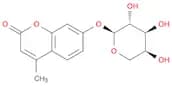
The protein encoded by this gene is a member of the ADP/ATP carrier family of proteins that exchange cytosolic ADP for matrix ATP in the mitochondria. Cells over-expressing this gene have been shown to display an anti-apoptotic phenotype. This protein is also thought to play a role in spermatogenesis, where it is believed to associate with a part of the flagellar cytoskeleton and with glycolytic enzymes. Male mice with mutations in the mouse ortholog of this gene are sterile and spermatocytes display an early meiotic arrest phenotype. Alternative splicing results in multiple transcript variants encoding different isoforms. [provided by RefSeq, Jan 2016],4-Methylumbelliferyl a-L-arabinopyranoside
CAS:Fórmula:C15H16O7Pureza:98%Forma y color:SolidPeso molecular:308.2833Eps8L3 rabbit pAb
This gene encodes a protein that is related to epidermal growth factor receptor pathway substrate 8 (EPS8), a substrate for the epidermal growth factor receptor. The function of this protein is unknown. Alternatively spliced transcript variants encoding different isoforms exist. [provided by RefSeq, Jul 2008],Olfactory receptor 6C3 rabbit pAb
olfactory receptor family 6 subfamily C member 3(OR6C3) Homo sapiens Olfactory receptors interact with odorant molecules in the nose, to initiate a neuronal response that triggers the perception of a smell. The olfactory receptor proteins are members of a large family of G-protein-coupled receptors (GPCR) arising from single coding-exon genes. Olfactory receptors share a 7-transmembrane domain structure with many neurotransmitter and hormone receptors and are responsible for the recognition and G protein-mediated transduction of odorant signals. The olfactory receptor gene family is the largest in the genome. The nomenclature assigned to the olfactory receptor genes and proteins for this organism is independent of other organisms. [provided by RefSeq, Jul 2008],DAPK3 rabbit pAb
Death-associated protein kinase 3 (DAPK3) induces morphological changes in apoptosis when overexpressed in mammalian cells. These results suggest that DAPK3 may play a role in the induction of apoptosis. [provided by RefSeq, Jul 2008],P2Y11 rabbit pAb
The product of this gene belongs to the family of G-protein coupled receptors. This family has several receptor subtypes with different pharmacological selectivity, which overlaps in some cases, for various adenosine and uridine nucleotides. This receptor is coupled to the stimulation of the phosphoinositide and adenylyl cyclase pathways and behaves as a selective purinoceptor. Naturally occuring read-through transcripts, resulting from intergenic splicing between this gene and an immediately upstream gene (PPAN, encoding peter pan homolog), have been found. The PPAN-P2RY11 read-through mRNA is ubiquitously expressed and encodes a fusion protein that shares identity with each individual gene product. [provided by RefSeq, Jul 2008],TRIP15 rabbit pAb
function:Essential component of the COP9 signalosome complex (CSN), a complex involved in various cellular and developmental processes. The CSN complex is an essential regulator of the ubiquitin (Ubl) conjugation pathway by mediating the deneddylation of the cullin subunits of SCF-type E3 ligase complexes, leading to decrease the Ubl ligase activity of SCF-type complexes such as SCF, CSA or DDB2. The complex is also involved in phosphorylation of p53/TP53, c-jun/JUN, IkappaBalpha/NFKBIA, ITPK1 and IRF8/ICSBP, possibly via its association with CK2 and PKD kinases. CSN-dependent phosphorylation of TP53 and JUN promotes and protects degradation by the Ubl system, respectively. Involved in early stage of neuronal differentiation via its interaction with NIF3L1.,PTM:Phosphorylated by CK2 and PKD kinases.,similarity:Belongs to the CSN2 family.,similarity:Contains 1 PCI domain.,subunit:Interacts with NIF3L1 (By similarity). Component of the CSN complex, composed of COPS1/GPS1, COPS2, COPS3, COPS4, COPS5, COP6, COPS7 (COPS7A or COPS7B) and COPS8. In the complex, it probably interacts directly with COPS1, COPS4, COPS5 COPS6 and COPS7 (COPS7A or COPS7B). Interacts with CUL1 and CUL2. Specifically interacts with the ligand binding domain of the thyroid receptor (TR). Does not require the presence of thyroid hormone for its interaction. Interacts with IRF8/ICSBP1 and with nuclear receptors NR2F1 and NR0B1.,EGFR (phospho Thr693) rabbit pAb
The protein encoded by this gene is a transmembrane glycoprotein that is a member of the protein kinase superfamily. This protein is a receptor for members of the epidermal growth factor family. EGFR is a cell surface protein that binds to epidermal growth factor. Binding of the protein to a ligand induces receptor dimerization and tyrosine autophosphorylation and leads to cell proliferation. Mutations in this gene are associated with lung cancer. [provided by RefSeq, Jun 2016],DMD rabbit pAb
dystrophin(DMD) Homo sapiens The dystrophin gene is the largest gene found in nature, measuring 2.4 Mb. The gene was identified through a positional cloning approach, targeted at the isolation of the gene responsible for Duchenne (DMD) and Becker (BMD) Muscular Dystrophies. DMD is a recessive, fatal, X-linked disorder occurring at a frequency of about 1 in 3,500 new-born males. BMD is a milder allelic form. In general, DMD patients carry mutations which cause premature translation termination (nonsense or frame shift mutations), while in BMD patients dystrophin is reduced either in molecular weight (derived from in-frame deletions) or in expression level. The dystrophin gene is highly complex, containing at least eight independent, tissue-specific promoters and two polyA-addition sites. Furthermore, dystrophin RNA is differentially spliced, producing a range of different transcripts, encoding a large set of protein isoforms. Dystrophin (as encCD40 ligand rabbit pAb
disease:Defects in CD40LG are the cause of X-linked immunodeficiency with hyper-IgM type 1 (HIGM1) [MIM:308230]; also known as X-linked hyper IgM syndrome (XHIM). HIGM1 is an immunoglobulin isotype switch defect characterized by elevated concentrations of serum IgM and decreased amounts of all other isotypes. Affected males present at an early age (usually within the first year of life) recurrent bacterial and opportunistic infections, including Pneumocystis carinii pneumonia and intractable diarrhea due to cryptosporidium infection. Despite substitution treatment with intravenous immunoglobulin, the overall prognosis is rather poor, with a death rate of about 10% before adolescence.,function:Mediates B-cell proliferation in the absence of co-stimulus as well as IgE production in the presence of IL-4. Involved in immunoglobulin class switching.,function:Release of soluble CD40L from platelets is partially regulated by GP IIb/IIIa, actin polymerization, and an matrix metalloproteinases (MMP) inhibitor-sensitive pathway.,online information:CD40L defect database,PTM:N-linked glycan is a mixture of high mannose and complex type. Glycan structure does not influence binding affinity to CD40.,PTM:Not O-glycosylated.,PTM:The soluble form derives from the membrane form by proteolytic processing.,similarity:Belongs to the tumor necrosis factor family.,subunit:Homotrimer.,tissue specificity:Specifically expressed on activated CD4+ T-lymphocytes.,