Azúcares troncales y bases nucleicas
Los azúcares del esqueleto y las bases nitrogenadas son componentes esenciales de los ácidos nucleicos como el ADN y el ARN. El esqueleto está compuesto por grupos de azúcar y fosfato, mientras que las bases nitrogenadas forman el código genético mediante el emparejamiento de bases. Estos compuestos son cruciales en el estudio de la genética y la biología molecular. En CymitQuimica, puedes encontrar una variedad de azúcares del esqueleto y bases nitrogenadas para la investigación y el uso en laboratorio.
Se han encontrado 1001 productos de "Azúcares troncales y bases nucleicas"
Ordenar por
Pureza (%)
0
100
|
0
|
50
|
90
|
95
|
100
5-Ethyluracil
CAS:<p>5-Ethyluracil is a nucleobase that is structurally similar to thymine. It inhibits the replication of human mitochondrial DNA and herpes simplex virus type-1 (HSV-1) by binding with the viral nucleic acid. 5-Ethyluracil has been shown to be an effective antiviral agent in clinical trials, where it was found to inhibit the replication of HSV-1 in both HIV-positive and HIV-negative patients. 5-Ethyluracil has also been shown to have an inhibitory effect on mammalian cells and has been used for treatment of certain types of cancer. This drug's low energy makes it useful as a topical analgesic. The glycosidic bond makes this drug water soluble, which allows for its use as an antiseptic or disinfectant. 5-Ethyluracil is metabolized by hydrochloric acid, which produces urate, ammonia, and carbon dioxide. This drug can be</p>Fórmula:C6H8N2O2Pureza:Min. 95%Forma y color:PowderPeso molecular:140.14 g/mol2-Thioxanthine
CAS:<p>2-Thioxanthine is a hydrated form of xanthine, which is a purine base that occurs in all living cells. This compound has been shown to be able to inhibit the growth of resistant mutants and the formation of atherosclerotic lesions in mice. 2-Thioxanthine also inhibits the transfer reactions that are required for bacterial DNA synthesis. The stability of 2-thioxanthine can be increased by forming stable complexes with hydrochloric acid and by reducing the pH to less than 7. 2-Thioxanthine has been shown to have genotoxic effects on mouse liver cells and human fibroblasts, as well as pharmacological properties against cardiovascular disease.</p>Fórmula:C5H4N4OSPureza:Min. 95%Forma y color:PowderPeso molecular:168.18 g/mol2,6-Diaminopurine hemisulfate
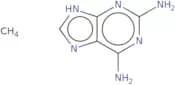
CAS:<p>2,6-Diaminopurine hemisulfate salt is a fine chemical that can be used as a building block for research chemicals, reagents, and specialty chemicals. It has been shown to be useful in the synthesis of various types of complex compounds. 2,6-Diaminopurine hemisulfate salt is also versatile in the sense that it can be used as an intermediate in reactions or as a scaffold for chemical synthesis. This product has CAS number 69369-16-0.</p>Fórmula:C5H6N6•(H2O4S)0Pureza:Min. 95%Forma y color:PowderPeso molecular:398.36 g/mol5,6-Diamino-1,3-dipropyluracil
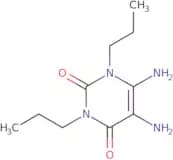
CAS:<p>5,6-Diamino-1,3-dipropyluracil (DAU) is a synthetic drug that acts as an adenosine receptor antagonist. DAU binds to the adenosine receptors in the brain and inhibits the binding of adenosine, which may result in an anti-congestive effect. DAU has been found to be a potent inhibitor of the A2A adenosine receptor at nanomolar concentrations. This inhibition may be due to its ability to form covalent bonds with the receptor or its affinity for or blocking of agonist binding sites on the receptor. It also has been shown to have affinity for dopamine receptors, although it is not yet known if this activity contributes to its anti-congestive effects.</p>Fórmula:C10H18N4O2Pureza:Area-% Min. 95 Area-%Forma y color:PowderPeso molecular:226.28 g/mol3-Isobutyl-1-methylxanthine
CAS:Producto controlado<p>A non-specific inhibitor of cAMP and cGMP phosphodiesterases (PDEs) with IC50 values between 2 and 50 µM. 2-isobutyl-1-methylxanthine (IBMX) has also been found to inhibit phenylephrine-induced 5-HT release by neuroendocrine epithelial cells and IBMX-mediated increase in cAMP and upregulation of Ca2+ channels promotes neuronal differentiation. Additionally IBMX stimulates secretion of thyroid hormones, resulting in cAMP-mediated activation of glycogenolysis and reduced glycogen storage.</p>Fórmula:C10H14N4O2Forma y color:Slightly Yellow PowderPeso molecular:222.24 g/molHypoxanthine monosodium salt
CAS:<p>Hypoxanthine is a nucleotide, which is a building block of DNA and RNA. It is a useful intermediate for the production of other chemicals and drugs. Hypoxanthine can be used as a reagent in biochemical research, to study the effects of hypoxia on cells, or as a catalyst in organic synthesis. Hypoxanthine monosodium salt is an important building block for complex compounds with many uses. It is also used as a reaction component in many chemical reactions as well as being a versatile scaffold for drug design.</p>Fórmula:C5H4N4NaOPureza:Min. 97 Area-%Forma y color:White PowderPeso molecular:159.1 g/molBis(trimethylsilyl)cytosine
CAS:<p>Bis(trimethylsilyl)cytosine is an immunosuppressive agent that binds to the immunodeficient acceptor. It has been shown to be active against a number of viruses, including HIV-1 and HSV-1. Bis(trimethylsilyl)cytosine also inhibits the activity of purine and pyrimidine nucleotide synthesis, although it does not inhibit the activity of adenosine deaminase or ribonucleotide reductase. This compound has been shown to stimulate the immune system in mice with a deficiency in T cells by reducing the expression of genes that are responsible for cytokines such as IL-4 and IL-10.</p>Fórmula:C10H21N3OSi2Pureza:Min. 90%Forma y color:PowderPeso molecular:255.46 g/molO6-Benzylguanine
CAS:<p>O6-alkylguanine-DNA alkyltransferase inhibitor</p>Fórmula:C12H11N5OPureza:Min. 95%Forma y color:PowderPeso molecular:241.25 g/mol6-Amino-1-benzyluracil
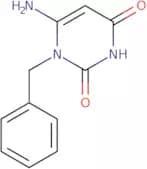
CAS:<p>6-Amino-1-benzyluracil is a triethyl orthoformate that reacts with an aldehyde to form an imine. This reaction is known as alkylation. The imine reacts with benzamidine to form an anticancer drug called lumazine, which has been shown to be effective against cancer cells. 6-Amino-1-benzyluracil had low solubility in water and was therefore refluxed with ethyl acetoacetate and elemental acetoacetate. 6-Amino-1-benzyluracil is insoluble in the organic phase and can be removed by filtration.</p>Fórmula:C11H11N3O2Pureza:Min. 95%Forma y color:PowderPeso molecular:217.22 g/mol7-Methylxanthine
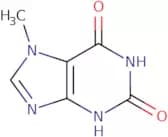
CAS:Producto controlado<p>7-Methylxanthine is a purine alkaloid that is the primary metabolite of caffeine. It is structurally related to theobromine, which is found in chocolate. 7-Methylxanthine has been shown to have hypoglycemic effects and may be useful for the treatment of myopia. The optimum concentration of 7-methylxanthine for inhibiting carotenoid biosynthesis has been determined as 10 μM. It also inhibits axial elongation in cultured chick retinal cells by reducing carotenoid levels and increasing p-hydroxybenzoic acid levels in the retina. The analytical method for quantifying 7-methylxanthine relies on high performance liquid chromatography with ultraviolet detection (HPLC/UV).</p>Fórmula:C6H6N4O2Pureza:Min. 96 Area-%Forma y color:White PowderPeso molecular:166.14 g/mol1,3-Dimethyluracil
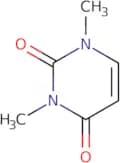
CAS:<p>1,3-Dimethyluracil is a uracil derivative that is used as a hydrogen-bond donor, which helps to repair DNA. It has been shown to have a kinetic isotope effect in the deuterium isotope effect studies. The carbonyl group of 1,3-dimethyluracil can form hydrogen bonds with the guanine base in DNA and lead to the formation of an adduct. This adduct can be repaired by nucleotide excision repair when it forms a dimer with another 1,3-dimethyluracol molecule or by base excision repair when it forms a dimer with another purine or pyrimidine base.<br>Aqueous solutions of 1,3-dimethyluracil are stable for short periods of time but decompose rapidly on heating. X-ray crystal structures show that 1,3-dimethyluracil binds to hydrochloric acid and x-ray crystallographic analysis</p>Fórmula:C6H8N2O2Pureza:Min. 95%Forma y color:Off-White Slightly Brown PowderPeso molecular:140.14 g/mol2-Fluoroadenine
CAS:<p>2-Fluoroadenine is an inhibitor of DNA synthesis, which is used to study the effect of carcinogens on the cell cycle. It is a potent inducer of G2/M arrest in HL-60 cells, and has been shown to be cytotoxic to a number of different carcinoma cell lines. 2-Fluoroadenine disrupts collagen gel networks by binding to nitrogens in the protein matrix. This inhibits the glycosylation process that stabilizes collagen networks. The use of 2-fluoroadenine as a chemotherapeutic agent has been studied in animal models and clinical trials. 2-Fluoroadenine has been shown to inhibit mitochondrial membrane potential, leading to apoptosis caused by oxidative stress.</p>Fórmula:C5H4FN5Pureza:Min. 98 Area-%Forma y color:Off-White PowderPeso molecular:153.12 g/mol5,6-Diamino-1,3-dimethyl uracil hydrate
CAS:<p>5,6-Diamino-1,3-dimethyl uracil hydrate is a purine derivative that inhibits the growth of cancer cells by blocking the enzyme ribonucleotide reductase. This leads to a decrease in DNA synthesis, protein synthesis, and cell division. The anticancer activity of 5,6-Diamino-1,3-dimethyl uracil hydrate is due to its ability to inhibit the formation of ATP and the GTP cycle. It also has a potent inhibitory effect on the structural analysis of DNA and RNA. 5,6-Diamino-1,3-dimethyl uracil hydrate has been shown to produce apoptotic effects in many types of cancer cells. This drug also has specific agonist properties for G protein coupled receptors that are responsible for activating apoptosis.</p>Fórmula:C6H10N4O2·xH2OPureza:Min. 95%Forma y color:PowderPeso molecular:170.17 g/mol8-Hydroxyadenine
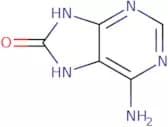
CAS:<p>8-Hydroxyadenine is a reactive molecule that is used in the treatment of HIV infection. It is an inhibitor of reverse transcriptase and has been used to protect DNA against radiation damage. 8-Hydroxyadenine has been shown to induce a number of genotoxic effects, including neuronal death. 8-Hydroxyadenine can also be used as a DNA probe for the detection of HIV, with the advantage over other probes of having a high specificity for its target sequence.</p>Fórmula:C5H5N5OPureza:Min. 95%Forma y color:PowderPeso molecular:151.13 g/mol9-Ethylguanine
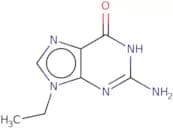
CAS:<p>9-Ethylguanine is a protonated guanine derivative that has significant cytotoxicity. It is an analog of the natural nucleobase guanosine and is structurally similar to the group P2 purine base, hypoxanthine. 9-Ethylguanine specifically binds with nitrogen atoms in DNA, forming hydrogen bonds with adjacent bases. The compound has low potency and therefore must be administered at high doses for it to be effective. 9-Ethylguanine has been shown to have anticancer activity against cervical cancer cells in cell cultures, but no biological studies have been conducted on other cancer types.</p>Fórmula:C7H9N5OPureza:Min. 95%Forma y color:PowderPeso molecular:179.18 g/mol3’,5’-Di-O-acetyl-2’-azido-2’-deoxy-5-methyluridine
CAS:<p>Please enquire for more information about 3’,5’-Di-O-acetyl-2’-azido-2’-deoxy-5-methyluridine including the price, delivery time and more detailed product information at the technical inquiry form on this page</p>Pureza:Min. 95%3,7-Dimethyl-1-propargylxanthine
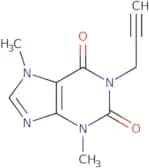
CAS:Producto controlado<p>3,7-Dimethyl-1-propargylxanthine is a cyclase inhibitor that has been shown to have pharmacological effects. It has been shown to be effective in vivo models of Parkinson's disease and has reduced locomotor activity. This drug also inhibits the production of adenosine and dopamine, leading to neuronal death. The 3,7-dimethyl-1-propargylxanthine shows high selectivity for adenosine A3 receptors and is an antagonist at these receptors. It prevents mitochondrial membrane potential from decreasing, which may be due to inhibition of the production of reactive oxygen species by mitochondria. 3,7-Dimethyl-1-propargylxanthine also inhibits platelet aggregation by blocking the activation of phospholipase C and enhances platelet aggregation by inhibiting phosphodiesterase activity.</p>Fórmula:C10H10N4O2Pureza:Min. 95%Forma y color:PowderPeso molecular:218.21 g/mol8-Hydroxyguanine
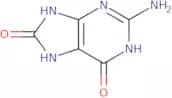
CAS:<p>8-Hydroxyguanine is a purine derivative that is found in DNA. It is a byproduct of oxidative damage to DNA and can cause mutations. 8-Hydroxyguanine binds to the α1 subunit of DNA polymerase, inhibiting the polymerization of nucleotides. This prevents the synthesis of new DNA, resulting in cell death. In humans, 8-hydroxyguanine appears to be repaired at a higher rate than other organisms such as bacteria. A study has shown that human cells are able to repair 8-hydroxyguanine by using an enzyme called O6-alkylguanine transferase (AGT). The AGT protein removes the alkyl group from the guanine base and replaces it with an amino group during repair. This process results in the formation of O6-methylguanine, which can be eliminated by methylation or excreted through urine.</p>Fórmula:C5H5N5O2Pureza:Min. 98 Area-%Forma y color:White PowderPeso molecular:167.13 g/mol2’-C-Methyl-5-fluorouridine
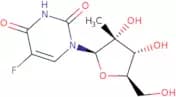
CAS:<p>2’-C-Methyl-5-fluorouridine is a fine chemical that is used as a versatile building block for the synthesis of various complex compounds. It is also used as a reaction component in the synthesis of research chemicals and speciality chemicals. 2’-C-Methyl-5-fluorouridine is an important intermediate in organic chemistry and has many applications, such as being a reaction component in the synthesis of pharmaceuticals, agrochemicals, dyes, and perfumes.</p>Fórmula:C10H13FN2O6Pureza:Min. 95%Forma y color:SolidPeso molecular:276.22 g/mol9-[2-(Diethylphosphonomethoxy)ethyl]adenine
CAS:<p>9-[2-(Diethylphosphonomethoxy)ethyl]adenine is a synthetic analog of adenine that is used as a pharmaceutical agent. It is an antiviral drug that prevents the synthesis of DNA and RNA in viruses, including papillomavirus, paramyxovirus, and filtration. 9-[2-(Diethylphosphonomethoxy)ethyl]adenine is also used to treat bromic conjugates and modifications. The chemical formula for this compound is C14H14N4O2P.</p>Fórmula:C12H20N5O4PPureza:Min. 95%Forma y color:White PowderPeso molecular:329.29 g/mol7-Cyano-7-deazaguanosine
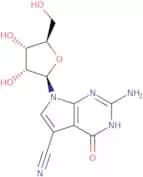
CAS:<p>7-Cyano-7-deazaguanosine is a nucleoside that belongs to the category of 7-deazapurines. It is an optimized nucleic acid analogue that has been shown to act as a translational inhibitor in vitro and in vivo. This compound has been shown to have high yields in chemical synthesis, which makes it an attractive candidate for optimization and future research. 7-Cyano-7-deazaguanosine is a synthetic nucleotide with anticodon properties, which may be useful for the development of new drugs against bacterial infections.</p>Fórmula:C12H13N5O5Pureza:Min. 95%Forma y color:PowderPeso molecular:307.26 g/mol6-Thioguanine
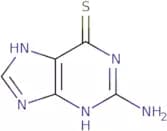
CAS:<p>Phosphoribosyltransferase inhibitor; photocytotoxic</p>Fórmula:C5H5N5SPureza:Min. 95%Forma y color:PowderPeso molecular:167.19 g/mol3’-Deoxy-3’-fluoro-6-thioinosine
CAS:<p>Please enquire for more information about 3’-Deoxy-3’-fluoro-6-thioinosine including the price, delivery time and more detailed product information at the technical inquiry form on this page</p>Pureza:Min. 95%6-Chloro-7-deazaguanine
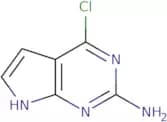
CAS:<p>6-Chloro-7-deazaguanine (6CDG) is a pyrimidine nucleoside that is used in the treatment of hepatoblastoma and hepatitis. 6CDG is an alkylating agent that binds to DNA and causes strand breakage by forming covalent bonds with the N-7 position of guanine. It can also be used as an antiviral agent against herpes simplex virus, as it inhibits viral replication by inhibiting the viral DNA polymerase. 6CDG does not inhibit human DNA polymerase. The drug has been shown to be cytotoxic to MRC5 cells, which are resistant to pyrimidine analogs.</p>Fórmula:C6H5ClN4Pureza:Min. 95%Forma y color:PowderPeso molecular:168.58 g/molN7-((2-Hydroxyethoxy)methyl)guanine
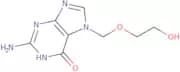
CAS:<p>N7-((2-Hydroxyethoxy)methyl)guanine is a reagent, a complex compound, and a useful intermediate that is used in the manufacture of speciality chemicals. N7-((2-Hydroxyethoxy)methyl)guanine is also a versatile building block that has been shown to be effective in reactions involving the synthesis of N-heterocyclic carbene ligands.</p>Fórmula:C8H11N5O3Pureza:(%) Min. 95%Forma y color:Off-White PowderPeso molecular:225.2 g/mol2’-Amino-2’-deoxy-β-D-arabinouridine
CAS:<p>2’-Amino-2’-deoxy-β-D-arabinouridine is a modified nucleoside based on uridine, in which the 2'-hydroxyl group of the sugar has been replaced with an amino group, and the sugar itself is arabinose (a stereoisomer of ribose). This compound is of possible interest in nucleic acid chemistry and antisense or RNA-interference research.</p>Fórmula:C9H13N3O5Pureza:Min. 95%Forma y color:solid.Peso molecular:243.22 g/mol6-Mercaptopurine
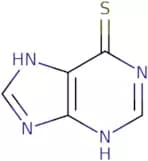
CAS:<p>6-Mercaptopurine is an antigen binding molecule that is biocompatible with the human body. It binds to 6-mercaptopurine and inhibits the oxidation of proteins. The inhibition of protein oxidation has been shown to decrease disease activity in patients with inflammatory bowel disease. 6-Mercaptopurine also inhibits the production of inhibitor molecules, which are responsible for the development of cardiac effects such as arrhythmias and cardiomyopathy. 6-Mercaptopurine has inhibitory properties against polymerase chain reactions, which may be due to its ability to bind with protein thiols at high rates.</p>Fórmula:C5H4N4SPureza:Min. 98 Area-%Forma y color:PowderPeso molecular:152.18 g/molN4-Benzoylcytosine
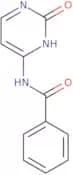
CAS:<p>Building block in the synthesis of nucleoside antiviral agents</p>Fórmula:C11H9N3O2Pureza:Min. 95%Forma y color:White PowderPeso molecular:215.21 g/mol9-Methylxanthine
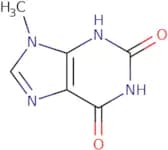
CAS:Producto controlado<p>9-Methylxanthine is a purine alkaloid that is structurally related to caffeine. It is used as a bronchodilator and to treat cardiac arrhythmias. 9-Methylxanthine has been shown to have an effect on the rate of DNA replication by binding to the enzyme xanthosine phosphorylase, which converts xanthosine monophosphate (XMP) to xanthosine diphosphate (XDP). The drug's effect on other nucleobases, such as adenosine monophosphate (AMP), cannot be ruled out. 9-Methylxanthine also has a strong affinity for macrochelates, which are compounds that contain chelating agents with a large number of ethylenediaminetetraacetic acid (EDTA) groups. This property is due to the high number of nitrogen atoms in the molecule and its ability to form hydrogen bonds between water molecules</p>Fórmula:C6H6N4O2Pureza:Min. 95%Forma y color:PowderPeso molecular:166.14 g/molN4-Acetylcytosine
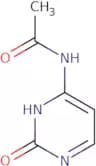
CAS:<p>N4-Acetylcytosine is an inhibitor of serine proteases, glycosidases and nucleosidases. It has been shown to inhibit the replication of a wide range of viruses including HIV, herpes simplex virus type 1, and adenovirus. N4-Acetylcytosine also inhibits the proliferation of cervical cancer cells.</p>Fórmula:C6H7N3O2Pureza:Min. 95%Forma y color:White PowderPeso molecular:153.14 g/molUracil
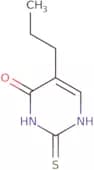
CAS:<p>Pyrimidine nucleobase; allosteric regulator and coenzyme for reactions</p>Fórmula:C4H4N2O2Pureza:Min. 98 Area-%Forma y color:White Off-White PowderPeso molecular:112.09 g/mol5-Propyl-2-thiouracil
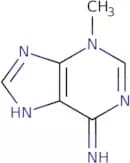
CAS:<p>5-Propyl-2-thiouracil (PTU) is a drug used in the treatment of various types of cancer. It is a chemical analogue of thiouracil, but has a different mechanism of action. PTU inhibits the production of tropomyosin, which leads to inhibition of transcriptional regulation and expression of protein genes. PTU also blocks the hydrogen bond between the amino acid glutamine and deoxyribose phosphate backbone, thereby inhibiting translation. Clinical studies have shown that PTU is effective in treating cardiac hypertrophy, renal proximal tubule cells and clinical nephropathy. The use of PTU as a chemotherapeutic agent for cancer treatment has been limited due to its toxicity to animals.</p>Fórmula:C7H10N2OSPureza:Min. 95%Forma y color:PowderPeso molecular:170.23 g/mol3-Methyladenine
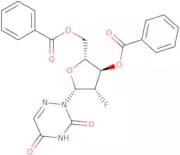
CAS:<p>3-Methyladenine is a glycosylase that cleaves the glycosidic bond between the 3rd and 4th carbon of the ribose ring of the nucleotide 3-methyladenine. It also has synergistic effects with other agents that induce autophagy, such as rapamycin, and increases the expression of a response element in mouse monoclonal antibody. 3-Methyladenine inhibits growth factor-β1 and neuronal death by inducing apoptosis in cells overexpressing nuclear DNA polymerase. This drug is also used to study apoptosis by using a model system.</p>Fórmula:C6H7N5Pureza:Min. 90 Area-%Forma y color:PowderPeso molecular:149.15 g/mol3’,5’-Bis-O-benzoyl-2’-deoxy-2’-fluoro-β-D-arabino-6-azidouridine
CAS:<p>Please enquire for more information about 3’,5’-Bis-O-benzoyl-2’-deoxy-2’-fluoro-beta-D-arabino-6-azidouridine including the price, delivery time and more detailed product information at the technical inquiry form on this page</p>Pureza:Min. 95%8-Bromoguanine
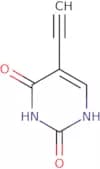
CAS:<p>8-Bromoguanine is a nucleoside analog drug that is used as an antileukemic agent. It is a synthetic derivative of guanine and has been shown to inhibit the growth of leukemic cells by interfering with the synthesis of DNA. 8-Bromoguanine has also been shown to be reactive with eosinophil peroxidase and other electron-rich substances, which may be due to its hydroxyl group. The analytical method for 8-bromoguanine includes fluorescence spectroscopy, high pressure liquid chromatography (HPLC), and thin layer chromatography (TLC). Chemical diversity studies have shown that 8-bromoguanine can react with glycosylase or hydroxy groups, forming reaction products.</p>Fórmula:C5H4BrN5OPureza:Min. 97 Area-%Forma y color:PowderPeso molecular:230.02 g/molEniluracil
CAS:<p>Eniluracil is a prodrug of 5-fluorouracil, which is an anticancer drug. It is not active when taken orally and must be hydrolyzed by esterases in the stomach to produce 5-fluorouracil. The x-ray diffraction data for eniluracil was collected from untreated human serum samples. Eniluracil has been shown to have matrix effects on solid tumours in mice, leading to increased antitumor activity. This compound also inhibits the enzyme dihydropyrimidine dehydrogenase, which leads to decreased levels of diphosphate nucleotides and accumulation of dinucleotide phosphate. Enlargement of the tumor is also inhibited by this drug due to its ability to inhibit DNA replication and transcription.</p>Fórmula:C6H4N2O2Pureza:Min. 95%Forma y color:White PowderPeso molecular:136.1 g/mol8-Bromoadenine
CAS:<p>8-Bromoadenine is a nucleophile that reacts with electrophiles to form adducts. 8-Bromoadenine has been shown to induce DNA strand breaks and oxidative damage in vitro, which may be due to its ability to react with DNA bases and form intramolecular hydrogen bonds. 8-Bromoadenine has also been shown to cause inflammatory bowel disease in mice by increasing the production of proinflammatory cytokines. 8-Bromoadenine induces Toll-like receptor 4 (TLR4) signaling, which leads to enhancement of radiation response. This drug can also be used as the monosodium salt for treating cancer, although it only has a limited number of sequences that can be synthesized.</p>Fórmula:C5H4BrN5Pureza:Min. 95%Forma y color:White PowderPeso molecular:214.02 g/mol9-Deazaguanine
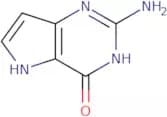
CAS:<p>9-Deazaguanine is an analog of guanine, which has inhibitory properties. It reacts with the hydrogen bond of the enzyme and prevents its reaction with a substrate. 9-Deazaguanine binds to the target enzymes trifluoroacetic acid (TFA) and hydrogen bond interactions with water molecules. The reaction mechanism is based on the competitive inhibition of TFA, which is an important enzyme in DNA synthesis. 9-Deazaguanine inhibits the growth of k562 cells by inhibiting protein synthesis at specific sites in the ribosome. 9-Deazaguanine also shows inhibitory properties against autoimmune diseases and infectious diseases because it inhibits immune system reactions that are mediated by antibodies and T cells.</p>Fórmula:C6H6N4OPureza:Min. 95%Forma y color:PowderPeso molecular:150.14 g/mol5-(2-Fluorovinyl)-2'-Deoxyuridine
CAS:<p>5-(2-Fluorovinyl)-2'-Deoxyuridine is a hydrophobic analogue of acyclovir that has potent activity against herpes simplex virus type 1. It inhibits the synthesis of viral DNA, and thus prevents the formation of plaques in tissue culture. This drug also inhibits cell proliferation and viral production by l1210 cells as well as lung fibroblasts. 5-(2-Fluorovinyl)-2'-Deoxyuridine has shown inhibitory effects against uninfected cells, but not against cells infected with herpes simplex virus type 2.</p>Fórmula:C11H13FN2O5Pureza:Min. 95%Peso molecular:272.23 g/mol6-Hydrazinopurine
CAS:<p>6-Hydrazinopurine is an anti-hepatitis drug that is a prodrug for 6-chloropurine. Its mechanism of action is not fully understood, but it has been shown to bind to the virus receptor and inhibit the replication of the virus. It also competitively inhibits amines in biochemical assays. This property may be due to its hydroxyl group, which can form a hydrogen bond with the amino group of amines. It has been shown to be active against prostate carcinoma cells. 6-Hydrazinopurine has been shown to inhibit the growth of cancer cells by inducing apoptosis and decreasing cell proliferation.</p>Fórmula:C5H6N6Pureza:Min. 95%Forma y color:PowderPeso molecular:150.14 g/mol6-Aza-2-thiothymine
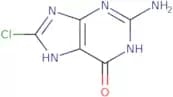
CAS:<p>6-Aza-2-thiothymine is a hydrophobic base that is used in the preparation of DNA sequencing samples. It can be incorporated into DNA by enzymatic reactions with picolinic acid, which results in an increase in the number of thiol groups on the DNA. The incorporation of 6-aza-2-thiothymine into DNA is detected by binding to malonic acid and subsequent detection by matrix-assisted laser desorption ionization time-of-flight mass spectrometry. The presence of 6-aza-2-thiothymine can also be detected using a photochemical reaction with hydroxyl radicals, resulting in a change in the fluorescence properties of oligosaccharides bound to the DNA. This compound has been shown to inhibit prostate cancer cells and may be useful as a treatment for this type of cancer.</p>Fórmula:C4H5N3OSForma y color:White PowderPeso molecular:143.17 g/mol8-Chloroguanine
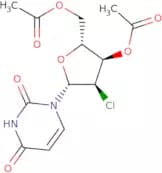
CAS:<p>8-Chloroguanine is a carcinogen that has been shown to cause cancer in laboratory animals. It is a reactive compound with a hydroxyl group and a hydrogen bond that can react with DNA, leading to the formation of 8-chloroadenine (8-CAD) and 8-chloroguanine (8-CG). These compounds are then converted into hypochlorous acid, which has been shown to be an inflammatory agent. The analytical method for quantifying 8-chloroguanine can be done by electrochemical impedance spectroscopy. This method has been used in model studies of inflammatory diseases.</p>Fórmula:C5H4ClN5OPureza:Min. 95 Area-%Forma y color:White PowderPeso molecular:185.57 g/mol3’,5’-Di-O-acetyl-2’-chloro-2’-deoxyuridine
CAS:<p>Please enquire for more information about 3’,5’-Di-O-acetyl-2’-chloro-2’-deoxyuridine including the price, delivery time and more detailed product information at the technical inquiry form on this page</p>Pureza:Min. 95%6-Benzylamino-7-deazapurine
CAS:<p>6-Benzylamino-7-deazapurine is a drug that has been shown to be effective in the treatment of pancreatic cancer. It is a monomer that reacts with nucleophiles such as 6-mercaptopurine, which are present in the human lung. The reaction generates an exergonic molecule that can be used to generate ATP and regenerate NAD+ during irradiation. This process has been observed using kinetic studies on human colon adenocarcinoma cells. 6-Benzylamino-7-deazapurine can also react with triazole compounds to form a linker and increase the rate of polymerization. The optimization of this reaction time could lead to more efficient cancer treatments.</p>Fórmula:C13H12N4Pureza:Min. 95%Forma y color:PowderPeso molecular:224.26 g/mol5-Acetamido-6-amino-3-methyluracil hydrate
CAS:<p>5-Acetamido-6-amino-3-methyluracil hydrate (AAU) is a drug that is used as an analytical reagent in the determination of caffeine, 5-hydroxytryptophan, and other compounds. It can be used to assess interactions between drugs and enzyme activities. AAU has been shown to be a suitable substrate for many enzymes, including alcohol dehydrogenase, acetylcholinesterase, catalase, and glucose oxidase. The sample preparation procedure is performed by dissolving the compound in water or ethanol. The sample is then filtered before it is analyzed using high performance liquid chromatography (HPLC). The chemical properties of AAU are such that it can be easily transported from one place to another without undergoing significant changes in physical properties. AAU has been shown to have no effect on biological samples when exposed to radiation.</p>Fórmula:C7H10N4O3·H2OPureza:Min. 95%Forma y color:Slightly Yellow PowderPeso molecular:216.2 g/molAdenine
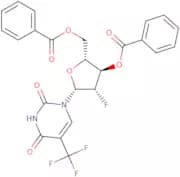
CAS:<p>Purine nucleobase; component of nucleic acids and coenzymes</p>Fórmula:C5H5N5Pureza:Min. 98 Area-%Forma y color:White PowderPeso molecular:135.13 g/mol3’,5’-Di-O-benzoyl-2’-deoxy-2’-fluoro-5-trifluoromethyl-arabinouridine
CAS:<p>Please enquire for more information about 3’,5’-Di-O-benzoyl-2’-deoxy-2’-fluoro-5-trifluoromethyl-arabinouridine including the price, delivery time and more detailed product information at the technical inquiry form on this page</p>Pureza:Min. 95%8-Aza-2,6-diaminopurine sulfate (1:x)
CAS:<p>8-Aza-2,6-diaminopurine sulfate (1:x) is a sulfate salt that is soluble in water. The molecular mass of the compound is 581.10 g/mol and it has a molecular formula of C5H7N3O4S. The crystal structure of the compound consists of an asymmetric unit containing one molecule. The 8-aza-2,6-diaminopurine monohydrate salt has a solubility of 1 g/100 mL in water at 25°C. It also has a melting point of 190°C and a boiling point of 340°C.</p>Fórmula:C4H5N7·xH2SO4Pureza:Min. 95%Forma y color:Slightly Yellow PowderPeso molecular:151.13 g/mol7-Deazaguanine
CAS:<p>7-Deazaguanine is a nucleoside with potential as an antiviral agent. 7-Deazaguanine inhibits the activity of the enzyme RNA polymerase II, which is required for viral replication. The drug binds to the DNA template, inhibiting polymerase chain reaction (PCR), and prevents transcription of viral RNA by hydrogen bonding to its complementary strands. In addition, it has been shown to reduce the production of epidermal growth factor in cells.</p>Fórmula:C6H6N4OPureza:Min. 95%Forma y color:Brown PowderPeso molecular:150.14 g/mol6-Benzoylamino-9H-purine-9-acetic acid
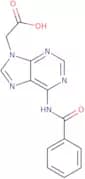
CAS:<p>6-Benzoylamino-9H-purine-9-acetic acid (BAPAA) is a high quality reagent that is used in the synthesis of complex compounds. It is also a useful intermediate in the preparation of fine chemicals, speciality chemicals, and research chemicals. 6-Benzoylamino-9H-purine-9-acetic acid is a versatile building block for the synthesis of novel compounds with desired biological activity. This compound is an excellent reaction component because it can be used to synthesize various chemical structures.</p>Fórmula:C14H11N5O3Pureza:Min. 95%Forma y color:PowderPeso molecular:297.27 g/mol






![9-[2-(Diethylphosphonomethoxy)ethyl]adenine](/_next/image/?url=https%3A%2Fstatic.cymitquimica.com%2Fproducts%2F3D%2Fthumb-webp%2FFD10109.webp&w=3840&q=75)