Nucleótidos
Los nucleótidos son compuestos orgánicos que sirven como building blocks de los ácidos nucleicos, esenciales para la formación del ADN y ARN. Cada nucleótido está compuesto por una base nitrogenada, una molécula de azúcar y uno o más grupos fosfato. Estos nucleótidos se unen para formar largas cadenas, creando el material genético que lleva y transmite la información genética en todos los organismos vivos. En esta sección, encontrará una amplia variedad de nucleótidos cruciales para la investigación en genética, biología molecular y bioquímica. Son fundamentales para estudiar los procesos genéticos, sintetizar ácidos nucleicos y desarrollar herramientas diagnósticas y terapéuticas. En CymitQuimica, ofrecemos nucleótidos de alta calidad para apoyar su investigación científica y aplicaciones, asegurando precisión y fiabilidad en sus experimentos.
Subcategorías de "Nucleótidos"
Se han encontrado 2634 productos de "Nucleótidos"
Ordenar por
Pureza (%)
0
100
|
0
|
50
|
90
|
95
|
100
Pyrimidine-4-carboxylic acid methyl ester
CAS:<p>The pyrimidine-4-carboxylic acid methyl ester is a neutralized derivative of the natural amino acid pyrimidine-4-carboxylic acid. It can be metabolized in vivo to the active form, bleomycin. The neutralized form is useful for the synthesis of betaines and other compounds. This product is also used as an intermediate in the synthesis of metastable carbenes that are difficult to synthesize by other means. Pyrimidine-4-carboxylic acid methyl ester has been used as a reagent in mass spectrometry to identify isotopomers and isomers. It can also be used as a precursor for chemical transfer reactions with carbenes.</p>Fórmula:C6H6N2O2Pureza:Min. 95%Forma y color:PowderPeso molecular:138.12 g/molDiquafosol Impurity 2
CAS:<p>Diquafosol Impurity 2 is a high-purity phosphoramidite that can be used for the synthesis of DNA, RNA, and deoxyribonucleosides. This product is also a novel activator for phosphoramidites. Diquafosol Impurity 2 has CAS No. 63785-59-1 and a molecular weight of 228.24 g/mol. It is insoluble in water, but soluble in most organic solvents.</p>Fórmula:C18H25N4O20P3Pureza:Min. 95%Peso molecular:710.33 g/mol5-Methylcytidine-5'-monophosphate
CAS:<p>5-Methylcytidine-5'-monophosphate is a nucleotide that is an intermediate in the synthesis of DNA. It is a neutral form and has been sequenced. 5-Methylcytidine-5'-monophosphate is found in cellular components, such as mitochondria and nuclei. The biochemical properties of this molecule are dependent on its methylation state. This molecule also plays a role in mitochondrial functions and nuclear DNA modifications.</p>Fórmula:C10H16N3O8PPureza:Min. 95%Forma y color:White Off-White PowderPeso molecular:337.22 g/molUridine 5'-monophosphate
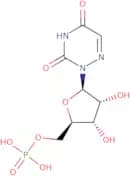
CAS:<p>Uridine 5'-monophosphate (UMP) is a nucleotide that is synthesized from uridine. Uridine 5'-monophosphate has been shown to have anticancer activity in vitro and in vivo, as well as antiviral activity against herpes viruses. UMP has been shown to inhibit the protein synthesis of cells by inhibiting the enzyme activities of DNA polymerase and RNA polymerase. <br>It also inhibits the synthesis of p2y receptors, which are involved in cell proliferation and differentiation. Further studies suggest that UMP may be an effective anti-inflammatory agent due to its ability to decrease prostaglandin production.</p>Fórmula:C9H13N2O9PPureza:Min. 95%Forma y color:White Off-White PowderPeso molecular:324.18 g/mol4-Demethylwyosine
CAS:<p>4-Demethylwyosine is a metabolite found in the bacterium Pyrococcus furiosus. It is an intermediate in the biosynthesis of 2-amino-3,5-dimethyoxybenzoic acid. 4-Demethylwyosine has been shown to inhibit cancer cell proliferation by inhibiting the synthesis of lysine residues and base formation. This inhibition may be due to its methyl transferase activity, which leads to decreased levels of methionine, or it may be due to its ability to act as a carboxylate group donor. 4-Demethylwyosine has also been shown to bind with DNA and RNA, regulating posttranscriptional processes such as protein translation and transcription.</p>Fórmula:C13H15N5O5Pureza:Min. 80 Area-%Forma y color:PowderPeso molecular:321.29 g/mol2',3'-O-Isopropylideneguanosine
CAS:<p>2',3'-O-Isopropylideneguanosine is a nucleoside for use in research applications</p>Fórmula:C13H17N5O5Pureza:Min. 95%Forma y color:White Off-White PowderPeso molecular:323.31 g/mol8-Hydroxyadenosine
CAS:<p>8-Hydroxyadenosine (8-OHdG) is a purine nucleoside that is formed as a result of oxidative DNA damage. It is not an essential metabolite because it can be synthesized de novo. 8-OHdG has been shown to have potent anti-tumor activity in vitro and in vivo, which may be due to its ability to inhibit DNA replication. The biological effects of 8-OHdG are attributed to its ability to form hydrogen bonds with guanine residues in the double helix, and electrochemical detectors have been developed for its detection.</p>Fórmula:C10H13N5O5Pureza:Min. 98 Area-%Forma y color:PowderPeso molecular:283.25 g/mol2'-O-Methylcytidine-5'-triphosphate sodium salt - 100mM aqueous solution
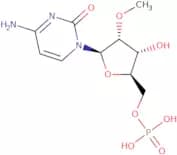
CAS:<p>2'-O-Methylcytidine-5'-triphosphate sodium salt is a synthetic, modified nucleoside analog. It can be used as an antiviral agent and anticancer drug to inhibit viral replication and tumor growth. 2'-O-Methylcytidine-5'-triphosphate sodium salt has the ability to activate cellular DNA synthesis. This compound also inhibits RNA polymerase activity in cancer cells, which inhibits the production of proteins vital for cell division. 2'-O-Methylcytidine-5'-triphosphate sodium salt can be used as a phosphoramidite building block for the synthesis of oligonucleotides with novel structures.</p>Fórmula:C10H18N3O14P3·xNaPureza:Min. 95%Forma y color:Clear LiquidPeso molecular:497.18 g/molPoly(2'-O-Methyladenosine 5'-monophosphate) sodium
CAS:<p>Please enquire for more information about Poly(2'-O-Methyladenosine 5'-monophosphate) sodium including the price, delivery time and more detailed product information at the technical inquiry form on this page</p>Fórmula:(C11H16N5O7P)x•NaxPureza:Min. 95%Triciribine
CAS:<p>Protein kinase B inhibitor;</p>Fórmula:C13H16N6O4Pureza:Min. 95%Forma y color:White/Off-White SolidPeso molecular:320.3 g/mol2',3'-Anhydroadenosine
CAS:<p>2',3'-Anhydroadenosine is a nucleoside for a range of applications</p>Fórmula:C10H12N2O5Pureza:Min. 95%Forma y color:PowderPeso molecular:240.21 g/mol1'-13CUridine
CAS:<p>1'-13CUridine is a nucleoside analog attached to an isotope</p>Fórmula:CC8H12N2O6Forma y color:PowderPeso molecular:245.19 g/molN1-Methyladenosine-5’-monophosphate
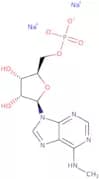
CAS:<p>The N1-methyladenosine is a reversible modification in tRNA, mRNA and long non-coding RNA</p>Fórmula:C11H16N5O7PPureza:Min. 95%Forma y color:PowderPeso molecular:361.25 g/molKinetin riboside
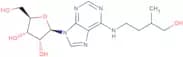
CAS:<p>Kinetin is a plant hormone that regulates cell proliferation and differentiation. Kinetin riboside is a derivative of kinetin in which the ribose moiety has been converted to ribosyl-ribitol. Kinetin riboside has shown the ability to inhibit cancer cells by inducing apoptosis, which may be related to its ability to inhibit cyclin D2 and mitochondrial membrane potential. In addition, kinetin riboside has been shown to protect against oxidative stress and decrease mitochondrial function in cells. This compound may have therapeutic potential for cancer treatment and other diseases caused by oxidative stress or mitochondrial dysfunction.</p>Fórmula:C15H17N5O5Pureza:Min. 98 Area-%Forma y color:White PowderPeso molecular:347.33 g/molCapecitabine
CAS:<p>Pro-drug of 5-FU; anti-cancer agent</p>Fórmula:C15H22FN3O6Pureza:Min. 95%Forma y color:PowderPeso molecular:359.35 g/molN-Cbz gemcitabine
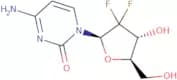
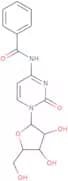
CAS:<p>N-Cbz gemcitabine is a novel nucleoside analog that is chemically modified to be activated by enzymes in the cell. It has been shown to have high purity and high quality. In addition, N-Cbz gemcitabine is an anticancer drug that is most effective against cells with a low number of nucleotides per cell. This drug has shown antiviral properties and is used for the treatment of HIV/AIDS patients.</p>Fórmula:C17H17F2N3O6Pureza:Min. 95%Forma y color:Off-White To Yellow SolidPeso molecular:397.33 g/mol2-Thiocytidine
CAS:<p>2-Thiocytidine is a nucleoside that is an intermediate in the synthesis of thiamine. It has been shown to be effective in the treatment of prostate cancer cells, which may be due to its ability to inhibit protein synthesis. 2-Thiocytidine binds to the catalytic site of ribonucleotide reductase (RR) and inhibits the enzyme's activity, thereby inhibiting DNA synthesis. This drug also has been shown to inhibit crosslinking caused by UV light or other agents that generate reactive oxygen species. 2-Thiocytidine binds to the active site of RR and prevents the formation of the enzyme-substrate complex. This binding prevents reduction of ribose into ribonucleotides and inhibits DNA synthesis.</p>Fórmula:C9H13N3O4SPureza:Min. 95%Forma y color:Yellow PowderPeso molecular:259.28 g/molN6-Etheno 2'-deoxyadenosine
CAS:<p>N6-Etheno 2'-deoxyadenosine is a nucleoside analogue that inhibits DNA synthesis by binding to the enzyme thymidylate synthase, which catalyzes the conversion of deoxyuridine monophosphate to thymidine monophosphate. This drug has been shown to be genotoxic in vitro and in vivo, as evidenced by its ability to induce chromosomal aberrations in cultured human lymphocytes and disrupt DNA replication in mammalian cells. It also reacts with mismatched base pairs and dna duplexes, leading to their degradation. N6-Etheno 2'-deoxyadenosine binds reversibly to antibodies and can be detected using an analytical method that employs monoclonal antibodies.</p>Fórmula:C12H13N5O3Forma y color:White Off-White PowderPeso molecular:275.26 g/mol3',5'-Di-O-acetyl-2'-deoxy-5-iodouridine
CAS:<p>3',5'-Di-O-acetyl-2'-deoxy-5-iodouridine is an inorganic, deoxyribonucleoside. It is the acetyl derivative of 2'-deoxy-5-iodouridine, which is an analog of uracil. 3',5'-Di-O-acetyl-2'-deoxy-5-iodouridine has been shown to have antiviral properties against herpes simplex virus type 1 (HSV1) and herpes simplex virus type 2 (HSV2) in animals. This drug also has antiangiogenic properties, inhibiting the growth of new blood vessels and tissues at the site of a tumour. Studies have shown that 3',5'-di-O acetyl 2'-deoxyuridine can be incorporated into exudates from human cancer patients and can inhibit tumor cell proliferation in vivo.</p>Fórmula:C13H15IN2O7Pureza:Min. 95%Peso molecular:438.18 g/mol2′-O-(2-Methoxy-2-oxoethyl)-5-methyl-uridine
CAS:<p>2′-O-(2-Methoxy-2-oxoethyl)-5-methyl-uridine is a nucleoside that can be used as an anticancer drug and antiviral agent. It has shown potent in vitro cytotoxic activity against human leukemia cells and other cancer cell lines, including breast, prostate, ovarian, and colon cancers. 2′-O-(2-Methoxy-2-oxoethyl)-5-methyl-uridine also has good antiherpetic potential. This compound is a novel and synthetic nucleoside with high purity, high quality, and excellent stability. It is soluble in water, methanol, ethanol, acetone, acetonitrile; slightly soluble in chloroform; insoluble in ether or hexane. CAS No. 149301-23-5</p>Fórmula:C13H18N2O8Pureza:Min. 95%Peso molecular:330.29 g/mol5-Chloro-2',3'-dideoxy-3'-fluorouridine
CAS:<p>5-Chloro-2',3'-dideoxy-3'-fluorouridine is a nucleoside analog that inhibits the replication of HIV by competing with other nucleosides for incorporation into viral DNA, thereby inhibiting the production of new viruses. This drug has been shown to have an inhibitory effect on the replication of HIV and has been approved as an antiretroviral agent. 5-Chloro-2',3'-dideoxy-3'-fluorouridine is active against most HIV strains and is able to suppress viral load in patients with chronic hepatitis B or C. It also inhibits the hepatic metabolism of drugs metabolized by cytochrome P450 enzymes, such as CYP3A4 inducers. The effective dose for this drug ranges from 100 mg to 200 mg per day.</p>Fórmula:C9H10ClFN2O4Pureza:Min. 95 Area-%Forma y color:White PowderPeso molecular:264.64 g/mol2-Amino-6-chloro-9-(2',3',5'-tri-O-acetyl-b-D-ribofuranosyl)purine
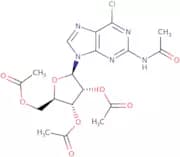
CAS:<p>2-Amino-6-chloro-9-(2',3',5'-tri-O-acetyl-b-D-ribofuranosyl)purine is a protected nucleoside analog.In this compound the sugar’s hydroxyl groups are acetylated to make it chemically stable and reactive in nucleoside chemistry.</p>Pureza:Min. 95%2′-O-[2-(Methylamino)-2-oxoethyl]adenosine
CAS:<p>2′-O-[2-(Methylamino)-2-oxoethyl]adenosine is a nucleoside that can be used as an anticancer, antiviral, and anticoagulant. It is synthesized from the natural nucleosides adenosine and cytidine. 2′-O-[2-(Methylamino)-2-oxoethyl]adenosine has been shown to inhibit the growth of tumor cells in vitro. This compound also inhibits viral replication by inhibiting DNA synthesis through inhibition of ribonucleotide reductase and deoxyribonucleotide reductase. 2′-O-[2-(Methylamino)-2-oxoethyl]adenosine is phosphorylated by ATP to produce 2′-O-[2-(methylamino)-2-oxoethyl]adenosinophosphate (AMP). AMP then binds to the purinergic receptor P1, which leads to</p>Fórmula:C13H18N6O5Pureza:Min. 95%Peso molecular:338.32 g/mol1-(3',5'-Di-O-benzoyl-2'-deoxy-2'-fluoro-b-D-arabinofuranosyl)-5-iodouracil
<p>1-(3',5'-Di-O-benzoyl-2'-deoxy-2'-fluoro-b-D-arabinofuranosyl)-5-iodouracil is a modified nucleoside analog for research applications. It contains a uracil base with an iodine atom, a fluorinated sugar that produces increased metabolic stability and benzoyl-protecting groups at the 3'- and 5'-hydroxyl positions, commonly used in nucleoside synthesis.</p>Pureza:Min. 95%N6-Benzoyl-2'-O-methyladenosine
CAS:<p>N6-Benzoyl-2'-O-methyladenosine is a nucleoside that is chemically synthesized. It has been shown to be an inhibitor of the polyhedrosis virus, which causes an infectious disease in silkworms. N6-Benzoyl-2'-O-methyladenosine also inhibits viral replication by interfering with the synthesis of messenger RNA. This compound can be used as a silver nitrate or silver salt prodrug for treating diseases caused by viruses and bacteria. This drug is not active against DNA viruses because it does not possess phosphate groups on its structure.</p>Fórmula:C18H19N5O5Pureza:Min. 95%Forma y color:PowderPeso molecular:385.37 g/mol2'-Deoxy-2'-fluoroadenosine-5'-triphosphate tetralithium salt
CAS:<p>2'-Deoxy-2'-fluoroadenosine-5'-triphosphate tetralithium salt (FdATP) is a competitive inhibitor of ATP. It inhibits the synthesis of RNA, DNA, and protein in cell culture at high concentrations. FdATP is also an analog of adenosine triphosphate (ATP), which is needed for cellular energy production. The competitive inhibition of ATP by FdATP prevents the formation of a phosphorylated enzyme that is required for the initiation of DNA synthesis. This can lead to cell death, as the cells cannot produce proteins required for growth and replication.</p>Fórmula:C10H11FN5O12P3•Li4Pureza:Min. 95%Forma y color:PowderPeso molecular:532.9 g/mol2'-Deoxyadenosine monohydrate
CAS:<p>2'-Deoxyadenosine monohydrate (2'-dA) is an adenosine nucleotide that is synthesized by the enzyme adenosine kinase. It is a competitive inhibitor of phosphodiesterase and inhibits the activity of this enzyme, which breaks down cyclic nucleotides to their corresponding monophosphate form. This leads to elevated levels of cAMP, which can cause neuronal death by apoptosis. 2'-dA has been shown to have sublethal effects on neurons at concentrations that are below those required for neuronal death and apoptosis. This may be due to its ability to inhibit the synthesis of ATP, thereby limiting the production of phosphoryl groups from ATP. The inhibition of ATP synthesis also reduces the amount of energy available for other processes within cells.</p>Fórmula:C10H13N5O3•H2OPureza:Min. 98 Area-%Forma y color:PowderPeso molecular:269.26 g/mol5'-O-tert-Butyldiphenylsilyl-thymidine
CAS:<p>5'-O-tert-Butyldiphenylsilyl-thymidine (TBS-T) is a class of nucleoside that is synthesized by condensation of two molecules of 5'-O-tert-butyldiphenylsilyl-2',3'-dideoxyuridine (TBDPS) and N6-benzoyladenine. TBS-Ts are used in the synthesis of phosphorothioate oligodeoxynucleotides. They have been shown to be useful as activators for the formation of phosphite linkages at the 3' terminus of DNA oligonucleotides. TBS-T is also used in other applications, such as the preparation of diastereomerically pure nucleosides for use in chemical reactions.</p>Fórmula:C26H32O5N2SiPureza:Min. 95%Forma y color:White PowderPeso molecular:480.63 g/molThymidine 3′-monophosphate disodium
CAS:<p>Thymidine 3′-monophosphate disodium is a chemotherapeutic agent that has been shown to have antiviral and anticancer properties. It is a nucleoside analogue, which mimics the structure of thymidine and inhibits DNA synthesis by interfering with the DNA replication process. Thymidine 3′-monophosphate disodium is also used as an activator in the synthesis of deoxyribonucleosides and ribonucleosides. This product is synthetic, high quality, and not chemically modified. It has CAS number 68698-19-1 and molecular weight of 242.06 g/mol.</p>Fórmula:C10H15N2O8P•Na2Pureza:Min. 95%Forma y color:PowderPeso molecular:368.19 g/mol5'-O-DMT-thymidine 3'-O-succinate triethylammonium salt
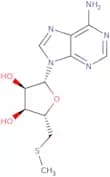
CAS:<p>5'-O-DMT-thymidine 3'-O-succinate triethylammonium salt is a novel antiviral agent that inhibits viral replication by competing with natural nucleosides for incorporation into the viral DNA or RNA. The 5'-O-DMT group prevents the elimination of thymidine from the monophosphate form. This product has a high purity and quality, as well as potent antiviral activity against HIV and other viruses.</p>Fórmula:C35H36N2O10·xC6H15NPureza:Min. 95%Forma y color:PowderPeso molecular:745.86 g/mol2-Methylthioadenosine
CAS:<p>2-Methylthioadenosine is a purine nucleoside which induces necrotic cell death. It is the first of its kind to be shown to have activity against squamous carcinoma cells, and is activated by nucleoside phosphorylase in order to produce its cytotoxic form. 2-Methylthioadenosine also inhibits the transcription-polymerase chain reaction and increases oxidative injury. This drug has been shown to have receptor activity in brain cells, as well as chemotactic activity for gland cells. 2-Methylthioadenosine has been used as a model organism for polymerase chain reactions, and has been shown to inhibit p2y receptors in the human colon cancer cell line HT29.</p>Fórmula:C11H15N5O4SPureza:Min. 95%Forma y color:White Off-White PowderPeso molecular:313.34 g/mol5'-O-(4,4'-Dimethoxytrityl)adenosine
CAS:<p>5'-O-(4,4'-Dimethoxytrityl)adenosine is a phosphoramidite that can be used as an activator for the synthesis of DNA. It is also used in the preparation of modified nucleosides and has anticancer activity. 5'-O-(4,4'-Dimethoxytrityl)adenosine is a modified ribonucleoside with high quality and high purity. This product has been shown to have antiviral activity against HIV-1.</p>Fórmula:C31H31N5O6Pureza:Min. 95 Area-%Forma y color:White Off-White PowderPeso molecular:569.61 g/mol5'-Deoxy-5-fluorocytidine
CAS:<p>5'-Deoxy-5-fluorocytidine is a cytosolic nucleoside analogue that is phosphorylated by cellular enzymes to the active form 5'-deoxy-5-fluorouridine monophosphate. It is a prodrug, which is activated in the body to release 5-FU and inhibits the growth of cancer cells. 5'-Deoxy-5-fluorocytidine has been shown to be effective against metastatic colorectal cancer in humans and resistant breast cancer in mice. The drug can also be used as an oral prodrug for 5-FU, which has a wide therapeutic index and low toxicity. Studies have shown that it selectively inhibits proliferation of solid tumours through inhibition of protein synthesis and cell division. The drug also has antiangiogenic effects, which are thought to contribute to its antitumor activity.</p>Fórmula:C9H12FN3O4Pureza:Min. 98 Area-%Forma y color:White PowderPeso molecular:245.21 g/mol2'-Deoxy-3,5-dimethylcytidine
CAS:<p>2'-Deoxy-3,5-dimethylcytidine is a nucleoside analog that is an activator of the ribonucleotide reductase enzyme. It has been shown to have anticancer properties in vitro and in vivo. 2'-Deoxy-3,5-dimethylcytidine has also been shown to be effective against HIV and herpes virus infections. 2'-Deoxy-3,5-dimethylcytidine is synthesized from deoxyribonucleosides or nucleosides by phosphitylation with phosphoramidites or diphosphates. The CAS number for this product is 198198-29-7.</p>Fórmula:C11H17N3O4Pureza:Min. 95%Forma y color:PowderPeso molecular:255.27 g/mol5'-O-DMT-2'-O-hexylphthalimidouridine
<p>5'-O-DMT-2'-O-hexylphthalimidouridine is a novel nucleoside analog with anticancer activity. It is a modified nucleoside that has been synthesized and purified in high purity. 5'-O-DMT-2'-O-hexylphthalimidouridine is an activator of DNA and RNA synthesis and has antiviral properties. It also inhibits the production of tumor necrosis factor alpha (TNFα) by human synovial cells. This compound binds to the RNA polymerase II enzyme, which prevents transcription of genetic material from DNA templates into messenger RNA. This leads to inhibition of protein synthesis and cell death by apoptosis.</p>Fórmula:C44H45N3O10Pureza:Min. 95%Peso molecular:775.86 g/mol2'-O-Methylcytidine
CAS:<p>2'-O-Methylcytidine is a nucleoside with a hydroxyl group on the 2' carbon. The hydroxyl group makes it an effective inhibitor of viral replication, and it has been shown to be active against HIV-1 in cell culture. 2'-O-Methylcytidine is also metabolized by nucleotide salvage pathways, and the metabolic response can be studied using proton nuclear magnetic resonance (NMR) spectroscopy and x-ray diffraction data. It has been found that 2'-O-Methylcytidine inhibits protein synthesis in cancer cells, and this may be due to its ability to bind to the response element on DNA.</p>Fórmula:C10H15N3O5Pureza:Min. 95%Forma y color:White PowderPeso molecular:257.24 g/molβ-Nicotinamide adenine dinucleotide sodium dihydrate
CAS:<p>Coenzyme and regenerating electron donor in catabolic processes</p>Fórmula:C21H26N7NaO14P2•(H2O)2Pureza:Min. 95%Forma y color:White PowderPeso molecular:721.44 g/mol4-Hydroxy-6-methylpyrimidine
CAS:<p>4-Hydroxy-6-methylpyrimidine (4-OHMP) is a metabolite of trimethyltin. It is formed in the liver by methylation of 4,6-dimethylpyrimidine (4,6-DMPU). The levels of 4-OHMP in urine samples are used to monitor exposure to this agent. The median values for urinary concentrations of 4-OHMP are typically 10 times higher than those found in blood samples. The metabolite can be detected in urine up to 2 weeks after an individual’s last contact with trimethyltin. This compound has been shown to inhibit the synthesis of glycol dimethyl ethers and carbamates.</p>Fórmula:C5H6N2OPureza:Min. 95%Peso molecular:110.11 g/molN2,N2,7-Trimethylguanosine
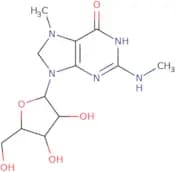
CAS:<p>Trimethylguanosine is a hydrogen-bonded base that is found in the DNA of all living organisms. It has a diagnostic role in cancer and metabolic disorders, as well as in the study of cell culture. Trimethylguanosine can be used to identify cancer cells by measuring its fluorescence properties, which are different from those of healthy cells. This compound also has a role in the diagnosis of metabolic disorders, such as diabetes mellitus and renal disease. Trimethylguanosine is also involved in biological function, and is necessary for the synthesis of proteins and nucleic acids.</p>Fórmula:C13H20N5O5Pureza:Min. 95 Area-%Forma y color:PowderPeso molecular:326.33 g/molL-Cytidine
CAS:<p>L-Cytidine is a nucleoside that is found in the body, and is also used as a drug. It is a precursor to other nucleosides, such as cytidine triphosphate, which is involved in DNA synthesis and repair. L-Cytidine has been shown to be effective against HIV infection by inhibiting the activity of the enzyme ns3 protease. This inhibition prevents viral proteins from being released from cells and infecting other cells. L-Cytidine has also been shown to be an inhibitor of creatine kinase and glycosidation, two enzymes that are necessary for cell metabolism. L-Cytidine has also been shown to be reactive with halides, which may lead to unwanted side effects.</p>Fórmula:C9H13N3O5Pureza:Min. 95%Forma y color:PowderPeso molecular:243.22 g/molN6-Benzoyl-2'-O-(2-methoxyethyl)adenosine
CAS:<p>N6-Benzoyl-2'-O-(2-methoxyethyl)adenosine is a novel nucleoside that can be used as an antiviral agent. It is an activator of viral polymerase and inhibits the proliferation of cells infected with HIV. This compound has been synthesized from 2'-deoxyadenosine monophosphate, which is a precursor to RNA and DNA synthesis. N6-Benzoyl-2'-O-(2-methoxyethyl)adenosine has also been shown to inhibit the growth of experimental tumors in mice. The synthesis of this compound is reliable and reproducible, making it a high quality product.</p>Fórmula:C20H23N5O6Pureza:Min. 95%Peso molecular:429.43 g/mol2'-Deoxy-5'-O-DMT-cytidine
CAS:<p>2'-Deoxy-5'-O-DMT-cytidine is an organic compound. It is a synthetic, combinational and amine nitrogen containing heterocyclic compound that is used in organic synthesis. This chemical is also used as a building block for the synthesis of heterocyclic compounds with other functional groups such as thionyl, formulae, chlorides and hydrogen atoms.</p>Fórmula:C30H31N3O6Pureza:Min. 95 Area-%Forma y color:White PowderPeso molecular:529.58 g/mol1-(α-D-Ribofuranosyl)uracil
CAS:<p>1-(α-D-Ribofuranosyl)uracil is a nucleoside analog made up of a uracil attached to a ribose sugar at the 1-position, with the sugar in the α configuration. This compound is of interest in biochemistry research and nucleoside chemistry, especially when studying stereochemistry or synthesizing analogs.</p>Fórmula:C9H12N2O6Pureza:(¹H-Nmr) Min. 95 Area-%Forma y color:PowderPeso molecular:244.2 g/mol2',3'-Dideoxyinosine
CAS:<p>2',3'-Dideoxyinosine is a purine analog that can suppress human immunodeficiency virus (HIV) replication after intracellular metabolic conversion</p>Fórmula:C10H12N4O3Pureza:Min. 95 Area-%Forma y color:White Off-White PowderPeso molecular:236.23 g/molUridine 5'-monophosphate disodium
CAS:<p>Uridine 5'-monophosphate disodium salt (UDP-MS) is a structural analog of uridine that is used as a dietary supplement. It has been shown to inhibit phosphodiesterases and cyclic nucleotide phosphodiesterases, which are enzymes that degrade the secondary messenger, cyclic adenosine monophosphate (cAMP). This inhibition leads to increased levels of cAMP in cells, which stimulates protein kinase A activity and promotes cellular differentiation. The analysis of UDP-MS has been performed using liquid chromatography with ultraviolet detection.</p>Fórmula:C9H11N2Na2O9PPureza:Min. 98 Area-%Forma y color:White Off-White PowderPeso molecular:368.15 g/mol2'-Deoxy-5-formylcytidine
CAS:<p>2'-Deoxy-5-formylcytidine is a nucleoside analog that is used as a chemotherapeutic agent. It is cytotoxic to cells by binding to DNA and preventing the synthesis of DNA, RNA, and protein. The drug has been shown to induce cellular senescence in human fibroblasts, which can be reversed by the addition of deuterium. 2'-Deoxy-5-formylcytidine also inhibits the production of reactive oxygen species (ROS) by inducing the expression of antioxidant enzymes such as superoxide dismutase 2 and glutathione peroxidase 1. The oxidation products are misincorporated into DNA strands, leading to intramolecular hydrogen bonds with cytosine bases. These modifications lead to denaturation of DNA and inhibition of transcription and replication.<br>2'-Deoxy-5-formylcytidine also interacts with oligodeoxynucleotides, which leads to misinc</p>Fórmula:C10H13N3O5Pureza:Min. 97 Area-%Forma y color:White PowderPeso molecular:255.23 g/mol7-Deaza-2'-deoxyxanthosine
CAS:<p>7-Deaza-2'-deoxyxanthosine is an oligodeoxynucleotide that is a substrate for the enzyme dUTPase. The allyl group on 7-deaza-2'-deoxyxanthosine is used to attach it to the 3' end of DNA, where it acts as a competitive inhibitor of RNA synthesis. The ethyl group at the end of the molecule is used to attach it to the 5' end of DNA, where it inhibits transcription and replication by binding with RNA polymerase. 7-Deaza-2'-deoxyxanthosine has been shown to be effective in preventing stenosis following coronary bypass surgery, as well as in treating heart disease by reducing levels of xanthosine.</p>Fórmula:C11H13N3O5Pureza:Min. 95%Forma y color:Beige PowderPeso molecular:267.24 g/molUridine 5'-diphosphate choline ammonium
CAS:<p>Uridine 5'-diphosphate choline ammonium salt is a chemical compound that contains two molecules of uridine and one molecule of choline. It is a hexamer with an empirical formula of C6H14N4O13P3. Uridine 5'-diphosphate choline ammonium salt can be found in plants and animals, as well as being synthesized by the human body. This compound is present in the interstitium, which are the spaces between cells, and may play a role in the nutritional status of humans.</p>Fórmula:C14H28N4O12P2Pureza:Min. 90 Area-%Forma y color:PowderPeso molecular:506.34 g/mol2'-Deoxy-2'-fluoroinosine
CAS:<p>2'-Deoxy-2'-fluoroinosine is a modified nucleoside analog derived from inosine, where the 2' hydroxyl group of the sugar (normally present in ribonucleosides) is replaced with a fluorine atom, and the molecule contains a deoxyribose sugar.</p>Fórmula:C10H11FN4O4Pureza:Min. 95%Forma y color:White PowderPeso molecular:270.22 g/mol2,4,6-Trichloro-5-methylpyrimidine
CAS:<p>2,4,6-Trichloro-5-methylpyrimidine is a nucleoside for use in research applications</p>Fórmula:C5H3Cl3N2Pureza:Min. 95%Forma y color:PowderPeso molecular:197.45 g/molThymidine-5'-diphosphate-L-rhamnose disodium
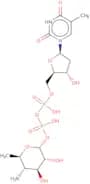
CAS:<p>Thymidine-5'-diphosphate-L-rhamnose disodium is a nucleoside that belongs to the class of modified nucleosides. It is a synthetic, modified thymidine with a phosphate group at the 5'-position and L-rhamnose at the 2' position. Thymidine-5'-diphosphate-L-rhamnose disodium has antiviral and anticancer activities, as well as high purity and high quality. This compound has been shown to inhibit HIV replication in vitro and in vivo. Thymidine-5'-diphosphate-L-rhamnose disodium is also used in the synthesis of DNA and RNA.</p>Fórmula:C16H24N2O15P2Na2Pureza:Min. 95 Area-%Forma y color:PowderPeso molecular:592.29 g/mol2'-Azido-2'-deoxyadenosine
CAS:<p>2'-Azido-2'-deoxyadenosine is a synthetic nucleoside analog of adenosine in which the 2'-hydroxyl group of the ribose sugar is replaced by an azido group (–N₃), and the 3'- and 5'-hydroxyl groups remain intact. This modification confers unique chemical properties, including the ability to participate in bioorthogonal "click" chemistry reactions, particularly azide-alkyne cycloadditions, making it useful for labeling and tracking nucleic acids in biochemical studies. Additionally, the azido substitution can influence enzymatic recognition and incorporation by polymerases, allowing its use in studying nucleic acid metabolism, drug design, and therapeutic nucleoside analog development.</p>Fórmula:C10H12N8O3Pureza:Min. 95%Forma y color:PowderPeso molecular:292.25 g/mol2'-C-Methyluridine
CAS:<p>2'-C-Methyluridine is a synthetic nucleoside analog derived from uridine, modified with a methyl group at the 2'-carbon of the ribose sugar. This small chemical change has important implications for RNA biology, antiviral drug development, and biochemical research, especially in targeting RNA viruses.</p>Fórmula:C10H14N2O6Pureza:Min. 95%Forma y color:PowderPeso molecular:258.23 g/mol5'-O-DMT-5-[N-(6-(trifluoroacetamido)hexyl)-3-E-acrylamido]-2'-deoxyuridine
CAS:<p>5'-O-DMT-5-[N-(6-(trifluoroacetamido)hexyl)-3-E-acrylamido]-2'-deoxyuridine is a novel phosphoramidate nucleoside monophosphate, which is a phosphate analog of 2'-deoxyuridine. It has been shown to be an activator for DNA polymerases and is able to inhibit the replication of DNA in vitro. It also has antiviral properties, as it inhibits the synthesis of viral RNA. 5'-O-DMT-5-[N-(6-(trifluoroacetamido)hexyl)-3-E-acrylamido]-2'-deoxyuridine also has anti-inflammatory effects, as it inhibits prostaglandin synthesis.</p>Fórmula:C41H45F3N4O9Pureza:Min. 95%Forma y color:White PowderPeso molecular:794.83 g/mol3'-O-Methylcytidine
CAS:<p>3'-O-Methylcytidine is an acidic guanine nucleoside that is a component of RNA. It is a biochemical building block and a co-substrate in the synthesis of DNA and RNA. 3'-O-Methylcytidine has been shown to be hydroxylated by the enzyme cytidine 5'-monophosphate, which leads to its termination when it reaches the ribosome. This nucleoside also inhibits bacterial growth through inhibition of ribosomal function, leading to reduced protein synthesis. 3'-O-Methylcytidine can act as an environmental pollutant, especially in chloride environments such as seawater. It has been found to be globally distributed in dinucleotides and monomethylated forms, with biosynthetic pathways similar to other nucleic acids.</p>Fórmula:C10H15N3O5Pureza:Min. 98 Area-%Forma y color:White PowderPeso molecular:257.24 g/molADP monosodium salt - Bio-X ™
CAS:<p>Adenosine 5'-diphosphate monosodium salt (ADP) is an adenine nucleotide which is phosphorylated into ATP by the enzyme ATPase. This phosphorylation is essential in cellular homeostasis due to its role in energy storage and nucleic acid metabolism.</p>Fórmula:C10H15N5O10P2•NaPureza:Min. 95%Forma y color:PowderPeso molecular:449.18 g/mol2'-Deoxy-5'-O-DMT-2'-fluoro-N4-phenoxyacetylcytidine
<p>2'-Deoxy-5'-O-DMT-2'-fluoro-N4-phenoxyacetylcytidine is a monophosphate nucleotide analog that is used as an antiviral agent. It inhibits viral replication by inhibiting the activity of DNA polymerase, which is needed to synthesize DNA. 2'-Deoxy-5'-O-DMT-2'-fluoro-N4-phenoxyacetylcytidine has been shown to be effective against HIV and HSV in vitro and in vivo. This nucleotide analog has also been shown to be potent against Hepatitis B viruses and adenovirus type 3.<br>2'-Deoxy-5'-O-DMT-2'-fluoro-N4-phenoxyacetylcytidine is phosphoramidate derivative of cytosine with a fluorine substitution at the 2' position on the sugar moiety, making it a novel compound. The pyrid</p>Fórmula:C38H36FN3O8Pureza:Min. 98 Area-%Forma y color:Yellow PowderPeso molecular:681.71 g/mol2'-Deoxy-5-propynylcytidine
CAS:<p>Deoxynucleoside with an alkyne handle on the base which can be used for conjugation via click chemistry.</p>Fórmula:C12H15N3O4Pureza:Min. 95%Forma y color:PowderPeso molecular:265.27 g/mol2'-Deoxyguanosine 3'-monophosphate sodium
CAS:<p>2'-Deoxyguanosine 3'-monophosphate sodium is a novel, synthetic nucleoside that inhibits DNA replication and transcription. It has been shown to be a potent inhibitor of human immunodeficiency virus type 1 (HIV-1) and human T-cell leukemia virus type I (HTLV-I). 2'-Deoxyguanosine 3'-monophosphate sodium is in the category of nucleosides, which are phosphorylated compounds that can be incorporated into DNA by DNA polymerase. This product has a high purity and is synthesized from diphosphate.</p>Fórmula:C10H12Na2N5O7PPureza:Min. 95%Forma y color:White Off-White PowderPeso molecular:391.19 g/molN-Succinyl-5-aminoimidazole-4-carboxamide ribose disodium salt
CAS:<p>N-Succinyl-5-aminoimidazole-4-carboxamide ribose disodium salt is a novel modified nucleoside with anticancer activity. The compound is a monophosphate, which activates DNA and RNA synthesis. This agent also has antiviral and antifungal effects. N-Succinyl-5-aminoimidazole-4-carboxamide ribose disodium salt is synthesized from diphosphate and deoxyribonucleosides. It was first patented in 1979 and has been approved by the US Food and Drug Administration (FDA) for use as a pharmaceutical agent. N-Succinyl-5-aminoimidazole-4-carboxamide ribose disodium salt can be used to produce phosphoramidites, which are synthetic DNA building blocks that are used in the production of DNA and RNA synthesis.</p>Fórmula:C13H16N4O9Na2Pureza:Min. 95 Area-%Forma y color:Off-White PowderPeso molecular:418.27 g/mol1-(3',5'-Di-O-benzoyl-2'-chloro-2'-deoxy-β-L-arabinofuranosyl)thymine
CAS:<p>1-(3`,5`-Di-O-benzoyl-2`-chloro-2`-deoxy-beta-L-arabinofuranosyl)thymine is a nucleoside analog for research applications. This compound is made up of a thymine base and the sugar 2'-Chloro-2'-deoxy-β-L-arabinofuranose. The sugar has the L-arabinose configuration and a 2'-Chloro substitution which can alter its interactions with enzymes and enhance resistance to degradation. It also contains benzoyl groups that protect the hydroxyls during chemical synthesis.</p>Fórmula:C24H21FN2O7Pureza:Min. 95%Peso molecular:468.43 g/molUridine-5-oxyacetic acid methyl ester
CAS:<p>Uridine-5-oxyacetic acid methyl ester is a modified nucleotide that is an intermediate in the biosynthesis of uridine. This molecule can be synthesized from 5-hydroxymethyluridine and malonic acid by a methyltransferase. Uridine-5-oxyacetic acid methyl ester can also be obtained from the metabolism of deoxyribose. Analysis of this molecule is possible with spectrometric, mass spectrometric, and chemical structures methods. It has been shown to have a function in translation and protein synthesis. The chemical structure of uridine-5-oxyacetic acid methyl ester has been determined to be guanosine-3',5'-bis(2'-carboxyethyl)phosphate, which is different from that found in DNA or RNA.</p>Fórmula:C12H16N2O9Pureza:Min. 95%Forma y color:PowderPeso molecular:332.26 g/mol2'-O-Methyl-5-propynylcytidine
CAS:<p>2'-O-Methyl-5-propynylcytidine is an antiviral drug that inhibits the replication of retroviruses by competitive inhibition of the viral RNA polymerase. It has been shown to be effective against HIV, HSV and CMV. This drug also has shown anticancer activity in vitro and in vivo. 2'-O-Methyl-5-propynylcytidine has a novel mechanism of action and is used as a building block for oligonucleotide synthesis because it is resistant to degradation by nucleases.</p>Fórmula:C13H17N3O5Pureza:Min. 95%Forma y color:PowderPeso molecular:295.29 g/molRiboflavin 5'-adenosine diphosphate disodium salt hydrate
CAS:<p>Riboflavin 5'-adenosine diphosphate disodium salt hydrate is a chemical compound that can be used as a substrate for nitrate reductase in the presence of molecular oxygen. It can be used to identify mollicutes and diagnose radiation-induced lesions. The reaction mechanism involves the conversion of riboflavin 5'-adenosine monophosphate to riboflavin 5'-adenosine diphosphate by an enzyme called nitrate reductase, which is present in the microorganism. This reaction is accompanied by the release of electrons, which are detected by a fluorescence detector. The rate constant for this reaction is <br>k=1.5x10^-4/s at pH 7 and 37 degrees Celsius with an electrochemical detector and k=2.0x10^-3/s at pH 7 and 37 degrees Celsius with a carbonyl oxygens detector. Riboflavin 5'-</p>Fórmula:C27H31N9Na2O15P2·xH2OPureza:(Uv) Min. 95%Forma y color:Yellow Orange PowderPeso molecular:829.51 g/mol2'-Deoxy-N2-DMF-5'-O-DMT-guanosine
CAS:<p>2'-Deoxy-N2-DMF-5'-O-DMT-guanosine is a monophosphate nucleoside that has antiviral, anticancer, and high purity properties. It is synthesized by the phosphoramidite method from 2'-deoxy-N2-DMF and 5'-O-DMT guanosine. This compound has been shown to inhibit the growth of human cancer cells in vitro and in vivo. It also inhibits HIV replication in vitro and is not toxic to normal cells.</p>Fórmula:C34H36N6O6Pureza:Min. 95%Forma y color:White PowderPeso molecular:624.7 g/mol1-(2'-Deoxy-5'-O-DMT-2'-fluoro-b-D-arabinofuranosyl)uracil
CAS:<p>1-(2'-Deoxy-5'-O-DMT-2'-fluoro-b-D-arabinofuranosyl)uracil is a nucleoside analog and contains a uracil base, and a 2'-deoxy-5'-O-DMT-2'-fluoro-b-D-arabinofuranosyl sugar moiety. The 2'-fluoro modification is of particular interest due to its potential to alter the chemical and biological properties of the resulting oligonucleotides. Fluorinated nucleosides and their analogs have been extensively studied for their antiviral and anticancer activities. The incorporation of fluorine into nucleoside analogs can also affect their interaction with DNA and RNA, leading to changes in their therapeutic potential.</p>Fórmula:C30H29FN2O7Pureza:Min. 95%Forma y color:White To Off-White SolidPeso molecular:548.56 g/mol1-Methylpseudouridine
CAS:<p>1-Methylpseudouridine is a substitute for uridine in modified mRNA. This substitution has shown to increase transfection by reducing immuogenicity. The 1-methylpseudouridine substituted mRNA increases protein expression due to low immune stimulation as it evades detection by the edosomal Toll-like receptor (TLR3).</p>Fórmula:C10H14N2O6Pureza:Min. 98.0 Area-%Peso molecular:258.23 g/molRef: 3D-M-4320
1gA consultar5gA consultar250mgA consultar500mgA consultar2500mgA consultar-Unit-ggA consultar1-(2'-Deoxy-2'-fluoro-β-D-arabinofuranosyl)-5-iodouracil
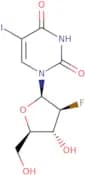
CAS:<p>1-(2'-Deoxy-2'-fluoro-β-D-arabinofuranosyl)-5-iodouracil is a nucleoside analog with antiviral properties. It consists of a modified uracil base (5-iodouracil) attached to a fluorinated arabinofuranosyl sugar moiety. In cell culture, it inhibits the replication of varicella-zoster virus, herpes simplex virus type 1 and 2 and cytomegalovirus.</p>Fórmula:C9H10FIN2O5Pureza:Min. 98 Area-%Forma y color:White Off-White PowderPeso molecular:372.09 g/mol9-(b-D-Ribofuranosyl)purine
CAS:<p>9-(b-D-Ribofuranosyl)purine (9-BRP) is a purine nucleoside that is used in the synthesis of dyes. It has been shown to be an effective inhibitor of the enzyme phosphodiesterase 3B, which breaks down cyclic adenosine monophosphate (cAMP), and therefore can prevent kidney fibrosis. 9-BRP has also been shown to inhibit the synthesis of collagen by binding to cAMP. In addition, 9-BRP binds to DNA and forms hydrogen bonds with nitrogen atoms on the phosphate groups in DNA. This interaction prevents the formation of hydrogen bonds between water molecules in water vapor and phosphate groups, thus slowing down their rate of dissociation from each other. 9-BRP also has a high affinity for Toll-like receptor 4 (TLR4), which is involved in the inflammatory response, making it an ideal therapeutic candidate for treating inflammation and renal fibrosis.</p>Fórmula:C10H12N4O4Pureza:Min. 97 Area-%Forma y color:PowderPeso molecular:252.23 g/molb-Nicotinamide mononucleotide
CAS:<p>b-Nicotinamide mononucleotide, or NMN, is a precursor to nicotinamide adenine dinucleotide (NAD+), a coenzyme found in all living cells that is essential for various metabolic processes. NAD+ is involved in critical functions such as DNA repair, gene expression, and cellular stress responses.</p>Fórmula:C11H15N2O8PPureza:Min. 95 Area-%Forma y color:PowderPeso molecular:334.22 g/mol3-Methyl-2-nitropyridine
CAS:<p>3-Methyl-2-nitropyridine is a high yield byproduct of formamide, which can be activated to form an intermediate for the synthesis of nucleosides. The kinetics and labeling of this intermediate were studied using a transfer experiment. 3-Methyl-2-nitropyridine is acidic, with a pKa value of 3.6, and is reactive towards nucleophiles. It is also catalytic, yielding methyl groups and dioxane as products when heated at temperatures between 180°C and 220°C. In addition, it undergoes nucleophilic substitutions at methoxy groups.</p>Fórmula:C6H6N2O2Pureza:Min. 95%Forma y color:PowderPeso molecular:138.12 g/molN2-Isobutyryl-3',5'-O-(1,1,3,3-tetraisopropyl-1,3-disiloxanediyl)guanosine
CAS:<p>N2-Isobutyryl-3',5'-O-(1,1,3,3-tetraisopropyl-1,3-disiloxane-diyl)guanosine is a nucleoside that is activated by phosphorylation. It has been shown to be an inhibitor of cancer cell growth and proliferation in vitro. This compound was also found to inhibit the expression of two oncogenes (c-MYC and c-Ki67) and induce the expression of the tumor suppressor gene p53. This nucleoside is synthesized from 2'-deoxyadenosine monophosphate (2'-DAMP) with a modified DNA synthesis protocol.</p>Fórmula:C26H45N5O7Si2Pureza:Min. 95 Area-%Forma y color:White Off-White PowderPeso molecular:595.84 g/mol2-Aminoadenosine
CAS:<p>2-Aminoadenosine is a synthetic nucleoside analog of adenosine in which the purine base is 2,6-diaminopurine, featuring an additional amino group at the C2 position. This modification enhances hydrogen bonding potential and alters base-pairing specificity, allowing it to form three hydrogen bonds with uracil or thymine, in contrast to adenine's two. As a result, 2-aminoadenosine has been studied for its impact on nucleic acid stability, replication fidelity, and enzymatic recognition. It has also shown potential in antiviral and anticancer research due to its ability to disrupt normal RNA and DNA metabolism.</p>Fórmula:C10H14N6O4Pureza:Min. 98 Area-%Forma y color:White PowderPeso molecular:282.26 g/mol5-Chloro-2-iodopyrimidine
CAS:<p>5-Chloro-2-iodopyrimidine is an organic molecule that belongs to the class of trifluoromethylated molecules. It was discovered by a team of chemists in 2006 and has been used as a reagent for the efficient trifluoromethylation of organic molecules. 5-Chloro-2-iodopyrimidine can be catalyzed with copper, which is responsible for its unique reactivity. The synthesis of this molecule has been shown to be efficient in organic chemistry.<br>END></p>Fórmula:C4H2ClIN2Pureza:Min. 95%Forma y color:PowderPeso molecular:240.43 g/mol2,8-Dimethyladenosine
CAS:<p>2,8-Dimethyladenosine is a methylated derivative of the purine nucleoside adenosine, in which methyl groups are added at the 2-position and 8-position of the adenine base.</p>Fórmula:C12H17N5O4Pureza:Min. 95%Forma y color:White PowderPeso molecular:295.29 g/mol3'-Deoxythymidine
CAS:<p>3'-Deoxythymidine (3DT) is a nucleoside analog that has high resistance to HIV. It is an analogue of the human insulin-like growth factor-1 (IGF-1), which binds to the IGF-1 receptor and inhibits the binding of IGF-1 to its receptor, thereby inhibiting the growth of cells. 3DT has been shown to have a protective effect against radiation in mice, with an LD50 at a dose of 5.0 mg/kg for radiation exposure. 3DT also has antiviral activity against murine sarcoma virus, as well as other biological properties such as enzyme activities and disease activity. This drug may be used in future research on polymerase chain reactions (PCRs) and DNA sequencing, since it is chemically stable and can be easily synthesized.</p>Fórmula:C10H14N2O4Pureza:Min. 95%Forma y color:White PowderPeso molecular:226.23 g/molN4-Benzoyl-2'-deoxy-a-cytidine
CAS:<p>N4-Benzoyl-2'-deoxy-a-cytidine is a novel, modified nucleoside that has shown anticancer and antiviral activity. It is synthesized by the enzymatic oxidation of 2'-deoxyadenosine with benzoyl chloride and sodium bicarbonate. N4-Benzoyl-2'-deoxy-a-cytidine has been shown to activate transcription, increase DNA synthesis, and inhibit virus replication. It also inhibits bacterial growth, but does not appear to have any effect on mammalian cells.</p>Fórmula:C16H17N3O5Pureza:Min. 95%Forma y color:PowderPeso molecular:331.32 g/mol2’-Deoxyisoguanosine
CAS:<p>Incorporated in DNA/RNA hybrids and mismatch pairs to analyse helix stability</p>Fórmula:C10H13N5O4Pureza:Min. 95%Forma y color:PowderPeso molecular:267.24 g/mol3'-Deoxycytidine
CAS:<p>3'-Deoxycytidine is a nucleoside analog used to treat hepatitis. It is an inhibitor of the viral enzyme reverse transcriptase and prevents the synthesis of viral DNA by blocking the formation of low-energy hydrogen bonds between the 3'-hydroxyl group and the 5'-phosphate group of deoxyribonucleotide triphosphates. 3'-Deoxycytidine can be synthesized using solid-phase methods, and has been shown to inhibit human immunodeficiency virus (HIV) in control experiments. This drug also has been shown to have anti-inflammatory effects in experimental bladder inflammation models.</p>Fórmula:C9H13N3O4Pureza:Min. 95%Forma y color:White PowderPeso molecular:227.22 g/mol7-Deaza-2',3'-dideoxyguanosine
CAS:<p>7-Deaza-2',3'-dideoxyguanosine is a nucleoside analogue that is silylated on the 2' and 3' hydroxyl groups. It is also substituted with a deoxygenated 7-deaza-2',3'-dideoxyribose moiety. The substitution of the ribose sugar with deoxygenated 7-deaza-2',3'-dideoxyribose prevents the formation of hydrogen bonds between the sugar and phosphate backbones, which inhibits the enzyme ribonucleotide reductase from catalyzing the conversion of ribonucleotides to deoxynucleotides. This in turn blocks DNA synthesis, leading to cell death.br><br>7-Deaza-2',3'-dideoxyguanosine has been shown to be effective against Mycobacterium tuberculosis and Mycobacterium avium complex.</p>Fórmula:C11H14N4O3Pureza:Min. 95%Forma y color:PowderPeso molecular:250.26 g/mol2,2'-Anhydrocytidine HCl
CAS:<p>2,2'-Anhydrocytidine HCl is a nucleoside for use as a DNA synthesis inhibitor</p>Fórmula:C9H11N3O4·HClPureza:Min. 98 Area-%Forma y color:White PowderPeso molecular:261.66 g/molN1-Methylguanosine
CAS:Producto controlado<p>N1-Methylguanosine is a methylated nucleotide that is incorporated into the growing DNA chain during protein synthesis. The incorporation of N1-methylguanosine into the growing DNA chain can cause frameshifting, which creates an unusual amino acid sequence. This effect has been shown in model organisms, such as Saccharomyces cerevisiae and Escherichia coli. In these organisms, N1-methylguanosine has been shown to induce cancer when added to the growth medium. It is also found in urine samples from people with bladder cancer and has been used to identify urinary tract cancers. Titration calorimetry studies have shown that N1-methylguanosine binds to a chelate ligand and forms a disulfide bond with cysteine residues on proteins or peptides, which may lead to mitochondrial dysfunction by interfering with hydrogen bonding interactions. Messenger RNA studies show that N1-methylguanosine inhibits translation of mRNA by binding to</p>Fórmula:C11H15N5O5Pureza:Min. 95%Forma y color:White PowderPeso molecular:297.27 g/molNelarabine
CAS:<p>Nelarabine is a drug that prevents the growth of cells by inhibiting the bcr-abl kinase, which is an intracellular target. This drug has been shown to be effective against pediatric patients with t-cell acute lymphoblastic leukemia and adults with chronic myeloid leukemia. Nelarabine has minimal toxicity in humans and is not toxic to healthy cells. It has been shown to have anti-inflammatory properties and may be used as a biomarker for autoimmune diseases. Nelarabine also inhibits angiogenesis, which may be due to its effects on nuclear DNA.</p>Fórmula:C11H15N5O5Pureza:Min. 95%Forma y color:White PowderPeso molecular:297.27 g/molN-Phenylpyridin-4-amine
CAS:<p>N-Phenylpyridin-4-amine is a tautomeric compound that has been shown to inhibit the growth of cancer cells. It is able to bind to tyrosine kinase and inhibit its activity, which affects the proliferation of cancer cells. N-Phenylpyridin-4-amine also inhibits mitochondrial functions by inhibiting cytochrome c oxidase. This drug also has an anti-inflammatory effect, inhibiting the production of cytokines such as IL1β, IL6, and TNFα. The biological function of N-Phenylpyridin-4-amine is not yet fully understood. It may be due to the inhibition of protein tyrosine phosphatases (such as PTP1B), which are involved in insulin signalling pathways.</p>Fórmula:C11H10N2Pureza:Min. 95%Forma y color:White Off-White PowderPeso molecular:170.21 g/mol2,3,5-Tri-O-acetyl α-adenosine
CAS:<p>2,3,5-Tri-O-acetyl α-adenosine is a nucleoside analog of adenosine that has been tri-acetylated. This molecule can be used in research.</p>Fórmula:C16H19N5O7Pureza:Min. 95%Forma y color:PowderPeso molecular:393.35 g/mol2'-O-Propargylcytidine
CAS:<p>2'-O-Propargylcytidine is a novel nucleoside that has been modified from cytidine. It is designed to inhibit the activity of RNA polymerase and to be used in anticancer therapy. The synthesis of 2'-O-propargylcytidine has been achieved by modifying the nucleotide with propargylic chloride, which is then reacted with sodium cyanide. The resulting product is purified by column chromatography and recrystallization.<br>2'-O-Propargylcytidine is a phosphoramidite that can be used for DNA synthesis or as a monophosphate in RNA synthesis. This high purity product has a CAS number of 206552-85-4 and it can be used as an activator for ribonucleosides, such as adenosine, guanosine, uridine, cytidine, and thymidine.</p>Fórmula:C12H15N3O5Pureza:Min. 95%Forma y color:PowderPeso molecular:281.26 g/mol8-Azido-2'-deoxyadenosine
CAS:<p>8-azido-2-deoxyadenosine is an azide funcationalised nuceleoside</p>Fórmula:C10H12N8O3Pureza:Min. 95%Forma y color:PowderPeso molecular:292.25 g/mol4-Thiothymidine
CAS:<p>4-Thiothymidine is a nucleoside analog that is converted to thymidine by the enzyme thymidine kinase. It has been shown to inhibit the growth of human skin cancer cells by binding to DNA duplexes and inhibiting the synthesis of new DNA strands. 4-Thiothymidine has also been shown to be effective against radiation-induced damage in cultured human cells and inhibits tumor growth in mice bearing a transplantable mouse skin cancer. 4-Thiothymidine can be used as an inhibitor for chemotherapy or radiation therapy for cancer patients. It is active on both site-specific and cell-specific gene targets, with a reactive hydrogen bond that helps stabilize its formation.</p>Fórmula:C10H14N2O4SPureza:Min. 98 Area-%Forma y color:Yellow PowderPeso molecular:258.3 g/molN6-Methyl-2'-O-methyladenosine
CAS:<p>N6-Methyl-2'-O-methyladenosine is a nucleoside that is found in DNA. In some cases, the methyl group in this molecule can be modified, which can change its biological activity. N6-Methyl-2'-O-methyladenosine has been shown to reduce the severity of bowel disease and myocardial infarcts in experimental models. The structural analysis of vessels from patients with atherosclerosis revealed that this molecule inhibits vascular calcification. It also decreases expression of MMP-9, a protein involved in nephropathy and diabetic kidney disease. N6-Methyl-2'-O-methyladenosine is able to inhibit the development of vascular injury by blocking the activation of cells and reducing inflammation through pharmacological agents that are used in experimental models for blood vessel injury.</p>Fórmula:C12H17N5O4Pureza:Min. 97 Area-%Forma y color:White PowderPeso molecular:295.29 g/molCytidine 5'-monophosphate free acid
CAS:<p>Cytidine 5'-monophosphate is a nucleotide that is important in the synthesis of DNA and RNA. It is a precursor to uridine monophosphate (UMP) and uridylic acid (UDP). Cytidine 5'-monophosphate has been found to inhibit the growth of antibiotic-resistant strains of bacteria, such as those resistant to ampicillin, chloramphenicol, tetracycline, kanamycin, and streptomycin. Cytidine 5'-monophosphate also has inhibitory properties against energy metabolism and protein oxidation in bowel disease. This nucleotide has been shown to increase the rate constant for polymerase chain reaction (PCR) by up to 10-fold.</p>Fórmula:C9H14N3O8PPureza:Min. 98 Area-%Forma y color:White Off-White PowderPeso molecular:323.2 g/molN2,2'-O-Dimethylguanosine
CAS:<p>N2,2'-O-Dimethylguanosine is a nucleoside that belongs to the category of modified bases. It is synthesized from adenosine and a methyl group by a mutant strain of Escherichia coli. N2,2'-O-Dimethylguanosine can be identified by its characteristic UV-visible spectrum and high retention time on chromatographic columns. It has been shown to inhibit translation in E. coli at concentrations as low as 1 mM and also inhibits growth rate at concentrations as low as 2 mM. The chemical structure of this compound is similar to that of guanosine, but it contains an extra methyl group on its 2' carbon atom. This chemical modification may result in changes in the way the molecule interacts with other molecules or how it functions in the cell. <br>N2,2'-O-Dimethylguanosine was first identified from a mutant strain of Escherichia coli that had been subjected to mutagenesis</p>Fórmula:C12H17N5O5Pureza:Min. 95%Peso molecular:311.29 g/molInosine 5'-monophosphate disodium salt hydrate
CAS:<p>Inosine 5'-monophosphate disodium salt hydrate is a nucleotide that is synthesized from adenosine triphosphate in the energy metabolism of cells. It is used as an activator of signal pathways and as a potent inducer of metabolic enzymes. Inosine 5'-monophosphate disodium salt hydrate has been shown to induce bowel disease in mice with experimental colitis, suggesting its utility for treating inflammatory bowel disease. Inosine 5'-monophosphate disodium salt hydrate binds to the ATP-binding site of GTPase, stimulating the hydrolysis of ATP to ADP and phosphate. This reaction causes a conformational change in the enzyme's active site that increases the affinity for GTP by about 10-fold. The binding site is composed of two alpha helices sandwiching a central beta sheet and the catalytic residues are located at both ends of this beta sheet. Structural analysis has revealed that this drug interacts with</p>Fórmula:C10H11N4O8PNa2·xH2OPureza:Min. 99.0 Area-%Forma y color:White PowderPeso molecular:392.17 g/mol3-Methylpseudouridine
CAS:<p>3-Methylpseudouridine is a uridine analog that inhibits the enzyme RNA polymerase. It has been shown to inhibit protein synthesis and can be used in the treatment of bacterial infections. 3-Methylpseudouridine is synthesized by solid-phase chemistry on a polymeric support and purified by high-performance liquid chromatography. It has been shown to inhibit the growth of bacteria in cell culture, but its effects on human cells are not known. 3-Methylpseudouridine also binds with high affinity to calf thymus DNA and it can be used as a substrate for aminoglycoside modification studies.</p>Fórmula:C10H14N2O6Pureza:Min. 95 Area-%Forma y color:White PowderPeso molecular:258.23 g/molN6,N6,2'-O-Trimethyladenosine
CAS:<p>N6,N6,2'-O-Trimethyladenosine is a nucleoside that is found in small quantities in human tissues. It is synthesized by the enzyme polymerase from adenosine and S-adenosyl-L-methionine. N6,N6,2'-O-Trimethyladenosine is structurally similar to guanosine and cytidine and can be modified by nature or synthetic strategies. N6,N6,2'-O-Trimethyladenosine has been shown to have effects on fertility and may be involved in epigenetics as well as tuberculosis. Its role as an epigenetic marker for gene regulation has not been fully determined.</p>Fórmula:C13H19N5O4Pureza:Min. 88 Area-%Forma y color:White PowderPeso molecular:309.32 g/mol2',5'-Dideoxyuridine
CAS:<p>2',5'-Dideoxyuridine is a synthetic nucleoside analog derived from uridine, one of the four standard nucleosides found in RNA. It is chemically modified by the removal of hydroxyl (–OH) groups at the 2' and 5' positions of the sugar, altering its ability to participate in RNA or DNA chain formation.</p>Fórmula:C9H12N2O4Pureza:Min. 95%Forma y color:White To Off-White SolidPeso molecular:212.21 g/mol1', 2', 3', 4', 5'- ¹³C5-Adenosine
CAS:<p>1', 2', 3', 4', 5'- ¹³C5-Adenosine is adenosine which has all five carbon atoms of the ribose sugar replaced with the stable isotope carbon-13 (^13C). Possible applications are in proteomics studies.</p>Fórmula:C5C5H13N5O4Pureza:Min. 97 Area-%Forma y color:White PowderPeso molecular:272.2 g/molPseudouridine
CAS:<p>Uridine isomer; found in tRNA</p>Fórmula:C9H12N2O6Pureza:Min. 98 Area-%Forma y color:White PowderPeso molecular:244.2 g/molCytidine
CAS:<p>Cytidine is a nucleoside that belongs to the group of pyrimidine nucleosides. It can be absorbed from the intestine and hydrolyzed to uridine by intestinal enzymes. Cytidine has been shown to inhibit angiogenesis in animal model systems and transfection experiments, as well as being genotoxic in vitro. Cytidine has also been shown to inhibit polymerase chain reactions (PCR) and enzyme activities, such as cytidine deaminase, which converts cytidine into uracil.</p>Fórmula:C9H13N3O5Pureza:Min. 99 Area-%Forma y color:White Off-White PowderPeso molecular:243.22 g/mol2'-Deoxy-5-hydroxycytidine
CAS:<p>2'-Deoxy-5-hydroxycytidine is a nucleoside analog that is used to treat human immunodeficiency virus (HIV). It inhibits the synthesis of HIV by inhibiting the enzyme reverse transcriptase. This drug binds to DNA duplexes, and has been shown to be reactive with damaged DNA. The compound has been shown to inhibit viral replication in a model system, and also inhibits the polymerase chain reaction. 2'-Deoxy-5-hydroxycytidine may also have thermodynamic properties that are related to its potential for reactivity with oxidative DNA.<br>2'-Deoxy-5-hydroxycytidine is an analog of cytidine. It can be synthesized using solid phase synthesis on a resin support.</p>Fórmula:C9H13N3O5Pureza:Min. 95%Forma y color:White PowderPeso molecular:243.22 g/molO6-Methylguanosine
CAS:<p>Intermediate in the synthesis of nelarabine</p>Fórmula:C11H15N5O5Pureza:Min. 95%Forma y color:PowderPeso molecular:297.27 g/molN4,N4,2’-O-Trimethylcytidine
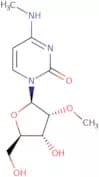
CAS:<p>N4,N4,2’-O-Trimethylcytidine is a novel nucleoside that has been shown to be an anticancer drug. It inhibits the growth of cells by selectively inhibiting their DNA synthesis. N4,N4,2’-O-Trimethylcytidine is also active against viruses and is able to inhibit viral replication by blocking the synthesis of deoxyribonucleosides and phosphoramidites. This compound has been synthesized in high purity and quality with CAS No. 34218-81-0.</p>Fórmula:C12H19N3O5Pureza:Min. 95%Forma y color:White PowderPeso molecular:285.3 g/molN2,N2-Dimethylguanosine
CAS:<p>N2,N2-Dimethylguanosine is a purine nucleoside that is found in human serum. It belongs to the group of purines and has been shown to be involved in energy metabolism. N2,N2-Dimethylguanosine has been shown to be present at high levels in patients with autoimmune diseases such as rheumatoid arthritis. The x-ray crystal structures of wild-type strains of Escherichia coli and Streptococcus pneumoniae have been determined, which revealed that this compound interacts with the enzyme activity for primary sclerosing cholangitis. This nucleoside can also be detected by LC-MS/MS methods and multivariate logistic regression analysis.</p>Fórmula:C12H17N5O5Pureza:Min. 98 Area-%Forma y color:Off-White PowderPeso molecular:311.3 g/mol5-Bromo-2'-deoxy-5'-O-DMT-uridine
<p>5-Bromo-2'-deoxy-5'-O-DMT-uridine is an antiviral nucleoside that is a monophosphate analog of deoxyuridine. 5-Bromo-2'-deoxy-5'-O-DMT-uridine can be used to treat patients with leukemia and other cancers. 5-Bromo-2'-deoxy-5'-O-DMT-uridine has been shown to induce tumor cell apoptosis in vitro and in vivo, as well as inhibit the proliferation of tumor cells by blocking the synthesis of DNA. This drug also has anticancer properties, which are due to its ability to block RNA synthesis.</p>Fórmula:C30H29BrN2O7Pureza:Min. 95%Forma y color:Off-white to beige solid.Peso molecular:609.48 g/mol3'-Deoxyinosine
CAS:<p>3'-Deoxyinosine is a nucleoside analog that is used in the treatment of leukemia, lymphoma, and AIDS-related Kaposi's sarcoma. The drug inhibits DNA synthesis by inhibiting enzymes such as ribonucleotide reductase, thymidylate synthase, and dihydrofolate reductase. 3'-Deoxyinosine has minimal toxicity and may be administered orally or intravenously. It has been shown to have an inhibitory effect on the growth of skin cancer cells and leishmania parasites in cell culture. This drug also lowers blood pressure by interfering with the synthesis of angiotensin II and may be useful for treating hypertension. The drug is synthetically prepared in a laboratory by chemists.</p>Fórmula:C10H12N4O4Pureza:Min. 95%Forma y color:PowderPeso molecular:252.23 g/mol2'-Deoxy-N4-methylcytidine
CAS:<p>2'-Deoxy-N4-methylcytidine is a modified nucleoside that is used to inhibit the activity of protein kinases. It has been shown to inhibit the function of two different types of enzymes, eukaryotic protein kinase and bacterial RNA polymerase. 2'-Deoxy-N4-methylcytidine inhibits the activity of these enzymes by modifying their structure, which in turn prevents them from carrying out their normal functions. This modification can be achieved through deamination or protonation reactions with this drug. The effects of this drug are nonparametric and are observed at transcript levels.</p>Fórmula:C10H15N3O4Pureza:Min. 97 Area-%Forma y color:White PowderPeso molecular:241.24 g/mol2'-Deoxy-3'-O-DMT-N2-Isobutyrylguanosine
CAS:<p>2'-Deoxy-3'-O-DMT-N2-Isobutyrylguanosine is a synthetic nucleoside that has the ability to activate and inhibit the growth of cancer cells. This compound is a phosphoramidite, and it has been modified by the addition of an isobutyrate group at the 2' position. The structure of this nucleoside is similar to that of natural guanosine, but with an additional 2' oxygen atom. This modification can be used for inhibition of DNA synthesis in cells and may have antiviral effects.</p>Fórmula:C35H37N5O7Pureza:Min. 97 Area-%Peso molecular:639.71 g/mol3',5'-Di-O-benzoyl-2'-deoxy-2',2'-difluorocytidine
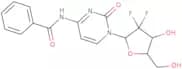
CAS:<p>Used as an intermediate for the preparation of modified oligonucleotides and other cytidine derivatives containing a 2',2'-difluoro modification.</p>Fórmula:C23H19F2N3O6Pureza:Min. 95%Forma y color:White PowderPeso molecular:471.42 g/mol2'-Deoxyadenosine-5'-triphosphate trisodium
CAS:<p>2'-Deoxyadenosine-5'-triphosphate or dATP, is a nucleotide used by cells to synthesize DNA molecules. 2'-Deoxyadenosine-5'-triphosphate is used in molecular biology techniques and assays as a substrate of the enzyme DNA polymerase, e.g. polymerase chain reaction (PCR), DNA sequencing, pyrosequencing reactions. Salt form of 2'-deoxyadenosine-5'-triphosphate has been used in a newly developed detection system for SARS-CoV-2 that combines bioluminescence in real-time (BART) with reverse-transcriptase loop-mediated amplification (RT-LAMP).</p>Fórmula:C10H13N5O12P3·3NaPureza:Min. 97 Area-%Forma y color:White PowderPeso molecular:557.13 g/mol2'-Deoxy-5-hydroxymethylcytidine-5'-triphosphate sodium, 100 mM aqueous solution
<p>2'-Deoxy-5-hydroxymethylcytidine-5'-triphosphate sodium, 100 mM aqueous solution is a synthetic nucleoside that can be used as an antiviral and anticancer agent. The drug inhibits viral replication by inhibiting the synthesis of DNA. The drug also suppresses tumor growth by inhibiting the production of RNA and DNA in cancer cells.</p>Fórmula:C10H18N3O14P3•NaxPureza:Min. 90 Area-%Forma y color:Clear LiquidPeso molecular:497.18 g/mol2',3'-Dideoxy-3'-fluoroguanosine
CAS:<p>2',3'-Dideoxy-3'-fluoroguanosine is a synthetic nucleoside analog based on guanosine. It is structurally altered to interfere with DNA or RNA synthesis, making it potentially useful as an antiviral or anticancer agent.</p>Fórmula:C10H12FN5O3Pureza:Min. 95%Forma y color:White PowderPeso molecular:269.24 g/mol5-Formyl-2'-O-methylcytidine
CAS:<p>5-Formyl-2'-O-methylcytidine is a molecule that is involved in cellular processes such as DNA methylation, the addition of a methyl group to the 5 position of a cytosine residue. It has been shown to be an important epigenetic regulator and can be used as a strategy to treat tuberculosis. 5-Formyl-2'-O-methylcytidine is synthesized from guanine, which undergoes conversion into cytosine via enzymatic modification. This process is catalyzed by methyltransferase enzymes and it is usually carried out with S-adenosylmethionine (SAM) as the methyl donor. The product then converts back into guanine through deamination, which can be catalyzed by either adenine phosphoribosyltransferase or adenylate kinase.</p>Fórmula:C11H15N3O6Pureza:Min. 95 Area-%Forma y color:PowderPeso molecular:285.25 g/mol2',3',5'-Tri-O-acetyladenosine
CAS:<p>2',3',5'-Tri-O-acetyladenosine is a chemically protected form of adenosine with potential for use as an intermediate in nucleoside synthesis and nucleic acid chemistry. The hydroxyl (–OH) groups at the 2′, 3′, and 5′ positions of the ribose are protected by acetyl groups (–COCH₃), which can prevent unwanted chemical reactions during chemical synthesis.</p>Fórmula:C16H19N5O7Pureza:Min. 95%Forma y color:PowderPeso molecular:393.35 g/mol5'-O-DMT-N2-isobutyryl-2'-O-(2-methoxyethyl)guanosine
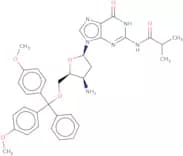
CAS:<p>5'-O-DMT-N2-isobutyryl-2'-O-(2-methoxyethyl)guanosine is an antiviral monophosphate nucleoside. It has been shown to be a novel, high purity, and CAS No. 251647-50-4. It is a modified nucleic acid analogue that acts as an activator of ribonucleotide reductase and DNA polymerase. The anticancer activity of this product may be due to its ability to inhibit the synthesis of diphosphate nucleotides.</p>Fórmula:C38H43N5O9Pureza:Min. 98 Area-%Forma y color:White PowderPeso molecular:713.78 g/moldNTP pre-mixes - 25mM aqueous solution
CAS:<p>dATP, dTTP, dCTP and dGTP pre-mixed in a single vial</p>Pureza:Min. 95%2'-Deoxy-5-methylcytidine-5'-monophosphate disodium
CAS:<p>2'-Deoxy-5-methylcytidine-5'-monophosphate disodium (2D5MCP) is a nucleoside analog that inhibits the synthesis of DNA. It is used in the treatment of cervical cancer and other cancers that are dependent on DNA synthesis. 2D5MCP works by binding to and inhibiting the activity of an enzyme called DNA polymerase, which is needed for DNA replication. This drug also has been shown to inhibit fatty acid synthase enzymes and surface glycoprotein enzymes, which may be responsible for its anti-cancer effects. 2D5MCP has been shown to have an effective dose range between 50 and 150 mg/kg, with no significant side effects seen at doses up to 300 mg/kg. 2D5MCP does not bind to plasma proteins or erythrocytes, so it can be administered intravenously without risk of tissue damage caused by osmotic lysis.</p>Fórmula:C10H14N3O7PNa2Pureza:Min. 95%Forma y color:White PowderPeso molecular:365.19 g/mol2'-Deoxy-2'-fluorouridine-5'-triphosphate tetralithium
CAS:<p>2'-Deoxy-2'-fluorouridine-5'-triphosphate tetralithium (2'DFUR) is a fatty acid that is resistant to many antibacterial agents. 2'DFUR inhibits the biosynthesis of bacterial cell walls, leading to cell death. This drug has been shown to have potent antibacterial activity against Staphylococcus strains and other bacteria. The mechanism of action is not yet fully understood, but it may involve inhibition of nucleotidyltransferase and aminopropyl transferase enzymes.</p>Fórmula:C9H11FN2O14P3Li4Pureza:Min. 95%Forma y color:PowderPeso molecular:510.87 g/mol5'-Deoxy-5'-iodothymidine
CAS:<p>5'-Deoxy-5'-iodothymidine is an antiviral nucleoside that inhibits viral replication by competing with the natural substrate, deoxyribonucleotide triphosphate, for incorporation in DNA. 5'-Deoxy-5'-iodothymidine has been shown to be a novel antiviral agent and an activator of host immune responses against virus infections. 5'-Deoxy-5'-iodothymidine is also used as an intermediate for the synthesis of phosphoramidites, which are used in the production of DNA.</p>Fórmula:C10H13IN2O4Pureza:Min. 95%Peso molecular:352.13 g/mol2'-Deoxyadenosine-3'-monophosphate sodium salt
CAS:<p>2'-Deoxyadenosine-3'-monophosphate sodium salt (dAMP) is a novel nucleoside analog that is the sodium salt of 2'-deoxyadenosine-3'-monophosphate. It has shown anticancer and antiviral activity in vitro, as well as cytotoxicity against some human cancer cell lines. It has also been shown to be active against HIV-1 and herpes simplex virus type 1. The drug is modified with an amino group at the 2' position of the ribose sugar, which increases its stability in vivo and reduces its toxicity. This product also contains high purity, high quality, and novel deoxyribonucleosides that are synthesized by a phosphoramidite method.</p>Fórmula:C10H14N5O6P·2NaPureza:Min. 95%Forma y color:PowderPeso molecular:377.2 g/mol1-(2-Deoxy-2-fluoro-b-D-arabinofuranosyl)-5-methyluracil
CAS:<p>1-(2-Deoxy-2-fluoro-b-D-arabinofuranosyl)-5-methyluracil is a nucleoside analog for research applications. It contains a β-D-arabinofuranose sugar and the fluorine (F) substitution at the 2'-position enhances stability and improves resistance to enzymatic degradation. The 5-methyluracil base makes it structurally similar to thymidine, allowing it to be recognized by DNA polymerases and kinases.</p>Fórmula:C10H13FN2O5Pureza:Min. 95 Area-%Forma y color:White Off-White PowderPeso molecular:260.22 g/mol1-(3',5'-Di-O-benzoyl-2'-deoxy-2'-fluoro-β-L-arabinofuranosyl)thymine
CAS:<p>1-(3`,5`-Di-O-benzoyl-2`-deoxy-2`-fluoro-beta-L-arabinofuranosyl)thymine is a nucleoside analog with modifications that influence its biological activity. It contains a thymine base and 3',5'-Di-O-benzoyl groups that protect hydroxyl functionalities during chemical synthesis. This molecule also has the sugar 2'-Deoxy-2'-fluoro-β-L-arabinofuranose made up of an L-arabinose configuration and a 2'-Fluoro substitution, the latter of which enhances stability and resistance to enzymatic degradation.</p>Fórmula:C24H21FN2O7Pureza:Min. 95%Peso molecular:468.43 g/molNADPH 4Na - min 95%
CAS:<p>Beta-nicotinamide adenine dinucleotide phosphate sodium salt (NADPH) is a coenzyme that mediates various biological processes. It’s a regenerating electron donor in cellular antioxidation systems and a regulator of energy metabolism and mitochondrial functions. It mediates calcium homeostasis via the generation of cyclic ADP-ribose and modulates several key factors in cell death such as mitochondrial permeability transition and poly(ADP-ribose) polymerase-1 (PARP1).</p>Fórmula:C21H26N7O17P3·4NaPureza:Min. 95 Area-%Forma y color:White PowderPeso molecular:833.35 g/mol5'-O-Levulinoylthymidine
CAS:<p>5'-O-Levulinoylthymidine is a novel nucleoside analog that inhibits viral proliferation by inhibiting viral RNA polymerase. This drug is also an activator of ribonucleotide reductases, which are enzymes that synthesize deoxyribonucleotides from ribonucleotides. 5'-O-Levulinoylthymidine has been shown to inhibit the growth of cancer cells in vitro and in vivo. It has also been shown to be effective against HIV-1 infection in vitro.</p>Fórmula:C15H20N2O7Pureza:Min. 95%Forma y color:White Off-White PowderPeso molecular:340.33 g/mol3'-Deoxy-3'-fluoroguanosine
CAS:<p>3'-Deoxy-3'-fluoroguanosine is a nucleoside phosphorylase inhibitor that is used for the treatment of viral hepatitis, cancer, and other diseases. 3'-Deoxy-3'-fluoroguanosine inhibits the replication of RNA by binding to the replicon. It binds to the RNA polymerase in a pharmacophore-based manner and inhibits its activity. When combined with other drugs, it has been shown to increase their efficacy. The combination of 3'-deoxy-3'-fluoroguanosine with interferon alpha 2b for the treatment of Hepatitis B has been shown to be more effective than either drug alone. The inhibition of cellular growth by 3'-deoxy-3'-fluoroguanosine may be due to its ability to inhibit rna synthesis.</p>Fórmula:C10H12N5O4FPureza:Min. 95%Forma y color:White PowderPeso molecular:285.23 g/molGuanosine 5'-monophosphate
CAS:<p>Guanosine 5'-monophosphate, also known as GMP, is a ribonucleoside monophosphate that becomes incorporated into RNAs when phosphorylated to GTP.</p>Fórmula:C10H14N5O8PPureza:Min. 98 Area-%Forma y color:PowderPeso molecular:363.22 g/mol2'-Deoxy-5-iodocytidine
CAS:<p>Anti-viral agent; iodinated analog of deoxycytidine</p>Fórmula:C9H12IN3O4Pureza:Min. 98 Area-%Forma y color:White Off-White PowderPeso molecular:353.12 g/mol5-Fluorouridine-5'-O-b-D-galactopyranoside
CAS:<p>5-Fluorouridine-5'-O-b-D-galactopyranoside is a nucleoside that can be used as an activator to synthesize ribonucleosides and deoxyribonucleosides. This product is also an anticancer agent, as it inhibits cell proliferation by inactivating the enzyme DNA polymerase. It is highly purified, with a purity of 99%.</p>Fórmula:C15H21FN2O11Pureza:Min. 98 Area-%Forma y color:Off-White PowderPeso molecular:424.33 g/mol2'-O-Methyl-2-thiouridine
CAS:<p>2'-O-Methyl-2-thiouridine is a modified nucleoside that is categorized as a mismatched nucleotide. It is found in RNA, where it replaces uridine and acts as a mismatch base. 2'-O-Methyl-2-thiouridine has been shown to stabilize duplex DNA against thermal denaturation by forming triplexes with complementary sequences. It also stabilizes dsDNA against hydrolysis by the enzyme ribonuclease H (RNase H) and has been used in the design of antisense therapeutics. Thermophilic bacteria use this molecule to synthesize their own thymine nucleotides, which are structurally similar to 2'-O-methyl-2-thiouridine. This modification prevents mismatches in their own dna and helps protect them from heat stress. The thermodynamic stability of this molecule has been calculated using an algorithm that takes into account the hybridization free energy, enthalpy change, entropy</p>Fórmula:C10H14N2O5SPureza:Min. 95%Forma y color:PowderPeso molecular:274.29 g/molTetrahydrouridine
CAS:<p>Tetrahydrouridine is a pyrimidine nucleoside that has been shown to have inhibitory properties in clinical pathology. Tetrahydrouridine is a natural product derived from the amino acid histidine and is found in the cells of many living organisms. It is believed that tetrahydrouridine may be useful as an adjuvant to radiation therapy, and it has been shown to reduce the toxicity of chemotherapy drugs, such as decitabine and Ara-C. Tetrahydrouridine inhibits enzymes involved in DNA methylation, which can lead to cancer cell death.br><br>Tetrahydrouridine also has inhibitory effects on enzymes that produce cytidine from uracil, which can help prevent the formation of cancerous cells.br><br>Tetrahydrouridine inhibits deaminase activity, which produces uracil from cytosine. This inhibition prevents the production of uracil-cytosine</p>Fórmula:C9H16N2O6Pureza:Min. 95%Forma y color:White Off-White PowderPeso molecular:248.23 g/mol2'-O-Propargylguanosine
CAS:<p>2'-O-Propargylguanosine is a monophosphate nucleoside that is synthesized from Ribonucleosides. It has been shown to have antiviral and anticancer properties. 2'-O-Propargylguanosine has shown to be an activator of the transcription factor NF-κB and to induce apoptosis in various cancer cell lines. This drug inhibits viral replication by inhibiting DNA polymerase, thereby preventing RNA synthesis.</p>Fórmula:C13H15N5O5Pureza:Min. 95%Forma y color:PowderPeso molecular:321.29 g/mol2',3',5'-Tri-O-acetyl-2-fluoroadenosine
CAS:<p>2',3',5'-Tri-O-acetyl-2-fluoroadenosine is nucleoside analog of adenosine for use in research. The addition of a fluorine to an adenosine can change adenosine's properties such as its hydrogen bonding ability and how it interacts with water and other biological molecules. It can also increase the stability of adenosine and increase its half-life in biological systems.</p>Fórmula:C16H18FN5O7Pureza:Min. 95%Forma y color:White To Off-White SolidPeso molecular:411.34 g/molN2-Isobutyrylguanosine
CAS:<p>N2-Isobutyrylguanosine is a synthetic nucleoside analog. It is activated by the enzyme thymidine kinase and inhibits the synthesis of RNA and DNA, which leads to cell death. N2-Isobutyrylguanosine has been shown to be an effective inhibitor of epidermal growth factor receptor (EGFR) in mammalian cells. This drug has also been shown to inhibit insulin-like growth factor I and phosphorothioate monomers. N2-Isobutyrylguanosine inhibits the synthesis of fatty acids, leading to a decrease in lipid content in cells.</p>Fórmula:C14H19N5O6Pureza:Min. 95%Forma y color:PowderPeso molecular:353.33 g/mol5-Hydroxyuridine
CAS:<p>5-Hydroxyduridine is a nucleoside that is naturally found in the human body. It can be synthesized from uridine by oxidation of the 5-hydroxyl group to the corresponding aldehyde. It has been shown to have genotoxic effects in vitro and in prostate cancer cells. 5-Hydroxyduridine has also been shown to inhibit sugar transport, which may be due to its ability to form hydrogen bonds with glycosidic bonds. It has been reported that 5-hydroxyduridine causes acid formation and hydroxylation of cardiac lipids.</p>Fórmula:C9H12N2O7Pureza:Min. 96 Area-%Forma y color:White Off-White PowderPeso molecular:260.2 g/mol7-Deaza-2',3'-dideoxyadenosine
CAS:<p>7-Deaza-2',3'-dideoxyadenosine (7DDAD) is a nucleoside analogue that has been used as an immunodeficiency agent. This drug inhibits the replication of the human immunodeficiency virus (HIV). 7DDAD is a prodrug that is converted to adenosine after it enters the cell, and this conversion prevents DNA synthesis. The effective dose of 7DDAD is 50 mg/kg in rats, but this dose may vary depending on the technique used. 7DDAD has been shown to be effective in vitro against HIV-1 and HIV-2 isolates, and it can also be used to treat cytomegalovirus infections. In addition, 7DDAD has been shown to inhibit the growth of various types of cancer cells in vitro.</p>Fórmula:C11H14N4O2Pureza:Min. 98 Area-%Forma y color:PowderPeso molecular:234.26 g/mol2'-O-Methyladenosine-5'-triphosphate sodium salt - 100mM aqueous solution
CAS:<p>2'-O-Methyladenosine-5'-triphosphate sodium salt is a novel nucleoside phosphoramidite. It is an activator and it can be used in the synthesis of DNA and RNA. The compound has antiviral properties and has been shown to inhibit DNA replication, protein synthesis, and RNA transcription. The compound also inhibits the growth of cancer cells by inducing apoptosis.</p>Fórmula:C11H18N5O13P3·xNaPureza:Min. 95%Forma y color:PowderPeso molecular:521.21 g/molThymidine-5'-diphosphate trisodium salt
CAS:<p>Thymidine-5'-diphosphate trisodium salt is a novel anticancer drug that is structurally modified to resemble thymidine. It has antiviral and antitumor effects and can be used as an antineoplastic agent. Thymidine-5'-diphosphate trisodium salt is a high quality, high purity ribonucleoside that can be used in the synthesis of deoxyribonucleosides and phosphoramidites. This drug has shown activity against various types of cancer cells and is being investigated for its potential use in the treatment of leukemia.</p>Fórmula:C10H13N2Na3O11P2Pureza:Min. 95%Forma y color:White PowderPeso molecular:468.13 g/mol3'-Deoxy-3'-fluoroadenosine
CAS:<p>3'-Deoxy-3'-fluoroadenosine is a potent inhibitor of the phosphodiesterase enzyme, which is an important component of many different cellular processes. It has been shown to inhibit the activity of phosphodiesterase in cell culture and in serum alanine. 3'-Deoxy-3'-fluoroadenosine also inhibits the synthesis of uridine triphosphate, which is required for DNA replication and protein synthesis. The acid complex form has potent inhibition properties against viruses such as alphaviruses, and it also inhibits transport of nucleic acids into cells. 3'-Deoxy-3'-fluoroadenosine can act as an analog to adenosine and may be used to treat viral infections such as HIV or herpes simplex virus.</p>Fórmula:C10H12FN5O3Pureza:Min. 95%Forma y color:White PowderPeso molecular:269.23 g/molTricyclic nucleoside phosphate
CAS:<p>Akt activation inhibitor</p>Fórmula:C13H17N6O7PPureza:Min. 95%Peso molecular:400.28 g/mol2',3',5'-Tri-O-acetyluridine
CAS:<p>2',3',5'-Tri-O-acetyluridine is a uridine derivative with potential for use in organic synthesis such as the preparation of modified nucleosides, nucleotides, and RNA analogs.</p>Fórmula:C15H18N2O9Pureza:Min. 95%Forma y color:White PowderPeso molecular:370.31 g/mol2'-Deoxy-5-iodouridine - EP
CAS:<p>2'-Deoxy-5-iodouridine is a nucleoside analog that inhibits the replication of viruses and other DNA-containing organisms. 2'-Deoxy-5-iodouridine also has inhibitory properties on cell nuclei, which may be due to its ability to bind with DNA and prevent the synthesis of RNA or protein. 2'-Deoxy-5-iodouridine has been shown to inhibit the growth of human HL60 cells in vitro at an optimum concentration of 20 μM. It also inhibits the replication of murine sarcoma virus at an optimum concentration of 16 μM.<br>2'-Deoxy-5-iodouridine has significant cytotoxicity against solid tumours in mice, which may be due to its ability to inhibit hydrogen fluoride (HF) induced lipid peroxidation and reduce glutathione levels.</p>Fórmula:C9H11IN2O5Pureza:Min. 95%Forma y color:PowderPeso molecular:354.1 g/mol2',3'-Dideoxy-5-iodocytidine
CAS:<p>2',3'-Dideoxy-5-iodocytidine is a modified nucleoside analog based on cytidine, one of the four standard nucleosides found in DNA and RNA. It has been chemically altered to interfere with DNA or RNA synthesis, making it potentially useful as an antiviral or anticancer agent.</p>Fórmula:C9H12N3IO3Pureza:Min. 95%Peso molecular:337.11 g/mol5-Bromo-2-fluoronicotinic acid
CAS:<p>5-Bromo-2-fluoronicotinic acid is a crystalline compound with an orthorhombic crystal system. The crystal structure of 5-bromo-2-fluoronicotinic acid monohydrate was determined by X-ray diffraction and refined to 2.5 Å resolution. The space group was found to be P212121 and the unit cell dimensions are a = 9.716 Å, b = 10.867 Å, c = 12.242 Å and β = 106.9°. The molecular weight of 5-bromo-2-fluoronicotinic acid monohydrate was found to be 277.3 g/mol with an elemental analysis of C: 67% H: 7% F: 16%.</p>Fórmula:C6H3BrFNO2Pureza:Min. 95%Forma y color:PowderPeso molecular:220 g/mol2',3'-O-Isopropylideneadenosine
CAS:<p>2',3'-O-Isopropylideneadenosine is a nucleoside that has a possible usage as an organic chemical synthesis intermediate</p>Fórmula:C13H17N5O4Pureza:Min. 98 Area-%Forma y color:White PowderPeso molecular:307.31 g/mol2'-O-Methyl-5-methyluridine
CAS:<p>2'-O-Methyl-5-methyluridine is a nucleoside that is involved in the synthesis of RNA. It is a component of the 5-methyluridine (5MU) and 2'-O-methyl-5-hydroxymethyluridine (2'OMMU) families of nucleotides. This compound has been shown to be effective against organisms such as E. coli, S. typhimurium, and C. parapsilosis, which are amide sensitive. The amide group of 2'-O-methyl-5-methyluridine can be cleaved by reagents such as hydrazine or tris(2,4,6,-trimethlyphenyl)phosphonium bromide to form 5MU and 2'OMMU respectively. The modifications to the ribose ring are important for its activity and function in cells. The modification of the ribose ring is catalyzed by enzymes called</p>Fórmula:C11H16N2O6Pureza:Min. 95%Forma y color:PowderPeso molecular:272.25 g/molAracytidylyl-(5′→5′)-cytidine
CAS:<p>Please enquire for more information about Aracytidylyl-(5′→5′)-cytidine including the price, delivery time and more detailed product information at the technical inquiry form on this page</p>Fórmula:C18H25N6O12PPureza:Min. 95%Peso molecular:548.4 g/molCytidine 2′,5′-diphosphate
CAS:<p>Please enquire for more information about Cytidine 2′,5′-diphosphate including the price, delivery time and more detailed product information at the technical inquiry form on this page</p>Fórmula:C9H15N3O11P2Pureza:Min. 95%Peso molecular:403.18 g/mol1'-13CCytidine
CAS:<p>Cytidine is a nucleotide molecule formed through the attachment of cytosine to a ribose ring</p>Fórmula:CC8H13N3O5Pureza:Min. 95%Peso molecular:244.21 g/molToyocamycin monohydrate
CAS:<p>Toyocamycin is a macrolide antibiotic that inhibits protein synthesis by binding to the 50S ribosomal subunit. Toyocamycin monohydrate (TM) has been shown to have significant cytotoxicity against HL-60 cells, which may be due to its ability to inhibit mitochondrial membrane potential and induce apoptosis. The drug also has inhibitory properties against wild-type strains of bacteria, such as diastatochromogenes, and is active against high-resistant strains of bacteria, such as E. coli. Toyocamycin monohydrate has been shown to inhibit transcriptional regulation in hl-60 cells and k562 cells by binding to RNA polymerase II and blocking RNA synthesis.</p>Fórmula:C12H13N5O4•H2OPureza:Min. 95%Forma y color:White PowderPeso molecular:309.28 g/mol5-(Methoxycarbonyl)methyl-2’-O-methyluridine
CAS:<p>5-(Methoxycarbonyl)methyl-2’-O-methyluridine is a nucleoside that is a precursor of cytidine. It is synthesized by the enzyme UMP synthase, which converts 5-methoxycarbonylmethyl-2-thiouridine to uridine and 2′-O-methyluridine. The synthesis of 5-(Methoxycarbonyl)methyl-2’-O-methyluridine occurs in both mammalian cells and Xenopus oocytes. This compound has been shown to be a potential biomarker for cancer and may be useful as an indicator of detoxification enzymes activity.</p>Fórmula:C13H18N2O8Pureza:Min. 95%Forma y color:White Off-White PowderPeso molecular:330.29 g/mol1-(2'-Chloro-2'-deoxy-β-L-arabinofuranosyl)thymine
CAS:<p>1-(2`-Chloro-2`-deoxy-beta-L-arabinofuranosyl)thymine is a thymine molecule attached to a modified arabinose sugar. Scientists create and study these nucleoside analogs because they can have antiviral or anticancer properties. The changes in the sugar can affect how the molecule interacts with enzymes and other biological components.</p>Fórmula:C10H13ClN2O5Pureza:Min. 95%Peso molecular:276.67 g/mol2'-Deoxyguanosine-5'-triphosphate trisodium
CAS:<p>2'-Deoxyguanosine-5'-triphosphate or dGTP, is a nucleotide used by the cell to synthesize DNA molecules. 2'-Deoxyguanosine-5'-triphosphate is used in molecular biology techniques and assays as a substrate of the enzyme DNA polymerase, e.g. polymerase chain reaction (PCR), DNA sequencing, pyrosequencing reactions.</p>Fórmula:C10H13N5Na3O13P3Pureza:Min. 97 Area-%Forma y color:White PowderPeso molecular:573.13 g/mol2,6-Dichloro-9-(2',3',5'-tri-O-acetyl-b-D-ribofuranosyl)purine
CAS:<p>2,6-Dichloro-9-(2',3',5'-tri-O-acetyl-b-D-ribofuranosyl)purine is a protected nucleoside analog which can possibly be used as a synthetic intermediate in the preparation of purine-based nucleosides, especially in medicinal chemistry and nucleic acid synthesis. This compound is composed of 2,6-Dichloropurine – a modified purine base where chlorine atoms replace the hydrogen atoms at positions 2 and 6 and a β-D-ribofuranose. The 2', 3', and 5' hydroxyl groups on the ribose are protected with acetyl groups (–OAc). These tri-O-acetyl protections prevent unwanted reactions during synthetic steps.</p>Fórmula:C16H16Cl2N4O7Pureza:Min. 95%Forma y color:White PowderPeso molecular:447.23 g/mol3′-UMP
CAS:<p>3′-UMP is a modified nucleoside that has antiviral activity, and is synthesized by the phosphoramidite method. It is a novel compound, which has not been previously reported. 3′-UMP is an activator of ribonucleotide reductase and can be used to treat viral infections. This drug also has anticancer effects and can be used as a chemotherapeutic agent for the treatment of leukemia. 3′-UMP has high purity and high quality.</p>Fórmula:C9H13N2O9PPureza:Min. 95%Peso molecular:324.18 g/mol2'-C-Methylguanosine 5'-triphosphate triethyl ammonium salt - Aqueous solution
CAS:<p>2'-C-Methylguanosine 5'-triphosphate triethyl ammonium salt - Aqueous solution is a synthetic nucleotide analog for use in research</p>Fórmula:C11H18N5O14P3·4C6H15NPureza:Min. 95%Forma y color:PowderPeso molecular:941.97 g/mol5'-O-tert-Butyldiphenylsilyl-7-deaza-2'-deoxy-7-iodoguanosine
<p>5'-O-tert-Butyldiphenylsilyl-7-deaza-2'-deoxy-7-iodoguanosine is a nucleotide that is used in the synthesis of oligonucleotides. 5'-O-tert-Butyldiphenylsilyl-7-deaza-2'-deoxy-7-iodoguanosine is a novel deoxyribonucleotide that can be activated to form a phosphate linker. The high purity and quality of this nucleotide are ensured by the use of state of the art purification techniques.</p>Fórmula:C27H31IN4O4SiPureza:Area-% Min. 95 Area-%Forma y color:PowderPeso molecular:630.55 g/mol2-Amino-6-chloro-9-(2'-deoxy-3',5'-di-O-toluoyl-b-D-ribofuranosyl)purine
CAS:<p>2-Amino-6-chloro-9-(2'-deoxy-3',5'-di-O-toluoyl-b-D-ribofuranosyl)purine is a purine nucleoside analog where the purine base has a 2-amino group at position 2 and a chlorine at position 6. The sugar is 2'-deoxy, meaning it lacks the 2'-hydroxyl group (like in DNA), and has two toluoyl protection groups attached to the 3' and 5' positions on the sugar.</p>Fórmula:C26H24ClN5O5Pureza:Min. 95%Forma y color:Off-white solid.Peso molecular:521.95 g/mol(2R,3R,4S,5R)-2-(4-Aminothieno[3,4-d]pyrimidin-7-yl)-5-(hydroxymethyl)tetrahydrofuran-3,4-diol
CAS:<p>(2R,3R,4S,5R)-2-(4-Aminothieno[3,4-d]pyrimidin-7-yl)-5-(hydroxymethyl)tetrahydrofuran-3,4-diol is a nucleoside analog for research purposes</p>Fórmula:C11H13N3O4SPureza:Min. 95%Forma y color:PowderPeso molecular:283.3 g/mol2-Acetamido-6-chloro-9-(2',3',5'-tri-O-acetyl-b-D-ribofuranosyl)purine
CAS:<p>2-Acetamido-6-chloro-9-(2',3',5'-tri-O-acetyl-b-D-ribofuranosyl)purine is a modified purine nucleoside, protected with acetyl groups, which protect the sugar during chemical reactions. This compound is based on a purine ring and also contains an acetamido group at position 2, a chlorine atom at position 6 and a β-D-ribofuranosyl sugar.</p>Fórmula:C18H20ClN5O8Pureza:Min. 95%Forma y color:PowderPeso molecular:469.83 g/mol3'-Azido-2',3'-dideoxyadenosine
CAS:<p>Also known as 3′-azido-ddA, displays potent antiviral activity in primary human lymphocytes and HeLa and T-cell lines. It has particular activity againstinst H.ns.</p>Fórmula:C10H12N8O2Pureza:Min. 95%Forma y color:PowderPeso molecular:276.26 g/molN-Benzoyl-2'-deoxy-2',2'-difluorocytidine
CAS:<p>N-Benzoyl-2'-deoxy-2',2'-difluorocytidine is a novel nucleoside analog with potent antiviral and anticancer activity. It is an activator of the enzyme ribonucleotide reductase and inhibits DNA synthesis. N-Benzoyl-2'-deoxy-2',2'-difluorocytidine has been shown to be an effective inhibitor of human immunodeficiency virus type 1 (HIV-1) replication in vitro, as well as the growth of human tumor cells in vivo.</p>Fórmula:C16H15F2N3O5Pureza:Min. 95%Forma y color:PowderPeso molecular:367.3 g/mol6-Chloro-7-deaza-9-(2',3',5'-tri-O-acetyl-β-D-ribofuranosyl)purine
CAS:<p>6-Chloro-7-deaza-9-(2',3',5'-tri-O-acetyl-β-D-ribofuranosyl)purine is a monophosphate nucleoside analog that is used as an antiviral agent. It is a synthetic compound that is activated by phosphorylation to form the triphosphate, which inhibits viral DNA synthesis by binding to the RNA polymerase enzyme. 6-Chloro-7-deaza-9-(2',3',5'-tri-O-acetyl-β-D-ribofuranosyl)purine has been shown to be effective against cancer cells in vitro and in vivo and may be useful for the treatment of human immunodeficiency virus (HIV).</p>Fórmula:C17H18ClN3O7Pureza:Min. 97 Area-%Forma y color:Clear LiquidPeso molecular:411.79 g/molFialuridine - Bio-X ™
CAS:<p>This product is part of our Bio-X ™ Range. These products are aimed at life science researchers who need high quality ready-to-use products for assay development, screening or other R&D work. With a solubility datasheet and convenient vials, all of our Bio-X ™ products are in stock across our global warehouses for rapid delivery and ease of use.</p>Fórmula:C9H10FIN2O5Pureza:Min. 95%Forma y color:PowderPeso molecular:372.09 g/mol5'-Ethylcarboxamido-2-iodo-2',3'-O-isopropylideneadenosine
CAS:<p>5'-Ethylcarboxamido-2-iodo-2',3'-O-isopropylideneadenosine is a phosphoramidite nucleoside that is synthesized by the reaction of 5'-ethoxycarbonyl-N,N-diisopropylaminomethylene adenosine with 2,3'-O-(1,1'-biphenyl)-2'-propionic acid ethyl ester. It is used as an antiviral agent and has shown anticancer activity. This novel synthetic nucleoside is structurally related to the natural nucleosides adenosine and inosine.</p>Fórmula:C15H19IN6O4Pureza:Min. 95%Peso molecular:474.26 g/molNicotinic acid-13C6 riboside
CAS:<p>Please enquire for more information about Nicotinic acid-13C6 riboside including the price, delivery time and more detailed product information at the technical inquiry form on this page</p>Fórmula:C6C5H13NO6Pureza:Min. 95%Peso molecular:260.17 g/mol2',3',5'-Tri-O-benzoyl-2'-C-methylcytidine
CAS:<p>2',3',5'-Tri-O-benzoyl-2'-C-methylcytidine is a modified cytidine analog. Cytidine is a pyrimidine nucleoside, composed of cytosine attached to a ribose sugar via a β-glycosidic bond. The hydroxyl groups on the ribose sugar at the 2′, 3′, and 5′ positions are protected with benzoyl groups which can prevent side reactions during chemical synthesis. A methyl group is also added to the 2′ carbon of the sugar ring.</p>Fórmula:C31H27N3O8Pureza:Min. 95%Forma y color:PowderPeso molecular:569.56 g/molThymidine-5'-diphosphate-D-viosamine disodium salt
CAS:<p>Thymidine-5'-diphosphate-D-viosamine disodium salt is a nucleoside that has been conjugated to a carrier molecule. This compound is an anomeric, pyranose, and conjugate acid. It has been shown to have antiviral activity in vitro and in vivo against herpes simplex virus type 1 (HSV-1), herpes simplex virus type 2 (HSV-2), and human cytomegalovirus (CMV). Thymidine-5'-diphosphate-D-viosamine disodium salt inhibits the synthesis of viral DNA by inhibiting the incorporation of uracil into the viral DNA strand. This inhibition prevents the production of new viruses by preventing replication.</p>Fórmula:C16H25N3O14P2Na2Pureza:Min. 95 Area-%Forma y color:White Off-White PowderPeso molecular:591.31 g/mol3'-Amino-2',3'-dideoxy-5'-O-DMT-N2-isobutyrylguanosine
<p>a specifically designed building block for introducing a 3'-amino group into oligonucleotides. The dideoxy sugar ensures the amino group is the primary functionality at the 3' end, while the DMT and isobutyryl protecting groups ensure controlled reactivity during oligonucleotide synthesis and subsequent modification steps.</p>Fórmula:C35H38N6O6Pureza:Min. 95%Peso molecular:638.71 g/molN6-Methyladenosine-5'-monophosphate sodium
CAS:<p>N6-Methyladenosine-5'-monophosphate sodium is a synthetic nucleoside that has antiviral and anticancer activity. It is an activator of DNA polymerase α, which is involved in the synthesis of DNA. N6-Methyladenosine-5'-monophosphate sodium has been shown to inhibit the replication of human immunodeficiency virus type 1 (HIV-1) in cultured cells and to induce apoptosis in cancer cells. This drug also inhibits the growth of certain bacteria, such as methicillin-resistant Staphylococcus aureus (MRSA) or Mycobacterium tuberculosis. N6-Methyladenosine-5'-monophosphate sodium may be used for the treatment of HIV/AIDS or cancer.</p>Fórmula:C11H16N5O7P·2NaPureza:Min. 98 Area-%Forma y color:White PowderPeso molecular:407.23 g/mol2'-Deoxy-6-O-methyl-guanosine
CAS:<p>2'-Deoxy-6-O-methyl-guanosine is a methylated nucleoside that has been shown to inhibit protein synthesis in cancer cells. It does so by inhibiting the synthesis of DNA, which is required for the production of proteins. This compound also inhibits monoclonal antibody production, which may be due to its ability to methylate DNA and prevent dna duplexes from being repaired. 2'-Deoxy-6-O-methyl-guanosine is used as a probe in the detection of human proteins by fluorescence spectroscopy. The sensitivity of this probe has been shown to be greater than 10 ng/mL, making it ideal for use in clinical settings where small quantities of proteins are present.</p>Fórmula:C11H15N5O4Pureza:Min. 95%Forma y color:PowderPeso molecular:281.27 g/mol2'-O-Methylcytidine-5'-monophosphate triethylammonium salt
CAS:<p>2'-O-Methylcytidine-5'-monophosphate triethylammonium salt is a synthetic nucleoside that has been shown to be a substrate for DNA polymerase and an inhibitor of RNA synthesis. It has been used in the laboratory as a primer and as a biochemical tool to study viruses. 2'-O-Methylcytidine-5'-monophosphate triethylammonium salt is active against murine leukemia virus, but not against ciliated protozoan parasites such as Tetrahymena pyriformis. This compound has also been shown to inhibit the enzyme form of HIV reverse transcriptase and to be cytotoxic at high concentrations.</p>Fórmula:C10H16N3O8P•C6H15NPureza:Min. 95%Forma y color:PowderPeso molecular:438.41 g/mol3'-O-Acetyl-2'-deoxycytidine
CAS:<p>3'-O-acetyl-2'-deoxycytidine is an activator that can be used in the synthesis of deoxyribonucleosides and nucleosides. It is a novel, modified, and high purity chemical entity that has shown anticancer and antiviral properties. 3'-O-acetyl-2'-deoxycytidine is a monophosphate nucleotide, which can be used in the synthesis of various pharmaceuticals. This product has been synthesized using high quality reagents in order to provide the best possible product for research purposes.</p>Fórmula:C11H15N3O5Pureza:Min. 95%Forma y color:White PowderPeso molecular:269.25 g/mol2'-Amino-2'-deoxyuridine
CAS:<p>2'-Amino-2'-deoxyuridine is a modified nucleoside based on uridine. The 2'-hydroxyl group on the sugar is replaced by an amino group. This compound can be used for research purposes</p>Fórmula:C9H13N3O5Pureza:Min. 98 Area-%Forma y color:PowderPeso molecular:243.22 g/mol5'-Deoxyadenosine
CAS:<p>5'-Deoxyadenosine is a nucleoside that is produced by the enzymatic reaction of glycolaldehyde and ATP. It is found in both DNA and RNA, where it plays an important role in the catalytic subunit of ribonucleotide reductase. 5'-Deoxyadenosine has been shown to be involved in hydrogen bonding with other molecules, such as ethanolamine. It also has a kinetic effect on the enzyme activity of ribonucleotide reductase by forming intramolecular hydrogen bonds with other adenine nucleotides. The analogs of 5'-deoxyadenosine have been shown to inhibit viral replication in cell culture studies using typhimurium virus.</p>Fórmula:C10H13N5O3Pureza:Min. 95%Forma y color:PowderPeso molecular:251.25 g/mol2'-Deoxyguanosine-5'-monophosphate disodium salt
CAS:<p>2'-Deoxyguanosine-5'-monophosphate disodium salt is an inorganic compound that has a furanose ring. It is used as a monofunctional building block for the synthesis of nucleotide derivatives. The conformations of 2'-deoxyguanosine-5'-monophosphate disodium salt are experimentally determined by x-ray data, which shows that the molecule adopts a twisted conformation with two possible orientations: one where the 2'OH group is oriented toward the phosphate group, and another where it is oriented away from it. The nature of these conformers can be confirmed by analyzing their x-ray diffraction patterns.</p>Fórmula:C10H12N5Na2O7PPureza:Min. 98 Area-%Forma y color:White PowderPeso molecular:391.19 g/molUridine 5'-triphosphate disodium
CAS:<p>Uridine 5'-triphosphate disodium salt is a supramolecular complex that binds to gold nanoparticles. The binding of uridine 5'-triphosphate disodium salt to gold nanoparticles can be used for the detection of metal ions through the photometric method. Uridine 5'-triphosphate disodium salt has been shown to inhibit the glutathione-dependent reduction of vitamin B12, which is a key step in methionine synthesis and folate metabolism. This inhibition may lead to a decrease in protein synthesis, ATP production, and cell division.</p>Fórmula:C9H15N2O15P3•Na2Pureza:Min. 95%Forma y color:PowderPeso molecular:530.12 g/mol2'-Deoxycytidine-5'-monophosphate disodium
CAS:<p>2'-Deoxycytidine-5'-monophosphate disodium (2DdCMP) is a competitive inhibitor of receptor protein tyrosine kinases. It has been shown to inhibit the growth of various human cancer cell lines in vitro and to reduce tumor size in mice bearing transplanted human tumor xenografts. 2DdCMP inhibits the proliferation of cancer cells by interfering with the expression of growth factors that are involved in mitogenesis. This drug also inhibits the growth of new blood vessels, which is essential for tumor formation and progression. 2DdCMP binds to an allosteric site on receptor molecules, thereby blocking the binding site of other proteins such as growth factors and kinases that may be involved in tumorigenesis.</p>Fórmula:C9H12N3O7PNa2Pureza:Min. 95%Forma y color:White PowderPeso molecular:351.16 g/molDecitabine
CAS:<p>A synthetic cytosine analogue that incorporates into DNA and prevents DNA methylation via DNA (cytosine-5)-methyltransferase 1 (DNMT1) inhibition. Demonstrated potent anti-leukaemic effects attributed to cell cycle arrest and induction of apoptosis. Has anti-growth effects on solid tumor cell lines.</p>Fórmula:C8H12N4O4Pureza:Min. 98 Area-%Forma y color:White PowderPeso molecular:228.21 g/mol1-(5'-O-Benzoyl-2'-deoxy-2'-fluoro-β-L-arabinofuranosyl)thymine
CAS:<p>1-(5'-O-Benzoyl-2'-deoxy-2'-fluoro-β-L-arabinofuranosyl)thymine is a modified nucleoside analog with structural modifications that enhance its biological properties, stability, and pharmaceutical potential. The compound features thymine (5-methyluracil) as the nucleobase, a pyrimidine derivative. The sugar component is 2'-deoxy-2'-fluoro-β-L-arabinofuranose, which includes the L-arabinose configuration, a departure from the natural D-ribose or D-deoxyribose configuration typically found in DNA and RNA, influencing how the molecule is recognized by biological systems. The 2'-fluoro substitution at the sugar position improves the compound's stability and resistance to enzymatic degradation, while also potentially enhancing its antiviral activity. A 5'-O-benzoyl group serves as a protecting group, safeguarding the 5'-hydroxyl group during synthesis.</p>Fórmula:C17H17FN2O6Pureza:Min. 95%Peso molecular:364.33 g/mol2',3'-Dideoxyuridine-5'-triphosphate lithium - 100mM aqueous solution
CAS:<p>2',3'-Dideoxyuridine-5'-triphosphate can be used with uracil DNA glycosylase to minimize PCR carryover contamination and enables the kinetics of deoxyuridine 5′-triphosphate nucleotidohydrolases to be investiagated.</p>Fórmula:C9H15N2O13P3•LixPureza:Min. 95%Forma y color:Clear LiquidPeso molecular:452.14 g/mol6-Thio-9-(β-D-arabinofuranosyl)purine
CAS:<p>6-Thio-9-(b-D-arabinofuranosyl)purine is a purine analog that inhibits the enzyme uridine phosphorylase, which is involved in the metabolism of uridine. It has been shown to inhibit the growth of L1210 cells and also to be effective against subcutaneous tumors in mice. 6-Thio-9-(b-D-arabinofuranosyl)purine is active against schistosomiasis in mice, with an LD50 of 1 mg/kg. This drug has also been shown to have potential antitumor activity and was able to inhibit the growth of human lymphocytes and leukocytes.</p>Fórmula:C10H12N4O4SPureza:Min. 95%Forma y color:PowderPeso molecular:284.29 g/mol9-(b-D-Arabinofuranosyl)guanine - Bio-X ™
CAS:<p>9-(b-D-Arabinofuranosyl) guanine is a purine nucleoside in which guanine is attached to arabinofuranose via a beta-N(9)-glycosidic bond. 9-(b-D-Arabinofuranosyl) guanine binds to the phosphate groups in DNA and inhibits the synthesis of DNA causing cell death. It also has antineoplastic properties.</p>Fórmula:C10H13N5O5Pureza:Min. 95%Forma y color:PowderPeso molecular:283.24 g/molInosine 5'-diphosphate trisodium
CAS:<p>Inosine 5'-diphosphate trisodium salt is an antiviral compound that is used to inhibit the replication of many viruses, including herpes, influenza, and HIV. It has been shown to be effective against cancer cells in vitro. Inosine 5'-diphosphate trisodium salt is a modified nucleotide that is used as a phosphoramidite for DNA synthesis. This compound can also be used as an activator for deoxyribonucleoside triphosphates. It has been shown to have anticancer activity in vivo and in vitro and also inhibits viral DNA synthesis by preventing the formation of ribonucleotide triphosphates from ribonucleotides. The molecular weight of this compound is 390.4 g/mol and its CAS number is 81012-88-6.</p>Fórmula:C10H11N4O11P2•Na3Pureza:Min. 95%Forma y color:PowderPeso molecular:494.13 g/mol2'-Azido-2'-deoxyuridine
CAS:<p>2'-Azido-2'-deoxyuridine is a synthetic nucleoside analog of uridine in which the 2'-hydroxyl group on the ribose sugar is replaced with an azido group (–N₃), and the base is unmodified uracil. This modification alters the sugar's conformation and chemical reactivity, enabling the use of this analog in bioorthogonal labeling strategies, particularly through azide-alkyne "click" chemistry. Its incorporation into nucleic acids can influence polymerase recognition and chain elongation, making it a useful probe in studies of RNA synthesis, structure, and function.</p>Fórmula:C9H11N5O5Pureza:Min. 98 Area-%Forma y color:White Off-White PowderPeso molecular:269.21 g/molAcetyl hypoxanthine
CAS:<p>Acetyl hypoxanthine is an inorganic compound that has a cyclophosphate group. It can be synthesized from the reaction of acetic acid and 6-chloropurine, which is activated with trifluoroacetic acid and irradiated with ultraviolet light. Acetyl hypoxanthine can then be synthesized by ammonolysis of chloroacetone using ammonia or by chlorinating acetylene with chlorine. The advantages of this compound are its high yield and low cost.</p>Fórmula:C7H6N4O2Pureza:Min. 95 Area-%Forma y color:PowderPeso molecular:178.15 g/molCladribine
CAS:<p>Deoxyadenosine analog resistant to adenosine deaminase</p>Fórmula:C10H12ClN5O3Pureza:Min. 97 Area-%Forma y color:PowderPeso molecular:285.69 g/molGemcitabine base
CAS:<p>Gemcitabine is a prodrug that is converted to 5-fluorouracil (5FU) in the body. It has been shown to inhibit the growth of bladder and pancreatic cancer cells by interfering with the synthesis of DNA. Gemcitabine inhibits DNA replication by binding to the epidermal growth factor receptor, which leads to cell death. Gemcitabine also acts as a competitive inhibitor of deoxycytidine kinase, which prevents the formation of deoxycytidine monophosphate from deoxyuridine monophosphate, preventing DNA replication. In addition, gemcitabine can activate apoptosis in some tumor cells by increasing levels of intracellular free calcium, which leads to activation of enzymes such as phospholipases and proteases that degrade proteins, lipids, and nucleic acids.</p>Fórmula:C9H11F2N3O4Pureza:Min. 98 Area-%Forma y color:White PowderPeso molecular:263.2 g/mol2’-Deoxy-2’-fluorouridine 5’-monophosphate triethyl ammonium
<p>2’-Deoxy-2’-fluorouridine 5’-monophosphate triethyl ammonium is a fluorinated nucleotide analog used in biochemical and medicinal research</p>Fórmula:C9H12FN2O8P•C6H15NPureza:Min. 95%Forma y color:PowderPeso molecular:427.36 g/molDihydrozeatin riboside
CAS:<p>Dihydrozeatin riboside is a cytokinin, a group of plant hormones that regulate various aspects of plant growth and development. It is found in the form of an ester, dihydrozeatin riboside, which is produced by the action of trifluoroacetic acid on zeatin. The natural function of this hormone is to stimulate cell division in plants, but it has also been shown to have antibacterial effects against bacterial strains such as Bacillus subtilis and Escherichia coli. Dihydrozeatin riboside inhibits bacterial growth by binding to DNA-dependent RNA polymerase, thereby preventing transcription and replication. The high frequency of human activity has been shown using a patch-clamp technique on human erythrocytes. This active form is metabolized through a number of metabolic transformations, including hydrolysis by esterases or glucuronidases, oxidation by cytochrome P450 enzymes, reduction</p>Fórmula:C15H23N5O5Pureza:Min. 95%Forma y color:PowderPeso molecular:353.37 g/molN4-Benzoylcytidine
CAS:<p>N4-Benzoylcytidine is a nucleoside that is used as part of the synthesis of the antiviral drug acyclovir. It is synthesized by reacting uridine with benzoyl chloride in a solid-phase synthesis. N4-Benzoylcytidine has shown to inhibit the growth of virus type-1 and other viruses, including those that cause herpes simplex and varicella zoster. This nucleoside also inhibits epidermal growth factor (EGF) and is a hybridization probe for human immunodeficiency virus (HIV). The benzoate group on this compound reacts with hydroxyl groups on proteins, which may be why it has been shown to stimulate epidermal growth in mammalian cells.</p>Fórmula:C16H17N3O6Pureza:Min. 98 Area-%Forma y color:White PowderPeso molecular:347.32 g/mol5'-Ethylcarboxamidoadenosine
CAS:<p>5'-Ethylcarboxamidoadenosine (5-ECA) is an adenosine receptor antagonist that is used as a radioligand to study the binding of adenosine and other nucleotides to their receptors. 5-ECA binds to the A3 receptor, which is a member of the G protein-coupled receptor family. This compound also inhibits platelet aggregation and has been shown to have anti-inflammatory effects in mice with colon cancer. 5-ECA was found to inhibit tumor growth in a mouse model system by suppressing IL-2 production and reducing levels of PGE2, an effect that may be due to inhibition of cyclase activity. 5-ECA can be used in vitro for studies on pluripotent cells because it does not affect their ability to differentiate.</p>Fórmula:C12H16N6O4Pureza:Min. 95%Forma y color:White PowderPeso molecular:308.29 g/mol5-Iodo-2'-O-methyluridine
CAS:<p>5-Iodo-2'-O-methyluridine is a novel antiviral drug that inhibits replication of DNA and RNA viruses. It is chemically synthesized from 2' deoxyuridine monophosphate, which is modified to create the 5-iodo derivative. The modification at the 5th position of the uracil ring prevents the incorporation of methylation into DNA and RNA, which can lead to cancerous growths. This compound has been shown to be an excellent activator for DNA synthesis in vitro. It has also been shown to have anticancer properties in vitro and in vivo.</p>Fórmula:C10H13IN2O6Pureza:Min. 95%Forma y color:PowderPeso molecular:384.12 g/molAcetyl coenzyme A trilithium
CAS:<p>Acetyl coenzyme A trilithium salt (ACAT) is a prodrug that is metabolized in vivo to the active form, acetyl coenzyme A. Acetyl coenzyme A has been shown to inhibit the growth of human carcinoma cells and some typhimurium strains. It binds to cytochrome P450, which is involved in the oxidation of acetate and other organic substrates. ACAT has also been shown to be effective against squamous cell carcinoma by inhibiting the production of reactive oxygen species (ROS) in these cells. The anticancer activity of ACAT may be due to its ability to inhibit the conversion of amines into heterocyclic amines, which are known carcinogens.</p>Fórmula:C23H35Li3N7O17P3SPureza:Min. 95%Forma y color:White PowderPeso molecular:827.37 g/mol5'-Deoxy-5'-(methylthio)adenosine
CAS:<p>5'-Deoxy-5'-(methylthio)adenosine is a nucleoside that has been shown to inhibit the growth of bowel cancer cells. 5'-Deoxy-5'-(methylthio)adenosine blocks the synthesis of DNA and RNA by inhibiting the action of enzymes involved in DNA metabolism. It also inhibits methionine synthase and phosphorylase, which are involved in protein synthesis. This compound has been shown to be effective in treating cancer tissues due to its ability to inhibit polymerase chain reactions and prevent the formation of cancerous cells.</p>Fórmula:C11H15N5O3SPureza:(Hplc-Ms) Min. 98 Area-%Forma y color:White PowderPeso molecular:297.34 g/mol2-Iodoadenosine
CAS:<p>2-Iodoadenosine is a chemical compound that is produced from the oxidation of uridine. It is used in the synthesis of peptides, which are important for biological processes like signal transduction and cell growth. 2-Iodoadenosine can be made by coupling other molecules to an adenosine molecule. This process involves a cross-coupling reaction with palladium catalysts or hydroxylation reactions with sodium borohydride. The resulting product has been shown to have anticancer and anti-microbial activities against protozoan parasites and cyclic peptide structures.</p>Fórmula:C10H12IN5O4Pureza:Min. 97 Area-%Forma y color:PowderPeso molecular:393.14 g/mol3'-Amino-3'-deoxycytidine
CAS:<p>It is an antiviral agent that inhibits the replication of RNA viruses by acting as a chain terminator during RNA synthesis. It is also a valuable research tool for studying viral replication mechanisms and is being explored for potential anticancer properties.</p>Fórmula:C9H14N4O4Pureza:Min. 95%Forma y color:PowderPeso molecular:242.23 g/mol3'-O-Acetylthymidine
CAS:<p>3'-O-Acetylthymidine is a dinucleoside analogue of thymidine. It has been used as a model for human immunodeficiency virus (HIV) and has been shown to be resistant to HIV infection in vitro. 3'-O-Acetylthymidine inhibits the synthesis of protein by binding to the ribosomal RNA of the host cell, preventing the formation of an aminoacyl-tRNA synthetase complex with tRNA. This prevents the incorporation of amino acids into proteins, leading to inhibition of protein synthesis and cell death. 3'-O-Acetylthymidine also inhibits HIV replication by competing with deoxycytidine triphosphate for incorporation into DNA, preventing the synthesis of viral DNA. 3'-O-Acetylthymidine is hydrolyzed by esterases or glucuronidases, oxidized by cytochrome P450 enzymes, reduced by glutathione reductase</p>Fórmula:C12H16N2O6Pureza:Min. 98 Area-%Forma y color:White PowderPeso molecular:284.27 g/molN2,7-Dimethylguanosine
CAS:<p>N2,7-Dimethylguanosine is a modified nucleotide that is an intermediate in the biosynthesis of guanine. This modification is catalyzed by an enzyme called methyltransferase, which transfers a methyl group from S-adenosylmethionine to the guanine base. N2,7-dimethylguanosine has been shown to be involved in epigenetic regulation and translation regulation as well as having a biological function as an acceptor for aminoacylation. N2,7-dimethylguanosine can be detected with mass spectrometry and can also be immobilized onto solid supports for use in biochemical pathways.<br>br><br>N2,7-dimethylguanosine is synthesized from S-adenosylmethionine (SAM) and 5'-methylthioadenosine (MTA) by a series of reactions involving methyltetrahydrofolate reductase and methy</p>Fórmula:C12H18N5O5Pureza:Min. 95%Forma y color:White PowderPeso molecular:312.3 g/molN4-Methyl-2'-O-methyl-cytidine
CAS:<p>N4-Methyl-2'-O-methyl-cytidine is a nucleoside analog that is used as an antibiotic. The ribosomal RNA in prokaryotes has been found to be sensitive to this drug, which inhibits protein synthesis by reversibly binding to the 50S subunit of the ribosome and inhibiting translocation. N4-Methyl-2'-O-methyl-cytidine also binds to the ribonucleoprotein in eukaryotic cells, blocking translation of mRNA into proteins. N4-Methyl-2'-O-methyl-cytidine is effective against Gram positive bacteria, such as Staphylococcus aureus and Clostridium perfringens, while being inactive against Gram negative bacteria. This drug has a molecular weight of 197 and can be broken down into low molecular weight fragments or high molecular weight fragments.</p>Fórmula:C11H17N3O5Pureza:Min. 95%Forma y color:White PowderPeso molecular:271.27 g/mol3'-Azido-3'-deoxycytidine
CAS:<p>3'-Azido-3'-deoxycytidine is a nucleoside analogue that is used in research. It is an analog of cytosine, with an azido group at the 3' position. 3'-Azido-3'-deoxycytidine has been shown to be effective against HIV-1 and HIV-2, although it has not been approved for use in humans. Research into the effects of this drug has demonstrated that it inhibits both DNA and RNA synthesis by interacting with nucleic acid polymerases. This leads to cell death by inhibiting the production of proteins vital for cell division.</p>Fórmula:C9H12N6O4Pureza:Min. 95%Peso molecular:268.23 g/mol6-Azauridine-5'-monophosphate
CAS:<p>6-Azauridine-5'-monophosphate (6-AU) is a compound that is synthesized by the enzyme Azoarcus sp. 6-AU synthetase and is a precursor to azauridine, an intermediate in the biosynthesis of purines. It has been shown to inhibit bacterial growth in tissue culture and depression in mice. The kinetic data were obtained using a titration calorimetry assay at 25 degrees Celsius using subtilis. This drug also has convulsant effects on animals and can cause orotic aciduria when administered orally in high doses. 6-AU has been shown to be effective against cancer cells as well as infectious diseases such as tuberculosis and malaria.</p>Fórmula:C8H12N3O9PPureza:Min. 95%Forma y color:PowderPeso molecular:325.17 g/mol8-Bromoguanosine 3',5'-cyclic monophosphate sodium salt
CAS:<p>Activator of cGMP-dependent protein kinases</p>Fórmula:C10H10BrN5NaO7PPureza:Min. 95%Forma y color:PowderPeso molecular:446.08 g/mol
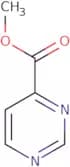

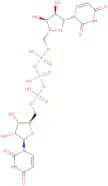
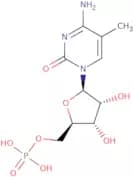

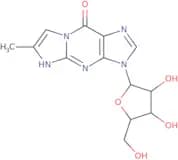
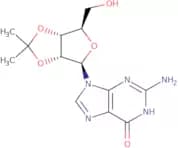
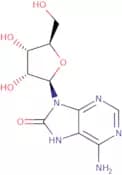
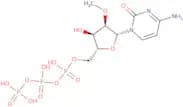

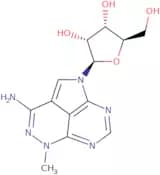
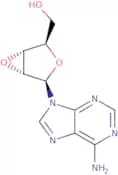
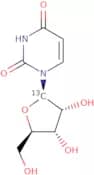

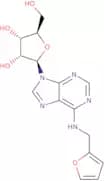
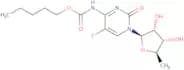
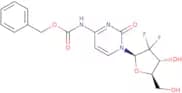
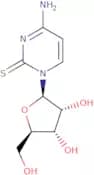
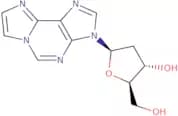
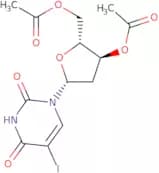

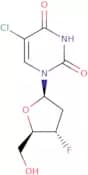

![2′-O-[2-(Methylamino)-2-oxoethyl]adenosine](/_next/image/?url=https%3A%2Fstatic.cymitquimica.com%2Fproducts%2F3D%2Fthumb-webp%2FNM182883.webp&w=3840&q=75)
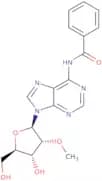
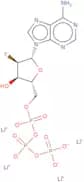

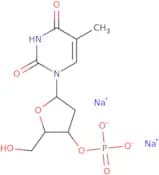
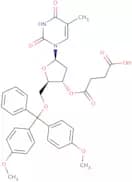

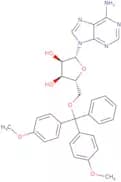
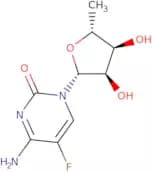
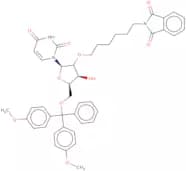
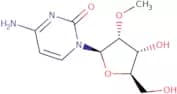
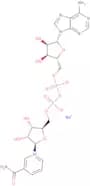
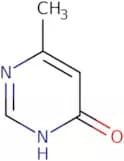
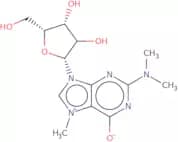
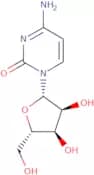
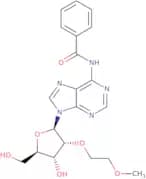
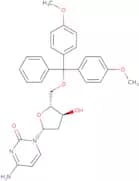
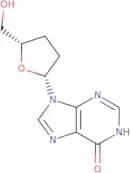
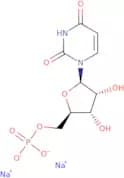
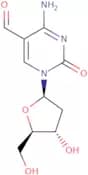
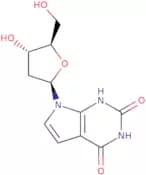
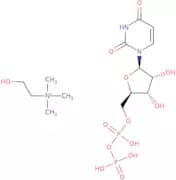
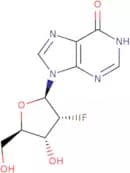
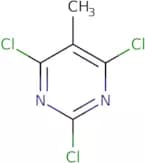

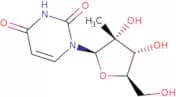
![5'-O-DMT-5-[N-(6-(trifluoroacetamido)hexyl)-3-E-acrylamido]-2'-deoxyuridine](/_next/image/?url=https%3A%2Fstatic.cymitquimica.com%2Fproducts%2F3D%2Fthumb-webp%2FND08237.webp&w=3840&q=75)
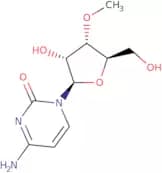
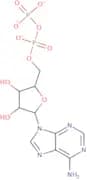
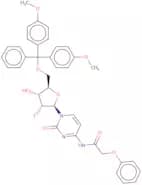
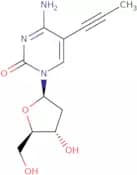
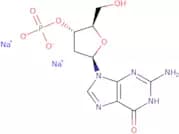
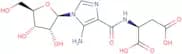
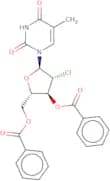
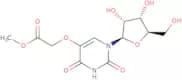
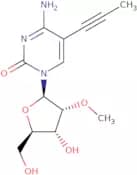
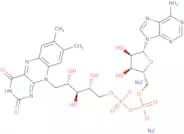
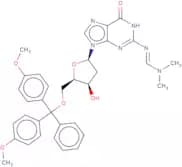


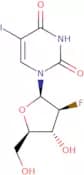
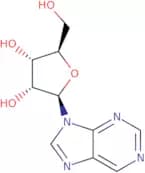
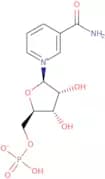
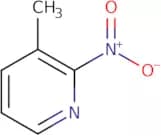
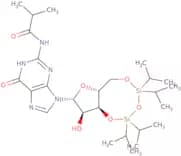
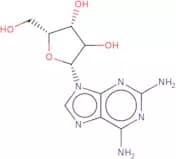
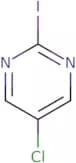
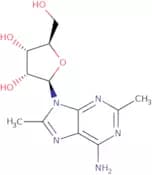
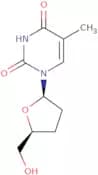
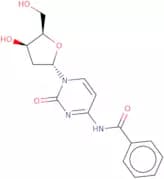
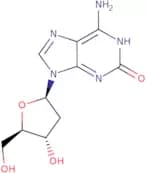
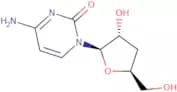
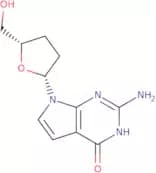
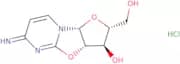
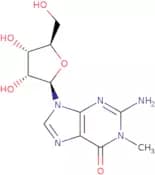
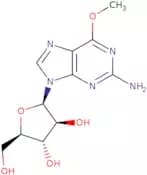
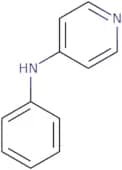
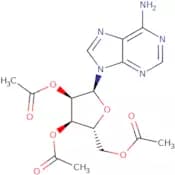
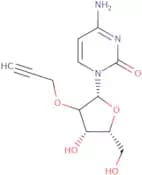
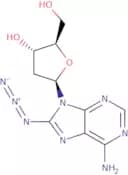
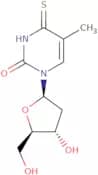

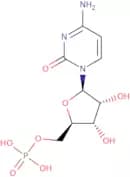
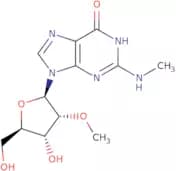
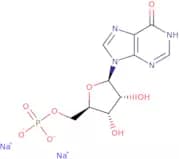
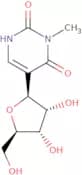
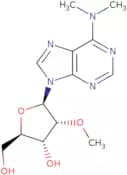
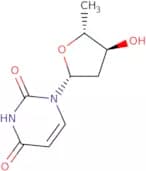
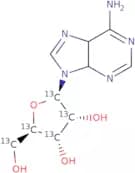
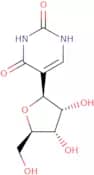
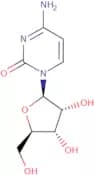
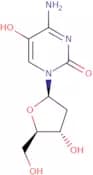
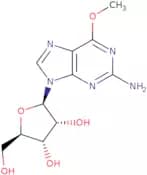
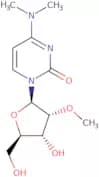
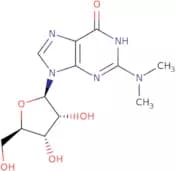


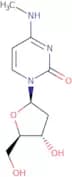
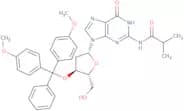
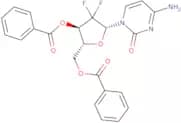
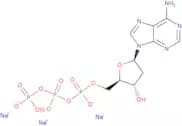
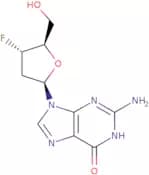
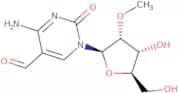
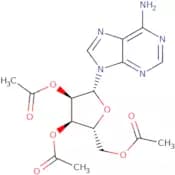

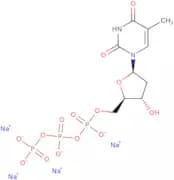


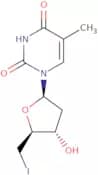
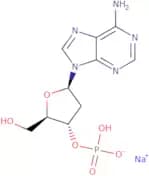
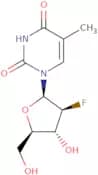

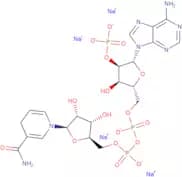


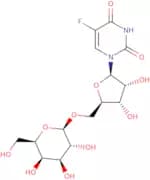
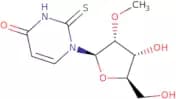
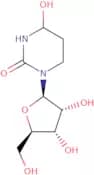
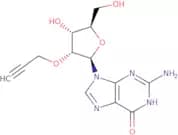
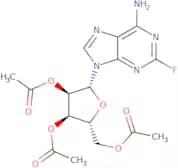
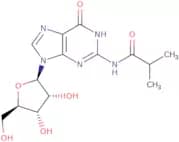
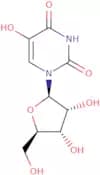
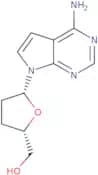
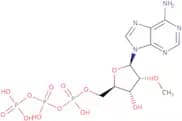
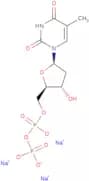
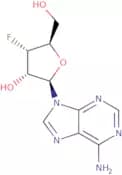
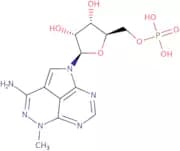
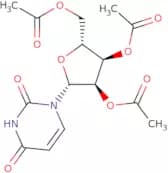
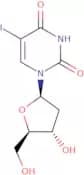

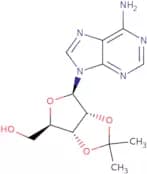
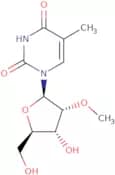


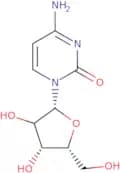
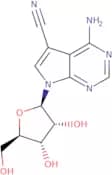
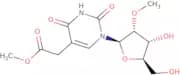
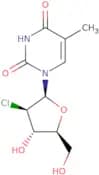

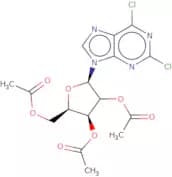
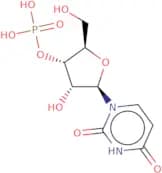
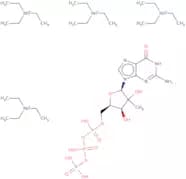

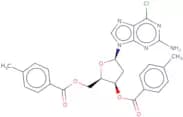
![(2R,3R,4S,5R)-2-(4-Aminothieno[3,4-d]pyrimidin-7-yl)-5-(hydroxymethyl)tetrahydrofuran-3,4-diol](/_next/image/?url=https%3A%2Fstatic.cymitquimica.com%2Fproducts%2F3D%2Fthumb-webp%2FFA165910.webp&w=3840&q=75)