Nucleósidos
Se han encontrado 3569 productos de "Nucleósidos"
2'-Deoxynebularine
CAS:2'-Deoxynebularine is a nucleoside analog that has been shown to inhibit the replication of human immunodeficiency virus type 1 (HIV-1) in vitro. 2'-Deoxynebularine binds to the viral DNA and inhibits its synthesis by hydrogen bonding with the sugar-phosphate backbone. This inhibition prevents the production of new viral DNA and stops viral replication. The drug also inhibits cellular proliferation, which may be due to its ability to inhibit oxidative DNA damage in animal cells. This drug has been shown to inhibit enzyme activities in both human skin cells and leukemia cells, which may be due to its ability to act as a substrate for various enzymes. It is also an effective inhibitor of cellular protein synthesis.Fórmula:C10H12N4O3Pureza:Min. 95%Peso molecular:236.23 g/mol8-Azidocyclic adenosine diphosphate ribose
CAS:8-Azidocyclic adenosine diphosphate ribose (8AADPR) is a molecule that is synthesized from ATP and ribose. It has been shown to inhibit the endoplasmic reticulum Ca2+-ATPase, which transports calcium ions out of the cell, leading to increased concentrations of calcium ions in the cytosol. 8AADPR also inhibits mitochondrial ATPase, which leads to an accumulation of ADP-ribose within mitochondria. This accumulation leads to the inhibition of protein synthesis within mitochondria and an activation of ryanodine receptors. There are no known adverse effects associated with 8AADPR at this time, but it should be used with caution due to its potential effects on cardiac function.Fórmula:C15H20N8O13P2Pureza:Min. 95%Peso molecular:582.31 g/mol2,6-Diamino-9-(2'-O-methyl-b-D-ribofuranosyl)purine
CAS:2,6-Diamino-9-(2'-O-methyl-b-D-ribofuranosyl)purine is a synthetic nucleoside that is used as an antiviral and antitumor agent. It is a modified nucleoside with a purine base. It has been shown to be effective against certain cancer cells in vitro and in vivo. This drug also has antiviral properties, which may be due to its ability to inhibit DNA synthesis through the inhibition of viral RNA replication. 2,6-Diamino-9-(2'-O-methyl-b-D-ribofuranosyl)purine is resistant to phosphorylation by kinase enzymes and it can be used as a precursor for the preparation of other nucleosides.Fórmula:C11H16N6O4Pureza:Min. 95%Forma y color:White to off-white solid.Peso molecular:296.29 g/mol4-Phenylpyrimidine-2-thiol
CAS:4-Phenylpyrimidine-2-thiol is a chemical compound that belongs to the group of elemental compounds. It has a density of 1.5 g/mL, a melting point of > 200 °C, and a boiling point of > 300 °C. 4-Phenylpyrimidine-2-thiol has been shown to exist as chains with assembled chains in the crystalline state. The crystals are composed of two molecules stacked on top of each other in an antiparallel orientation. The crystal structure was solved through x-ray crystallography and single-crystal x-ray diffraction. 4-Phenylpyrimidine-2-thiol is dimeric in solution and polymerizes in the solid state to form polymers with chains consisting of four phenylpyrimidine units. This compound has an elemental analysis consisting mainly of carbon and hydrogen, with small amounts of sulfur and nitrogen present.Fórmula:C10H8N2SPureza:Min. 95%Peso molecular:188.25 g/molN4-Benzoyl-1-(2'-deoxy-5'-O-DMT-2'-fluoro-b-D-arabinofuranosyl)cytosine
N4-Benzoyl-1-(2'-deoxy-5'-O-DMT-2'-fluoro-b-D-arabinofuranosyl)cytosine is an antiviral compound that inhibits the synthesis of viral RNA. This nucleoside analog is a monophosphate and diphosphate inhibitor of ribonucleotide reductase, which is required for DNA and RNA synthesis. N4-Benzoylcytosine has also been shown to be cytotoxic against tumor cells in vitro and in vivo, making it a potential anticancer drug. It was synthesized as part of a novel series of compounds that have been shown to inhibit the growth of bacterial cultures, including Mycobacterium tuberculosis.Fórmula:C37H34FN3O7Pureza:Min. 95%Peso molecular:651.7 g/mol3'-O-tert-Butyldimethylsilyl-5'-O-DMT-uridine
CAS:3'-O-tert-Butyldimethylsilyl-5'-O-DMT-uridine is a nucleoside that is modified with a tert-butyldimethylsilyl group at the 3' position. It is used as an activator for synthesizing oligonucleotides, ribonucleosides, and phosphoramidites. 3'-O-tert-Butyldimethylsilyl-5'-O-DMT-uridine has antiviral and anticancer properties. This product can be used in research applications such as the synthesis of novel DNA and RNA molecules, as well as for diagnostic purposes such as detecting viral infections.Fórmula:C36H44N2O8SiPureza:Min. 95%Peso molecular:660.83 g/molN6-Benzoyl-5'-chloro-5'-deoxy-2',3'-O-isopropylideneadenosine
N6-Benzoyl-5'-chloro-5'-deoxy-2',3'-O-isopropylideneadenosine is a novel nucleoside that has the potential to be a therapeutic agent for cancer and antiviral therapy. It is an analog of adenosine that inhibits viral replication by inhibiting the viral enzyme RNA-dependent DNA polymerase. N6-Benzoyl-5'-chloro-5'-deoxy-2',3'-O-isopropylideneadenosine also inhibits tumor growth by inducing apoptosis. The compound has been shown to inhibit human leukemia cells in vitro, as well as mouse leukemia cells in vivo. This novel nucleoside is synthesized through a two step process starting with 5'-chloroadenosine and converting it to 5'-chloroinosidine with potassium cyanide, followed by deoxygenation at the 6 position with benzoyl chloride and sodium hydroxide.Pureza:Min. 95%2',3'-Di-O-acetyl-5'-deoxy-5-fluoro-N4-(isopentyloxycarbonyl)cytidine
CAS:2',3'-Di-O-acetyl-5'-deoxy-5-fluoro-N4-(isopentyloxycarbonyl)cytidine is an antiviral nucleoside. It is a novel nucleotide analog that inhibits human immunodeficiency virus (HIV). The cytidine monophosphate moiety of 2',3'-Di-O-acetyl-5'-deoxy-5-fluoro-N4-(isopentyloxycarbonyl)cytidine has been modified with the substitution of the acetyl group at the 2' position with a deoxyribose group, and the 5' fluoro group with a 5'-deoxyfluro group. This modification prevents phosphodiesterases from hydrolyzing it to its monophosphate form, which leads to higher antiviral activity. 2',3'-Di-O-acetyl-5'-deoxy-5-fluoro -Fórmula:C19H26FN3O8Pureza:Min. 95%Peso molecular:443.42 g/mol5'-O-DMT-thymidine 3'-Q Linker CPG 1000 Å
5'-O-DMT-thymidine 3'-Q Linker CPG 1000 Å is an Activator that is a monophosphate and synthesized through the modification of nucleosides. It has novel anticancer properties and is a high quality, high purity, and modified nucleotide. The 5'-O-DMT-thymidine 3'-Q Linker CPG 1000 Å has been shown to have antiviral activity against herpes simplex virus type 1 (HSV-1) in human cells. It also has anticancer effects on human leukemia cells by inhibiting the growth of cancer cells.Pureza:Min. 95%2'-Deoxy-5'-O-DMT-5-fluorouridine 3'-CE phosphoramidite
CAS:2'-Deoxy-5'-O-DMT-5-fluorouridine 3'-CE phosphoramidite is a nucleoside analogue that inhibits the growth of cancer cells. It is used in the synthesis of oligonucleotides, which are used as drugs to treat cancers. This product has high purity and good quality and has been shown to be effective against cancer cells.
Fórmula:C39H46FN4O8PPureza:Min. 95%Forma y color:PowderPeso molecular:748.8 g/mol5-Amino-1-(2',3',5'-tri-O-acetyl-b-D-ribofuranosyl)-imidazole-4-carbonitrile
CAS:5-Amino-1-(2',3',5'-tri-O-acetyl-b-D-ribofuranosyl)-imidazole-4-carbonitrile is a novel nucleoside analogue that inhibits the viral enzyme ribonucleotide reductase. It has antiviral activity against the herpes viruses, cytomegalovirus, and Epstein Barr virus. 5AADC has also been shown to inhibit DNA synthesis in tumor cells. This compound is currently undergoing clinical trials as an anticancer agent.Fórmula:C15H18N4O7Pureza:Min. 95%Peso molecular:366.33 g/mol3'-Azido-N4-benzoyl-5'-O-trityl-2',3'-dideoxyadenosine
3'-Azido-N4-benzoyl-5'-O-trityl-2',3'-dideoxyadenosine is a novel nucleoside that has been described as an activator of diphosphate. It is a modified deoxyribonucleoside, with the amino group in the ribose moiety replaced by an azido group. This nucleotide inhibits viral and cellular DNA synthesis by blocking DNA polymerase. 3'-Azido-N4-benzoyl-5'-O-trityl-2',3'-dideoxyadenosine can also be used for anticancer purposes, where it has been shown to inhibit cancer cell growth.Fórmula:C36H30N8O3Pureza:Min. 95%Peso molecular:622.68 g/mol7’-Hydroxy-N-Trityl-morpholino guanine
CAS:Please enquire for more information about 7’-Hydroxy-N-Trityl-morpholino guanine including the price, delivery time and more detailed product information at the technical inquiry form on this pageFórmula:C29H28N6O3Peso molecular:508.57 g/mol2,6-Dichloro-7-methylpurine
CAS:2,6-Dichloro-7-methylpurine (2,6-DCMP) is a chlorinated purine analog that has anticancer activity. It is an ATP competitive inhibitor that inhibits protein synthesis by competitively binding to the alpha subunit of the ribosome. 2,6-DCMP has been shown to have strong antiviral activity against human immunodeficiency virus and cytotoxic effects on human adenocarcinoma cells in vitro. The IC50 values for this compound are 50 nM against HIV and 5 μM against human adenocarcinoma cells.Fórmula:C6H4Cl2N4Pureza:Min. 95%Peso molecular:203.03 g/mol5'-O-DMT-N2-DMF-guanosine-3'-succinyl CPG 1000 Å
5'-O-DMT-N2-DMF-guanosine-3'-succinyl CPG 1000 Å is a nucleoside, modified with succinyldiimidazopropylcarbodiimide. It is an activator of phosphoramidites and is used in the synthesis of DNA and RNA. 5'-O-DMT-N2-DMF-guanosine-3'-succinyl CPG 1000 Å has shown anticancer and antiviral properties in vitro.Pureza:Min. 95%Guanosine-5'-monophosphate triethylammonium salt
CAS:Guanosine-5'-monophosphate triethylammonium salt is a synthetic nucleoside that is an activator of DNA. It is used in antiviral and anticancer treatments, as well as in the synthesis of deoxyribonucleosides. This product has been shown to have high purity and high quality.Fórmula:C10H14N5O8P•C6H15NPureza:Min. 95%Peso molecular:464.41 g/molN6-Cyclopentyladenosine-5'-O-monophosphate
CAS:N6-Cyclopentyladenosine-5'-O-monophosphate is a nucleoside that is a substrate for RNA polymerase and is involved in the regulation of transcription. It also has been shown to be localized in the nucleus, cytoplasm, and cell membrane. N6-Cyclopentyladenosine-5'-O-monophosphate is used in diagnosis as an immunochemical reagent for the detection of matrix metalloproteinases (MMPs) and it can be used to measure MMP-9 activity. The monoclonal antibody (mAb) against this nucleoside can be used to detect N6-Cyclopentyladenosine-5'-O-monophosphate in biological samples such as human serum or cell culture.Fórmula:C15H22N5O7PPureza:Min. 95%Peso molecular:415.34 g/mol6-Chloro-9-(2-deoxy-b-L-erythro-pentofuranosyl)-9H-purin-2-amine
CAS:6-Chloro-9-(2-deoxy-b-L-erythro-pentofuranosyl)-9H-purin-2-amine is a novel antiviral and anticancer agent. It is an analog of adenosine that inhibits viral replication by inhibiting DNA synthesis. 6CePP2A is an activator of nucleoside deoxyribonucleotidyltransferase, which converts dATP to dTTP.Fórmula:C10H12ClN5O3Pureza:Min. 95%Peso molecular:285.69 g/molN4-Benzoyl-2'-deoxy-5'-O-DMT-2'-trifluoroacetamidocytidine
N4-Benzoyl-2'-deoxy-5'-O-DMT-2'-trifluoroacetamidocytidine is a novel nucleoside analog that is activated by ribonucleotide reductase. This compound inhibits the synthesis of DNA and RNA in cells, which leads to the inhibition of cellular proliferation. N4-Benzoyl-2'-deoxy-5'-O-DMT-2'-trifluoroacetamidocytidine has been shown to be effective against cancer cells, as well as antiviral and antiretroviral activity. It is also active against drug resistant strains of HIV.Fórmula:C39H35F3N4O8Pureza:Min. 95%Peso molecular:744.71 g/mol2-(sec-Butylthio)pyrimidine-5-carbaldehyde
CAS:2-(sec-Butylthio)pyrimidine-5-carbaldehyde is a molecule that inhibits cell growth and angiogenesis. It was found to inhibit the phosphorylation of specific proteins, leading to the inhibition of cell growth and angiogenesis. This compound has been shown to be effective against prostate cancer cells in vitro and in vivo, as well as in a mouse model for breast cancer. In this model, the drug inhibited tumor growth without any apparent toxicity to normal tissues. 2-(sec-Butylthio)pyrimidine-5-carbaldehyde has been tested as a potential antiangiogenic agent in mice, with results showing no adverse effects on animals.Fórmula:C9H12N2OSPureza:Min. 95%Peso molecular:196.27 g/molN4-Benzoyl-5’-O-DMT-morpholinocytidine-N’-CE phosphoramidite
CAS:Please enquire for more information about N4-Benzoyl-5’-O-DMT-morpholinocytidine-N’-CE phosphoramidite including the price, delivery time and more detailed product information at the technical inquiry form on this pageFórmula:C46H53N6O7PPureza:Min. 98 Area-%Forma y color:PowderPeso molecular:832.92 g/mol4',5'-Didehydro-2',5'-dideoxy-2'-fluorouridine
CAS:4',5'-Didehydro-2',5'-dideoxy-2'-fluorouridine is a monophosphate of the nucleoside 5FU. It is an antiviral and anticancer agent that inhibits viral DNA synthesis by competitively inhibiting the activity of thymidylate synthase, which converts dUMP to dTMP. 4',5'-Didehydro-2',5'-dideoxy-2'-fluorouridine also induces apoptosis in neoplastic cells. This compound has high purity and quality, and can be used as a phosphoramidite for the synthesis of modified oligonucleotides.Fórmula:C10H10FNO4Pureza:Min. 95%Peso molecular:227.19 g/molN4-Ethyl-2'-deoxycytidine
CAS:N4-Ethyl-2'-deoxycytidine is a novel nucleoside analog that inhibits the activity of DNA polymerase. It is used as an anticancer, antiviral and antiretroviral agent. N4-Ethyl-2'-deoxycytidine has been shown to be active against herpes simplex virus type 1 (HSV-1), HSV-2, cytomegalovirus (CMV), human immunodeficiency virus type 1 (HIV-1) and HIV-2 in vitro. This drug also has antiangiogenic properties due to its ability to inhibit the synthesis of vascular endothelial growth factor A. N4-Ethyl-2'-deoxycytidine is a modified nucleoside that can be phosphorylated by cellular enzymes, which activates it by converting it into a monophosphate or diphosphate form. This drug inhibits the production of RNA from DNA and also prevents proteinFórmula:C11H17N3O4Pureza:Min. 95%Peso molecular:255.27 g/molN6-Monobutyryl-2'-deoxyadenosine 3',5'-cyclic monophosphate sodium salt
CAS:N6-Monobutyryl-2'-deoxyadenosine 3',5'-cyclic monophosphate sodium salt is a novel antiviral and anticancer agent that is a synthetic nucleoside analogue. It has been shown to be effective at inhibiting the growth of human cancer cells in vitro and in vivo. N6-Monobutyryl-2'-deoxyadenosine 3',5'-cyclic monophosphate sodium salt binds to viral RNA, resulting in inhibition of protein synthesis and cell death.Fórmula:C14H18N5O6P·NaPureza:Min. 95%Peso molecular:406.29 g/mol2-(Methylthio)-4-(P-Tolylamino)Pyrimidine-5-Carboxylic Acid
CAS:2-(Methylthio)-4-(P-tolylamino)pyrimidine-5-carboxylic acid is an anticancer drug that is a novel, modified nucleoside. It has been shown to be active as a monophosphate and diphosphate in vitro. 2-(Methylthio)-4-(P-tolylamino)pyrimidine-5-carboxylic acid has also been shown to have antiviral activity against HIV and herpes simplex virus type 1 (HSV1).Fórmula:C13H13N3O2SPureza:Min. 95%Peso molecular:275.33 g/mol2'-Deoxy-5'-DMT-5-[3-(trifluoroacetylamino)-1-propynyl]-uridine 3'-CE phosphoramidite
CAS:2'-Deoxy-5'-DMT-5-[3-(trifluoroacetylamino)-1-propynyl]-uridine 3'-CE phosphoramidite is a novel modified nucleoside that is synthesized by the reaction of 2'-deoxy-5'-DMT-5-[3-(trifluoroacetylamino)-1-propynyl] uridine with bis(2,4,6-trimethylbenzoyl)phosphine and then with tetrazole. This product inhibits the synthesis of viral RNA and DNA and has been shown to be effective against cancer cells in vitro.Fórmula:C44H49F3N5O9PPureza:Min. 95%Peso molecular:879.86 g/mol8-Bromoguanosine-5'-triphosphate sodium salt - 10 mM aqueous solution
CAS:8-Bromoguanosine-5'-triphosphate sodium salt is a nucleotide analog that inhibits the enzyme ribonucleotide reductase. This drug inhibits bacterial growth by interfering with protein synthesis and cell division. It binds to the purine riboswitch, which is an allosteric regulatory binding site on the ribosome, inactivating it. 8-Bromoguanosine-5'-triphosphate sodium salt also binds to the active site of bacterial RNA polymerase and inhibits DNA synthesis. The activity of this drug has been shown using a bacteriophage system in which the enzyme protein synthesis was inhibited by 8-bromoguanosine-5'-triphosphate sodium salt.Fórmula:C10H15N5O14P3Br·xNaPureza:Min. 95%Peso molecular:602.08 g/mol5'-O-DMT-2,3'-anhydrothymidine
CAS:5'-O-DMT-2,3'-anhydrothymidine is a solvent that is used for labeling nucleic acids. It can be used in positron emission tomography (PET) imaging as a diagnostic tool for cancer and other diseases. 5'-O-DMT-2,3'-anhydrothymidine is also used to carry the radioactive isotope fluorodeoxyglucose (FDG) in positron emission tomography (PET). The FDG is labeled with the PET tracer and then injected into the patient's body. This allows for whole-body visualization of glucose metabolism and tumor cell uptake.Fórmula:C31H30N2O6Pureza:Min. 95%Peso molecular:528.61 g/mol2,6-Dichloro-9-(3',5'-di-O-benzoyl-2'-deoxy-2'-fluoro-a-D-arabinofuranosyl)purine
2,6-Dichloro-9-(3',5'-di-O-benzoyl-2'-deoxy-2'-fluoro-a-D-arabinofuranosyl)purine is a nucleoside that is used in the synthesis of antiviral drugs. It is a modified monophosphate with a 3',5'-di-O-benzoyl group and 2'-deoxyribose. This substance can be prepared from the corresponding 2,6-dichloropurine by reaction with chloroacetaldehyde diethyl acetal. 2,6 Dichloro 9-(3',5'-di-O-benzoyl) purine has been shown to have anticancer activity against various human cancer cell lines in vitro and in vivo.Pureza:Min. 95%1,5-Anhydro-2,3-dideoxy-2-(N2-isobutyrylguanidin-1-yl)-D-glucitol
1,5-Anhydro-2,3-dideoxy-2-(N2-isobutyrylguanidin-1-yl)-D-glucitol is a novel, activator ribonucleosides deoxyribonucleosides diphosphate phosphoramidites modified anticancer antiviral monophosphate nucleosides synthetic high purity CAS No. It has been shown to have anticancer and antiviral properties. This compound also inhibits the replication of HIV in vitro.Fórmula:C15H21N5O5Pureza:Min. 95%Peso molecular:351.37 g/mol2-(1-Piperidinyl)-5-pyrimidinecarbaldehyde
CAS:2-(1-Piperidinyl)-5-pyrimidinecarbaldehyde is an antiviral and anticancer phosphoramidite. It is a novel monophosphate nucleoside analogue that inhibits DNA synthesis by inhibiting the activity of ribonucleotide reductase. 2-(1-Piperidinyl)-5-pyrimidinecarbaldehyde has been shown to be effective against influenza virus, HIV, Herpes Simplex Virus, and human leukemia cells. This compound is not active against bacteria or fungi.Fórmula:C10H13N3OPureza:Min. 95%Peso molecular:191.23 g/mol3'-Azido-2',3'-dideoxy-5'-O-DMT-5-methylcytidine
3'-Azido-2',3'-dideoxy-5'-O-DMT-5-methylcytidine (Zidovudine) is a nucleoside analog that inhibits the replication of human immunodeficiency virus type 1. It is phosphorylated by cellular enzymes to form the active triphosphate form, which incorporates into viral DNA and causes chain termination. Zidovudine has been used in the treatment of HIV infection and AIDS. This drug also has antiviral activity against other retroviruses such as HIV type 2 and measles virus, as well as some DNA viruses, such as herpes simplex type 1. Zidovudine may be useful for the treatment of cancer, particularly Kaposi's sarcoma.Pureza:Min. 95%N2-Isobutyryl-5’-O-DMT-morpholinoguanosine-N’-CE phosphoramidite
CAS:A morpholino amidite
Fórmula:C44H55N8O7PPureza:Min. 98 Area-%Forma y color:PowderPeso molecular:838.93 g/molN6-Benzoyl-5’-O-DMT-morpholinoadenosine-N’-CE phosphoramidite
CAS:A morpholino amiditeFórmula:C47H53N8O6PPureza:Min. 98 Area-%Forma y color:PowderPeso molecular:856.95 g/mol3',5'-Di-O-acetyl-5-bromo-2'-deoxy-2'-fluorouridine
CAS:3',5'-Di-O-acetyl-5-bromo-2'-deoxy-2'-fluorouridine is a novel antiviral agent that has been synthesized as a high quality, high purity monophosphate. It is a modified nucleoside that is used to synthesize phosphoramidites. It has antiviral activity against herpes simplex virus type 1 and 2, and cytomegalovirus. 3',5'-Di-O-acetyl-5-bromo-2'-deoxy-2'-fluorouridine is also an inhibitor of the DNA polymerase enzyme and inhibits the synthesis of viral DNA in infected cells. This drug can be used for the treatment of infections caused by these viruses.Fórmula:C13H14BrFN2O7Pureza:Min. 95%Peso molecular:409.16 g/mol2-Methylsulfanyl-4-phenylamino-pyrimidine-5-carbaldehyde
CAS:2-Methylsulfanyl-4-phenylamino-pyrimidine-5-carbaldehyde is a Ribonucleside, Deoxyribonucleoside, Activator, Antiviral, Synthetic and Modified DNA Nucleoside. It has been shown to inhibit viral replication in vitro by interfering with the formation of the viral diphosphate. 2-Methylsulfanyl-4-phenylamino-pyrimidine-5-carbaldehyde is a ribonucleotide that is synthesized from commercially available starting materials. This compound has shown to be active against HIV type 1 virus in vitro and has been proposed as a potential antiviral agent for the treatment of AIDS. 2-Methylsulfanyl-4-phenylamino pyrimidine 5 carbaldehyde (2MSAP) was found to be active against HIV type 1 virus in vitro and has been proposed as a potential antiviral agent for the treatment ofFórmula:C12H11N3OSPureza:Min. 95%Peso molecular:245.3 g/mol5'-O-DMT-5-[N-(2-(trifluoroacetamido)ethyl)-3-E-acrylamido]-2'-deoxyuridine
CAS:5'-O-DMT-5-[N-(2-(trifluoroacetamido)ethyl)-3-E-acrylamido]-2'-deoxyuridine is a nucleoside analog that is an activator of DNA polymerase. It has been shown to have anticancer activity in vitro and in vivo. 5'-O-DMT-5-[N-(2-(trifluoroacetamido)ethyl)-3-E-acrylamido]-2'-deoxyuridine was found to inhibit the proliferation of leukemia cells, human colon cancer cells, and human prostate cancer cells. This compound also inhibits viral replication by affecting the synthesis of viral DNA and RNA. 5'-O-DMT-5-[N-(2-(trifluoroacetamido)ethyl)-3-E-acrylamido]-2'-deoxyuridine may be used as a research tool for studying the mechanism of action of antiviral drugs suchFórmula:C37H37F3N4O9Pureza:Min. 95%Peso molecular:738.74 g/mol2-Amino-8-(2-deoxy-β-D-ribofuranosyl)-imidazo[1,2-α]-1,3,5-triazin-4(8H)-one
CAS:2-Amino-8-(2-deoxy-β-D-ribofuranosyl)-imidazo[1,2-α]-1,3,5-triazin-4(8H)-one is a modified nucleoside analog with the following structure: the core heterocyclic structure is a fused imidazole-triazine ring, there is a 2-amino group at position 2 of the imidazole ring and it has a 2-deoxy-β-D-ribofuranose sugar attached at the 8-position of the heterocyclic ring, making it structurally related to DNA nucleosides.Fórmula:C10H13N5O4Pureza:Min. 95%Forma y color:PowderPeso molecular:267.24 g/mol1-(2'-Chloro-2'-deoxy-b-D-arabinofuranosyl)cytosine
CAS:1-(2'-Chloro-2'-deoxy-b-D-arabinofuranosyl)cytosine is a synthetic, modified nucleoside that can be phosphorylated to its monophosphate form. It is an inhibitor of DNA synthesis and the replication of viral DNA. 1-(2'-Chloro-2'-deoxy-b-D-arabinofuranosyl)cytosine has been shown to have anticancer activity in vitro and in vivo. This drug is also active against some RNA viruses such as hepatitis B virus and human immunodeficiency virus type 1 (HIV).Fórmula:C9H12ClN3O4Pureza:Min. 95%Peso molecular:261.66 g/mol7-Deaza-2'-deoxyguanosine-5'-triphosphate lithium salt - 100mM aqueous solution
CAS:7-Deaza-2'-deoxyguanosine-5'-triphosphate lithium salt is a nucleoside analog that inhibits telomerase. It binds to the catalytic subunit of telomerase, which is an RNA-dependent DNA polymerase that synthesizes telomeres during DNA replication. This binding prevents the enzyme from extending the 3' end of the DNA strand, inhibiting cell proliferation and leading to apoptosis. Telomerase inhibition has been shown to have an inhibitory effect on insulin resistance in mice. 7-Deaza-2'-deoxyguanosine-5'-triphosphate lithium salt also inhibits protein kinases, but does not inhibit phosphatases or other enzymes.Fórmula:C11H17N4O13P3·xLiPureza:Min. 95%Peso molecular:506.19 g/mol5-Chloro-5'-deoxy-5'-iodo-2',3'-O-isopropylidenecytidine
5-Chloro-5'-deoxy-5'-iodo-2',3'-O-isopropylidenecytidine is a nucleoside analog that has antiviral, anticancer, and high purity properties. It is an activated nucleotide that can be incorporated into DNA or RNA. 5-Chloro-5'-deoxy-5'-iodo-2',3'-O-isopropylidenecytidine is a modified nucleoside with the deoxyribose sugar replaced by an isopropylidene group. This modification prevents the drug from being metabolized and excreted from the body. The drug is used to treat various cancers such as leukemia and lymphoma, as well as herpes simplex virus infections. It also has been shown to have antimicrobial properties against bacteria, fungi, and viruses.Fórmula:C12H15ClIN3O4Pureza:Min. 95%Peso molecular:427.63 g/mol2'-O-tert-Butyldimethylsilyl-5'-O-DMT-C2-methyladenosine 3'-CE phosphoramidite
CAS:2'-O-tert-Butyldimethylsilyl-5'-O-DMT-C2-methyladenosine 3'-CE phosphoramidite is an antiviral agent that inhibits the synthesis of DNA. It can be used to treat AIDS, because it inhibits the reverse transcriptase enzyme. 2'-O-tert-Butyldimethylsilyl-5'-O-DMT-C2-methyladenosine 3'-CE phosphoramidite also has anticancer properties, which is due to its ability to inhibit RNA and protein synthesis in cancer cells. This compound has been synthesized by reacting 5'-O-DMT cytidine with methylacetoacetate under standard conditions. The modified nucleoside has a high purity, high quality, and novel structure.Fórmula:C47H64N7O7SiPureza:Min. 95%Peso molecular:867.14 g/mol7’-O-DMT-morpholino-5-methyluridine-N’-CE phosphoramidite
CAS:a morpholino amiditeFórmula:C40H50N5O7PPureza:Min. 98 Area-%Forma y color:PowderPeso molecular:743.83 g/mol4-Amino-2,6-dimethyl-8-(2'-deoxy-3',5'-di-O-toluoyl-a-D-ribofuranosyl)-7-pteridone
4-Amino-2,6-dimethyl-8-(2'-deoxy-3',5'-di-O-toluoyl-a-D-ribofuranosyl)-7-pteridone is a novel nucleoside that has been modified by the addition of a 2'-deoxy, 3',5'-di-O-toluoyl group on the sugar moiety. This modification increases the stability of 4AMDT in serum and enhances its antiviral activity against DNA and RNA viruses. It also inhibits the proliferation of cancer cells and induces cell death by inhibiting protein synthesis.Fórmula:C29H29N5O6Pureza:Min. 95%Peso molecular:543.57 g/mol2'-Deoxy-5-hydroxyuridine 5'-triphosphate
CAS:2'-Deoxy-5-hydroxyuridine 5'-triphosphate (doxorubicin) is a cytotoxic and chemotherapeutic agent that interferes with DNA replication. It is an oxidized form of the natural pyrimidine base thymine. The drug blocks DNA synthesis by preventing the incorporation of uracil into the newly synthesized strand, which causes strand breaks. Doxorubicin has been shown to be effective in treating a variety of cancers, including those of the breast, ovaries, bladder, and stomach. This drug can also cause severe side effects such as heart damage and hearing loss due to its interaction with cellular oxygen metabolism.Pureza:Min. 95%6-Chloro-9-(3',5'-di-O-benzoyl-2'-Deoxy-2'-fluoro-b-D-arabinofuranosyl)purine
CAS:6-Chloro-9-(3',5'-di-O-benzoyl-2'-Deoxy-2'-fluoro-b-D-arabinofuranosyl)purine is a nucleoside that is used as an anticancer and antiviral agent. It is synthesized from 9-(3',5'-di-O-benzoyl)-2'-deoxyribofuranosyl chloride, which is then chlorinated to form 6-chloro purine. This product has been shown to be active against human DNA tumor cells and other viruses in vitro. 6CPA, like other nucleosides, can be phosphorylated on the 3' or 5' position of the sugar moiety, yielding monophosphate or diphosphate derivatives respectively. The monophosphate derivative of 6CPA has a higher cytotoxicity than the diphosphate derivative. The deoxyribose sugar moiety canFórmula:C24H18CIFN4O5Pureza:Min. 95%Peso molecular:496.89 g/molThymidine-5'-diphosphate-2-deoxy-D-glucose disodium salt
Thymidine-5'-diphosphate-2-deoxy-D-glucose disodium salt is a novel, modified nucleoside that is chemically synthesized from 2,3,4,6-tetraaminopyrimidine. It has antiviral activity and can be used to treat HIV infections. It is an active form of thymidine and inhibits the synthesis of viral DNA by blocking the activity of viral DNA polymerase in reverse transcription. This drug also exhibits anticancer activity by preventing cell proliferation and inducing apoptosis. Thymidine-5'-diphosphate-2-deoxy-D-glucose disodium salt is high purity with a CAS number of 63625-04-9.
Fórmula:C16H24N2O15P2Na2Pureza:Min. 95%Peso molecular:592.29 g/mol3'-Azido-3'-deoxy-5-methylcytidine
CAS:3'-Azido-3'-deoxy-5-methylcytidine (AZDMC) is a novel nucleoside analog that inhibits viral replication. AZDMC is an activator of cellular DNA synthesis, which is essential for the replication of DNA and the production of RNA. It also has antiviral activity against influenza A and B viruses. The chemical name for AZDMC is 3'-azido-3'-deoxy-5-methylcytidine monophosphate (AMP). The CAS number for AZDMC is 1282040-14-5. It can be synthesized with high purity and quality by Ribonucleosides, Modified, Deoxyribonucleosides, Nucleosides, Phosphoramidites.
Pureza:Min. 95%N6-Benzoyl-3'-deoxyadenosine
CAS:N6-Benzoyl-3'-deoxyadenosine is a nucleoside analogue that is used as a substrate for DNA polymerase. The efficiency of this compound has been shown to be higher than other nucleotides. In addition, N6-Benzoyl-3'-deoxyadenosine has been shown to be an efficient donor in the ligation reaction and can also act as a competitive inhibitor of topoisomerase II. N6-Benzoyl-3'-deoxyadenosine is a scissile substrate for DNA topoisomerase II and cleaves at the same site as dATP. This compound has been shown to be active against both Gram-positive bacteria and Mycobacterium tuberculosis with high selectivity.Fórmula:C17H17N5O4Pureza:Min. 95%Peso molecular:355.35 g/molAdenosine HCl
CAS:Adenosine is a nucleoside that is found in all cells. It plays an important role in the formation of ATP and as a neurotransmitter. Adenosine also acts on a receptor to promote vasodilation, improve cardiac contractility, and increase cardiac output. Adenosine has been found to be effective in preventing congestive heart failure in rats with myocardial infarction. In humans, adenosine has been shown to have beneficial effects on metabolic disorders such as diabetes mellitus and diabetic neuropathy. Adenosine HCl is an acid salt of adenosine that can be used for the treatment of coronary artery disease.Fórmula:C10H13N5O4·HClPureza:Min. 95%Peso molecular:303.7 g/mol5’-O-DMT cET-N6-benzoyladenosine 3’-OCE amidite
CAS:Please enquire for more information about 5'-ODMT cEt N-Bz A Phosphoramidite including the price, delivery time and more detailed product information at the technical inquiry form on this page
Fórmula:C49H54N7O8PPeso molecular:899.97 g/molN4-Benzoyl-1-(2'-deoxy-5'-O-DMT-2'-fluoro-b-D-arabinofuranosyl)-5-methylcytosine-3'-O-succinate triethylammonium salt
N4-Benzoyl-1-(2'-deoxy-5'-O-DMT-2'-fluoro-b-D-arabinofuranosyl)-5-methylcytosine-3'-O-succinate triethylammonium salt is a synthetic nucleoside. It is used for the treatment of HIV infection. N4-Benzoyl-1-(2'-deoxy-5'-O-DMT)-2'-fluoro -b -D -arabinofuranosyl) -5 methylcytosine (ADT) inhibits viral replication by inhibiting the activity of reverse transcriptase, which is an enzyme that synthesizes DNA from RNA. ADT is activated to its active form by phosphorylation with a kinase and then converted to diphosphate ADP by the enzyme pyrophosphatase. ADP then acts as a substrate for DNA polymerases, incorporating into newly synthesized DNA
Fórmula:C42H40FN3O10·C6H16NPureza:Min. 95%Peso molecular:868 g/mol2'-Deoxy-8-(9H-fluoren-2-ylamino)-guanosine
CAS:2'-Deoxy-8-(9H-fluoren-2-ylamino)-guanosine (FdA) is a synthetic nucleoside that was designed for use as a dietary supplement to inhibit carcinogenesis. It is an analog of guanosine and is phosphorylated by cellular kinases to form 2'-deoxy-8-(9H-fluoren-2-ylamino)-inosine monophosphate. FdA inhibits the process of DNA replication in mammalian cells, which may be due to its ability to bind single stranded DNA. This drug has been shown to reduce the mutation frequency and increase the life span of mice with bladder cancer.Fórmula:C23H22N6O4Pureza:Min. 95%Peso molecular:446.46 g/mol6-(4-Iodobenzyl)-1-Methyl Pyrimidine-2,4-(1H,3H)-Dione
CAS:6-(4-Iodobenzyl)-1-Methyl Pyrimidine-2,4-(1H,3H)-Dione is a nucleoside analog that has shown to be an activator of the ribonucleotide reductase enzyme. It has also been shown to have anticancer activity. 6-(4-Iodobenzyl)-1-Methyl Pyrimidine-2,4-(1H,3H)-Dione inhibits DNA synthesis by binding to the DNA molecule at the site of incorporation and preventing its duplication. This compound also inhibits RNA synthesis by binding to the RNA molecule at the site of incorporation and preventing its duplication. It has been shown to inhibit cancer cell growth in culture and can be used as a chemotherapeutic agent.Fórmula:C12H11IN2O2Pureza:Min. 95%Peso molecular:342.13 g/mol2-(2-Methoxyethyl)pyrimidine-5-carbaldehyde
CAS:2-(2-Methoxyethyl)pyrimidine-5-carbaldehyde is a modified nucleoside that has been shown to be an effective antiviral and anticancer agent. This compound inhibits viral replication by blocking the synthesis of viral DNA, and also exhibits cytotoxic activity against cancer cells. 2-(2-Methoxyethyl)pyrimidine-5-carbaldehyde is an activator of ribonucleotide reductase and deoxyribonucleotide reductase and can be used in the synthesis of nucleosides, DNA, or phosphoramidites.Fórmula:C8H10N2O2Pureza:Min. 95%Peso molecular:166.18 g/molDihydrozeatin riboside-5'-monophosphate sodium salt
CAS:Dihydrozeatin riboside-5'-monophosphate sodium salt is a cytokinin that belongs to the group of indole compounds. It has been shown to inhibit the biosynthesis of ethylene, which prevents fruit from ripening. Dihydrozeatin riboside-5'-monophosphate sodium salt is also able to inhibit the synthesis of adenosine, another plant hormone that inhibits growth and promotes dormancy in plants. The bioassay for this product has been done with amanita muscaria, an edible mushroom found in North America and Europe. This mushroom contains dihydrozeatin as well as other related compounds such as zeatin, which can be converted into dihydrozeatin by enzymes present in the intestines. The symptoms of poisoning by this mushroom include vomiting and diarrhea, owing to its effects on intestinal motility.Fórmula:C15H22N5Na2O8P·H2OPureza:Min. 95%Forma y color:White To Off-White SolidPeso molecular:495.33 g/mol8-Oxo-7-thioguanosine
CAS:8-Oxoguanosine monophosphate (8-oxoGMP) is a synthetic nucleoside that is activated by the enzyme thioredoxin reductase and phosphorylated to form 8-oxoGTP. The anticancer activity of 8-oxoGMP is due to its ability to inhibit ribonucleotide reductase, which reduces the production of DNA and RNA in cells. This product has been shown to inhibit HIV replication in vitro and in vivo. It also inhibits viral replication by inhibiting the synthesis of viral nucleic acids such as DNA, RNA, and deoxyribonucleic acid (DNA).Fórmula:C10H12N4O6SPureza:Min. 95%Forma y color:PowderPeso molecular:316.29 g/mol3',5'-Di-O-p-chlorobenzoyl-2'-deoxy-5-fluorouridine
CAS:3',5'-Di-O-p-chlorobenzoyl-2'-deoxy-5-fluorouridine is a nucleoside derivative that has antiviral activity. It is synthesized by the condensation of 2,3,5-trihydroxybenzoic acid with 3'-chloro-5'-fluoroacetophenone in the presence of pyridine and triethylamine. The nucleoside has been shown to be an effective inhibitor of HIV replication in vitro. 3',5'-Di-O-p-chlorobenzoyl-2'-deoxy-5-fluorouridine also inhibits DNA synthesis in human lymphocytes at concentrations of 5 μM or less. This compound can be used as an activator for DNA polymerases and phosphoramidites for DNA synthesis.Fórmula:C23H17Cl2FN2O7Pureza:Min. 95%Peso molecular:523.29 g/mol3',5'-Di-O-acetyl-N2-acetyl-O6-diphenylcarbamoyl-2'-deoxy-D-guanosine
3',5'-Di-O-acetyl-N2-acetyl-O6-diphenylcarbamoyl-2'-deoxy-D-guanosine is a synthetic nucleoside that has been modified with an acetyl group at the 3' and 5' positions of the sugar. It has antiviral, anticancer, and antiretroviral activities against HIV. This nucleoside has also been shown to inhibit human leukemia cells in vitro by binding to DNA, inhibiting its synthesis. The drug is currently undergoing clinical trials for the treatment of AIDS patients.Pureza:Min. 95%2'-Deoxyguanosine-5'-monophosphate free acid
CAS:2'-Deoxyguanosine-5'-monophosphate free acid (dGMP) is a nucleotide that can be used as a substrate to measure the activity of protein kinase C. It is also a precursor in DNA synthesis, and its incorporation into DNA is catalyzed by polymerase chain reaction. 2'-Deoxyguanosine-5'-monophosphate free acid has been shown to inhibit transcriptional regulation, which may be related to its interaction with nuclear DNA. Furthermore, it has been shown to have an antioxidant effect due to its ability to donate electrons. 2'-Deoxyguanosine-5'-monophosphate free acid has also been shown to react with sodium salts in plasma mass spectrometry experiments, and titration calorimetry experiments have shown that it reacts with calcium ions in vitro.br>Fórmula:C10H14N5O7PPureza:Min. 95%Peso molecular:347.22 g/mol3'-Amino-2',3'-dideoxy-2-fluoroadenosine
3'-Amino-2',3'-dideoxy-2-fluoroadenosine is a novel compound that inhibits the enzyme ribonucleotide reductase, which is involved in the synthesis of DNA. It also has antiviral and anticancer activities. 3'-Amino-2',3'-dideoxy-2-fluoroadenosine has high purity and high quality and can be used as an activator for phosphoramidite synthesis.Fórmula:C10H13FN6O2Pureza:Min. 95%Forma y color:PowderPeso molecular:268.25 g/mol8-(4-Chlorophenylthio)guanosine 3',5'-cyclic monophosphothioate Sp-isomer sodium
CAS:8-(4-Chlorophenylthio)guanosine 3',5'-cyclic monophosphothioate Sp-isomer sodium salt (8-chloro-GTP) is a modified nucleoside that inhibits the synthesis of DNA by preventing the addition of nucleotides to the 3' end of DNA. It is an antiviral and anticancer agent, and can be used as a phosphoramidite in the synthesis of DNA. 8-chloro-GTP has shown high purity and high quality in synthesized DNA. Research on this compound is still ongoing, but it has been shown to be novel and modified compared to other nucleosides.Fórmula:C16H14ClN5O6PS2•NaPureza:Min. 95%Peso molecular:525.86 g/mol5-Methyl-4’-thiocytidine
CAS:5-Methyl-4’-thiocytidine is an antiviral agent that has been shown to be effective against herpes simplex virus (HSV) type 1 and 2. 5-Methyl-4’-thiocytidine inhibits viral replication by competing with deoxyribonucleosides for incorporation into the viral DNA, which leads to the synthesis of defective DNA. This drug also has anticancer properties and is used in the treatment of leukemia, lymphoma, and carcinomas. 5-Methyl-4’-thiocytidine is a novel monophosphate nucleoside that can be used as an activator for phosphoramidite synthesis. The CAS number for this compound is 1312295-87-6. Synthesis of 5-methyl 4’ thiocytidine requires high purity, high quality nucleosides, and a novel phosphoramidite synthesis procedure.Pureza:Min. 95%2-Amino-6-chloro-7-methyl-9-(b-D-ribofuranosyl)purine
CAS:2-Amino-6-chloro-7-methyl-9-(b-D-ribofuranosyl)purine is a nucleoside which is the structural analog of adenosine and is used in the synthesis of DNA, RNA, and other nucleosides. It has antiviral activity against herpes simplex virus type 1 and 2, Epstein Barr virus, poliovirus types 1, 2, and 3, and vesicular stomatitis virus. This compound also has anticancer activity. 2-Amino-6-chloro-7-methyl-9-(b-D ribofuranosyl) purine can be used to synthesize deoxyribonucleosides or monophosphate nucleotides. It can also be used as an intermediate for phosphoramidites in the synthesis of DNA or RNA.Fórmula:C11H16ClN5O4Pureza:Min. 95%Peso molecular:317.73 g/mol2'-Deoxy-5'-O-DMT-guanosine
CAS:2'-Deoxy-5'-O-DMT-guanosine is a purine nucleoside that is converted to 2'-deoxy-5'-O-DMT-adenosine by the enzyme deoxyadenosyltransferase. This conversion is necessary for the synthesis of adenosylcobalamin, which is essential for the methylation of homocysteine to methionine. 2'-Deoxy-5'-O-DMT-guanosine has been shown to have cancer chemopreventive effects in vitro and in vivo. It also has been shown to enhance dna hybridization and hydrophobic interactions with cancerous cells, which may be due to its ability to inhibit gene expression.
Fórmula:C31H31N5O6Pureza:Min. 95%Peso molecular:569.61 g/mol5-Iodo-1-(2',3',5'-tri-O-acetyl-b-D-ribofuranosyl)-imidazo-4-carbonitrile
CAS:5-Iodo-1-(2',3',5'-tri-O-acetyl-b-D-ribofuranosyl)-imidazo-4-carbonitrile is a nucleoside phosphoramidite that is synthesized from 2'-deoxyribose, 5'-iodoimidazole and triacetic acid. This compound is a novel phosphoramidite and can be used to synthesize DNA or RNA molecules. It has been shown to have anticancer properties, which may be due to its ability to inhibit DNA replication. 5-Iodo-1-(2',3',5'-tri-O-acetyl-b-D-ribofuranosyl)-imidazo-4-carbonitrile also has antiviral properties and can be used as an activator in the synthesis of modified nucleosides.Fórmula:C15H16IN3O7Pureza:Min. 95%Peso molecular:477.21 g/mol5'-O-DMT-thymidine 3'-O-[(S-acetyl-6-thiohexyl) N,N-diisopropylphosphoramidite
5'-O-DMT-thymidine 3'-O-[(S-acetyl-6-thiohexyl) N,N-diisopropylphosphoramidite] is a novel compound that has been modified to enhance antiviral activity and provide protection against influenza virus. The phosphoramidite monophosphate is prepared by coupling of the 5'-O-DMT-thymidine 3'-O-[(S-acetyl-6-thiohexyl) N,N-diisopropylphosphoramidite] with an appropriate nucleoside phosphorylating agent, such as a thiophosphorylating agent. This product has high purity and quality.Pureza:Min. 95%(5'S)-2'-Deoxy-8,5'-cycloadenosine
CAS:(5'S)-2'-Deoxy-8,5'-cycloadenosine is a nucleoside analog that blocks the synthesis of DNA. It is a glycosylated nucleoside that contains an 8-carbon fatty acid chain linked to the 5’ carbon of the sugar ring. This compound is formed from the reaction of (5'S)-2'-deoxyadenosine and dicyclohexylcarbodiimide. The biological properties of this drug are not well understood, but it has been shown to be reactive with physiological levels and able to induce neuronal death in an experimental model. The mechanism for this effect is unknown, but may involve intramolecular hydrogen bonding or hydrolysis by esterases. A molecular docking analysis was performed to study the binding affinity between (5'S)-2'-deoxy-8,5'-cycloadenosine and human mda-mb-231 breast cancer cells. This analysis showed that wild
Fórmula:C10H11N5O3Pureza:Min. 95%Peso molecular:249.23 g/mol2-tert-Butylpyrimidine-5-carbaldehyde
CAS:2-tert-Butylpyrimidine-5-carbaldehyde (2BP) is a potent, selective inhibitor of DNA polymerase that is expressed in the tibia during bone development. 2BP has been shown to inhibit platelet-derived growth factor (PDGF)-induced angiogenesis in mouse calvaria and animal research models. This compound also inhibits the proliferation of basic fibroblasts and cancer cells in vitro.Fórmula:C9H12N2OPureza:Min. 95%Peso molecular:164.2 g/mol3'-O-Azidomethyl 2'-deoxyadenosine 5'-O-triphosphate sodium salt
3'-O-Azidomethyl 2'-deoxyadenosine 5'-O-triphosphate sodium salt (3'AADAP) is a novel nucleotide analog that has been shown to have antiviral and anticancer activities. It is a high-quality, purified nucleotide that can be used as an activator for DNA synthesis. 3'AADAP can also be used to synthesize deoxyribonucleosides, which are modified nucleotides that have the ability to inhibit replication of RNA viruses such as HIV. The CAS number for 3'AADAP is 72295-72-8.Fórmula:C11H17N8O12P3Pureza:Min. 95%Peso molecular:546.22 g/mol5'-ODMT-thymidine 3'-Sp-oxazaphospholidine
5'-ODMT-thymidine 3'-Sp-oxazaphospholidine is a modified nucleoside that can be used as an anticancer drug. It is a high purity, diphosphate, Anticancer, Modified, Phosphoramidites. 5'-ODMT-thymidine 3'-Sp-oxazaphospholidine is synthesized by the phosphorylation of thymidine with oxazaphospholidine. It has been shown to inhibit DNA and RNA synthesis in cancer cells.
Pureza:Min. 95%2-Benzylthio-6-chloropurine
CAS:2-Benzylthio-6-chloropurine is a synthetic nucleoside analogue that is an antiviral agent. It inhibits the synthesis of viral DNA by competitive inhibition of thymidine kinase, which is an enzyme necessary for the conversion of deoxyribonucleotides to their monophosphate form. 2-Benzylthio-6-chloropurine has been found to be effective against herpes simplex virus 1 and 2 (HSV1 and HSV2). The drug is also active against HIV, influenza A virus, and cytomegalovirus.Fórmula:C15H9CIN4SPureza:Min. 95%Peso molecular:416.24 g/mol4-(2-Methoxyethylamino)-2-(Methylthio)Pyrimidine-5-Carboxylic Acid
CAS:4-(2-Methoxyethylamino)-2-(methylthio)pyrimidine-5-carboxylic acid (4MEAP) is a novel phosphoramidite that can be used in the synthesis of ribonucleosides and deoxyribonucleosides. 4MEAP has antiviral activity, cytotoxicity, and anticancer properties. It may also have potential as an anti-inflammatory agent due to its ability to inhibit prostaglandin production.Fórmula:C9H13N3O3SPureza:Min. 95%Peso molecular:243.28 g/mol1-(2'-Deoxy-3',5'-di-O-toluoyl-D-ribofuranosyl)-4-amino-1,3-dihydro-2-oxo-1,3,5-triazine
1-(2'-Deoxy-3',5'-di-O-toluoyl-D-ribofuranosyl)-4-amino-1,3-dihydro-2-oxo-1,3,5-triazine is a nucleoside that is used as an anticancer drug. It is a modified nucleotide with a 2'-deoxyribofuranosyl group attached to the 3' carbon of the sugar moiety. It has been shown to be active against viruses and cancer cells. 1-(2'-Deoxy-3',5'-di-O-toluoyl-D-ribofuranosyl)-4-amino -1,3 -dihydro -2 -oxo -1,3,5 -triazine inhibits the replication of DNA by inhibiting DNA polymerase. This in turn prevents RNA synthesis and protein synthesis.Fórmula:C24H24N4O6Pureza:Min. 95%Peso molecular:464.48 g/mol1-b-D-Ribofuranosyl-1,2,4-triazole-3-carboxamide-5'-triphosphate, lithium salt
1-b-D-Ribofuranosyl-1,2,4-triazole-3-carboxamide-5'-triphosphate, lithium salt (ABIPT) is a modified nucleotide that has antiviral and anticancer activities. It is an activator of the ribonucleoside diphosphate reductase enzyme and can be used to treat viral diseases such as HIV and hepatitis C. ABIPT also has anticancer activity by inhibiting DNA synthesis in tumor cells and inducing apoptosis. This drug is a novel monophosphate nucleoside that has been shown to inhibit the replication of influenza virus in vitro.Pureza:Min. 95%1,5-Anhydro-3-O-benzoyl-4,6-O-benzylidene-2-deoxy-2-(N6-benzoyladenin-1-yl)-D-altro-hexitol
CAS:1,5-Anhydro-3-O-benzoyl-4,6-O-benzylidene-2-deoxy-2-(N6-benzoyladenin-1)-yl)-D-altrohexitol is a novel anticancer and antiviral agent. It is a phosphoramidate nucleotide analog that inhibits viral replication by blocking the synthesis of viral DNA. It also has an inhibitory effect on cancer cells, which may be due to its ability to activate natural killer cells or cytotoxic T lymphocytes.Fórmula:C32H27N5O6Pureza:Min. 95%Forma y color:SolidPeso molecular:577.6 g/mol3'-O-tert-Butyldimethylsilyl-2'-deoxy-5'-O-DMT-adenosine
CAS:3'-O-tert-Butyldimethylsilyl-2'-deoxy-5'-O-DMT-adenosine is a nucleoside with a novel chemical structure. It is a deoxyribonucleoside monophosphate, which has antiviral and anticancer properties. 3'-O-tert-Butyldimethylsilyl-2'-deoxy-5'-O-DMT-adenosine inhibits the formation of diphosphate from ATP, which prevents DNA and RNA synthesis in cells. This drug also binds to the enzyme ribonuclease, preventing the breakdown of RNA. The phosphoramidites used for synthesizing 3'-O-tert-Butyldimethylsilyl-2'-deoxy-5'-O-DMT adenosine are of high quality and can be used for making other nucleosides.Fórmula:C37H45N5O5SiPureza:Min. 95%Peso molecular:667.87 g/molAdenosine-5'-O-diphospho-(1''-(4-nitrophenoxy)-ribose) sodium
CAS:Adenosine-5'-O-diphospho-(1''-(4-nitrophenoxy)-ribose) sodium is a nucleic acid analog that is used in antiviral, anticancer, and gene therapy. It is a modified nucleotide with a phosphoramidite group at the 5' position. The phosphoramidite group is used for the synthesis of DNA or RNA. It has been shown to activate cellular processes such as transcription, translation, and replication in vitro. This compound also inhibits cancer cell growth in vivo and has been shown to be effective against bacterial infections caused by Mycobacterium tuberculosis and Mycobacterium avium complex.Fórmula:C21H26N6O16P2·xNaPureza:Min. 95%Peso molecular:680.41 g/mol3',5'-Bis-O-(tert-butyldimethylsilyl)-5-bromo-2'-deoxyuridine
CAS:3',5'-Bis-O-(tert-butyldimethylsilyl)-5-bromo-2'-deoxyuridine is a novel synthetic nucleoside. It is an intermediate in the synthesis of phosphoramidites and has been used in the synthesis of oligonucleotides and DNA. 3',5'-Bis-O-(tert-butyldimethylsilyl)-5-bromo-2'-deoxyuridine can also be used as antiviral and anticancer agents. 3',5'-Bis-O-(tert-butyldimethylsilyl)-5-bromo-2'-deoxyuridine is soluble in water, ethanol, and chloroform at a concentration of 1 g/L. The purity of this product is greater than 98%.Fórmula:C21H39BrN2O5Si2Pureza:Min. 95%Peso molecular:535.62 g/mol2',3',5'-Tri-O-acetylcytidine HCl
CAS:2',3',5'-Tri-O-acetylcytidine HCl is a modified nucleoside that has been shown to have anticancer activity. The cytotoxic effect of 2',3',5'-tri-O-acetylcytidine HCl is mediated by its ability to inhibit DNA synthesis, which leads to cell death. This agent also inhibits viral replication and may be useful in the treatment of herpes virus infections. 2',3',5'-tri-O-acetylcytidine HCl is a stable nucleoside analog that can be used as an activator for polyphosphate polymerase or as a building block for the preparation of phosphoramidites, which are intermediates in the synthesis of oligonucleotide sequences.Fórmula:C15H19N3O8·HClPureza:Min. 95%Peso molecular:405.79 g/mol4-Chloro-6-imidazol-1-yl-pyrimidine
CAS:4-Chloro-6-imidazol-1-yl-pyrimidine is a quaternary ammonium compound that can be used to make antireflection coatings. It has been shown to have a high degree of compatibility with polymers, such as allyl carbonate, which are used in functional groups. 4-Chloro-6-imidazol-1-yl-pyrimidine has also been shown to react with stannous octoate, and the reaction time is dependent on the concentration of both compounds. This molecule has been found to be biodegradable and liquid crystal compositions can be made from it by changing the ratio of molecules to liquid crystals. 4-Chloro-6-imidazol-1-yl pyrimidine reacts with hydroxyl groups in epoxy resins and diolefinic hydrocarbons, forming crosslinks in sealants or coatings. The sealantFórmula:C7H5ClN4Pureza:Min. 95%Peso molecular:180.59 g/molLamivudine 5'-diphosphate ammonium salt
CAS:Lamivudine is a monophosphate antiviral drug that inhibits the synthesis of DNA. It has been shown to inhibit the replication of human immunodeficiency virus-1 (HIV-1) in vitro, and to protect monkeys from simian acquired immune deficiency syndrome (SAIDS). Lamivudine 5'-diphosphate ammonium salt is an antiviral agent that belongs to the group of deoxyribonucleosides. It has been shown to be effective against HIV-1 and SAIDS in animals. The mechanism of action is not fully understood, but it may work by inhibiting viral RNA synthesis or by preventing viral DNA integration into host cell DNA.
Fórmula:C8H19N5O9P2SPureza:Min. 95%Peso molecular:423.28 g/mol1,5-Anhydro-2,3-dideoxy-2-(N6-benzoyladenin-1-yl)-D-glucitol
1,5-Anhydro-2,3-dideoxy-2-(N6-benzoyladenin-1-yl)-D-glucitol is a novel modified nucleoside that is used as an activator in the synthesis of oligodeoxynucleotides and ribonucleosides. It is also used for the synthesis of phosphoramidites for DNA and RNA molecules. This product is available in high purity and quality.Fórmula:C18H19N5O4Pureza:Min. 95%Peso molecular:369.38 g/mol2-Amino-4-(4-methoxyphenyl)pyrimidine
CAS:2-Amino-4-(4-methoxyphenyl)pyrimidine (AMP) is a synthetic nucleoside analog. It has antiviral activity and is used for the treatment of hepatitis B virus infection. AMP inhibits viral DNA polymerase and prevents the synthesis of viral DNA and RNA. It has been modified to include a methoxy group at the 4 position, which provides additional stability against the enzyme ribonuclease. AMP is also an activator of ribonucleotide reductase and can be used as a substrate to synthesize deoxyribonucleosides, phosphoramidites, diphosphate, or monophosphate nucleotides for DNA synthesis.
AMP has CAS number 99844-02-7 and is available in high purity.Fórmula:C11H11N3OPureza:Min. 95%Peso molecular:201.22 g/molN6-Benzoyl-7-deaza-2'-deoxyadenosine
CAS:N6-Benzoyl-7-deaza-2'-deoxyadenosine is a novel synthetic monophosphate activator that can be used to induce cell death in cancer cells. It is structurally similar to the natural nucleotide adenosine, and it binds to the same receptors on cells as adenosine. N6-Benzoyl-7-deaza-2'-deoxyadenosine has been shown to inhibit viral replication by interfering with DNA synthesis and RNA transcription, which are essential for viral reproduction.Fórmula:C18H18N4O4Pureza:Min. 95%Peso molecular:354.36 g/mol2-Amino-2'-deoxyadenosine 5'-triphosphate
CAS:2-Amino-2'-deoxyadenosine 5'-triphosphate (2ADP) is a nucleotide that is involved in the synthesis of DNA. It is an important part of the process of DNA replication, as it provides the necessary energy to drive reactions that synthesize new DNA strands. It also has anti-viral properties and can be used as a molecular probe to detect acid. 2ADP is detectable with most common detection methods, such as UV/visible absorbance spectroscopy, fluorescence spectroscopy, and chemiluminescence. It is one of the three triphosphates found in cells and can be used to polymerize RNA by adding ribose phosphate groups to the sugar molecule in RNA. This reaction requires ATP, which produces AMP, ADP, and 2ADP.Fórmula:C10H17N6O12P3Pureza:Min. 95%Peso molecular:506.2 g/mol5'-O-DMT-uridine 3'-succinyl CPG 1000 Å (RNA)
5'-O-DMT-uridine 3'-succinyl CPG 1000 Å (RNA) is a nucleoside that belongs to the group of modified nucleosides. It is used as an activator for phosphoramidite synthesis and as an antiviral agent. 5'-O-DMT-uridine 3'-succinyl CPG 1000 Å (RNA) has been shown to have anticancer activity by inhibiting DNA, RNA, and protein synthesis in tumor cells and also stimulating apoptosis. 5'-O-DMT-uridine 3'-succinyl CPG 1000 Å (RNA) is synthesized from uracil, which is obtained by the hydrolysis of thymine or cytosine. This product is available with a high quality at a competitive price.Pureza:Min. 95%2’-O,4’-C-Methylenecytidine
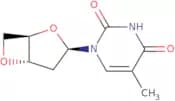
CAS:2’-O,4’-C-Methylenecytidine is a nucleoside that has been used to synthesize oligonucleotides. It has been shown to form duplexes with complementary DNA and RNA strands. 2’-O,4’-C-Methylenecytidine forms bicyclic analogues with high efficiency and can be used as an n-type structural probe.Pureza:Min. 95%2’-Deoxy-8-methylthioadenosine
CAS:2’-Deoxy-8-methylthioadenosine is a monophosphate and antiviral compound. It is used for the treatment of viral infections and has been shown to be active against herpes simplex, varicella zoster, cytomegalovirus, Epstein-Barr virus, and human immunodeficiency virus. The compound inhibits the activity of DNA polymerase by competing with deoxyribonucleosides as substrates. This results in the inhibition of DNA synthesis. 2’-Deoxy-8-methylthioadenosine also inhibits ribonucleotide reductase, which is an enzyme that catalyzes the production of ribonucleotides from deoxyribonucleotides. 2’-Deoxy-8-methylthioadenosine has been shown to inhibit cell proliferation in vitro and in vivo through G2/M phase arrest and apoptosis induction.Pureza:Min. 95%3'-o-(t-Butyldimethylsilyl)-5'-deoxy-5'-(1,3-diphenyl-2-imidazolidinyl)thymidine
CAS:3'-o-(t-Butyldimethylsilyl)-5'-deoxy-5'-(1,3-diphenyl-2-imidazolidinyl)thymidine is an anticancer drug that inhibits the growth of cells by preventing DNA synthesis. It is a modified nucleoside that is synthesized from thymidine and has been shown to have antiviral and anti-inflammatory properties. 3'-o-(t-Butyldimethylsilyl)-5'-deoxy-5'-(1,3-diphenyl-2-imidazolidinyl)thymidine is also used in the production of phosphoramidites and ribonucleotides.Fórmula:C30H40N4O4SiPureza:Min. 95%Peso molecular:548.7 g/molN5-Benzoyl-2'-deoxy-5'-O-DMT-adenosine 3'-succinyl CPG 500 Å
N5-Benzoyl-2'-deoxy-5'-O-DMT-adenosine 3'-succinyl CPG 500 Å is a modified nucleoside that is used for the synthesis of DNA and RNA. It is an activator of antiviral and anticancer drugs. N5-Benzoyl-2'-deoxy-5'-O-DMT-adenosine 3'-succinyl CPG 500 Å has been shown to be an effective cancer treatment agent in vivo, as well as an inhibitor of viral replication. It can also be used in the synthesis of nucleosides and phosphoramidites.Pureza:Min. 95%Forma y color:Powder3’-O-tert-Butyldiphenylsilylthymidine
CAS:Used as a protected thymidine nucleoside in chemical synthesis, specifically as an intermediate in the preparation of other thymidine derivatives, particularly 5'-modified nucleosides and oligonucleotides. The tert-butyldiphenylsilyl (TBDPS) group is a silyl protecting group selectively attached to the 3' hydroxyl group of thymidine.Fórmula:C26H32N2O5SiPureza:Min. 95%Forma y color:White PowderPeso molecular:480.63 g/molL-5-methyluridine
CAS:L-5-methyluridine is a nucleoside that is used as a building block in the synthesis of oligonucleotides. It contains one ribose sugar and one deoxyribose sugar, linked to the base adenine by a phosphate group. L-5-methyluridine can be synthesized from 5-chloro-2'-deoxyadenosine, hypoxanthine, and ammonium chloride. The synthesis starts with condensation reactions between the two sugar molecules to form an intermediate called a nucleoside. This is followed by alkylation of the base and then oxidation of the sugar group to form anomeric esters. The last step involves hydrolysis of the acyloxy ester, which yields L-5-methyluridine after acidification.Fórmula:C10H14N2OPureza:Min. 95%Peso molecular:178.23 g/mol2'-Deoxy-5'-S-DMT-5'-thioinosine 3'-CE phosphoramidite
2'-Deoxy-5'-S-DMT-5'-thioinosine 3'-CE phosphoramidite is a novel nucleoside analogue that has antiviral activity. It can be synthesized from 2'-deoxyribonucleosides and 5'-thioinosine monophosphate. This compound inhibits viral replication by inhibiting the synthesis of viral diphosphate, which is required for DNA synthesis. The compound also has anticancer properties and can inhibit the growth of tumor cells by blocking the process of DNA synthesis.Pureza:Min. 95%2'-Deoxyadenosine-5'-O-(1-thiotriphosphate) lithium salt - 100 mM aqueous solution
CAS:2'-Deoxyadenosine-5'-O-(1-thiotriphosphate) lithium salt is a circularization agent that can be used in the efficient method for the synthesis of DNA. It inhibits the growth of bacteria by binding to their DNA and preventing transcription. 2'-Deoxyadenosine-5'-O-(1-thiotriphosphate) lithium salt has shown inhibitory effects against tuberculosis and other infectious diseases, including diphtheria, tetanus, typhoid fever, and malaria. This drug also prevents the replication of viral RNA. The inhibition occurs through an analog mechanism at the level of nucleic acid synthesis or polymerase chain reaction (PCR). The thiophosphate group is cleaved from the triphosphate moiety in the presence of metal ions such as Zn2+, Mg2+, Mn2+, or Ca2+. The active form is enzymatically hydrolyzed by covalent enzyme activity toFórmula:C10H16N5O11P3S·xLiPureza:Min. 95%Peso molecular:507.25 g/molN-Benzoyl-5'-O-(bis(4-methoxyphenyl)phenylmethyl)-2'-O-(2-methoxyethyl)adenosine
CAS:N-Benzoyl-5'-O-(bis(4-methoxyphenyl)phenylmethyl)-2'-O-(2-methoxyethyl)adenosine is a synthetic nucleoside that is an activator of DNA polymerase and has antiviral activities. It is also used in the synthesis of deoxyribonucleosides, phosphoramidites, and ribonucleosides.Fórmula:C41H41N5O8Pureza:Min. 95%Forma y color:White PowderPeso molecular:731.79 g/molAristeromycin
CAS:Carbocyclic nucleoside antibioticFórmula:C11H15N5O3Pureza:Min. 95%Peso molecular:265.27 g/mol2',3',5'-Tri-O-acetyl-5-methyluridine
2',3',5'-Tri-O-acetyl-5-methyluridine is a nucleoside that is used as a substrate for the enzyme, methylmagnesium (MeMg) nucleotides. It has been shown to have a high basicity and is a good substrate for the enzyme, MeMg nucleotides. 2',3',5'-Tri-O-acetyl-5-methyluridine also has stereoselectivity and can be synthesized with high purity.Pureza:Min. 95%2-Amino-6-chloro-(b-D-ribofuranosyl)purine-5'-triphosphate
2-Amino-6-chloro-(b-D-ribofuranosyl)purine-5'-triphosphate is a modified nucleotide analog that is used as an antiviral agent. It inhibits the synthesis of viral DNA by competitively inhibiting the incorporation of deoxyribonucleoside triphosphates into the growing DNA chain. 2-Amino-6-chloro-(b-D-ribofuranosyl)purine-5'-triphosphate is phosphorylated to 2-[2-(2,6,8,10,12,14,16,-doxohexadecyl)-1H--imidazo[4,5--c]pyridine--1--carboxylic acid]ethanol phosphate in vivo and this active form inhibits human immunodeficiency virus type 1 (HIV1) replication in vitro with an IC 50 of 0.06 μM.Fórmula:C10H15ClN5O13P3Pureza:Min. 95%Peso molecular:541.63 g/mol1-(b-D-Xylofuranosyl)cytosine
CAS:1-(b-D-Xylofuranosyl)cytosine is a nucleoside analog that is used in the treatment of cancer. It inhibits DNA replication by binding to the RNA template strand and blocking the incorporation of cytosine. 1-(b-D-Xylofuranosyl)cytosine has been shown to have an inhibitory effect on tumor cell lines, with a thermal expansion coefficient similar to biphenyl. The molecular weight of 1-(b-D-xylofuranosyl)cytosine is approximately 244 g/mol, which is greater than that of water (18 g/mol). 1-(b-D-xylofuranosyl)cytosine also binds to double stranded DNA with high affinity, leading to inhibition of protein synthesis and cell division. In addition, this compound has been shown to bind to naphthalene and form adducts with its hydroxyl groups.Fórmula:C9H13N3O5Pureza:Min. 95%Forma y color:White To Off-White SolidPeso molecular:243.22 g/mol2'-O-tert-Butyldimethylsilyl-5-methyluridine
CAS:2'-O-tert-Butyldimethylsilyl-5-methyluridine is a monophosphate of 5-methyluridine. It is an analog of uracil and has been used as an antiviral agent, as well as for the prevention of colorectal cancer. 2'-O-tert-Butyldimethylsilyl-5-methyluridine is also known to be a potent activator of the ribonucleotide reductase enzyme, which may contribute to its anticancer effects. This compound has a high purity and quality, making it easy to use in various applications.Fórmula:C16H28N2O6SiPureza:Min. 95%Peso molecular:372.49 g/molBiotin-11-deoxyuridine-5'-triphosphate, triethylammonium salt - 1 mM aqueous solution
CAS:Biotin-11-deoxyuridine-5'-triphosphate, triethylammonium salt (Biotin-11-dUTP) is a nucleotide analog that is used as a fluorescent substrate for detection of DNA. It is nonradioactive and can be detected in aqueous solution. Biotin-11-dUTP binds to the 3' end of a DNA strand and becomes incorporated into the newly synthesized DNA strand during DNA replication. The incorporation of Biotin-11-dUTP into the newly synthesized strand causes an increase in fluorescence intensity, which can be detected by chemiluminescence. This nucleotide analog has been shown to have high sensitivity for detecting low levels of dsDNA in diploid cells and can be used for detection of bacterial strain, such as Salmonella enterica serovar Typhimurium.Fórmula:C34H56N7O18P3SPureza:Min. 95%Peso molecular:975.83 g/mol2'-Deoxy-5'-O-DMT-2-thio-N4-toluoylthymidine 3'-CE phosphoramidite
CAS:2'-Deoxy-5'-O-DMT-2-thio-N4-toluoylthymidine 3'-CE phosphoramidite is a novel nucleoside analogue with anticancer activity. It has been shown to inhibit the proliferation of human colon cancer cells in vitro, and inhibits the growth of HIV in cultured T-cells. In addition, this compound was found to be active against herpes virus. 2'-Deoxy-5'-O-DMT-2-thio-N4-toluoylthymidine 3'-CE phosphoramidite is a nucleoside analogue with ribonucleosides at the 2' and 5' positions, while the 4' position is modified by an acetyl group. This modification prevents incorporation into DNA or RNA, and so prevents viral replication.Fórmula:C48H56N5O7PSPureza:Min. 95%Peso molecular:878.05 g/mol3'-O-DMT-thymidine 3'-succinyl CPG 1000 Å
3'-O-DMT-thymidine 3'-succinyl CPG 1000 Å is a monophosphate nucleoside that is used in the synthesis of DNA. It is an antiviral and anticancer drug that inhibits viral replication by competing with natural diphosphate nucleosides. 3'-O-DMT-thymidine 3'-succinyl CPG 1000 Å also has shown to be effective against leukemia cells in vitro and has been shown to inhibit angiogenesis, which may be due to its ability to inhibit the proliferation of endothelial cells.Pureza:Min. 95%4-Chloro-5-aminopyrimidine
CAS:4-Chloro-5-aminopyrimidine (4CAP) is an inhibitor of the enzyme purine nucleoside phosphorylase, which is involved in the synthesis of purines and pyrimidines. 4CAP has potent inhibitory activity with a Ki value of 0.06 μM, which is comparable to that of zebularine. 4CAP has also been shown to have antiinflammatory properties in lung tissue. The molecular modeling studies show that 4CAP binds to the hydroxyl group on the enzyme and prevents it from forming a covalent bond with its substrate. This causes a decrease in the rate of reaction time for the enzyme, resulting in decreased production of purines and pyrimidines.
Fórmula:C4H4ClN3Pureza:Min. 95%Peso molecular:129.55 g/mol3'-Azido-3'-deoxy-5'-O-tritylthymidine
CAS:An intermediate in the production of Zidovudine, the FDA approved medication for treatment of AIDS.Fórmula:C29H27N5O4Pureza:Min. 98 Area-%Forma y color:White PowderPeso molecular:509.56 g/mol5'-O-DMT-thymidine-3'-lcaa-CPG
5'-O-DMT-thymidine-3'-lcaa-CPG is a nucleoside, ribonucleoside, and diphosphate that inhibits viral DNA synthesis. It is a novel compound with antiviral properties that has been shown to inhibit the replication of human cytomegalovirus (HCMV) and herpes simplex type 1 virus. 5'-O-DMT-thymidine-3'-lcaa-CPG also functions as an anticancer agent by inhibiting DNA synthesis in tumor cells. This nucleoside analog is phosphoramidite, which can be used for the preparation of modified oligonucleotides. 5'-O-DMT-thymidine-3'-lcaa-CPG has high purity and high quality.Pureza:Min. 95%Forma y color:Powder2',3'-Dideoxyguanosine-5'-triphosphate
CAS:2',3'-Dideoxyguanosine-5'-triphosphate (ddGTP) is a nucleotide analog that inhibits the formation of DNA and RNA, which are important for protein synthesis. It is used in clinical studies to assess prognosis and to evaluate drug elimination. ddGTP has been shown to inhibit mitochondrial membrane potential, decrease mitochondrial superoxide, and inhibit cancer growth. It also prevents allergic reactions by preventing the release of histamine. The use of probiotic bacteria containing ddGTP may help in the treatment of inflammatory bowel disease.Fórmula:C10H14N5O6PPureza:Min. 95%Peso molecular:331.22 g/mol5'-O-DMT-N2-isopropylphenoxyacetyl-2'-O-(2-methoxyethyl)guanosine 3'-O succinate TEA salt
5'-O-DMT-N2-isopropylphenoxyacetyl-2'-O-(2-methoxyethyl)guanosine 3'-O succinate TEA salt is a modified nucleoside with anticancer activity. It is a diphosphate that can be used for the synthesis of DNA and RNA. This product is synthesized by the reaction of 5'-O-dimethoxytritylthymidine (5'-DMTT), 2'-O-(2-methoxyethyl)hydroxylamine hydrochloride, and succinic anhydride in the presence of triethylamine. The product is purified by column chromatography, followed by recrystallization from hot acetonitrile. CAS No.: 102972-73-0Fórmula:C49H52N5O13·C6H16NPureza:Min. 95%Peso molecular:1,021.16 g/mol5’-Deoxy-5’-iodouridine
CAS:5’-Deoxy-5’-iodouridine (5DIU) is an antiviral agent that inhibits the synthesis of DNA by interfering with the enzyme thymidine kinase, which converts thymine to uracil. It is used in the treatment of cutaneous herpes simplex virus infections. 5DIU has been shown to inhibit viral replication and yield in vitro. The drug showed no significant toxicity in mice, rats, or hamsters. In addition, it has been observed that 5DIU does not interfere with human cell growth, which may be due to its lack of activity against a wide range of human enzymes.Pureza:Min. 95%Gemcitabine 5'-elaidate
CAS:Gemcitabine 5'-elaidate is an analog of gemcitabine that has hydrophobic properties. It has been shown to be active against solid tumours, including lung cancer. In a study on murine xenografts, gemcitabine 5'-elaidate was found to have the same degree of efficacy as gemcitabine in reducing tumour growth and increasing survival time. Gemcitabine 5'-elaidate also has good antitumour activity against infectious diseases such as HIV and malaria, which may be due to its ability to bind to the epidermal growth factor receptor (EGFR) on the surface of cells. This binding prevents EGFR from initiating cellular signaling.
Fórmula:C27H43F2N3O5Pureza:Min. 95%Peso molecular:527.66 g/molAMP PNP tetralithium salt
CAS:Non-hydrolyzable AMP analog
Fórmula:C10H13Li4N6O12P3Pureza:Min. 95%Peso molecular:529.93 g/mol5-Amino-1-(2',3',5'-tri-O-acetyl-b-D-ribofuranosyl)-imidazole-4-carboxamide
CAS:5-Amino-1-(2',3',5'-tri-O-acetyl-b-D-ribofuranosyl)-imidazole-4-carboxamide (AICAR) is a high purity novel nucleotide analog that has been shown to be an activator of AMPK. AICAR can act as a substitute for ATP, the molecule that drives cellular energy production. AICAR has been shown to inhibit tumor growth and induce apoptosis in cancer cells. This compound also inhibits viral RNA replication by competitively binding to the enzyme polymerase, which is essential for viral replication.
Fórmula:C15H20N4O8Pureza:Min. 95%Peso molecular:384.34 g/mol5-Fluoro-1-(2'-deoxy-2'-fluoro-5'-O-trityl-b-L-lyxofuranosyl)-uracil
5-Fluoro-1-(2'-deoxy-2'-fluoro-5'-O-trityl-b-L-lyxofuranosyl)-uracil is a phosphoramidite, activator, and synthetic nucleoside that has been modified to contain fluorine atoms. 5-Fluoro-1-(2'-deoxy-2'-fluoro-5'-O-trityl-b-L-lyxofuranosyl)-uracil is an antiviral agent that was developed for the treatment of HIV/AIDS and cancer. It inhibits the synthesis of DNA by inhibiting the enzyme ribonucleotide reductase. This drug also has anticancer properties because it inhibits the synthesis of DNA in tumor cells and activates apoptosis, causing cell death.Pureza:Min. 95%2-Amino-4-(thien-2-yl)pyrimidine
CAS:2-Amino-4-(thien-2-yl)pyrimidine is a bioavailable, water soluble antiallergy drug. 2-Amino-4-(thien-2-yl)pyrimidine has been shown to be effective against allergic asthma and other allergic diseases. It is thought to work by blocking the release of histamine from mast cells, thereby preventing the production of inflammatory prostaglandins and leukotrienes. This drug also blocks the response to allergies by inhibiting the release of IgE antibodies that bind to allergens. The therapeutic effect of 2-amino-4-(thien-2-yl)pyrimidine is repeatable and it does not cause any adverse effects on potassium or carbonate metabolism.Fórmula:C8H7N3SPureza:Min. 95%Peso molecular:177.23 g/mol1-(2'-Deoxy-5'-O-DMT-2'-fluoro-b-D-arabinofuranosyl)uracil 3'-CE phosphoramidite
CAS:1-(2'-Deoxy-5'-O-DMT-2'-fluoro-b-D-arabinofuranosyl)uracil 3'-CE phosphoramidite is a novel nucleoside monophosphate that has been modified with fluorine at the 2' position and a deoxyribose sugar. 1-(2'-Deoxy-5'-O-DMT-2'-fluoro-b-D-arabinofuranosyl)uracil 3'-CE phosphoramidite may be useful for antiviral treatment, as it can inhibit human immunodeficiency virus type 1 (HIV1) replication in vitro by inhibiting HIV1 reverse transcriptase. This drug also has anticancer properties, which may be due to its ability to inhibit DNA synthesis or promote apoptosis.Fórmula:C39H46FN4O8PPureza:Min. 95%Forma y color:White To Off-White SolidPeso molecular:748.8 g/mol1-(2',3'-Dideoxy-2',3'-didehydro-2'-fluoro-5'-O-trityl-b-L-ribofuranosyl)-uracil
1-(2',3'-Dideoxy-2',3'-didehydro-2'-fluoro-5'-O-trityl-b-L-ribofuranosyl)-uracil is a synthetic nucleoside that is activated by phosphorylation. This nucleoside is an antiviral and anticancer agent, and has been shown to be active against HIV, cytomegalovirus, herpes simplex virus type 1, and lymphocytic leukemia cells. It has also been shown to have anti-inflammatory properties. The compound is a monophosphate and diphosphate, which are more potent than the corresponding ribonucleosides. 1-(2',3'-Dideoxy-2',3'-didehydro-2'-fluoro-5'-O-trityl-b-L-ribofuranosyl)-uracil has CAS number 26582, high purity, high quality.Fórmula:C28H23FN2O4Pureza:Min. 95%Peso molecular:470.49 g/mol2',3'-Dideoxyadenosine-5'-triphosphate lithium
CAS:2',3'-Dideoxyadenosine-5'-triphosphate lithium salt is a nucleoside for use in research applicationsFórmula:C10H16N5O11P3•Li3Pureza:Min. 95%Forma y color:Clear liquid.Peso molecular:496 g/mol2,6-Diamino-9-(2'-deoxy-2'-fluoro-b-D-arabinofuranosyl)purine
CAS:2,6-Diamino-9-(2'-deoxy-2'-fluoro-b-D-arabinofuranosyl)purine is a synthetic purine nucleoside analog. The fluorine substitution and sugar modification allow it to mimic natural nucleosides but disrupt DNA or RNA synthesis when incorporated. The fluorine makes the molecule more chemically stable and can influence how enzymes interact with it. Like other nucleoside analogs, it has the potential to act as a chain terminator or inhibit key enzymes like polymerases or reverse transcriptases.Fórmula:C10H13FN6O3Pureza:Min. 95%Forma y color:White PowderPeso molecular:284.25 g/molAcetoacetyl coenzyme A trisodium salt tetrahydrate
CAS:Acetoacetyl coenzyme A trisodium salt tetrahydrate is a novel antiviral agent that inhibits the synthesis of viral DNA and RNA. Acetoacetyl CoA has been shown to inhibit the replication of HIV, HSV-1 and HSV-2, influenza virus, and cytomegalovirus (CMV). The mechanism of action is not yet known but may be related to its ability to activate cellular DNA polymerase β. Acetoacetyl CoA also has a high purity and quality, as well as being modified for use in phosphoramidites.Fórmula:C25H37N7Na3O18P3S·4H2OPureza:Min. 96 Area-%Forma y color:PowderPeso molecular:989.62 g/mol9-(2'-Deoxy-5'-O-DMT-2'-fluoro-b-D-arabinofuranosyl)-N2-isobutyrylguanine 3'-O-succinate triethylammonium salt
9-(2'-Deoxy-5'-O-DMT-2'-fluoro-b-D-arabinofuranosyl)-N2-isobutyrylguanine 3'-O-succinate triethylammonium salt is a modified nucleoside phosphoramidite. It is used as an antiviral and anticancer agent, as well as an activator in DNA synthesis. 9-(2'-Deoxy-5'-O-DMT-2'-fluoro-b-D-arabinofuranosyl)-N2-isobutyrylguanine 3'-O-succinate triethylammonium salt has been shown to be active against HIV, herpes simplex virus type 1, herpes simplex virus type 2, cytomegalovirus, influenza A virus, and human papillomavirus types 16 and 18.Fórmula:C39H39FN5O10·C6H16NPureza:Min. 95%Peso molecular:858.97 g/mol2'-13CCytidine
CAS:2'-13CCytidine is a cytidine nucleoside that inhibits the synthesis of RNA and DNA in cells. It is an analog of cytarabine, which is a pyrimidine nucleoside and an antineoplastic agent. 2'-13CCytidine has been shown to be effective as an antiviral agent against HIV-1 and HSV-2, as well as an immunosuppressant for the treatment of autoimmune diseases such as rheumatoid arthritis. This drug is used in chemotherapy to inhibit cell division in leukemia.Fórmula:CC8H13N3O5Pureza:Min. 95%Peso molecular:244.21 g/molO6-Benzyl-N2,3-etheno-2'-phenoxythioxomethyl-3',5'-O-[tetrakis(isopropyl)-1,3-disiloxanediyl] guanosine
CAS:O6-Benzyl-N2,3-etheno-2'-phenoxythioxomethyl-3',5'-O-[tetrakis(isopropyl)-1,3-disiloxanediyl] guanosine is a nucleoside phosphoramidite that is used as an antiviral agent. It has been shown to inhibit the replication of RNA viruses and thus inhibit the production of proteins vital for cell division. O6-Benzyl-N2,3-etheno-2'-phenoxythioxomethyl-3',5'-O-[tetrakis(isopropyl)-1,3-disiloxanediyl] guanosine has also been shown to be an anticancer agent by inhibiting DNA synthesis. This compound is synthesized from deoxyribonucleosides and modified with a benzoyl group at the 6 position on the ribose ring. TheFórmula:C38H49N5O7SSi2Pureza:Min. 95%Peso molecular:776.06 g/mol[U-13C10, U-15N2]-Labelled thymidine
Thymidine is a nucleoside that is a component of DNA and RNA. It is also the precursor for thymine, the DNA base in which the thymine ring is derived from. Thymidine has been shown to be an activator of DNA synthesis, as well as being anticancer and antiviral.Pureza:Min. 95%5'-O-Acetyl-2',3'-dideoxyinosine
CAS:5'-O-Acetyl-2',3'-dideoxyinosine is a nucleoside analogue that inhibits viral replication. It is a potent activator of the immune system and has been shown to be effective against cancer cells. 5'-O-Acetyl-2',3'-dideoxyinosine was originally synthesized as an antiviral agent, but it was found to be ineffective in this function. The drug binds to the ribonucleotide reductase enzyme, which converts ribonucleotides into deoxyribonucleotides and is essential for the production of DNA. The drug blocks the conversion of ribonucleotides into deoxyribonucleotides, preventing DNA synthesis and replication. This drug has also been shown to have anticancer activity by inhibiting DNA synthesis and cell division.Fórmula:C12H14N4O4Pureza:Min. 95%Peso molecular:278.26 g/mol5-Fluoro-1-(2'-deoxy-2'-fluoro-3',5'-di-O-benzoyl-b-L-arabinofuranosyl)-uracil
CAS:5-Fluoro-1-(2'-deoxy-2'-fluoro-3',5'-di-O-benzoyl-b-L-arabinofuranosyl)-uracil (5FUA) is a monophosphate nucleoside that inhibits viral replication. It is phosphorylated by the viral enzyme 3' to 5' exonuclease and then acts as a competitive inhibitor of the natural substrate, diphosphate, at the active site of DNA polymerase. The result is inhibition of viral DNA synthesis and replication. 5FUA has been shown to be active against a variety of viruses including herpes simplex virus types 1 and 2, varicella zoster virus, influenza A virus, and human immunodeficiency virus type 1. This drug has also been shown to inhibit cancer cell proliferation in vitro.Pureza:Min. 95%Thymidylyl-(3′→5′)-thymidine ammonium salt
CAS:Thymidylyl-(3′→5′)-thymidine is a modified nucleoside that has antiviral activity. It is synthesized from thymidine, which is the deoxyribonucleotide of thymine and uracil, by phosphorylation with ATP. Thymidylyl-(3′→5′)-thymidine has been shown to be an activator of DNA polymerase in vitro and inhibits replication of human immunodeficiency virus (HIV) in cell cultures. This compound has been studied as a potential treatment for AIDS.Fórmula:C20H30N5O12PPureza:Min. 95%Peso molecular:563.5 g/mol2'-Deoxy-5-hydroxymethylcytidine 5'-monophosphate sodium salt
CAS:2'-Deoxy-5-hydroxymethylcytidine 5'-monophosphate sodium salt (2'-dO-5HmcMP) is a nucleoside analogue that inhibits the activity of reverse transcriptase, an enzyme required for replication of HIV. This compound is phosphorylated in vivo to 2'-dO-5HmcMP monophosphate, which then competitively inhibits the binding of dNTPs to the enzyme and prevents DNA synthesis. 2'-dO-5HmcMP also has anticancer activity and has been shown to inhibit the proliferation of cells in vitro. 2'-dO-5HmcMP has no significant toxicity to humans or other mammals.Pureza:Min. 95%1-(2-Deoxy- 2, 2- difluoro- b- D- xylofuranosyl)cytosine
CAS:1-(2-Deoxy-2,2-difluoro-beta-D-xylofuranosyl)cytosine is a nucleoside (a compound consisting of a nucleotide base linked to a sugar). It is a modified form of cytosine that has been phosphorylated at the 2’ position. 1-(2-Deoxy-2,2-difluoro-beta-D-xylofuranosyl)cytosine has antiviral and anticancer activity through its ability to inhibit viral DNA synthesis and activate the immune system. This drug also has antitumor activity due to its ability to inhibit the tumor growth factor beta (TGFB). 1-(2-Deoxy-2,2-difluoro-beta-D -xylofuranosyl)cytosine can be used in cancer treatment as an anticancer agent.Fórmula:C9H11F2N3O4Pureza:Min. 95%Peso molecular:263.2 g/molNicotinamide 1,N6-ethenoadenine dinucleotide
CAS:Nicotinamide 1,N6-ethenoadenine dinucleotide (NADH) is an enzyme form that binds to the active site of glutamate dehydrogenase (GDH). This binding prevents GDH from catalyzing the oxidation of NADH to NAD+, which is necessary for GDH activity. Nicotinamide 1,N6-ethenoadenine dinucleotide is a noncompetitive inhibitor that binds with a higher affinity than the substrate. It has been shown to be effective in inhibiting GDH in a model system and in enzyme preparations. The binding constant for nicotinamide 1,N6-ethenoadenine dinucleotide is 2 mM. The optimum pH for nicotinamide 1,N6-ethenoadenine dinucleotide activity is 6.8.Fórmula:C23H27N7O14P2Pureza:Min. 97 Area-%Forma y color:White Off-White PowderPeso molecular:687.45 g/mol2’-O-(2-Methoxyethyl)guanosine 5’-triphosphate ammonium salt
CAS:2’-O-(2-Methoxyethyl)guanosine 5’-triphosphate ammonium salt (2'OMeEtGTP) is an antiviral agent that is used as a component of an antiviral drug. It inhibits the viral enzyme DNA polymerase, which prevents viral replication and transcription. This compound has been shown to have anticancer properties in vitro and in vivo in rat models. 2'OMeEtGTP is synthesized by reacting the nucleoside phosphoramidite 2'OMeEtGTP with triethylammonium phosphate (TEAP).
Pureza:Min. 95%5-Vinylcytidine
CAS:5-Vinylcytidine is a nucleoside analog used in research to study DNA demethylation. It is an orthogonal molecule that can be used in assays to distinguish between different types of methylases. 5-Vinylcytidine is able to oxidize and formylate the N5 position of thymine, which leads to DNA demethylation. The mechanism of this process is not fully understood, but it may involve translocation or homologous recombination. 5-Vinylcytidine has been shown to react with alkyl groups, leading to its use as a probe for biochemical reactions involving methyltransferase enzymes.
Pureza:Min. 95%9-(b-L-Arabinofuranosyl)guanine
CAS:9-(b-L-Arabinofuranosyl)guanine (9-Araf) is a nucleoside analogue that is used as an antiviral and anticancer agent. It is synthesized by the reaction of 2,4-diaminopyrimidine with b-L-arabinofuranosyl chloride. This product is soluble in water and ethanol. 9-(b-L-Arabinofuranosyl)guanine has antiviral activity against Herpes simplex virus type 1, herpes simplex virus type 2, cytomegalovirus, and Epstein Barr Virus. In addition to its antiviral activity, 9-(b-L-Arabinofuranosyl)guanine also has anticancer activity against human cancer cells and has been shown to inhibit the growth of leukemic cells in mice.Fórmula:C10H13N5O5Pureza:Min. 95%Peso molecular:283.24 g/mol2'-Bromo-2'-deoxy-3'-O-methanesulfonyluridine
2'-Bromo-2'-deoxy-3'-O-methanesulfonyluridine is a nucleoside analogue that acts as an activator of the human immunodeficiency virus (HIV). It is thought to work by binding to the viral reverse transcriptase enzyme, which converts the RNA genome into DNA. This prevents the virus from replicating and producing new viruses. 2'-Bromo-2'-deoxy-3'-O-methanesulfonyluridine has also been shown to be active against other viruses such as herpes simplex virus type 1 (HSV1) and influenza A virus.Pureza:Min. 95%4'-Azidothymidine 5-triphosphate
CAS:4'-Azidothymidine 5-triphosphate (4AZTTP) is a deoxyribonucleoside that has been synthesized as an analog to thymidine. It has potent inhibitory activity against human immunodeficiency virus (HIV), and has been shown to be more effective than 2',3'-dideoxyinosine in inhibiting HIV replication. 4AZTTP inhibits the viral enzyme reverse transcriptase, which is crucial for the replication of HIV. This drug is activated by cellular enzymes and phosphorylated to 4'-azidothymidine 5'-triphosphate monophosphate, which can then bind to the viral DNA template and inhibit synthesis of RNA strands. The kinetic properties of 4AZTTP have been studied in detail using human lymphocytes as a model system for HIV infection.Fórmula:C10H16N5O14P3Pureza:Min. 95%Peso molecular:523.18 g/mol5'-O-DMT-2'-O-hexylamino-5-methyluridine
CAS:5'-O-DMT-2'-O-hexylamino-5-methyluridine is a nucleoside analog that is used in cancer treatment. It is synthesized by the chemical modification of uridine, which is converted to 5'-O-DMT-2'-O-hexylamino-5-methyluridine by reacting with 2',3'-dideoxyadenosine and 5,6,7,8,-tetrahydroisoquinoline. The monophosphate form of 5'-O-DMT-2'-O-hexylamino-5-methyluridine may be converted to the diphosphate form by phosphorylation with ATP. In addition to its anticancer effects, 5'-O-DMT-2'-O-hexylamino-5-methyluridine has antiviral and antiretroviral effects due to its inhibition of viral DNA synthesis.Fórmula:C37H45N3O8Pureza:Min. 95%Peso molecular:659.79 g/mol9-(2-C-Methyl-b-D-ribofuranosyl)purine
CAS:9-(2-C-Methyl-b-D-ribofuranosyl)purine is a nucleoside that is used as an activator in the synthesis of phosphoramidites. 9-(2-C-Methyl-b-D-ribofuranosyl)purine has antiviral and anticancer properties, and it also inhibits the growth of bacteria. This nucleoside is synthesized from 2,4,6-trichlorophenylisocyanate and 5'-O-(4,4'-dimethoxytrityl)-beta-D-ribofuranose. The chemical name for 9-(2-C methyl b D ribofuranosyl)purine is 690269 - 86 - 4.Fórmula:C11H14N4O4Pureza:Min. 95%Peso molecular:266.25 g/molS-(2-Hydroxy-5-nitrobenzoyl)-6-thioguanosine
CAS:S-(2-Hydroxy-5-nitrobenzoyl)-6-thioguanosine is a benzodiazepine derivative that inhibits the uptake of uridine into cells. It binds to adenosine receptors and inhibits neurotransmission by preventing the release of the inhibitory neurotransmitter GABA. S-(2-Hydroxy-5-nitrobenzoyl)-6-thioguanosine also has an inhibitory effect on mitochondrial function, which may be due to its ability to bind with and inactivate mitochondrial enzyme succinate dehydrogenase. This drug is potent in inhibiting uptake assays, but has low potency and poor bioavailability as a result of its covalent linkages.Fórmula:C17H18N6O7SPureza:Min. 95%Peso molecular:450.43 g/molFluorescein alkynylamino-ATP - 1.0 mM solution
CAS:Fluorescein alkynylamino-ATP is a fluorescent nucleotide analog that is used in molecular biology for the detection of DNA. It is labeled with tetramethylrhodamine, which can be detected using a fluorescence microscope. Fluorescein alkynylamino-ATP is a postsynthetic modification to DNA, which means it is added after the DNA has been synthesized. This molecule can be incorporated into the growing strand by either monoaddition or polymerase extension. Fluorescein alkynylamino-ATP binds to the 3' end of a primer during polymerase chain reaction (PCR) and can be detected using electrophoresis and sequence analysis.Fórmula:C41H41N6O20P3Pureza:Min. 95%Peso molecular:1,030.71 g/mol5,6-Dihydro-5'-O-DMT-thymidine 3'-CE phosphoramidite
This is a synthetic DNA analogue that is used in the synthesis of oligonucleotides. It is a phosphoramidite in which the 5,6-dihydro-5'-O-DMT group has been modified to allow for incorporation into DNA and RNA. This compound has antiviral and anticancer activities.Fórmula:C40H51N4O8PPureza:Min. 95%Peso molecular:746.83 g/mol3'-Azido-N6-benzoyl-5'-O-benzoyl-2',3'-dideoxyadenosine
3'-Azido-N6-benzoyl-5'-O-benzoyl-2',3'-dideoxyadenosine is a novel nucleoside analogue with high purity and quality. It is a DNA activator that has been shown to be active against both RNA and DNA viruses. 3'-Azido-N6-benzoyl-5'-O-benzoyl-2',3'-dideoxyadenosine phosphorylates to the corresponding monophosphate, which inhibits viral DNA synthesis by competitive inhibition of diphosphate formation. This compound has also been shown to be an effective inhibitor of HIV replication in vitro.Fórmula:C24H20N8O4Pureza:Min. 95%Peso molecular:484.47 g/mol1-(3'-O-Nosyl-5'-O-trityl-2'-deoxy-b-D-lyxofuranosyl)thymine
CAS:Ribonucleosides are nucleosides that contain ribose as their pentose sugar. Ribonuclesides are synthetic, modified ribonucleosides that have been modified to include a 2'-deoxy-b-D-lyxofuranosyl group at the 3' position. Ribonuclesides activate antiviral activity by inhibiting viral DNA synthesis and protein synthesis. They also inhibit cancer cell proliferation by inhibiting DNA synthesis and RNA synthesis.Fórmula:C35H31N3O9SPureza:Min. 95%Peso molecular:669.7 g/mol2-Amino-6-chloro-9-(2'-deoxy-b-D-ribofuranosyl)purine-5'-triphosphate
2-Amino-6-chloro-9-(2'-deoxy-b-D-ribofuranosyl)purine-5'-triphosphate is a novel synthetic nucleoside analog with antiviral and anticancer properties. It is an activator of ribonucleotide reductase, which converts ribonucleotides to deoxyribonucleotides. 2-Amino-6-chloro-9-(2'-deoxy-b-D-ribofuranosyl)purine has been shown to be effective against human leukemia cells in vitro and in vivo.
Fórmula:C10H17ClN5O12P3Pureza:Min. 95%Peso molecular:527.64 g/molN4-Acetyl-2'-deoxy-2'-fluoro-5'-O-DMT-cytidine 3'-O-succinate
N4-Acetyl-2'-deoxy-2'-fluoro-5'-O-DMT-cytidine 3'-O-succinate is a synthetic nucleoside that has antiviral activity. It is a modification of the natural nucleoside cytidine, where the 4th position of the ribose ring is substituted with an acetyl group and the 2' position of the sugar moiety is substituted with a 2' deoxyribofuranosyl group. N4-Acetyl-2'-deoxy-2'-fluoro-5'-O-DMT-cytidine 3'-O-succinate inhibits viral replication by inhibiting viral RNA synthesis. Its antiviral properties may be due to its ability to inhibit DNA polymerase and reverse transcriptase, which are enzymes that synthesize DNA from RNA.Pureza:Min. 95%3',5'-Di-O-acetyl O6-benzyl-2'-deoxyguanosine
CAS:3',5'-Di-O-acetyl O6-benzyl-2'-deoxyguanosine is a novel antiviral agent that is synthesized as a deoxyribonucleoside monophosphate. It inhibits viral DNA polymerase and RNA synthesis by competitively inhibiting the incorporation of diphosphates into viral DNA. It has been shown to be active against herpes simplex virus type 1 and 2, vaccinia virus, influenza A virus, and Sindbis virus. 3',5'-Di-O-acetyl O6-benzyl-2'-deoxyguanosine has also been shown to have anticancer properties in vitro and in vivo.Fórmula:C21H23N5O6Pureza:Min. 95%Peso molecular:441.44 g/molAdenosine 5'-triphosphate trisodium salt
CAS:ATP is an important molecule in the body that is involved in a number of cellular processes, including energy production and transmission. It has been shown to be tumorigenic and is found at high levels in plasma membranes and muscle cells. ATP binds to the adenylate cyclase enzyme in the cell membrane and stimulates its activity, which increases intracellular levels of cyclic AMP (cAMP). Cyclic AMP activates protein kinase A, which phosphorylates proteins, leading to a cascade of reactions that result in cellular changes. ATP also has pharmacological effects on the plasma membrane by increasing its permeability to certain ions such as potassium ions. This leads to an increase in the rate of depolarization of the cell membrane, which causes an influx of calcium ions into the cell.Fórmula:C10H15N5O13P3Na3Pureza:Min. 95%Peso molecular:575.14 g/molN6-Benzyladenosine 5'-triphosphate triethylammonium salt
CAS:N6-Benzyladenosine 5'-triphosphate triethylammonium salt is a hydrogen bond donor that is not naturally occurring. It has been shown to be a potent and selective analog of ATP with high specificity for cGMP-dependent protein kinase. This drug has been used to study the function of serotonin receptors, tyrosine kinases, and epidermal growth factor receptors. N6-Benzyladenosine 5'-triphosphate triethylammonium salt has also been shown to increase the sensitivity of cells to epidermal growth factor and to inhibit the reuptake of serotonin.END>Fórmula:C19H26N5O11P3·C18H48N3Pureza:Min. 95%Peso molecular:899.95 g/mol3'-Azido-3'-deoxythymidine-5'-triphosphate lithium salt - 100mM aqueous solution
CAS:3'-Azido-3'-deoxythymidine-5'-triphosphate lithium salt - 100mM aqueous solution is an inhibitor of the enzyme kinase. The active form of 3'-Azido-3'-deoxythymidine-5'-triphosphate lithium salt - 100mM aqueous solution inhibits human immunodeficiency virus (HIV) reverse transcriptase, preventing the synthesis of viral DNA. 3'-Azido-3'-deoxythymidine-5'-triphosphate lithium salt - 100mM aqueous solution has been shown to inhibit cancer cell growth in culture and to inhibit cancer cell proliferation in mice. This compound is also active against cancer cells that are resistant to other anti-cancer drugs. 3'-Azido-3'-deoxythymidine-5'-triphosphate lithium salt - 100mM aqueous solution is phosphorylated by cellular kinases, which may beFórmula:C10H16N5O13P3·xLiPureza:Min. 95%Forma y color:Colorless Clear LiquidPeso molecular:507.18 g/mol3'-O-Acetyl-5'-O-tert-butyldiphenylsilyl-2'-deoxy-2'-fluorothymidine
3'-O-Acetyl-5'-O-tert-butyldiphenylsilyl-2'-deoxy-2'-fluorothymidine is an antiviral agent that inhibits the production of virus particles by inhibiting DNA and RNA synthesis. It is a modified nucleoside analog that has been shown to inhibit the proliferation of tumor cells in vitro and in vivo. This drug has also been shown to be effective against leukemia and lymphoma cells, as well as other types of cancer cells. 3'-O-Acetyl-5'-O-tert-butyldiphenylsilyl-2'-deoxy-2'-fluorothymidine is used for the treatment of AIDS, hepatitis B, hepatitis C, herpes zoster (shingles), and other diseases caused by viruses. It can be administered orally or intravenously.Fórmula:C28H33FN2O6SiPureza:Min. 95%Peso molecular:540.66 g/mol2-Methylthioadenosine-5'-triphosphate
CAS:2-Methylthioadenosine-5'-triphosphate (2MeSATP) is a nucleotide analogue that inhibits the synthesis of ATP by binding to the adenylate cyclase enzyme. 2MeSATP has been shown to be a potent inhibitor of neuronal death and is used as a tool in cellular research. 2MeSATP binds to guanine nucleotide-binding protein (G protein), which inhibits its activity and prevents the activation of other downstream enzymes, such as phospholipase C, which are necessary for neurotransmitter release. 2MeSATP also has an inhibitory effect on several other enzymes, including phosphodiesterases and cyclases, in cellular models and whole cells.Fórmula:C11H18N5O13P3SPureza:Min. 95%Peso molecular:553.27 g/molFluorescein-5(6)-carboxamidocaproyl-(5-[3-aminoallyl]uridine 5'-triphosphate) - 1 mM aqueous solution
CAS:Fluorescein-5(6)-carboxamidocaproyl-(5-[3-aminoallyl]uridine 5'-triphosphate) is a novel antiviral compound that is an activator of ribonucleoside and deoxyribonucleoside phosphorylation. It has been shown to selectively inhibit the proliferation of cancer cells, and to be cytotoxic to human leukemia cells in vitro. The compound is also able to inhibit HIV replication in vitro. Fluorescein-5(6)-carboxamidocaproyl-(5-[3-aminoallyl]uridine 5'-triphosphate) - 1 mM aqueous solution is a high purity product with CAS No. 134367-01-4 that can be used as a synthetically modified DNA or RNA building block for the production of phosphoramidites. This product has been shown to be cytotoxic against human leukemia cells in
Fórmula:C39H41N4O22P3Pureza:Min. 95%Peso molecular:1,010.68 g/mol5'-O-tert-Butyldimethylsilyl-7-deaza-2'-deoxy-7-iodoadenosine
5'-O-tert-Butyldimethylsilyl-7-deaza-2'-deoxy-7-iodoadenosine is an antiviral drug that has been shown to inhibit the synthesis of viral RNA by inhibiting the activity of DNA polymerase. It is a novel antiviral drug with high purity and can be used for cancer treatment as well. 5'-O-tert-Butyldimethylsilyl-7-deaza-2'-deoxy-7-iodoadenosine also has a novel mechanism of action, which is different from other antiviral drugs such as ribonucleosides or deoxyribonucleosides. This compound is used in the synthesis of phosphoramidites for oligonucleotide synthesis.Fórmula:C17H27IN4O3SiPureza:Min. 95%Peso molecular:490.41 g/mol2',3'-Dideoxyinosine-5'-triphosphate triethylammonium salt
CAS:2',3'-Dideoxyinosine-5'-triphosphate triethylammonium salt (ddI-TP) is a nucleoside analog that inhibits HIV replication by competing with natural nucleosides for binding to HIV reverse transcriptase. ddI-TP acts as an inhibitor of human mitochondrial DNA polymerase γ, and blocks the synthesis of fatty acids in mouse cells. It is also able to inhibit signal pathways involving protein kinases and phosphatases. ddI-TP has been shown to be effective against hiv infection in mice. This drug can be used in the treatment of hiv infection, as well as in the prevention of its transmission from mother to child during pregnancy and breastfeeding.Fórmula:C10H15N4O12P3Pureza:Min. 95%Peso molecular:476.17 g/mol5'-o-(Dimethoxytrityl)-N2-(dimethylaminomethylidene)-7-deaza-2'-deoxyguanosine
CAS:Please enquire for more information about 5'-o-(Dimethoxytrityl)-N2-(dimethylaminomethylidene)-7-deaza-2'-deoxyguanosine including the price, delivery time and more detailed product information at the technical inquiry form on this pageFórmula:C35H37N5O6Pureza:Min. 95%Peso molecular:623.7 g/molCerebrosides (brain)
CAS:Cerebrosides are a group of natural and synthetic phospholipids that are found in the brain. They are made from glycerophosphoric acid and sphingosine. Cerebrosides have been shown to be anticancer agents, and may also inhibit the growth of bacteria. They can also promote DNA synthesis and prevent the destruction of DNA by inhibiting some enzymes, such as phosphodiesterase. Cerebrosides are also used to synthesize nucleosides and deoxyribonucleosides, which is important for cell division.Fórmula:C48H93NO8Pureza:Min. 95%Peso molecular:812.25 g/mol5'-O-DMT-thymidine-3'-O-succinic acid
CAS:5'-O-DMT-thymidine-3'-O-succinic acid (5'-DMT-TSA) is a novel modified nucleoside that is synthesized by the activation of 5'-DMT-thymidine with succinic anhydride. 5'-DMT-TSA has been shown to be a potent inhibitor of viral replication and has anti-tumor properties. This compound has high purity, high quality, and good solubility in water. It also has a CAS number of 74405-40-6.
Fórmula:C35H36N2O10Pureza:Min. 95%Peso molecular:644.67 g/mol2'-Deoxy-2'-fluoroguanosine-5'-monophosphate
CAS:2'-Deoxy-2'-fluoroguanosine-5'-monophosphate is a phosphoramidite monoester with a diphosphate group that has been synthetically modified to provide antiviral and anticancer activity. It is an activator of DNA synthesis and inhibits the proliferation of tumor cells by interfering with DNA replication. The compound is also used as a precursor for the synthesis of 2'-deoxy-2'-fluoroguanosine, which has potent anti-HIV activity.Fórmula:C10H13FN5O7PPureza:Min. 95%Peso molecular:365.21 g/mol2'-Deoxy-5'-O-DMT-N4-isobutyrylcytidine
CAS:2'-Deoxy-5'-O-DMT-N4-isobutyrylcytidine is a monophosphate nucleoside analog that has antiviral activity against the Herpes virus. It is a cytosine analog that is incorporated into DNA and inhibits viral replication. 2'-Deoxy-5'-O-DMT-N4-isobutyrylcytidine has also been shown to have anticancer properties and high purity. This compound is synthesized by the reaction of 2'-deoxycytidine and 4-(2,2,2,-trimethylpropionyl)-1,3-butanediol with O-(7-azabenzotriazol-1-yl) N,N,N',N' tetramethyluronium hexafluorophosphate (HATU) in anhydrous pyridine. The CAS number for this compound is 10089862.Fórmula:C34H37N3O7Pureza:Min. 95%Peso molecular:599.69 g/molXTT, sodium salt
CAS:XTT is a tetrazolium compound that can be used to measure the activity of enzymes. It has been shown to inhibit the growth of tumor cells in vitro and in vivo. XTT can also be used as an antibacterial agent against C. glabrata and as an anthelmintic drug against tapeworms. This compound is not active against other bacteria, such as E. coli or S. aureus, because they are resistant to oxidative injury and have high levels of ABCG2 (ATP-binding cassette G2), which prevents intracellular accumulation of XTT.Fórmula:C22H16N7NaO13S2Peso molecular:673.53 g/molRef: 3D-X-5000
-Unit-ggA consultar1gA consultar100mgA consultar250mgA consultar500mgA consultar2500mgA consultar2-Amino-6-chloro-9-(2-deoxy-3,5-di-O-benzoyl-2-fluoro-b-D-arabinofuranosyl)purine
CAS:2-Amino-6-chloro-9-(2-deoxy-3,5-di-O-benzoyl-2-fluoro-b-D-arabinofuranosyl)purine is a novel modified nucleoside with antiviral activity. It has been shown to inhibit the replication of the influenza A virus in cell culture and animal models. 2′Amino-6′chloro 9-(2′deoxy 3′,5′di O′benzoyl 2′fluoro b D arabinofuranosyl)purine is an analog of adenosine that has shown anticancer activity in vitro and in vivo. It inhibits DNA synthesis by inhibiting deoxyribonucleotide synthesis and ribonucleotide synthesis. This drug also inhibits cell proliferation and induces apoptosis.Fórmula:C24H19ClFN5O5Pureza:Min. 95%Peso molecular:511.89 g/mol3'-O-tert-Butyldimethylsilyl-5'-O-DMT-adenosine
CAS:3'-O-tert-Butyldimethylsilyl-5'-O-DMT-adenosine is a nucleoside that is used in the synthesis of oligonucleotides. It is a modified nucleoside that can be used as an antiviral or anticancer agent. It has been shown to have high purity and quality. The synthesis of this compound involves the use of a novel activator, which is also available for purchase from this website. This nucleoside has been modified with tert-butyldimethylsilyl groups at the 3' and 5' positions of the ribose moiety, which prevents the hydrolysis of the phosphate ester bond by alkaline phosphatase enzymes, thus allowing for sequence determination.Pureza:Min. 95%1,3-Dimethyl-5-[4-(4,4,5,5-tetramethyl-[1,3,2]dioxaborolan-2-yl)-benzyl]-pyrimidine-2,4,6-trione
CAS:1,3-Dimethyl-5-[4-(4,4,5,5-tetramethyl-[1,3,2]dioxaborolan-2-yl)-benzyl]-pyrimidine-2,4,6-trione is an organic semiconductor material. It is a dielectric with a high transition temperature and good electrical conductivity. This compound is a metal silicide with a low resistivity and high electron mobility. It can be used as an active layer in thin film transistors or as a field effect transistor channel material. 1,3-Dimethyl-5-[4-(4,4,5,5-tetramethyl-[1,3,2]dioxaborolan-2-yl)-benzyl]-pyrimidine-2,4,6-trione has been shown to have good chemical stability and thermal stability in air at temperatures up to 400°C.Pureza:Min. 95%6-Chloro-N4-methyl-4,5-pyrimidinediamine
CAS:6-Chloro-N4-methyl-4,5-pyrimidinediamine is a monophosphate nucleotide. It is a synthetic compound that is used as an antiviral agent and as an anticancer drug. The compound has been shown to inhibit the replication of DNA by inhibiting the activity of DNA polymerase. 6-Chloro-N4-methyl-4,5-pyrimidinediamine also inhibits the synthesis of RNA by inhibiting the enzyme RNA polymerase. As a result, this compound is toxic to cells because it prevents protein production and replication. This product has high purity and high quality. It can be used in phosphoramidites, which are necessary for the production of DNA and RNA in cells.Pureza:Min. 95%Adenylosuccinic acid
CAS:Adenylosuccinic acid is an organic acid that is synthesized through the deamination of adenosine monophosphate. It is used in transfection experiments to inhibit polymerase chain reaction (PCR) and reverse transcriptase. Adenylosuccinic acid inhibits DNA synthesis by targeting enzymes such as the ribonucleotide reductase and the DNA polymerase β-subunit. Adenylosuccinic acid also inhibits protein synthesis, which may be due to its ability to inhibit energy metabolism, leading to cellular death. This drug has been shown to have a wide range of pharmacological effects, including anti-inflammatory, analgesic, and antifungal activity.
Fórmula:C14H18N5O11PPureza:Min. 95%Forma y color:PowderPeso molecular:463.29 g/mol2'-Deoxy-a-uridine
CAS:2'-Deoxy-a-uridine is a nucleoside that is used in the synthesis of DNA. It is one of the building blocks for the synthesis of RNA. 2'-Deoxy-a-uridine is an activator, which can phosphoramidate DNA and activate it to form new strands. This product can also be used as an antiviral agent and antineoplastic agent due to its inhibition of viral replication and cancer cell proliferation. It has been shown to bind to double-stranded DNA by intercalation, thereby preventing the strand from uncoiling and exposing a single strand for further binding by other agents. This product can also inhibit cell growth by inhibiting protein synthesis. 2'-Deoxy-a-uridine has been shown to have anticancer properties, including cytotoxic effects on leukemia cells in culture, as well as inducing apoptosis in tumor cells with low levels of p53 expression.
2'-Deoxy-a-uridineFórmula:C9H12N2O5Pureza:Min. 95%Forma y color:Off-white solid.Peso molecular:228.21 g/mol2'-TFA-NH-dC
CAS:2'-TFA-NH-dC is a novel nucleoside analogue that has been modified to have antiviral and anticancer properties. The chemical structure of 2'-TFA-NH-dC closely resembles dC, which is a natural DNA nucleotide, but with the addition of an extra fluorine atom at the 2' position. This modification increases the potency of 2'-TFA-NH-dC by making it more difficult for enzymes in cells to break down the drug. The compound can be used as a monophosphate or diphosphate, and is synthesized from 2'-deoxyadenosine 5'-phosphoramidite and 1,2,4-triazole in water.Fórmula:C11H13F3N4O5Pureza:Min. 95%Peso molecular:338.24 g/mol4-(Isobutylamino)-2-(Methylthio)Pyrimidine-5-Carboxylic Acid
CAS:4-(Isobutylamino)-2-(Methylthio)Pyrimidine-5-Carboxylic Acid is a nucleoside analogue that inhibits viral replication by acting as an antiviral agent. It blocks the enzymatic activity of DNA polymerases, including reverse transcriptase, and prevents the synthesis of new viral DNA. 4-(Isobutylamino)-2-(Methylthio)Pyrimidine-5-Carboxylic Acid is also an activator for HIV integrase, which is an enzyme that integrates HIV DNA into the host genome. This compound has been shown to be effective against HIV and herpes viruses in vitro.Fórmula:C10H15N3O2SPureza:Min. 95%Peso molecular:241.31 g/molo-Methoxytopolin riboside
CAS:o-Methoxytopolin Riboside is a novel phosphoramidite that can be used for the synthesis of ribonucleotides and deoxyribonucleosides. This product has antiviral and anticancer properties, as well as the ability to inhibit tumor growth by inducing apoptosis in cancer cells. It is synthesized from the natural compound o-methoxytyrosine by the addition of a phosphate group to the 3-position. The phosphate group is then modified to produce monophosphate or diphosphate forms. OMTPR has been shown to have anti-inflammatory properties and has been found to reduce inflammation in mice with colitis.
Fórmula:C18H21N5O5Pureza:Min. 95%Forma y color:PowderPeso molecular:387.39 g/mol5'-O-DMT-2-thiouridine
5'-O-DMT-2-thiouridine is a synthetic nucleoside that can be used as an antiviral and anticancer drug. It is the first novel nucleoside with a ribonucleoside moiety, which was synthesized by modifying uridine with 2,4,6-trimethoxybenzoyl chloride. The synthesis of 5'-O-DMT-2-thiouridine has been patented in China (CN101115587B) and the United States (US8483384).Fórmula:C30H30N2O7SPureza:Min. 95%Peso molecular:562.63 g/mol5'-O-DMT-N4-ethylcytidine
5'-O-DMT-N4-ethylcytidine is a novel nucleoside analogue. It has been used as a building block for the synthesis of modified oligonucleotides. 5'-O-DMT-N4-ethylcytidine is an antiviral agent that inhibits HIV replication by inhibiting reverse transcriptase, which is an enzyme that is necessary for the production of viral DNA from host cell RNA. The drug also has anticancer activity, which may be due to its ability to inhibit DNA synthesis and cellular proliferation.Fórmula:C32H35N3O7Pureza:Min. 95%Peso molecular:573.64 g/mol5'-Amino-5'-deoxy-5'-N-MMT-thymidine 3'-CE phosphoramidite
CAS:5'-Amino-5'-deoxy-5'-N-MMT-thymidine 3'-CE phosphoramidite is a high purity, novel, modified, antiviral and anticancer nucleotide. It is an analog of thymidine which has the methyl group at the 5' position replaced with a 5' amino group. This modification prevents conversion of the nucleoside to thymine and therefore inhibits DNA synthesis. The phosphoramidite is used as a building block for oligonucleotides in chemical synthesis. The phosphoramidite has shown antiviral activity against HIV by preventing reverse transcription of viral RNA into DNA. It also has been tested for its anticancer effects on human cells in vitro by inhibiting DNA synthesis and inducing apoptosis in cancer cells.Fórmula:C39H48N5O6PPureza:Min. 95%Peso molecular:713.8 g/mol2',3'-Dideoxy-2',3'-didehydroinosine
CAS:2',3'-Dideoxy-2',3'-didehydroinosine is a synthetic pyrimidine compound that has been shown to inhibit tumor growth in animal models. It is used to prepare 2',3'-dideoxy-2',3'-didehydroinosine-5'-triphosphate, which inhibits the synthesis of DNA and RNA by binding to the enzyme ribonucleotide reductase. This inhibition leads to cell death by inducing crosslinkers and inhibiting polymerase chain reaction. 2',3'-Dideoxy-2',3'-didehydroinosine can be synthesized from hydrochloric acid and carbonyl compounds such as glyoxal, acetaldehyde, or benzaldehyde. 2',3'-Dideoxy-2',3'-didehydroinosine is an important part of phylogenetic tree analysis because it provides information about evolutionary relationships between bacteria.Fórmula:C10H10N4O3Pureza:Min. 95 Area-%Forma y color:White PowderPeso molecular:234.21 g/molCyclic diguanosine monophosphate
CAS:Cyclic diguanosine monophosphate (c-di-GMP) is a nucleotide that is involved in bacterial cell signaling. It has been shown to be essential for the formation of bacterial biofilms and plays an important role in the development of infectious diseases. c-di-GMP is synthesized from guanosine triphosphate through a series of enzymatic reactions and then hydrolyzed by cyclic diguanosine monophosphatase, which leads to its termination as a second messenger. c-di-GMP interacts with proteins that regulate the expression of genes involved in biofilm formation, motility, and virulence. The synthesis and hydrolysis of c-di-GMP are regulated by multiple enzymes, including protein phosphatases, that control cellular physiology such as biofilm formation.Fórmula:C20H24N10O14P2Pureza:Min. 95%Peso molecular:690.41 g/mol3'-O-tert-Butyldiphenylsilyl-2'-O-methyluridine
3'-O-tert-Butyldiphenylsilyl-2'-O-methyluridine is a novel nucleoside with antiviral and anticancer properties. It has been shown to inhibit the growth of human tumor cells in culture and induce apoptosis, as well as inhibit viral replication. 3'-O-tert-Butyldiphenylsilyl-2'-O-methyluridine is an analogue of uridine, which can be used for the synthesis of DNA or RNA. The phosphate group is attached to the 3' carbon on the sugar moiety. This nucleoside has been modified from a natural ribonucleoside by substitution of a tertiary butylphenylsilyl group at the 2' position with an o-methyl group. 3'-O-tert-Butyldiphenylsilyl-2'-O-methyluridine is supplied as a white powder with purity greater than 99Pureza:Min. 95%2'-Deoxy-N2-DMF-5'-DMT-2'-fluoroguanosine 3'-CE phosphoramidite
2'-Deoxy-N2-DMF-5'-DMT-2'-fluoroguanosine 3'-CE phosphoramidite is a nucleoside analog that is structurally similar to the natural substrate of DNA polymerase. It can be used in the synthesis of oligonucleotides and as a reagent for the synthesis of modified DNA. The phosphoramidite has antiviral activity and has been shown to have anticancer effects in animal models. It is also used as an activator for deoxyribonucleotide activation, which increases the efficiency of DNA synthesis.
Fórmula:C43H52FN8O7PPureza:Min. 95 Area-%Forma y color:PowderPeso molecular:842.89 g/mol2',3'-Di-O-methylguanosine
2',3'-Di-O-methylguanosine is a nucleoside, which is a chemical compound composed of a nitrogenous base, a five-carbon sugar, and one phosphate group. It is an analog of guanosine that has been modified by replacing the 2' hydroxyl group with a methyl group. This modification prevents the phosphorylation of the monophosphate form to the diphosphate form. This modification also makes 2',3'-Di-O-methylguanosine an activator of DNA polymerase and RNA polymerase. The novel features of this compound make it an excellent candidate for anticancer and antiviral treatments.
Pureza:Min. 95%2-[2-(2-Naphthalenyl)ethoxy]adenosine
CAS:2-[2-(2-Naphthalenyl)ethoxy]adenosine is a structural determinant that belongs to the class of adenosine derivatives. It is an antagonist of adenosine receptors, binding to the A1 receptor with high affinity and blocking the effects of adenosine. 2-[2-(2-Naphthalenyl)ethoxy]adenosine has been shown to have a high affinity for benzyl and thioether groups in its structure, which are important for binding to the A1 receptor. This compound has been used in assays to determine the binding of other compounds with adenosine receptors. 2-[2-(2-Naphthalenyl)ethoxy]adenosine has also been shown as a radioligand for competitive binding studies with human brain membranes.Fórmula:C22H23N5O5Pureza:Min. 95%Peso molecular:437.45 g/mol3'-O-DMT-thymidine
CAS:3'-O-DMT-thymidine is a nucleoside analogue that is synthesized from thymidine. It has been shown to bind to the proviral dna of HIV and inhibit viral replication when present in a complex with the other nucleosides. 3'-O-DMT-thymidine is also stable at high temperatures and binds to carboxamide groups on proteins. This compound has been shown to be effective as a binder for surfaces and membranes, which may be due to its ability to form stable complexes with terminal phosphates. The stability of these complexes can be influenced by the presence of denaturants such as temperature, pH, or ionic strength parameters. 3'-O-DMT-thymidine also forms stable complexes with linkers that are sensitive to thermal denaturation.Fórmula:C31H32N2O7Pureza:Min. 95%Peso molecular:544.6 g/mol8-Aza-7-deaza-2'-deoxy-N2-DMF-5'-O-DMT-guanosine 3'-CE phosphoramidite
CAS:8-Aza-7-deaza-2'-deoxy-N2-DMF-5'-O-DMT-guanosine 3'-CE phosphoramidite is a novel monophosphate derivative of 2' deoxyN2,8-diaminofluorene 5'-O-(4,4′-dimethoxytrityl) guanosine. It can be used as an activator in DNA synthesis or as a precursor for the synthesis of other modified purines and pyrimidines. This compound has been shown to have anticancer activity in mice. It also has antiviral effects against HIV and HSV1. 8-Aza-7-deaza-2'-deoxyN2,8-diaminofluorene 5'-O-(4,4′dimethoxytrityl) guanosine 3′ CE phosphoramidite is soluble in methanol and ethanol andFórmula:C43H53N8O7PPureza:Min. 95%Forma y color:PowderPeso molecular:824.9 g/mol6-O-Benzyl-2'-deoxyguanosine
CAS:6-O-Benzyl-2'-deoxyguanosine is a synthetic nucleoside analog that inhibits the synthesis of DNA. It is used in animal studies as a pancreatic carcinogen, and has been shown to inhibit tumor growth in mice. This drug specifically binds to DNA at the O6 position of guanine and methylates the adjacent cytosine residue, thereby preventing synthesis of DNA. 6-O-Benzyl-2'-deoxyguanosine also inhibits the activity of an enzyme called methyltransferase, which converts S-adenosylmethionine into S-adenosylhomocysteine, an intermediate in one of the pathways that produce methionine from homocysteine. This inhibition leads to an accumulation of methionine and its metabolites, including homocysteine and cystathione beta synthase, which can cause cell death.Fórmula:C17H19N5O4Pureza:Min. 95%Peso molecular:357.36 g/molN4-Acetyl-2'-deoxy-3'-O-DMT-cytidine 5'-CE phosphoramidite
CAS:N4-Acetyl-2'-deoxy-3'-O-DMT-cytidine 5'-CE phosphoramidite is a novel nucleoside. It is a monophosphate and cytidine analog that has been shown to be effective in the treatment of cancer. N4-Acetyl-2'-deoxy-3'-O-DMT-cytidine 5'-CE phosphoramidite also inhibits viral replication by preventing the synthesis of DNA and RNA. This drug can be used as an activator for synthesis of modified oligonucleotides.Fórmula:C41H50N5O8PPureza:Min. 95%Peso molecular:771.84 g/mol7-Deaza-2'-deoxy-5'-O-DMT-adenosine
CAS:7-Deaza-2'-deoxy-5'-O-DMT-adenosine is a nucleoside that has been synthesized by reacting 7-deaza-2'-deoxyadenosine with 5,6,7,8-tetrahydro-1H-[1]pyrazolo[3,4]pyrimidin-4(3H)-one. It is a novel anticancer agent that has been shown to inhibit the proliferation of various tumor cells in vitro. The cytotoxic effects of 7-deaza-2'-deoxy-5'-O-DMT adenosine are due to its ability to activate DNA synthesis while inhibiting DNA repair. It also inhibits ribonucleotide reductase and protein synthesis.Fórmula:C32H32N4O5Pureza:Min. 95%Peso molecular:552.62 g/molN6,5'-O-Dibenzoyl-2'-deoxy-adenosine
N6,5'-O-Dibenzoyl-2'-deoxy-adenosine is a monophosphate nucleoside that is used in the synthesis of DNA. It is synthesized from 2'-deoxyadenosine, which is an antiviral agent against influenza virus and anticancer agent. N6,5'-O-Dibenzoyl-2'-deoxy-adenosine has been shown to be a potent activator of the polymerase chain reaction with high purity and novel properties.Fórmula:C24H21N5O5Pureza:Min. 95%Peso molecular:475.45 g/molL-Ribose NAD
L-Ribose NAD is a nucleoside that belongs to the group of ribonucleosides. It is a novel modified monophosphate and diphosphate nucleotide. L-Ribose NAD has antiviral, anticancer, and immunomodulatory activities. L-Ribose NAD can activate cells with DNA damage by inhibiting the synthesis of deoxyribonucleosides, which are needed for DNA repair. This product has a high purity level and high quality.Pureza:Min. 95%Peso molecular:663 g/molN2-DMF-2'-O-methylguanosine
CAS:N2-DMF-2'-O-methylguanosine is a nucleoside that is used as an antiviral agent and anticancer drug. It has been shown to inhibit the growth of human cancer cells in vitro and in vivo. N2-DMF-2'-O-methylguanosine has also been shown to inhibit viral replication by inhibiting DNA synthesis. This nucleoside is a novel compound that can be synthesized using phosphoramidites, which are high quality and yield high purity products.
Fórmula:C14H20N6O5Pureza:Min. 95%Peso molecular:352.35 g/mol5'-O-DMT-2'-O-hexylaminoadenosine
5'-O-DMT-2'-O-hexylaminoadenosine is a modified nucleoside that has antiviral activity. It is the monophosphate form of 5'-O-DMT-2'-O-hexylaminoadenosine, and it is used in the synthesis of phosphoramidites for DNA and RNA. This nucleoside is also an activator for novel antiviral drugs.Fórmula:C37H44N6O6Pureza:Min. 95%Peso molecular:668.8 g/mol5-[(Methylamino)methyl]uridine
CAS:5-[(Methylamino)methyl]uridine is a proton-containing analog of uridine. It is an epigenetic modifier that has been shown to have conformational properties that are similar to those of uridine. 5-[(Methylamino)methyl]uridine has been shown to modify the glycosidic bond and ring structures, which are important for its function in protein synthesis. The compound can also be found as a chemical structure in the ribosomal subunit, where it is involved in protein synthesis and translation. 5-[(Methylamino)methyl]uridine has shown potential as a therapeutic agent for cancer treatment due to its ability to inhibit the expression of oncogenes in cells and induce programmed cell death (apoptosis).Fórmula:C11H17N3O6Pureza:Min. 95%Peso molecular:287.27 g/mol2-Amino-4-methoxypyrimidine
CAS:2-Amino-4-methoxypyrimidine is an organic compound that can be synthesized from 2-amino-4-chloropyrimidine. It is a colorless, water soluble solid with a melting point of 166°C. The UV spectrum of 2-amino-4-methoxypyrimidine exhibits absorption maxima at 240 nm and 280 nm. When 2-amino-4-methoxypyrimidine is exposed to UV light, it emits fluorescent light at 360 nm. The IR spectrum exhibits absorption bands at 3200 cm−1, 1650 cm−1, and 1530 cm−1. Hydrogen bonding interactions occur between the methoxy group and the protonated amine group in the molecule's structure. The yield of this reaction was found to be 65% by GC analysis. This reaction occurs in two steps: first, the imino group reacts with n hexane to form an iminium ion
Pureza:Min. 95%[1',2',3',4',5'-13C5]-4-Thiothymidine
[1',2',3',4',5'-13C5]-4-Thiothymidine is an antiviral, anticancer, and activator of DNA synthesis. It is a monophosphate analog of thymidine that has been modified to include a radioactive isotope. [1',2',3',4',5'-13C5]-4-Thiothymidine binds to the active site of the enzyme ribonucleotide reductase which is responsible for the production of DNA from RNA. The incorporation of this radioactively labeled analog into DNA prevents its degradation by nucleases and allows for the detection and quantification of DNA synthesis via autoradiography.Pureza:Min. 95%2'-Deoxy-1,N6-dimethyladenosine
2'-Deoxy-1,N6-dimethyladenosine is a nucleoside that is used for the synthesis of DNA and RNA. It has antiviral activity against HIV and herpes simplex virus type 1 (HSV-1). 2'-Deoxy-1,N6-dimethyladenosine binds to viral DNA and inhibits viral replication by preventing the viral DNA from being replicated. It also inhibits the synthesis of viral proteins. This nucleoside is synthesized in a high purity and quality, which makes it an excellent starting material for use in the synthesis of other nucleosides or phosphoramidites.Pureza:Min. 95%4,5-Dimethoxy-2-nitrobenzyl adenosine 3',5'-cyclic monophosphate
4,5-Dimethoxy-2-nitrobenzyl adenosine 3',5'-cyclic monophosphate is a synthetic nucleotide that can be activated to form an antiviral and anticancer agent. This compound has been shown to inhibit the proliferation of leukemia cells in culture. It also inhibits the synthesis of DNA and RNA, leading to cell death by inhibiting the production of proteins vital for cell division. 4,5-Dimethoxy-2-nitrobenzyl adenosine 3',5'-cyclic monophosphate is a novel nucleoside with high purity and CAS number: 57314-27-1.Fórmula:C19H21N6O10PPureza:Min. 95%Peso molecular:524.38 g/molAFB-guanine
CAS:AFB-guanine is a purine nucleoside that has been found to be an intermediate in the conversion of adenosine to inosine. The toxicity of AFB-guanine was studied using the model system of rat liver microsomes and human liver. It was observed that AFB-guanine is metabolized by glycosylases, which act on purines and pyrimidines. The glycosylase activity was inhibited by dicoumarol, which results in a decrease in the amount of AFB-guanine that is converted to adenosine triphosphate (ATP). The study also showed that histological analysis revealed degenerative diseases and cancer in mice fed with AFB-guanine, suggesting that this compound may be carcinogenic.Fórmula:C22H17N5O8Pureza:Min. 95%Peso molecular:479.4 g/mol5-Methylcytidine HCl
5-Methylcytidine HCl is a novel antiviral and anticancer agent. It possesses two important properties: it is an activator of the enzyme ribonucleotide reductase, which regulates DNA synthesis and repair; and it inhibits the activity of DNA polymerases. It is also chemically modified to allow its use in phosphoramidite synthesis. 5-Methylcytidine HCl has been shown to cause apoptosis in cancer cells, as well as inhibit the growth of bacteria.Fórmula:C10H15N3O5·HClPureza:Min. 95%Peso molecular:293.7 g/mol2-[2-(4-Fluorophenyl)ethoxy]adenosine
CAS:2-[2-(4-Fluorophenyl)ethoxy]adenosine is a hydrogen-bonded, hydrated, switchable molecule. The techniques used to characterize this compound include vibrational spectroscopy and Raman spectroscopy. 2-[2-(4-Fluorophenyl)ethoxy]adenosine has been shown to have high salt and thermal stability. It has also been shown to undergo conformational changes in the presence of chemists.Fórmula:C18H20FN5O5Pureza:Min. 95%Peso molecular:405.38 g/molCarbocyclic 2'-deoxyguanosine
CAS:Carbocyclic 2'-deoxyguanosine is an analog of the nucleoside guanosine, and it is a prodrug that is converted to the active form, carbocyclic 2'-deoxyguanosin-8-yl-1-beta-D-arabinofuranoside, in vivo. This drug inhibits viral thymidine kinase and has been shown to be effective against HIV infection in clinical studies. Carbocyclic 2'-deoxyguanosine has been shown to inhibit virus proliferation by interfering with viral DNA synthesis and replication. It also blocks transcription of the HLA class I molecule by binding to its promoter region. Carbocyclic 2'-deoxyguanosine may have therapeutic potential for treating herpes simplex virus infections. The drug is being developed as an oral prodrug to treat patients with mild to moderate symptoms of herpes simplex virus infection.Fórmula:C11H15N5O3Pureza:Min. 95%Peso molecular:265.27 g/mol2,5'-Anhydro-thymidine
CAS:2,5'-Anhydro-thymidine is an analog of thymidine that is used in the diagnosis of women with suspected acute ischemic brain damage. It is a colony-stimulating factor that can be activated by the presence of inflammatory bowel disease or bowel disease. 2,5'-Anhydro-thymidine has been shown to cause ventricular dysfunction and to increase levels of brain natriuretic peptide in mice undergoing rotarod tests. The use of this compound has been shown to improve outcomes in animal models of acute ischemic brain damage and cancer.Fórmula:C10H12N2O4Pureza:Min. 95%Peso molecular:224.21 g/mol2'-O-tert-Butyldimethylsilyl-O4-(4-chlorophenyl)-5'-O-DMT-uridine 3'-CE-phosphoramidite
CAS:2'-O-tert-Butyldimethylsilyl-O4-(4-chlorophenyl)-5'-O-DMT-uridine 3'-CE-phosphoramidite is a nucleoside that is used in the synthesis of DNA. It is a novel synthetic nucleotide with antiviral and anticancer properties. The phosphoramidite has been modified to give it high purity, and the monophosphate form has been synthesized. This nucleotide is synthesized through the use of an Activator, which activates the 2' position of the sugar moiety on the 5' phosphate terminus. This product is of high quality due to its high purity and novel synthetic nature.Fórmula:C51H64CIN4O9PSPureza:Min. 95%Peso molecular:971.6 g/mol2'-Deoxy-2'-fluoro-2'-C-methyl-5-methyluridine
2'-Deoxy-2'-fluoro-2'-C-methyl-5-methyluridine is a modified nucleoside that inhibits the proliferation of cancer cells. It has been shown to be effective against HIV, Hepatitis B and C, influenza, herpes simplex virus type 1 and 2, and human cytomegalovirus. This drug is synthesized by phosphoramidite chemistry and is used as a DNA activator in the synthesis of oligonucleotides. 2'-Deoxy-2'-fluoro-2'-C-methyl-5-methyluridine is a novel compound that exhibits high quality with high purity.Pureza:Min. 95%5-O-DMT-thymidine 3'-H phosphonate triethylammonium
5-O-DMT-thymidine 3'-H phosphonate triethylammonium is a novel nucleoside analogue with anticancer activity. The monophosphate form of 5-O-DMT-thymidine 3'-H phosphonate triethylammonium is an activator of DNA, RNA, and protein synthesis in vitro. 5-O-DMT-thymidine 3'-H phosphonate triethylammonium has been shown to be active against herpes simplex virus type 1 and 2 and HIV type 1 in vitro.
Fórmula:C37H48N3O9PPureza:Min. 97 Area-%Forma y color:White/Off-White SolidPeso molecular:709.77 g/mol2-Fluoroinosine
CAS:2-Fluoroinosine is a chemical that inhibits protein synthesis by blocking the attachment of amino acids to their corresponding tRNA molecules. This drug is used in the treatment of cancer, as it inhibits cell growth and prevents tumor cells from dividing. 2-Fluoroinosine has been shown to be effective against human leukaemia cells, with its inhibitory properties being due to its ability to dephosphorylate the enzyme RNA polymerase II. This drug also has anti-malarial properties and can be used for the treatment of Chagas disease. 2-Fluoroinosine is synthesized from xanthosine, which is an intermediate in purine metabolism and can be obtained from naturally occurring sources or chemically through a solid phase synthesis. 2-Fluoroinosine is activated by UV light and can be synthesized using single stranded DNA or synthetases such as those found in calf thymus tissue. The catalytic mechanism of this drug hasFórmula:C10H11FN4O5Pureza:Min. 95%Peso molecular:286.22 g/mol


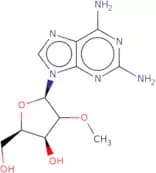

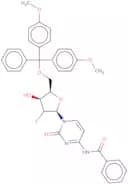
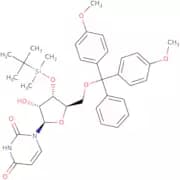

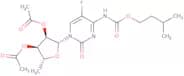

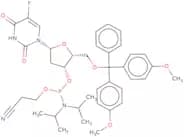

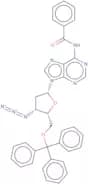
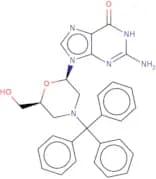



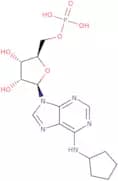
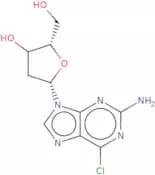
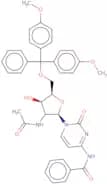
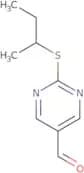
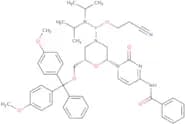
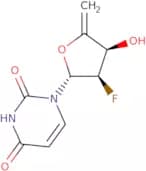
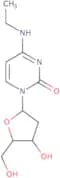

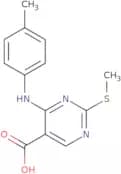
![2'-Deoxy-5'-DMT-5-[3-(trifluoroacetylamino)-1-propynyl]-uridine 3'-CE phosphoramidite](/_next/image/?url=https%3A%2Fstatic.cymitquimica.com%2Fproducts%2F3D%2Fthumb-webp%2FPD138044.webp&w=3840&q=75)
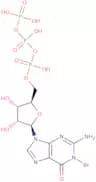
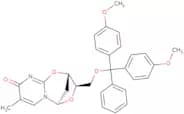

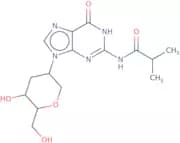
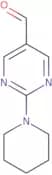

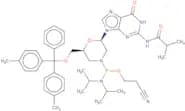
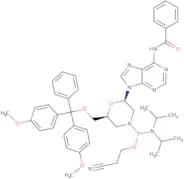
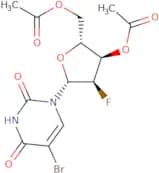
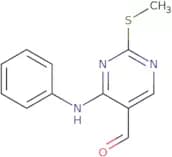
![5'-O-DMT-5-[N-(2-(trifluoroacetamido)ethyl)-3-E-acrylamido]-2'-deoxyuridine](/_next/image/?url=https%3A%2Fstatic.cymitquimica.com%2Fproducts%2F3D%2Fthumb-webp%2FND08236.webp&w=3840&q=75)
![2-Amino-8-(2-deoxy-β-D-ribofuranosyl)-imidazo[1,2-α]-1,3,5-triazin-4(8H)-one](/_next/image/?url=https%3A%2Fstatic.cymitquimica.com%2Fproducts%2F3D%2Fthumb-webp%2FNA145593.webp&w=3840&q=75)
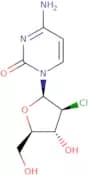
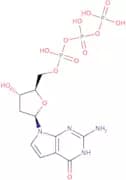
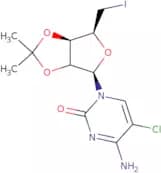
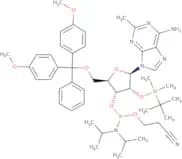
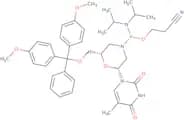
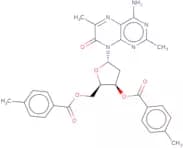
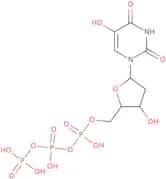
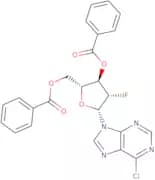


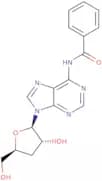


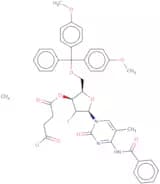
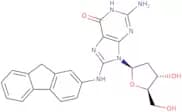
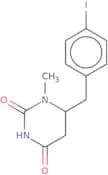
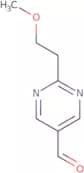
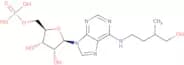

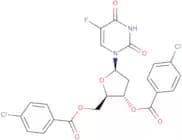

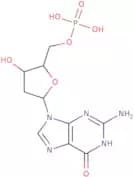
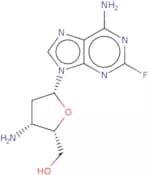
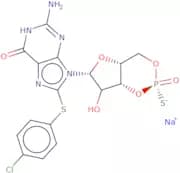
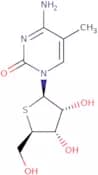
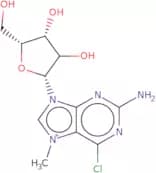
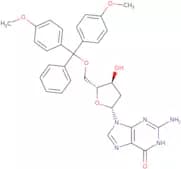
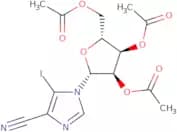
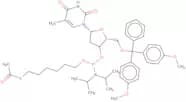
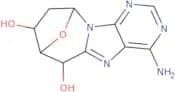
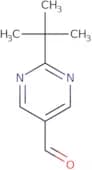


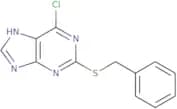
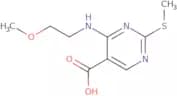
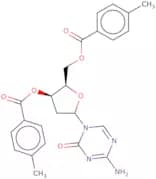

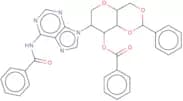


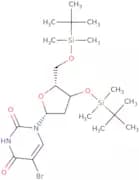
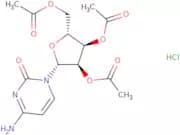
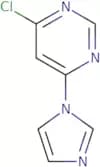
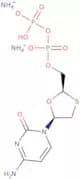
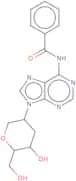
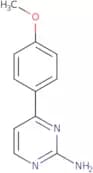

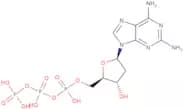

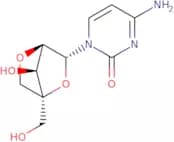
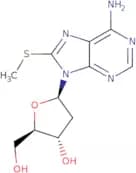



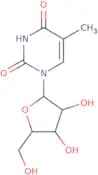

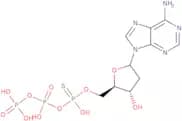

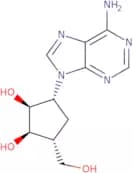

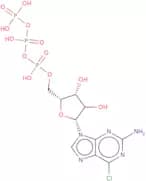
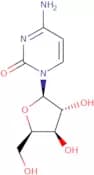
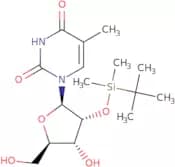
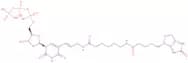

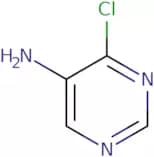

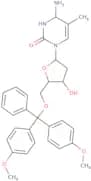
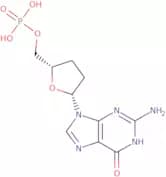
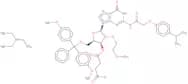
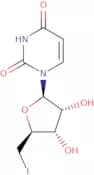

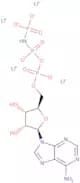
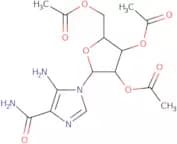

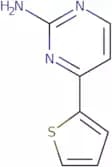
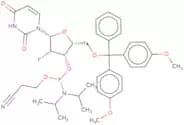
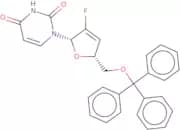
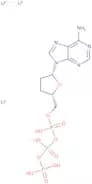
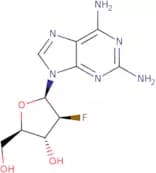
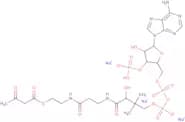
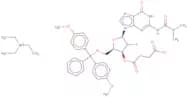
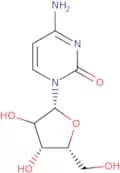
![O6-Benzyl-N2,3-etheno-2'-phenoxythioxomethyl-3',5'-O-[tetrakis(isopropyl)-1,3-disiloxanediyl] guan…](/_next/image/?url=https%3A%2Fstatic.cymitquimica.com%2Fproducts%2F3D%2Fthumb-webp%2FNB16631.webp&w=3840&q=75)
![[U-13C10, U-15N2]-Labelled thymidine](/_next/image/?url=https%3A%2Fstatic.cymitquimica.com%2Fproducts%2F3D%2Fthumb-webp%2FNL32196.webp&w=3840&q=75)
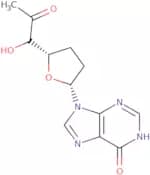

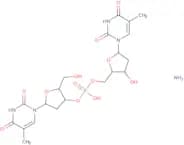

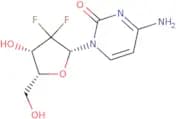

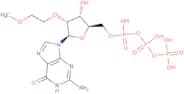



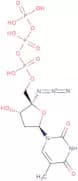
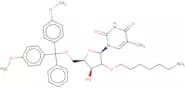
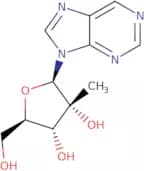

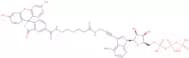
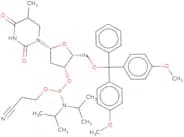
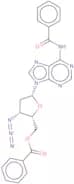
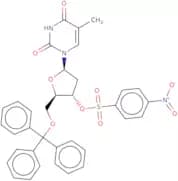
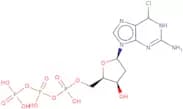

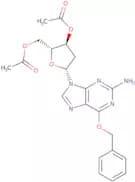
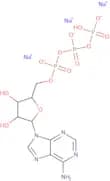
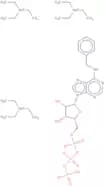
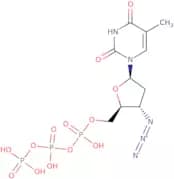
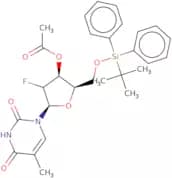
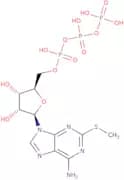
![Fluorescein-5(6)-carboxamidocaproyl-(5-[3-aminoallyl]uridine 5'-triphosphate) - 1 mM aqueous solut…](/_next/image/?url=https%3A%2Fstatic.cymitquimica.com%2Fproducts%2F3D%2Fthumb-webp%2FNF139015.webp&w=3840&q=75)

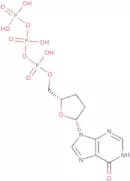
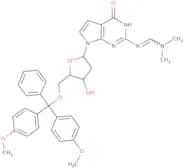

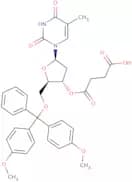
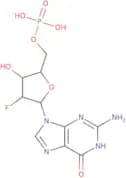
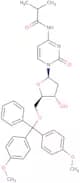

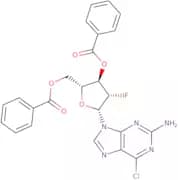
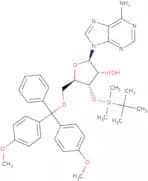
![1,3-Dimethyl-5-[4-(4,4,5,5-tetramethyl-[1,3,2]dioxaborolan-2-yl)-benzyl]-pyrimidine-2,4,6-trione](/_next/image/?url=https%3A%2Fstatic.cymitquimica.com%2Fproducts%2F3D%2Fthumb-webp%2FND44283.webp&w=3840&q=75)

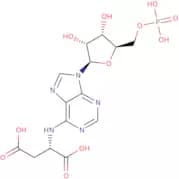
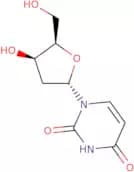
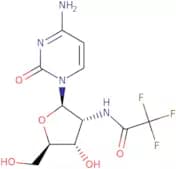
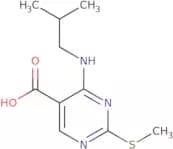
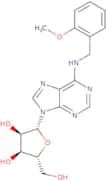
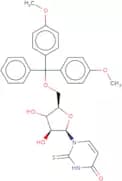

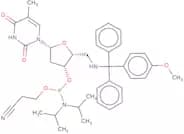

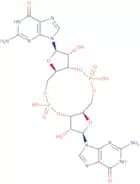

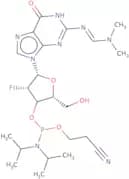

![2-[2-(2-Naphthalenyl)ethoxy]adenosine](/_next/image/?url=https%3A%2Fstatic.cymitquimica.com%2Fproducts%2F3D%2Fthumb-webp%2FNN16559.webp&w=3840&q=75)
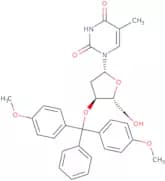
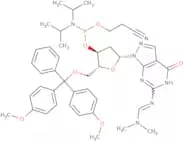
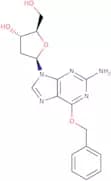
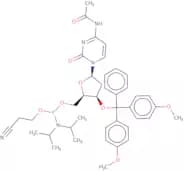
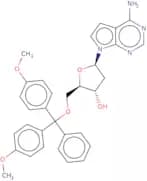


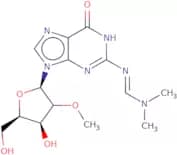

![5-[(Methylamino)methyl]uridine](/_next/image/?url=https%3A%2Fstatic.cymitquimica.com%2Fproducts%2F3D%2Fthumb-webp%2FNM159410.webp&w=3840&q=75)
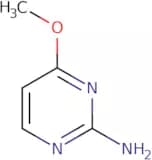
![[1',2',3',4',5'-13C5]-4-Thiothymidine](/_next/image/?url=https%3A%2Fstatic.cymitquimica.com%2Fproducts%2F3D%2Fthumb-webp%2FNT35287.webp&w=3840&q=75)



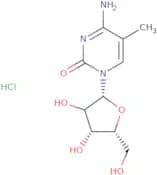
![2-[2-(4-Fluorophenyl)ethoxy]adenosine](/_next/image/?url=https%3A%2Fstatic.cymitquimica.com%2Fproducts%2F3D%2Fthumb-webp%2FNF16548.webp&w=3840&q=75)