Nucleósidos
Se han encontrado 3569 productos de "Nucleósidos"
6,6'-Azopurine
CAS:6,6'-Azopurine is a hydrophobic organic compound that is used as an operational oxidant in the conversion of alcohols to aldehydes. It reacts with hydroxyl groups on the surface of the catalyst and undergoes nucleophilic attack to form a pyridinium salt. The reaction rate increases with increasing pH and temperature. 6,6'-Azopurine is also an immobilized oxidant that can be used for the oxidation of alcohols or hydrocarbons. Immobilization can be achieved by covalent coupling or adsorption on silica gel or alumina. 6,6'-Azopurine has been shown to have high activity against chlorides and is used for the oxidation of chlorides to produce chloride radicals.Fórmula:C10H6N10Pureza:Min. 95%Peso molecular:266.22 g/mol2'-C-Methylinosine
CAS:2'-C-Methylinosine is an analog of 2'-deoxyinosine that is used as a prodrug for the treatment of hepatitis B virus infection. It has been shown to inhibit RNA synthesis in cell cultures by competitively inhibiting the activity of rna-dependent RNA polymerase. This inhibition leads to the accumulation of unprocessed, inactive ribonucleotides, which are eventually degraded by cellular enzymes. 2'-C-Methylinosine is an analog of 2'-deoxyinosine that has been modified at the C2 position with methyl groups (hence its name). The modification increases the stability and solubility of this molecule. Clinical trials have shown that 2'-C-Methylinosine can be used to treat hepatitis B virus infection when combined with other drugs such as lamivudine or entecavir.
Fórmula:C11H14N4O5Pureza:Min. 95%Peso molecular:282.25 g/molAdenosine 3',5'-cyclic monophosphothioate Rp-isomer sodium salt
CAS:Adenosine 3',5'-cyclic monophosphothioate Rp-isomer sodium salt is a neurotrophic factor that has been shown to have neuroprotective properties in different animal models of Parkinson's disease. It has been shown to promote the synthesis of dopamine, glutamate, and other neurotransmitters in dopaminergic neurons. Adenosine 3',5'-cyclic monophosphothioate Rp-isomer sodium salt also promotes protein production by stimulating the synthesis of intracellular proteins such as cytosolic Ca2+ and IGF-I. This drug may be effective in pharmacological treatment for Parkinson's disease. Adenosine 3',5'-cyclic monophosphothioate Rp-isomer sodium salt is a potent inhibitor of phosphodiesterase type 4 (PDE4) with a Ki value of 0.07 μM. This inhibition leads to the accumulation of cAMP, which activates protein kinase A (PKAFórmula:C10H11N5O5PS·NaPureza:Min. 95%Peso molecular:367.25 g/mol4-Chloro-5-fluoropyrimidine
CAS:4-Chloro-5-fluoropyrimidine is a fluoropyrimidine that is used in the synthesis of pharmaceuticals, such as 4-amino-2-chloro-5-fluoropyrimidine. This compound is synthesized by chlorinating 4-chloro-5-fluoropyrimidine with chlorine gas. The resulting product is hydrolyzed to yield 4-amino-2,4,5,6 tetrafluoro pyrimidines. 4CFP can also be obtained by hydrogenolysis of toluene with chlorine gas and sodium hydroxide or hydrolyzing an ammonium salt with hydrochloric acid.
Fórmula:C4H2ClFN2Pureza:Min. 95%Peso molecular:132.52 g/mol6-O-(2-Cyanoethyl)-2'-deoxy-5'-O-DMT-N2-Isobutyrylguanosine
CAS:6-O-(2-Cyanoethyl)-2'-deoxy-5'-O-DMT-N2-Isobutyrylguanosine is an antiviral, anticancer and antibacterial agent. It is a nucleoside analog with antiviral activity against herpes simplex virus type 1 (HSV-1) and cytomegalovirus (CMV), and it can also inhibit the growth of leukemia cells. The nucleoside analog inhibits viral DNA synthesis by competitively inhibiting DNA polymerase and causes viral RNA to be degraded by RNase H. This compound is synthesized from 2',3'-dideoxyisobutyrylguanosine and 2'-deoxycytidine 5'-monophosphate, which are commercially available compounds. 6-O-(2-Cyanoethyl)-2'-deoxy-5'-O-DMT-N2-Isobutyrylguanosine has beenFórmula:C38H40N6O7Pureza:Min. 95%Peso molecular:692.76 g/mol4-Amino-3-benzyl-1H-pyrazolo[3,4-d]pyrimidine 1-b-D-ribofuranose
CAS:4-Amino-3-benzyl-1H-pyrazolo[3,4-d]pyrimidine 1b-D-ribofuranose is a novel diphosphate activator that can modify the properties of deoxyribonucleosides and nucleosides. It has antiviral activity against human immunodeficiency virus type 1 (HIV) and herpes simplex virus type 2 (HSV). 4-Amino-3-benzyl-1H-pyrazolo[3,4-d]pyrimidine 1b -D--ribofuranose is also an anticancer agent that has been shown to have DNA binding ability, in addition to its ability to inhibit the proliferation of cancer cells.Fórmula:C17H19N5O4Pureza:Min. 95%Peso molecular:357.36 g/mol6-Benzyloxypurine
CAS:6-Benzyloxypurine is a fluorescent compound that can be used to measure the concentration of aqueous solutions. It is used in molecular modeling and as a tracer in bioassays. The binding constants for 6-benzyloxypurine have been determined by fluorescence spectrometry, and it has been shown to inhibit the growth of aerobacter aerogenes at concentrations greater than 0.5 mM. This inhibitor also has an inhibitory effect on the growth of tissue culture cells and wastewater treatment bacteria, such as enterococcus faecalis and pseudomonas aeruginosa. The optimum concentration of 6-benzyloxypurine to inhibit bacterial growth is 1 mM, which corresponds to a pH of ~8.2.
Fórmula:C12H10N4OPureza:Min. 95%Peso molecular:226.23 g/molGuanosine 5'-O-(1-thiotriphosphate) lithium salt - 100mM aqueous solution
CAS:Guanosine 5'-O-(1-thiotriphosphate) lithium salt is a nucleotide analogue that binds to the guanine nucleotide-binding site on the enzyme. This agent has been shown to inhibit the growth of viruses, such as influenza virus and human immunodeficiency virus, by inhibiting viral transcription. The drug also has antiviral activity against herpesviruses and cytomegalovirus in cell culture. Guanosine 5'-O-(1-thiotriphosphate) lithium salt inhibits the binding of RNA polymerase to DNA templates and prevents the initiation of transcription. It also reduces the expression of a number of genes in cells by inhibiting protein synthesis in the cytoplasm. Guanosine 5'-O-(1-thiotriphosphate) lithium salt may be used for treating congestive heart failure due to its ability to reduce levels of cytosolic Ca2+ ions, which have been shown to promote cardiac myFórmula:C10H16N5O13P3S·4LiPureza:Min. 95%Forma y color:Colourless liquid.Peso molecular:567.01 g/molN6-Benzoyl-5'-O-DMT-2'-O-(2-methylacetamido)-adenosine 3'-CE phosphoramidite
N6-Benzoyl-5'-O-DMT-2'-O-(2-methylacetamido)-adenosine 3'-CE phosphoramidite is a modified nucleoside that is used in the synthesis of DNA. It is an activator for antiviral and anticancer drugs, as well as a ribonucleoside monophosphate, diphosphate, or deoxyribonucleoside. N6-Benzoyl-5'-O-DMT-2'-O-(2-methylacetamido)-adenosine 3'-CE phosphoramidite has been shown to have a novel anticancer activity.Pureza:Min. 95%N4-Benzoyl-2'-deoxy-5'-O-DMT-2'-fluoro-5-methylcytidine
CAS:N4-Benzoyl-2'-deoxy-5'-O-DMT-2'-fluoro-5-methylcytidine is a nucleoside, which is a compound that consists of a sugar group, one or more phosphate groups, and one or more nucleobases. It is an analogue of cytidine with modifications in the sugar portion and the substitution of 2'-fluoro-5-methyluracil for uracil. This compound has been shown to be effective against cancer cells when used in combination with other anticancer agents. It also inhibits viral replication by acting as a competitive inhibitor of reverse transcriptase, preventing RNA synthesis. This compound also exhibits antiviral activity by inhibiting the synthesis of viral DNA and RNA.Fórmula:C38H36FN3O7Pureza:Min. 95%Peso molecular:665.72 g/molInosine-3',5'-cyclic-monophosphate free acid
CAS:Inosine-3',5'-cyclic-monophosphate free acid is an ester of inosine 3',5'-cyclic-monophosphate that is structurally related to adenosine. It has been shown to have a physiological function as a cyclic nucleotide phosphodiesterase inhibitor, and also inhibits voltage-dependent calcium channels. Inosine-3',5'-cyclic-monophosphate free acid has been shown to be effective against infectious diseases, such as Mycobacterium tuberculosis and Galleria mellonella. It has also been shown to reduce the production of peptide hormones, nucleotides, and cyclic AMP (cAMP). Inosine-3',5'-cyclic-monophosphate free acid does not exhibit any pharmacological activity on its own but can modulate the activities of other pharmacological agents.Fórmula:C10H11N4O7PPureza:Min. 95%Peso molecular:330.19 g/mol2'-O-Allylguanosine
CAS:2'-O-Allylguanosine is an intermediate in the synthesis of 2,6-diaminopurine riboside. It is synthesized from allyl chloride and guanosine by an allylation reaction. The yield for this reaction is high, which makes it a useful synthon. Deamination of the product yields 2'-O-allylguanosine 5'-monophosphate, which can be converted to 2',6-diaminopurine riboside by hydrolysis with phosphoric acid. This intermediate is used in research on nucleic acids sequences and hydrogen bonding.Fórmula:C13H17N5O5Pureza:Min. 95%Forma y color:White PowderPeso molecular:323.3 g/molγ-(BBT)-ATP
gamma-(BBT)-ATP is a novel ATP analog that has been shown to activate the purine nucleotide receptor and cause tumor cell death. It is a deoxyribonucleoside, phosphoramidite, and monophosphate that can be used as an activator for DNA synthesis. gamma-(BBT)-ATP inhibits the growth of tumor cells in culture and has antiviral activity against herpes simplex virus type-1.Fórmula:C24H22N7O13P3S2·xNaPureza:Min. 95%Forma y color:PowderPeso molecular:773.52 g/mol2'-Deoxy-5'-O-DMT-N6-isobutyryladenosine 3'-CE phosphoramidite
2'-Deoxy-5'-O-DMT-N6-isobutyryladenosine 3'-CE phosphoramidite is a novel and high quality anticancer agent that is used in the synthesis of DNA. This compound has shown potent cytotoxic activity against various cancer cell lines, including human leukemia cells, human breast carcinoma cells, and human colon carcinoma cells. 2'-Deoxy-5'-O-DMT-N6-isobutyryladenosine 3'-CE phosphoramidite inhibits DNA synthesis by inhibiting the enzyme DNA polymerase. It also inhibits protein synthesis and has been shown to be toxic to the mitochondria, which may be responsible for its anti-cancer effects.Fórmula:C44H54N7O7PPureza:Min. 95%Peso molecular:823.94 g/molClofarabine 5'-monophosphate triethylammonium salt
CAS:Clofarabine is an anti-cancer drug that belongs to the class of diphosphate, Synthetic, Activator, Phosphoramidites, Deoxyribonucleosides. It is a modified nucleoside with antiviral and anticancer activity. Clofarabine 5'-monophosphate triethylammonium salt (CPF) has been shown to inhibit DNA synthesis by blocking the incorporation of deoxyribonucleotides into DNA. CPF binds to DNA at the 3' position of the deoxyribonucleotide chain, which prevents its extension and leads to inhibition of DNA replication. CPF also inhibits viral DNA synthesis through inhibition of viral DNA polymerase or viral RNA polymerase in vitro. Clofarabine is not active against bacteriophage T4 or bacterial RNA polymerase.Pureza:Min. 95%2,6-Dichloro-9-(2'-deoxy-b-D-ribofuranosyl)purine
CAS:2,6-Dichloro-9-(2'-deoxy-β-D-ribofuranosyl)purine is a synthetic compound that is used in the treatment of certain types of cancer. It has been shown to be an activator of DNA synthesis and an inhibitor of RNA synthesis. It has also been shown to inhibit tumor growth and prolong the survival time for patients with leukemia. The antiviral activity of 2,6-dichloro-9-(2'-deoxy-β-D-ribofuranosyl)purine may be due to its ability to inhibit viral DNA polymerase. This drug is also known as dideoxyinosine (ddI).Fórmula:C10H10Cl2N4O3Pureza:Min. 95%Peso molecular:305.12 g/molN6-Benzoyl-3'-deoxy-5'-O-DMT-adenosine 2'-CE phosphoramidite
CAS:N6-Benzoyl-3'-deoxy-5'-O-DMT-adenosine 2'-CE phosphoramidite is a novel modified nucleoside that has antiviral, anticancer and antibacterial properties. The chemical name is N6-benzoyl-3'-deoxy-5'-O-DMT-adenosine 2'-CE phosphoramidite. It is a ribonucleotide. It is an activator of the enzyme kinase A which phosphorylates proteins and activates them. This product has not been tested in humans.Fórmula:C47H52N7O7PPureza:Min. 95%Peso molecular:857.93 g/mol5-Bromo-2-(2-methoxyethylamino)pyrimidine
CAS:5-Bromo-2-(2-methoxyethylamino)pyrimidine is a novel, ribonucleoside that exhibits anticancer activity. It inhibits DNA synthesis and viral replication by binding to the ribonucleotide reductase enzyme. 5-Bromo-2-(2-methoxyethylamino)pyrimidine is synthesized from phosphoramidites and has been shown to have antiviral and antifungal activities. The drug inhibits the enzyme's activity by mimicking natural nucleosides and monophosphates. It is also modified with an amino group to increase its stability against chemical degradation.Pureza:Min. 95%4'-a-C-Methyladenosine
CAS:4'-a-C-Methyladenosine is a nucleoside that has antiviral, anticancer and novel properties. It is a modified nucleoside with a methyl group in the 4' position. This modification prevents the phosphodiester bond from being hydrolyzed by nucleotide kinase enzymes. The methyl group also inhibits the formation of adenosine monophosphate (AMP) during DNA synthesis, which prevents the deactivation of adenosine triphosphate (ATP). 4'-a-C-Methyladenosine is used to synthesize oligonucleotides for use in DNA sequencing and gene mapping.
Pureza:Min. 95%5-[N(6-(Trifluoroacetamido)hexyl)-3-(E)-acrylamido] -2'-deoxyuridine
CAS:5-[N(6-(Trifluoroacetamido)hexyl)-3-(E)-acrylamido] -2'-deoxyuridine is a synthetic, modified nucleoside that functions as an activator of ribonucleotide reductase. It has been shown to be effective in the treatment of viral infections, including herpes simplex virus type 1 (HSV-1), herpes simplex virus type 2 (HSV-2), and human immunodeficiency virus type 1 (HIV-1). 5-[N(6-(Trifluoroacetamido)hexyl)-3-(E)-acrylamido] -2'-deoxyuridine is also synthesized into DNA or RNA molecules, which are used to study the structure of these compounds. It can also be used for phosphoramidite synthesis.Fórmula:C20H27F3N4OPureza:Min. 95%Peso molecular:396.45 g/mol2'-Deoxy-5'-O-FDMT-N2-isobutyryl-guanosine 3'-CE phosphoramidite
CAS:Producto controlado2'-Deoxy-5'-O-FDMT-N2-isobutyryl-guanosine 3'-CE phosphoramidite is a modified nucleoside that is used as an antiviral agent. It is synthesized by modifying the 2'-deoxyribose sugar with a 2'-deoxy-5'-O-(4,4'-dimethoxytrityl)-N2-isobutyrylguanosine 3' phosphate. This compound has shown anticancer activity in vitro and has been studied in animal models. The synthesis of this compound can be accomplished through the use of diphosphate, which gives it an advantage over natural nucleosides because it does not require ribonucleotides.Fórmula:C54H57F17N7O8PPureza:Min. 95%Peso molecular:1,286.02 g/mol4-(difluoromethyl)-2-hydroxy-pyrimidine-5-carboxylic acid
CAS:4-(difluoromethyl)-2-hydroxy-pyrimidine-5-carboxylic acid is a novel monophosphate and nucleotide analogue, which can activate the HIV reverse transcriptase. It has been shown to be cytotoxic to cancer cells in vitro. 4-(difluoromethyl)-2-hydroxy-pyrimidine-5-carboxylic acid has been used for the synthesis of phosphoramidites and DNA and RNA analogues.Fórmula:C6H4F2N2O3Pureza:Min. 95%Peso molecular:190.1 g/molGuanosine 5'-[beta,gamma-imido]triphosphate tetralithium hydrate
CAS:Guanosine 5'-[beta,gamma-imido]triphosphate tetralithium hydrate (GTP) is a nucleotide that is synthesized from guanosine 5'-diphosphate. GTP is an effector molecule that regulates the cytosolic protein synthesis and transport pathways. It binds to a number of proteins, including the guanine nucleotide-binding protein, which regulates the metabolic processes in cells. GTP has been shown to be beneficial in treating cancer by inducing apoptosis and inhibiting tumor growth. In addition, Guanosine 5'-[beta,gamma-imido]triphosphate tetralithium hydrate has been shown to inhibit congestive heart failure by reducing free radical production and increasing intracellular adenosine levels.
Fórmula:C10H13Li4N6O13P3Pureza:Min. 95%Peso molecular:546 g/mol7-Benzyl-4-chloro-5-iodo-7H-pyrrolo[2,3-d]pyriMidine
CAS:7-Benzyl-4-chloro-5-iodo-7H-pyrrolo[2,3-d]pyriMidine is an antiviral agent that is a modified nucleoside. It has shown to be a novel activator of the immune system. 7BICP has been shown to have high antiviral activity against herpes simplex virus type 1 (HSV1) and type 2 (HSV2) in cell cultures. It also inhibits the replication of HIV and influenza A virus in cell cultures. This drug is synthesized from deoxyribonucleosides, phosphoramidites, or nucleosides. 7BICP is a monophosphate and diphosphate, which are used as substrates for DNA synthesis by DNA polymerase. The CAS number for 7BICP is 1244855-59-1.Pureza:Min. 95%3,5-Di-o-(p-toluoyl)-5-(2-hydroxyethyl)-2-deoxyuridine
CAS:3,5-Di-o-(p-toluoyl)-5-(2-hydroxyethyl)-2-deoxyuridine is a nucleoside analogue that has antiviral and anticancer activities. It is synthesized by the condensation of orotic acid with 2'-deoxyuridine in the presence of N,N'-dicyclohexylcarbodiimide (DCC). 3,5-Di-o-(p-toluoyl)-5-(2-hydroxyethyl)-2-deoxyuridine is an activator of ribonucleotide reductase, which is an enzyme involved in DNA synthesis and repair. 3,5-Di-o-(p-toluoyl)-5-(2-hydroxyethyl)-2-deoxyuridine is also capable of inhibiting DNA polymerases and RNA polymerases. This drug can be used for treatment against cancer and antiviral infections.Fórmula:C27H28N2O8Pureza:Min. 95%Peso molecular:508.50 g/mol1,5-Anhydro-4,6-O-benzylidene-2,3-dideoxy-2-(N2-isobutyrylguanidin-1-yl)-D-glucitol
1,5-Anhydro-4,6-O-benzylidene-2,3-dideoxy-2-(N2-isobutyrylguanidin-1-yl)-D-glucitol is an activator that can be used in the synthesis of DNA and RNA. It is a novel compound with antiviral properties and anticancer effects. It has been shown to have high purity and quality. This activator is a phosphoramidite that can be used in the synthesis of DNA or RNA and has been modified to have antiviral properties. It is synthesized using deoxyribonucleosides as starting materials, which are obtained from natural sources such as yeast extract or tryptophan.Fórmula:C22H25N5O5Pureza:Min. 95%Peso molecular:439.48 g/molN4-Acetyl-2'-deoxy-5'-O-DMT-cytidine 3'-succinyl CPG 2000 Å
N4-Acetyl-2'-deoxy-5'-O-DMT-cytidine 3'-succinyl CPG 2000 Å is a novel and modified nucleoside with anticancer and antiviral properties. Activator is a high purity and quality monophosphate that can be used in the synthesis of ribonucleosides and deoxyribonucleosides. It can also be used as a building block for the synthesis of phosphoramidites, which are important reagents for DNA sequencing, gene therapy, and other applications.Pureza:Min. 95%3-(2'-Deoxy-β-D-2-ribofuranosyl)pyrido[2,3-d]pyrimidine-2,7(8H)-dione
CAS:3-(2'-Deoxy-β-D-2-ribofuranosyl)pyrido[2,3-d]pyrimidine-2,7(8H)-dione is a synthetic nucleoside analogue that has been modified by the replacement of the 2' oxygen atom. The phosphoramidite is used to produce 3-(2'-Deoxy-β-D-2-ribofuranosyl)pyrido[2,3-d]pyrimidine-2,7(8H)-dione in high purity and high quality. This product can be used as an antiviral agent and as an anticancer agent. It has also been shown to inhibit DNA synthesis and RNA synthesis.Fórmula:C12H13N3O5Pureza:Min. 95%Peso molecular:279.25 g/mol2-Amino-4-phenyl-6-(trifluoromethyl)pyrimidine
CAS:2-Amino-4-phenyl-6-(trifluoromethyl)pyrimidine is a nucleoside analog that acts as a DNA and RNA activator. It is used as a component in antiviral drugs, anticancer drugs, and antiretroviral drugs. This compound is structurally similar to the natural nucleosides adenosine and cytidine. It has been shown to inhibit the growth of various cancer cell lines with IC50 values ranging from 6.5 to 25 nM.Fórmula:C11H8F3N3Pureza:Min. 95%Peso molecular:239.2 g/mol5-Aminoallyluridine 5'-triphosphate sodium salt - 100mM aqueous solution
CAS:5-Aminoallyluridine 5'-triphosphate sodium salt is a modified nucleoside that has antiviral and anticancer activity. It is a prodrug of 5-aminoallyluridine and is activated by deoxyribonucleotide ribonucleotides in the cell. This drug also can be used as an activator for other drugs, such as cytosine arabinoside, which are inactive or less active when administered alone.Fórmula:C12H20N3O15P3·xNaPureza:Min. 95%Peso molecular:539.22 g/molN4-Acetyl-5'-O-DMT-2'-O-triisopropylsilyloxymethyl-5-methylcytidine 3'-CE phosphoramidite
CAS:N4-Acetyl-5'-O-DMT-2'-O-triisopropylsilyloxymethyl-5-methylcytidine 3'-CE phosphoramidite is a novel nucleoside phosphoramidite. It has been synthesized and purified by using the latest technology. It is a monophosphate, which is used in the synthesis of DNA, RNA, and other nucleic acids. It can be used for anticancer research and as a pharmaceutical intermediate.Fórmula:C52H74N5O10PSiPureza:Min. 95%Forma y color:White/Off-White SolidPeso molecular:988.23 g/mol5,6-Dihydro-2'-deoxy-5'-O-DMT-uridine 3'-CE phosphoramidite
5,6-Dihydro-2'-deoxy-5'-O-DMT-uridine 3'-CE phosphoramidite is a modified nucleoside that is used as an activator in DNA synthesis. It has been shown to have anticancer properties by inhibiting the growth of cancer cells. 5,6-Dihydro-2'-deoxy-5'-O-DMT-uridine 3'-CE phosphoramidite is synthesized from the monophosphate form and can be used for the synthesis of both DNA and RNA.
Fórmula:C39H49N4O8PPureza:Min. 95%Peso molecular:732.82 g/mol8-Methoxyadenosine
CAS:8-Methoxyadenosine is an acidic adenosine that acts as a competitive antagonist of the A1 receptor. It has a high affinity for this receptor and blocks the binding of adenosine to the receptor, thereby inhibiting its function. 8-Methoxyadenosine is also a competitive antagonist of the uridine nucleotide, which inhibits enzymatic catalysis by ribonucleoside kinase and ribonucleotide reductase. It has been shown to have properties similar to those of other pyrimidine nucleosides such as cytidine, thymine, and uridine. This molecule has a hydroxyl group in its structure, which is essential for binding to these enzymes. 8-Methoxyadenosine also has a phosphate group in its structure, which is necessary for the synthesis of DNA or RNA from deoxyribonucleotides. The benzoate group in 8-methoxyadenosine's structure makesPureza:Min. 95%2'-Deoxy-N7-methylguanosine
CAS:2'-Deoxy-N7-methylguanosine is a hydrogenolysis product of guanosine. It can be synthesized in four steps from glycosyl chloride, glycosylamine, and methyl iodide. The catalytic hydrogenolysis of 2'-deoxy-N7-methylguanosine with Raney Ni gives the corresponding 6-amino derivative. Hydrolysis of this amino group converts it to a nucleoside. This nucleoside has been shown to hydrolyze with half-life of about 1 hour at pH 8.5 and 37°C. The hydrolysis of purines by 2'-deoxy-N7-methylguanosine is inhibited by adenosine analogues like 2',3'-dideoxyadenosine and 3',4'-dideoxyadenosine.
Fórmula:C11H17N5O4Pureza:Min. 95%Peso molecular:283.28 g/mol2-Methylthioadenosine 5-monophosphate
CAS:2-Methylthioadenosine 5-monophosphate (2MTA) is an intermediate in purine metabolism that can be synthesized from adenosine monophosphate and methyl mercaptan. 2MTA inhibits the platelet aggregation by inhibiting the function of the P2Y12 receptor, which is a member of the G protein-coupled receptor family. It has been shown to inhibit tumor growth and tumor vasculature, as well as to induce apoptosis in cancer cells. 2MTA also has antiplatelet activity, which may be due to its ability to inhibit cyclooxygenase-1 (COX-1) and cyclooxygenase-2 (COX-2).Fórmula:C11H16N5O7PSPureza:Min. 95%Peso molecular:393.31 g/mol2-Amino-2'-deoxy-N2,N6-bis(diisobutylaminomethylidene)-5'-O-DMT-adenosine 3'-CE phosphoramidite
CAS:2-Amino-2'-deoxy-N2,N6-bis(diisobutylaminomethylidene)-5'-O-DMT-adenosine 3'-CE phosphoramidite is a phosphoramidite that is used for the synthesis of nucleosides and nucleotides. The 2-Amino-2'-deoxy-N2,N6-bis(diisobutylaminomethylidene)-5'-O-DMT-adenosine 3'-CE phosphoramidite can be used in the synthesis of DNA, RNA, and other nucleic acids. It also has antiviral and anticancer properties.Fórmula:C58H83N10O6PPureza:Min. 95%Peso molecular:1,047.32 g/mol2',3'-Dideoxycytidine-5'-triphosphate N,N-diethylethanamine
CAS:Please enquire for more information about 2',3'-Dideoxycytidine-5'-triphosphate N,N-diethylethanamine including the price, delivery time and more detailed product information at the technical inquiry form on this pageFórmula:C9H16N3O12P3•(C6H15N)xPureza:Min. 95%[U-¹³C10, U-¹⁵N2]-labelled thymidylyl-3'-5'-thymidine ammonium
CAS:U-13C10, U-[15N2]-Labelled Thymidylyl-3'-5'-thymidine ammonium is a novel antiviral and anticancer agent. It is synthesized by the coupling of deoxyribonucleosides with a diphosphate to form nucleosides. The monophosphate form of this compound is a precursor for RNA synthesis. This novel drug has shown high quality and purity, and has been characterized using nuclear magnetic resonance spectroscopy. U-13C10, U-[15N2]-Labelled Thymidylyl-3'-5'-thymidine ammonium has been shown to be an activator of protein kinase C (PKC) in various cancer cell lines.Fórmula:C10C10H27N2N2O12P·NH3Pureza:Min. 95%Peso molecular:575.36 g/molLamivudine 5'-monophosphate sodium salt
Lamivudine 5'-monophosphate sodium salt is a diphosphate nucleoside analog. It is active against HIV and is also used as an antiviral agent for the treatment of hepatitis B virus infection. Lamivudine 5'-monophosphate sodium salt binds to viral DNA, preventing the progression of viral replication. The drug is phosphorylated by cellular enzymes to its active form, lamivudine triphosphate (3TC).
Fórmula:C8H11N3O6PSNaPureza:Min. 95%Peso molecular:331.22 g/mol8-Benzyloxy-N2-isobutyryl-2-deoxyguanosine
CAS:8-Benzyloxy-N2-isobutyryl-2-deoxyguanosine is a novel, potent and selective anticancer drug that has been shown to inhibit the growth of a variety of human tumor cells in vitro and in vivo. It also has antiviral activity against herpes simplex virus type 1. The drug is an analog of 8-benzyloxyguanosine, a nucleoside which is structurally related to guanine. This compound is synthesized from the corresponding diphosphate and monophosphate derivatives by the action of DNA polymerase and DNA ligase. 8-Benzyloxy-N2-isobutyryl-2-deoxyguanosine inhibits viral replication by binding to the viral DNA polymerase and preventing further synthesis, as well as inhibiting cellular RNA synthesis.
Fórmula:C21H25N5O6Pureza:Min. 95%Peso molecular:443.50 g/molPurine riboside-5'-triphosphate
CAS:Purine riboside-5'-triphosphate is a nucleotide that belongs to the group of purines. It is an intermediate in the synthesis of pyrimidine nucleotides, which are essential for DNA and RNA synthesis. Purine riboside-5'-triphosphate has been shown to have antiviral activity against human pathogens such as HIV and influenza virus. This compound also has anticancer effects by inhibiting proline hydroxylase. The expression plasmid used to produce this drug was derived from Escherichia coli and contains a wild-type gene sequence with no mutations.Fórmula:C10H15N4O13P3Pureza:Min. 95%Peso molecular:492.17 g/mol2',3'-Dideoxyuridine-5'-O-monothiophosphate
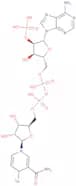
CAS:2',3'-Dideoxyuridine-5'-O-monothiophosphate is an antiviral nucleoside that inhibits viral DNA synthesis. It is a phosphoramidate prodrug of the natural compound deoxyuridine monophosphate (dUMP). 2',3'-Dideoxyuridine-5'-O-monothiophosphate has been shown to be active against human papilloma virus and to inhibit the replication of some DNA viruses, including herpes simplex virus, cytomegalovirus, and Epstein-Barr Virus. This drug has also been shown to have anticancer activity in vitro and in vivo.Fórmula:C9H13N2O6PSPureza:Min. 95%Peso molecular:308.25 g/mola-Nicotinamide adenine dinucleotide phosphate
CAS:a-Nicotinamide adenine dinucleotide phosphate (NADP) is a modified form of the natural coenzyme nicotinamide adenine dinucleotide (NAD) and is an important component in cellular metabolism. NADP is also an anticancer agent that inhibits the synthesis of DNA, RNA, and protein. It is used for the treatment of viral infections such as cytomegalovirus (CMV), herpes simplex virus (HSV), varicella zoster virus (VZV), and Epstein-Barr virus (EBV). NADP is also a novel antiviral agent that has been shown to inhibit the enzyme diphosphate kinase, which prevents the production of ATP. This inhibition leads to cell death by disrupting normal energy production. NADP has been shown to be effective against CMV isolates resistant to ganciclovir or foscarnet due to its ability to inhibit DNA synthesis.Fórmula:C21H28N7O17P3Pureza:Min. 95%Peso molecular:743.41 g/molCaged Strand-Breaker II CE-Phosphoramidite
CAS:When included in an oligonucleotide, irradiation at 365 nm causes strand cleavage. This will leave a hydroxyl residue on the 3' end and a phosphate on the 5' end.Fórmula:C47H53N4O10PPureza:Min. 95%Peso molecular:864.92 g/molN-[2-(2,4-Dioxopyrimidin-1-yl)-4-hydroxy-5-(hydroxymethyl)oxolan-3-yl]-2,2,2-trifluoroacetamide
CAS:N-[2-(2,4-Dioxopyrimidin-1-yl)-4-hydroxy-5-(hydroxymethyl)oxolan-3-yl]-2,2,2-trifluoroacetamide is a novel synthetic compound with antiviral and anticancer activities. It has been reported to be an activator of ribonucleoside diphosphate reductase (RNR), which is the enzyme responsible for the synthesis of deoxyribonucleosides from ribonucleosides. N-[2-(2,4-Dioxopyrimidin-1-yl)-4-hydroxy-5-(hydroxymethyl)oxolan-3-yl]-2,2,2 -trifluoroacetamide also inhibits the protein synthesis of human cancer cells by interfering with the function of DNA polymerase and RNA polymerase.
Fórmula:C11H12F3N3O6Pureza:Min. 95%Peso molecular:339.22 g/mol2'-Deoxy-2'-fluoroadenosine-5'-triphosphate sodium salt - 100mM aqueous solution
2'-Deoxy-2'-fluoroadenosine-5'-triphosphate sodium salt - 100mM aqueous solution is a high purity synthetic compound that is used as an activator for the synthesis of DNA, RNA, and phosphoramidites. The product is in the form of a white to off-white solid and has high quality with purity of >99%. 2'-Deoxy-2'-fluoroadenosine-5'-triphosphate sodium salt - 100mM aqueous solution can be used in antiviral, anticancer, and antideoxyribonucleoside therapy. It inhibits viral replication by inhibiting reverse transcriptase activity in HIV and other retroviruses. It also inhibits tumor growth by interfering with DNA synthesis.Fórmula:C10H15FNO12P3·xNaPureza:Min. 95%Peso molecular:453.15 g/mol5-Chloro-5'-deoxycytidine
CAS:5-Chloro-5'-deoxycytidine is a nucleoside with antiviral activity. It is used for the synthesis of phosphoramidites, which are used in DNA and RNA synthesis. 5-Chloro-5'-deoxycytidine has been shown to be an effective activator for novel DNA and RNA analogues, such as phosphorothioates, phosphotriesters, and phosphorodithioates. This compound is also widely used in the preparation of oligodeoxynucleotide analogues that are modified chemically or structurally to improve their biological properties. 5-Chloro-5'-deoxycytidine has been synthesized by modifying the nucleobase with a 5-chloro group at the 5' position on the ribose ring, making it more resistant to degradation by enzymes than other cytosine derivatives.Fórmula:C9H12ClN3O4Pureza:Min. 95%Forma y color:White to off-white solid.Peso molecular:261.67 g/mol2-Pyrrolidin-1-ylpyrimidine-5-carbaldehyde
CAS:2-Pyrrolidin-1-ylpyrimidine-5-carbaldehyde (2PPi) is a novel synthetic nucleoside analog that is an effective inhibitor of the reverse transcriptase of HIV. 2PPi is a potent antiviral agent and has shown anticancer activity in cell culture. It also inhibits the growth of cancer cells by inhibiting the synthesis of DNA and RNA. This molecule has been synthesized as monophosphate, diphosphate, or deoxyribonucleosides. 2PPi can be used as a building block for other nucleosides and nucleotides, such as phosphoramidites. CAS No. 937796-10-6Fórmula:C9H11N3OPureza:Min. 95%Peso molecular:177.2 g/mol2-Amino-5-pyrimidinesulfonamide
CAS:2-Amino-5-pyrimidinesulfonamide is a synthetic nucleoside. It is an analog of cytidine and is used as a building block for the synthesis of modified nucleosides, phosphoramidites, diphosphate, and ribonucleosides. 2-Amino-5-pyrimidinesulfonamide is also known as an activator in DNA synthesis. The chemical compound has CAS number 99171-23-0 and molecular weight of 174.2 g/mol. This product is soluble in water or ethanol, but insoluble in ether or chloroform.Fórmula:C4H6N4O2SPureza:Min. 95%Peso molecular:174.18 g/mol2,2'-Anhydro-5'-O-tert-butyldiphenylsilylthymidine
2,2'-Anhydro-5'-O-tert-butyldiphenylsilylthymidine is a novel monophosphate nucleoside analog that has antiviral activity against herpes simplex virus type 1 (HSV-1) and herpes simplex virus type 2 (HSV-2). This compound is chemically synthesized by the reaction between thymidine with bis-(2,6-diisopropylphenyl) disilazane in the presence of an activator. The synthesis of 2,2'-anhydro-5'-O-tert-butyldiphenylsilylthymidine is performed by reacting 5'-O-(4,4'-dimethoxytrityl)-thymidine with bis-(2,6-diisopropylphenyl) disilazane in the presence of tetrakis(triphenylphosphine)palladium(0Pureza:Min. 95%2'-Deoxy-N6,N6-dimethyladenosine
2'-Deoxy-N6,N6-dimethyladenosine is a novel nucleoside that has been shown to inhibit the growth of cancer cells. It binds to DNA and inhibits the activity of bacterial RNA polymerase, which prevents transcription and replication. The monophosphate form of 2'-deoxy-N6,N6-dimethyladenosine is an activator for ribonucleotide reductase and an inhibitor for DNA gyrase. This drug also inhibits viral replication by inhibiting viral reverse transcriptase. 2'-Deoxy-N6,N6-dimethyladenosine has been shown to have antiviral activity against influenza virus type A (H1N1) and HIV in cell culture. This drug is chemically synthesized using phosphoramidites as raw materials and purified by high performance liquid chromatography (HPLC). The CAS number is 220763-81-8.Pureza:Min. 95%1-(2',3',5'-Tri-O-tert-butyldimethylsilyl-b-D-ribofuranosyl)-5-ethynylimidazo-4-carbonitrile
CAS:Ribonucleosides are nucleoside derivatives that can be used as antiviral agents. Ribonuclease (RNase) is a type of ribonucleoside that acts as an antiviral agent by inhibiting the synthesis of RNA in cells. Ribonuclease has been shown to inhibit the growth of HIV-1 and HIV-2 in vitro, and may also have therapeutic potential for other viruses such as herpes simplex virus-1 (HSV-1). Ribonuclease is synthetically modified to produce 1-(2',3',5'-tri-O-tert-butyldimethylsilyl-b-D-ribofuranosyl)-5-ethynylimidazo-[4,5,-c]-carbonitrile, an activator ribonucleoside with high purity and novel properties.Fórmula:C29H53N3O4Si3Pureza:Min. 95%Peso molecular:592.01 g/mol7-Deaza-2'-deoxy-5'-O-DMT-xanthosine
CAS:7-Deaza-2'-deoxy-5'-O-DMTxanthosine is a nucleoside analog with antiviral properties. It is an activator of the phosphoramidites and can be used in the synthesis of high quality, high purity, and novel nucleosides. 7-Deaza-2'-deoxy-5'-O-DMTxanthosine has been shown to inhibit the replication of DNA by forming a covalent bond with the deoxyribose sugar moiety of DNA. This modification prevents the polymerization of DNA, thereby inhibiting viral replication.Fórmula:C32H31N3O7Pureza:Min. 95%Peso molecular:569.6 g/mol2'-Deoxy-N2-isobutyryl-5'-O-levulinoylguanosine 3'-CE phosphoramidite
The 2'-deoxy-N2-isobutyryl-5'-O-levulinoylguanosine 3'-CE phosphoramidite is a high quality and novel nucleoside. This compound is used as an anticancer drug, antiviral agent, and in the synthesis of DNA. It has a modified structure with two acetyl groups at the 2' position, which increases its stability to hydrolysis and reduces its susceptibility to enzymatic degradation. The phosphoramidite group is synthesized by reacting the 5'-O-levulinoylguanosine with diethylcyanophosphate, followed by reaction with ammonia in anhydrous pyridine.Fórmula:C28H42N7O8PPureza:Min. 95%Peso molecular:635.65 g/molN4-Benzoyl-5'-O-DMT-2'-O-methyl-5-methylcytidine
CAS:N4-Benzoyl-5'-O-DMT-2'-O-methyl-5-methylcytidine is a modified nucleoside that is used as an antiviral. It is phosphorylated by the enzyme kinase to form a diphosphate, which inhibits viral DNA synthesis by inhibiting the action of DNA polymerases. N4-Benzoyl-5'-O-DMT-2'-O-methyl-5-methylcytidine has been shown to have anticancer activity in vitro and in vivo. The drug also has high purity and quality, making it suitable for use in laboratory research.Fórmula:C39H39N3O8Pureza:Min. 95%Forma y color:Slightly Yellow PowderPeso molecular:677.74 g/mol2'/3'-O-Trinitrophenyl-adenosine-5'-triphosphate triethylammonium salt - 10mM aqueous solution
CAS:2'/3'-O-Trinitrophenyl-adenosine-5'-triphosphate triethylammonium salt - 10mM aqueous solution is a synthetic nucleoside that contains a phosphate group. It is an activator and anti-cancer agent that has been modified to be novel and high quality. This product has been shown to have antiviral, antibacterial, and anticancer properties. 2'/3'-O-Trinitrophenyl-adenosine-5'-triphosphate triethylammonium salt - 10mM aqueous solution is used in the treatment of HIV/AIDS, which may be due to its ability to inhibit viral DNA synthesis.Fórmula:C16H17N8O19P3Pureza:Min. 95%Peso molecular:718.27 g/molN6-Propargyladenosine
CAS:N6-Propargyladenosine is an alkyne functionalised nucleoside.Fórmula:C13H15N5O4Pureza:Min. 95%Forma y color:PowderPeso molecular:305.29 g/mol3',5'-Di-O-acetyl-2'-deoxy-5-fluorouridine
CAS:3',5'-Di-O-acetyl-2'-deoxy-5-fluorouridine is an antitumor agent that belongs to the class of heterocyclic ring. It is a pyridinium salt with a benzoic acid residue at position 3 and 5'. The heterocyclic ring is derived from alkylene, which has two double bonds in the chain. This compound has low toxicity and can be synthesized from chloroform, fluorouridine, and pyridine. 3',5'-Di-O-acetyl-2'-deoxy-5-fluorouridine inhibits growth of cancer cells by binding to ribosomes and preventing RNA synthesis. It also acts as an alkylating agent that binds to DNA, leading to crosslinking between strands of DNA. This leads to cell death by apoptosis or necrosis due to interference with DNA replication.Fórmula:C13H15FN2O7Pureza:Min. 95%Peso molecular:330.27 g/mol5'-O-DMT-2'-O-hexylphthalimidocytidine
5'-O-DMT-2'-O-hexylphthalimidocytidine is a novel anticancer drug that belongs to the class of nucleosides. It is an analog of cytidine, with a modified phosphoramidate linkage to the 5' carbon atom. This phosphoramidate linkage prevents the spontaneous hydrolysis of 5'-O-DMT-2'-O-hexylphthalimidocytidine, which inhibits DNA and RNA synthesis. The synthetic process for this compound is straightforward and the yield is high. 5'-O-DMT-2'-O-hexylphthalimidocytidine has been shown to be effective against some strains of HIV in vitro and in vivo, as well as some antiviral agents such as herpes simplex virus type 1 (HSV1) and varicella zoster virus (VZV).Fórmula:C44H46N4O9Pureza:Min. 95%Peso molecular:774.28 g/mol2'-TFA-NH-dA
CAS:2'-TFA-NH-dA is a monophosphate nucleotide. It is a novel and modified ribonucleoside that can be used as an activator to promote the synthesis of diphosphate, deoxyribonucleosides, and phosphoramidites. 2'-TFA-NH-dA has been shown to have anticancer properties in vitro and antiviral properties in vivo. This compound is synthesized from 2'-deoxyadenosine 5'-phosphate (2'-DAP), which is obtained from the amino acid ATP.Fórmula:C12H13F3N6O4Pureza:Min. 95%Peso molecular:362.26 g/mol2'-O-Acetyl-5'-O-benzoyl-3'-deoxy-5-methyluridine
CAS:2'-O-Acetyl-5'-O-benzoyl-3'-deoxy-5-methyluridine (ABT-888) is a nucleoside analog that inhibits DNA synthesis and RNA transcription. It has been shown to induce apoptosis in human cancer cells, including leukemia, lymphoma and breast cancer cells. ABT-888 also has antiviral activity against herpes simplex virus type 1 and 2, vaccinia virus, and vesicular stomatitis virus.Fórmula:C19H20N2O7Pureza:Min. 95%Peso molecular:388.37 g/mol3',5'-Di-O-acetyl-2'-deoxyinosine
CAS:3',5'-Di-O-acetyl-2'-deoxyinosine is a dimer of 2'-deoxyinosine, which is an analog of inosine. It catalyzes the chlorination of aromatic substrates such as benzene or toluene with chlorine gas in the presence of FeCl3. The resulting product is a chlorinated aromatic compound. This reaction proceeds by electrophilic substitution at the C-2 position. 3',5'-Di-O-acetyl-2'-deoxyinosine has been shown to be more active than 2'-deoxyinosine in this reaction because it reacts faster and its reactive intermediate is more stable.Fórmula:C14H16N4O6Pureza:Min. 95%Peso molecular:336.3 g/mol2'-O-tert-Butyldimethylsilyl-5-O-DMT-nebularine 3'-CE phosphoramidite
CAS:2'-O-tert-Butyldimethylsilyl-5-O-DMT-nebularine 3'-CE phosphoramidite is a monophosphate nucleoside analog. It has been shown to have anticancer and antiviral activity. This compound is synthesized by reacting 5'-O-DMT-nebularine with 2'-deoxyribonucleosides with an activator, such as pyridine. The resulting product can be used as a building block in the synthesis of DNA or RNA.Fórmula:C46H61N6O7PSiPureza:Min. 95 Area-%Forma y color:PowderPeso molecular:869.07 g/mol5-Methylcytidine-5'-triphosphate lithium salt - 100mM aqueous solution
5-Methylcytidine-5'-triphosphate lithium salt is a nucleotide analog that inhibits thrombin by binding to the active site and blocking the catalytic activity. This compound is useful for the study of cellular function and viral life. 5-Methylcytidine-5'-triphosphate lithium salt has been shown to inhibit intracellular levels of thrombin, which can be used for anticoagulation in vitro. In addition, this compound has been shown to have regenerative properties in vivo and may be used for tissue engineering purposes. 5-Methylcytidine-5'-triphosphate lithium salt has also been shown to inhibit viral replication in mammalian cells.Fórmula:C10H18N3O14P3·xLiPureza:Min. 95%Peso molecular:497.18 g/mol5-Aminoallylcytidine 5'-triphosphate lithium salt - 100mM aqueous solution
5-Aminoallylcytidine 5'-triphosphate lithium salt - 100mM aqueous solution is a DNA nucleoside analog that is used as an antiviral, anticancer and activator. It has the chemical formula C10H14N2O6P3Li. The CAS number is 182700-18-0. 5-Aminoallylcytidine 5'-triphosphate lithium salt - 100mM aqueous solution is also known by the following synonyms: (5-Amino)allylcytidinium chloride trihydrate; (5-Amino)allylcytidinium chloride, lithium salt; 5-(Amino)allyl cytidylic acid triphosphate lithium salt; 5-[(3-aminopropoxy)propyl]uracil triphosphate lithium salt; 5-[(3-aminopropoxyFórmula:C12H21N4O14P3·xLiPureza:Min. 95%Peso molecular:538.23 g/mol2'-Deoxy-5-iodo-3',5'-di-O-p-toluoyluridine
CAS:2'-Deoxy-5-iodo-3',5'-di-O-p-toluoyluridine is a nucleoside that has antiviral and anticancer effects. It can be used as an activator for phosphoramidites and as a precursor for the synthesis of other nucleosides. 2'-Deoxy-5-iodo-3',5'-di-O-p-toluoyluridine is synthesized from 2,4,6-triisopropylbenzenesulfonyl chloride and 5-(N,N-dimethylamino)valeronitrile in the presence of triethylamine and potassium carbonate in acetonitrile with subsequent purification by silica gel chromatography. The resulting compound is then converted to its diphosphate form by treatment with dithiothreitol in dimethylformamide. This product has been shown to inhibit DNA replication andFórmula:C25H23IN2O7Pureza:Min. 95%Peso molecular:590.36 g/mol2'-Deoxy-2'-iodo-adenosine-5'-[(beta,gamma)-imido]triphosphate sodium salt - 10mM aqueous solution
CAS:2'-Deoxy-2'-iodo-adenosine-5'-[(beta,gamma)-imido]triphosphate sodium salt - 10mM aqueous solution is a nucleoside that has antiviral activity. It is also used as an anticancer agent and can be used as a monophosphate, diphosphate or activator of deoxyribonucleosides. 2'-Deoxy-2'-iodo-adenosine-5'-[(beta,gamma)-imido]triphosphate sodium salt - 10mM aqueous solution has been modified for use in DNA synthesis. This nucleoside is used to produce phosphoramidites for the synthesis of oligonucleotides and other modified nucleic acid derivatives.
Fórmula:C10H16N6O11P3IPureza:Min. 95%Peso molecular:616.09 g/molN4-Benzoyl-5'-O-DMT-2'-ethylfluoro-5-methylcytidine
N4-Benzoyl-5'-O-DMT-2'-ethylfluoro-5-methylcytidine is a synthetic nucleoside that inhibits the enzyme ribonucleotide reductase. It has antiviral and anticancer activities.Pureza:Min. 95%2'-CMethylcytidine 5'-monophosphate
2'-CMethylcytidine 5'-monophosphate (2'-C-5MP) is a synthetic nucleoside that is chemically modified to inhibit viral replication. 2'-C-5MP inhibits the synthesis of DNA by binding to the polymerase enzyme of the virus and preventing it from synthesizing new DNA strands. This prevents the virus from replicating, which in turn prevents it from spreading through the body. The antiviral activity of 2'-C-5MP has been demonstrated in vitro against herpes simplex virus type 1 (HSV-1), herpes simplex virus type 2 (HSV-2), cytomegalovirus (CMV), respiratory syncytial virus (RSV), and human immunodeficiency virus type 1 (HIV-1). It also has anticancer activity and can be used as an alternative to chemotherapy for treating cancer cells. 2'-C-5MP is a novel compound with high purity and high quality, as evidencedPureza:Min. 95%3',5'-Di-O-Benzoyl-N4-benzoyl-2'-deoxy-2'-fluoroarabinocytidine
CAS:3',5'-Di-O-Benzoyl-N4-benzoyl-2'-deoxy-2'-fluoroarabinocytidine is a novel nucleoside analogue that has been synthesized to inhibit the activity of DNA polymerase. This compound is also an activator of diphosphate and ribonucleoside monophosphate. 3',5'-Di-O-Benzoyl-N4-benzoyl-2'-deoxy-2'-fluoroarabinocytidine has been shown to inhibit the replication of herpes simplex virus type 1 in cell culture and the replication of human cytomegalovirus in cell culture. 3',5'-Di-O-Benzoyl-N4-benzoyl-2'-deoxy-- 2'-fluoroarabinocytidine does not have any antiviral activity against HIV.Pureza:Min. 95%4-Amino-2-chloro-5-fluoropyrimidine
CAS:4-Amino-2-chloro-5-fluoropyrimidine is a chlorinating agent that is used in the synthesis of 4,5-dichloropyrimidine and 4,6-dichloropyrimidine. It is also used for the synthesis of oxychloride by reacting with phosphorus oxychloride or phosphorus.Pureza:Min. 95%N4-Benzoyl-2'-deoxy-5-iodocytidine
CAS:N4-Benzoyl-2'-deoxy-5-iodocytidine is a nucleoside that is used as an activator for RNA synthesis and in the synthesis of phosphoramidites. It has antiviral and anticancer properties and is novel for its potential use as a therapeutic agent.Fórmula:C16H18IN3O4Pureza:Min. 95%Peso molecular:443.24 g/mol2'-Deoxy-5'-O-DMT-uridine succinyl 3'-CPG
2'-Deoxy-5'-O-DMT-uridine succinyl 3'-CPG is a novel, synthetic, high purity, and high quality activator for oligonucleotide synthesis. It is a modified nucleoside with a 2' -deoxy-5'-O-dimethoxytrityl group attached to the sugar moiety. This product is used in monophosphate form and can be used as an anticancer agent. This product has antiviral activity, which may be due to its ability to inhibit viral DNA and RNA synthesis.Pureza:Min. 95%antisense
Antisense is a type of experimental therapy that uses a single-stranded RNA molecule to bind to complementary RNA molecules, blocking their function. Antisense rna is often used in gene regulation and chromatin remodeling. It also regulates the transcription of mRNA by binding to the messenger RNA molecule as it leaves the nucleus. The main output of antisense is an increase in the production of one type of protein or a decrease in another. Antisense has been shown to be effective in regulating gene expression and can be used to treat diseases such as cancer and autoimmune disorders.Pureza:Min. 95%2'-Deoxy-5'-O-DMT-guanosine-(iBu)-3'-succinyl CPG 2000 Å
2'-Deoxy-5'-O-DMT-guanosine-(iBu)-3'-succinyl CPG 2000 Å is a novel, high quality, and modified nucleoside that can be used in the synthesis of DNA and RNA. It is a phosphoramidite monophosphate that has antiviral and anticancer properties. It can also be used as an activator for the synthesis of oligonucleotides.
Pureza:Min. 95%2'-Deoxy-5'-O-DMT-N2-isobutyrylguanosine 3'-H phosphonate triethylammonium salt
CAS:2'-Deoxy-5'-O-DMT-N2-isobutyrylguanosine 3'-H phosphonate triethylammonium salt is a novel nucleoside analog. It has been shown to be cytotoxic to cancer cells in vitro and in vivo. 2'-Deoxy-5'-O-DMT-N2-isobutyrylguanosine 3'-H phosphonate triethylammonium salt inhibits viral replication, including herpes simplex virus type 1 (HSV1) and human immunodeficiency virus type 1 (HIV1), by inhibiting DNA synthesis.Fórmula:C35H37N5O9PPureza:Min. 95%Peso molecular:804.89 g/mol2'-Deoxyuridine-5'-[(a,b)-imido]triphosphate sodium salt - 10mM aqueous solution
CAS:2'-Deoxyuridine-5'-[(a,b)-imido]triphosphate sodium salt - 10mM aqueous solution is an antiviral nucleoside phosphoramidite that is used in the synthesis of deoxyribonucleosides. It has been shown to be effective against some DNA viruses and has anticancer activity. 2'-Deoxyuridine-5'-[(a,b)-imido]triphosphate sodium salt - 10mM aqueous solution is synthesized from 2',3',4',5',6-pentakis(2-hydroxypropyl)carbamate and 2-deoxyuridine 5'-monophosphate.Fórmula:C9H16N3O13P3Pureza:Min. 95%Forma y color:liquid.Peso molecular:467.16 g/molEthynyl 2-deoxy-5-O-DMT-ribosyl 3-CE phosphoramidite
CAS:Ethynyl 2-deoxy-5-O-DMT-ribosyl 3-CE phosphoramidite is a monophosphate nucleoside analog. The ethynyl group is attached to the 2'-hydroxyl group of the ribose sugar. This nucleotide analogue inhibits DNA and RNA synthesis by inhibiting DNA polymerase and RNA polymerase. Ethynyl 2-deoxy-5-O-DMT-ribosyl 3-CE phosphoramidite has antiviral activity against Herpes simplex virus type 1 (HSV1) and type 2 (HSV2) in vitro, as well as cytotoxic activity against human leukemia cells in vitro.Fórmula:C37H45N2O6PPureza:Min. 95%Peso molecular:644.74 g/mol3',5'-Di-o-acetyl-O6-phenyl-2'-deoxyinosine
CAS:3',5'-Di-O-acetyl-O6-phenyl-2'-deoxyinosine is a nucleoside analog that has antiviral and anticancer activities. It is an activator of the enzyme ribonucleotide reductase and has been shown to be effective against herpes simplex virus type 1 and 2, cytomegalovirus, Epstein Barr virus, human immunodeficiency virus type 1, and Kaposi sarcoma cells. 3',5'-Di-O-acetyl-O6-phenyl-2'-deoxyinosine also inhibits the production of tumor necrosis factor alpha (TNFα), which can cause inflammatory reactions in the body. This compound is a modified nucleoside with high purity and quality. It has CAS number 133471-06-4.Fórmula:C20H20N4O6Pureza:Min. 95%Peso molecular:412.4 g/mol2-(Propylthio)pyrimidine-5-carbaldehyde
CAS:2-(Propylthio)pyrimidine-5-carbaldehyde (2-PSPCA) is a novel, modified ribonucleoside that has been shown to activate the DNA polymerase. 2-PSPCA has been used in the synthesis of deoxyribonucleosides and phosphoramidites for use in the research and development of antiviral agents and anticancer drugs. 2-PSPCA is a monophosphate with an IC50 of 0.6 mM against human leukemia cells.Fórmula:C8H10N2OSPureza:Min. 95%Peso molecular:182.24 g/mol3'-O-Aminoacetoxy-2'-deoxyadenosine 5'-O-triphosphate triethylammonium salt
Please enquire for more information about 3'-O-Aminoacetoxy-2'-deoxyadenosine 5'-O-triphosphate triethylammonium salt including the price, delivery time and more detailed product information at the technical inquiry form on this page
Fórmula:C13H21N6P3O12•NaxPureza:Min. 98 Area-%Forma y color:PowderPeso molecular:546.26 g/mol6-Chloropurine riboside 5'-monophosphate disodium salt
CAS:6-Chloropurine riboside 5'-monophosphate disodium salt is a synthetic nucleoside that is used as an antiviral and anticancer agent. It is a DNA precursor that can be incorporated into DNA by the enzyme thymidylate synthase to form thymine and diphosphate. 6-Chloropurine riboside 5'-monophosphate disodium salt has been shown to inhibit the replication of some viruses, such as HIV, and also inhibits tumor growth in experimental models.Fórmula:C10H10ClN4Na2O7PH2OPureza:Min. 95%Peso molecular:428.63 g/mol3'-Deoxy-N2-DMF-5'-O-DMT-guanosine
CAS:3'-Deoxy-N2-DMF-5'-O-DMT-guanosine is a modified nucleoside that is phosphorylated to the 3'-deoxyribonucleotide form. It has antiviral and anticancer activities, as well as being an activator of DNA and RNA synthesis. This compound has been shown to inhibit the growth of several cancer cell lines in vitro and in vivo. 3'-Deoxy-N2-DMF-5'-O-DMT-guanosine is also effective against herpes simplex virus type 1 (HSV1) and HSV type 2 in cell culture, although it does not have any effect on HSV type 1 replication in animal models.Fórmula:C34H36N6O6Pureza:Min. 95%Peso molecular:624.69 g/mol6-Pyrrolidino-7-deazapurine
CAS:6-Pyrrolidino-7-deazapurine is a monophosphate nucleoside, which is a synthetic nucleotide. It has been shown to activate DNA synthesis and inhibit the growth of tumor cells. 6-Pyrrolidino-7-deazapurine has also been shown to be active against viruses, such as herpes, by inhibiting their replication. This product is stable at room temperature for up to one year and can be stored at -20°C for up to three years. The purity of this product is >98% with no detectable impurities.
Fórmula:C10H12N4Pureza:Min. 95%Peso molecular:188.23 g/mol4-Amino-6-methyl-8-(2'-deoxy-b-D-ribofuranosyl)-7-pteridone
CAS:4-Amino-6-methyl-8-(2'-deoxy-b-D-ribofuranosyl)-7-pteridone (4AMD) is an adenosine analog that is fluorescent. 4AMD is not hydrolyzed by adenosine deaminase and has a higher affinity for the A1 receptor than for the A2a receptor. This makes it a useful probe for the study of adenosine mediated, yields, and analogs. The fluorescence properties of 4AMD were studied in different solvents at various temperatures to monitor the interaction of 4AMD with catalysis. The monomeric form of 4AMD was used to measure its fluorescence properties.Fórmula:C12H15N5O4Pureza:Min. 95%Peso molecular:293.28 g/mol5'-O-DMT-4-thiouridine
5'-O-DMT-4-thiouridine is a nucleoside analog that is used as a research tool in anticancer and antiviral studies. It is an activator of the phosphatase PP1 and has been shown to inhibit the growth of cultured human leukemia cells by inhibiting DNA synthesis. This compound has also been shown to be an inhibitor of HIV replication in vitro and in vivo, but it is not active against other viruses. 5'-O-DMT-4-thiouridine can be synthesized from uracil, 4-thiouracil, and DMT (dimethoxytrityl) using standard phosphoramidite chemistry. The purity of this compound is greater than 99%, and it can be obtained for use at a reasonable price.
Fórmula:C30H30N2O7SPureza:Min. 95%Peso molecular:562.64 g/mol2',3'-Dideoxy-3'-fluorocytidine
CAS:2',3'-Dideoxy-3'-fluorocytidine is a synthetic nucleoside analog that inhibits DNA synthesis by blocking the incorporation of deoxycytidine into DNA. It is used to treat lymphocytic leukemia, hepatitis, and virus infections. 2',3'-Dideoxy-3'-fluorocytidine has been shown to inhibit cell growth in solid tumours. The drug has also been shown to inhibit the production of immunodeficiency viruses such as human immunodeficiency virus type 1 (HIV-1) and human T-lymphotropic virus type I (HTLV-I), which causes acquired immune deficiency syndrome (AIDS). 2',3'-Dideoxy-3'-fluorocytidine inhibits viral replication by inhibiting the activity of the enzyme deaminase, which converts dATP to dTTP. This prevents DNA replication and transcription.Fórmula:C9H12FN3O3Pureza:Min. 95%Peso molecular:229.21 g/mol4-Amino-1-(2',3',5'-tri-O-tert-butyldimethylsilyl-b-D-ribofuranosyl)-imidazo[4,5-c]pyridine
CAS:4-Amino-1-(2',3',5'-tri-O-tert-butyldimethylsilyl-b-D-ribofuranosyl)-imidazo[4,5-c]pyridine is a novel nucleoside analogue that has high purity and high quality. It is an activator of DNA synthesis, diphosphate and monophosphate of deoxyribonucleosides, ribonucleosides and analogues. 4-Amino-1-(2',3',5'-tri-O-tert-butyldimethylsilyl-b-D-ribofuranosyl)-imidazo[4,5-c]pyridine has been shown to have antiviral activities against herpes simplex virus type 1 (HSV1) in cell culture.Fórmula:C29H56N4O4Si3Pureza:Min. 95%Peso molecular:609.04 g/mol2'-Deoxyxanthosine ce-phosphoramidite (dx ce-phosphoramidite)
CAS:Please enquire for more information about 2'-Deoxyxanthosine ce-phosphoramidite (dx ce-phosphoramidite) including the price, delivery time and more detailed product information at the technical inquiry form on this page
Fórmula:C56H61N8O12PPureza:Min. 95%Peso molecular:1,069.1 g/mol7H-Pyrrolo[2,3d]pyrimidine
CAS:7H-Pyrrolo[2,3d]pyrimidine is a pyrimidine compound that has been shown to have potent antitumor activity. It inhibits the enzyme acyl-coenzyme A carboxylase (ACC) and blocks the production of malonyl-CoA, an intermediate in the metabolism of fatty acids. Malonyl-CoA is an allosteric activator of ACC, which is an important enzyme for regulating fatty acid synthesis. 7H-Pyrrolo[2,3d]pyrimidine also inhibits the expression of the gene encoding cb2 receptor, which is involved in inflammatory processes. The compound binds to a hydroxyl group on ACC to inhibit its activity. 7H-Pyrrolo[2,3d]pyrimidine has been shown to be effective against miapaca-2 cells and other cancer cell lines at concentrations as low as 1 nM. This compound also has aFórmula:C6H5N3Pureza:Min. 95%Peso molecular:119.12 g/molN6-Benzoyl-7-deaza-2'-deoxy-5'-O-tert-butyldimethylsilyl-7-iodoadenosine
CAS:N6-Benzoyl-7-deaza-2'-deoxy-5'-O-tert-butyldimethylsilyl-7-iodoadenosine is a novel nucleoside that has been shown to have anticancer and antiviral properties. It is a phosphoramidite of 7-iodoadenosine that has been modified to contain a benzoyl group at the 6 position. N6-Benzoyl-7-deaza-2'-deoxy-5'-O-tert-butyldimethylsilyl-(7)iodoadenosine can be used for the synthesis of oligonucleotides and DNA, as well as for the activation of latent HIV genes. This compound is also used in vitro to study the interactions between phosphoramidites and nucleosides.Fórmula:C24H31IN4O4SiPureza:Min. 95%Peso molecular:594.52 g/mol1-(a-D-Mannopyranosyl)thymine
CAS:1-(a-D-Mannopyranosyl)thymine is a phosphoramidite nucleoside with antiviral activity. It is an analog of thymine, in which the oxygen atom at the 5-position has been replaced by a mannose group and the hydroxyl group at the 4-position has been replaced by a methyl group. This compound has shown to have anticancer properties as well as inhibitory effects on HIV replication. Studies have also shown that 1-(a-D-mannopyranosyl)thymine inhibits proliferation and induces apoptosis in human cancer cell lines.Fórmula:C11H16N2O7Pureza:Min. 95%Forma y color:Light (Or Pale) Yellow SolidPeso molecular:288.75 g/molN4-Anisoyl-2'-deoxycytidine
CAS:N4-Anisoyl-2'-deoxycytidine is a nucleoside that contains a long chain of four carbon atoms. It is the cyclic form of N4-anisoyl-2'-deoxyadenosine. This compound has been shown to be synthesized in yields of up to 71% using acid anhydrides and diamino compounds. N4-Anisoyl-2'-deoxycytidine is a bifunctional reagent that can be used as a starting material for the synthesis of oligodeoxyribonucleotides. The compound has also been shown to function as an effective inhibitor of DNA synthesis, which may lead to anti-cancer effects.Fórmula:C17H19N3O6Pureza:Min. 95%Forma y color:PowderPeso molecular:361.35 g/mol5-Ethynylpyrimidine
CAS:5-Ethynylpyrimidine is a supramolecular alkynyl group that has been shown to inhibit tyrosine kinase activity, cross-coupling, and the synthesis of proteins. It also exhibits luminescent properties and can be used in supramolecular chemistry. 5-Ethynylpyrimidine is a pyrimidine nucleoside, which is an organic compound that is a component of RNA. Pyrimidine nucleosides are important for protein synthesis and are used as luminophores or fluorescent resonance quenchers in biochemical assays for enzyme activity; they have also been shown to inhibit herpes simplex virus (HSV) replication. 5-Ethynylpyrimidine has been found to be able to bind terminal alkynes with high affinity.Fórmula:C6H4N2Pureza:Min. 95%Peso molecular:104.11 g/molAICAR 3',5'-cyclic phosphate
CAS:AICAR 3',5'-cyclic phosphate is an antiviral and anticancer agent that inhibits the production of DNA and RNA, which may be due to its ability to activate AMP-activated protein kinase. AICAR 3',5'-cyclic phosphate has been shown to inhibit the proliferation of human breast cancer cells in vitro. This drug also has anticancer activity against various types of cancers, including prostate cancer and melanoma. AICAR 3',5'-cyclic phosphate is a novel compound that can be used as a phosphoramidite reagent for the synthesis of oligonucleotides.
Fórmula:C9H13N4O7PPureza:Min. 95%Peso molecular:320.2 g/mol3'-Deoxy-5'-O-DMT-5-methyluridine 2'-CE phosphoramidite
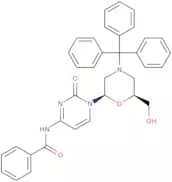
CAS:3'-Deoxy-5'-O-DMT-5-methyluridine 2'-CE phosphoramidite is a nucleotide analogue that is used in the synthesis of DNA. It is a modified nucleoside that contains an amino group at the 5' position of the pentose sugar and a methyl group at the 2' position. 3'-Deoxy-5'-O-DMT-5-methyluridine 2'-CE phosphoramidite inhibits viral replication and has shown anticancer activity. It also possesses antiviral activity against Herpes simplex virus types 1 and 2, cytomegalovirus, varicella zoster virus, Epstein Barr virus, influenza A virus type A/PR/8/34 (H1N1), and human immunodeficiency virus type 1 (HIV).Fórmula:C40H49N4O8PPureza:Min. 95%Peso molecular:744.81 g/mol7’-OH-N-trityl morpholino uracil
CAS:Please enquire for more information about 7’-OH-N-trityl morpholino uracil including the price, delivery time and more detailed product information at the technical inquiry form on this page
Fórmula:C28H27N3O4Peso molecular:469.53 g/mol5'-Azido-2',5'-dideoxyinosine
CAS:5'-Azido-2',5'-dideoxyinosine is a novel nucleoside which has been synthesized to investigate its anticancer and antiviral properties. 5'-Azido-2',5'-dideoxyinosine is an activator of ribonucleosides and deoxyribonucleosides, converting them into the corresponding monophosphate or diphosphate form. This product can be used as a building block for the synthesis of phosphoramidites and modified nucleosides. 5'-Azido-2',5'-dideoxyinosine has shown activity against cancer cells in vitro, in particular leukemia cell lines. It also has antiviral activity against HIV, herpes simplex virus type 1, and human cytomegalovirus (HCMV).Fórmula:C10H11N7O3Pureza:Min. 95%Peso molecular:277.24 g/mol2',3'-Dideoxy-N2-isobutyrylguanosine
2',3'-Dideoxy-N2-isobutyrylguanosine is a monophosphate that inhibits viral replication by competing with the natural substrate, diphosphate. It is synthesized in high purity and quality by our company. 2',3'-Dideoxy-N2-isobutyrylguanosine has been used as an antiviral agent to inhibit the hepatitis B virus. This product is also of interest for its potential use in cancer treatment.
Fórmula:C14H19N5O4Pureza:Min. 95%Peso molecular:321.34 g/molN4-Acetyl-2'-deoxy-5'-O-DMT-cytidine 3'-Q linker CPG 1000Å
N4-Acetyl-2'-deoxy-5'-O-DMT-cytidine 3'-Q linker CPG 1000Å is a nucleoside analog that is used in the synthesis of DNA. It is a phosphoramidite that has been modified with an acetyl group at the 2' position and a Q linker at the 3' position. This product can be used as an antiviral or anticancer agent, as well as for other research purposes. The CAS number for this product is 62660-67-7, and it has been shown to be active against HIV and HCV.Pureza:Min. 95%2',3'-Di-O-isopropylidene-isocytidine
CAS:2',3'-Di-O-isopropylidene-isocytidine is a nucleoside that belongs to the group of antiviral and anticancer compounds. It is an analog of cytidine, and has been shown to be an activator of phosphoramidites, DNA, and RNA. 2',3'-Di-O-isopropylidene-isocytidine has been shown to have antineoplastic effects on tumor cells by inhibiting rna synthesis and protein synthesis. This compound also inhibits the growth of bacteria, including Mycobacterium tuberculosis and Mycobacterium avium complex. 2',3'-Di-O-isopropylidene-isocytidine has been shown to be a novel modified nucleoside with high purity and high quality.Pureza:Min. 95%2’,3’,5’-Tri-O-benzoyl-5-methoxyuridine
CAS:2’,3’,5’-Tri-O-benzoyl-5-methoxyuridine is a modified nucleoside that is structurally similar to the natural nucleoside uridine. It has antiviral properties and can be used as a monophosphate, diphosphate, or nucleotide. 2’,3’,5’-Tri-O-benzoyl-5-methoxyuridine is synthesized by reacting 5′-(triacetyl)aminoimidazole with 5′-(triisopropyl)phosphoroamidite in acetonitrile. The product has been shown to have anticancer activity in vitro and in vivo.Pureza:Min. 95%5’-O-DMT-N4-Phenoxyacetyl-2’-O-methylcytidine
5’-O-DMT-N4-Phenoxyacetyl-2’-O-methylcytidine is an Activator and Anticancer agent. The synthesis of this product is based on the modification of cytidine to 2’,4,6,-trimethoxybenzoylcytidine. This product has been shown to be more potent than other cytidine analogs in inhibiting the growth of cancer cells. 5'-O-DMT-N4-Phenoxyacetyl-2'-O-methylcytidine is a novel nucleoside that has been shown to have antiviral activity against human immunodeficiency virus (HIV).Pureza:Min. 95%2’,3’-Dideoxy-3’-chloro-5-methyl-5’-O-trityluridine
CAS:2’,3’-Dideoxy-3’-chloro-5-methyl-5’-O-trityluridine (ddCTP) is a novel nucleoside analog that is synthesized by the protection of the 5'-hydroxyl group with an acetyl group followed by a 2',3'-dideoxy substitution. This compound has been shown to have antiviral and anticancer activities. ddCTP is an activator of DNA polymerase and inhibits viral DNA synthesis in vitro. It also inhibits protein synthesis and cell division by binding to the RNA template strand, which prevents it from being used as a template for protein synthesis.Pureza:Min. 95%3'-Azido-3'-deoxythymidine-methyl-D3-2,3,4-tri-O-acetyl-b-D-glucuronide methyl ester
Producto controlado3'-Azido-3'-deoxythymidine-methyl-D3-2,3,4-tri-O-acetyl-b-D-glucuronide methyl ester (AZT) is a novel nucleoside compound that is a phosphoramidite. AZT has antiviral activity against various DNA and RNA viruses, including HIV. It is also effective in the treatment of cancer. AZT inhibits viral replication by competitively inhibiting the incorporation of diphosphate into viral DNA or RNA. This process prevents the synthesis of new virus particles and the spread of infection to healthy cells. In addition, AZT may inhibit tumor growth by interfering with cell division and DNA synthesis.Fórmula:C23H26D3N5O13Pureza:Min. 95%Peso molecular:586.52 g/mol6-(4-Fluorophenyl)pyrimidine-2,4-diamine
CAS:6-(4-Fluorophenyl)pyrimidine-2,4-diamine is an organic compound that has been shown to inhibit the proliferation of cells in vitro and to induce apoptosis. It also inhibits the growth of cancer cells. 6-(4-Fluorophenyl)pyrimidine-2,4-diamine mediates the activation of arylation, which is a chemical reaction that produces a new carbon-carbon bond between two or more molecules. This reaction is involved in the process of angiogenesis. In addition, this compound has been shown to be reactive with other compounds that are known to cause mutations and cellular damage.Fórmula:C10H9FN4Pureza:Min. 95%Peso molecular:204.2 g/molTroxacitabine
CAS:Troxacitabine is a nucleoside analog that inhibits DNA synthesis by selectively blocking the function of DNA polymerase. It has been shown to have potent antitumor activity in mouse tumor models and in a human breast cancer xenograft model. Troxacitabine has also been shown to inhibit the proliferation of renal cell cancer cells and induce apoptosis in these cells, as well as reduce the viability of cancer cells from other tumor types. Troxacitabine has also been shown to have an effect on body mass index and hematologic response, although it is not currently approved for use in humans.Fórmula:C8H11N3O4Pureza:Min. 95%Forma y color:White To Off-White SolidPeso molecular:213.19 g/mol9-(2'-Deoxy-b-D-xylofuranosyl)adenine
CAS:9-(2'-Deoxy-b-D-xylofuranosyl)adenine is a nucleoside that is used in the treatment of bowel disease, cancer, and other diseases. It is also a potential drug target for antimicrobial agents and pharmacological agents. 9-(2'-Deoxy-b-D-xylofuranosyl)adenine has been shown to inhibit DNA synthesis and cause cell death in mouse tumor cells. It also inhibits adenosine uptake by binding to the A3 receptor, which may be due to its similarity to adenosine. This drug has been shown to have anticancer properties in various carcinoma cell lines. 9-(2'-Deoxy-b-D-xylofuranosyl)adenine is metabolized into deoxyadenosine, which can be converted back into adenosinergic acid or deoxyadenosinergic acid, which are potent inhibitors of DNA polymerase alpha activity.Pureza:Min. 95%5'-O-DMT-2'-O-pentylaminoadenosine
5'-O-DMT-2'-O-pentylaminoadenosine is a phosphoramidite nucleoside monophosphate. It is a novel anticancer and antiviral agent that has been shown to kill cancer cells, inhibit viral replication, and inhibit the synthesis of DNA in the cell. 5'-O-DMT-2'-O-pentylaminoadenosine has been shown to be an effective inhibitor of herpes simplex virus type 1 (HSV1) replication in vitro. This drug also inhibits the synthesis of DNA and RNA by inhibiting nucleoside diphosphate kinase, which is a key enzyme in the metabolism of nucleosides.Fórmula:C36H42N6O6Pureza:Min. 95%Peso molecular:654.77 g/mol1-(b-D-Arabinofuranosyl)-5-iodouracil
CAS:1-(b-D-Arabinofuranosyl)-5-iodouracil is a synthetic nucleoside that has antiviral and anticancer properties. It is a monophosphate nucleotide that inhibits viral RNA synthesis by inhibiting the enzyme ribonucleotide reductase, which converts ribonucleotides to deoxyribonucleotides. This inhibitor also blocks DNA synthesis by preventing the incorporation of b-D-arabinofuranosyl monophosphate into DNA. 1-(b-D-Arabinofuranosyl)-5-iodouracil has been shown to be effective in treating various types of cancer, including breast, lung, and prostate cancers. It also exhibits antitumor activity against certain human leukemia cells.Fórmula:C9H11IN2O6Pureza:Min. 95%Peso molecular:370.1 g/mol2'-Deoxy-5'-O-DMT-N4-isobutyrylcytidine 3'-CE phosphoramidite
CAS:This is a nucleotide analog that is used as a building block in DNA synthesis. It can be obtained from various sources, such as Sigma-Aldrich, Inc.Pureza:Min. 95%3',5'-Bis-o-(t-butyldimethylsilyl)-O4-(2,4,6-triisopropylphenylsulfonyl)thymidine
CAS:3',5'-Bis-o-(t-butyldimethylsilyl)-O4-(2,4,6-triisopropylphenylsulfonyl)thymidine (SQ22536) is a modified nucleoside with anticancer activity. It is a deoxyribonucleoside and phosphoramidate analog of thymidine. SQ22536 can be used in the synthesis of DNA or RNA and as an antiviral agent. It has been shown to inhibit the replication of HIV-1 in vitro by inhibiting HIV reverse transcriptase and DNA polymerase.Fórmula:C37H64N2O7SSi2Pureza:Min. 95%Peso molecular:737.1 g/mol2-Amino-4-(4-fluorophenyl)pyrimidine
CAS:2-Amino-4-(4-fluorophenyl)pyrimidine is a fluorinated derivative of imatinib, which is a chemical that inhibits the activity of tyrosine kinases. It has been shown to be a more potent inhibitor than imatinib, and it also offers high yields and regioselectivity. This compound can be used in organic chemistry to produce fluorinated derivatives.Fórmula:C10H8FN3Pureza:Min. 95%Peso molecular:189.19 g/mol2'-Amino-2'-deoxyguanosine-5'-triphospate tetralithium salt
CAS:2'-Amino-2'-deoxyguanosine-5'-triphosphate tetralithium salt is a novel nucleoside analog that has antiviral and anticancer activities. It is a high quality, modified nucleoside that can be used for the synthesis of deoxyribonucleosides or ribonucleosides. It is synthesized from 2'-amino-2'-deoxyguanosine triphosphate and a lithium salt of tetrabutylammonium. This product has a CAS number of 108269-13-2 and a purity level of ≥99%.Fórmula:C10H17N6O13P3Li4Pureza:Min. 95%Peso molecular:549.96 g/mol2'-C-Ethynylcytidine
CAS:2'-C-Ethynylcytidine is a synthetic surfactant that can be used in coatings and other surface treatments. It has been shown to inhibit the growth of bacteria and viruses, as well as being effective against a variety of bacterial species. 2'-C-Ethynylcytidine binds to sulfide, which is produced by bacteria, leading to cell death. The antimicrobial activity of 2'-C-Ethynylcytidine is due to its ability to form ester linkages with polyesters, which are able to penetrate the bacterial cell membrane and disrupt the integrity of the cytoplasmic membrane. This leads to leakage of intracellular contents, followed by cell death. 2'-C-Ethynylcytidine also has been shown to bind to metal ions such as silver, copper, zinc and cadmium and prevent their uptake into cells.Pureza:Min. 95%2-(2-Methylphenyl)pyrimidine-5-carbaldehyde
CAS:2-(2-Methylphenyl)pyrimidine-5-carbaldehyde is a crystalline solid that has been shown to have synergistic effects with polypropylene. It is synthesized from 2-methylphenylacetonitrile and 2,4-dichloro-6-(trifluoromethyl)pyrimidine in the presence of sodium metal. The product is soluble in alcohols and ethers, but insoluble in water.Fórmula:C12H10N2OPureza:Min. 95%Peso molecular:198.22 g/mol5'-O-DMT-thymidine 3'-Me phosphoramidite
5’-O-DMT-thymidine 3’-Me phosphoramidite is a novel and modified nucleotide analog that is used as an antiviral agent. It has been shown to be active against herpes simplex virus type 1 (HSV-1) and Epstein-Barr virus (EBV). 5'-O-DMT-thymidine 3’-Me phosphoramidite is not active against HIV, although it has been shown to inhibit the replication of Hepatitis B virus. This compound can also be used in cancer therapy.
5'-O-DMT-thymidine 3' -Me phosphoramidite inhibits cellular DNA synthesis by competing with natural thymidine monophosphate (TMP) for incorporation into DNA. The incorporation of 5'-O-DMT-thymidine 3' -Me into DNA leads to a high frequency of mutations, which causes the death of the cell.Fórmula:C38H48N3O8PPureza:Min. 96 Area-%Forma y color:White Off-White PowderPeso molecular:705.78 g/mol2'-Deoxy-5'-O-DMT-5-fluoro-4-O-(2,4,6-trimethylphenyl)uridine 3'-CE-phosphoramidite
2'-Deoxy-5'-O-DMT-5-fluoro-4-O-(2,4,6-trimethylphenyl)uridine 3'-CE-phosphoramidite is a novel phosphoramidite monophosphate. It is modified to include fluorine at the 5 position of the uridine moiety and has antiviral activity. This product is a nucleoside with antiviral properties that can be used in cancer treatments. 2'-Deoxy-5'-O-DMT-5-fluoro-4-O-(2,4,6-trimethylphenyl)uridine 3'-CE phosphoramidite is synthesized from deoxyribonucleosides and ribonucleosides by using a high purity process.Pureza:Min. 95%b-Nicotinamide adenine dinucleotide phosphate potassium salt hydrate
CAS:b-Nicotinamide adenine dinucleotide phosphate potassium salt hydrate is a novel anticancer compound that has been shown to inhibit the growth of cancer cells in vitro. The mechanism of action of b-NADP+ is still unknown, but it may involve the inhibition of ribonucleoside reductase and deoxyribonucleoside reductase. It also inhibits viral DNA synthesis, which can be an effective antiviral drug. b-NADP+ is a nucleotide analogue that is synthesized from diphosphate and monophosphate forms, which are activated by phosphoramidites.Fórmula:C21H28N7O17P3•K•(H2O)2Pureza:Min. 95%Peso molecular:818.5 g/mol5'-O-Acetyl-2',3'-O-isopropylideneadenosine
CAS:5'-O-Acetyl-2',3'-O-isopropylideneadenosine is an anti-leishmanial agent that is synthesized from 2,3-O-isopropylideneadenosine by acetylating the 5' hydroxyl group. It was found to be more potent than the parent compound and other related compounds in inhibiting Leishmania amazonensis promastigotes. The proposed mechanism of action of 5'-O-acetyl-2',3'-O-isopropylideneadenosine involves hydrogen bonding with the guanosine moiety of DNA and inhibition of RNA synthesis. This drug also has an effect on carbonyl oxygens and resonances, which are observed in the nmr spectra. The synthetic scheme for this drug starts with uridine, which is converted to cytidine by reacting it with sodium cyanide in aqueous solution at 0°C. Cytidine
Fórmula:C15H19N5O5Pureza:Min. 95%Forma y color:PowderPeso molecular:349.34 g/molAdenosine 5'-diphosphate potassium salt
CAS:Adenosine 5'-diphosphate potassium salt can be used as a substrate for a variety of protein kinases known as AMP-activated protein kinases (AMPK)Fórmula:C10H14N5O10P2·KPureza:Min. 95%Forma y color:PowderPeso molecular:465.29 g/mol2'-O-tert-Butyldimethylsilyluridine
CAS:2'-O-tert-Butyldimethylsilyluridine is a nucleoside that is used in DNA synthesis, antiviral research, and anticancer therapy. It is synthesized from 2'-deoxyuridine monophosphate (2'-dUMP) with the aid of a phosphoramidite coupling agent. It has shown to be an effective activator in the synthesis of oligonucleotides, which are short chains of nucleotide units that can be used for various purposes including the treatment of cancer cells. These chains are synthesized by linking together individual nucleosides with phosphate molecules at each end. The bonds between these phosphate groups and the sugar-phosphate backbone of the nucleotide units are called phosphodiester bonds. This synthetic process can be used to produce DNA or RNA strands as well as modified versions of these strands such as those that have been synthesized with other chemical groups on their sugar-phosphate backbones.
Fórmula:C15H26N2O6SiPureza:Min. 95%Forma y color:PowderPeso molecular:358.46 g/mol5'-O-DMT-2'-O-propynyluridine 3'-CE phosphoramidite
CAS:5'-O-DMT-2'-O-propynyluridine 3'-CE phosphoramidite is a novel nucleoside analogue that can be used to synthesize DNA and RNA. This compound has antiviral and anticancer properties, which may be due to its ability to inhibit the synthesis of RNA. This product is also high quality, high purity, and low cost. 5'-O-DMT-2'-O-propynyluridine 3'-CE phosphoramidite is an excellent chemical intermediate for the synthesis of nucleosides with modified sugar moieties. It can be used in pharmaceuticals and other chemical industries.Fórmula:C42H49N4O9PPureza:Min. 95%Peso molecular:784.83 g/mol2'-Deoxy-2'-fluoro-2-hydroxy-b-D-arabinoadenosine
CAS:2'-Deoxy-2'-fluoro-2-hydroxy-b-D-arabinoadenosine is a novel nucleoside that was synthesized as a potential antiviral agent. It is an analog of adenosine and has been shown to inhibit the replication of HIV in vitro. This nucleoside is synthesized using a modified phosphoramidite approach and can be used in the synthesis of DNA or RNA. 2'-Deoxy-2'-fluoro-2-hydroxy-b-D-arabinoadenosine has also been shown to have anticancer activity.Fórmula:C10H12FN5O4Pureza:Min. 95%Peso molecular:285.23 g/molN6-Benzoyl-2'-tert-butyldimethylsilyl-7-deaza-5'-O-DMT-adenosine 3'-CE phosphoramidite
CAS:N6-Benzoyl-2'-tert-butyldimethylsilyl-7-deaza-5'-O-DMT-adenosine 3'-CE phosphoramidite is a modified nucleoside that is used as an anticancer agent. It has the ability to inhibit DNA synthesis and can be used to treat leukemia, lymphoma, and other cancers. N6-Benzoyl-2'-tert-butyldimethylsilyl-7-deaza-5'-O-DMT adenosine 3'-CE phosphoramidite is also an antiviral agent that prevents the replication of HIV by interfering with the production of viral RNA. This drug has been shown to have high purity and quality.Fórmula:C54H67N6O8PSiPureza:Min. 95%Peso molecular:987.2 g/mol4-Methyl-6-phenyl-pyrimidine-2-thiol
CAS:4-Methyl-6-phenyl-pyrimidine-2-thiol is a copper(II) dehalogenating agent that belongs to the group of amplifiers. It has been used in the preparation of syntheses, including as an intermediate in the synthesis of phenylpyrimidines and amidines. The synthesis of 4-methyl-6-phenyl-pyrimidine-2-thiol can be accomplished by condensation of phleomycin with a biaryl. This reaction is followed by oxidation to give a biaryl sulfone, which is then reduced with hydrogen gas and ammonium formate.Fórmula:C11H10N2SPureza:Min. 95%Peso molecular:202.28 g/molBiotin-5-uridine-5'-triphosphate, lithium salt - 1 mM aqueous solution
Biotin-5-uridine-5'-triphosphate, lithium salt - 1 mM aqueous solution is a monoclonal antibody. It is used in the diagnosis of lung cancer. The antibody binds to markers present on the tumor cells and can be detected by immunohistochemistry (IHC) or immunofluorescence (IF). The antibody may also be used to identify submucosal tumors that are not palpable.Fórmula:C22H34N5O17P3S·xLiPureza:Min. 95%Peso molecular:765.52 g/mol3'-Deoxyguanosine-5'-triphosphate lithium salt - 100mM aqueous solution
3'-Deoxyguanosine-5'-triphosphate lithium salt - 100mM aqueous solution is Novel and Antiviral. 3'-Deoxyguanosine-5'-triphosphate lithium salt - 100mM aqueous solution is Synthetic and Deoxyribonucleosides. 3'-Deoxyguanosine-5'-triphosphate lithium salt - 100mM aqueous solution is High quality and Ribonuclesides. 3'-Deoxyguanosine-5'-triphosphate lithium salt - 100mM aqueous solution has CAS No. 51445-81-9, Activator, Phosphoramidites, Modified and Anticancer.Fórmula:C10H12N5O13P3Li4Pureza:Min. 95%Forma y color:PowderPeso molecular:530.91 g/molInosine 2',3'-cyclic monophosphate sodium salt
CAS:Inosine 2',3'-cyclic monophosphate sodium salt (ICMP) is a phosphodiesterase inhibitor that inhibits the activity of protein kinases and phosphatases. ICMP is used in biochemical studies to inhibit tryptophan metabolism and protein synthesis. It also has been shown to be useful in the study of sequences, such as those found in DNA and RNA. ICMP has been shown to increase the mRNA levels of a number of proteins at lower concentrations than other inhibitors, making it a valuable tool for studying protein synthesis. The enzyme-inhibiting properties of ICMP have been observed in calf thymus DNA and bacterial DNA gyrase, dna topoisomerase, and rna synthesis. ICMP also inhibits caenorhabditis elegans phosphatases and can be used in genetic engineering experiments involving Xenopus oocytes.Pureza:Min. 95%2',3'-O-Trinitrophenyl-adenosine-5'-monophosphate triethylammonium salt
CAS:Ribonucleosides are a class of nucleosides that contain ribose as their sugar moiety. The 2' and 3'-O-trinitrophenyl-adenosine-5'-monophosphate triethylammonium salt is an example of a ribonucleoside with the formula CHNO. It has been shown to be active against cancer cells in vitro, but has not yet been used in clinical trials. Ribonucleosides have also been shown to inhibit viral replication and can be used as antiviral agents. Ribonucleosides are also used to synthesize DNA and RNA molecules for use in molecular biology, biochemistry, and genetic engineering.
Fórmula:C16H15N8O13PPureza:Min. 95%Peso molecular:558.31 g/mol7,8-Dihydro-8-thioxo-adenosine
CAS:7,8-Dihydro-8-thioxo-adenosine is a synthetic nucleoside that activates the synthesis of DNA and RNA by acting as a ribonucleotide. It also has antiviral and anticancer activities. 7,8-Dihydro-8-thioxo-adenosine is an antiviral agent against herpesviruses and retroviruses. The antitumor activity of this compound is due to its ability to inhibit the proliferation of tumor cells by inhibiting DNA synthesis. 7,8-Dihydro-8-thioxo-adenosine can be used in the treatment of leukemia and other cancers that are sensitive to cytotoxic drugs. This drug has been shown to have low toxicity in rats.Fórmula:C10H13SN5O4Pureza:Min. 95%Peso molecular:299.31 g/mol2'-Methyl-cytidine-(Bz)-succinyl-CPG; 500 Å (RNA)
2-Methyl-cytidine-(Bz)-succinyl-CPG; 500 Å (RNA) is a nucleoside analog that is modified with a 2'-methyl group. It is synthesized by the phosphoramidite method, which is performed in a high purity and high quality environment. This product can be used as an activator for DNA synthesis and has been shown to have anti-cancer and antiviral properties.
Pureza:Min. 95%3,5-Di-O-toluoyl 6-chloropurine-7-b-D-deoxyriboside
CAS:3,5-Di-O-toluoyl 6-chloropurine-7-b-D-deoxyriboside is a modified monophosphate nucleotide with antiviral and anticancer activity. It has been shown to be a potent activator of the enzyme DNA polymerase in vitro. This drug is synthesized by reacting 3,5-di-O-toluoyl 6-chloropurine with boron trichloride at high temperature. The final product was purified by HPLC and characterized using mass spectrometry. The purity of this compound is >99% as determined by HPLC analysis.Fórmula:C26H23ClN4O5Pureza:Min. 95%Peso molecular:506.94 g/mol2'-Azido-2'-deoxyguanosine
CAS:2'-Azido-2'-deoxyguanosine is an analog of guanine that is used as a fluorescent probe in biochemical and chemical biology studies. It can be synthesized using the azide method, which involves coupling an azide functional group to an aromatic ring. 2'-Azido-2'-deoxyguanosine can also be modified by a number of modifications, including attachment of fluorescent molecules or biotin for labeling purposes. The chemical structure of this compound has been shown to have a conformation that is similar to that of natural guanosine and uridine. 2'-Azido-2'-deoxyguanosine can be detected by proton nuclear magnetic resonance spectroscopy at about 3 ppm, which corresponds to its chemical shift in the range of 200–300 Hz. This compound also has biochemical properties that are similar to those observed for natural guanine and uridine.Fórmula:C10H12N8O4Pureza:Min. 95%Peso molecular:308.25 g/mol3'-Deoxy-N6-octanoyladenosine
CAS:3'-Deoxy-N6-octanoyladenosine is a nucleoside that is used to synthesize DNA, RNA, and other nucleic acid molecules. It has antiviral and anticancer properties. 3'-Deoxy-N6-octanoyladenosine has been shown to be an activator of phosphoramidites in the synthesis of DNA. This compound also inhibits the growth of cancer cells by inhibiting the synthesis of DNA and RNA in cells. The purity of this product is >98% and it can be used for research purposes or as a pharmaceutical intermediate.Fórmula:C18H27N5O4Pureza:Min. 95%Peso molecular:377.44 g/molAdenosine-5'-[-(propargyl)]triphosphate sodium salt
Adenosine-5'-[-(propargyl)]triphosphate sodium salt is a modified nucleoside with anticancer activity. It has been shown to be a potent activator of DNA synthesis and an inhibitor of viral replication. Adenosine-5'-[-(propargyl)]triphosphate sodium salt is not active against bacterial cells, but it can be used in the treatment of cancer. This drug also has antiviral effects, which may be due to its ability to inhibit viral replication by binding to viral RNA polymerases or by inhibiting the transcriptional activation of genes encoding for enzymes that are required for mRNA synthesis.Fórmula:C13H18N5O13P3Pureza:Min. 95%Peso molecular:545.23 g/mol3',5'-O-(1,1,3,3-Tetraisopropyl-1,3-disiloxanediyl)-5-methyluridine
CAS:3',5'-O-(1,1,3,3-Tetraisopropyl-1,3-disiloxanediyl)-5-methyluridine is a novel nucleoside that is used for the synthesis of DNA and RNA. It is a modified nucleoside with antiviral and anticancer properties. 3',5'-O-(1,1,3,3-Tetraisopropyl-1,3-disiloxanediyl)-5-methyluridine has been shown to inhibit human immunodeficiency virus type 1 (HIV) replication in cultured cells. In addition to its antiviral activity against HIV type 1 (HIV-1), 3',5'-O-(1,1,3,3-Tetraisopropyl-1,3-disiloxanediyl)-5-methyluridine also inhibits the growth of cancerous cells by acting as an inhibitor of DNAFórmula:C22H40N2O7Si2Pureza:Min. 95%Peso molecular:500.73 g/mol2',3',5'-Tri-O-acetyl-N2-dimethylguanosine
CAS:2',3',5'-Tri-O-acetyl-N2-dimethylguanosine is a novel modified nucleoside. It is a monophosphate that has been shown to be an activator of DNA and RNA synthesis, which can lead to the production of cancer cells. 2',3',5'-Tri-O-acetyl-N2-dimethylguanosine also has antiviral and antibacterial properties, as well as anticancer activity. This compound is used as a phosphoramidite in the synthesis of oligonucleotides for use in research and therapeutic applications.Fórmula:C18H23N5O8Pureza:Min. 95%Peso molecular:437.4 g/mol2'-Deoxy-5'-O-DMT-guanosine-(DMF)-3'-Q Linker CPG; 1000 Å
The 2'-Deoxy-5'-O-DMT-guanosine-(DMF)-3'-Q Linker CPG; 1000 Å is a synthetic, high quality, novel and high purity phosphoramidite that is activated with DMAP. The covalent linkage of the nucleoside to the CPG is made by an amidite coupling reaction. The following compounds have been synthesized on this support: ampicillin, chloramphenicol, gentamicin, kanamycin, neomycin and tetracycline. This product is used in anticancer and antiviral research.Pureza:Min. 95%2'-O-(tert-Butyldimethylsilyl)-3'-deoxy-5'-O-trityluridine
CAS:2'-O-(tert-Butyldimethylsilyl)-3'-deoxy-5'-O-trityluridine is a nucleoside that has antiviral and anticancer properties. It is a monophosphate of uridine, which is an important precursor in the synthesis of DNA and RNA. This product has been modified to improve its purity and quality, making it suitable for use in laboratory research.Fórmula:C34H40N2O5SiPureza:Min. 95%Peso molecular:584.78 g/mol2,2'-Anhydro-5'-O-t-butyldiphenylsilyluridine
CAS:2,2'-Anhydro-5'-O-t-butyldiphenylsilyluridine (2,2'-ABSU) is a novel modified nucleoside that was synthesized in order to be used as an antiviral agent. 2,2'-ABSU has shown to be an effective inhibitor of HIV-1 replication and it has been shown to have anticancer properties. This drug is high quality and can be used for the manufacture of phosphoramidites.Pureza:Min. 95%N6-(4-Methyoxybenzoyl)adenosine
CAS:N6-(4-Methoxybenzoyl)adenosine is an adenine base that is a furanose sugar, with a glycosidic bond. The furanose ring has a phenyl group and an adenine base in the conformation of pyranose. The phenyl ring is in the geometry of chair form and is bonded to the 6' position of the adenosine base. N6-(4-Methoxybenzoyl)adenosine has a glycosidic bond at C1' - C5'. It has an angstrom distance between C1'-C2' and C3'-C5'.
Fórmula:C18H19N5O6Pureza:Min. 95%Peso molecular:401.37 g/molKinetin riboside-5'-triphosphate sodium
CAS:Kinetin riboside-5'-triphosphate sodium salt is a novel antiviral. It is a modified ribonucleotide that inhibits DNA synthesis and has been shown to be effective against cancer cells in vitro. Kinetin riboside-5'-triphosphate sodium salt can also activate the immune system by inducing the production of cytokines, such as interleukin-2 (IL-2), which may have anticancer effects.Fórmula:C15H19N5NaO14P3Pureza:Min. 95%Peso molecular:609.25 g/mol5'-O-DMT-2'-O-(2-methoxyethyl)uridine 3'-CE phosphoramidite
CAS:Building block for the introduction of uridine units into oligonucleotidesFórmula:C42H53N4O10PPureza:Min. 95%Peso molecular:804.86 g/molLutonarin
CAS:Lutonarin is a naturally occurring compound in the plant Pueraria lobata. It has been shown to have anti-cancer properties and can be used as an alternative to radiation therapy for cancer treatment. Lutonarin is a membrane-hyperpolarizing agent that is able to pass through the cell membrane, leading to membrane hyperpolarization. Lutonarin also inhibits the production of gamma-aminobutyric acid (GABA), which leads to increased cell proliferation and inhibition of root formation. Lutonarin has been found to inhibit enzyme activities, such as glucose monitoring and protocatechuic acid, phenolic acid, and crystalline cellulose degradation. This leads to reduced glucose levels in blood plasma and reduced degradation of polysaccharides in roots.Fórmula:C27H30O16Pureza:Min. 95%Peso molecular:610.5 g/mol5'-O-DMT-thymidine 3'-thiophosphoramidite
5'-O-DMT-thymidine 3'-thiophosphoramidite is a nucleoside that is used as a building block for the synthesis of DNA and RNA. The compound is also used to create antiviral drugs, anticancer agents, and novel drugs with antimicrobial properties. The chemical structure of 5'-O-DMT-thymidine 3'-thiophosphoramidite has been modified from the natural ribonucleoside thymidine. This modification prevents the phosphorylation of 5'-O-DMT-thymidine 3'-thiophosphoramidite by cellular kinases, which makes this compound more stable in vivo.Fórmula:C44H48N3O8PS2Pureza:Min. 95%Peso molecular:841.97 g/mol5-Fluoro-2'-O-methyluridine
CAS:5-Fluoro-2'-O-methyluridine is a nucleotide that can be used in the treatment of colorectal adenocarcinoma and other types of cancer. It inhibits the synthesis of DNA by blocking the activity of ribonucleotide reductase, an enzyme that converts ribonucleotides to deoxyribonucleotides. 5-Fluoro-2'-O-methyluridine has been shown to decrease the growth of human glioblastoma cells in cell culture and animal models. The effect is dose dependent and occurs through inhibition of RNA synthesis and protein synthesis, leading to cell death.Fórmula:C10H13FN2O6Pureza:Min. 95%Peso molecular:276.22 g/mol2'-Deoxyguanosine-5'-monophosphate disodium salt hydrate
CAS:2'-Deoxyguanosine-5'-monophosphate disodium salt hydrate is a novel nucleoside diphosphate that has antiviral and anticancer effects. It inhibits the synthesis of viral DNA, RNA, and proteins, which can lead to cell death by apoptosis. 2'-Deoxyguanosine-5'-monophosphate disodium salt hydrate also inhibits the proliferation of cancer cells and other malignant cells.Fórmula:C10H12N5Na2O7PPureza:Min. 95%Peso molecular:391.19 g/molEmtricitabine-d2,15N
CAS:Emtricitabine-d2,15N is a labelled version of emtricitabine. It is a nucleoside reverse transcriptase inhibitor that inhibits the HIV-1 virus by blocking the activity of the enzyme needed to convert RNA into DNA. This drug also offers long-term efficacy and can be used in combination with other antiretroviral agents including tenofovir alafenamide hemifumarate (TAF) and tenofovir disoproxil fumarate (TDF). The addition of TAF or TDF to emtricitabine-d2,15N provides an active antiretroviral therapy for HIV/AIDS patients. Emtricitabine-d2,15N has shown to reduce viral load significantly in people taking it as part of their treatment regimen.
Fórmula:C8D10FN3O3SPureza:Min. 95%Peso molecular:257.3 g/molN6-Benzoyl-5'-O-(4,4'-dimethoxytrityl) -2'-deoxyadenosine
CAS:N6-Benzoyl-5'-O-(4,4'-dimethoxytrityl)-2'-deoxyadenosine is a versatile nucleoside building block.Fórmula:C38H35N5O6Pureza:Min. 98 Area-%Peso molecular:657.71 g/mol5-(Furan-2-yl)-2'-deoxyuridine
CAS:5-(Furan-2-yl)-2'-deoxyuridine is a novel anticancer drug that is an analog of thymine. 5-(Furan-2-yl)-2'-deoxyuridine inhibits DNA synthesis by inhibiting the formation of deoxythymidylate from uracil and 5-fluorouracil, which in turn prevents the incorporation of thymine into DNA. The drug has been shown to be active against human leukemia cells in culture and to inhibit viral replication in vitro. The drug also blocks RNA synthesis by inhibiting ribonucleotide reductase, preventing the production of nucleosides from nucleotides. 5-(Furan-2-yl)-2'-deoxyuridine has been modified to improve its solubility and stability. This compound is stable for up to 3 months when stored at 4 degrees Celsius and can be used as a starting material for other chemical compounds.
Fórmula:C13H14N2O6Pureza:Min. 95%Peso molecular:294.26 g/mol4-(4-Fluorophenyl)pyrimidine-2-thiol
CAS:4-(4-Fluorophenyl)pyrimidine-2-thiol is a monophosphate deoxyribonucleoside that has been modified to include an activator group. This modification allows for the phosphoramidite of 4-(4-Fluorophenyl)pyrimidine-2-thiol to be incorporated into DNA, which makes it a novel substance. The CAS number for 4-(4-Fluorophenyl)pyrimidine-2-thiol is 155957-43-0. 4-(4-Fluorophenyl)pyrimidine-2-thiol has shown anticancer activity in vitro and may have potential as a cancer chemotherapeutic agent.Fórmula:C10H7FN2SPureza:Min. 95%Peso molecular:206.24 g/molPyrimidine-5-carboxamidine hydrochloride
CAS:Pyrimidine-5-carboxamidine hydrochloride (GC) is a guanosine analog that inhibits bacterial growth by binding to the anticodon region of ribosomes. GC has been shown to bind to the replicons of many organisms, including bacteria, and inhibit the formation of mRNA from DNA. This drug also inhibits methyltransferase, which prevents transfer RNA from being modified with methionine. GC may be used in research for eukaryotes and deamination reactions in trna modification.Fórmula:C5H6N4·HClPureza:Min. 95%Peso molecular:158.59 g/mol2',3',5'-Tri-O-benzoyl-4'-C-fluoroadenosine
CAS:2',3',5'-Tri-O-benzoyl-4'-C-fluoroadenosine is a novel nucleoside analogue that inhibits the proliferation of cancer cells. It is an activator of ribonucleotide reductase, which converts ribonucleosides to deoxyribonucleosides and thereby prevents viral replication. 2',3',5'-Tri-O-benzoyl-4'-C-fluoroadenosine has antiviral activity against influenza A virus and herpes simplex virus type 1 (HSV-1) in cell culture. This drug also has an inhibitory effect on the DNA polymerases and other enzymes involved in DNA synthesis. 2',3',5'-Tri-O-benzoyl-4'-C-fluoroadenosine is a high quality product with high purity, CAS No. 1000203-40-6.Pureza:Min. 95%2,6-Dihydro-9-(2',3',5'-tri-O-acetyl-b-D-ribofuranosyl)purine
CAS:Producto controlado2,6-Dihydro-9-(2',3',5'-tri-O-acetyl-b-D-ribofuranosyl)purine is a synthetic activator that is used in the synthesis of nucleosides and nucleotide phosphoramidites. It has been shown to have antiviral activity against herpes simplex virus type 1, herpes simplex virus type 2, and vesicular stomatitis virus.Fórmula:C16H22N4O7Pureza:Min. 95%Peso molecular:382.37 g/mol1-(2'-Deoxy-2'-fluoro-5'-O-trityl-b-L-arabinofuranosyl)-uracil
1-(2'-Deoxy-2'-fluoro-5'-O-trityl-b-L-arabinofuranosyl)-uracil is a monophosphate nucleotide that is used in antiviral therapy. It inhibits viral DNA synthesis by inhibiting viral DNA polymerase and viral RNA transcription. The drug is currently in phase I clinical trials for the treatment of cancer and AIDS. 1-(2'-Deoxy-2'-fluoro-5'-O-trityl-b-L-arabinofuranosyl)-uracil is a novel compound that has not been described in the literature before. The drug was synthesized by modifying a natural nucleoside, uracil, with fluorine to produce an antiviral agent. This compound has shown anticancer effects in vitro and in vivo experiments as well as antiplasmodial activity against malaria.Fórmula:C28H25FN2O5Pureza:Min. 95%Peso molecular:488.51 g/molN6-Benzoyl-2'-deoxy-5'-O-levulinoyladenosine-3'-CE phosphoramidite
N6-Benzoyl-2'-deoxy-5'-O-levulinoyladenosine-3'-CE phosphoramidite is a novel antiviral agent that exhibits high quality and high purity. It can be used to synthesize DNA, RNA, and other nucleosides. N6-Benzoyl-2'-deoxy-5'-O-levulinoyladenosine-3'-CE phosphoramidite is an activator of the DNA polymerase and an inhibitor of the viral polymerase. This compound has been shown to have anticancer properties in vitro and in vivo.Fórmula:C31H40N7O7PPureza:Min. 95%Peso molecular:653.67 g/molN4-Benzoyl-5'-O-DMT-2'-ethylfluoro-5-methylcytidine 3'-CE phosphoramidite
N4-Benzoyl-5'-O-DMT-2'-ethylfluoro-5-methylcytidine 3'-CE phosphoramidite is a novel, deoxyribonucleosides that has been synthesized with high purity, high quality, and high yield. It is an anticancer drug that inhibits the synthesis of ribonucleotides in DNA and RNA.Pureza:Min. 95%9-(2'-Deoxy-5'-O-DMT-2'-fluoro-b-D-arabinofuranosyl)-N2-isobutyrylguanine 3'-CE phosphoramidite
CAS:9-(2'-Deoxy-5'-O-DMT-2'-fluoro-b-D-arabinofuranosyl)-N2-isobutyrylguanine 3'-CE phosphoramidite is a novel nucleoside analogue that has shown to be effective against cancer. This product can also be used as an antiviral and antifungal agent. It is synthesized from 2,3,4,5,6-pentaacetoxybenzaldehyde and chloroacetamide. 9-(2'-Deoxy-5'-O-DMT-2'-fluoro-b-D-arabinofuranosyl)-N2-isobutyrylguanine 3'-CE phosphoramidite is a high quality product that is made of Ribonuclesides, Synthetic Monophosphate Nucleosides Diphosphate Modified Deoxyribonucleosides Activator.Fórmula:C44H53FN7O8PPureza:Min. 95%Forma y color:White to off-white solid.Peso molecular:857.93 g/mol4-Amino-3-(1-naphthylmethyl)-1H-pyrazolo[3,4-d]pyrimidine-1-(b-D-ribofuranosyl-5'-triphosphate)
CAS:4-Amino-3-(1-naphthylmethyl)-1H-pyrazolo[3,4-d]pyrimidine-1-(b-D-ribofuranosyl-5'-triphosphate) is a nucleoside that inhibits the growth of cancer cells. It has been shown to inhibit the growth of leukemia and lymphoma cells in vitro. This compound is active against herpes simplex virus type 1 (HSV1) and has antiviral properties. The chemical synthesis of 4-amino-(1HNMPP) is novel and should provide high purity and quality products.
Fórmula:C21H24N5O13P3Pureza:Min. 95%Peso molecular:647.36 g/mol7-Deazapurine
CAS:7-Deazapurine is a cytostatic agent that inhibits the polymerase chain reaction by competitive inhibition of the incorporation of nucleotides into DNA. It has potent antitumor activity and significant cytotoxicity, which are due to its ability to inhibit DNA synthesis and cell division. 7-Deazapurine is also a nucleophilic compound that reacts with hydroxyl groups in DNA. The hydrolysis of 7-deazapurine by hydroxylases can be prevented by addition of high salt or trifluoroacetic acid, but this does not seem to affect its cytotoxic effects. 7-Deazapurine has been shown to have significant cytotoxicity against miapaca-2 cells and other cancer cell lines.Fórmula:C6H5N3Pureza:Min. 95%Peso molecular:119.12 g/mol8-Aminoguanosine
CAS:8-Aminoguanosine is a synthetic purine nucleoside that inhibits DNA synthesis. It has been shown to inhibit the proliferation of HL-60 cells, which are a model for human monocytes and neutrophils. 8-Aminoguanosine has been shown to bind to the template strand of DNA and inhibit the incorporation of deoxyribonucleotide triphosphates into the newly synthesized strand. This binding prevents DNA replication by preventing access to the template strand of DNA. 8-Aminoguanosine inhibits cyclin D2, an enzyme required for cell division, at concentrations as low as 0.1 mM, and it also inhibits microtubule assembly. 8-Aminoguanosine has shown in vitro activity against various tumor cell lines including Molt-4 and MCF7 cells, and in vivo activity in a mouse model against C3H/HeJ mice transplanted with Lewis lung carcinoma cells.
Fórmula:C10H14N6O5Pureza:Min. 95%Forma y color:PowderPeso molecular:298.26 g/mol2-Methylthio-N6-methyladenosine
CAS:2-Methylthio-N6-methyladenosine is an adenosine nucleoside that is found in the DNA of eukaryotes. It is similar to 2-methylthio-n6-isopentenyladenosine, which is a modified form of n6-methyladenosine. The chemical structures of both molecules are related to the thermodynamic properties of the molecule and their ability to be postsynthetically modified. These modifications can lead to changes in their translation, which can have implications for the development and progression of disease. 2-Methylthio-N6-methyladenosine has a role in epigenetics, which is defined as changes in gene expression without any alterations in DNA sequence. In this case, it may modify the chloride ion concentration by changing its chemical structure, leading to epigenetic changes that can affect how genes are expressed or translated into proteins.Fórmula:C12H17N5O4SPureza:Min. 95%Forma y color:White PowderPeso molecular:327.36 g/molN4-Acetyl-1-(2'-O-acetyl-5'-O-DMT-b-D-arabinofuranosyl)cytosine 3'-CE phosphoramidite
N4-Acetyl-1-(2'-O-acetyl-5'-O-DMT-b-D-arabinofuranosyl)cytosine 3'-CE phosphoramidite is a novel nucleoside designed for DNA activation. It has high quality and high purity, which are essential for pharmaceutical and analytical applications. This product is used in the synthesis of DNA, antiviral drugs, and anti-cancer agents. N4-Acetyl-1-(2'-O-acetyl-5'-O-DMT b -D -arabinofuranosyl)cytosine 3'-CE phosphoramidite can be used as an activator in the synthesis of deoxyribonucleosides and ribonucleosides.Fórmula:C22H34N5O8PPureza:Min. 95%Peso molecular:527.51 g/mol1-(2',3',5'-Tri-O-acetyl-b-D-arabinofuranosyl)uracil
1-(2',3',5'-Tri-O-acetyl-b-D-arabinofuranosyl)uracil is a novel nucleoside analog with antiviral and anticancer activities. It is a modified nucleoside that is synthesized from 2',3',5'-triacetyl b-D-arabinofuranosyl uracil. The synthesis of this compound involves the use of acetylation, which produces a monophosphate form of the nucleoside. This product has been shown to be an activator in the synthesis of DNA and RNA.Pureza:Min. 95%Lamivudine 5'-monophosphate ammonium salt
CAS:Lamivudine 5'-monophosphate ammonium salt is a novel antiviral agent that inhibits the viral polymerase by competing with natural dNTPs. It has been shown to be effective against Hepatitis B virus (HBV) and human immunodeficiency virus type 1 (HIV-1). Lamivudine 5'-monophosphate ammonium salt is a synthetic nucleoside that is phosphorylated to form its active form, lamivudine 5'-triphosphate ammonium salt. This drug has been shown to inhibit tumor growth in vivo and in vitro.Fórmula:C8H15N4O6PSPureza:Min. 95%Peso molecular:326.27 g/mol4-Bromo-2-methoxypyrimidine
CAS:4-Bromo-2-methoxypyrimidine is a synthetic compound that is used in the synthesis of other compounds. It reacts with alcohols, boronic acids, and benzyl halides to form heterocycles or pyrimidine compounds. The reaction system is catalytic and chemoselectively. 4-Bromo-2-methoxypyrimidine has been shown to have anticancer activity against various cell lines in vitro. It also possesses an ability to react with aryl boronic acids, such as those found in 2-pyridinones, to form new compounds. This reaction is catalyzed by palladium on carbon or copper chloride in the presence of a base. The new compounds have shown anti-inflammatory and cytotoxic activities against cancer cells.Pureza:Min. 95%5-Fluoro-1-(2'-L-menthyloxycarbonyl-1'-3'-oxathiolan-5'-yl)-cytosine
CAS:5-Fluoro-1-(2'-L-menthyloxycarbonyl-1'-3'-oxathiolan-5'-yl)-cytosine is a nucleoside, a type of chemical compound containing both a sugar (deoxyribose) and an organic molecule (a base). It is an antiviral agent that inhibits the production of viral DNA by inhibiting the enzyme DNA polymerase. 5-Fluoro-1-(2'-L-menthyloxycarbonyl-1'-3'-oxathiolan-5'-yl)-cytosine is also an anticancer agent that can inhibit the production of cancer cells in vitro and in vivo. This product is a novel monophosphate nucleotide analog with high purity and CAS number 1422361-25-8.Pureza:Min. 95%5-Bromo-2',3'-dideoxyuridine
CAS:5-Bromo-2',3'-dideoxyuridine is a nucleoside analogue that is used as a chemotherapeutic drug against various types of cancer. It has been shown to have anti-tumour activity by interfering with the synthesis of deoxyribonucleic acid (DNA) and ribonucleic acid (RNA). 5-Bromo-2',3'-dideoxyuridine binds to the sugar ring in DNA and inhibits the enzyme DNA polymerase from synthesizing DNA. This drug also stabilizes conformations of the molecule, which are responsible for its pharmacological effects.
5-Bromo-2',3'-dideoxyuridine can be found in two different crystal structures, monoclinic and tetragonal. The monoclinic form is stabilized by hydrogen bonds between the puckers in the sugar ring and hydrogen bonds to neighboring molecules. This form is more soluble than the tetragonal form,Pureza:Min. 95%8-Bromo-2'-deoxy-N6-DMF-5'-O-DMT-adenosine 3'-CE phosphoramidite
8-Bromo-2'-deoxy-N6-DMF-5'-O-DMT-adenosine 3'-CE phosphoramidite is a novel nucleoside that is synthesized from 8-bromo-2'-deoxyadenosine and N,N,-diisopropylethylamine. It has been shown to have anticancer, antiviral, and antiinflammatory activities. This compound is also used as an activator in the synthesis of DNA and RNA. The purity of this product exceeds 99% and it has been modified for use with automated synthesizers.Fórmula:C43H52BrN8O6PPureza:Min. 95%Peso molecular:887.82 g/mol5-Aza-3-deaza-N4-DMF-5'-O-DMT-2'-O-methylcytidine 3'-CE phosphoramidite
5-Aza-3-deaza-N4-DMF-5'-O-DMT-2'-O-methylcytidine 3'-CE phosphoramidite is a novel modified nucleoside that is synthesized by the reaction of 5-Aza-3,8-(N4,N4)-dimethyl-1,2:5,6:8:10,11:12,-tetradeoxyribonucleosides with 2'-O,O'-Dimethoxytrityl Chloride. This product has been shown to be an activator and to have antiviral and anticancer activities. It also has a high purity and quality.Fórmula:C43H55N6O8PPureza:Min. 95%Peso molecular:814.91 g/mol3'-Deoxy-3'-fluoroinosine
CAS:3'-Deoxy-3'-fluoroinosine is a nucleoside analog that has been shown to have cytotoxic effects. It inhibits the growth of nematodes and other parasites by blocking the deacetylation of lipids in the cell membrane, which leads to their death. 3'-Deoxy-3'-fluoroinosine has also been shown to inhibit trypanosomiasis and leishmania infections by preventing the synthesis of purines and pyrimidines. This drug binds to 6-chloropurine ribonucleotide reductase, thereby inhibiting the production of nucleic acids. 3'-Deoxy-3'-fluoroinosine is not active against mammalian cells, which may be due to its inability to penetrate cell membranes efficiently.Pureza:Min. 95%N6-Formyl adenosine
CAS:N6-Formyl adenosine is an endogenous nucleotide that is dynamically modified in the human body. N6-Formyl adenosine is a reactive modification of adenosine and has been shown to be present in DNA, RNA, and proteins. It is also found in human cells and tissues, where it can be demethylated by enzymes such as DNA methyltransferase. This modification may have implications for research into the nature of messenger RNA (mRNA), which plays a crucial role in protein synthesis. N6-Formyl adenosine has been used to distinguish between mature and immature mRNA molecules by fluorescence analysis.Fórmula:C11H13N5O5Pureza:Min. 97 Area-%Peso molecular:295.25 g/mol2-(Piperidin-4-Yloxy)Pyrimidine Dihydrochloride
CAS:2-(Piperidin-4-Yloxy)Pyrimidine Dihydrochloride is a nutrient that can be used for soil fertilization and weed control. It is a non-selective herbicide that inhibits the growth of all plants. This compound breaks down in the environment, so it is environmentally friendly. 2-(Piperidin-4-Yloxy)Pyrimidine Dihydrochloride can be applied to the soil or sprayed on leaves to control weeds. It is more efficient at controlling weeds than potassium chloride, which is another type of fertilizer.Fórmula:C9H13N3O·2HClPureza:Min. 95%Peso molecular:252.14 g/mol1,5-Anhydro-4,6-O-benzylidene-2,3-dideoxy-2-(N6-benzoyladenin-1-yl)-D-glucitol
1,5-Anhydro-4,6-O-benzylidene-2,3-dideoxy-2-(N6-benzoyladenin-1-yl)-D-glucitol is a modified nucleoside that is used as an anticancer agent. It is a synthetic analogue of 2'-deoxyadenosine 5'-monophosphate (dAMP) and has been shown to be a DNA activator. It also has antiviral properties against herpes simplex virus type 1 and influenza A virus. This drug is a novel high purity and high quality product that can be used for research purposes.Fórmula:C25H23N5O4Pureza:Min. 95%Peso molecular:457.49 g/mol2-Amino-4-(4-chlorophenyl)pyrimidine
CAS:2-Amino-4-(4-chlorophenyl)pyrimidine is a antiviral agent and an inhibitor of ribonucleotide reductase. It is used for the treatment of cytomegalovirus infection, herpes zoster, and chronic myeloid leukemia. 2-Amino-4-(4-chlorophenyl)pyrimidine is also used in anticancer therapy. This drug inhibits DNA synthesis by binding to the deoxyribose moiety of ribonucleosides and diphosphates in the DNA precursor pool. The drug has been shown to be active against human lymphocytic leukemia cells as well as human erythroleukemia cells but not against normal human lymphocytes.
Fórmula:C10H8ClN3Pureza:Min. 95%Peso molecular:205.64 g/molO6-Benzyl-N2,3-etheno-2'-deoxy-3',5'-O-[tetrakis(isopropyl)-1,3-disiloxanediyl] guanosine
CAS:O6-Benzyl-N2,3-etheno-2'-deoxy-3',5'-O-[tetrakis(isopropyl)-1,3-disiloxanediyl] guanosine is a modified nucleoside with antiviral and anticancer activities. It can be used in DNA synthesis to produce oligonucleotides that have been modified at the 2' position. O6-Benzyl-N2,3-etheno-2'-deoxy-3',5'-O-[tetrakis(isopropyl)-1,3-disiloxanediyl] guanosine is also active against diphosphate reductase. CAS No. 148437-94-9Fórmula:C31H45N5O5Si2Pureza:Min. 95%Peso molecular:623.89 g/mol2'-Deoxy-N4,N4,5-trimethylcytidine
CAS:2'-Deoxy-N4,N4,5-trimethylcytidine is a monophosphate nucleoside that is used as a precursor for the synthesis of DNA. It can be modified to produce phosphoramidites and ribonucleosides. 2'-Deoxy-N4,N4,5-trimethylcytidine has antiviral activity against herpes viruses and cytomegalovirus (CMV). It also has anticancer activity in animal models.
Fórmula:C12H19N3O4Pureza:Min. 95%Peso molecular:269.3 g/molFluorescein-beta-d-glucopyranoside
CAS:Fluorescein-beta-D-glucopyranoside is a monophosphate, modified nucleoside that is synthesized from fluorescein by the action of beta-D-glucose. It can be used as an activator or antiviral agent. Fluorescein-beta-D-glucopyranoside has been shown to have anticancer and antitumor properties by inhibiting RNA synthesis in tumor cells. Fluorescein-beta-D-glucopyranoside has also been shown to have antiinflammatory properties.Fórmula:C26H22O10Pureza:Min. 95%Peso molecular:494.4 g/mol5'-O-DMTr-2'-O,4'-C-methyleneuridine 3'-CE-phosphoramidite
CAS:5'-O-DMTr-2'-O,4'-C-methyleneuridine 3'-CE-phosphoramidite is a novel nucleoside phosphoramidite. It is an activator of DNA polymerase for the synthesis of diphosphate analogues of ribonucleosides and deoxyribonucleosides. This compound has been used in the synthesis of antiviral and anticancer agents, as well as in research on the development of new antiviral drugs.Pureza:Min. 95%5'-Amino-N-Boc-5'-deoxy-2',3'-O-isopropylideneadenosine
5'-Amino-N-Boc-5'-deoxy-2',3'-O-isopropylideneadenosine is a novel nucleoside that has antiviral activity. It is an activator of the ribonucleotide reductase enzyme and inhibits the synthesis of DNA, RNA and proteins. 5'-Amino-N-Boc-5'-deoxy-2',3'-O-isopropylideneadenosine has shown anticancer activity in several animal models.Pureza:Min. 95%Adenosine 5’-Diphosphate-13C5
CAS:Adenosine 5’-diphosphate (ADP) is a potent activator of the G-protein coupled receptor, P2Y. This receptor has been shown to be present on platelets, which are cells that are involved in the clotting process. ADP also inhibits the ion channel activity of the Na+, K+ ATPase. The effects of ADP on myocardial infarct have been studied in a model system consisting of isolated papillary muscle from rats. Adenosine 5’-diphosphate is not an inhibitor of protein synthesis, but does inhibit polymerase chain reaction amplification. It is used as a pharmacological agent for bowel disease and for treatment of chronic obstructive pulmonary disease.END>Fórmula:C5C5H15N5O10P2Pureza:Min. 95%Peso molecular:432.2 g/mol3',5'-Di-O-benzoyl-2'-O-methyl-5-methyluridine
3',5'-Di-O-benzoyl-2'-O-methyl-5-methyluridine is an activated nucleoside which is a synthetic nucleoside analog. It has been shown to be an effective antiviral and anticancer agent, as well as a potential antiviral drug against HIV. 3',5'-Di-O-benzoyl-2'-O-methyl-5-methyluridine is also a potent inhibitor of RNA synthesis in cells, which may lead to the development of new drugs for the treatment of viral infections.Pureza:Min. 95%2'-Deoxy-4-desmethylwyosine
CAS:2'-Deoxy-4-desmethylwyosine is a nucleoside that has been modified to contain a deoxyribose sugar. The monophosphate form of this compound has been shown to activate the DNA synthesis and promote cellular proliferation by stimulating the enzyme ribonucleotide reductase. 2'-Deoxy-4-desmethylwyosine is also an antiviral agent that blocks the synthesis of viral ribonucleic acid (RNA). This compound has been synthesized from phosphoramidites and purified to high purity and high quality.Fórmula:C13H15N5O4Pureza:Min. 95%Peso molecular:305.29 g/mol2'-Deoxy-5-(methylthio)-uridine
CAS:2'-Deoxy-5-(methylthio)-uridine is a synthetic nucleoside that is used for antiviral and anticancer purposes. It is phosphorylated to 2'-deoxy-5-(methylthio)-2'-fluoro-uridine, which inhibits viral RNA synthesis by acting as a chain terminator. 2'-Deoxy-5-(methylthio)-uridine also has anticancer properties due to its ability to inhibit DNA replication and protein synthesis.
Fórmula:C10H14N2O5SPureza:Min. 95%Peso molecular:274.29 g/mol6-Fluorescein dT phosphoramidite
CAS:6-Fluorescein dT phosphoramidite is a novel compound that has been shown to have anticancer, antiviral and antimalarial activities. It is an activator of nucleotides and nucleosides, which are important in DNA synthesis and RNA synthesis. This product is synthesized by the chemical modification of 6-fluorescein with the dT phosphoramidite group. The purity of this product has been determined by high performance liquid chromatography (HPLC) analysis and found to be greater than 98%.Fórmula:C79H89N6O17PPureza:Min. 95%Peso molecular:1,425.56 g/mol2'-Azido-N4-benzoyl-2'-deoxy-5'-O-DMT-cytidine
2'-Azido-N4-benzoyl-2'-deoxy-5'-O-DMT-cytidine is an antiviral nucleoside with anticancer activity. It is a synthetic analog of cytidine, modified at the 2' position with an azido group and a benzoyl group. 2'-Azido-N4-benzoyl-2'-deoxy-5'-O-DMT-cytidine has shown in vitro antiviral activity against herpes simplex virus type 1 (HSV1) and type 2 (HSV2), as well as human immunodeficiency virus type 1 (HIV1). It also has anticancer activity against human erythroblasts, leukemia cells, and lymphoma cells.Fórmula:C37H34N6O7Pureza:Min. 95%Peso molecular:674.7 g/mol6-Aminothymine
CAS:6-Aminothymine is a polyamine that exerts its inhibitory activity by hydrogen bonding to the enzyme's active site. It has been shown to inhibit protein synthesis and growth factor synthesis in HL-60 cells. 6-Aminothymine also has cancer inhibiting properties, which may be due to its ability to bind DNA and interfere with replication or transcription.Fórmula:C5H7N3O2Pureza:Min. 95%Peso molecular:141.13 g/molN4-Benzoyl-2'-deoxy-5'-O-DMT-cytidine 3'-succinyl CPG 1000 Å
N4-Benzoyl-2'-deoxy-5'-O-DMT-cytidine 3'-succinyl CPG 1000 Å is a synthetic nucleoside analog with antiviral activity. This compound inhibits the synthesis of viral DNA by inhibiting the action of DNA polymerase and reverse transcriptase. The N4-benzoyl group in this compound prevents viral DNA synthesis by acting as an inhibitor for thymidylate synthase, which converts thymine to thymine monophosphate. It also has been shown to be active against cytomegalovirus (CMV).Pureza:Min. 95%6-Chloro-9-(5-o-dimethoxytrityl-β-D-2-deoxyribofuranosyl)purine
CAS:6-Chloro-9-(5-o-dimethoxytrityl-β-D-2-deoxyribofuranosyl)purine is a phosphoramidite. It is used as an antiviral agent and has been shown to be effective against HIV, herpes zoster, and other viruses. 6-Chloro-9-(5-o-dimethoxytrityl)-2'-deoxyribofuranosyl)purine is a novel nucleotide derivative that inhibits the replication of RNA and DNA by inhibiting the synthesis of viral nucleic acids. This compound can also be used for the treatment of cancer cells.Fórmula:C31H29ClN4O5Pureza:Min. 95%Peso molecular:573 g/mol6-(Trifluoromethyl)uracil
CAS:6-(Trifluoromethyl)uracil is a synthetic analog of uracil, which is a nucleobase that is found in RNA. It can be synthesized by reacting phosphorus oxychloride and trifluoromethyl chloride to form the corresponding chloroformate ester, followed by hydrolysis with anhydrous potassium carbonate. The compound has been shown to inhibit bacterial growth in bioassays and also has the ability to react with amines. 6-Trifluoromethyluracil has a constant chlorine atom that forms hydrogen bonds with other molecules, such as ammonia or amines, which may have antibacterial properties.Fórmula:C5H3F3N2O2Pureza:Min. 95%Peso molecular:180.08 g/mol5'-O-tert-Butyldimethylsilyluridine
CAS:5'-O-tert-Butyldimethylsilyluridine (5'-O-TBDMSU) is a nucleoside that is used in the synthesis of nucleic acid probes. It is selective for the uridine residues in RNA and DNA, which are found at the 5' position. Sodium hydride reacts with this compound to form the corresponding hydroxyl group. This allows for further nucleobase additions or halogen substitutions to be made to the molecule, as well as desilylation reactions. 5'-O-TBDMSU can also be used to synthesize heteroaromatic nucleic acids and nucleotide derivatives.Fórmula:C15H26N2O6SiPureza:Min. 98 Area-%Forma y color:PowderPeso molecular:358.46 g/mol9-(2'-Deoxy-5'-O-DMT-2'-fluoro-b-D-arabinofuranosyl)-N2-isobutyrylguanine
9-(2'-Deoxy-5'-O-DMT-2'-fluoro-b-D-arabinofuranosyl)-N2-isobutyrylguanine is a nucleoside analogue that is a potent inhibitor of viral replication. It inhibits the synthesis of DNA and RNA by inhibiting enzymes involved in the metabolism of nucleosides (e.g., phosphoramidites, deoxyribonucleosides, ribonucleosides). 9-(2'-Deoxy-5'-O-DMT-2'-fluoro-b-D-arabinofuranosyl)-N2-isobutyrylguanine has been shown to have antiviral activity against HIV, herpes simplex virus type 1 (HSV1), and herpes simplex virus type 2 (HSV2).Fórmula:C35H36FN5O7Pureza:Min. 95%Peso molecular:657.69 g/molN2,3',5'-Tri-O-acetyl-2'-deoxy-O5-diphenylcarbamoyl-a/b-guanosine
N2,3',5'-Tri-O-acetyl-2'-deoxy-O5-diphenylcarbamoyl-a/b-guanosine is a novel nucleoside with anticancer activity. The compound can be activated to the corresponding monophosphate by phosphorylation and is also a potent antiviral agent. In addition, the compound has good chemical stability and high purity. This product is suitable for use in biochemical research and as an additive in pharmaceuticals.
Pureza:Min. 95%3'-O, N4-Diacetyl-2'-deoxycytidine
3'-O, N4-Diacetyl-2'-deoxycytidine is a modified nucleoside that has anticancer and antiviral activities. It inhibits the synthesis of DNA by preventing the formation of deoxyribonucleotide triphosphates. 3'-O, N4-Diacetyl-2'-deoxycytidine is a novel nucleoside with high purity and high quality. The CAS number for this product is 61428-37-5. This product can be used as starting material in the synthesis of phosphoramidites or modified oligonucleotides.
Fórmula:C13H17N3O6Pureza:Min. 95%Peso molecular:311.29 g/mol2',3',5'-Tri-O-benzoylguanosine
CAS:2',3',5'-Tri-O-benzoylguanosine is an anticancer nucleoside that inhibits the synthesis of DNA and RNA. It is a novel synthetic monophosphate nucleoside analog with antiviral and antitumor activities. 2',3',5'-Tri-O-benzoylguanosine has shown to be effective against human leukemia cells, lymphoma cells, prostate cancer cells, and melanoma cells in vitro. The drug also inhibits the growth of HIV virus in vitro.
Fórmula:C31H25N5O8Pureza:Min. 95%Peso molecular:595.56 g/molN4-Benzoyl-7'-hydroxy-N-trityl-morpholino cytosine monomer
CAS:N4-Benzoyl-7'-hydroxy-N-trityl-morpholino cytosine monomer is a novel deoxyribonucleoside monomer. It is an antiviral, activator and high purity compound that can be used as a building block for the preparation of modified oligodeoxynucleotides. N4-Benzoyl-7'-hydroxy-N-trityl-morpholino cytosine monomer is synthesized by reacting 7'-O-(benzoyl)ribose with trityl chloride in the presence of morpholine to form the corresponding benzyl ester.Fórmula:C35H32N4O4Pureza:Min. 95%Forma y color:White solid.Peso molecular:572.65 g/molb-Nicotinamide-D adenine dinucleotide reduced form
CAS:Producto controladoNicotinamide-adenine dinucleotide (NADH) is a coenzyme that plays an essential role in cellular metabolism. NADH has been shown to have neuroprotective effects by improving cerebellar perfusion and reducing the severity of granule cell death in the cerebellum of experimental animals. It also inhibits synaptic activity and improves Purkinje cell survival. NADH is found in granules cells, which are located in the cerebellar cortex. These cells release this molecule when activated by an action potential, which leads to increased calcium levels inside neurons and subsequent neurotransmitter release. The major form of NADH found in these cells is NADH-NAD+ oxidoreductase (EC 1.6.5.3). The activity of this enzyme can be inhibited by a number of compounds, including nicotinamide adenine dinucleotide reduced form (NADH-NAD+ reductase), which may have therapeutic value for treating Parkinson'sFórmula:C21H29N7O17P3DPureza:Min. 95%Peso molecular:746.43 g/molCytidine hemisulfate salt
CAS:Cytidine hemisulfate salt is a postulated inhibitor of the blood group antigen. It inhibits the phosphatase activity of blood group-specific phosphatases, which may be caused by its specific inhibition of α-tocopherol and phenolphthalein. Cytidine hemisulfate salt has been shown to inhibit both adenylic and uridylic phosphatases, but does not inhibit other phosphatases. This drug is also an antigen that can stimulate B cells, which produce antibodies against it. Cytidine hemisulfate salt is found in DNA and RNA.Fórmula:C9H13N3O5H2SO4Pureza:Min. 95%Peso molecular:292.26 g/mol2'-Deoxyguanosine phosphoramidite dimer
2'-Deoxyguanosine phosphoramidite dimer is a modified nucleoside that is used in the synthesis of DNA. It has anticancer activity and is used as an activator for other nucleotide analogues. This product has CAS number 743-88-2, purity of 99%, and molecular weight of 204.23 g/mol.Pureza:Min. 95%


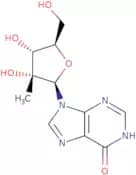
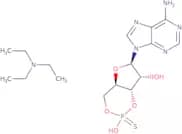
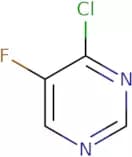

![4-Amino-3-benzyl-1H-pyrazolo[3,4-d]pyrimidine 1-b-D-ribofuranose](/_next/image/?url=https%3A%2Fstatic.cymitquimica.com%2Fproducts%2F3D%2Fthumb-webp%2FNA16507.webp&w=3840&q=75)
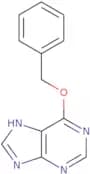


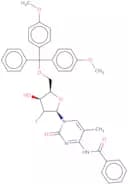
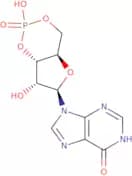
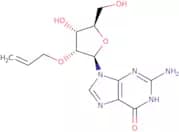

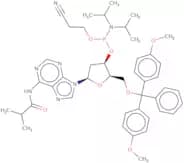

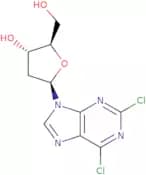
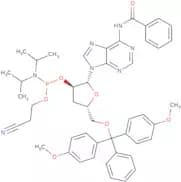
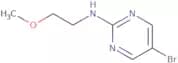
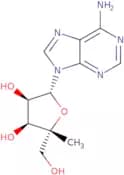
![5-[N(6-(Trifluoroacetamido)hexyl)-3-(E)-acrylamido] -2'-deoxyuridine](/_next/image/?url=https%3A%2Fstatic.cymitquimica.com%2Fproducts%2F3D%2Fthumb-webp%2FNT57552.webp&w=3840&q=75)
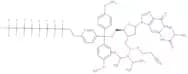
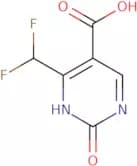
![Guanosine 5'-[beta,gamma-imido]triphosphate tetralithium hydrate](/_next/image/?url=https%3A%2Fstatic.cymitquimica.com%2Fproducts%2F3D%2Fthumb-webp%2FPCA56403.webp&w=3840&q=75)
![7-Benzyl-4-chloro-5-iodo-7H-pyrrolo[2,3-d]pyriMidine](/_next/image/?url=https%3A%2Fstatic.cymitquimica.com%2Fproducts%2F3D%2Fthumb-webp%2FNB44294.webp&w=3840&q=75)
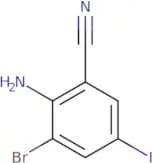
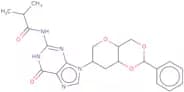
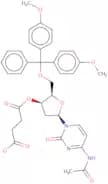
![3-(2'-Deoxy-β-D-2-ribofuranosyl)pyrido[2,3-d]pyrimidine-2,7(8H)-dione](/_next/image/?url=https%3A%2Fstatic.cymitquimica.com%2Fproducts%2F3D%2Fthumb-webp%2FZDA51798.webp&w=3840&q=75)
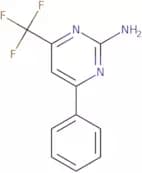
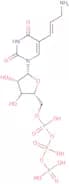

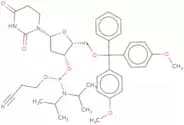
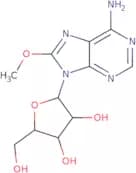
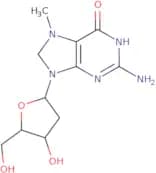
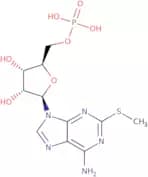
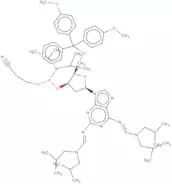

![[U-¹³C10, U-¹⁵N2]-labelled thymidylyl-3'-5'-thymidine ammonium](/_next/image/?url=https%3A%2Fstatic.cymitquimica.com%2Fproducts%2F3D%2Fthumb-webp%2FNL31906.webp&w=3840&q=75)
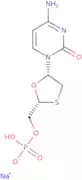
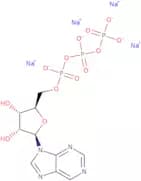
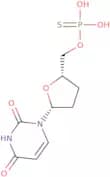
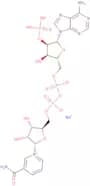
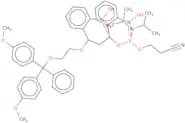
![N-[2-(2,4-Dioxopyrimidin-1-yl)-4-hydroxy-5-(hydroxymethyl)oxolan-3-yl]-2,2,2-trifluoroacetamide](/_next/image/?url=https%3A%2Fstatic.cymitquimica.com%2Fproducts%2F3D%2Fthumb-webp%2FBCA98921.webp&w=3840&q=75)

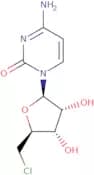
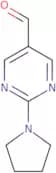
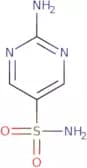

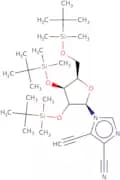
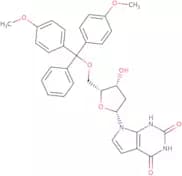
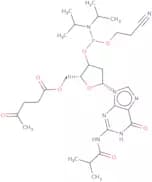

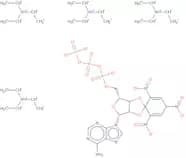
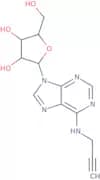
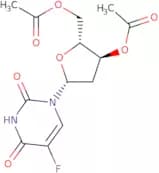
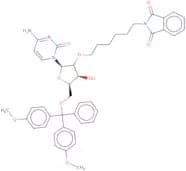
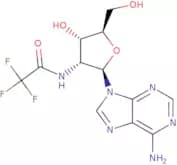
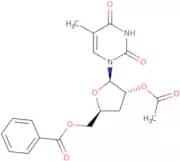
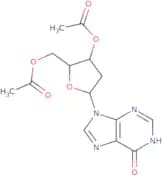
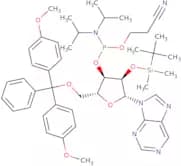

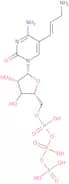

![2'-Deoxy-2'-iodo-adenosine-5'-[(beta,gamma)-imido]triphosphate sodium salt - 10mM aqueous solution](/_next/image/?url=https%3A%2Fstatic.cymitquimica.com%2Fproducts%2F3D%2Fthumb-webp%2FND166258.webp&w=3840&q=75)


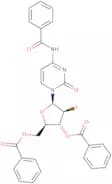
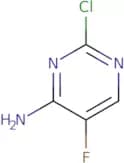
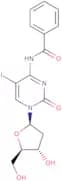




![2'-Deoxyuridine-5'-[(a,b)-imido]triphosphate sodium salt - 10mM aqueous solution](/_next/image/?url=https%3A%2Fstatic.cymitquimica.com%2Fproducts%2F3D%2Fthumb-webp%2FND45196.webp&w=3840&q=75)
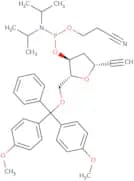
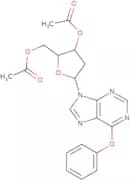
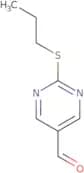

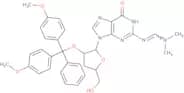
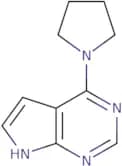

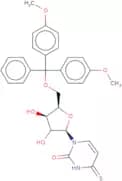

![4-Amino-1-(2',3',5'-tri-O-tert-butyldimethylsilyl-b-D-ribofuranosyl)-imidazo[4,5-c]pyridine](/_next/image/?url=https%3A%2Fstatic.cymitquimica.com%2Fproducts%2F3D%2Fthumb-webp%2FNA04493.webp&w=3840&q=75)
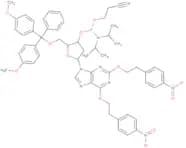
![7H-Pyrrolo[2,3d]pyrimidine](/_next/image/?url=https%3A%2Fstatic.cymitquimica.com%2Fproducts%2F3D%2Fthumb-webp%2FNP32608.webp&w=3840&q=75)


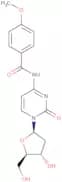
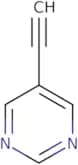
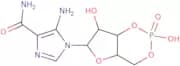
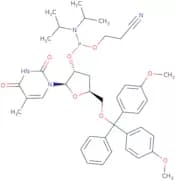
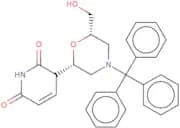
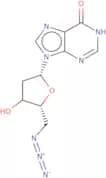
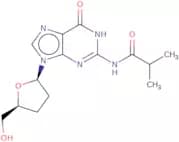

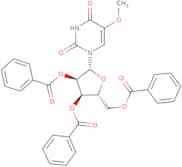

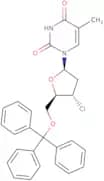

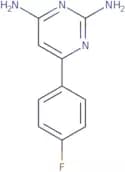
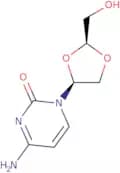
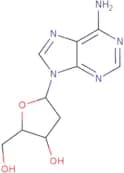
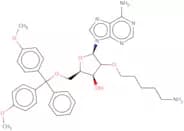
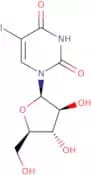
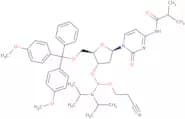
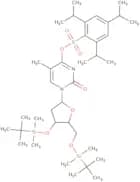
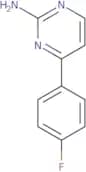
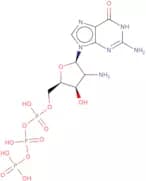
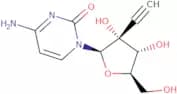
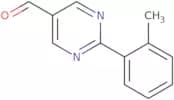
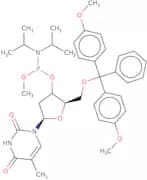

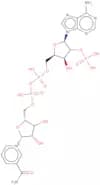
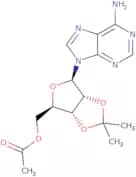
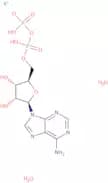

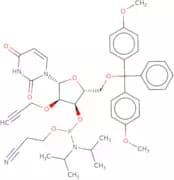


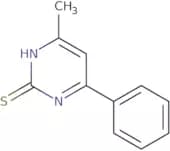

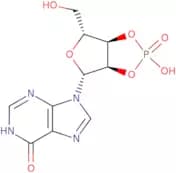
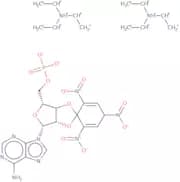
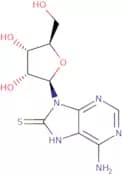

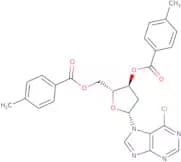
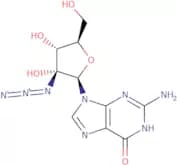

![Adenosine-5'-[-(propargyl)]triphosphate sodium salt](/_next/image/?url=https%3A%2Fstatic.cymitquimica.com%2Fproducts%2F3D%2Fthumb-webp%2FNA30542.webp&w=3840&q=75)
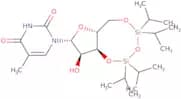
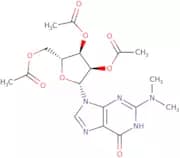

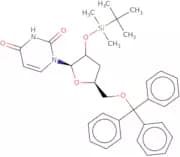
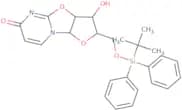


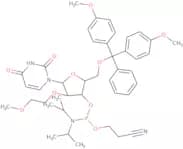


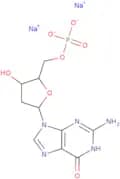
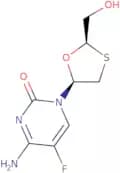

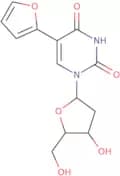
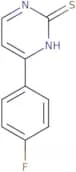
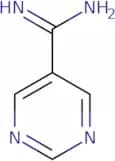

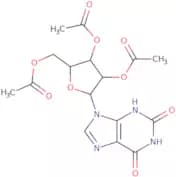
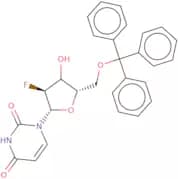


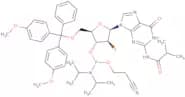
![4-Amino-3-(1-naphthylmethyl)-1H-pyrazolo[3,4-d]pyrimidine-1-(b-D-ribofuranosyl-5'-triphosphate)](/_next/image/?url=https%3A%2Fstatic.cymitquimica.com%2Fproducts%2F3D%2Fthumb-webp%2FNA16506.webp&w=3840&q=75)
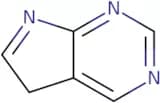
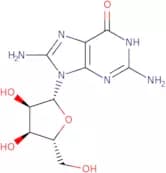
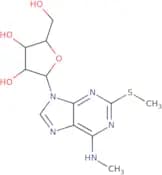




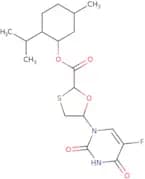

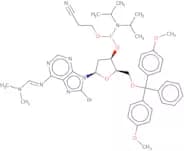


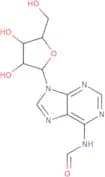
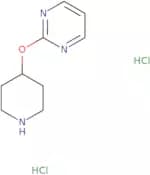

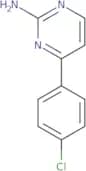
![O6-Benzyl-N2,3-etheno-2'-deoxy-3',5'-O-[tetrakis(isopropyl)-1,3-disiloxanediyl] guanosine](/_next/image/?url=https%3A%2Fstatic.cymitquimica.com%2Fproducts%2F3D%2Fthumb-webp%2FNB16630.webp&w=3840&q=75)