Nucleósidos
Los nucleósidos son building blocks fundamentales de los ácidos nucleicos, compuestos por una base nitrogenada unida a una molécula de azúcar. En esta sección, puede encontrar una amplia variedad de nucleósidos esenciales para la investigación en biología molecular, bioquímica y farmacología. Estos compuestos juegan roles cruciales en la síntesis de ADN y ARN, y son vitales en varios procesos metabólicos. Los nucleósidos se utilizan para estudiar material genético, desarrollar terapias antivirales y anticancerígenas, y comprender los mecanismos celulares. En CymitQuimica, proporcionamos nucleósidos de alta calidad para apoyar sus necesidades de investigación y desarrollo, asegurando pureza y fiabilidad para sus aplicaciones experimentales.
Se han encontrado 3569 productos de "Nucleósidos"
Ordenar por
Pureza (%)
0
100
|
0
|
50
|
90
|
95
|
100
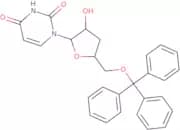
3'-Deoxy-5'-O-trityluridine
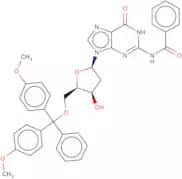
CAS:<p>3'-Deoxy-5'-O-trityluridine is a nucleoside that is structurally related to uridine. It belongs to the class of nucleosides and has a hydroxyl group at the 3' position. The 5' position is modified by an anion (most often trityl) sterically, which prevents hydrolysis by esterases or phosphatases. The efficiency of this modification can be increased by using diethyl phosphate as the protecting agent. This modification also provides protection against nucleophiles, such as hydroxyl groups in nucleosides or phosphite triester derivatives. 3'-Deoxy-5'-O-trityluridine is used in the synthesis of other nucleosides and as a substrate for diffraction experiments.</p>Fórmula:C28H26N2O5Pureza:Min. 95%Peso molecular:470.53 g/molN2-Benzoyl-2'-deoxy-5'-O-DMT-guanosine
CAS:N2-Benzoyl-2'-deoxy-5'-O-DMT-guanosine is a novel and potent anticancer nucleoside with antiviral activity. It is an analog of 2'-deoxy-5'-O-DMT guanosine, which was reported to be the first phosphoramidite nucleoside. N2-Benzoyl-2'-deoxy-5'-O-DMT-guanosine is an excellent candidate for DNA synthesis and has been shown to inhibit viral replication. This product is also of high purity and high quality, and can be used in research applications.Fórmula:C38H35N5O7Pureza:Min. 95%Peso molecular:673.71 g/molAracytidylyl-(5′→5′)-cytidine
CAS:Please enquire for more information about Aracytidylyl-(5′→5′)-cytidine including the price, delivery time and more detailed product information at the technical inquiry form on this pageFórmula:C18H25N6O12PPureza:Min. 95%Peso molecular:548.4 g/mol3'-Azido-N4-benzoyl-2',3'-dideoxy5'-O-DMT-cytidine
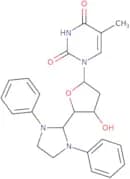
<p>3'-Azido-N4-benzoyl-2',3'-dideoxy5'-O-DMT-cytidine is a novel nucleoside analog that has antiviral activity against herpes simplex virus type 1. It is a modified nucleoside phosphoramidite with an azido group at the 3' position and a benzoyl group at the 2' position of cytidine. This product can be used for the synthesis of oligonucleotides with high purity and high quality. This product has CAS number 271462-87-6.</p>Pureza:Min. 95%5'-Deoxy-5'-(1,3-diphenyl-2-imidazolidinyl)thymidine
CAS:5'-Deoxy-5'-(1,3-diphenyl-2-imidazolidinyl)thymidine is a modified nucleoside analog that inhibits the growth of viruses. It has been shown to be active against herpes simplex virus type 1 and 2, varicella zoster virus, cytomegalovirus, and Epstein-Barr virus. This drug is used as an antiviral medication in the treatment of viral infections.Fórmula:C24H26N4O4Pureza:Min. 95%Peso molecular:434.5 g/mol2'-Deoxy-5'-O-DMT-2'-fluorouridine 3'-O-succinate triethylammonium salt
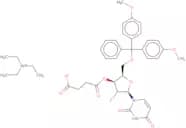
<p>2'-Deoxy-5'-O-DMT-2'-fluorouridine 3'-O-succinate triethylammonium salt is a nucleoside that is modified with a 2,2,2-trifluoroethoxycarbonyl group on the 5' position of the sugar moiety. It is an activator for phosphoramidites in DNA synthesis and has been shown to have anticancer activity. It is also used as an antiviral agent and to treat HIV and herpes virus infections. This compound has a molecular weight of 439.5 g/mol and its CAS number is 62273-03-3.</p>Fórmula:C34H32FN2O10·C6H16NPureza:Min. 95%Forma y color:SolidPeso molecular:749.84 g/molTroxacitabine
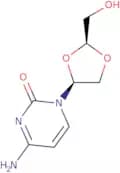
CAS:Troxacitabine is a nucleoside analog that inhibits DNA synthesis by selectively blocking the function of DNA polymerase. It has been shown to have potent antitumor activity in mouse tumor models and in a human breast cancer xenograft model. Troxacitabine has also been shown to inhibit the proliferation of renal cell cancer cells and induce apoptosis in these cells, as well as reduce the viability of cancer cells from other tumor types. Troxacitabine has also been shown to have an effect on body mass index and hematologic response, although it is not currently approved for use in humans.Fórmula:C8H11N3O4Pureza:Min. 95%Forma y color:White To Off-White SolidPeso molecular:213.19 g/mol2'-Deoxyadenosine 5'-a-thiotriphosphate sodium salt
2'-Deoxyadenosine 5'-a-thiotriphosphate sodium salt is an antiviral nucleotide analog that has been modified to have a novel structure. It is phosphorylated in vivo to form 2'-deoxyadenosine 5'-a-thiotriphosphate. The nucleoside can inhibit viral DNA synthesis and help prevent the spread of HIV, herpes virus type I, herpes virus type II, influenza virus, and other viruses. This compound also has anticancer activity and has been shown to be effective against leukemia cells.Pureza:Min. 95%Guanosine 3',5'-diphosphate tetralithium salt
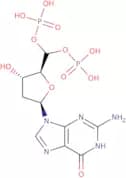
CAS:Guanosine 3',5'-diphosphate tetralithium salt is a nucleoside that has antiviral and anticancer properties. It is synthesized by reacting guanosine with lithium tetrabutylammonium tetraiodide. This nucleotide can be used as a precursor for DNA synthesis, deoxyribonucleosides, and phosphoramidites. Guanosine 3',5'-diphosphate tetralithium salt has been shown to activate the synthesis of proteins in the absence of adenosine triphosphate (ATP).Fórmula:C10H11Li4N5O11P2Pureza:Min. 95%Peso molecular:466.93 g/mol5'-O-Trityl-3'-b-hydroxythymidine
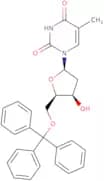
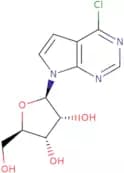
CAS:<p>5'-O-Trityl-3'-b-hydroxythymidine is a nucleoside that is synthesized by the reduction of a pyrimidine with xylene. This molecule has been shown to have antibacterial activity, and also activates p53 in human cells. 5'-O-Trityl-3'-b-hydroxythymidine has been shown to inhibit the growth of cancer cells in a dose dependent manner. The functional theory for this finding is that 5'-O-Trityl-3'-b-hydroxythymidine may bind to DNA, preventing RNA polymerase from transcribing DNA into mRNA.</p>Fórmula:C29H28N2O6Pureza:Min. 95%Peso molecular:500.54 g/mol6-Chloro-7-deaza-9-(a-D-ribofuranosyl)purine
CAS:6-Chloro-7-deaza-9-(a-D-ribofuranosyl)purine is an anticancer drug that belongs to the class of nucleosides. It inhibits DNA and RNA synthesis by blocking the incorporation of nucleotides into DNA or RNA. This drug may also inhibit viral replication by blocking viral polymerase activity. 6-Chloro-7-deaza-9-(a-D-ribofuranosyl)purine has been shown to be a potent activator of phosphoramidites, which are used in chemical synthesis. This novel compound is synthesized using modified diphosphate chemistry and purified to high purity.Fórmula:C11H12ClN3O4Pureza:Min. 95%Peso molecular:285.68 g/mol2'-Deoxy-2'-fluoroadenosine-5'-triphosphate sodium salt - 100mM aqueous solution
2'-Deoxy-2'-fluoroadenosine-5'-triphosphate sodium salt - 100mM aqueous solution is a high purity synthetic compound that is used as an activator for the synthesis of DNA, RNA, and phosphoramidites. The product is in the form of a white to off-white solid and has high quality with purity of >99%. 2'-Deoxy-2'-fluoroadenosine-5'-triphosphate sodium salt - 100mM aqueous solution can be used in antiviral, anticancer, and antideoxyribonucleoside therapy. It inhibits viral replication by inhibiting reverse transcriptase activity in HIV and other retroviruses. It also inhibits tumor growth by interfering with DNA synthesis.Fórmula:C10H15FNO12P3·xNaPureza:Min. 95%Peso molecular:453.15 g/molN4-Acetyl-2'-deoxy-2'-fluoro-2'C-methylcytidine
N4-Acetyl-2'-deoxy-2'-fluoro-2'C-methylcytidine is a novel nucleoside analogue that is currently being studied as an anti-cancer agent. It inhibits the growth of cancer cells by inhibiting the synthesis of DNA, RNA and proteins in these cells. N4-Acetyl-2'-deoxy-2'-fluoro-2'C-methylcytidine has been shown to be active against Hepatitis C virus and HIV, but not against influenza virus. This drug also has antiviral activity and can be used for the treatment of herpes simplex viruses type 1 and 2.Pureza:Min. 95%Biotinyl coenzyme A
<p>Biotinyl coenzyme A is a novel, synthetic nucleotide that has activity against cancer cells. It is an analogue of biotin-diphosphate with a ribonucleoside moiety attached to the diphosphate. Biotinyl coenzyme A is phosphoramidite monophosphate, which can be synthesized by modifying the 5'-terminus of the anticancer drug gemcitabine.</p>Fórmula:C43H82N13O19P3S2Pureza:Min. 95%Peso molecular:1,242.24 g/mol9-(2'-Deoxy-b-D-xylofuranosyl)adenine
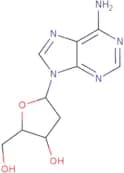
CAS:9-(2'-Deoxy-b-D-xylofuranosyl)adenine is a nucleoside that is used in the treatment of bowel disease, cancer, and other diseases. It is also a potential drug target for antimicrobial agents and pharmacological agents. 9-(2'-Deoxy-b-D-xylofuranosyl)adenine has been shown to inhibit DNA synthesis and cause cell death in mouse tumor cells. It also inhibits adenosine uptake by binding to the A3 receptor, which may be due to its similarity to adenosine. This drug has been shown to have anticancer properties in various carcinoma cell lines. 9-(2'-Deoxy-b-D-xylofuranosyl)adenine is metabolized into deoxyadenosine, which can be converted back into adenosinergic acid or deoxyadenosinergic acid, which are potent inhibitors of DNA polymerase alpha activity.Pureza:Min. 95%2'/3'-(N-Methylanthraniloyl)-adenosine-5'-triphosphate triethylammonium salt
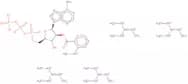
CAS:<p>2'/3'-(N-Methylanthraniloyl)-adenosine-5'-triphosphate triethylammonium salt is a phosphoramidite, deoxyribonucleoside that is active as an antiviral. It inhibits the production of viral DNA and RNA by binding to the polymerase enzyme that copies the viral genome. This drug has been shown to be effective in vitro and in vivo against a wide range of viruses, including HIV, herpes simplex virus type 1 and 2, cytomegalovirus, varicella zoster virus, influenza A virus, and poliovirus. It also has anticancer activity by inhibiting cell proliferation.</p>Fórmula:C18H23N6O14P3Pureza:Min. 95%Peso molecular:640.33 g/molN4-Benzoyl-3'-O-tert-butyldimethylsilyl-2'-deoxycytidine
<p>N4-Benzoyl-3'-O-tert-butyldimethylsilyl-2'-deoxycytidine is a monophosphate nucleoside analogue. It has antiviral and anticancer properties, as well as the ability to activate DNA synthesis. This product is synthesized from 2'-deoxycytidine and 4-benzoyl chloride in the presence of tert-butyldimethylsilyl chloride. It is available for sale as a white powder with a purity of 99%.</p>Fórmula:C22H31N3O5SiPureza:Min. 95%Forma y color:PowderPeso molecular:445.58 g/mol1-(b-D-Arabinofuranosyl)-5-iodouracil
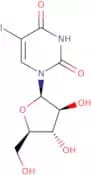
CAS:<p>1-(b-D-Arabinofuranosyl)-5-iodouracil is a synthetic nucleoside that has antiviral and anticancer properties. It is a monophosphate nucleotide that inhibits viral RNA synthesis by inhibiting the enzyme ribonucleotide reductase, which converts ribonucleotides to deoxyribonucleotides. This inhibitor also blocks DNA synthesis by preventing the incorporation of b-D-arabinofuranosyl monophosphate into DNA. 1-(b-D-Arabinofuranosyl)-5-iodouracil has been shown to be effective in treating various types of cancer, including breast, lung, and prostate cancers. It also exhibits antitumor activity against certain human leukemia cells.</p>Fórmula:C9H11IN2O6Pureza:Min. 95%Peso molecular:370.1 g/molN6-Benzoyl-5'-O-DMT-adenosine 3'-CE phosphoramidite
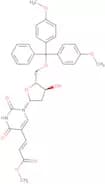
N6-Benzoyl-5'-O-DMT-adenosine 3'-CE phosphoramidite is a novel nucleoside that has been modified to protect the 2' hydroxyl group from attack by nucleases. This modification makes N6-Benzoyl-5'-O-DMT-adenosine 3'-CE phosphoramidite resistant to degradation and allows for its use in a variety of applications, such as anticancer, antiviral, and DNA sequencing.Pureza:Min. 95%E-5-(2-Carbomethoxyvinyl)-2'-deoxy-5'-O-DMT-uridine
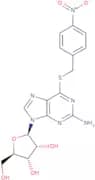
CAS:E-5-(2-Carbomethoxyvinyl)-2'-deoxy-5'-O-DMT-uridine is a monophosphate nucleoside analog that has been modified to be resistant to antiviral ribonucleases. This drug is phosphorylated in vivo to the corresponding diphosphate and triphosphate, which inhibits viral DNA synthesis and thus prevents the virus from replicating. E-5-(2-Carbomethoxyvinyl)-2'-deoxy-5'-O-DMT-uridine can be used as an antiviral agent against herpes simplex virus (HSV).Fórmula:C34H34N2O9Pureza:Min. 95%Peso molecular:614.66 g/molS-(4-Nitrobenzyl)-6-thioguanosine
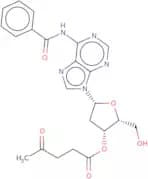
CAS:<p>S-(4-Nitrobenzyl)-6-thioguanosine is a transport inhibitor that has been shown to be active against leukemia. This drug inhibits the uptake of leukocytes into the bone marrow, which prevents their proliferation and development. S-(4-Nitrobenzyl)-6-thioguanosine also inhibits the synthesis of adenosine in erythrocytes, which leads to the accumulation of uridine and then to an increase in the levels of ATP. This drug can be used to treat chronic lymphocytic leukemia.</p>Fórmula:C17H18N6O6SPureza:Min. 95%Peso molecular:434.43 g/molN6-Benzoyl-2'-deoxy-3'-O-levulinoyladenosine
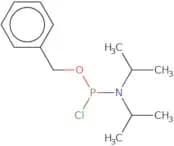
<p>N6-Benzoyl-2'-deoxy-3'-O-levulinoyladenosine is an antiviral monophosphate nucleoside that has been shown to have significant activity against HIV and herpes simplex virus. It is also an anticancer drug and a novel synthetic nucleoside. N6-Benzoyl-2'-deoxy-3'-O-levulinoyladenosine has been shown to inhibit the growth of cancer cells in culture, as well as in animal models. It also inhibits the production of DNA and RNA, which may be due to its ability to act as a competitive inhibitor of DNA polymerase or RNA polymerase.</p>Fórmula:C22H23N5O6Pureza:Min. 95%Peso molecular:453.46 g/molBenzyl-N, N-diisopropylchlorophosphoramidite
CAS:Benzyl-N, N-diisopropylchlorophosphoramidite is a novel nucleoside phosphoramidite with anticancer activity. It is synthesized from benzyl alcohol and diisopropylamine by reaction with phosphorus oxychloride in the presence of a base. This compound can be used to activate DNA for subsequent coupling reactions or for modification of DNA. Benzyl-N, N-diisopropylchlorophosphoramidite has been shown to have antiviral and antitumour activities in vitro and in vivo.Fórmula:C13H21NOPClPureza:Min. 95%Peso molecular:273.74 g/mol5-[N-(2-Aminoethyl)-3-E-acrylamido]-2'-deoxy-5'-O-DMT-uridine
CAS:5-[N-(2-Aminoethyl)-3-E-acrylamido]-2'-deoxy-5'-O-DMT-uridine is a novel, activator ribonucleoside phosphoramidite. It is used in the synthesis of oligodeoxynucleotides and has antiviral, anticancer, and antimalarial activities. 5-[N-(2-Aminoethyl)-3-E-acrylamido]-2'-deoxy-5'-O-DMT-uridine is synthesized from 2'-deoxyadenosine monophosphate (dAMP) and N-(2 aminopropyl)-3-(E acryloyl) aminopropylphosphoramidite (APEAP). This nucleoside can be used as a building block for DNA synthesis or for other purposes such as the treatment of cancer and HIV.Fórmula:C35H38N4O8Pureza:Min. 95%Peso molecular:642.72 g/mol2'-Deoxyuridine-5'-diphosphate sodium
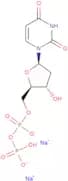
CAS:2'-Deoxyuridine-5'-diphosphate sodium salt is a novel antiviral agent that inhibits viral replication by inhibiting the activity of viral DNA polymerase. It is a synthetic nucleoside that is not found in nature, but is an analog of deoxyuridine monophosphate. This compound has been shown to be effective against tumor cells and has high purity with a CAS number 102814-06-2. 2'-Deoxyuridine-5'-diphosphate sodium salt is also used as an activator for phosphoramidites and modified nucleosides.Fórmula:C9H14N2O11P2•Na2Pureza:Min. 95%Forma y color:PowderPeso molecular:434.14 g/molUridylyl-3'-5'-adenosine ammonium salt
Uridylyl-3'-5'-adenosine ammonium salt is a novel antiviral agent that is used to treat hepatitis B. It is an analogue of nucleoside monophosphate, which is activated by adenylyltransferase, and inhibits viral DNA synthesis. Uridylyl-3'-5'-adenosine ammonium salt has been shown to inhibit the growth of cancer cells in vitro and in vivo. This drug also has anticancer activity against various types of cancer cell lines.Fórmula:C19H27N8O12PPureza:Min. 95%Peso molecular:590.44 g/mol4-Amino-2,6-dimethyl-8-(2'-deoxy-3',5'-di-O-toluoyl-b-D-ribofuranosyl)-7-pteridone
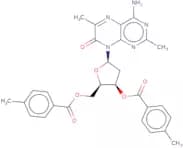
4-Amino-2,6-dimethyl-8-(2'-deoxy-3',5'-di-O-toluoyl-b-D-ribofuranosyl)-7-pteridone is a high purity, modified nucleoside that is synthesized from 2,4,6,8 tetramethylpyridine and 2'-deoxyribofuranosyl bromide. 4ADTP is an antiviral and anticancer agent that inhibits the viral DNA polymerase in the herpes family of viruses and the DNA polymerase in cancer cells. This drug has been shown to be active against HIV type 1 (HIV1) and HIV type 2 (HIV2).Fórmula:C29H29H5O6Pureza:Min. 95%Peso molecular:543.57 g/mol2'-Amino-2'-deoxyuridine-5'-triphosphate
CAS:<p>2'-Amino-2'-deoxyuridine-5'-triphosphate (2dUDP) is a nucleotide that has been shown to be a potent inhibitor of cytosolic Ca2+ release. 2dUDP binds to the Ryanodine receptor (RYR) and inhibits the release of Ca2+ from the sarcoplasmic reticulum. It is also fluorescent, and can be used to detect Ca2+ in cells. This nucleotide has been shown to inhibit populations of heterologous and homologous RYR receptors.</p>Fórmula:C9H16N3O14P3Pureza:Min. 95%Peso molecular:483.16 g/mol2'-Deoxy-5'-O-FDMT-N2-isobutyryl-guanosine 3'-CE phosphoramidite
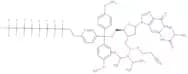
CAS:Producto controlado2'-Deoxy-5'-O-FDMT-N2-isobutyryl-guanosine 3'-CE phosphoramidite is a modified nucleoside that is used as an antiviral agent. It is synthesized by modifying the 2'-deoxyribose sugar with a 2'-deoxy-5'-O-(4,4'-dimethoxytrityl)-N2-isobutyrylguanosine 3' phosphate. This compound has shown anticancer activity in vitro and has been studied in animal models. The synthesis of this compound can be accomplished through the use of diphosphate, which gives it an advantage over natural nucleosides because it does not require ribonucleotides.Fórmula:C54H57F17N7O8PPureza:Min. 95%Peso molecular:1,286.02 g/mol2,6-Diamino-9-(2'-O-methyl-b-D-ribofuranosyl)purine
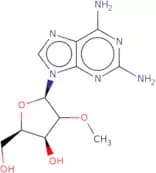
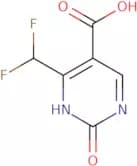
CAS:<p>2,6-Diamino-9-(2'-O-methyl-b-D-ribofuranosyl)purine is a synthetic nucleoside that is used as an antiviral and antitumor agent. It is a modified nucleoside with a purine base. It has been shown to be effective against certain cancer cells in vitro and in vivo. This drug also has antiviral properties, which may be due to its ability to inhibit DNA synthesis through the inhibition of viral RNA replication. 2,6-Diamino-9-(2'-O-methyl-b-D-ribofuranosyl)purine is resistant to phosphorylation by kinase enzymes and it can be used as a precursor for the preparation of other nucleosides.</p>Fórmula:C11H16N6O4Pureza:Min. 95%Forma y color:White to off-white solid.Peso molecular:296.29 g/mol4-(difluoromethyl)-2-hydroxy-pyrimidine-5-carboxylic acid
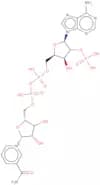
CAS:4-(difluoromethyl)-2-hydroxy-pyrimidine-5-carboxylic acid is a novel monophosphate and nucleotide analogue, which can activate the HIV reverse transcriptase. It has been shown to be cytotoxic to cancer cells in vitro. 4-(difluoromethyl)-2-hydroxy-pyrimidine-5-carboxylic acid has been used for the synthesis of phosphoramidites and DNA and RNA analogues.Fórmula:C6H4F2N2O3Pureza:Min. 95%Peso molecular:190.1 g/molb-Nicotinamide adenine dinucleotide phosphate potassium salt hydrate
CAS:b-Nicotinamide adenine dinucleotide phosphate potassium salt hydrate is a novel anticancer compound that has been shown to inhibit the growth of cancer cells in vitro. The mechanism of action of b-NADP+ is still unknown, but it may involve the inhibition of ribonucleoside reductase and deoxyribonucleoside reductase. It also inhibits viral DNA synthesis, which can be an effective antiviral drug. b-NADP+ is a nucleotide analogue that is synthesized from diphosphate and monophosphate forms, which are activated by phosphoramidites.Fórmula:C21H28N7O17P3•K•(H2O)2Pureza:Min. 95%Peso molecular:818.5 g/molGuanosine 5'-[beta,gamma-imido]triphosphate tetralithium hydrate
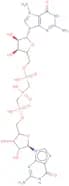
CAS:<p>Guanosine 5'-[beta,gamma-imido]triphosphate tetralithium hydrate (GTP) is a nucleotide that is synthesized from guanosine 5'-diphosphate. GTP is an effector molecule that regulates the cytosolic protein synthesis and transport pathways. It binds to a number of proteins, including the guanine nucleotide-binding protein, which regulates the metabolic processes in cells. GTP has been shown to be beneficial in treating cancer by inducing apoptosis and inhibiting tumor growth. In addition, Guanosine 5'-[beta,gamma-imido]triphosphate tetralithium hydrate has been shown to inhibit congestive heart failure by reducing free radical production and increasing intracellular adenosine levels.</p>Fórmula:C10H13Li4N6O13P3Pureza:Min. 95%Peso molecular:546 g/molN6-Benzoyl-5'-chloro-5'-deoxy-2',3'-O-isopropylideneadenosine
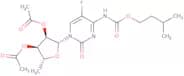
N6-Benzoyl-5'-chloro-5'-deoxy-2',3'-O-isopropylideneadenosine is a novel nucleoside that has the potential to be a therapeutic agent for cancer and antiviral therapy. It is an analog of adenosine that inhibits viral replication by inhibiting the viral enzyme RNA-dependent DNA polymerase. N6-Benzoyl-5'-chloro-5'-deoxy-2',3'-O-isopropylideneadenosine also inhibits tumor growth by inducing apoptosis. The compound has been shown to inhibit human leukemia cells in vitro, as well as mouse leukemia cells in vivo. This novel nucleoside is synthesized through a two step process starting with 5'-chloroadenosine and converting it to 5'-chloroinosidine with potassium cyanide, followed by deoxygenation at the 6 position with benzoyl chloride and sodium hydroxide.Pureza:Min. 95%2',3'-Di-O-acetyl-5'-deoxy-5-fluoro-N4-(isopentyloxycarbonyl)cytidine
CAS:2',3'-Di-O-acetyl-5'-deoxy-5-fluoro-N4-(isopentyloxycarbonyl)cytidine is an antiviral nucleoside. It is a novel nucleotide analog that inhibits human immunodeficiency virus (HIV). The cytidine monophosphate moiety of 2',3'-Di-O-acetyl-5'-deoxy-5-fluoro-N4-(isopentyloxycarbonyl)cytidine has been modified with the substitution of the acetyl group at the 2' position with a deoxyribose group, and the 5' fluoro group with a 5'-deoxyfluro group. This modification prevents phosphodiesterases from hydrolyzing it to its monophosphate form, which leads to higher antiviral activity. 2',3'-Di-O-acetyl-5'-deoxy-5-fluoro -Fórmula:C19H26FN3O8Pureza:Min. 95%Peso molecular:443.42 g/molN4-Benzoyl-2'-deoxy-5'-O-DMT-cytidine-3'-lcaa-CPG
N4-Benzoyl-2'-deoxy-5'-O-DMT-cytidine-3'-lcaa-CPG is an antiviral agent that inhibits the RNA polymerase of the virus. It is a phosphoramidite, which is a nucleoside with a phosphate group at the 5' position. N4-Benzoyl-2'-deoxy-5'-O-DMT-cytidine has been shown to be cytotoxic against cancer cells, and have less side effects than other nucleosides. It has been shown to selectively bind to ribonucleosides and deoxyribonucleosides and inhibit their synthesis by binding to the enzyme DNA polymerase. This stops DNA replication and causes cell death.Pureza:Min. 95%6-Methyl-3-(β-D-2-deoxyribofuranosyl)furano-[2,3-d]pyrimidin-2-one
CAS:6-Methyl-3-(β-D-2-deoxyribofuranosyl)furano-[2,3-d]pyrimidin-2-one is a novel nucleoside analog that has been modified to contain an antiviral agent. It is phosphorylated at the 2' position to form a monophosphate. This compound is a potent inhibitor of HIV reverse transcriptase and human DNA polymerases α and β. The structure of this compound contains a furano ring fused with the pyrimidine moiety, which is substituted with methyl groups on C6 and C3 positions. The CAS number for 6-Methyl-3-(β-D-2-deoxyribofuranosyl)furano-[2,3-d]pyrimidin-2-one is 383897−60−7.Fórmula:C12H14N2O5Pureza:Min. 95%Peso molecular:266.25 g/mol5'-O-DMT-thymidine 3'-Q Linker CPG 1000 Å
<p>5'-O-DMT-thymidine 3'-Q Linker CPG 1000 Å is an Activator that is a monophosphate and synthesized through the modification of nucleosides. It has novel anticancer properties and is a high quality, high purity, and modified nucleotide. The 5'-O-DMT-thymidine 3'-Q Linker CPG 1000 Å has been shown to have antiviral activity against herpes simplex virus type 1 (HSV-1) in human cells. It also has anticancer effects on human leukemia cells by inhibiting the growth of cancer cells.</p>Pureza:Min. 95%N4-Benzoyl-5'-O-DMT-2'-O-(2-methoxyethyl)-5-methylcytidine 3'-O succinate TEA salt
N4-Benzoyl-5'-O-DMT-2'-O-(2-methoxyethyl)-5-methylcytidine 3'-O succinate TEA salt is a novel, modified nucleoside analogue that is used as an antiviral agent. It inhibits the synthesis of viral DNA and RNA by competing with natural nucleosides during the process of nucleic acid synthesis. The drug binds to the enzyme ribonucleotide reductase, which is essential for DNA synthesis. N4-Benzoyl-5'-O-DMT-2'-O-(2-methoxyethyl)-5-methylcytidine 3'-O succinate TEA salt has been shown to be effective in treating patients with cancer.Pureza:Min. 95%m7G(5')ppp(5')Guanosine
CAS:<p>A cap analog that can incorporated into mRNA</p>Fórmula:C21H29N10O18P3Pureza:Min. 95%Peso molecular:802.43 g/molBiotin-5-deoxyuridine-5'-triphosphate, lithium salt - 1 mM aqueous solution
Biotin-5-deoxyuridine-5'-triphosphate, lithium salt is a novel phosphoramidite. It has been shown to be an anticancer agent and antiviral agent. Biotin-5-deoxyuridine-5'-triphosphate, lithium salt inhibits the growth of cancer cells by binding to the ribonucleotide reductase enzyme, thereby preventing synthesis of DNA and RNA.Fórmula:C22H34N5O16P3S·xLiPureza:Min. 95%Peso molecular:749.52 g/mol1,5-Anhydro-4,6-O-benzylidene-2,3-dideoxy-2-(N2-isobutyrylguanidin-1-yl)-D-glucitol
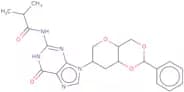
1,5-Anhydro-4,6-O-benzylidene-2,3-dideoxy-2-(N2-isobutyrylguanidin-1-yl)-D-glucitol is an activator that can be used in the synthesis of DNA and RNA. It is a novel compound with antiviral properties and anticancer effects. It has been shown to have high purity and quality. This activator is a phosphoramidite that can be used in the synthesis of DNA or RNA and has been modified to have antiviral properties. It is synthesized using deoxyribonucleosides as starting materials, which are obtained from natural sources such as yeast extract or tryptophan.Fórmula:C22H25N5O5Pureza:Min. 95%Peso molecular:439.48 g/mol3',5'-O-(1,1,3,3-Tetraisopropyl-1,3-disiloxanediyl)-5-methyluridine
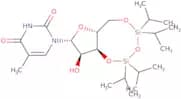
CAS:3',5'-O-(1,1,3,3-Tetraisopropyl-1,3-disiloxanediyl)-5-methyluridine is a novel nucleoside that is used for the synthesis of DNA and RNA. It is a modified nucleoside with antiviral and anticancer properties. 3',5'-O-(1,1,3,3-Tetraisopropyl-1,3-disiloxanediyl)-5-methyluridine has been shown to inhibit human immunodeficiency virus type 1 (HIV) replication in cultured cells. In addition to its antiviral activity against HIV type 1 (HIV-1), 3',5'-O-(1,1,3,3-Tetraisopropyl-1,3-disiloxanediyl)-5-methyluridine also inhibits the growth of cancerous cells by acting as an inhibitor of DNAFórmula:C22H40N2O7Si2Pureza:Min. 95%Peso molecular:500.73 g/mol2',3',5'-Tri-O-acetyl-N2-dimethylguanosine
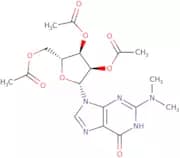
CAS:2',3',5'-Tri-O-acetyl-N2-dimethylguanosine is a novel modified nucleoside. It is a monophosphate that has been shown to be an activator of DNA and RNA synthesis, which can lead to the production of cancer cells. 2',3',5'-Tri-O-acetyl-N2-dimethylguanosine also has antiviral and antibacterial properties, as well as anticancer activity. This compound is used as a phosphoramidite in the synthesis of oligonucleotides for use in research and therapeutic applications.Fórmula:C18H23N5O8Pureza:Min. 95%Peso molecular:437.4 g/molGuanosine 5'-triphosphate trisodium hydrate
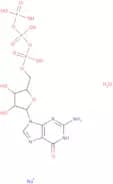
CAS:<p>Guanosine 5'-triphosphate trisodium hydrate is a novel antiviral agent that was discovered in the course of a research program to find new antiviral agents. It is an activator of guanylyl cyclase and it has been shown to have high quality and high purity. Guanosine 5'-triphosphate trisodium hydrate binds to ribonucleosides and deoxyribonucleosides, preventing their incorporation into viral DNA or RNA. This compound also has anticancer activity.</p>Fórmula:C10H18N5NaO15P3Pureza:Min. 95%Peso molecular:564.19 g/molGuanosine 5'-O-(1-thiotriphosphate) lithium salt - 100mM aqueous solution
CAS:Guanosine 5'-O-(1-thiotriphosphate) lithium salt is a nucleotide analogue that binds to the guanine nucleotide-binding site on the enzyme. This agent has been shown to inhibit the growth of viruses, such as influenza virus and human immunodeficiency virus, by inhibiting viral transcription. The drug also has antiviral activity against herpesviruses and cytomegalovirus in cell culture. Guanosine 5'-O-(1-thiotriphosphate) lithium salt inhibits the binding of RNA polymerase to DNA templates and prevents the initiation of transcription. It also reduces the expression of a number of genes in cells by inhibiting protein synthesis in the cytoplasm. Guanosine 5'-O-(1-thiotriphosphate) lithium salt may be used for treating congestive heart failure due to its ability to reduce levels of cytosolic Ca2+ ions, which have been shown to promote cardiac myFórmula:C10H16N5O13P3S·4LiPureza:Min. 95%Forma y color:Colourless liquid.Peso molecular:567.01 g/molN1-(4-(t-Butyl)benzoyl)-D-(+)biotin 2-nitrophenyl ester
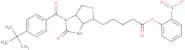
CAS:<p>N1-(4-(t-Butyl)benzoyl)-D-(+)biotin 2-nitrophenyl ester is a novel nucleoside analogue and phosphoramidite. It has been modified to have an acyclic carbon chain with a 4-hydroxybenzoyl group at the C2 position. This compound is an activator of DNA synthesis, and it can be used for the synthesis of deoxyribonucleosides. The purity of this compound is 99%. The CAS number for this compound is 869354-61-0.</p>Fórmula:C27H31N3O6SPureza:Min. 95%Peso molecular:525.6 g/mol5'-O-DMT-N2-DMF-guanosine-3'-succinyl CPG 1000 Å
5'-O-DMT-N2-DMF-guanosine-3'-succinyl CPG 1000 Å is a nucleoside, modified with succinyldiimidazopropylcarbodiimide. It is an activator of phosphoramidites and is used in the synthesis of DNA and RNA. 5'-O-DMT-N2-DMF-guanosine-3'-succinyl CPG 1000 Å has shown anticancer and antiviral properties in vitro.Pureza:Min. 95%2',3'-Anhydroinosine
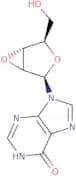
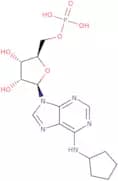
CAS:2',3'-Anhydroinosine is an analog of the purine nucleoside inosine, which has been synthesized by catalytic dehalogenation of 2-fluoro-adenosine. The synthesis of this compound is based on a chemical reaction between 2-fluoro-adenosine and sodium hydroxide. This reaction produces 2',3'-anhydroinosine as a byproduct. 2',3'-Anhydroinosine inhibits the enzyme purine nucleoside phosphorylase, which prevents the conversion of inosine to hypoxanthine. This prevents purines from being used for protein synthesis, leading to cell death.Fórmula:C10H10N4O4Pureza:Min. 95%Peso molecular:250.21 g/molN6-Cyclopentyladenosine-5'-O-monophosphate
CAS:N6-Cyclopentyladenosine-5'-O-monophosphate is a nucleoside that is a substrate for RNA polymerase and is involved in the regulation of transcription. It also has been shown to be localized in the nucleus, cytoplasm, and cell membrane. N6-Cyclopentyladenosine-5'-O-monophosphate is used in diagnosis as an immunochemical reagent for the detection of matrix metalloproteinases (MMPs) and it can be used to measure MMP-9 activity. The monoclonal antibody (mAb) against this nucleoside can be used to detect N6-Cyclopentyladenosine-5'-O-monophosphate in biological samples such as human serum or cell culture.Fórmula:C15H22N5O7PPureza:Min. 95%Peso molecular:415.34 g/mol









![5-[N-(2-Aminoethyl)-3-E-acrylamido]-2'-deoxy-5'-O-DMT-uridine](/_next/image/?url=https%3A%2Fstatic.cymitquimica.com%2Fproducts%2F3D%2Fthumb-webp%2FNA08231.webp&w=3840&q=75)


![Guanosine 5'-[beta,gamma-imido]triphosphate tetralithium hydrate](/_next/image/?url=https%3A%2Fstatic.cymitquimica.com%2Fproducts%2F3D%2Fthumb-webp%2FPCA56403.webp&w=3840&q=75)


![6-Methyl-3-(β-D-2-deoxyribofuranosyl)furano-[2,3-d]pyrimidin-2-one](/_next/image/?url=https%3A%2Fstatic.cymitquimica.com%2Fproducts%2F3D%2Fthumb-webp%2FIQA89760.webp&w=3840&q=75)