Otros
Se han encontrado 6270 productos de "Otros"
Ordenar por
Pureza (%)
0
100
|
0
|
50
|
90
|
95
|
100
4-Nitrocatechol sulfate dipotassium salt
CAS:<p>Chromogenic sulfatase substrate</p>Fórmula:C6H3NO7SK2Pureza:Min. 98 Area-%Forma y color:PowderPeso molecular:311.35 g/mol5-Bromo-4-chloro-3-indoxyl-β-D-glucopyranoside
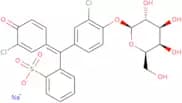
CAS:<p>Chromogenic substrate for beta-D-glucosidase, yielding a blue precipitate and contained in a chromogenic culture media for the detection of Enterococci, Streptococci, Klebsiella species, Enterobacter species and Listeria species. It is an indolyl carbohydrate that is the beta-D-glucoside of 3-hydroxy-1H-indole, in which the indole moiety is substituted at positions 4 and 5 by chlorine and bromine, respectively. It is used to test for the presence of the enzyme, beta-glucosidase, which cleaves the glycosidic bond to give 5-bromo-4-chloro-3-hydroxy-1H-indole; this immediately dimerises to give an intensely blue product.</p>Fórmula:C14H15BrClNO6Pureza:Min. 98.0 Area-%Peso molecular:408.64 g/molChlorophenol red β-D-galactopyranoside sodium salt
CAS:<p>Chlorophenol red beta-D-galactopyranoside sodium salt is a water soluble, colorless salt that is used as a substrate for the reduction of contaminants in soil and water. It can be used to measure the activity of microorganisms in the environment and has been shown to inhibit growth of certain bacteria, such as methylotrophic bacteria. Chlorophenol red beta-D-galactopyranoside sodium salt is also used in biological treatment systems. This product can be mixed with other substances in order to regulate the microbial population and reduce nutrients.</p>Fórmula:C25H21Cl2NaO10SPureza:Min. 96.0 Area-%Peso molecular:607.40 g/molBCM® Histamine-producing bacteria Broth
<p>Growth medium for the detection of histamine-producing bacteria in food and water samples. The medium contains an indicator that turns orange/red (absorbance at 555 nm) due to metabolites released by histidine decarboxylase. The BCM® Histamine-producing bacteria Broth contains tryptone (FT09555) and yeast extract, together with the chromogenic agent. High-level histamine-producing bacteria yield orange to red coloration in less than 2 days and even after 24 hours, while cultures of other bacteria remain yellow.</p>Pureza:Min. 95%5-Bromo-4-chloro-3-indoxyl-α-L-arabinofuranoside
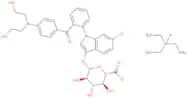
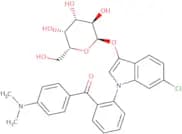
<p>5-Bromo-4-chloro-3-indoxyl-alpha-L-arabinofuranoside is a fluorogenic substrate. It is also used as a ligand to detect the presence of an enzyme in a sample. 5BCIAF may be used as an enzyme substrate to measure the activity of enzymes such as beta-galactosidase, alpha-glucuronidase, and esterases. It is also used for diagnostic purposes, with the most common use being for the detection of Mycobacterium tuberculosis in clinical specimens. 5BCIAF can be conjugated to other compounds to form fluorescent probes for detecting specific compounds or cells within a sample. This compound has been shown to have activity against bacteria, fungi, and viruses when tested in culture media and food samples. The chemical structure of 5BCIAF is similar to that of fluorescein, which has been shown to have chemiluminescent properties</p>Fórmula:C13H13BrClNO5Pureza:Min. 99.0 Area-%Peso molecular:378.61 g/molAldol® 584 β-D-glucuronic acid, triethylammonium salt, Biosynth Patent: EP 2427431 and US 8940909
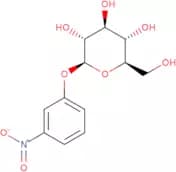
CAS:<p>Aldol 584 is a chromogenic substrate that is used in enzymatic assays to detect the presence of an enzyme. It is a triethylammonium salt with beta-D-glucuronic acid. Aldol 584 is used in diagnostic procedures and can be used as a substrate for fluorogenic substrates and chemiluminescent substrates. This product has been shown to be effective in detecting the presence of bile in feces, erythrocyte hemolysis, and the presence of proteinases in human urine. It can also be used as a food testing agent or to measure bacterial activity in culture media.</p>Fórmula:C37H46ClN3O10Pureza:Min. 95%Forma y color:PowderPeso molecular:728.2 g/mol3-Nitrophenyl β-D-glucopyranoside
CAS:<p>3-Nitrophenyl beta-D-glucopyranoside is a chromogenic enzyme substrate commonly used to assay for beta-glucosidase activity. Upon hydrolysis by the enzyme, it produces a yellow product that can be easily detected by spectrophotometry. This substrate is often used in the field of carbohydrate chemistry and biochemistry to study enzyme kinetics and inhibition in both in vitro and in vivo systems.</p>Fórmula:C12H15NO8Pureza:Min. 95%Forma y color:White Yellow PowderPeso molecular:301.25 g/molAldol® 470 phosphate, disodium salt, Biosynth Patent: EP 2427431 and US 8940909
CAS:<p>Aldol 470 phosphate is a chromogenic substrate for phosphatases yielding a yellow precipitate. Furthermore it shows some fluorescence (excitationat 320 nm to 490 nm). In contrast to classical indoxyl substrates, Aldolsubstrates work not only under aerobic but also under anaerobic conditions.</p>Fórmula:C23H18NNa2O7PPureza:Min. 95.0 Area-%Peso molecular:497.34 g/molChlorophenol red-β-D-cellotrioside
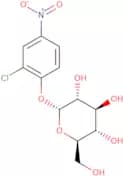
CAS:<p>Chromogenic substrate for cellulases; red color</p>Fórmula:C37H42Cl2O20SPureza:Min. 95%Forma y color:Orange to red solid.Peso molecular:909.69 g/mol2-Chloro-4-nitrophenyl a-D-glucopyranoside
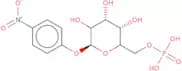
CAS:<p>2-Chloro-4-nitrophenyl a-D-glucopyranoside is an an enzyme-activated irreversible inhibitor of alpha-glucosidase. The substrate 2-Chloro-4-nitrophenyl a-D-glucopyranoside is covalently attached to the enzyme enabling mechanistic studies of glycosidase activity, especificallyt in carbohydrate metabolism studies.</p>Pureza:Max. 97 Area-%Forma y color:White Off-White PowderPeso molecular:335.69 g/mol4-Nitrophenyl b-D-glucopyranoside-6-phosphate
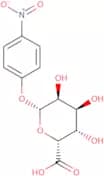
CAS:<p>4-Nitrophenyl beta-D-glucopyranoside-6-phosphate is a chromogenic substrate for glucose-6-phosphatase. Upon hydrolysis, para-nitrophenol is released yielding a yellowish colour. 4-Nitrophenyl beta-D-glucopyranoside-6-phosphate is used in different applications such as the Glycogen storage disease diagnosis (e.g., von Gierke disease)</p>Fórmula:C12H16NO11PPureza:Min. 98 Area-%Forma y color:PowderPeso molecular:381.23 g/mol4-Nitrophenyl α-D-glucuronide
CAS:<p>4-Nitrophenyl alpha-D-glucuronide is a chromogenic substrate widely used for detecting and quantifying the activity of alpha glucuronidase enzyme. Upon cleavage by the enzyme, it releases the yellow-colored 4-nitrophenol, whose absorbance can be monitored spectrophotometrically. This substrate is routinely employed in biochemistry and molecular biology applications, such as enzyme assays, enzyme kinetics studies, and characterization of recombinant enzymes. As a non-toxic and easy-to-use reagent, 4-Nitrophenyl alpha-D-glucuronide provides a convenient and sensitive method for studying alpha-glucuronidase activity in various biological samples, including cell extracts, tissue homogenates, and purified enzyme preparations.</p>Fórmula:C12H13NO9Pureza:Min. 97 Area-%Forma y color:Off-White PowderPeso molecular:315.23 g/mol4-Nitrophenyl-β-D-galactopyranoside
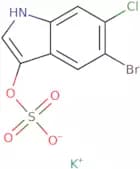
CAS:<p>Chromogenic β-galactosidase substrate yielding a yellow solution upon cleavage. Can be used for the detection of coliforms due to their β-galactosidase activity.</p>Fórmula:C12H15NO8Pureza:Min. 98.0 Area-%Peso molecular:301.26 g/mol5-Bromo-6-chloro-3-indolyl sulfate potassium salt
CAS:<p>5-Bromo-6-chloro-3-indolyl sulfate potassium salt is a fluorogenic substrate that can be used for food testing. It is a conjugate of 5-bromo-6-chloroindolylsulfate and potassium, which is dissolved in buffer solution. This product can also be used as a chromogenic substrate in environmental testing, an enzyme substrate in diagnostics, and a ligand for bioluminescence. It has high purity and quality, and can be used for chemiluminescence or bioluminescence. The CAS number for this product is 6581-24-4.</p>Fórmula:C8H4BrClNO4S·KPureza:Min. 95%Forma y color:PowderPeso molecular:364.64 g/mol5-Bromo-3-indoxyl nonanoate
CAS:<p>Chromogenic substrate for esterase with C9 activity yielding a lapis colored precipitate upon cleavage.</p>Fórmula:C17H22BrNO2Pureza:Min. 99 Area-%Peso molecular:352.28 g/mol4-Nitrophenyl β-rutinoside
CAS:<p>4-Nitrophenyl beta-rutinoside is a chromogenic substrate for beta-glucosidase. Upon hydrolysis, para-nitrophenol is released yielding a yellowish colour. 4-Nitrophenyl beta-rutinoside is used in different applications such as the Flavonoid glycoside hydrolysis, food industry applications</p>Fórmula:C18H25NO12Pureza:Min. 95%Forma y color:PowderPeso molecular:447.39 g/molNaphthol AS-BI-β-D-glucuronic acid
CAS:<p>Naphthol AS-BI-beta-D-glucuronic acid is a β-glucuronidase substrate. The substrate is used in combination with stabilized diazonium salts such as Fast Red Violet LB salt (5-chloro-4-benzamido-2-methylbenzenediazonium chloride). Free Naphthol AS and Fast Red Violet undergo a chemical reaction to yield intensely colored azo-dyes.</p>Fórmula:C24H22BrNO9Pureza:Min. 98 Area-%Peso molecular:548.35 g/mol4-Nitrophenyl-α-D-mannopyranoside
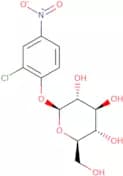
CAS:<p>Chromogenic α-mannosidase substrate yielding a absorbent solution upon cleavage. Also used for studies of the crystal structure of the complexes of concanavalin A and binding studies with concanavalin A.</p>Fórmula:C12H15NO8Pureza:Min. 99 Area-%Peso molecular:301.26 g/mol2-Chloro-4-nitrophenyl β-D-glucopyranoside
CAS:<p>2-Chloro-4-nitrophenyl β-D-glucopyranoside is a chromogenic substrate for beta-glucosidases. In biochemical enzyme assays and in vitro diagnostics analysis, the substrate is used to monitor the glycosyltransferase activity. When 2-chloro-4-nitrophenyl β-D-glucopyranoside is cleaved by beta-glucosidase, 2-chloro-4-nitrophenol is released and quantified.</p>Fórmula:C12H14ClNO8Pureza:Min. 95%Forma y color:White PowderPeso molecular:335.69 g/mol5-Bromo-4-chloro-1-methyl-3-indolyl-β-D-glucopyranoside
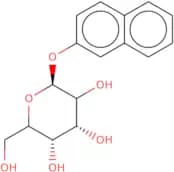
CAS:<p>5-Bromo-4-chloro-1-methyl-3-indolyl-β-D-glucopyranoside is a fluorescent substrate used for the detection of β-glucuronidase. It can be used in several enzyme substrates, such as 5,5'-dithiobis(2-nitrobenzoic acid), 5,5'-dithiobis(3,4,5,-trimethoxybenzoic acid), and 4-(p-[N-(7-(2,7'-dimethyl -2H -chromenyl)-2H -indazolium)]phenylazo)benzoic acid. This product is used for diagnostics and culture media as well as food testing. The product has an extremely high purity and a CAS number.</p>Fórmula:C15H17BrClNO6Pureza:Min. 99.0 Area-%Peso molecular:422.66 g/mol2-Naphthyl b-D-glucopyranoside monohydrate
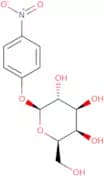
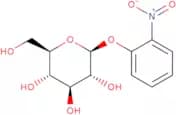
CAS:<p>2-Naphthyl-lpha-D-glucopyranoside is a substrate for α-glucosidase. 2-Naphthol is released upon hydrolyzation. By simultaneous coupling with a suitable staining reagent, such as hexazonium p-rosaniline, the corresponding reddish-brown azo-dye is formed. Naphthols can also be detected by fluorescence analysis.</p>Pureza:Min. 95%Forma y color:PowderPeso molecular:324.33 g/mol2-Nitrophenyl-β-D-glucopyranoside
CAS:<p>Chromogenic beta-Glucosidase substrate yielding a yellow solution upon cleavage.</p>Fórmula:C12H15NO8Peso molecular:301.26 g/molRef: 3D-N-4320
5gA consultar10gA consultar25gA consultar50gA consultar2500mgA consultar-Unit-ggA consultarAldol® 518 α-D-galactopyranoside, Biosynth Patent: EP 2427431 and US 8940909
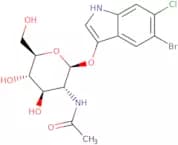
CAS:<p>Aldol® 518 alpha-D-galactopyranoside is a chromogenic and fluorogenic enzyme substrate used for detection of alpha-galactosidase activity. The enzyme substrate is cleaved by alpha-galactosidase positive bacteria and yeasts in liquid or solid media, yielding red color and red fluorescence signal. Aldol® 518 alpha-D-galactopyranoside can also be used to detect alpha-galactosidase (encoded by the Mel1 gene) in yeast gene reporter assays or for identification of alpha-gal positive transformants on agar plates. Aldol® 518 alpha-D-galactopyranoside can be used under aerobic and anaerobic conditions.</p>Fórmula:C29H29ClN2O7Pureza:Min. 95.0 Area-%Peso molecular:553.01 g/mol5-Bromo-6-chloro-3-indolyl 2-acetamido-2-deoxy-b-D-glucopyranoside
CAS:<p>5-Bromo-6-chloro-3-indolyl 2-acetamido-2-deoxy-b-D-glucopyranoside is a chromogenic substrate that yields a magenta-colored product after cleavage. The chromophore 5-bromo-6-chloro-indoxyl is released, generating the observable color. It is used in mucopolysaccharidosis screening.</p>Fórmula:C16H18BrClN2O6Pureza:Min. 97 Area-%Forma y color:PowderPeso molecular:449.68 g/mol2-Naphthyl b-D-mannopyranoside
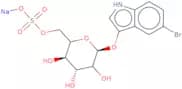
CAS:<p>2-Naphthyl b-D-mannopyranoside is a chromogenic substrate specifically designed for the detection and quantification of β-mannosidase enzyme activity. Upon hydrolysis by β-mannosidase, this substrate releases a colored product, 2-naphthol, which can be easily monitored spectrophotometrically. The use of 2-Naphthyl b-D-mannopyranoside allows for the rapid and sensitive measurement of β-mannosidase activity in various applications, such as enzyme assays, screening for β-mannosidase-producing microorganisms, and studying the kinetics and inhibition of β-mannosidase enzymes.</p>Pureza:Min. 95%Peso molecular:306.31 g/mol5-Bromo-3-indolyl-β-D-galactopyranoside-6-sulfate sodium salt
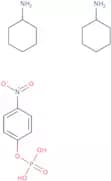
CAS:<p>5-Bromo-3-indolyl-beta-D-galactopyranoside-6-sulfate sodium salt is a lapis substrate, a chromogenic substrate that yields a deep blue color after cleavage. It is used in sulfatase activity assays and for the diagnosis of Mucopolysaccharidosis IVA (Morquio A).</p>Fórmula:C14H15BrNNaO9SPureza:Min. 95%Forma y color:PowderPeso molecular:476.23 g/mol4-Nitrophenyl phosphate, bis(cyclohexylammonium) salt
CAS:<p>Chromogenic substrate yielding a soluble yellow chromophor for the colorimetric assay of phosphatases.</p>Fórmula:C18H32N3O6PPureza:97.0 To 103.0%Peso molecular:417.45 g/mol5-Bromo-6-chloro-3-indolyl a-D-galactopyranoside
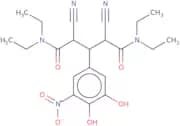
CAS:<p>5-Bromo-6-chloro-3-indolyl a-D-galactopyranoside is a chromogenic substrate that yields a magenta-colored product after cleavage. The chromophore 5-bromo-6-chloro-indoxyl is released, generating the observable color. It is used in glycolipid metabolism studies.</p>Fórmula:C14H15BrClNO6Forma y color:White to off-white solid.Peso molecular:408.63 g/mol2,4-Dicyano-3-(3,4-dihydroxy-5-nitrophenyl)-N1,N1,N5,N5-tetraethylpentanediamide
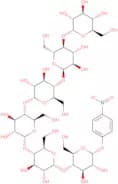
<p>2,4-Dicyano-3-(3,4-dihydroxy-5-nitrophenyl)-N1,N1,N5,N5-tetraethylpentanediamide is a white crystalline solid that is used as an analytical reference standard in HPLC. It is used for the determination of purity and impurities in pharmaceuticals and drug products. This compound can be custom synthesized or obtained from natural sources. It can be found in the USP Drug Impurity Standards and the European Pharmacopoeia.</p>Fórmula:C21H27N5O6Pureza:Min. 95%Peso molecular:445.47 g/mol4-Nitrophenyl 4,6-ethylidene-a-D-maltoheptaoside
CAS:<p>4-Nitrophenyl 4,6-ethylidene-?-D-maltoheptaoside is a substrate used in a reference measurement method for ?-amylase activity in the diagnosis of acute pancreatitis, approved by the International Federation of Clinical Chemistry (IFCC). The substrate is hydrolysed by serum ?-amylase into shorter 4-nitrophenylated oligosaccharides and their free counterparts. These reaction products are channeled into an indicator reaction with ?-glucosidase and are degraded into glucose and the chromophore, 4-nitrophenol.</p>Fórmula:C50H77NO38Pureza:Min. 90%Forma y color:Off-White Yellow PowderPeso molecular:1,300.13 g/mol5-Bromo-4-chloro-3-indoxyl-β-D-xylopyranoside
CAS:<p>5-Bromo-4-chloro-3-indoxyl-beta-D-xylopyranoside is a fluorogenic substrate that can be used to measure the activity of bacterial esterases. The enzyme cleaves the xylose moiety from 5-bromo-4-chloro-3-indoxyl, yielding indoxyl as an intermediate product. This reaction can be catalyzed by esterases found in bacteria, which hydrolyze esters containing a single hydroxyl group at one end and a carboxylic acid or alcohol at the other end. Indoxyl is fluorescent and can be detected using a fluorimeter. 5BX is also chromogenic, so it can be used as an enzyme substrate for detecting beta galactosidase activity in bacteria such as Mycobacterium smegmatis or Escherichia coli.<br>5BX is also used to detect chemilumines</p>Fórmula:C13H13BrClNO5Peso molecular:378.61 g/molRef: 3D-B-7750
1gA consultar5gA consultar10gA consultar500mgA consultar2500mgA consultar-Unit-ggA consultar5-Bromo-4-chloro-3-indoxyl-N-acetyl-β-D-glucosaminide
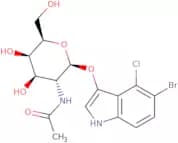
CAS:<p>Chromogenic substrate for N-acetyl-β-D-glucosaminidase yielding a blue precipitate. Contained in certain mycological culture media. Used in histochemistry.</p>Fórmula:C16H18BrClN2O6Pureza:Min. 99.5 Area-%Peso molecular:449.69 g/molNaphthol AS-BI N-acetyl-β-D-glucosaminide
CAS:<p>Naphthol AS-BI N-acetyl-beta-D-glucosaminide is a fluorogenic substrate for the pararosaniline-glyoxalase (PG) reaction. This substrate is used to study enzymatic activity in two human isoenzymes of PG, PG I and PG II. The conversion of this substrate by PG I or PG II results in a color change from yellow to red. Naphthol AS-BI N-acetyl-beta-D-glucosaminide may be used as an experimental tool to measure the activity of these enzymes and to study the effect of inhibitors on their activity. It can also be used as a marker for studying enzyme transfer between cells.</p>Fórmula:C26H27BrN2O8Pureza:Min. 97.0 Area-%Peso molecular:575.42 g/mol4-Chloro-3-indoxyl-β-D-galactopyranoside
CAS:<p>Chromogenic substrate for β-D-galactosidase yielding a precipitate. Mostly used in histochemistry.</p>Fórmula:C14H16ClNO6Peso molecular:329.74 g/mol1-Naphthyl β-D-glucuronide
CAS:<p>1-Naphthyl beta-D-glucuronide (NPG) is a chromogenic enzyme substrate used to detect the presence of β-glucuronidase activity. Upon hydrolysis by the enzyme, it produces a yellow product that can be detected by spectrophotometry or visually. It is commonly used in clinical assays to detect the presence of the enzyme in urine samples, as elevated levels can indicate liver or urinary tract diseases. It is also utilized in environmental testing, as some bacteria strains can produce the enzyme as a by-product, making NPG a useful tool for detecting these strains in contaminated water or food sources.</p>Fórmula:C16H16O7Pureza:Min. 95%Forma y color:White PowderPeso molecular:320.29 g/mol5-Bromo-4-chloro-3-indoxyl phosphate, dilithium salt hydrate
<p>5-Bromo-4-chloro-3-indoxyl phosphate, dilithium salt hydrate is a chromogenic substrate used to detect the specific enzymatic activity of alkaline phosphatase. After cleavage, 5-bromo-4-chloro-indoxyl is released, resulting in a blue to blue-green color change in bacterial colonies or media. 5-Bromo-4-chloro-3-indoxyl phosphate, dilithium salt hydrate is used in ELISA and molecular biology assays such as lacZ reporter systems.</p>Fórmula:C8H4BrClLi2NO4P(anhydrousbasis)Pureza:Min. 98 Area-%Forma y color:PowderPeso molecular:338.34 g/mol4-Nitrophenyl-α-L-fucopyranoside
CAS:<p>Chromogenic substrate yielding a soluble yellow chromophor for the colorimetric assay of α-L-fucosidase, especially in human serum.</p>Fórmula:C12H15NO7Pureza:Min. 98 Area-%Peso molecular:285.26 g/mol4-Nitrophenyl-α-D-galactopyranoside
CAS:<p>Chromogenic substrate yielding a soluble chromophore for the colorimetric assay of α-D-galactosidase upon cleavage. Used for the detection of hydrolases in tissues and membranes.</p>Fórmula:C12H15NO8Pureza:Min. 99.0 Area-%Peso molecular:301.26 g/molAldol® 484 β-D-glucopyranoside, Biosynth Patent: EP 2427431 and US 8940909
CAS:<p>Aldol® 484 beta-D-glucopyranoside is a chromogenic and fluorogenic enzyme substrate used for detection of ?-glucosidase activity. The colorless enzyme substrate is cleaved by bacteria producing ?-glucosidase in liquid or solid media, yielding intense red color and green fluorescent signal. Aldol® 484 beta-D-glucopyranoside can be used under aerobic and anaerobic conditions.</p>Fórmula:C26H24ClFN2O7Pureza:Min. 95.0 Area-%Peso molecular:530.93 g/mol4-Nitrophenyl a-L-arabinopyranoside
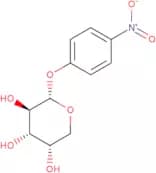
CAS:<p>Substrate for a-L-arabinopyranosidase</p>Fórmula:C11H13NO7Pureza:Min. 98 Area-%Forma y color:White PowderPeso molecular:271.22 g/mol6-Chloro-3-indoxyl-3-acetate
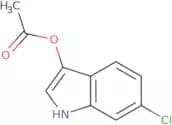
CAS:<p>6-Chloro-3-indoxyl-3-acetate is a chromogenic substrate for carboxylesterase yielding a salmon colored precipitate upon cleavage. Mainly used in histochemistry.</p>Pureza:Min. 95%Forma y color:White PowderPeso molecular:209.63 g/mol6-Chloro-3-indoxyl-α-D-mannopyranoside
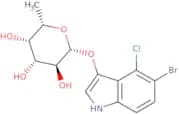
CAS:<p>Chromogenic substrate for α-mannosidase yielding a salmon colored precipitate upon cleavage.</p>Fórmula:C14H16ClNO6Pureza:Min. 98.0 Area-%Peso molecular:329.74 g/mol5-Bromo-4-chloro-3-indoxyl-β-L-fucopyranoside
CAS:<p>This product is a chromogenic substrate that is used in the detection of alkaline phosphatase and other enzymes. It is also used in food testing, staining, and diagnostics. This product has high purity with a CAS number of 125328-84-9.</p>Fórmula:C14H15BrClNO5Pureza:Min. 99 Area-%Peso molecular:392.63 g/molRef: 3D-B-7138
10mgA consultar25mgA consultar50mgA consultar100mgA consultar250mgA consultar-Unit-ggA consultarAldol® 470 β-D-galactopyranoside, Biosynth Patent: EP 2427431 and US 8940909
CAS:<p>Aldol® 470 beta-D-galactopyranoside is a chromogenic and fluorogenic enzyme substrate used for detection of ?-galactosidase activity. The colorless enzyme substrate is cleaved by lactose-utilizing bacteria grown in liquid or solid media, yielding yellow coloration and green fluorescence. Aldol® 470 beta-D-galactopyranoside can also be used in ?-galactosidase gene reporter assays or immunoassay applications (ELISA). Aldol® 470 beta-D-galactopyranoside can be used under aerobic and anaerobic conditions.</p>Fórmula:C29H29NO9Pureza:Min. 95.0 Area-%Peso molecular:535.54 g/molAldol® 458 β-D-galactopyranoside, Biosynth Patent: EP 2427431 and US 8940909
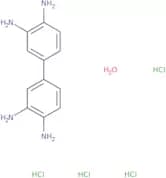
CAS:<p>Aldol® 458 beta-D-galactopyranoside is a chromogenic and fluorogenic enzyme substrate used for detection of beta-galactosidase activity. The colorless enzyme substrate is cleaved by lactose utilizing bacteria grown in liquid or solid media, yielding yellow coloration and green fluorescence. Aldol® 458 beta-D-galactopyranoside can also be used in beta-galactosidase gene reporter assays or immunoassay applications (ELISA). Aldol® 458 beta-D-galactopyranoside can be used under aerobic and anaerobic conditions.</p>Fórmula:C22H23NO8Pureza:Min. 95 Area-%Forma y color:PowderPeso molecular:429.42 g/mol3,3'-Diaminobenzidine tetrahydrochloride hydrate
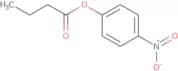
CAS:<p>3,3'-Diaminobenzidine (DAB) is an organic compound derived from benzidine. DAB is water-soluble as the tetrahydrochloride salt and is used in immunohistochemical staining of nucleic acids and proteins. Within research in Alzheimer's disease, Aβ protein amyloid plaques are targeted by a primary antibody, and subsequently by a secondary antibody, which is conjugated with a peroxidase enzyme. This will bind DAB as a substrate and oxidize it, producing an easily observable brown colour. 3,3’-Diaminobenzidine tetrahydrochloride hydrate is also available as the tetrahydrochloride salt and as the free base.</p>Fórmula:C12H14N4·4HCl·xH2OPureza:Min. 97 Area-%Forma y color:PowderPeso molecular:360.11 g/mol4-Nitrophenyl butyrate
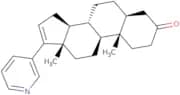
CAS:<p>Chromogenic substrate for esterases</p>Fórmula:C10H11NO4Pureza:Min. 98%Forma y color:Slightly Yellow Yellow Green Clear LiquidPeso molecular:209.2 g/mol(5α)-17-(3-Pyridinyl)androst-16-en-3-one
CAS:Producto controlado<p>(5α)-17-(3-Pyridinyl)androst-16-en-3-one is a natural metabolite of testosterone that is produced in the liver. It has been identified as an impurity in API, which can be found in drugs used for the treatment of high blood pressure and prostate cancer. (5α)-17-(3-Pyridinyl)androst-16-en-3-one is not active as a drug itself, but it can be used as a standard to study the metabolism of testosterone and other steroids.</p>Fórmula:C24H31NOPureza:Min. 98 Area-%Forma y color:White PowderPeso molecular:349.51 g/mol2-Nitrophenyl-β-D-galactopyranoside
CAS:<p>Chromogenic β-galactosidase substrate yielding a yellow solution upon cleavage. Can be used for the detection of coliforms due to their beta-galactosidase activity.</p>Fórmula:C12H15NO8Pureza:Min. 99.0 Area-%Peso molecular:301.26 g/mol4-Nitrophenyl 2-acetamido-2-deoxy-a-D-glucopyranoside
CAS:<p>4-Nitrophenyl 2-acetamido-2-deoxy-a-D-glucopyranoside is a chromogenic pNP substrate specifically designed for the analysis of N-acetylglucosaminidase activity. Upon enzyme action, the substrate releases 4-nitrophenol, a yellow compound that can be detected by spectrophotometric methods, providing a reliable and sensitive means of quantifying enzyme activity. This versatile substrate is widely used in biochemical studies, disease diagnostics, and the enzyme production industry.</p>Fórmula:C14H18N2O8Forma y color:White Off-White PowderPeso molecular:342.3 g/mol4-Nitrophenyl phosphate mono(2-amino-2-ethyl-1,3-propanediol) salt monohydrate
CAS:<p>4-Nitrophenyl phosphate mono(2-amino-2-ethyl-1,3-propanediol) salt monohydrate is a chromogenic substrate that can be used to detect the presence of alkaline phosphatase. It is also used in food testing and diagnostics. 4NPPMD is a substrate for the enzyme alkaline phosphatase, which has been shown to play a role in the inflammatory response. The production of 4NPPMD by bacteria in the environment can be detected with chemiluminescence or bioluminescence. This product has been shown to react with both horseradish peroxidase and alkaline phosphatase, as well as other enzymes that are involved in metabolic pathways. This substrate also has high purity and fluorescence properties.</p>Fórmula:C11H21N2O9PPureza:Min. 95 Area-%Peso molecular:356.26 g/mol2-Chloro-4-nitrophenyl b-D-maltoheptaoside
CAS:<p>2-Chloro-4-nitrophenyl b-D-maltoheptaoside is a fluorescent compound that is used in medical research for the visualization of muscle glycogen. It is also used to study the binding of molecules to proteins, as well as to measure enzyme activity. The compound has been shown to be insensitive to changes in pH and temperature, so it can be used at different pH levels and temperatures without affecting its function. 2-Chloro-4-nitrophenyl b-D-maltoheptaoside can be detected by titration calorimetry due to its high molecular weight. The molecule's affinity for carbohydrates also allows it to be used in optimization studies of carbohydrate molecules.</p>Pureza:Min. 95%Peso molecular:1,308.54 g/molAldol® 515 phosphate, disodium salt, Biosynth Patent: EP 2427431 and US 8940909
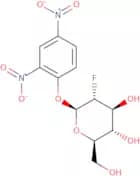
CAS:<p>Aldol® 515 phosphate is a chromogenic and fluorogenic enzyme substrate used for detection of phosphatase activity. The colorless enzyme substrate is cleaved by acid and alkaline phosphatases secreted by bacteria in liquid or solid media, yielding intense red color and red fluorescence. Aldol® 515 phosphate can also be used in Western blots and other immunoassay applications with phosphatase-coupled secondary antibodies. Aldol® 515 phosphate can be used under aerobic and anaerobic conditions.</p>Fórmula:C23H19N2Na2O5PPureza:Min. 95 Area-%Peso molecular:480.36 g/mol2,4-Dinitrophenyl 2-deoxy-2-fluoro-b-D-glucopyranoside
CAS:<p>2,4-Dinitrophenyl 2-deoxy-2-fluoro-β-D-glucopyranoside, sometimes referred as 2F-DNPG, is an enzyme substrate for measuring beta-glucosidase activity. It is a mechanism-based inactivator of glycosidases, including beta-glucocerebrosidase (Gcase), a lysosomal enzyme encoded by the GBA1 gene responsible for breaking down glucosylceramide into ceramide and glucose. The use of 2,4-dinitrophenyl 2-deoxy-2-fluoro-β-D-glucopyranoside as an enzyme substrate permits the study of the catalytic mechanism and reaction intermediate of these enzymes.</p>Fórmula:C12H13FN2O9Pureza:Min. 98 Area-%Forma y color:PowderPeso molecular:348.24 g/mol5-Bromo-4-chloro-3-indolyl myristate
CAS:<p>5-Bromo-4-chloro-3-indolyl myristate is a chromogenic substrate used to detect the specific enzymatic activity of lipase or esterase. After cleavage, 5-bromo-4-chloro-indoxyl is released, resulting in a blue to blue-green color change in bacterial colonies or media. 5-Bromo-4-chloro-3-indolyl myristate is used in screening assays for pancreatic lipase deficiency and lipid metabolism studies.</p>Fórmula:C22H31BrClNO2Pureza:Min. 95%Forma y color:PowderPeso molecular:456.84 g/molBCM® O157:H7(+)
<p>BIOSYNTH Culture Medium for the isolation andidentification of Escherichia coli O157:H7</p>1-Naphthyl b-D-glucuronide sodium salt
CAS:<p>1-Naphthyl b-D-glucuronide sodium salt is a chromogenic substrate commonly used to assay the activity of beta-glucuronidase enzymes. It is hydrolyzed by beta-glucuronidase to yield a yellow-colored product, 1-naphthol, which can be quantified spectrophotometrically. This substrate is widely used in diagnostic tests for detection of beta-glucuronidase activity, particularly in clinical microbiology for the identification of E. coli and other enteric bacteria. With its sodium salt form, it boasts increased solubility in aqueous solutions, ensuring seamless integration into various experimental settings.</p>Fórmula:C16H15NaO7Pureza:Min. 95%Forma y color:PowderPeso molecular:342.28 g/mol6-Chloro-3-indoxyl-α-D-glucopyranoside
CAS:<p>Chromogenic substrate for α-glucosidase yielding a salmon-colored precipitate.</p>Fórmula:C14H16ClNO6Pureza:Min. 98 Area-%Peso molecular:329.74 g/molRef: 3D-C-5015
1gA consultar5gA consultar10gA consultar25gA consultar2500mgA consultar-Unit-ggA consultar5-Bromo-6-chloro-3-indoxyl butyrate
CAS:<p>5-Bromo-6-chloro-3-indoxyl butyrate is an enzyme substrate that is used for the detection of bacteria and fungi in environmental testing, food testing, and diagnostics. It is also used as a fluorogenic substrate in bioluminescence and chemiluminescence assays. 5-Bromo-6-chloro-3-indoxyl butyrate binds to proteins on the cell surface, causing an increase in fluorescence when excited by light of a specific wavelength. The conjugate can be detected using a variety of methods, including staining with dyes such as safranin or methylene blue. This product has high purity and high quality.</p>Fórmula:C12H11BrClNO2Pureza:Min. 98 Area-%Peso molecular:316.59 g/molRef: 3D-B-7060
1gA consultar5gA consultar10gA consultar500mgA consultar2500mgA consultar-Unit-ggA consultar5-Nitro-3-indolyl-b-D-galactopyranoside
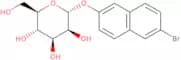
<p>5-Nitro-3-indolyl-b-D-galactopyranoside is a substrate for a number of enzymes, including beta-galactosidase, beta-glucuronidase, and beta-mannosidase. It is used as an enzyme substrate in diagnostics to measure the activity of these enzymes. 5N3IG was also used to study the effects of conjugation on enzyme activity. 5N3IG is available in high purity and high quality at CAS No.</p>Pureza:Min. 95%6-Bromo-2-naphthyl α-D-mannopyranoside
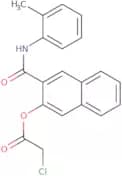
CAS:<p>Chromogenic substrate to visualize the activity of alpha-D-mannopyranoside; red color produced</p>Fórmula:C16H17BrO6Pureza:Min. 95%Forma y color:PowderPeso molecular:385.21 g/molNaphthol AS-D chloroacetate
CAS:<p>Histochemical substrate for esterase</p>Fórmula:C20H16ClNO3Pureza:Min. 98 Area-%Forma y color:PowderPeso molecular:353.8 g/molAldol® 470 choline phosphate, Biosynth Patent: EP 2427431 and US 8940909
CAS:<p>Aldol® 470 choline phosphate is a chromogenic and fluorogenic enzyme substrate used for detection of phosphatidyl-choline specific phospholipase C (PC-PLC, EC 3.1.4.3) activity. The colorless product is cleaved by PC-PLC positive microorganisms in liquid or solid media, yielding a yellow color and green fluorescence. Aldol® 470 choline phosphate therefore, enables the detection and identification of PC-PLC positive pathogenic bacteria, such as, Clostridium perfringens, Pseudomonas aeruginosa, Helicobacter pylori, Legionella pneumophila, Bacillus cereus, Bacillus anthracis, Listeria monocytogenes, and others. Aldol® 470 choline phosphate can be used under aerobic and anaerobic conditions.</p>Fórmula:C28H31N2O7PPureza:Min. 95 Area-%Peso molecular:538.53 g/mol5-Bromo-6-chloro-3-indolyl-2-acetamido-2-deoxy-a-D-glucopyranoside
<p>5-Bromo-6-chloro-3-indolyl-2-acetamido-2-deoxy-a-D-glucopyranoside is a chemiluminescent substrate that is used as an indicator in diagnostic tests. This compound reacts with an oxidizing agent, such as hydrogen peroxide, to generate light. It is also used as a chromogenic substrate for the detection of bioluminescence and it can be applied in culture media or food testing. 5Bromo-6Chloro-3Indolyl2Acetamido2DeoxyA1DGlucopyranoside has a CAS number, which means that it meets the standards set by the Chemical Abstracts Service. It also has a high purity and quality, making it suitable for use in laboratories.</p>Pureza:Min. 95%2-Chloro-4-nitrophenyl β-D-cellotrioside
CAS:<p>2-Chloro-4-nitrophenyl β-D-cellotrioside is a chromogenic substrate use in cellulase activity assays. This enzyme, which is responsible to break down cellulose, hydrolyzes 2-chloro-4-nitrophenyl beta-D-cellotrioside and releases 2-chloro-4-nitrophenol than can be quantified spectrophotometrically. The use of 2-chloro-4-nitrophenyl beta-D-cellotrioside as substrate for enzymatic assays allows detecting bacterial cellulose in urine tract infections in the biofilm state.</p>Fórmula:C24H35ClNO18Pureza:Min. 95%Forma y color:PowderPeso molecular:660.98 g/molN,N,N',N'-Tetramethyl-p-phenylenediamine dihydrochloride
CAS:<p>Reducing co-substrate for heme peroxidases; test reagent in microbiology</p>Fórmula:C10H16N2·2HClPureza:Min. 95%Forma y color:White PowderPeso molecular:237.17 g/mol4-Nitrophenyl-α-D-maltohexaoside
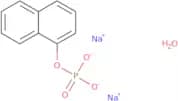
CAS:<p>Chromogenic substrate for α-amylase yielding a yellow solution upon cleavage.</p>Fórmula:C42H65NO33Pureza:Min. 97.0 Area-%Peso molecular:1,111.97 g/mola-Naphthyl phosphate disodium salt hydrate
CAS:<p>a-Naphthyl phosphate disodium salt hydrate is a highly water-soluble chromogenic substrate used to determine phosphatase activity in research and analytical applications, particularly for staining and differentiating acid and alkaline phosphatases.</p>Pureza:Min. 95%Forma y color:White PowderPeso molecular:268.11 g/molAldol® 470 β-D-galactopyranoside, Biosynth Patent: EP 2427431 and US 8940909
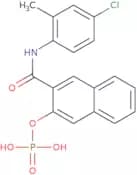
CAS:<p>Aldol® 470 beta-D-galactopyranoside is a chromogenic and fluorogenic enzyme substrate used for detection of beta-galactosidase activity. The colorless enzyme substrate is cleaved by lactose-utilizing bacteria grown in liquid or solid media, yielding yellow coloration and green fluorescence. Aldol® 470 beta-D-galactopyranoside can also be used in beta-galactosidase gene reporter assays or immunoassay applications (ELISA). Aldol® 470 beta-D-galactopyranoside can be used under aerobic and anaerobic conditions.</p>Fórmula:C29H29NO9Pureza:Min. 95 Area-%Forma y color:PowderPeso molecular:535.54 g/molNaphthol AS-TR phosphate
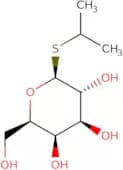
CAS:<p>Modified naphtol AS substrate used in histochemical and cytochemical staining</p>Fórmula:C18H15ClNO5PPureza:Min. 95%Forma y color:Off-White PowderPeso molecular:391.74 g/molIPTG
CAS:<p>Isopropyl-beta-D-thiogalactopyranoside (IPTG) is a non-metabolizable allolactose analogue, widely used in molecular biology for overexpression of recombinant proteins from inducible systems under the control of lac promoter. IPTG binds to the LacI repressor and causes its release from the lac operator, allowing gene expression of lac operon to take place. IPTG is present in vectors of pGEX, pGEM-T, pET, pRSET, pMAL class and others.</p>Fórmula:C9H18O5SPureza:Min. 99 Area-%Forma y color:White PowderPeso molecular:238.3 g/mol5-Bromo-4-chloro-3-indoxyl-N-acetyl-β-D-galactosaminide
CAS:<p>5-Bromo-4-Chloro-3-Indoxyl-N-Acetyl-Beta-D-Galactosaminide is a chromogenic substrate for detecting beta-galactosidase and GalNAc-transferase enzymes. Upon hydrolysis by the enzyme, it produces a blue-green colored compound that can be detected visually or measured spectrophotometrically. This substrate is useful in characterizing the activity of Beta-Galactosidase and GalNAc-transferase enzymes involved in glycobiology research and diagnostic applications.</p>Fórmula:C16H18BrClN2O6Pureza:Min. 98 Area-%Forma y color:Crystalline PowderPeso molecular:449.68 g/mol4-Nitrophenyl 2-acetamido-2-deoxy-4-O-(β-D-galactopyranosyl)-β-D-glucopyranoside
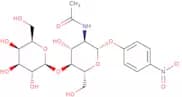
CAS:<p>4-Nitrophenyl 2-acetamido-2-deoxy-4-O-(b-D-galactopyranosyl)-b-D-glucopyranoside is an efficient chromogenic pNP enzyme substrate ideal for monitoring enzyme activity and understanding carbohydrate metabolism. This galacto-glucoside compound is designed specifically for use with glycosidases such as hexosaminidases and delivers unparalleled performance in your enzymatic assays.</p>Fórmula:C20H28N2O13Pureza:Min. 95%Forma y color:White PowderPeso molecular:504.44 g/mol3,4-Cyclohexenoesculetine-N-acetyl-glucosamine
<p>Please enquire for more information about 3,4-Cyclohexenoesculetine-N-acetyl-glucosamine including the price, delivery time and more detailed product information at the technical inquiry form on this page</p>Pureza:Min. 95%5-Bromo-4-chloro-3-indoxyl myo-inositol-1-phosphate, ammonium salt
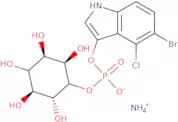
CAS:<p>This product is designed for the sensitive color detection andidentification of various bacteria, such as pathogenic strains of Listeria, Clostridium, Bacillus and Staphylococcus. 5-Bromo-4-chloro-3-indoxyl myo-inositol-1-phosphate (X-phos-inositol; X-IP) is a chromogenic indicator for phosphatidyl-inositol specific phospholipase C(PI-PLC, EC 4.6.1.13). The colorless product is cleaved by PI-PLC positive microorganisms in liquid media or on solid culture media and yields a blue-green color precipitate.</p>Fórmula:C14H19BrClN2O9PPureza:Min. 90.0 Area-%Peso molecular:505.64 g/molAldol® 515 N-glutaryl-L-phenylalanine amide potassium salt, Biosynth Patent: EP 2427431 and US 8940909
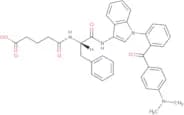
CAS:<p>Aldol® 515 N-glutaryl-L-phenylalanine amide is a chromogenic and fluorogenic enzyme substrate used for detection of L-glutamate-phenylalanine (GluPhe)-specific peptidase activity. The colorless enzyme substrate is cleaved the GluPhe-specific peptidase, yielding development of orange-red coloration. In addition, red fluorescence is generated when Aldol® 355 fluorescence enhancer or a suitable matrix is present. Aldol® 515 N-glutaryl-L-phenylalanine amide can be used in enzyme assays and live bacterial cultures. Aldol® 515 N-glutaryl-L-phenylalanine amide is suitable for use in liquid and solid media, under aerobic as well as anaerobic conditions.</p>Fórmula:C37H35KN4O5Pureza:Min. 95%Forma y color:PowderPeso molecular:654.8 g/mol2-Nitrophenyl b-D-fucopyranoside
CAS:<p>2-Nitrophenyl b-D-fucopyranoside is a chromogenic substrate used in various enzymatic assays to detect the presence of fucosidase enzymes. It consists of a nitrophenyl group attached to a fucose sugar molecule. When acted upon by enzymes such as fucosidases, it releases the colored nitrophenyl group, which can be detected using spectrophotometry.</p>Fórmula:C12H15NO7Pureza:Min. 95%Forma y color:White Off-White PowderPeso molecular:285.25 g/molAldol® 518 palmitate, Biosynth Patent: EP 2427431 and US 8940909
<p>Aldol 518 Palmitate is a high purity and high quality, bioluminescent substrate for use in diagnostic applications. Aldol 518 Palmitate is an enzyme substrate that is used for the detection of hydrogen peroxide through chemiluminescence or bioluminescence. It can be used in the diagnosis of bacterial infections and to test food products for spoilage. The enzyme substrate has a CAS number of 646-12-2.</p>Fórmula:C39H49ClN2O3Pureza:Min. 95 Area-%Peso molecular:629.28 g/mol4-Nitrophenyl-N-acetyl-α-D-glucosaminide
CAS:<p>4-Nitrophenyl-N-acetyl-α-D-glucosaminide is a chromogenic substrate for N-acetyl-β-D-glucosaminidase yielding a yellow solution upon cleavage.</p>Fórmula:C14H18N2O8Peso molecular:342.31 g/molRef: 3D-N-4030
1gA consultar100mgA consultar250mgA consultar500mgA consultar2500mgA consultar-Unit-ggA consultar6-Chloro-3-indolyl 2-acetamido-2-deoxy-β-D-glucopyranoside
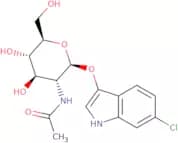
CAS:<p>6-Chloro-3-indolyl 2-acetamido-2-deoxy-b-D-glucopyranoside is a pink enzyme substrate commonly used in biochemical research and diagnostic applications. This compound is a derivative of indolyl glucopyranoside, which is known for its ability to produce a colored product upon enzymatic hydrolysis. 6-Chloro-3-indolyl 2-acetamido-2-deoxy-b-D-glucopyranoside is particularly useful for studying glycosidases, enzymes that cleave glycosidic bonds in complex carbohydrates. Its pink coloration makes it an ideal choice for colorimetric assays, enabling researchers to monitor enzyme activity in real-time and facilitating the development of new diagnostic tools and therapeutic strategies.</p>Fórmula:C16H19ClN2O6Pureza:Min. 95%Forma y color:White to off-white solid.Peso molecular:370.78 g/mol5-Bromo-4-chloro-3-indolyl α-D-fucopyranoside
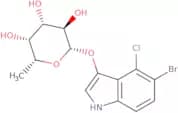
CAS:<p>This powerful chromogenic substrate is designed specifically for the assay and detection of a-L-fucosidase enzyme activity. With a unique combination of bromo, chloro, and indolyl moieties, it offers enhanced stability and promotes color development that is unparalleled in clarity and intensity. Ideal for biochemistry, molecular biology, and related life sciences applications, this substrate provides unmatched performance and reliability for all your a-L-fucosidase enzyme research needs.</p>Fórmula:C14H15BrClNO5Pureza:Min. 95%Forma y color:PowderPeso molecular:392.63 g/mol5-Bromo-4-chloro-3-indoxyl-β-D-fucopyranoside
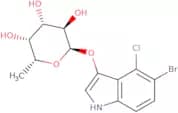
CAS:<p>Chromogenic substrate for β-D-fucosidase yielding a blue precipitate.</p>Fórmula:C14H15BrClNO5Pureza:Min. 99.0 Area-%Peso molecular:392.64 g/molN-Acetylmemantine
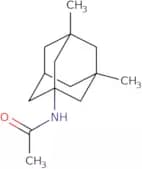
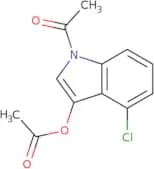
CAS:<p>N-Acetylmemantine is a drug that inhibits the activity of acetylcholinesterase in the brain. It has been shown to inhibit cancer cell growth and induce apoptosis, as well as inhibit the reaction of hydrolysis of acetonitrile with hydrochloric acid in an organic solvent. N-Acetylmemantine is synthesized by heating ethylene in the presence of hydrochloric acid. The synthesis yields a white solid that consists mainly of N-acetylmethamphetamine. This drug interacts with cellular membranes, which may be due to its ability to react with cholesterol or phospholipids. The interaction leads to changes in membrane permeability, which can result in apoptosis.</p>Fórmula:C14H23NOPureza:Min. 95%Forma y color:White PowderPeso molecular:221.34 g/mol4-Chloro-3-Indoxyl-1,3-diacetate
CAS:<p>4-Chloro-3-indoxyl-1,3-diacetate is a fluorogenic or chromogenic substrate used in food testing. It is also an enzyme substrate that can be used to detect the presence of bioluminescence. 4-Chloro-3-indoxyl-1,3-diacetate has been shown to have high purity and high quality for use in diagnostic kits. 4-Chloro-3-indoxyl-1,3-diacetate is a ligand that is conjugated with other molecules to form complexes for use in fluorescence and chemiluminescence experiments.</p>Pureza:Min. 95%Peso molecular:251.67 g/mol5-Bromo-3-indoxyl choline phosphate
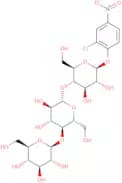
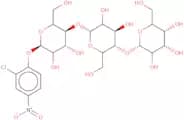
<p>Please enquire for more information about 5-Bromo-3-indoxyl choline phosphate including the price, delivery time and more detailed product information at the technical inquiry form on this page</p>Fórmula:C13H18BrN2O4PPeso molecular:377.18 g/mol2-Chloro-4-nitrophenyl 4-O-b-D-galactopyranosylmaltoside
CAS:<p>2-Chloro-4-nitrophenyl 4-O-b-D-galactopyranosylmaltoside, also known as Gal-G2-CNP, is a high quality, water soluble, chromogenic substrate that is used as an enzyme substrate and can be used in bioluminescence and chemiluminescence assays. This product is designed for use in diagnostics, culture media, food testing, environmental testing, and other research applications. 2-Chloro-4-nitrophenyl 4-O-b-D-galactopyranosylmaltoside has been tested in chromogenic assays with alpha-amylases.</p>Fórmula:C24H34ClNO18Pureza:(Hplc) Min. 90%Forma y color:PowderPeso molecular:659.98 g/mol4-Nitrophenyl-β-L-fucopyranoside
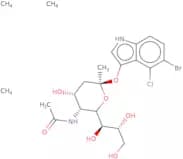
CAS:<p>4-Nitrophenyl-beta-L-fucopyranoside is a chromogenic substrate used in the determination of alpha-glucosidase activity. The formation of phenol from 4-nitrophenyl leads to the production of a yellow color that can be quantified by measuring its absorbance at 490 nm. This assay is based on the principle that alpha-glucosidase hydrolyzes sucrose into glucose and fructose, which are then oxidized to form 4-nitrophenol and 4-nitroanomeric acid, respectively. The reaction product is detected by measuring the absorption at 490 nm.</p>Fórmula:C12H15NO7Peso molecular:285.26 g/mol5-Bromo-4-chloro-3-indolyl N-acetyl-a-D-neuraminic acid ammonium salt
CAS:<p>5-Bromo-4-chloro-3-indolyl N-acetyl-a-D-neuraminic acid ammonium salt is a substrate used to detect and quantify sialidase activity. Sialidases are enzymes that cleave sialic acid residues from glycoconjugates, and their activity is important in various cellular processes. The substrate is commonly used in research aimed at understanding the role of sialidases in diseases such as influenza and cancer.</p>Fórmula:C19H22BrClN2O9·NH3·2H2OPureza:Min. 95%Forma y color:PowderPeso molecular:590.8 g/mol3,4-Cyclohexenoesculetin β-D-galactopyranoside
CAS:<p>Chromogenic substrate for beta-galactosidase</p>Fórmula:C19H22O9Pureza:Min. 95 Area-%Peso molecular:394.37 g/molAldol® 518 ammonium myo-inositol-1-phosphate, Biosynth Patent: EP 2427431 and US 8940909
CAS:<p>Aldol® 518 myo-inositol phosphate is a chromogenic and fluorogenic enzyme substrate used for detection of phosphatidylinositol specific phospholipase C (PI-PLC, EC 4.6.1.13) activity. The colorless enzyme substrate is cleaved by PI-PLC positive microorganisms grown in liquid or solid media, yielding intense red color. In combination with Aldol® 355 fluorescence enhancer, red fluorescence can also be obtained. Aldol® 518 myo-inositol phosphate thus enables the detection and identification of various bacteria, such as, pathogenic strains of Listeria, Clostridium, Bacillus, and Staphylococcus species. Aldol® 518 myo-inositol phosphate is suitable for use under aerobic and anaerobic conditions.</p>Fórmula:C29H33ClN3O10PPureza:Min. 95.0 Area-%Peso molecular:650.02 g/mol5-Bromo-6-chloro-3-indoxyl phosphate, disodium salt monohydrate
CAS:<p>5-Bromo-6-chloro-3-indoxyl phosphate, disodium salt monohydrate is a substrate used to visualize phosphatase activity via showing magenta colored end product when used with Nitroblue Tetrazolium.</p>Fórmula:C8H6BrClNNa2O5PPureza:Min. 99.0 Area-%Peso molecular:388.45 g/mol5-Bromo-6-chloro-3-indoxyl-β-D-galactopyranoside
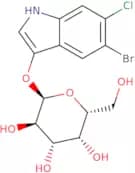
CAS:<p>5-Bromo-6-chloro-3-indoxyl-beta-D-galactopyranoside is a chromogenic substrate for beta-D-galactosidase, yielding a magenta precipitate and contained in a chromogenic culture media. It is an indolyl carbohydrate that is the alpha-D-mannoside of indoxyl, in which the indole moiety is substituted at positions 4 and 5 by chlorine and bromine, respectively.</p>Fórmula:C14H15BrClNO6Pureza:Min. 99.0 Area-%Peso molecular:408.64 g/mol6-Chloro-3-indoxyl choline phosphate
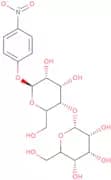
CAS:<p>6-Chloro-3-indoxyl choline phosphate is a chromogenic substrate for phosphatidylcholine-specific phospholipase C (PC-PLC) for the detection of mibrobial metabolites. The use of this specific substrate permits monitoring the activity of PC-PLC. This an important enzyme for the regulation of steady-state levels of phosphatidylcholine (PC) and diacylglycerol (DAG). Abnormally high levels of PC-PLC activity in various tissues have been linked to many disease progressions.</p>Fórmula:C13H18ClN2O4PPureza:Min. 99 Area-%Forma y color:PowderPeso molecular:332.72 g/mol4-Nitrophenyl-β-D-maltopyranoside
CAS:<p>Chromogenic β-maltosidase substrate yielding a yellow solution upon cleavage.</p>Fórmula:C18H25NO13Pureza:Min. 99.0 Area-%Peso molecular:463.40 g/molRef: 3D-N-4492
1gA consultar5gA consultar10gA consultar500mgA consultar2500mgA consultar-Unit-ggA consultarAldol® 495 nonanoate, Biosynth Patent: EP 2427431 and US 8940909
CAS:Producto controlado<p>Aldol 495 nonanoate is a bioluminescent substrate that can be used to measure the activity of Aldolase, which is an enzyme that catalyzes the conversion of glyceraldehyde-3-phosphate and dihydroxyacetone phosphate to D-glyceraldehyde. This substrate is used in various diagnostic assays, including food testing and staining. Aldol 495 nonanoate was developed by Cymit Quimica Pharmaceuticals and has been patented by EP 2427431 and US 8940909.</p>Fórmula:C29H31ClN2O3Pureza:Min. 95.0 Area-%Peso molecular:491.02 g/mol3,4-Cyclohexenoesculetine phosphate disodium
<p>Please enquire for more information about 3,4-Cyclohexenoesculetine phosphate disodium including the price, delivery time and more detailed product information at the technical inquiry form on this page</p>4-Nitrophenyl-N-acetyl-β-D-galactosaminide
CAS:<p>4-Nitrophenyl-N-acetyl-beta-D-galactosaminide is a synthetic substrate that is used in enzyme kinetics. It is a beta-galactosidase substrate that reacts with the enzyme to form a product. The rate of reaction can be measured by following the change in absorbance over time. This product will react with an acceptor, such as chondroitin sulfate, to produce an observable reaction product. 4NPBGA has been shown to be an effective carbon source for plant physiology studies and has been shown to have optimal activity at pH 6.5.</p>Fórmula:C14H18N2O8Pureza:Min. 98 Area-%Peso molecular:342.31 g/mol6-Chloro-3-indoxyl nonanoate
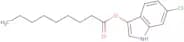
CAS:<p>6-Chloro-3-indoxyl nonanoate is a fluorescent substrate that is used in the detection of beta-galactosidase activity. It has been used to detect the enzyme levels in various culture media and as a high quality, food testing, and environmental testing. The product is also used as a ligand for enzyme inhibition studies. 6-Chloro-3-indoxyl nonanoate has shown to be an excellent fluoroquinolone substrate for chemiluminescence assays. This product is CAS No. 133950-72-8 and is of high purity and high quality.</p>Pureza:Min. 95%Peso molecular:307.81 g/mol5-Bromo-4-chloro-3-indoxyl-β-D-cellobioside
CAS:<p>Chromogenic substrate for β-D-Cellobiosidase yielding a blue precipitate.</p>Fórmula:C20H25BrClNO11Pureza:Min. 99.0 Area-%Peso molecular:570.78 g/mol5-Amino-3-indoxyl-β-D-galactopyranoside
<p>5-Amino-3-indoxyl-beta-D-galactopyranoside (AIG) is a chromogenic substrate that is used for the detection of beta-galactosidase activity. AIG is also used in food testing, diagnostics, and environmental testing. The detection of beta-galactosidase activity can be done by either using the fluorogenic substrate 4-methylumbelliferyl galactopyranoside or the bioluminescence system of firefly luciferase and luciferin. This product has a CAS number of 110114-03-0 and a molecular weight of 417.5 g/mol.</p>Fórmula:C14H18N2O6Peso molecular:310.31 g/mol