Otros
Se han encontrado 6270 productos de "Otros"
Ordenar por
Pureza (%)
0
100
|
0
|
50
|
90
|
95
|
100
6-Chloro-3-indoxyl nonanoate
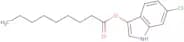
CAS:<p>6-Chloro-3-indoxyl nonanoate is a fluorescent substrate that is used in the detection of beta-galactosidase activity. It has been used to detect the enzyme levels in various culture media and as a high quality, food testing, and environmental testing. The product is also used as a ligand for enzyme inhibition studies. 6-Chloro-3-indoxyl nonanoate has shown to be an excellent fluoroquinolone substrate for chemiluminescence assays. This product is CAS No. 133950-72-8 and is of high purity and high quality.</p>Pureza:Min. 95%Peso molecular:307.81 g/mol3,4-Cyclohexenoesculetin β-D-glucuronide
<p>Chromogenic substrate for beta-glucuronidase</p>Pureza:Min. 95%2-Naphthyl b-D-galactopyranoside
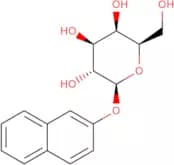
CAS:<p>2-Naphthyl beta-D-galactopyranoside is a glycoside that is found in the flowers of the plant Eschscholzia californica. It is used as a localizer for bacterial strains and can be hydrolyzed by enzymes to release naphthalene. 2-Naphthyl beta-D-galactopyranoside has been shown to inhibit the growth of corynebacterium and diazonium salt, which may be due to its ability to bind to DNA and disrupt protein synthesis. The potential use of this molecule is for its insolubility, which prevents it from being absorbed by skin cells.</p>Fórmula:C16H18O6Pureza:Min. 99 Area-%Forma y color:PowderPeso molecular:306.31 g/mol4-Nitrophenyl 4,6-benzylidene-α-D-maltoheptaoside
CAS:<p>4-Nitrophenyl 4,6-benzylidene-alpha-D-maltoheptaoside is a chromogenic substrate for alpha-amylase. Upon hydrolysis, para-nitrophenol is released yielding a yellowish colour. 4-Nitrophenyl 4,6-benzylidene-alpha-D-maltoheptaoside is used in different applications such as the Starch digestion studies, industrial enzyme optimization</p>Fórmula:C55H79NO38Pureza:Min. 95%Forma y color:PowderPeso molecular:1,362.2 g/mol4-Nitrophenyl trans-ferulate
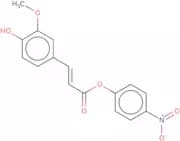
CAS:<p>Substrate for feruloyl esterases</p>Fórmula:C16H13NO6Pureza:Min. 98 Area-%Forma y color:PowderPeso molecular:315.28 g/mol1-Methyl 2-(4-methyl-2-oxo-2H-1-benzopyran-7-yl)ethanedioate
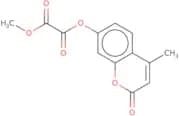
CAS:<p>Inorganic phosphate targeted colorimetric probe</p>Fórmula:C13H10O6Pureza:Min. 95%Peso molecular:822.35 g/mol5-Bromo-4-chloro-3-indoxyl-β-D-glucopyranoside
CAS:<p>Chromogenic substrate for beta-D-glucosidase, yielding a blue precipitate and contained in a chromogenic culture media for the detection of Enterococci, Streptococci, Klebsiella species, Enterobacter species and Listeria species. It is an indolyl carbohydrate that is the beta-D-glucoside of 3-hydroxy-1H-indole, in which the indole moiety is substituted at positions 4 and 5 by chlorine and bromine, respectively. It is used to test for the presence of the enzyme, beta-glucosidase, which cleaves the glycosidic bond to give 5-bromo-4-chloro-3-hydroxy-1H-indole; this immediately dimerises to give an intensely blue product.</p>Fórmula:C14H15BrClNO6Pureza:Min. 98.0 Area-%Peso molecular:408.64 g/mol3,3'-Diaminobenzidine tetrahydrochloride hydrate
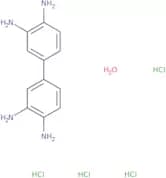
CAS:<p>3,3'-Diaminobenzidine (DAB) is an organic compound derived from benzidine. DAB is water-soluble as the tetrahydrochloride salt and is used in immunohistochemical staining of nucleic acids and proteins. Within research in Alzheimer's disease, Aβ protein amyloid plaques are targeted by a primary antibody, and subsequently by a secondary antibody, which is conjugated with a peroxidase enzyme. This will bind DAB as a substrate and oxidize it, producing an easily observable brown colour. 3,3’-Diaminobenzidine tetrahydrochloride hydrate is also available as the tetrahydrochloride salt and as the free base.</p>Fórmula:C12H14N4·4HCl·xH2OPureza:Min. 97 Area-%Forma y color:PowderPeso molecular:360.11 g/mol4-Nitrocatechol sulfate dipotassium salt
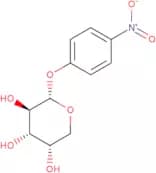
CAS:<p>Chromogenic sulfatase substrate</p>Fórmula:C6H3NO7SK2Pureza:Min. 98 Area-%Forma y color:PowderPeso molecular:311.35 g/mol4-Nitrophenyl a-L-arabinopyranoside
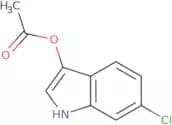
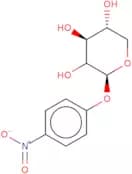
CAS:<p>Substrate for a-L-arabinopyranosidase</p>Fórmula:C11H13NO7Pureza:Min. 98 Area-%Forma y color:White PowderPeso molecular:271.22 g/mol6-Chloro-3-indoxyl-3-acetate
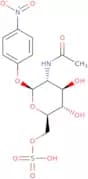
CAS:<p>6-Chloro-3-indoxyl-3-acetate is a chromogenic substrate for carboxylesterase yielding a salmon colored precipitate upon cleavage. Mainly used in histochemistry.</p>Pureza:Min. 95%Forma y color:White PowderPeso molecular:209.63 g/mol4-Nitrophenyl 2-acetamido-2-deoxy-b-D-glucopyranoside-6-sulfate sodium salt
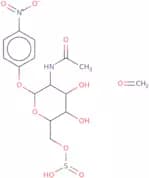
CAS:<p>4-Nitrophenyl 2-acetamido-2-deoxy-beta-D-glucopyranoside-6-sulfate sodium salt is a chromogenic substrate for N-acetylglucosamine-6-sulfatase. Upon hydrolysis, para-nitrophenol is released yielding a yellowish colour. 4-Nitrophenyl 2-acetamido-2-deoxy-beta-D-glucopyranoside-6-sulfate sodium salt is used in different applications such as the Mucopolysaccharidosis IIID (Sanfilippo D) diagnosis</p>Fórmula:C14H17N2O11S·NaPureza:Min. 95 Area-%Forma y color:PowderPeso molecular:444.35 g/mol5-Bromo-4-chloro-3-indolyl b-D-galactofuranoside
<p>5-Bromo-4-chloro-3-indolyl b-D-galactofuranoside is a chromogenic substrate used to detect the specific enzymatic activity of beta-D-galactofuranosidase. After cleavage, 5-bromo-4-chloro-indoxyl is released, resulting in a blue to blue-green color change in bacterial colonies or media. 5-Bromo-4-chloro-3-indolyl b-D-galactofuranoside is used in assays for detecting bacterial pathogens (e.g., Mycobacterium tuberculosis).</p>Fórmula:C14H15BrClNO6Pureza:Min. 95%Forma y color:PowderPeso molecular:408.63 g/mol6-Chloro-3-indoxyl-α-D-mannopyranoside
CAS:<p>Chromogenic substrate for α-mannosidase yielding a salmon colored precipitate upon cleavage.</p>Fórmula:C14H16ClNO6Pureza:Min. 98.0 Area-%Peso molecular:329.74 g/mol5-Bromo-4-chloro-3-indoxyl-β-L-fucopyranoside
CAS:<p>This product is a chromogenic substrate that is used in the detection of alkaline phosphatase and other enzymes. It is also used in food testing, staining, and diagnostics. This product has high purity with a CAS number of 125328-84-9.</p>Fórmula:C14H15BrClNO5Pureza:Min. 99 Area-%Peso molecular:392.63 g/molRef: 3D-B-7138
10mgA consultar25mgA consultar50mgA consultar100mgA consultar250mgA consultar-Unit-ggA consultarChloro-3-indolyl a-D-glucopyranoside
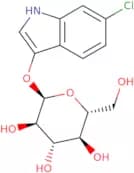
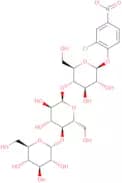
CAS:<p>Chromogenic substrate for α-glucosidase</p>Fórmula:C14H16ClNO6Pureza:Min. 97 Area-%Forma y color:White PowderPeso molecular:329.73 g/mol2-Chloro-4-nitrophenyl-α-L-fucopyranoside
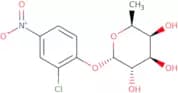
CAS:<p>Alternative chromogenic substrate for alpha-D-galactosidase</p>Fórmula:C12H14ClNO7Pureza:Min. 98 Area-%Forma y color:White PowderPeso molecular:319.69 g/mol5-Bromo-4-chloro-3-indoxyl-α-D-N-acetylneuraminic acid, cyclohexylammonium salt
<p>5-Bromo-4-chloro-3-indoxyl-alpha-D-N-acetylneuraminic acid, cyclohexylammonium salt is a chemiluminescent substrate that provides a significant increase in light emission. It has a CAS number of 59820-92-0 and is supplied in high purity and high quality. This product is used for the detection of various biological reactions, including diagnostics, enzyme substrates, food testing, and more.</p>Pureza:Min. 95%5-Bromo-3-indolyl phosphate disodium salt
CAS:<p>5-Bromo-3-indolyl phosphate disodium salt is a chemiluminescent substrate that is used for the detection of bacterial activity. It reacts with oxygen to produce light, which can be measured using a luminometer. It is also used as a chromogenic substrate for detection of bacterial activity in culture media. The enzyme reaction produces an intense blue fluorescence and is used for diagnostic purposes in food testing and medical diagnostics. 5-Bromo-3-indolyl phosphate disodium salt has been shown to be effective against many bacteria and fungi, including Staphylococcus aureus, Streptococcus pyogenes, Escherichia coli, Pseudomonas aeruginosa, Candida albicans and Aspergillus niger. This product is chemically stable at room temperature but should be stored at 4°C or below.</p>Fórmula:C8H5BrNO4PNa2Pureza:Min. 95%Forma y color:PowderPeso molecular:335.99 g/molAldol® 518 β-D-glucuronic acid, Biosynth Patent: EP 2427431 and US 8940909
CAS:<p>Aldol® 518 beta-D-glucuronic acid is a chromogenic and fluorogenic enzyme substrate used for detection of beta-glucuronidase activity, yielding red colour and red fluorescence. Living cells of Escherichia coli can be reliably detected with Aldol® 518 beta-D-glucuronic acid-containing media. Aldol® 518 beta-D-glucuronic acid can be also used in GUS reporter assays, e.g. in plant biotechnology. Aldol® 518 beta-D-glucuronic acid is suitable for use in liquid and solid media, under aerobic as well as anaerobic conditions.</p>Fórmula:C29H27ClN2O8Pureza:Min. 95 Area-%Peso molecular:566.99 g/mol2-Chloro-4-nitrophenyl phosphate
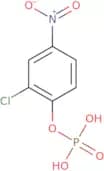
CAS:<p>2-Chloro-4-nitrophenyl phosphate is a chromogenic substrate for phosphatases. Afer cleavage of the substrate, 2-chloro-4-nitrophenol is released, which can be quantified at 405 nm. 2-Chloro-4-nitrophenyl phosphate is used in clinical diagnostics to for prostate cancer, diagnosis of liver and bone diseases.</p>Fórmula:C6H5ClNO6PPureza:Min. 95 Area-%Peso molecular:253.53 g/molAldol® 458 nonanoate solution, 0.75 M in DMSO, Biosynth Patent: EP 2427431 and US 8940909
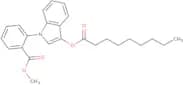
CAS:Producto controlado<p>Aldol 458 nonanoate solution (0.75 M) is a substrate for enzymes and ligands, which is used in various applications such as food testing, staining, fluorogenic substrate, environmental testing, chromogenic substrate and conjugate. Aldol 458 nonanoate solution (0.75 M) has high purity and is highly stable at pH 2-12. This product can be used as a chemiluminescence or bioluminescence substrate. The CAS number for this product is 2484873-15-4.</p>Fórmula:C25H29NO4Pureza:Min. 95%Forma y color:Clear LiquidPeso molecular:407.51 g/molAldol® 458 acetate, Biosynth Patent: EP 2427431 and US 8940909
CAS:Producto controlado<p>Aldol 458 acetate is a synthetic chemical that is used in the food industry as an enzyme substrate and in diagnostic tests to measure the level of enzymes. Aldol 458 acetate is a ligand that binds to proteins, such as horseradish peroxidase and alkaline phosphatase, which are commonly used for detection of antibodies or other proteins. This product can be used as a culture medium additive for bacteria, fungi, and yeast. It can also be used for diagnostics and chemiluminescence reactions. Aldol 458 acetate has high purity and quality.</p>Fórmula:C18H15NO4Pureza:Min. 95.0 Area-%Peso molecular:309.32 g/mol4-Nitrophenyl 2-acetamido-3-O-[2-O-a-L-fucopyranosyl-b-D-galactopyranosyl)-2-deoxy-b-D-galactopyranoside
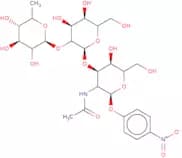
CAS:<p>4-Nitrophenyl 2-acetamido-3-O-[2-O-a-L-fucopyranosyl-b-D-galactopyranosyl)-2-deoxyb-D-galactopyranoside is a water soluble, fluorescent probe that can be used for detecting the presence of β-(1→4) -linked galactosaminoglycans. The dye is a substrate for enzymes such as α--mannosidase, β--glucuronidase and β--galactosidase. The dye is also an excellent ligand for lectins such as concanavalin A and wheat germ agglutinin. This product is a diagnostic reagent that has been shown to have high purity and quality. It has CAS No. 93496-53-8 and can be used in food testing, bioluminescence, environmental testing, or high purity applications.</p>Fórmula:C26H38N2O17Pureza:Min. 95%Peso molecular:650.58 g/mol2-Naphthyl a-D-glucopyranoside
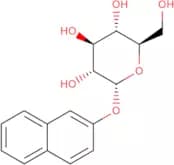
CAS:<p>2-Naphthyl-lpha-D-glucopyranoside is a substrate for α-glucosidase. 2-Naphthol is released upon hydrolyzation. By simultaneous coupling with a suitable staining reagent, such as hexazonium p-rosaniline, the corresponding reddish-brown azo-dye is formed. Naphthols can also be detected by fluorescence analysis.</p>Fórmula:C16H18O6Pureza:Min. 98 Area-%Forma y color:PowderPeso molecular:306.31 g/molRef: 3D-EN06601
1gA consultar2gA consultar5gA consultar10gA consultar500mgA consultar-Unit-mgmgA consultar4-Nitrophenyl β-D-galactofuranoside
CAS:<p>Chromogenic substrate for beta-galactofuranosidase</p>Fórmula:C12H15NO8Pureza:Min. 98 Area-%Forma y color:White PowderPeso molecular:301.25 g/mol2-Nitrophenyl b-L-fucopyranoside
CAS:<p>2-Nitrophenyl beta-L-fucopyranoside is a chromogenic substrate used to detect the enzymatic activity of beta-L-fucosidase. After cleavage, the nitrophenyl moiety is released exhibiting a light yellowish color. 2-Nitrophenyl beta-L-fucopyranoside is used in bacterial fucose metabolism studies to identify and quantify the enzymatic activity in, for example, Bacteroides spp..</p>Pureza:Min. 98 Area-%Forma y color:PowderPeso molecular:285.25 g/mol4-Nitrophenyl 2-acetamido-6-O-(2-acetamido-2-deoxy-b-D-glucopyranosyl)-3-O-(b-D-galactopyranosyl)-2-deoxy-a-D-galactopyranoside
CAS:<p>4-Nitrophenyl 2-acetamido-6-O-(2-acetamido-2-deoxy-b-D-glucopyranosyl)-3-O-(b-D-galactopyranosyl)-2-deoxy-a-D-galactopyranoside is a specific chromogenic substrate designed for the highly sensitive and accurate detection of glycosidase enzyme activity. Glycosidases are responsible for the cleavage of glycosidic bonds between saccharide units in various carbohydrates. The hydrolysis of this substrate by glycosidase enzymes produces 4-nitrophenol, a yellow-colored compound that can be easily monitored through spectrophotometric measurements due to its strong absorbance at 405 nm. This chromogenic substrate is widely used in the analysis of glycosidase activity in various biological samples, including bacterial, fungal, and plant tissues, as well as in environmental samples and biotechnological applications.</p>Fórmula:C28H41N3O18Pureza:Min. 95 Area-%Forma y color:White PowderPeso molecular:707.63 g/mol4-Nitrophenyl α-L-fucopyranoside
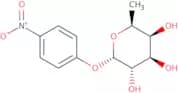
CAS:<p>Chromogenic substrate for alpha-L-fucosidase</p>Fórmula:C12H15NO7Pureza:(%) Min. 98.0%Forma y color:PowderPeso molecular:285.25 g/molAldol® 455 β-D-glucopyranoside, Biosynth Patent: EP 2427431 and US 8940909
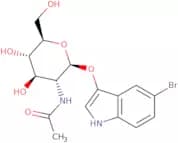
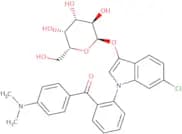
CAS:<p>Aldol® 455 beta-D-glucopyranoside is a chromogenic and fluorogenic enzyme substrate used for detection of beta-glucosidase activity. The colorless enzyme substrate is cleaved by beta-glucosidase producing bacteria grown in liquid or solid media, yielding a yellow color and green to orange fluorescence. Aldol® 455 beta-D-glucopyranoside can be used under aerobic and anaerobic conditions.</p>Fórmula:C27H24ClNO7Pureza:Min. 92.0 Area-%Peso molecular:509.94 g/mol5-Bromo-3-indolyl 2-acetamido-2-deoxy-b-D-glucopyranoside
CAS:<p>5-Bromo-3-indolyl 2-acetamido-2-deoxy-b-D-glucopyranoside is a lapis substrate, a chromogenic substrate that yields a deep blue color after cleavage. It is used in lysosomal storage disorder screening such as for Sanfilippo syndrome.</p>Fórmula:C16H19BrN2O6Pureza:Min. 98 Area-%Forma y color:White Off-White PowderPeso molecular:415.24 g/mol5-Bromo-6-chloro-3-indoxyl myo-inositol-1-phosphate, ammonium salt
<p>Indoxyl substrate targeting the enzyme inositol monophosphatase; Magenta color</p>Fórmula:C14H19BrClN2O9PPureza:Min. 99 Area-%Peso molecular:505.65 g/molAldol® 515 β-D-xylopyranoside, Biosynth Patent: EP 2427431 and US 8940909
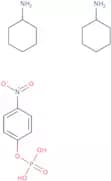
CAS:<p>Aldol® 515 beta-D-xylopyranoside is a chemiluminescent ligand that can be used for the detection of beta-xylosidase activity to yield a red color.</p>Fórmula:C28H34N2O6Pureza:Min. 95%Forma y color:PowderPeso molecular:494.59 g/mol4-Nitrophenyl phosphate, bis(cyclohexylammonium) salt
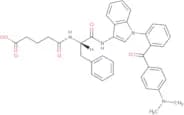
CAS:<p>Chromogenic substrate yielding a soluble yellow chromophor for the colorimetric assay of phosphatases.</p>Fórmula:C18H32N3O6PPureza:97.0 To 103.0%Peso molecular:417.45 g/molAldol® 515 N-glutaryl-L-phenylalanine amide potassium salt, Biosynth Patent: EP 2427431 and US 8940909
CAS:<p>Aldol® 515 N-glutaryl-L-phenylalanine amide is a chromogenic and fluorogenic enzyme substrate used for detection of L-glutamate-phenylalanine (GluPhe)-specific peptidase activity. The colorless enzyme substrate is cleaved the GluPhe-specific peptidase, yielding development of orange-red coloration. In addition, red fluorescence is generated when Aldol® 355 fluorescence enhancer or a suitable matrix is present. Aldol® 515 N-glutaryl-L-phenylalanine amide can be used in enzyme assays and live bacterial cultures. Aldol® 515 N-glutaryl-L-phenylalanine amide is suitable for use in liquid and solid media, under aerobic as well as anaerobic conditions.</p>Fórmula:C37H35KN4O5Pureza:Min. 95%Forma y color:PowderPeso molecular:654.8 g/mol4-Nitrophenyl 4,6-ethylidene-a-D-maltoheptaoside
CAS:<p>4-Nitrophenyl 4,6-ethylidene-?-D-maltoheptaoside is a substrate used in a reference measurement method for ?-amylase activity in the diagnosis of acute pancreatitis, approved by the International Federation of Clinical Chemistry (IFCC). The substrate is hydrolysed by serum ?-amylase into shorter 4-nitrophenylated oligosaccharides and their free counterparts. These reaction products are channeled into an indicator reaction with ?-glucosidase and are degraded into glucose and the chromophore, 4-nitrophenol.</p>Fórmula:C50H77NO38Pureza:Min. 90%Forma y color:Off-White Yellow PowderPeso molecular:1,300.13 g/molAldol® 515 caprylate solution, 0.50 M in DMSO, Biosynth Patent: EP 2427431 and US 8940909
CAS:<p>Aldol® 515 caprylate is a chromogenic and fluorogenic enzyme substrate used for detection of lipase activity. The colorless enzyme substrate is cleaved by C8 esterases, yielding development of red coloration. In addition, red fluorescence is generated when Aldol® 355 fluorescence enhancer or a suitable matrix is present. Aldol® 515 caprylate can be used in enzyme assays and live bacterial cultures. Aldol® 515 caprylate is suitable for use in liquid and solid media, under aerobic as well as anaerobic conditions.</p>Fórmula:C31H34N2O3Pureza:Min. 95%Forma y color:Clear Liquid PowderPeso molecular:482.62 g/mol2-O-(4-Nitrophenyl)-a-D-N-glycolylneuraminic acid
CAS:<p>2-O-(4-Nitrophenyl)-a-D-N-glycolylneuraminic acid is commonly used to measure the activity of sialidase enzymes, specifically those that cleave glycoconjugates containing 2-O-(4-nitrophenyl)-alpha-D-N-glycolylneuraminic acid. The resulting product can be detected by measuring the absorbance at a specific wavelength using a spectrophotometer. This substrate offers a high degree of specificity for glycolylneuraminic acid-containing substrates and is useful for both research and diagnostic purposes.</p>Pureza:Min. 95%Forma y color:PowderPeso molecular:446.36 g/mol2-Chloro-4-nitrophenyl β-D-maltotrioside
CAS:<p>2-Chloro-4-nitrophenyl beta-D-maltotrioside, often abbreviated as CNP-G3, is a chromogenic substrate to detect and mesaure alpha-amylase activity. Evaluation and monitoring of alpha-amylase activity is important to help diagnose certain diseases such as pancreatitis.</p>Fórmula:C24H34ClNO18Pureza:Min. 95%Forma y color:PowderPeso molecular:659.98 g/mol6-Chloro-3-indoxyl caprylate
CAS:<p>6-Chloro-3-indoxyl caprylate is a high quality, enzyme substrate, chromogenic substrate, bioluminescence, chemiluminescence ligand, staining and diagnostics reagent. It has CAS No. 159954-35-5 and is used in food testing, culture media and environmental testing. 6-Chloro-3-indoxyl caprylate is also a fluorogenic substrate that is used for high purity applications such as conjugation with other molecules.</p>Fórmula:C16H20ClNO2Peso molecular:293.80 g/mol5-Bromo-4-chloro-3-indoxyl sulfate, potassium salt
CAS:<p>Chromogenic substrate for aryl-sulfatase. Yields a blue precipitate upon cleavage.</p>Fórmula:C8H4BrClKNO4SPureza:Min. 98.0 Area-%Peso molecular:364.65 g/molAldol® 467 β-D-galactopyranoside, Biosynth Patent: EP 2427431 and US 8940909
CAS:<p>Aldol® 467 beta-D-galactopyranoside is a chromogenic and fluorogenic enzyme substrate used for detection of beta-galactosidase activity. The colorless product is cleaved by lactose-utilizing bacteria grown in liquid or solid media, yielding yellow coloration and green fluorescence. Aldol® 467 beta-D-galactopyranoside can also be used in beta-galactosidase gene reporter assays or immunoassay applications (ELISA). Aldol® 467 beta-D-galactopyranoside can be used under aerobic and anaerobic conditions.</p>Fórmula:C29H28ClNO9Pureza:Min. 95%Forma y color:PowderPeso molecular:570 g/mol5-Bromo-3-indoxyl choline phosphate
<p>Please enquire for more information about 5-Bromo-3-indoxyl choline phosphate including the price, delivery time and more detailed product information at the technical inquiry form on this page</p>Fórmula:C13H18BrN2O4PPeso molecular:377.18 g/mol4-Nitrophenyl 3-O-(β-D-glucopyranosyl)-β-D-glucopyranoside
CAS:<p>Chromogenic substrate for beta-glucanase</p>Fórmula:C18H25NO13Pureza:Min. 95 Area-%Forma y color:PowderPeso molecular:463.39 g/molAldol® 518 α-D-galactopyranoside, Biosynth Patent: EP 2427431 and US 8940909
CAS:<p>Aldol® 518 alpha-D-galactopyranoside is a chromogenic and fluorogenic enzyme substrate used for detection of alpha-galactosidase activity. The enzyme substrate is cleaved by alpha-galactosidase positive bacteria and yeasts in liquid or solid media, yielding red color and red fluorescence signal. Aldol® 518 alpha-D-galactopyranoside can also be used to detect alpha-galactosidase (encoded by the Mel1 gene) in yeast gene reporter assays or for identification of alpha-gal positive transformants on agar plates. Aldol® 518 alpha-D-galactopyranoside can be used under aerobic and anaerobic conditions.</p>Fórmula:C29H29ClN2O7Pureza:Min. 95.0 Area-%Peso molecular:553.01 g/molNaphthol AS-BI N-acetyl-β-D-glucosaminide
CAS:<p>Naphthol AS-BI N-acetyl-beta-D-glucosaminide is a fluorogenic substrate for the pararosaniline-glyoxalase (PG) reaction. This substrate is used to study enzymatic activity in two human isoenzymes of PG, PG I and PG II. The conversion of this substrate by PG I or PG II results in a color change from yellow to red. Naphthol AS-BI N-acetyl-beta-D-glucosaminide may be used as an experimental tool to measure the activity of these enzymes and to study the effect of inhibitors on their activity. It can also be used as a marker for studying enzyme transfer between cells.</p>Fórmula:C26H27BrN2O8Pureza:Min. 97.0 Area-%Peso molecular:575.42 g/mol2-Chloro-4-nitrophenyl 4-O-b-D-galactopyranosylmaltoside
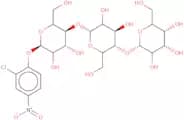
CAS:<p>2-Chloro-4-nitrophenyl 4-O-b-D-galactopyranosylmaltoside, also known as Gal-G2-CNP, is a high quality, water soluble, chromogenic substrate that is used as an enzyme substrate and can be used in bioluminescence and chemiluminescence assays. This product is designed for use in diagnostics, culture media, food testing, environmental testing, and other research applications. 2-Chloro-4-nitrophenyl 4-O-b-D-galactopyranosylmaltoside has been tested in chromogenic assays with alpha-amylases.</p>Fórmula:C24H34ClNO18Pureza:(Hplc) Min. 90%Forma y color:PowderPeso molecular:659.98 g/molAldol® 470 acetate, Biosynth Patent: EP 2427431 and US 8940909
CAS:Producto controlado<p>Aldol® 470 acetate is a Fluorogenic substrate that is used in enzymatic reactions to produce a fluorescent product. Aldol® 470 acetate can be used as a ligand or a chromogenic substrate. This product is also used in diagnostic tests, such as conjugates and chemiluminescence, to detect the presence of certain enzymes or microorganisms. It can be used in culture media to measure the amount of certain enzymes, such as phosphatases or proteases, and has been shown to have high purity and quality. This product has CAS No. 1318785-37-3, 1318785-38-4, 1318785-39-5, 1318785-40-6 and 1318785-41-7.</p>Fórmula:C25H21NO5Pureza:Min. 95%Forma y color:PowderPeso molecular:415.44 g/molNaphthol AS-BI β-L-fucopyranoside
CAS:<p>Substrate for the detection of beta-D-fucosidase</p>Fórmula:C24H24BrNO7Pureza:Min. 95%Peso molecular:518.35 g/molAldol® 584 β-D-glucuronic acid, triethylammonium salt, Biosynth Patent: EP 2427431 and US 8940909
CAS:<p>Aldol® 584 is a fluorogenic substrate that can be used for enzymatic and chemical assays. It is an important component of the Cymit Quimica Aldol Reagent Kit and other diagnostic kits. Aldol® 584 is used in immunoassays, such as ELISA, to measure the activity of serine proteases, including cathepsin D, elastase, and leukocyte elastase. This product has a CAS number of 2484873-11-0.</p>Fórmula:C37H46ClN3O10Pureza:Min. 95.0 Area-%Peso molecular:728.20 g/mol2-Nitrophenyl b-D-fucopyranoside
CAS:<p>2-Nitrophenyl b-D-fucopyranoside is a chromogenic substrate used in various enzymatic assays to detect the presence of fucosidase enzymes. It consists of a nitrophenyl group attached to a fucose sugar molecule. When acted upon by enzymes such as fucosidases, it releases the colored nitrophenyl group, which can be detected using spectrophotometry.</p>Fórmula:C12H15NO7Pureza:Min. 95%Forma y color:White Off-White PowderPeso molecular:285.25 g/mol3,4-Cyclohexenoesculetine phosphate disodium
<p>Chromogenic substrate for phosphatase</p>Pureza:Min. 95%4-Nitrophenyl 3-O-(a-D-mannopyranosyl)-a-D-mannopyranoside
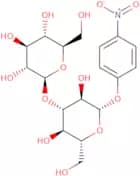
CAS:<p>Chromogenic substrate for α-glucanase</p>Fórmula:C18H25NO13Pureza:Min. 97 Area-%Forma y color:White PowderPeso molecular:463.39 g/molp-Nitrophenylphosphorylcholine
CAS:<p>p-Nitrophenylphosphorylcholine is a substrate molecule for enzymes that catalyze phospholipid biosynthesis. It is the most common substrate used to study the enzyme activity of phosphatidylcholine synthase and phospholipase A2 in human serum. The reaction mechanism is not well understood, but it appears to involve autocatalysis and an initial nucleophilic attack by p-nitrophenolate on the carbonyl carbon atom of the choline moiety. p-Nitrophenylphosphorylcholine has been shown to exhibit receptor activity on cells, which may be due to its ability to bind with basic proteins. This compound can also inhibit meiosis in Drosophila melanogaster and increase levels of natriuretic peptides in rats, as well as cause cell lysis and polymerase chain reactions in mammalian cells.</p>Fórmula:C11H17N2O6PPeso molecular:304.24 g/molAlizarin-2-β-D-galactopyranoside
CAS:<p>Chromogenic substrate targeting beta- galactosidase and whose color is dependent on the metal chelating.Alizarin-2-beta-D-galactopyranoside is a chromogenic substrate for enzymes based on alizarin and has been reported for the detection of bacterial beta-galactosidase by researchers at the University of Northumbria and the Freeman Hospital, Newcastle upon Tyne in the UK (James, 2000).</p>Fórmula:C20H18O9Pureza:Min. 98.0 Area-%Peso molecular:402.36 g/molAldol® 515 acetate, Biosynth Patent: EP 2427431 and US 8940909
CAS:<p>Aldol® 515 acetate is a chromogenic and fluorogenic substrate, used for detection of esterase activity. The colorless product is cleaved by purified esterase, or esterase secreted by microorganisms in liquid or solid media, yielding a red color and red fluorescence signal when Aldol® 355 fluorescence enhancer or a suitable matrix is present. Aldol® 515 acetate can be used under aerobic and anaerobic conditions. Well detectable color/fluorescence of bacterial colonies or liquid cultures is obtained within 16-48 h. In the presence of a purified esterase, color and fluorescence develops within minutes to few hours.</p>Fórmula:C25H22N2O3Pureza:Min. 95.0 Area-%Peso molecular:398.45 g/molNaphthol AS-D chloroacetate
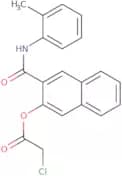
CAS:<p>Histochemical substrate for esterase</p>Fórmula:C20H16ClNO3Pureza:Min. 98 Area-%Forma y color:PowderPeso molecular:353.8 g/mol4-Nitrophenyl 2-acetamido-2-deoxy-a-D-glucopyranoside
CAS:<p>4-Nitrophenyl 2-acetamido-2-deoxy-a-D-glucopyranoside is a chromogenic pNP substrate specifically designed for the analysis of N-acetylglucosaminidase activity. Upon enzyme action, the substrate releases 4-nitrophenol, a yellow compound that can be detected by spectrophotometric methods, providing a reliable and sensitive means of quantifying enzyme activity. This versatile substrate is widely used in biochemical studies, disease diagnostics, and the enzyme production industry.</p>Fórmula:C14H18N2O8Forma y color:White Off-White PowderPeso molecular:342.3 g/mol4-Nitrophenyl-N-acetyl-α-D-glucosaminide
CAS:<p>4-Nitrophenyl-N-acetyl-α-D-glucosaminide is a chromogenic substrate for N-acetyl-β-D-glucosaminidase yielding a yellow solution upon cleavage.</p>Fórmula:C14H18N2O8Peso molecular:342.31 g/molRef: 3D-N-4030
1gA consultar100mgA consultar250mgA consultar500mgA consultar2500mgA consultar-Unit-ggA consultar5-Iodo-3-indoxyl-β-D-galactopyranoside
CAS:<p>5-Iodo-3-indoxyl-beta-D-galactopyranoside is a chromogenic substrate for beta-galactosidase.</p>Fórmula:C14H16INO6Pureza:Min. 99 Area-%Peso molecular:421.19 g/mol4-Nitrophenyl-β-D-cellobioside
CAS:<p>Chromogenic substrate for β-D-Cellobiosidase yielding a yellow solution upon cleavage.</p>Fórmula:C18H25NO13Pureza:Min. 98 Area-%Peso molecular:463.39 g/mol5-Bromo-4-chloro-3-indolyl a-L-arabinofuranoside
<p>5-Bromo-4-chloro-3-indolyl a-L-arabinofuranoside is a chromogenic substrate used to detect the specific enzymatic activity of alpha-L-arabinofuranosidase. After cleavage, 5-bromo-4-chloro-indoxyl is released, resulting in a blue to blue-green color change in bacterial colonies or media. 5-Bromo-4-chloro-3-indolyl a-L-arabinofuranoside is used in bacterial arabinan degradation assays (e.g. Bacillus spp.).</p>Fórmula:C13H13BrClNO5Pureza:Min. 98.0 Area-%Forma y color:PowderPeso molecular:378.6 g/mol5-Bromo-4-chloro-3-indoxyl phosphate, p-toluidine salt, high grade
CAS:<p>A substrate for visualising alkaline phosphatase activity. It produces a purple insoluble end product that is detected visually, when used together with nitroblue tetrazolium. The substrate system is versatile and has functions in a variety of applications, including Northern, Southern, and Western blotting, in situ hybridization, ELISAs, microarray and immunohistochemistry. DMF soluble.</p>Fórmula:C15H15BrClN2O4PPureza:Min. 98.0 Area-%Peso molecular:433.63 g/molAldol® 470 L-alanine amide, acetate salt, Biosynth Patent: EP 2427431 and US 8940909
CAS:Producto controlado<p>Aldol® 470 L-alanine amide is a chromogenic and fluorogenic enzyme substrate used for detection of L-alanine aminopeptidase activity. The colorless enzyme substrate is cleaved by L-alanine aminopeptidase, yielding orange-yellow coloration. In addition, green fluorescence is generated when Aldol® 355 fluorescence enhancer or a suitable matrix is present. Aldol® 470 L-alanine amide can also be used in enzymatic assays or within live bacterial cultures. Aldol® 470 L-alanine amide is suitable for use in liquid and solid media, under aerobic as well as anaerobic conditions.</p>Fórmula:C28H29N3O6Pureza:Min. 95.0 Area-%Peso molecular:503.55 g/mol3-Indoxyl-β-D-galactopyranoside
CAS:<p>Chromogenic substrate for β-D-galactosidase, yielding a blue precipitate upon cleavage.</p>Fórmula:C14H17NO6Pureza:Min. 98 Area-%Peso molecular:295.29 g/molRef: 3D-I-6000
5gA consultar10gA consultar25gA consultar50gA consultar100gA consultar-Unit-ggA consultar4-Fluoro-2-nitrophenyl b-D-galactopyranoside
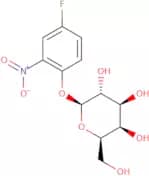
CAS:<p>4-Fluoro-2-nitrophenyl beta-D-galactopyranoside, a fluorinated analog of ONPG, is a chromogenic enzyme substrate specifically used to detect beta-galactosidase in bacterial media. 4-Fluoro-2-nitrophenyl beta-D-galactopyranoside is used in Lactose intolerance screening, bacterial beta-galactosidase detection (E. coli)</p>Pureza:Min. 95%Forma y color:PowderPeso molecular:319.24 g/mol5-Bromo-4-chloro-3-indolyl b-D-mannopyranoside
CAS:<p>5-Bromo-4-Chloro-3-Indolyl b-D-Mannopyranoside, also known as X-Man, is an enzyme substrate commonly used for detecting mannosidase enzymes. Upon hydrolysis by the enzyme, it produces a blue-green colored compound that can be detected visually or measured spectrophotometrically. This substrate is useful in characterizing the activity of mannosidases involved in glycoprotein processing and quality control.</p>Fórmula:C14H15BrClNO6Forma y color:White Off-White PowderPeso molecular:408.63 g/mol4-(Hydroxymethyl)phenyl-α-D-galactopyranoside tetraacetate
CAS:<p>4-(Hydroxymethyl)phenyl-alpha-D-galactopyranoside tetraacetate is a substrate for enzymes that catalyze the hydroxylation of carbohydrates. It can be used as a substrate for peroxidase and beta-glucosidase, which are important in the production of natural products such as resveratrol, catechins, and lignin. 4-(Hydroxymethyl)phenyl-alpha-D-galactopyranoside tetraacetate is also a chromogenic substrate for chemiluminescence reactions. The product is available as a powder and can be used in diagnostic kits to detect the presence of enzymes or other substances in food or environmental samples.</p>Fórmula:C21H26O11Peso molecular:454.43 g/mol6-Bromo-2-naphthyl 2-acetamido-2-deoxy-b-D-glucopyranoside
CAS:<p>6-Bromo-2-naphthyl 2-acetamido-2-deoxy-b-D-glucopyranoside is a chromogenic substrate used for the detection of chitinase activity. Upon hydrolysis by chitinase, it releases a yellow-brown color, which is easily detected by spectrophotometry. This substrate has been used to study chitinases in various organisms, including bacteria, fungi, and insects. It can also be used to quantitate chitinase activity in various biological samples.</p>Fórmula:C18H20BrNO6Pureza:Min 97%Forma y color:White PowderPeso molecular:426.26 g/mol4-Nitrophenyl phosphate mono(2-amino-2-ethyl-1,3-propanediol) salt monohydrate
CAS:<p>4-Nitrophenyl phosphate mono(2-amino-2-ethyl-1,3-propanediol) salt monohydrate is a chromogenic substrate that can be used to detect the presence of alkaline phosphatase. It is also used in food testing and diagnostics. 4NPPMD is a substrate for the enzyme alkaline phosphatase, which has been shown to play a role in the inflammatory response. The production of 4NPPMD by bacteria in the environment can be detected with chemiluminescence or bioluminescence. This product has been shown to react with both horseradish peroxidase and alkaline phosphatase, as well as other enzymes that are involved in metabolic pathways. This substrate also has high purity and fluorescence properties.</p>Fórmula:C11H21N2O9PPureza:Min. 95 Area-%Peso molecular:356.26 g/molAldol® 484 acetate, Biosynth Patent: EP 2427431 and US 8940909
CAS:Producto controlado<p>Aldol® 484 acetate is a chromogenic substrate for carboxylesterases yielding a red precipitate. In contrast to classical indoxyl substrates, Aldol® substrates can be used under aerobic and anaerobic conditions.</p>Fórmula:C22H16ClFN2O3Pureza:Min. 95%Forma y color:PowderPeso molecular:410.83 g/molN-(3-Sulfopropyl)-3,3',5,5'-tetramethylbenzidine sodium salt
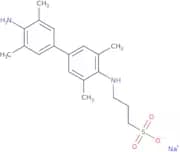
CAS:<p>N-(3-Sulfopropyl)-3,3',5,5'-tetramethylbenzidine (TMB) sodium salt is a highly sensitive chromogenic substrate used for the detection and quantification of peroxidase enzyme activity. This water-soluble substrate undergoes a color change from colorless to blue upon oxidation by peroxidase enzymes in the presence of hydrogen peroxide. The reaction can be stopped by adding an acid, resulting in a yellow color that can be measured spectrophotometrically. TMB sodium salt is widely used in various applications, including enzyme-linked immunosorbent assays (ELISA), immunohistochemistry, and other diagnostic tests, due to its high sensitivity, low background signal, and excellent stability.</p>Pureza:Min. 95%Forma y color:PowderPeso molecular:384.47 g/mol4-Chloro-3-indolyl β-D-galactopyranoside
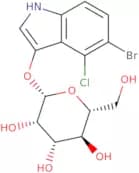
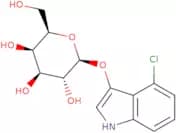
CAS:<p>2-Chloro-4-nitrophenyl b-D-lactoside is a chromogenic enzyme substrate used to study the activity of enzymes. It produces a color when hydrolyzed, which makes it a valuable tool in screening for enzyme activity and studying enzyme kinetics.</p>Fórmula:C14H16ClNO6Pureza:Min. 95%Forma y color:SolidPeso molecular:329.73 g/molAldol® 535 myo-inositol-1-phosphate, ammonium salt, Biosynth Patent: EP 2427431 and US 8940909
CAS:<p>Aldol® 535 myo-inositol-1-phosphate, ammonium salt is a chromogenic substrate for the enzyme, phosphoglucomutase. This product is used for the detection of phosphoglucomutase by its ability to react with this enzyme and produce a blue or green color. Aldol® 535 myo-inositol-1-phosphate, ammonium salt is also used as a ligand in fluorescence resonance energy transfer (FRET) experiments. It has an EC number of CAS No. 2484872-80-0 and a molecular weight of 345.05 g/mol.</p>Fórmula:C29H32BrClN3O10PPureza:Min. 95.0 Area-%Peso molecular:728.91 g/mol5-Bromo-4-chloro-3-indoxyl-α-L-fucopyranoside
CAS:<p>Chromogenic substrate for α-D-Fucosidase yielding a blue precipitate.</p>Fórmula:C14H15BrClNO5Pureza:Min. 98.0 Area-%Peso molecular:392.64 g/molNaphthol AS nonanoate
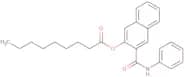
CAS:<p>Modified naphtol AS substrate used in histochemical and cytochemical staining</p>Fórmula:C26H29NO3Pureza:Min. 95%Forma y color:PowderPeso molecular:403.51 g/mol5-Bromo-4-chloro-3-indoxyl-α-D-fucopyranoside
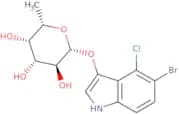
CAS:<p>5-Bromo-4-chloro-3-indoxyl-alpha-D-fucopyranoside is a photosynthetic agent that belongs to the class of fucopyranosides. It is a non-proteinogenic amino acid that has been shown to be encoded in chloroplasts and mitochondria in photosynthetic organisms. 5B4C3IF has also been found to be involved in the synthesis of polynucleotides and polypeptides, as well as the regulation of biomass.</p>Fórmula:C14H15BrClNO5Peso molecular:392.64 g/molRef: 3D-B-7134
1gA consultar5gA consultar250mgA consultar500mgA consultar2500mgA consultar-Unit-ggA consultarAldol® 518 palmitate, Biosynth Patent: EP 2427431 and US 8940909
<p>Aldol 518 Palmitate is a high purity and high quality, bioluminescent substrate for use in diagnostic applications. Aldol 518 Palmitate is an enzyme substrate that is used for the detection of hydrogen peroxide through chemiluminescence or bioluminescence. It can be used in the diagnosis of bacterial infections and to test food products for spoilage. The enzyme substrate has a CAS number of 646-12-2.</p>Fórmula:C39H49ClN2O3Pureza:Min. 95 Area-%Peso molecular:629.28 g/mol5-Bromo-4-chloro-3-indoxyl caprylate
CAS:<p>Chromogenic substrate for esterase with C8 activity yielding a blue precipitate upon cleavage.</p>Fórmula:C16H19BrClNO2Pureza:Min. 99 Area-%Peso molecular:372.70 g/molNaphthol AS-E phosphate, 60%
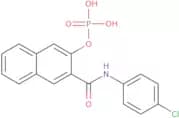
CAS:<p>Histochemical substrate for alkaline phosphatase</p>Fórmula:C17H13ClNO5PPureza:(%) Min. 60%Forma y color:SolidPeso molecular:377.72 g/mol2-Chloro-4-nitrophenyl b-D-maltoheptaoside
CAS:<p>2-Chloro-4-nitrophenyl b-D-maltoheptaoside is a fluorescent compound that is used in medical research for the visualization of muscle glycogen. It is also used to study the binding of molecules to proteins, as well as to measure enzyme activity. The compound has been shown to be insensitive to changes in pH and temperature, so it can be used at different pH levels and temperatures without affecting its function. 2-Chloro-4-nitrophenyl b-D-maltoheptaoside can be detected by titration calorimetry due to its high molecular weight. The molecule's affinity for carbohydrates also allows it to be used in optimization studies of carbohydrate molecules.</p>Pureza:Min. 95%Peso molecular:1,308.54 g/mol5-Bromo-4-chloro-3-indolyl a-D-mannopyranoside
CAS:<p>5-Bromo-4-chloro-3-indolyl a-D-mannopyranoside is a chromogenic substrate used to detect the specific enzymatic activity of alpha-mannosidase. After cleavage, 5-bromo-4-chloro-indoxyl is released, resulting in a blue to blue-green color change in bacterial colonies or media. 5-Bromo-4-chloro-3-indolyl a-D-mannopyranoside is used in alpha-mannosidosis diagnosis and other lysosomal storage disorder.</p>Fórmula:C14H15BrClNO6Pureza:Min. 95 Area-%Forma y color:PowderPeso molecular:408.63 g/mol5-Bromo-4-chloro-3-indoxyl-α-D-N-acetylneuraminic acid, sodium salt
CAS:<p>Chromogenic substrate for neuraminidase yielding a blue precipitate upon cleavage.</p>Fórmula:C19H21BrClN2NaO9Pureza:Min. 98.0 Area-%Peso molecular:559.74 g/mol5-Bromo-4-chloro-1-methyl-3-indolyl-α-D-glucopyranoside
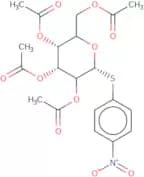
CAS:<p>5-Bromo-4-chloro-1-methyl-3-indolyl-α-D-glucopyranoside is a fluorescent substrate used for the detection of α-glucuronidase.</p>Fórmula:C15H17BrClNO6Pureza:Min. 99.0 Area-%Peso molecular:422.66 g/mol4-Nitrophenyl 2,3,4,6-tetra-O-acetyl-b-D-thioglucopyranoside
CAS:<p>4-Nitrophenyl 2,3,4,6-tetra-O-acetyl-b-D-thioglucopyranoside is a fluorescent dye that is used in recording and registration. It has been shown to be a very sensitive reporter of protein interactions in living cells. This dye binds to proteins via the hydroxyl groups on its sugar moiety, and has been shown to bind to a variety of proteins such as myosin light chain kinase and phosphatidylinositol 4-kinase. The fluorescent properties of this dye make it useful for tracking protein localization in the cell.</p>Pureza:Min. 95%Peso molecular:485.46 g/mol4-Nitrophenyl b-D-thiogalactopyranoside
CAS:<p>4-Nitrophenyl b-D-thiogalactopyranoside is a specialized chromogenic substrate designed for measuring the activity of thio-β-galactosidase enzymes. Upon cleavage by thio-β-galactosidase, it releases the intensely colored 4-nitrophenolate ion, providing a straightforward, sensitive, and quantitative detection method. This substrate is easily incorporated into enzyme-coupled assays, making it a reliable and convenient choice for research and diagnostic applications. With its rapid color development and high signal-to-background ratio, 4-Nitrophenyl b-D-thiogalactopyranoside is ideal for monitoring enzyme kinetics, substrate specificity evaluation, and inhibitor screening in a range of scientific and biotechnological settings.</p>Fórmula:C12H15NO7SPureza:Min. 98 Area-%Forma y color:PowderPeso molecular:317.32 g/mol6-Nitro-3-indoxyl-β-D-galactopyranoside
<p>For the detection of beta-galactosidase activity</p>Fórmula:C14H16N2O8Peso molecular:340.29 g/mol4-Nitrophenyl b-D-arabinopyranoside
CAS:<p>Chromogenic substrate targeting beta-L-arabinofuranosidase</p>Pureza:Min. 95%Peso molecular:271.22 g/mol4-Nitrophenyl 2-acetamido-2-deoxy-b-D-glucopyranoside-6-sulfate
<p>4-Nitrophenyl 2-acetamido-2-deoxy-b-D-glucopyranoside is a chemiluminescent substrate that can be used in the detection of various enzymes. This product has been tested for sterility and purity, and it has passed all tests. It is also free of any detectable levels of heavy metals or other contaminants. 4NP2AG6S is a high quality bioluminescent substrate with CAS No. 71498-92-5. It is a fluorescent compound that reacts with an enzyme to produce light. The reaction can be detected by measuring the emitted light intensity at 680 nm (max).</p>Pureza:Min. 95%2-Nitrophenyl-1-thio-β-D-galactopyranoside
CAS:<p>2-Nitrophenyl-1-thio-beta-D-galactopyranoside is a nitroaryl compound that can be synthesized from beta-D-galactopyranosides and nitric acid. It has a molecular conformation that is stabilized by hydrogen bonds, which allows it to form supramolecular assemblies with other molecules. The nitro group in this molecule is responsible for the formation of the nitro group in 1,2,4,5,-tetranitrobenzene.</p>Fórmula:C12H15NO7SPeso molecular:317.32 g/molRef: 3D-N-5100
1gA consultar5gA consultar10gA consultar500mgA consultar2500mgA consultar-Unit-ggA consultar5-Bromo-6-chloro-3-indoxyl-β-D-galactopyranoside
CAS:<p>5-Bromo-6-chloro-3-indoxyl-beta-D-galactopyranoside is a chromogenic substrate for beta-D-galactosidase, yielding a magenta precipitate and contained in a chromogenic culture media. It is an indolyl carbohydrate that is the alpha-D-mannoside of indoxyl, in which the indole moiety is substituted at positions 4 and 5 by chlorine and bromine, respectively.</p>Fórmula:C14H15BrClNO6Pureza:Min. 99.0 Area-%Peso molecular:408.64 g/mol5-Bromo-4-chloro-3-indolyl b-D-glucuronide sodium salt
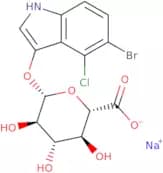
CAS:<p>Chromogenic substrate for beta-glucuronidase</p>Fórmula:C14H12BrClNNaO7Pureza:Min. 98 Area-%Forma y color:White Off-White PowderPeso molecular:444.59 g/mol2-Nitrophenyl butyrate
CAS:<p>2-Nitrophenyl butyrate is a chromogenic enzyme substrate that is commonly used in enzymatic assays to detect lipases and esterases. When hydrolyzed by these enzymes, the substrate yields a yellow product that can be detected spectrophotometrically at 405 nm. The advantage of using 2-nitrophenyl butyrate is its high sensitivity and specificity for detecting lipolytic and esterolytic activities. This substrate is widely used in various applications, including enzyme kinetics studies, inhibitor screening, and the determination of esterase activity in biological samples such as serum, plasma, and cell lysates.</p>Fórmula:C10H11NO4Pureza:Min. 95%Forma y color:Clear LiquidPeso molecular:209.2 g/mol5-Bromo-4-chloro-3-indoxyl-α-L-arabinofuranoside
<p>5-Bromo-4-chloro-3-indoxyl-alpha-L-arabinofuranoside is a fluorogenic substrate. It is also used as a ligand to detect the presence of an enzyme in a sample. 5BCIAF may be used as an enzyme substrate to measure the activity of enzymes such as beta-galactosidase, alpha-glucuronidase, and esterases. It is also used for diagnostic purposes, with the most common use being for the detection of Mycobacterium tuberculosis in clinical specimens. 5BCIAF can be conjugated to other compounds to form fluorescent probes for detecting specific compounds or cells within a sample. This compound has been shown to have activity against bacteria, fungi, and viruses when tested in culture media and food samples. The chemical structure of 5BCIAF is similar to that of fluorescein, which has been shown to have chemiluminescent properties</p>Fórmula:C13H13BrClNO5Pureza:Min. 99.0 Area-%Peso molecular:378.61 g/mol4-Nitrophenyl β-D-xylobioside
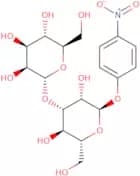
CAS:<p>4-Nitrophenyl beta-D-xylobioside is a chromogenic substrate for xylanase. Upon hydrolysis, para-nitrophenol is released yielding a yellowish colour. 4-Nitrophenyl beta-D-xylobioside is used in different applications such as the Xylan degradation studies, paper/pulp industry applications</p>Fórmula:C16H21NO11Pureza:Min. 95%Forma y color:White PowderPeso molecular:403.34 g/mol4-Nitrophenyl 2,3,4,6-tetra-O-acetyl-a-D-thiomannopyranoside
CAS:<p>4-Nitrophenyl 2,3,4,6-tetra-O-acetyl-a-D-thiomannopyranoside is a pNP substrate that serves as a chromogenic substrate for enzyme assays. It has been tested for the detection of a-D-mannosidase activity in a variety of biological samples, including cell lysates, body fluids, and tissue homogenates.</p>Pureza:Min. 95%Peso molecular:485.47 g/molAldol® 455 β-D-galactopyranoside, Biosynth Patent: EP 2427431 and US 8940909
CAS:<p>Aldol® 455 beta-D-galactopyranoside is a chromogenic substrate for the enzyme β-galactosidase. It is used to detect the activity of β-galactosidase in cell culture, and has been shown to be highly purified and of high quality. This product can be used as a ligand for receptor binding studies or as an agent in enzyme substrates in fluorescence and chemiluminescence reactions.</p>Fórmula:C27H24ClNO7Pureza:Min. 93.0 Area-%Peso molecular:509.94 g/mol5-Bromo-4-chloro-3-indoxyl-α-D-N-acetylneuraminic acid, cyclohexylammonium salt
<p>5-Bromo-4-chloro-3-indoxyl-alpha-D-N-acetylneuraminic acid, cyclohexylammonium salt is a Fluorogenic substrate used for the detection of an enzyme that converts sialic acid to fluorescein. This product has a high quality and purity with a CAS number. It is used in Culture media as a conjugate, Enzyme substrate, Food testing, High purity, Diagnostics, ligand, Chromogenic substrate, Environmental testing. The product has been tested and found to be safe for use with animals and humans.</p>Fórmula:C25H35BrClN3O9Pureza:Min. 99.5 Area-%Peso molecular:636.92 g/molAldol® 470 acetate, Biosynth Patent: EP 2427431 and US 8940909
CAS:Producto controlado<p>Aldol 470 acetate is a chromogenic substrate for carboxylesterases yielding a yellow precipitate. Furthermore it shows some fluorescence(excitation at 320 nm to 490 nm). In contrast to classical indoxylsubstrates, Aldol substrates work not only under aerobic but also under anaerobic conditions.</p>Fórmula:C25H21NO5Pureza:Min. 95.0 Area-%Peso molecular:415.44 g/mol5-Bromo-3-indolyl-a-D-galactopyranoside
<p>5-Bromo-3-indolyl-a-D-galactopyranoside (5BIG) is a bioluminescent substrate that is used in various applications, including environmental testing, diagnostics, and the detection of bacterial activity. 5BIG is a ligand for luciferase enzymes and is used as a chromogenic substrate. It also has the ability to be conjugated with other molecules for use in enzyme substrates or fluorescence assays. 5BIG has been shown to be an effective fluorogenic substrate for enzymes such as alkaline phosphatase and beta-glucuronidase.</p>Pureza:Min. 95%