Otros
Se han encontrado 6270 productos de "Otros"
Ordenar por
Pureza (%)
0
100
|
0
|
50
|
90
|
95
|
100
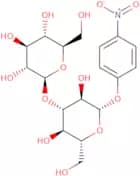
4-Nitrophenyl 6-O-(b-D-galactopyranosyl)-b-D-galactopyranoside
CAS:<p>4-Nitrophenyl 6-O-(b-D-galactopyranosyl)-b-D-galactopyranoside is a fluorescent substrate that is used in diagnostics and culture media. It can be used to detect the presence of aminoglycoside antibiotics, such as gentamicin, by using the fluorogenic or chromogenic reaction. 4NP6BG has been shown to bind to the beta subunit of RNA polymerase and inhibit transcription, which can be useful for testing environmental samples for the presence of aminoglycosides.</p>Pureza:Min. 95%4-(Hydroxymethyl)phenyl-α-D-galactopyranoside tetraacetate
CAS:<p>4-(Hydroxymethyl)phenyl-alpha-D-galactopyranoside tetraacetate is a substrate for enzymes that catalyze the hydroxylation of carbohydrates. It can be used as a substrate for peroxidase and beta-glucosidase, which are important in the production of natural products such as resveratrol, catechins, and lignin. 4-(Hydroxymethyl)phenyl-alpha-D-galactopyranoside tetraacetate is also a chromogenic substrate for chemiluminescence reactions. The product is available as a powder and can be used in diagnostic kits to detect the presence of enzymes or other substances in food or environmental samples.</p>Fórmula:C21H26O11Peso molecular:454.43 g/mol2-Chloro-4-nitrophenyl phosphate
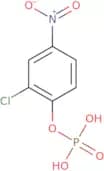
CAS:<p>2-Chloro-4-nitrophenyl phosphate is a chromogenic substrate for phosphatases. Afer cleavage of the substrate, 2-chloro-4-nitrophenol is released, which can be quantified at 405 nm. 2-Chloro-4-nitrophenyl phosphate is used in clinical diagnostics to for prostate cancer, diagnosis of liver and bone diseases.</p>Fórmula:C6H5ClNO6PPureza:Min. 95 Area-%Peso molecular:253.53 g/mol6-Bromo-2-naphthyl 2-acetamido-2-deoxy-b-D-glucopyranoside
CAS:<p>6-Bromo-2-naphthyl 2-acetamido-2-deoxy-b-D-glucopyranoside is a chromogenic substrate used for the detection of chitinase activity. Upon hydrolysis by chitinase, it releases a yellow-brown color, which is easily detected by spectrophotometry. This substrate has been used to study chitinases in various organisms, including bacteria, fungi, and insects. It can also be used to quantitate chitinase activity in various biological samples.</p>Fórmula:C18H20BrNO6Pureza:Min 97%Forma y color:White PowderPeso molecular:426.26 g/molChloro-3-indolyl a-D-glucopyranoside
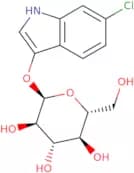
CAS:<p>Chromogenic substrate for α-glucosidase</p>Fórmula:C14H16ClNO6Pureza:Min. 97 Area-%Forma y color:White PowderPeso molecular:329.73 g/mol3-Indoxyl phosphate p-toluidine Salt
CAS:Producto controlado<p>3-Indoxyl phosphate p-toluidine salt is a secretor of blood group A. It is used in the detection of the presence of alkaline phosphatase in serum and other body fluids. This compound has been shown to be an isoform of 3-indoxyl phosphate with a molecular mass of about 4,000 daltons. It is also used as a substrate for gel electrophoresis and filtration experiments. The purified form of this compound has been shown to have an alkaline phosphatase activity that is ˜4 times greater than that found in human serum and intestinal extracts.</p>Fórmula:C8H8NO4P·C7H9NPureza:Min. 98 Area-%Forma y color:PowderPeso molecular:320.28 g/mol5-Bromo-4-chloro-3-indoxyl-β-D-glucopyranoside
CAS:<p>Chromogenic substrate for beta-D-glucosidase, yielding a blue precipitate and contained in a chromogenic culture media for the detection of Enterococci, Streptococci, Klebsiella species, Enterobacter species and Listeria species. It is an indolyl carbohydrate that is the beta-D-glucoside of 3-hydroxy-1H-indole, in which the indole moiety is substituted at positions 4 and 5 by chlorine and bromine, respectively. It is used to test for the presence of the enzyme, beta-glucosidase, which cleaves the glycosidic bond to give 5-bromo-4-chloro-3-hydroxy-1H-indole; this immediately dimerises to give an intensely blue product.</p>Fórmula:C14H15BrClNO6Pureza:Min. 98.0 Area-%Peso molecular:408.64 g/mol2-Naphthyl-β-D-Glucuronide Sodium Salt
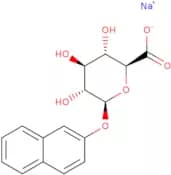
CAS:<p>2-Naphthyl-beta-D-glucuronide sodium salt is an enzyme substrate to detect beta-glucuronidase. The enzyme cleaves the glycosidic bond in 2-naphthyl-beta-D-glucuronide to release 2-naphtol and glucuronic acid. Beta-glucuronidase activity assays are important in many fields such as cancer research, as the enzyme is expressed in some tumors and its activity can be targeted for cancer therapy. The enzyme has also an important role in drug metabolism as it recognizes and binds to drug glucuronide conjugate (as 2-naphthyl-beta-D-glucuronide) facilitating its hydrolysis to release the active part. 2-Naphthyl-beta-D-glucuronide sodium salt has a higher solubility as it is in its salt form.</p>Fórmula:C16H15NaO7Pureza:Min. 95%Forma y color:PowderPeso molecular:342.28 g/mol2-Naphthyl-β-D-galactopyranoside
CAS:<p>2-Naphthyl-β-D-galactopyranoside is a substrate for β-galactosidase. 2-Naphthol is released upon hydrolyzation. By simultaneous coupling with a suitable staining reagent, such as hexazonium p-rosaniline, the corresponding reddish-brown azo-dye is formed. Naphthols can also be detected by fluorescence analysis.</p>Fórmula:C16H18O6Pureza:Min. 99 Area-%Peso molecular:306.32 g/mol4-Nitrophenyl b-D-arabinopyranoside
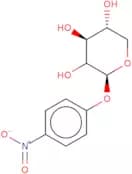
CAS:<p>Chromogenic substrate targeting beta-L-arabinofuranosidase</p>Pureza:Min. 95%Peso molecular:271.22 g/molBCM® Histamine-producing bacteria Broth
<p>Growth medium for the detection of histamine-producing bacteria in food and water samples. The medium contains an indicator that turns orange/red (absorbance at 555 nm) due to metabolites released by histidine decarboxylase. The BCM® Histamine-producing bacteria Broth contains tryptone (FT09555) and yeast extract, together with the chromogenic agent. High-level histamine-producing bacteria yield orange to red coloration in less than 2 days and even after 24 hours, while cultures of other bacteria remain yellow.</p>Pureza:Min. 95%Naphthol AS-BI sulphate potassium
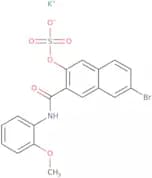
CAS:<p>Naphthol AS-BI sulphate potassium salt is a modified naphtol AS substrate used for alkaline and acid phosphatase.</p>Fórmula:C18H14BrNO6S•KPureza:Min. 95%Peso molecular:491.38 g/molAldol® 455 β-D-galactopyranoside, Biosynth Patent: EP 2427431 and US 8940909
CAS:<p>Aldol® 455 beta-D-galactopyranoside is a chromogenic substrate for the enzyme β-galactosidase. It is used to detect the activity of β-galactosidase in cell culture, and has been shown to be highly purified and of high quality. This product can be used as a ligand for receptor binding studies or as an agent in enzyme substrates in fluorescence and chemiluminescence reactions.</p>Fórmula:C27H24ClNO7Pureza:Min. 93.0 Area-%Peso molecular:509.94 g/mol4-Nitrophenyl b-D-glucopyranoside-6-phosphate
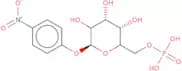
CAS:<p>4-Nitrophenyl beta-D-glucopyranoside-6-phosphate is a chromogenic substrate for glucose-6-phosphatase. Upon hydrolysis, para-nitrophenol is released yielding a yellowish colour. 4-Nitrophenyl beta-D-glucopyranoside-6-phosphate is used in different applications such as the Glycogen storage disease diagnosis (e.g., von Gierke disease)</p>Fórmula:C12H16NO11PPureza:Min. 98 Area-%Forma y color:PowderPeso molecular:381.23 g/molAldol® 455 alpha-D-glucopyranoside - Biosynth Patent: EP 2427431 and US 8940909
<p>Aldol® 455 alpha-D-glucopyranoside is a high quality, environmentally tested, staining, and ligand for bioluminescent assays. It has been shown to be a chromogenic substrate for diagnostics and a fluorogenic substrate for enzymes such as alpha-glucosidase, producing a yellow/green-orange color. Aldol® 455 alpha-D-glucopyranoside is also used in culture media and food testing.</p>Fórmula:C27H24ClNO7Pureza:Min. 95 Area-%Forma y color:PowderPeso molecular:509.93 g/mol4-Nitrophenyl α-L-rhamnopyranoside
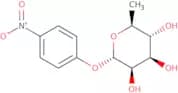
CAS:<p>Chromogenic substrate for alpha-L-rhamnosidase</p>Fórmula:C12H15NO7Pureza:Min. 99 Area-%Forma y color:White Slightly Yellow PowderPeso molecular:285.25 g/mol4-Nitrophenyl 2-acetamido-4-O-(2-acetamido-2-deoxy-b-D-glucopyranosyl)-2-deoxy-a-D-galactopyranoside
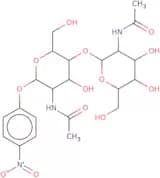
<p>4-Nitrophenyl 2-acetamido-4-O-(2-acetamido-2-deoxy-b-D-glucopyranosyl)-2-deoxy-a-D-galactopyranoside is an enzyme substrate that is used in the detection of phenylalanine, tyrosine, and tryptophan. It is also used for environmental testing, bioluminescence, culture media, chemiluminescence, fluorogenic substrate, food testing, diagnostics and other applications.</p>Pureza:Min. 95%Forma y color:Off-White PowderPeso molecular:545.49 g/mol3-Nitrophenyl b-D-galactopyranoside
CAS:<p>Chromogenic substrate targeting beta-galactosidase</p>Fórmula:C12H15NO8Forma y color:PowderPeso molecular:301.25 g/mol5-Bromo-3-indoxyl myo-inositol-1-phosphate, ammonium salt
<p>Please enquire for more information about 5-Bromo-3-indoxyl myo-inositol-1-phosphate, ammonium salt including the price, delivery time and more detailed product information at the technical inquiry form on this page</p>Fórmula:C14H20BrN2O9PPeso molecular:471.2 g/mol5-Bromo-3-indoxyl nonanoate
CAS:<p>Chromogenic substrate for esterase with C9 activity yielding a lapis colored precipitate upon cleavage.</p>Fórmula:C17H22BrNO2Pureza:Min. 99 Area-%Peso molecular:352.28 g/mol5-Bromo-6-chloro-3-indolyl α-D-glucopyranoside
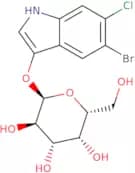
CAS:<p>5-Bromo-6-chloro-3-indolyl α-D-glucopyranoside is a chromogenic substrate that yields a magenta-colored product after cleavage. The chromophore 5-bromo-6-chloro-indoxyl is released, generating the observable color. It is used in Pompe disease diagnostics, a glycogen storage disorder, that measures the deffiency of alpha-glucosidase (GAA) that could lead to the accumulation of glycogen in lysosomes.</p>Fórmula:C14H15BrClNO6Pureza:Min. 95%Forma y color:PowderPeso molecular:408.63 g/molNaphthol AS-D
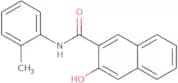
CAS:<p>Naphthol AS-D is a diagnostic chemical for phosphatase enzymes and is used to stain cells, tissues, and body fluids for diagnosis. The chemical reacts with the amino groups of proteins in cells and produces a brown color. Naphthol AS-D is not toxic to living cells in concentrations below 5%. It stains basophilic leukemia cells as well as brain cells. This chemical can be used to diagnose cutaneous lesions, such as psoriasis or melanoma, which are difficult to diagnose by standard methods. present in these lesions and produce a brown color.</p>Fórmula:C18H15NO2Pureza:Min. 95%Forma y color:PowderPeso molecular:277.32 g/mol3-Indolyl 2-acetamido-2-deoxy-b-D-glucopyranoside
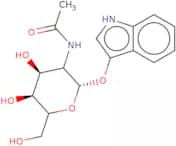
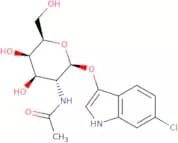
CAS:<p>3-Indolyl 2-acetamido-2-deoxy-b-D-glucopyranoside is a substrate used for the detection of the enzyme N-acetylglucosaminidase (NAG). The enzyme hydrolyzes the NAG conjugate, releasing indole that can be detected through a colorimetric assay. This method is commonly used in clinical chemistry to evaluate kidney function, as NAG is excreted in urine and increased levels may indicate renal injury or disease. The indole NAG assay is also used in microbiology to detect the presence of NAG-producing bacteria.</p>Pureza:Min. 95%Peso molecular:336.34 g/mol4-Nitrophenyl b-L-arabinopyranoside
CAS:<p>4-Nitrophenyl beta-L-arabinopyranoside is a chromogenic substrate for beta-L-arabinosidase. Upon hydrolysis, para-nitrophenol is released yielding a yellowish colour. 4-Nitrophenyl beta-L-arabinopyranoside is used in different applications such as the Bacterial arabinan degradation assays, gut microbiome analysis</p>Fórmula:C11H13NO7Pureza:Min. 98 Area-%Forma y color:White PowderPeso molecular:271.22 g/mol1-Naphthyl β-D-mannopyranoside
CAS:<p>1-Naphthyl β-D-mannopyranoside is a chromogenic (also fluorogenic) substrate. After cleavage, 1-naphthol is released and is used to quantify beta-mannosidase activity.</p>Fórmula:C16H18O6Pureza:Min. 95%Forma y color:PowderPeso molecular:306.31 g/mol5-Bromo-6-chloro-3-indolyl a-D-galactopyranoside
CAS:<p>5-Bromo-6-chloro-3-indolyl a-D-galactopyranoside is a chromogenic substrate that yields a magenta-colored product after cleavage. The chromophore 5-bromo-6-chloro-indoxyl is released, generating the observable color. It is used in glycolipid metabolism studies.</p>Fórmula:C14H15BrClNO6Forma y color:White to off-white solid.Peso molecular:408.63 g/molChlorophenol red-b-D-galactopyranoside sodium salt
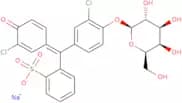
CAS:<p>Chlorophenol red-b-D-galactopyranoside sodium salt is the salt from of CPRG (chlorophenol red-b-D-galactopyranoside), that has a higher solubility. It is a chromogenic substrate for beta-galactosidases that, after enzymatic cleavage, releases chlorophenol red, a dark red compound quantified by absorbance at 570 nm.</p>Fórmula:C25H21Cl2O10SNaPureza:Min. 96 Area-%Forma y color:PowderPeso molecular:607.4 g/molNaphthol AS-BI N-acetyl-b-D-galactosaminide
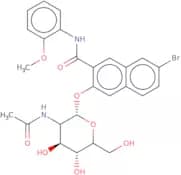
CAS:<p>Modified naphtol AS substrate used in histochemical and cytochemical staining</p>Fórmula:C26H27BrN2O8Pureza:Min. 95%Forma y color:PowderPeso molecular:575.41 g/mol2,4-Dicyano-3-(3,4-dihydroxy-5-nitrophenyl)-N1,N1,N5,N5-tetraethylpentanediamide
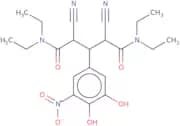
<p>2,4-Dicyano-3-(3,4-dihydroxy-5-nitrophenyl)-N1,N1,N5,N5-tetraethylpentanediamide is a white crystalline solid that is used as an analytical reference standard in HPLC. It is used for the determination of purity and impurities in pharmaceuticals and drug products. This compound can be custom synthesized or obtained from natural sources. It can be found in the USP Drug Impurity Standards and the European Pharmacopoeia.</p>Fórmula:C21H27N5O6Pureza:Min. 95%Peso molecular:445.47 g/molAldol® 455 beta-D-glucopyranoside, Biosynth Patent: EP 2427431 and US 8940909
CAS:<p>Aldol® 455 beta-D-glucopyranoside is a chromogenic and fluorogenic enzyme substrate used for detection of beta-glucosidase activity. The colorless enzyme substrate is cleaved by beta-glucosidase producing bacteria grown in liquid or solid media, yielding a yellow color and green to orange fluorescence. Aldol® 455 beta-D-glucopyranoside can be used under aerobic and anaerobic conditions.</p>Fórmula:C27H24ClNO7Pureza:Min. 95%Forma y color:PowderPeso molecular:509.94 g/molAldol® 484 β-D-glucopyranoside, Biosynth Patent: EP 2427431 and US 8940909
CAS:<p>Aldol® 484 beta-D-glucopyranoside is a chromogenic and fluorogenic enzyme substrate used for detection of beta-glucosidase activity. The colorless enzyme substrate is cleaved by bacteria producing beta-glucosidase in liquid or solid media, yielding intense red color and green fluorescent signal. Aldol® 484 beta-D-glucopyranoside can be used under aerobic and anaerobic conditions.</p>Fórmula:C26H24ClFN2O7Pureza:Min. 95%Forma y color:PowderPeso molecular:530.93 g/mol4-Nitrophenyl β-D-xylobioside
CAS:<p>4-Nitrophenyl beta-D-xylobioside is a chromogenic substrate for xylanase. Upon hydrolysis, para-nitrophenol is released yielding a yellowish colour. 4-Nitrophenyl beta-D-xylobioside is used in different applications such as the Xylan degradation studies, paper/pulp industry applications</p>Fórmula:C16H21NO11Pureza:Min. 95%Forma y color:White PowderPeso molecular:403.34 g/molNaphthol AS-BI β-D-glucopyranoside
CAS:<p>Substrate detecting beta-glucosidase activity</p>Forma y color:PowderPeso molecular:534.35 g/mol4-Nitrophenyl 4,6-ethylidene-a-D-maltoheptaoside
CAS:<p>4-Nitrophenyl 4,6-ethylidene-?-D-maltoheptaoside is a substrate used in a reference measurement method for ?-amylase activity in the diagnosis of acute pancreatitis, approved by the International Federation of Clinical Chemistry (IFCC). The substrate is hydrolysed by serum ?-amylase into shorter 4-nitrophenylated oligosaccharides and their free counterparts. These reaction products are channeled into an indicator reaction with ?-glucosidase and are degraded into glucose and the chromophore, 4-nitrophenol.</p>Fórmula:C50H77NO38Pureza:Min. 90%Forma y color:Off-White Yellow PowderPeso molecular:1,300.13 g/mol2-O-(4-Nitrophenyl)-a-D-N-glycolylneuraminic acid
CAS:<p>2-O-(4-Nitrophenyl)-a-D-N-glycolylneuraminic acid is commonly used to measure the activity of sialidase enzymes, specifically those that cleave glycoconjugates containing 2-O-(4-nitrophenyl)-alpha-D-N-glycolylneuraminic acid. The resulting product can be detected by measuring the absorbance at a specific wavelength using a spectrophotometer. This substrate offers a high degree of specificity for glycolylneuraminic acid-containing substrates and is useful for both research and diagnostic purposes.</p>Pureza:Min. 95%Forma y color:PowderPeso molecular:446.36 g/mol4-Nitrophenyl 3-O-(β-D-glucopyranosyl)-β-D-glucopyranoside
CAS:<p>Chromogenic substrate for beta-glucanase</p>Fórmula:C18H25NO13Pureza:Min. 95 Area-%Forma y color:PowderPeso molecular:463.39 g/mol3-Indoxyl-β-D-galactopyranoside
CAS:<p>Chromogenic substrate for β-D-galactosidase, yielding a blue precipitate upon cleavage.</p>Fórmula:C14H17NO6Pureza:Min. 98 Area-%Peso molecular:295.29 g/molRef: 3D-I-6000
5gA consultar10gA consultar25gA consultar50gA consultar100gA consultar-Unit-ggA consultarNaphthol AS-BI N-acetyl-β-D-glucosaminide
CAS:<p>Naphthol AS-BI N-acetyl-beta-D-glucosaminide is a fluorogenic substrate for the pararosaniline-glyoxalase (PG) reaction. This substrate is used to study enzymatic activity in two human isoenzymes of PG, PG I and PG II. The conversion of this substrate by PG I or PG II results in a color change from yellow to red. Naphthol AS-BI N-acetyl-beta-D-glucosaminide may be used as an experimental tool to measure the activity of these enzymes and to study the effect of inhibitors on their activity. It can also be used as a marker for studying enzyme transfer between cells.</p>Fórmula:C26H27BrN2O8Pureza:Min. 97.0 Area-%Peso molecular:575.42 g/mol5-Bromo-4-chloro-3-indoxyl phosphate, p-toluidine salt, high grade
CAS:<p>A substrate for visualising alkaline phosphatase activity. It produces a purple insoluble end product that is detected visually, when used together with nitroblue tetrazolium. The substrate system is versatile and has functions in a variety of applications, including Northern, Southern, and Western blotting, in situ hybridization, ELISAs, microarray and immunohistochemistry. DMF soluble.</p>Fórmula:C15H15BrClN2O4PPureza:Min. 98.0 Area-%Peso molecular:433.63 g/mol5-Bromo-4-chloro-3-indoxyl butyrate
CAS:<p>Chromogenic substrate for carboxylesterase yielding a blue precipitate upon cleavage. It has been proposed for the rapid detection of Branhamella catarrhalis in a strip test because unlike most other members of the family Neisseriaceae, Branhamella catarrhalis produces a butyrateesterase.</p>Fórmula:C12H11BrClNO2Pureza:Min. 98.0 Area-%Peso molecular:316.59 g/mol4-Chloro-1-naphthol
CAS:<p>Substrate for horseradish peroxidase (HRP). HRP catalyzes oxidation of 4-chloro-1-naphthol in the presence of peroxide to the blue insoluble product 4-chloro-1-naphthon. It is used for both blotting and immunohistochemical staining but is less sensitive than other precipitating HRP substrates.</p>Fórmula:C10H7ClOPureza:Min. 97.0 Area-%Peso molecular:178.62 g/molRef: 3D-C-5180
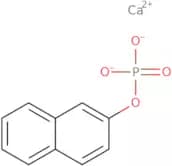
1kgA consultar100gA consultar250gA consultar500gA consultar2500gA consultar-Unit-ggA consultarCalcium 2-naphthylphosphate
CAS:<p>Calcium 2-naphthylphosphate, which is the calcim salt of 2-naphthylphosphate, is a chromogenic substrate to measure alkaline phosphatase activity. After enzymatic cleavage, the product yielded (2-naphthol) generates a red-colored complex upon reaction with a diazonium salt like Fast Blue RR or Fast Garnet GBC.</p>Pureza:(%) Min. 95%Forma y color:PowderPeso molecular:282.24 g/mol1-Naphthyl β-D-glucuronide
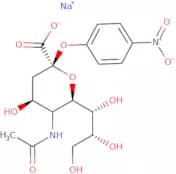
CAS:<p>1-Naphthyl beta-D-glucuronide (NPG) is a chromogenic enzyme substrate used to detect the presence of β-glucuronidase activity. Upon hydrolysis by the enzyme, it produces a yellow product that can be detected by spectrophotometry or visually. It is commonly used in clinical assays to detect the presence of the enzyme in urine samples, as elevated levels can indicate liver or urinary tract diseases. It is also utilized in environmental testing, as some bacteria strains can produce the enzyme as a by-product, making NPG a useful tool for detecting these strains in contaminated water or food sources.</p>Fórmula:C16H16O7Pureza:Min. 95%Forma y color:White PowderPeso molecular:320.29 g/mol2-O-(4-Nitrophenyl)-a-D-N-acetylneuraminic acid sodium salt
CAS:<p>2-O-(4-Nitrophenyl)-alpha-D-N-acetylneuraminic acid sodium salt is a chromogenic substrate used to detect the enzymatic activity of neuraminidase or sialidase. After cleavage, the nitrophenyl moiety is released exhibiting a light yellowish color. 2-O-(4-Nitrophenyl)-alpha-D-N-acetylneuraminic acid sodium salt is used in bacterial neuraminidase activity assays.</p>Pureza:Min. 95%Forma y color:Yellow PowderPeso molecular:452.35 g/mol1-Naphthyl β-D-glucopyranoside
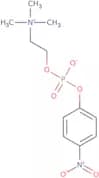
CAS:<p>1-Naphthyl β-D-glucopyranoside can be used as a chromogenic substrate for beta-glucosidases. It can also be used as a fluorogenic substrate to study carbohydrate metabolism and in screening enzyme inhitibitors in pharmacologic research.</p>Fórmula:C16H18O6Pureza:Min. 95%Forma y color:White Off-White PowderPeso molecular:306.31 g/mol4-Nitrophenylphosphorylcholine
CAS:<p>Chromogenic substrate used to measure phospholipase C (PLC) activity</p>Fórmula:C11H17N2O6PPureza:Min. 95 Area-%Forma y color:PowderPeso molecular:304.24 g/molCelluchrome
<p>Celluchrome (short name for remazol brilliant blue carboxymethyl cellulose or RBB-CMC) is a chromogenic substrate for cellulases. With a higher sensitivity, RBB-CMC allows for the detection of the enzyme activity even when small amounts are present.</p>Pureza:Min. 95%Forma y color:Powder5-Bromo-4-chloro-3-indoxyl phosphate, dilithium salt hydrate
<p>5-Bromo-4-chloro-3-indoxyl phosphate, dilithium salt hydrate is a chromogenic substrate used to detect the specific enzymatic activity of alkaline phosphatase. After cleavage, 5-bromo-4-chloro-indoxyl is released, resulting in a blue to blue-green color change in bacterial colonies or media. 5-Bromo-4-chloro-3-indoxyl phosphate, dilithium salt hydrate is used in ELISA and molecular biology assays such as lacZ reporter systems.</p>Fórmula:C8H4BrClLi2NO4P(anhydrousbasis)Pureza:Min. 98 Area-%Forma y color:PowderPeso molecular:338.34 g/mol4-Nitrophenyl-α-L-fucopyranoside
CAS:<p>Chromogenic substrate yielding a soluble yellow chromophor for the colorimetric assay of α-L-fucosidase, especially in human serum.</p>Fórmula:C12H15NO7Pureza:Min. 98 Area-%Peso molecular:285.26 g/molAldol® 495 nonanoate solution, 0.75 M in DMSO, Biosynth Patent: EP 2427431 and US 8940909
CAS:Producto controlado<p>Aldol® 495 nonanoate is a chromogenic and fluorogenic enzyme substrate used for detection of lipase activity. The colorless enzyme substrate is cleaved by C9 esterases, yielding development of an orange coloration. In addition, green fluorescence is generated when Aldol® 355 fluorescence enhancer or a suitable matrix is present. Aldol® 495 nonanoate can be used in enzyme assays and live bacterial cultures. Aldol® 495 nonanoate is suitable for use in liquid and solid media, under aerobic as well as anaerobic conditions.</p>Fórmula:C29H31ClN2O3Pureza:Of Solute (Hplc) 95.0 To 100.0 Area-%Peso molecular:491.02 g/molAldol® 518 acetate, Biosynth Patent: EP 2427431 and US 8940909
CAS:<p>Aldol® 518 acetate is a fluorogenic substrate for the enzyme aldolase. It is used in diagnostic kits for detecting aldolase in blood and other body fluids, and as an indicator of liver function. Aldol® 518 acetate can be used to detect the presence of aldolase in foods and beverages. The compound has also been shown to be an excellent substrate for bioluminescence and chemiluminescence reactions, which are widely used in research laboratories.</p>Fórmula:C25H21ClN2O3Pureza:Min. 95.0 Area-%Peso molecular:432.9 g/mol4-Nitrophenyl-α-D-galactopyranoside
CAS:<p>Chromogenic substrate yielding a soluble chromophore for the colorimetric assay of α-D-galactosidase upon cleavage. Used for the detection of hydrolases in tissues and membranes.</p>Fórmula:C12H15NO8Pureza:Min. 99.0 Area-%Peso molecular:301.26 g/mol4-Nitrophenyl-β-D-xylopyranoside
CAS:<p>Chromogenic β-xylosidase substrate yielding a yellow solution upon cleavage.</p>Fórmula:C11H13NO7Pureza:Min. 99 Area-%Peso molecular:271.23 g/molAldol® 484 β-D-glucopyranoside, Biosynth Patent: EP 2427431 and US 8940909
CAS:<p>Aldol® 484 beta-D-glucopyranoside is a chromogenic and fluorogenic enzyme substrate used for detection of ?-glucosidase activity. The colorless enzyme substrate is cleaved by bacteria producing ?-glucosidase in liquid or solid media, yielding intense red color and green fluorescent signal. Aldol® 484 beta-D-glucopyranoside can be used under aerobic and anaerobic conditions.</p>Fórmula:C26H24ClFN2O7Pureza:Min. 95.0 Area-%Peso molecular:530.93 g/mol6-Chloro-3-indoxyl-N-acetyl-β-D-galactosaminide
CAS:<p>Chromogenic substrate for N-Acetyl-β-D-galactosaminidase yielding a salmon-colored precipitate.</p>Fórmula:C16H19ClN2O6Pureza:Min. 98.0 Area-%Peso molecular:370.79 g/mol6-Chloro-3-indoxyl-α-D-mannopyranoside
CAS:<p>Chromogenic substrate for α-mannosidase yielding a salmon colored precipitate upon cleavage.</p>Fórmula:C14H16ClNO6Pureza:Min. 98.0 Area-%Peso molecular:329.74 g/mol2,4-Dinitrophenyl β-D-glucopyranoside
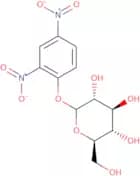
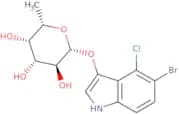
CAS:<p>2,4-Dinitrophenyl-beta-D-glucopyranoside is a chromogenic substrate used to assay enzymes, such as glucosidases. These enzymes catalyze the hydrolysis of glycosidic bonds in sugars.</p>Fórmula:C12H14N2O10Pureza:Min. 95%Forma y color:PowderPeso molecular:346.25 g/mol5-Bromo-4-chloro-3-indoxyl-β-L-fucopyranoside
CAS:<p>This product is a chromogenic substrate that is used in the detection of alkaline phosphatase and other enzymes. It is also used in food testing, staining, and diagnostics. This product has high purity with a CAS number of 125328-84-9.</p>Fórmula:C14H15BrClNO5Pureza:Min. 99 Area-%Peso molecular:392.63 g/molRef: 3D-B-7138
10mgA consultar25mgA consultar50mgA consultar100mgA consultar250mgA consultar-Unit-ggA consultarAldol® 455 α-D-glucopyranoside, Biosynth Patent: EP 2427431 and US 8940909
<p>Aldol® 455 alpha-D-glucopyranoside is a synthetic fluorescent sugar that has been used in the diagnosis of bacterial infections. It has been used as a substrate for the enzyme beta-galactosidase and as a conjugate with anti-bacterial antibodies, which can be used to detect bacteria in urine and blood samples. Aldol® 455 alpha-D-glucopyranoside is also commonly used in the detection of bacteria in food and environmental samples. The product has a high purity level and quality.</p>Fórmula:C27H24ClNO7Pureza:Min. 95.0 Area-%Peso molecular:509.93 g/molAldol® 470 β-D-galactopyranoside, Biosynth Patent: EP 2427431 and US 8940909
CAS:<p>Aldol® 470 beta-D-galactopyranoside is a chromogenic and fluorogenic enzyme substrate used for detection of ?-galactosidase activity. The colorless enzyme substrate is cleaved by lactose-utilizing bacteria grown in liquid or solid media, yielding yellow coloration and green fluorescence. Aldol® 470 beta-D-galactopyranoside can also be used in ?-galactosidase gene reporter assays or immunoassay applications (ELISA). Aldol® 470 beta-D-galactopyranoside can be used under aerobic and anaerobic conditions.</p>Fórmula:C29H29NO9Pureza:Min. 95.0 Area-%Peso molecular:535.54 g/molAldol® 458 β-D-galactopyranoside, Biosynth Patent: EP 2427431 and US 8940909
CAS:<p>Aldol® 458 beta-D-galactopyranoside is a chromogenic and fluorogenic enzyme substrate used for detection of beta-galactosidase activity. The colorless enzyme substrate is cleaved by lactose utilizing bacteria grown in liquid or solid media, yielding yellow coloration and green fluorescence. Aldol® 458 beta-D-galactopyranoside can also be used in beta-galactosidase gene reporter assays or immunoassay applications (ELISA). Aldol® 458 beta-D-galactopyranoside can be used under aerobic and anaerobic conditions.</p>Fórmula:C22H23NO8Pureza:Min. 95 Area-%Forma y color:PowderPeso molecular:429.42 g/molNaphthol AS-BI
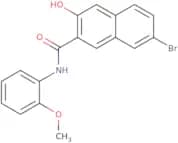
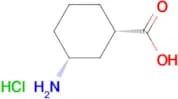
CAS:<p>Chromogenic substrate for alkaline and acid phosphatase</p>Fórmula:C18H14BrNO3Pureza:Min. 95%Peso molecular:372.21 g/mol(1S,3R)-3-AMINOCYCLOHEXANE-1-CARBOXYLIC ACID HCL
CAS:Fórmula:C7H14ClNO2Pureza:98%Peso molecular:179.641-((1S,2S)-2-(Dimethylamino)cyclohexyl)-3-(perfluorophenyl)thiourea
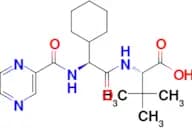
CAS:Pureza:97%Peso molecular:367.3800049(S)-2-((S)-2-Cyclohexyl-2-(pyrazine-2-carboxamido)acetamido)-3,3-dimethylbutanoic acid
CAS:Fórmula:C19H28N4O4Pureza:98%Peso molecular:376.4573-[[3,5-Bis(trifluoromethyl)phenyl]amino]-4-[[(1R,2R)-2-(1-pyrrolidinyl)cyclohexyl]amino]-3-cyclobutene-1,2-dione
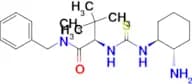
CAS:Pureza:97%Peso molecular:475.4349976(R)-2-(3-((1S,2S)-2-Aminocyclohexyl)thioureido)-N-benzyl-N,3,3-trimethylbutanamide
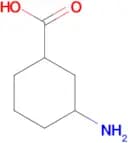
CAS:Pureza:97%Peso molecular:390.58999633-Aminocyclohexanecarboxylic acid
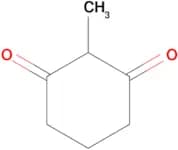
CAS:Fórmula:C7H13NO2Pureza:97%Forma y color:SolidPeso molecular:143.1862-Methyl-1,3-cyclohexanedione
CAS:Fórmula:C7H10O2Pureza:97%Forma y color:Solid, Very pale yellow to pale reddish yellow powderPeso molecular:126.155Dicyclohexyl(3-isopropoxy-2′,4′,6′-triisopropyl-[1,1′-biphenyl]-2-yl)phosphine
CAS:Pureza:98%Forma y color:SolidPeso molecular:534.8090212-{1-[({[(9h-fluoren-9-yl)methoxy]carbonyl}amino)methyl]cyclohexyl}acetic acid
CAS:Pureza:98%Peso molecular:393.482-Dicyclohexylphosphino-2′,4′,6′-triisopropylbiphenyl gold(I) bis(trifluoromethanesulfonyl)imide
CAS:Pureza:95%Peso molecular:953.83(trans,trans)-4-Butyl-4′-propyl-1,1′-bicyclohexyl
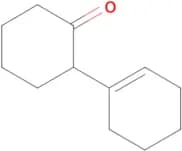
CAS:Fórmula:C19H36Pureza:97%Forma y color:Liquid, No data available.Peso molecular:264.4972-(1-Cyclohexenyl)cyclohexanone
CAS:Fórmula:C12H18OPureza:98%Forma y color:Liquid, No data available.Peso molecular:178.275Methyl 4-aminocyclohexanecarboxylate hydrochloride
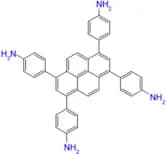
CAS:Fórmula:C8H16ClNO2Pureza:97%Forma y color:SolidPeso molecular:193.674,4′,4”,4”’-(Pyrene-1,3,6,8-tetrayl)tetraaniline
CAS:Pureza:96%Forma y color:SolidPeso molecular:566.7080078Methyl 1-aminocyclohexanecarboxylate hydrochloride
CAS:Fórmula:C8H16ClNO2Pureza:97%Forma y color:SolidPeso molecular:193.674,4-Difluorocyclohexanol
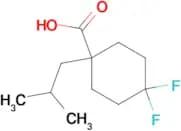
CAS:Fórmula:C6H10F2OPureza:95%Forma y color:Solid, CrystallinePeso molecular:136.1424,4-Difluoro-1-(2-methylpropyl)cyclohexane-1-carboxylic acid
CAS:Fórmula:C11H18F2O2Pureza:95%Peso molecular:220.26

























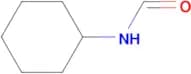
![3-[[3,5-Bis(trifluoromethyl)phenyl]amino]-4-[[(1R,2R)-2-(1-pyrrolidinyl)cyclohexyl]amino]-3-cyclob…](/_next/image/?url=https%3A%2Fstatic.cymitquimica.com%2Fproducts%2F10%2Fthumb-webp%2FF616082.webp&w=3840&q=75)

![Dicyclohexyl(3-isopropoxy-2′,4′,6′-triisopropyl-[1,1′-biphenyl]-2-yl)phosphine](/_next/image/?url=https%3A%2Fstatic.cymitquimica.com%2Fproducts%2F10%2Fthumb-webp%2FF635135.webp&w=3840&q=75)
![2-{1-[({[(9h-fluoren-9-yl)methoxy]carbonyl}amino)methyl]cyclohexyl}acetic acid](/_next/image/?url=https%3A%2Fstatic.cymitquimica.com%2Fproducts%2F10%2Fthumb-webp%2FF673582.webp&w=3840&q=75)




![trans-4-[(Dimethylamino)methyl]cyclohexanamine dihydrochloride](/_next/image/?url=https%3A%2Fstatic.cymitquimica.com%2Fproducts%2F10%2Fthumb-webp%2FF988550.webp&w=3840&q=75)





![Ethyl 2-[4-(Boc-amino)cyclohexyl]acetate](/_next/image/?url=https%3A%2Fstatic.cymitquimica.com%2Fproducts%2F10%2Fthumb-webp%2FF637290.webp&w=3840&q=75)