Sales de metal
En esta sección, puede encontrar diversas sales metálicas, que son compuestos caracterizados por contener átomos metálicos y no metálicos. Esencialmente, las sales metálicas están compuestas por cationes que son uno o más átomos metálicos. Estas sales desempeñan un papel crucial en numerosas reacciones y aplicaciones químicas, sirviendo como catalizadores, reactivos o intermediarios en varios procesos industriales y de investigación. En CymitQuimica, ofrecemos una amplia selección de sales metálicas de alta calidad para satisfacer sus necesidades de investigación e industriales, asegurando un rendimiento fiable y efectivo en sus aplicaciones.
Se han encontrado 2870 productos de "Sales de metal"
Ordenar por
Pureza (%)
0
100
|
0
|
50
|
90
|
95
|
100
Sodium potassium tartrate tetrahydrate
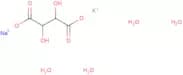
CAS:<p>Sodium potassium tartrate tetrahydrate is a crystal compound made up of potassium and sodium. It is a ferroelectric material that exhibits polarization and piezoelectric properties. The growth rate of these crystals can be controlled by using inhibitors such as protein kinase inhibitors. Sodium potassium tartrate tetrahydrate has been shown to have inhibitory activity against certain enzymes, including proteases and kinases. Additionally, it exhibits dielectric properties and can be used in the production of capacitors and other electronic components.</p>Fórmula:C4H4KNaO6·4H2OPureza:Min. 95%Forma y color:White PowderPeso molecular:282.22 g/molCalcium oxalate
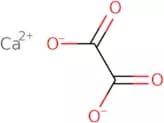
CAS:<p>Calcium oxalate is a crystal that can be found in plants and animals. It is used as a model system to study cell death. Calcium oxalate crystals are inert, but when they react with other substances, they create reactive calcium oxalate crystals that can kill cells by caspase-independent cell death. The crystals also cause cell lysis and are a potential candidate for chemoattractant proteins. Calcium oxalates have been shown to induce phase transition at temperatures below the boiling point of water, which may lead to pharmacological treatments for osteoporosis or kidney stones.</p>Fórmula:CaC2O4Pureza:Min. 95%Peso molecular:128.1 g/molSulfo-N-succinimidyl 4-maleimidobutyrate sodium salt
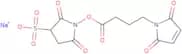
CAS:<p>Please enquire for more information about Sulfo-N-succinimidyl 4-maleimidobutyrate sodium salt including the price, delivery time and more detailed product information at the technical inquiry form on this page</p>Fórmula:C12H11N2NaO9SPureza:Min. 95%Peso molecular:382.28 g/molSodium 2,3,5,6-Tetrafluoro-4-hydroxybenzenesulfonate
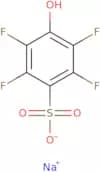
CAS:<p>Sodium 2,3,5,6-Tetrafluoro-4-hydroxybenzenesulfonate is a synthetic compound that is used as a probe for catalytic reactions. It has been shown to be active in the oxidation of glycols and ethylene glycols. This compound is also useful for the tethering of metal atoms or ions. Sodium 2,3,5,6-Tetrafluoro-4-hydroxybenzenesulfonate can be used in catalysis due to its ability to act as an electron donor.</p>Fórmula:C6HF4NaO4SPureza:Min. 95%Forma y color:White PowderPeso molecular:268.12 g/molSodium 2-thiobarbiturate
CAS:Producto controlado<p>Sodium 2-thiobarbiturate is a nitrosating agent that has been shown to protect the lungs from ischemia–reperfusion injury in vitro. It exerts its protective effects by inhibiting the release of nitric oxide (NO) and protects against neuronal death by preventing mitochondrial dysfunction. Sodium 2-thiobarbiturate also has genotoxic effects, which are reduced in the presence of antioxidants, and can cause DNA damage. This drug is reactive with oxygen, so it should not be stored in airtight containers or exposed to light.</p>Fórmula:C4H4N2O2S·NaPureza:Min. 95%Forma y color:White/Off-White SolidPeso molecular:167.14 g/molPotassium diformate
CAS:<p>Potassium diformate is a fatty acid that is used for dietary purposes, as it may be helpful in the treatment of pancreatic enzyme deficiencies. It has been shown to inhibit the growth of lactic acid bacteria, such as Lactobacillus acidophilus, and other microorganisms. Potassium diformate reacts with sodium hydroxide to form potassium hydroxide, which is then reacted with hydrogen chloride gas to produce potassium chloride. This reaction provides an alternative method for industrial preparation of potassium chloride from potash. Potassium diformate also shows potential use as an antimicrobial agent due to its ability to bind and disrupt bacterial cell membranes.</p>Fórmula:CH2O2·CHKO2Pureza:Min. 95%Peso molecular:130.14 g/molCalcium stearate
CAS:<p>Calcium stearate is a calcium salt that is used as an emulsifier and thickener. It has been shown to have the optimum concentration for inhibiting enzymes such as phospholipase A2, which is responsible for the release of arachidonic acid from phospholipids found in cell membranes. Calcium stearate can also be used in combination with zirconium oxide or sodium salts as a drug-release system. The phase transition temperature of calcium stearate is around 100 degrees Celsius, which means it melts at this temperature. This property makes calcium stearate useful in many applications, including as a lubricant and anti-wear additive in automotive parts. Calcium stearate may also have physiological effects on the human body, such as reducing water vapor and increasing co2 flow.</p>Fórmula:C36H70CaO4Pureza:Min. 95%Forma y color:White PowderPeso molecular:607.02 g/mol1,3,6,8-Pyrenetetrasulfonic acid tetrasodium, 10% aqueous solution
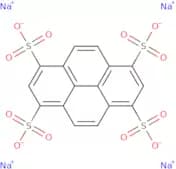
CAS:<p>1,3,6,8-Pyrenetetrasulfonic acid tetrasodium salt (PTS) is a palladium complex that is used as a catalyst in the chemical industry. It can be prepared by the reaction of palladium chloride with sodium sulfide and sodium hydroxide. PTS has been shown to react with diethyl succinate, forming a solid catalyst that can be stored for longer periods of time. This compound has been found to catalyze hydrogenations under constant pressure conditions and also exhibit low energy consumption when performing reactions. PTS is able to bind to DNA, leading to cancer cell death. PTS also has fluorescence properties and can be used in electrochemical impedance spectroscopy.</p>Fórmula:C16H10O12S4•Na4Pureza:Min. 95%Forma y color:Clear LiquidPeso molecular:614.47 g/molSodium dibutylnaphthalenesulphonate
CAS:<p>Sodium dibutylnaphthalenesulphonate is a stabilizer that reacts with fatty acids, dialkyl phosphates, and growth regulators to form insoluble particles. It has been found to be particularly effective in the treatment of plant diseases caused by fungi. Sodium dibutylnaphthalenesulphonate has been shown to stabilize active substances and bioactive substances, such as organic acids and oxime derivatives. These compounds are used in a variety of applications, such as pharmaceuticals, pesticides, herbicides, food additives, and cosmetics.</p>Fórmula:C18H24O3S•NaPureza:60 To 65%Forma y color:PowderPeso molecular:343.43 g/molLithium bis(oxalato)borate
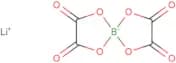
CAS:<p>Lithium bis(oxalato)borate (LBBO), also known as Lithiumbis(oxalato)borate, is a lithium salt of the borate ester. The optimum concentration for LBBO is 1-2 mol/L. LBBO is soluble in water and reacts with glycol esters to form lithium glycolates. This reaction is reversible and the equilibrium can be shifted by changing the temperature or pressure. The NMR spectra of LBBO show a peak at 3.3 ppm which corresponds to the carbon atom attached to the carbonyl group, which is indicative of an organic solution.<br>LBBO has been shown to be an electrolyte for lithium ion batteries but it has not been studied extensively because it decomposes at temperatures above 400°C and exhibits poor transport properties, limiting its application in electronic devices.</p>Fórmula:C4BO8•LiPureza:Min. 95%Peso molecular:193.79 g/molSodium N-Lauroylsarcosinate - 30% solution
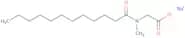
CAS:<p>Sodium N-lauroylsarcosinate is a chemical compound that is used in the production of sodium salts. It has high resistance to biological samples and is soluble in water, organic solvents, and other chemicals. It can be used to measure biochemical properties, such as reaction solution polymerase chain reaction (PCR) or electrochemical impedance spectroscopy (EIS). Sodium N-lauroylsarcosinate can also be used for wastewater treatment and water permeability. It has been used as an analytical method for proteins, peptides, amino acids, and carbohydrates. It has been shown to have biological properties on human serum.</p>Fórmula:C15H28NNaO3Forma y color:Clear LiquidPeso molecular:293.38 g/molε-Maleimidocaproic acid-(2-nitro-4-sulfo)-phenyl ester·sodium salt
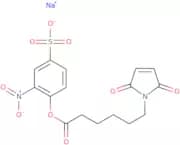
CAS:<p>Epsilon-Maleimidocaproic acid-(2-nitro-4-sulfo)-phenyl ester·sodium salt (EMAP) is a crosslinker that belongs to the group of heterobifunctional reagents. It has been used to conjugate monoclonal antibodies with other molecules, such as toxins. EMAP is activated by the dianion generated by protonation of the nitro groups on the phenyl ring and reacts with free amines or thiols in proteins. EMAP can be used for labeling immunotoxins for diagnostic use, maximizing detection sensitivity, and crosslinking DNA molecules for use in molecular cloning experiments.</p>Fórmula:C16H15N2NaO9SPureza:Min. 95%Peso molecular:434.35 g/mol5,5-Diphenylhydantoin sodium
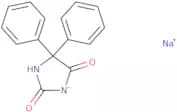
CAS:Producto controlado<p>5,5-Diphenylhydantoin sodium salt is an anticonvulsant drug that belongs to the class of diphenylhydantoins. This drug has been shown to have a number of clinical effects, including cardiac effects, hypersensitivity syndrome, and eosinophilic fasciitis. It also has been shown to be associated with drug interactions and toxic epidermal necrolysis. 5,5-Diphenylhydantoin sodium salt is used in the treatment of epilepsy and neuropathic pain. The mechanism of action for this drug has been shown to be due to its ability to inhibit the release of acetylcholine from nerve terminals by blocking voltage-sensitive sodium channels. 5,5-Diphenylhydantoin sodium salt can also cause fetal bovine serum disease when administered intravenously or intramuscularly in pregnant animals. It also causes experimental carcinogenic potential in laboratory animals.br></p>Fórmula:C15H12N2O2•NaPureza:Min. 95%Forma y color:PowderPeso molecular:275.26 g/molPamoic acid disodium salt monohydrate
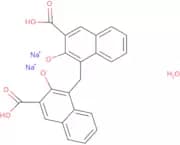
CAS:<p>Pamoic acid is a disodium salt of p-aminobenzoic acid. It is an excipient that is considered safe for use in food and pharmaceuticals. Pamoic acid has been used as a preservative and an antioxidant. It prevents the oxidation of fats, oils, and other lipids by reacting with them to form stable compounds. The most common use of pamoic acid is as an anti-spasmodic drug to manage colitis, although it also has been used to treat seizures and spasticity in people with nervous system diseases. Pamoic acid can be used in combination with benzalkonium chloride as a preservative for injectable drugs such as antibiotics or chemotherapy agents. When combined with benzalkonium chloride, pamoic acid acts as a sweetener and particle size modifier.</p>Fórmula:C23H14O6·2Na·H2OPureza:Min. 95%Forma y color:SolidPeso molecular:450.35 g/molp-Sulfophenylazochromotropic acid trisodium salt
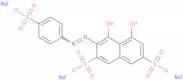
CAS:<p>p-Sulfophenylazochromotropic acid trisodium salt is a chemical that can be used as a building block for the synthesis of various organic compounds. It is an intermediate for the synthesis of other chemicals and can be used as a research chemical in laboratories. This compound has been shown to be useful in the production of pharmaceuticals, agrochemicals, and dyes. CAS No. 23647-14-5.</p>Fórmula:C16H9N2Na3O11S3Pureza:Min. 95 Area-%Forma y color:Yellow PowderPeso molecular:570.42 g/molSilver(I) 2,2,2-trifluoroacetate
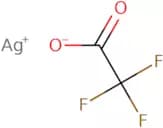
CAS:<p>Silver trifluoroacetate is a chemical compound that is a silver salt of trifluoroacetic acid. Silver trifluoroacetate is a white crystalline solid, soluble in water and alcohols, but insoluble in ethers. It has the chemical formula AgCF3CO2H. The crystal structure of silver trifluoroacetate has been determined by x-ray diffraction techniques and found to be orthorhombic with space group Pbam. The molecule consists of two 5-membered heteroaromatic rings, one containing carbon atoms and the other containing nitrogen atoms. The nitrogen atom is bonded to six hydrogen atoms and three fluorine atoms, while the carbon atom is bonded to four oxygen atoms and one fluorine atom. Synthesis methods for this compound include reacting silver nitrate with sodium carbonate in water vapor at 120°C.</p>Fórmula:C2AgF3O2Pureza:Min. 95%Peso molecular:220.88 g/molPotassium acrylate
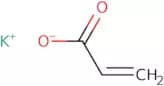
CAS:<p>Potassium acrylate is a diamine tetraacetic acid that functions as a control agent. It is used in analytical methods to measure the effectiveness of other agents. It can be used to produce carboxylate, coordination complex, and hydroxide solution. It has been shown to be effective at doses of 3-5 mM. Potassium acrylate is soluble in water and is stable in air. The FTIR spectrum shows an absorption band at 1657 cm-1, which corresponds to the C=O stretching vibration of the carboxylate group.</p>Fórmula:C3H3KO2Pureza:Min. 95%Peso molecular:110.15 g/molCalcium silicate
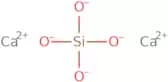
CAS:<p>Calcium silicate is a crystalline compound of calcium and silicon with the chemical formula CaSiO3. It is chemically stable and has a high resistance to particle wear. Calcium silicate is used in the production of dental cements, adhesives, sealants, and other dental restorations. In addition, it is used in the manufacture of paints and coatings as well as in papermaking. Calcium silicate also has biological properties that make it useful for cell culture. It can be used to support the growth of primary cells such as human osteosarcoma cells or epidermal growth factor-stimulated fibroblasts. It also has been shown to have a basic structure that can bind to basic proteins such as laminin</p>Fórmula:CaSiO3Pureza:Min. 95%Forma y color:White PowderPeso molecular:116.16Sodium cyanate
CAS:<p>Sodium cyanate is a sodium salt that is used in the treatment of wastewater. It inhibits the growth of microorganisms and can be used as a biocide. Sodium cyanate has been shown to have inhibitory properties against bacteria, fungi, and viruses. Sodium cyanate also has been shown to have a protective effect on the papillary muscle during experimental heart failure in rats. This compound may be able to prevent infections caused by infectious agents, such as those found in wastewater treatment plants and hospitals. The mechanism of action of sodium cyanate is related to its ability to release cyanide ions, which disrupts electron transport chains within cells and prevents ATP production. Sodium cyanate has been shown to have a chronic oral toxicity that affects the liver and kidneys at high doses (LD50: 3-6 g/kg).</p>Fórmula:CNNaOPureza:Min. 95%Peso molecular:65.01 g/molTrisodium 1,3,6-naphthalenetrisulfonate
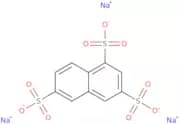
CAS:<p>Trisodium 1,3,6-naphthalenetrisulfonate is a polymer coating that can be used for industrial applications such as water treatment, oil and gas drilling, or textile manufacturing. It has been shown to have a high hydrophobicity and low surface tension. Trisodium 1,3,6-naphthalenetrisulfonate has also been shown to have a ring structure that can interact with other materials. Trisodium 1,3,6-naphthalenetrisulfonate has been observed to form supramolecular structures when in contact with surfactants and other additives. Trisodium 1,3,6-naphthalenetrisulfonate is reactive and can be used as an alternative to chromium plating for the production of plates.</p>Fórmula:C10H8O9S3•Na3Pureza:Min. 95%Forma y color:White To Reddish Yellow SolidPeso molecular:437.33 g/mol