Sales de metal
En esta sección, puede encontrar diversas sales metálicas, que son compuestos caracterizados por contener átomos metálicos y no metálicos. Esencialmente, las sales metálicas están compuestas por cationes que son uno o más átomos metálicos. Estas sales desempeñan un papel crucial en numerosas reacciones y aplicaciones químicas, sirviendo como catalizadores, reactivos o intermediarios en varios procesos industriales y de investigación. En CymitQuimica, ofrecemos una amplia selección de sales metálicas de alta calidad para satisfacer sus necesidades de investigación e industriales, asegurando un rendimiento fiable y efectivo en sus aplicaciones.
Se han encontrado 2870 productos de "Sales de metal"
Ordenar por
Pureza (%)
0
100
|
0
|
50
|
90
|
95
|
100
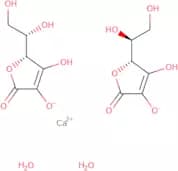
Calcium ascorbate dihydrate
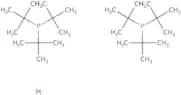
CAS:<p>Calcium ascorbate dihydrate (CAD) is a model system of the skin tumor formation in response to ionizing radiation. CAD is a reaction solution that contains calcium and ascorbate ions. The optimum concentration for CAD is 8 mg/ml. This solution has been shown to be an effective inhibitor of microbial growth and can be used as an antimicrobial agent. It also has a protective effect against acute toxicities, such as those caused by ascorbic acid or sodium citrate.</p>Fórmula:C12H14CaO12•(H2O)2Pureza:Min. 95%Peso molecular:426.34 g/molBis(tri-tert-butylphosphine)platinum(0)
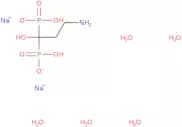
CAS:<p>Bis(tri-tert-butylphosphine)platinum(0) is a coordination complex with a chemical formula of Pt[P(C)(CH)]. It has been shown that this compound is obtained in high yields when the platinum metal is heated to temperatures between 500 and 600 degrees Celsius. This compound has been shown to be soluble in acetone at low temperatures, and it crystallizes to form a purple solid. Bis(tri-tert-butylphosphine)platinum(0) has been shown to have magnetic properties, as well as being active in x-ray crystallographic studies. The crystal diffraction pattern of this compound was found to be similar to that observed for the ligand phosphine, which is consistent with the proposed structure of bis(tri-tert-butylphosphine)platinum(0).</p>Fórmula:C24H54P2PtPureza:Min. 95%Peso molecular:599.72 g/molPamidronate disodium pentahydrate
CAS:<p>Farnesyl diphosphate synthase inhibitor</p>Fórmula:C3H19NNa2O12P2Pureza:Min. 95%Peso molecular:369.11 g/mol1,2-Distearoyl-sn-glycero-3-phosphatidic acid·disodium salt
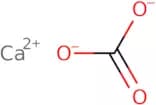
CAS:<p>Please enquire for more information about 1,2-Distearoyl-sn-glycero-3-phosphatidic acid·disodium salt including the price, delivery time and more detailed product information at the technical inquiry form on this page</p>Fórmula:C39H75Na2O8PPureza:Min. 95%Peso molecular:748.96 g/molCalcium carbonate
CAS:<p>Calcium carbonate is a chemical compound that can be found in natural limestone, marble and seashells. It is used as an industrial mineral for the production of lime and cement, as well as a chemical agent in wastewater treatment. Calcium carbonate has been shown to have synergistic effects with sodium carbonate when used to treat sewage effluent. It also has a high solubility in water, which makes it suitable for use in the production of concrete. The reaction mechanism is dependent on the particle size and temperature. The thermal expansion coefficient of calcium carbonate is 2.6x10^-5/°C, meaning that it expands by 0.26% per degree Celsius increase in temperature.</p>Fórmula:CaCO3Pureza:Min. 95%Forma y color:PowderPeso molecular:100.09 g/molPhacolysine sodium salt
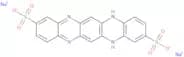
CAS:<p>Phacolysine sodium salt is a drug that activates the choroidal neovascularization receptor. It has been shown to inhibit the growth of tumors by synchronous fluorescence and disulfide bond binding. Phacolysine sodium salt has shown clinical efficacy in the treatment of choroidal neovascularization, with an average success rate of 75%. It has also been shown to be effective in treating other types of cancer, such as prostate cancer. In addition, it has antioxidative properties and can inhibit prostaglandin synthesis. This medicine is sometimes used in combination with ondansetron hydrochloride and benzalkonium chloride for pharmacological treatment.</p>Fórmula:C18H10N4Na2O6S2Pureza:Min. 95%Forma y color:Red PowderPeso molecular:488.41 g/molPatent blue V Calcium salt
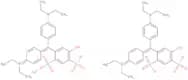
CAS:<p>Patent Blue V calcium salt is a calcium salt of Patent Blue V, which is a light-sensitive dye with an absorption peak at 450 nm. It has been used in analytical chemistry to measure the fatty acid content of oils and fats. Patent Blue V calcium salt has also been used as a reagent in kinetic studies to measure the rate of reactions involving detergent compositions, cationic surfactants, and hydroxyl groups. The lymphatic vessels react to this dye by showing an increase in permeability. The activation energies for these reactions have been determined using kinetic data.</p>Fórmula:C27H31N2O7S2·5CaPureza:Min. 85.0 Area-%Forma y color:PowderPeso molecular:582.7 g/molPotassium 4-methoxycinnamate
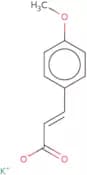
CAS:<p>Potassium 4-methoxycinnamate is a fine chemical that is used as a versatile building block in the synthesis of complex compounds. It can be used in research and as a reagent or speciality chemical. It is also a useful building block for high quality, useful intermediate, and reaction component. Potassium 4-methoxycinnamate can be used as a scaffold to synthesize compounds with diverse applications such as pharmaceuticals, polymers, and agrochemicals.</p>Fórmula:C10H9O3·KPureza:Min. 95%Peso molecular:216.27 g/molPotassium cyanate
CAS:<p>Potassium cyanate is an active analogue of sodium cyanate. It is used in biochemical research for the preparation of samples and in the study of reactions that involve the formation of carboxylic acid derivatives from primary alkyl halides. This compound was found to be significantly cytotoxic, with a median lethal dose (LD50) at 3,000 mg/kg. The mechanism of action is not known. Potassium cyanate has been shown to inhibit human serum cholesterol levels and reduce atherosclerotic cardiovascular events in animal models, which may be due to its ability to inhibit cholesterol synthesis by inhibiting HMG-CoA reductase activity.</p>Fórmula:KOCNPureza:Min. 95%Peso molecular:81.12 g/molBis(cyclopentadienyl)titanium (IV) dichloride
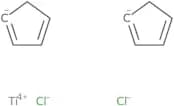
CAS:<p>Bis(cyclopentadienyl)titanium (IV) dichloride is a cationic polymerization catalyst that has been used to produce polyolefins with high molecular weights. It is also an important component of solid catalysts for the production of butadiene and styrene. Bis(cyclopentadienyl)titanium (IV) dichloride is a potent carcinogen in animals and is mutagenic in bacteria. It has been shown to cause cancer in animal models, and has been shown to be mutagenic in bacterial mutation assay tests. Bis(cyclopentadienyl)titanium (IV) dichloride reacts with dimethylformamide and aromatic hydrocarbons to produce photochemical properties that can lead to skin irritation or sensitization. This compound also has hydroxyl groups, which can react with oxidants such as chlorine gas to form chlorohydrins, which are toxic compounds that may be carcinogenic.</p>Fórmula:C10H10TiCl2Pureza:Min. 95%Forma y color:Red Clear LiquidPeso molecular:248.96 g/molCarbamoyl-Asp-OH·magnesium salt/Carbamoyl-Asp-OH·dipotassium salt (1:1)
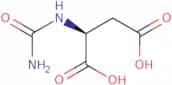
CAS:<p>Carbamoyl-Asp-OH·magnesium salt/Carbamoyl-Asp-OH·dipotassium salt (1:1) is a derivate of p-hydroxybenzoic acid that has been shown to inhibit leukotriene receptor antagonists and basic proteins. It has been found in urine samples, but its function is not yet known. The uptake of this molecule may be a potential biomarker for the diagnosis of orotic aciduria and HIV infection. Carbamoyl-Asp-OH·magnesium salt/Carbamoyl-Asp-OH·dipotassium salt (1:1) has also been shown to be an inhibitor of intramolecular hydrogen transfer reactions in model systems.</p>Fórmula:C10H12K2MgN4O10Pureza:Min. 95%Peso molecular:450.72 g/molPhenethyl glucosinolate potassium salt
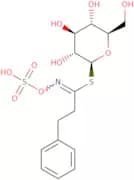
CAS:<p>Phenethyl glucosinolate potassium salt is a compound found in plants belonging to the Brassicaceae family. It has been shown to be highly toxic to larvae of the cabbage butterfly and other insects that feed on brassica plants. Phenethyl glucosinolate potassium salt has been shown to inhibit the development of these insects, probably by inhibiting protein synthesis in the insect's gut. The major sulfur-containing compound in this product is gluconasturtiin, which has been shown to inhibit growth of pekinensis at high temperatures. This compound also inhibits radiation-induced DNA damage and does not show significant effects on nonsignificant organisms such as yeast and mold.</p>Fórmula:C15H20NO9S2KPureza:Min. 95%Forma y color:PowderPeso molecular:461.55 g/molEthylenediaminetetraacetic acid tripotassium salt dihydrate
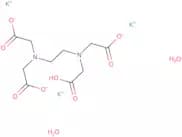
CAS:<p>Ethylenediaminetetraacetic acid tripotassium salt dihydrate is an anticoagulant that can be used as a coagulant for blood samples. It is often used in polymerase chain reactions to synthesize DNA, or to isolate and purify genomic DNA. This compound has ferroelectric properties and can be used as a target cell in optical imaging applications. Ethylenediaminetetraacetic acid tripotassium salt dihydrate is also used in the production of polyurethanes and as a polymerization inhibitor in cinnamon oil.</p>Fórmula:C10H13K3N2O8·2H2OPureza:Min. 95%Peso molecular:442.54 g/molSodium fluoroacetate
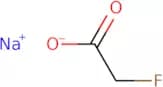
CAS:<p>Sodium fluoroacetate is a salt that is synthesized by the reaction of methyl ethyl and sodium trifluoroacetate. It has been used as an insecticide, but also has been used to treat metabolic disorders such as bowel disease and eye disorders. Sodium fluoroacetate also has been used in natural products for the treatment of autoimmune diseases. The toxicological studies of sodium fluoroacetate have shown that it can cause eye disorders and x-ray crystal structures have revealed its mechanism of action.</p>Fórmula:C2H2FNaO2Forma y color:White PowderPeso molecular:100.02 g/molZinc lactate
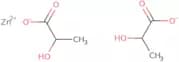
CAS:<p>Zinc lactate is an ionic salt that contains zinc and lactate ions. It is a particle that can be used as an oral supplement to treat zinc deficiency. Zinc lactate is soluble in water, which makes it easy to take orally. The other benefits of this supplement include its ability to reduce the risk of dental cavities and promote wound healing. In addition, zinc lactate has been shown to have antibacterial properties against throat infections and cavity-causing bacteria such as Streptococcus mutans. This product is also beneficial for brain cells due to its ability to remove polyphosphates from neurons, which are toxic substances that accumulate when brain cells are injured or diseased.</p>Fórmula:C6H10O6ZnPureza:Min. 95%Forma y color:White PowderPeso molecular:243.52 g/molPotassium ferrocyanide trihydrate
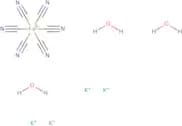
CAS:<p>Potassium ferrocyanide trihydrate is a stable compound that has high resistance to corrosion by acids and bases. It is an inorganic compound that belongs to the class of ferroelectric materials. The crystal structure of potassium ferrocyanide trihydrate is a metastable phase with a very high thermal expansion coefficient. This compound can be synthesized by reacting ethylene diamine with hydrochloric acid and sodium carbonate, followed by adding potassium hydroxide. Potassium ferrocyanide trihydrate can also be produced from potassium malonate, which is prepared from malonic acid and potassium hydroxide in the presence of an aryl halide.</p>Fórmula:C6FeN6•(H2O)3•K4Pureza:Min. 95%Peso molecular:422.39 g/molTianeptine sodium salt
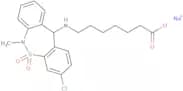
CAS:Producto controlado<p>Full agonist of the μ-opioid receptor (MOR) with Ki of 383 nM. It also weakly agonizes the δ-opioid receptor (DOR) with a Ki >10 μM. Tianeptine has antidepressant effects but can also regulate neuroplasticity in the amygdala and stress-induced release of glutamate. It can generate analgesia and reward, typical opiate-like behavioural effects, but does not induce tolerance or withdrawal.</p>Fórmula:C21H24ClN2NaO4SPureza:Min. 98.5 Area-%Forma y color:White Slightly Yellow PowderPeso molecular:458.93 g/molBismuth citrate
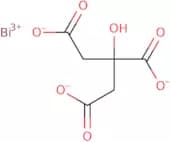
CAS:<p>Bismuth citrate is an antimicrobial agent that is used to treat helicobacter pylori infections. Bismuth citrate may be an alternative to clarithromycin and metronidazole for the treatment of antibiotic-resistant strains of helicobacter. It has been shown to improve duodenal ulcer healing and reduce the incidence of gastric ulcers in a group of patients with duodenal ulcer disease. This drug has also been shown to significantly reduce the incidence of gastric cancer in patients with Helicobacter pylori infection. Bismuth citrate is a polymeric compound that is thought to bind to the bacterial cell wall and inhibit its growth through inhibition of protein synthesis, but this mechanism is not well understood. Bismuth citrate has been used as an antacid for decades, but it does not have any anti-inflammatory properties and should not be used for this purpose.</p>Fórmula:C6H5BiO7Pureza:Min. 95%Forma y color:PowderPeso molecular:398.08 g/molL-α-Phosphatidylserine sodium, porcine brain
CAS:<p>L-alpha-Phosphatidylserine sodium salt, derived from porcine brain, is a research chemical that has shown promising potential in various fields. It has been studied for its role in HIV-1 infection, where it has been found to inhibit the fusion of the virus with host cells. Additionally, L-alpha-Phosphatidylserine sodium salt has shown positive effects on spermatozoa motility and fertility. In cancer research, L-alpha-Phosphatidylserine sodium salt has been investigated for its ability to enhance the efficacy of certain anti-cancer drugs. It is believed to work by increasing the uptake of these drugs into cancer cells, thereby improving their effectiveness. This compound also plays a role in neurological health. It is involved in the synthesis of steroidal hormones and neurotransmitters such as dopamine. Studies have suggested that L-alpha-Phosphatidylserine sodium salt may support cognitive function and memory. Furthermore, L-alpha-Ph</p>Pureza:Min. 95%Calcium chloride dihydrate
CAS:<p>Calcium chloride dihydrate is a chemical compound that is used in the preparation of buffers, as well as in polymer synthesis and analytical chemistry. It is also used in the treatment of low blood calcium levels, which may occur from chronic kidney failure, malnutrition or malabsorption. Calcium chloride dihydrate has been shown to inhibit the proliferation of various cancer cells, including prostate cancer cells. This inhibition has been shown to be due to its ability to significantly cytotoxic effects on these cells. The cytotoxicity was found to be due to lysosomal membrane permeabilization and Ca2+ influx into the cell leading to apoptosis induction.</p>Fórmula:CaCl2•(H2O)2Pureza:Min. 95%Forma y color:White Clear LiquidPeso molecular:147.01 g/mol