Sales de metal
En esta sección, puede encontrar diversas sales metálicas, que son compuestos caracterizados por contener átomos metálicos y no metálicos. Esencialmente, las sales metálicas están compuestas por cationes que son uno o más átomos metálicos. Estas sales desempeñan un papel crucial en numerosas reacciones y aplicaciones químicas, sirviendo como catalizadores, reactivos o intermediarios en varios procesos industriales y de investigación. En CymitQuimica, ofrecemos una amplia selección de sales metálicas de alta calidad para satisfacer sus necesidades de investigación e industriales, asegurando un rendimiento fiable y efectivo en sus aplicaciones.
Se han encontrado 2870 productos de "Sales de metal"
Ordenar por
Pureza (%)
0
100
|
0
|
50
|
90
|
95
|
100
Sodium chlorite
CAS:<p>Sodium chlorite is a disinfectant that is used to reduce the number of bacteria in the air, water, and surfaces. It is acidic and has been shown to be effective against infectious diseases such as tuberculosis, cholera, and malaria. Sodium chlorite can be produced through the oxidation of sodium chloride by chlorite ion at high temperatures. The optimum concentration for sodium chlorite is 10-15%. This agent can also be used as an analytical method for determining the presence of organic compounds that are difficult to measure by other methods. Laser ablation coupled with mass spectrometry is one example of this technique. Sodium chlorite can also be used to treat wastewater and inhibits oxidative injury in cells.</p>Fórmula:NaClO2Pureza:Min. 95%Forma y color:White To Yellow SolidPeso molecular:90.44 g/molLithium tetrakis(pentafluorophenyl)borate ethyl etherate
CAS:Producto controlado<p>Lithium tetrakis(pentafluorophenyl)borate ethyl etherate is a lithium salt of the etherate ester of pentafluorophenylboronic acid (B(C6F5)3). The complex is an electron donor and ligand, which can stabilize the high-energy intermediate state in the reaction. Lithium tetrakis(pentafluorophenyl)borate ethyl etherate reacts with magnesium to form a magnesium salt and ethylene. This product can be used as a co-catalyst for coupling reactions, such as the synthesis of cyclic compounds from alkenes.</p>Fórmula:C24BF20·(C4H10O)2·LiPureza:Min. 95%Peso molecular:760.11 g/molPotassium tetracyanoaurate(III)
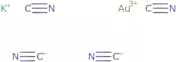
CAS:Producto controlado<p>Potassium tetracyanoaurate(III) (K[AuCl4]) is a crystalline, intermetallic compound that has been used in the production of coatings, spherical particles, and electrochemical materials. The pentahydrate form has a diameter of 4.8-5.2 Å and a melting point of ~115°C. K[AuCl4] is stable in air and water but reacts with strong acids to form potassium chloride and potassium tetracyanocuprate(II). This substance also has an optimal pH range of 6-7 and an average solubility range of 0.05-0.1g/100mL at 20°C. The microstructure of K[AuCl4] is not well understood because it is difficult to isolate from other compounds during synthesis.</p>Fórmula:C4AuN4KPureza:Min. 95%Forma y color:PowderPeso molecular:340.13 g/molb-Glycerophosphoric acid disodium salt tetrahydrate
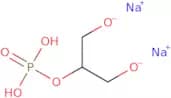
CAS:<p>Glycerolipid metabolism component</p>Fórmula:C3H7O6P·2Na·4H2OPureza:Min. 95%Peso molecular:288.1 g/molAluminum diacetate hydroxide
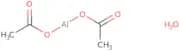
CAS:<p>Aluminum diacetate hydroxide is a white powder that is soluble in water. It is used as a laser ablation material and can be used to seal chemical reactions. Aluminum diacetate hydroxide also functions as a gas sensor, with its sensitivity to aromatic hydrocarbons and fatty acids. This compound has clinical use in detergent compositions, where it prevents the formation of foam.</p>Fórmula:C4H7AlO5Pureza:Min. 28%Forma y color:PowderPeso molecular:162.08 g/molcis-Dichloro(N,N,N',N'-tetramethylethylenediamine)palladium(II)
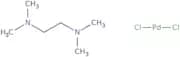
CAS:Producto controlado<p>Please enquire for more information about cis-Dichloro(N,N,N',N'-tetramethylethylenediamine)palladium(II) including the price, delivery time and more detailed product information at the technical inquiry form on this page</p>Fórmula:C6H16Cl2N2PdPureza:Min. 95%Peso molecular:293.53 g/mol4-Acetamido-4'-isothiocyanatostilbene-2,2'-disulfonic acid, sodium salt
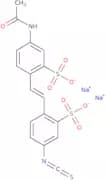
CAS:<p>4-Acetamido-4'-isothiocyanatostilbene-2,2'-disulfonic acid, sodium salt (AITC-S) is a stilbene derivative with inhibitory properties. It has been shown to inhibit the uptake of camp in rat ventricular myocytes and caco-2 cells as well as the release of camp from rat renal proximal tubules. AITC-S also inhibits the transport of camp into the cells. The mechanism by which AITC-S inhibits uptake is not yet known, but it may be due to competition for a common carrier or an effect on intracellular metabolism. This compound has also been shown to have an acute ischemic protective effect on rats when administered before reperfusion following coronary artery occlusion.</p>Fórmula:C17H12N2Na2O7S3Pureza:Min. 95%Peso molecular:498.46 g/molBenzylbis(triphenylphosphine)palladium(II) Chloride
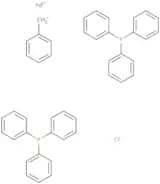
CAS:Producto controlado<p>Benzylbis(triphenylphosphine)palladium(II) Chloride is an organic compound that contains a benzene and palladium complex. The anion of this compound is chloride and it has been used as a reagent in the preparation of nitroarenes, porphyrin complexes, and various other organic compounds. This salt is insoluble in water and organic solvents, and it has been used as a sensor for chloride ions. Benzylbis(triphenylphosphine)palladium(II) Chloride’s color changes from green to red in the presence of chloride ions, which can be detected by potentiometric titration or colorimetric analysis.</p>Fórmula:C43H37ClP2PdPureza:Min. 95%Peso molecular:757.57 g/molLithium thiocyanate hydrate
CAS:<p>Lithium thiocyanate hydrate is a crystalline compound that consists of lithium, sulfur, and oxygen. It has been shown to have antihypertensive activity, which may be due to the inhibition of the enzyme angiotensin-converting enzyme (ACE). Lithium thiocyanate hydrate is used in pharmaceutical preparations as a coagulant and solvent. Crystals of this compound are formed by reacting lithium chloride with hexafluoroisopropanol in an aqueous solution containing metal ions. The crystals are macrocyclic structures consisting of alternating layers of lithium thiocyanate and sulfoxide groups. These groups form hydrogen bonds between adjacent layers, leading to the formation of the crystals' crystalline structure.</p>Fórmula:LiSCN·xH2OPureza:(%) Min. 99.9%Forma y color:White PowderMonosodium succinate
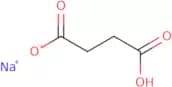
CAS:<p>Monosodium succinate is a salt that inhibits the growth of antibiotic-resistant strains of bacteria. It is a chemical that has been shown to be stable in acidic environments and during logarithmic growth phase. Monosodium succinate has been used as a monoclonal antibody against the bladder wall, where it binds to acidic phosphotungstic acid. This binding prevents the formation of an enzyme-inhibitor complex with the enzyme cell wall synthesis that is required for cell wall biosynthesis, inhibiting protein synthesis and cell division. Monosodium succinate has also been shown to have metabolic disorders properties through its ability to inhibit uptake and increase sodium carbonate levels in urine.</p>Fórmula:C4H5NaO4Pureza:Min. 95%Peso molecular:140.07 g/molDL-Lactic acid sodium salt, 60% w/w syrup
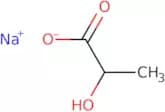
CAS:<p>Lactic acid is a natural product that has been used for many years as an antimicrobial agent in wastewater treatment. It is also used in the food industry to prevent the growth of bacteria and fungi, and as a preservative. Lactic acid has been shown to have a physiological effect on locomotor activity, which may be due to its ability to convert pyruvate into lactate. Lactic acid also inhibits the growth of some bacterial strains by increasing the disulfide bond formation between two cysteine residues. The sodium salt form of lactic acid is more soluble than the acid form and can be used as an experimental model for studying sodium-lactate interactions. Sodium lactate is used in maternal blood transfusions to increase blood pH levels during labor, and is also added to water vapor for humidification purposes.</p>Fórmula:C3H5O3NaForma y color:Colorless Clear LiquidPeso molecular:112.06 g/mol16-Deacetyl fusidic acid sodium salt
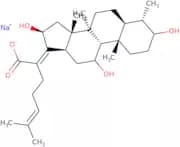
CAS:Producto controlado<p>Please enquire for more information about 16-Deacetyl fusidic acid sodium salt including the price, delivery time and more detailed product information at the technical inquiry form on this page</p>Fórmula:C29H45NaO5Pureza:Min. 95%Peso molecular:496.65 g/molD-Lactic acid lithium
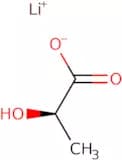
CAS:<p>D(+)-Lactic acid lithium salt is a dipolar molecule with an activation energy of about 44 kJ/mol. It has been studied by NMR techniques and found to have a resonance in the range of 1.8-2.0 ppm, which is characteristic of protons on the oxygen atom. The proton magnetic resonance (PMR) study showed that the d-lactate resonances were very broad and shifted to higher frequencies, whereas the l-lactate resonances were sharp and shifted to lower frequencies. This may be due to the different number of protons on each type of lactate molecule. The magnetic resonance (NMR) study showed that lithium salt was a radical with a spin density distribution around 2.6 ppm in the nmr spectrum.</p>Fórmula:C3H6O3•LiPureza:Min. 95%Forma y color:PowderPeso molecular:97.02 g/molTin(II) chloride dihydrate
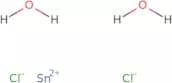
CAS:<p>Tin(II) chloride dihydrate is a white or pale yellow crystalline solid. It is soluble in water and has a relatively low melting point. Tin(II) chloride dihydrate is used as an acid catalyst for the preparation of esters from ethyl trifluoroacetate, and as an intermediate for synthesizing quinoline derivatives. Tin(II) chloride dihydrate can also be used to deactivate fatty acids by reacting with them in the presence of water. The reaction vessel is heated to about 300°C to evaporate the solvent and leave a residue of tin chloride, which can then be recovered by distillation. Tin(II) chloride dihydrate has been shown to have transport properties that are similar to those of other metal chlorides at comparable concentrations.</p>Fórmula:SnCl2•(H2O)2Pureza:Min. 95%Forma y color:Colorless Clear LiquidPeso molecular:225.65 g/molAntimony(III) acetate
CAS:<p>Antimony(III) acetate is a catalyst that is used in glycol esters and other organic reactions. It has been shown to have an activity index of 1.2-1.5, which means it can be used in place of antimony trioxide for many purposes. The chemical species is the film-forming polymer with particle size between 0.2-0.4 microns and a hydroxide solution of pH 3-6. Antimony(III) acetate can be used in the production of polymers with high viscosity, such as polyester, polyurethane, or polyethylene terephthalate (PET). This catalyst also reacts with hydrochloric acid or trifluoroacetic acid to produce a polymer film that is used in various applications such as coatings and adhesives.br>br> The following are some common uses for this product:</p>Fórmula:C6H12O6•SbPureza:Min. 95%Forma y color:PowderPeso molecular:301.92 g/molBis(4-(di-tert-butylphosphino)-N,N-dimethylbenzenamine) palladium dichloride
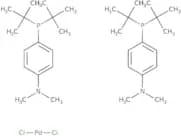
CAS:Producto controlado<p>Bis(4-(di-tert-butylphosphanyl)-N,N-dimethylaniline) is a boronic acid that has been used as a surfactant in organic chemistry. It is hydrophobic and has hydrogen bonding interactions with other molecules. Bis(4-(di-tert-butylphosphanyl)-N,N-dimethylaniline) is also a proton acceptor and can form stable complexes with metal ions such as palladium chloride. This compound is kinase selective and can be used to inhibit tyrosine kinases by binding to the ATP binding site of the enzyme's kinase domain. The functional groups of this compound are able to undergo cross-coupling reactions with other functional groups that have been activated by a reagent such as palladium chloride. Bis(4-(di-tert-butylphosphanyl)-N,N-dimethylaniline) has been used in high</p>Fórmula:C32H56Cl2N2P2PdPureza:Min. 95%Forma y color:PowderPeso molecular:708.07 g/molSuccinyl coenzyme A sodium
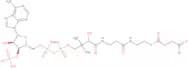
CAS:<p>Succinyl coenzyme A sodium (SCCA) is a membrane-permeable probe that can be used to measure the mitochondrial membrane potential. SCCA is transported into mitochondria and reduced by dehydrogenase, resulting in an increase in the concentration of its oxidized form, succinic semialdehyde. This increase in extracellular concentrations of succinic semialdehyde can be detected using high performance liquid chromatography with fluorescence detection. The use of this probe has been shown to be useful for measuring mitochondrial function in live cells and tissues, and for investigating genetic disorders that affect mitochondrial function.</p>Fórmula:C25H40N7O19P3S•NaxPureza:Min. 95%Peso molecular:889.59 g/molSulfaquinoxaline sodium salt
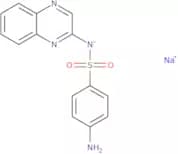
CAS:<p>Sulfaquinoxaline sodium salt is a dpp-iv inhibitor that has been shown to be effective in the treatment of inflammatory bowel disease. The drug inhibits the enzyme dipeptidyl peptidase 4, which is involved in the degradation of immunoreactive insulin and glucagon-like peptide-1. Sulfaquinoxaline sodium salt produces an antimicrobial effect by inhibiting microbial growth and also has a synergic effect with other antibiotics such as amoxicillin. As well as being used to treat bowel diseases, sulfaquinoxaline sodium salt is also used for sample preparation before DNA or RNA extraction. It can be used as a co-substrate with sodium carbonate to precipitate proteins in biological samples, such as urine or stool samples, or wastewater before treatment.</p>Fórmula:C14H12NaN4O2SPureza:Min. 95%Peso molecular:323.33 g/molN, N-Bis(Carboxymethyl)-L -glutamic acid tetrasodium salt - ca. 40% in water
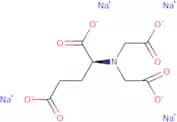
CAS:<p>N,N-Bis(carboxymethyl)-L-glutamic acid tetrasodium salt is a cationic surfactant that has been used in the production of personal care products and industrial cleaners. This compound is soluble in water and can be used as a post-treatment to reduce the redox potential of hydrochloric acid. It also has antibacterial efficacy against both Gram-positive and Gram-negative bacteria. N,N-Bis(carboxymethyl)-L-glutamic acid tetrasodium salt has been shown to be effective against tumor cells.</p>Fórmula:C9H9NO8·4NaPureza:Min. 95%Forma y color:PowderPeso molecular:351.13 g/molBis(Benzonitrile)palladium(II) chloride
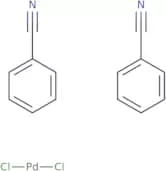
CAS:Producto controlado<p>Bis(benzonitrile)palladium(II) chloride is a palladium complex with the coordination geometry of square-planar. It has been shown to undergo a suzuki coupling reaction when reacted with an aromatic hydrocarbon, such as benzene or toluene, in the presence of sodium carbonate and nitrogen gas. This reaction produces an intramolecular hydrogen bond between the oxygen atom of the hydroxyl group and the nitrogen atom on the chelate ligand. Bis(benzonitrile)palladium(II) chloride has also been shown to be useful for generating x-ray crystal structures of metal complexes by using ft-ir spectroscopy. The chlorine atom from bis(benzonitrile)palladium(II) chloride may react with hydrochloric acid to produce a soluble complex that can be isolated by crystallography.</p>Fórmula:C14H10Cl2N2PdPureza:Min. 95%Peso molecular:383.57 g/molSodium L-lactate-13C3
CAS:<p>Please enquire for more information about Sodium L-lactate-13C3 including the price, delivery time and more detailed product information at the technical inquiry form on this page</p>Fórmula:C3H5NaO3Pureza:Min. 95%Forma y color:PowderPeso molecular:115.04 g/molEthynylferrocene
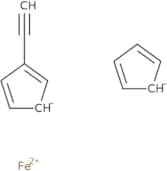
CAS:<p>Ethynylferrocene is a molecule that has a redox potential and can be reduced to ferrocene by hydrogen-reducing agents. Ethynylferrocene can also undergo oxidation reactions with the help of oxidizing agents to form ethynylpalladium. The biological properties of this molecule have been studied extensively and it has been found to bind to receptor molecules, such as dopamine receptors, in the body. The binding of this molecule to these receptors may cause changes in cell signaling pathways and gene expression. Ethynylferrocene is a member of the class of purine derivatives that are known for their ability to bind hydrogen atoms and form hydrogen bonding interactions with other molecules. This property is useful in the palladium-catalyzed coupling reaction, which is used to produce a variety of organic compounds.</p>Fórmula:C12H10FePureza:Min. 95%Forma y color:PowderPeso molecular:210.05 g/molCobalt(II) acetate tetrahydrate
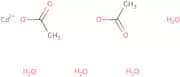
CAS:<p>Cobalt(II) acetate tetrahydrate is a model system that can be used to study the structures of coordination complexes. The cobalt ion has a coordination geometry with two water molecules, two oxygen atoms from the acetate anion, and one proton from the hydroxide anion. The crystal structure is composed of six-membered rings of alternating metal ions and oxygen atoms. The reaction solution contains excess sodium hydroxide and water vapor. It was determined that cobalt(II) acetate tetrahydrate reacts electrochemically at low frequencies as well as with 5-hmf, an oxidizing agent, in the presence of sodium citrate as an oxidation catalyst.</p>Fórmula:C4H6CoO4·4H2OPureza:Min. 95%Forma y color:Pink To Red SolidPeso molecular:249.08 g/molPotassium methoxide, 25% w/w in methanol
CAS:<p>Potassium methoxide is a strong base that reacts with methanol to produce potassium metal and methanol. It has been used as a model system for studying the reaction mechanism of metal carbonyls. The reaction solution is heated to produce glycol esters, which are catalyzed by the potassium metal. This process can be used to synthesize biologically active molecules, such as anti-inflammatory drugs, which are difficult to make using conventional methods. Potassium methoxide has also been shown to have protective effects against metabolic disorders in mice and has biological properties that may be useful in the treatment of infectious diseases.</p>Fórmula:CH3OKPureza:Min. 95%Forma y color:Clear LiquidPeso molecular:70.13 g/molCadmium chloride
CAS:<p>Cadmium chloride is a compound that belongs to the group of inorganic compounds. Cadmium chloride inhibits the activity of c-jun, an important transcription factor involved in cell growth and differentiation. It also affects the activity of other transcription factors, such as NF-κB, and has been shown to induce cell death by inhibiting DNA synthesis. The cytotoxicity of cadmium chloride is related to its ability to interact with hydrogen bonding sites on proteins. In vitro studies have shown that it has significant cytotoxicity against tumor cells with a cell specific response. Cadmium chloride has also been used in therapy groups for patients with inflammatory bowel disease and rheumatoid arthritis.</p>Fórmula:CdCl2Pureza:Min. 95%Peso molecular:183.32 g/molD,L-Alanosine sodium salt
<p>Please enquire for more information about D,L-Alanosine sodium salt including the price, delivery time and more detailed product information at the technical inquiry form on this page</p>Fórmula:C3H6N3NaO4Pureza:Min. 95%Peso molecular:171.09 g/molShikimate-3-phosphate trisodium salt
CAS:<p>Shikimate-3-phosphate trisodium salt (SPTS) is a herbicide that inhibits the enzyme EPSPS, which is essential for the production of aromatic amino acids in plants. It binds to the active site of the enzyme and prevents it from functioning properly. SPTS is used as a pesticide on crops such as wheat, rye, barley, oats, rice, soybeans, maize, potato and sugar beet. The herbicide has been shown to be effective in nanomolar range concentrations. It can be detected using biosensors designed for environmental monitoring purposes. The surface of these biosensors are functionalized with SPTS and immobilized on a solid support such as glass or silicon dioxide. These sensors have been shown to detect glyphosate at concentrations as low as 0.01 ppm. SPTS has been investigated for use in developing biosensors that could be used to monitor levels of this herbicide in water sources such as rivers and streams.END></p>Fórmula:C7H8Na3O8PPureza:Min. 95%Forma y color:White PowderPeso molecular:320.08 g/molAcetaminophen glutathione disodium salt
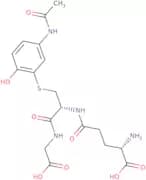
CAS:<p>Acetaminophen glutathione disodium salt is a prodrug of acetaminophen, which is a non-opioid analgesic and antipyretic drug. It has been shown to be protective against cisplatin-induced nephrotoxicity in cell culture and in CD-1 mice. Acetaminophen glutathione disodium salt inhibits mitochondrial enzyme activities, including dehydroascorbate reductase, which reduces the formation of reactive oxygen species. Acetaminophen glutathione disodium salt also blocks proximal tubule reabsorption and increases the excretion of drugs or their metabolites by increasing the second-order rate constant.</p>Fórmula:C18H22N4Na2O8SPureza:Min. 95%Peso molecular:500.43 g/molCalcium iodide
CAS:<p>Calcium iodide is a polarizer that can be used for the analysis of metal hydroxides. It reacts with the substrate film and forms a reaction solution that can be examined by microscope or spectrophotometer. Calcium iodide has been used to study the structure of glycol ethers, alkanoic acids, and carbohydrates. This chemical is also used in nutrient solutions and as a control substance in biochemical tests.</p>Fórmula:CaI2Pureza:Min. 95%Forma y color:PowderPeso molecular:293.89 g/molIodosulfuron-methyl sodium
CAS:<p>Iodosulfuron-methyl sodium is a herbicide that inhibits the activity of lipid-metabolizing enzymes in plants. It inhibits the action of phosphatases, which are enzymes that catalyze hydrolysis of phosphoric acid esters, and can be used to control weeds. Iodosulfuron-methyl sodium has been shown to have synergistic interactions with other herbicides, such as 2,4-D or dicamba. The effective dose for this product varies depending on the plant species and type of soil.</p>Fórmula:C14H13IN5NaO6SPureza:Min. 90 Area-%Forma y color:White Off-White PowderPeso molecular:529.24 g/molTetrakis[N-phthaloyl-(S)-phenylalaninato]dirhodium Ethyl Acetate Adduct
CAS:<p>Please enquire for more information about Tetrakis[N-phthaloyl-(S)-phenylalaninato]dirhodium Ethyl Acetate Adduct including the price, delivery time and more detailed product information at the technical inquiry form on this page</p>Fórmula:C68H48N4O16Rh2·C4H8O2Pureza:Min. 95%Peso molecular:1,471.04 g/molSodium phenoxide
CAS:<p>Sodium phenoxide is a glycol ether that has been used to treat wastewater containing phenol and p-hydroxybenzoic acid. The reaction solution is prepared by mixing the desired amount of sodium phenoxide with an excess of copper chloride in anhydrous sodium. This process can be monitored using electrochemical impedance spectroscopy, which provides information about the chemical stability of the product. The use of sodium phenoxide as a wastewater treatment agent can be evaluated through treatment trials, where it is mixed with wastewater containing different concentrations of inhibitor drugs such as metoprolol succinate. Langmuir adsorption isotherm can also be used to determine the effectiveness of this product for wastewater treatment purposes.</p>Fórmula:C6H5O·NaPureza:Min. 95%Forma y color:PowderPeso molecular:116.09 g/molBis(perfluorohexyl)phosphinic acid sodium salt
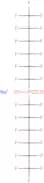
CAS:<p>Please enquire for more information about Bis(perfluorohexyl)phosphinic acid sodium salt including the price, delivery time and more detailed product information at the technical inquiry form on this page</p>Fórmula:C12F26NaO2PPureza:Min. 95%Peso molecular:724.05 g/molRuthenium(III) chloride trihydrate
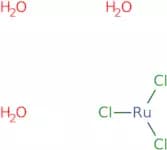
CAS:<p>Ruthenium(III) chloride trihydrate is a ruthenium carbonyl that is used as an oxidation catalyst. It has been used to prepare diagnostic agents for the detection of hydrochloric acid, sodium carbonate, or pharmaceutical preparations. The mechanism of the reaction was studied using potassium dichromate as an oxidant and the transfer reactions were determined by high-resolution electron microscopy. Ruthenium(III) chloride trihydrate is also a matrix effect reagent that has been used in conjunction with water vapor.</p>Fórmula:RuCl3·3H2OPureza:Min. 95%Forma y color:PowderPeso molecular:261.47 g/molPotassium periodate
CAS:<p>Potassium periodate is an oxidizing agent that is used in analytical chemistry to oxidize the hydroxyl groups of glycolipids, glycoproteins, and glycoconjugates. Potassium periodate has been shown to be effective against infectious diseases such as HIV, hepatitis B virus, and herpes simplex virus. It has also been used as a nutrient solution in pharmaceutical preparations. The mechanism of this reaction is not fully understood but it is thought that the trifluoroacetic acid reacts with potassium periodate to form hypochlorous acid which then reacts with the amino group on the glycolipid or protein. This reaction results in a linear calibration curve for the concentration of hydroxyl ions.</p>Fórmula:KIO4Pureza:Min. 95%Peso molecular:230 g/mol[1,4-Bis(diphenylphosphino)butane]palladium(II) Dichloride
CAS:Producto controlado<p>[1,4-Bis(diphenylphosphino)butane]palladium(II) dichloride (PdCl2(DPPB)) is a covalent catalyst that is used in the cross-coupling of styrene with chlorides. It has been shown to be a very effective catalyst for this reaction and yields high yields. The use of this catalyst allows for the quantification of the phosphine ligand that is used in the reaction. [1,4-Bis(diphenylphosphino)butane]palladium(II) dichloride has also been shown to be an efficient catalyst for other reactions, such as solvents and diphosphine ligands.</p>Fórmula:C28H28Cl2P2PdPureza:Min. 95%Peso molecular:603.79 g/molLithium difluoro(oxalato)borate
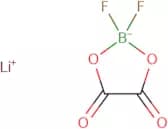
CAS:<p>Lithium difluoro(oxalato)borate is an electron-microscopic corrosion inhibitor that belongs to the class of ester compounds. It is a solid compound that has been shown to be efficacious against oxidation products. The efficiency of this compound is dependent on the concentration and purity of lithium difluoro(oxalato)borate and the type of metal, such as steel or aluminum. Lithium difluoro(oxalato)borate can be used in rechargeable batteries, due to its transport properties, high salt tolerance, and low self-discharge rate. This compound has been shown to have functional groups that are capable of interacting with hydrogen fluoride in an organic solution.</p>Fórmula:C2BF2O4•LiPureza:Min. 95%Peso molecular:143.77 g/molFluorescein disodium salt
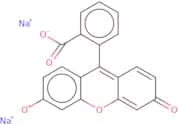
CAS:<p>Fluorescein sodium is a fluorescent dye that is used in a wide variety of applications, including fluorescence angiography, histology, and immunohistochemistry. Fluorescein sodium binds to the receptor binding sites of proteins and cells, which then emit light when excited by a laser. It is also used in asthma therapy to assess lung function and for process optimization in industries where fluorescence detectors are used. This substance has been shown to be effective for the treatment of proliferative diabetic retinopathy in both diabetic patients and animals. Fluorescein sodium can cause allergic reactions and chemical reactions if it comes into contact with skin or mucous membranes.</p>Fórmula:C20H10O5·2NaPureza:Min. 95%Forma y color:Red PowderPeso molecular:376.28 g/molSodium methanethiolate - 15% aqueous solution
CAS:<p>Sodium methanethiolate is an antimicrobial agent that is a white, crystalline solid. It reacts with trifluoroacetic acid and water to produce the active form of sodium trifluoroacetate. The reaction mechanism is likely due to the formation of a bicyclic heterocycle that has been shown to be effective against a number of bacteria. Sodium methanethiolate has been used for the treatment of infectious diseases, such as respiratory infections and skin infections, as well as autoimmune diseases and cardiovascular disorders. The oxidation catalyst in this compound may also have physiological effects on the body's cells and tissues.</p>Fórmula:CH3NaSPureza:Min. 95%Forma y color:Clear LiquidPeso molecular:70.09 g/molEthametsulfuron methyl sodium salt
CAS:<p>Ethametsulfuron methyl sodium salt (EMS) is a herbicide that is used to control weeds in agricultural fields. It prevents the synthesis of fatty acids by blocking the activity of acetyl-CoA carboxylase, which is an enzyme involved in the production of fatty acids. EMS also inhibits plant enzymes that are involved in amino acid metabolism, such as protein synthesis. EMS has been shown to inhibit surface glycoprotein and human serum esterases. This herbicide can cause high resistance because it blocks cell division and alters lipid metabolism.</p>Fórmula:C15H17N6NaO6SPureza:Min. 95%Peso molecular:432.39 g/molCobalt(II) oxide
CAS:<p>Cobalt is a transition metal with the atomic number 27. It has an oxidation state of +2 and belongs to group 8 on the periodic table. Cobalt(II) oxide (CoO) is a black solid that can be formed by heating cobalt metal at temperatures greater than 1400°C. The electrochemical impedance spectroscopy of CoO shows that it has high resistivity and good electrical conductivity, making it useful for corrosion protection. Cobalt oxide is also used as a catalyst in chemical reactions, such as oxidation and reduction, due to its redox potential. Cobalt oxide can be produced from the reaction between hydrochloric acid and zirconium oxide by electrolysis, which produces an electric current. This process can be done in two ways: either by using an electrochemical cell or by laser ablation. The latter method is more efficient because it requires less energy input than using an electrochemical cell. In addition, CoO particles are spherical in shape, have</p>Fórmula:CoOPureza:75%MinForma y color:PowderPeso molecular:74.93 g/molSodium thiocyanate
CAS:<p>Sodium thiocyanate is a salt that is used as an injection solution and reaction solution in the chemical laboratory. It reacts with water vapor to form sodium carbonate and hydrogen cyanide, which are then converted into sodium salts. The biological properties of this compound are not well-known, but it has been shown to be toxic to cells at high concentrations. Sodium thiocyanate is a salt that is used as an injection solution and reaction solution in the chemical laboratory. It reacts with water vapor to form sodium carbonate and hydrogen cyanide, which are then converted into sodium salts. The biological properties of this compound are not well-known, but it has been shown to be toxic to cells at high concentrations.</p>Fórmula:CNNaSPureza:Min. 95%Forma y color:White PowderPeso molecular:81.07 g/molAmoxicillin dimer tri-sodium salt (penicilloic acid form) - mixture of diastereomers
<p>Please enquire for more information about Amoxicillin dimer tri-sodium salt (penicilloic acid form) - mixture of diastereomers including the price, delivery time and more detailed product information at the technical inquiry form on this page</p>Fórmula:C32H27N6Na3O11S2Pureza:Min. 95%Peso molecular:804.69 g/molCarbonylbis(triphenylphosphine)rhodium(I) Chloride
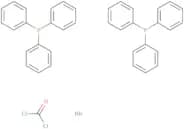
CAS:Producto controlado<p>Carbonylbis(triphenylphosphine)rhodium(I) Chloride is a carbonyl compound that is prepared by reacting alcohols with diethyl ether in the presence of rhodium chloride. It is used as a reagent for alkylation, recrystallization, and purification of organic compounds. Carbonylbis(triphenylphosphine)rhodium(I) Chloride has been used to synthesize formaldehyde from ethylene glycol and formaldehyde-based resins. It also has been used as a catalyst in the conversion of aliphatic hydrocarbons to alcohols. This compound is insoluble in water and crystallizes yellow when dried.</p>Fórmula:C37H30ClOP2RhPureza:Min. 95%Peso molecular:690.94 g/molSodium percarbonate
CAS:<p>Sodium percarbonate is a chemical compound that has a high degree of chemical stability. It is a white, crystalline solid with an appearance similar to table salt. Sodium percarbonate can be used for wastewater treatment by reacting with the hydrogen peroxide in wastewater to produce carbon dioxide and sodium sulfate. The reaction mechanism is based on the oxidation of p-hydroxybenzoic acid by hydrogen peroxide. Sodium percarbonate can also be used as an oxidizing agent in organic synthesis reactions, such as ester hydrolysis, nitro reduction, and decomposition of boron compounds. Optimum concentrations range from 1% to 3%.</p>Fórmula:C2H6Na4O12Pureza:Min. 95%Peso molecular:314.02 g/molBendazac sodiumsalt
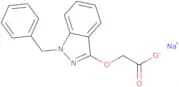
CAS:Producto controlado<p>Xanthine oxidase inhibitor; anti-inflammatory agent; radical scavenger</p>Fórmula:C16H13N2NaO3Pureza:Min. 95%Peso molecular:304.28 g/molSodium 1-Tetradecanesulfonate
CAS:<p>Sodium 1-tetradecanesulfonate is a detergent additive that can be used in water-based cleaning compositions. It is a sodium salt and fatty acid that has been shown to provide high viscosity in the presence of water vapor. This product also provides excellent detergency on oily soils, and is compatible with other ingredients such as fatty alcohols, glycol ethers, glycerin, aluminium, dodecyl cations, and polyvinyl alcohols. Sodium 1-tetradecanesulfonate has been shown to have a wide range of applications including wastewater treatment and analytical chemistry.</p>Pureza:Min. 95%Lithium 1,1,2,2,3,3-Hexafluoropropane-1,3-disulfonimide
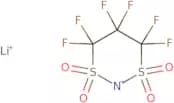
CAS:<p>Lithium 1,1,2,2,3,3-hexafluoropropane-1,3-disulfonimide is a compound of lithium and fluorine. It is an additive that can be used in the manufacture of polymers and other materials. Lithium 1,1,2,2,3,3-hexafluoropropane-1,3-disulfonimide has been shown to act as a transition metal ion catalyst for the oxidation of fluoride to form hydrogen gas. This compound has also been shown to promote the formation of layered films made up of transition metals such as nickel oxide. Lithium 1,1,2,2,3,3-hexafluoropropane-1</p>Fórmula:C3F6LiNO4S2Pureza:Min. 95%Peso molecular:299.1 g/molErdosteine thioacid disodium salt
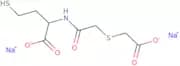
CAS:<p>Please enquire for more information about Erdosteine thioacid disodium salt including the price, delivery time and more detailed product information at the technical inquiry form on this page</p>Fórmula:C8H11NNa2O5S2Pureza:Min. 96 Area-%Forma y color:PowderPeso molecular:311.29 g/molN,N-Bis-(4-sulfobutyl)-3-methylaniline disodium salt
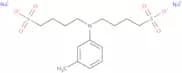
CAS:<p>N,N-Bis-(4-sulfobutyl)-3-methylaniline disodium salt is a fine chemical that is used as a building block for organic synthesis. It can be used in the formulation of pharmaceuticals and other chemicals. N,N-Bis-(4-sulfobutyl)-3-methylaniline disodium salt has been shown to be an excellent reagent for the synthesis of complex compounds with high purity and high quality. This compound is also versatile in its use as a building block, scaffold or intermediate for the synthesis of many different types of molecules.</p>Fórmula:C15H23NNa2O6S2Pureza:Min. 95%Forma y color:PowderPeso molecular:423.46 g/mol











![Tetrakis[N-phthaloyl-(S)-phenylalaninato]dirhodium Ethyl Acetate Adduct](/_next/image/?url=https%3A%2Fstatic.cymitquimica.com%2Fproducts%2F3D%2Fthumb-webp%2FFT60014.webp&w=3840&q=75)


![[1,4-Bis(diphenylphosphino)butane]palladium(II) Dichloride](/_next/image/?url=https%3A%2Fstatic.cymitquimica.com%2Fproducts%2F3D%2Fthumb-webp%2FFB60968.webp&w=3840&q=75)