Sales de metal
En esta sección, puede encontrar diversas sales metálicas, que son compuestos caracterizados por contener átomos metálicos y no metálicos. Esencialmente, las sales metálicas están compuestas por cationes que son uno o más átomos metálicos. Estas sales desempeñan un papel crucial en numerosas reacciones y aplicaciones químicas, sirviendo como catalizadores, reactivos o intermediarios en varios procesos industriales y de investigación. En CymitQuimica, ofrecemos una amplia selección de sales metálicas de alta calidad para satisfacer sus necesidades de investigación e industriales, asegurando un rendimiento fiable y efectivo en sus aplicaciones.
Se han encontrado 2870 productos de "Sales de metal"
Ordenar por
Pureza (%)
0
100
|
0
|
50
|
90
|
95
|
100
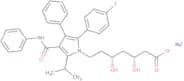
Atorvastatin sodium
CAS:<p>HMG-CoA reductase antagonist</p>Fórmula:C33H35FN2O5•NaPureza:Min. 95%Forma y color:PowderPeso molecular:581.63 g/molEthylenediaminetetraacetic acid tripotassium salt dihydrate
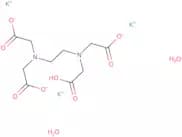
CAS:<p>Ethylenediaminetetraacetic acid tripotassium salt dihydrate is an anticoagulant that can be used as a coagulant for blood samples. It is often used in polymerase chain reactions to synthesize DNA, or to isolate and purify genomic DNA. This compound has ferroelectric properties and can be used as a target cell in optical imaging applications. Ethylenediaminetetraacetic acid tripotassium salt dihydrate is also used in the production of polyurethanes and as a polymerization inhibitor in cinnamon oil.</p>Fórmula:C10H13K3N2O8·2H2OPureza:Min. 95%Peso molecular:442.54 g/molCarbamoyl-Asp-OH·magnesium salt/Carbamoyl-Asp-OH·dipotassium salt (1:1)
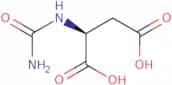
CAS:<p>Carbamoyl-Asp-OH·magnesium salt/Carbamoyl-Asp-OH·dipotassium salt (1:1) is a derivate of p-hydroxybenzoic acid that has been shown to inhibit leukotriene receptor antagonists and basic proteins. It has been found in urine samples, but its function is not yet known. The uptake of this molecule may be a potential biomarker for the diagnosis of orotic aciduria and HIV infection. Carbamoyl-Asp-OH·magnesium salt/Carbamoyl-Asp-OH·dipotassium salt (1:1) has also been shown to be an inhibitor of intramolecular hydrogen transfer reactions in model systems.</p>Fórmula:C10H12K2MgN4O10Pureza:Min. 95%Peso molecular:450.72 g/molL-Tyrosine dipotassium
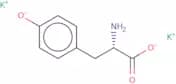
CAS:<p>L-Tyrosine dipotassium salt is a high quality, reagent, complex compound, useful intermediate and fine chemical. It is a useful scaffold that can be used in the synthesis of various important natural products. L-Tyrosine dipotassium salt is a versatile building block that has been widely applied in research on the development of new drugs, such as antiviral agents and antibiotics. L-Tyrosine dipotassium salt can act as a reaction component for many organic reactions. It also has applications in many areas such as medicine, food production, and environmental protection.</p>Fórmula:C9H11NO3•K2Pureza:Min. 95%Peso molecular:259.39 g/molZinc lactate
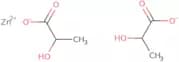
CAS:<p>Zinc lactate is an ionic salt that contains zinc and lactate ions. It is a particle that can be used as an oral supplement to treat zinc deficiency. Zinc lactate is soluble in water, which makes it easy to take orally. The other benefits of this supplement include its ability to reduce the risk of dental cavities and promote wound healing. In addition, zinc lactate has been shown to have antibacterial properties against throat infections and cavity-causing bacteria such as Streptococcus mutans. This product is also beneficial for brain cells due to its ability to remove polyphosphates from neurons, which are toxic substances that accumulate when brain cells are injured or diseased.</p>Fórmula:C6H10O6ZnPureza:Min. 95%Forma y color:White PowderPeso molecular:243.52 g/molε-Maleimidocaproic acid-(2-nitro-4-sulfo)-phenyl ester·sodium salt
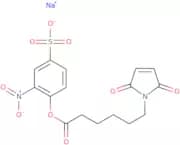
CAS:<p>Epsilon-Maleimidocaproic acid-(2-nitro-4-sulfo)-phenyl ester·sodium salt (EMAP) is a crosslinker that belongs to the group of heterobifunctional reagents. It has been used to conjugate monoclonal antibodies with other molecules, such as toxins. EMAP is activated by the dianion generated by protonation of the nitro groups on the phenyl ring and reacts with free amines or thiols in proteins. EMAP can be used for labeling immunotoxins for diagnostic use, maximizing detection sensitivity, and crosslinking DNA molecules for use in molecular cloning experiments.</p>Fórmula:C16H15N2NaO9SPureza:Min. 95%Peso molecular:434.35 g/molZinc trifluoromethanesulfonate
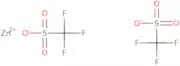
CAS:<p>Zinc trifluoromethanesulfonate is a catalyst that catalyses the reaction of amines with coumarin derivatives, producing an electrochemical impedance spectroscopy. It has been shown to have a redox potential that is higher than ferrocenecarboxylic acid. Zinc trifluoromethanesulfonate has been used in asymmetric synthesis, which involves substituting a hydrogen atom with another atom or group, and in salt metathesis, which is the process of forming new chemical compounds from reactants without using any energy. The zinc trifluoromethanesulfonate can also be activated by light or heat. This makes it possible for this compound to release the corrosive sulfur dioxide gas when heated to high temperatures, producing a synergic effect with other substances such as potassium permanganate (KMnO4).</p>Fórmula:C2F6O6S2ZnPureza:Min. 95%Forma y color:White PowderPeso molecular:363.52 g/mol2,7-Naphthalenedisulfonic acid disodium salt
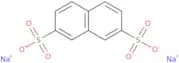
CAS:<p>2,7-Naphthalenedisulfonic acid disodium salt is a heteronuclear molecule that is synthesized by the reaction of 2,7-naphthalenedisulfonyl chloride with sodium sulfite in water. It has been used in the manufacture of dyes and pigments, as a corrosion inhibitor for steel and aluminum, and as an intermediate in the synthesis of pharmaceuticals. The compound has been detected in groundwater samples at concentrations up to 10 mg/L. The compound is also found in geothermal waters at concentrations up to 0.6 mg/L.</p>Fórmula:C10H6Na2O6S2Pureza:Min. 95%Peso molecular:332.26 g/molPotassium cyanate
CAS:<p>Potassium cyanate is an active analogue of sodium cyanate. It is used in biochemical research for the preparation of samples and in the study of reactions that involve the formation of carboxylic acid derivatives from primary alkyl halides. This compound was found to be significantly cytotoxic, with a median lethal dose (LD50) at 3,000 mg/kg. The mechanism of action is not known. Potassium cyanate has been shown to inhibit human serum cholesterol levels and reduce atherosclerotic cardiovascular events in animal models, which may be due to its ability to inhibit cholesterol synthesis by inhibiting HMG-CoA reductase activity.</p>Fórmula:KOCNPureza:Min. 95%Peso molecular:81.12 g/molDisodium clodronate tetrahydrate
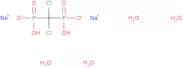
CAS:<p>Disodium clodronate tetrahydrate is a water-soluble salt of the active form of clodronic acid, which has been shown to have anti-inflammatory activity. It is used in the treatment of breast cancer, as well as bowel disease. Disodium clodronate tetrahydrate inhibits basic protein synthesis and the production of pro-inflammatory cytokines by toll-like receptor 4 (TLR4) on polymorphonuclear leucocytes (PMN). This drug has also been shown to inhibit the enzyme activities of sodium salts, but not other enzymes such as phosphofructokinase or lactate dehydrogenase. Disodium clodronate tetrahydrate is also used in analytical methods that are based on measuring changes in the migration rate of proteins.</p>Fórmula:CH2Cl2Na2O6P2·4H2OForma y color:White PowderPeso molecular:360.92 g/mol[4,4'-Di-t-butyl-2,2'-bipyridine][bis[5-(t-butyl)-2-[4-(t-butyl)-2-pyridinyl-kN]phenyl-kC]iridium(III) hexafluorophosphate
CAS:<p>Please enquire for more information about [4,4'-Di-t-butyl-2,2'-bipyridine][bis[5-(t-butyl)-2-[4-(t-butyl)-2-pyridinyl-kN]phenyl-kC]iridium(III) hexafluorophosphate including the price, delivery time and more detailed product information at the technical inquiry form on this page</p>Fórmula:C56H72F6IrN4PPureza:Min. 95%Peso molecular:1,138.38 g/molZinc oxalate dihydrate
CAS:<p>Zinc oxalate hydrate is a skin condition treatment that is made of zinc oxide and oxalic acid. It is used to treat acne, eczema, and psoriasis by inhibiting bacterial growth. The reaction solution is prepared by adding sodium citrate to a solution of vitamin B3 in dextrose. The mixture is heated until the crystals dissolve and then cooled down. The final product has a liquid phase synthesis and contains ZnO, Na2C6H5O7, C6H12O6, and H2O. Other uses for this compound include its use as an antibacterial agent for biomineralization or as a dextrose substitute in the manufacture of cyclic hydrocarbons. This product also has the ability to form nanowires when it is dehydrated under high temperatures.</p>Fórmula:ZnC2O4•2H2OPureza:Min. 95%Forma y color:PowderSodium L-glutamate
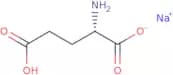
CAS:<p>Glutamate is the most abundant amino acid in the body and plays an important role in metabolism, brain function, and immune function. It is involved in many biochemical reactions and has been found to be associated with liver lesions, thermal expansion, and brain functions. Glutamate also has a role in diseases such as Huntington's disease, amyotrophic lateral sclerosis (ALS), and Parkinson's disease. Furthermore, glutamate is used as a neurotransmitter that regulates the central nervous system. The treatment of diseases can be done through glutamate replacement therapy or by inhibiting glutamate receptors. Glutamate levels in human serum have been shown to increase when blood sampling is taken from individuals with metabolic disorders. Results show high values for glutamate levels in human serum samples collected from patients with metabolic disorders.</p>Fórmula:C5H9NO4•NaPureza:Min. 95%Forma y color:PowderPeso molecular:170.12 g/mol1-Naphthylphosphoric acid calcium
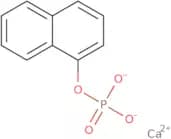
CAS:<p>1-Naphthylphosphoric acid calcium salt (1NPAC) is a fine chemical that has been used as a building block in the synthesis of complex organic compounds. 1NPAC has been shown to be useful in the production of research chemicals and speciality chemicals. It is also employed as an intermediate for the production of high quality reagents. 1NPAC has versatile uses, as it can be used to synthesize other compounds, such as pharmaceuticals and agrochemicals.</p>Fórmula:C20H18O8P2•CaPureza:Min. 95%Forma y color:PowderPeso molecular:488.38 g/molBismuth subgallate
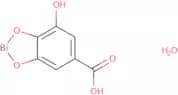
CAS:<p>Bismuth subgallate is a basic compound that is used to treat dermatitis, acne, and other skin conditions. It has been shown to inhibit the growth of human osteosarcoma cells by inhibiting collagen synthesis. Bismuth subgallate also has antibacterial properties against Escherichia coli, Pseudomonas aeruginosa, Staphylococcus aureus, and Streptococcus pyogenes. This drug inhibits bacterial growth by binding to the copper ion in the enzyme superoxide dismutase (SOD), preventing the formation of hydrogen peroxide. The activity of bismuth subgallate is due to its ability to inhibit eosinophil cationic protein and eosinophil peroxidase.</p>Fórmula:C7H5BiO6Pureza:Min. 95%Peso molecular:394.09 g/molPatent blue V Calcium salt
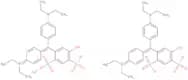
CAS:<p>Patent Blue V calcium salt is a calcium salt of Patent Blue V, which is a light-sensitive dye with an absorption peak at 450 nm. It has been used in analytical chemistry to measure the fatty acid content of oils and fats. Patent Blue V calcium salt has also been used as a reagent in kinetic studies to measure the rate of reactions involving detergent compositions, cationic surfactants, and hydroxyl groups. The lymphatic vessels react to this dye by showing an increase in permeability. The activation energies for these reactions have been determined using kinetic data.</p>Fórmula:C27H31N2O7S2·5CaPureza:Min. 85.0 Area-%Forma y color:PowderPeso molecular:582.7 g/molBispyribac sodium
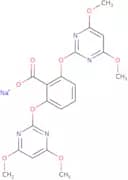
CAS:Producto controlado<p>Bispyribac sodium is a herbicide that belongs to the triazolopyrimidine class. It inhibits plant growth by inhibiting photosynthesis. Bispyribac sodium has been shown to be effective against the following plants: Triticum aestivum, eclipta prostrata, and cationic surfactant when applied at a concentration of 0.5 kg/ha. This herbicide is not active against plants with a neutral pH, such as corn and soybeans. The herbicide does not inhibit the enzyme activities in plants with an acidic pH, such as rice and wheat.</p>Fórmula:C19H17N4NaO8Pureza:Min. 95%Forma y color:PowderPeso molecular:452.35 g/molDichloro(pentamethylcyclopentadienyl)iridium(III) dimer
CAS:<p>Dichloro(pentamethylcyclopentadienyl)iridium(III) dimer (DCPI) is a synthetic ligand that can be used in biomolecular and chemical applications. DCPI has been shown to be stable in the presence of chloride, which is needed for many catalytic reactions. This compound has high activity as a transfer agent and is also able to transfer amines and cyclic compounds. DCPI can be used in fluorescence-based assays, due to its strong fluorescence emission.</p>Fórmula:C20H30Cl4Ir2Pureza:Min. 95%Forma y color:PowderPeso molecular:796.7 g/molDehydroacetic acid sodium salt
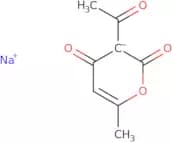
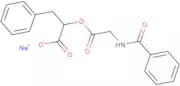
CAS:<p>Dehydroacetic acid sodium salt is a chemical compound with the formula CH3COOCH2NaO2. It is an ionic liquid that can be used as a preservative or stabilizer in foods and other products. Dehydroacetic acid sodium salt has been shown to inhibit the growth of bacteria and fungi in biological studies. The analytical method for dehydroacetic acid sodium salt is based on x-ray diffraction data, which is used to identify its purity and concentration. The reaction solution includes dehydroacetic acid, water vapor, sodium salts, phosphorus pentoxide, and control analysis.</p>Fórmula:C8H7O4NaPureza:Min. 95%Forma y color:PowderPeso molecular:190.13 g/molO-Hippuryl-L-b-phenyllactic acid sodium salt
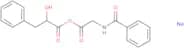
CAS:<p>Please enquire for more information about O-Hippuryl-L-b-phenyllactic acid sodium salt including the price, delivery time and more detailed product information at the technical inquiry form on this page</p>Fórmula:C18H16NNaO5Pureza:Min. 95%Peso molecular:349.31 g/molLithium carbonate
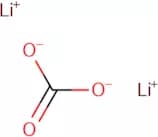
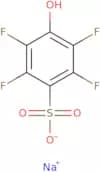
CAS:Producto controlado<p>Lithium carbonate is a salt that contains lithium and carbonate ions. It is used as a mood stabilizer, primarily to treat bipolar disorder. Lithium carbonate is available in three different concentrations: lithium carbonate 5% (Li2CO3), lithium carbonate 10% (Li2CO3), and lithium carbonate 15% (Li2CO3). The optimum concentration of lithium carbonate for the treatment of bipolar disorder is 10%. Lithium has been shown to increase the activity index in combination therapy groups with either mianserin hydrochloride or carbamazepine. Electrochemical impedance spectroscopy has also been used to measure the effect of lithium on human body mass index (BMI).</p>Fórmula:CLi2O3Pureza:Min. 95%Peso molecular:73.89 g/molSodium 2,3,5,6-Tetrafluoro-4-hydroxybenzenesulfonate
CAS:<p>Sodium 2,3,5,6-Tetrafluoro-4-hydroxybenzenesulfonate is a synthetic compound that is used as a probe for catalytic reactions. It has been shown to be active in the oxidation of glycols and ethylene glycols. This compound is also useful for the tethering of metal atoms or ions. Sodium 2,3,5,6-Tetrafluoro-4-hydroxybenzenesulfonate can be used in catalysis due to its ability to act as an electron donor.</p>Fórmula:C6HF4NaO4SPureza:Min. 95%Forma y color:White PowderPeso molecular:268.12 g/molCalcium oxalate
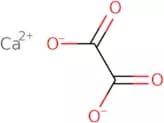
CAS:<p>Calcium oxalate is a crystal that can be found in plants and animals. It is used as a model system to study cell death. Calcium oxalate crystals are inert, but when they react with other substances, they create reactive calcium oxalate crystals that can kill cells by caspase-independent cell death. The crystals also cause cell lysis and are a potential candidate for chemoattractant proteins. Calcium oxalates have been shown to induce phase transition at temperatures below the boiling point of water, which may lead to pharmacological treatments for osteoporosis or kidney stones.</p>Fórmula:CaC2O4Pureza:Min. 95%Peso molecular:128.1 g/molN-Acetoacetylcresidine sulfonic acid sodiumsalt
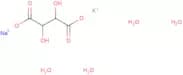
CAS:<p>Please enquire for more information about N-Acetoacetylcresidine sulfonic acid sodiumsalt including the price, delivery time and more detailed product information at the technical inquiry form on this page</p>Fórmula:C12H14NNaO6SPureza:Min. 95%Peso molecular:323.3 g/molSodium potassium tartrate tetrahydrate
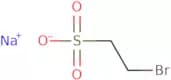
CAS:<p>Sodium potassium tartrate tetrahydrate is a crystal compound made up of potassium and sodium. It is a ferroelectric material that exhibits polarization and piezoelectric properties. The growth rate of these crystals can be controlled by using inhibitors such as protein kinase inhibitors. Sodium potassium tartrate tetrahydrate has been shown to have inhibitory activity against certain enzymes, including proteases and kinases. Additionally, it exhibits dielectric properties and can be used in the production of capacitors and other electronic components.</p>Fórmula:C4H4KNaO6·4H2OPureza:Min. 95%Forma y color:White PowderPeso molecular:282.22 g/mol2-Bromoethanesulfonic acid sodium
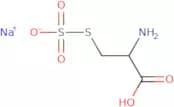
CAS:<p>2-Bromoethanesulfonic acid sodium (2BESA) is a chemical inhibitor that is used to control methanogenic activity. It has been shown to be effective in the treatment of wastewater, although it is not very soluble in water. 2BESA inhibits methanogenesis by binding to the enzyme methane monooxygenase, which blocks electron transfer from methane to oxygen. This prevents the formation of hydrogen and carbon dioxide, which are products of fermentation. 2BESA also has electrochemical properties that make it a good candidate for use as an electrode material in fuel cells. In vitro assays have demonstrated that 2BESA inhibits bacterial growth by inhibiting DNA synthesis and protein synthesis.</p>Fórmula:C2H4BrNaO3SPureza:Min. 95%Peso molecular:211.01 g/molH-Cys(SO3H)-OH sodium salt
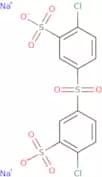
CAS:<p>Please enquire for more information about H-Cys(SO3H)-OH sodium salt including the price, delivery time and more detailed product information at the technical inquiry form on this page</p>Fórmula:C3H7NO5S2·xNaPureza:Min. 98 Area-%Forma y color:White PowderPeso molecular:201.22 g/mol4,4'-Dichlorodiphenylsulfone-3,3'-disulfonic acid disodium salt
CAS:<p>Please enquire for more information about 4,4'-Dichlorodiphenylsulfone-3,3'-disulfonic acid disodium salt including the price, delivery time and more detailed product information at the technical inquiry form on this page</p>Fórmula:C12H6Cl2Na2O8S3Pureza:Min. 95 Area-%Forma y color:White Off-White PowderPeso molecular:491.25 g/molO-Hippuryl-DL-b-phenyllactic acid sodium salt
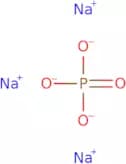
CAS:<p>Please enquire for more information about O-Hippuryl-DL-b-phenyllactic acid sodium salt including the price, delivery time and more detailed product information at the technical inquiry form on this page</p>Fórmula:C18H16NNaO5Pureza:Min. 95%Peso molecular:349.31 g/molSodium phosphate
CAS:<p>Sodium phosphate is a solution of sodium ions and phosphate ions in water. It is used as an electrolyte, as an additive to processed food, and in the treatment of infectious diseases. Sodium phosphate is also used to produce polyphosphates that are used in many industrial applications. The dissolution of sodium phosphate starts with the release of hydrogen fluoride (HF). This reaction can be monitored using microdialysis probes inserted into the reaction solution. The dissociation of this compound can be studied using electrochemical impedance spectroscopy. In human serum, sodium phosphate inhibits the growth of bacteria by forming a complex with the sodium ion and preventing their absorption in the bloodstream.</p>Fórmula:Na·PO4Pureza:Min. 95%Forma y color:White PowderPeso molecular:163.94 g/molLithium ionophore VI
CAS:<p>Lithium ionophore VI is a polyvinyl chloride that contains valinomycin, a metal ion, and an organic solvent. It is used in pharmaceutical formulations as an ionophore. Lithium ionophore VI has been shown to have membrane potential-dependent transfer reactions in human serum and with the use of hydrophobic organic solvents such as chloroform and acetone. This compound can be used for calibration of analytical chemistry instruments by using it as a standard for the pH value of solutions.</p>Fórmula:C24H32O4Pureza:Min. 95%Peso molecular:384.51 g/molMethotrexate disodium
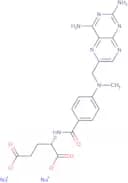
CAS:<p>Methotrexate is a drug that suppresses the immune system by inhibiting the production of white blood cells. It is used in the treatment of a number of diseases, including some cancers and autoimmune diseases such as rheumatoid arthritis and psoriasis. Methotrexate is metabolized to its active form, methotrexate, by an enzyme called dihydrofolate reductase (DHFR). The DHFR inhibitor activity of methotrexate blocks the synthesis of folate-dependent enzymes and prevents DNA synthesis in rapidly dividing cells. Methotrexate has been used in combination with other drugs to treat cancer. Methotrexate has also been shown to have antifungal properties against opportunistic fungal infections.</p>Fórmula:C20H20N8Na2O5Pureza:Min. 95%Forma y color:PowderPeso molecular:498.4 g/mol2-Hydroxy-4-(methylthio)butyric acid calcium salt
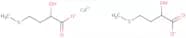
CAS:<p>2-Hydroxy-4-(methylthio)butyric acid calcium salt (2HMBAC) is a fatty acid that is found in malic acid. It is an important industrial chemical used for the preparation of other chemicals such as acetic anhydride, adipic acid, and butyric acid. 2HMBAC has been shown to have various biological functions including the inhibition of protein synthesis and the reduction of chloride ion transport. The dietary administration of 2HMBAC has been shown to relieve diarrhoea in rats.</p>Fórmula:C10H18CaO6S2Pureza:Min. 95%Peso molecular:338.46 g/molPhosphoramidon sodium
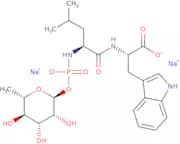
CAS:<p>Phosphoramidon sodium is a chemical inhibitor that is used in wastewater treatment. It has been shown to decrease bronchial reactivity in humans by modulating the activity of peptidases, which are enzymes that break down proteins. Phosphoramidon sodium has also been shown to reduce pain responses in animal models by inhibiting the release of fatty acids from nerve cells. This drug also decreases inflammation and swelling by preventing the production of prostaglandins and leukotrienes.</p>Fórmula:C23H34N3O10P·xNaPureza:Min. 95%Forma y color:PowderPeso molecular:587.47 g/molSodium fluoroacetate
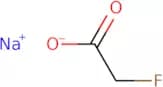
CAS:<p>Sodium fluoroacetate is a salt that is synthesized by the reaction of methyl ethyl and sodium trifluoroacetate. It has been used as an insecticide, but also has been used to treat metabolic disorders such as bowel disease and eye disorders. Sodium fluoroacetate also has been used in natural products for the treatment of autoimmune diseases. The toxicological studies of sodium fluoroacetate have shown that it can cause eye disorders and x-ray crystal structures have revealed its mechanism of action.</p>Fórmula:C2H2FNaO2Forma y color:White PowderPeso molecular:100.02 g/molSodium 3-nitrobenzenesulphonate
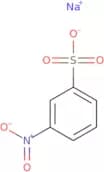
CAS:<p>Sodium 3-nitrobenzenesulphonate is a reactive chemical that can be used in the treatment of wastewater. It reacts with sulfonic acid to form a cross-link between two molecules, which lowers the solubility of the organic compound. This reaction product can then be removed from solution by adding sodium carbonate or sodium citrate to form insoluble salts that are removed from the water by filtration. Sodium 3-nitrobenzenesulphonate is an alternative to chlorine for water treatment because it does not react with ammonia and other nitrogenous compounds.</p>Fórmula:O2NC6H4SO3NaPureza:Min. 95%Forma y color:White To Yellow SolidPeso molecular:225.16 g/molCobalt sulfate heptahydrate
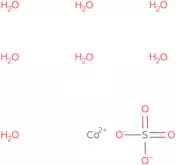
CAS:<p>Cobalt sulfate heptahydrate is an inorganic compound that is used as a pigment and a catalyst. It has been shown to be carcinogenic in vivo and in vitro. Cobalt sulfate heptahydrate appears to have carcinogenic activity, producing high values in the electrochemical impedance spectroscopy (EIS) spectrum of human serum. The carcinogenicity of cobalt sulfate heptahydrate was demonstrated by the induction of liver tumors in rats and mice, with no evidence of a threshold dose.</p>Fórmula:CoSO4•(H2O)7Pureza:Min. 95%Forma y color:PowderPeso molecular:281.1 g/molα-Ketoglutaric acid potassium
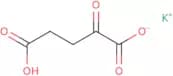
CAS:<p>Intermediate in the Krebs cycle; nitrogen transporter</p>Fórmula:C5H5O5KPureza:Min. 98 Area-%Forma y color:PowderPeso molecular:184.19 g/molDioctyl sulfosuccinate sodium salt
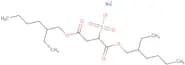
CAS:<p>Dioctyl sulfosuccinate sodium salt (DSS) is a surfactant that is used in the formulation of aerosol products. It can be used as a matrix for the analytical determination of enzyme activities such as glutathione reductase and cytochrome p450, which are involved in the metabolism of xenobiotics. DSS has been shown to have an optimum concentration of 0.1% and fluorescence probe with a pH range between 7-9. The surfactant also shows ionotropic gelation properties at concentrations greater than 1%.</p>Fórmula:C20H37NaO7SPureza:Min. 95%Forma y color:White PowderPeso molecular:444.57 g/molPhenethyl glucosinolate potassium salt
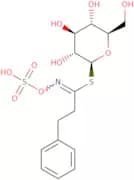
CAS:<p>Phenethyl glucosinolate potassium salt is a compound found in plants belonging to the Brassicaceae family. It has been shown to be highly toxic to larvae of the cabbage butterfly and other insects that feed on brassica plants. Phenethyl glucosinolate potassium salt has been shown to inhibit the development of these insects, probably by inhibiting protein synthesis in the insect's gut. The major sulfur-containing compound in this product is gluconasturtiin, which has been shown to inhibit growth of pekinensis at high temperatures. This compound also inhibits radiation-induced DNA damage and does not show significant effects on nonsignificant organisms such as yeast and mold.</p>Fórmula:C15H20NO9S2KPureza:Min. 95%Forma y color:PowderPeso molecular:461.55 g/molBis(dibenzylideneacetone)palladium(0)
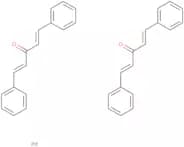
CAS:<p>Bis(dibenzylideneacetone)palladium(0) (Pd 2 (dba)) is a reactive metal complex that can be used to synthesize allyl compounds. The Pd 2 (dba) complex has been shown to have potential as an anti-infective agent for the treatment of infectious diseases. It has been reported that Pd 2 (dba) has a high resistance to halides, hydrochloric acid, and electrochemical impedance spectroscopy.</p>Fórmula:C34H28O2PdPureza:Min. 95%Peso molecular:575 g/mol2-Hydroxy-3-mercapto-1-propanesulfonic acid sodium salt
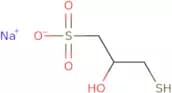
CAS:<p>2-Hydroxy-3-mercapto-1-propanesulfonic acid sodium salt (2HMP) is a diagnostic agent that can be used for the detection of bacterial infections. The conformational properties of 2HMP are similar to those of ATP, which allows it to bind to the polymerase chain reaction enzyme and initiate an enzymatic reaction. This leads to the production of a signal that can be detected by spectrophotometry or fluorometry. 2HMP has also been shown to have chemokine activity in vitro, but this has not been tested in vivo. 2HMP is a competitive inhibitor of human protein serine proteases, such as trypsin and chymotrypsin, with an IC50 value of approximately 1 μM.</p>Fórmula:C3H7NaO4S2Pureza:Min. 95%Peso molecular:194.2 g/molMercaptoacetic acid sodium salt
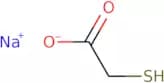
CAS:<p>Mercaptoacetic acid sodium salt (MAS) is an oxidation catalyst that is used to convert ethyl alcohol into acetic acid. It has been shown to be a good catalyst for the oxidation of hydroxyl groups in the presence of metal hydroxides or inorganic acids, such as sodium carbonate. MAS has also been shown to be toxic to human serum and is not recommended for use in humans. The toxicity of MAS may be due to its ability to react with fatty acids and form mercaptans, which are volatile compounds that can cause irritation. Mercaptoacetic acid sodium salt reacts with potassium dichromate and forms mercaptans and other products, which may contribute to its toxicity.</p>Fórmula:C2H3NaO2SPureza:(Titration) Min. 90%Forma y color:PowderPeso molecular:114.1 g/molSodium dicyanamide
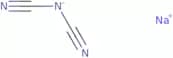
CAS:<p>Sodium dicyanamide is a diphenyl ether that has been shown to be effective in the treatment of polycystic ovarian syndrome. It binds to picolinic acid, which is a cofactor for the enzyme phenylalanine hydroxylase, and inhibits the production of tyrosine. This leads to an increase in the levels of luteinizing hormone and follicle-stimulating hormone, which helps ovulation. Sodium dicyanamide also interacts with hydrogen bond interactions and chelate ligands. The reaction mechanism of this compound is not well understood, but it is known that it can react with oxygen at high temperatures.</p>Fórmula:C2N3NaPureza:Min. 95%Forma y color:White PowderPeso molecular:89.03 g/molTetrabromophenol blue sodium salt
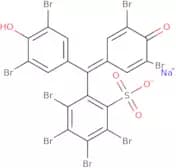
CAS:<p>Tetrabromophenol blue sodium salt is a dye that is used as an additive in the production of vinyl alcohol polymer films. Tetrabromophenol blue sodium salt can be used to measure albumin concentration and postexposure by adding phenyl groups to the molecule. The color of tetrabromophenol blue sodium salt changes upon exposure to radiation, which makes it useful for diagnostic purposes. It also has a hydrocarbon group that transforms into an insoluble form when exposed to evaporation, making it useful for titration methods. Tetrabromophenol blue sodium salt is relatively stable and labile in nature, making it susceptible to techniques such as pyrolysis, oxidation, or reduction.</p>Fórmula:C19H5Br8NaO5SPureza:Min. 95%Peso molecular:1,007.53 g/molCalcium silicate
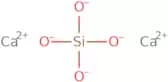
CAS:<p>Calcium silicate is a crystalline compound of calcium and silicon with the chemical formula CaSiO3. It is chemically stable and has a high resistance to particle wear. Calcium silicate is used in the production of dental cements, adhesives, sealants, and other dental restorations. In addition, it is used in the manufacture of paints and coatings as well as in papermaking. Calcium silicate also has biological properties that make it useful for cell culture. It can be used to support the growth of primary cells such as human osteosarcoma cells or epidermal growth factor-stimulated fibroblasts. It also has been shown to have a basic structure that can bind to basic proteins such as laminin</p>Fórmula:CaSiO3Pureza:Min. 95%Forma y color:White PowderPeso molecular:116.161,9-Dimethyl-methylene blue zinc chloride
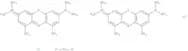
CAS:<p>1,9-Dimethyl-methylene blue zinc chloride double salt is a fluorescent dye that has been used in the study of hyaluronic acid and mesenchymal stem cells. The compound absorbs light at a wavelength of 580 nm, which is the same as the absorption wavelength for hyaluronic acid and mesenchymal stem cells. 1,9-Dimethyl-methylene blue zinc chloride double salt can be used to measure the amount of these compounds in tissues. This dye also shows sensitivity to artifacts such as hemolysis and lipemia, making it useful for research purposes.</p>Fórmula:(C18H22ClN3S)2•ZnCl2Pureza:Min. 95%Forma y color:PowderPeso molecular:832.11 g/mol(Trifluoromethylthio) Silver(I)
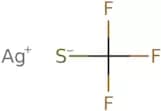
CAS:<p>(Trifluoromethylthio) silver(I) is an efficient method for the synthesis of chiral, functionalized organosulfur compounds. It is prepared by the trifluoromethylthiolation of aryl acetonitriles in the presence of persulfate and a radical coupling agent. The reaction time can be adjusted to suit the desired product, with shorter times producing more complex molecules. This compound can be used as a nucleophile in organic reactions, including sulfide activation reactions.</p>Fórmula:CHAgF3SPureza:Min. 95%Peso molecular:209.95 g/molCloprostenol sodium
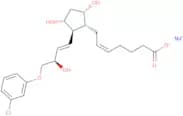
CAS:<p>Cloprostenol sodium is a prostaglandin analogue that is used in veterinary medicine. It is administered intravenously to induce ovulation, improve estrus and fertility, or control luteal function in cows. Cloprostenol sodium has been shown to have a positive effect on the ovulatory process by stimulating the release of endogenous progesterone and estradiol benzoate from the follicle cells. This drug also increases luteal activity by increasing the production of progesterone and inhibiting its metabolism. Cloprostenol sodium has been shown to be effective in inducing ovulation in pregnant women who do not respond to clomiphene citrate (CC) alone. Cloprostenol sodium can also be used for induction of labour in pregnant women with an uncomplicated pregnancy at term, where it is given intravenously or intramuscularly, but intravaginally or orally are not recommended.</p>Fórmula:C22H28ClNaO6Pureza:Min. 95%Forma y color:White PowderPeso molecular:446.9 g/molSodium N-Lauroylsarcosinate - 30% solution
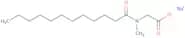
CAS:<p>Sodium N-lauroylsarcosinate is a chemical compound that is used in the production of sodium salts. It has high resistance to biological samples and is soluble in water, organic solvents, and other chemicals. It can be used to measure biochemical properties, such as reaction solution polymerase chain reaction (PCR) or electrochemical impedance spectroscopy (EIS). Sodium N-lauroylsarcosinate can also be used for wastewater treatment and water permeability. It has been used as an analytical method for proteins, peptides, amino acids, and carbohydrates. It has been shown to have biological properties on human serum.</p>Fórmula:C15H28NNaO3Forma y color:Clear LiquidPeso molecular:293.38 g/mol


![[4,4'-Di-t-butyl-2,2'-bipyridine][bis[5-(t-butyl)-2-[4-(t-butyl)-2-pyridinyl-kN]phenyl-kC]iridium(…](/_next/image/?url=https%3A%2Fstatic.cymitquimica.com%2Fproducts%2F3D%2Fthumb-webp%2FFD159336.webp&w=3840&q=75)