Aminoácidos (AA)
Los aminoácidos (AAs) son los componentes fundamentales de las proteínas y desempeñan un papel crucial en diversos procesos biológicos. Estos compuestos orgánicos son esenciales para la síntesis de proteínas, las rutas metabólicas y la señalización celular. En esta categoría, encontrará una gama completa de aminoácidos, incluyendo formas esenciales, no esenciales y modificadas, que son vitales para la investigación en bioquímica, biología molecular y ciencias de la nutrición. En CymitQuimica, ofrecemos aminoácidos de alta calidad para apoyar sus necesidades de investigación y desarrollo, asegurando precisión y fiabilidad en sus resultados experimentales.
Subcategorías de "Aminoácidos (AA)"
- Derivados de aminoácidos(3.957 productos)
- Aminoácidos y compuestos relacionados con aminoácidos(3.472 productos)
- Aminoácidos con oxígeno o azufre(168 productos)
- Aminoácidos protegidos con Boc(351 productos)
- Aminoácidos protegidos con Fmoc(1.710 productos)
Se han encontrado 38265 productos de "Aminoácidos (AA)"
Ordenar por
Pureza (%)
0
100
|
0
|
50
|
90
|
95
|
100
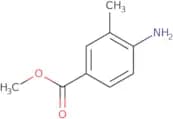
Methyl 4-amino-3-methylbenzoate
CAS:<p>Methyl 4-amino-3-methylbenzoate is an aromatic compound that belongs to the class of achyranthes bidentata. It can be synthesized by reacting butyryl chloride with methyl 3-nitrobenzoate. The five-membered ring in this molecule is derived from the reaction of three molecules of butyryl chloride with one molecule of methyl 3-nitrobenzoate. This reaction produces a number of possible products, including methyl 4-amino-3-methylbenzoate and 2,2,2-trichloroethyl 4-(4'-nitrophenyl)butanoate. The synthesis optimizes the reaction conditions by using a catalytic reduction technique. This reduces the amount of anilines produced and increases the yield of desired product (i.e., methyl 4-amino-3-methylbenzoate).</p>Fórmula:C9H11NO2Pureza:Min. 95%Peso molecular:165.19 g/mol4-Methoxy-2,3,6-trimethylbenzaldehyde
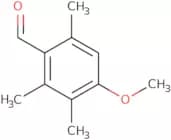
CAS:4-Methoxy-2,3,6-trimethylbenzaldehyde (MTMB) is a chemical intermediate that can be used as a building block for the synthesis of complex compounds. It has a high quality and is a versatile building block. MTMB is also known to react with other chemical compounds to form an aromatic ring. This compound is used in research and development as well as in fine chemical production.Fórmula:C11H14O2Pureza:Min. 95%Forma y color:PowderPeso molecular:178.23 g/molH-Gly-Gly-Trp-OH
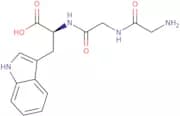
CAS:<p>H-Gly-Gly-Trp-OH is a versatile building block that is used in the synthesis of many complex compounds. It is a fine chemical that may be useful as a reagent, speciality chemical, or reaction component in research. This compound can also be used as an intermediate in the synthesis of other compounds. The compound has been shown to have a high quality and usefulness as a scaffold for synthesizing peptides, proteins, and other biomolecules.</p>Fórmula:C15H18N4O4Pureza:Min. 95%Forma y color:White To Yellow SolidPeso molecular:318.33 g/molL-Alaninamide
CAS:<p>L-Alaninamide is a protonated amino acid that reacts with the bacterial cell membrane and causes it to rupture. L-Alaninamide is synthesized by hydrolysis of the ester bond between butyric acid and serine protease in the presence of immobilized d-alanine. The reaction is carried out at a pH of 5.5, and the release of pressor is observed. This reaction takes place in an aqueous solution containing fatty acids as solvents. The type strain of this amino acid is E. coli.</p>Fórmula:C3H8N2OPureza:Min. 95%Forma y color:PowderPeso molecular:88.11 g/molPhe-Arg-β-NA·2HCl
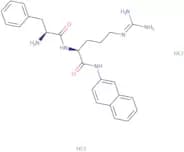
CAS:<p>Phe-Arg-beta-NA·2HCl is a drug that acts as an inhibitor of the bacterial efflux pump. It binds to the bacterial outer membrane and blocks the active transport of a wide variety of antibiotics, including ciprofloxacin and flumequine. Phe-Arg-beta-NA·2HCl has been shown to inhibit efflux mediated by many different efflux pumps, including RND, MFS, and ABC transporters. This drug also inhibits the growth of bacteria from the genera Pseudomonas, Stenotrophomonas, Serratia, Acinetobacter, and Enterobacteriaceae.</p>Fórmula:C25H30N6O2•(HCl)2Pureza:Min. 95%Forma y color:PowderPeso molecular:519.47 g/mol6-(3-(Adamantan-1-yl)-4-methoxyphenyl)-2-naphthoic acid
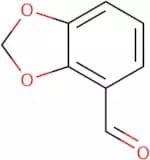
CAS:Producto controlado<p>Agonist of retinoic acid receptors (RAR-? and RAR-?); pro-apoptotic</p>Fórmula:C28H28O3Pureza:Min. 95%Forma y color:PowderPeso molecular:412.52 g/mol(3E)-4-(1,3-Benzodioxol-4-yl)-3-butenoic acid
CAS:<p>2,3-Methylenedioxybenzaldehyde is an organic compound that has been used as a chemical ionization reagent in the development of chemosensors. The formyl group in this molecule reacts with chloride to produce the corresponding formate salt, which can be detected by gas chromatography. This compound has also been shown to inhibit bacterial growth in vitro and may have potential applications as a drug substance. 2,3-Methylenedioxybenzaldehyde is an isomer of 2,4-methylenedioxybenzaldehyde, which has been shown to inhibit bacterial growth via hydrogen bonding with amines and electron deficient molecules such as chlorides.<br>2,3-Methylenedioxybenzaldehyde can be used for chromatographic science and the detection of drugs in urine samples.</p>Fórmula:C11H10O4Pureza:Min. 95%Forma y color:PowderPeso molecular:206.19 g/mol4-Hydroxy-3-methoxybenzoic acid ethyl ester
CAS:<p>4-Hydroxy-3-methoxybenzoic acid ethyl ester is a synthetic compound that is converted to protocatechuic acid, an antioxidant found in wine. It has been shown to have antioxidative properties in inflammatory bowel disease by inhibiting the formation of reactive oxygen species. Protocatechuic acid also inhibits the growth of bacterial strains such as Listeria monocytogenes and Bacillus cereus, which are often resistant to antibiotics. The mechanism of action is not well understood, but it may be due to its ability to inhibit the production of p-hydroxybenzoic acid, a precursor for bacterial cell wall synthesis. Protocatechuic acid also has anti-inflammatory properties and can be used as a bioactive phenolic in topical preparations such as creams or ointments.</p>Fórmula:C10H12O4Pureza:Min. 95%Forma y color:PowderPeso molecular:196.2 g/molDihydro-5-methoxy-2,4(1H,3H)-pyrimidinedione
CAS:<p>Dihydro-5-methoxy-2,4(1H,3H)-pyrimidinedione is a high quality chemical and useful building block. It is a fine chemical and research chemicals as well as a versatile building block that can be used in synthesis of various compounds. Dihydro-5-methoxy-2,4(1H,3H)-pyrimidinedione has been shown to have activity against methicillin resistant Staphylococcus aureus (MRSA) and Clostridium perfringens.</p>Fórmula:C5H8N2O3Pureza:Min. 95%Forma y color:PowderPeso molecular:144.13 g/mol2,4,6-Tribromo-3-methoxyphenol
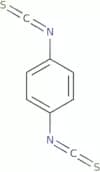
CAS:<p>2,4,6-Tribromo-3-methoxyphenol is a high quality reagent that is used as an intermediate in the production of many fine chemicals. It is also a useful building block for the synthesis of speciality chemicals and research chemicals. This chemical can be used as a versatile building block for reactions with other compounds. 2,4,6-Tribromo-3-methoxyphenol has CAS number 24967-79-1 and can be found at Chemical & Laboratory Equipment.</p>Fórmula:C7H5Br3O2Pureza:Min. 95%Peso molecular:360.83 g/mol1,4-Phenylene diisothiocyanate
CAS:<p>1,4-Phenylene diisothiocyanate is a potent anthelmintic drug that inhibits the growth of parasites and has been used to treat infections caused by helminths. It binds to a chemoreceptor site on the parasite's surface and prevents the release of an inflammatory mediator, epidermal growth factor. This drug also interacts with other receptors, such as P2Y2, which are involved in inflammation. 1,4-Phenylene diisothiocyanate has been shown to be effective against cancer cells in experimental models and may be useful in chemotherapeutic treatments due to its ability to inhibit cell proliferation.</p>Fórmula:C8H4N2S2Pureza:Min. 98 Area-%Forma y color:Off-White PowderPeso molecular:192.26 g/molGhrelin trifluoroacetate
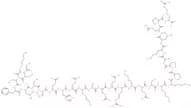
CAS:<p>Ghrelin is a peptide hormone that regulates appetite and has been shown to have potent anti-cachectic effects in animal models. It is thought to be an important regulator of body weight, insulin resistance, and metabolism. Ghrelin is synthesized in the stomach and released into the bloodstream when the stomach is empty. Ghrelin binds to ghrelin receptors in the hypothalamus, which stimulate growth hormone release from the pituitary gland. This hormone also binds to other cells in the hypothalamus, such as neurons that produce orexin, which may account for its effects on sleep patterns. Ghrelin has been shown to inhibit tumor growth by suppressing angiogenesis and inducing apoptosis. The molecular weight of ghrelin is 3497 Da. The sequence of ghrelin consists of 28 amino acids: Gly-Ser-Ser(octanoyl)-Phe-Leu-Ser-Pro-Glu-His-Gln-Lys-Ala</p>Fórmula:C147H245N45O42•(C2HO2F3)xPureza:Min. 95 Area-%Forma y color:PowderPeso molecular:3,314.8 g/molFmoc-N-methyl-L-isoleucine
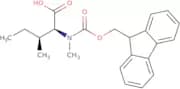
CAS:<p>Fmoc-N-methyl-L-isoleucine is a high quality reagent that is used as an intermediate for the synthesis of complex compounds. It is a useful building block for the synthesis of speciality chemicals and research chemicals. Fmoc-N-methyl-L-isoleucine is also a versatile building block that can be used in reactions involving nucleophilic substitution, reductive amination, Mannich reaction, and hydrogenation. This chemical has been shown to have antihypoxic effects on neurons in vitro.</p>Fórmula:C22H25NO4Pureza:Min. 95%Forma y color:White PowderPeso molecular:367.44 g/mol5-Methoxy-3-methylbenzonitrile
CAS:<p>5-Methoxy-3-methylbenzonitrile is a versatile chemical with a wide range of applications in pharmaceuticals, agrochemicals, and other industries. It is used as a reaction component in the synthesis of drugs such as indomethacin and methotrexate. It is also useful for the production of high-quality research chemicals. 5-Methoxy-3-methylbenzonitrile has been shown to be an efficient building block for the synthesis of complex compounds with diverse structures.</p>Fórmula:C9H9NOPureza:Min. 95%Forma y color:PowderPeso molecular:147.17 g/mol4-Methylphenoxyacetic acid
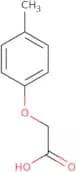
CAS:<p>4-Methylphenoxyacetic acid is a coumarin derivative that has been shown to accumulate in mammalian cells. It has been used as a substrate for conjugation with sulfur and selenium, yielding solubility data. Conjugates of 4-methylphenoxyacetic acid have been characterized by NMR spectra and chemical structure analysis, which revealed the presence of butyric acid residues. The tissue culture studies showed that the mutant strain was unable to grow in the presence of 4-methylphenoxyacetic acid.</p>Fórmula:C9H10O3Pureza:Min. 95%Forma y color:White PowderPeso molecular:166.17 g/molMethyl 3-formyl-6-methoxy-1-(4-methoxybenzyl)-1H-indole-2-carboxylate
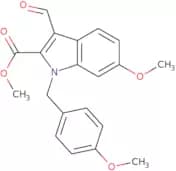
CAS:Producto controlado<p>Please enquire for more information about Methyl 3-formyl-6-methoxy-1-(4-methoxybenzyl)-1H-indole-2-carboxylate including the price, delivery time and more detailed product information at the technical inquiry form on this page</p>Fórmula:C20H19NO5Pureza:Min. 95%Peso molecular:353.37 g/molGly-Gly-Gly-Gly-OH
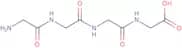
CAS:<p>Gly-Gly-Gly-Gly-OH is a peptide that is used as an absorption enhancer. It has been shown to absorb ultraviolet light and convert it into visible light, which can increase the effectiveness of photosensitive drugs in the treatment of cancer. Gly-Gly-Gly-Gly-OH has also been shown to have protonation properties and can hydrogen bond with other molecules, including proteins. This molecule is activated by oxidation, which converts it from its amide form to its imine form. This activation process can be catalyzed by an oxidation catalyst such as manganese dioxide or nickel chloride. The imine form reacts with an electron donor such as hydrogen peroxide to produce an aromatic ring compound, which then undergoes intramolecular hydrogen transfer reactions to produce a second aromatic ring compound. These two compounds react with each other and release a water molecule (H2O) and energy in the form of heat or light. The frequency shift</p>Fórmula:C8H14N4O5Pureza:Min. 95%Forma y color:PowderPeso molecular:246.22 g/mol2,6-Di-tert-butyl-4-methylpyridine
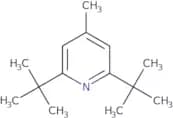
CAS:<p>2,6-Di-tert-butyl-4-methylpyridine (2,6-DBMP) is a thianthrene derivative that has been used in asymmetric synthesis and transfer reactions. 2,6-DBMP is synthesized by reacting the appropriate carbonyl chloride with the corresponding 2,6-di-tert butylpyridine. It can also be prepared by the palladium catalyzed coupling of a benzyl halide and an allyl bromide. The compound's stereoselectivity depends on the reactants' configuration at C2. This property makes it useful for the preparation of chiral molecule such as oligosaccharides and methyl glycosides. 2,6-DBMP has shown to have immunomodulatory activity against mutant strains of human erythrocytes in vitro.</p>Fórmula:C14H23NPureza:Min. 97%Forma y color:Solidified MassPeso molecular:205.34 g/mol4-Bromo-2-methylbenzoic acid ethyl ester
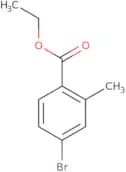
CAS:<p>4-Bromo-2-methylbenzoic acid ethyl ester is a high quality and versatile building block. It is a useful intermediate in the synthesis of organic compounds, and can be used as a reaction component in the synthesis of complex compounds. 4-Bromo-2-methylbenzoic acid ethyl ester is also a useful scaffold for the construction of new chemical entities. It has been shown to react with potassium tert-butoxide to produce 4-(2,6-dimethylphenyl)piperidine (CAS No. 220389-34-4).</p>Fórmula:C10H11BrO2Pureza:Min. 95%Forma y color:Clear LiquidPeso molecular:243.1 g/molN-(2-Chlorobenzyl)-1-phenylpropan-2-amine hydrochloride
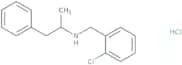
CAS:Producto controlado<p>N-(2-Chlorobenzyl)-1-phenylpropan-2-amine hydrochloride (CBP) is a potent stimulant drug that is used to treat chronic pain. It has been shown to be effective in the treatment of alopecia areata and inflammatory diseases, such as Crohn's disease, ulcerative colitis, and rheumatoid arthritis. CBP blocks protein synthesis by inhibiting the activity of the enzyme dinucleotide phosphate (DNP). This inhibition leads to the accumulation of adenosine monophosphate (AMP), which inhibits cyclic AMP production and protein synthesis. CBP also prevents the binding of DNP to RNA polymerase II at promoter sites, leading to a decrease in mRNA production. As a result, CBP may inhibit protein synthesis by preventing transcription or translation.</p>Fórmula:C16H18ClN•HClPureza:Min. 95%Forma y color:PowderPeso molecular:296.24 g/molL-Cysteine hydrochloride monohydrate
CAS:<p>L-Cysteine is a nonessential amino acid that has the ability to disrupt bacterial cell membranes. It can be produced by hydrolysis of human hair, feathers, and animal hides. L-Cysteine is used as a food additive and flavouring agent in human food and animal feed. It is also used as an additive in the manufacture of plastics, adhesives, and rubber products. L-Cysteine hydrochloride monohydrate (L-Cys HCl) is a white crystalline powder that dissolves readily in water. L-Cys HCl has been shown to have anti-inflammatory properties due to its ability to inhibit the production of prostaglandins.</p>Fórmula:C3H7NO2S·HCl·H2OPureza:Min. 95%Forma y color:White Off-White PowderPeso molecular:175.64 g/mol(+/-)-6-Chloro-7,8-dihydroxy-3-allyl-1-phenyl-2,3,4,5-tetrahydro-1H-3-benzazepine HBr
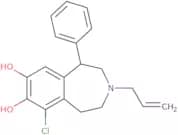
CAS:<p>(+/-)-6-Chloro-7,8-dihydroxy-3-allyl-1-phenyl-2,3,4,5-tetrahydro-1H-3-benzazepine HBr is a model system for Parkinson's disease that has been shown to have similar effects on locomotor activity as the dopamine antagonist haloperidol. The drug enhances dopaminergic and cholinergic transmission in the brain by binding to kappa opioid receptors. This leads to an increased release of dopamine and acetylcholine that can be blocked by drugs such as naloxone and atropine respectively. (+/-)-6-Chloro-7,8-dihydroxy 3-(allyl)-1-(phenyl) 2,3,4,5 tetrahydro 1H 3 benzazepine HBr has been shown to decrease camp levels in the caudate putamen region of rats</p>Fórmula:C19H20ClNO2·HBrPureza:Min. 95%Forma y color:PowderPeso molecular:410.73 g/molFmoc-Lys(Boc)-Wang resin
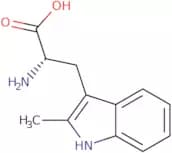
<p>Fmoc-Lys(Boc)-Wang resin is a synthetic peptide resin that is used in solid-phase peptide synthesis. It is a resin for the synthesis of short, unprotected peptides and has been used to synthesize sequences found in human insulin and other peptide hormones. Fmoc-Lys(Boc)-Wang resin is also used to synthesize peptides with amino acid sequences that are not found in nature, such as those found on the surface of cancer cells. This resin can be used to create antibodies by linking an antigen with the amino acid sequence of interest.</p>Forma y color:Yellow Powder2-Methyl-L-tryptophan
CAS:<p>2-Methyl-L-tryptophan is a natural amino acid that is an intermediate in the biosynthesis of tryptophan. It has been used to study protein synthesis and as a potential antibiotic. 2-Methyl-L-tryptophan has been shown to be stereoselective with respect to the enzyme catalysis of its hydroxylation. This active form is converted into the antibiotic thiostrepton by enzymatic reactions.</p>Fórmula:C12H14N2O2Pureza:Min. 95%Forma y color:PowderPeso molecular:218.25 g/mol4-(Benzyloxy)-3-methoxyphenylacetonitrile
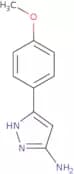
CAS:<p>4-(Benzyloxy)-3-methoxyphenylacetonitrile is an anti-cancer drug that belongs to the class of dihydroisoquinolines. It is used as a monomer in the synthesis of other drugs and it has been shown to be an effective inhibitor of cancer cells when used with carbamic acid. 4-(Benzyloxy)-3-methoxyphenylacetonitrile is synthesised through the reaction of 2,4-dichloroisonicotinic acid and 3-fluoroacetamide in the presence of a strong acid catalyst. This compound has been shown to have a high level of stereoselectivity, which makes it useful for synthesising other compounds.</p>Fórmula:C16H15NO2Pureza:Min. 95%Forma y color:PowderPeso molecular:253.3 g/mol5-Amino-3-(4-methoxyphenyl)pyrazole
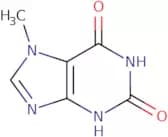
CAS:<p>5-Amino-3-(4-methoxyphenyl)pyrazole (5AMPAP) is an anti-cancer agent that is effective against a number of different cancers, including breast, lung, and prostate. It selectively inhibits the growth of cancer cells by targeting enzymes in the mitochondria that are required for ATP production. 5AMPAP binds to the enzyme pyruvate dehydrogenase kinase, which has been shown to be involved in regulating cell proliferation and apoptosis. In addition, it has been demonstrated that this compound has anti-inflammatory properties. The regioselectivity of 5AMPAP was determined by x-ray crystallography and was found to form a pyrazolopyrimidine ring with two nitrogens on opposite sides of the ring. This regioselectivity is necessary for its anti-cancer activity.</p>Fórmula:C10H11N3OPureza:Min. 95%Peso molecular:189.21 g/mol7-Methylxanthine
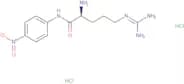
CAS:Producto controlado<p>7-Methylxanthine is a purine alkaloid that is the primary metabolite of caffeine. It is structurally related to theobromine, which is found in chocolate. 7-Methylxanthine has been shown to have hypoglycemic effects and may be useful for the treatment of myopia. The optimum concentration of 7-methylxanthine for inhibiting carotenoid biosynthesis has been determined as 10 μM. It also inhibits axial elongation in cultured chick retinal cells by reducing carotenoid levels and increasing p-hydroxybenzoic acid levels in the retina. The analytical method for quantifying 7-methylxanthine relies on high performance liquid chromatography with ultraviolet detection (HPLC/UV).</p>Fórmula:C6H6N4O2Pureza:Min. 96 Area-%Forma y color:White PowderPeso molecular:166.14 g/molH-Arg-pNA 2HCl
CAS:<p>Chromogenic substrate for Cathepsin H and aminopeptidases. Release of pNA is monitored at 405-410 nm. This substrate is useful for inhibitor screening and kinetic analysis.</p>Fórmula:C12H18N6O3·2HClPureza:Min. 95%Forma y color:PowderPeso molecular:367.23 g/mol2-Amino-4-cyano-phenol
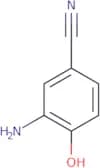
CAS:<p>2-Amino-4-cyano-phenol is a compound that has been shown to have antitubercular activity. It modulates the activity of cromakalim, which is a drug used for the treatment of tuberculosis. 2-Amino-4-cyano-phenol is also an antibacterial agent and has been shown to activate bacterial DNA replication and protein synthesis. The mechanism of action of this compound is thought to be due in part to its ability to bind with the ribosomes on the outside surface of cells and inhibit their function. 2-Amino-4-cyano-phenol has also been shown to have structural similarities with phenylephrine, which inhibits bacterial growth by binding to DNA gyrase, thereby preventing transcription and replication.</p>Fórmula:C7H6N2OPureza:Min. 95%Forma y color:PowderPeso molecular:134.14 g/mol3,4-Methylenedioxyphenethyl alcohol
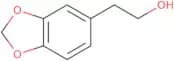
CAS:Producto controlado3,4-Methylenedioxyphenethyl alcohol (MDPA) is a model compound that is used to study the mechanism of action and synthesis of aniracetam. It has been shown to be an antagonist of pentylenetetrazole, a convulsant drug. MDPA was also found to have anticonvulsant properties in mice. It was found that this compound had no effect on the inhibition of movement when administered at doses up to 100 mg/kg. This compound is an analog of liriodenine, which has been shown to have anti-inflammatory properties. 3,4-Methylenedioxyphenethyl alcohol is not active in the central nervous system due to its stereoselectivity; this means it can only bind to one stereoisomer within the brain and does not cross the blood-brain barrier.Fórmula:C9H10O3Pureza:Min. 95%Forma y color:Clear LiquidPeso molecular:166.17 g/mol2,4-Difluoro-3-methylbenzaldehyde
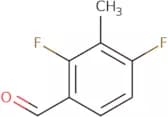
CAS:<p>2,4-Difluoro-3-methylbenzaldehyde is a chemical compound that is used as a building block for the synthesis of other chemicals. It can be used as a research chemical or intermediate due to its versatility. 2,4-Difluoro-3-methylbenzaldehyde has a CAS number of 847502-88-9 and is classified as a speciality chemical with high quality. This compound may be useful in the synthesis of polymers and pharmaceuticals due to its ability to form covalent bonds with other molecules.</p>Fórmula:C8H6F2OPureza:Min. 95%Forma y color:Clear LiquidPeso molecular:156.13 g/mol3-Phenoxybenzoic acid
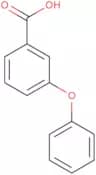
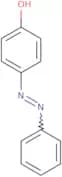
CAS:<p>3-Phenoxybenzoic acid is a metabolite of nonsteroidal anti-inflammatory drugs (NSAIDs) and pyrethroid insecticides. It is an inhibitor of the enzyme matrix metalloproteinases, which are involved in the degradation of collagen. 3-Phenoxybenzoic acid was used as a model system to study the effects of NSAIDs on urinary excretion rates and to identify biomarkers for NSAID use. The metabolite can be detected in urine after ingestion by using analytical methods such as preparative high performance liquid chromatography or electrochemical impedance spectroscopy. 3-Phenoxybenzoic acid is also present in cells from human HL-60 cells and has been shown to inhibit the growth of human leukemia cells by interfering with protein synthesis.</p>Fórmula:C13H10O3Pureza:Min. 95%Forma y color:PowderPeso molecular:214.22 g/mol4-Phenylazophenol
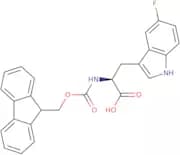
CAS:<p>4-Phenylazophenol is an organic azobenzene that has a specific treatment for the degradation of amines and mineralization. It has been shown to reduce the levels of phenols, fatty acids, and amines in wastewater. 4-Phenylazophenol is also used as an enzyme inhibitor in reactions with hydrogen bond formation and as a receptor α ligand. The natural compounds found in 4-phenylazophenol have borohydride reduction properties.</p>Fórmula:C12H10N2OPureza:(Uv) Min. 98%Forma y color:PowderPeso molecular:198.22 g/molN-Fmoc-5-fluoro-L-tryptophan
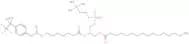
CAS:<p>N-Fmoc-5-fluoro-L-tryptophan is a biologically active form of tryptophan that has been shown to have potent effects on the cardiovascular system. It is used as a tool for studying the function of angiotensin, collagen, and microstructural elements in the heart and lungs. N-Fmoc-5-fluoro-L-tryptophan has been shown to synergize with other heterocycles, maximizing its biological properties. This chemical is also effective at inducing muscle contraction in rats. N-Fmoc-5-fluoro-L-tryptophan binds to cardiothoracic proteins, causing changes in their structure that lead to increased muscle contractility. The covalent bond between this compound and the protein can be cleaved by enzymes such as proteases or nucleases, which can be useful for studying the interactions of drugs with these proteins.</p>Fórmula:C26H21FN2O4Pureza:Min. 98 Area-%Forma y color:White PowderPeso molecular:444.45 g/mol1-palmitoyl-2-(10-(4-((trifluoromethyl)diazirinyl)phenyl)-8-oxadecanoyl)-sn-glycero-3-phosphocholine
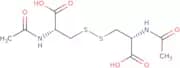
CAS:<p>1-palmitoyl-2-(10-(4-((trifluoromethyl)diazirinyl)phenyl)-8-oxadecanoyl)-sn-glycero-3-phosphocholine (PPC) is a liposome that induces necrotic cell death. It binds to the mitochondria and inhibits adenine nucleotide translocation, leading to the loss of mitochondrial membrane potential and the release of cytosolic calcium. This leads to activation of proapoptotic proteins, such as Bax and Bak, which initiates caspase-independent apoptosis. PPC also induces light emission from phospholipid hydroperoxide decomposition, which can be used as a biomarker for cellular physiology.</p>Fórmula:C41H68TF3N3O9PPureza:Min. 95%Peso molecular:837.98 g/molN,N'-Diacetyl-L-cystine
CAS:<p>N,N'-Diacetyl-L-cystine (NAC) is a cysteine derivative that is used in the preparation of samples for analysis by liquid chromatography. It has been shown to have an antiatherogenic effect in chronic bronchitis patients and has been found to be a growth factor, inhibiting apoptosis and stimulating cell proliferation. NAC also increases the activity of aminotransferases in serum samples, which can be used as an indicator of liver health. Its chemical stability and low toxicity make it an ideal candidate for use as a pharmaceutical preparation at doses below those required for its enzyme-stimulating effects.</p>Fórmula:C10H16N2O6S2Pureza:Min. 95%Forma y color:PowderPeso molecular:324.38 g/mol6,9-Dichloro-2-methoxyacridine
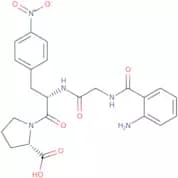
CAS:<p>6,9-Dichloro-2-methoxyacridine (DCA) is a fluorescent probe that can be used to measure the cytosolic Ca2+ concentration in mammalian cells. DCA binds to chloride ions and emits a fluorescence signal proportional to the cytosolic Ca2+ concentration. The binding constants for DCA and chloride are low, which makes this probe an ideal candidate for measuring cytosolic Ca2+. DCA has been shown to inhibit cancer cell growth by decreasing mitochondrial membrane potential. This effect may be caused by the inhibition of mitochondrial ATP production or the disruption of ion transport across the mitochondrial membrane.</p>Fórmula:C14H9Cl2NOPureza:Min. 95%Forma y color:Slightly Yellow PowderPeso molecular:278.13 g/molo-Aminobenzoylglycyl-p-nitro-L-phenylalanyl-L-proline TFA salt
CAS:<p>O-Aminobenzoylglycyl-p-nitro-L-phenylalanyl-L-proline TFA salt is a synthetic, hydrophilic interaction chromatography (HIC) substrate. It has inhibitory properties and is used in biological assays to measure the activities of enzymes that catalyze the hydrolysis of the substrate. O-Aminobenzoylglycyl-p-nitro-L-phenylalanyl-L-proline TFA salt also has been shown to have bioactivities on blood pressure and cell monolayers.</p>Fórmula:C23H25N5O7•C2HF3O2Pureza:Min. 95 Area-%Forma y color:PowderPeso molecular:597.49 g/molAlanine anhydride
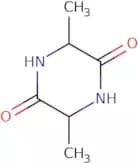
CAS:<p>Alanine anhydride is a purine derivative that can be used as a diagnostic agent. It contains a carbonyl group and a chloride, which are both low energy groups. Alanine anhydride is also a hydrogen bond acceptor, which allows it to bind to the amide backbone of proteins. The nitrogen atoms in this compound are diagnostic agents that can be used to identify the presence of cancer cells in urine samples. This chemical has been shown to have potential microbial infection-fighting effects.</p>Fórmula:C6H10N2O2Pureza:Min. 98 Area-%Forma y color:PowderPeso molecular:142.16 g/mol4-Bromo-7-methylisatin
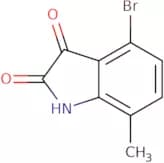
CAS:<p>4-Bromo-7-methylisatin is a chemical compound that is used as a reagent, reaction component, and building block in organic chemistry. 4-Bromo-7-methylisatin is an important intermediate for the synthesis of other compounds and has been shown to have versatile applications in the synthesis of complex compounds. It has also been used as a speciality chemical in research applications and as a fine chemical.</p>Fórmula:C9H6BrNO2Pureza:Min. 95%Forma y color:PowderPeso molecular:240.05 g/mol2-Amino-5-methylbenzonitrile
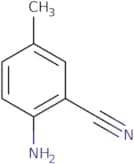
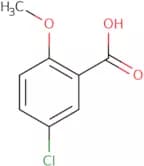
CAS:<p>2-Amino-5-methylbenzonitrile (2AMB) is a molecule that has two nitrile groups. It has been shown to be effective in the treatment of cancer cells, and it also inhibits thymidylate synthase (TS), an enzyme involved in DNA synthesis. The crystallographic structure of this compound has been determined by x-ray diffraction studies, and 2AMB was synthesized and assayed for its anticancer activity on human lung cancer cells in culture. 2AMB is an intercalator that binds to DNA by inserting itself between base pairs, which then blocks the progression of DNA synthesis during replication. This type of inhibition causes cell death because the cell cannot divide or make new proteins. Naphthalene and pyrrole are two chemicals found in 2AMB that have been shown to have antibacterial properties.</p>Fórmula:C8H8N2Pureza:Min. 95%Forma y color:PowderPeso molecular:132.16 g/mol5-Chloro-2-methoxybenzoic acid
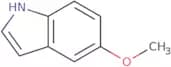
CAS:<p>5-Chloro-2-methoxybenzoic acid is an industrial chemical that is used in the production of pharmaceuticals, plastics, and dyes. It also has hypoglycemic activity and can be used to treat type 2 diabetes. The molecular modeling study of this compound showed that it binds to the chloride ion by forming a hydrogen bond between the oxygen atom of the carboxylic acid group and the nitrogen atom of the chloride ion. This interaction leads to a lower pH value in the environment where 5-chloro-2-methoxybenzoic acid is present. This change in pH may affect other molecules such as glucose, which could lead to a decrease in blood sugar levels. Researchers have found that 5-chloro-2-methoxybenzoic acid has cancer cell growth inhibiting properties and can be used as a potential drug for colorectal adenocarcinoma treatment.</p>Fórmula:C8H7ClO3Pureza:Min. 95%Peso molecular:186.59 g/mol5-Methoxyindole
CAS:<p>5-Methoxyindole is a chemical compound that is soluble in water. It has been shown to inhibit tumor growth and induce apoptosis, as well as inhibit the expression of glycogen synthase kinase-3. The structure of 5-methoxyindole was determined by NMR spectroscopy and FT-IR spectroscopy. The compound has been observed to exhibit fluorescence properties at a wavelength of 490 nm when it is excited with UV light. A copper complex of 5-methoxyindole was studied using molecular modeling and FT-IR spectroscopy, which revealed that it can undergo nucleophilic attack by hydrogen bond formation or an acid/base reaction to form a new hydrogen bond. This study also found that 5-methoxyindole is able to form hydrogen bonds with its neighboring molecules, which may contribute to its high solubility in water.</p>Fórmula:C9H9NOForma y color:PowderPeso molecular:147.17 g/mol1,2-Dipalmitoyl-sn-glycero-3-phosphoethanolamine
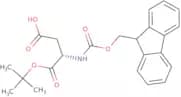
CAS:<p>1,2-Dipalmitoyl-sn-glycero-3-phosphoethanolamine is a phospholipid that plays an important role in many cellular processes. It is a major component of the lipid bilayer that surrounds cells and provides stability to the membrane. 1,2-Dipalmitoyl-sn-glycero-3-phosphoethanolamine can form hydrogen bonding interactions with other molecules in the cytoplasm. The redox potential of this compound is also high enough to allow it to participate in oxidation reactions. This phospholipid also has a phase transition temperature at which it changes from a liquid state to a solid state at room temperature. 1,2-Dipalmitoyl-sn-glycero-3-phosphoethanolamine can be used as a reaction mechanism for synthesizing glycosylated proteins or lipids. In vitro assays have been performed using this compound as</p>Fórmula:C37H74NO8PPeso molecular:691.96 g/molFmoc-Asp(OH)-OtBu
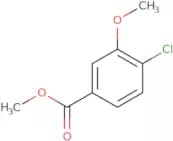
CAS:<p>Fmoc-Asp(OH)-OtBu is a synthetic, non-natural amino acid that has been used in the chemical synthesis of lipoproteins. It was incorporated into recombinant human low-density lipoprotein (LDL) and high-density lipoprotein (HDL) to study the effect of acidic hydrolysis on their composition. Fmoc-Asp(OH)-OtBu is a fluorescent compound that can be detected using spectroscopy. It is also used as an amino acid residue in solid-phase peptide synthesis to synthesize peptides with an aspartyl residue at the N terminus.</p>Fórmula:C23H25NO6Pureza:Min. 95 Area-%Forma y color:PowderPeso molecular:411.45 g/mol4-Chloro-3-methoxybenzoic acid methyl ester
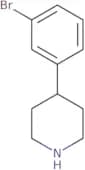
CAS:<p>4-Chloro-3-methoxybenzoic acid methyl ester is a chemical compound that is used as a reagent in organic synthesis. It can be used to produce high quality research chemicals, speciality chemicals, and fine chemicals. This compound has a wide variety of uses because it is versatile and can be used as a reaction component or building block. Its CAS number is 116022-18-5.</p>Fórmula:C9H9ClO3Pureza:Min. 95%Forma y color:SolidPeso molecular:200.62 g/mol4-(3-Bromo-phenyl)-piperidine
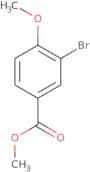
CAS:<p>4-(3-Bromo-phenyl)-piperidine is a radioligand that binds to the vesicular acetylcholine transporter (VAChT). It has been used as a radiotracer in binding experiments, which have shown that this ligand binds to VAChT with high affinity and selectivity. Binding studies using rat brain tissue have revealed that 4-(3-bromo-phenyl)-piperidine is a selective antagonist of the VAChT transporter, with minimal effects on other neurotransmitter transporters. This compound is stable at high concentrations and can be used for experiments involving radioiodinated ligands.</p>Fórmula:C11H14BrNPureza:Min. 95%Forma y color:PowderPeso molecular:240.14 g/mol3-Bromo-4-methoxybenzoic acid methyl ester
CAS:<p>3-Bromo-4-methoxybenzoic acid methyl ester is an isomer of 4-methoxybenzoic acid. It is a natural product that can be found in dihydroisoquinoline and in the ethyl formate oxidation products. There are two ways to synthesize this compound: by oxidation of diphenyl ethers or by hydrolysis of chloride acetaldehyde. 3-Bromo-4-methoxybenzoic acid methyl ester has been shown to have cellular toxicity against human cells and biphenyl.</p>Fórmula:C9H9BrO3Pureza:Min. 95%Forma y color:PowderPeso molecular:245.07 g/mol2-Phenyl-2-(2-piperidyl)acetamide
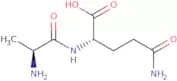
CAS:<p>2-Phenyl-2-(2-piperidyl)acetamide is an enantiomeric amide that can be used as a chiral building block for the synthesis of other organic compounds. It is synthesized by reacting phenylacetic acid with piperidine. 2-Phenyl-2-(2-piperidyl)acetamide is a primary amide and has been shown to have analgesic properties.</p>Fórmula:C13H18N2OPureza:Min. 97 Area-%Forma y color:PowderPeso molecular:218.29 g/molL-Alanyl-L-glutamine
CAS:<p>Stable substitute for glutamine in cell culture media</p>Fórmula:C8H15N3O4Pureza:Min. 98 Area-%Forma y color:White PowderPeso molecular:217.22 g/mol(2R)-4-Methyl-2-[2-oxo-2-[(phenylmethoxy)amino]ethyl]pentanoic acid
CAS:<p>Please enquire for more information about (2R)-4-Methyl-2-[2-oxo-2-[(phenylmethoxy)amino]ethyl]pentanoic acid including the price, delivery time and more detailed product information at the technical inquiry form on this page</p>Fórmula:C15H21NO4Peso molecular:279.33 g/mol1-Docosahexaenoyl-sn-glycero-3-phosphocholine
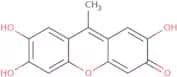
CAS:<p>1-Docosahexaenoyl-sn-glycero-3-phosphocholine (1DHCPC) is a metabolite of lysophosphatidylcholine. 1DHCPC has been found in mouse and human tissues, which indicates that it is a mouse metabolite. This compound is an acyl group attached to the glycerol backbone of phospholipids. The acyl group consists of either an unsaturated fatty acid or a saturated fatty acid with one double bond in the molecule. 1DHCPC is formed by the addition of a docosahexaenoic acid (DHA) to sn-glycero-3-phosphocholine by phospholipase A2.</p>Fórmula:C30H50NO7PPureza:90%MinForma y color:PowderPeso molecular:567.70 g/mol9-Methyl-2,3,7-trihydroxy-6-fluorone
CAS:<p>9-Methyl-2,3,7-trihydroxy-6-fluorone (9MHF) is a natural compound found in honeybee propolis. It has been shown to have anticancer activity against a range of tumour types. 9MHF inhibits the replication of DNA by binding to single-stranded regions in the DNA molecule and preventing the formation of double helices. The optimum concentration for 9MHF is 0.1 μM. At this concentration, it was found that 9MHF had chemoresistance properties and could inhibit replication in staphylococcus cells at concentrations as low as 1 μM. This compound also has antioxidant properties, with redox potentials of -0.09 V and -0.06 V for its oxidized and reduced forms respectively.BR>BR><br>9MHF is an inhibitor that binds to basic dyes such as methylene blue or gentian violet and prevents them from binding to the bacterial cell</p>Fórmula:C14H10O5Pureza:Min. 95%Forma y color:Yellow PowderPeso molecular:258.23 g/mol(Des-Gly10,D-His2,D-Trp6,Pro-NHEt 9)-LHRH trifluoroacetate
CAS:<p>Please enquire for more information about (Des-Gly10,D-His2,D-Trp6,Pro-NHEt 9)-LHRH trifluoroacetate including the price, delivery time and more detailed product information at the technical inquiry form on this page</p>Fórmula:C64H83N17O12•(C2HF3O2)xPureza:Min. 95%Peso molecular:1,282.45 g/mol(3-Benzyloxy-phenyl)hydrazine hydrochloride
CAS:<p>3-Benzyloxy-phenyl)hydrazine hydrochloride is a chemical used in the synthesis of other organic compounds. It is a versatile building block that can be used in the preparation of complex compounds and useful intermediates. 3-Benzyloxy-phenyl)hydrazine hydrochloride is an excellent reagent for reactions involving electron-deficient alkenes, alkynes, and cyclic ethers. This compound also has applications as a pharmaceutical intermediate and as an analytical reference standard for chemical analyses.</p>Fórmula:C13H14N2O·HClPureza:Min. 95%Forma y color:PowderPeso molecular:250.72 g/mol4-Methyl-1-hydrazino-phthalazine HCl
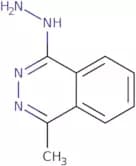
CAS:<p>4-Methyl-1-hydrazino-phthalazine HCl is a fine chemical that is used as a building block for complex compounds. It can be used as a reagent or speciality chemical and also has applications in research. 4-Methyl-1-hydrazino-phthalazine HCl reacts with nitric acid to produce an orange liquid, which can then be reacted with hydrochloric acid to produce the desired product. 4-Methyl-1-hydrazino-phthalazine HCl is also a versatile building block for many reactions and is useful as an intermediate in the synthesis of other chemicals. CAS No. 91520-81-9</p>Fórmula:C9H10N4·xHClPureza:Min. 95%Forma y color:SolidPeso molecular:174.2 g/molMca-Tyr-Val-Ala-Asp-Ala-Pro-Lys(Dnp)-OH trifluoroacetate
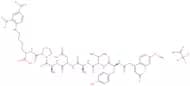
CAS:<p>Please enquire for more information about Mca-Tyr-Val-Ala-Asp-Ala-Pro-Lys(Dnp)-OH trifluoroacetate including the price, delivery time and more detailed product information at the technical inquiry form on this page</p>Fórmula:C53H64N10O19•(C2HF3O2)xPureza:95%NmrForma y color:PowderPeso molecular:1,145.13 g/mol3-Methoxy-4-methylbenzaldehyde
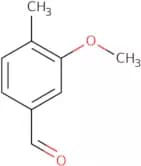
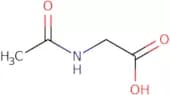
CAS:<p>3-Methoxy-4-methylbenzaldehyde is a chemical compound that belongs to the class of phenylpropanoids. It has been shown to have a variety of uses, including as a drug substance and in natural products. 3-Methoxy-4-methylbenzaldehyde can be used for labeling, mass spectrometric detection, physicochemical techniques, and chromatographic science. The compound can be detected using electron ionization, mass spectrometric detection, or chromatographic science. Isomers of this compound are often difficult to identify due to the presence of other similar compounds.</p>Fórmula:C9H10O2Pureza:Min. 95%Forma y color:PowderPeso molecular:150.17 g/molN-Acetylglycine
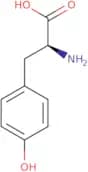
CAS:<p>N-Acetylglycine is an amide, which is a molecule with both a carboxylate and hydroxyl group. It belongs to the class of antimicrobial agents and has been shown to inhibit the growth of bacteria by inhibiting synthesis of folic acid and other metabolites. N-Acetylglycine also inhibits the formation of terminal residues from amino acids. The analytical method for this compound is based on the reaction between n-acetylglycine and hydrogen chloride in methanol. This produces picolinic acid, which can be detected using ultraviolet spectroscopy at a wavelength of 325 nm.</p>Fórmula:C4H7NO3Pureza:Min. 95%Forma y color:White PowderPeso molecular:117.1 g/molL-Tyrosine
CAS:<p>Amino acid; precursor to neurotransmitters, hormones, pigments, natural phenols</p>Fórmula:C9H11NO3Forma y color:White PowderPeso molecular:181.19 g/mol3,4-Dimethoxy-2-methylcinnamic acid
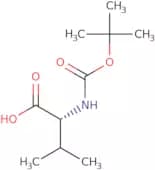
CAS:<p>3,4-Dimethoxy-2-methylcinnamic acid is a fine chemical that can be used as a building block to produce complex compounds. It is also an intermediate in the synthesis of chemicals such as cinnamyl alcohol, cinnamaldehyde, and 2-methyl-3-(4'-methoxyphenyl)propanoic acid. This compound is useful for research purposes as it has been shown to be an effective reaction component in organic reactions. 3,4-Dimethoxy-2-methylcinnamic acid is a high quality reagent with CAS No. 868562-26-9.</p>Fórmula:C12H14O4Pureza:Min. 95%Forma y color:PowderPeso molecular:222.24 g/molBoc-D-Val-OH
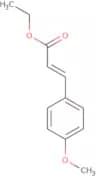
CAS:<p>Boc-D-Val-OH is a synthetic, cyclic peptide that contains a hydrophobic Boc group. It has been shown to inhibit the uptake of calcium by caco-2 cells in vitro. This peptide also inhibits the growth of cancer cells and may be used as an anticancer agent. Boc-D-Val-OH binds to the membrane of caco-2 cells and blocks the uptake of calcium ions, thus inhibiting cellular functions such as protein synthesis. This compound is stable under a variety of conditions and has potent inhibitory activity against cancer cell proliferation.</p>Fórmula:C10H19NO4Pureza:Min. 98 Area-%Forma y color:PowderPeso molecular:217.26 g/molEthyl 4-methoxycinnamate
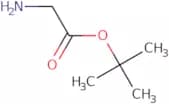
CAS:<p>Ethyl 4-methoxycinnamate is a white crystalline solid that is soluble in water. It is used as a food additive, and has been shown to have anti-bacterial, analgesic, and antioxidant properties. The compound interacts with the β-cyclodextrin molecule when it is dissolved in water. This interaction leads to a decrease in its solubility in water.</p>Fórmula:C12H14O3Pureza:Min. 95%Forma y color:PowderPeso molecular:206.24 g/moltert-Butyl glycinate
CAS:<p>tert-Butyl glycinate is a synthetic reagent that contains a tert-butyl group. It is used in analytical chemistry to determine the concentrations of cinchonidine and ester hydrochloride in the reaction solution. This can be done by adding trifluoroacetic acid to the reaction solution, which causes the formation of tert-butyl glycinate. The hydrogen chloride from this reaction will react with sodium carbonate, forming hydrogen gas and sodium bicarbonate. The presence of nitrogen atoms on the tert-butyl glycinate molecule allows for an asymmetric synthesis, which can be used to synthesize serine protease.</p>Fórmula:C6H13NO2Pureza:Min. 95%Forma y color:Clear LiquidPeso molecular:131.17 g/mol20-Deoxo-23-deoxy-5-O-[3,6-dideoxy-3-(dimethylamino)-β-D-glucopyranosyl]-20,23-di-1-piperidinyltylonolide
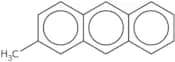
CAS:<p>20-Deoxo-23-deoxy-5-O-[3,6-dideoxy-3-(dimethylamino)-beta-D-glucopyranosyl]-20,23-di-1-piperidinyltylonolide is an antimicrobial agent that belongs to the group of chemotherapeutic agents. It is a fluorinated analog of tilmicosin. The low dose group was treated with this drug for five days, and the high dose group received 20 times the amount of drug. Fluorescence spectrometry showed that there was no significant difference in the fluorescence intensity between these two groups after 24 hours. This drug has been shown to have pharmacokinetic properties in rats and mice, but further optimization may be required to improve its process.</p>Fórmula:C41H71N3O8Pureza:Min. 95%Forma y color:Off-White PowderPeso molecular:734.02 g/mol2-Methylanthracene
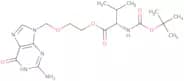
CAS:<p>2-Methylanthracene is a diazonium salt that inhibits the growth of bacteria by binding to DNA, thereby preventing transcription and replication. 2-Methylanthracene has an inhibitory effect at pH 6.0 but no inhibitory effect at pH 8.0 due to its solubility data. The aromatic hydrocarbon is soluble in water and has a solute concentration of 1.5 g/L at pH 6.0 and 5 g/L at pH 8.0. 2-Methylanthracene binds to the DNA of bacteria in cell culture through steric interactions with the hydrophobic aromatic rings, inhibiting bacterial growth and causing cell death by interfering with protein synthesis and DNA replication.</p>Fórmula:C15H12Pureza:Min. 95%Forma y color:Off-White PowderPeso molecular:192.26 g/molN-t-Boc-valacyclovir
CAS:<p>Valacyclovir is a prodrug that is hydrolyzed to acyclovir in the body. Valacyclovir is an ester of valine and cyclovir. The synthesis starts with the coupling of N-t-Boc-valine to 2,4-dichlorobenzyl alcohol. The product is then subjected to hydrolysis with hydrochloric acid in refluxing isopropanol, which yields N-t-Boc-valacyclovir. Hydrolysis of this compound under basic conditions gives the desired acyclovir. Acetylation of the hydroxyl group on the side chain of valine forms a methyl ester, which can be cleaved using an acidic solution (e.g., HCl) to give valacyclovir.</p>Fórmula:C18H28N6O6Pureza:Min. 95%Forma y color:PowderPeso molecular:424.45 g/mol2-Methoxy-4-morpholinobenzenediazonium chloride zinc chloride double
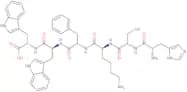
CAS:<p>2-Methoxy-4-morpholinobenzenediazonium chloride zinc chloride double (2MBZD) is a chemical compound that has been analyzed by X-ray crystallography and nuclear magnetic resonance. This molecule consists of two parts: a diazonium salt and zinc chloride. The diazonium salt is a heterocyclic nitrogen ring with two nitrogens, which are bonded to the same carbon atom. The second part of the molecule is zinc chloride, which has one chlorine atom attached to it. The zinc chloride component stabilizes the compound, while the diazonium component provides the antibacterial activity. 2MBZD has shown activity against Staphylococcus aureus and Bacillus subtilis.</p>Fórmula:C11H14N3O2•(ZnCl4)0Pureza:Min. 90 Area-%Forma y color:Yellow Green PowderPeso molecular:323.85 g/molHis-Cys-Lys-Phe-Trp-Trp
CAS:<p>His-Cys-Lys-Phe-Trp-Trp is a tryptic peptide, which is a fragment of the human immunodeficiency virus (HIV) p24 protein. This peptide has been shown to inhibit HIV replication in vitro. His-Cys-Lys-Phe-Trp-Trp binds to the transfer RNA and prevents the amino acid transfer reaction from occurring. The binding of His-Cys-Lys-Phe-Trp-Trp to glutathione may be due to its hydrophilicity, which allows it to interact with this molecule. His-Cys-Lys-Phe-Trp also interacts with reactive oxygen species, which are generated as byproducts of glutathione metabolism.</p>Fórmula:C46H55N11O7SPureza:Min. 95%Forma y color:PowderPeso molecular:906.06 g/mol5-Methoxytryptamine hydrochloride
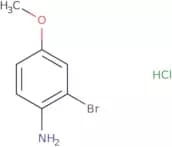
CAS:Producto controlado<p>Non-selective serotonin receptor agonist that lacks affinity for the 5-HT3 receptor.</p>Fórmula:C11H15ClN2OPeso molecular:226.71 g/mol2-Bromo-4-methoxyaniline hydrochloride
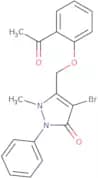
CAS:<p>2-Bromo-4-methoxyaniline hydrochloride is a high quality, reagent that is used as a useful intermediate in the production of fine chemicals. This compound has been shown to be a useful scaffold for the synthesis of speciality chemicals and research chemicals. It also functions as an excellent building block for versatile chemical reactions. 2-Bromo-4-methoxyaniline hydrochloride can be used as a reaction component in the preparation of compounds with diverse functional groups.</p>Fórmula:C7H8BrNO·ClHPureza:Min. 95%Forma y color:White PowderPeso molecular:238.51 g/mol3-((2-acetylphenoxy)methyl)-4-bromo-2-methyl-1-phenyl-3-pyrazolin-5-one
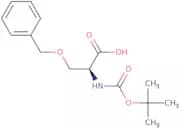
CAS:<p>Please enquire for more information about 3-((2-acetylphenoxy)methyl)-4-bromo-2-methyl-1-phenyl-3-pyrazolin-5-one including the price, delivery time and more detailed product information at the technical inquiry form on this page</p>Fórmula:C19H17BrN2O3Pureza:Min. 95%Forma y color:PowderPeso molecular:401.25 g/molBoc-O-benzyl-L-serine
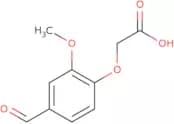
CAS:<p>Boc-O-benzyl-L-serine is a synthetic molecule that has been shown to activate fibroblast cells. It can be used as a topical analgesic, such as in the treatment of pain from arthritis, or in the treatment of wounds. Boc-O-benzyl-L-serine was first synthesized by the reaction of serine with benzyl chloroformate and bromoacetic acid. This reaction is carried out at room temperature and produces a mixture containing two diastereomers. The diastereomers were separated by column chromatography and then reacted with glycopeptide for activation. The activated product was purified by recrystallization in methanol to produce pure Boc-O-benzyl-L-serine.</p>Fórmula:C15H21NO5Pureza:Min. 95%Forma y color:White PowderPeso molecular:295.33 g/mol(4-Formyl-2-methoxyphenoxy)acetic acid
CAS:<p>Phenoxyacetic acid is a phenoxy compound that exhibits antibacterial and anthelmintic activity. It has been shown to be highly active against helminthes, such as tapeworms and roundworms. Phenoxyacetic acid interacts with the helminth's cell membrane, which causes the release of cytochrome c from mitochondria and inhibits mitochondrial function. This leads to cell death by inhibiting protein synthesis and DNA replication. The hydrophobic nature of phenoxyacetic acid allows it to penetrate the anthelmint's cuticle and enter the worm's body cavity where it inhibits mitochondrial function. Phenoxyacetic acid has also been shown to inhibit tuberculosis in mice in vivo, but not in vitro. In addition, phenoxyacetic acid binds to nuclei of cancer cells and prevents the production of RNA and protein synthesis. This results in cell death by apoptosis or necrosis.</p>Fórmula:C10H10O5Pureza:Min. 95%Forma y color:PowderPeso molecular:210.18 g/molL-Proline-13C5
CAS:<p>L-Proline-13C5 is a high quality, reagent grade, complex compound that is useful as an intermediate for the synthesis of fine chemicals. It has CAS No. 201740-83-2 and can be used in a variety of chemical reactions to produce useful scaffolds or building blocks. L-Proline-13C5 is also a versatile building block that can be used in research or pharmaceutical applications. It is a speciality chemical that has many uses including reaction components for the synthesis of other compounds.</p>Fórmula:C5H9NO2Pureza:Min. 95%Forma y color:PowderPeso molecular:120.13 g/molDapoxetine HCl, mixture of enantiomers
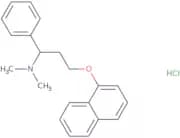
CAS:Producto controlado<p>Serotonin uptake inhibitor; used to treat premature ejaculation</p>Fórmula:C21H23NO·HClPureza:Min. 95%Forma y color:PowderPeso molecular:341.87 g/mol3-Fluoro-2-methoxybenzoic acid
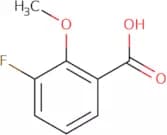
CAS:<p>3-Fluoro-2-methoxybenzoic acid is a chemical compound that is used as a reaction component, reagent, and building block for fine chemicals. It is a versatile intermediate that is useful in the preparation of complex compounds. 3-Fluoro-2-methoxybenzoic acid has been used to synthesize pharmaceuticals, including antipsychotics and anticonvulsants, as well as dyes and pesticides. 3-Fluoro-2-methoxybenzoic acid belongs to the speciality chemical category and can be used in research labs or other specialized settings.<br>3-Fluoro-2-methoxybenzoic acid has CAS No. 106428-05-1.</p>Fórmula:C8H7FO3Pureza:Min. 95%Forma y color:PowderPeso molecular:170.14 g/molN-α,im-Bis-Fmoc-L-histidine
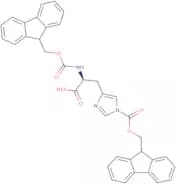
CAS:<p>Please enquire for more information about N-α,im-Bis-Fmoc-L-histidine including the price, delivery time and more detailed product information at the technical inquiry form on this page</p>Fórmula:C36H29N3O6Pureza:Min. 95%Peso molecular:599.63 g/mol[(4-Methyl-2-oxo-2H-chromen-7-yl)oxy]acetic acid
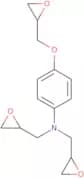
CAS:<p>[(4-Methyl-2-oxo-2H-chromen-7-yl)oxy]acetic acid is a potential use for the production of iron oxide particles used in microscopy. It is synthesized by reacting 4-methylcoumarin with acetic anhydride. The reaction product is then purified by gel permeation chromatography, which separates it from other components and chloride salts. This compound can be used as a starting material for cellulose derivatives and trimethylammonium chloride. [(4-Methyl-2-oxo-2H-chromen-7-yl)oxy]acetic acid is not soluble in water or organic solvents such as acetonitrile, but it can be dissolved in a mixture of both to produce a textured product that has iminium groups on its fatty acid ester chains. This material can also be used to synthesize 2-[(4,6 -dimethoxybenzo</p>Fórmula:C12H10O5Pureza:Min. 95%Forma y color:PowderPeso molecular:234.2 g/molN,N-Diglycidyl-4-glycidyloxyaniline
CAS:<p>N,N-Diglycidyl-4-glycidyloxyaniline is an industrial process that is used as a monomer in the synthesis of polycarbonates. It is synthesized by the cationic polymerization of fatty acids and amines. The thermal stability of N,N-diglycidyl-4-glycidyloxyaniline makes it suitable for use in high temperature processes such as carbon nanotube manufacturing. The modelling of N,N-diglycidyl-4-glycidyloxyaniline has been carried out to understand its structural properties and how these affect its behaviour. This understanding can be used to predict the behaviour of N,N-diglycidyl-4-glycidyloxyaniline under various conditions.</p>Fórmula:C15H19NO4Pureza:Min. 90 Area-%Forma y color:Clear LiquidPeso molecular:277.32 g/mol2-Methyl-5-nitroanisole
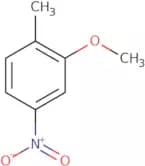
CAS:<p>2-Methyl-5-nitroanisole is a phenol that can be synthesized by the demethylation of 2,6-dichlorophenol with tribromide. It can also be synthesized from benzaldehyde and benzoic acid. 2-Methyl-5-nitroanisole has been used as a cardiotonic for its ability to increase the strength of heart contractions. It also has been shown to be an intermediate in the synthesis of boron compounds. This compound is fluorinated and yields high yields when synthesized from benzaldehyde and benzoic acid. 2-Methyl-5-nitroanisole is a nucleophile that reacts with electrophiles such as amines, thiols, sulfides, alcohols, and carboxylic acids.</p>Fórmula:C8H9NO3Pureza:Min. 95%Forma y color:Beige PowderPeso molecular:167.16 g/molD-Lysine HCl
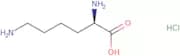
CAS:<p>D-Lysine HCl is an amino acid that is used as a dietary supplement for the treatment of L-lysine deficiency. It is a precursor to protein synthesis and has been shown to have an inhibitory effect on neuronal function. D-Lysine HCl can be synthesized from lysine by hydrolysis with hydrochloric acid in the presence of piperazine. This reaction produces dibenzoate and d-piperazine, which are then reacted with l-tartaric acid to form the final product. D-Lysine HCl is usually purified from this mixture by gel chromatography or ion exchange chromatography.</p>Fórmula:C6H14N2O2·HClForma y color:White PowderPeso molecular:182.65 g/molMethyl 3-iodo-4-methylbenzoate
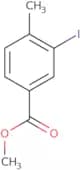
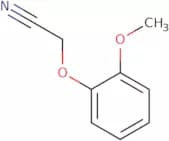
CAS:<p>Methyl 3-Iodo-4-methylbenzoate is a radiolabeled compound that can be used in the labeling of proteins and peptides. Methyl 3-Iodo-4-methylbenzoate can be used to study postoperative pain. It has been shown to bind to cannabinoid receptors, which may provide a new method for the treatment of pain. Methyl 3-Iodo-4-methylbenzoate is also an agonist of CB2 receptors, which are mainly found in the immune system and have been shown to have antiinflammatory properties. The efficiency of methyl 3-iodo-4 methylbenzoate as a radiolabeling agent is high, with low levels of radiation exposure to the patient. This compound has been shown to produce antibodies that bind specifically with opioid receptors, making it useful for research on opioid receptor ligands.</p>Fórmula:C9H9IO2Pureza:Min. 95%Peso molecular:276.07 g/mol(2-Methoxyphenoxy)acetonitrile
CAS:<p>(2-Methoxyphenoxy)acetonitrile is a versatile building block that has been used in the synthesis of fine chemicals, complex compounds, research chemicals, reagents and speciality chemicals. It is a useful building block for high quality pharmaceuticals. (2-Methoxyphenoxy)acetonitrile can be used as a reaction component or scaffold to synthesize organic molecules with interesting biological activities.</p>Fórmula:C9H9NO2Pureza:Min. 95%Forma y color:Clear LiquidPeso molecular:163.17 g/molN-Methylpiperazine
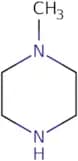
CAS:<p>N-Methylpiperazine is a piperazine derivative that contains a hydroxy group in the para position. It is used as a reagent in organic synthesis, and can be synthesized from ethylenediamine and formaldehyde or pyrocatechol. N-Methylpiperazine has been shown to inhibit the growth of squamous carcinoma by blocking the production of DNA and RNA. The chemical substance also inhibits the synthesis of protein, which is needed for cell division. N-Methylpiperazine also reacts with hydrogen fluoride to form stable complexes.</p>Fórmula:C5H12N2Pureza:Min. 98 Area-%Forma y color:Colorless Clear LiquidPeso molecular:100.16 g/mol4-Methoxy-tetrahydro-2h-pyran-4-carboxylic acid
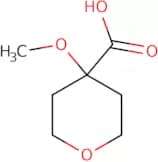
CAS:<p>4-Methoxy-tetrahydro-2h-pyran-4-carboxylic acid is a fine chemical that belongs to the group of research chemicals. It is a versatile building block and useful intermediate in organic synthesis. 4-Methoxy-tetrahydro-2h-pyran-4-carboxylic acid has been used as a reagent for the preparation of the compound 5,5'-dithiobis(4,4'-dimethylvaleronitrile) (CAS No. 1010836-49). This compound has been shown to be an effective antiviral agent against HIV.</p>Fórmula:C7H12O4Pureza:Min. 95 Area-%Forma y color:PowderPeso molecular:160.17 g/molα-Me-D-Leu-OH
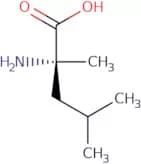
CAS:<p>a-Me-D-Leu-OH is a versatile building block that is used as a reagent in the synthesis of complex compounds, research chemicals, and speciality chemicals. It is also a useful scaffold for drug design. This chemical is also widely used as an intermediate in organic syntheses.</p>Fórmula:C7H15NO2Pureza:Min. 95%Forma y color:PowderPeso molecular:145.2 g/mol2-Methylpyridine-4-boronic acid pinacol ester
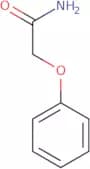
CAS:<p>Please enquire for more information about 2-Methylpyridine-4-boronic acid pinacol ester including the price, delivery time and more detailed product information at the technical inquiry form on this page</p>Fórmula:C12H18BNO2Pureza:Min. 95%Peso molecular:219.09 g/mol2-Phenoxyacetamide
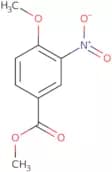
CAS:<p>2-Phenoxyacetamide is an acylating agent that reacts with a hydroxyl group by substitution to form an ester or amide. It is used in clinical studies to combat insulin resistance and metabolic disorders, such as cancer, inflammatory bowel disease, and diabetes. 2-Phenoxyacetamide has been shown to be effective against a number of bacterial species, including Pseudomonas aeruginosa and Cryptococcus neoformans. The drug also inhibits the production of monoamine neurotransmitters in the brain and has been shown to have anti-inflammatory properties.</p>Fórmula:C8H9NO2Pureza:Min. 95%Forma y color:PowderPeso molecular:151.16 g/mol4-Methoxy-3-nitrobenzoic acid methyl ester
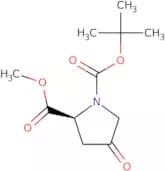
CAS:<p>4-Methoxy-3-nitrobenzoic acid methyl ester (4MNBM) is a potent antitumor agent that inhibits tumor cell proliferation by interfering with DNA replication. 4MNBM selectively binds to the nuclear magnetic resonance and has been shown to inhibit tumor growth in animal models. This drug also shows potent antitumor activity against solid tumor cells, which is due to its ability to induce conformational changes in the DNA of these cells. 4MNBM has been shown to be selective for tumor cells, which may be due to its lack of effect on the metabolism of normal tissue and its ability to bind to proteins in tumor cell nuclei.</p>Fórmula:C9H9NO5Pureza:Min. 95%Forma y color:Clear LiquidPeso molecular:211.17 g/mol(2S)-1-Boc-4-oxo-proline methyl ester
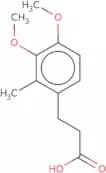
CAS:<p>(2S)-1-Boc-4-oxo-proline methyl ester is a versatile building block that can be used to make many complex compounds. It is a chemical intermediate and reaction component for the production of pharmaceuticals, agrochemicals, dyes, fragrances, and other fine chemicals. This compound is useful as a scaffold for organic synthesis. (2S)-1-Boc-4-oxo-proline methyl ester has been shown to be high quality and useful as an intermediate or reagent in organic reactions.</p>Fórmula:C11H17NO5Pureza:Min. 95%Forma y color:Off-White Yellow PowderPeso molecular:243.26 g/mol3,4-Dimethoxy-2-methylphenylpropionic acid
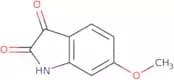
CAS:<p>3,4-Dimethoxy-2-methylphenylpropionic acid is a building block for organic synthesis. It has been used as a research chemical and as a reaction component in the synthesis of other chemicals. 3,4-Dimethoxy-2-methylphenylpropionic acid is also available at high purity levels and can be used as a reagent for analytical purposes.</p>Fórmula:C12H16O4Pureza:Min. 95%Forma y color:PowderPeso molecular:224.25 g/mol6-Methoxyindoline-2,3-dione
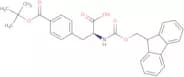
CAS:<p>6-Methoxyindoline-2,3-dione is an indole alkaloid that has been isolated from the leaves of plants in the genus Apiaceae. It is synthesized by a reaction system that involves the oxidation of 6-methoxyindole to the corresponding oxindole and subsequent reduction to the desired product. The cytotoxicity of 6-methoxyindoline-2,3-dione has been demonstrated using a fluorescent assay with cancer cells. The compound binds to and activates cb2 receptors, which are expressed on immune cells and have been shown to be involved in inflammatory processes.</p>Fórmula:C9H7NO3Pureza:Min. 95%Forma y color:PowderPeso molecular:177.16 g/molFmoc-(4-tert-butyloxycarbonyl)-L-phenylalanine
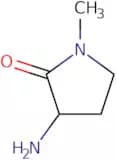
CAS:<p>Fmoc-(4-tert-butyloxycarbonyl)-L-phenylalanine is a chemical compound that is used as a building block in organic synthesis. This chemical has been shown to be useful as a reagent in the synthesis of natural products and pharmaceuticals, such as immunosuppressants and anticancer agents. Fmoc-(4-tert-butyloxycarbonyl)-L-phenylalanine is also used as an intermediate for the production of other chemicals, including pharmaceuticals, pesticides, and fragrance chemicals. The CAS number for this compound is 183070-44-2.</p>Fórmula:C29H29NO6Pureza:Min. 95%Forma y color:White PowderPeso molecular:487.54 g/mol3-Amino-1-methylpyrrolidin-2-one
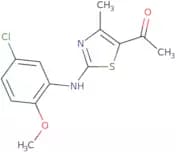
CAS:<p>3-Amino-1-methylpyrrolidin-2-one is a versatile building block that has many applications in the research field. It can be used as a reagent or a speciality chemical and as an intermediate in organic synthesis. 3-Amino-1-methylpyrrolidin-2-one is also used as a reaction component and scaffold for complex compounds. This chemical has CAS number 119329-48-5.</p>Fórmula:C5H10N2OPureza:Min. 98 Area-%Forma y color:Clear LiquidPeso molecular:114.15 g/mol1-(3-((5-Chloro-2-methoxyphenyl)amino)-5-methyl-2,4-thiazolyl)ethan-1-one
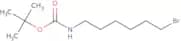
CAS:<p>Please enquire for more information about 1-(3-((5-Chloro-2-methoxyphenyl)amino)-5-methyl-2,4-thiazolyl)ethan-1-one including the price, delivery time and more detailed product information at the technical inquiry form on this page</p>Fórmula:C13H13ClN2O2SPureza:Min. 95%Peso molecular:296.77 g/molN-Boc-6-bromohexylamine
CAS:<p>N-Boc-6-bromohexylamine is a hypoglycemic agent that belongs to the group of diagnostic agents. It has been shown to have an effect on glucose regulation and was used in clinical development. N-Boc-6-bromohexylamine interacts with the catalytic subunit of protein kinase C delta (PKCδ) and inhibits its activity, which can lead to a decrease in cellular glucose uptake. This molecule has also been shown to interact with chloride channels, which are involved in the regulation of cell volume, and 2-nitroimidazole, which is a hypoxic tumor promoter. N-Boc-6-bromohexylamine is synthesized from fatty acids and amides by supramolecular chemistry.</p>Fórmula:C11H22BrNO2Pureza:Min. 95%Forma y color:Colourless Clear LiquidPeso molecular:280.2 g/molSodium cocoyl glycinate
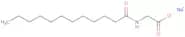
CAS:<p>Sodium cocoyl glycinate is a surfactant that is derived from coco-amidopropyl betaine. It has milder skin-irritating properties than sodium lauryl sulfate, and is used as a cleansing agent in cosmetic products. Sodium cocoyl glycinate can be used as a surface active agent for the treatment of malignant brain tumors and collagen for the treatment of burns. The acyl chain of this compound can be synthesized by trimethylacetic acid with an ethylene diamine catalyst. Usnic acid or fatty acids are often added to produce the desired product.</p>Pureza:Min. 95%Forma y color:Powder3-Methyl-4-nitroanisole
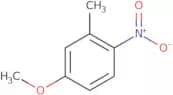
CAS:<p>3-Methyl-4-nitroanisole is a chemical compound used in the preparation of other compounds. It is obtained by reacting nitromethane with anisole in the presence of hydrochloric acid and a catalyst such as zinc chloride or copper chloride. It can be used to make melatonin, which is a hormone that regulates sleep cycles and seasonal changes in animals. 3-Methyl-4-nitroanisole can also be used to prepare nitrophenol, which is a precursor in the production of nylon. The luminescent properties of 3-methyl-4-nitroanisole are useful for analytical techniques such as UV spectroscopy, which can detect concentrations of this chemical at less than 1 ppm.</p>Fórmula:C8H9NO3Pureza:Min. 95%Forma y color:PowderPeso molecular:167.16 g/mol2-(Fluoromethyl)-3-(2-Methylphenyl)Quinazolin-4-One
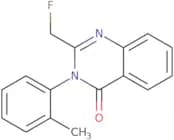
CAS:Producto controlado<p>2-(Fluoromethyl)-3-(2-Methylphenyl)Quinazolin-4-One (RUG) is a new synthetic drug that is structurally related to diazepam and lorazepam. The drug has been shown to have sedative, muscle relaxant, anti-convulsant, and analgesic properties in animal studies. RUG has been shown to inhibit the activities of enzymes such as serum cholinesterase and acetylcholinesterase in animals. It also stimulates salivation and inhibits muscle contractions, which may be due to its ability to enhance the effects of gamma aminobutyric acid (GABA). When administered orally or intraperitoneally, RUG produces a dose-dependent reduction in spontaneous activity in rats. These effects are similar to those produced by rugulovasine, a natural indole alkaloid from the plant Uncaria rhynchophylla.</p>Fórmula:C16H13FN2OPureza:Min. 95%Peso molecular:268.29 g/mol












![(2R)-4-Methyl-2-[2-oxo-2-[(phenylmethoxy)amino]ethyl]pentanoic acid](/_next/image/?url=https%3A%2Fstatic.cymitquimica.com%2Fproducts%2F3D%2Fthumb-webp%2FB-9970.webp&w=3840&q=75)



![20-Deoxo-23-deoxy-5-O-[3,6-dideoxy-3-(dimethylamino)-β-D-glucopyranosyl]-20,23-di-1-piperidinyltyl…](/_next/image/?url=https%3A%2Fstatic.cymitquimica.com%2Fproducts%2F3D%2Fthumb-webp%2FFT137728.webp&w=3840&q=75)



![[(4-Methyl-2-oxo-2H-chromen-7-yl)oxy]acetic acid](/_next/image/?url=https%3A%2Fstatic.cymitquimica.com%2Fproducts%2F3D%2Fthumb-webp%2FFM124388.webp&w=3840&q=75)