Aminoácidos (AA)
Los aminoácidos (AAs) son los componentes fundamentales de las proteínas y desempeñan un papel crucial en diversos procesos biológicos. Estos compuestos orgánicos son esenciales para la síntesis de proteínas, las rutas metabólicas y la señalización celular. En esta categoría, encontrará una gama completa de aminoácidos, incluyendo formas esenciales, no esenciales y modificadas, que son vitales para la investigación en bioquímica, biología molecular y ciencias de la nutrición. En CymitQuimica, ofrecemos aminoácidos de alta calidad para apoyar sus necesidades de investigación y desarrollo, asegurando precisión y fiabilidad en sus resultados experimentales.
Subcategorías de "Aminoácidos (AA)"
- Derivados de aminoácidos(3.957 productos)
- Aminoácidos y compuestos relacionados con aminoácidos(3.472 productos)
- Aminoácidos con oxígeno o azufre(168 productos)
- Aminoácidos protegidos con Boc(351 productos)
- Aminoácidos protegidos con Fmoc(1.710 productos)
Se han encontrado 38265 productos de "Aminoácidos (AA)"
Ordenar por
Pureza (%)
0
100
|
0
|
50
|
90
|
95
|
100
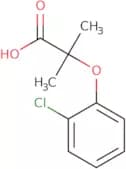
2-(2-Chlorophenoxy)-2-methylpropanoic acid
CAS:<p>2-(2-Chlorophenoxy)-2-methylpropanoic acid is a plant hormone that is involved in the mediation of plant responses to various biotic and abiotic stressors. It is synthesized from salicylic acid by the enzyme phenylalanine ammonia-lyase and its structure resembles that of hydrogen peroxide. Its linear growth-promoting activity is mediated by the formation of 2,4-dichlorophenoxyacetic acid, which activates the production of hydrogen peroxide and induces cell expansion. The biosynthesis of this compound has been shown in plants through studies on excised tissues.</p>Fórmula:C10H11ClO3Pureza:Min. 95%Forma y color:PowderPeso molecular:214.65 g/molBoc-N-methyl-D-isoleucine
CAS:<p>Boc-N-methyl-D-isoleucine is a useful building block and research chemical. It is a high quality, complex compound that is versatile for use as a reaction component or scaffold. Boc-N-methyl-D-isoleucine can be used to produce fine chemicals, pharmaceuticals, herbicides, pesticides, and other products.</p>Fórmula:C12H23NO4Pureza:Min. 95%Forma y color:PowderPeso molecular:245.32 g/mol4-Hydroxy-3'-methoxystilbene
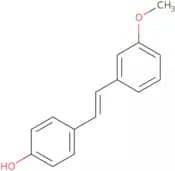
CAS:<p>4-Hydroxy-3'-methoxystilbene is a chemical that is used as a reaction component or reagent in the synthesis of other compounds. It can be used as a building block for the synthesis of complex molecules and fine chemicals. 4-Hydroxy-3'-methoxystilbene is an intermediate for the production of high quality research chemicals. It has been reported to be useful in the synthesis of pharmaceuticals, agrochemicals, and pesticides.</p>Fórmula:C15H14O2Pureza:Min. 95%Forma y color:White PowderPeso molecular:226.27 g/mol2-tert-Butyl-6-(5-chloro-2H-benzotriazol-2-yl)-4-methylphenol
CAS:<p>2-tert-Butyl-6-(5-chloro-2H-benzotriazol-2-yl)-4-methylphenol is the chemical compound with formula C12H7ClO3. It is a white solid that is soluble in water and ethanol, but not in ether or hexane. 2,6-Tertiarybutylphenol has been used as a cell nucleus marker to study locomotion of cells, as well as to analyze other samples including metal ions and water vapor. The method involves the use of a laser ablation technique, which can be used for complex sample analysis. The compound is structurally similar to 2,4,6-trimethylphenol, which has an OH group in place of the CH3 group on the tertiary butyl side chain. This difference makes it more reactive than 2,4,6-trimethylphenol because it has a higher concentration of hydroxyl groups.</p>Fórmula:C17H18ClN3OPureza:Min. 98 Area-%Forma y color:Slightly Yellow PowderPeso molecular:315.8 g/mol5-Methoxy-L-tryptophan
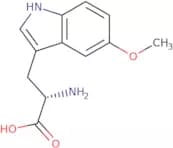
CAS:<p>5-Methoxy-L-tryptophan is a nonsteroidal anti-inflammatory drug that acts by inhibiting the synthesis of prostaglandins. It has been shown to have a clinical relevance in the treatment of cancer and ischemia reperfusion injury. 5-Methoxy-L-tryptophan has also been shown to be effective in the treatment of inflammatory diseases such as rheumatoid arthritis, ulcerative colitis, and Crohn disease. 5-Methoxy-L-tryptophan is a precursor for serotonin, which regulates many physiological functions including pain perception. Tryptophan has also been found to increase epithelial mesenchymal transition (EMT) and repair mechanisms in fibroblasts. X-ray crystal structures have revealed that 5-methoxy tryptophan binds at the active site of xanthine oxidase, which is an enzyme involved in purine metabolism.</p>Fórmula:C12H14N2O3Pureza:Min. 98 Area-%Forma y color:PowderPeso molecular:234.25 g/molFmoc-His(Trt)-OH
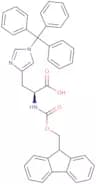
CAS:<p>Fmoc-His(Trt)-OH is an amino acid with the chemical formula HOOC-CH2-CH2-N(CH3)2. It has broad-spectrum antimicrobial activity and can be used as a chemosensor for trifluoroacetic acid. Fmoc-His(Trt)-OH also showed anticancer activity, which may be due to its ability to inhibit protein synthesis in cancer cells by inhibiting histidine decarboxylase. Fmoc-His(Trt)-OH is synthesized through a chemical reaction using trifluoroacetic acid, which reacts with His and Trt residues on the surface of the resin.</p>Fórmula:C40H33N3O4Pureza:Min. 98 Area-%Forma y color:White PowderPeso molecular:619.71 g/molFurosine hydrochloride
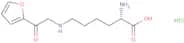
CAS:<p>Furosine hydrochloride is a white crystalline chemical with a molecular formula of C6H7N3O4S. It is soluble in water and has a melting point of about 140 degrees Celsius. Furosine hydrochloride is a useful building block for the synthesis of polymers, pharmaceuticals, organic semiconductors and other organic compounds. Furosine hydrochloride is used as an intermediate to produce fine chemicals such as polyurethanes, polyamides and amino acids. It can also be used as a reaction component in the synthesis of complex compounds such as 2-amino-5-nitrothiophene or 2,2'-dithiobis(benzothiazole). Furosine hydrochloride can be used as a scaffold for the production of various drugs such as antihypertensives or antidepressants.</p>Fórmula:C12H18N2O4·xHClPureza:Min. 98 Area-%Forma y color:PowderPeso molecular:254.28 g/molAc-Lys-AMC acetate salt
CAS:<p>Ac-Lys-AMC acetate salt is a fine chemical that is used as a building block in biological research. It is a versatile building block that can be used in the synthesis of complex compounds, and as a reaction component for the production of useful intermediates. Ac-Lys-AMC acetate salt is also used as a reagent in the detection of nucleic acids.</p>Fórmula:C18H23N3O4•C2H4O2Pureza:Min. 98 Area-%Forma y color:PowderPeso molecular:405.44 g/moltert-Butoxycarbonyl-L-leucine
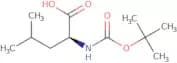
CAS:<p>Tert-Butoxycarbonyl-L-leucine (tBOC-LL) is a tetrapeptide that is used as a drug substance in the synthesis of buserelin, a synthetic peptide hormone. It has been shown to have high reactivity in organic solvents and can be used in cationic polymerization reactions. tBOC-LL has been used to synthesize helical structures with high purity and yield. As it is not an amino acid, tBOC-LL does not occur naturally and must be synthesized.<br>Tert-Butoxycarbonyl-L-leucine (tBOC-LL) is available from Sigma Aldrich Chemie GmbH & Co KG as:</p>Fórmula:C11H21NO4Pureza:Min. 98 Area-%Forma y color:White PowderPeso molecular:231.29 g/molDL-Arginine hydrochloride
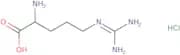
CAS:<p>L-Arginine is a conditionally essential amino acid that is used in the biosynthesis of proteins. It has been shown to inhibit the activity of specific enzymes, such as casein kinase II and phospholipase A2, which are involved in cellular processes. L-Arginine has been found to be beneficial for patients with type 2 diabetes mellitus who have poor glucose homeostasis and renal dysfunction. L-Arginine also enhances uptake of cationic surfactants by cells. L-Arginine HCl is an inorganic acid that may be used for pharmacokinetic studies in humans or animals.</p>Fórmula:C6H14N4O2•(HCl)xPureza:Min. 95%Forma y color:PowderPeso molecular:174.2 g/molO-Phospho-L-serine
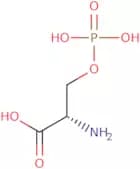
CAS:<p>O-Phospho-L-serine is a protein that is synthesized in the brain and has been shown to be involved in neuronal function. It is synthesized from L-serine by the addition of an O-phosphate group at the hydroxyl group on carbon 3. The phosphate group provides a negative charge that can interact with calcium ions, which are essential for many cellular processes. This protein also binds epidermal growth factor (EGF), which promotes cell proliferation and differentiation, and glutamate, which is a neurotransmitter. O-Phospho-L-serine has been used to produce expression plasmids containing EGF or glutamate receptors. O-Phospho-L-serine has also been shown to have neuroprotective properties in animal models of Parkinson's disease.</p>Fórmula:C3H8NO6PPureza:Min 99%Forma y color:PowderPeso molecular:185.07 g/mol2-Chloro-5-methylbenzoic acid
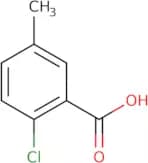
CAS:<p>2-Chloro-5-methylbenzoic acid is a carcinogenic substance that is used in the manufacturing of acridine dyes. It can be found in both solid and liquid forms and has an experimental solubility range of 0.01 to 1.0g/100ml at 25°C. 2-Chloro-5-methylbenzoic acid is soluble in water and has a solute activity coefficient of 1.2, which means it is fairly soluble in water. This chemical also exhibits high reactivity with other compounds that are dissolved in water. The chemical reacts with hydrogen sulfide to produce sulfur dioxide gas, ammonia, and hydrochloric acid, as well as with nitric oxide to produce nitrous oxide, nitrogen dioxide gas, and nitric acid.</p>Fórmula:C8H7ClO2Pureza:Min. 95%Forma y color:PowderPeso molecular:170.59 g/molH-Glu(Met-OH)-OH
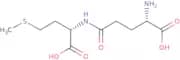
CAS:<p>H-Glu(Met-OH)-OH is an enzyme that catalyzes the conversion of stachyose to sucrose. It is also a synthetase that catalyzes the formation of fatty acids. H-Glu(Met-OH)-OH has been shown to be active in cancer cells and may be used as a potential therapeutic target for cancer treatment. This enzyme is inhibited by sodium hydroxide solution, hydrochloric acid, and urea nitrogen. The activity of H-Glu(Met-OH)-OH is measured by its ability to synthesize fatty acids from glucose in the presence of ATP and NADPH. Hydroxide solution can also be used to measure the activity of H-Glu(Met-OH)-OH as it converts stachyose to sucrose in the presence of ATP, NADP+, and sodium hydroxide solution. The rate at which this reaction occurs can be measured using a spectrophotometer with a carboxylate absorb</p>Fórmula:C10H18N2O5SPureza:Min. 95%Forma y color:SolidPeso molecular:278.33 g/molPhosphatidyl-L-serine
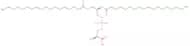
CAS:<p>Phosphatidyl-L-serine (Ptd-L-Ser) is a glycerophospholipid consisting of the amino acid serine connected to glycerol via a phosphodiester linkage and 2 fatty acids attached to the primary and secondary hydroxyls of the glycerol via ester linkages. Phosphatidyl-L-serine is a phospholipid component of the cell membrane and plays a key role in cell cycle signalling, specifically in relation to apoptosis. It has been suggested that dietary supplements of phosphatidyl-L-serine may reduce the risk of dementia and cognitive dysfunction in the elderly.</p>Fórmula:C42H82NO10PPureza:Min. 90%Forma y color:PowderPeso molecular:792.07 g/molL-Serine β-lactone tetrafluoroborate
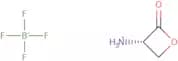
CAS:<p>L-Serine beta-lactone tetrafluoroborate salt is a fine chemical that is used as a reagent, complex compound and building block in the synthesis of other compounds. It is also an important intermediate for the production of pharmaceuticals and agrochemicals. L-Serine beta-lactone tetrafluoroborate salt has been shown to be a versatile building block in organic synthesis. This product may react with acids to produce hydrogen fluoride gas, which can cause injury or death through inhalation or contact with skin, eyes or clothing.</p>Fórmula:C3H5NO2•BF4•HPureza:Min. 95%Forma y color:White/Off-White SolidPeso molecular:174.89 g/mol5-Methylthiophene-3-carbohydrazide
CAS:<p>5-Methylthiophene-3-carbohydrazide is a white powder that is soluble in water and ethanol. It is used as a reagent for organic synthesis, especially for the production of heterocycles. The chemical name for 5-methylthiophene-3-carbohydrazide is methyl 3-(aminocarbonyl)-5-methylthiophenecarboxylate. It has a molecular weight of 160.06 grams per mole and a melting point of 35°C. It reacts with acid to form an N-methylthiophthalimide, which can then be reacted with various amines to produce diverse products. This compound is also used as a building block in the synthesis of complex molecules such as pharmaceuticals, agrochemicals, or fragrances.</p>Fórmula:C6H8N2OSPureza:Min. 95 Area-%Forma y color:PowderPeso molecular:156.21 g/molFmoc-Asp(OH)-OtBu
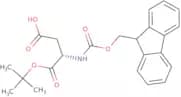
CAS:<p>Fmoc-Asp(OH)-OtBu is a synthetic, non-natural amino acid that has been used in the chemical synthesis of lipoproteins. It was incorporated into recombinant human low-density lipoprotein (LDL) and high-density lipoprotein (HDL) to study the effect of acidic hydrolysis on their composition. Fmoc-Asp(OH)-OtBu is a fluorescent compound that can be detected using spectroscopy. It is also used as an amino acid residue in solid-phase peptide synthesis to synthesize peptides with an aspartyl residue at the N terminus.</p>Fórmula:C23H25NO6Pureza:Min. 95 Area-%Forma y color:PowderPeso molecular:411.45 g/mol((4-bromo-2-methyl-5-oxo-1-phenyl(3-pyrazolin-3-yl))methyl)thiocarboxamidine, hydrobromide
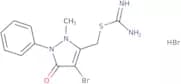
CAS:<p>Please enquire for more information about ((4-bromo-2-methyl-5-oxo-1-phenyl(3-pyrazolin-3-yl))methyl)thiocarboxamidine, hydrobromide including the price, delivery time and more detailed product information at the technical inquiry form on this page</p>Pureza:Min. 95%Glutaryl-Gly-Arg-AMC hydrochloride salt
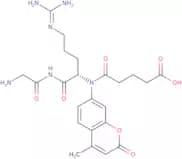
CAS:<p>Glutaryl-Gly-Arg-AMC hydrochloride salt is a high quality, fine chemical reagent that is useful as a building block, scaffold or intermediate. It has been used in the synthesis of other complex compounds and has been shown to have potential for use in drug discovery research. Glutaryl-Gly-Arg-AMC hydrochloride salt is a versatile building block that can be used in reactions that require the presence of an amine group, such as peptide coupling. This reagent can also be used to modify the functional groups on small molecules, such as aldehydes and carboxylic acids. Glutaryl-Gly-Arg-AMC hydrochloride salt is also useful as a reaction component in the synthesis of speciality chemicals, such as pharmaceuticals and agrochemicals.</p>Fórmula:C23H30N6O7•HClPureza:Min. 95 Area-%Forma y color:PowderPeso molecular:538.98 g/mol4-Methyl-5-nonanol
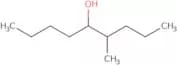
CAS:<p>4-Methyl-5-nonanol is a synthetic pheromone that is used in the analytical methods of weevil traps. The odorant binding proteins on the surface of the weevil are attracted to this chemical, which binds to them through hydrophobic interactions. This trap is stereoselective, as it only attracts male weevils. 4-Methyl-5-nonanol has been shown to have a high specificity and sensitivity as an analytical tool for weevil traps, with no cross reactivity with other insects such as beetles or ants.</p>Fórmula:C10H22OPureza:Min. 95%Forma y color:Clear LiquidPeso molecular:158.28 g/mol4-Phenylbutyric acid
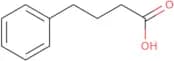
CAS:<p>4-Phenylbutyric acid is a prophylactic antibiotic that has minimal toxicity. It has been shown to significantly up-regulate protein synthesis in kidney cells and to have neural cell protective effects. 4-Phenylbutyric acid also inhibits the production of dextran sulfate, which may be useful for the treatment of liver injury. This compound has been tested as an investigational agent for squamous cell carcinoma and other cancers.</p>Fórmula:C10H12O2Pureza:Min. 98%Forma y color:White PowderPeso molecular:164.2 g/mol3-Methylphenoxyacetic acid
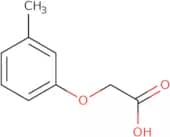
CAS:<p>3-Methylphenoxyacetic acid is an organic compound that has a zirconium atom in its chemical structure. This molecule is acidic and can be found in the form of a hydrate. 3-Methylphenoxyacetic acid has been shown to be soluble in organic solvents such as benzene, chloroform, and methylene chloride. The molecular weight of this compound is not yet known, but the calculated density is 1.49 g/mL. 3-Methylphenoxyacetic acid has a planar molecular geometry and the intramolecular hydrogen bonds are formed by O1 and O3 with H1 and H2 respectively. The Lewis electron dot diagram for this molecule indicates that there are no lone pairs on any atoms.</p>Fórmula:C9H10O3Pureza:Min. 95%Forma y color:White PowderPeso molecular:166.17 g/molH-Gly-Arg-AMC hydrochloride salt
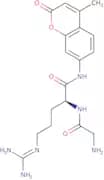
CAS:<p>H-Gly-Arg-AMC hydrochloride salt is a substrate for the enzymes cathepsins B, H, and L. This compound has been used to measure protease activity in cell culture and as a diagnostic substrate for peptidases. The enzyme reaction can be monitored by measuring changes in the fluorescence of the product at 340 nm. The pH optimum for this enzyme is 7.4.</p>Fórmula:C18H24N6O4•HClPureza:Min. 98 Area-%Forma y color:PowderPeso molecular:424.88 g/molN-D-Biotinyl-7-amino-4-methylcoumarin
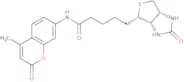
CAS:<p>N-D-Biotinyl-7-amino-4-methylcoumarin is a fluorescent substrate that is used to measure the activity of biotinidase, an enzyme that catalyzes the hydrolysis of biotin. It is detectable by measuring fluorescence with a spectrophotometer. Biotinidase deficiency can be diagnosed by measuring the activity of this enzyme in biological fluids. This assay has been shown to be useful for diagnosing patients with deficient biotinidase activity.</p>Fórmula:C20H23N3O4SPureza:Min. 98 Area-%Forma y color:PowderPeso molecular:401.48 g/mol(13C2,15N)Glycine
CAS:<p>Glycine is an amino acid that is found in the human blood. It is a non-essential amino acid and has a high level of stability. Glycine can be used as an untreated control to measure the stability of other compounds; it has been shown to be stable for up to six months at room temperature and for more than one year when frozen. Glycine is not found in any food sources, but can be synthesized by the body from other amino acids. The following are sample product descriptions: Rifapentine Rifapentine is an anti-tuberculosis drug that belongs to the class of rifamycins. It is the most active of the rifamycins for the treatment of tuberculosis. Rifapentine inhibits bacterial growth by binding to DNA-dependent RNA polymerase, thereby preventing transcription and replication. The high frequency of human activity has been shown using a patch-clamp technique on human</p>Pureza:Min. 95%Forma y color:PowderPeso molecular:77.99 g/molN,N-Diallyl-5-methoxytryptamine
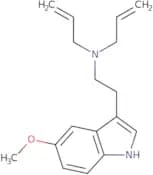
CAS:Producto controlado<p>N,N-Diallyl-5-methoxytryptamine (DMAT) is a synthetic cannabinoid that has been shown to produce effects similar to those of tetrahydrocannabinol. It has been used in clinical studies to study the effects of cannabinoids on the central nervous system. DMAT binds with high affinity to 5-HT2A receptors and low affinity to histamine H1 receptors. DMAT also binds moderately with 5-HT1A receptors, which are serotonin receptors found in the cerebral cortex and hippocampus regions of the brain. DMAT is a potent monoamine neurotransmitter reuptake inhibitor, which means it prevents the reuptake of monoamines such as dopamine, norepinephrine, and serotonin by blocking their transporters. This results in an increase in extracellular concentrations of these monoamines. DMAT is structurally similar to other drugs that have been shown to cause seizures, such as meprobamate, benzodiazepines,</p>Fórmula:C17H22N2OPureza:Min. 95%Peso molecular:270.37 g/mol3-Methyl-2(3H)-benzothiazolone
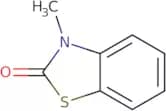
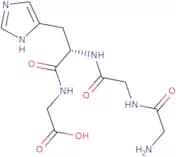
CAS:<p>3-Methyl-2(3H)-benzothiazolone is a trifluoroacetic acid derivative that inhibits the activity of enzymes, such as propranolol hydrochloride, that are involved in the metabolism of coumarin derivatives. The inhibition of these enzymes leads to an increase in the serum concentration of coumarin. 3-Methyl-2(3H)-benzothiazolone is used in pharmaceutical preparations and has been shown to produce kinetic effects with methyl ethyl ketones.</p>Fórmula:C8H7NOSPureza:Min. 95%Forma y color:PowderPeso molecular:165.21 g/molH-Gly-Gly-His-Gly-OH
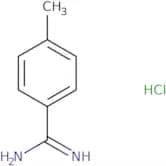
CAS:<p>H-Gly-Gly-His-Gly-OH is a tripeptide with a molecular weight of 778.09 g/mol. It is crosslinked to the side chain of lysine residues and can be used for the crosslinking of protein fibers, such as wool or silk, to form hydrophobic materials that are both resistant to shrinkage and have good thermal stability. The crosslinking reaction can be achieved by either the hypobromous acid oxidation or by inorganic oxidants such as hydrogen peroxide. H-Gly-Gly-His-Gly-OH has axial reactive radicals at its center which facilitates the formation of covalent links with other molecules.br><br>br><br>The yield depends on the type of reactant used and ranges from 47% (hydrogen peroxide) to 60% (hypobromous acid). The residue obtained after hydrolysis is an alpha amino acid consisting of</p>Fórmula:C12H18N6O5Pureza:Min. 95%Forma y color:PowderPeso molecular:326.31 g/mol4-Methylbenzamidine hydrochloride
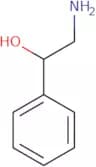
CAS:<p>4-Methylbenzamidine hydrochloride is a synthetic molecule that has been shown to have anticancer activity. It is an efficient method for the preparation of modified chromenones, which are biomolecules with anticancer activity. 4-Methylbenzamidine hydrochloride can be used as a template molecule to synthesize biologically active molecules, such as etoposide, which is a synthetic anti-cancer drug. The hydroxyl group in 4-methylbenzamidine hydrochloride is nucleophilic and can undergo dehydrogenative reactions with various reagents. 4-Methylbenzamidine hydrochloride has been shown to inhibit the growth of cancer cells in vitro and in vivo. It inhibits the synthesis of DNA, RNA, and proteins by binding to the ribosomal RNA of cancer cells and preventing protein synthesis.</p>Fórmula:C8H10N2·HClPureza:Min. 95%Forma y color:PowderPeso molecular:170.64 g/molDL-Phenylethanolamine
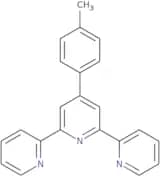
CAS:<p>DL-Phenylethanolamine is a hydroxy amine that is used in the synthesis of other chemicals. It is obtained by reacting phenylacetic acid with hydroxylamine. DL-Phenylethanolamine is an intermediate in the synthesis of the anti-inflammatory drug Indomethacin. This molecule contains a asymmetric carbon atom, which can be distinguished using infrared spectroscopy. The uptake of DL-phenylethanolamine into cells can be measured by detecting the release of amines from lysosomes and mitochondria. In addition, this molecule has conformational properties that can be detected by NMR spectroscopy, making it useful for detection sensitivity and identification purposes.</p>Fórmula:C8H11NOPureza:(%) Min. 90%Forma y color:PowderPeso molecular:137.18 g/mol4'-(4-Methylphenyl)-2,2':6',2''-terpyridine
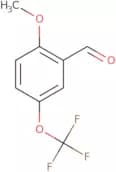
CAS:<p>4'-(4-Methylphenyl)-2,2':6',2''-terpyridine (TPEN) is a chemical compound with anti-cancer properties that has been shown to induce apoptosis in cancer cells. TPEN also inhibits the growth of tumor cells by interacting with mitochondria and inducing mitochondrial dysfunction. TPEN synergistically induces death in neuronal cells when combined with other agents that are known to cause neuronal cell death. In vivo studies have shown that TPEN produces neuroprotective effects at normoxic temperatures, but can be toxic at hyperthermic temperatures.</p>Fórmula:C22H17N3Pureza:Min. 95%Forma y color:PowderPeso molecular:323.39 g/mol2-Methoxy-5-(trifluoromethoxy)benzaldehyde
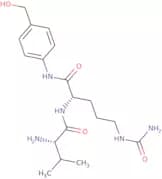
CAS:<p>2-Methoxy-5-(trifluoromethoxy)benzaldehyde is a tachykinin antagonist that inhibits the binding of neurokinin to its receptor with high affinity. This compound has shown potential as a drug for the treatment of pain and other conditions such as asthma, allergies, and depression. The efficacy of 2-methoxy-5-(trifluoromethoxy)benzaldehyde has been demonstrated in high-throughput screening for the detection of nk1 receptor antagonists. Further studies have shown that modification of this molecule may increase its potency and reduce side effects.</p>Fórmula:C9H7F3O3Pureza:Min. 95%Forma y color:Clear LiquidPeso molecular:220.15 g/molVal-Cit-PAB-OH
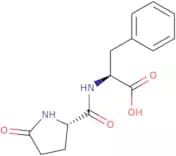
CAS:<p>The Val-Cit-PAB linker is an activated peptide linker that is cleaved by cathepsin B. It enables the selective intracellular release of attached drugs in ADC applications.</p>Fórmula:C18H29N5O4Pureza:Min. 95%Forma y color:PowderPeso molecular:379.45 g/molPyr-Phe-OH
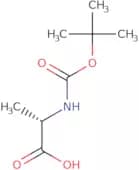
CAS:<p>Pyr-Phe-OH is a pyroglutamic acid derivative that can be used as a chromogenic reagent. Pyr-Phe-OH has been shown to have an acid sequence and is related to tryptic peptides. Pyr-Phe-OH is used in the analysis of proteins, such as haemoglobin, by means of phenacyl esters. Pyr-Phe-OH reacts with pepsin and other proteolytic enzymes, but not with phenacyl esters or thiols. This compound is also used as a crosslinker for alkylation reactions. The molecule contains an alkylate group and an amine group that are bonded by a carbon atom. Pyr-Phe-OH contains two amino acids: pyrrolysine and phenylalanine that are linked by an oxygen atom.<br>END></p>Fórmula:C14H16N2O4Pureza:Min. 95%Forma y color:White To Off-White SolidPeso molecular:276.29 g/molBoc-L-alanine
CAS:<p>Boc-L-alanine is an amino acid that is used as a building block in the synthesis of peptides and proteins. It has been shown to be stable at high temperatures and to form complexes with sephadex g-100. Boc-L-alanine has also been shown to have antimicrobial activity against Gram-positive bacteria, such as Staphylococcus aureus and Streptococcus pneumoniae, and Gram-negative bacteria, such as Pseudomonas aeruginosa. This compound can act as a hydrogen bond donor or acceptor depending on the other molecule it interacts with. Boc-L-alanine hydrochloride is an ester of boc-L-alanine and hydrochloric acid that has been activated by trifluoroacetic acid. The hydroxyl group on the molecule can react with hydrogen fluoride to form an ester hydrochloride.</p>Fórmula:C8H15NO4Pureza:Min. 98 Area-%Forma y color:White Off-White PowderPeso molecular:189.21 g/molCyclo(-Gly-Pro)
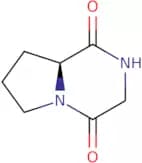
CAS:<p>Cyclo(-Gly-Pro) is a cyclic peptide that has been shown to be neuroprotective. It acts as an analog of the neurotransmitter glutamate and inhibits the binding of glutamate to its receptors. Cyclo(-Gly-Pro) also blocks the release of serotonin from nerve cells and inhibits the proliferation of nerve cells in culture. Cyclo(-Gly-Pro) has been shown to increase locomotor activity in mice, which may be due to its ability to activate 5-HT2A receptors in the brain.</p>Fórmula:C7H10N2O2Pureza:Min. 95%Forma y color:PowderPeso molecular:154.17 g/molH-Leu-Glu-OH
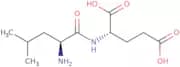
CAS:<p>24-Epibrassinolide is a synthetic molecule that has an optical rotation of +19.4° at 20°C. It is also known as H-Leu-Glu-OH and is a product of the reaction between epibatidine and L-glutamic acid. This molecule has been synthesized to study the role of 24-epibrassinolide in photosynthesis, chlorophyll synthesis, and membrane stability. The phosphate group is attached to the amino group on the n-terminal amino acid. 24-Epibrassinolide has an amino acid composition consisting of leucine, glutamate, glutamine, glycine, proline, serine, cysteine, tyrosine, asparagine, histidine and lysine.<br>24-Epibrassinolide was first isolated from chloroplasts using refluxing water with ammonium chloride as a solvent. This molecule can be found in nature as well.</p>Fórmula:C11H20N2O5Pureza:Min. 95 Area-%Forma y color:PowderPeso molecular:260.29 g/molN,N-Diglycidyl-4-glycidyloxyaniline
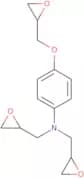
CAS:<p>N,N-Diglycidyl-4-glycidyloxyaniline is an industrial process that is used as a monomer in the synthesis of polycarbonates. It is synthesized by the cationic polymerization of fatty acids and amines. The thermal stability of N,N-diglycidyl-4-glycidyloxyaniline makes it suitable for use in high temperature processes such as carbon nanotube manufacturing. The modelling of N,N-diglycidyl-4-glycidyloxyaniline has been carried out to understand its structural properties and how these affect its behaviour. This understanding can be used to predict the behaviour of N,N-diglycidyl-4-glycidyloxyaniline under various conditions.</p>Fórmula:C15H19NO4Pureza:Min. 90 Area-%Forma y color:Clear LiquidPeso molecular:277.32 g/mol7-Methoxy-1-tetralone
CAS:<p>7-Methoxy-1-tetralone is a synthetic compound that inhibits the activity of hepg2 cells. It has been shown to induce apoptosis in these cells and inhibit tumor growth in vivo. This substance is a fatty acid derivative that can be synthesized by Friedel-Crafts acylation of 7-methoxycoumarin with oleic acid. 7-Methoxy-1 tetralone has been shown to have antitumor effects in vitro, as well as in vivo animal studies. The inhibition of hepg2 cells may be due to damage to the cell membrane, which leads to the release of lysosomal enzymes and cell death.</p>Fórmula:C11H12O2Pureza:Min. 95%Forma y color:PowderPeso molecular:176.21 g/molNim-trityl-L-histidine methyl ester hydrochloride
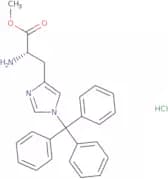
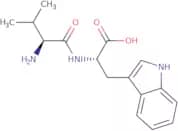
CAS:<p>Nim-trityl-L-histidine methyl ester hydrochloride is a versatile amino acid building block for the synthesis of complex compounds.</p>Fórmula:C26H25N3O2•HClPureza:Min. 95%Forma y color:White PowderPeso molecular:447.96 g/molH-Val-Trp-OH
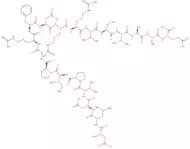
CAS:<p>H-Val-Trp-OH is a noncompetitive inhibitor of the enzyme tyrosinase, which plays a role in melanin production. It also has radical scavenging activities and can inhibit the activity of other enzymes such as glucose 6-phosphate dehydrogenase and acetylcholinesterase. The compound is stable in aqueous solution and can be used to study the effects of H-Val-Trp-OH on wheat germ cells. It is composed of an amino acid sequence that resembles tyrosine, with a carboxylate group attached to the hydroxyl group at position 3. H-Val-Trp-OH is most active against tyrosinase when it is in its activated form, but it can also act as an inhibitor when it is not activated. The compound inhibits the activity of tyrosinase by binding to its active site and blocking the binding or catalysis of substrate molecules. This inhibition occurs through competitive interactions with</p>Fórmula:C16H21N3O3Pureza:Min. 95%Forma y color:PowderPeso molecular:303.36 g/molCalcineurin Substrate trifluoroacetate salt H-Asp-Leu-Asp-Val-Pro-Ile-Pro-Gly-Arg-Phe-Asp-Arg-Arg-Val-Ser-Val-Ala-Ala-Glu-OH trifluo roacetate salt
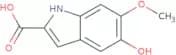
CAS:<p>Please enquire for more information about Calcineurin Substrate trifluoroacetate salt H-Asp-Leu-Asp-Val-Pro-Ile-Pro-Gly-Arg-Phe-Asp-Arg-Arg-Val-Ser-Val-Ala-Ala-Glu-OH trifluo roacetate salt including the price, delivery time and more detailed product information at the technical inquiry form on this page</p>Fórmula:C92H150N28O29Pureza:Min. 95%Peso molecular:2,112.35 g/mol5-Hydroxy-6-methoxyindole-carboxylic acid
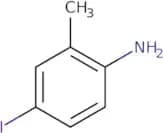
CAS:<p>5-Hydroxy-6-methoxyindole-carboxylic acid (5-HMICA) is a molecule that is found in the pericardium and urine of patients with cancer. 5-HMICA has been shown to suppress tumor growth and activate cell mediated cytotoxicity in vitro. It also induces T helper type 1 (Th1) immune responses, which are associated with the production of cytokines such as interferon gamma and tumor necrosis factor alpha.</p>Fórmula:C10H9NO4Forma y color:PowderPeso molecular:207.18 g/mol4-Iodo-2-methylaniline
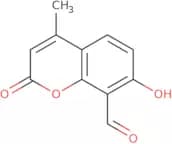
CAS:<p>The 4-Iodo-2-methylaniline is a synthetic molecule that belongs to the group of amines. It has been shown to bind to human protein and can be used for the synthesis of boronic acids and quinoline derivatives. 4-Iodo-2-methylaniline can be synthesized by reacting hydrochloric acid with sodium periodate, followed by addition of an aryl boronic acid. The reaction time is dependent on the nature of the reactant. The pharmacophore consists of a proton and an aryl boronic acid, which is responsible for binding with human protein.</p>Fórmula:C7H8INPureza:Min. 95%Forma y color:PowderPeso molecular:233.05 g/mol7-Hydroxy-4-methyl-2-oxo-2H-chromene-8-carbaldehyde
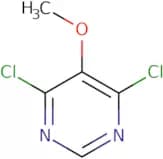
CAS:<p>7-Hydroxy-4-methyl-2-oxo-2H-chromene-8-carbaldehyde is an activated molecule that exhibits significant cytotoxicity to human liver cancer cells. It inhibits the mitochondrial membrane potential, leading to the release of cytochrome c and apoptosis induction. 7HMOCA has been shown to be a reactive molecule with benzimidazole derivative properties. This compound depletes cellular glutathione levels and increases intracellular reactive oxygen species (ROS) levels, which leads to DNA fragmentation, cell cycle arrest, and ultimately apoptosis induction when combined with other agents. The fluorescence properties of this molecule have enabled its detection in living cells without the need for additional reagents or labeling.</p>Fórmula:C11H8O4Pureza:Min. 95 Area-%Forma y color:White PowderPeso molecular:204.18 g/mol4,6-Dichloro-5-methoxypyrimidine
CAS:<p>4,6-Dichloro-5-methoxypyrimidine is a reactive intermediate in the synthesis of sulfadoxine. It is a chlorinating agent that reacts with alkanes and alkenes to produce halogenated products. 4,6-Dichloro-5-methoxypyrimidine can be used as a reagent to synthesize malonic acid and formamide. This compound has been used as an isotopic label for studies of the efficiency of the reaction between malonic acid and formamide. The chloride ions are used in this study to monitor the reaction rate. 4,6-Dichloro-5-methoxypyrimidine is also an intermediate in the synthesis of sulfanilamide and aminophenol.</p>Fórmula:C5H4Cl2N2OPureza:Min. 95%Forma y color:PowderPeso molecular:179 g/molL-Valinol
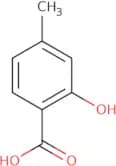
CAS:<p>L-Valinol is a model system that is used to study the reaction of aziridines with oxygen nucleophiles. It has been shown that this reaction proceeds through the formation of an intermediate, hydrogen tartrate, followed by a second step with nitrogen atoms as the nucleophile and alcohol residue as the substrate. The use of L-valinol in asymmetric synthesis was also demonstrated. In this process, amides were obtained with high enantioselectivity by reacting L-valinol with amines in acidic conditions. This synthetic pathway was found to be synergic with other reactions, such as nitroolefination and benzoylation.</p>Fórmula:C5H13NOPureza:Min. 95%Forma y color:Solidified MassPeso molecular:103.16 g/mol4-Methylsalicylic acid
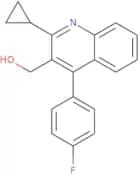
CAS:<p>4-Methylsalicylic acid is a chemical compound that belongs to the group of salicylates. It is an organic compound with a molecular weight of 96.12 g/mol and the chemical formula C8H8O3. The epoxidation of 4-methylsalicylic acid occurs through the use of catalysts, such as zinc oxide and manganese dioxide, which are not functionalized. The addition of these catalysts causes a reaction between the methyl group and the hydroxyl group in 4-methylsalicylic acid, forming methyl salicylate. This product is also used as a chiral building block for other compounds, such as axial chirality and olefins.</p>Fórmula:C8H8O3Pureza:Min. 98 Area-%Forma y color:PowderPeso molecular:152.15 g/mol2-Cyclopropyl-4-(4-fluorophenyl)-quinolyl-3-methanol
CAS:<p>2-Cyclopropyl-4-(4-fluorophenyl)-quinolyl-3-methanol is a crystalline compound that has been obtained by reacting 3-methoxyquinoline with cyclopropyl bromide. It has the dihedral angle of about 120 degrees and is stabilized by hydrogen bonds. The compound crystallizes in an asymmetric unit cell with two molecules in the asymmetric unit and space group P2/n. The target compound can be obtained in high yield, and it is soluble in organic solvents such as benzene and triphenylphosphine. 2-Cyclopropyl-4-(4-fluorophenyl)-quinolyl-3-methanol can be used to suppress wastewater containing halogenated aromatic compounds, such as quinoline.</p>Fórmula:C19H16FNOPureza:Min. 95%Peso molecular:293.33 g/molCalcium glycinate monohydrate
CAS:<p>Calcium glycinate monohydrate is a chelated form of calcium that is easily absorbed by the body. It is often used in health care products, such as dietary supplements and nutritional solutions. Calcium glycinate monohydrate is used to prevent or treat calcium deficiency, which can lead to conditions such as osteoporosis. This compound also helps regulate blood pressure and muscle contractions, and may be beneficial for people with celiac disease. Calcium glycinate monohydrate has been shown to have antimicrobial properties against bacteria, fungi, and yeast.</p>Fórmula:C4H8N2O4Ca•H2OForma y color:PowderPeso molecular:188.2 g/mol2-Methoxy-4-morpholinobenzenediazonium chloride zinc chloride double
CAS:<p>2-Methoxy-4-morpholinobenzenediazonium chloride zinc chloride double (2MBZD) is a chemical compound that has been analyzed by X-ray crystallography and nuclear magnetic resonance. This molecule consists of two parts: a diazonium salt and zinc chloride. The diazonium salt is a heterocyclic nitrogen ring with two nitrogens, which are bonded to the same carbon atom. The second part of the molecule is zinc chloride, which has one chlorine atom attached to it. The zinc chloride component stabilizes the compound, while the diazonium component provides the antibacterial activity. 2MBZD has shown activity against Staphylococcus aureus and Bacillus subtilis.</p>Fórmula:C11H14N3O2•(ZnCl4)0Pureza:Min. 90 Area-%Forma y color:Yellow Green PowderPeso molecular:323.85 g/molH-Glu(Tyr-OH)-OH
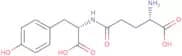
CAS:<p>H-Glu(Tyr-OH)-OH is an amino acid analogue that has been shown to have natriuretic effects. It also has anti-inflammatory and analgesic properties, which are likely due to its ability to inhibit the bacterial enzyme arginase. H-Glu(Tyr-OH)-OH is a part of a class of compounds called oximes, which are used in the treatment of poisoning by organophosphates, pyrethroid insecticides, and carbamates. The compound is synthesized by treating L-glutamic acid with hydrogen peroxide and tyrosine in acidic conditions. H-Glu(Tyr-OH)-OH has also been found to have a protective effect on alcohol induced damage in rats. This may be due to its ability to increase the synthesis of dopamine, which is involved in the regulation of blood pressure and water balance.</p>Fórmula:C14H18N2O6Pureza:Min. 95%Forma y color:PowderPeso molecular:310.3 g/molH-Asp-Phe-OH
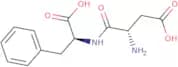
CAS:<p>H-Asp-Phe-OH is a diagnostic agent that contains the amino acid aspartame and a hydroxyl group. It is hydrolyzed in the body to form aspartic acid, phenylalanine, and methanol. The methyl ester of H-Asp-Phe-OH is hydrochloride. This compound has been used to study locomotor activity in mice and rats. Aspartame has also been shown to be an inhibitor of certain enzymes, such as fatty acid synthase, which is associated with human pathogens. The lc-ms/ms method has been used to detect H-Asp-Phe-OH metabolites in human serum samples. In addition, this compound can be used for the diagnosis of diseases such as diabetes mellitus type 2 and Alzheimer’s disease by measuring uptake into cells at enzyme activities.</p>Fórmula:C13H16N2O5Pureza:Min. 95%Forma y color:White PowderPeso molecular:280.28 g/molPerfluoro-N-Methylmorpholine
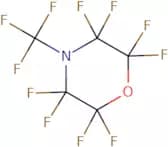
CAS:<p>Perfluoro-N-Methylmorpholine (PMM) is a perfluorinated solvent with high boiling point, which makes it suitable for high temperature and pressure applications. PMM is an acyl halide that can be used as a solvent or in the synthesis of other perfluorinated compounds. The cyclic structure of PMM provides stability and high yields. The oxidation resistance of PMM allows it to be used in harsh environments. Cleavage products from PMM are not toxic, making this compound environmentally friendly. PMM can be used in organic chemistry as a solvent for reactions involving dialkylamino groups, such as the production of cyclic compounds. It can also be used in the synthesis of perfluorinated polymers as well as in the manufacture of coatings, foams, lubricants, and surfactants.</p>Fórmula:C5F11NOPureza:Min. 95%Forma y color:Clear LiquidPeso molecular:299.04 g/molN-Cbz-L-valinyl-ganciclovir
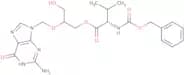
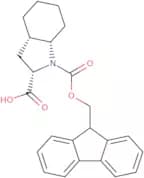
CAS:<p>N-Cbz-L-valinyl-ganciclovir is a prodrug of ganciclovir. It is synthesized by reacting the amino acid L-valine with the nucleoside analogue ganciclovir in an organic solvent. The product can be purified by filtration and crystallizing using hydrochloric acid and then recrystallized from a mixture of chloroform and trimethylsulfonium chloride. N-Cbz-L-valinyl-ganciclovir is more stable than ganciclovir, which has been shown to be degraded by urea hydrolase. This product can also be recycled after it has been used.</p>Fórmula:C22H28N6O7Pureza:Min. 97 Area-%Forma y color:PowderPeso molecular:488.49 g/molFmoc-L-octahydroindole-2-carboxylic acid
CAS:<p>Fmoc-L-octahydroindole-2-carboxylic acid is a synthetic amino acid that is used in the synthesis of peptides and proteins. It has been shown to be an agonistic ligand for the acetylcholine receptor and may be used as an anti-inflammatory drug. Fmoc-L-octahydroindole-2-carboxylic acid is synthesized by combining piperidine and fmoc-glycine, followed by condensation with iminoacetic acid. The synthesis of this compound can be achieved through solid phase synthesis or chemical methods. The removal of the FMOC group requires acidic conditions such as trifluoroacetic acid or hydrochloric acid.</p>Fórmula:C24H25NO4Pureza:Min. 98 Area-%Forma y color:White PowderPeso molecular:391.46 g/mol5-Methylcytosine hydrochloride salt
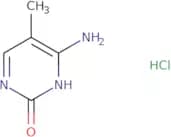
CAS:<p>5-Methylcytosine hydrochloride salt is a metabolite of cytosine that occurs naturally in the body. It is used as an inhibitor of DNA methylation to study the effect of this process on gene expression. 5-Methylcytosine hydrochloride salt has been shown to inhibit the production of growth factors, such as insulin-like growth factor 1, and radiation energy. It also causes oxidative damage to DNA and inhibits the oxidation of urea nitrogen in lettuce. The matrix effect may interfere with the analysis of 5-methylcytosine hydrochloride salt by spectrometry.</p>Fórmula:C5H7N3O·HClPureza:Min. 95%Forma y color:PowderPeso molecular:161.59 g/molD-Lysine HCl
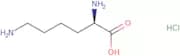
CAS:<p>D-Lysine HCl is an amino acid that is used as a dietary supplement for the treatment of L-lysine deficiency. It is a precursor to protein synthesis and has been shown to have an inhibitory effect on neuronal function. D-Lysine HCl can be synthesized from lysine by hydrolysis with hydrochloric acid in the presence of piperazine. This reaction produces dibenzoate and d-piperazine, which are then reacted with l-tartaric acid to form the final product. D-Lysine HCl is usually purified from this mixture by gel chromatography or ion exchange chromatography.</p>Fórmula:C6H14N2O2·HClForma y color:White PowderPeso molecular:182.65 g/molAcetyl-L-tyrosine amide
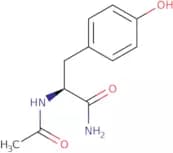
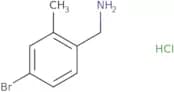
CAS:<p>Acetyl-L-tyrosine amide is an analog of L-tyrosine that is used as an active substance in the field of uv absorption. Acetyl-L-tyrosine amide reacts with sodium hydroxide to form a soluble salt, which has been shown to have binding constants that are comparable to those of human serum. This compound also has fluorescence properties and can be used for the determination of neutral pH. The reaction products formed between acetyl-L-tyrosine amide and sodium hydroxide are hydrolyzed by acids and yield a molecule with rotameric properties. These rotameric properties can be modeled using a protein model without affecting the stability or function of the protein.</p>Fórmula:C11H14N2O3Pureza:Min. 95%Forma y color:PowderPeso molecular:222.24 g/mol4-Bromo-2-methylbenzylamine hydrochloride
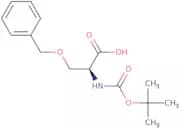
CAS:<p>4-Bromo-2-methylbenzylamine hydrochloride is a high quality, versatile building block that can be used in the synthesis of many different compounds. It is a reagent that can be used as an intermediate in the production of other compounds. 4-Bromo-2-methylbenzylamine hydrochloride is also a fine chemical and speciality chemical that can be used for research purposes. This compound has been shown to be useful as a reaction component in the synthesis of complex compounds.</p>Fórmula:C8H10BrN·HClPureza:Min. 95%Peso molecular:236.54 g/molBoc-O-benzyl-L-serine
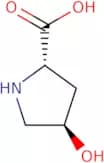
CAS:<p>Boc-O-benzyl-L-serine is a synthetic molecule that has been shown to activate fibroblast cells. It can be used as a topical analgesic, such as in the treatment of pain from arthritis, or in the treatment of wounds. Boc-O-benzyl-L-serine was first synthesized by the reaction of serine with benzyl chloroformate and bromoacetic acid. This reaction is carried out at room temperature and produces a mixture containing two diastereomers. The diastereomers were separated by column chromatography and then reacted with glycopeptide for activation. The activated product was purified by recrystallization in methanol to produce pure Boc-O-benzyl-L-serine.</p>Fórmula:C15H21NO5Pureza:Min. 95%Forma y color:White PowderPeso molecular:295.33 g/moltrans-4-Hydroxy-L-proline
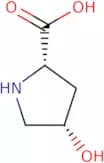
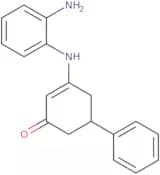
CAS:<p>Proline is a non-essential amino acid that is found in the basic structure of collagen. Proline has been shown to have physiological effects, including a protective effect on the myocardium, and can be used as an analytical method for detecting proline residues in biological samples. Trans-4-Hydroxy-L-proline is a proline derivative that has been shown to inhibit collagenase activity in vitro. It was also shown to have an optimum concentration of 1 mM and a matrix effect at pH 6.5. The model system used to study trans-4-hydroxy-l-proline was the enzyme extracted from rat liver.</p>Fórmula:C5H9NO3Forma y color:White PowderPeso molecular:131.13 g/mol3-((2-Aminophenyl)amino)-5-phenylcyclohex-2-en-1-one
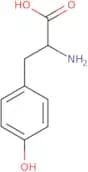
CAS:<p>Please enquire for more information about 3-((2-Aminophenyl)amino)-5-phenylcyclohex-2-en-1-one including the price, delivery time and more detailed product information at the technical inquiry form on this page</p>Fórmula:C18H18N2OPureza:Min. 95%Forma y color:PowderPeso molecular:278.35 g/molDL-Tyrosine
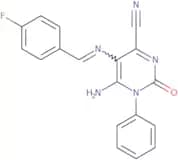
CAS:<p>DL-Tyrosine is a non-essential amino acid that can be synthesized in the body from phenylalanine or obtained from food. DL-Tyrosine is a precursor of the neurotransmitter dopamine, which is involved in regulating mood, movement, and cognitive functions. DL-Tyrosine has been shown to inhibit the conversion of tyrosine to 3,4-dihydroxyphenylacetic acid (DOPAC) by dopamine β-hydroxylase. Tyrosine also prevents the formation of reactive oxygen species due to its chemical stability and ability to scavenge free radicals. DL-Tyrosine may have implications for treating Parkinson's disease, ADHD, depression, and chronic fatigue syndrome.</p>Fórmula:C9H11NO3Pureza:Min. 95%Forma y color:PowderPeso molecular:181.19 g/mol5-(1-Aza-2-(4-fluorophenyl)vinyl)-4-imino-2-oxo-3-phenyl-1H-1,3-diazine-6-carbonitrile
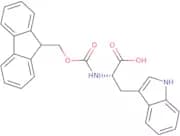
CAS:<p>Please enquire for more information about 5-(1-Aza-2-(4-fluorophenyl)vinyl)-4-imino-2-oxo-3-phenyl-1H-1,3-diazine-6-carbonitrile including the price, delivery time and more detailed product information at the technical inquiry form on this page</p>Fórmula:C18H12FN5OPureza:Min. 95%Forma y color:PowderPeso molecular:333.32 g/molFmoc-L-Trp-OH
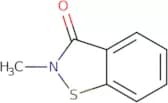
CAS:<p>Fmoc-L-Trp-OH is an amide that contains a low bioavailability and inhibits the transfer of amino acids to ribosomes. It has been shown to inhibit the growth of cancer cells in cell culture and to have antimicrobial activity. Fmoc-L-Trp-OH is synthesized by reacting Naphthalene with glycine, followed by hydrolysis of the ester group under trifluoroacetic acid. The product is then conjugated with a polypeptide. This method of synthesis was developed as a way to produce peptides that are difficult to synthesize using solid-phase chemistry.</p>Fórmula:C26H22N2O4Pureza:Min. 95%Forma y color:PowderPeso molecular:426.46 g/mol2-Methyl-1,2-benzisothiazolin-3-one
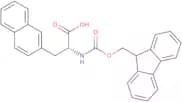
CAS:<p>2-Methyl-1,2-benzisothiazolin-3-one (MBIT) is a water soluble microbiocide which is active against bacteria, yeasts and moulds and has potential applications as a preservative in paints, sealants and coatings. Similar compounds (BIT, MIT) have found use as preservatives in detergents and cleaning products due to their relative stability in solution and compatibility with enzymes.</p>Fórmula:C8H7NOSPureza:Min. 96 Area-%Forma y color:White Off-White PowderPeso molecular:165.21 g/molFmoc-3-(2-naphthyl)-D-alanine
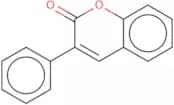
CAS:<p>Fmoc-3-(2-naphthyl)-D-alanine is a fluorescent pressor agent that can be used in supramolecular chemistry. It has an anion form and a cation form, which are both present in the filtrate. The chemical will also form micelles when mixed with water. Fmoc-3-(2-naphthyl)-D-alanine is acetylated and can be used to study the nature of agarose. Fmoc-3-(2-naphthyl)-D-alanine can be used to measure the concentration of sorbitol in chromatography. This chemical has been shown to bind to DNA under microscopy, making it useful for fluorescence microscopy studies.</p>Fórmula:C28H23NO4Pureza:Min. 95%Forma y color:PowderPeso molecular:437.49 g/mol3-Phenylcoumarin
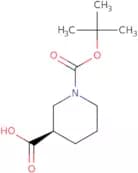
CAS:<p>3-Phenylcoumarin is a naturally occurring compound that has been shown to have cytotoxic effects on cervical cancer cells. It is also a reactive and inflammatory agent, which can lead to the development of inflammatory diseases in humans. 3-Phenylcoumarin has been shown to inhibit the growth of cancer cells by inhibiting DNA synthesis and cell division, as well as by causing programmed cell death. This compound was found to be effective at an effective dose of 10µM in a rotarod test. The molecular modeling studies suggest that 3-phenylcoumarin binds to the active site of human liver microsomal cytochrome P450 enzymes and inhibits their activity. Viscosity has also been found to be an important factor for determining the solubility and stability of this compound.</p>Fórmula:C15H10O2Pureza:Min. 95%Forma y color:PowderPeso molecular:222.24 g/molN-Boc-(R)-Nipecotic acid
CAS:<p>N-Boc-(R)-Nipecotic acid is a synthetic compound that is used in the treatment of lymphocytic leukemia, chronic lymphocytic leukemia, and other types of cancer. It is a dry powder that can be taken orally or subcutaneously. N-Boc-(R)-Nipecotic acid binds to p53 mutations and inhibits DNA synthesis. This drug has been shown to reduce the size of tumors in mice with subcutaneous tumors and has been found to be effective against leukemia cells in vitro. The development of this drug was rationalized on the basis of fluorescence profiles.</p>Fórmula:C11H19NO4Pureza:Min. 95%Forma y color:PowderPeso molecular:229.27 g/mol4-(4-(dimethylamino)phenyl)-2-methylthiosemicarbazide
CAS:<p>Please enquire for more information about 4-(4-(dimethylamino)phenyl)-2-methylthiosemicarbazide including the price, delivery time and more detailed product information at the technical inquiry form on this page</p>Pureza:Min. 95%N-Methyl-L-tyrosine - Combretum collinum
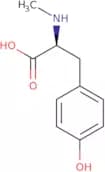
CAS:<p>N-Methyl-L-tyrosine is a molecule that has been studied as a potential treatment for Parkinson's disease. It is chemically related to the amino acid tyrosine and also shares some of its biological properties. N-Methyl-L-tyrosine inhibits the uptake of dopamine by dopamine transporters in cells, which reduces the symptoms of Parkinson's disease. The alkynyl group present in this molecule helps to improve the drug's binding affinity with proctolin, which is a substrate for proton pump inhibitors, and can be used to treat gastrointestinal problems. The clinical use of N-Methyl-L-tyrosine is limited due to its low oral bioavailability; however, it may be effective when administered intravenously or intramuscularly.</p>Fórmula:C10H13NO3Pureza:Min. 95%Forma y color:White PowderPeso molecular:195.22 g/mol2-Phenylethylhydrazine
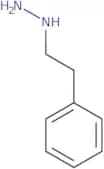
CAS:Producto controlado<p>2-Phenylethylhydrazine (2PEH) is an experimental drug that is reactive. It has been shown to have anti-inflammatory properties in a model system of inflammation in animals. 2PEH also inhibits the enzyme monoamine oxidase, which prevents the breakdown of serotonin, resulting in increased levels of this neurotransmitter. The use of 2PEH as a pharmacological treatment for atherosclerotic lesions may be due to its inhibitory properties on 5HT2 receptors and 2 adrenergic receptors. It has also been shown to induce neuronal death in animal studies.</p>Fórmula:C8H12N2Pureza:Min. 95%Forma y color:Clear LiquidPeso molecular:136.19 g/mol5-Methoxyuracil
CAS:<p>5-Methoxyuracil is a labile, colorless and crystalline compound that occurs spontaneously in the presence of oxygen. It has a chemical structure similar to thiourea, with one methyl group substituted for the amino group on the heterocycle. 5-Methoxyuracil is used as a precursor for synthesis of thymine and uracil. It also acts as an antioxidant, preventing reactive oxygen species from causing cellular damage. 5-Methoxyuracil can be used in regenerative medicine to increase the production of messenger RNA (mRNA) and ribosomal RNA (rRNA). This drug is used as a prebiotic agent and can be synthetically produced by dimethylation of uridine followed by ethyl formate oxidation.</p>Fórmula:C5H6N2O3Pureza:Min. 95%Forma y color:PowderPeso molecular:142.11 g/molFmoc-(4-tert-butyloxycarbonyl)-L-phenylalanine
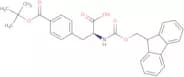
CAS:<p>Fmoc-(4-tert-butyloxycarbonyl)-L-phenylalanine is a chemical compound that is used as a building block in organic synthesis. This chemical has been shown to be useful as a reagent in the synthesis of natural products and pharmaceuticals, such as immunosuppressants and anticancer agents. Fmoc-(4-tert-butyloxycarbonyl)-L-phenylalanine is also used as an intermediate for the production of other chemicals, including pharmaceuticals, pesticides, and fragrance chemicals. The CAS number for this compound is 183070-44-2.</p>Fórmula:C29H29NO6Pureza:Min. 95%Forma y color:White PowderPeso molecular:487.54 g/mol4-Methyl-2H-1,4-benzoxazin-3(4H)-one
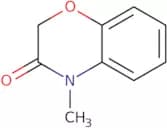
CAS:<p>4-Methyl-2H-1,4-benzoxazin-3(4H)-one is an organic compound that is a hydrogen chloride salt. It is used in the isolation and identification of catechols. The compound has been shown to form condensation products with cellulose, which are detected using analytical techniques such as chromatography and spectrophotometry. 4-Methyl-2H-1,4-benzoxazin-3(4H)-one has a trifluoride ion as its chromophore, which can be detected using analytical techniques.</p>Fórmula:C9H9NO2Pureza:Min. 95%Forma y color:PowderPeso molecular:163.17 g/mol8-Methoxy-2-methyl-2,3,4,5-tetrahydro-1H-pyrido[4,3-b]indole
CAS:<p>8-Methoxy-2-methyl-2,3,4,5-tetrahydro-1H-pyrido[4,3-b]indole is a versatile building block that can be used as a reagent or speciality chemical. It has been used in research and development of pharmaceuticals and as a useful intermediate for the synthesis of other compounds. 8-Methoxy-2-methyl-2,3,4,5-tetrahydro-1H-pyrido[4,3-b]indole is an important reaction component for the synthesis of many types of compounds such as indoles, coumarins, and quinazolinones.</p>Fórmula:C13H16N2OPureza:Min. 95%Forma y color:PowderPeso molecular:216.28 g/mol2'-Methoxypropiophenone
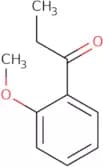
CAS:<p>2'-Methoxypropiophenone is a carbonyl compound that is used as a starting material in the synthesis of other compounds. It can be synthesized by reacting sodium hydroxide with diazirinyl chloride, which reacts with benzyl alcohol to produce the desired product. This chemical has been shown to bind to the DNA of bacteria and show antibacterial activity. 2'-Methoxypropiophenone has also been used to label acetophenone and other carbonyl-containing molecules for their identification.</p>Fórmula:C10H12O2Pureza:Min. 95%Forma y color:Clear LiquidPeso molecular:164.2 g/molBoc-L-prolinal
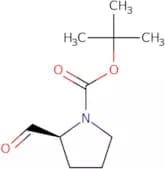
CAS:<p>Boc-L-prolinal is a stereoselective enolate that has been used in the synthesis of organometallic compounds. It is also used in the preparation of monoclonal antibodies, which are proteins that are produced by the immune system to help fight off infections. Boc-L-prolinal has been shown to be an effective agent for treating many cancers, including breast cancer and melanoma. In addition, it has been shown to inhibit epidermal growth factor (EGF) and other growth factors, which may be due to its ability to induce apoptotic signaling. Boc-L-prolinal also contains a carbonyl group, which can undergo acidolysis reactions with nucleophiles such as water or alcohols.</p>Fórmula:C10H17NO3Pureza:Min. 95%Forma y color:Colorless Clear LiquidPeso molecular:199.25 g/mol2-(4-Hydroxy-3-methylphenyl)acetic acid
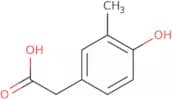
CAS:<p>2-(4-Hydroxy-3-methylphenyl)acetic acid is a small molecule that has been shown to be an effective inhibitor of the enzyme hydroxylase. This enzyme catalyzes the conversion of L-4-hydroxymandelic acid to mandelic acid, which is needed for the biosynthesis of L-DOPA, a precursor in the synthesis of dopamine. 2-(4-Hydoxy-3-methylphenyl)acetic acid has been shown to inhibit this reaction by binding to the active site and blocking access.</p>Fórmula:C9H10O3Pureza:Min. 95%Forma y color:PowderPeso molecular:166.17 g/molL-Homoleucine hydrochloride
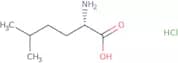
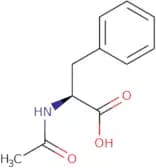
CAS:<p>L-Homoleucine hydrochloride is a fine chemical that is used as a building block in the synthesis of complex compounds and pharmaceuticals. It has been shown to be a useful reagent in organic chemistry and can be used as a speciality chemical. L-Homoleucine hydrochloride is also a versatile building block that can be used in the synthesis of several different compounds, including pharmaceuticals, agrochemicals, and research chemicals. This compound is also an intermediate for the production of other compounds with potential clinical applications. L-Homoleucine hydrochloride belongs to CAS number 1330286-49-1.</p>Fórmula:C7H15NO2·HClPureza:Min. 95%Forma y color:White PowderPeso molecular:181.66 g/molN-Acetyl-L-Phenylalanine
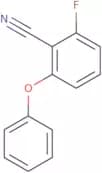
CAS:<p>N-Acetyl-L-Phenylalanine is a reactive compound that is involved in the metabolism of amino acids. It has been shown to inhibit liver cell growth and induce apoptosis. The reaction mechanism of N-acetyl-L-phenylalanine has been extensively studied, with studies showing it to react with carbonyl oxygens, hydrogen bond, and intramolecular hydrogen. N-Acetyl-L-phenylalanine has also been shown to have an optimum pH of 6.5 and its chemical formula is C10H11NO2.</p>Fórmula:C11H13NO3Pureza:Min. 95%Forma y color:PowderPeso molecular:207.23 g/mol2-Fluoro-6-phenoxybenzonitrile
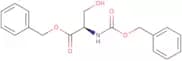
CAS:<p>2-Fluoro-6-phenoxybenzonitrile is activated by calcium oxide to form a reactive intermediate that participates in the polymerization reaction. It is also used as a building block for the synthesis of other compounds. 2-Fluoro-6-phenoxybenzonitrile can be used as a crosslinker and toughening agent in polymers, and has been shown to have nucleophilic properties. The mechanisms of its activation by calcium oxide are not yet fully understood, but it is known that this process produces reactive intermediates that are capable of forming ester bonds with other molecules.</p>Fórmula:C13H8FNOPureza:Min. 95%Forma y color:PowderPeso molecular:213.21 g/molZ-D-serine benzyl ester
CAS:<p>Please enquire for more information about Z-D-serine benzyl ester including the price, delivery time and more detailed product information at the technical inquiry form on this page</p>Fórmula:C18H19NO5Pureza:Min. 95%Peso molecular:329.35 g/mol2-Methoxyphenylacetonitrile
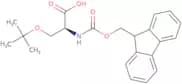
CAS:<p>2-Methoxyphenylacetonitrile is a chemical that is used in the manufacture of pharmaceuticals. It has antibacterial activity and can be used to treat typhoid fever, staphylococcal infections, and mental disorders such as schizophrenia. 2-Methoxyphenylacetonitrile is an alkylating agent that reacts with nucleophiles in proteins, DNA, and RNA. These reactions lead to the destruction of the bacterial cell wall and inhibition of protein synthesis. The mechanism by which 2-methoxyphenylacetonitrile exerts its antibacterial effect may involve formation of a reactive intermediate that inhibits bacterial ribonucleotide reductase. The addition of an electron to this intermediate leads to the formation of a covalent bond with one or more amino acids in the protein acceptor, thereby preventing further growth and division of bacteria.</p>Fórmula:C9H9NOPureza:Min. 90%Forma y color:White PowderPeso molecular:147.17 g/molFmoc-Ser(tBu)-OH
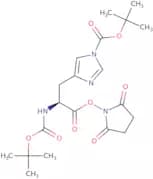
CAS:<p>Fmoc-Ser(tBu)-OH is a synthetic amino acid that is used in the synthesis of degarelix acetate, an amide ester of the vasodilator, prostaglandin F2α. Degarelix acetate binds to the fibrinogen receptor on the surface of cells and inhibits platelet aggregation. This drug has been shown to be effective in treating prostate cancer by inhibiting epidermal growth factor receptor signaling. It also has immune modulating effects by binding to monoclonal antibodies and altering antibody responses. Fmoc-Ser(tBu)-OH is synthesized from the amino acid serine and t-butyl alcohol, which are combined with trifluoroacetic acid (TFA) and hydroxyl group. The resulting product is then reacted with dansyl chloride or benzoyl chloride (BzCl), which cleaves off one carboxylic acid group from serine, forming an</p>Fórmula:C22H25NO5Pureza:Min. 98 Area-%Forma y color:White Off-White PowderPeso molecular:383.44 g/molN-α,Nim-Bis-Boc-L-histidine N-hydroxysuccinimide ester
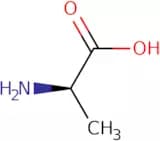
CAS:<p>N-alpha,Nim-Bis-Boc-L-histidine N-hydroxysuccinimide ester is a reagent that is used in organic chemistry for the synthesis of complex compounds. It is a versatile building block that can be used as a reaction component or intermediate in chemical reactions. This compound has been registered under CAS number 25616-02-8.</p>Fórmula:C20H28N4O8Pureza:Min. 95%Forma y color:PowderPeso molecular:452.46 g/molD-Alanine
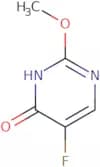
CAS:<p>D-Alanine is a small-molecule drug that inhibits the hepatitis B virus. It has been shown to decrease the levels of HBV-DNA in chronic hepatitis patients. D-Alanine may be effective for reducing hepatic steatosis and improving liver function, which may be due to its ability to reduce the expression of δ receptors. D-Alanine can inhibit viral replication by interfering with the polymerase chain reaction and inhibiting human serum albumin from binding to HBV-DNA. D-alanine also has an antioxidant effect and can scavenge anion radicals.</p>Fórmula:C3H7NO2Pureza:Min. 98 Area-%Forma y color:White PowderPeso molecular:89.09 g/mol5-Fluoro-4-hydroxy-2-methoxypyrimidine
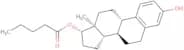
CAS:<p>5-Fluoro-4-hydroxy-2-methoxypyrimidine (5FMMP) is a chemical intermediate that is used in the synthesis of various pharmaceuticals, including antibiotics. It can be obtained by reacting phosphorus oxychloride with activated 2-methoxybenzaldehyde. This chemical intermediate is highly reactive and has been shown to be virulent against some strains of bacteria, such as E. coli and Proteus mirabilis. 5FMMP binds to the bacterial cell wall using its primary amine group, which prevents the formation of an antibiotic-inhibitor complex with the enzyme cell wall synthesis that is required for cell wall biosynthesis, inhibiting protein synthesis and cell division. The chlorinating reaction between 5FMMP and sodium hypochlorite results in hydrochloric acid generation. This chemical intermediate can also be synthesized from recycled chemicals such as ethyl chloride or chloroform.</p>Fórmula:C5H5FN2O2Pureza:Min. 95%Forma y color:PowderPeso molecular:144.1 g/molEstradiol 17-valerate
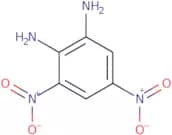
CAS:<p>Estradiol is a form of the hormone estrogen that has been modified to be more lipophilic. It is used in combination with other drugs to treat menopausal symptoms and as an adjuvant for the treatment of breast cancer in women. Estradiol 17-valerate is also used in the treatment of schizophrenia, although not as often as estradiol valerate, because it has a shorter duration of action. The mechanism of action is thought to be due to its ability to increase the concentration of dopamine at nerve terminals by blocking reuptake or inhibiting its metabolism. This may result in relief from distal tubule dysfunction and an improvement in urinary tract symptoms associated with benign prostatic hypertrophy. There are many other possible mechanisms of action including the prevention of bone loss, increased bone age, and increased NMDA receptor binding potentials.</p>Fórmula:C23H32O3Pureza:Min. 95%Forma y color:PowderPeso molecular:356.5 g/mol3,5-Dinitro-1,2-phenylenediamine
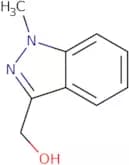
CAS:<p>3,5-Dinitro-1,2-phenylenediamine is an aromatic compound that is used as an anti-cancer drug. 3,5-Dinitro-1,2-phenylenediamine can be synthesized by the reaction of diethyl ester with nitrous acid. This product has been shown to inhibit the growth of cancer cells in culture and is cytotoxic to ovarian cancer cells. 3,5-Dinitro-1,2-phenylenediamine has also been shown to have a synergistic effect with other drugs. It inhibits the synthesis of DNA and RNA by binding to nucleic acids and blocking protein synthesis. This product is not active against bacteria or fungi but may be toxic if ingested.</p>Fórmula:C6H6N4O4Pureza:Min. 95%Forma y color:PowderPeso molecular:198.14 g/mol(1-Methyl-1H-indazol-3-yl)methanol
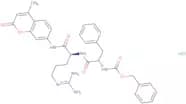
CAS:Producto controlado<p>(1-Methyl-1H-indazol-3-yl)methanol is a heterocyclic compound with a chemical formula of CHN. It is a colorless liquid that reacts violently with water or alcohols. The compound has been shown to form lithium aluminum hydride and aluminum hydride, which react vigorously with water. (1-Methyl-1H-indazol-3-yl)methanol also forms acetylated amines in the presence of thionyl chloride. This reaction is used as an example of a translation reaction in chemistry, where one molecule is converted into another through the addition of other molecules.</p>Fórmula:C9H10N2OPureza:Min. 95%Peso molecular:162.19 g/molZ-Phe-Arg-AMC·HCl
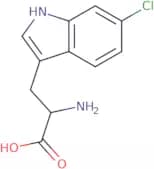
CAS:<p>Z-Phe-Arg-AMC·HCl is a fluorescent substrate for proteolytic enzymes. It has been shown to be a potent inhibitor of human immunoglobulin (Ig) secretion and protein synthesis in proximal tubules of the kidney, but this inhibition is not seen in the presence of other proteases. Z-Phe-Arg-AMC·HCl also inhibits the activity of soybean trypsin and hemolytic activity. This compound also has an optimum pH of 7.5 and is characterized by intermolecular hydrogen bonding as well as hydroxyl group interactions with enzyme active sites.</p>Fórmula:C33H36N6O6·HClPureza:Min. 95%Peso molecular:649.14 g/mol6-Chloro-D,L-tryptophan
CAS:<p>6-Chloro-D,L-tryptophan is a chemical intermediate that is used in the production of pharmaceuticals. It is a precursor to the amino acid tryptophan and has been shown to inhibit protein synthesis in human macrophages and microglia cells. In addition, this compound has been shown to inhibit the uptake of tryptophan by human macrophages and thp-1 cells. This drug also inhibits the activity of aminotransferase enzymes, which are involved in the metabolism of tryptophan. 6-Chloro-D,L-tryptophan has enantiomeric purity and is an aryl halide with chlorine as its functional group. It can form 3-hydroxyanthranilic acid when it reacts with acid or an acidifying agent. 6-Chloro-D,L-tryptophan has been shown to inhibit the herpes simplex virus (HSV</p>Fórmula:C11H11ClN2O2Pureza:Min. 95%Peso molecular:238.67 g/molFmoc-S-xanthyl-L-cysteine
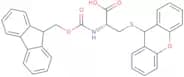
CAS:<p>Fmoc-S-xanthyl-L-cysteine is a versatile building block that can be used as a reagent, speciality chemical, or useful intermediate. It is also a high quality and useful scaffold for the synthesis of complex compounds. The compound is soluble in water, acetone, and alcohols. Fmoc-S-xanthyl-L-cysteine reacts with acids to form salts and with bases to form oxides.</p>Fórmula:C31H25NO5SPureza:Min. 95%Forma y color:PowderPeso molecular:523.6 g/molcis-4-Hydroxy-L-proline
CAS:<p>Cis-4-Hydroxy-L-proline is a bound form of proline that is formed by the condensation of two molecules of glyoxylate. It is a basic structure and an intermediate in the synthesis of collagen, which is a protein found in connective tissue. Cis-4-Hydoxy-L-proline has been shown to be an active form of proline for the treatment of primary sclerosing cholangitis, as it can decrease bile acid levels. This compound has also been used as an analytical method for determining collagen content in biological samples. The polymerase chain reaction technique uses cis-4-Hydroxy-L-proline as a matrix effect to amplify DNA sequences. Cis-4-Hydroxy-L-proline has also been shown to have optimum concentrations at 3mM and 0.5mM in model systems.br></p>Fórmula:C5H9NO3Pureza:Min. 95%Forma y color:White PowderPeso molecular:131.13 g/molFmoc-iminodiacetic acid
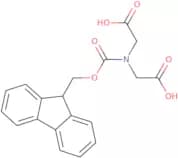
CAS:<p>Fmoc-iminodiacetic acid is a versatile building block and reagent that is used in the synthesis of complex compounds, such as peptides, proteins, and pharmaceuticals. It is also a useful intermediate in organic synthesis reactions. Fmoc-iminodiacetic acid has been shown to be effective as a reactant for the preparation of various scaffolds with high purity and quality.</p>Fórmula:C19H17NO6Pureza:Min. 95%Forma y color:PowderPeso molecular:355.34 g/molN-Methyl-L-isoleucine hydrochloride
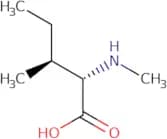
CAS:<p>N-Methyl-L-isoleucine hydrochloride is a molecule that has been found to have significant cytotoxicity against cancer cells. It has also been shown to inhibit the growth of Molt-4 and MCF-7 cells, both of which are human tumor cell lines. The molecular structure of N-Methyl-L-isoleucine hydrochloride is similar to that of L-isoleucine, but with an additional methyl group. Analysis by gas chromatography/mass spectroscopy revealed no other significant peaks in the nmr spectra. This compound may be a promising lead for developing new drugs for the treatment of cancer.</p>Fórmula:C7H15NO2·HClPureza:Min. 95%Forma y color:PowderPeso molecular:181.66 g/molL-Homopropargylglycine
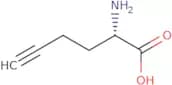
CAS:L-Homopropargylglycine is a small molecule that inhibits the activity of enzymes involved in fatty acid synthesis. It has been shown to inhibit the activity of enzymes involved in mitochondrial membrane potential and reactive oxygen species production, as well as collagen degradation. L-Homopropargylglycine is used to study the molecular mechanisms of lipid metabolism and mitochondrial function, as well as for wastewater treatment. L-Homopropargylglycine has also been studied as a potential drug for the treatment of metabolic syndrome, diabetes, and cancer.Fórmula:C6H9NO2Pureza:Min. 95%Forma y color:PowderPeso molecular:127.14 g/molFmoc-Arg(Pbf)-OH
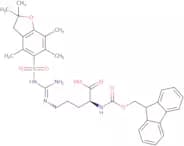
CAS:<p>The Fmoc-Arg(Pbf)-OH is a cyclic peptide that has been shown to have significant cytotoxicity against human tumor cells. It binds to integrin receptors, which are involved in transcriptional regulation and cellular proliferation. The Fmoc-Arg(Pbf)-OH has been shown to be hypoglycemic and it also possesses redox potential. The chemical biology of this compound is not yet known, but toxicity studies have shown that it is nontoxic in mice.</p>Fórmula:C34H40N4O7SPureza:Min. 98 Area-%Forma y color:White Off-White PowderPeso molecular:648.77 g/mol











![8-Methoxy-2-methyl-2,3,4,5-tetrahydro-1H-pyrido[4,3-b]indole](/_next/image/?url=https%3A%2Fstatic.cymitquimica.com%2Fproducts%2F3D%2Fthumb-webp%2FFM117858.webp&w=3840&q=75)