


Aminoácidos (AA)
Los aminoácidos (AAs) son los componentes fundamentales de las proteínas y desempeñan un papel crucial en diversos procesos biológicos. Estos compuestos orgánicos son esenciales para la síntesis de proteínas, las rutas metabólicas y la señalización celular. En esta categoría, encontrará una gama completa de aminoácidos, incluyendo formas esenciales, no esenciales y modificadas, que son vitales para la investigación en bioquímica, biología molecular y ciencias de la nutrición. En CymitQuimica, ofrecemos aminoácidos de alta calidad para apoyar sus necesidades de investigación y desarrollo, asegurando precisión y fiabilidad en sus resultados experimentales.
Subcategorías de "Aminoácidos (AA)"
- Derivados de aminoácidos(3.957 productos)
- Aminoácidos y compuestos relacionados con aminoácidos(3.472 productos)
- Aminoácidos con oxígeno o azufre(168 productos)
- Aminoácidos protegidos con Boc(351 productos)
- Aminoácidos protegidos con Fmoc(1.710 productos)
Se han encontrado 38265 productos de "Aminoácidos (AA)"
Ordenar por
Pureza (%)
0
100
|
0
|
50
|
90
|
95
|
100
4-(Butoxymethyl)-2-methoxyphenol
CAS:<p>4-(Butoxymethyl)-2-methoxyphenol is an antimicrobial agent that has been shown to be effective against Candida glabrata. It is a non-ionic surfactant with a C8 alkyl chain, which is derived from the reaction of butyl alcohol and phenol. 4-(Butoxymethyl)-2-methoxyphenol can be used in oral care products such as toothpaste or mouthwash. This product also has a control analysis for sodium citrate and root powder, which may be due to its fatty acid and magnesium salt content.</p>Fórmula:C12H18O3Pureza:Min. 95%Peso molecular:210.27 g/molN-(1,2,3,4-Tetrahydro-7-methoxy-1-oxo-2-naphthalenyl)propanamide
CAS:Producto controlado<p>Please enquire for more information about N-(1,2,3,4-Tetrahydro-7-methoxy-1-oxo-2-naphthalenyl)propanamide including the price, delivery time and more detailed product information at the technical inquiry form on this page</p>Fórmula:C14H17NO3Pureza:Min. 95%Peso molecular:247.29 g/mol1-Methyl-3-Propylbenzene
CAS:<p>1-Methyl-3-Propylbenzene is a type of aromatic hydrocarbon. It is used as a solvent, pesticide, and reagent in the chemical industry. The reaction time for this compound is about 15 minutes. 1-Methyl-3-Propylbenzene interacts with other compounds to form products that are easily identified by spectrometry, such as chromatographic science. This molecule has been shown to be an efficient method for creating phylogenetic trees based on fatty acids.</p>Fórmula:C10H14Pureza:Min. 95%Peso molecular:134.22 g/mol4-Amino-2-methylphenylboronic acid, pinacol ester
CAS:<p>Please enquire for more information about 4-Amino-2-methylphenylboronic acid, pinacol ester including the price, delivery time and more detailed product information at the technical inquiry form on this page</p>Fórmula:C13H20BNO2Pureza:Min. 95%Peso molecular:233.11 g/moltrans-Methyl crotonate
CAS:<p>Trans-methyl crotonate (trans-Methyl crotonate) is a dimethyl fumarate that is used as an analytical reagent for the determination of fatty acids. This reagent is prepared by an asymmetric synthesis and has been shown to be a potential candidate for the treatment of infectious diseases because it inhibits cell growth in the presence of oxygen. The reaction mechanism is not yet fully understood, but it has been found to inhibit glycol ethers and esters, which may play a role in its anti-inflammatory activities. Trans-methyl crotonate has also been shown to have kinetic properties that are dependent on its structure.</p>Fórmula:C5H8O2Pureza:Min. 95%Peso molecular:100.12 g/molZ-NH-PEG8-CH2CH2COOH
<p>Z-NH-PEG8-CH2CH2COOH is a PEG compound with two different functional groups (also known as heterobifunctional). Unlike homobifunctional PEG compounds (same functional group on both ends), this type of compounds are more versatile as have two different anchor points. Z-NH-PEG8-CH2CH2COOH is used as a linker and spacer to add a PEG moiety, via pegylation (a bioconjugation technique) to proteins, peptides, oligonucleotides, small molecules and nanoparticles.</p>Fórmula:C27H45NO12Pureza:Min. 95%Peso molecular:575.65 g/molL-Alaninol-2-chlorotrityl resin
<p>Please enquire for more information about L-Alaninol-2-chlorotrityl resin including the price, delivery time and more detailed product information at the technical inquiry form on this page</p>Pureza:Min. 95%2-Oxo-3-hydroxy-N-methyl-N-propyl D-lysergamide
CAS:Producto controlado<p>2-Oxo-3-hydroxy-N-methyl-N-propyl D-lysergamide (2OMD) is a metabolite of the drug lysergic acid diethylamide (LSD). It can be detected in urine, blood, and saliva. The detection time in urine is approximately 3 hours after ingestion. 2OMD can be found by chromatography techniques, such as thin layer chromatography or high performance liquid chromatography. It can also be detected using mass spectrometric techniques, such as gas chromatography/mass spectrometry or liquid chromatography/mass spectrometry. 2OMD can also be detected in urine samples by calibrations with standards of known concentration and by the use of analytical methods such as gas chromatography/mass spectroscopy.</p>Fórmula:C20H25N3O3Pureza:Min. 95%Peso molecular:355.43 g/molMethyl 3-(1-methyl-1H-benzimidazol-2-yl)propanoate
CAS:Producto controlado<p>Please enquire for more information about Methyl 3-(1-methyl-1H-benzimidazol-2-yl)propanoate including the price, delivery time and more detailed product information at the technical inquiry form on this page</p>Fórmula:C12H14N2O2Pureza:Min. 95%Peso molecular:218.25 g/molN10-Methyl pteroic acid
CAS:<p>N10-Methyl pteroic acid is a novel immunosuppressant that inhibits T-cell proliferation and promotes regression of inflammatory bowel disease. It has been shown to be effective in treating cancer patients, with the terminal half-life being approximately 20 hours. N10-Methyl pteroic acid is a potent inhibitor of human acute lymphoblastic leukemia cells. It can also be used as an immunosuppressant for organ transplantation, with desorption from gels using matrix-assisted laser desorption/ionization time-of-flight mass spectrometry (MALDI TOF MS) and bioanalytical methods such as high performance liquid chromatography (HPLC).</p>Fórmula:C15H14N6O3Pureza:Min. 95%Peso molecular:326.31 g/mol12-Methyltridecanal
CAS:<p>12-Methyltridecanal is a lipid oxidation product that is found in animal tissues. It is produced by the oxidation of unsaturated fatty acids, such as linoleic acid, by reactive oxygen species (ROS). Lipid peroxidation can be induced by ROS generated from mitochondria, xanthine oxidase, or the activation of phospholipase A2. 12-Methyltridecanal is used to measure oxidative stress in animals and has been shown to be an important marker for leukemia cells. This compound has also been shown to be expressed in human leukemia cells.</p>Fórmula:C14H28OPureza:Min. 95%Peso molecular:212.37 g/molN-Succinimdyl-N-methylcarbamate
CAS:<p>N-Succinimdyl-N-methylcarbamate is a reactive, antimicrobial agent that inhibits the activity of an enzyme in the cycle of cellular respiration. It binds to the active site of the enzyme, preventing it from functioning. N-Succinimdyl-N-methylcarbamate has been shown to inhibit hepatitis by inducing apoptosis. The drug has a phase transition temperature of approximately -6°C and is stable at higher temperatures. N-Succinimdyl-N-methylcarbamate has been shown to have an inhibitory effect on cyclic peptides, including those found in bacteria such as Helicobacter pylori and Chlamydia trachomatis.</p>Fórmula:C6H8N2O4Pureza:Min. 95%Peso molecular:172.14 g/molFmoc-Thr-OPAC
CAS:<p>Fmoc-Thr-OPAC is a solid-phase peptide synthesis reagent. It is used to synthesize α-amino acid peptides. Fmoc-Thr-OPAC has been used in the preparation of various peptides, including polypeptide hormones such as insulin and vasopressin. The compound has also been used in the crystalline form for the synthesis of α-amino acid derivatives.</p>Fórmula:C27H25NO6Pureza:Min. 95%Peso molecular:459.49 g/molp-Phenetidine
CAS:<p>p-Phenetidine is an organic compound that reacts with nucleophiles to produce a variety of products. It is a reactive molecule that can be used in the preparation of samples for analysis by hydroxyl group detection, such as infectious diseases and glucuronide conjugate. p-Phenetidine has been shown to react with human serum and wastewater treatment, leading to the formation of surface bound form. This form can be detected using electrochemical impedance spectroscopy (EIS) and surface methodology.</p>Fórmula:C8H11NOPureza:Min. 95%Peso molecular:137.18 g/mol1,4-Phenylenebis[tributylstannane]
CAS:Producto controlado<p>The tributylstannane group is a hypervalent group that contains three bonds and two lone pairs. 1,4-Phenylenebis[tributylstannane] belongs to the class of inorganic compounds that are semiconducting. It has been synthesized by cross-coupling with hydroxyl groups and trifluoromethanesulfonic acid. The synthesis of this compound is rather challenging due to its high reactivity, but it has been studied extensively for its potential use in organic electronics.</p>Fórmula:C30H58Sn2Pureza:Min. 95%Peso molecular:656.2 g/mol1-Triphenylmethyl-4-methylimidazole
CAS:Producto controlado<p>1-Triphenylmethyl-4-methylimidazole (1MPIm) is a biaryl compound that can be used in the synthesis of organic compounds. 1MPIm reacts with aryl chlorides and catalysts to form biaryl compounds. This reaction is known as the Suzuki coupling, which is catalyzed by palladium or nickel. The use of 1MPIm is advantageous because it leads to high yields with good steric properties and few side reactions. It has been shown to be effective for the synthesis of many different types of compounds, including those containing an arylboronic acid group.</p>Fórmula:C23H20N2Pureza:Min. 95%Peso molecular:324.42 g/mol1-(4-Methoxyphenyl)-3-phenyl-1H-pyrazole-5-carboxylic acid
CAS:Producto controlado<p>Please enquire for more information about 1-(4-Methoxyphenyl)-3-phenyl-1H-pyrazole-5-carboxylic acid including the price, delivery time and more detailed product information at the technical inquiry form on this page</p>Fórmula:C17H14N2O3Pureza:Min. 95%Forma y color:PowderPeso molecular:294.3 g/molZ-NH-PEG3-CH2COOH
CAS:<p>Z-NH-PEG3-CH2COOH is a PEG compound with two different functional groups (also known as heterobifunctional). Unlike homobifunctional PEG compounds (same functional group on both ends), this type of compounds are more versatile as have two different anchor points. Z-NH-PEG3-CH2COOH is used as a linker and spacer to add a PEG moiety, via pegylation (a bioconjugation technique) to proteins, peptides, oligonucleotides, small molecules and nanoparticles.</p>Fórmula:C16H23NO7Pureza:Min. 95%Peso molecular:341.36 g/molL-Serine amide hydrochloride
CAS:<p>L-Serine amide hydrochloride is a synthetic, anti-HIV drug that is used as an antiviral agent. It inhibits the viral life cycle by inhibiting the activity of acyclic nucleoside phosphonates, which are vital to viral DNA synthesis. L-Serine amide hydrochloride binds to the cyclopentane ring of guanosine and prevents its interaction with the enzyme ribonucleotide reductase. This binding prevents the conversion of guanosine into GTP, thereby preventing HIV from using this molecule in their life cycle. L-Serine amide hydrochloride is not active against cellular proteins or prostaglandins.</p>Fórmula:C3H8N2O2·HClPureza:Min. 95%Peso molecular:140.57 g/mol3-Phenylquinazoline-2,4(1H,3H)-dione
CAS:Producto controlado<p>3-Phenylquinazoline-2,4(1H,3H)-dione is an efficient synthesis of hydrazine. It can be used in the synthesis of other molecules.</p>Fórmula:C14H10N2O2Pureza:Min. 95%Peso molecular:238.24 g/mol1H-Indene-1-methanamine, 2,3-dihydro-
CAS:Indene-1-methanamine is a drug that has been used for the treatment of neurologic disorders and is an ester of aliphatic hydrocarbons. It has been shown to have antidepressant effects in animal models, which may be due to its ability to bind to 5-HT1A receptors. Indene-1-methanamine also has antimicrobial properties and can be used for treating bladder infections as well as cancer. This drug binds to the quinolizine site on bacterial DNA gyrase, which inhibits DNA synthesis and leads to cell death.Fórmula:C10H13N·HClPureza:90%MinPeso molecular:183.68 g/mol6-Amino-1-methyl-5-nitrosouracil
CAS:<p>6-Amino-1-methyl-5-nitrosouracil is a neutral form of the molecule that has both protonated and unprotonated forms. It is a bidentate ligand that can bind to a metal ion. The nitrogen atom in the molecule is an important part of its structure, as it contains two nitro groups and one amino group. 6-Amino-1-methyl-5-nitrosouracil has been used in techniques such as spectroscopies and dinitroso analysis. The neutral form of the molecule can be converted into its ionic form by adding either chlorine or nitrate ions to it, which causes the nitrogen atoms to be more electronegative. This conversion changes the nature of the compound, making it more acidic. Dehydration also occurs when water molecules are removed from 6-amino 1 methyl 5 nitrosourea, which causes a change in shape and shifts its properties to</p>Fórmula:C5H6N4O3Pureza:Min. 95%Peso molecular:170.13 g/molN3-Trp-OH·CHA
CAS:<p>Azido-L-tyrosine CHA salt is a useful azide functionalised amino acid. Provides a handle for click chemistry.</p>Fórmula:C11H10N4O2•C6H13NPureza:Min. 95%Forma y color:PowderPeso molecular:329.4 g/mol1-Allyl-3,7-dimethyl-8-phenylxanthine
CAS:Producto controlado<p>Please enquire for more information about 1-Allyl-3,7-dimethyl-8-phenylxanthine including the price, delivery time and more detailed product information at the technical inquiry form on this page</p>Fórmula:C16H16N4O2Pureza:Min. 95%Peso molecular:296.32 g/molBoc-His(Z)-OH
CAS:<p>Boc-His(Z)-OH is a synthetic product that can be used in the synthesis of polypeptides. Boc-His(Z)-OH is synthesized by solid-phase synthesis on an automated peptide synthesizer. The product is characterized by high-performance liquid chromatography and mass spectrometry techniques. The product has been shown to bind to follitropin, but not to its receptor, and it interacts with the follicle stimulating hormone receptor in mice.</p>Fórmula:C19H23N3O6Pureza:Min. 95%Peso molecular:389.4 g/mol(R)-2-((tert-Butoxycarbonyl)amino)-3-methoxypropanoic acid
CAS:<p>(R)-2-((tert-Butoxycarbonyl)amino)-3-methoxypropanoic acid (BAAM) is a potent, orally bioavailable, and pharmacokinetically well-characterized inhibitor of blood coagulation that has been shown to be effective in animal models. BAAM inhibits the activity of tissue factor (TF), an enzyme that initiates the blood coagulation cascade. TF is important for hemostasis because it is activated by contact with blood and tissue factors such as collagen or thrombin. BAAM has shown some promise as a potential treatment for thrombosis, which can lead to heart attacks and strokes.</p>Fórmula:C9H17NO5Pureza:Min. 95%Peso molecular:219.24 g/molN-Methylaniline
CAS:<p>N-Methylaniline is a chemical compound that is used in the treatment of wastewater. It can be synthesized by reacting acetaldehyde with ammonia and ethyl chloride. The adsorption of N-methylaniline onto a Langmuir monolayer was studied using electrochemical impedance spectroscopy (EIS). The kinetic energy of N-methylaniline molecules was found to be lower than water vapor molecules, which may explain its high detection sensitivity.</p>Fórmula:C7H9NPureza:Min. 95%Peso molecular:107.15 g/molPhenylacetic acid 2-phenylethyl ester
CAS:Producto controlado<p>Phenylacetic acid 2-phenylethyl ester is an ester of caproic acid and phenylethyl. It is used as a control agent in the manufacture of chemical substances, detergent compositions, and lemongrass oil. Phenylacetic acid 2-phenylethyl ester can be synthesized by reacting methyl anthranilate with benzoic acid in the presence of phosphotungstic acid. The required starting materials are available from commercial sources. The product has a structural formula that can be confirmed by nmr spectroscopy.</p>Fórmula:C16H16O2Pureza:Min. 95%Forma y color:Clear LiquidPeso molecular:240.3 g/mol1-Boc-4-aminopiperidine-4-carboxylic acid
CAS:<p>Please enquire for more information about 1-Boc-4-aminopiperidine-4-carboxylic acid including the price, delivery time and more detailed product information at the technical inquiry form on this page</p>Fórmula:C11H20N2O4Pureza:Min. 95%Forma y color:White To Beige SolidPeso molecular:244.29 g/mol1-[4-(4-Methylpiperidin-1-yl)phenyl]methanamine
CAS:<p>Please enquire for more information about 1-[4-(4-Methylpiperidin-1-yl)phenyl]methanamine including the price, delivery time and more detailed product information at the technical inquiry form on this page</p>Fórmula:C13H20N2Pureza:Min. 95%Peso molecular:204.31 g/molFmoc-O-trityl-L-serine
CAS:<p>Fmoc-O-trityl-L-serine is a synthetic molecule that is not naturally occurring. It has been shown to have inhibitory effects on the growth of cancer cells in vitro and in vivo, but does not affect healthy cells. Fmoc-O-trityl-L-serine binds to the membrane of cancer cells and inhibits protein synthesis by binding to ribosomes. This drug also inhibits cell growth by interfering with the membrane interactions necessary for cellular metabolism. Fmoc-O-trityl-L-serine is toxic to red blood cells, which may be due to its ability to induce hemolysis.</p>Fórmula:C37H31NO5Pureza:Min. 95%Peso molecular:569.65 g/mol(S)-1,2,3,4,5,6,7,8-Octahydro-1-[(4-methoxyphenyl)methyl]isoquinoline (acetate salt )
CAS:<p>(S)-1,2,3,4,5,6,7,8-Octahydro-1-[(4-methoxyphenyl)methyl]isoquinoline (acetate salt ) is a diphosphine that can be used as a catalyst to produce formic acid from methanol and carbon monoxide. This product is an enantiomer of picric acid and has been shown to be an effective additive in the crystallization of picric acid. The acetate salt is also optically pure.</p>Pureza:Min. 95%b-Glycerophosphoric acid disodium salt tetrahydrate
CAS:<p>Glycerolipid metabolism component</p>Fórmula:C3H7O6P·2Na·4H2OPureza:Min. 95%Peso molecular:288.1 g/molBz-Gly-Gly-OH
CAS:<p>Bz-Gly-Gly-OH is a peptide that is used in biochemical analyses. It has been shown to bind to amides, fatty acids, and collagen. Bz-Gly-Gly-OH also has the ability to activate human serum and fibroblast proliferation. This peptide can be synthesized by chemical ligation of hippuric acid, malic acid, and carbapenem.</p>Fórmula:C11H12N2O4Pureza:Min. 95%Peso molecular:236.22 g/molMethyl 4-methoxybutanoate
CAS:Producto controlado<p>Methyl 4-methoxybutanoate is a polymorphic amine that has been shown to react with sodium salts, such as sodium methoxide, to form a new class of compounds known as oxetanes. The reaction rate is enhanced by the presence of gamma-valerolactone and the oxetane itself. It has been shown that Methyl 4-methoxybutanoate reacts with organometallic reagents to form enantiopure compounds. The kinetic profile of this compound is not yet well understood.</p>Fórmula:C6H12O3Pureza:Min. 95%Peso molecular:132.16 g/molBoc-(3S)-1,2,3,4-tetrahydroisoquinoline-7-hydroxy-3-carboxylic acid
CAS:<p>Boc-(3S)-1,2,3,4-tetrahydroisoquinoline-7-hydroxy-3-carboxylic acid is a synthetic opioid that is chemically related to morphine. It binds to the δ opioid receptor and has a clinical development in the treatment of pain. The drug has been shown to inhibit the binding of gtpγs, which leads to the suppression of neuronal activity. Boc-(3S)-1,2,3,4-tetrahydroisoquinoline-7-hydroxy-3-carboxylic acid also has low molecular weight and low toxicity.</p>Fórmula:C15H19NO5Pureza:Min. 95%Forma y color:PowderPeso molecular:293.32 g/mol6-Methylnicotinic acid
CAS:<p>6-Methylnicotinic acid is the major metabolite of nicotine, which is a natural alkaloid. The formation of 6-methylnicotinic acid from nicotine in the body is induced by carbon sources such as glucose and sucrose. This compound has been shown to inhibit herpes simplex virus type 1 replication in tissue culture and animal experiments. 6-Methylnicotinic acid also has an effect on the reaction rate of 2-chloro-6-methylnicotinic acid with hydrogen gas, forming methyl nicotinate, which is an organic acid found in tobacco leaves. 6-Methylnicotinic acid is hydrophilic and can be separated from other compounds using hydrophilic interaction chromatography (HIC).</p>Fórmula:C7H7NO2Pureza:Min. 95%Forma y color:PowderPeso molecular:137.14 g/mol4-Bromo-2-methylbenzoic acid
CAS:<p>4-Bromo-2-methylbenzoic acid is a nucleophilic compound that can be used for the synthesis of esters, amides and peptides. It is also an intermediate in the synthesis of 4-bromo-2-methylbenzoic acid methyl ester, which can be used as a cardiac marker. The hydroxylamine group on this molecule reacts with electrophiles such as benzoate to form bromoacetic acid derivatives. This reaction is catalyzed by palladium and other metals. The multidimensional nature of this reaction means it can be used for cross-coupling reactions.</p>Fórmula:C8H7BrO2Pureza:Min. 95%Peso molecular:215.04 g/mol1,2-Dilinoleoyl-3-palmitoyl-rac-glycerol
CAS:<p>1,2-Dilinoleoyl-3-palmitoyl-rac-glycerol (DLPG) is a lipid molecule that is structurally similar to the sphingolipid ceramide. It has been shown to be an inhibitor of cellular uptake and growth rate and also has long-term toxicity effects. DLPG has been shown to inhibit the signal transduction pathway by binding to microprocessors in the cell membrane and changing their frequency. DLPG also has a profile that can be used as an analog for dextran sulfate, which is a chemical compound that inhibits the uptake of glucose in mammalian cells. The uptake of DLPG can be decoupled from its signaling activity by using constant magnetic fields, which can be generated with superparamagnetic iron oxides or iron particles.</p>Fórmula:C55H98O6Pureza:Min. 95%Peso molecular:855.36 g/mol4-Methoxyphenylacetylene
CAS:<p>4-Methoxyphenylacetylene is a phosphane that has been extensively studied for its reactivity in cross-coupling reactions with electron-deficient olefins. 4-Methoxyphenylacetylene has been shown to react with chlorides and form an intermediate chloride, which reacts with an olefin to form an ether. X-ray crystal structures of the reaction mechanism have been determined. The transfer mechanism involves nucleophilic attack of chloride on the phosphorus atom followed by elimination of hydrogen chloride from the phosphorus. The reaction product is an ether.</p>Fórmula:C9H8OPureza:Min. 95%Forma y color:White Clear LiquidPeso molecular:132.16 g/molN-Methyl-O-methyl-L-tyrosine hydrochloride
CAS:<p>N-Methyl-O-methyl-L-tyrosine hydrochloride (NMT) is an organic compound that is synthesized from D-alanine. It has been shown to inhibit the production of didemnin, a protein that regulates the cell cycle, in mcf-7 cells. NMT has also been shown to stop the growth of human breast cancer cells and increase the lifespan of mice with cancerous tumors. NMT is a macrocyclic molecule, which means it has a ring structure made up of at least six atoms. The conformation of this molecule may be cyclic or linear.</p>Fórmula:C11H15NO3·HClPureza:Min. 95%Peso molecular:245.7 g/molN6-(1-Iminoethyl)-L-lysine hydrochloride
CAS:<p>N6-(1-Iminoethyl)-L-lysine hydrochloride is an experimental drug that inhibits bacterial translocation, a process which occurs when bacteria from the gastrointestinal tract invade organs and tissues in the body that are not protected by a mucous barrier. It has been shown to be effective in reducing chronic pulmonary inflammation and fibrosis, as well as inhibiting emphysema-like lesions, in mice. N6-(1-Iminoethyl)-L-lysine hydrochloride also has anti-inflammatory effects on the skin and reduces the production of proinflammatory cytokines such as PGE2.</p>Fórmula:C8H18ClN3O2Pureza:Min. 95%Peso molecular:223.7 g/molEthyl 7-Methoxy-1H-Indazole-3-Carboxylate
CAS:Producto controlado<p>Please enquire for more information about Ethyl 7-Methoxy-1H-Indazole-3-Carboxylate including the price, delivery time and more detailed product information at the technical inquiry form on this page</p>Fórmula:C11H12N2O3Pureza:Min. 95%Peso molecular:220.22 g/mol3-[4-(2-Chlorophenyl)-9-methyl-6H-thieno[3,2-f][1,2,4]triazolo[4,3-a][1,4]diazepin-2-yl]-2-propyn-1-ol
CAS:Producto controlado<p>Please enquire for more information about 3-[4-(2-Chlorophenyl)-9-methyl-6H-thieno[3,2-f][1,2,4]triazolo[4,3-a][1,4]diazepin-2-yl]-2-propyn-1-ol including the price, delivery time and more detailed product information at the technical inquiry form on this page</p>Fórmula:C18H13ClN4OSPureza:Min. 95%Peso molecular:368.84 g/molBoc-Dap (Z)-OH
CAS:<p>Boc-Dap (Z)-OH is a tert-butyl ester of dipeptide that has been synthesized as a mimetic of the natural amino acid L-dap, which is an important component of the precursor molecule for the synthesis of polyamides. The Boc-Dap (Z)-OH is synthesized by reacting dodecane with a mixture of t-Boc protected α,α'-diaminoethane and t-Boc protected N,N'-diisopropylcarbodiimide hydrochloride. This reaction produces Boc-Dap (Z)-OH in high yield with an excellent purity.</p>Fórmula:C16H22N2O6Pureza:Min. 95%Peso molecular:338.36 g/molBoc-L-aspartic acid a-9-fluorenylmethyl ester
CAS:<p>Boc-L-aspartic acid a-9-fluorenylmethyl ester is a synthetic compound that mimics the structure of acetylcholine. It has been shown to be an efficient method for generating pseudopeptides and cyclic peptides. This compound may be used as a surrogate for acetylcholine in virus research, since it can bind to the same receptor. Boc-L-aspartic acid a-9-fluorenylmethyl ester has also been used to generate monoclonal antibodies that are neutralizing against foot-and-mouth disease viruses.</p>Fórmula:C23H25NO6Pureza:Min. 97 Area-%Peso molecular:411.45 g/mol(16a)-21-(Acetyloxy)-16-methyl-pregna-1,4,9(11)-triene-3,20-dione
CAS:Producto controlado<p>Please enquire for more information about (16a)-21-(Acetyloxy)-16-methyl-pregna-1,4,9(11)-triene-3,20-dione including the price, delivery time and more detailed product information at the technical inquiry form on this page</p>Fórmula:C24H30O4Pureza:Min. 95%Peso molecular:382.49 g/molN-Fmoc-N'-trityl-D-glutamine
CAS:<p>N-Fmoc-N'-trityl-D-glutamine is a synthetic molecule that has been shown to have antibacterial activity. It inhibits the influenza virus by binding to the hemagglutinin protein and blocking the ability of the virus to infect cells. This compound also inhibits bacterial growth by binding to the cell wall, preventing cell division. N-Fmoc-N'-trityl-D-glutamine is stable at room temperature and can be stored for up to three years if stored in a dry environment.</p>Fórmula:C39H34N2O5Pureza:Min. 95%Forma y color:PowderPeso molecular:610.7 g/mol1-Benzyl-4-methylpiperidin-3-one
CAS:<p>Please enquire for more information about 1-Benzyl-4-methylpiperidin-3-one including the price, delivery time and more detailed product information at the technical inquiry form on this page</p>Fórmula:C13H17NOPureza:Min. 95%Peso molecular:203.28 g/molAcetyl-L-phenylalanine ethyl ester
CAS:<p>Acetyl-L-phenylalanine ethyl ester is a substrate analogue that competes with the natural substrate, L-phenylalanine, for binding sites on the enzyme. The acetyl group of acetyl-L-phenylalanine ethyl ester reacts with the amino acid residues of L-phenylalanine to form covalent linkages. This prevents the enzyme from catalyzing reactions involving L-phenylalanine and other substrates. Acetyl-L-phenylalanine ethyl ester binds to cytochalasin B and inhibits its ability to bind to actin filaments, thus inhibiting cell growth. The high salt concentration in this experiment allows for separation of the protein from other cellular components by sephadex g-100 chromatography. Kinetic studies have been done on human serum albumin, which is a protein that can bind acetyl-L-phenylalanine ethl ester with a</p>Fórmula:C13H17NO3Pureza:Min. 95%Peso molecular:235.28 g/mol1,2,3,4-Tetrahydro-4,8-dihydroxy-2-methyl-isoquinoline
CAS:<p>1,2,3,4-Tetrahydro-4,8-dihydroxy-2-methyl-isoquinoline is a chemical compound that has been used as an intermediate in the synthesis of pharmaceuticals. It is also a useful building block for the production of other chemicals. This compound is soluble in water. 1,2,3,4-Tetrahydro-4,8-dihydroxy-2-methyl-isoquinoline has shown to be a versatile and high quality reagent with many research applications.</p>Fórmula:C10H13NO2Pureza:Min. 95%Forma y color:Yellow PowderPeso molecular:179.22 g/molN-(3-Bromo-4-hydroxyphenethyl)-N-(2-bromo-5-hydroxy-4-methoxybenzyl)formamide
CAS:Producto controlado<p>Please enquire for more information about N-(3-Bromo-4-hydroxyphenethyl)-N-(2-bromo-5-hydroxy-4-methoxybenzyl)formamide including the price, delivery time and more detailed product information at the technical inquiry form on this page</p>Fórmula:C17H17Br2NO4Pureza:Min. 95%Peso molecular:459.13 g/molL-Valine ethyl ester HCl
CAS:<p>L-Valine ethyl ester HCl is a synthetic cannabinoid that has been shown to bind to the CB2 receptor and inhibit microbial infection. It also blocks the enzyme amine oxidase and nitrite ion, which may have implications for treating metabolic disorders. L-Valine ethyl ester HCl is synthesized by reacting L-valine with ethylene diamine, followed by hydrochloride formation. The compound has been shown to exhibit higher activity than other amino acid esters of hydrochloride (e.g., L-leucine, L-isoleucine).</p>Fórmula:C7H15NO2·HClPureza:Min. 95%Forma y color:PowderPeso molecular:181.66 g/mol2-Methyl-3-(4-methyl-1H-pyrazol-1-yl)propanoic acid
CAS:Producto controlado<p>Please enquire for more information about 2-Methyl-3-(4-methyl-1H-pyrazol-1-yl)propanoic acid including the price, delivery time and more detailed product information at the technical inquiry form on this page</p>Fórmula:C8H12N2O2Pureza:Min. 95%Peso molecular:168.19 g/mol2-Methylfuran
CAS:<p>2-Methylfuran is a compound that has been used as a catalyst in the synthesis of 2-methylpentane. The presence of nitrogen atoms in the molecule gives it some synergic effect with other catalysts, such as palladium and nickel. 2-Methylfuran can be detected at sensitivities of 10 parts per billion. A kinetic energy of ˜400 kJ/mole and a hydroxyl group give this compound the ability to react with laminar tissue culture cells. 2-Methylfuran is also a solid catalyst for methyl ethyl ketones, which are used in the production of solvents, plastics, and pharmaceuticals. Its transport properties are similar to those of isooctane, making it useful for studies on gas chromatography analysis.</p>Fórmula:C5H6OPureza:Min. 95%Forma y color:Clear LiquidPeso molecular:82.1 g/molMethyl (2S)-2-methylpyrrolidine-2-carboxylate hydrochloride
CAS:<p>Please enquire for more information about Methyl (2S)-2-methylpyrrolidine-2-carboxylate hydrochloride including the price, delivery time and more detailed product information at the technical inquiry form on this page</p>Fórmula:C7H13NO2•HClPureza:Min. 95%Peso molecular:179.64 g/mol1-Cyclopropyl-7-(2,8-diazabicyclo[4.3.0]non-8-yl)-6-fluoro-8-methoxy-4-oxoquinoline-3-carboxylic acid
CAS:<p>This is a broad-spectrum antibacterial agent that inhibits bacterial DNA gyrase. It is active against atypical bacterial species, such as Chlamydia and Mycoplasma, and has been shown to be effective against certain strains of the methicillin-resistant Staphylococcus aureus (MRSA) bacteria. This drug also inhibits the growth of other bacteria by binding to their DNA. The drug is used in combination with other antibiotics to treat infections caused by Clostridium difficile, Helicobacter pylori, Borrelia burgdorferi, and Salmonella enterica. However, this drug does not work against Pseudomonas aeruginosa or Enterobacteriaceae infections.</p>Fórmula:C21H24FN3O4Pureza:Min. 95%Forma y color:PowderPeso molecular:401.43 g/molProinsulin C-Peptide (55-89) (human)
CAS:<p>Proinsulin C-Peptide is a subunit of insulin. It is produced by proteolytic cleavage of proinsulin and has been used as a diagnostic agent for pancreatic beta cell function. Proinsulin C-Peptide encompasses the amino acids from 55 to 89 in the sequence of insulin. It can be used as a diagnostic agent for type 1 diabetes mellitus, which is characterized by an autoimmune destruction of beta cells, and other diseases such as multiple myeloma and non-Hodgkin's lymphoma that are associated with decreased levels of proinsulin C-Peptide.</p>Fórmula:C153H259N49O52Pureza:Min. 95%Peso molecular:3,616.99 g/molD-Selenocystine
CAS:<p>Selenocystine is a non-protein amino acid that belongs to the group of selenoamino acids. Selenocystine is found in plants and microorganisms, where it plays a role in bacterial metabolism. Selenocystine can be synthesized by bacteria from D-glutamate, cysteine, and hydrogen sulfide. It has been shown to have synergistic effects with other compounds such as carbon sources, hydroxyl ions, and subunits. Selenocystine has been shown to inhibit the growth of certain strains of bacteria that are resistant to antibiotics such as penicillin or erythromycin. These effects are mediated through the mitochondrial membrane potential and may also be due to its ability to inhibit microbial respiration.</p>Fórmula:C6H12N2O4Se2Pureza:Min. 95%Forma y color:PowderPeso molecular:334.09 g/mol8-Chloro-1-methyl-2,3,4,5-tetrahydro-1H-benzo[d]azepine
CAS:Producto controlado<p>8-Chloro-1-methyl-2,3,4,5-tetrahydro-1H-benzo[d]azepine is an antipsychotic drug that is a member of the class of drugs known as serotonin receptor antagonists. It is a synthetic process that has been used to produce antidepressant and antipsychotic drugs. This drug was first synthesized in 1966 by chemists at Smith Kline & French Laboratories as part of a program to develop novel antidepressants. 8-Chloro-1-methyl-2,3,4,5-tetrahydro-1H-benzo[d]azepine is one of the few antipsychotics that does not cause extrapyramidal side effects such as tardive dyskinesia. The enantiomers are active with the (S) form being more potent than the (R) form.</p>Fórmula:C11H14ClNPureza:Min. 95%Peso molecular:195.69 g/molN-Methyl-L-valine hydrochloride
CAS:<p>N-Methyl-L-valine hydrochloride is a synthetic molecule that binds to the CB2 receptor. It has been shown to have anti-inflammatory effects in mice by reducing the production of inflammatory mediators such as prostaglandins and cytokines. N-Methyl-L-valine hydrochloride has also been shown to reduce inflammation in several mouse models of autoimmune diseases, such as type 1 diabetes, multiple sclerosis, and rheumatoid arthritis. This drug was found to be effective in animal models for these diseases by inhibiting inflammatory mediator release from immune cells.</p>Fórmula:C6H13NO2·HClPureza:Min. 95%Forma y color:PowderPeso molecular:167.63 g/mol1-(Boc-amino)-4,9-dioxa-12-dodecanamine
CAS:Producto controlado<p>Please enquire for more information about 1-(Boc-amino)-4,9-dioxa-12-dodecanamine including the price, delivery time and more detailed product information at the technical inquiry form on this page</p>Fórmula:C15H32N2O4Pureza:Min. 95%Peso molecular:304.43 g/mol4'-[[1,4'-Dimethyl-2'-propyl(2,6'-bi-1H-benzimidazol)-1'-yl]-methyl]-1,1'-biphenyl-2-carboxylicacid 1,1-dimethylethylester
CAS:<p>4'-[[1,4'-Dimethyl-2'-propyl(2,6'-bi-1H-benzimidazol)-1'-yl]-methyl]-1,1'-biphenyl-2-carboxylic acid 1,1-dimethylethyl ester (DMBPC) is a drug substance that is used in the manufacture of solid oral dosage forms. It has been shown to be present at low levels as an impurity in other drug substances. The presence of this impurity has been shown to cause problems with the chromatographic and hplc methods used for its quantification. The following are some important aspects of DMBPC: A. Impurities: The purity of DMBPC is 98%. The impurity profile includes 6% 2-propylbenzimidazole (2PB), 3% 4'-[[2-(6' -methoxycarbony</p>Fórmula:C37H38N4O2Pureza:Min. 95%Peso molecular:570.72 g/mol2-Methylvaleraldehyde
CAS:<p>2-Methylvaleraldehyde is a colorless liquid with a pleasant odor. It is soluble in water and has an acidity of about 8.2%. The chemical formula for 2-methylvaleraldehyde is C6H12O2, and it has a molecular weight of 108.18 g/mol. 2-Methylvaleraldehyde can be obtained by the oxidation of cinnamic acid or by reduction of acetone with sodium borohydride or lithium aluminum hydride. 2-Methylvaleraldehyde can react with sodium carbonate or calcium carbonate to form sodium methoxyethoxide or calcium methoxyethoxide, respectively. The reaction intermediates are methyl ethyl ketone (MEK) and dimethyl ether (DME). These compounds are used in the synthesis of various other chemicals, including pentane, butadiene, and chloroprene. Pentane is a colorless liquid that has an odor threshold at 1</p>Fórmula:C6H12OPureza:Min. 95%Peso molecular:100.16 g/molDL-6-Hydroxy norleucine
CAS:<p>DL-6-Hydroxy norleucine is a non-essential amino acid that is synthesized by the hydroxylation of leucine. It has been found to be an inhibitor of inflammation, as it can inhibit the production of inflammatory cytokines and prostaglandins. DL-6-Hydroxy norleucine can also activate collagenase, which breaks down connective tissue, and inhibit the formation of lipoprotein particles. This amino acid may be used in the treatment of cancer due to its ability to inhibit cell growth. DL-6-Hydroxy norleucine is toxic when taken orally because it inhibits cytochrome P450 in the liver and increases serum levels of uric acid.</p>Fórmula:C6H13NO3Pureza:Min. 95%Peso molecular:147.17 g/mol4-Iodo-2-methoxypyridine-3-carboxaldehyde
CAS:<p>4-Iodo-2-methoxypyridine-3-carboxaldehyde is a disubstituted compound that has insulin-like properties. It inhibits the activity of the insulin receptor, which may contribute to its insulin-like growth factor effects. This inhibitor also targets the protein kinase, which is responsible for the response of cells to insulin. 4-Iodo-2-methoxypyridine 3 carboxaldehyde has been shown to inhibit IGF1R and malonate ion, and it may have potential as an oral treatment for diabetes.</p>Fórmula:C7H6INO2Pureza:Min. 95%Peso molecular:263.03 g/molEthyl 3-oxo-2-(2-phenylethyl)butanoate
CAS:<p>Ethyl 3-oxo-2-(2-phenylethyl)butanoate is a clear liquid that has been shown to be a photophysical and photochemical product of naphthalene, uv absorption, and photophysical properties. It has been shown to undergo cyclic equilibration in fluid solutions and possess two chromophores with different emission wavelengths. Multiexponential kinetics have been observed in the photolysis of ethyl 3-oxo-2-(2-phenylethyl)butanoate at room temperature. The compound is also susceptible to laser photolysis, which may be due to its high energy level.</p>Fórmula:C14H18O3Pureza:Min. 95%Peso molecular:234.29 g/mol2-[4-(2-Methylpropenyl)phenyl]propionic acid
CAS:<p>2-[4-(2-Methylpropenyl)phenyl]propionic acid is an analgesic and antipyretic agent. It has been shown to have antiinflammatory properties, which are mediated through inhibition of prostaglandin synthesis. This agent binds to the enzyme cyclooxygenase and inhibits the biosynthesis of prostaglandins that are responsible for inflammation. 2-[4-(2-Methylpropenyl)phenyl]propionic acid also has optical antipyretic activity, which may be due to its ability to inhibit the release of prostaglandins from arachidonic acid in the hypothalamus. The optical antipyretic activity is most likely due to the enantiomers that this drug contains. 2-[4-(2-Methylpropenyl)phenyl]propionic acid has a pharmacologic profile that includes analgesic and antipyretic activities.END>></p>Fórmula:C13H16O2Pureza:Min. 95%Forma y color:PowderPeso molecular:204.26 g/molN-Methylphenethylamine
CAS:Producto controlado<p>N-Methylphenethylamine (NMPEA) is a chemical substance that is found in many natural compounds. It can be synthesized by reacting phenethylamine with trifluoroacetic acid and reacts with ionization sources to produce ions detectable in mass spectrometry. NMPEA has been detected in human urine samples and has been shown to have significant interactions with the hepg2 cell line. The uptake of NMPEA into cells is facilitated by amines, which are abundant in heart tissue.</p>Fórmula:C9H13NPureza:Min. 95%Peso molecular:135.21 g/mol(1-Methyl-1H-benzoimidazol-2-yl)-acetonitrile
CAS:Producto controlado<p>(1-Methyl-1H-benzoimidazol-2-yl)-acetonitrile is a nucleophilic compound that reacts with carbanions to form alkyl benzoates. It can also act as an electrophile in the formation of nitroalkenes and amides, as well as an intermediate in the synthesis of phenazines. The potassium salt of this compound is used as a reagent in organic synthesis. (1-Methyl-1H-benzoimidazol-2-yl)-acetonitrile has been shown to react with methylene and aromatize to produce ethyl cyanoacetate, which can be used for the production of malononitrile. This reaction is catalyzed by potassium carbonate and esters.</p>Fórmula:C10H9N3Pureza:Min. 95%Peso molecular:171.2 g/molBOC-D-Ser-OH
CAS:<p>BOC-D-Ser-OH is a synthetic amino acid with an acetylated serine side chain. It is used in the synthesis of glycosidic bonds. BOC-D-Ser-OH reacts with sodium hydrogen carbonate to form the sodium salt of D-serine, which can be used to produce glycoconjugates or as a model protein. The reaction yield is low and can be improved by adding acetyl groups to the substrate, such as galactose. Glycosidic bonds are formed by transfer reactions between nucleophilic hydroxyl groups on sugar molecules and electrophilic amino groups on proteins. The glycoconjugates produced by this reaction have been shown to have anticancer activity in animal models.</p>Fórmula:C8H15NO5Pureza:Min. 95%Peso molecular:205.21 g/mol1-N-Boc-4-bromopiperidine
CAS:<p>1-N-Boc-4-bromopiperidine is a Grignard reagent that is used for the preparation of amines. It can be prepared by reacting 1-bromo-4-methylpiperidine with magnesium metal in an ether solution. This compound has been shown to be efficient for the synthesis of biologically active molecules, such as dihydropyridones and isoquinolines. This product may cause skin irritation.</p>Fórmula:C10H18BrNO2Pureza:Min. 95%Forma y color:White To Light (Or Pale) Yellow Solid Or Liquid (May Vary)Peso molecular:264.16 g/mol6a-Methyl hydrocortisone 21-hemisuccinate
CAS:Producto controlado<p>Please enquire for more information about 6a-Methyl hydrocortisone 21-hemisuccinate including the price, delivery time and more detailed product information at the technical inquiry form on this page</p>Fórmula:C26H36O8Pureza:Min. 95 Area-%Forma y color:PowderPeso molecular:476.56 g/molN-α-Z-L-lysine 4-nitrophenyl ester hydrochloride
CAS:<p>N-alpha-Z-L-lysine 4-nitrophenyl ester hydrochloride is a protease that belongs to the family of serine proteases. It is produced by the biotechnological process of enzymatic extraction from the natural polysaccharide carrageenan. This product has been used in the production of high yield and purified enzymes for industrial applications. The enzyme has been shown to have cysteine and hydrolytic activity, as well as being able to break peptidic bonds in peptides. N-alpha-Z-L-lysine 4-nitrophenyl ester hydrochloride also has a high specificity for proteolytic cleavage of proteins at their carboxy terminal end.</p>Fórmula:C20H23N3O6•HClPureza:Min. 95%Peso molecular:437.87 g/mol3-Methoxy-7a-methyl-estra-2,5(10)-dien-17-one
CAS:Producto controlado<p>Please enquire for more information about 3-Methoxy-7a-methyl-estra-2,5(10)-dien-17-one including the price, delivery time and more detailed product information at the technical inquiry form on this page</p>Fórmula:C20H28O2Pureza:Min. 95%Peso molecular:300.44 g/mol2-Methyl-6,7-dihydro-2H-indazol-4(5H)-one
CAS:<p>Please enquire for more information about 2-Methyl-6,7-dihydro-2H-indazol-4(5H)-one including the price, delivery time and more detailed product information at the technical inquiry form on this page</p>Fórmula:C8H10N2OPureza:Min. 95%Peso molecular:150.18 g/mol2-Chloro-5-methoxyaniline
CAS:<p>2-Chloro-5-methoxyaniline is a primary amine that has structural isomers. It is also a lactam with an aromatic ring. 2-Chloro-5-methoxyaniline can be used as a cytotoxic compound. It can inhibit the uptake of unlabeled chemical ionization by cells and has been shown to have potent inhibition of brain uptake in rats. 2-Chloro-5-methoxyaniline has been shown to be effective against Alzheimer's disease in clinical studies. Chemical ionization mass spectrometry has demonstrated that this compound binds to the molecule acetylcholine, which is involved in the neurotransmitter system.</p>Fórmula:C7H8ClNOPureza:Min. 95%Forma y color:Colourless To Yellow To Brown Solid Or Liquid (May Vary)Peso molecular:157.6 g/mol(Des-Gly10,D-Leu6,D-Leu7,Pro-NHEt 9)-LHRH trifluoroacetate salt
CAS:<p>Please enquire for more information about (Des-Gly10,D-Leu6,D-Leu7,Pro-NHEt 9)-LHRH trifluoroacetate salt including the price, delivery time and more detailed product information at the technical inquiry form on this page</p>Fórmula:C59H84N16O12Pureza:Min. 95%Peso molecular:1,209.4 g/mol2-Acetyl-5-methylthiophene
CAS:<p>2-Acetyl-5-methylthiophene is a heteroatomic compound that can be used in cancer therapy. It has been shown to inhibit the growth of human cell lines and to have anticancer activity. This compound is also known for its potential interaction with fatty acids, which may be due to the molecular electrostatic potential. The molecule's structure contains a β-unsaturated ketone, which is an active site for many reactions and may interact with other compounds such as thiosemicarbazide. 2-Acetyl-5-methylthiophene has two isomers, namely 5-methylthiophen-2-yl acetate and 5-(acetyloxy)methylthiophen-2-yl acetate. These two molecules differ in the arrangement of their carbons and hydrogens on the central carbon atom and are not considered to be identical substances.</p>Fórmula:C7H8OSPureza:Min. 95%Forma y color:PowderPeso molecular:140.2 g/mol4-Benzyloxy-3-methoxy-N-methylphenethylamine hydrochloride
CAS:Producto controlado<p>Please enquire for more information about 4-Benzyloxy-3-methoxy-N-methylphenethylamine hydrochloride including the price, delivery time and more detailed product information at the technical inquiry form on this page</p>Fórmula:C17H22ClNO2Pureza:Min. 95%Peso molecular:307.81 g/molN,N'-Di-(4-methyl-phenyl)-N,N'-diphenyl-1,4-phenylendiamine
CAS:<p>Please enquire for more information about N,N'-Di-(4-methyl-phenyl)-N,N'-diphenyl-1,4-phenylendiamine including the price, delivery time and more detailed product information at the technical inquiry form on this page</p>Fórmula:C32H28N2Pureza:Min. 95%Peso molecular:440.58 g/mol6-Chloro-3,4-dihydro-3-(a-methylbenzyl)-2H-1,2,4-benzothiadiazine-7-sulfonamide 1,1-dioxide
CAS:<p>6-Chloro-3,4-dihydro-3-(a-methylbenzyl)-2H-1,2,4-benzothiadiazine-7-sulfonamide 1,1-dioxide is an active metabolite of the drug benzbromarone. It is primarily administered as a diuretic to treat high blood pressure and congestive heart failure. The pharmacodynamics of this drug are related to its ability to inhibit the activity of sodium channels in vascular smooth muscle cells and thereby reduce the force of contraction and relax the vessel wall. 6CBDMTD has shown an increase in glomerular filtration rate in patients with congestive heart failure. This drug also decreases the plasma concentration of fatty acids by inhibiting the formation of lipoprotein particles. 6CBDMTD has been shown to be effective at lowering diastolic and systolic blood pressure levels in patients with hypertension.</p>Fórmula:C15H16ClN3O4S2Pureza:Min. 95%Peso molecular:401.89 g/mol(R)-(-)-2-Methylglutaric Acid
CAS:<p>Please enquire for more information about (R)-(-)-2-Methylglutaric Acid including the price, delivery time and more detailed product information at the technical inquiry form on this page</p>Fórmula:C6H10O4Pureza:Min. 95%Peso molecular:146.14 g/molmPEG8-OH
CAS:<p>mPEG8-OH is a PEG polymer categorised as monofunctional (OH-PEG-X). Used as a linker, mPEG8-OH is used to attached PEG to proteins, peptides, oligonucleotides, nanoparticles and small molecules via pegylation, a bioconjugation technique.</p>Fórmula:C17H36O9Pureza:Min. 95%Peso molecular:384.46 g/mol3-Methyl-1-pentyn-3-ol
CAS:Producto controlado<p>3-Methyl-1-pentyn-3-ol is a chemical that has been shown to have interactive effects on the metabolism of urea nitrogen and low light. 3-Methyl-1-pentyn-3-ol has been shown to produce a depressant effect in animals, which may be due to its ability to inhibit the production of acetylcholine by blocking the enzyme cholinesterase. This chemical has also been shown to react with hydroxyl groups, producing a pharmacological agent. The reaction mechanism for 3-methyl pentynol is via hydrolysis by hydrochloric acid or pentobarbital sodium.</p>Fórmula:C6H10OPureza:Min. 95%Peso molecular:98.14 g/mol3-Phenyl-1-propanol
CAS:<p>3-Phenyl-1-propanol is an organic compound that belongs to the class of trifluoroacetic acids. It has a molecular weight of 134.24 and a molecular formula of C8H12O2F3. 3-Phenyl-1-propanol is a reactive compound that reacts with germinating seeds, causing them to stop growing. The reaction products are fatty acid esters, which may be responsible for the inhibition of seed germination. 3-Phenyl-1-propanol can be prepared by reacting phenylacetaldehyde with trifluoroacetic acid in the presence of potassium hydroxide at high temperature and pressure. This method also produces 4-vinylbenzyl alcohol as a side product, which is used in the production of polymers and plastics.</p>Fórmula:C9H12OPureza:Min. 95%Peso molecular:136.19 g/mol2-(2-Methyl-4-nitro-1H-imidazol-1-yl)ethanol
CAS:<p>Please enquire for more information about 2-(2-Methyl-4-nitro-1H-imidazol-1-yl)ethanol including the price, delivery time and more detailed product information at the technical inquiry form on this page</p>Fórmula:C6H9N3O3Pureza:Min. 95%Peso molecular:171.15 g/mol4-Methoxyphenethylamine HCl
CAS:Producto controlado<p>4-Methoxyphenethylamine HCl is a chemical that inhibits the activity of the protein tyrosine phosphatase 1B (PTP1B). It has been shown to inhibit the growth of lung fibroblasts and fruit tree cells. 4-Methoxyphenethylamine HCl has also been used in animal experiments to diagnose animals with growth factor-β1 deficiency. It is also used to stain collagen for diagnosis.</p>Fórmula:C9H13NO·HClPureza:Min. 95%Peso molecular:187.67 g/molFmoc-Asn-OPfp
CAS:<p>Fmoc-Asn-OPfp is an optical probe for the detection of epidermal growth factor (EGF). It has a hydroxyl group attached to a fatty acid with an amino group. The safety profile of Fmoc-Asn-OPfp has been shown in animal tests and it is not toxic to humans. This compound is also a long-term inhibitor of the enzyme that produces EGF, which can be used for the treatment of congenital heart diseases. Fmoc-Asn-OPfp is water soluble, which makes it convenient for use with optical systems such as microscopes. Fmoc-Asn-OPfp may be useful in the diagnosis and treatment of various other conditions, including human immunodeficiency virus (HIV) infection, cancer, and chronic kidney disease.</p>Fórmula:C25H17N2O5F5Pureza:Min. 95%Peso molecular:520.4 g/mol1-Phenylimidazolidin-2-one
CAS:<p>1-Phenylimidazolidin-2-one is a tyrosine kinase inhibitor that belongs to the class of receptor tyrosine kinase inhibitors. It is used in the treatment of hypertension and has been shown to reduce levels of dopamine in the brain. 1-Phenylimidazolidin-2-one binds to tyrosine kinases and blocks their activity, which prevents phosphorylation of proteins involved in neurotransmitter synthesis. This agent also has neuroleptic effects, which may be due to its ability to inhibit dopaminergic receptors.</p>Fórmula:C9H10N2OPureza:Min. 95%Peso molecular:162.19 g/mol3-(4--Chloro-phenyl)-7-hydroxy-chromen-4-one
CAS:<p>3-(4-Chloro-phenyl)-7-hydroxy-chromen-4-one is an intermediate that is used in the research of Alzheimer's disease. It coordinates transition metals, such as copper (Cu), zinc (Zn), and nickel (Ni) to form a pharmacophore. This pharmacophore binds with flavones, which are compounds found in plants that have hypotensive and antihypertensive properties. 3-(4-Chloro-phenyl)-7-hydroxy-chromen-4-one has been shown to be an effective inhibitor of angiotensin II type 1 receptors and has a crystalline structure. 3-(4--Chloro---></p>Fórmula:C15H9ClO3Pureza:Min. 95%Peso molecular:272.68 g/mol1-(Fmoc-amino)-4,9-dioxa-12-dodecanamine·HCl
CAS:Producto controlado<p>Please enquire for more information about 1-(Fmoc-amino)-4,9-dioxa-12-dodecanamine·HCl including the price, delivery time and more detailed product information at the technical inquiry form on this page</p>Fórmula:C25H34N2O4·HClPureza:Min. 95%Peso molecular:463.01 g/molD,L-Alanosine sodium salt
<p>Please enquire for more information about D,L-Alanosine sodium salt including the price, delivery time and more detailed product information at the technical inquiry form on this page</p>Fórmula:C3H6N3NaO4Pureza:Min. 95%Peso molecular:171.09 g/molZ-NH-PEG2-CH2CH2COOH
<p>Z-NH-PEG2-CH2CH2COOH is a PEG compound with two different functional groups (also known as heterobifunctional). Unlike homobifunctional PEG compounds (same functional group on both ends), this type of compounds are more versatile as have two different anchor points. Z-NH-PEG2-CH2CH2COOH is used as a linker and spacer to add a PEG moiety, via pegylation (a bioconjugation technique) to proteins, peptides, oligonucleotides, small molecules and nanoparticles.</p>Fórmula:C15H21NO6Pureza:Min. 95%Peso molecular:311.33 g/mol2-(Chloromethyl)-1-(2-phenylethyl)-1H-benzimidazole
CAS:Producto controlado<p>Please enquire for more information about 2-(Chloromethyl)-1-(2-phenylethyl)-1H-benzimidazole including the price, delivery time and more detailed product information at the technical inquiry form on this page</p>Fórmula:C16H15ClN2Pureza:Min. 95%Peso molecular:270.76 g/molZ-L-Asp-OH
CAS:<p>Z-L-Asp-OH is a protease inhibitor that inhibits the activity of serine proteases, including trypsin and chymotrypsin. Z-L-Asp-OH binds to the active site of these enzymes and prevents them from cleaving their substrates. The optimal pH for this enzyme is 8.0, which corresponds to its maximum level of activity. Z-L-Asp-OH also has apoptotic activities in cells by causing cellular pathway changes, leading to cell death via programmed cell death or apoptosis. This agent is activated by hydrolysis at ester linkages and polymerizes into films in aqueous solution at physiological pH. It has been shown to inhibit the growth of human ovarian carcinoma cells in vitro, but not normal cells.</p>Fórmula:C12H13NO6Pureza:Min. 95%Peso molecular:267.23 g/mol1-(1-Methyl-1H-indazol-3-yl)ethanone
CAS:Producto controlado<p>Please enquire for more information about 1-(1-Methyl-1H-indazol-3-yl)ethanone including the price, delivery time and more detailed product information at the technical inquiry form on this page</p>Pureza:Min. 95%(S)-α-Ethyl-2-oxo-1-pyrrolidineacetic acid(R)-α-methylbenzenemethanaminesalt
CAS:Producto controlado<p>Please enquire for more information about (S)-alpha-Ethyl-2-oxo-1-pyrrolidineacetic acid(R)-alpha-methylbenzenemethanaminesalt including the price, delivery time and more detailed product information at the technical inquiry form on this page</p>Fórmula:C16H24N2O3Pureza:Min. 95%Peso molecular:292.37 g/molL-Proline-β-naphthylamide hydrochloride
CAS:<p>L-proline analogue</p>Fórmula:C15H16N2O·HClPureza:Min. 95%Peso molecular:276.76 g/mol(2R)-2-Amino-3-phenylpropionyl amide
CAS:<p>(2R)-2-Amino-3-phenylpropionyl amide is a synthetic cannabinoid that has been shown to bind to the CB2 receptor. It has been found to be an effective analgesic in rat models of inflammatory and neuropathic pain. This drug is also a serine protease inhibitor, with activity against ochrobactrum, an antibiotic-resistant bacteria. (2R)-2-Amino-3-phenylpropionyl amide is also used as a substrate for d-alanine synthesis and has been sequenced. It can form hydrogen bonds with water molecules and chloride ions. (2R)-2-Amino-3-phenylpropionyl amide has been synthesized by Clostridium coli K12 cells and is expected to have similar effects on human cells.</p>Fórmula:C9H12N2OPureza:Min. 95%Peso molecular:164.2 g/molZ-L-leucine-N-hydroxysuccinimide ester
CAS:<p>Please enquire for more information about Z-L-leucine-N-hydroxysuccinimide ester including the price, delivery time and more detailed product information at the technical inquiry form on this page</p>Fórmula:C18H22N2O6Pureza:Min. 95%Peso molecular:362.38 g/mol1,2,3,4-Tetrahydro-4,6-dihydroxy-2-methyl-isoquinoline
CAS:<p>1,2,3,4-Tetrahydro-4,6-dihydroxy-2-methyl-isoquinoline is a useful building block in the synthesis of various compounds such as pharmaceuticals and pesticides. It is an intermediate for the preparation of other valuable chemicals such as the antihistamine diphenhydramine, which is used to treat allergies. Tetrahydroisoquinoline can also be used as a reagent to synthesize other chemical compounds. This compound has been used in research as well as commercial applications. Tetrahydroisoquinoline is also a versatile scaffold that can be modified to produce different derivatives with different properties.</p>Fórmula:C10H13NO2Pureza:Min. 95%Forma y color:White PowderPeso molecular:179.22 g/mol6-Methyl-2-pyridinemethanamine
CAS:<p>6-Methyl-2-pyridinemethanamine is an imine that is used in cancer therapy. It has been shown to have antitumor activity at nanomolar concentrations, which is a very low dose. 6-Methyl-2-pyridinemethanamine is not sensitive to the body's enzymes and does not show any signs of toxicity. This drug also has a pharmacokinetic profile that enhances the uptake of other drugs and can be used for the treatment of cancers that are resistant to chemotherapy. The mechanism of action of 6-methyl-2-pyridinemethanamine is constitutive activation, which means it binds to the constitutively active site on the protein target and inhibits its function.</p>Fórmula:C7H10N2Pureza:Min. 95%Peso molecular:122.17 g/mol1-Boc-4-formyl piperidine
CAS:<p>The functional theory of 1-Boc-4-formyl piperidine (1BP) is that it activates the serine protease, which in turn inhibits the acetylcholine release. It also affects the 5-ht4 receptor, which is an important regulator of neuronal function and amine release. 1BP has been shown to have potent inhibitory activity against reactive molecules, including those that are involved in carcinogenesis. It also has a high affinity for the 5-ht4 receptor and can be used as a 5-ht4 receptor agonist.</p>Fórmula:C11H19NO3Pureza:Min. 95%Forma y color:PowderPeso molecular:213.27 g/mol3-[1-(2-Methoxyethyl)-1H-indol-3-yl]propanoic acid
CAS:Producto controlado<p>Please enquire for more information about 3-[1-(2-Methoxyethyl)-1H-indol-3-yl]propanoic acid including the price, delivery time and more detailed product information at the technical inquiry form on this page</p>Fórmula:C14H17NO3Pureza:Min. 95%Peso molecular:247.29 g/molFmoc-His(Trt)-OPfp
CAS:<p>Fmoc-His(Trt)-OPfp is a glycoprotein that can be used to produce monoclonal antibodies. It is synthetically produced and contains an L-amino acid at the N-terminus and a peptide with an oligopeptide sequence at the C-terminus. The lysine residue of this glycoprotein is used as a positional marker in the production of monoclonal antibodies. Fmoc-His(Trt)-OPfp has been shown to have high affinity for mucin and can be used to produce specific monoclonal antibodies, which are immunoglobulin molecules that bind to a single antigen.</p>Fórmula:C46H32N3O4F5Pureza:Min. 95%Forma y color:PowderPeso molecular:785.76 g/mol3-Chloro-N-methylpropan-1-amine HCl
CAS:<p>Please enquire for more information about 3-Chloro-N-methylpropan-1-amine HCl including the price, delivery time and more detailed product information at the technical inquiry form on this page</p>Fórmula:C4H11Cl2NPureza:Min. 95%Peso molecular:144.04 g/mol1,2-Diamino-2-methylpropane
CAS:<p>Intermediate in the synthesis of anagliptin</p>Fórmula:C4H12N2Pureza:Min. 95%Peso molecular:88.15 g/molAc-Lys(Ac)-D-Ala-D-lactic acid
CAS:<p>Please enquire for more information about Ac-Lys(Ac)-D-Ala-D-lactic acid including the price, delivery time and more detailed product information at the technical inquiry form on this page</p>Fórmula:C16H27N3O7Pureza:Min. 95%Peso molecular:373.4 g/molIbotenic acid
CAS:Ibotenic acid (RS-42358-197) has agonist activity at both the NMDA and trans-ACPD or metabotropic quisqualate receptors.Fórmula:C5H6N2O4Pureza:99.52%Forma y color:White PowderPeso molecular:158.111-(2-Methoxyethyl)-1H-indole-3-carboxylic acid
CAS:Producto controlado<p>Please enquire for more information about 1-(2-Methoxyethyl)-1H-indole-3-carboxylic acid including the price, delivery time and more detailed product information at the technical inquiry form on this page</p>Fórmula:C12H13NO3Pureza:Min. 95%Peso molecular:219.24 g/mol(S)-5,6,6a,7-Tetrahydro-6-methyl- 4H-dibenzo[de,g]quinoline-10,11-diol hydrochloride
CAS:Producto controlado<p>Please enquire for more information about (S)-5,6,6a,7-Tetrahydro-6-methyl- 4H-dibenzo[de,g]quinoline-10,11-diol hydrochloride including the price, delivery time and more detailed product information at the technical inquiry form on this page</p>Fórmula:C17H17NO2·HClPureza:Min. 95%Forma y color:SolidPeso molecular:303.78 g/mol4-(3-Methyl-5-oxo-2-pyrazolin-1-yl)benzoic acid
CAS:<p>4-(3-Methyl-5-oxo-2-pyrazolin-1-yl)benzoic acid (PMBA) is a chromatographic and spectroscopic reagent that is used in the analysis of glycosidic bonds. PMBA has been shown to be effective in preventing the formation of advanced glycation end products, which are substances that can cause diabetes. PMBA has also been found to have a protective effect on the kidneys and liver and may prevent damage to cells in these organs. This drug has been tested for pharmacological effects and toxicity in healthy subjects, type 2 diabetic patients, and diabetic patients.</p>Fórmula:C11H10N2O3Pureza:Min. 95%Peso molecular:218.21 g/mol(17R)-4-Chloro-5-ethyl-9-fluoro-11b-hydroxy-16b-methylspiro[androsta-1,4-diene-17,2(3H)-furan]-3,3-dione
CAS:<p>Clobetasol propionate is an organic acid with a chemical structure that is stable in pharmaceutical preparations. It is used to treat inflammatory skin disorders such as psoriasis and atopic dermatitis. Clobetasol propionate is an impurity of clobetasol, which has been shown to be chemically stable in preparations. The clobetasol propionate compound has been found to be more potent than other topical corticosteroids for the treatment of plaque psoriasis and atopic dermatitis.</p>Fórmula:C25H30ClFO4Pureza:Min. 95%Peso molecular:448.95 g/mol3-Methylphenethylamine
CAS:Producto controlado<p>3-Methylphenethylamine is a synthetic amine that is used in the production of 3-methylphenethylamine hydrochloride. It has been shown to have a wide range of pharmacological effects, including increasing blood pressure, heart rate, and respiration. This drug also has an antitussive effect and can be used to treat asthma symptoms. 3-Methylphenethylamine can be synthesized by reacting phenylethylamine with formaldehyde and hydrogen chloride gas in the presence of alcohol or sodium hydroxide solution.</p>Fórmula:C9H13NPureza:Min. 95%Peso molecular:135.21 g/mol[2-(5-Chloro-1H-indol-3-yl)-1-methylethyl]amine hydrochloride
CAS:Producto controlado<p>Please enquire for more information about [2-(5-Chloro-1H-indol-3-yl)-1-methylethyl]amine hydrochloride including the price, delivery time and more detailed product information at the technical inquiry form on this page</p>Fórmula:C11H13ClN2Pureza:Min. 95%Peso molecular:208.69 g/mol3-Methoxybenzyl bromide
CAS:<p>3-Methoxybenzyl bromide is a synthetic molecule that belongs to the group of amides. It is used as an intermediate in organic synthesis for the introduction of ether linkages and can be used to produce other molecules with inhibitory activities. 3-Methoxybenzyl bromide has been shown to be effective against Sarpogrelate hydrochloride, which is a drug used for the treatment of hypertension. This chemical inhibits the enzyme that produces superoxide radicals and has been shown to have therapeutic effects in patients with arterial hypertension. 3-Methoxybenzyl bromide also has a nucleophilic function and can react with halides such as chlorine or bromine to form 2,5-dimethoxybenzoic acid.</p>Fórmula:C8H9BrOPureza:Min. 95%Forma y color:LiquidPeso molecular:201.06 g/mol(S)-3',5'-Bis(trifluoromethyl)-1-phenethanol
CAS:<p>(S)-3',5'-Bis(trifluoromethyl)-1-phenethanol is a choline derivative that is used in the treatment of liver cancer. It has been shown to increase the permeability of cell membranes and to suppress the growth of tumor cells by inhibiting protein synthesis. (S)-3',5'-Bis(trifluoromethyl)-1-phenethanol can be used as a surfactant and a hydrophobic solvent for optimization of reaction parameters. This chemical also has been shown to be active against Gram-positive bacteria such as Staphylococcus aureus and Enterococcus faecalis, but not against Gram-negative bacteria such as Escherichia coli or Pseudomonas aeruginosa. The mechanism of this effect is mediated by chloride ions that act as bioreductive agents on cellular membranes, leading to increased permeability and cell death.</p>Fórmula:C10H8F6OPureza:Min. 95%Peso molecular:258.16 g/mol2-Chloro-1-(5-methoxy-1,2-dimethyl-1H-indol-3-yl)ethanone
CAS:Producto controlado<p>Please enquire for more information about 2-Chloro-1-(5-methoxy-1,2-dimethyl-1H-indol-3-yl)ethanone including the price, delivery time and more detailed product information at the technical inquiry form on this page</p>Fórmula:C13H14ClNO2Pureza:Min. 95%Peso molecular:251.71 g/mol3-Methyl-4-nitroimino-tetrahydro-1,3,5-oxadiazine
CAS:<p>3-Methyl-4-nitroiminoperhydro-1,3,5-oxadiazine is a synthetic chemical compound that can be used as a pressurizing agent. It is an acidic compound and has high yield. 3-Methyl-4-nitroiminoperhydro-1,3,5-oxadiazine is also used to produce formic acid and can be found in the environment as a pollutant. This chemical may be harmful to insects. 3-Methyl-4-nitroiminoperhydro-1,3,5-oxadiazine has been used in scientific research to synthesize paraformaldehyde and recycled materials from formaldehyde. This chemical is also often used as a diluent or reagent in laboratory experiments.</p>Fórmula:C4H8N4O3Pureza:Min. 95%Peso molecular:160.13 g/molGlutaurine sodium
CAS:<p>Please enquire for more information about Glutaurine sodium including the price, delivery time and more detailed product information at the technical inquiry form on this page</p>Fórmula:C7H14N2O6S•NaxPureza:Min. 95%Peso molecular:254.26 g/mol5-(Bromomethyl)-3-phenylisoxazole
CAS:<p>5-(Bromomethyl)-3-phenylisoxazole is a methoxy-bromo analog of fluoroquinolones. It has the same mode of action as fluoroquinolones, binding to DNA and inhibiting bacterial topoisomerases (DNA gyrase and topoisomerase IV). The affinity of 5-(Bromomethyl)-3-phenylisoxazole for these enzymes is greater than that of the parent compound, which may account for its increased potency. 5-(Bromomethyl)-3-phenylisoxazole is synthesized by reacting biphenyl with a mixture of bromoethane and methyl iodide in an organic solvent.</p>Fórmula:C10H8BrNOPureza:Min. 95%Peso molecular:238.08 g/molBoc-L-proline N,O-dimethylhydroxamide
CAS:<p>Please enquire for more information about Boc-L-proline N,O-dimethylhydroxamide including the price, delivery time and more detailed product information at the technical inquiry form on this page</p>Fórmula:C12H22N2O4Pureza:Min. 95%Peso molecular:258.31 g/mol3,4-Dihydro-3-methyl-2(1H)-quinazolinone
CAS:<p>3,4-Dihydro-3-methyl-2(1H)-quinazolinone is an inhibitor of the enzyme carbonic anhydrase. It has been shown to have inhibitory properties against dopamine, which is a neurotransmitter in the brain that plays a role in motor control and cognition. 3,4-Dihydro-3-methyl-2(1H)-quinazolinone has also been shown to be effective in inhibiting chloride yields. This drug has been shown to have pharmacokinetic properties that make it suitable for oral administration. The molecule itself is stable and can be stored at room temperature without decomposition. It can be synthesized in a polymeric matrix or as a free molecule and its stability allows for convenient production at low cost.</p>Fórmula:C9H10N2OPureza:Min. 95%Forma y color:PowderPeso molecular:162.19 g/mol6-Benzyloxy-5-methoxyindole-2-carboxylic acid
CAS:<p>Please enquire for more information about 6-Benzyloxy-5-methoxyindole-2-carboxylic acid including the price, delivery time and more detailed product information at the technical inquiry form on this page</p>Fórmula:C17H15NO4Pureza:Min. 95%Peso molecular:297.31 g/molN-Formyl-L-leucine [S-(E)]-1-(2-nonenyl)dodecyl ester
CAS:<p>Please enquire for more information about N-Formyl-L-leucine [S-(E)]-1-(2-nonenyl)dodecyl ester including the price, delivery time and more detailed product information at the technical inquiry form on this page</p>Fórmula:C28H53NO3Pureza:Min. 95%Peso molecular:451.73 g/mol2-Cyano-N-cyclohexyl-N-methylacetamide
CAS:<p>Please enquire for more information about 2-Cyano-N-cyclohexyl-N-methylacetamide including the price, delivery time and more detailed product information at the technical inquiry form on this page</p>Fórmula:C10H16N2OPureza:Min. 95%Peso molecular:180.25 g/mol4-(Benzyloxy)-5-methoxy-2-nitrobenzaldehyde
CAS:<p>4-(Benzyloxy)-5-methoxy-2-nitrobenzaldehyde (BOMBA) is an amide with affinity for microtubules. It has been shown to interact with the microtubule lattice and inhibit the polymerization of tubulin. This leads to a decrease in cell viability and cytotoxicity, as well as a decrease in tumor size. In vivo studies have demonstrated that BOMBA inhibits tumor growth by inducing thrombosis and coagulation, which results in reduced blood flow to the tumor. The mechanism of action of BOMBA is thought to be due to its ability to form sulfamates, which are known for their anti-coagulant activity.</p>Fórmula:C15H13NO5Pureza:Min. 95%Peso molecular:287.27 g/mol1,2,3,4,5,6-Hexahydro-1,5-methano-pyrido-[1,2-a][1,5]diazocin-8-one
CAS:<p>1,2,3,4,5,6-Hexahydro-1,5-methano-pyrido-[1,2-a][1,5]diazocin-8-one is a cholinergic drug that is used as a research tool in vitro. It has been shown to increase the concentration of acetylcholine in the synapse. It is also known as cytisine and varenicline. 1,2,3,4,5,6-Hexahydro-1,5-methano-pyrido-[1,2-a][1,5]diazocin-8-one binds to nicotinic receptors and stimulates them. This increased activity of nicotinic receptors leads to the release of acetylcholine (ACh), which is an important neurotransmitter in the brain. 1,2,3,4 5 6 hexahydro - 1 5</p>Fórmula:C11H14N2OPureza:Min. 95%Peso molecular:190.24 g/mol2,5-Dichloro-4-methoxybenzoic acid
CAS:<p>2,5-Dichloro-4-methoxybenzoic acid is a synthetic herbicide that inhibits the enzyme 5-enolpyruvylshikimate-3-phosphate synthase (EPSPS). This enzyme is necessary for the synthesis of aromatic amino acids. 2,5-Dichloro-4-methoxybenzoic acid is used as a selective herbicide in plants grown in vitro to eliminate weeds. It is also used to control populations of wild plants and grasses. 2,5-Dichloro-4-methoxybenzoic acid has been shown to inhibit the growth of glyphosate resistant weed species by inhibiting EPSPS activity.</p>Pureza:Min. 95%3-Amino-2-methylpropan-1-ol
CAS:<p>3-Amino-2-methylpropan-1-ol is a reactive chemical that can be used as a reactant in the synthesis of other chemicals. It is an alkanolamine and can be found in small amounts in water vapor. 3-Amino-2-methylpropan-1-ol has been shown to have low energy and it reacts with water vapor to form 3,4-dihydroxybutanal, which is a product that can be converted into other useful chemicals. 3-Amino-2-methylpropan-1-ol also reacts with high energy photons to form new substances, such as 3,4,5,6 tetrahydroxymethylbenzaldehyde. 3Amino - 2 - methylpropan - 1 - ol has been shown to have many uses including the production of low molecular weight polymers and resins for paints and coatings.</p>Fórmula:C4H11NOPureza:Min. 95%Peso molecular:89.14 g/mol(S)-2-Methylmorpholine hydrochloride
CAS:<p>Please enquire for more information about (S)-2-Methylmorpholine hydrochloride including the price, delivery time and more detailed product information at the technical inquiry form on this page</p>Pureza:Min. 95%Charybdotoxin
CAS:<p>Charybdotoxin is a peptide toxin that is found in scorpion venom. It acts as a potent inhibitor of the adenylyl cyclase, which is an enzyme that catalyzes the formation of cAMP from ATP. Charybdotoxin binds to the cavity of the enzyme and blocks access to ATP, preventing the accumulation of cAMP. This inhibition leads to a decrease in calcium ions in cells, and thus causes relaxation of smooth muscle tissue. Charybdotoxin has been shown to cause relaxation of bowel disease in mice by inhibiting contraction of intestinal muscle tissue. Charybdotoxin also has been shown to have therapeutic effects on pluripotent cells such as miapaca-2 cells by increasing their ability to form new blood vessels.</p>Fórmula:C176H277N57O55S7Pureza:Min. 95%Peso molecular:4,295.9 g/molBoc-D-Ala(β-cyclobutyl)-OH·DIPA
CAS:Producto controlado<p>Please enquire for more information about Boc-D-Ala(beta-cyclobutyl)-OH·DIPA including the price, delivery time and more detailed product information at the technical inquiry form on this page</p>Fórmula:C12H21NO4·C6H15NPureza:Min. 95%Peso molecular:344.49 g/mol4-Methoxy-N-methylbenzylamine hydrochloride
CAS:<p>Please enquire for more information about 4-Methoxy-N-methylbenzylamine hydrochloride including the price, delivery time and more detailed product information at the technical inquiry form on this page</p>Fórmula:C9H14NOClPureza:Min. 95%Peso molecular:187.67 g/mol1-(4-Fluorophenyl)-3-phenyl-1H-pyrazole-5-carboxylic acid
CAS:Producto controlado<p>Please enquire for more information about 1-(4-Fluorophenyl)-3-phenyl-1H-pyrazole-5-carboxylic acid including the price, delivery time and more detailed product information at the technical inquiry form on this page</p>Fórmula:C16H11FN2O2Pureza:Min. 95%Forma y color:PowderPeso molecular:282.27 g/molCreatine phosphate di(tris) salt
CAS:<p>Creatine phosphate di(tris) salt is a cyclase and rectifier of potassium ion channels. It is a potent activator of calcium ion channels, expressed in the cells of the ng108-15 mouse neuroblastoma line. Creatine phosphate di(tris) salt also potently activates guanylate cyclase and l-type calcium ion channels. This drug has been shown to stimulate prostaglandin synthesis and inhibit the production of prostaglandin E1 in biological chemistry studies. Creatine phosphate di(tris) salt is a cyclase and rectifier of potassium ion channels. It is a potent activator of calcium ion channels, expressed in the cells of the ng108-15 mouse neuroblastoma line. Creatine phosphate di(tris) salt also potently activates guanylate cyclase and l-type calcium ion channels. This drug has been shown to stimulate prostaglandin synthesis and inhibit the production of prostaglandin E1 in</p>Fórmula:C12H32N5O11PPureza:Min. 95%Peso molecular:453.38 g/molN-Chloroacetyl-L-tyrosine
CAS:<p>N-Chloroacetyl-L-tyrosine is a synthetic, proteolytic enzyme that hydrolyzes proteins containing the amino acid L-tyrosine. It has been shown to inhibit the growth of bacteria by inhibiting the activity of enzymes involved with protein synthesis and peptide bond formation. N-Chloroacetyl-L-tyrosine inhibits the activity of diazonium salt and conjugates, which are involved in polypeptide synthesis and DNA replication. It also has an inhibitory effect on functional groups, such as hydroxyl, amine, sulfhydryl, carboxylate, phosphate, and phosphoric acid.</p>Pureza:Min. 95%Peso molecular:257.67 g/molN-Methyl gatifloxacin
CAS:<p>N-Methyl gatifloxacin is a fluoroquinolone antibiotic that inhibits the DNA gyrase and topoisomerase IV, which are enzymes that maintain the integrity of bacterial DNA. It binds to bacterial 16S ribosomal RNA and inhibits protein synthesis, leading to cell death by inhibiting the production of proteins vital for cell division. Gatifloxacin has been shown to be effective against methicillin-resistant Staphylococcus aureus (MRSA) and Clostridium perfringens, although is not active against acid-fast bacteria such as Mycobacterium tuberculosis or Mycobacterium avium complex. Gatifloxacin has shown anti-inflammatory properties, which may be due to its inhibition of prostaglandin synthesis. N-methyl gatifloxacin is an amide prodrug that is hydrolyzed in vivo to its active form, gatifl</p>Fórmula:C20H24FN3O4Pureza:Min. 95%Peso molecular:389.42 g/mol(S,S')-3-Methyl-1-(2-piperidinophenyl)butylamine, N-acetyl-glutamate salt
CAS:<p>Please enquire for more information about (S,S')-3-Methyl-1-(2-piperidinophenyl)butylamine, N-acetyl-glutamate salt including the price, delivery time and more detailed product information at the technical inquiry form on this page</p>Fórmula:C23H37N3O5Pureza:Min. 95%Peso molecular:435.56 g/mol(D-Ser4,D-Ser(tBu)6,Azagly10)-LHRH
CAS:<p>Please enquire for more information about (D-Ser4,D-Ser(tBu)6,Azagly10)-LHRH including the price, delivery time and more detailed product information at the technical inquiry form on this page</p>Fórmula:C59H84N18O14Pureza:Min. 95%Peso molecular:1,269.41 g/molEthyl5-acetoxy-6-bromo-2-(bromomethyl)-1-methyl-1H-indole-3-carboxylate
CAS:Producto controlado<p>Ethyl 5-acetoxy-6-bromo-2-(bromomethyl)-1-methyl-1H-indole-3-carboxylate is a chemical compound that has been shown to have anti viral activity in vitro. The structure of the compound suggests that it may inhibit the production of inflammatory cytokines. This drug inhibits the activity of enzymes such as hydroxylases and lipases, which are important for the inflammatory process. Ethyl 5-acetoxy-6-bromo-2-(bromomethyl)-1-methyl-1H-indole-3 carboxylate may be an effective treatment for bowel disease and other inflammatory conditions.</p>Fórmula:C15H15Br2NO4Pureza:Min. 95%Peso molecular:433.09 g/mol(+/-)-BOC-a-phosphonoglycine tri-methyl ester
CAS:<p>Reagent in the chemical synthesis</p>Fórmula:C10H20NO7PPureza:Min. 95%Forma y color:White PowderPeso molecular:297.24 g/mol2-Methyl-6-benzothiazolecarbonitrile
CAS:<p>2-Methyl-6-benzothiazolecarbonitrile is a heterocyclic compound that is used in the synthesis of benzothiazolium salts. The salt is obtained by reacting 2-methyl-6-(benzothiazole)carbonitrile with hydrochloric acid. It crystallizes in the triclinic system, with a space group P1 and unit cell parameters: a = 8.872 Å, b = 16.926 Å, c = 12.614 Å, β= 121.5°. Elemental analysis shows that it contains C, H and N; 13C NMR spectroscopy shows that the shift values are between −5 and 5 ppm for different substituted benzothiazole rings. The number of nonlinear parameters for this molecule is 3.</p>Fórmula:C9H6N2SPureza:Min. 95%Peso molecular:174.22 g/molTridecafluoro-N-(2-Hydroxyethyl)-N-Methylhexanesulphonamide
CAS:<p>Please enquire for more information about Tridecafluoro-N-(2-Hydroxyethyl)-N-Methylhexanesulphonamide including the price, delivery time and more detailed product information at the technical inquiry form on this page</p>Fórmula:C9H8F13NO3SPureza:Min. 95%Peso molecular:457.21 g/mol2-Hydroxy-4-methylpyrimidine
CAS:<p>2-Hydroxy-4-methylpyrimidine is a heterocyclic compound that is used in the synthesis of other heterocycles. It is prepared by the reaction of methylbenzene and nitrous acid, followed by hydrolysis to form an imine. This compound has been synthesized with various substituents at different positions on the ring and also as a series of homologues. The 2-hydroxy-4-methylpyrimidine molecule has four nitroso groups, which are substituted with methyl groups. X-ray crystallography studies have shown that the molecule can exist in two different forms: one with the methyl groups pointing "homotopically" towards each other and the other with them directed "heterotopically."</p>Fórmula:C5H6N2OPureza:Min. 95%Peso molecular:110.11 g/mol3-O-Methyl norbuprenorphine
CAS:Producto controlado<p>Please enquire for more information about 3-O-Methyl norbuprenorphine including the price, delivery time and more detailed product information at the technical inquiry form on this page</p>Fórmula:C26H37NO4Pureza:Min. 95%Peso molecular:427.58 g/mol(S)-1-N-Boc-Propane-1,2-diamine hydrochloride
CAS:<p>Please enquire for more information about (S)-1-N-Boc-Propane-1,2-diamine hydrochloride including the price, delivery time and more detailed product information at the technical inquiry form on this page</p>Fórmula:C8H19ClN2O2Pureza:Min. 95%Peso molecular:210.7 g/molPeptide YY (canine, mouse, porcine, rat)
CAS:<p>Peptide YY (PYY) is a peptide hormone that inhibits gastric emptying and increases intestinal transit time. This peptide can be given as an intubation, perfusion, or intravenous infusion to increase the absorption of nutrients. It also has the potential to reduce body weight in obese people. PYY is a potent activator of protein synthesis and it has been shown to stimulate lipolysis in adipocytes. PYY is found in the ileum and colon, where it may have its effects on appetite suppression and regulation of gastrointestinal motility.</p>Fórmula:C190H288N54O57Pureza:Min. 95%Forma y color:PowderPeso molecular:4,240.65 g/mol3,4-Methylenedioxy amphetamine hydrochloride
CAS:Producto controlado<p>3,4-Methylenedioxy amphetamine hydrochloride is an enantiomer of methylenedioxyamphetamine. It is a synthetic molecule that has been used as a drug and chemical intermediate. 3,4-MDA has not been detected in any natural products. 3,4-MDA is not soluble in water but is soluble in most organic solvents and oils. 3,4-MDA can be made into a non-polymeric form by adding acid to the molecule. The impurities are typically related to the solvent used during synthesis and include unreacted starting materials, side products from chemical reactions, and traces of other chemicals such as acetyl derivatives or polymers. 3,4-MDA can be assayed using high performance liquid chromatography (HPLC) with fluorescent detection; however, due to the impurities present in this substance it may be difficult to obtain a reliable result. There are two polymorphs for 3,4-MDA:</p>Fórmula:C10H14ClNO2Pureza:Min. 95%Forma y color:PowderPeso molecular:215.68 g/molH-Leu-2-chlorotrityl resin
CAS:<p>Please enquire for more information about H-Leu-2-chlorotrityl resin including the price, delivery time and more detailed product information at the technical inquiry form on this page</p>Pureza:Min. 95%3,5-Dibromo-6-methylpyrazin-2-amine
CAS:<p>Please enquire for more information about 3,5-Dibromo-6-methylpyrazin-2-amine including the price, delivery time and more detailed product information at the technical inquiry form on this page</p>Fórmula:C5H5Br2N3Pureza:Min. 95%Peso molecular:266.92 g/mol2-Methylbenzhydrol
CAS:<p>2-Methylbenzhydrol is an organic compound that belongs to the group of five-membered heterocyclic compounds. The crystal structure of 2-methylbenzhydrol has been determined by X-ray crystallography, and it reacts with a rhesus monkey in a stereoselective manner. It is also found as one of two diastereomers in the reaction between benzaldehyde and hydroxylamine. The molecular ion peak for 2-methylbenzhydrol can be detected using mass spectrometry, and the major product ions are ions corresponding to the loss of methanol (CHOH) from the molecule. Other functional groups present in this compound include an aldehyde and a hydroxy group. The reversed-phase high performance liquid chromatography (HPLC) plates used to separate 2-methylbenzhydrol from other similar compounds should be stable at room temperature, but will become unstable if heated to more than 40°C.</p>Fórmula:C14H14OPureza:Min. 95%Peso molecular:198.26 g/mol3-Amino-6-fluoro-2-methylquinazolin-4(3H)-one
CAS:Producto controlado<p>Please enquire for more information about 3-Amino-6-fluoro-2-methylquinazolin-4(3H)-one including the price, delivery time and more detailed product information at the technical inquiry form on this page</p>Fórmula:C9H8FN3OPureza:Min. 95%Peso molecular:193.18 g/molFructose-asparagine trifluoroacetate (Mixture of diastereomers)
CAS:<p>Please enquire for more information about Fructose-asparagine trifluoroacetate (Mixture of diastereomers) including the price, delivery time and more detailed product information at the technical inquiry form on this page</p>Fórmula:C10H18N2O8•(C2HF3O2)xPureza:Min. 95%3-Methyl-1H-1,2,4-triazole-5-thiol
CAS:<p>3-Methyl-1H-1,2,4-triazole-5-thiol is a coagulant agent that has been shown to be effective in the field of wastewater treatment. 3-Methyl-1H-1,2,4-triazole-5-thiol binds metal ions and prevents them from catalyzing reactions in the filtrate. It also has an inhibitory effect on polymerization reactions by binding to functional groups. 3MTH is used as a coagulant additive in many industries, such as papermaking, textile printing and dyeing, food processing and leather tanning. The use of 3MTH has been shown to reduce the amount of water needed during the production process. This product can also be used for coatings and other applications where it is necessary to prevent corrosion or environmental pollution by metal ions.</p>Fórmula:C3H5N3SPureza:Min. 95%Peso molecular:115.16 g/mol1-tert-Butyl 3-methyl 1H-indole-1,3-dicarboxylate
CAS:Producto controlado<p>Please enquire for more information about 1-tert-Butyl 3-methyl 1H-indole-1,3-dicarboxylate including the price, delivery time and more detailed product information at the technical inquiry form on this page</p>Fórmula:C15H17NO4Pureza:Min. 95%Peso molecular:275.3 g/molMethyl 3-(aminomethyl)-5-methylhexanoate hydrochloride
CAS:Producto controlado<p>Please enquire for more information about Methyl 3-(aminomethyl)-5-methylhexanoate hydrochloride including the price, delivery time and more detailed product information at the technical inquiry form on this page</p>Pureza:Min. 95%4-Methoxy retinoic acid
CAS:<p>Please enquire for more information about 4-Methoxy retinoic acid including the price, delivery time and more detailed product information at the technical inquiry form on this page</p>Fórmula:C21H30O3Pureza:Min. 95%Peso molecular:330.46 g/mol3-(4-Methoxyphenyl)pyrazole
CAS:<p>3-(4-Methoxyphenyl)pyrazole is a fungicide that belongs to the group of nitrophenol derivatives. It inhibits the growth of plant pathogenic fungi by inhibiting the synthesis of proteins and nucleic acids. 3-(4-Methoxyphenyl)pyrazole has an inhibitory effect on seed germination and germination, as well as on hydroxymethylation reactions in fungal mycelia. 3-(4-Methoxyphenyl)pyrazole also has bactericidal properties and can be used for controlling bacteria in water systems.</p>Fórmula:C10H10N2OPureza:Min. 95%Peso molecular:174.2 g/molFmoc-(R,S)-3-amino-N-1-carboxymethyl-2-oxo-5-cyclohexyl-1,4-benzodiazepine
CAS:Producto controlado<p>Please enquire for more information about Fmoc-(R,S)-3-amino-N-1-carboxymethyl-2-oxo-5-cyclohexyl-1,4-benzodiazepine including the price, delivery time and more detailed product information at the technical inquiry form on this page</p>Fórmula:C32H31N3O5Pureza:Min. 95%Peso molecular:537.61 g/mol4-Phenylphenol
CAS:<p>4-Phenylphenol is a phenolic compound that is used in the synthesis of other compounds. 4-Phenylphenol was found to react with rat liver microsomes and showed a hydroxyl group as its reactive site. 4-Phenylphenol also inhibited the activities of enzymes such as diazonium salt, sodium carbonate, monoclonal antibodies, analytical methods, light emission and p-hydroxybenzoic acid. The reaction mechanism of 4-Phenylphenol involves hydrogen bonding with human serum biphenyl.</p>Fórmula:C12H10OPureza:Min. 95%Forma y color:PowderPeso molecular:170.21 g/molFmoc-Arg(Boc)2-OH
CAS:<p>Fmoc-Arg(Boc)2-OH is a synthetic amino acid. It can be used as a building block for peptide synthesis and in the formation of amides, lactams, and ketones. This reagent competes with other nucleophiles such as ammonia and hydrazine. Fmoc-Arg(Boc)2-OH is also used to form esters by reacting with carboxylic acids. As an intramolecular reaction, it reacts with itself to yield a benzyl group on the side chain that is not attached to the nitrogen atom.</p>Fórmula:C31H40N4O8Pureza:Min. 95%Forma y color:PowderPeso molecular:596.67 g/mol1-Methylhexylamine
CAS:Producto controlado<p>1-Methylhexylamine is a chemical compound that has been shown to be an effective treatment for inflammatory bowel disease. It works by activating the H1 receptor, which blocks the production of proinflammatory cytokines and reduces inflammation. 1-Methylhexylamine also has anti-inflammatory effects and can inhibit the growth of bacteria in vitro. This compound can be used as an analog for histamine in sample preparation, where it is used to reduce hydrochloric acid from acidic samples. The uptake of 1-methylhexylamine into cells is pH dependent and can be enhanced by adding sodium citrate or redox potential. 1-Methylhexylamine has been shown to cause symptoms such as headache, nausea, vomiting, dizziness, and depression when it is injected or ingested at high doses. Toxicity studies have shown that this drug may cause liver damage and kidney failure at high doses.</p>Fórmula:C7H17NPureza:Min. 95%Peso molecular:115.22 g/molN-α-Acetyl-L-ornithine
CAS:<p>N-alpha-Acetyl-L-ornithine is an intermediate in the urea cycle that has been shown to be a potential biomarker for metabolic disorders. It has also been shown to inhibit glutamate synthesis and nitrogen oxidation by inhibiting arginase and nitric oxide synthase. N-alpha-Acetyl-L-ornithine is synthesized from L-arginine and acetyl coenzyme A, catalyzed by synthetases. The reaction requires ATP, magnesium ion, and a molecule of NADPH. This synthetic pathway can be monitored using high performance liquid chromatography (HPLC). N-alpha-Acetyl-L ornithine can be used as a precursor in the production of caproic acid, which is an important organic acid used in chemical biology.</p>Fórmula:C7H14N2O3Pureza:Min. 95%Peso molecular:174.2 g/mol4-Cyano-2-methylphenylboronic acid, pinacol ester
CAS:<p>Please enquire for more information about 4-Cyano-2-methylphenylboronic acid, pinacol ester including the price, delivery time and more detailed product information at the technical inquiry form on this page</p>Fórmula:C14H18BNO2Pureza:Min. 95%Peso molecular:243.11 g/mol11α-Methylandrostan-17β-ol-3-one
CAS:Producto controlado<p>11alpha-Methylandrostan-17beta-ol-3-one is a pharmacological agent that belongs to the group of androgens. It is an oral preparation and has been used in the treatment of infectious diseases, autoimmune diseases, and metabolic disorders. It has also been used as a matrix effect control in biological samples. The biological effects of 11alpha-Methylandrostan-17beta-ol-3-one are mediated by its direct action on cells or through conversion to testosterone or dihydrotestosterone (DHT). These effects include increasing protein synthesis, promoting bone formation, lowering cholesterol levels, stimulating the production of red blood cells, and decreasing fat deposition. The main side effects are acne vulgaris, male pattern baldness, prostate enlargement, increased risk for prostate cancer, and increased risk for developing breast cancer.</p>Fórmula:C20H32O2Pureza:Min. 95%Forma y color:PowderPeso molecular:304.47 g/molIle-Ile-OH
CAS:<p>Ile-Ile-OH is a zwitterion that is the product of an enzyme serine protease. It has been shown to exhibit serine protease activity against corynebacterium, and it can be used for the production of active enzymes such as corynebacterium glutamicum. Ile-Ile-OH is synthesized from serine and hydrochloric acid in a reaction catalyzed by the enzyme serine protease. The rate of this reaction depends on pH and temperature, which causes the conversion of ile-ile to ile-ole at higher temperatures. Ile-Ile-OH exhibits conformational properties that are similar to those found in natural amino acids, which may be due to its zwitterionic nature. This compound also has protonation properties that have been shown to be important for uptake assays in L6 cells.</p>Fórmula:C12H24N2O3Pureza:Min. 95%Peso molecular:244.33 g/mol2-Phenoxyacetaldehyde
CAS:<p>2-Phenoxyacetaldehyde is a reactive molecule that has been shown to inhibit the growth of hematopoietic cells. It also inhibits the production of active enzymes, such as amylase, by interfering with the nucleophilic attack and oxidation of 2-phenoxyacetaldehyde. The synthesis methods for 2-phenoxyacetaldehyde include homogeneous catalysts and chemical reactions. This molecule has been used in detergent compositions, but it is not suitable for use in food contact materials because of its toxicity.</p>Fórmula:C8H8O2Pureza:Min. 95%Peso molecular:136.15 g/molEthyl 5-bromo-2-methylnicotinate
CAS:<p>Ethyl 5-bromo-2-methylnicotinate is a crystalline compound that is extracted from the industrial process of synthetic organic solvents. The extraction of this compound can be done using an acetylation reaction with ammonium acetate. This chemical is then recrystallized to produce a large amount of pure product. The average yield for this chemical is around 60%.</p>Pureza:Min. 95%4-Methyl-2-hexanamine hydrochloride
CAS:Producto controlado<p>4-Methyl-2-hexanamine hydrochloride is a synthetic amide that is used as a solvent in laboratories. It is a psychoactive substance and has been found to be an inhibitor of serotonin uptake, which may be related to its ability to inhibit the function of the serotonin transporter. The amount of 4-methyl-2-hexanamine hydrochloride absorbed by the body varies depending on how it is taken. When taken orally, 4-methyl-2-hexanamine hydrochloride enters through the digestive tract and reaches high levels in the blood stream. When taken intravenously, it enters the bloodstream directly and can reach higher concentrations in the blood. When inhaled, 4-methyl-2-hexanamine hydrochloride can enter into the lungs at high concentrations and then is absorbed into the bloodstream. 4-Methyl-2-hexanamine hydrochloride also degrades quickly in natural environments due to its biodegradable properties.</p>Fórmula:C7H18ClNPureza:Min. 95%Forma y color:PowderPeso molecular:151.68 g/molMAGE-3 Antigen (271-279) (human) trifluoroacetate salt
CAS:<p>ALPHA FACTOR SIGNALING PEPTIDE</p>Fórmula:C53H79N13O10Pureza:Min. 95%Peso molecular:1,058.28 g/molFmoc-(S)-3-amino-3-(2-naphthyl)propionic acid
CAS:<p>Please enquire for more information about Fmoc-(S)-3-amino-3-(2-naphthyl)propionic acid including the price, delivery time and more detailed product information at the technical inquiry form on this page</p>Fórmula:C28H23NO4Pureza:Min. 95%Peso molecular:437.49 g/molThifensulfuron-methyl
CAS:<p>Thifensulfuron-methyl is a selective herbicide that inhibits the growth of plants by inhibiting the activity of acetyl-CoA carboxylase. Thifensulfuron-methyl is used to control weeds in wheat, barley, and rice crops. Thifensulfuron-methyl has been shown to induce glomerular filtration rate in rats with congestive heart failure, while also reducing total body weight gain and improving renal function. This drug also has synergic effects on skin cancer cells when combined with active antiretroviral therapy.</p>Fórmula:C12H13N5O6S2Pureza:95%NmrPeso molecular:387.39 g/mol1-Phenylpiperazine
CAS:Producto controlado<p>1-Phenylpiperazine is a piperazine derivative that can bind to the DNA of cervical cancer cells and inhibit their growth. It also has antihypertensive effects. 1-Phenylpiperazine is a white crystalline solid that is soluble in water, ethanol, ether, and chloroform. It binds to the hydrogen chloride ion (HCl) with high affinity and forms an equilibrium mixture with HCl gas. The binding constants of 1-phenylpiperazine to HCl are greater than those for piperazine. This compound has been shown to inhibit tumor cell growth in vitro through its ability to bind to DNA and prevent RNA synthesis. 1-Phenylpiperazine has been shown to have antihypertensive activity in rats by blocking alpha1-adrenergic receptors on vascular smooth muscle cells.br>br><br>In addition, this molecule has been shown to have binding properties for amines which may be due to the presence</p>Fórmula:C10H14N2Pureza:Min. 95%Peso molecular:162.23 g/mol1-(2-Phenylethyl)piperidin-4-amine dihydrochloride
CAS:Producto controlado<p>Please enquire for more information about 1-(2-Phenylethyl)piperidin-4-amine dihydrochloride including the price, delivery time and more detailed product information at the technical inquiry form on this page</p>Fórmula:C13H20N2Pureza:Min. 95%Peso molecular:204.31 g/molH-Cys-Glu-OH
<p>Please enquire for more information about H-Cys-Glu-OH including the price, delivery time and more detailed product information at the technical inquiry form on this page</p>Pureza:Min. 95%Cyclo(-Arg-Gly-Asp-D-Phe-Cys) acetate salt
CAS:<p>Cyclo(-Arg-Gly-Asp-D-Phe-Cys) acetate salt is a peptide that has been modified to be an active targeting agent. It is an amphipathic molecule that can be used to deliver therapeutic agents specifically to cancer cells. Cyclo(-Arg-Gly-Asp-D-Phe-Cys) acetate salt is conjugated to a drug and is taken up by cells through the process of endocytosis. Once inside the cell, the drug is released and binds with the cell membrane, which leads to cell death. The uptake of this peptide has been shown to be pH dependent; it is taken up more readily in acidic environments than in neutral or alkaline environments. This peptide has also been shown to have cytotoxic effects on both MFC7 cells and rat liver cells.</p>Fórmula:C24H34N8O7SPureza:Min. 95%Peso molecular:578.64 g/mol3-Bromo-2-methylbenzoic acid methyl ester
CAS:<p>3-Bromo-2-methylbenzoic acid methyl ester is a serotonin transporter and reuptake inhibitor. It has selectivities for serotonin, dopamine and norepinephrine transporters. 3-Bromo-2-methylbenzoic acid methyl ester acts as a linker molecule in the synthesis of complex molecules like neurotransmitters. It is also a bifunctional molecule that can act as an antidepressant or anti-anxiety drug by increasing serotonin levels in the brain. 3-Bromo-2-methylbenzoic acid methyl ester’s function as a ligand is to bind to receptors on cells, which may be linked with its effects on depression and anxiety.</p>Fórmula:C9H9BrO2Pureza:Min. 95%Peso molecular:229.07 g/molN-(tert-Butoxycarbonyl)glycine N'-methoxy-N'-methylamide
CAS:<p>Please enquire for more information about N-(tert-Butoxycarbonyl)glycine N'-methoxy-N'-methylamide including the price, delivery time and more detailed product information at the technical inquiry form on this page</p>Fórmula:C9H18N2O4Pureza:Min. 95%Peso molecular:218.25 g/mol(R)-1-Boc-3-(aminomethyl)pyrrolidine
CAS:<p>Please enquire for more information about (R)-1-Boc-3-(aminomethyl)pyrrolidine including the price, delivery time and more detailed product information at the technical inquiry form on this page</p>Fórmula:C10H20N2O2Pureza:Min. 95%Peso molecular:200.28 g/molEltrombopag olamine
CAS:<p>Eltrombopag olamine is an orally active drug that belongs to the class of thiazolidinones. It has been used for the treatment of thrombocytopenia in patients with chronic liver disease and myelodysplastic syndrome. Eltrombopag olamine inhibits platelet aggregation by binding to glycoprotein IIb/IIIa receptors on the surface of platelets. The drug is a prodrug that is metabolized in vivo to its active form, eltrombopag. This conversion is catalysed by CYP3A4 and CYP2D6 enzymes and can be inhibited by drugs that inhibit these enzymes, such as trifluoroacetic acid and hydroxyl group-containing compounds. Eltrombopag olamine binds to erythrocytes, which may be due to its ability to form intramolecular hydrogen bonds with nitrogen atoms. The synthesis of elt</p>Fórmula:C25H22N4O4•(C2H7NO)2Pureza:Min. 95%Forma y color:PowderPeso molecular:564.63 g/mol2-(N-Boc-aminomethyl)azetidine
CAS:<p>Please enquire for more information about 2-(N-Boc-aminomethyl)azetidine including the price, delivery time and more detailed product information at the technical inquiry form on this page</p>Fórmula:C9H18N2O2Pureza:Min. 95%Peso molecular:186.25 g/molPhg-Gly-OH
CAS:<p>Please enquire for more information about Phg-Gly-OH including the price, delivery time and more detailed product information at the technical inquiry form on this page</p>Fórmula:C10H12N2O3Pureza:Min. 95%Peso molecular:208.21 g/molFmoc-S-4-methyltrityl-L-cysteine
CAS:<p>Please enquire for more information about Fmoc-S-4-methyltrityl-L-cysteine including the price, delivery time and more detailed product information at the technical inquiry form on this page</p>Fórmula:C38H33NO4SPureza:Min. 95%Peso molecular:599.74 g/mol1-Boc-amino-3,6,9-trioxaundecanyl-11-bromide
CAS:<p>Please enquire for more information about 1-Boc-amino-3,6,9-trioxaundecanyl-11-bromide including the price, delivery time and more detailed product information at the technical inquiry form on this page</p>Fórmula:C13H26BrNO5Pureza:Min. 95%Peso molecular:356.25 g/molFormyl-DL-Trp-OH
CAS:<p>Formyl-DL-Trp-OH is a hydrophobic, noncompetitive inhibitor of n-acetyl-dl-tryptophan synthase. It has been shown to bind to human albumin and erythrocyte membranes. Formyl-DL-Trp-OH is also an inhibitor of the enzyme amide hydrolysis in the metabolism of tryptophan. This drug can be used as a substrate in clinical chemistry for measuring amide hydrolysis. The binding constants of this compound have been determined using ultraviolet absorption and hydrogen bond measurements. This drug can be used in chromatographic methods to separate n-acetyl-dl-tryptophan from other related compounds in urine samples.</p>Fórmula:C12H12N2O3Pureza:Min. 95%Peso molecular:232.24 g/mol5-Methyl L-Glutamate
CAS:<p>5-Methyl L-Glutamate is an antigen that has been shown to be useful in the detection of different types of cancer, including colon, prostate, and breast. The antigens are polymers that can be visualized using a technique called vibrational spectroscopy. Agilent c18 column is used for separation of the polymers. The molecule has been shown to have conformational properties that are dependent on its environment. Lectin binds to the polymer with higher affinity than other molecules and the polymerization initiator is an enzyme that catalyzes the addition of sugar residues to the macromolecule. 5-Methyl L-Glutamate has been shown to inhibit tumor growth in mice with leukemia cells. The inhibitory effect was found to be concentration dependent and had an IC50 value of 0.5 mM which corresponds to a constant (K) of 2 x 10^4 M-1s^-1.</p>Fórmula:C6H11NO4Pureza:Min. 95%Peso molecular:161.16 g/mol1-(3-Chloro-2-methylphenyl)-5-oxopyrrolidine-3-carboxylic acid
CAS:<p>Please enquire for more information about 1-(3-Chloro-2-methylphenyl)-5-oxopyrrolidine-3-carboxylic acid including the price, delivery time and more detailed product information at the technical inquiry form on this page</p>Fórmula:C12H12ClNO3Pureza:Min. 95%Peso molecular:253.68 g/mol4-Hydroxy-7-methoxyquinoline
CAS:<p>4-Hydroxy-7-methoxyquinoline is an anti-malarial drug that belongs to the class of trimethyl, trifluoromethyl group. It is a cyclic compound and its synthesis starts with cyclization of the methyl derivative, which forms a ring. This product is used in clinical practice as an inhibitor of malarial protozoa and has been shown to have mechanistic effects on the cytochrome bc1 complex containing red blood cells. 4-Hydroxy-7-methoxyquinoline also inhibits the growth of bacteria by binding to the enzyme methionine synthase, which is involved in the biosynthesis of methionine from homocysteine. The product also has an inhibitory effect on DNA synthesis and protein synthesis.</p>Fórmula:C10H9NO2Pureza:Min. 95%Peso molecular:175.18 g/mol8-Chloro-6-(2-fluorophenyl)-1-methyl-4H-imidazo[1,5-a][1,4]benzodiazepine 2,5-dioxidemidazolam 2,5-dioxide
CAS:Producto controladoPlease enquire for more information about 8-Chloro-6-(2-fluorophenyl)-1-methyl-4H-imidazo[1,5-a][1,4]benzodiazepine 2,5-dioxidemidazolam 2,5-dioxide including the price, delivery time and more detailed product information at the technical inquiry form on this pageFórmula:C18H13ClFN3O2Pureza:Min. 95%Peso molecular:357.77 g/mol[1-(3-Methylbutyl)-1H-benzimidazol-2-yl]methanol
CAS:Producto controlado<p>Please enquire for more information about [1-(3-Methylbutyl)-1H-benzimidazol-2-yl]methanol including the price, delivery time and more detailed product information at the technical inquiry form on this page</p>Fórmula:C13H18N2OPureza:Min. 95%Peso molecular:218.29 g/mol3-(3,5-Dimethyl-1H-pyrazol-1-yl)-2-methylpropanoic acid
CAS:Producto controlado<p>Please enquire for more information about 3-(3,5-Dimethyl-1H-pyrazol-1-yl)-2-methylpropanoic acid including the price, delivery time and more detailed product information at the technical inquiry form on this page</p>Fórmula:C9H14N2O2Pureza:Min. 95%Peso molecular:182.22 g/mol10-Methoxy iminostilbene
CAS:<p>10-Methoxy iminostilbene is a photophysical that has been shown to be toxic to mouse erythrocytes and to inhibit the DNA polymerase activity of calf thymus. It has also been shown to inhibit the growth of bacteria in an industrial process. 10-Methoxy iminostilbene is insoluble in water and organic solvents, which makes it difficult to purify. 10-Methoxy iminostilbene also has high levels of impurities and is sensitive to hydrochloric acid, methylbenzene, and amines. The functional groups present on this molecule are carbonyl, nitro, hydroxyls, ethers, amides, esters, ketones.</p>Fórmula:C15H13NOPureza:95%NmrForma y color:SolidPeso molecular:223.27 g/mol5-Methyl-1,3-oxazole
CAS:<p>5-Methyl-1,3-oxazole (5MOX) is a chiral molecule that belongs to the class of polyatomic compounds. It has an aldehyde functional group and is used as a precursor for pharmaceuticals, agrochemicals, and other organic compounds. 5MOX can be accessed through dehydration of ethyl acetate or benzene. The compound crystallizes in a different form depending on the temperature at which it is cooled. At room temperature, it forms crystals similar to those of covid-19 pandemic, while at higher temperatures it forms crystals with methyl groups on one side. 5MOX has been shown to inhibit neprilysin, an enzyme that degrades amyloid beta peptide in Alzheimer’s disease patients and mice models. This property makes 5MOX an attractive candidate for treating Alzheimer’s disease.</p>Fórmula:C4H5NOPureza:Min. 95%Forma y color:LiquidPeso molecular:83.09 g/molAc-Cys-Glu-His-D-2-Nal-Arg-Trp-Gly-Cys-Pro-Pro-Lys-Asp-NH2
CAS:<p>Please enquire for more information about Ac-Cys-Glu-His-D-2-Nal-Arg-Trp-Gly-Cys-Pro-Pro-Lys-Asp-NH2 including the price, delivery time and more detailed product information at the technical inquiry form on this page</p>Fórmula:C71H94N20O17S2Pureza:Min. 95%Peso molecular:1,563.76 g/mol(5-Fluoro-2-methyl-1H-inden-3-yl)acetic acid
CAS:<p>(5-Fluoro-2-methyl-1H-inden-3-yl)acetic acid (FMIAA) is a phase transfer catalyst that catalyses the condensation of alkyl esters. It can be used in the condensation of aromatic and aliphatic aldehydes in liquid phase with potassium as a reagent and organic solvent. The FMIAA is then removed by dehydrating the product, leaving it in solid form. FMIAA has been shown to be effective for the synthesis of a wide range of compounds, including pharmaceuticals such as cyclopentanone, aminomethylpiperidine, and 4-aminoquinoline.</p>Fórmula:C12H11FO2Pureza:Min. 95%Peso molecular:206.21 g/molEthyl 1-N-Boc-3-oxopiperidine-4-carboxylate
CAS:<p>Please enquire for more information about Ethyl 1-N-Boc-3-oxopiperidine-4-carboxylate including the price, delivery time and more detailed product information at the technical inquiry form on this page</p>Fórmula:C13H21NO5Pureza:Min. 95%Peso molecular:271.31 g/mol5-Methyl-4,5,6,7-tetrahydrothiazolo[5,4-c]pyridine-2-carboxylic acid hydrochloride
CAS:<p>Intermediate in the synthesis of edoxaban</p>Fórmula:C8H10N2O2S·HClPureza:Min. 95%Peso molecular:234.7 g/mol5-(3-Methylphenyl)-1,3,4-oxadiazol-2-amine
CAS:<p>Please enquire for more information about 5-(3-Methylphenyl)-1,3,4-oxadiazol-2-amine including the price, delivery time and more detailed product information at the technical inquiry form on this page</p>Fórmula:C9H9N3OPureza:Min. 95%Peso molecular:175.19 g/mol
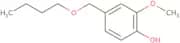


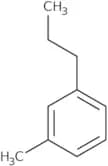
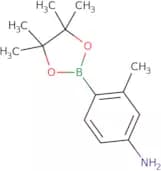
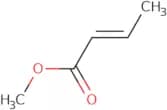
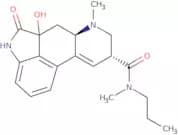

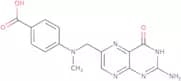

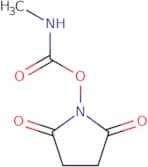
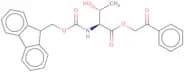
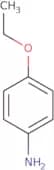
![1,4-Phenylenebis[tributylstannane]](/_next/image/?url=https%3A%2Fstatic.cymitquimica.com%2Fproducts%2F3D%2Fthumb-webp%2FFB43960.webp&w=3840&q=75)
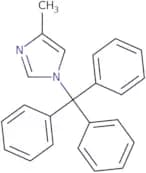

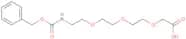
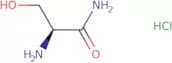
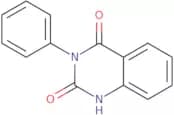
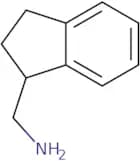
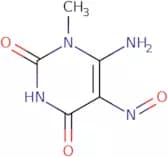
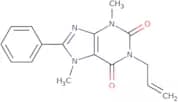
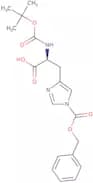
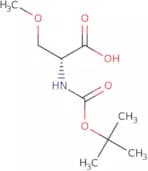
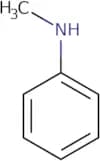
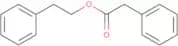

![1-[4-(4-Methylpiperidin-1-yl)phenyl]methanamine](/_next/image/?url=https%3A%2Fstatic.cymitquimica.com%2Fproducts%2F3D%2Fthumb-webp%2FFM117851.webp&w=3840&q=75)
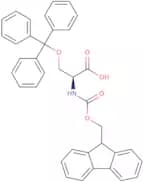
![(S)-1,2,3,4,5,6,7,8-Octahydro-1-[(4-methoxyphenyl)methyl]isoquinoline (acetate salt )](/_next/image/?url=https%3A%2Fstatic.cymitquimica.com%2Fproducts%2F3D%2Fthumb-webp%2FFO29465.webp&w=3840&q=75)
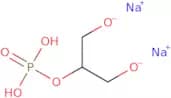
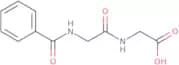
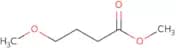
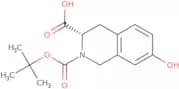
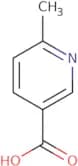
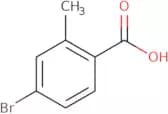

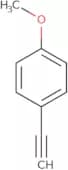
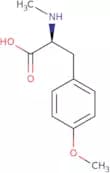
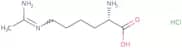
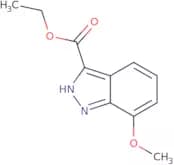
![3-[4-(2-Chlorophenyl)-9-methyl-6H-thieno[3,2-f][1,2,4]triazolo[4,3-a][1,4]diazepin-2-yl]-2-propyn-…](/_next/image/?url=https%3A%2Fstatic.cymitquimica.com%2Fproducts%2F3D%2Fthumb-webp%2FFC20335.webp&w=3840&q=75)
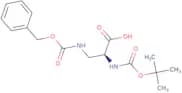
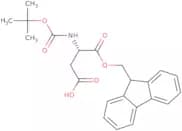
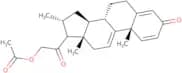

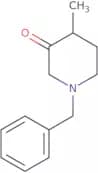
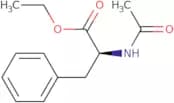
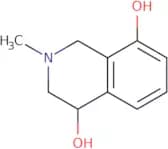
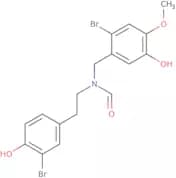

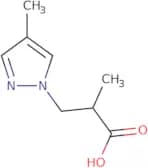
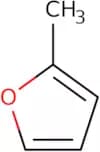
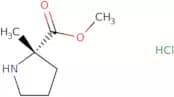
![1-Cyclopropyl-7-(2,8-diazabicyclo[4.3.0]non-8-yl)-6-fluoro-8-methoxy-4-oxoquinoline-3-carboxylic a…](/_next/image/?url=https%3A%2Fstatic.cymitquimica.com%2Fproducts%2F3D%2Fthumb-webp%2FFC102529.webp&w=3840&q=75)

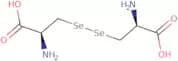
![8-Chloro-1-methyl-2,3,4,5-tetrahydro-1H-benzo[d]azepine](/_next/image/?url=https%3A%2Fstatic.cymitquimica.com%2Fproducts%2F3D%2Fthumb-webp%2FFC148171.webp&w=3840&q=75)
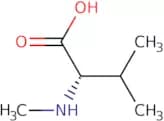

![4'-[[1,4'-Dimethyl-2'-propyl(2,6'-bi-1H-benzimidazol)-1'-yl]-methyl]-1,1'-biphenyl-2-carboxylicaci…](/_next/image/?url=https%3A%2Fstatic.cymitquimica.com%2Fproducts%2F3D%2Fthumb-webp%2FFD148340.webp&w=3840&q=75)
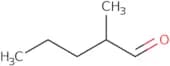
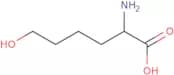
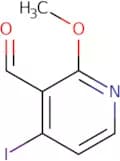
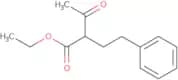
![2-[4-(2-Methylpropenyl)phenyl]propionic acid](/_next/image/?url=https%3A%2Fstatic.cymitquimica.com%2Fproducts%2F3D%2Fthumb-webp%2FFM25939.webp&w=3840&q=75)

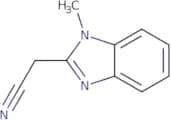
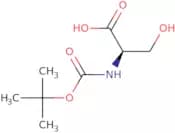
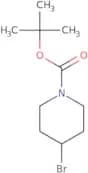
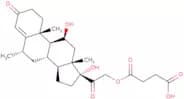
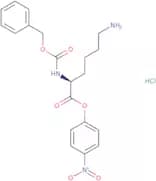
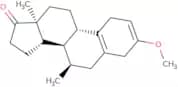
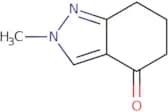
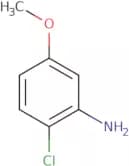


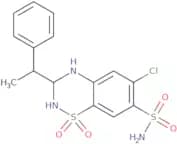
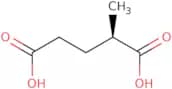

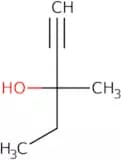
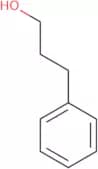
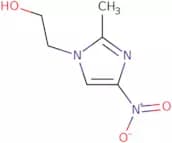
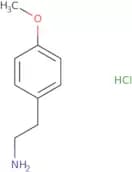
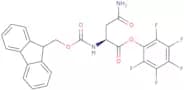
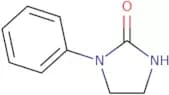
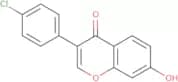
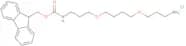


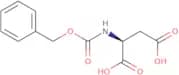
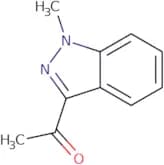
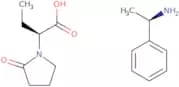
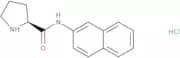

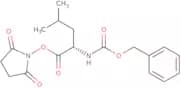
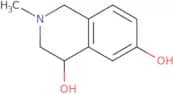
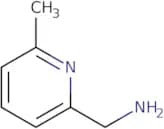
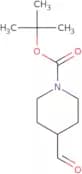
![3-[1-(2-Methoxyethyl)-1H-indol-3-yl]propanoic acid](/_next/image/?url=https%3A%2Fstatic.cymitquimica.com%2Fproducts%2F3D%2Fthumb-webp%2FFM135770.webp&w=3840&q=75)
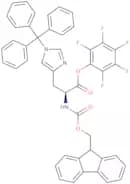


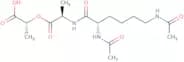

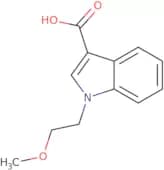
![(S)-5,6,6a,7-Tetrahydro-6-methyl- 4H-dibenzo[de,g]quinoline-10,11-diol hydrochloride](/_next/image/?url=https%3A%2Fstatic.cymitquimica.com%2Fproducts%2F3D%2Fthumb-webp%2FFT46165.webp&w=3840&q=75)

![(17R)-4-Chloro-5-ethyl-9-fluoro-11b-hydroxy-16b-methylspiro[androsta-1,4-diene-17,2(3H)-furan]-3,3…](/_next/image/?url=https%3A%2Fstatic.cymitquimica.com%2Fproducts%2F3D%2Fthumb-webp%2FFF103612.webp&w=3840&q=75)
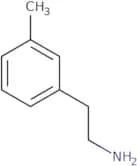
![[2-(5-Chloro-1H-indol-3-yl)-1-methylethyl]amine hydrochloride](/_next/image/?url=https%3A%2Fstatic.cymitquimica.com%2Fproducts%2F3D%2Fthumb-webp%2FFC123633.webp&w=3840&q=75)

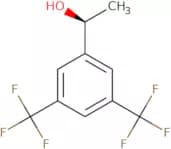

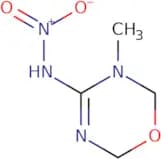
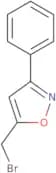
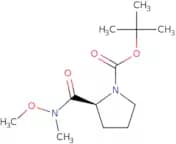
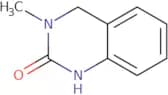
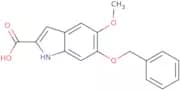
![N-Formyl-L-leucine [S-(E)]-1-(2-nonenyl)dodecyl ester](/_next/image/?url=https%3A%2Fstatic.cymitquimica.com%2Fproducts%2F3D%2Fthumb-webp%2FFF23584.webp&w=3840&q=75)
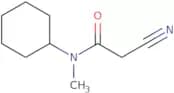

![1,2,3,4,5,6-Hexahydro-1,5-methano-pyrido-[1,2-a][1,5]diazocin-8-one](/_next/image/?url=https%3A%2Fstatic.cymitquimica.com%2Fproducts%2F3D%2Fthumb-webp%2FFD117142.webp&w=3840&q=75)

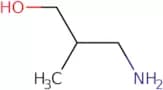
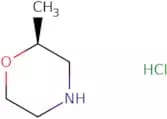
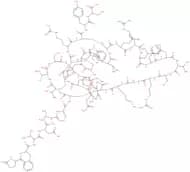

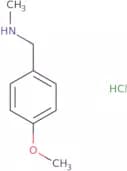
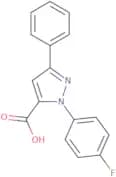
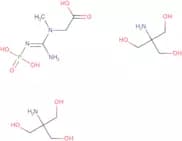
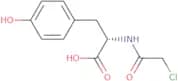

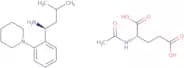
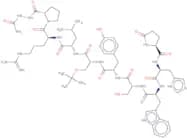
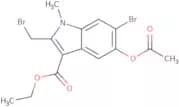

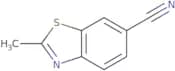
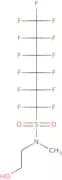
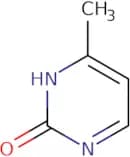
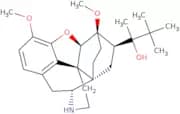
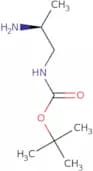
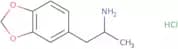

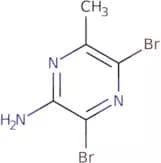
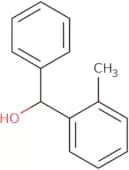
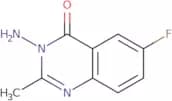
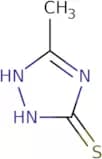

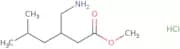
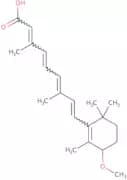

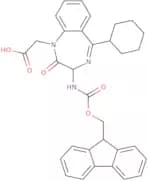
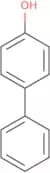
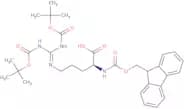
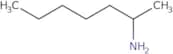
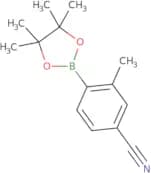
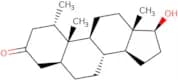


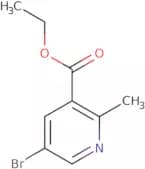
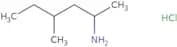
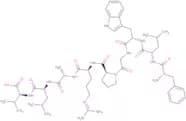

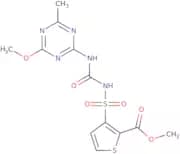
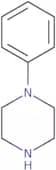
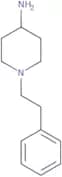
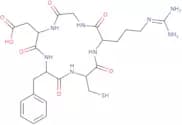


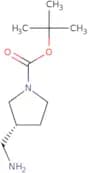
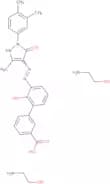
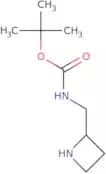
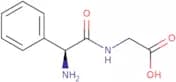
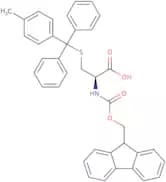

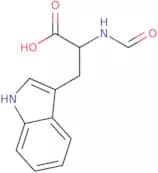
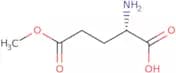
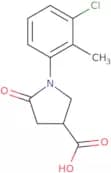

![8-Chloro-6-(2-fluorophenyl)-1-methyl-4H-imidazo[1,5-a][1,4]benzodiazepine 2,5-dioxidemidazolam 2,5…](/_next/image/?url=https%3A%2Fstatic.cymitquimica.com%2Fproducts%2F3D%2Fthumb-webp%2FFC20137.webp&w=3840&q=75)
![[1-(3-Methylbutyl)-1H-benzimidazol-2-yl]methanol](/_next/image/?url=https%3A%2Fstatic.cymitquimica.com%2Fproducts%2F3D%2Fthumb-webp%2FFM135812.webp&w=3840&q=75)
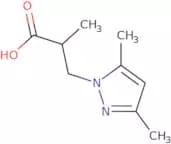
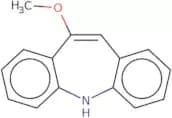
![5-Methyl-4,5,6,7-tetrahydrothiazolo[5,4-c]pyridine-2-carboxylic acid hydrochloride](/_next/image/?url=https%3A%2Fstatic.cymitquimica.com%2Fproducts%2F3D%2Fthumb-webp%2FFM63141.webp&w=3840&q=75)
