Aminoácidos (AA)
Los aminoácidos (AAs) son los componentes fundamentales de las proteínas y desempeñan un papel crucial en diversos procesos biológicos. Estos compuestos orgánicos son esenciales para la síntesis de proteínas, las rutas metabólicas y la señalización celular. En esta categoría, encontrará una gama completa de aminoácidos, incluyendo formas esenciales, no esenciales y modificadas, que son vitales para la investigación en bioquímica, biología molecular y ciencias de la nutrición. En CymitQuimica, ofrecemos aminoácidos de alta calidad para apoyar sus necesidades de investigación y desarrollo, asegurando precisión y fiabilidad en sus resultados experimentales.
Subcategorías de "Aminoácidos (AA)"
- Derivados de aminoácidos(3.971 productos)
- Aminoácidos y compuestos relacionados con aminoácidos(3.477 productos)
- Aminoácidos con oxígeno o azufre(168 productos)
- Aminoácidos protegidos con Boc(351 productos)
- Aminoácidos protegidos con Fmoc(1.710 productos)
Se han encontrado 38321 productos de "Aminoácidos (AA)"
Ordenar por
Pureza (%)
0
100
|
0
|
50
|
90
|
95
|
100
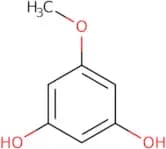
5-Methoxyresorcinol
CAS:<p>5-Methoxyresorcinol is a plant product that has been shown to inhibit protein synthesis. It was found to have a second-order rate constant of 0.079 M-1s-1 at pH 7, which is much lower than the first order rate constant for urea hydrolysis (0.71 M-1s-1). 5-Methoxyresorcinol has also been shown to demethylate methyl glycosides and synthesize cell cultures. This product inhibits the replication of herpes simplex virus by inhibiting the synthesis of viral proteins in infected cells and blocking the maturation of progeny virus particles.</p>Fórmula:C7H8O3Pureza:Min. 95%Forma y color:Slightly Yellow PowderPeso molecular:140.14 g/molL-Histidine monohydrochloride monohydrate
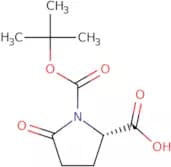
CAS:<p>L-Histidine monohydrochloride monohydrate is a histidine derivative that is used in the treatment of chronic oral and bowel diseases. L-histidine has been shown to activate phospholipase A2, which releases arachidonic acid from phospholipids. Arachidonic acid then reacts with other molecules to form prostaglandins and leukotrienes. L-histidine also inhibits the release of tumor necrosis factor (TNF) by blocking the activity of lipoxygenase, or it can stimulate the production of prostaglandins and leukotrienes that suppress inflammation in animal models. L-histidine monohydrochloride monohydrate has been shown to have an anti-inflammatory effect in animals with inflammatory bowel disease due to its ability to inhibit the production of prostaglandin E2 (PGE2). This drug has also been shown to be capable of neutralizing acidic ph by forming a salt with</p>Fórmula:C6H9N3O2·HCl·H2OForma y color:White PowderPeso molecular:209.63 g/molBoc-Pyr-OH
CAS:<p>Boc-Pyr-OH is a synthetic compound with medical applications. It is used as an anti-inflammatory agent and has been shown to be effective in the treatment of mouse tumor cells. Boc-Pyr-OH binds to plasma proteins and can be detected in the blood following administration. The drug has a high affinity for chloride ions, which may be due to its trifluoroacetyl group. The drug has two homologues: Boc-Pyr-Cl and Boc-Pyr-Br.</p>Fórmula:C10H15NO5Pureza:Min. 95%Forma y color:PowderPeso molecular:229.23 g/mol4-Methylbiphenyl
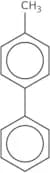
CAS:<p>4-Methylbiphenyl is a chemical compound that belongs to the group of biphenyls. It can be synthesized by reacting methanol with trifluoroacetic acid in the presence of hydrogen fluoride, or it can be extracted from coal tar. The reaction mechanism for this synthesis is similar to the reaction between benzene and nitric acid, which produces nitrobenzene and nitrous oxide as reaction products. 4-Methylbiphenyl has a high selectivity for diazonium salt formation and reacts with diphenyl ether to produce diphenyldiazonium chloride. This compound is soluble in solvents such as carbon disulfide, chloroform, benzene, acetone, ethanol, ethylene dichloride, ethylene glycol monomethylether acetate (EGMEA), dimethoxyethane (DME) and diethylether. 4-Methylbiphenyl</p>Fórmula:C13H12Pureza:Min. 95%Forma y color:White PowderPeso molecular:168.23 g/molN,N-Diethyl-2-[4-[(Z)-1-(4-Fluorophenyl)-2-Phenylethenyl]Phenoxy]Ethanamine
CAS:Producto controladoDiethylstilbestrol (DES) is a synthetic, nonsteroidal estrogen that is used to treat breast cancer and other estrogen-dependent conditions. DES binds to the estrogen receptor and acts as an agonist. It has minimal liver toxicity and is not metabolized by the body because it is rapidly excreted in urine. DES can be synthesized from benzyl chloride and diethylstolbesterol. This process requires two steps: first, benzyl chloride reacts with diethylstilbesterol to form a triazene intermediate; second, treatment of the triazene intermediate with hydrogen chloride yields DES.Fórmula:C26H28FNOPureza:Min. 95%Peso molecular:389.51 g/mol5-Phenylpenta-2,4-dienoic acid
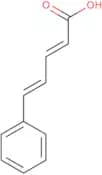
CAS:<p>5-Phenylpenta-2,4-dienoic acid is a high-potency inhibitor of tyrosine kinases. It has been shown to have an inhibitory effect on cancer cells in both squamous and non-squamous cell lines. This compound has been shown to inhibit the proliferation of cancer cells by arresting cell cycle progression at the G1 phase, which leads to the inhibition of DNA synthesis. 5-Phenylpenta-2,4-dienoic acid is also able to block the activation of transcription factors that are involved in tumorigenesis. In addition, this compound inhibits the proliferation of cancer cells by arresting cell cycle progression at the G1 phase, leading to inhibition of DNA synthesis. The molecular modeling study suggests that this compound may be able to bind with tyrosine kinase receptors on the surface of tumor cells and block their activity. The chemical structure of 5-phenylpenta-2,4-dien</p>Fórmula:C11H10O2Pureza:Min. 95%Forma y color:PowderPeso molecular:174.2 g/mol4'-Acetamido-2'-methylacetophenone
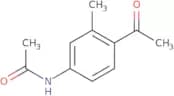
CAS:4'-Acetamido-2'-methylacetophenone is a chemical compound that has been found to be useful in the synthesis of other compounds. It is an intermediate for the production of aniline and phenacetin, which are both reactive compounds. This product can also be used as a reagent for the synthesis of other chemicals and pharmaceuticals. CAS No. 34956-31-5Fórmula:C11H13NO2Pureza:Min. 95%Forma y color:PowderPeso molecular:191.23 g/molD-Methionine
CAS:<p>D-methionine is a form of the amino acid methionine that is synthesized in plants. It has been studied for its potential to help with various metabolic disorders, including osteoarthritis and primary sclerosing cholangitis. D-methionine provides methionine to the body, which is essential for the formation of collagen and elastin. In addition, it has been shown to have a protective effect against neuronal death in a model system. D-methionine may be beneficial for people with liver disease, but more research is needed.</p>Fórmula:C5H11NO2SPureza:Min. 95%Forma y color:White Off-White PowderPeso molecular:149.21 g/mol3-Chloro-4-methoxybenzoic acid methyl ester
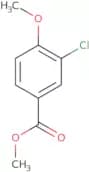
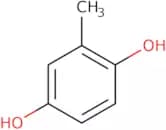
CAS:<p>3-Chloro-4-methoxybenzoic acid methyl ester is a potent antiproliferative agent that inhibits the growth of cancer cells and bacteria. It is an amide, which has been synthesized by equilibration between two equivalents of 3-chlorobenzoic acid and methylamine. The copulatory proton profile for this compound has been determined using liquid chromatography with mass spectrometry detection (LCMS). This compound is also a weak inhibitor of tyrosine kinases, but is more potent as an inhibitor of protein kinase C. Sorafenib and dasatinib are examples of compounds that have been shown to be linked to this drug. 3-Chloro-4-methoxybenzoic acid methyl ester can induce the production of TNF-α in thp-1 cells at micromolar concentrations.</p>Fórmula:C9H9ClO3Pureza:Min. 95%Forma y color:PowderPeso molecular:200.62 g/mol2-Methylhydroquinone
CAS:<p>2-Methylhydroquinone is a reactive oxygen species (ROS) that can bind to DNA, forming covalent adducts. It has been shown to have an optimum concentration of 10 μM, and the hydroxyl group on its phenolic ring enables it to form hydrogen bonding interactions with nucleic acids. 2-Methylhydroquinone has been shown to inhibit angiogenic process in vitro and in vivo, as well as inhibiting the growth of tumor cells by binding to DNA. This compound also inhibits the transfer of methyl groups from methyl donors such as S-adenosylhomocysteine and methionine to acceptor molecules such as p-hydroxybenzoic acid.</p>Fórmula:C7H8O2Pureza:Min. 95%Forma y color:PowderPeso molecular:124.14 g/mol2-Phenoxybenzyl alcohol
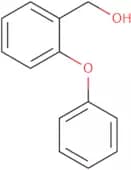
CAS:<p>2-Phenoxybenzyl alcohol is an active compound that is a diarylamine with a phenoxy group. It has photochemistry activity, which can be used to form methanes and polyhalogenated phenoxy compounds. 2-Phenoxybenzyl alcohol has been found to react with amides and carbonyl groups in nature. This chemical also has the ability to undergo transfer and shift reactions.</p>Fórmula:C13H12O2Pureza:Min. 95%Forma y color:Clear LiquidPeso molecular:200.23 g/mol3-Methyl-5-pyrrolidin-2-ylisoxazole
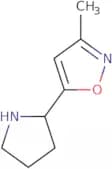
CAS:<p>Please enquire for more information about 3-Methyl-5-pyrrolidin-2-ylisoxazole including the price, delivery time and more detailed product information at the technical inquiry form on this page</p>Fórmula:C8H12N2OPureza:Min. 95%Peso molecular:152.19 g/molp-Hydroxyphenyl glycine HCl
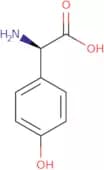
CAS:<p>p-Hydroxyphenyl glycine HCl is a model system for an amide and has been shown to inhibit the growth of bacteria. It is also an active analogue of sodium succinate and cyclic peptide, which are glycopeptide antibiotics that have shown activity against gram-positive bacteria such as Streptococcus pneumoniae, Enterococcus faecalis, Staphylococcus aureus, and Bacillus subtilis. The hydroxyl group on p-hydroxyphenyl glycine HCl interacts with hydrogen bonding interactions in the bacterial cell wall, preventing the formation of a covalent bond between the drug molecule and the enzyme cell wall synthesis required for cell wall biosynthesis. This causes inhibition of protein synthesis, leading to cell death by apoptosis.</p>Fórmula:C8H9NO3·HClPureza:Min. 95%Forma y color:PowderPeso molecular:203.62 g/mol5-Methylindole-3-acetic acid
CAS:5-Methylindole-3-acetic acid (5MI3A) is a molecule that has been shown to have antiproliferative properties in bladder cancer cells. 5MI3A binds to the receptor for GABA, which is an inhibitory neurotransmitter. It also inhibits the production of proinflammatory mediators and reactive oxygen species in cancer cells. 5MI3A has anticancer activity in prostate cancer cells and may act by inducing apoptosis and inhibiting cell proliferation. Consumption of 5MI3A may reduce the risk of cancer development by preventing DNA damage from carcinogens, suppressing inflammation, and regulating cell growth through its antagonistic properties.Fórmula:C11H11NO2Pureza:Min. 95%Forma y color:PowderPeso molecular:189.21 g/molO-tert-Butyl-L-threonine tert-butyl ester acetate
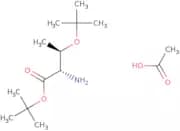
CAS:Producto controlado<p>O-tert-Butyl-L-threonine tert-butyl ester acetate salt is a crystalline solid that can be prepared by reacting threonine with an acid catalyst in the presence of volatile solvents such as isobutylene. It can also be prepared by reacting threonine with an acid catalyst in the presence of organic solvents such as dioxane. The tert-butyl ester acetate salt can be synthesized from O-tert-butyl L-threonine and acetate using superacid catalysts such as sulfuric acid. This process is simplified by using solvents such as dioxane, which are less corrosive than water or ethanol.</p>Fórmula:C14H29NO5Pureza:Min. 95%Forma y color:PowderPeso molecular:291.38 g/molH-Cys-Gly-OH
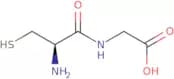
CAS:<p>H-Cys-Gly-OH is a cyclic peptide that has potent antitumor activity. It was synthesized from glutathione and cysteine, which are naturally occurring amino acids in the human body. The mechanism of action of H-Cys-Gly-OH is not well understood, but it may be due to its ability to bind to α1-acid glycoprotein and other proteins in the blood. The compound also has a redox potential, fluorescence spectra, and structural analysis that can be used for identification purposes. This molecule is stable at acid pH and is easily soluble in water or organic solvents. H-Cys-Gly-OH can be analyzed by titration calorimetry or cyclic voltammetry methods.</p>Fórmula:C5H10N2O3SPureza:Min. 95%Peso molecular:178.21 g/molH-Gly-pro-pNA.p-tosylate
CAS:<p>H-Gly-pro-pNA.p-tosylate is a monoclonal antibody that recognizes the amino acid sequence of hepatitis C virus (HCV) p7 protein. It can be used for the diagnosis of HCV infection and has been shown to have a high specificity and sensitivity for detection in liver cells. H-Gly-pro-pNA.p-tosylate is not an enzyme, but it does inhibit protease activity in hepatic tissues and cancer tissues. It has also been shown to be active against wild type strains of bacteria and can be used as a diagnostic agent for bacterial strains.</p>Fórmula:C13H16N4O4•C7H8O3SPureza:Min. 95%Forma y color:PowderPeso molecular:464.49 g/molCbz-L-glutamine
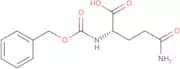
CAS:<p>Cbz-L-glutamine is a water soluble compound that is used in the synthesis of pomalidomide. It is synthesized through a stepwise amide formation from methylamine and ethylene diamine. Cbz-L-glutamine has been shown to have an inhibitory effect on cancer cells, which may be due to its ability to break down hydroxamic acids. This chemical reaction causes the release of hydrogen ions, which leads to the disruption of various cellular processes, such as DNA replication and protein synthesis. The uptake of Cbz-L-glutamine by cancer cells has been shown in tissue culture experiments.</p>Fórmula:C13H16N2O5Pureza:Min. 95%Forma y color:PowderPeso molecular:280.28 g/mol8-Methylxanthine
CAS:<p>8-Methylxanthine is a metabolite of caffeine and theophylline. It has been shown to be a pro-inflammatory cytokine that stimulates the production of other pro-inflammatory cytokines such as interleukin (IL)-1β, IL-6, and tumor necrosis factor alpha (TNFα). 8-Methylxanthine is also a substrate for cytochrome P450 enzyme activity, which is responsible for metabolizing many drugs and other chemicals in the body. This compound has been detected in human liver and urine samples. 8-Methylxanthine has cytotoxic properties and may serve as an antioxidant. Mass spectrometric detection methods are used to identify this compound in biological fluids.</p>Fórmula:C6H6N4O2Pureza:Min. 95%Forma y color:PowderPeso molecular:166.14 g/mol(D-Ser2)-Leu-Enkephalin-Thr
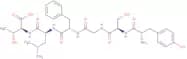
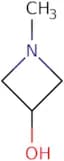
CAS:<p>(D-Ser2)-Leu-Enkephalin-Thr H-Tyr-D-Ser-Gly-Phe-Leu-Thr-OH is a cyclic peptide that has been shown to activate the κ-opioid receptor. The peptide has been used in studies of the intracellular calcium concentration and glomerular filtration rate in kidney cells, as well as the antinociceptive effects of opioid drugs on mice. This drug has also been shown to have effects on cyclic AMP levels and α 1 -adrenergic receptors in neuro2a cells.</p>Fórmula:C33H46N6O10Pureza:Min. 95%Forma y color:SolidPeso molecular:686.75 g/mol3-Hydroxy-1-methylazetidine
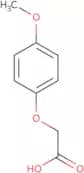
CAS:<p>3-Hydroxy-1-methylazetidine is a reagent that has a high quality and is useful as an intermediate, scaffold, or building block. It can be used in the synthesis of complex compounds. 3-Hydroxy-1-methylazetidine has been shown to be useful in reactions to produce fine chemicals and research chemicals. This chemical has versatile uses including being a reaction component for the synthesis of speciality chemicals.</p>Fórmula:C4H9NOPureza:Min. 95%Forma y color:Clear LiquidPeso molecular:87.12 g/mol4-Methoxyphenoxyacetic acid
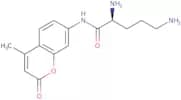
CAS:<p>4-Methoxyphenoxyacetic acid is a chemical compound with molecular formula C10H12O4. It is an alpha-hydroxy acid and is also known as 4-methoxybenzoic acid. 4-Methoxyphenoxyacetic acid has been shown to have reactive properties and can be used as a reagent in organic synthesis. A molecular modeling study of 4-methoxyphenoxyacetic acid has revealed that it could form hydrogen bonding interactions with the hydroxyl group of coumarin derivatives, which may lead to irreversible oxidation reactions. The human serum contains high affinity binding sites for this chemical compound, which is detected by the mefexamide test.</p>Fórmula:C9H10O4Pureza:Min. 95%Forma y color:PowderPeso molecular:182.17 g/molH-Orn-AMC hydrochloride salt
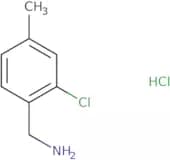
CAS:<p>H-Orn-AMC hydrochloride salt is a white solid with a melting point of about 150°C. It is used as a reactant in the manufacture of pharmaceuticals, research chemicals and other speciality chemicals. H-Orn-AMC hydrochloride salt is also an intermediate for the synthesis of complex compounds, useful as building blocks for chemical synthesis, and can be used as a reagent in analytical chemistry.</p>Fórmula:C15H20ClN3O3Pureza:Min. 98 Area-%Forma y color:PowderPeso molecular:325.79 g/mol2-Chloro-4-methylbenzylamine hydrochloride
CAS:<p>2-Chloro-4-methylbenzylamine hydrochloride is a fine chemical that is used in the research, development and manufacturing of pharmaceuticals, agrochemicals, polymers and other organic compounds. 2-Chloro-4-methylbenzylamine hydrochloride can be used as an intermediate for the synthesis of a variety of drugs with different structures. It is also useful as a reagent in organic synthesis. The product has been classified by the EU as an SDS (Substances of Very High Concern) due to its potential for use in the production of nerve agents like sarin gas.</p>Fórmula:C8H10ClN•HClPureza:Min. 95%Peso molecular:192.09 g/molFmoc-3-(2'-pyridyl)-L-alanine
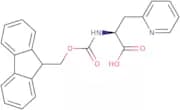
CAS:<p>Fmoc-3-(2'-pyridyl)-L-alanine is an acid molecule that has been shown to have anti-cancer properties. It is a polysaccharide polymer used in the preparation of polyvinyl alcohol and polyvinyl acetate. The phosphatase activity of Fmoc-3-(2'-pyridyl)-L-alanine was first observed in the 1970s, when it was found to be an effective inhibitor of acid phosphatase. This structural study has also revealed the effects of Fmoc-3-(2'-pyridyl)-L-alanine on cancer cells, which may be due to its ability to prevent cell division and genetic control. Fmoc-3-(2'-pyridyl)-L-alanine is also known as a monoclonal antibody that can bind to specific structures on cancer cells, such as antigens and receptors, which may be responsible for these effects.</p>Fórmula:C23H20N2O4Pureza:Min. 95%Forma y color:SolidPeso molecular:388.42 g/molH-Trp-Lys-Tyr-Met-Val-Met-NH2
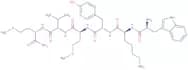
CAS:<p>H-Trp-Lys-Tyr-Met-Val-Met-NH2 is a natural compound that belongs to the group of pharmacological agents. It has been shown to have a therapeutic effect on congestive heart failure, bowel disease and autoimmune diseases. This compound has also been shown to stimulate locomotor activity in mice by increasing dopamine levels in the brain. H-Trp-Lys-Tyr-Met-Val-Met NH2 has been found to inhibit the growth of HL60 cells in culture, which are a type of white blood cell that is involved in immune response. H-Trp-Lys Tyr Met Val Met NH2 also binds to receptors for formyl and sesquiterpenoid lactones, which are chemical compounds that are used as pharmacological agents for cancer therapy and treatment of inflammatory bowel disease.</p>Fórmula:C41H61N9O7S2Pureza:Min. 95%Peso molecular:856.11 g/moltert-Butoxycarbonyl-L-leucine
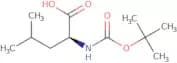
CAS:<p>Tert-Butoxycarbonyl-L-leucine (tBOC-LL) is a tetrapeptide that is used as a drug substance in the synthesis of buserelin, a synthetic peptide hormone. It has been shown to have high reactivity in organic solvents and can be used in cationic polymerization reactions. tBOC-LL has been used to synthesize helical structures with high purity and yield. As it is not an amino acid, tBOC-LL does not occur naturally and must be synthesized.<br>Tert-Butoxycarbonyl-L-leucine (tBOC-LL) is available from Sigma Aldrich Chemie GmbH & Co KG as:</p>Fórmula:C11H21NO4Pureza:Min. 98 Area-%Forma y color:White PowderPeso molecular:231.29 g/mol4-Methoxycinnamylidene acetaldehyde
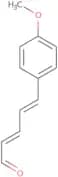
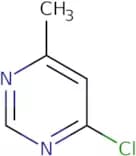
CAS:<p>4-Methoxycinnamylidene acetaldehyde is a versatile building block with a CAS number of 27394-81-6. It is used in the research and production of fine chemicals, pharmaceuticals, and high quality reagents. 4-Methoxycinnamylidene acetaldehyde can be used as a useful scaffold for the synthesis of complex compounds. This building block is also a useful intermediate in organic chemistry reactions.</p>Fórmula:C12H12O2Pureza:Min. 95%Forma y color:PowderPeso molecular:188.22 g/mol4-Methyl-6-chloropyrimidine
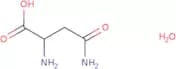
CAS:<p>4-Methyl-6-chloropyrimidine is an intermediate in the synthesis of 6-chloropurine, which is a dihydrochloride salt that can be hydrolyzed to form tetrapeptides. The nature of the reaction conditions employed for this conversion determines the yield of 4-methyl-6-chloropyrimidine. It can be synthesized by alkaline hydrolysis or by condensation of n-terminal amino acids with chloroacetic acid derivatives. This compound can also undergo hydrolytic cleavage to form oligopeptides and glycinates, which are n-substituted with dicyclohexylcarbodiimide.</p>Fórmula:C5H5ClN2Pureza:Min. 95%Forma y color:PowderPeso molecular:128.56 g/molDL-Asparagine monohydrate
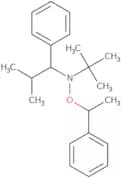
CAS:<p>DL-Asparagine monohydrate is a low potency amino acid that can be used as a biomarker for wastewater treatment. It has been shown to inhibit the activity of enzymes such as guanine nucleotide-binding proteins, toll-like receptors, and response elements. Asparagine also has inhibitory properties against tumour cells in solid tumours.</p>Fórmula:C4H10N2O4Forma y color:PowderPeso molecular:150.14 g/molN-tert-Butyl-N-(2-methyl-1-phenylpropyl)-O-(1-phenylethyl)hydroxylamine
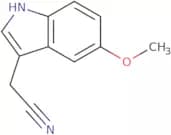
CAS:N-tert-Butyl-N-(2-methyl-1-phenylpropyl)-O-(1-phenylethyl)hydroxylamine is a telechelic metathesis polymer that is soluble in organic solvents. This product has been shown to copolymerize with styrene, which can be used as a monomer. Copolymers of this product are resistant to chemical reactions and metal ion. The reaction time and temperature for this product depends on the nature of the monomers and initiator used. This substance is also able to undergo metathesis reactions, such as those involving silicon.Fórmula:C22H31NOPureza:Min. 95%Forma y color:PowderPeso molecular:325.49 g/mol5-Methoxyindole-3-acetonitrile
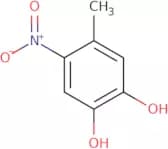
CAS:<p>5-Methoxyindole-3-acetonitrile is a synthetic compound used as a reference for the synthesis of melatonin. It is produced by the addition of magnesium to 5-methoxyindole, followed by reaction with cyanide and nitrile. The synthesis of this compound was first published in 1938 and has since been used as a reference for many other studies. It has been shown that 5-methoxyindole-3-acetonitrile has high performance liquid chromatography properties, with a linear range from 0.5 to 50 mg/mL and an ultraviolet spectrum that falls within the region between 220 nm and 400 nm. A molecular modeling study was conducted on this compound, which showed that it conforms with 4-hydroxy indole ring systems found in natural products such as tryptophan and serotonin. This product also has fluorescent properties, which are caused by its electron withdrawing group (cyano).</p>Fórmula:C11H10N2OPureza:Min. 95%Forma y color:PowderPeso molecular:186.21 g/mol4-Methyl-5-nitrocatechol
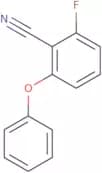
CAS:<p>4-Methyl-5-nitrocatechol is a nitro compound that has been used in the chemical ionization of samples for mass spectrometric analysis. This compound produces distinct x-ray absorption spectra and emission spectra, which can be used to identify its concentration. 4-Methyl-5-nitrocatechol has been shown to react with 3,5-dinitrosalicylic acid in the presence of light to form an inhibitory product that prevents the growth of bacteria. This reaction is more prevalent at elevated temperatures. The mutant strain of Escherichia coli was found to be resistant to this inhibitory effect, while the wild type strain was not. The mutant strain's resistance to this inhibitory compound may be due to a polymerase chain reaction mutation that increases its ability to replicate DNA at high temperatures.</p>Fórmula:C7H7NO4Pureza:Min. 95%Forma y color:Yellow PowderPeso molecular:169.13 g/mol2-Fluoro-6-phenoxybenzonitrile
CAS:<p>2-Fluoro-6-phenoxybenzonitrile is activated by calcium oxide to form a reactive intermediate that participates in the polymerization reaction. It is also used as a building block for the synthesis of other compounds. 2-Fluoro-6-phenoxybenzonitrile can be used as a crosslinker and toughening agent in polymers, and has been shown to have nucleophilic properties. The mechanisms of its activation by calcium oxide are not yet fully understood, but it is known that this process produces reactive intermediates that are capable of forming ester bonds with other molecules.</p>Fórmula:C13H8FNOPureza:Min. 95%Forma y color:PowderPeso molecular:213.21 g/mol5-Methoxyuracil
CAS:<p>5-Methoxyuracil is a labile, colorless and crystalline compound that occurs spontaneously in the presence of oxygen. It has a chemical structure similar to thiourea, with one methyl group substituted for the amino group on the heterocycle. 5-Methoxyuracil is used as a precursor for synthesis of thymine and uracil. It also acts as an antioxidant, preventing reactive oxygen species from causing cellular damage. 5-Methoxyuracil can be used in regenerative medicine to increase the production of messenger RNA (mRNA) and ribosomal RNA (rRNA). This drug is used as a prebiotic agent and can be synthetically produced by dimethylation of uridine followed by ethyl formate oxidation.</p>Fórmula:C5H6N2O3Pureza:Min. 95%Forma y color:PowderPeso molecular:142.11 g/molAc-Lys-AMC acetate salt
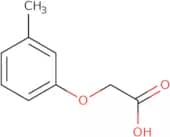
CAS:<p>Ac-Lys-AMC acetate salt is a fine chemical that is used as a building block in biological research. It is a versatile building block that can be used in the synthesis of complex compounds, and as a reaction component for the production of useful intermediates. Ac-Lys-AMC acetate salt is also used as a reagent in the detection of nucleic acids.</p>Fórmula:C18H23N3O4•C2H4O2Pureza:Min. 98 Area-%Forma y color:PowderPeso molecular:405.44 g/mol3-Methylphenoxyacetic acid
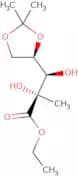
CAS:<p>3-Methylphenoxyacetic acid is an organic compound that has a zirconium atom in its chemical structure. This molecule is acidic and can be found in the form of a hydrate. 3-Methylphenoxyacetic acid has been shown to be soluble in organic solvents such as benzene, chloroform, and methylene chloride. The molecular weight of this compound is not yet known, but the calculated density is 1.49 g/mL. 3-Methylphenoxyacetic acid has a planar molecular geometry and the intramolecular hydrogen bonds are formed by O1 and O3 with H1 and H2 respectively. The Lewis electron dot diagram for this molecule indicates that there are no lone pairs on any atoms.</p>Fórmula:C9H10O3Pureza:Min. 95%Forma y color:White PowderPeso molecular:166.17 g/mol(2S,3R)-3-((4R)-2,2-Dimethyldioxolan-4-yl)-2-methyl-2,3-dihydroxypropanoic acid ethyl ester
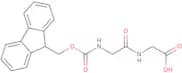
CAS:<p>(2S,3R)-3-((4R)-2,2-Dimethyldioxolan-4-yl)-2-methyl-2,3-dihydroxypropanoic acid ethyl ester is a high quality reagent that is used as an intermediate for the synthesis of complex compounds. It is also a useful building block for the synthesis of speciality chemicals and research chemicals. The versatility of this compound makes it a useful scaffold and building block for reaction components.</p>Fórmula:C11H20O6Pureza:Min. 95%Forma y color:PowderPeso molecular:248.27 g/molFmoc-Gly-Gly-OH
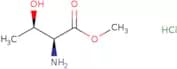
CAS:<p>Fmoc-Gly-Gly-OH is an Fmoc protected glycine derivative used in proteomics studies and in solid phase peptide synthesis. In the synthesis of antibody-drug conjugates (ADC), Fmoc-Gly-Gly-OH acts as a cleavable ADC linker. The protected head of Fmoc-Gly-Gly-OH allows expanding the chain of the peptide to produce polypeptides.</p>Fórmula:C19H18N2O5Pureza:Min. 97 Area-%Forma y color:PowderPeso molecular:354.36 g/molL-Threonine methyl ester hydrochloride
CAS:<p>L-Threonine methyl ester hydrochloride is a synthetic amino acid that has shown efficacy in treating Gram-negative infections. L-Threonine methyl ester hydrochloride is an agonist for the hyaluronic acid receptor and has been demonstrated to be potent in vitro against gram-negative bacteria such as Escherichia coli and Klebsiella pneumoniae. It also exhibits high stereoselectivity, with one enantiomer being more active than the other. L-Threonine methyl ester hydrochloride is currently in clinical development for cancer treatments, as it shows promise for inhibiting tumor growth and inducing apoptosis.</p>Fórmula:C5H11NO3•HClPureza:Min. 97%Forma y color:Yellow PowderPeso molecular:169.61 g/molN-Ethyl-N-(3-sulfopropyl)-3-methoxyaniline sodium
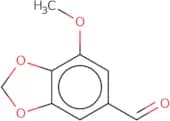
CAS:<p>N-Ethyl-N-(3-sulfopropyl)-3-methoxyaniline sodium (ESP) is a selective agonist of the CB2 receptor. It is structurally unrelated to other CB2 receptor ligands, and has been shown to act as a selective, low affinity antagonist of the epidermal growth factor receptor. ESP has also been shown to be an ATP binding cassette transporter substrate and acts as a voltage sensor in whole cell recordings. ESP has potential therapeutic applications in diabetic neuropathy and chronic pain.</p>Fórmula:C12H19NO4S•NaPureza:Min. 95%Forma y color:PowderPeso molecular:296.34 g/mol3-Methoxy-4,5-methylenedioxybenzaldehyde
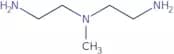
CAS:Producto controlado3-Methoxy-4,5-methylenedioxybenzaldehyde (MMDA) is an amine that is used in the synthesis of drugs and pharmaceuticals. It is a major component of myristicin, which is found in nutmeg. MMDA can be synthesized from aluminium chloride, hydrochloric acid and pyridine. The molecule has a skeleton that is recemic at acidic pH values and mesoionic at basic pH values. This compound also reacts with acetyl chloride to form 3,4-dimethoxyacetophenone, which can be chromatographically separated from other compounds. The chromatography produces flavonoid derivatives such as quercetin, 3′-methoxyquercetin and 3′,4′-dimethoxyquercetin. Flavonoids are polyphenolic compounds found in plants that have antioxidant properties. Chromatographic separation of these compounds can be done using spectrometric methods toFórmula:C9H8O4Pureza:Min. 95 Area-%Forma y color:Off-White PowderPeso molecular:180.16 g/molN1-(2-Aminoethyl)-N1-methylethane-1,2-diamine
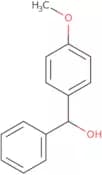
CAS:N1-(2-Aminoethyl)-N1-methylethane-1,2-diamine is a chromatographic cross-linking agent that is used in the preparation of monoclonal antibodies. It contains two amino groups and two ethyleneamine groups. N1-(2-Aminoethyl)-N1-methylethane-1,2-diamine binds to calcium carbonate and forms a chelate ring with the metal ion. The compound has been shown to have diagnostic properties, as it can be detected by nmr spectra and by the use of monoclonal antibody.Fórmula:C5H15N3Pureza:Min. 95%Forma y color:Clear LiquidPeso molecular:117.19 g/mol4-Methoxybenzhydrol
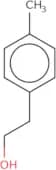
CAS:<p>4-Methoxybenzhydrol is a chemical compound that has an activation energy of 69.3 kJ/mol. It has been shown to be acidic, with a pH of 2.5 in water, and can react with allyl alcohols to form 4-methoxybenzaldehyde. The addition of metal ions enhances the reaction rate. Kinetic studies have been carried out at room temperature, and the reaction mechanism is proposed to be via solvolysis of hypophosphorous acid followed by decarboxylation. Impurities may arise from side reactions such as the formation of peroxides or photocatalytic activity, which may lead to functional groups on the molecule.</p>Fórmula:C14H14O2Pureza:Min. 95%Forma y color:PowderPeso molecular:214.26 g/mol2-(4-Methylphenyl)ethanol
CAS:<p>2-(4-Methylphenyl)ethanol is a chemical compound that is used as a solvent. It is also used in the synthesis of 2-hydroxyphenylacetic acid, an intermediate in the synthesis of 4-methylbenzoic acid and 4-methylphenol. The toxicologic properties of 2-(4-methylphenyl)ethanol are not well known. However, it has been shown to inhibit tyrosinase activity and stimulate melanogenesis in rats. The chemical structure of 2-(4-methylphenyl)ethanol consists of two functional groups: a phenyl group with a methyl substitution and an alcohol group. The molecular formula for this compound is C9H12O2, which indicates that it contains one carbon atom, nine hydrogen atoms, one oxygen atom, and two hydrogens. This compound has been studied by nuclear magnetic resonance spectroscopy (NMR).</p>Fórmula:C9H12OPureza:Min. 95%Forma y color:Clear LiquidPeso molecular:136.19 g/molEthyl N-ethyl-N-[(heptadecafluorooctyl)sulphonyl]glycinate
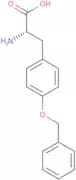
CAS:Producto controlado<p>Ethyl N-Ethyl-N-[(Heptadecafluorooctyl)Sulphonyl]Glycinate is a sulfonate that is used as a surfactant. It is a clear, colorless liquid with a slight odor that is soluble in water and can be used as a chemical intermediate. Ethyl N-Ethyl-N-[(Heptadecafluorooctyl)Sulphonyl]Glycinate is also known as an additive to substances, such as alcohols and other chemicals, or mixtures of substances.</p>Fórmula:C14H12F17NO4SPureza:Min. 95%Forma y color:PowderPeso molecular:613.29 g/molO-Benzyl-L-tyrosine
CAS:O-Benzyl-L-tyrosine is an alkylated aromatic amino acid, which is synthesized by the reaction of chloromethyl ketone with proctolin. It has been shown to have anti-obesity properties in mice and rats. O-Benzyl-L-tyrosine has also been used to encapsulate a variety of drugs, including insulin, as well as small drug molecules like chemotherapeutic agents. The drug is immobilized in an organic polymer film through ester linkage. The film can be removed from the drug by dissolving it in chloroformate, or by exposing it to light and heat.Fórmula:C16H17NO3Pureza:Min. 95%Forma y color:White/Off-White SolidPeso molecular:271.31 g/mol4-Amino-5-chloro-2,3-dihydro-N-[1-(3-methoxypropyl)-4-piperidinyl]-7-benzofurancarboxamide
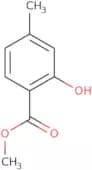
CAS:<p>The drug 4-Amino-5-chloro-2,3-dihydro-N-[1-(3-methoxypropyl)-4-piperidinyl]-7-benzofurancarboxamide (BZP) is a histamine H2 receptor antagonist. It binds to the histamine H2 receptor in the stomach and duodenum, thereby blocking stomach acid production. BZP has been shown to be effective for treating symptoms of constipation or diarrhoea caused by inflammatory bowel disease or abdominal surgery. BZP also reduces the risk of relapse after surgery but does not affect long term efficacy. This drug is not available in the United States and has significant interactions with other drugs and symptoms including constipation, bowel disease, long term efficacy, and analytical method.</p>Fórmula:C18H26ClN3O3Pureza:Min. 95%Forma y color:White PowderPeso molecular:367.87 g/molMethyl 4-methylsalicylate
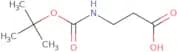
CAS:<p>Methyl 4-methylsalicylate is a colorless liquid that has no odor. It can be synthesized by reacting ethyl bromoacetate with formaldehyde and anhydrous sodium acetate in the presence of hydrochloric acid. This product is used as an intermediate for various organic compounds, such as esters, ethers, amides, and nitriles. Methyl 4-methylsalicylate has been used in the synthesis of pharmaceuticals, perfumes, pesticides, herbicides, and other chemicals. Methyl 4-methylsalicylate is toxic to opportunistic fungal species but does not affect bacteria. The chemical reacts with DNA to form adducts that inhibit linear polymerase chain reactions (PCR). This inhibits DNA replication and transcription of DNA into RNA. The inhibition of protein synthesis by methyl 4-methylsalicylate also results in cell death.</p>Fórmula:C9H10O3Pureza:Min. 95%Forma y color:PowderPeso molecular:166.17 g/molBOC-β-alanine
CAS:<p>BOC-β-alanine is a trifluoroacetic acid derivative that is activated with carbodiimides to form the ester hydrochloride. It has been shown to have anticancer activity in vitro and in vivo. BOC-β-alanine inhibits the synthesis of polypeptides by binding to the carboxyl group on the amino acid, thereby preventing protein formation. This compound also has an inhibitory effect on cell proliferation of 3T3-L1 preadipocytes in culture, which may be due to its ability to deplete fibrinogen from cells and inhibit activation of adenyl cyclase.</p>Fórmula:C8H15NO4Forma y color:White PowderPeso molecular:189.21 g/mol


![N,N-Diethyl-2-[4-[(Z)-1-(4-Fluorophenyl)-2-Phenylethenyl]Phenoxy]Ethanamine](/_next/image/?url=https%3A%2Fstatic.cymitquimica.com%2Fproducts%2F3D%2Fthumb-webp%2FFD99813.webp&w=3840&q=75)







![Ethyl N-ethyl-N-[(heptadecafluorooctyl)sulphonyl]glycinate](/_next/image/?url=https%3A%2Fstatic.cymitquimica.com%2Fproducts%2F3D%2Fthumb-webp%2FFE95451.webp&w=3840&q=75)
![4-Amino-5-chloro-2,3-dihydro-N-[1-(3-methoxypropyl)-4-piperidinyl]-7-benzofurancarboxamide](/_next/image/?url=https%3A%2Fstatic.cymitquimica.com%2Fproducts%2F3D%2Fthumb-webp%2FFA27248.webp&w=3840&q=75)